
Some engines earn early praise for performance, innovation, or efficiency, only for long term ownership to reveal weaknesses that were not obvious at launch.
Initial reviews often focus on power delivery, fuel economy, and driving feel, but durability only becomes clear after years of real world use. This gap between early reputation and long term reality is where certain engines lose their standing.
Modern buyers face a different challenge compared to original owners. These engines are now older, often with higher mileage and unknown maintenance histories.
Issues that were once minor or rare can become common as components age. What was once considered a strong choice may now require frequent repairs or careful monitoring to avoid costly failures.
Another factor is how engineering priorities have changed over time. Many engines that were praised for pushing boundaries relied on designs that left little margin for wear.
High compression ratios, lightweight materials, and complex systems delivered impressive performance but also introduced vulnerabilities. As these engines age, those vulnerabilities become more noticeable.
Mechanics often see patterns that casual buyers miss. Repeated failures in specific components, consistent complaints about oil consumption, or recurring overheating issues all point to underlying design limitations. These patterns become clearer as more vehicles accumulate mileage.
Maintenance sensitivity also plays a role. Some engines perform well only when serviced precisely according to schedule. In real world conditions, where maintenance may be delayed or inconsistent, these engines tend to show problems more quickly. This makes them less suitable for buyers looking for long term reliability without constant attention.
Another important consideration is repair cost. Even if an engine can be maintained, the expense of doing so may not justify the ownership experience. Parts availability, labor complexity, and the likelihood of repeat issues all influence whether an engine remains practical over time.
This article highlights engines that were once well regarded but have since developed reputations that make them less appealing for modern buyers. These are not necessarily failures in every case, but they present challenges that should be carefully considered before purchase.
Understanding these engines helps buyers make informed decisions. It also shows how early praise does not always guarantee long term reliability, especially as vehicles age and real world conditions reveal their true characteristics.
Also Read: 9 Hybrid Systems Where the Electric Motor Outlasts the Gasoline Engine
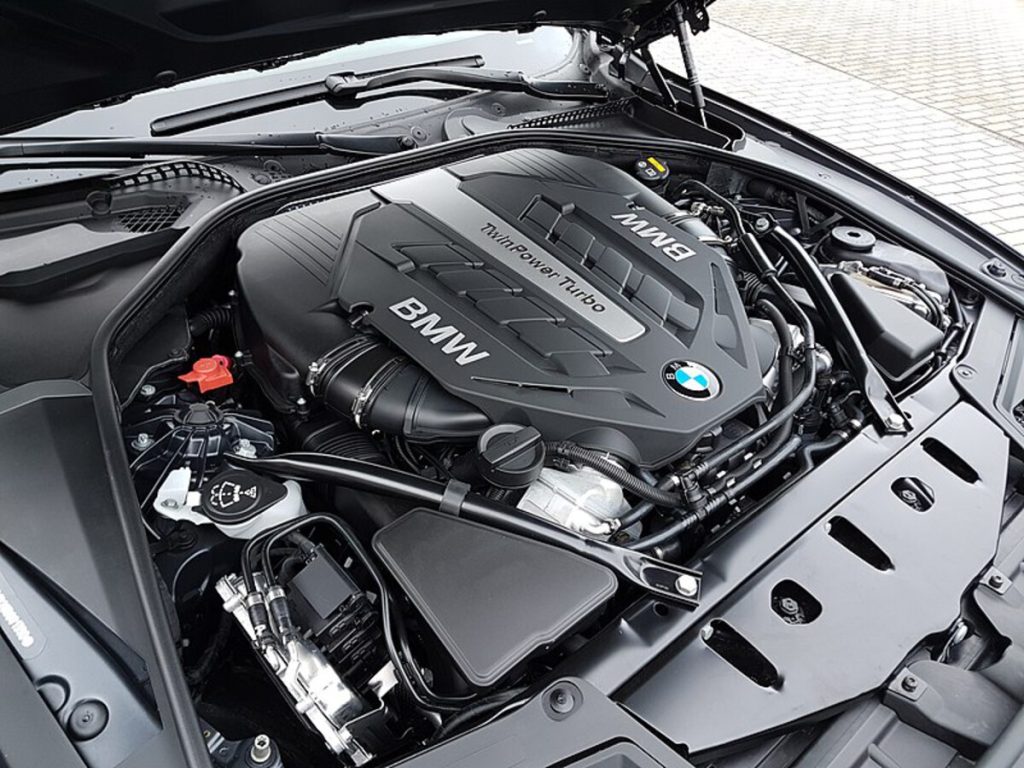
1. BMW N63 4.4L Twin Turbo V8 Engine
The BMW N63 engine entered the market with strong praise for its performance and innovative design. Its hot V turbo layout placed turbochargers inside the engine valley, improving responsiveness and packaging. At the time, this approach was seen as a step forward in performance engineering.
As the engine aged, however, the same design that delivered strong performance began to reveal its drawbacks. Heat concentration within the engine valley created conditions that accelerated wear in surrounding components. Mechanics frequently encounter issues related to valve stem seals, timing chains, and various gaskets.
Oil consumption became one of the most widely reported concerns. Owners often find themselves adding oil between service intervals, which increases maintenance demands. This issue is closely linked to the high temperatures generated by the engine’s layout.
Another challenge is how interconnected the problems can become. Heat affects multiple systems at once, meaning that addressing one issue often leads to discovering others. This increases both repair time and cost.
Drivers may initially notice minor symptoms such as rough idling or warning lights. These signs can escalate quickly if not addressed. Mechanics often report that by the time the engine is inspected, several components require attention.
The complexity of the engine adds another layer of difficulty. Diagnosing and repairing issues requires specialized knowledge and tools, which can make maintenance more expensive compared to simpler designs.
BMW introduced updates and service campaigns to address some of these concerns, but the engine’s reputation has already been influenced by its long term behavior. For modern buyers, this means considering not just performance but also the cost and effort required to maintain it.
The N63 demonstrates how advanced engineering can introduce challenges that only become apparent over time. While it remains powerful and capable, its maintenance demands make it a less practical choice for those seeking long term reliability.
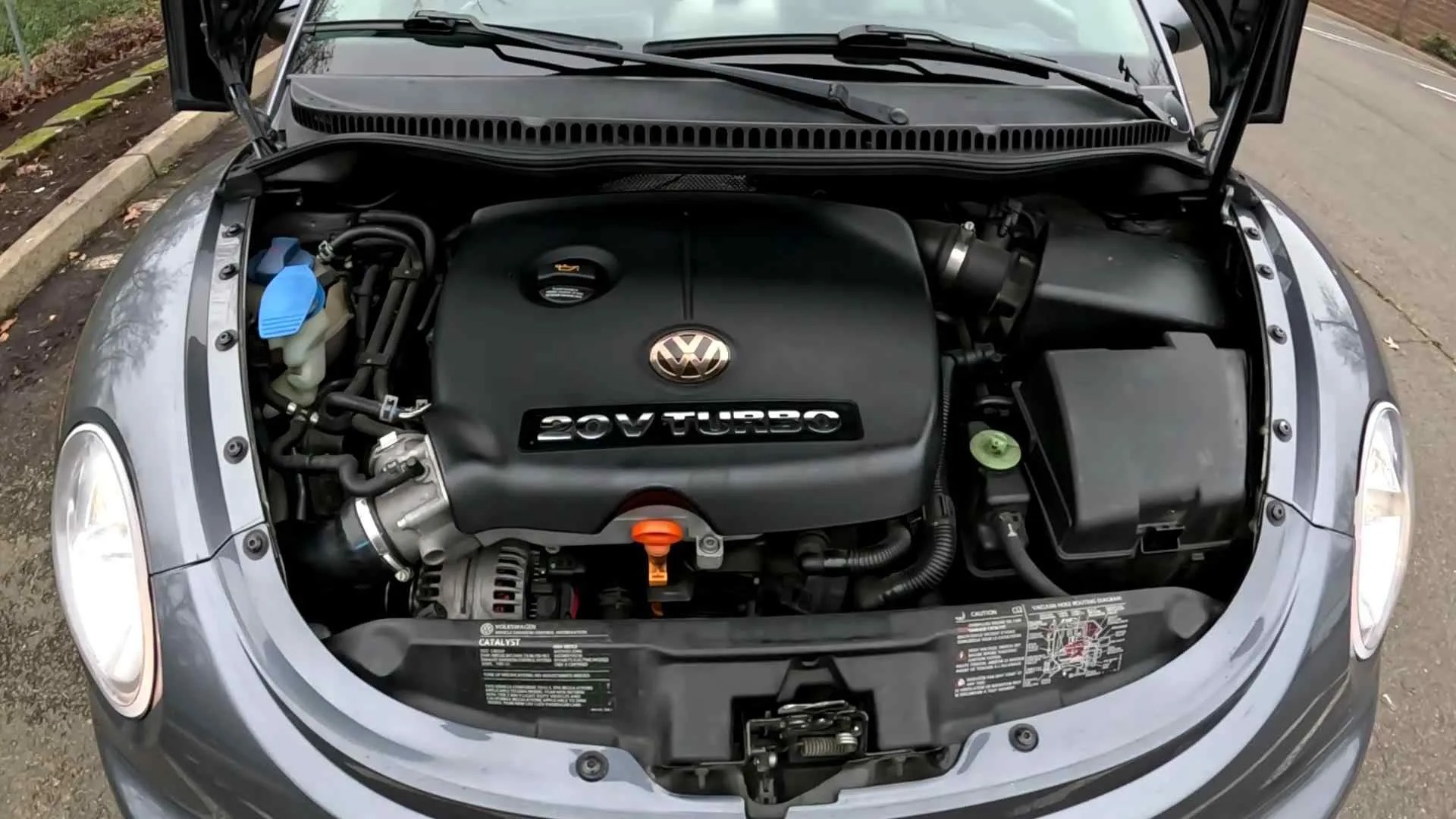
2. Volkswagen 1.8T Turbo Engine
The Volkswagen 1.8T engine was once celebrated for delivering strong performance in a compact and efficient package. It became popular across multiple models and gained a reputation for being both responsive and enjoyable to drive. Early impressions often focused on its balance of power and fuel economy.
Over time, however, a different pattern began to emerge. One of the most significant issues associated with this engine is sludge buildup. The design of the oil passages, combined with extended oil change intervals, created conditions where oil could degrade and form deposits.
As sludge accumulates, it restricts oil flow to critical components. This leads to increased friction and heat, which accelerates wear. Mechanics frequently encounter engines with severe internal damage caused by insufficient lubrication.
Another concern is the sensitivity of the turbocharger system. When oil flow is compromised, the turbocharger can suffer from inadequate lubrication, leading to premature failure. This adds to repair costs and complicates maintenance.
Drivers may notice warning signs such as reduced performance or unusual engine noise. However, these symptoms often appear after the problem has already progressed significantly. Early stages of sludge buildup can go unnoticed.

Maintenance plays a crucial role in this engine’s longevity. Frequent oil changes with high quality oil can reduce the risk of sludge formation. However, many used vehicles may not have received this level of care, making them riskier for modern buyers.
The cost of addressing sludge related damage can be substantial. Cleaning the engine or replacing affected components requires significant labor, which may not be practical for all owners.
Despite its initial praise, the 1.8T engine illustrates how maintenance sensitivity can affect long term reliability. What once seemed like an efficient and capable engine now requires careful consideration.
For buyers today, the condition of the engine and its maintenance history become critical factors. Without proper care, this engine can present challenges that outweigh its original advantages.
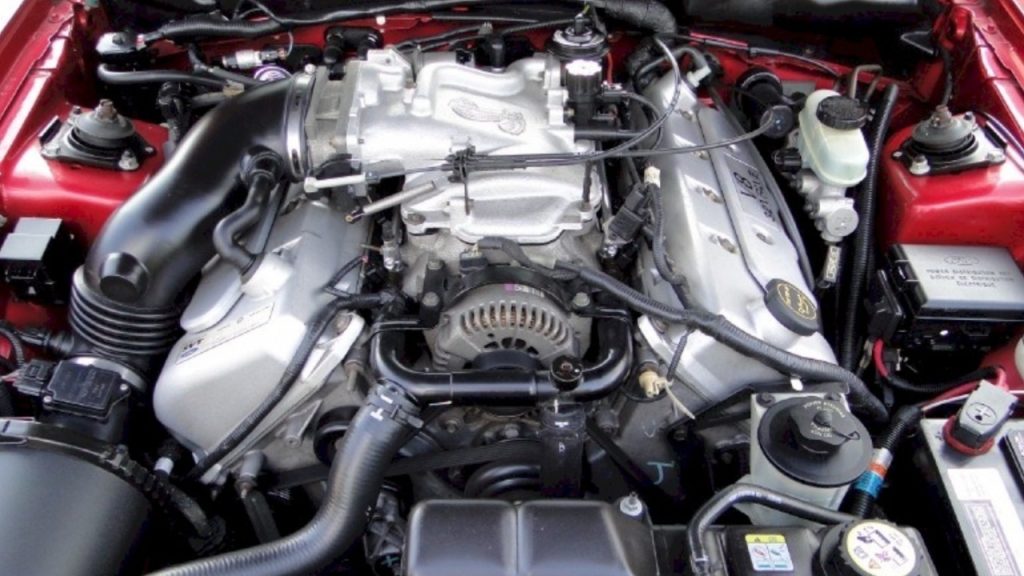
3. Ford 5.4L Triton V8 Engine
The Ford 5.4L Triton V8 once stood as a symbol of durability in trucks and SUVs, praised for its strong torque and ability to handle demanding work. Early owners valued its pulling power and relatively simple design. Over time, though, its long term weaknesses became difficult to ignore, especially as mileage increased.
One of the most widely known issues involves spark plugs. In certain versions of this engine, spark plugs can either break during removal or even eject from the cylinder head. This is not just an inconvenience. It can damage threads and require costly repairs that involve specialized tools or even head replacement.
Another concern lies in the timing system. The engine uses cam phasers that rely on proper oil pressure to function correctly. As the engine ages, wear in these components can lead to a rattling noise, often described as a ticking sound at startup or under load.
Mechanics frequently link this to phaser failure, which can affect timing accuracy and performance.
Oil maintenance becomes especially important here. When oil quality declines, it accelerates wear in the timing system and other internal components. Many engines on the used market have inconsistent service histories, making them more vulnerable to these problems.
Drivers may notice reduced power or rough operation as issues develop. In some cases, the engine continues running but with degraded efficiency. This allows problems to persist longer before they are addressed, increasing repair costs.
Another aspect that affects modern buyers is the cumulative nature of these issues. It is not just one failure point but several that can appear over time. Addressing them individually can become expensive, especially when labor is involved.
Mechanics often advise inspecting service records carefully before considering this engine. Preventive maintenance can reduce risk, but it cannot eliminate the inherent design challenges.
The 5.4L Triton reflects how an engine can perform well initially yet reveal limitations as it ages. While it remains capable in certain conditions, the potential for multiple issues makes it less appealing for buyers seeking long term reliability without complications.
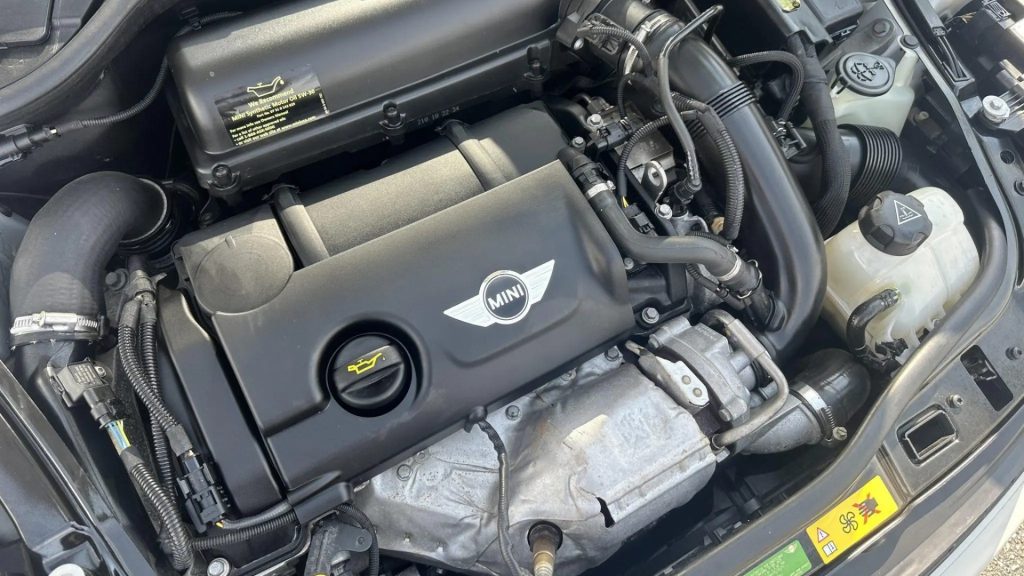
4. Mini Cooper 1.6L Turbo Prince Engine
The Mini Cooper 1.6L turbocharged Prince engine arrived with strong praise for its lively performance and efficient design. It delivered quick acceleration and a responsive driving experience, making it popular among enthusiasts. However, as these engines accumulated mileage, recurring issues began to shape a different reputation.
One of the most significant concerns involves timing chain tension. The engine is known for developing timing chain stretch or tensioner failure, which can lead to a rattling noise, particularly during startup. This issue is more than just an annoyance. If left unaddressed, it can lead to serious engine damage.
Another factor is carbon buildup. Due to its direct injection design, fuel does not wash over intake valves, allowing deposits to form over time. These deposits restrict airflow and reduce engine efficiency, leading to rough idling and decreased performance.
Oil consumption is also a recurring topic. Some engines require frequent oil top ups, which can catch owners off guard. Low oil levels can accelerate wear in turbocharger components and internal engine parts.
Heat plays a role as well. The compact engine bay creates conditions where temperatures can rise quickly. This affects seals and gaskets, leading to leaks that require attention. Mechanics often encounter multiple small issues that add up over time.
Drivers may initially experience minor symptoms such as hesitation or warning lights. These signs often appear gradually, making it easy to delay repairs. By the time the engine is inspected, several components may need attention.
Maintenance is critical for this engine, but even well maintained units can develop issues due to design characteristics. Repair costs can increase quickly because of the complexity and tight packaging.
The Prince engine demonstrates how performance focused design can introduce long term challenges. While it remains engaging to drive, its maintenance demands and common issues make it less practical for buyers seeking dependable ownership.
5. Audi 2.0T Early TFSI Engine
The early Audi 2.0T TFSI engine gained strong attention when it was introduced, largely because it delivered an impressive balance of power and efficiency. Drivers appreciated the turbocharged response, and many reviewers praised its smooth performance.
As years passed and mileage increased, a pattern of issues began to surface that changed how this engine is viewed today.
One of the most discussed concerns involves piston rings. In certain versions, the rings fail to maintain a proper seal, which leads to excessive oil consumption.
Owners often find themselves adding oil frequently, sometimes far more often than expected for a modern engine. This behavior is not always obvious at first, which allows the issue to develop over time.
As oil consumption increases, other problems follow. Low oil levels reduce lubrication, which affects internal components such as timing chains and bearings. Mechanics frequently encounter engines where prolonged operation under these conditions has led to significant wear.
Carbon buildup is another challenge. Like many direct injection engines, the TFSI design allows deposits to form on intake valves. These deposits restrict airflow and reduce efficiency, leading to rough running and decreased performance. Cleaning these deposits requires specialized procedures, adding to maintenance costs.
The timing chain system also contributes to the engine’s reputation. Stretching or tensioner failure can occur, particularly in engines with inconsistent maintenance. This affects timing accuracy and can lead to more serious issues if not addressed.
Drivers may notice symptoms such as warning lights, rough idling, or reduced power. These signs often appear gradually, making it easy to delay repairs. By the time the engine is inspected, multiple components may require attention.
Repair costs can escalate quickly because issues are often interconnected. Addressing oil consumption, carbon buildup, and timing problems together requires significant labor and parts.
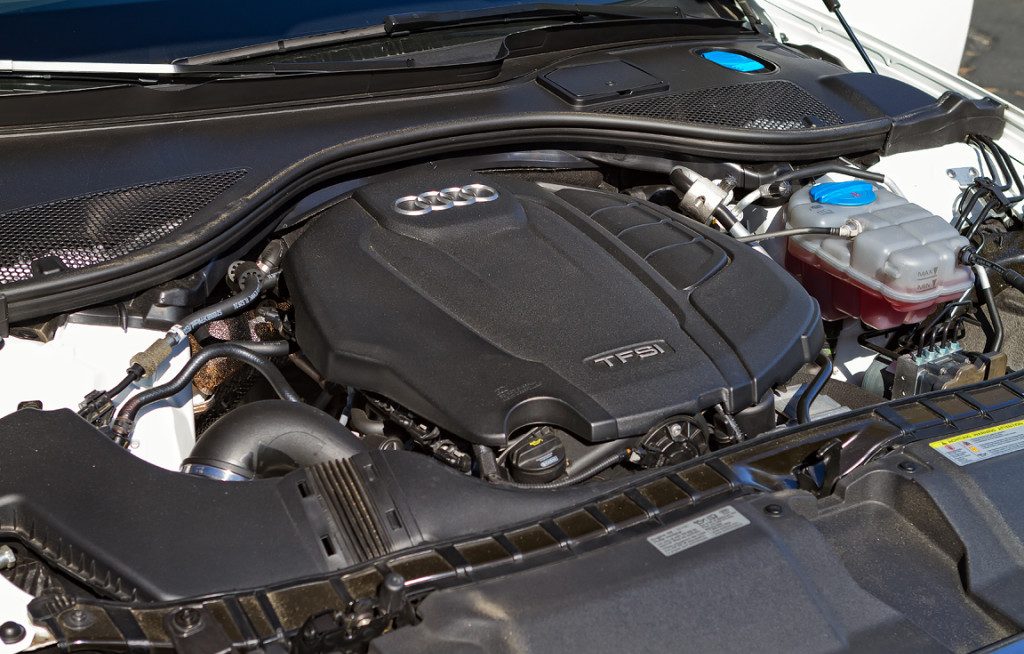
While the engine still delivers strong performance, its long term maintenance demands make it less attractive for modern buyers. Without a well documented service history, the risks increase considerably.
The early 2.0T TFSI demonstrates how an engine praised for innovation can reveal limitations over time. It remains capable, but ownership requires a level of attention that many buyers may not expect.
6. Subaru 2.5L EJ25 Engine
The Subaru EJ25 engine was widely appreciated for its role in all wheel drive vehicles, offering a balance of power and practicality. For many years, it was seen as a dependable option, particularly in regions where traction and stability were important. Over time, however, recurring issues began to influence how this engine is perceived.
The most prominent concern involves head gasket failure. This issue often starts with small coolant leaks that may not seem serious at first. Drivers may notice a slight drop in coolant levels or a faint smell after driving. These early signs are easy to overlook, which allows the problem to progress.
As the gasket deteriorates, coolant can enter the combustion chamber or mix with engine oil. This creates conditions that affect both performance and durability. Overheating becomes more likely, especially during longer drives or under load.
Mechanics frequently encounter EJ25 engines with warped cylinder heads or compromised sealing surfaces. Once this stage is reached, repairs become more complex. Replacing the gasket alone is often not enough, as additional work is required to restore proper sealing.
Another factor is how gradually the issue develops. Many drivers continue using their vehicles while topping up coolant, unaware of the internal damage taking place. This delay increases repair costs and reduces the chances of a simple fix.
Despite these challenges, the engine remains popular because of its compatibility with Subaru’s drivetrain systems. However, the head gasket issue has become a defining aspect of its reputation.
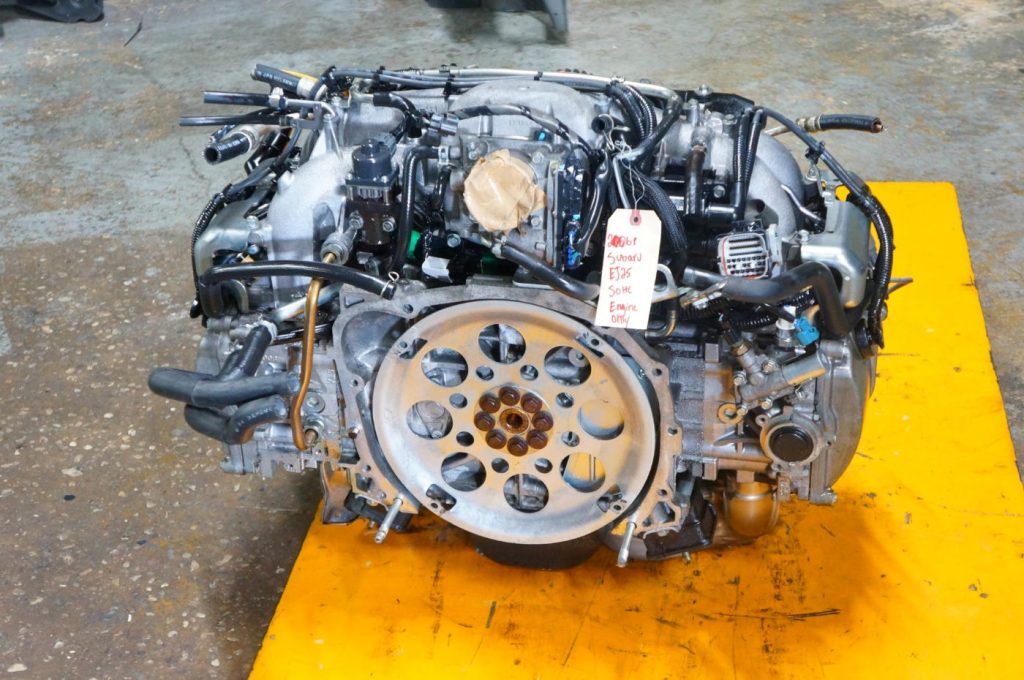
Maintenance and early detection can reduce the risk, but they cannot completely eliminate the underlying vulnerability. This makes the engine less appealing for buyers seeking low maintenance ownership.
The EJ25 highlights how a recurring issue can shape long term perception. While it offers certain advantages, the potential for costly repairs makes it a consideration that requires careful evaluation before purchase.
7. BMW N20 2.0L Turbo Engine
The BMW N20 engine arrived as a replacement for naturally aspirated inline four engines, bringing turbocharged efficiency and improved performance. Early impressions were largely positive.
It delivered strong torque, smooth acceleration, and better fuel economy, which made it appealing in a wide range of BMW models. Over time, however, long term ownership revealed issues that modern buyers need to consider carefully.
One of the most significant concerns involves the timing chain system. In certain versions of the N20, the timing chain and its guides are prone to premature wear. The guides, which are responsible for maintaining proper chain alignment, can degrade over time. Once this happens, the chain can develop slack, leading to irregular timing.
Drivers may first notice a whining or rattling sound from the engine bay, particularly during cold starts. These noises are often subtle at the beginning, which allows the problem to progress. Mechanics frequently encounter engines where the timing chain has already stretched significantly by the time the issue is diagnosed.
If the chain slips or fails, the consequences can be severe. Valve timing becomes misaligned, which can result in internal engine damage. Repairs at this stage are costly, often involving extensive work or even engine replacement.
Another aspect that affects this engine is oil system sensitivity. Proper lubrication is essential for maintaining the timing components, and inconsistent oil changes can accelerate wear. Many used vehicles may not have received the level of maintenance required to prevent these issues.
The turbocharged design also adds complexity. While it enhances performance, it increases the number of components that rely on proper lubrication and cooling. Over time, this complexity contributes to higher maintenance demands.
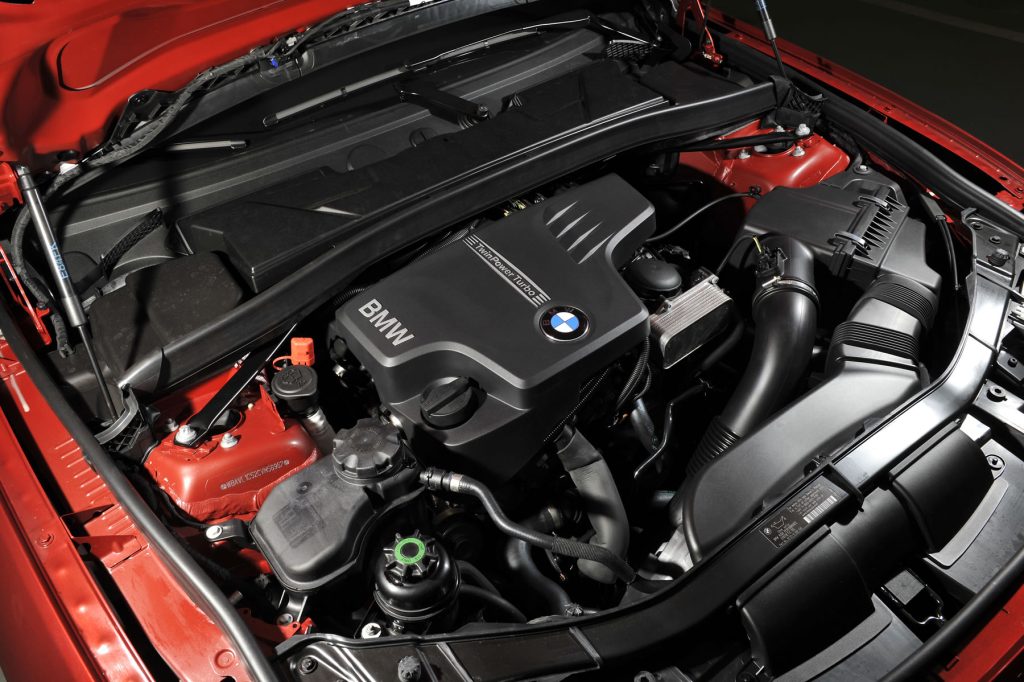
Mechanics often recommend proactive replacement of timing chain components to avoid failure. While this can extend the engine’s life, it adds to the cost of ownership and requires careful planning.
The N20 engine illustrates how modern turbocharged designs can deliver strong performance but require more attention as they age. For buyers today, the condition of the timing system and maintenance history are critical factors.
Despite its strengths, the potential for expensive repairs makes it less suitable for those seeking a straightforward ownership experience. It remains capable, but it demands a level of care that not all buyers are prepared to provide.
8. Mazda 2.3L DISI Turbo Engine
The Mazda 2.3L DISI turbo engine gained recognition for its performance oriented character, particularly in sport focused models. It offered strong acceleration and responsiveness, making it popular among enthusiasts. Over time, however, the realities of long term ownership have made it a more cautious choice for modern buyers.
One of the key challenges with this engine is heat management. Turbocharging increases internal temperatures, and while the engine is designed to handle this, prolonged exposure can affect components such as seals, piston rings, and the turbocharger itself. Mechanics often see wear that is directly linked to sustained high temperature operation.
Oil consumption is another concern. Some engines begin to use more oil as mileage increases, which requires owners to monitor levels closely. Low oil can lead to reduced lubrication, affecting both the engine and turbocharger. This adds an extra layer of responsibility for maintaining proper operation.
Carbon buildup also plays a role in long term performance. As a direct injection engine, it allows deposits to form on intake valves. Over time, this buildup restricts airflow and reduces efficiency. Cleaning these deposits requires specialized service, which adds to maintenance costs.
Drivers may notice symptoms such as rough idling, hesitation, or reduced power. These issues often develop gradually, making them easy to ignore at first. By the time they become more noticeable, multiple components may be affected.
Another factor is how the engine responds to driving style. Aggressive driving increases stress on internal parts, accelerating wear. While the engine is capable of handling performance use, it requires careful maintenance to sustain reliability over time.
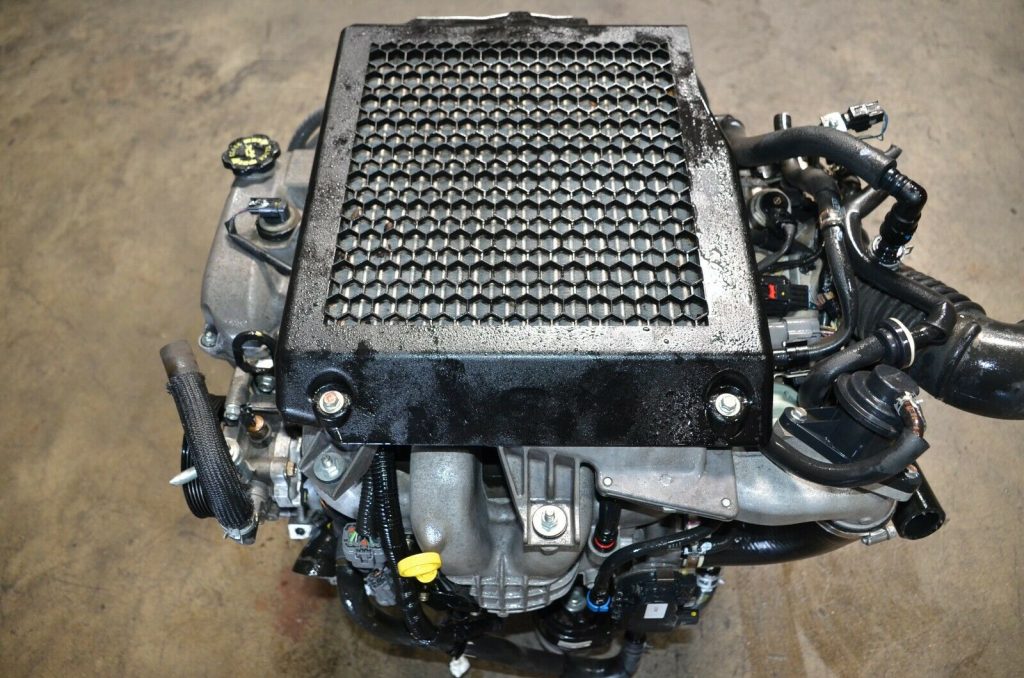
Mechanics often advise regular inspections and preventive care for this engine. Addressing issues early can reduce the risk of more serious damage, but it does not eliminate the inherent challenges.
The 2.3L DISI turbo demonstrates how performance focused engineering can introduce trade offs. It delivers strong driving characteristics, yet its long term maintenance demands make it less practical for buyers seeking low effort ownership.
For modern buyers, this engine requires a clear understanding of its needs. Without consistent care, it can become expensive to maintain, which changes its appeal compared to when it was first introduced.
9. Nissan 2.5L QR25DE Engine
The Nissan QR25DE engine was once regarded as a practical and efficient choice, widely used in sedans and compact SUVs. Early impressions focused on its balance of fuel economy and adequate performance for daily driving. Over time, however, long term ownership trends revealed several concerns that make it a less attractive option for modern buyers.
One of the most commonly discussed issues involves excessive oil consumption. In certain versions of this engine, piston rings can wear prematurely or fail to maintain a proper seal. When this happens, engine oil enters the combustion chamber and burns along with fuel. The process is not always immediately obvious, which allows the problem to develop quietly.
Drivers may initially notice the need to top up oil more frequently between service intervals. In some cases, there may be faint exhaust smoke or a slight drop in efficiency. These signs are often subtle, leading many owners to continue driving without investigating further. Meanwhile, reduced oil levels begin to affect internal lubrication.
As lubrication decreases, components such as bearings and cylinder walls experience increased friction. Over time, this accelerates wear and can lead to more serious internal damage. Mechanics frequently encounter engines where prolonged oil consumption has resulted in reduced compression and declining performance.
Another concern associated with the QR25DE is its sensitivity to overheating. When cooling system maintenance is not consistent, the engine can run hotter than intended.
Elevated temperatures place additional stress on the head gasket and cylinder head, increasing the risk of failure. In some cases, overheating and oil consumption issues combine, creating a more complex repair situation.
The engine’s catalytic converter can also be affected. Burning oil produces deposits that may clog the converter over time, reducing exhaust flow and further impacting performance. This adds another layer of cost when addressing long term issues.
Maintenance plays a significant role in how this engine ages. Regular oil checks and timely servicing can help manage some of the risks, but they do not fully eliminate the underlying design concerns. Many used vehicles may not have been maintained with the level of attention required to prevent these problems.
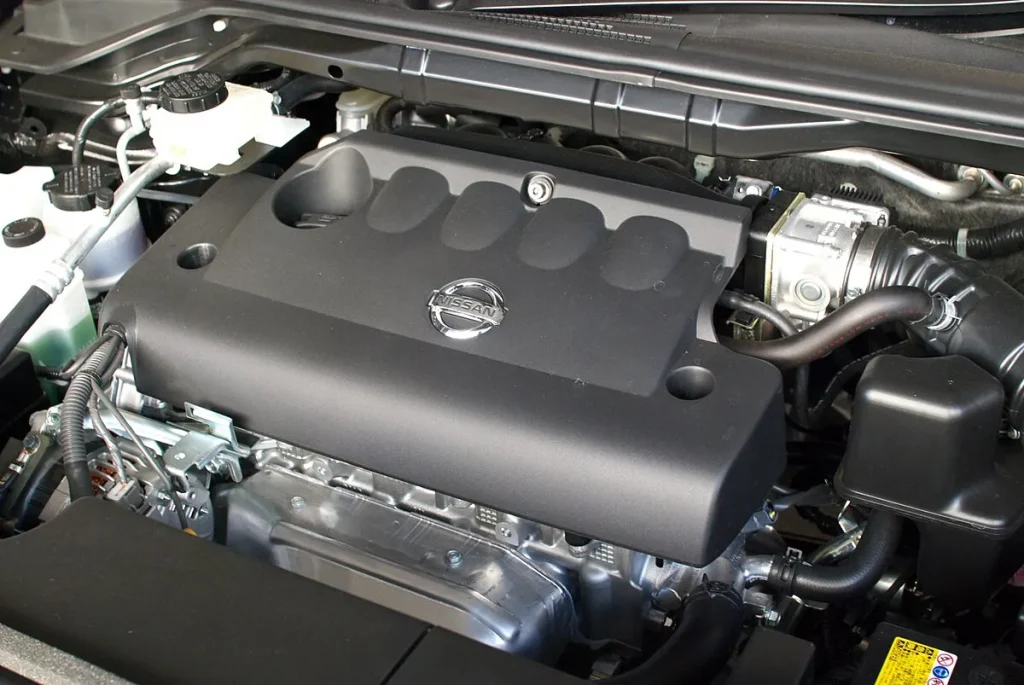
Repair costs can escalate depending on how far the issue has progressed. Addressing piston ring wear or internal damage often requires extensive work, which may not be practical for all owners. This makes the engine a more cautious choice in the used market.
The QR25DE illustrates how an engine that once seemed dependable can develop a different reputation over time. While it still serves its purpose in many vehicles, the combination of oil consumption and heat related concerns makes it less suitable for buyers seeking long term reliability without added effort.
For modern buyers, careful inspection and a detailed maintenance history are essential when considering this engine. Without those assurances, the risks may outweigh the initial appeal.
Also Read: 10 Mercedes Engines Owners Won’t Sell at Any Mileage
