
High pressure fuel pumps became essential as engines shifted toward direct injection technology. These systems allow fuel to be delivered at extremely high pressures directly into the combustion chamber, improving efficiency and performance. While the benefits are clear, the added complexity introduces new failure points that did not exist in older fuel systems.
Unlike traditional low pressure pumps, high pressure units operate under intense mechanical stress. They rely on precise tolerances, consistent lubrication, and stable fuel quality to function correctly.
When any of these factors fall short, the pump can begin to wear prematurely. Once wear starts, it rarely remains isolated. Metal particles can circulate through the fuel system, affecting injectors and other components.
Drivers often experience symptoms that seem unrelated at first. Hard starting, sudden loss of power, or hesitation during acceleration can all point toward a failing pump.
In some cases, the engine may stall without warning, creating both inconvenience and safety concerns. Mechanics frequently see vehicles where the issue has progressed beyond the pump itself, leading to more extensive repairs.
One of the reasons this problem became widespread is the rapid adoption of direct injection across multiple manufacturers. While the technology improved fuel efficiency, early designs did not always account for long term durability. As a result, certain engines developed reputations for recurring fuel pump failures.
Another contributing factor is fuel quality. High pressure pumps depend on clean and properly lubricated fuel. Contaminants or low lubricity fuel can accelerate internal wear, especially in systems that are already sensitive to operating conditions. This makes maintenance and fuel selection more important than ever.
The cost of repair can be significant. Replacing a high pressure fuel pump is not always straightforward, and in some cases, additional components must be inspected or replaced to ensure the system functions properly. This adds to the frustration for owners who expect modern engines to be reliable.
This article focuses on engines that have been associated with recurring high pressure fuel pump issues. These are cases where mechanics frequently encounter similar failures, indicating patterns rather than isolated incidents.
Understanding these patterns helps owners recognise early warning signs and take action before the problem escalates.
Also Read: 10 Turbo 4-Cylinders That Actually Deserve the Bulletproof Label
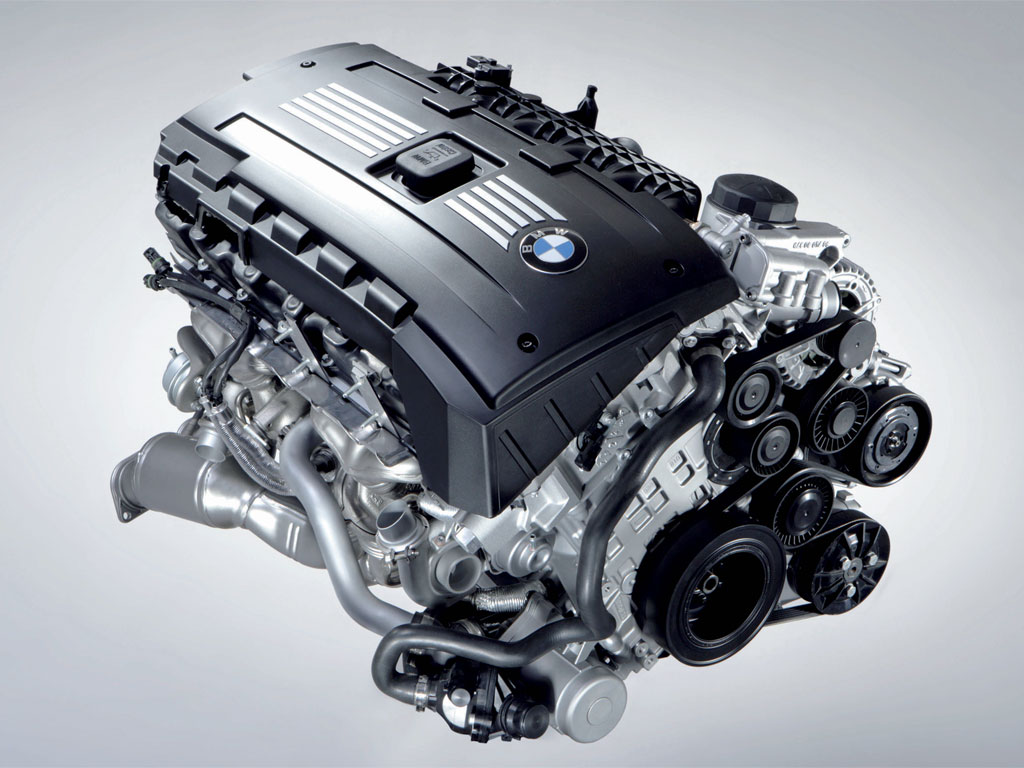
1. BMW N54 3.0L Twin Turbo Engine
The BMW N54 engine quickly gained attention for its strong performance, but it also became known for persistent high pressure fuel pump issues. Mechanics often describe it as one of the earliest widespread examples of how direct injection systems can struggle with long term reliability when not fully refined.
The high pressure fuel pump in this engine operates under demanding conditions due to the combination of turbocharging and direct injection. It must deliver fuel consistently at high pressure while adapting to varying load conditions. Over time, this constant demand can lead to internal wear, especially in early versions of the pump.
Drivers typically notice problems during startup. Extended cranking or difficulty starting the engine becomes one of the first signs. As the issue progresses, hesitation during acceleration and sudden drops in power may occur. These symptoms often appear intermittently at first, making diagnosis more challenging.
Mechanics frequently encounter fault codes related to fuel pressure inconsistencies. These codes indicate that the pump is no longer maintaining the required pressure levels. In many cases, replacing the pump resolves the issue temporarily, but earlier designs were known to fail again after some time.
Another aspect that contributed to the engine’s reputation was the frequency of these failures. Many owners experienced multiple pump replacements, which increased frustration and repair costs. This pattern made the issue widely recognized among both technicians and drivers.
BMW addressed the problem by introducing updated pump designs and extending warranties in some regions. While these measures helped reduce the impact, the initial wave of failures had already influenced public perception.
What makes the N54 particularly notable is how its performance capabilities were overshadowed by reliability concerns. The engine delivered impressive power, yet the recurring fuel pump issues became a defining characteristic.
Mechanics who work on these engines often emphasize the importance of using high quality fuel and addressing early symptoms quickly. Preventive measures can reduce the likelihood of failure, but the design itself played a significant role in how often problems occurred.
The N54 stands as a reminder that advanced technology must be supported by durable components. Without that balance, even a highly capable engine can develop a reputation that affects how it is perceived for years.
2. Volkswagen 2.0T FSI Engine
The Volkswagen 2.0T FSI engine represents another case where high pressure fuel pump issues became a common topic in repair shops. Widely used across multiple models, this engine introduced direct injection technology that improved efficiency and performance but also brought new challenges.
The high pressure fuel pump in this engine is driven by a cam follower, which becomes a critical wear point. Over time, the follower can degrade, affecting the pump’s ability to maintain proper pressure. This design creates a situation where two components influence each other’s lifespan.
Drivers often report a gradual decline in performance rather than a sudden failure. Acceleration may feel less responsive, and the engine might struggle under load. These changes can be subtle, leading many owners to continue driving without realizing the underlying issue.
Mechanics frequently inspect the cam follower as part of routine maintenance. A worn follower can lead to damage not only to the pump but also to the camshaft itself. This expands the scope of repairs, making early detection essential.
Another symptom that appears in these engines is fuel pressure fluctuation. The engine control system may trigger warning lights or store fault codes when pressure levels fall outside expected ranges. These indicators help technicians identify the problem, but they often appear after wear has already progressed.
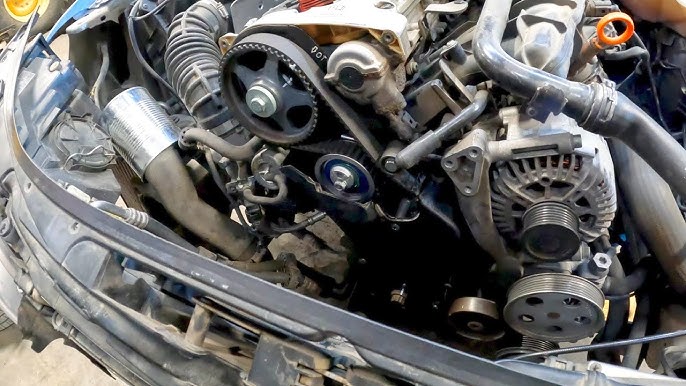
Repairing this issue typically involves replacing the cam follower and, in some cases, the pump and related components. While the fix is known, the recurring nature of the problem has made it a familiar scenario for mechanics.
Fuel quality and maintenance practices can influence how quickly wear occurs. Regular inspections and timely replacement of worn parts can extend the life of the system. However, the design itself remains a contributing factor.
What distinguishes this engine is how a relatively small component can affect the entire fuel delivery system. The interaction between the cam follower and the pump highlights the importance of considering long term wear in engineering decisions.
The 2.0T FSI engine demonstrates how direct injection systems require careful design and maintenance. While it offers strong performance and efficiency, its fuel pump related issues have made it a consistent topic in discussions about reliability.
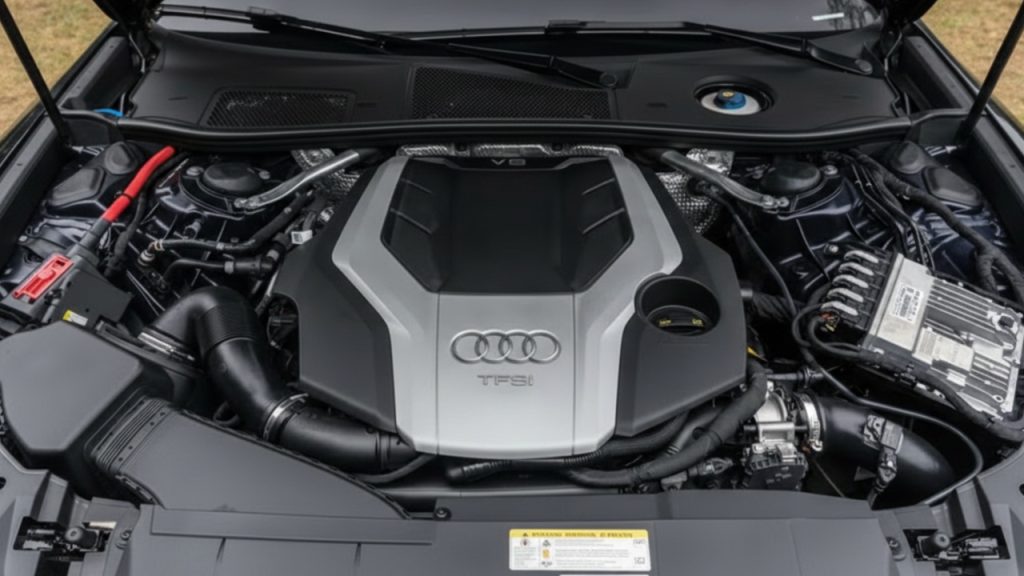
3. Audi 3.0T Supercharged V6 Engine
The Audi 3.0T supercharged V6 presents a different kind of high pressure fuel pump story, one shaped by refinement but challenged by long term wear. Mechanics often encounter this engine in vehicles that deliver smooth and strong performance, yet beneath that refinement lies a fuel system that demands close attention.
Unlike turbocharged engines that rely heavily on boost spikes, this supercharged setup delivers consistent pressure across a wide range of driving conditions. That consistency places a steady workload on the high pressure fuel pump.
Over time, this continuous demand can lead to internal fatigue within the pump, particularly in components responsible for maintaining pressure stability.
Drivers rarely experience sudden failure at the beginning. Instead, the issue tends to build gradually. A slight hesitation during acceleration or a delay in throttle response may appear first. These symptoms are easy to dismiss because the engine still feels capable in most situations.
As the problem progresses, fuel pressure becomes less stable. Mechanics often detect irregularities through diagnostic readings, where pressure values fluctuate more than expected. This instability affects combustion efficiency, leading to reduced performance and, in some cases, misfires.
Another layer of complexity comes from the engine’s reliance on precise fuel delivery for optimal operation. Even minor deviations in pressure can disrupt the balance between power and efficiency. This makes the system sensitive to wear, as small issues can quickly become noticeable.
Technicians frequently emphasize the importance of monitoring fuel system behavior in this engine. Early detection can prevent the need for more extensive repairs. Replacing the high pressure fuel pump at the right time can restore performance before additional components are affected.
Fuel quality also plays a role in how quickly the pump wears out. Consistent use of high quality fuel helps maintain lubrication within the pump, reducing internal friction and extending its lifespan. Poor fuel quality, on the other hand, can accelerate wear.
What makes this engine notable is how its refined driving experience can mask underlying issues. Drivers may not realize there is a problem until performance begins to decline more noticeably.
The Audi 3.0T highlights how even well engineered systems require careful maintenance. Its fuel pump challenges do not stem from a single flaw but from the demands placed on the system over time.
4. Ford 2.7L EcoBoost V6 Engine
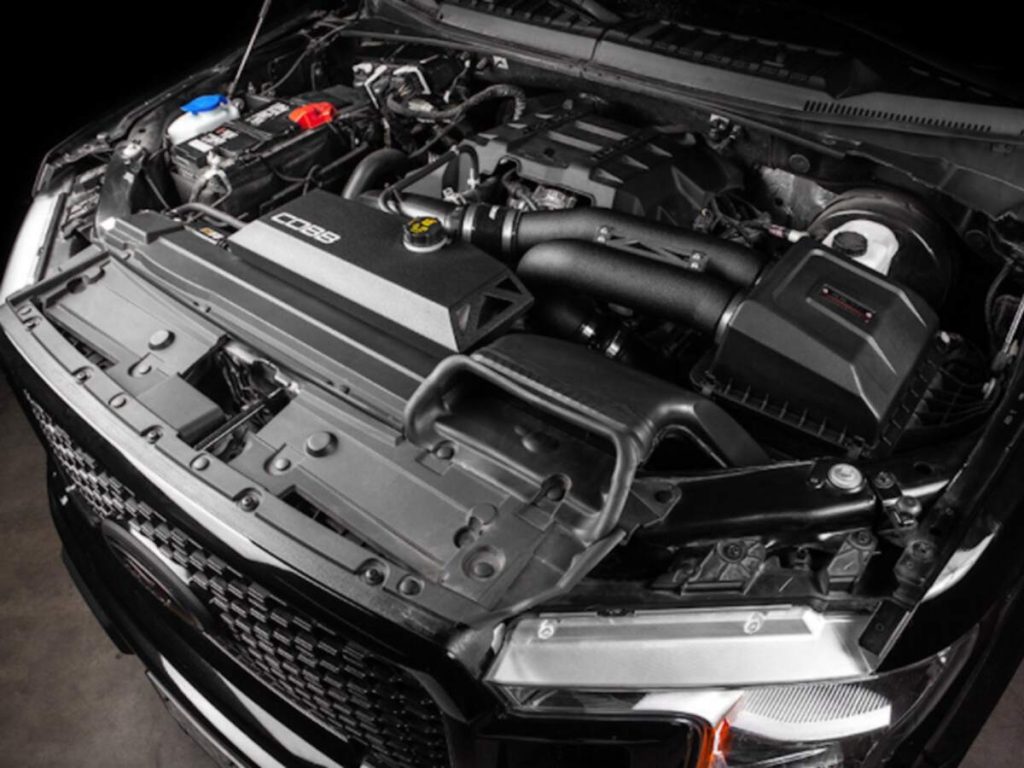
The Ford 2.7L EcoBoost V6 introduces a scenario where compact design and high output create a demanding environment for the high pressure fuel pump. Mechanics often describe this engine as efficient and powerful, yet its fuel system operates under conditions that can lead to premature wear if not properly maintained.
This engine relies on direct injection combined with turbocharging, which means the fuel pump must deliver high pressure consistently across varying loads. Rapid changes in demand, especially during acceleration, place significant stress on the pump’s internal components.
Drivers may first notice issues during cold starts. The engine might take longer to start or feel slightly rough before settling into normal operation. These early signs often indicate that the pump is struggling to maintain the required pressure immediately after ignition.
As the condition develops, hesitation during acceleration becomes more noticeable. The engine may respond inconsistently to throttle input, particularly when transitioning from low to high load. Mechanics often trace this behavior back to fluctuations in fuel pressure.
Another aspect that contributes to wear is the compact nature of the engine. Tight packaging can lead to higher operating temperatures, which affect the durability of fuel system components. Heat combined with pressure creates a challenging environment for the pump.
Technicians frequently check for diagnostic codes related to fuel pressure. These codes provide valuable insight into the pump’s performance and help identify issues before they lead to complete failure. However, by the time codes appear, some level of wear has usually already occurred.
Repairing the issue typically involves replacing the high pressure fuel pump and inspecting related components. Ensuring that the entire system is functioning correctly is important to prevent repeat failures.
Fuel quality and maintenance habits significantly influence the lifespan of the pump. Using clean, high quality fuel and addressing early symptoms can reduce the likelihood of severe problems.
The 2.7L EcoBoost demonstrates how modern engine design can push components to their limits. While it delivers strong performance, the demands placed on the fuel pump make it a critical point of attention for long term reliability.
5. MINI 1.6L Turbo Prince Engine
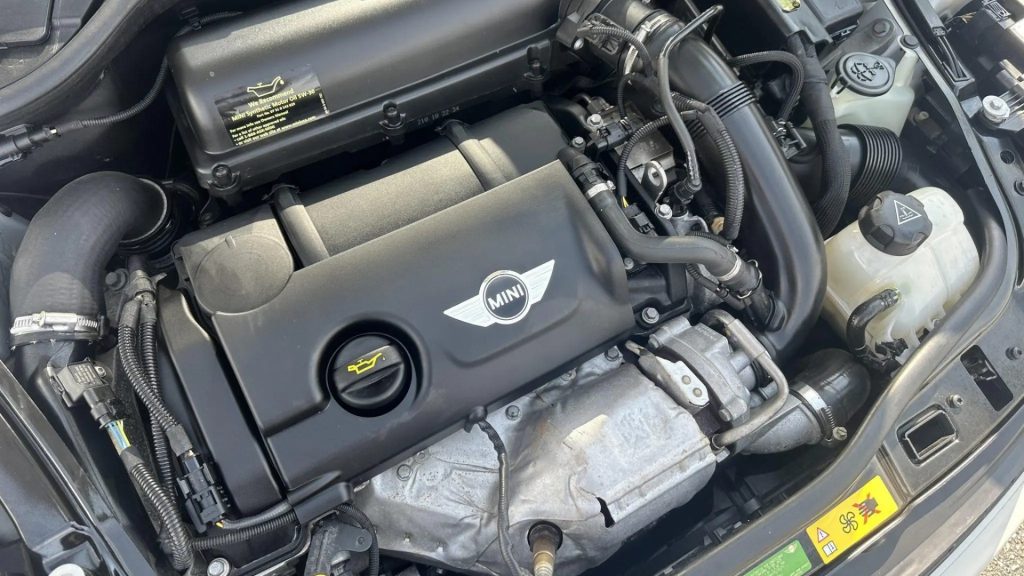
The MINI 1.6L turbocharged Prince engine presents a case where compact design meets high demand, and the high pressure fuel pump sits at the center of that tension.
Developed in collaboration with PSA and used across MINI and some Peugeot models, this engine delivers lively performance, yet mechanics often see recurring fuel pump concerns tied to its operating conditions.
This engine works hard for its size. Turbocharging combined with direct injection means the fuel pump is constantly adjusting to rapid changes in load. Unlike larger engines that may absorb these demands more comfortably, the smaller displacement here places more continuous strain on the pump.
Drivers often notice irregular behavior rather than immediate failure. The car may hesitate briefly during acceleration or feel inconsistent when climbing through the rev range. These signs tend to appear sporadically, which makes them easy to ignore in the early stages.
Another pattern mechanics frequently report involves rough cold starts. The engine may crank longer than usual or run unevenly for a few seconds before stabilizing. This happens when the pump struggles to build pressure quickly enough during startup conditions.
As wear progresses, fuel delivery becomes less precise. The engine control system attempts to compensate, but there is only so much correction it can apply. Eventually, warning lights appear, and diagnostic scans reveal pressure related faults.
What complicates matters further is how tightly packaged the engine bay is. Heat buildup can accelerate wear on sensitive components, including the fuel pump. Combined with frequent stop and go driving, this creates an environment where the pump is constantly under stress.
Repairing the issue often requires replacing the pump and checking the rest of the fuel system for contamination or related wear. Mechanics also advise inspecting sensors and control modules to ensure accurate pressure regulation.
Fuel quality becomes particularly important with this engine. Clean fuel helps maintain internal lubrication within the pump, reducing friction and extending service life. Neglect in this area can shorten the lifespan significantly.
The Prince engine highlights how performance oriented tuning in a compact format can introduce long term durability challenges. It remains engaging to drive, yet its fuel system requires careful attention to maintain reliability.
6. Chevrolet 2.0L LTG Turbo Engine
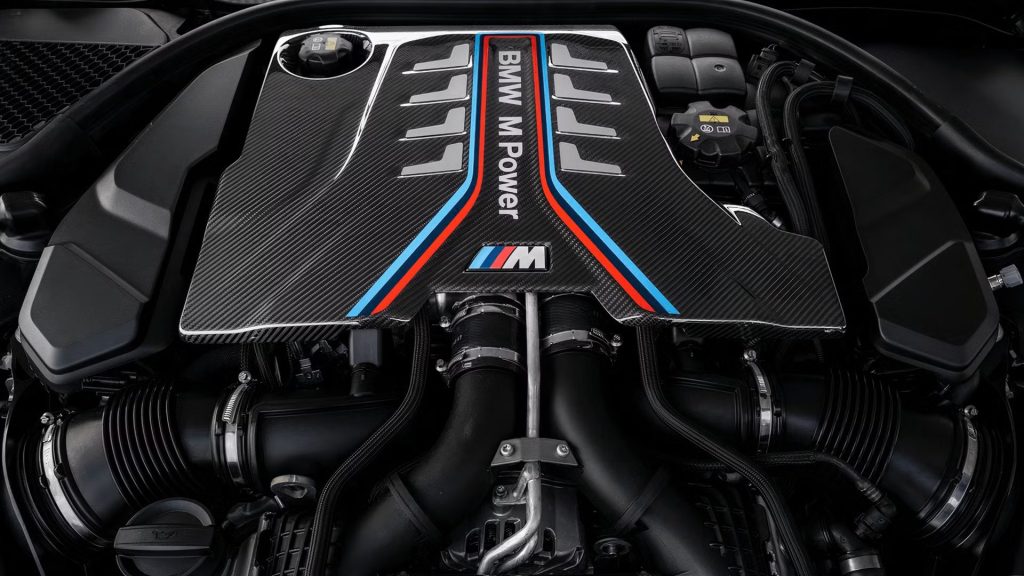
The Chevrolet 2.0L LTG turbo engine takes a more modern approach, combining direct injection with strong turbocharged output. It delivers impressive performance in a relatively small package, but mechanics have noted recurring high pressure fuel pump concerns, particularly as mileage increases.
This engine operates with a focus on responsiveness. The fuel pump must react quickly to throttle input, delivering precise amounts of fuel under varying boost conditions. This rapid adjustment places constant mechanical stress on the pump’s internal components.
Unlike engines that show early warning signs, the LTG can remain smooth for a long time before issues become noticeable. Drivers may suddenly experience reduced power or hesitation without much prior indication. This unpredictability adds to the challenge of diagnosing the problem early.
Another characteristic involves pressure inconsistency under load. Mechanics often observe that the engine performs normally during light driving but struggles when pushed harder. This is a clear indication that the pump is no longer maintaining stable pressure at higher demand levels.
The engine’s thermal environment also plays a role. Turbocharged operation generates significant heat, and although the system is designed to manage it, prolonged exposure can affect component durability. The fuel pump, being part of this system, is not immune to these conditions.
Technicians rely heavily on diagnostic tools to identify issues in this engine. Fuel pressure readings provide insight into pump performance, helping pinpoint irregularities that may not be obvious through driving behavior alone.
Repair typically involves replacing the high pressure fuel pump and verifying that injectors and sensors are functioning correctly. Addressing the problem early can prevent additional strain on the fuel system.
Maintenance habits influence how long the pump lasts. Using high quality fuel and keeping the system clean can reduce wear. While these steps cannot eliminate the issue entirely, they can delay its progression.
The LTG engine demonstrates how modern performance expectations can push components to operate near their limits. It offers strong output and efficiency, yet the demands placed on the fuel pump make it a critical area for long term reliability.
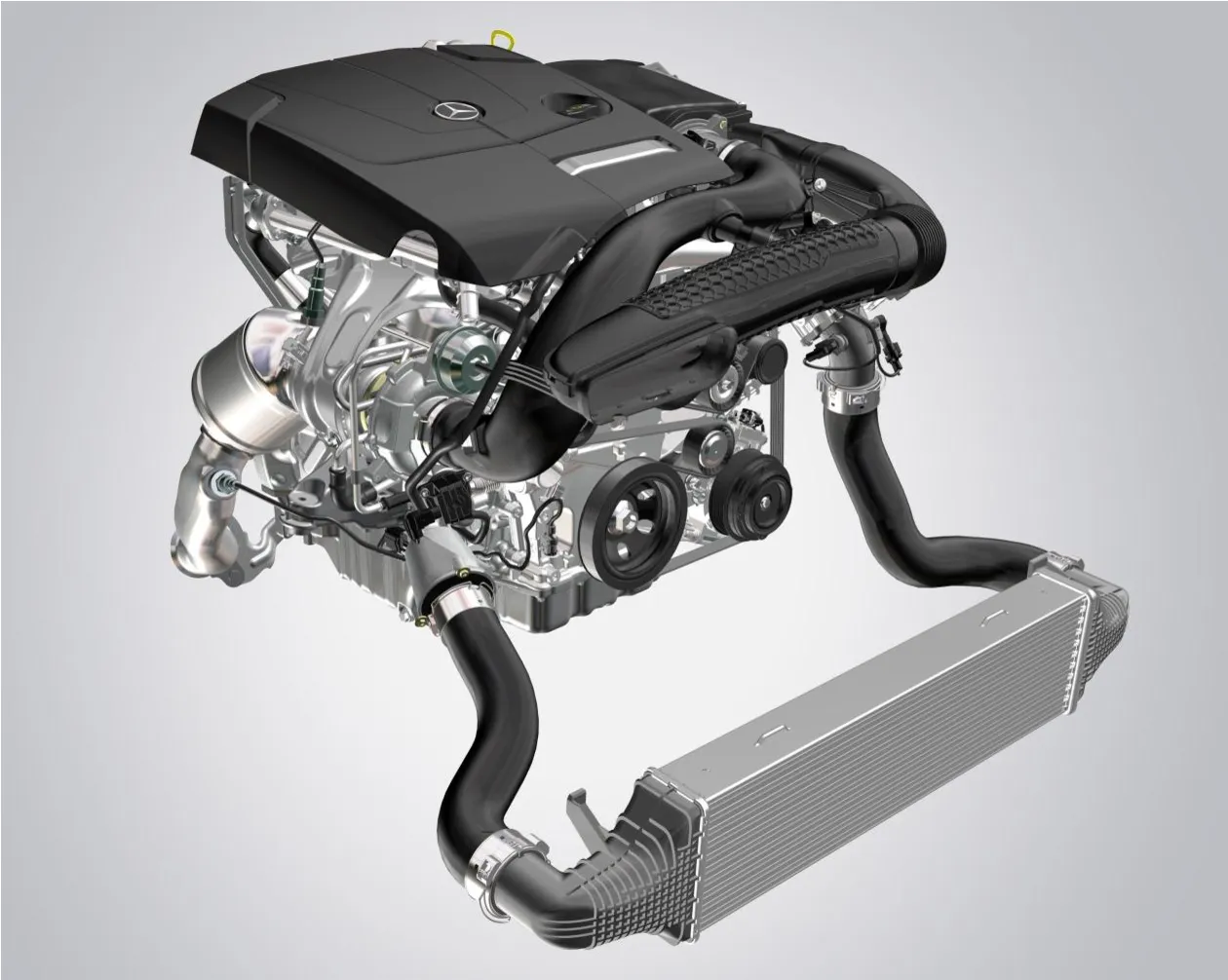
7. Mercedes-Benz M274 2.0L Turbo Engine
The Mercedes-Benz M274 engine reflects a refined approach to turbocharged direct injection, yet mechanics frequently encounter high pressure fuel pump issues that develop gradually over time. This engine is engineered for smoothness and efficiency, but its fuel system operates under conditions that demand precision at all times.
Instead of failing abruptly, the pump in this engine often begins to lose consistency. Drivers may notice a slight delay when pressing the accelerator, particularly at lower speeds. The response feels muted rather than completely absent, which makes the issue easy to overlook in its early phase.
As the pump continues to wear, fuel delivery becomes uneven. This does not always result in immediate warning lights. Instead, the engine may feel less refined, with subtle vibrations or hesitation during steady driving. Mechanics often identify the issue through diagnostic readings rather than obvious symptoms.
Another aspect that contributes to wear is the engine’s reliance on precise fuel pressure for emissions and efficiency targets. Even minor deviations force the system to compensate continuously, placing additional strain on the pump. Over time, this constant correction accelerates internal wear.
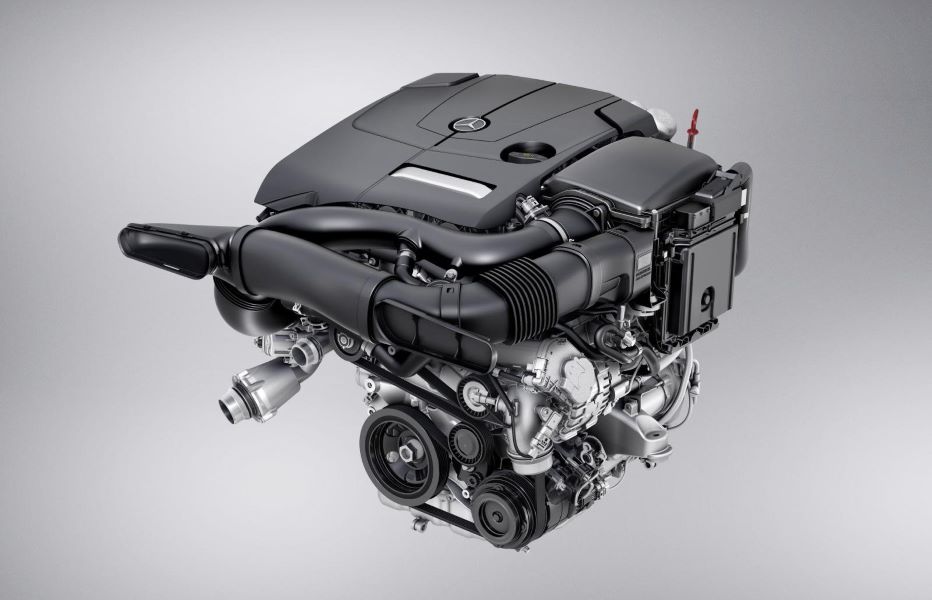
Heat also plays a role. The turbocharged setup creates a warm operating environment, and while the system is designed to handle it, prolonged exposure can affect sensitive components. The fuel pump operates within this environment, which influences its long term durability.
Technicians often approach this issue by analyzing fuel pressure behavior under different driving conditions. Irregular patterns usually indicate that the pump is no longer functioning as intended. Replacing the pump typically restores performance, but it requires careful calibration to ensure proper operation.
Fuel quality remains an important factor. Clean, high quality fuel helps maintain internal lubrication within the pump, reducing friction and wear. Poor fuel can accelerate degradation, especially in a system that relies on tight tolerances.
The M274 engine shows how refinement can sometimes mask underlying issues. Drivers may not immediately recognize the signs, which allows the problem to develop further before it is addressed.
This engine highlights the importance of monitoring subtle changes in performance. Early attention can prevent more extensive repairs and maintain the smooth driving experience that the engine is known for.
8. Peugeot 1.6L THP Engine
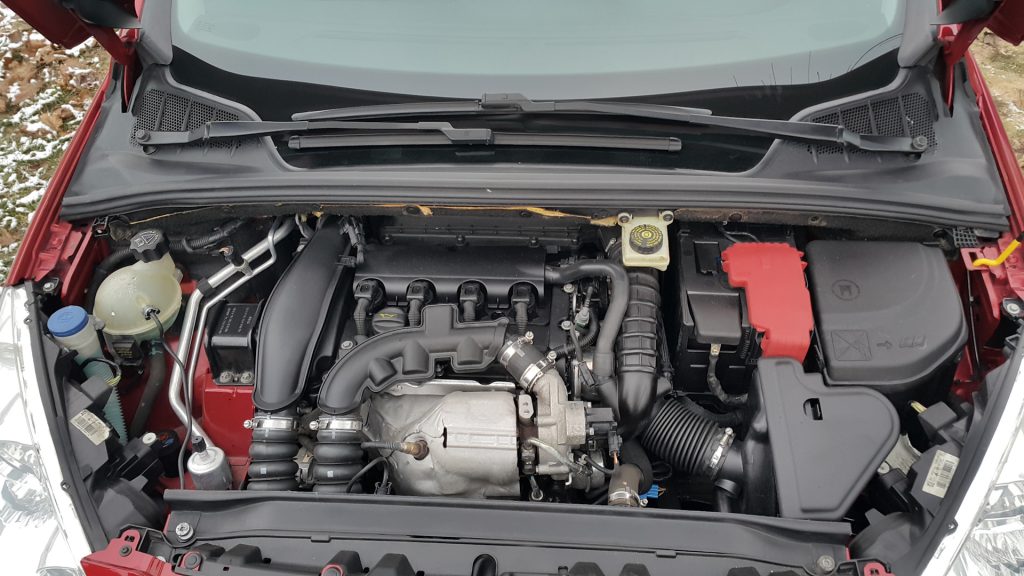
The Peugeot 1.6L THP engine shares its roots with the Prince engine family, and it carries similar high pressure fuel pump challenges.
Widely used in European models, this engine combines turbocharging and direct injection to deliver strong performance from a compact design. However, the demands placed on its fuel system have made it a recurring topic in workshops.
The fuel pump in this engine operates under constant adjustment, responding to rapid changes in driving conditions. This continuous activity increases wear over time, particularly in internal components responsible for maintaining pressure stability.
Drivers often experience hesitation during acceleration as one of the first signs. The engine may feel slightly inconsistent when power is requested, especially in mid range speeds. These symptoms tend to appear intermittently, which makes them difficult to identify immediately.
Cold start behavior can also reveal early issues. The engine may run unevenly for a short period after starting, indicating that the pump is struggling to deliver consistent pressure during initial operation. Mechanics frequently use this symptom as a clue during diagnosis.
Another factor that contributes to wear is carbon buildup within the engine. While this primarily affects intake valves, it can also influence overall engine efficiency, indirectly placing additional demand on the fuel system. The pump must work harder to maintain proper combustion conditions.
Technicians often rely on detailed diagnostics to confirm the issue. Fuel pressure readings and system checks help identify whether the pump is operating within expected parameters. Once irregularities are detected, replacement becomes the most effective solution.
Repairing the problem usually involves replacing the pump and inspecting related components to ensure there is no contamination or additional damage. Preventive maintenance can reduce the likelihood of recurring issues.
Fuel quality and driving habits both play a role in how quickly the pump wears out. Consistent use of good quality fuel and avoiding prolonged stress conditions can help extend its lifespan.
The 1.6L THP engine demonstrates how compact performance engines can place significant demands on their fuel systems. While it delivers strong output, maintaining reliability requires attention to the components that support its operation.
9. Hyundai 2.0L T-GDI Engine
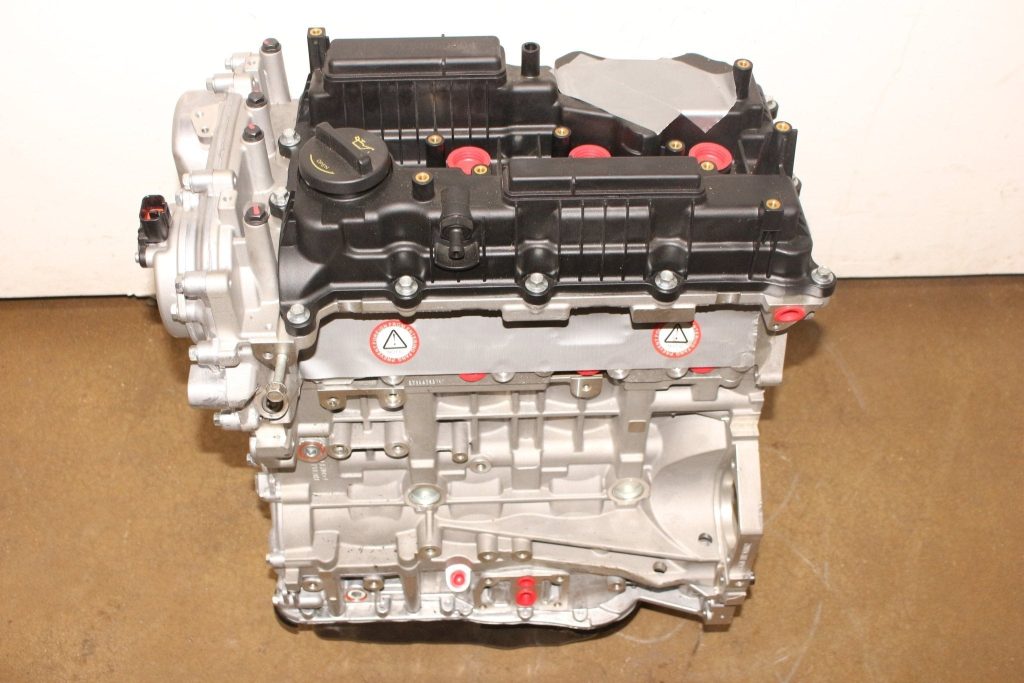
The Hyundai 2.0L T-GDI engine combines turbocharging with direct injection to deliver strong performance, but its high pressure fuel pump has been a recurring concern in workshops. Mechanics often see this issue appear after moderate mileage, particularly in vehicles that experience frequent stop and go driving.
One of the early signs is hesitation during acceleration. The engine may feel slightly delayed when power is requested, especially under load. This happens when the pump struggles to maintain consistent fuel pressure, disrupting combustion efficiency.
Cold starts can also reveal problems. The engine may crank longer than usual or run unevenly for a short period. These symptoms point toward pressure buildup issues within the fuel system.
Another factor is heat. Turbocharged operation increases temperature around the engine, which can affect the durability of sensitive components like the fuel pump. Over time, this contributes to internal wear.
Repair usually involves replacing the pump and checking injectors for proper function. Using high quality fuel and addressing early symptoms can help reduce long term damage.
10. Ford 2.3L EcoBoost Engine
The Ford 2.3L EcoBoost engine is known for its balance of performance and efficiency, yet its high pressure fuel pump can develop issues as mileage increases. Mechanics often encounter cases where fuel delivery becomes inconsistent, affecting drivability.
Drivers may notice reduced power during acceleration. The engine can feel uneven, particularly when transitioning between low and high load. This is often linked to unstable fuel pressure.
Another sign is intermittent stalling or rough idling. These symptoms tend to appear without warning, making diagnosis more challenging. Diagnostic tools usually reveal pressure fluctuations within the system.
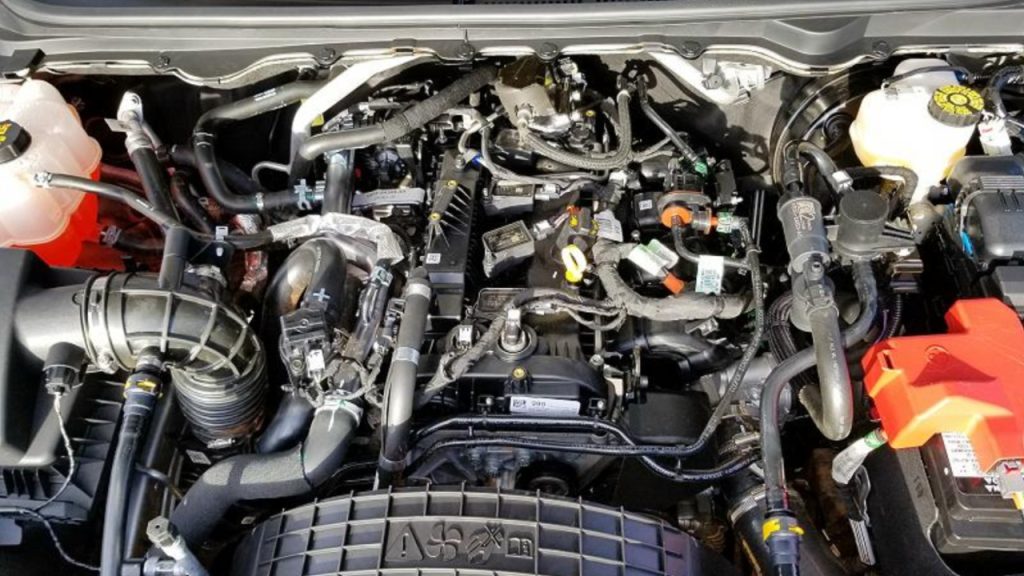
The compact design of the engine contributes to heat buildup, which can accelerate wear on the pump. Combined with high demand during turbo operation, this creates a demanding environment for the component.
Replacing the pump typically restores performance. Regular maintenance and clean fuel help extend its lifespan, but attention to early warning signs remains essential for preventing more serious issues.
Also Read: 10 Indicators Your Car Battery Is Failing Before the Dash Warning Appears
