
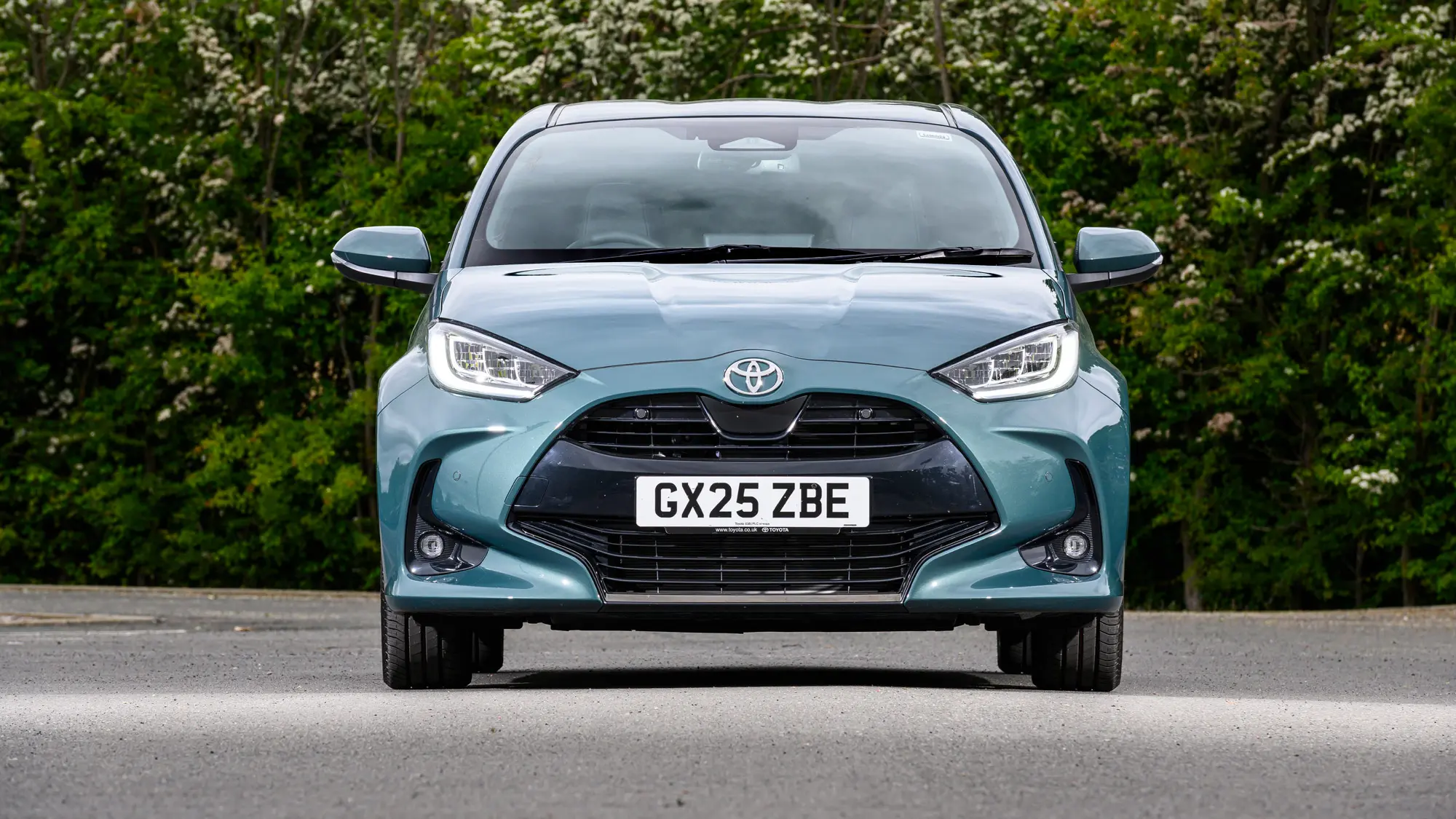
Toyota has built its reputation on reliability, durability, and sensible ownership costs, but not every model in its lineup delivers the same maintenance experience. Interestingly, some Toyota vehicles that sit higher in the lineup or appear more sophisticated can actually be cheaper to maintain than the brand’s own entry-level or budget-oriented cars.
This sounds counterintuitive at first, because buyers often assume that cheaper cars automatically come with lower running costs. In reality, maintenance depends on engineering choices, parts quality, long-term durability, and how stressed the components are over time.
Many of Toyota’s smaller or cheaper cars are designed with cost-cutting in mind, which can sometimes mean using simpler materials, tighter packaging, or components that wear out faster under daily use.
On the other hand, certain mid-range or slightly more premium Toyota models benefit from better-built engines, more refined transmissions, and longer-lasting parts. These differences may not show up in the purchase price, but they become very noticeable after a few years of ownership.
Another key factor is how the vehicle is used. Entry-level cars are often pushed harder, whether in city driving, ride-sharing, or delivery work. This kind of usage accelerates wear and increases maintenance frequency.
Meanwhile, slightly higher-end models are often designed to handle stress more efficiently, resulting in fewer repairs and lower long-term costs. In some cases, these vehicles also share components with global platforms that have been extensively tested, making them more predictable and easier to maintain.
It is also worth noting that Toyota’s global parts ecosystem plays a major role. Some models benefit from widely available, standardized components that are easy to source and inexpensive to replace.
Others rely on region-specific or less common parts, which can increase maintenance complexity even if the car itself is cheaper to buy.
This list highlights ten Toyota models that, despite not being the cheapest in the showroom, often turn out to be more affordable to maintain than some of the brand’s budget offerings. Each one brings a different reason for its cost advantage, whether it is engineering simplicity, proven powertrains, or reduced long-term wear.
Also Read: 5 Ground-Clearance Vehicles for Rough Streets In Memphis vs 5 Low-Clearance Sport Sedans
1. Toyota Corolla
The Toyota Corolla has long been a benchmark for reliability, but what makes it particularly interesting is how it manages to stay cheaper to maintain than some of Toyota’s smaller, entry-level cars.
The reason lies in its mature engineering and incredibly well-tested components. Unlike budget models that may use cost-optimized parts, the Corolla benefits from decades of refinement, which reduces the chances of unexpected failures.
One of the biggest advantages of the Corolla is its engine design. Toyota typically uses naturally aspirated engines in this model, avoiding the complexity of turbocharging.
This simplicity means fewer parts that can fail and lower repair costs when something eventually wears out. The engine is also tuned conservatively, which reduces stress on internal components and extends service intervals.
Another factor that works in the Corolla’s favor is parts availability. Because it is one of the best-selling cars globally, replacement parts are easy to find and relatively inexpensive. Mechanics are also highly familiar with the platform, which reduces labor costs since repairs are straightforward and well understood.
The suspension system is another highlight. It is designed to balance comfort and durability, meaning it can handle rough roads without frequent replacements. In comparison, cheaper Toyota models sometimes use more basic setups that wear out quicker under similar conditions.
Fuel efficiency also plays a role in keeping ownership costs low. The Corolla’s efficient engines reduce fuel expenses, but more importantly, they also produce less strain on the drivetrain over time. This contributes to fewer breakdowns and longer-lasting components.
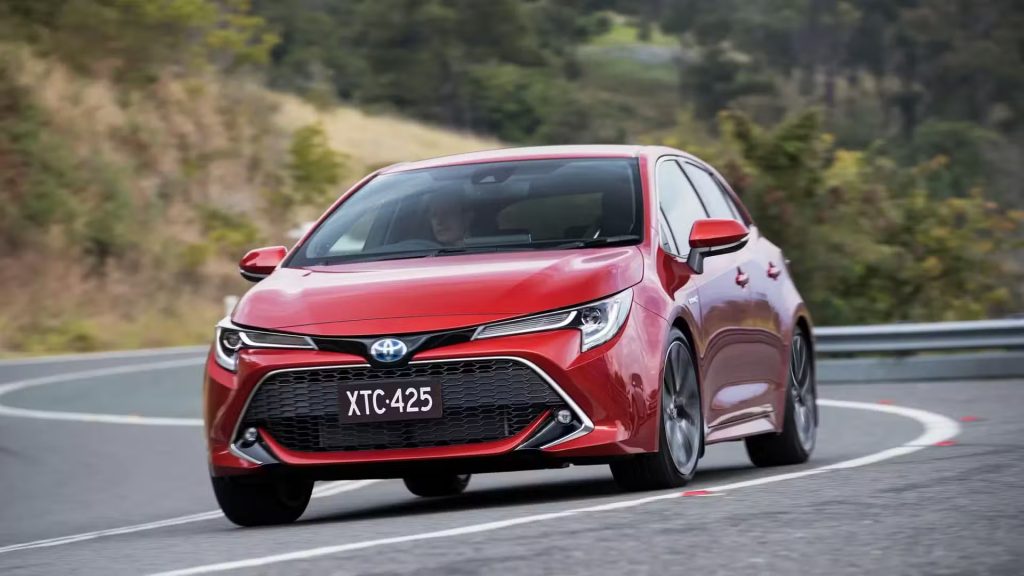
Insurance and servicing costs are also predictable, which adds to the Corolla’s appeal. While the upfront price may be higher than some budget Toyota models, the long-term savings in maintenance often make it the smarter financial choice for many buyers.
2. Toyota Camry
The Toyota Camry might sit higher in the lineup compared to entry-level models, but it consistently proves to be cheaper to maintain over the long run. This is largely due to its robust construction and the way Toyota has engineered it for longevity rather than minimal upfront cost.
Unlike smaller budget cars that may prioritize affordability over durability, the Camry is built with higher-quality materials. This translates into components that last longer and require less frequent replacement.
From the braking system to the cooling components, the Camry is designed to handle extended use without developing issues early in its lifecycle.
The powertrain plays a crucial role here. Toyota equips the Camry with engines that are not only reliable but also under-stressed relative to the car’s size. This means they operate comfortably within their limits, reducing wear and tear. Even after years of use, these engines tend to maintain their performance without requiring major repairs.
Transmission reliability is another strong point. Toyota’s automatic transmissions in the Camry are known for smooth operation and long service life. In contrast, some cheaper models may use simpler or less refined transmissions that can develop issues sooner, especially under heavy urban driving conditions.
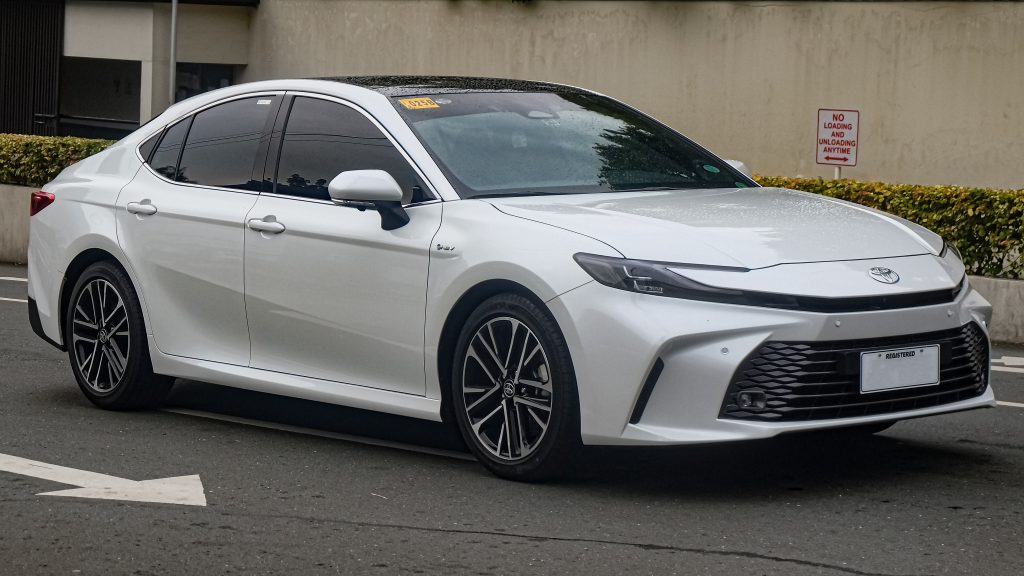
Comfort-oriented engineering also indirectly lowers maintenance costs. Because the Camry is designed to absorb road imperfections effectively, it reduces the impact on suspension components and the chassis. This leads to fewer replacements and a more stable ownership experience over time.
There is also the advantage of shared global platforms. The Camry benefits from Toyota’s extensive testing and widespread usage, ensuring that most issues are identified and resolved early in production cycles. This level of refinement is not always present in lower-cost models.
While the initial purchase price may seem higher, the Camry often surprises owners with its low maintenance requirements. Over several years, the difference in upkeep costs can make it more economical than Toyota’s own cheaper alternatives.
3. Toyota Prius
The Toyota Prius stands out in a completely different way compared to traditional gasoline-powered cars. While some buyers hesitate because of its hybrid system, the reality is that it often costs less to maintain than Toyota’s cheaper non-hybrid models. The reason is rooted in how efficiently its components work together rather than how simple they appear on paper.
A major advantage of the Prius is its hybrid synergy drive system. The electric motor assists the engine, which means the petrol engine does not have to work as hard as it would in a conventional car.
This reduced workload leads to less internal wear, fewer oil-related issues, and longer engine life. In many cases, Prius engines run for extended periods without major mechanical problems because they are not constantly under strain.
Brake wear is another area where the Prius excels. Thanks to regenerative braking, the car uses the electric motor to slow down, which significantly reduces the use of traditional brake pads and discs. As a result, these components last much longer compared to those in cheaper Toyota models that rely entirely on mechanical braking systems.
Battery concerns are often overstated. Toyota’s hybrid batteries are designed to last for many years, and their failure rates are relatively low.
Even when replacement becomes necessary, the cost has decreased over time due to improved manufacturing and availability. Meanwhile, the rest of the vehicle requires less frequent maintenance, balancing out long-term expenses.
The Prius also benefits from fewer transmission-related issues. Its continuously variable transmission system is designed for smooth and efficient operation, with fewer moving parts compared to traditional automatic gearboxes. This simplicity reduces the likelihood of mechanical failures over time.
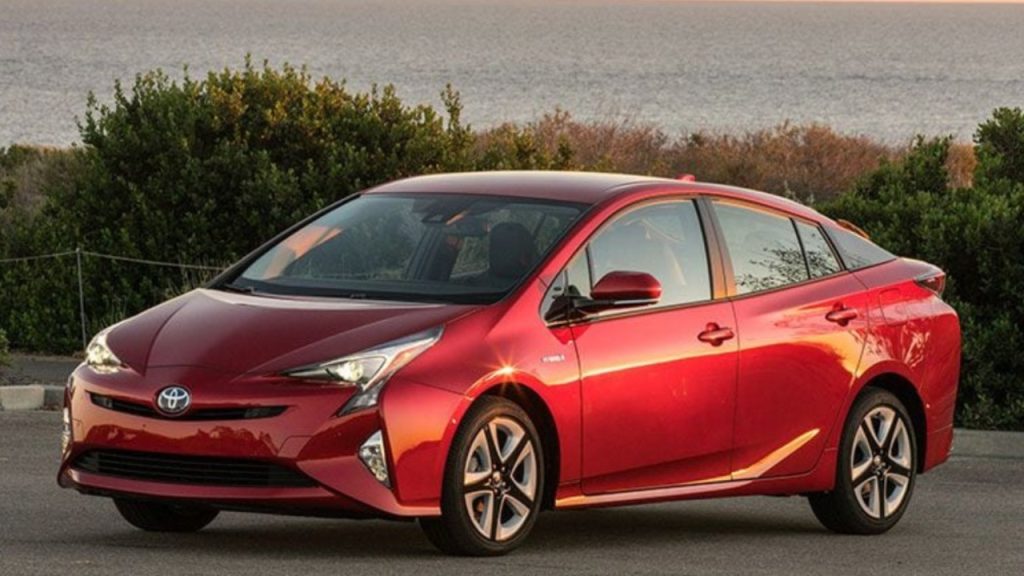
In daily use, the Prius proves that advanced technology does not always mean higher costs. Its intelligent engineering results in fewer replacements, longer-lasting components, and a surprisingly affordable maintenance profile when compared to some of Toyota’s budget-friendly offerings.
4. Toyota RAV4
The Toyota RAV4 has grown into one of the brand’s most popular models, and part of its appeal lies in its manageable maintenance costs. Despite being positioned above entry-level Toyota vehicles, it often proves to be cheaper to maintain over the long term due to its balanced engineering and durable components.
One of the key reasons behind the RAV4’s cost efficiency is its rugged yet refined design. Unlike smaller budget cars that may struggle under rough road conditions, the RAV4 is built to handle a wider range of environments. Its suspension system is more robust, which means it does not wear out as quickly when exposed to uneven roads or heavy usage.
The engines used in the RAV4 are tuned for reliability rather than aggressive performance. This approach ensures that the powertrain operates within safe limits, reducing the risk of premature wear. Whether in petrol or hybrid form, the RAV4’s drivetrain is designed to deliver consistent performance without placing excessive stress on critical components.
Another factor that contributes to its lower maintenance costs is the layout of its engine bay. The RAV4 offers better accessibility for routine servicing compared to some compact Toyota models where space constraints make repairs more labor-intensive. This translates into lower labor charges during maintenance visits.
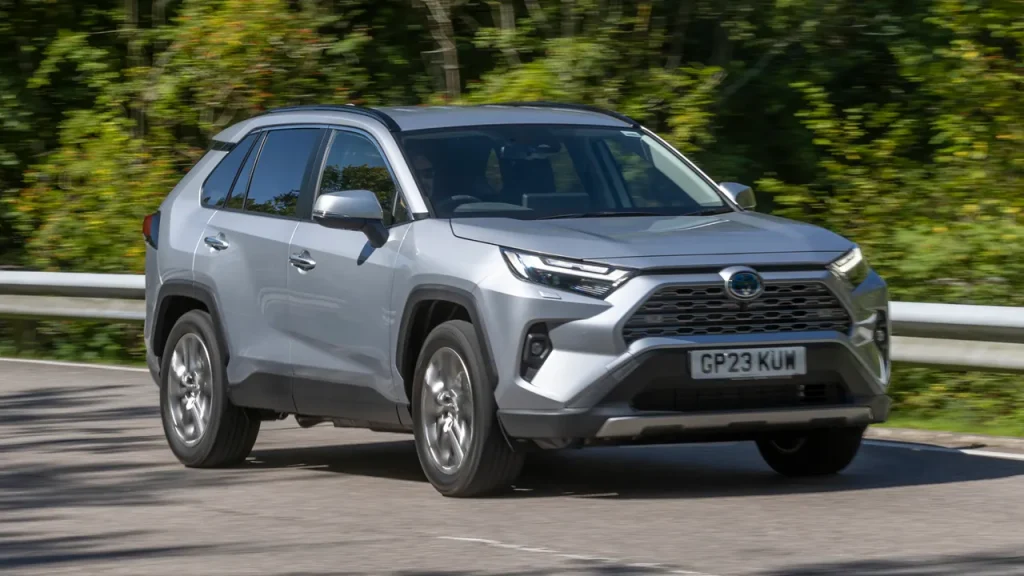
The RAV4 also benefits from Toyota’s global production scale. Because it is sold in large numbers worldwide, spare parts are widely available and competitively priced. This reduces the cost of replacements and ensures quicker turnaround times for repairs.
Durability extends beyond mechanical components. Interior materials and exterior fittings in the RAV4 tend to hold up better over time, reducing the need for cosmetic repairs. Cheaper models may use lower-grade materials that show wear earlier, indirectly increasing ownership costs.
All these factors combine to make the RAV4 a practical choice for buyers who want a dependable vehicle without facing frequent or expensive maintenance, even when compared to Toyota’s own entry-level cars.
5. Toyota Yaris (Global Sedan Version)
The Toyota Yaris sedan sold in global markets presents an interesting case where a slightly more refined version of a budget car ends up being cheaper to maintain than Toyota’s most basic offerings.
This is not about size or price positioning alone, but about how the car is engineered for consistency and long-term durability rather than just affordability.
Unlike the most stripped-down Toyota models, the global Yaris sedan benefits from better build quality and tighter manufacturing standards.
The materials used in key mechanical areas are designed to last longer, which reduces the frequency of part replacements. This becomes especially noticeable in components like bushings, mounts, and cooling system parts that tend to wear out quicker in ultra-budget cars.
The engine is another highlight. It is typically a well-balanced unit that avoids unnecessary complexity while still delivering smooth performance. Because it is not heavily stressed, it maintains its efficiency and reliability over time.
This reduces the chances of overheating, oil consumption issues, or early engine wear, which can sometimes affect smaller, cheaper Toyota engines when pushed hard.
One subtle advantage comes from refinement. The Yaris sedan is better insulated and tuned for smoother driving, which reduces vibrations throughout the vehicle.
Less vibration means less stress on fasteners, wiring, and surrounding components, helping them last longer. Cheaper cars often skip this level of refinement, leading to gradual wear that adds up over time.
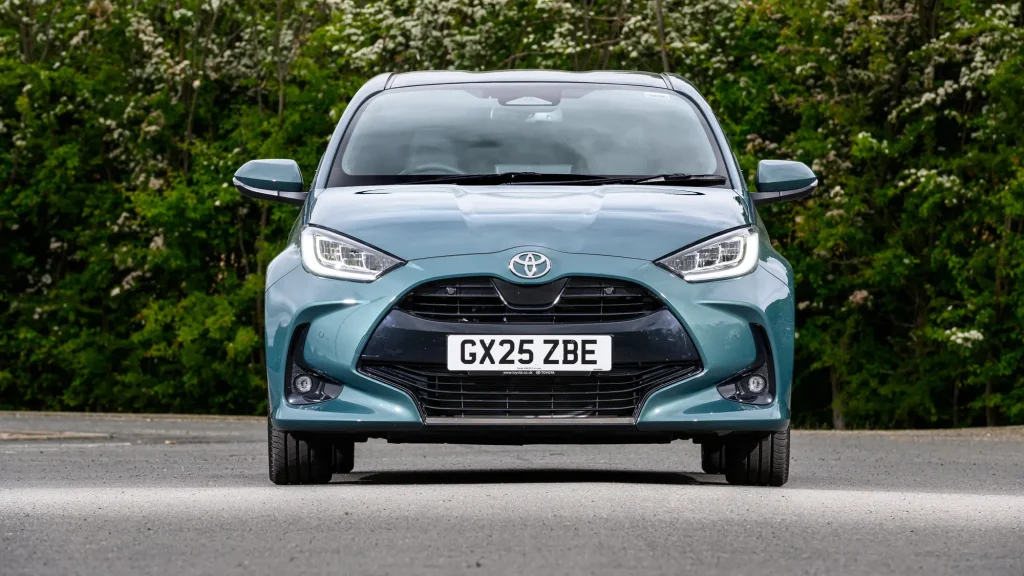
Servicing the Yaris is also straightforward. The layout allows technicians to access key components without excessive disassembly, which keeps labor costs under control. Combined with Toyota’s widespread parts network, maintenance becomes predictable and manageable.
While it may not be the cheapest Toyota to purchase, the Yaris sedan demonstrates that a slightly more polished design can lead to fewer long-term issues, making it a more economical option to maintain than some of the brand’s lowest-priced alternatives.
6. Toyota Highlander
The Toyota Highlander might seem like an unlikely entry on this list due to its size and positioning, but it consistently proves that a well-engineered larger vehicle can be easier and cheaper to maintain than smaller, budget-focused cars. The difference comes from how the Highlander is built to handle stress rather than simply minimize production cost.
One of the most important aspects of the Highlander is its drivetrain durability. The engines used in this SUV are designed with longevity in mind, often operating well within their performance limits.
Because the vehicle is engineered to carry more weight, its components are naturally stronger, which means they experience less strain during everyday driving conditions.
Cooling systems in the Highlander are also more robust. Larger radiators and better airflow management help maintain optimal engine temperatures, reducing the risk of overheating and related damage. In comparison, smaller cars with tighter packaging may struggle more under heavy usage, leading to higher maintenance needs.
Another area where the Highlander excels is in its transmission tuning. The gearbox is designed for smooth, gradual power delivery rather than aggressive shifts. This reduces wear on internal components and extends the life of the transmission, which is one of the most expensive parts to repair in any vehicle.
The suspension system deserves attention as well. Built to support a heavier structure, it is inherently more durable. When used under normal conditions, this results in slower wear compared to lighter-duty systems found in cheaper cars. Owners often find that suspension components last longer before needing replacement.
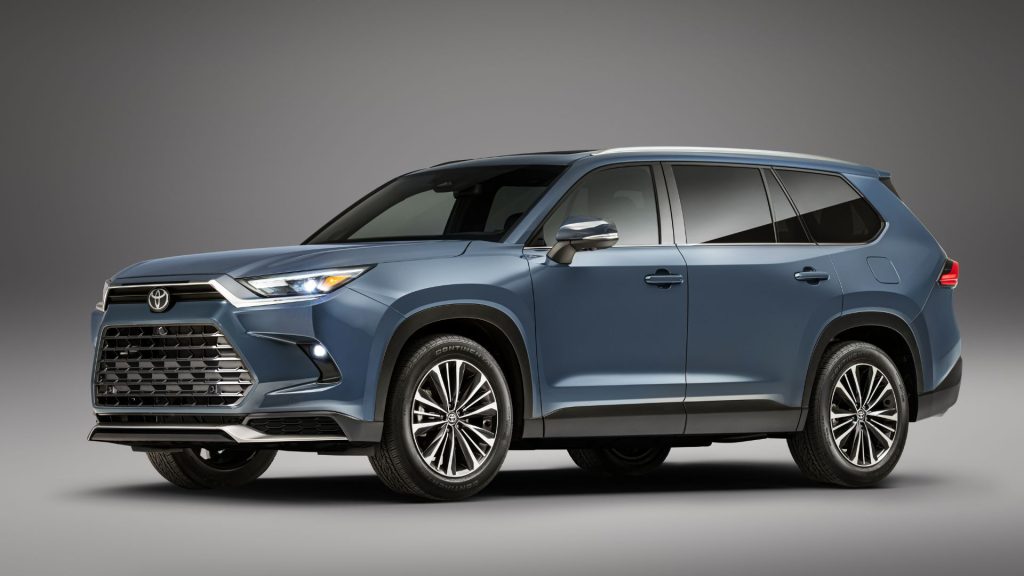
Interior durability also plays a role in maintenance costs. The Highlander uses higher-quality materials that resist wear and tear, reducing the need for repairs or replacements inside the cabin. While this may not seem like a major factor, it contributes to overall ownership expenses over time.
The Highlander proves that paying more upfront for a well-built vehicle can reduce long-term maintenance costs. Its ability to handle stress efficiently allows it to outperform some of Toyota’s cheaper models when it comes to durability and upkeep.
7. Toyota Avalon
The Toyota Avalon represents a different philosophy compared to entry-level cars, focusing on comfort, refinement, and long-term durability.
While it sits near the top of Toyota’s sedan lineup, it often turns out to be less demanding in terms of maintenance than some of the brand’s cheaper models. The reason lies in how it is engineered to operate smoothly rather than economically at the point of production.
Instead of using tightly packed components to save cost and space, the Avalon features a more relaxed mechanical layout. This spacing allows better airflow and reduces heat buildup, which is one of the main contributors to long-term wear.
When parts run cooler, they tend to last longer, and this directly translates into fewer replacements over time.
The engine in the Avalon is typically a larger displacement unit that does not need to work as hard to move the car. This low-stress operation reduces internal friction and slows down the aging of critical components. In contrast, smaller engines in cheaper cars are often pushed closer to their limits, which can accelerate wear under daily driving conditions.
Another factor is how the Avalon handles vibrations. Its design prioritizes a smooth ride, and that refinement reduces the strain on everything from engine mounts to electrical connections. Over the years, this leads to fewer small failures that can otherwise add up in maintenance costs.
There is also a noticeable difference in how components age. The Avalon’s higher-quality materials resist deterioration better, whether it is rubber seals, interior fittings, or suspension parts. Cheaper cars may begin to show signs of aging earlier, leading to more frequent servicing.
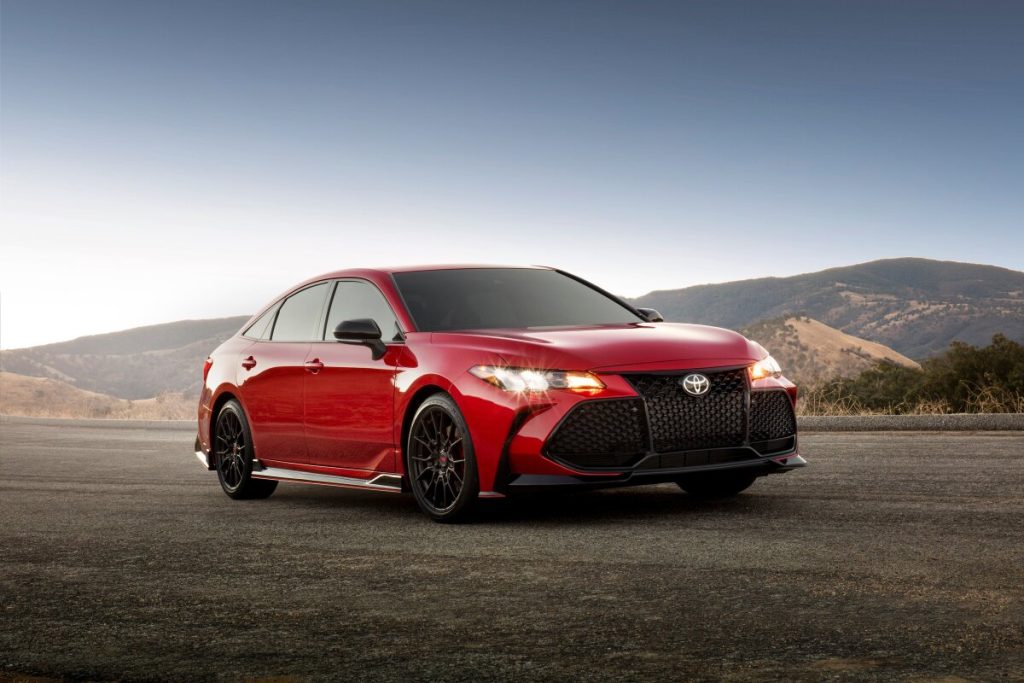
Even routine maintenance can feel less demanding. Because the car is built with serviceability in mind, technicians often find it easier to work on compared to more compact, cost-cut designs. This helps keep labor charges reasonable.
The Avalon quietly demonstrates that a more refined and relaxed engineering approach can result in a vehicle that is not only comfortable but also surprisingly economical to maintain over time.
8. Toyota Venza
The Toyota Venza blends elements of a sedan and an SUV, and its maintenance advantage comes from this balanced identity. It is not designed to be the cheapest car in the lineup, but it avoids many of the compromises that make budget models more expensive to maintain in the long run.
A key strength of the Venza is its hybrid-focused engineering. Similar to other Toyota hybrids, the system reduces the workload on the gasoline engine. This leads to less wear, fewer oil-related issues, and a generally longer lifespan for the powertrain. The efficiency of the system also means fewer heat cycles, which helps preserve engine components.
The Venza also benefits from a quieter and more controlled driving experience. Reduced noise and vibration are not just about comfort; they also limit mechanical stress.
Over time, this contributes to fewer issues with fittings, electronics, and structural components. Cheaper vehicles often lack this level of refinement, which can lead to gradual wear in multiple areas.
Its build quality plays a significant role as well. The Venza uses better insulation and higher-grade materials, which hold up well against daily use. This reduces the likelihood of interior repairs and keeps the vehicle feeling solid even after years of ownership.
Another advantage comes from how the vehicle distributes weight and power. The Venza’s design ensures that no single component is under excessive strain, which helps extend the life of parts like the suspension and drivetrain. In contrast, smaller budget cars may concentrate stress in specific areas, leading to quicker wear.
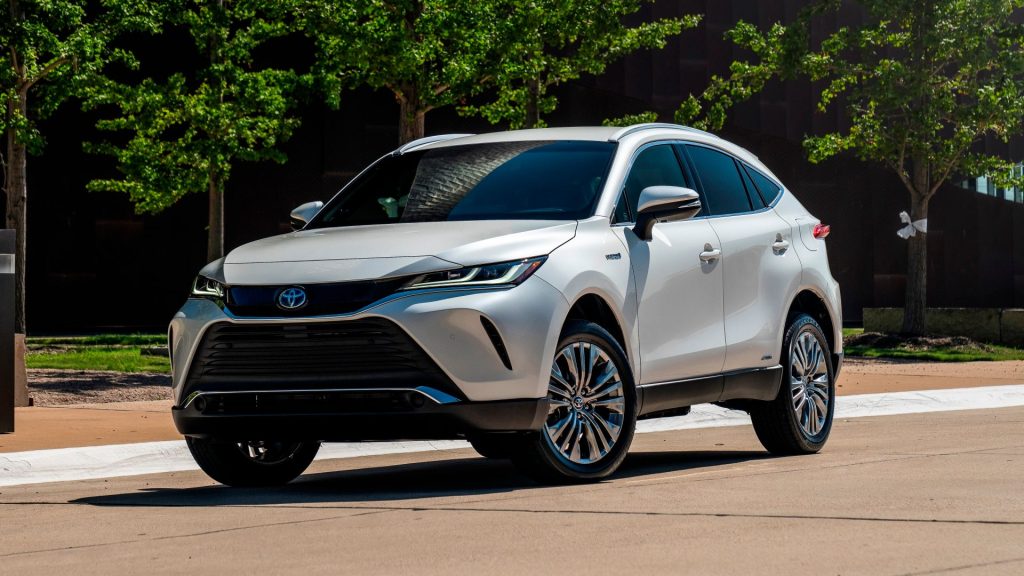
Servicing the Venza is also relatively predictable. Toyota’s standardized hybrid components are widely understood, and parts availability is strong. This ensures that maintenance remains manageable despite the car’s more advanced technology.
The Venza shows that combining efficiency with thoughtful engineering can lead to lower maintenance demands, even when compared to simpler and cheaper vehicles in the same brand lineup.
9. Toyota Land Cruiser
The Toyota Land Cruiser might seem like the most unexpected inclusion in this list, given its premium positioning and rugged image.
However, when it comes to maintenance over the long term, it often proves to be more dependable and less troublesome than some of Toyota’s cheaper models. The key difference lies in how it is engineered to endure extreme conditions rather than just meet cost targets.
Built for durability above everything else, the Land Cruiser uses heavily reinforced components across its drivetrain, suspension, and chassis. These parts are designed to survive harsh terrains, heavy loads, and long-distance travel without frequent failure.
When such a vehicle is used under normal conditions, the stress on these components is significantly lower, allowing them to last much longer than those in lighter-duty, budget-focused cars.
The engines used in the Land Cruiser are known for their conservative tuning. Instead of pushing for maximum efficiency or power from a small displacement, Toyota opts for reliability and longevity. This results in engines that run comfortably without being overworked, reducing internal wear and minimizing the chances of major repairs.
Cooling and filtration systems in the Land Cruiser are also far more robust than what you find in cheaper models. These systems are designed to handle dust, heat, and demanding environments, which means they perform exceptionally well in everyday driving situations.
Better cooling reduces engine stress, while superior filtration keeps internal components cleaner for longer periods.
Another aspect that helps keep maintenance manageable is the simplicity of its core mechanical systems. While the Land Cruiser is a sophisticated vehicle, it avoids unnecessary complexity in areas that matter most for reliability. This balance ensures that repairs, when needed, are straightforward and predictable.
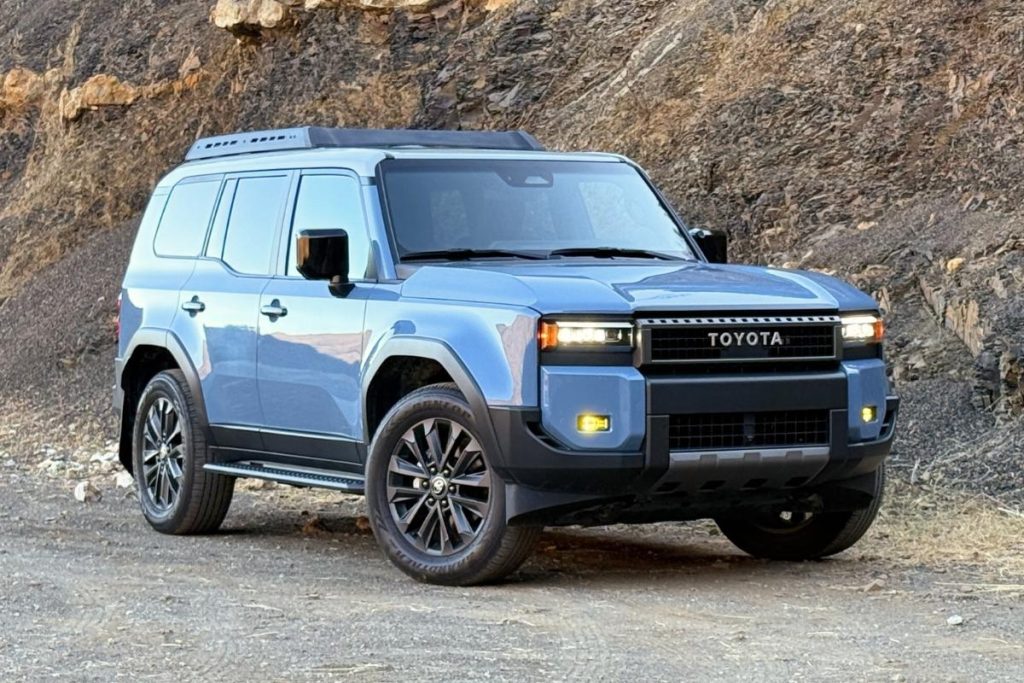
Even the suspension system is built with longevity in mind. Designed to handle rough terrain, it does not wear out quickly under regular road use. Owners often find that suspension components last significantly longer than those in smaller, less durable cars.
The Land Cruiser proves that a vehicle built to handle the toughest conditions can actually reduce maintenance concerns when used in everyday scenarios, making it surprisingly cost-effective compared to some cheaper Toyota alternatives.
10. Toyota Sienna
The Toyota Sienna takes a completely different approach compared to both compact cars and rugged SUVs, yet it still manages to deliver lower maintenance demands than some of Toyota’s budget offerings. As a family-focused minivan, it is engineered for consistency, smoothness, and long-term usability rather than minimal upfront cost.
One of the defining features of the Sienna is its hybrid powertrain in newer generations. This system reduces the strain on the engine by sharing the workload with electric motors.
The result is less mechanical stress, fewer high-temperature cycles, and a longer lifespan for key engine components. This directly contributes to lower maintenance needs over time.
The Sienna’s design also emphasizes balance. It is built to carry passengers and cargo efficiently without overloading any single component. This even distribution of stress helps extend the life of the suspension, brakes, and drivetrain. In contrast, smaller cars that are frequently overloaded can experience quicker wear in these areas.
Interior durability is another factor that indirectly affects maintenance costs. The Sienna is designed for families, which means its materials are chosen to withstand heavy daily use. Seats, controls, and fittings tend to hold up well, reducing the need for repairs or replacements inside the cabin.
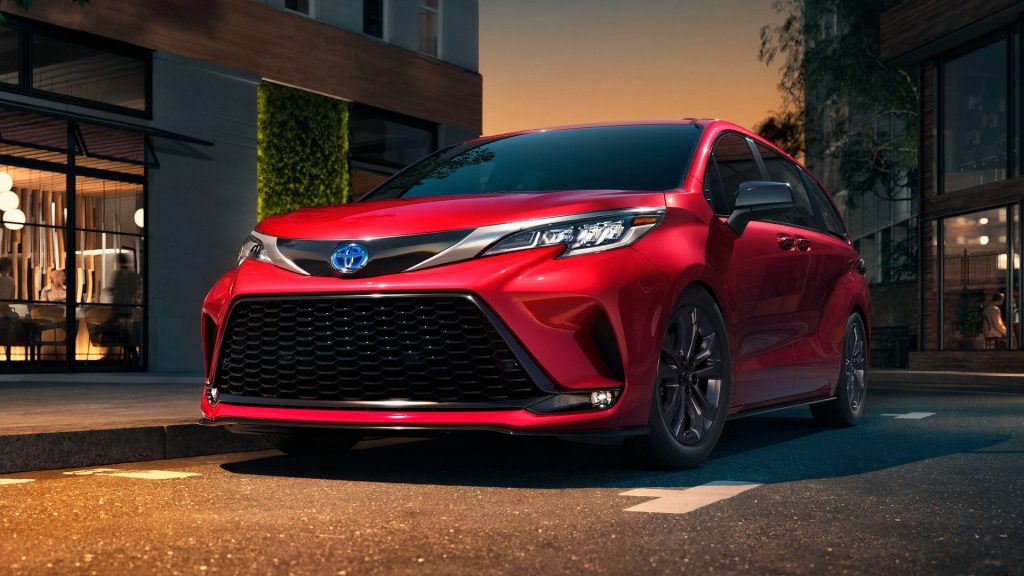
The driving experience also plays a role. Smooth acceleration and predictable handling reduce strain on mechanical systems. This kind of tuning ensures that parts wear gradually rather than being subjected to sudden stress, which is more common in less refined vehicles.
From a service perspective, the Sienna benefits from Toyota’s extensive parts network and standardized hybrid technology. Mechanics are familiar with its systems, and replacement parts are widely available, keeping repair costs under control.
The Sienna highlights how thoughtful engineering and balanced design can result in a vehicle that remains reliable and affordable to maintain, even when compared to simpler and cheaper Toyota models.
Also Read: 5 Performance-Ready Dailies In Charlotte vs. 5 Boring Appliances for the Suburbs
