
Modern engines rely heavily on sensors to function with precision, and among them, the crankshaft position sensor plays one of the most critical roles. It acts as the timing reference for the entire engine, telling the control unit exactly where the crankshaft is at any given moment.
This information is essential for ignition timing, fuel injection, and smooth engine operation. When this small component works correctly, it remains invisible to the driver. When it fails, it can bring even the most well-engineered engine to a complete halt.
What makes the crankshaft position sensor particularly problematic is not just its importance, but how it fails. In many engines, the sensor can degrade gradually or stop working without warning.
The symptoms often include stalling, hard starting, misfires, or sudden loss of power. Because these issues can appear intermittently, diagnosing the problem becomes difficult. Owners may replace multiple parts before identifying the real cause, increasing both frustration and repair costs.
Certain engines are more vulnerable to this issue due to sensor placement, heat exposure, or design limitations. In some cases, the sensor is positioned near high-temperature zones, which accelerates wear.
In others, wiring and connectors are prone to failure, creating inconsistent signals. Even a slight disruption in the sensor’s output can confuse the engine control unit, leading to erratic behavior that disrupts the entire driving experience.
Another challenge is accessibility. In several engines, the crankshaft position sensor is located in areas that are difficult to reach. This makes replacement more labor-intensive, turning what should be a simple fix into a time-consuming process.
For owners, this adds to the perception that the issue is larger than it actually is, even though the root cause is a relatively small component.
This list highlights nine engines where the crankshaft position sensor has a disproportionate impact on performance and reliability.
Each example shows how a minor part can affect an otherwise capable engine, turning a well-designed vehicle into a source of unexpected problems. Understanding these cases helps illustrate the importance of sensor reliability in modern automotive engineering.
Also Read: 9 Hybrid Systems Where the Electric Motor Outlasts the Gasoline Engine
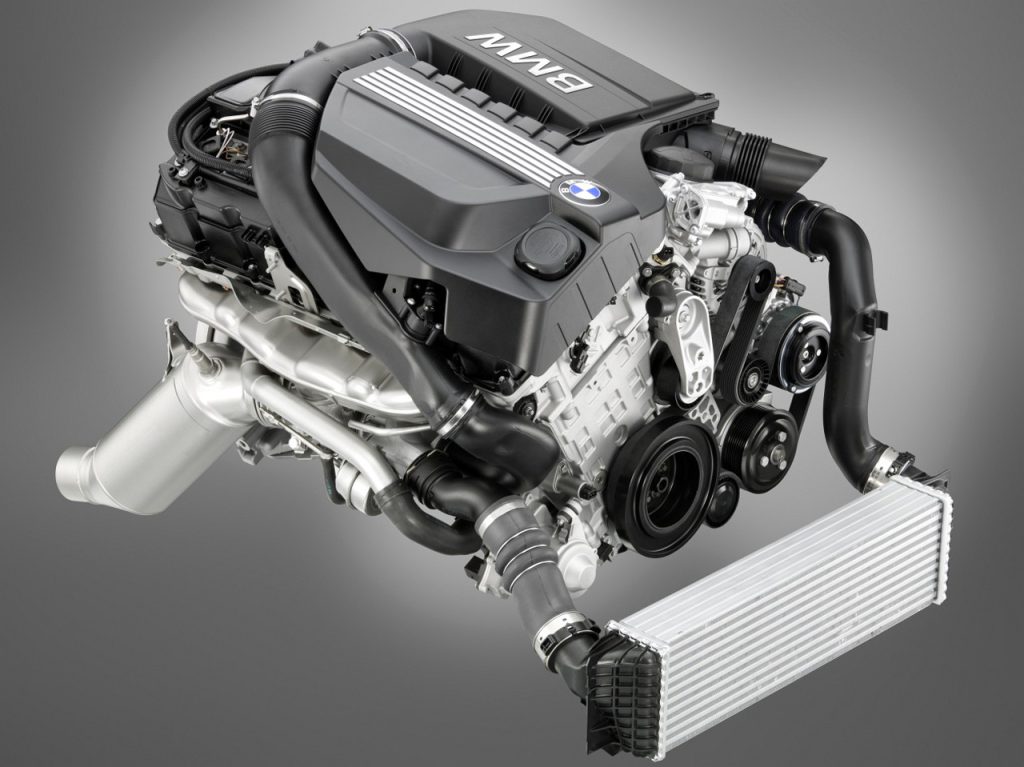
1. BMW N54 Inline-6 Engine
The BMW N54 engine is widely recognized for its performance capabilities and tuning potential. It delivers strong power, smooth operation, and a driving experience that appeals to enthusiasts.
Despite these strengths, the crankshaft position sensor has been a recurring source of issues that can disrupt the engine’s otherwise impressive performance.
In this engine, the sensor is responsible for providing precise timing data to the control unit. When it begins to fail, the symptoms can appear suddenly. Drivers may experience rough idling, hesitation during acceleration, or even complete engine shutdown.
What makes this particularly frustrating is that the engine can run perfectly one moment and develop serious issues the next.
Heat plays a significant role in these failures. The N54 engine generates considerable temperature due to its turbocharged design, and the sensor is exposed to these conditions over time. As the sensor degrades, it may send inconsistent signals, leading to erratic engine behavior. This can result in misfires or difficulty starting the engine, especially when it is warm.
Diagnosis is not always straightforward. The symptoms of a failing crankshaft position sensor can mimic other issues such as fuel delivery problems or ignition faults. This can lead to unnecessary repairs before the actual cause is identified. For owners, this adds to the cost and complexity of maintaining the vehicle.
Another factor is the engine’s reliance on precise timing for optimal performance. Even a small deviation in sensor readings can affect how the engine runs. This sensitivity means that the impact of a failing sensor is more noticeable compared to simpler engines.
Replacing the sensor resolves the issue in most cases, but accessibility can vary depending on the vehicle configuration. While the fix itself is not overly complex, reaching the component may require additional effort, increasing labor time.
The N54 remains a highly regarded engine, but the crankshaft position sensor issue highlights how a single component can influence reliability. It serves as an example of how performance-focused designs can sometimes introduce vulnerabilities in critical systems.
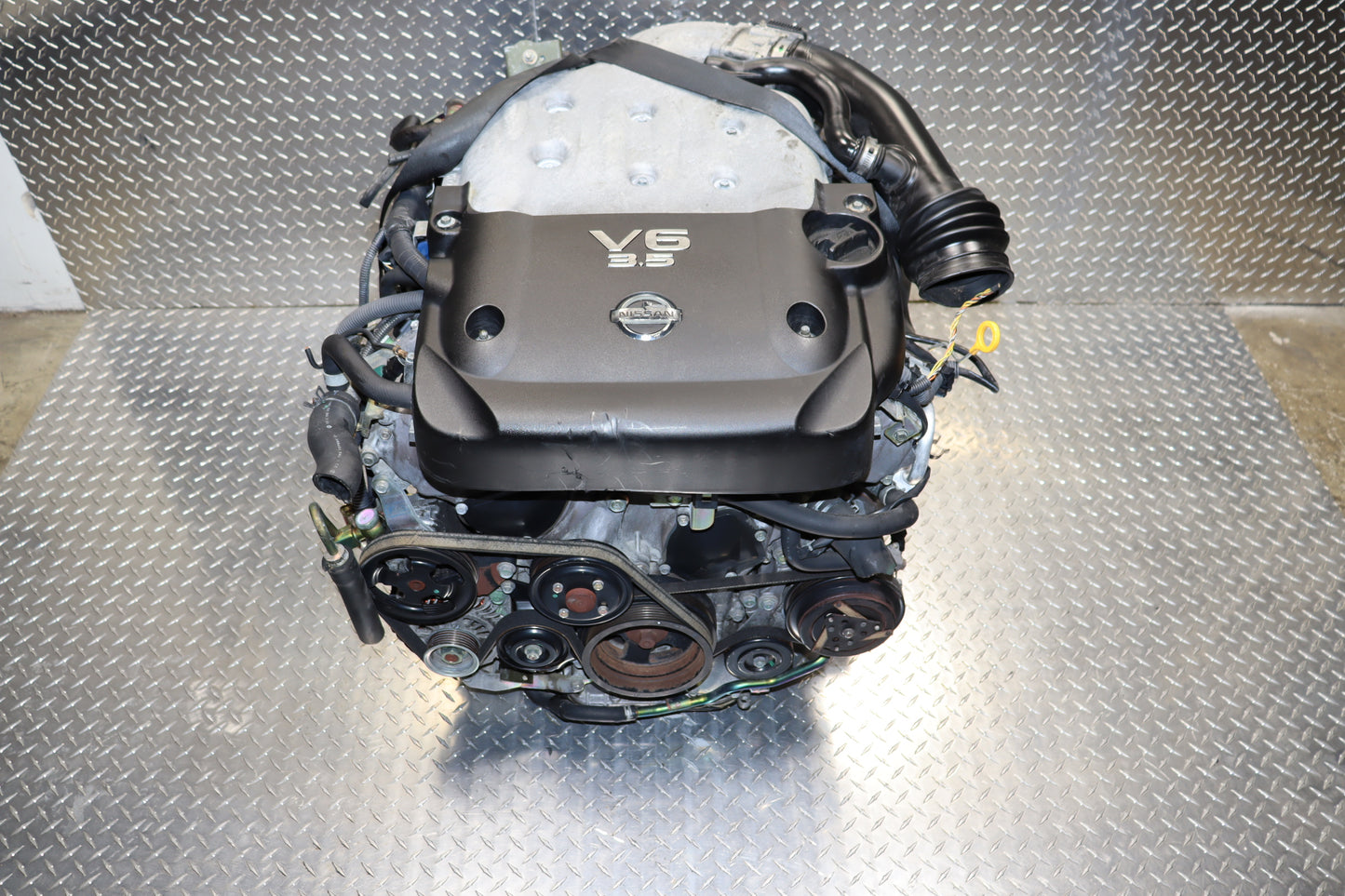
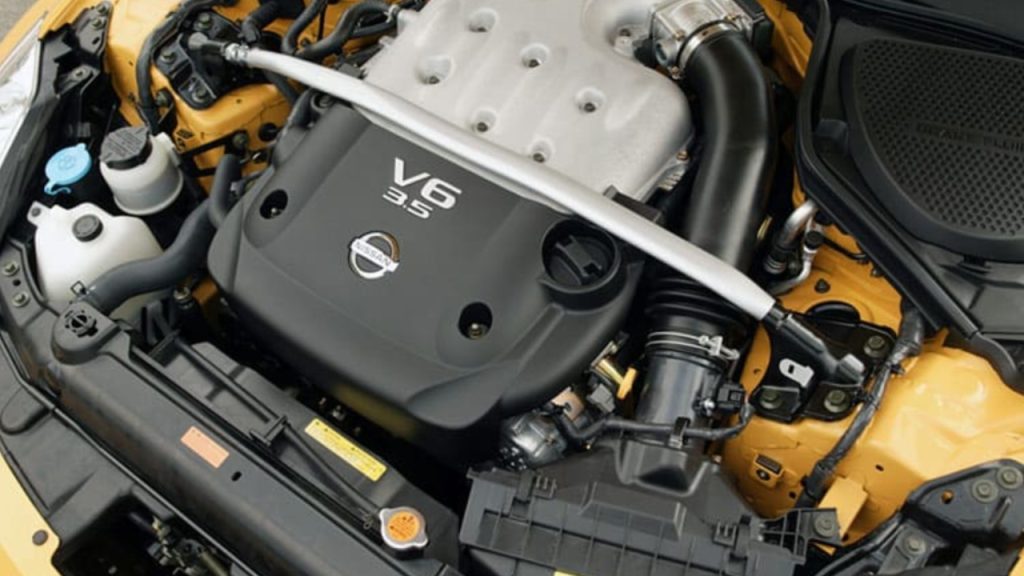
2. Nissan VQ35DE V6 Engine
The Nissan VQ35DE engine has earned a reputation for durability and strong performance across a wide range of vehicles. It is known for its smooth power delivery and long service life when properly maintained. However, the crankshaft position sensor has been a notable weak point that can interrupt this otherwise dependable engine.
In this case, the sensor issue often develops gradually. Drivers may first notice occasional hesitation or difficulty starting the engine. Over time, these symptoms can become more frequent, eventually leading to stalling or complete failure to start.
The progression of the problem can make it harder to identify early, as the engine may still operate normally between episodes.
One of the main causes is heat exposure. The VQ35DE engine operates at relatively high temperatures, and the sensor is positioned in an area where it is subjected to continuous thermal stress. This environment can cause the sensor to deteriorate faster than expected, leading to inconsistent performance.
Electrical connections also contribute to the problem. Wiring and connectors associated with the sensor can wear over time, creating intermittent signal loss. This can confuse the engine control unit, resulting in irregular behavior that is difficult to diagnose without proper testing.
Unlike some engines where the issue appears suddenly, the VQ35DE often gives warning signs. However, these signs are not always clear, and they can be mistaken for other problems. This can lead to delays in addressing the root cause, allowing the issue to worsen.
The impact on drivability is significant. A failing sensor can disrupt timing, leading to poor fuel efficiency and reduced power. In severe cases, the engine may shut down unexpectedly, which can be a safety concern in certain situations.
Replacement of the sensor is usually effective, and the part itself is relatively affordable. However, accessibility can vary depending on the vehicle, which may influence labor costs.
The VQ35DE remains a strong and reliable engine in many respects, but the crankshaft position sensor issue demonstrates how even a well-designed powertrain can be affected by a small but critical component.
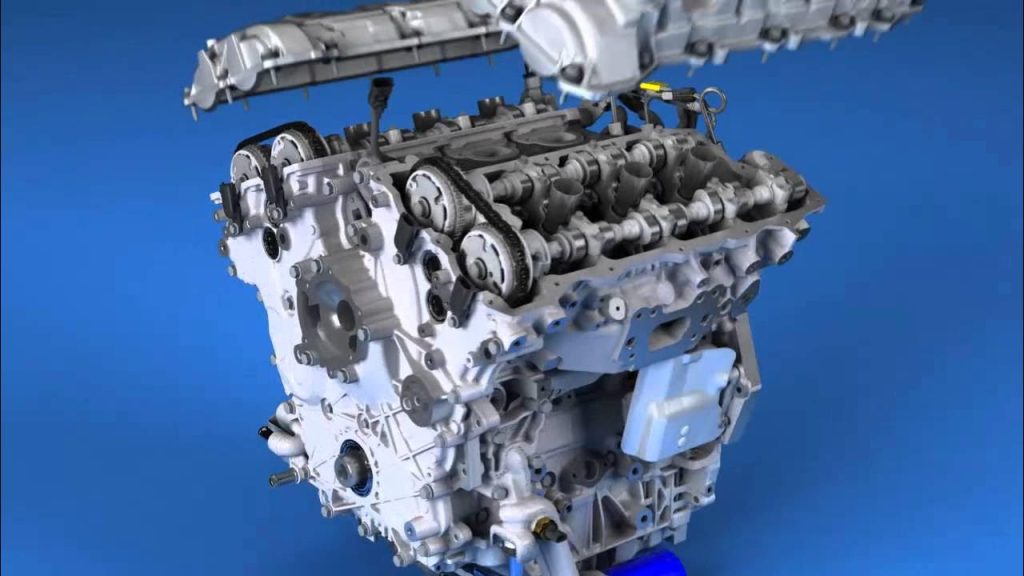
3. General Motors 3.6L V6 (LLT / LFX)
The General Motors 3.6L V6 engine has powered a wide range of vehicles, from sedans to crossovers, earning recognition for its smooth performance and respectable power output.
It is an engine that feels refined and capable in daily driving. However, the crankshaft position sensor introduces a vulnerability that can interrupt this otherwise polished experience in ways that are both sudden and confusing.
Unlike some engines where the issue builds gradually, this one often presents itself without much warning. A driver may be cruising normally when the engine suddenly loses power or shuts off entirely.
Restarting the vehicle might work temporarily, only for the problem to return later. This unpredictable nature makes the issue particularly frustrating, as it undermines confidence in the vehicle.
The root of the problem often lies in signal inconsistency. The engine relies heavily on precise timing data, and when the crankshaft position sensor begins to fail, it may send erratic signals to the control unit.
Even a brief interruption can cause the system to misinterpret engine position, leading to stalling or rough operation. The engine itself remains mechanically sound, yet it cannot function correctly without accurate input.
Heat exposure contributes significantly to sensor degradation in this engine. The compact design of the 3.6L V6 places many components in close proximity, which increases thermal stress.
Over time, this can weaken the sensor’s internal circuitry, making it more prone to failure during high-temperature operation. This is why some issues appear more frequently after the engine has warmed up.
Another complication is diagnostic confusion. The symptoms can resemble ignition coil failure or fuel system issues, leading to multiple repair attempts before the actual cause is identified. This not only increases costs but also prolongs downtime, as the real problem remains unresolved during initial inspections.
Accessing the sensor can vary in difficulty depending on the vehicle, and in some cases, it is not as straightforward as expected. This adds to labor time and makes what should be a simple replacement slightly more involved.
The GM 3.6L V6 remains a strong engine in terms of performance and design, yet this small component can disrupt its operation entirely. It highlights how critical accurate timing data is and how a single faulty sensor can bring a well-engineered system to a standstill.
4. Hyundai Theta II 2.4L Engine
The Hyundai Theta II 2.4L engine gained popularity for its efficiency and widespread use in midsize sedans and crossovers. It offers a balanced combination of fuel economy and adequate power, making it a practical choice for everyday driving.
Despite these strengths, the crankshaft position sensor has been a recurring issue that affects how the engine behaves under certain conditions.
In this engine, the sensor plays a vital role in coordinating ignition and fuel delivery. When it begins to fail, the effects are immediately noticeable. Drivers may encounter difficulty starting the engine, especially after it has been running for a while.
In other cases, the engine may stall unexpectedly, creating a sense of unpredictability that is not typical for a vehicle designed for reliability.
One of the distinguishing aspects of this issue is how it interacts with the engine’s operating environment. The Theta II runs at temperatures that can place stress on nearby components, and the sensor is not immune to this exposure. Over time, repeated heating and cooling cycles can degrade its internal structure, leading to inconsistent readings.
The problem can also manifest as intermittent misfires. Because the sensor provides timing information, any disruption affects how the engine fires its cylinders. This can result in rough running, reduced efficiency, and a noticeable drop in performance. For drivers, the experience shifts from smooth operation to something far less predictable.
Electrical factors add another layer to the situation. The wiring harness and connectors associated with the sensor can experience wear, especially in vehicles that see heavy daily use. Even a minor connection issue can interrupt the signal, causing the engine control unit to lose track of crankshaft position. This creates a chain reaction that impacts the entire system.
Unlike some engines where the issue escalates slowly, the Theta II can present sudden symptoms that leave little time for preventive action. This makes regular inspection and early diagnosis especially important.
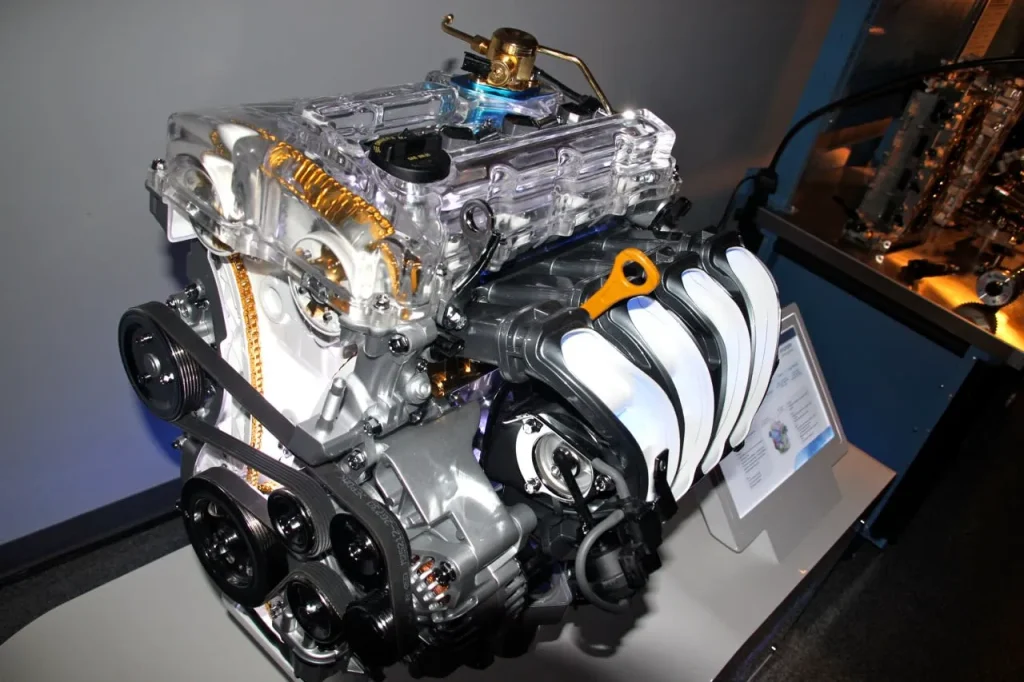
Replacing the crankshaft position sensor typically resolves the problem, but reaching it may require additional effort depending on the vehicle layout. While the part itself is not expensive, labor can vary.
The Theta II engine demonstrates how a widely used and efficient design can still be affected by a small but critical weakness. The crankshaft position sensor, though often overlooked, has the ability to disrupt the entire driving experience when it fails.
5. Volkswagen 2.0T TSI (EA888 Early Generations)
The early generations of the Volkswagen 2.0T TSI engine, known under the EA888 family, are widely appreciated for their balance of performance and efficiency. These engines deliver strong mid-range power and smooth operation, making them a favorite in many compact and midsize vehicles.
Yet, despite their strengths, the crankshaft position sensor has proven to be a subtle but disruptive weak point that can affect drivability in unexpected ways.
Unlike failures that completely shut down the engine immediately, issues with this sensor in the EA888 often begin with inconsistent behavior. A driver might notice hesitation during acceleration or a slight delay in throttle response.
At first, these symptoms can seem minor, almost like normal turbo lag. Over time, however, they become more pronounced, revealing that the engine is not receiving stable timing information.
The placement of the sensor plays a key role in this problem. Positioned in an area exposed to heat and vibration, it experiences continuous stress during operation.
Turbocharged engines generate additional thermal load, and this environment accelerates wear on sensitive electronic components. As the sensor begins to degrade, it may produce irregular signals that confuse the engine control unit.
Another challenge is how the issue presents itself intermittently. The engine may run perfectly during one drive and develop problems during the next.
This inconsistency makes diagnosis more complicated, as standard checks may not always detect the fault immediately. Mechanics often have to rely on detailed scanning and real-world testing to pinpoint the issue.
The effect on performance is noticeable. Timing irregularities can lead to misfires, reduced fuel efficiency, and a lack of smooth acceleration. In some cases, the engine may enter a protective mode, limiting power to prevent further damage. While this protects internal components, it also diminishes the driving experience.
Repairing the issue typically involves replacing the sensor, which resolves the problem in most situations. However, accessibility can vary depending on the specific model, and this can influence the time required for the repair.
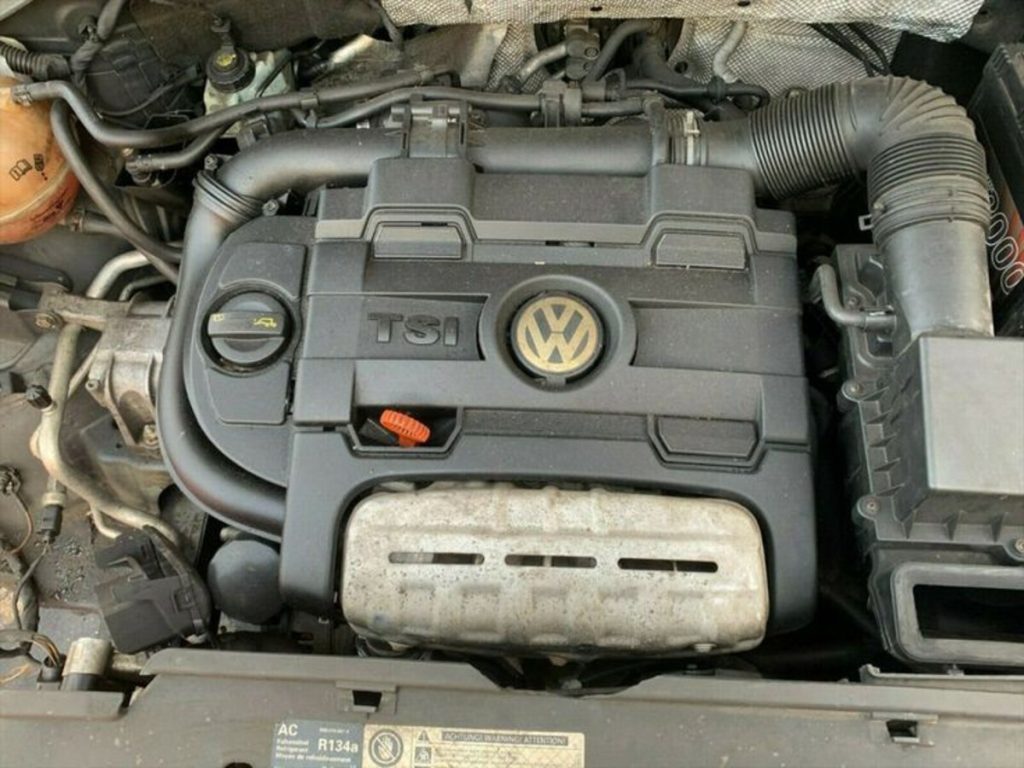
The EA888 engine remains a strong and capable design, but the crankshaft position sensor issue highlights how even a well-developed turbocharged engine can be affected by a small electronic component.
It serves as a reminder that reliability is not just about major mechanical parts, but also about the durability of supporting systems.
6. Ford EcoBoost 2.0L Engine
The Ford EcoBoost 2.0L engine represents a modern approach to combining efficiency with performance. With turbocharging and direct injection, it delivers impressive output for its size while maintaining reasonable fuel economy.
The engine itself is well-engineered, but the crankshaft position sensor introduces a point of failure that can disrupt its otherwise smooth operation.
In this engine, the sensor is critical for managing precise timing, especially given the complexity of turbocharged operation. When it begins to fail, the symptoms can range from subtle to severe. Drivers may initially notice rough idling or occasional hesitation, which can gradually develop into more serious issues such as stalling or difficulty starting the engine.
A defining characteristic of this problem is how it affects the engine under different conditions. The EcoBoost system relies on accurate timing to manage boost pressure effectively.
When the sensor provides inconsistent data, the engine control unit struggles to coordinate fuel delivery and ignition. This can result in uneven power output, making acceleration feel unpredictable.
Heat and pressure are constant factors in a turbocharged engine, and the sensor is exposed to both. Over time, these conditions can degrade its performance, leading to signal interruptions. Unlike naturally aspirated engines, where minor inconsistencies might go unnoticed, the EcoBoost system amplifies these issues due to its reliance on precise control.
Electrical reliability is another aspect to consider. The wiring associated with the sensor must handle both high temperatures and continuous vibration. Any weakness in these connections can contribute to intermittent faults, further complicating diagnosis.
The impact on the driving experience can be significant. A vehicle that normally feels responsive and efficient may suddenly become hesitant or unreliable. This contrast makes the issue more noticeable, as it disrupts the engine’s intended character.
Replacing the sensor is usually effective, but identifying the problem can take time if symptoms are inconsistent. Once addressed, the engine typically returns to its normal performance level.
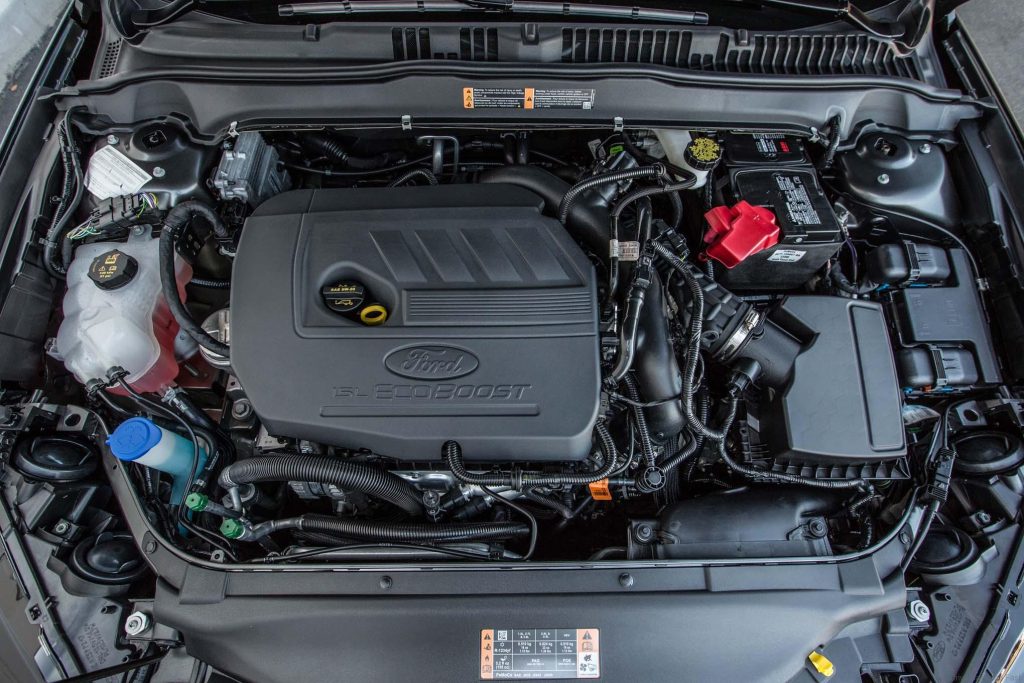
The EcoBoost 2.0L engine shows how advanced technology depends heavily on accurate sensor input. Even a small disruption in timing data can affect the entire system, turning a refined and capable engine into one that feels unpredictable until the issue is resolved.
7. Mercedes-Benz M272 V6 Engine
The Mercedes-Benz M272 V6 engine was designed to deliver smooth performance and refined power, fitting perfectly into the brand’s focus on comfort and engineering precision.
It powered a wide range of vehicles and was praised for its quiet operation and balanced output. However, the crankshaft position sensor became a component that could disrupt this otherwise composed engine in a way that felt disproportionate to its size.
In this engine, the sensor plays a central role in maintaining synchronization between ignition and fuel delivery. When it starts to fail, the symptoms can vary widely.
Some drivers report sudden stalling without warning, while others notice extended cranking before the engine starts. This variation makes the issue difficult to predict, as it does not always follow a clear pattern.
One of the more frustrating aspects is how the problem appears under specific conditions. The engine may run normally when cold, only to develop issues once it reaches operating temperature.
This heat-related behavior points to the sensor’s sensitivity to thermal stress, which gradually affects its internal electronics. As temperatures rise, signal accuracy can drop, leading to inconsistent engine operation.
The M272 engine is known for its refined nature, and this makes any disruption more noticeable. A slight hesitation or misfire stands out in a system that is otherwise smooth and controlled. Drivers who expect seamless performance may find these interruptions particularly disappointing, as they contrast sharply with the engine’s intended character.
Diagnosis can be complicated by the presence of other known issues in the M272, which sometimes leads to confusion during troubleshooting.
Mechanics may initially suspect different components, especially when the symptoms overlap with other potential faults. This can extend repair time and increase costs before the correct solution is identified.
Accessing the crankshaft position sensor is not always straightforward. Its location within the engine layout may require additional steps to reach, adding to labor time. While the part itself is not excessively expensive, the effort required to replace it can vary depending on the vehicle configuration.
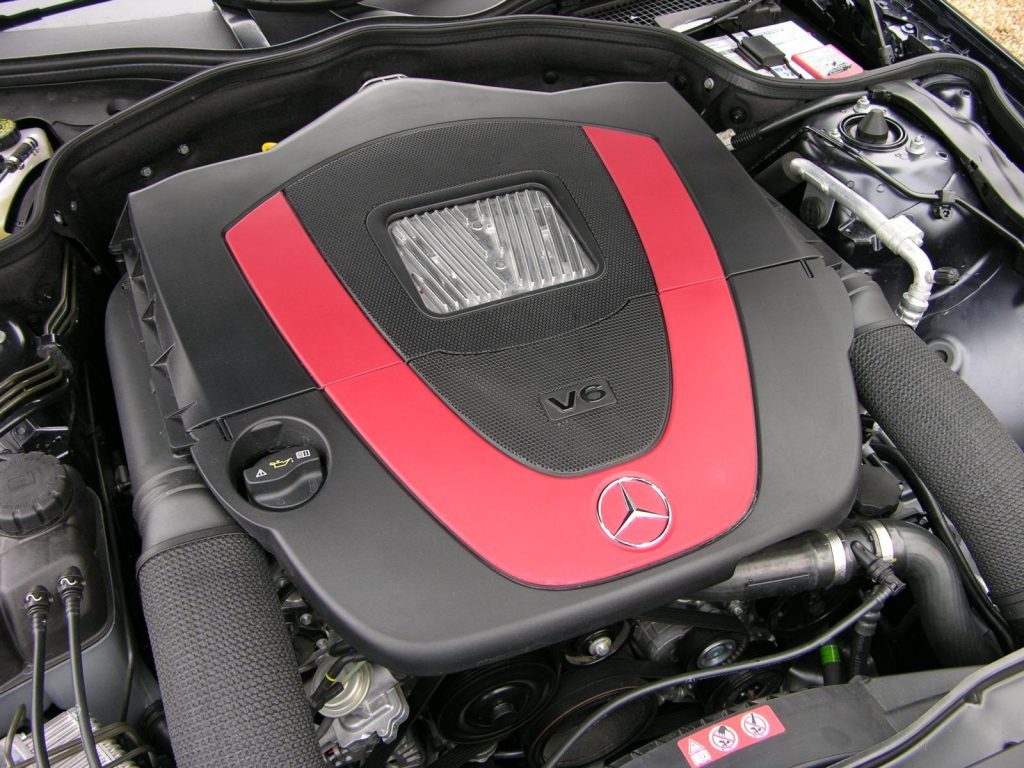
Once replaced, the engine typically returns to its smooth and reliable behavior. This reinforces how much influence the sensor has on overall performance.
The M272 engine remains a strong example of refined engineering, but the crankshaft position sensor issue highlights how even a minor component can interrupt a carefully balanced system. It serves as a reminder that precision engines rely heavily on the accuracy of every supporting element.
8. Chrysler 2.7L V6 Engine
The Chrysler 2.7L V6 engine has a reputation shaped by a mix of strengths and challenges. It was designed to deliver efficient performance in midsize vehicles, offering a compact layout and respectable power for its time.
While the engine itself has been the subject of broader discussions, the crankshaft position sensor stands out as a specific issue that can quickly disrupt its operation.
In this engine, the sensor’s role is critical to maintaining proper timing. When it begins to fail, the effects can be immediate and severe. Drivers may experience sudden stalling, often without any prior warning signs. This abrupt behavior can make the vehicle feel unreliable, especially in situations where consistent performance is expected.
Unlike some engines where symptoms develop gradually, the 2.7L V6 can present a more abrupt failure pattern. One moment the engine runs normally, and the next it shuts down. This lack of progression makes it difficult to anticipate the problem, leaving drivers with little opportunity to address it before it becomes disruptive.
Heat buildup is a contributing factor. The engine’s design can create localized high-temperature zones, and the sensor is exposed to these conditions during operation.
Over time, repeated exposure can degrade its internal components, leading to signal loss. Once the signal is interrupted, the engine control unit can no longer maintain proper timing, resulting in immediate performance issues.
Electrical reliability also plays a role. The wiring connected to the sensor must endure constant vibration and temperature changes. Any weakness in these connections can lead to intermittent faults, which may cause the engine to behave unpredictably. This adds another layer of complexity when diagnosing the issue.
The impact on drivability is significant. A failing sensor can cause hesitation, rough running, or complete engine shutdown. These symptoms affect not only performance but also driver confidence, as the vehicle may not respond consistently.
Replacing the sensor is usually the solution, but accessibility can vary, influencing the time required for the repair. Once addressed, the engine typically regains stable operation, highlighting how much influence this single component has.
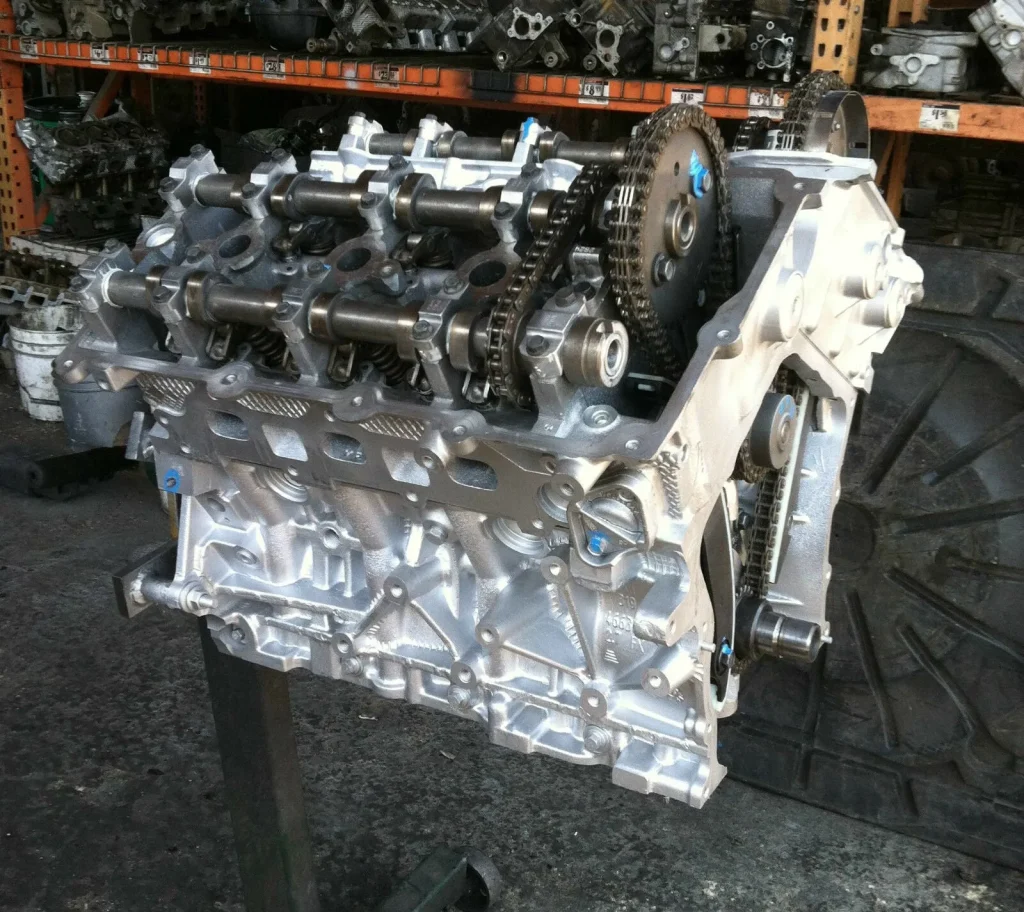
The Chrysler 2.7L V6 demonstrates how a small electronic part can have a large impact on engine behavior. Even in an engine with known strengths, the crankshaft position sensor can become the factor that defines the ownership experience.
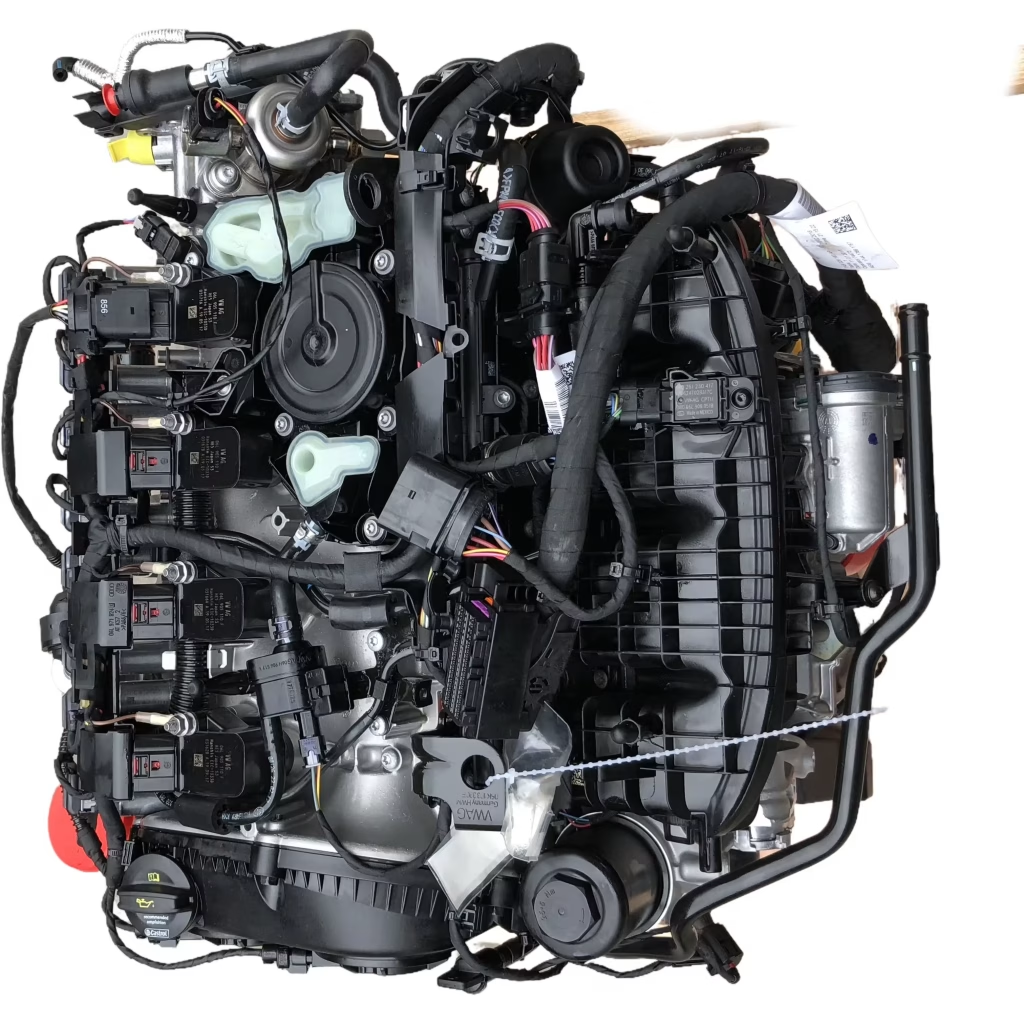
9. Toyota 1ZZ-FE Inline-4 Engine
The Toyota 1ZZ-FE engine is widely known for its simplicity, efficiency, and long service life. It powered a range of compact cars and gained a reputation for being dependable when maintained properly.
Unlike many complex modern engines, it follows a straightforward design philosophy that focuses on reliability and ease of use. Despite this, the crankshaft position sensor can become a small but disruptive weakness that affects how the engine behaves under certain conditions.
In this engine, the sensor is responsible for providing consistent timing data to the control unit. When it begins to fail, the symptoms are often subtle at first.
A driver might notice a slight hesitation during acceleration or occasional difficulty starting the engine. These early signs can easily be overlooked, especially because the engine continues to run without immediate major issues.
As the problem progresses, the symptoms become more noticeable. The engine may begin to stall unexpectedly, particularly when idling or during low-speed driving.
This can create a sense of unpredictability that contrasts with the engine’s usual reputation for smooth operation. The transition from minor inconvenience to a more serious issue can happen gradually, making it important to recognize the warning signs early.
One factor that contributes to sensor failure in the 1ZZ-FE is prolonged exposure to heat and vibration. While the engine is not as thermally demanding as turbocharged units, the sensor still operates in an environment where temperature changes and mechanical movement are constant.
Over time, these conditions can affect its internal components, leading to inconsistent signal output.
Another aspect to consider is how the engine control system responds to faulty data. Even a slight disruption in timing information can affect fuel injection and ignition, resulting in rough running or reduced efficiency. Because the engine is otherwise stable, these changes stand out more clearly, making the issue easier to notice once it becomes pronounced.
Diagnosis is generally more straightforward compared to some of the more complex engines discussed earlier. The symptoms tend to align closely with sensor failure, allowing for quicker identification. Replacement is also relatively simple in most cases, which helps keep repair costs manageable.
The 1ZZ-FE remains a reliable engine, but this issue shows that no design is completely immune to small component failures. The crankshaft position sensor, though small, can significantly influence the engine’s behaviour when it begins to fail.
Also Read: 9 Durable Inline-Six Engines Mechanics Refuse to Bet Against
