
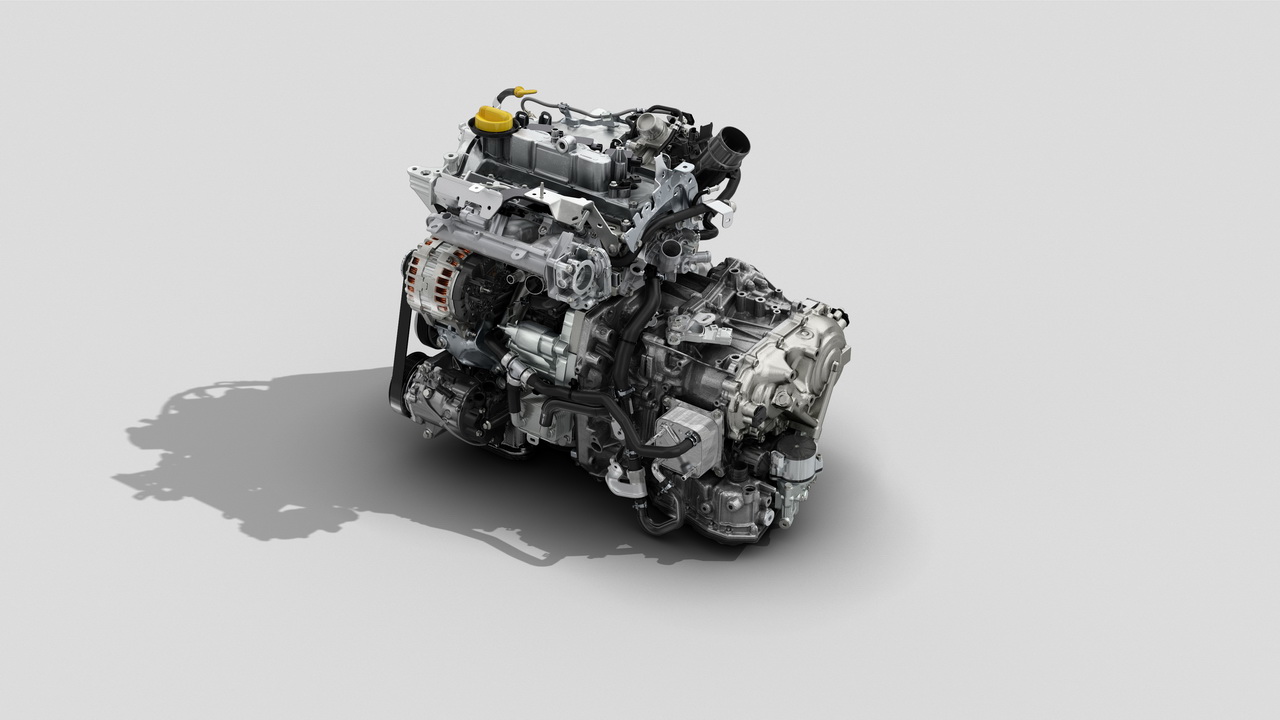
Small-displacement turbocharged engines were introduced with a clear promise. They aimed to deliver the performance of larger engines while maintaining the fuel efficiency of smaller ones.
On paper, this concept made perfect sense. Automakers could meet stricter emissions regulations while still offering responsive and engaging vehicles. However, not all of these engines lived up to expectations when it came to long-term durability.
The challenge with small turbo engines lies in the stress they endure. To produce higher power from a smaller displacement, these engines rely heavily on forced induction, higher compression, and tighter tolerances.
This means internal components operate under greater pressure and temperature compared to naturally aspirated engines. While modern engineering has made impressive progress, some designs pushed these limits too far, resulting in premature wear and reliability concerns.
Another factor that contributes to reduced lifespan is heat management. Turbochargers generate significant heat, and in compact engine bays, controlling that heat becomes difficult. Over time, excessive temperatures can affect seals, gaskets, and internal components.
Oil quality also becomes critical, as turbo engines depend on proper lubrication to prevent damage. When maintenance is not perfectly followed, problems can escalate quickly.
Driving conditions play a major role as well. Many of these engines are found in vehicles used for daily commuting, where stop-and-go traffic and short trips are common.
These conditions prevent the engine from operating at optimal temperatures, leading to increased wear. Combined with turbocharging demands, this can shorten the lifespan of key components.
This list focuses on eight small-displacement turbo engines that have struggled to reach high mileage without significant issues. Each one highlights a different set of challenges, from design limitations to thermal stress and component durability. The goal is to understand why these engines fall short and what factors contribute to their shorter lifespan.
By examining these examples, it becomes clear that achieving both efficiency and longevity is not always straightforward. Small turbo engines can be impressive when new, but their long-term performance depends heavily on design, maintenance, and real-world usage.
Also Read: 8 Engines Whose Design Hasn’t Been Improved in 20 Years
1. Ford 1.0L EcoBoost
The Ford 1.0L EcoBoost engine is often praised for its innovation. Packing turbocharged performance into a tiny three-cylinder design, it delivers impressive power for its size.
When new, it feels lively and efficient, making it a strong contender in the small car segment. However, beneath this clever engineering lies a set of issues that can limit its long-term durability.
One of the most significant concerns is related to heat management. The compact nature of the engine means that components are tightly packed, leaving little room for heat dissipation.
The turbocharger adds another layer of thermal stress, pushing temperatures higher during operation. Over time, this heat can affect critical parts such as hoses, seals, and even internal engine components.
Cooling system design has also been a point of discussion. Some versions of this engine experienced issues with coolant flow, which could lead to overheating. When an engine overheats, even briefly, it can cause lasting damage that reduces its lifespan. For a small turbo engine already operating under high stress, this becomes a serious concern.
Another factor is the use of a wet timing belt system. Unlike traditional timing chains, this belt runs in oil, which is intended to reduce friction and improve efficiency. However, it can degrade over time, especially if oil quality is not maintained properly. As the belt wears, debris can circulate through the engine, potentially causing additional damage.
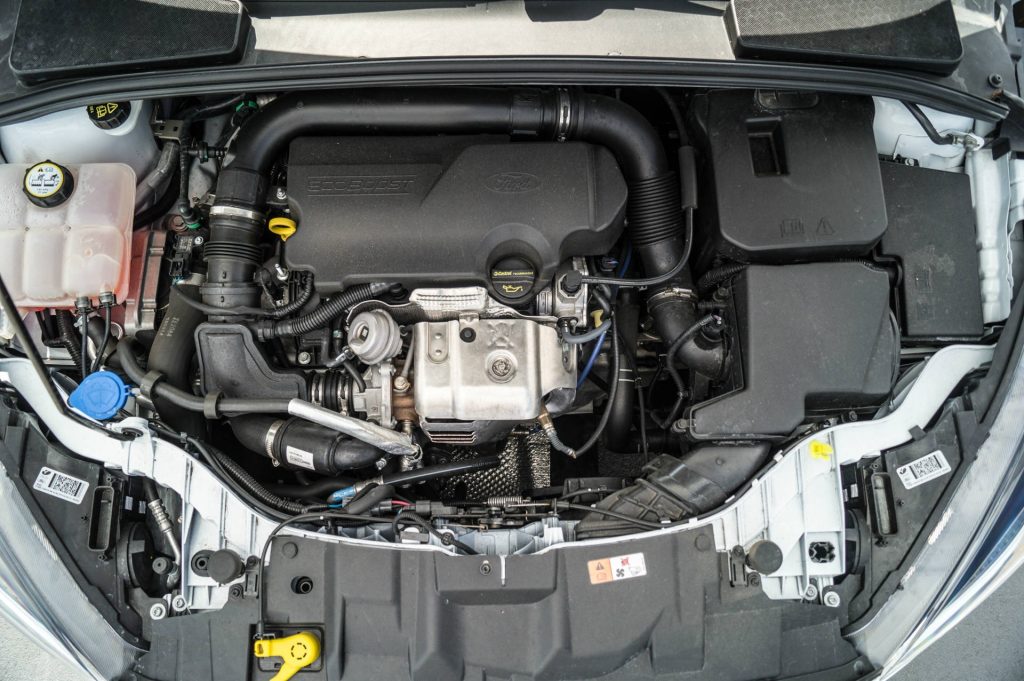
The engine’s high specific output also contributes to wear. Producing significant power from a small displacement requires components to work harder than in larger engines. This constant strain can accelerate the aging process, particularly if the vehicle is driven aggressively or not maintained carefully.
Owners who follow strict maintenance schedules and use high-quality oil may achieve better results, but the margin for error is smaller compared to more traditional engines. Even minor neglect can have a noticeable impact on longevity.
The 1.0L EcoBoost represents a bold step in engine design, but it also shows the risks of pushing efficiency and performance to their limits. While it performs well in the short term, its long-term durability can fall short if conditions are not ideal.
2. Volkswagen 1.4 TSI (Twincharger Early Versions)
The Volkswagen 1.4 TSI twincharger engine was an ambitious attempt to combine turbocharging and supercharging in a small displacement package. The idea was to eliminate turbo lag while maintaining strong performance across the rev range.
On paper, it was a technological achievement. In reality, this complexity introduced reliability challenges that affected its ability to reach high mileage.
The twincharger setup itself is a major source of stress. With both a supercharger and a turbocharger working together, the engine experiences constant pressure across different driving conditions.
While this improves performance, it also increases the load on internal components. Managing this level of complexity requires precise engineering, and even small issues can have significant consequences.
Timing chain problems are one of the most well-known concerns with this engine. Over time, the chain and its associated components can stretch or wear, leading to timing issues. If not addressed early, this can result in serious engine damage. Combined with the demands of forced induction, this weakness becomes more pronounced.
Heat is another critical factor. The combination of two forced induction systems generates substantial thermal load. Keeping temperatures under control is essential, but the compact design makes this challenging. Prolonged exposure to high heat can accelerate wear on various components, reducing the engine’s lifespan.
Carbon buildup is also a recurring issue. Direct injection engines are prone to deposits forming on intake valves, and in this case, the problem can become severe over time. This affects airflow and performance, requiring regular cleaning to maintain efficiency.
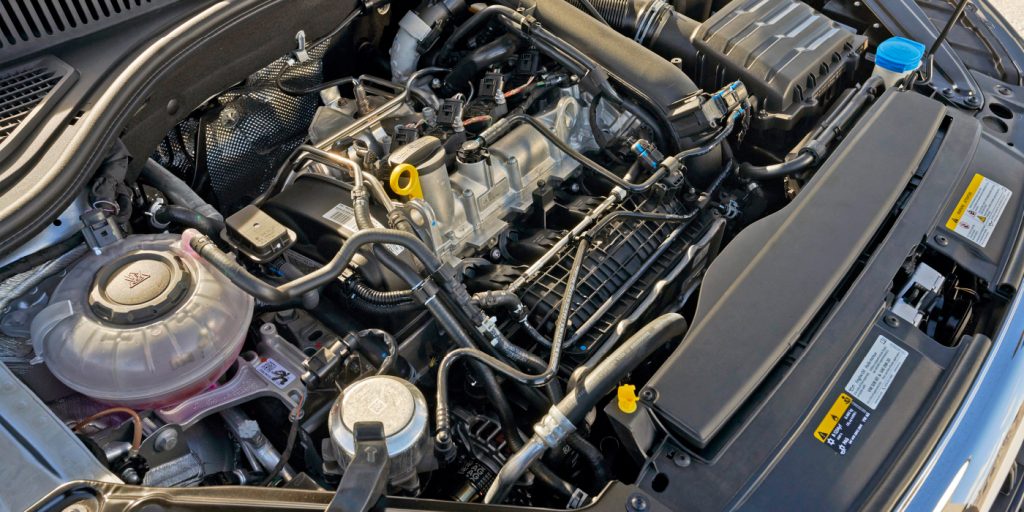
Maintenance requirements for this engine are higher than average. Owners must pay close attention to oil quality, service intervals, and early warning signs of potential problems. Failure to do so can lead to costly repairs and reduced longevity.
Despite its innovative design, the 1.4 TSI twincharger struggles with durability due to its complexity and the stresses placed on its components. It stands as an example of how advanced engineering can introduce new challenges, particularly when multiple systems are combined in a compact engine.
3. BMW N13 1.6L Turbo Engine
The BMW N13 engine was introduced as a downsized turbocharged option aimed at delivering efficiency without sacrificing the brand’s signature driving feel.
On the surface, it succeeds in providing responsive performance and respectable fuel economy. Yet, beneath that balanced character lies a pattern of issues that often prevent it from reaching higher mileage without significant intervention.
This engine operates under considerable stress due to its small displacement combined with turbocharging. To meet performance expectations, it produces more power than its size would traditionally allow.
That output comes at a cost. Internal components are subjected to higher pressure and temperature, which accelerates wear over time. While this is expected in any turbocharged design, the margin for durability here feels narrower than in more robust setups.
One area that tends to cause trouble is the timing system. Chain stretch and tensioner wear have been reported, particularly as mileage increases.
When timing components begin to deviate from their intended operation, the engine can develop rough running characteristics or even risk internal damage if not addressed promptly. This is not an issue that can be ignored, as it directly affects the engine’s core function.
Oil quality and consumption also play a role. The N13 relies heavily on proper lubrication to manage heat and friction. Any delay in oil changes or use of lower-quality oil can lead to accelerated wear.
Over time, this can contribute to issues such as turbocharger degradation or internal component fatigue. The engine demands consistent maintenance, and even slight neglect can have noticeable consequences.
Heat management is another contributing factor. The compact layout leaves limited space for heat dissipation, and the turbocharger adds to the thermal load.
As temperatures rise, surrounding components experience additional stress, which can shorten their lifespan. This is particularly relevant in urban driving conditions where airflow is limited and stop-and-go traffic is common.
The driving experience remains engaging, which is what draws many owners to this engine in the first place. However, that enjoyment can be overshadowed by reliability concerns as the mileage climbs. Repairs related to timing components or turbo systems can become costly, making long-term ownership less appealing.
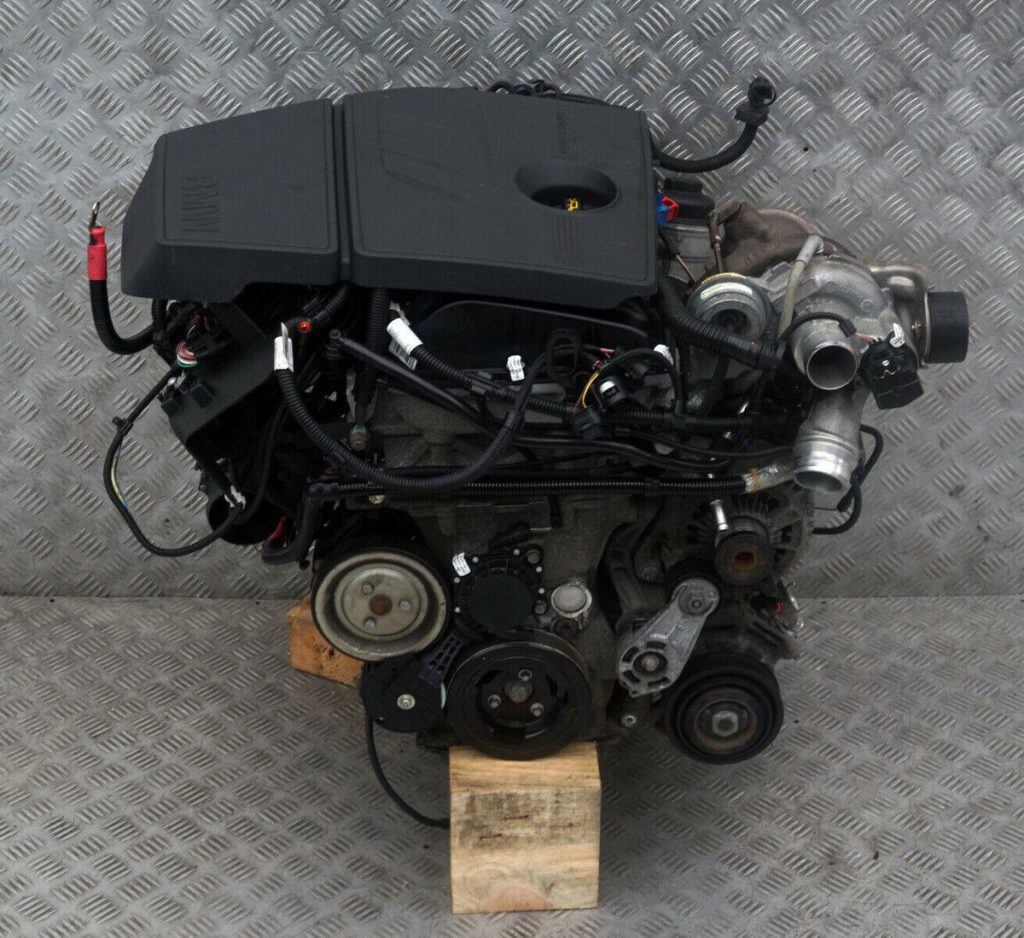
The N13 illustrates how downsizing and performance goals can sometimes conflict with durability. It delivers strong performance for its size, but maintaining that performance over time requires careful attention and consistent servicing.
4. Chevrolet 1.4L Turbo (LUJ / LUV)
The Chevrolet 1.4L turbo engine found in several compact models was designed to provide an accessible balance of efficiency and performance. It delivers adequate power for daily driving and initially feels smooth and responsive. However, as mileage increases, a range of issues begins to surface, often limiting its ability to remain trouble-free in the long run.
One of the most common concerns with this engine is related to its cooling system. Components such as water pumps and coolant outlets are known to wear prematurely.
When these parts begin to fail, the engine can experience overheating, which is particularly damaging in a turbocharged setup. Even minor temperature spikes can have lasting effects on internal components, accelerating wear.
The turbocharger itself is another area where problems can develop. Because the engine relies heavily on forced induction to achieve its performance targets, the turbo is constantly under load.
Over time, this can lead to reduced efficiency or failure, especially if oil maintenance is not strictly followed. Proper lubrication is essential, and any lapse can quickly affect turbo health.
Oil leaks and consumption issues have also been reported. Seals and gaskets may degrade faster than expected, leading to fluid loss and reduced lubrication.
This not only affects engine performance but also increases the risk of further damage if not addressed promptly. In a small turbo engine, maintaining proper oil levels is critical, making these issues particularly concerning.
Another aspect to consider is the engine’s sensitivity to maintenance practices. While many engines can tolerate occasional delays in servicing, this one tends to respond poorly to neglect.
Missing an oil change or ignoring early warning signs can lead to more significant problems down the line. This creates a situation where ownership requires a higher level of attention than some drivers may anticipate.
The driving experience remains acceptable for its intended purpose, providing enough power for city and highway use. However, as problems accumulate, the engine may lose its smoothness and efficiency, affecting daily usability.
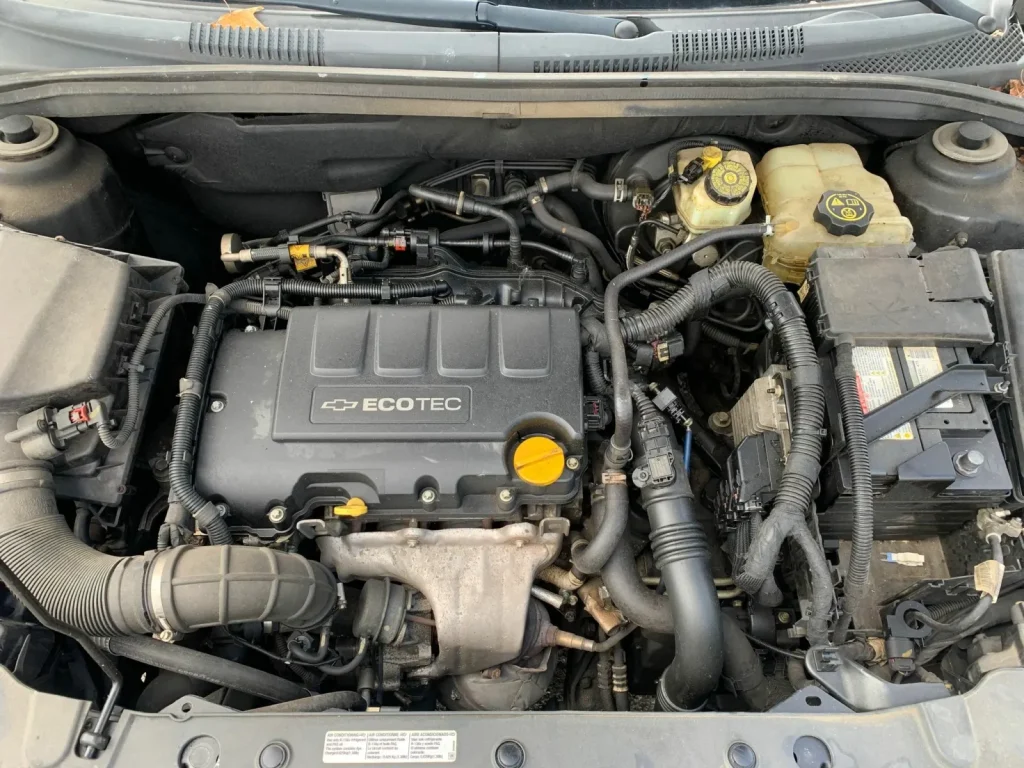
The Chevrolet 1.4L turbo highlights how a design focused on affordability and efficiency can face challenges in long-term durability. It performs well when new, but sustaining that performance requires consistent care and timely repairs, which can become demanding as the vehicle ages.
5. Fiat 1.4L MultiAir Turbo
The Fiat 1.4L MultiAir turbo engine arrived with a clever idea at its core. Instead of relying on a traditional valvetrain setup, it uses an electro-hydraulic system to control intake valves. This allows for precise airflow management and improved efficiency.
On paper, it sounds like a breakthrough for small turbo engines. In reality, this complexity introduces challenges that often affect long-term durability.
The MultiAir system itself is highly sensitive. It depends on clean, high-quality oil to function correctly because oil pressure is used to control valve operation.
When oil quality drops or service intervals are extended, the system can begin to behave unpredictably. This may show up as rough idling, hesitation, or reduced power. Over time, the issue can escalate, requiring costly repairs that go beyond simple maintenance.
Turbocharging adds another layer of strain. The engine is designed to produce strong output for its size, which means it operates under high pressure and temperature. The combination of thermal stress and a complex valve control system creates a narrow margin for error. If any part of the system begins to degrade, it can affect the entire engine’s performance.
Heat management is a recurring concern. The compact layout leaves limited space for airflow, and the turbocharger increases operating temperatures significantly. Prolonged exposure to heat can affect seals, sensors, and internal components. This gradual wear often goes unnoticed until symptoms become more severe.
Another point worth noting is how the engine reacts to driving conditions. Short trips and stop-and-go traffic can prevent the engine from reaching optimal operating temperature. This leads to incomplete oil circulation and increased deposits, which directly impact the MultiAir system. Over time, these conditions contribute to reduced reliability.
When maintained carefully, the engine can perform well and deliver an engaging driving experience. However, it requires strict adherence to service schedules and high-quality fluids. Even small lapses in maintenance can have noticeable consequences.
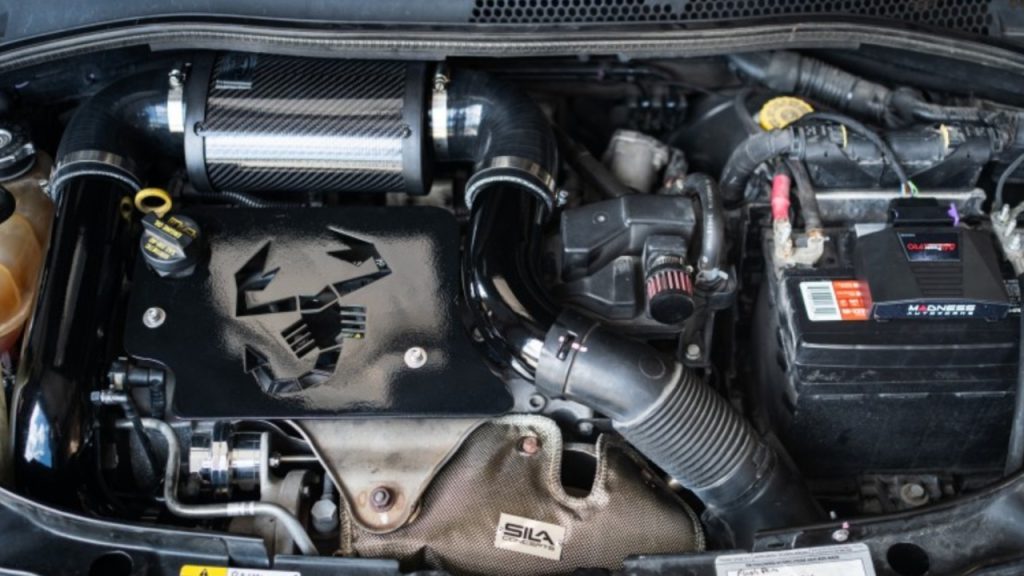
The Fiat 1.4L MultiAir turbo stands as an example of how advanced engineering can introduce both benefits and risks. Its innovative design offers efficiency and performance, but its long-term durability is closely tied to maintenance discipline and operating conditions.
6. Peugeot 1.2L PureTech Turbo
The Peugeot 1.2L PureTech turbo engine represents a modern approach to downsizing, combining a three-cylinder layout with turbocharging to achieve both efficiency and performance.
It delivers lively acceleration for its size and meets modern emissions standards effectively. However, certain design choices have raised concerns about its ability to maintain reliability over extended mileage.
One of the most discussed aspects of this engine is its wet timing belt system. The belt runs in oil, which is intended to reduce friction and improve efficiency.
While this concept works in theory, it introduces a vulnerability. Over time, the belt can degrade and release particles into the oil system. These particles can circulate through the engine, affecting lubrication and potentially causing damage to internal components.
Turbocharging further increases the demands on the engine. Despite its small size, it produces a significant amount of power, which means internal parts are constantly under stress. This high output requires precise lubrication and cooling, and any deviation from ideal conditions can accelerate wear.
Oil quality becomes especially important in this context. The engine depends on clean oil not only for lubrication but also for maintaining the integrity of the timing belt.
If oil changes are delayed or incorrect specifications are used, the risk of belt degradation increases. This creates a situation where maintenance is not just recommended but essential for preserving engine health.
Heat management also plays a role in long-term durability. The compact design and turbocharger contribute to elevated temperatures, particularly during extended driving or in warm climates. Over time, this can affect seals and other components, leading to additional maintenance requirements.
Driving patterns influence how these issues develop. Frequent short trips can prevent the engine from reaching optimal temperature, which affects oil performance and increases the likelihood of deposits forming. These deposits can further complicate the engine’s operation, reducing efficiency and reliability.
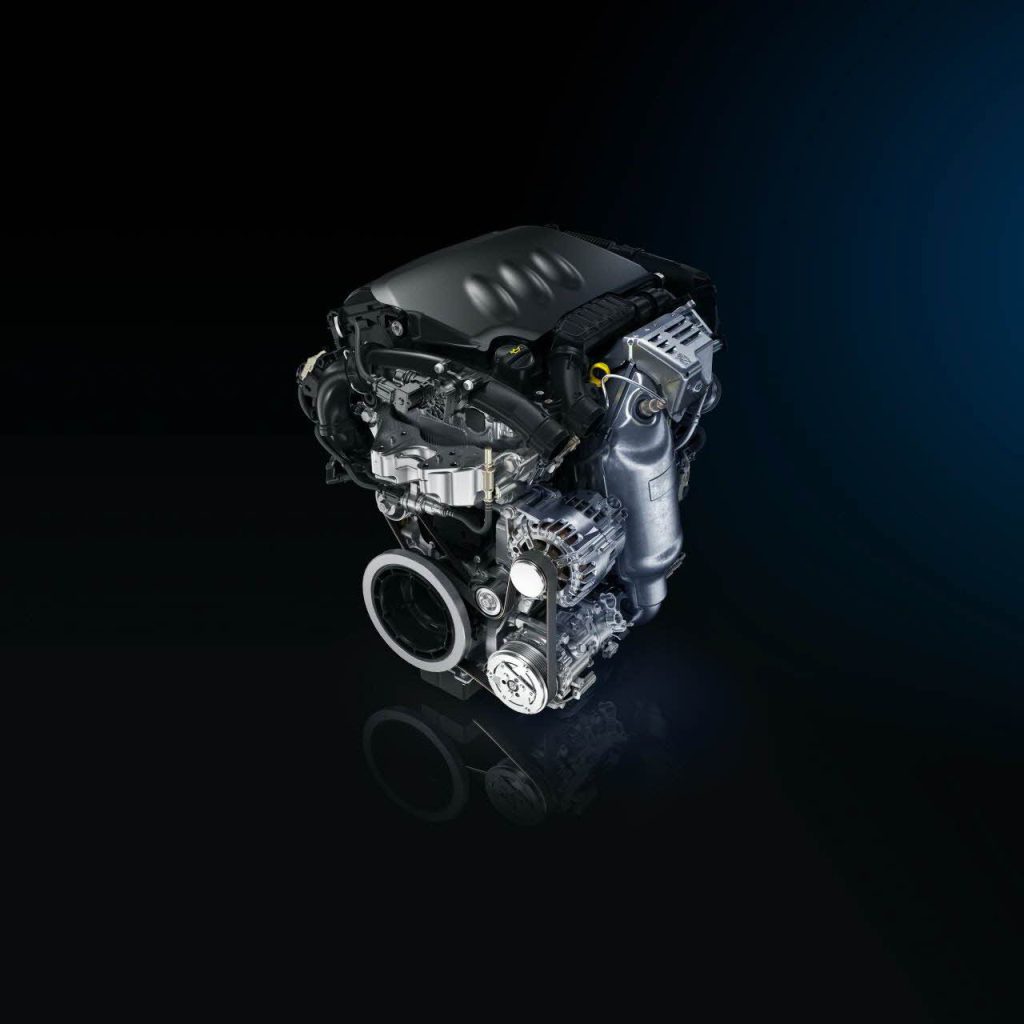
The PureTech engine performs well in terms of efficiency and responsiveness, but its long-term durability depends heavily on proper care. It demonstrates how innovative solutions, such as wet timing belts, can introduce new challenges that must be carefully managed to avoid premature wear.
7. Renault 1.2L TCe Turbo Engine
The Renault 1.2L TCe turbo engine was introduced with the intention of delivering modern efficiency in a compact package. It promised low fuel consumption, reduced emissions, and enough performance to make everyday driving comfortable.
Initially, it seemed like a well-rounded solution for small cars. As time passed, however, a number of durability concerns began to surface, many of which prevented the engine from reaching higher mileage without significant intervention.
One of the most widely discussed issues with this engine is excessive oil consumption. Unlike minor variations that can be expected in any engine, the TCe 1.2 often develops a pattern where oil levels drop rapidly between service intervals.
This creates a situation where drivers must monitor oil more frequently than usual. If this is not done carefully, the engine can run with insufficient lubrication, which accelerates internal wear.
The root of this issue is linked to piston and ring design. Over time, these components can wear in a way that allows oil to enter the combustion chamber. Once this process begins, it tends to worsen gradually. The engine may continue to run, but efficiency drops, emissions increase, and long-term damage becomes more likely.
Turbocharging adds further complexity. The engine relies on its turbocharger to deliver acceptable performance, and this component is highly dependent on proper lubrication.
When oil consumption becomes inconsistent, the turbocharger may not receive the level of protection it needs. This can lead to reduced efficiency or premature failure, compounding the engine’s existing problems.
Another contributing factor is how the engine behaves under real-world driving conditions. Many vehicles equipped with this engine are used in urban environments, where short trips and frequent stops are common.
These conditions prevent the engine from reaching stable operating temperatures, which can lead to incomplete combustion and increased deposit formation. Over time, this affects both performance and reliability.
Heat management also plays a role. The compact design, combined with turbocharging, results in higher operating temperatures. This places additional stress on seals and internal components. As these parts age, their ability to maintain proper function decreases, contributing to the engine’s overall decline.
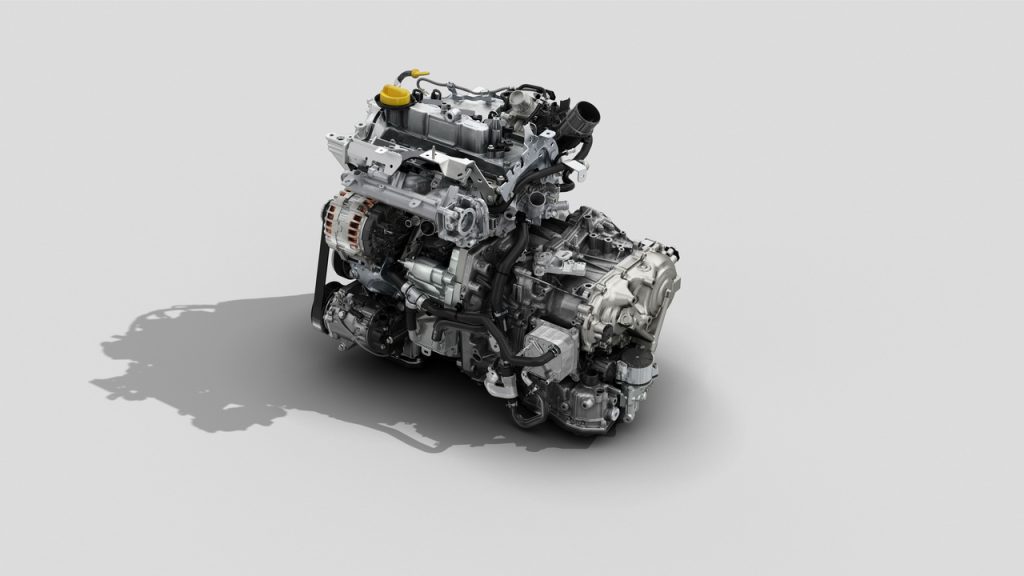
The driving experience, especially when the engine is new, can feel smooth and responsive. This makes the later issues more noticeable, as the contrast between initial performance and long-term reliability becomes clear. Owners often find themselves dealing with maintenance concerns earlier than expected.
The Renault 1.2L TCe illustrates how a combination of design choices and operating conditions can influence durability. While it meets its efficiency goals, sustaining performance over time proves to be more challenging, particularly when oil consumption issues begin to develop.
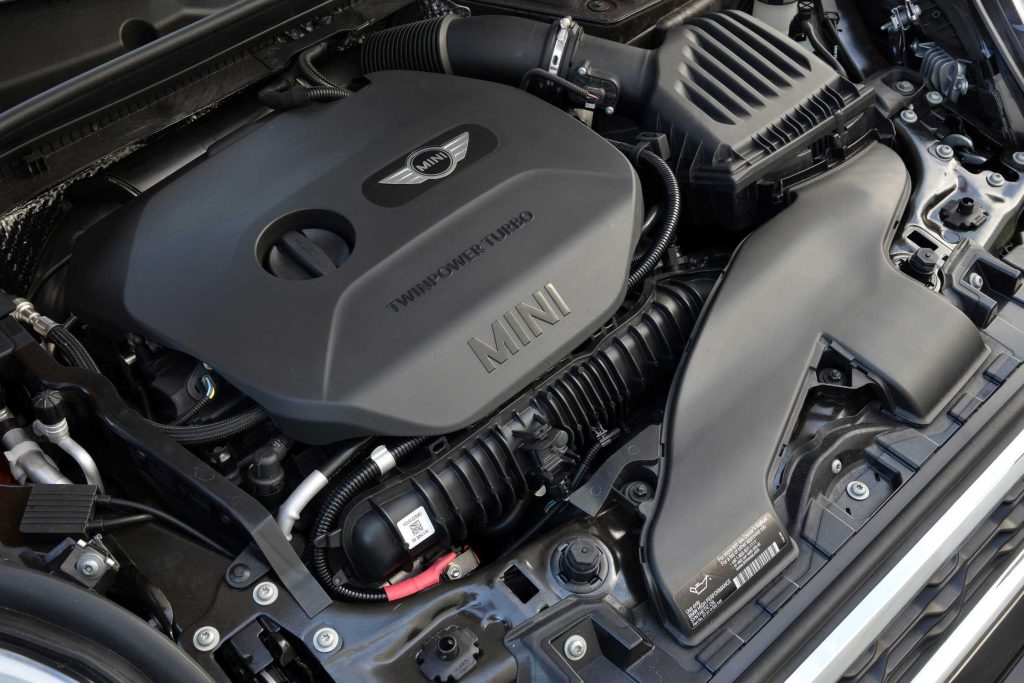
8. Mini 1.6L Turbo (Prince Engine)
The Mini 1.6L turbo engine, commonly referred to as the Prince engine, is known for delivering lively performance in a compact and stylish package. Developed through a collaboration between manufacturers, it aimed to combine efficiency with a sporty driving character.
When functioning properly, it offers quick acceleration and an engaging feel that aligns well with the brand’s identity. However, its long-term durability has been affected by several recurring issues that often appear before reaching higher mileage.
A major concern with this engine is related to timing chain components. Over time, the chain and its associated tensioners can wear or stretch, leading to rattling noises and potential timing inaccuracies.
If not addressed early, this issue can escalate into more serious mechanical problems. The need for attention to this system adds to the maintenance burden for owners.
Carbon buildup is another factor that influences reliability. As a direct injection engine, it is prone to deposits forming on intake valves. These deposits restrict airflow and reduce engine efficiency.
Over time, this can lead to rough idling, reduced power, and increased fuel consumption. Cleaning the valves becomes a necessary maintenance step, adding to ownership costs.
The turbocharger itself is also subject to wear. Because the engine relies heavily on forced induction, the turbo operates under constant stress. Proper lubrication is essential, and any lapse in oil quality or service intervals can affect its performance. Once issues begin to develop, the cost of repair can be significant.
Heat management presents additional challenges. The engine’s compact design and performance focus result in higher operating temperatures.
This affects not only the turbocharger but also surrounding components such as hoses and seals. Over time, these parts can degrade, leading to leaks and further complications.
Another aspect to consider is how sensitive the engine is to maintenance practices. It requires consistent servicing with the correct specifications to maintain reliability.
Delays or shortcuts in maintenance can quickly lead to problems, as the engine does not tolerate neglect well. This creates a situation where ownership demands a higher level of attention compared to simpler designs.
The driving experience remains one of the engine’s strongest qualities. It delivers a sense of energy and responsiveness that makes it enjoyable to use. However, this performance comes with a trade-off, as the same factors that make it engaging also contribute to increased wear over time.
The Mini 1.6L turbo highlights the balance between performance and durability. It offers strong initial appeal, but maintaining that appeal over extended mileage requires careful maintenance and awareness of its known issues.
Small-displacement turbo engines promise efficiency and strong performance, but many struggle with long-term durability due to the stress they operate under.
High pressure, elevated temperatures, and compact designs place significant strain on internal components, making these engines more sensitive to wear and maintenance practices.
The examples in this list show recurring patterns. Issues such as overheating, oil consumption, timing system failures, and carbon buildup often appear earlier than expected.
Turbochargers add another layer of complexity, relying heavily on proper lubrication and cooling to function correctly. When maintenance is delayed or conditions are demanding, these problems can escalate quickly.
Another key factor is design complexity. Features like wet timing belts or advanced valve systems improve efficiency but introduce new risks. Combined with real-world driving conditions such as short trips and heavy traffic, these engines often fail to reach high mileage without major repairs.
These cases highlight that while downsizing improves efficiency, it can compromise longevity if not carefully balanced.
Also Read: 9 Engines That Redefined What High-Mileage Actually Means
