
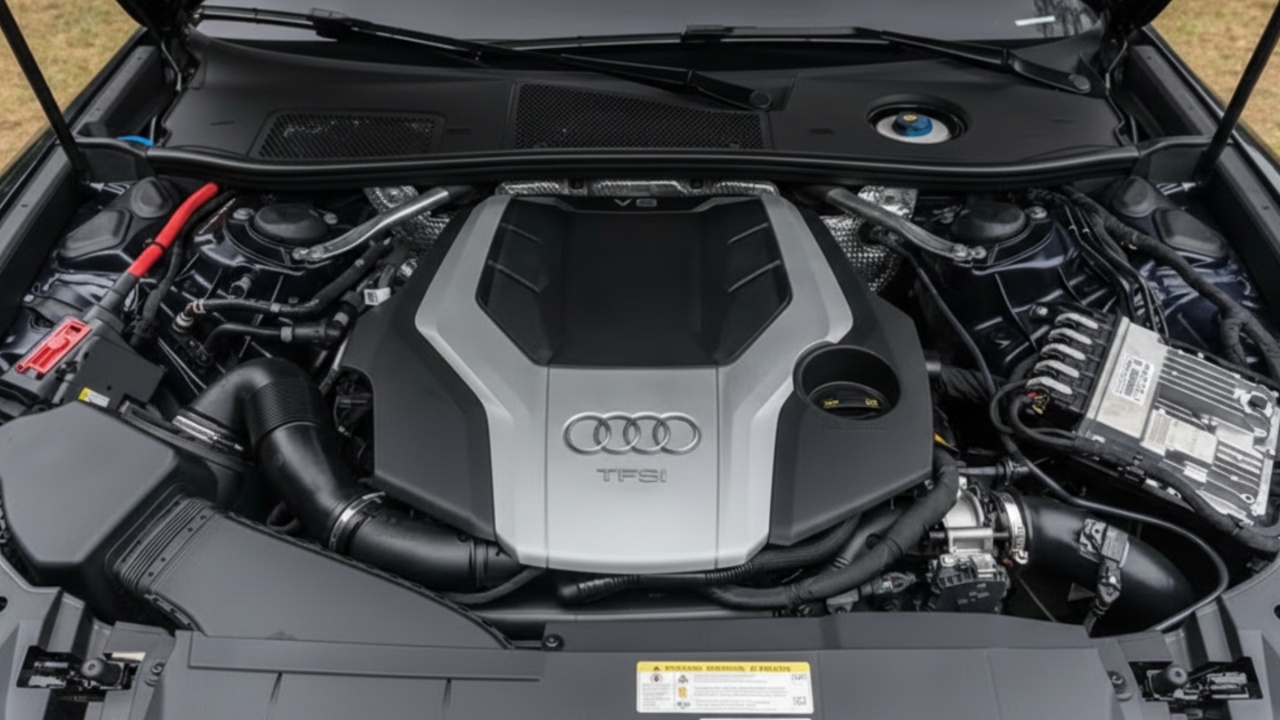
Reaching 100,000 miles has long been considered a milestone that separates lightly used vehicles from truly experienced machines.
At this stage, an engine has endured years of heat cycles, load variations, and countless internal movements that slowly shape its long-term behavior. While many engines continue to perform reliably beyond this point, others begin to reveal weaknesses that were not apparent earlier in their lifespan.
What makes these problems particularly challenging is their delayed nature. During the warranty period and even well beyond it, these engines may appear perfectly healthy. They deliver smooth power, maintain efficiency, and give owners little reason to suspect future trouble.
Then, as mileage crosses into six digits, subtle changes begin to appear. These changes may start as minor inconveniences but can quickly develop into costly repairs if left unaddressed.
The causes behind such late-emerging issues vary significantly. Some engines suffer from internal wear in components that were never designed for extended stress.
Others rely on complex systems like turbocharging or direct injection, where small inefficiencies compound over time. Heat management, lubrication pathways, and material durability all play a role in determining how an engine behaves after prolonged use.
Another factor is how modern engineering prioritizes efficiency and performance. Tighter tolerances and lighter components improve fuel economy and responsiveness but can reduce the margin for long-term wear. As a result, certain engines perform exceptionally well early on but become more sensitive as internal parts age.
For owners, the challenge lies in recognizing these patterns before they escalate. Many of these problems do not appear as sudden failures. Instead, they develop gradually, often presenting subtle warning signs such as unusual noises, slight performance drops, or increased maintenance needs. Without careful attention, these signs can easily be overlooked.
This article highlights nine engines known for developing issues after crossing the 100,000-mile mark. Each example represents a different type of problem, from mechanical wear to design limitations. The goal is to provide clarity, helping both current owners and potential buyers understand what to expect as these engines age.
By identifying these patterns, you can approach long-term ownership with better preparation, avoiding surprises and making informed decisions about maintenance and repairs.
Also Read: Top 10 Engines Whose Reputation Is Built on Running Without Maintenance Surprises
1. Ford 5.4L Triton V8 (3-Valve)
The Ford 5.4L Triton V8, especially the 3-valve version found in F-150 trucks and Expeditions, built its reputation on strong torque and durability. In its early years, it performs exactly as buyers expect from a large displacement V8. However, once it crosses the 100,000-mile threshold, a very specific set of issues begins to surface.
One of the most well-known problems involves the timing chain system. Over time, the timing chain guides and tensioners wear down, leading to a rattling noise during startup or acceleration. This noise is not just an annoyance but a sign that internal timing components are losing precision. If ignored, it can lead to more serious engine damage.
Another concern lies with the cam phasers, which are part of the variable valve timing system. As oil pressure fluctuates or components wear, these phasers can begin to malfunction. Drivers may notice rough idling, reduced power, or inconsistent acceleration. These symptoms often appear gradually, making them easy to dismiss at first.
Spark plug issues also contribute to the engine’s reputation. The design can cause plugs to seize or even break during removal, especially after years of heat exposure. This turns what should be a routine maintenance task into a complicated repair.
What makes the Triton V8 interesting is how its problems are tied to long-term wear rather than immediate defects. Many of these engines run smoothly for years before these issues appear, creating a false sense of durability.
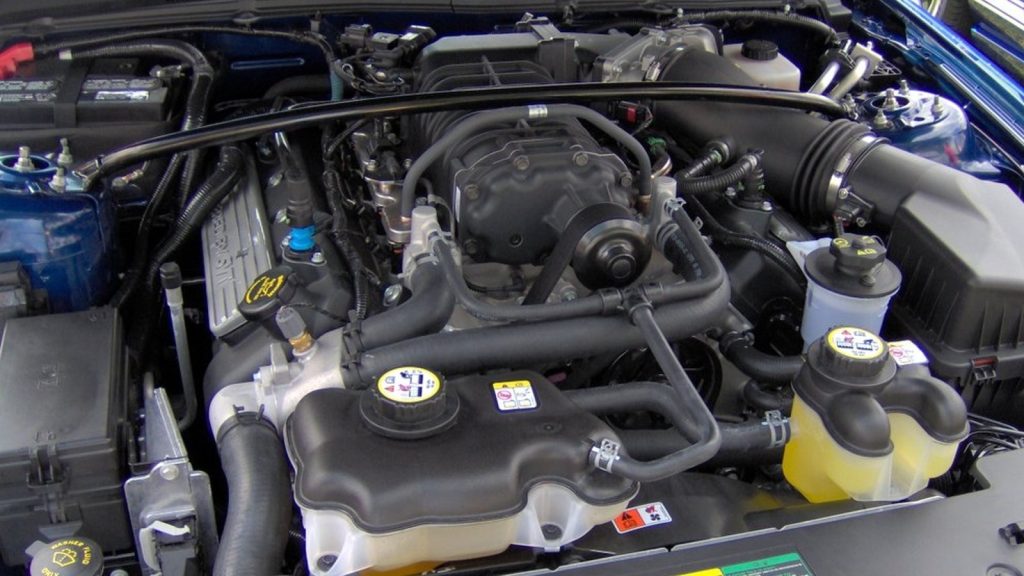
Owners who use high-quality oil and maintain strict service intervals often delay these problems. Still, once the engine reaches higher mileage, these concerns become increasingly common and difficult to avoid completely.
2. BMW N54 3.0L Twin Turbo Inline-6
BMW’s N54 engine is often praised for its performance capabilities. Found in models like the 335i, this twin-turbocharged inline-six delivers impressive power and tuning potential. During its early life, it feels refined, responsive, and engaging. Yet after 100,000 miles, a different side of the engine begins to reveal itself.
High-pressure fuel pump issues are among the most widely reported problems. While some failures occur earlier, many drivers encounter recurring fuel delivery concerns as the engine ages. This can result in long crank times, reduced performance, or sudden loss of power under load.
Turbocharger wear is another factor that becomes more noticeable over time. The wastegate components, in particular, can develop play, leading to a rattling sound and reduced boost efficiency. This issue does not always affect drivability immediately, but it gradually impacts performance and reliability.
Carbon buildup is an inherent challenge in direct injection engines like the N54. After significant mileage, deposits accumulate on intake valves, restricting airflow and affecting combustion efficiency. This leads to rough idling, hesitation, and decreased fuel economy.
Cooling system components also deserve attention. Water pumps and thermostats in this engine are known to fail with age, sometimes without much warning. Given the engine’s performance nature, proper cooling is essential, and failures can escalate quickly if not addressed.
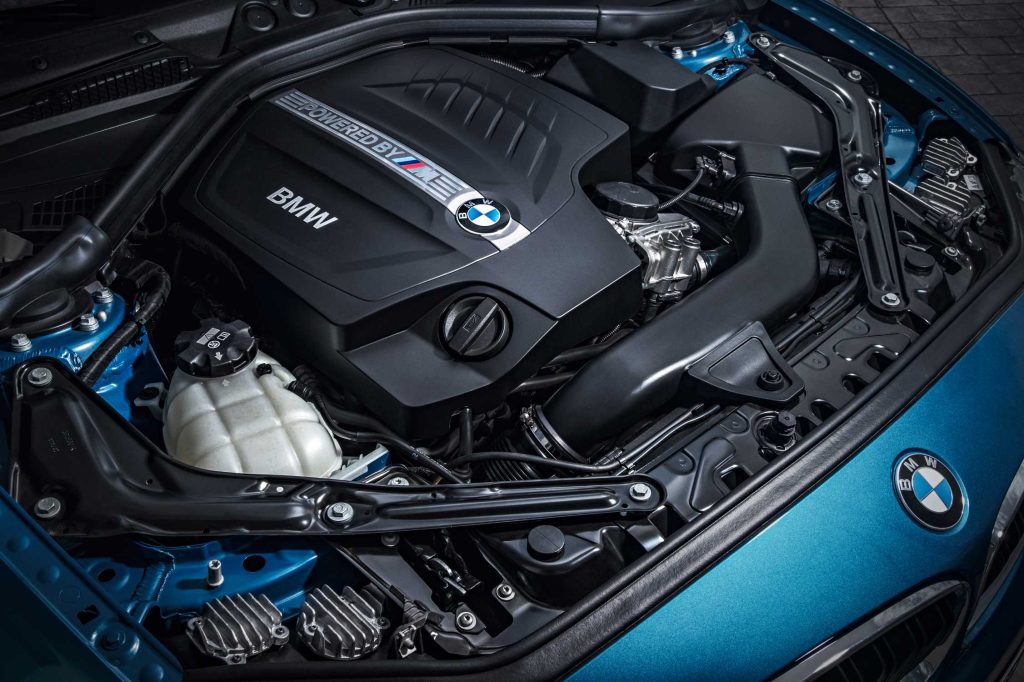
What defines the N54 experience after 100,000 miles is not a single failure point but a combination of aging systems. Each issue may seem manageable on its own, but together they create a more demanding ownership experience.
Despite these challenges, many enthusiasts remain loyal to the N54 due to its performance potential. However, maintaining that performance requires a proactive approach and a willingness to address multiple components as they age.
3. Chevrolet 5.3L Vortec V8 (Active Fuel Management)
The 5.3L Vortec V8 has powered countless Chevrolet and GMC trucks, earning a reputation for reliability and strong everyday performance. At lower mileage, it feels nearly indestructible.
It pulls confidently, handles towing duties with ease, and rarely gives owners a reason to worry. Then, somewhere after the 100,000-mile mark, a specific weakness begins to surface that changes the ownership experience.
The issue revolves around Active Fuel Management, a system designed to improve fuel efficiency by deactivating certain cylinders under light load. While effective in theory, this system introduces additional complexity into the engine. Over time, the components responsible for cylinder deactivation, particularly lifters, can begin to fail.
A failing lifter does not always announce itself loudly at first. In some cases, it starts as a faint ticking sound that appears intermittently. Gradually, the noise becomes more consistent, accompanied by misfires or reduced engine smoothness. If ignored, the problem can escalate into more serious internal damage, requiring extensive repairs.
Oil consumption is another concern tied to this system. The transition between active and inactive cylinders can affect lubrication patterns, leading to increased oil usage in higher-mileage engines. This adds another layer of maintenance that many owners do not anticipate.
Interestingly, not every engine experiences these problems at the same rate. Some units continue to operate without major issues, while others develop symptoms soon after crossing into six-digit mileage. This inconsistency makes it difficult for owners to predict when intervention might be necessary.
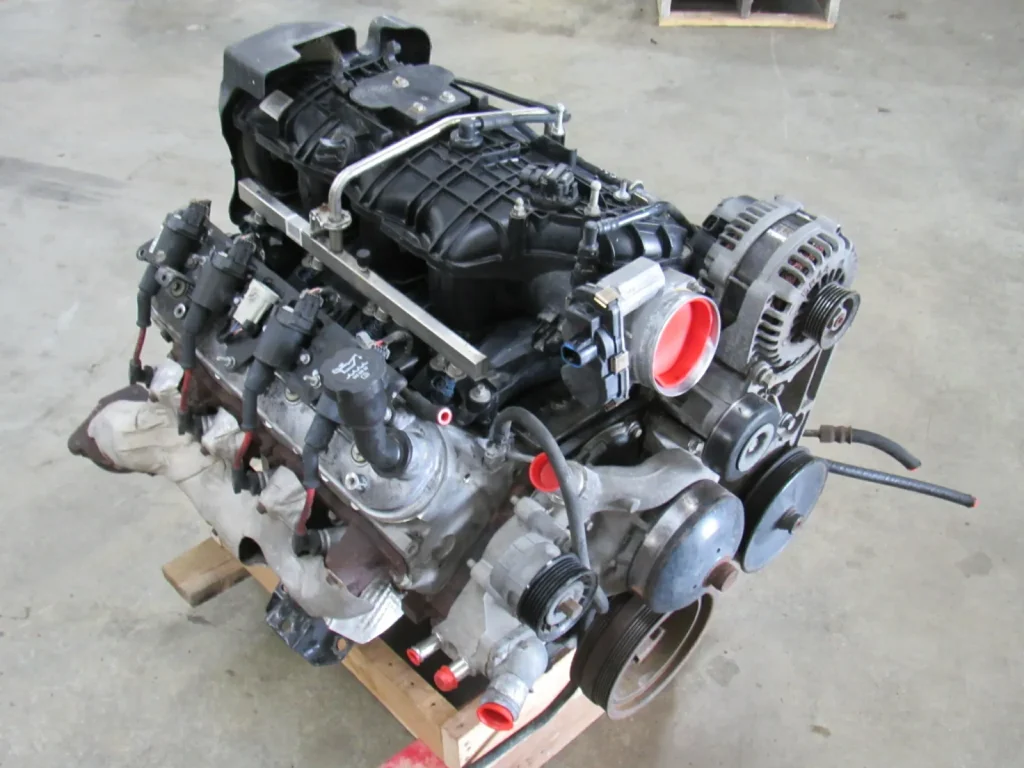
Preventive measures such as frequent oil changes and using high-quality lubricants can help extend component life. Some owners even choose to disable the Active Fuel Management system entirely to reduce long-term risk.
The 5.3L Vortec remains a capable and widely respected engine, but its behavior after extended use reflects how added efficiency systems can introduce new challenges that only appear with time.
4. Audi 3.0T Supercharged V6 (EA837)
Audi’s 3.0T supercharged V6 stands out as a refined and powerful engine, commonly found in models like the S4, A6, and Q7. During its early life, it delivers smooth acceleration, strong mid-range torque, and a level of responsiveness that enhances everyday driving.
For many owners, it feels like a near-perfect balance of performance and practicality. However, after 100,000 miles, certain patterns begin to emerge.
Cooling system components are among the first areas to show wear. The water pump and thermostat, often constructed with plastic elements, can degrade over time. Failures may start as minor coolant leaks or fluctuating temperatures, but they can escalate if not addressed promptly.
Another concern involves carbon buildup, a common trait in direct injection engines. As mileage increases, deposits accumulate on intake valves, restricting airflow and reducing efficiency. This buildup does not usually cause immediate failure but gradually affects performance, leading to rough idling and reduced throttle response.
The supercharger itself is generally reliable, yet its supporting components, such as intercoolers and associated plumbing, can develop leaks or inefficiencies. These issues often appear subtly, making them harder to diagnose without careful inspection.
PCV system failures also become more common in higher-mileage examples. When this system malfunctions, it can lead to increased oil consumption and pressure imbalances within the engine. Drivers may notice oil loss or irregular engine behavior without an obvious external leak.
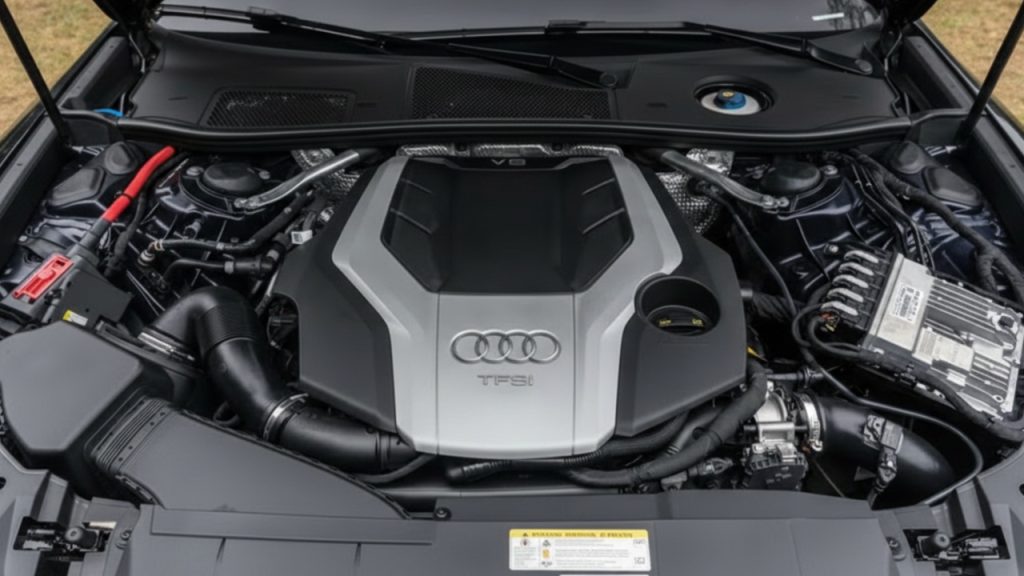
What makes this engine interesting is how its issues are distributed rather than concentrated. There is no single defining failure point. Instead, multiple smaller problems appear over time, each requiring attention. This creates a maintenance profile that becomes more demanding as the engine ages.
Owners who stay proactive with servicing and inspections often manage these challenges effectively. The engine continues to deliver strong performance, but it requires a level of care that reflects its complexity and engineering sophistication.
5. Toyota 3.5L V6 (2GR-FE)
Toyota’s 2GR-FE V6 has powered everything from the Camry and Avalon to larger vehicles like the Highlander. Early in its life, it feels almost unbreakable, delivering smooth power and a quiet driving experience that aligns perfectly with Toyota’s reputation.
Many owners confidently push past 100,000 miles expecting the same consistency. That is where subtle long-term traits begin to emerge.
Unlike engines that fail dramatically, the 2GR-FE develops age-related concerns that require attention rather than panic. One of the most reported issues involves the water pump. Over time, the internal seals wear out, leading to coolant leaks. These leaks often start small and can go unnoticed until coolant levels drop enough to trigger warnings.
Another aspect tied to higher mileage is ignition system wear. Coil packs and spark plugs begin to degrade, leading to occasional misfires. The engine does not immediately lose its smooth nature, but there is a slight roughness that attentive drivers will notice, especially under load or during cold starts.
Oil leaks also become more common as seals and gaskets age. Valve cover gaskets in particular may begin to seep, leaving minor oil traces that gradually worsen if ignored. While not catastrophic, these leaks add to maintenance requirements and can affect engine cleanliness.
What sets this engine apart is how manageable its issues are. They do not typically lead to sudden breakdowns but instead demand a more hands-on approach as mileage increases. Owners who stay consistent with maintenance often find that the engine continues to run reliably well beyond expectations.
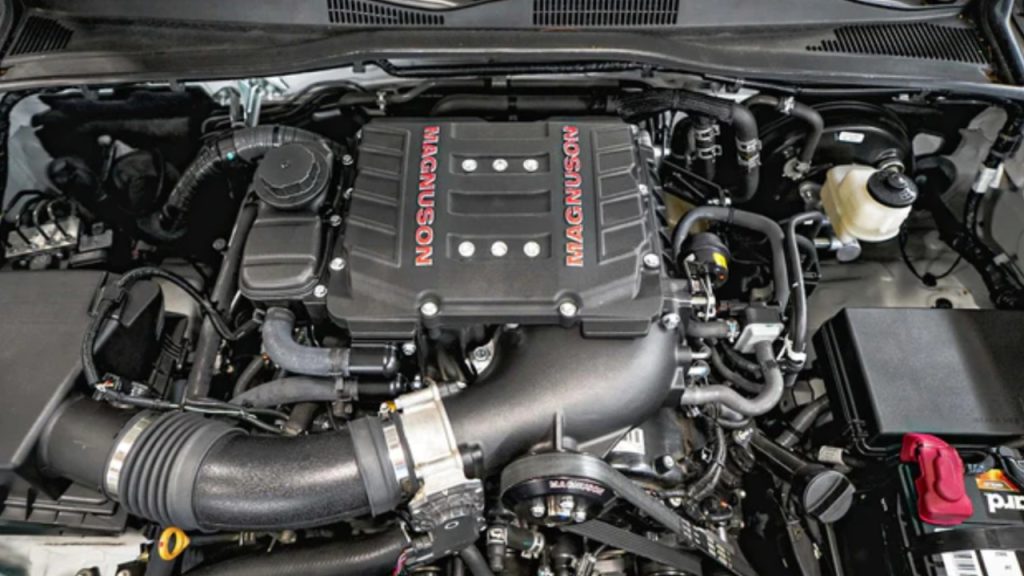
There is a quiet resilience in the 2GR-FE. It does not hide problems, but it also does not exaggerate them. The key is awareness. Recognizing small changes early allows owners to address them before they develop into larger concerns.
This engine reflects a philosophy where longevity is achievable, but not without responsibility. It rewards those who pay attention to detail and maintain it with care as it ages.
6. Mercedes-Benz M272 3.5L V6
The M272 V6 represents Mercedes-Benz’s effort to combine performance with refinement in a modern engine package. Found in models like the C-Class, E-Class, and ML-Class, it delivers smooth acceleration and a balanced driving experience.
During its early years, it performs exactly as expected from a premium brand. Once past 100,000 miles, however, a more serious concern begins to appear in certain versions.
At the center of the issue is the balance shaft gear. In affected engines, this component can wear prematurely, leading to timing irregularities. The problem does not always present itself immediately in a dramatic way. Instead, it may begin with a check engine light or subtle performance inconsistencies.
As wear progresses, the engine timing becomes increasingly inaccurate. This can lead to rough running, reduced efficiency, and difficulty maintaining proper synchronization between internal components. Diagnosing the issue requires specialized tools, and repairing it involves significant labor.
Another layer to consider is how this problem interacts with the engine’s overall design. The M272 is a complex engine with tightly integrated systems. When one component begins to fail, it can influence other areas, making the issue feel larger than its initial symptoms suggest.
Beyond the balance shaft concern, higher-mileage examples may also show signs of intake manifold wear and oil leaks from aging seals. These issues are more typical of engines at this stage but add to the overall maintenance picture.
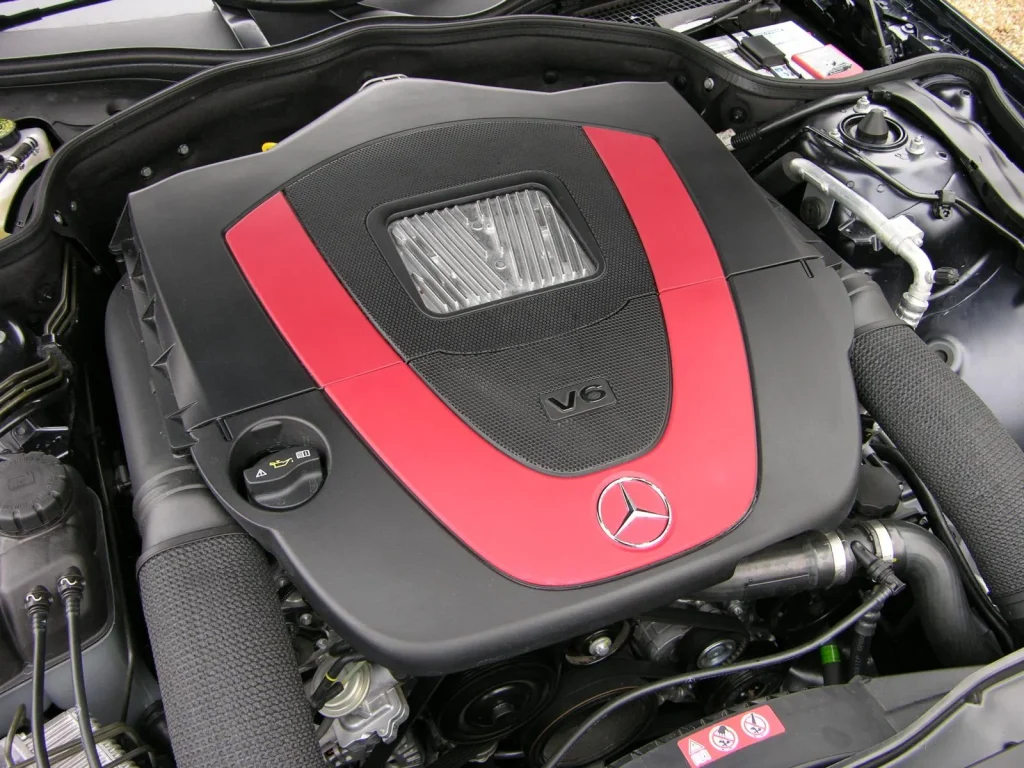
What makes the M272 particularly noteworthy is how a single internal component can define the engine’s long-term reputation. Not every unit is affected, but those that are require a level of repair that many owners do not anticipate.
Despite this, the engine still offers the smoothness and character expected from Mercedes-Benz. For owners who navigate its challenges successfully, it remains a rewarding powertrain, but one that demands awareness and preparedness as mileage increases.
7. Nissan 3.5L V6 (VQ35DE)
Nissan’s VQ35DE engine has earned widespread recognition for its performance and smooth power delivery. Found in vehicles like the Altima, Maxima, and 350Z, it offers a driving experience that feels lively even after years of use.
In its early life, the engine is responsive and durable, rarely giving owners a reason to question its reliability. As it moves beyond 100,000 miles, certain patterns begin to take shape.
One of the more noticeable changes involves oil consumption. This does not typically appear as a sudden problem but rather as a gradual increase in oil usage between service intervals. The cause often traces back to piston ring wear and valve seal aging, both of which become more pronounced with extended mileage.
Another aspect tied to long-term use is the condition of the timing chain system. While generally robust, the guides and tensioners can wear over time, leading to subtle rattling noises during startup. These sounds may seem minor at first but can indicate that internal components are beginning to lose precision.
Sensors and electronic components also begin to show their age. Oxygen sensors and camshaft position sensors may fail intermittently, causing irregular engine behavior or triggering warning lights. These issues do not always affect drivability immediately but require attention to maintain proper engine performance.
The intake system is another area where deposits can accumulate over time. This buildup affects airflow and can lead to reduced efficiency and slight hesitation during acceleration. Cleaning these components often restores much of the engine’s original responsiveness.
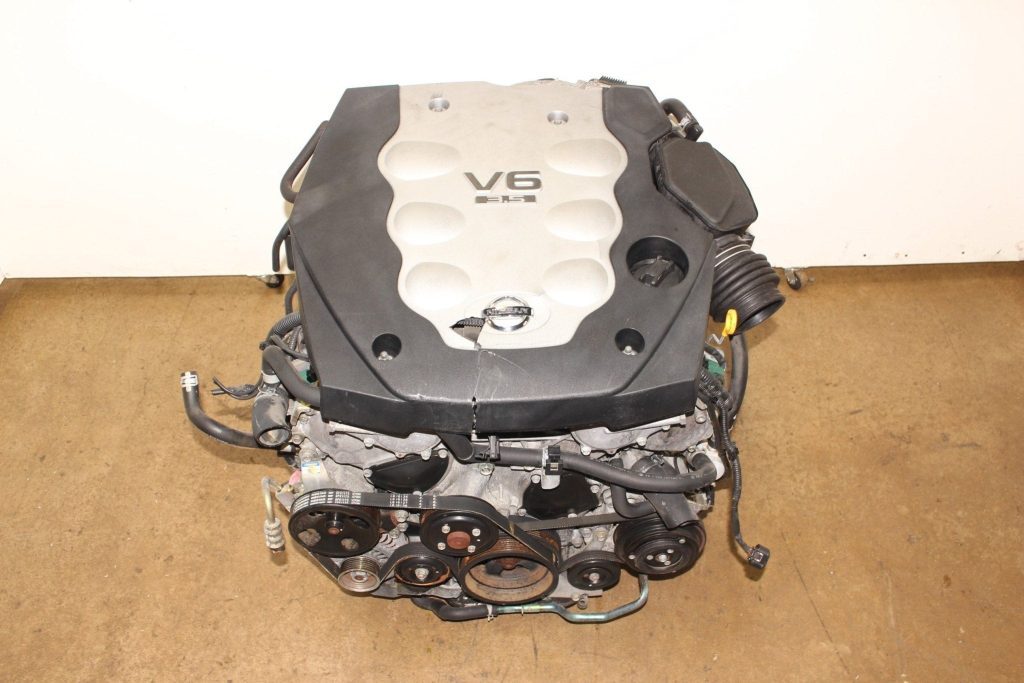
What defines the VQ35DE at higher mileage is its balance between durability and wear. It does not typically suffer from a single major flaw but rather a collection of smaller issues that develop gradually. Owners who stay attentive to these changes often find the engine remains reliable for many more miles.
The experience of owning this engine past the 100,000-mile mark is less about dealing with major failures and more about managing ongoing maintenance with consistency and care.
8. Chrysler 5.7L HEMI V8
The 5.7L HEMI V8 is known for its strong performance and unmistakable character. Used in vehicles like the Dodge Charger, Ram 1500, and Chrysler 300, it delivers the kind of power that makes everyday driving feel engaging.
Early ownership is typically smooth, with the engine performing confidently under a wide range of conditions. As mileage climbs beyond 100,000, a few specific concerns begin to surface.
A commonly discussed issue involves lifter wear, which can lead to the well-known ticking sound associated with some HEMI engines. This noise often starts subtly, appearing during idle or light acceleration. Over time, it can become more pronounced, signaling that internal components are experiencing wear.
The Multi-Displacement System, designed to improve fuel efficiency by deactivating cylinders, adds another layer of complexity. As the engine ages, this system can contribute to uneven wear patterns, particularly if maintenance has not been consistent. Some owners report increased oil consumption linked to this behavior.
Exhaust manifold bolts are another point of concern. Heat cycles over many years can cause these bolts to break, leading to exhaust leaks. While not directly related to internal engine damage, the resulting noise and repair costs can be frustrating.
The HEMI’s strength lies in its core design, which remains robust even as these issues develop. Many engines continue to perform well despite minor problems, provided they are addressed in a timely manner.
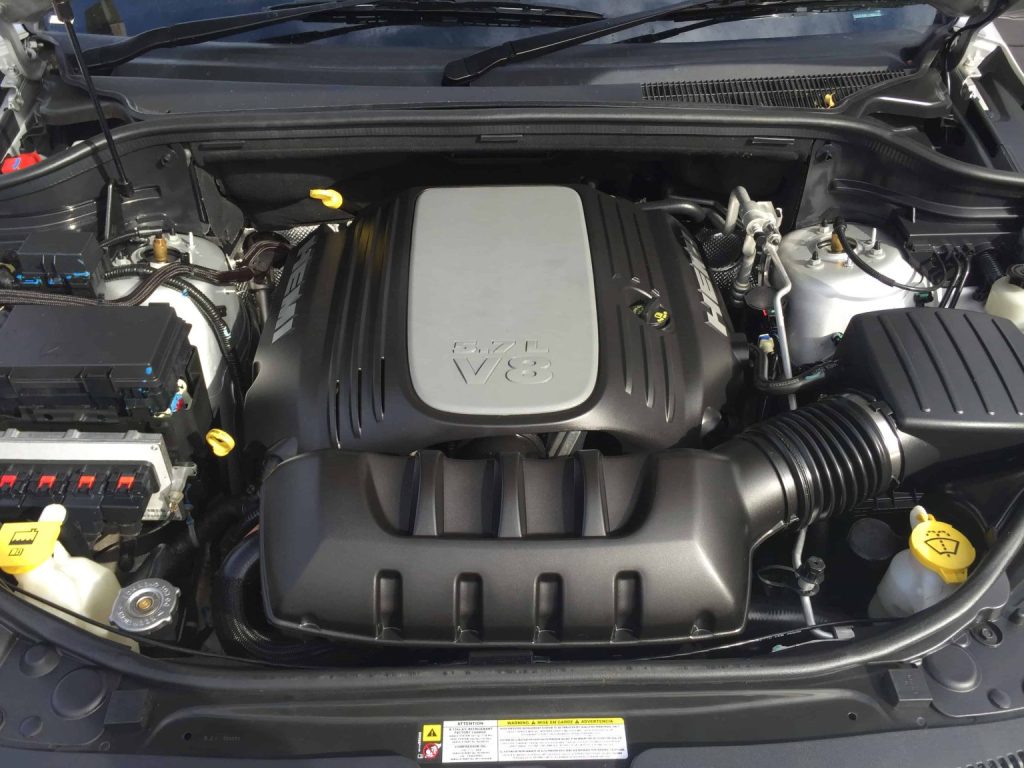
What makes this engine stand out is its personality. It delivers a driving experience that many owners are willing to maintain despite the added attention required at higher mileage. The key is recognizing early warning signs and responding before they escalate.
For those prepared to invest in proper upkeep, the 5.7L HEMI continues to offer both performance and longevity, even after crossing into six-digit mileage territory.
9. Mazda 2.3L DISI Turbo (MZR)
Mazda’s 2.3L DISI turbo engine, found in models like the Mazdaspeed3 and Mazdaspeed6, is built for performance. It delivers strong acceleration and a spirited driving feel that appeals to enthusiasts. During its early years, it provides excitement without major concerns.
As it moves past 100,000 miles, however, its high-performance nature begins to show the effects of long-term stress.
One of the key issues involves the turbocharger itself. Over time, the internal components of the turbo can wear, leading to reduced efficiency and potential oil leakage. This may present as decreased boost pressure or visible smoke under acceleration.
Fuel system components also become more critical at higher mileage. The high-pressure fuel pump, essential for direct injection, can experience wear that affects fuel delivery. This results in hesitation, reduced power, or inconsistent engine response.
Carbon buildup is another factor that becomes more pronounced with age. Deposits on intake valves restrict airflow and alter combustion dynamics. This leads to rough idling and a noticeable drop in performance if not addressed through periodic cleaning.
The engine’s tuning and performance orientation mean that it operates under higher stress compared to standard engines. This accelerates wear on internal components such as pistons and rods, especially if maintenance has not been meticulous.
Cooling and lubrication systems also require attention. Any decline in these areas can have a more immediate impact due to the engine’s demanding nature. Small issues that might be manageable in other engines can escalate quickly here.
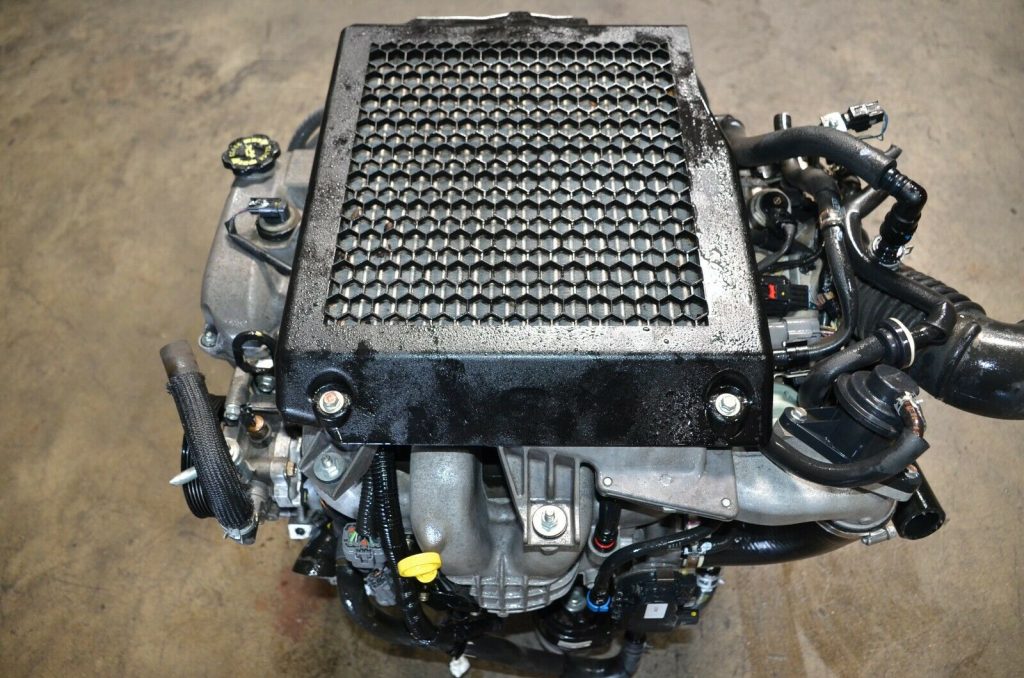
Owning the 2.3L DISI turbo beyond 100,000 miles is a different experience compared to its earlier life. It shifts from being a carefree performance engine to one that requires careful monitoring and proactive maintenance.
For enthusiasts, the reward remains significant. The engine continues to deliver an engaging drive, but it asks for a higher level of commitment in return.
Engines that develop problems after 100,000 miles often reflect the realities of long-term use rather than immediate design flaws. These issues are shaped by time, wear, and the cumulative effects of thousands of operating hours.
While each engine discussed has its own characteristics, they share a common theme: changes that appear gradually and demand attention rather than panic.
One of the most important lessons is the value of observation. Subtle sounds, minor leaks, or slight performance shifts often signal the beginning of a larger issue. Recognizing these early signs allows owners to act before repairs become more complex and expensive.
Maintenance habits play a defining role in how these engines age. Regular servicing, quality fluids, and timely part replacements can significantly extend engine life. Neglect, on the other hand, accelerates wear and amplifies small problems into major concerns.
Another takeaway is that complexity often increases maintenance demands. Engines with advanced systems such as turbocharging or variable valve timing offer impressive performance but require more attention as they age. Simpler designs may not be immune to problems, but their issues are often easier to manage.
For buyers considering used vehicles, understanding these patterns provides a clear advantage. Knowing what to expect after 100,000 miles helps in making informed decisions and planning for future maintenance costs.
For current owners, awareness transforms uncertainty into control. Instead of reacting to unexpected failures, they can approach ownership with preparation and confidence.
These engines are not defined solely by their problems. Many continue to deliver reliable service well beyond this milestone. The difference lies in how they are maintained and how quickly emerging issues are addressed.
In the end, reaching 100,000 miles is not the end of an engine’s journey. It is simply the point where attention to detail becomes more important than ever.
Also Read: 9 Engines Still Running in Countries Where Parts Haven’t Been Made Since 1995
