
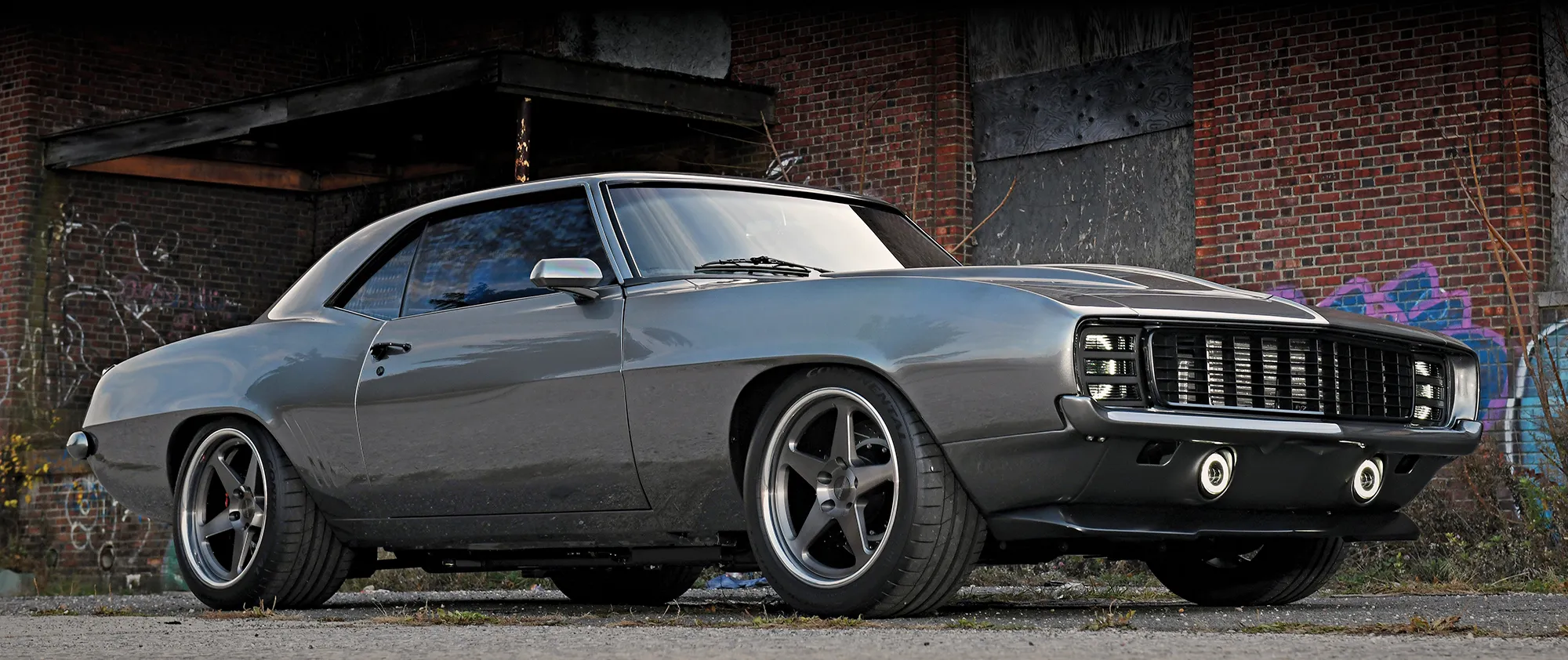
Classic muscle cars once ruled straight-line speed, yet they often struggled with braking, cornering, and long-distance comfort. That reputation has changed dramatically. Pro-touring builds have redefined what vintage platforms can achieve, blending timeless design with modern engineering.
These machines are no longer weekend showpieces. They are engineered to rival, and sometimes surpass, today’s performance cars on real roads and racetracks. Builders now integrate advanced suspension systems, high-output engines, precision steering, and upgraded braking components into classic shells.
The result is a driving experience that feels refined, controlled, and exhilarating without sacrificing the emotional pull of older designs. Instead of choosing between heritage and performance, enthusiasts now enjoy both in one package.
What makes these builds stand out is their attention to balance. Straight-line power is no longer enough. Grip, stability, and driver confidence matter just as much. A well-executed pro-touring car can carve through corners, stop with authority, and cruise comfortably at highway speeds. That level of versatility places them in direct competition with modern sports cars.
This list highlights ten pro-touring conversions that demonstrate just how far the movement has come. Each vehicle represents a thoughtful transformation, where classic styling meets modern capability in a way that delivers performance far beyond original expectations.
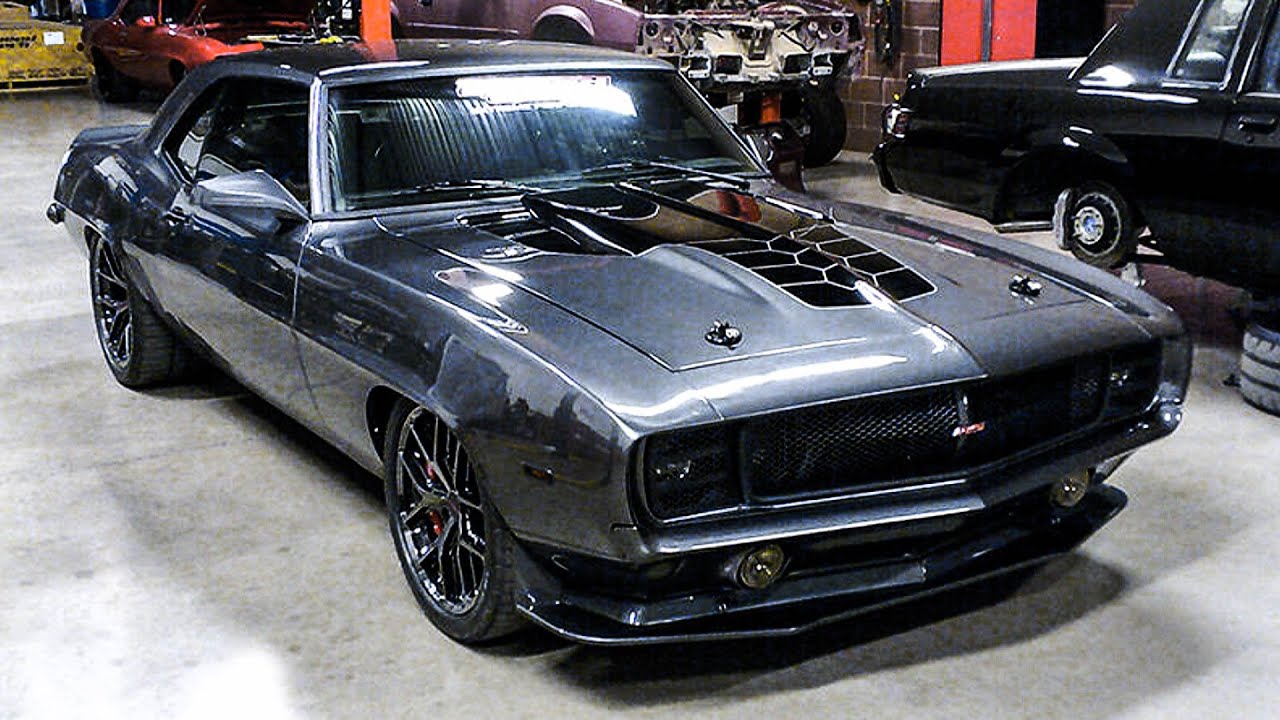
1. 1969 Chevrolet Camaro Pro-Touring Build
Raw presence defines the 1969 Chevrolet Camaro, yet its pro-touring transformation raises it far beyond its factory limitations. Builders typically replace the original suspension with fully adjustable coilover systems, paired with reinforced subframes that eliminate chassis flex.
This structural upgrade alone changes how the car behaves under stress, allowing it to handle aggressive driving without losing composure. Power delivery becomes another area of dramatic improvement. Many builds feature modern LS-based V8 engines producing well over 500 horsepower.
That power is not simply for straight-line acceleration. It is carefully managed through upgraded transmissions and limited-slip differentials, ensuring smooth and controlled output. Drivers experience acceleration that feels immediate yet manageable, even under demanding conditions.
Braking systems receive equal attention. Large multi-piston calipers and ventilated discs replace outdated factory components, providing stopping power that matches modern performance standards. This transformation removes one of the original car’s biggest weaknesses, allowing drivers to push harder with confidence.
Interior upgrades also play a role in performance. Supportive seating, improved ergonomics, and modern instrumentation create an environment where the driver remains in full control. This is not just about comfort. It enhances focus and precision during spirited driving.
Handling becomes the defining strength of these builds. With wider tires, improved weight distribution, and refined steering systems, the Camaro transitions from a straight-line performer into a well-rounded machine. It grips corners with authority while maintaining stability at high speeds.
What makes this conversion stand out is its ability to preserve the character of the original car while delivering performance that rivals contemporary sports coupes. It retains its identity yet operates on an entirely different level.
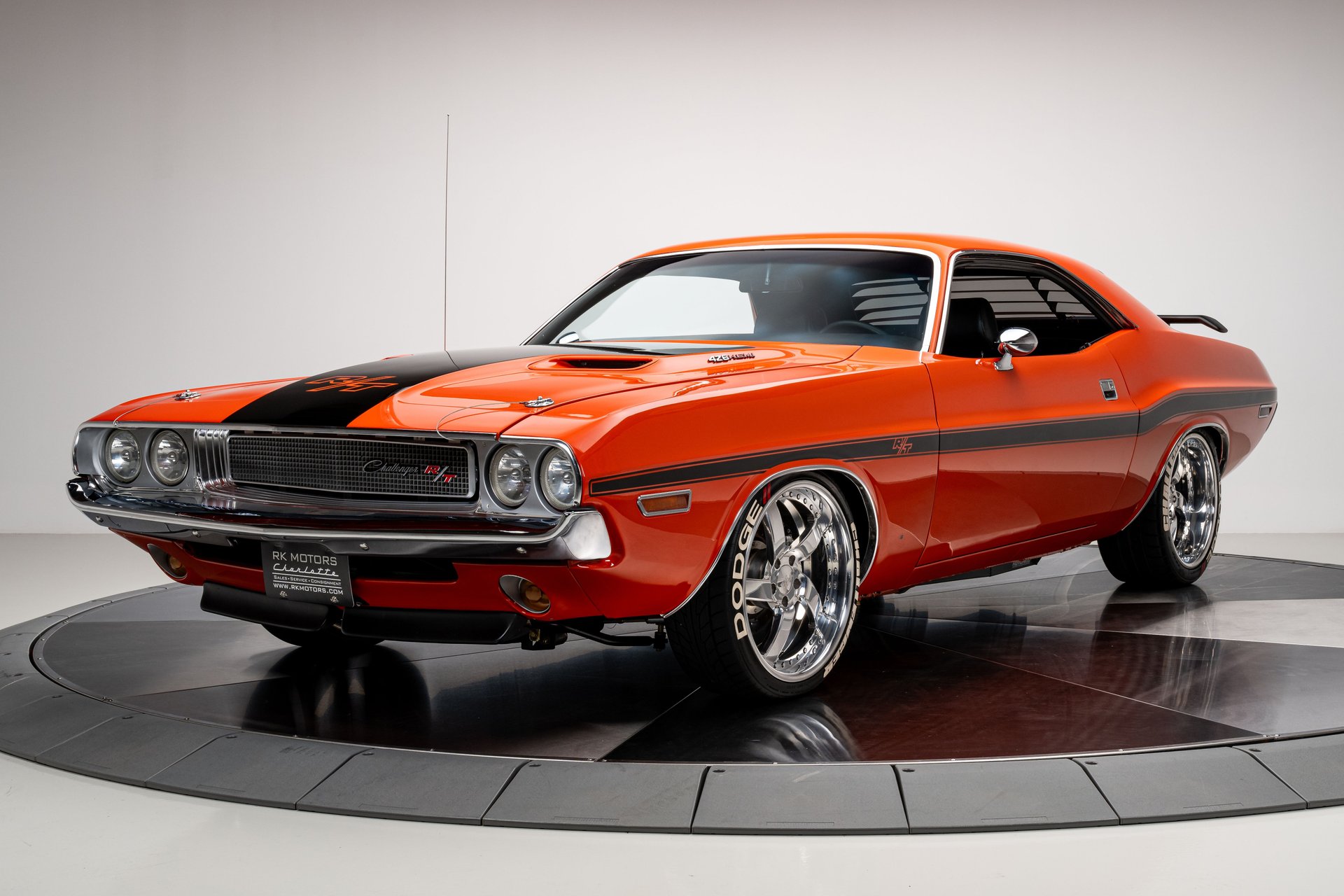
2. 1970 Dodge Challenger Pro-Touring Build
Aggressive styling sets the tone for the 1970 Dodge Challenger, but pro-touring modifications transform that bold appearance into genuine performance capability. The original platform gains a new sense of precision through upgraded suspension geometry and modern control arms. These changes improve handling response and reduce body roll, creating a more stable driving experience.
Engine upgrades often push output well beyond factory figures. Builders frequently install high-performance V8 engines that deliver both power and reliability. Unlike older setups, these engines benefit from modern fuel injection systems, which improve efficiency and throttle response. Drivers experience consistent performance without the unpredictability associated with older carbureted designs.
Steering systems receive careful refinement. Rack-and-pinion conversions replace older steering setups, resulting in sharper input and better feedback. This allows the driver to place the car accurately through corners, a capability that was once difficult to achieve with the original configuration.
Braking improvements are equally transformative. High-performance brake kits ensure that the increased power is matched by reliable stopping ability. This balance between acceleration and braking defines the success of the build.
Cabin enhancements contribute to usability. Modern gauges, improved seating, and updated controls create a more engaging driving environment. The car feels purposeful rather than outdated, which encourages regular use instead of occasional driving.
Road performance tells the full story. The Challenger no longer feels like a heavy muscle car limited to straight lines. It becomes responsive, controlled, and capable of competing with modern machines in multiple driving scenarios. This transformation demonstrates how thoughtful engineering can convert raw potential into refined performance without diminishing the car’s original appeal.
Also read: 10 Hot Hatches That Outrun Proper Sports Cars in the Real World
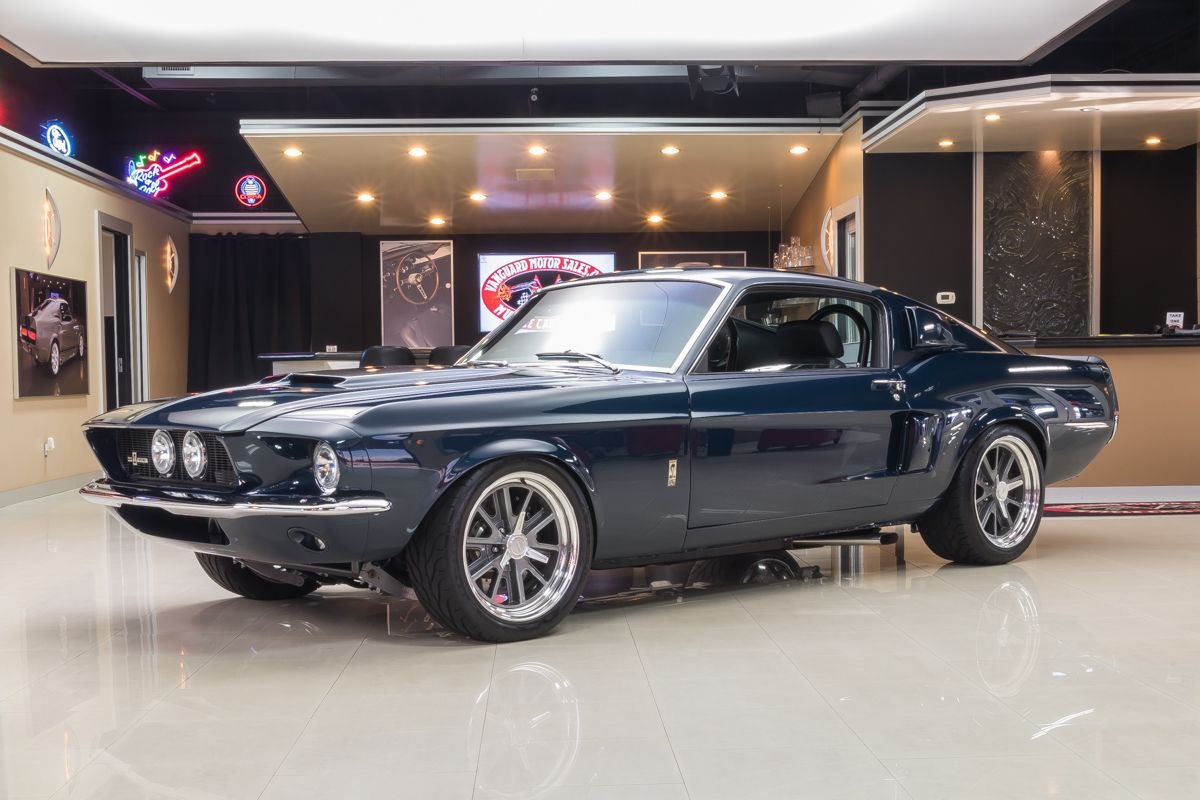
3. 1967 Ford Mustang Fastback Pro-Touring Build
Classic proportions give the 1967 Ford Mustang Fastback its lasting appeal, yet pro-touring upgrades unlock performance that aligns with modern expectations. Builders begin by strengthening the chassis, often adding subframe connectors and structural reinforcements that improve rigidity. This creates a stable foundation for further modifications.
Suspension systems receive a complete overhaul. Independent front suspension setups and multi-link rear configurations replace outdated components, resulting in improved handling and ride quality. These upgrades allow the car to maintain traction and control during aggressive driving.
Powertrain enhancements bring substantial gains. Modern V8 engines deliver strong output while maintaining reliability. Advanced engine management systems ensure smooth operation, allowing drivers to access power without hesitation or inconsistency.
Cooling systems are upgraded to support increased performance. Larger radiators and improved airflow management prevent overheating during extended driving sessions. This ensures that the car remains dependable under demanding conditions.
Interior updates focus on driver engagement. Performance-oriented seating and refined controls create a cockpit that feels both functional and comfortable. Drivers can maintain focus during spirited driving without sacrificing convenience.
Handling improvements redefine the driving experience. The Mustang becomes capable of precise cornering, stable braking, and confident acceleration. These characteristics bring it closer to the performance standards expected from modern sports cars.
This build stands as a clear example of how a classic platform can develop into a high-performance machine without losing its identity. It remains instantly recognisable while delivering capabilities far beyond its original design.
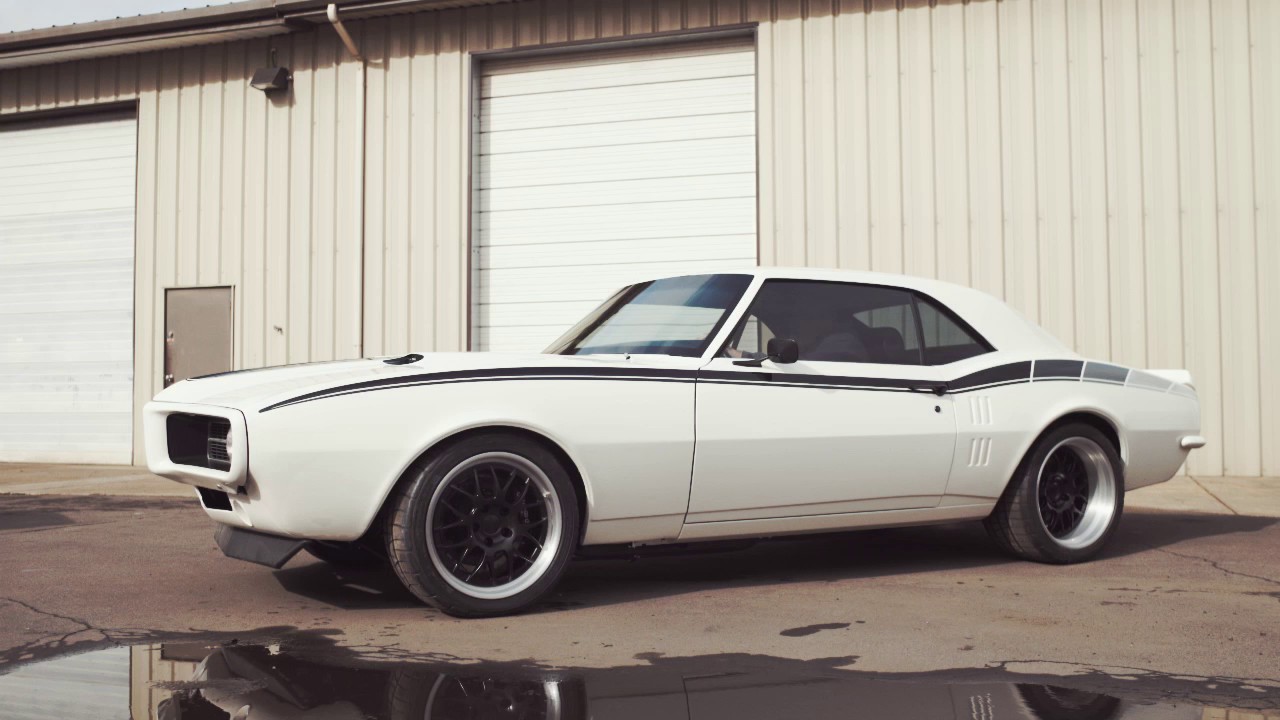
4. 1968 Pontiac Firebird Pro-Touring Build
A clear sense of identity has always defined the 1968 Pontiac Firebird, and modern pro-touring development refines that identity into a disciplined performance package suited to contemporary expectations. The process begins with structural reinforcement, as engineers recognise that the original chassis requires strengthening to accommodate increased power and improved handling forces.
Reinforced subframes, upgraded mounting points, and enhanced rigidity ensure that the vehicle remains stable under demanding conditions, thereby forming a dependable foundation for further mechanical improvements. Attention then moves to suspension configuration, where the most noticeable transformation occurs.
Adjustable coilover systems replace traditional spring arrangements, allowing precise tuning of ride height and damping characteristics. Upgraded sway bars and control arms reduce body movement, enabling the vehicle to maintain composure during cornering.
This refinement ensures that the Firebird responds accurately to driver input, delivering a level of control that was not achievable in its original specification. Powertrain upgrades introduce modern engineering standards into the platform.
Builders frequently install contemporary V8 engines designed for reliable high output. These engines incorporate advanced fuel delivery systems that regulate performance efficiently, ensuring consistent operation across varying conditions.
When paired with modern transmissions, whether manual or automatic, the drivetrain delivers smooth and precise gear changes, enhancing both performance and usability. Braking capability receives equal consideration. High-performance braking systems replace outdated components, providing dependable stopping force even under repeated use.
Ventilated discs and multi-piston callipers ensure that deceleration remains controlled, which is essential for a vehicle operating at increased performance levels. This improvement establishes a balance between acceleration and braking, ensuring that the driver maintains confidence at all times.
Interior refinement supports the transformation by focusing on usability and driver comfort. Updated instrumentation provides accurate information, while supportive seating ensures stability during spirited driving. Ergonomic improvements to controls and layout create an environment that encourages engagement without sacrificing practicality.
Performance on the road reflects the success of these combined enhancements. Acceleration is forceful, handling is composed, and braking is consistent. The Firebird retains its distinctive styling, yet its capabilities align with modern expectations.
Through careful engineering and disciplined modification, this pro-touring build demonstrates how a classic design can develop into a capable and reliable performance machine while preserving its unique character.
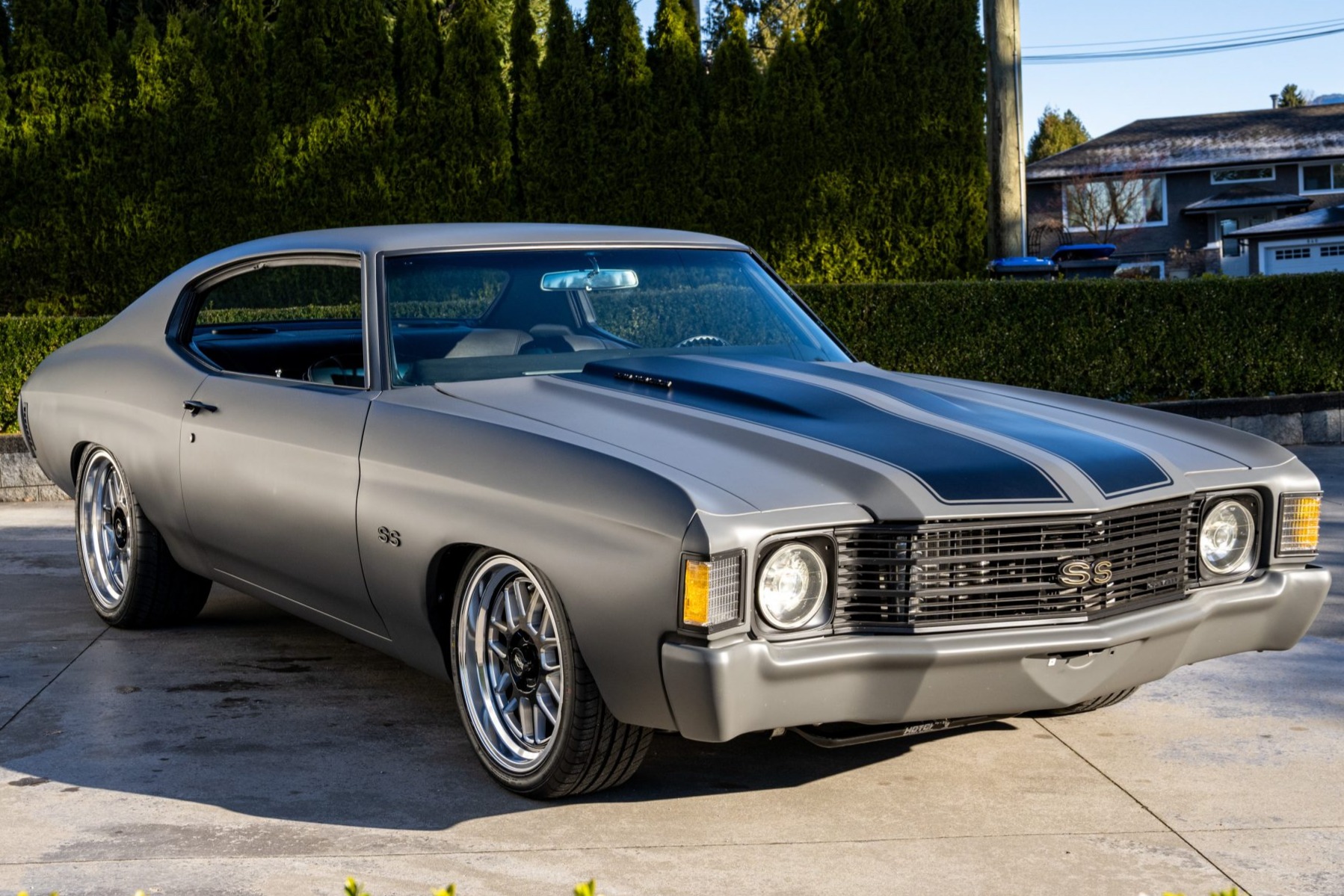
5. 1972 Chevrolet Chevelle Pro-Touring Build
An unmistakable presence defines the 1972 Chevrolet Chevelle, and pro-touring modification refines that presence into a well-balanced performance vehicle capable of meeting modern standards. Builders approach this platform with a clear understanding that structural integrity must be addressed first.
Reinforcement of the chassis through strengthened frames and improved mounting points ensures that the vehicle can support advanced suspension systems and increased power output without compromise. Suspension development forms a central aspect of the transformation.
Modern coilover systems replace original components, allowing precise adjustment of ride characteristics. Upgraded control arms and improved bushings contribute to better wheel alignment and stability. These modifications ensure that the Chevelle maintains composure during cornering, while also delivering a comfortable ride during regular driving conditions.
Powertrain enhancement introduces a new level of performance. High-output V8 engines provide strong and reliable acceleration, supported by advanced fuel management systems that ensure consistent operation. When combined with modern transmissions, these engines deliver smooth and efficient power delivery across a wide range of driving situations. This integration of power and control allows the vehicle to perform effectively without unnecessary strain.
Braking systems are upgraded to align with increased performance levels. Large disc brakes and high-performance components provide dependable stopping power, ensuring that the vehicle can decelerate safely even at higher speeds. This improvement establishes a balanced relationship between acceleration and braking, which is essential for a performance-focused build.
Interior refinement enhances usability and comfort. Modern seating provides improved support, while updated controls and instrumentation create a functional driving environment. These adjustments ensure that the Chevelle remains suitable for extended journeys as well as spirited driving sessions.
Driving characteristics reveal the full extent of these modifications. The vehicle transitions from a traditional muscle car into a refined performance machine capable of handling varied driving conditions with confidence. Acceleration remains strong, handling is controlled, and braking is consistent.
Through careful engineering and thoughtful design, this pro-touring build demonstrates how a classic platform can be adapted to meet modern performance expectations while retaining its iconic visual appeal and enduring character.
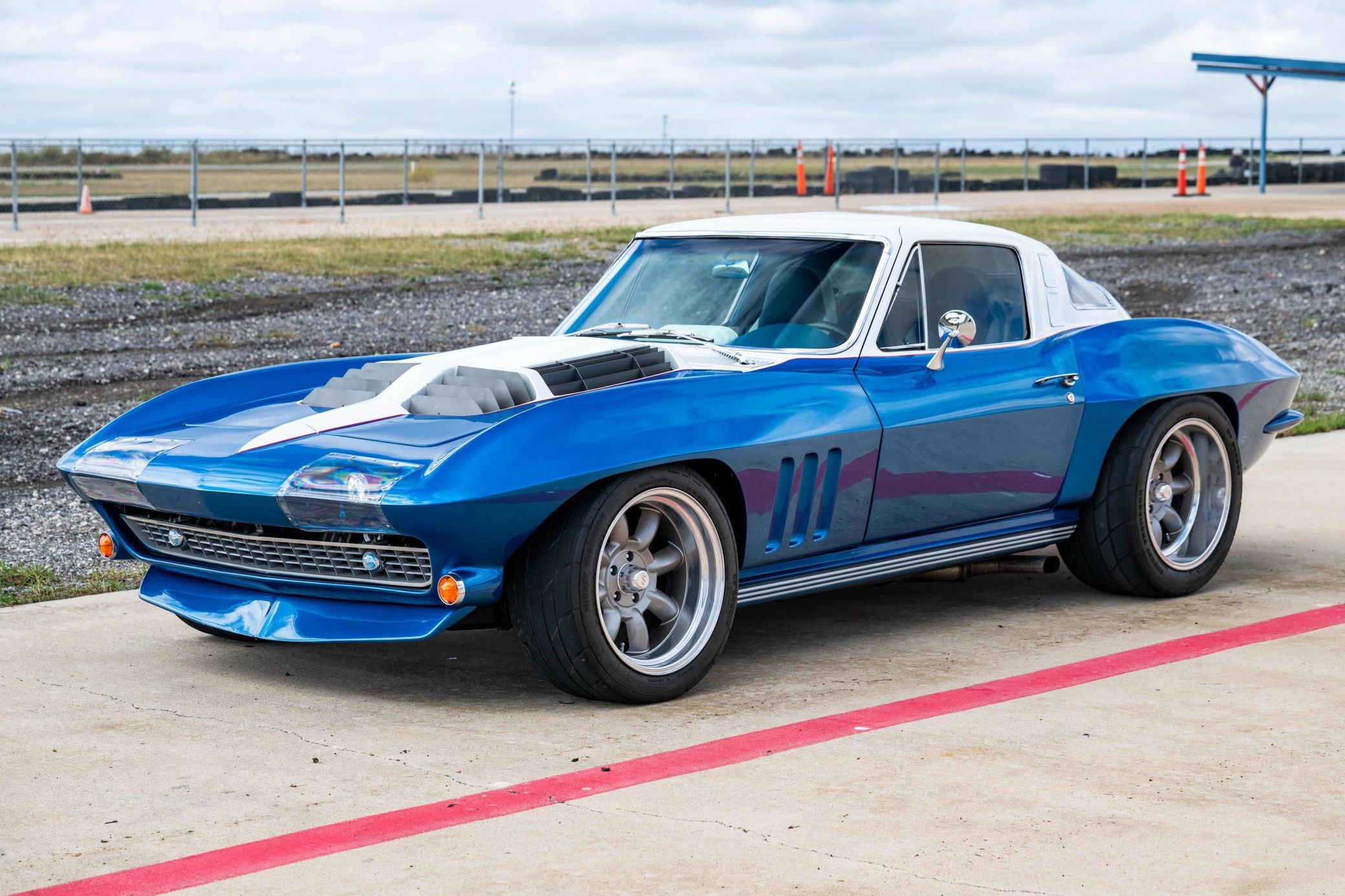
6. 1965 Chevrolet Corvette C2 Pro-Touring Build
Few platforms respond to modern engineering upgrades as effectively as the 1965 Chevrolet Corvette C2. Already respected for its lightweight construction and balanced proportions, this generation becomes an entirely different machine when reworked through a pro-touring approach.
Builders typically begin by reinforcing the chassis, ensuring that the structure can handle increased power and improved suspension geometry without flex. Suspension transformation introduces precise control. Independent setups with adjustable coilovers replace outdated components, allowing fine-tuning for both comfort and aggressive driving.
This adjustment capability enables the car to maintain traction during high-speed cornering, which was a limitation in its original form. The result is a vehicle that feels planted rather than unpredictable. Powertrain selection often centers on modern LS or LT-series V8 engines.
These engines provide strong, reliable output with improved efficiency and throttle response. Paired with contemporary transmissions, they deliver smooth acceleration and consistent performance. Drivers experience a seamless connection between input and output, which enhances confidence behind the wheel.
Braking systems undergo a complete upgrade. Large ventilated discs and multi-piston calipers ensure that the car can decelerate quickly and consistently. This improvement aligns braking performance with the upgraded power, creating a balanced driving experience.
Interior refinements support driver engagement. Updated seating, modern instrumentation, and improved ergonomics create an environment that feels purposeful. The driver remains comfortable and in control during both short drives and extended journeys.
Driving dynamics reveal the full impact of these modifications. The Corvette becomes responsive, stable, and capable of handling demanding conditions. It retains its classic identity while delivering performance that aligns with modern expectations, making it a strong contender against contemporary sports cars.
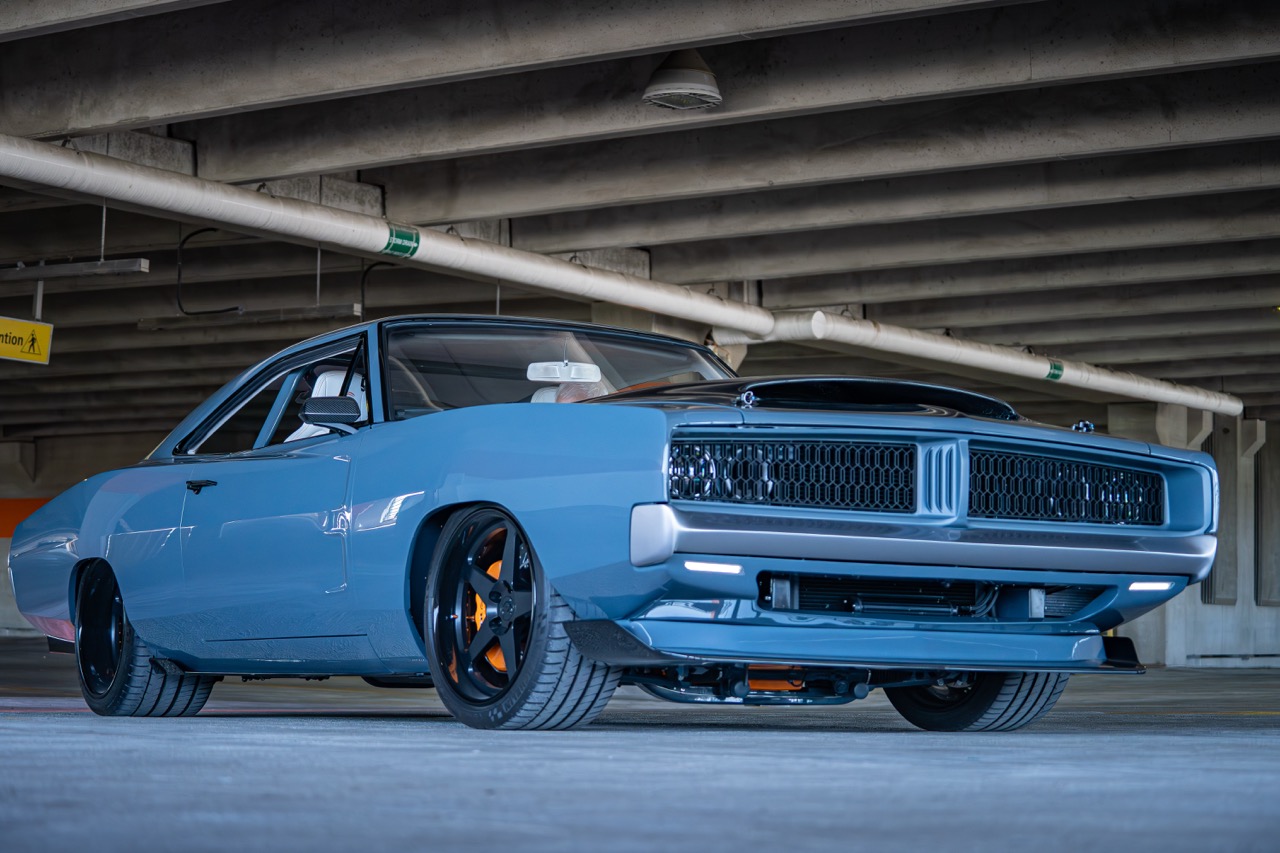
7. 1969 Dodge Charger Pro-Touring Build
A commanding visual presence has always defined the 1969 Dodge Charger, yet modern pro-touring development raises that presence into a fully realised performance capability that meets present-day expectations. Engineers and specialist builders approach this platform with a clear objective, which is to correct structural limitations while preserving the vehicle’s distinctive identity.
Reinforcement of the chassis forms the first stage of this transformation. Strengthened frames, improved crossmembers, and upgraded mounting points create a rigid base that supports advanced mechanical systems without distortion under load.
Attention then turns to suspension architecture, where meaningful improvements reshape the driving character. Contemporary coilover assemblies replace older spring arrangements, offering adjustable ride height and damping characteristics suited to both road use and spirited driving.
Revised control arms and improved geometry ensure better tyre contact with the road surface, which enhances stability during cornering. Body roll is reduced to a controlled level, allowing the driver to maintain composure even during demanding manoeuvres.
Power delivery represents another major advancement. Builders frequently integrate modern V8 engines that combine high output with dependable operation. These engines benefit from electronic fuel injection systems that provide precise fuel management, thereby improving throttle response and consistency.
Paired with updated transmissions, whether manual or automatic, the drivetrain ensures that power is transferred efficiently to the rear wheels without hesitation. Steering refinement contributes greatly to driver confidence. Conversion to a rack-and-pinion system replaces the less precise steering mechanisms of earlier configurations.
This adjustment introduces sharper response and clearer feedback, enabling the driver to guide the vehicle accurately through corners and varying road conditions. Such responsiveness is essential in a vehicle designed for enhanced performance.
Braking systems are upgraded to align with increased power levels. Large ventilated discs and multi-piston calipers provide dependable stopping force, ensuring that deceleration remains controlled even at higher speeds. This balance between acceleration and braking ensures that performance improvements do not compromise safety.
Interior upgrades complete the transformation by improving usability. Supportive seating, revised control layouts, and modern instrumentation create an environment that promotes driver engagement. The cabin retains its classic styling cues while offering improved comfort and practicality.
When driven, the Charger demonstrates a composed balance between strength and precision. Acceleration is forceful, handling is controlled, and braking is assured. Through careful engineering, this pro-touring build illustrates how a classic muscle car can achieve performance levels that align with modern standards while preserving its historic character.
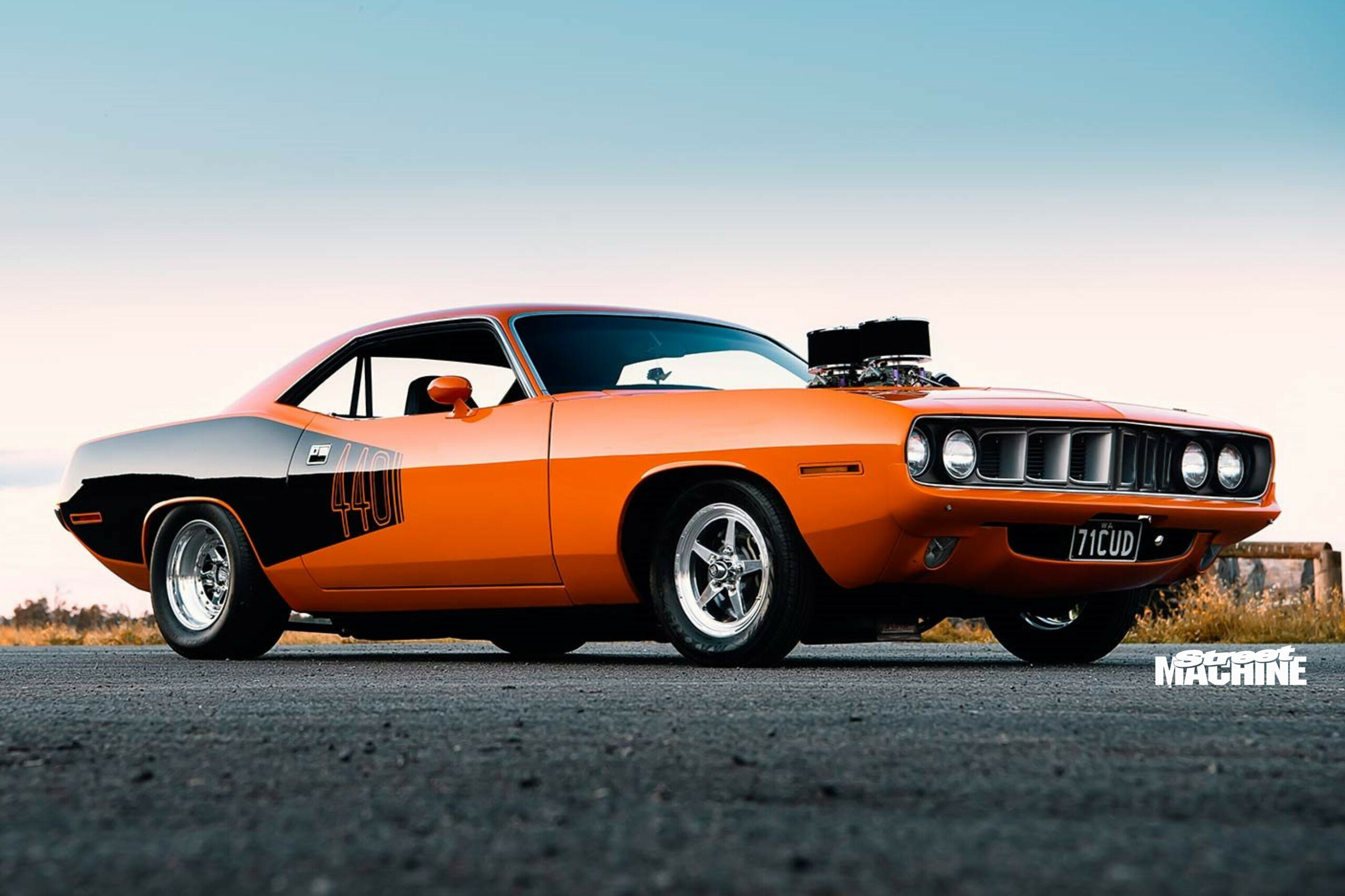
8. 1971 Plymouth Barracuda Pro-Touring Build
Distinctive styling gives the 1971 Plymouth Barracuda a strong identity, and pro-touring modification enhances that identity with measurable performance improvements that extend far beyond its original capabilities. Builders begin by addressing structural integrity, reinforcing the chassis to withstand increased mechanical loads.
Strengthened frames and improved mounting points ensure that the vehicle maintains stability during demanding use. Suspension systems receive comprehensive upgrades that transform handling behaviour. Adjustable coilovers replace traditional components, allowing precise tuning of ride characteristics.
Upgraded sway bars and improved bushings reduce unwanted movement, ensuring that the vehicle maintains consistent contact with the road surface. This results in enhanced stability during cornering and improved driver confidence.
Powertrain development introduces modern engineering principles into the platform. High-output V8 engines are commonly selected for their ability to deliver strong and reliable performance. Advanced engine management systems regulate fuel delivery and ignition timing, ensuring smooth operation under varying conditions. Drivers benefit from immediate throttle response and consistent power delivery across the rev range.
Thermal management becomes essential as performance levels increase. Larger radiators, improved airflow channels, and upgraded cooling components prevent overheating during extended driving sessions. These measures ensure that the engine maintains optimal operating conditions, even under sustained demand.
Braking capability is upgraded to complement increased performance. High-performance braking systems provide dependable stopping force, allowing the driver to maintain control during rapid deceleration. This improvement enhances safety and supports the vehicle’s performance ambitions.
Interior adjustments focus on practicality and driver comfort. Modern seating provides improved support, while updated instrumentation offers clear and accurate information. Ergonomic refinements ensure that controls remain accessible and intuitive, which is particularly valuable during extended journeys.
Driving the modified Barracuda reveals the effectiveness of these enhancements. The vehicle responds quickly to driver input, maintains stability through corners, and delivers strong acceleration when required. Its classic exterior remains unchanged in spirit, yet its performance aligns with expectations associated with contemporary sports vehicles.
Through disciplined engineering and thoughtful design, this pro-touring conversion demonstrates how a historic platform can be adapted to meet modern performance standards while preserving its distinctive appeal.
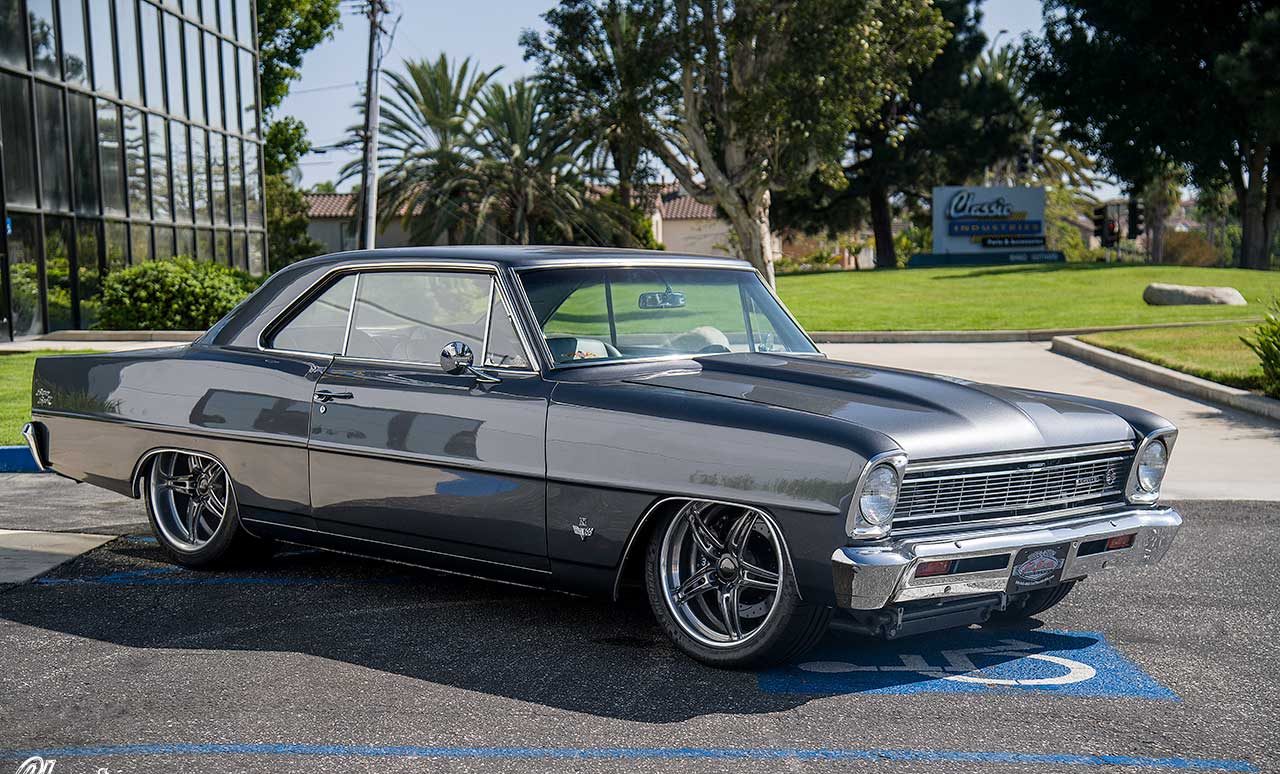
9. 1966 Chevrolet Nova Pro-Touring Build
Compact dimensions give the 1966 Chevrolet Nova a natural advantage when transformed into a pro-touring machine. Builders take full advantage of this by reinforcing the chassis and upgrading suspension systems to create a balanced and responsive vehicle.
Suspension modifications include modern coilovers and revised geometry, which improve handling and ride quality. These changes allow the Nova to maintain traction and stability during aggressive driving, turning it into a capable cornering machine.
Powertrain upgrades bring substantial gains. High-output V8 engines deliver strong acceleration, supported by modern transmissions that provide smooth and reliable performance. This combination ensures that power is delivered effectively across different driving conditions.
Weight distribution plays an important role in performance. The Nova’s compact size allows for better balance, which enhances handling and responsiveness. Drivers experience a level of agility that larger vehicles struggle to match. Braking systems are upgraded to match the increased performance. Large disc brakes and advanced components provide consistent stopping power, ensuring control at higher speeds.
Interior enhancements focus on driver engagement. Modern seating, updated controls, and improved instrumentation create a comfortable and functional environment. This ensures that the car remains suitable for both spirited driving and daily use.
Driving dynamics reveal a transformation that goes beyond expectations. The Nova becomes quick, responsive, and capable of handling demanding conditions. Its combination of power and agility allows it to compete directly with modern sports cars.
Also Read: 5 Ground-Clearance Crossovers In New Orleans vs. 5 Low-Profile Sports Cars
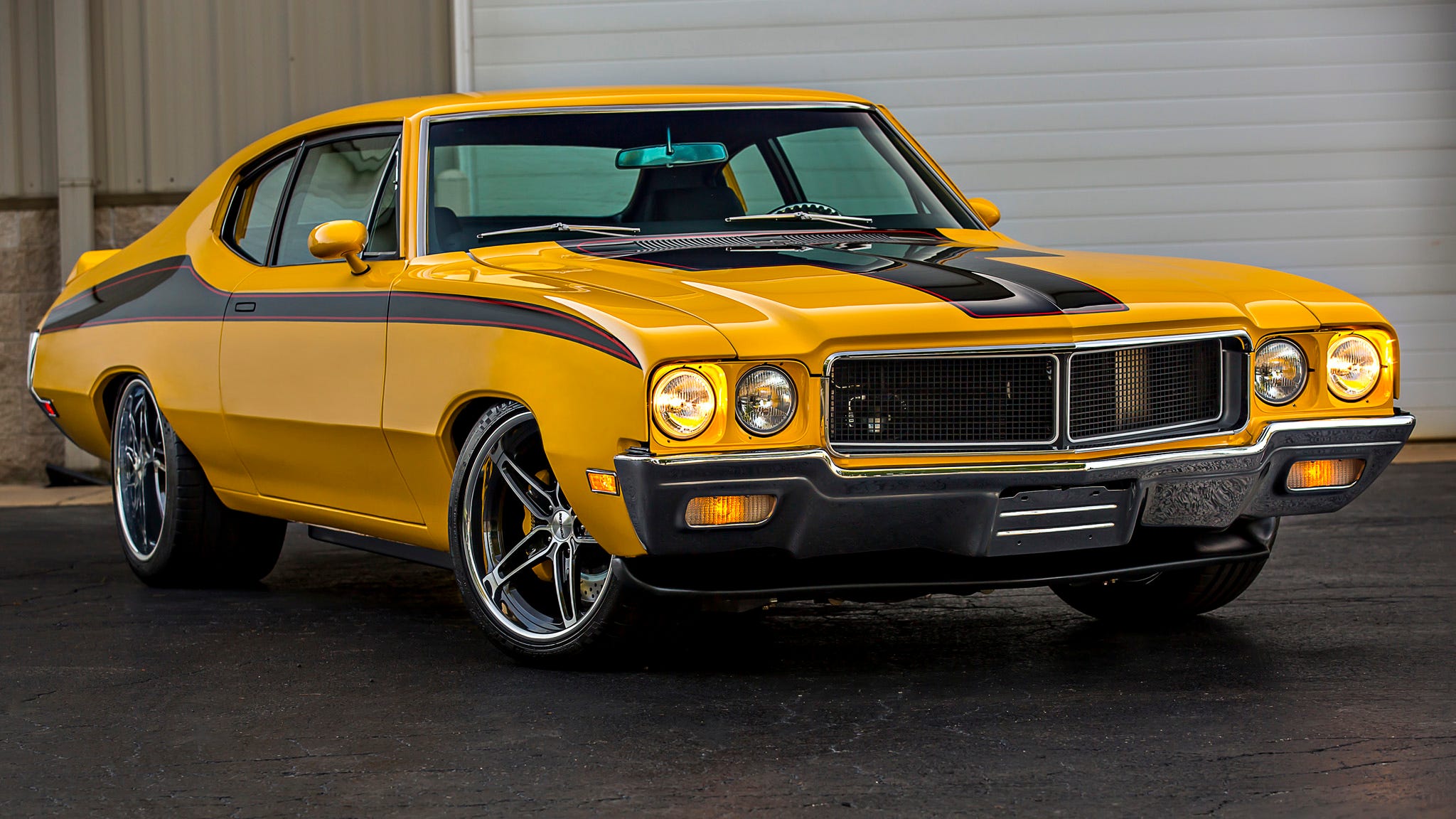
10. 1970 Buick GSX Pro-Touring Build
Rare heritage gives the 1970 Buick GSX a strong foundation, yet pro-touring upgrades transform it into a performance-focused machine. Builders begin by reinforcing the chassis, ensuring that it can handle increased power and improved handling systems.
Suspension upgrades play a central role in the transformation. Adjustable coilovers, upgraded control arms, and improved bushings enhance stability and ride quality. These changes allow the GSX to maintain control during aggressive driving while remaining comfortable for extended use.
Powertrain enhancements deliver impressive results. Modern V8 engines provide strong output, supported by advanced fuel systems that ensure consistent performance. Paired with modern transmissions, these engines deliver smooth and reliable power delivery.
Braking systems receive comprehensive upgrades. High-performance components provide reliable stopping power, allowing drivers to push the car with confidence. This balance between acceleration and braking defines the build’s success.
Interior modifications enhance usability. Supportive seating, updated controls, and improved instrumentation create a driver-focused environment. The car feels modern without losing its classic character. Driving experience highlights the effectiveness of these upgrades.
The GSX accelerates with authority, handles corners with precision, and stops with confidence. It becomes a well-rounded performance machine capable of competing with modern sports cars. This transformation demonstrates how a classic muscle car can develop into a refined and capable vehicle, delivering performance that meets contemporary expectations while preserving its distinctive identity.
