
The global automotive industry is shifting at a pace that would have seemed unrealistic just a decade ago. Governments across multiple regions are setting aggressive timelines to phase out internal combustion engines, pushing manufacturers toward fully electric lineups.
While this transition brings clear environmental benefits and technological advancements, it also signals the gradual disappearance of a certain kind of machine. Modern supercars, especially those built around high-revving engines and mechanical character, are among the most affected by this change.
These vehicles are not just defined by speed or performance numbers. They represent a philosophy rooted in sound, vibration, and the physical connection between driver and machine.
The roar of a naturally aspirated V12, the sharp response of a high-strung V10, and the intricate balance of mechanical components all contribute to an experience that electric powertrains approach in a fundamentally different way.
As regulations tighten, many of these characteristics will no longer fit within the constraints of electric-only markets.
Another factor to consider is how these supercars are engineered. Many of them rely on complex internal combustion systems that are difficult to adapt to full electrification without losing their identity.
While hybrid technology has provided a temporary bridge, it is not a permanent solution in regions that are moving toward zero-emission mandates. This creates a clear boundary between what exists now and what will be possible in the near future.
Collectors and enthusiasts are already recognizing this shift. Cars that embody the final era of combustion performance are gaining attention, not just because they are fast, but because they represent something that will not be replicated.
In electric-only markets, the focus will move toward instant torque and silent acceleration, leaving behind the sensory elements that define today’s supercars.
This list highlights ten modern supercars that stand as representatives of this fading era. Each one captures a unique aspect of internal combustion performance that will not carry over into fully electric environments. Their significance goes beyond their specifications, reflecting a moment in automotive history that is rapidly approaching its conclusion.
Also Read: 8 Grand Tourers Built for Autobahn Sustained High-Speed Use
1. Ferrari 812 Superfast
The Ferrari 812 Superfast embodies a type of engineering that feels increasingly rare in the modern automotive world. At its heart lies a naturally aspirated V12 engine, an arrangement that prioritizes response and character over efficiency.
In electric-only markets, such a configuration would not align with emissions requirements, making the 812 Superfast a clear representative of a disappearing category.
Acceleration in the 812 is immediate, but the defining feature is how the power builds. Instead of delivering instant torque in a flat curve, the engine climbs through the rev range with intensity, rewarding drivers who engage with it fully.
This progression creates a sense of anticipation that electric powertrains, with their instant delivery, approach differently.
The driving experience extends beyond straight-line performance. The chassis is engineered to manage the immense power while maintaining stability and control.
Advanced systems assist the driver, yet they do not remove the need for skill. This balance between assistance and involvement is part of what makes the car engaging, and it is a quality that becomes harder to replicate as vehicles become more automated.
Visually, the 812 Superfast reflects Ferrari’s approach to blending form and function. Its design is purposeful, with aerodynamic elements integrated into a shape that remains elegant. It does not rely on excessive styling cues, instead allowing its proportions and details to communicate its performance capabilities.
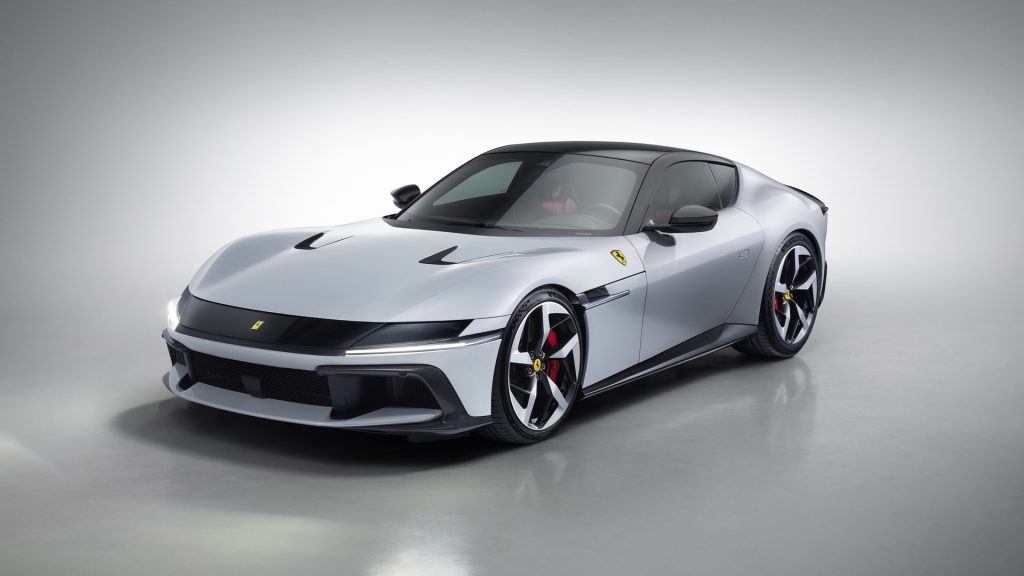
Inside the cabin, the focus remains on the driver. Controls are arranged to minimize distraction, and the environment feels tailored to the act of driving. It is not about luxury in the traditional sense, but about creating a space where the driver can fully engage with the car.
As electric-only markets expand, cars like the 812 Superfast will become increasingly rare. Its naturally aspirated V12, combined with its emphasis on driver involvement, represents a philosophy that does not translate directly into electric performance.
2. Lamborghini Huracán Tecnica
The Lamborghini Huracán Tecnica captures a specific moment in the evolution of supercars, where refinement meets raw mechanical character.
Powered by a naturally aspirated V10 engine, it delivers a type of performance that relies on sound and response rather than silent efficiency. In a fully electric environment, this defining trait would no longer exist.
The Tecnica positions itself between the more aggressive STO and the more comfort-oriented variants of the Huracán lineup.
This balance allows it to offer strong performance without becoming overly specialized. The engine responds instantly to inputs, and the absence of turbocharging ensures that power delivery remains linear and predictable.
Handling is a key aspect of Tecnica’s identity. Rear-wheel drive configuration provides a level of engagement that encourages drivers to interact with the car more actively.
The steering feels direct, and the chassis communicates clearly, allowing drivers to understand how the car is behaving in different situations. This level of feedback is one of the elements that enthusiasts value most.
Design plays a significant role in shaping its presence. The Tecnica features a revised front and rear layout that improves airflow while giving the car a distinct appearance. It looks purposeful without becoming excessive, reflecting Lamborghini’s ability to create visually striking yet functional designs.
The interior maintains a focus on usability, with controls that are easy to access and materials that emphasize durability. It avoids unnecessary complexity, ensuring that the driving experience remains central. This approach aligns with the car’s broader philosophy of delivering performance without distraction.
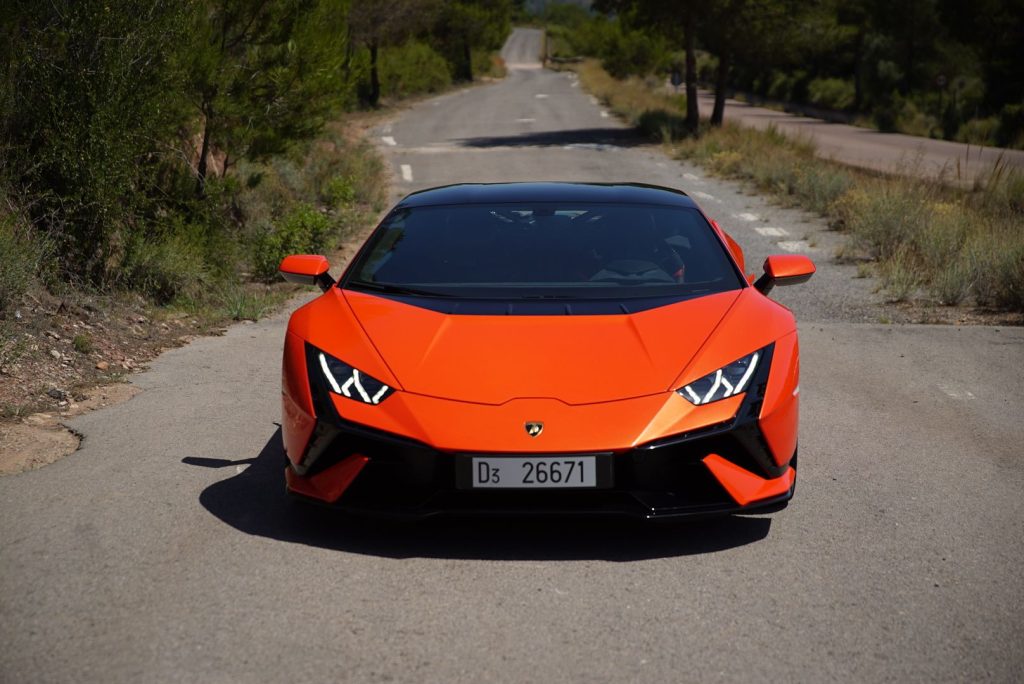
In electric-only markets, the characteristics that define the Huracán Tecnica would not translate directly. The sound of the V10, the mechanical feedback, and the driving dynamics rooted in combustion engineering would be replaced by a different kind of experience.
The Tecnica stands as a reminder of what modern supercars offer at the end of the internal combustion era, capturing a blend of performance and engagement that will not carry forward in the same form.
3. McLaren 765LT
The McLaren 765LT approaches performance from a standpoint that prioritizes reduction rather than addition. Instead of layering comfort and technology, it strips away weight and unnecessary elements to sharpen the driving experience.
This philosophy makes it one of the clearest examples of a supercar that would struggle to exist in an electric-only future, where battery mass and insulation tend to move in the opposite direction.
Its twin-turbocharged V8 delivers immense power, yet the defining feature is not just output but responsiveness. The car reacts instantly to driver inputs, creating a sense of connection that feels immediate and precise.
Acceleration is intense, but it is the consistency of that response that leaves a lasting impression. There is no delay, no softness, just a direct translation of intent into motion.
The structure of the 765LT is built around lightweight materials, allowing it to achieve a level of agility that feels almost effortless. Every component serves a purpose, and the absence of excess contributes to its sharp handling characteristics.
On a challenging road, the car feels alive, constantly communicating through its steering and chassis. This level of feedback is something that becomes more difficult to maintain as vehicles grow heavier.
Inside, the minimalistic approach continues. The cabin avoids distractions, focusing instead on creating an environment where the driver remains fully engaged. Even comfort features take a secondary role to performance, reinforcing the car’s identity as a machine built for driving rather than cruising.
Another aspect that sets the 765LT apart is its sense of urgency. Everything about the car encourages active participation, from the aggressive throttle response to the precise braking system. It does not allow the driver to remain passive, demanding attention and rewarding skill.
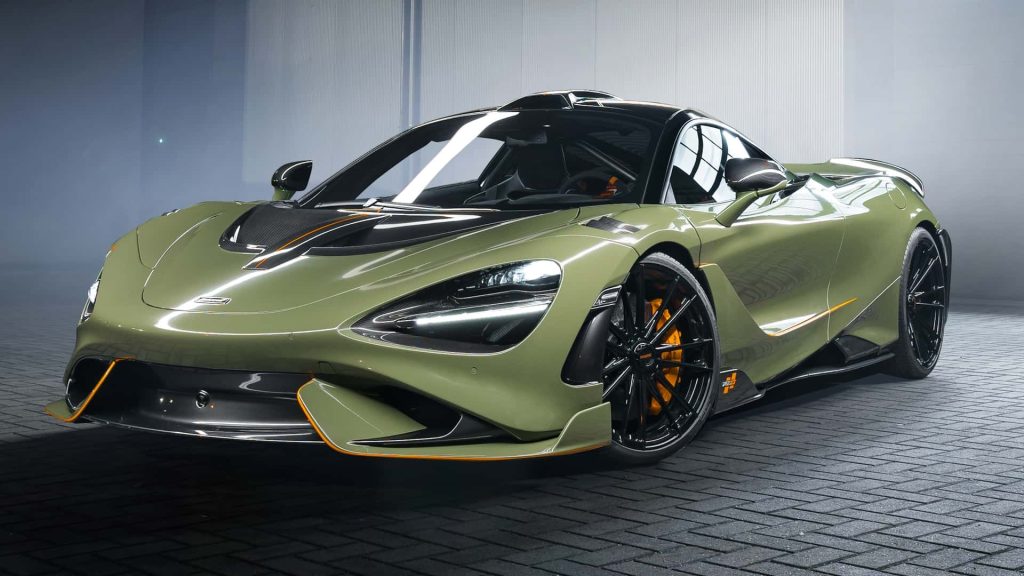
In a future dominated by electric-only markets, cars like the 765LT would face significant challenges. The emphasis on lightweight construction, raw feedback, and mechanical intensity contrasts sharply with the characteristics of electric vehicles.
The 765LT stands as a representation of a design philosophy that values engagement above all else, capturing a driving experience that will not transition easily into the next era.
4. Porsche 911 GT3 RS
The Porsche 911 GT3 RS presents a different interpretation of what a modern supercar can be, focusing on precision and track-oriented engineering rather than sheer power alone.
It is a car built with a clear purpose, where every element is designed to enhance performance in a controlled and measurable way. This level of specialization places it in a category that does not align easily with electric-only requirements.
At the core of the GT3 RS is a naturally aspirated flat-six engine that thrives on high revs. Unlike turbocharged alternatives, it delivers power in a way that encourages drivers to push toward the upper limits of the rev range.
This creates a driving rhythm that feels deliberate, rewarding those who understand how to extract performance through technique rather than relying solely on acceleration.
Aerodynamics play a central role in shaping the car’s behavior. Large wings, vents, and carefully sculpted surfaces work together to generate downforce, improving stability at speed.
These features are not added for visual impact alone but serve a functional purpose that becomes evident during high-performance driving. The car feels planted and predictable, even under demanding conditions.
The driving position and interior layout reinforce this focus. Controls are positioned to minimize distraction, and the seating supports the driver during intense cornering. It is an environment that prioritizes clarity and control, ensuring that every input is deliberate and effective.
One of the most striking aspects of the GT3 RS is its consistency. It delivers the same level of performance lap after lap, without significant variation. This reliability is a key factor in its appeal, especially for those who value precision over unpredictability.
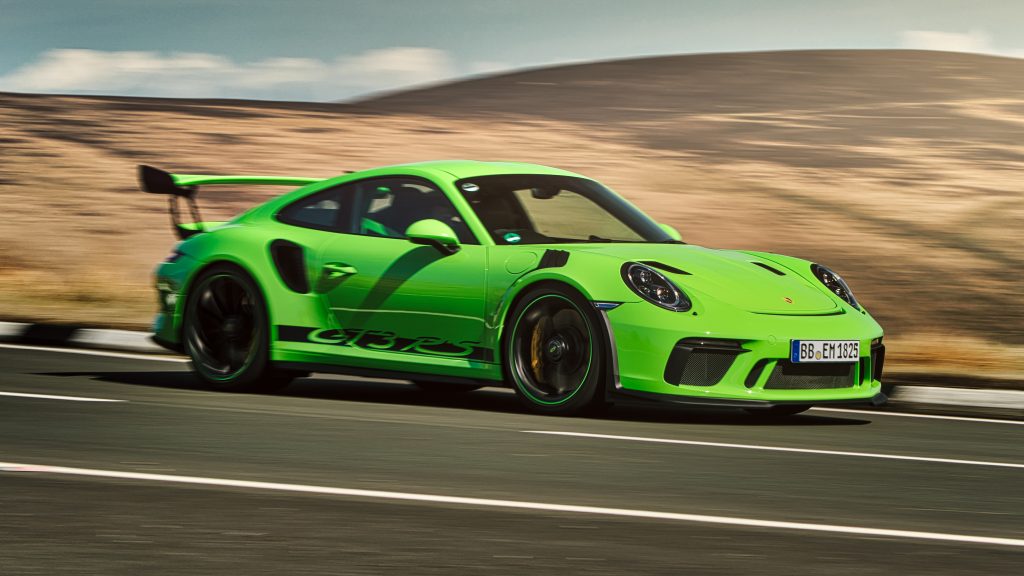
In an electric-only context, the characteristics that define the GT3 RS would be difficult to replicate. The high-revving engine, the mechanical feedback, and the finely tuned balance all depend on a combustion-based platform.
The GT3 RS represents a commitment to engineering excellence, offering a driving experience that is rooted in precision and discipline, qualities that will take on a different form in the electric era.
5. Aston Martin V12 Vantage
The Aston Martin V12 Vantage exists as a contradiction that somehow works perfectly. It takes a relatively compact sports car platform and inserts a large, naturally aspirated V12 engine, creating a machine that feels both refined and slightly unrestrained.
In 2026, this kind of engineering decision feels increasingly rare, especially in a world moving toward electric-only regulations where such configurations would not be feasible.
Rather than focusing purely on track performance, the V12 Vantage delivers its appeal through character. The engine produces a deep, layered sound that builds as the revs rise, creating an emotional connection that goes beyond numbers.
Acceleration is strong, yet it is the sensation of power that defines the experience. The car feels alive in a way that electric alternatives interpret differently.
Handling reflects a balance between control and intensity. The shorter wheelbase, combined with the added weight of the V12, creates a dynamic that requires attention, rewarding drivers who engage with it carefully.
It does not attempt to simplify the experience or remove all challenges. Instead, it offers a level of involvement that feels intentional, encouraging a more active approach behind the wheel.
The design carries a sense of elegance, with proportions that remain clean and purposeful. It avoids excessive aggression, relying instead on subtle cues to communicate its performance potential. This restrained approach allows the car to maintain a timeless appearance, distinguishing it from more visually extreme supercars.
Inside, the cabin leans toward craftsmanship rather than minimalism. Materials are carefully selected, and the layout emphasizes comfort without losing its connection to performance. It creates an environment that feels special without becoming overwhelming.
What makes the V12 Vantage particularly significant is its timing. It arrives at a moment when large displacement engines are becoming increasingly difficult to justify under evolving regulations. This positions it as one of the final examples of a philosophy that values emotional engagement through combustion.
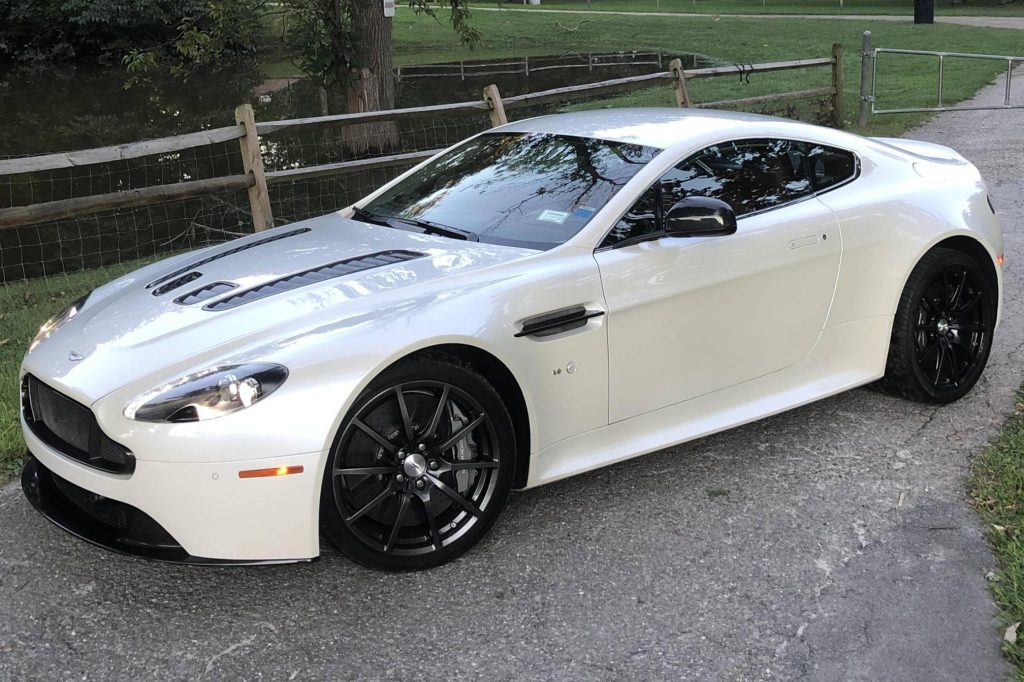
In electric-only markets, a car like this would not have a place in its current form. The Aston Martin V12 Vantage stands as a reminder that performance can be as much about feeling as it is about speed.
6. Ferrari SF90 Stradale
The Ferrari SF90 Stradale represents a transitional phase in the evolution of supercars, blending traditional combustion power with advanced hybrid technology.
While it incorporates electric motors, it still relies heavily on a twin-turbocharged V8 engine to define its character. This combination places it in a unique position, as it bridges two eras rather than belonging fully to one.
Performance in the SF90 is immediate and intense. The electric motors provide instant torque, while the V8 engine contributes sustained power and sound.
This dual nature creates a layered driving experience, where different systems work together to deliver acceleration that feels both smooth and aggressive. It shows how manufacturers have tried to adapt without completely abandoning their roots.
The complexity of the SF90 is part of what makes it stand out. Multiple driving modes allow the car to shift between electric operation, hybrid efficiency, and full performance output.
This versatility adds depth to the experience, giving drivers the ability to tailor the car’s behavior to different situations. However, this complexity also highlights how far it is from the simplicity of purely electric vehicles.
Design plays a crucial role in expressing its advanced nature. The SF90 features sharp lines and aerodynamic elements that reflect its technological focus. It looks like a step forward, signaling a change in direction while still maintaining Ferrari’s identity. This balance between innovation and familiarity contributes to its appeal.
Inside, the cabin integrates digital interfaces and modern controls, creating an environment that feels advanced yet still driver-oriented. Information is presented clearly, allowing drivers to access performance data without distraction. The layout supports the car’s dual identity as both a technological showcase and a performance machine.
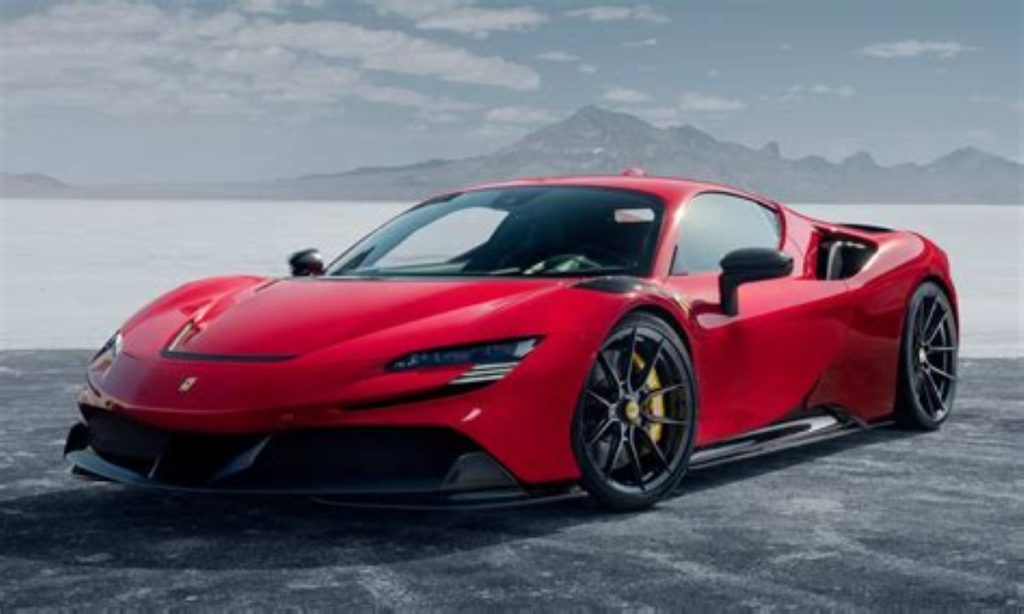
In electric-only markets, the SF90’s hybrid system would not align with regulations that eliminate combustion engines entirely. This makes it a representative of a transitional period that will eventually give way to fully electric designs.
The SF90 Stradale captures a moment of adaptation, where performance, technology, and tradition intersect before the shift becomes complete.
7. Dodge Challenger SRT Demon 170
The Dodge Challenger SRT Demon 170 does not attempt to fit into modern expectations of efficiency or restraint. It exists to deliver extreme performance in a straight line, built around a supercharged V8 engine that produces extraordinary levels of power.
In a world shifting toward electric-only markets, a car like this stands in direct contrast to future regulations and philosophies.
What defines the Demon 170 is its singular purpose. It is engineered with drag racing in mind, focusing on acceleration above all else. The way it launches from a standstill is its most defining characteristic, delivering a force that feels immediate and overwhelming.
This type of performance is not about balance or versatility but about achieving maximum output in a specific scenario.
The engineering behind it reflects this focus. Specialized components, reinforced systems, and carefully tuned dynamics all contribute to its ability to handle such immense power.
It is not designed to behave like a traditional sports car, and that distinction is part of its identity. The car demands respect, as its capabilities can quickly exceed what many drivers are accustomed to.
Visually, the Demon 170 carries a bold presence that matches its performance. Wide bodywork, aggressive stance, and functional design elements emphasize its purpose. It does not hide its intentions or attempt to appear subtle. Every aspect of its appearance communicates strength and capability.
Inside, the approach is straightforward. The cabin provides what is necessary for control and comfort, but it does not distract from the car’s primary function. This simplicity reinforces the idea that the driving experience is the central focus.
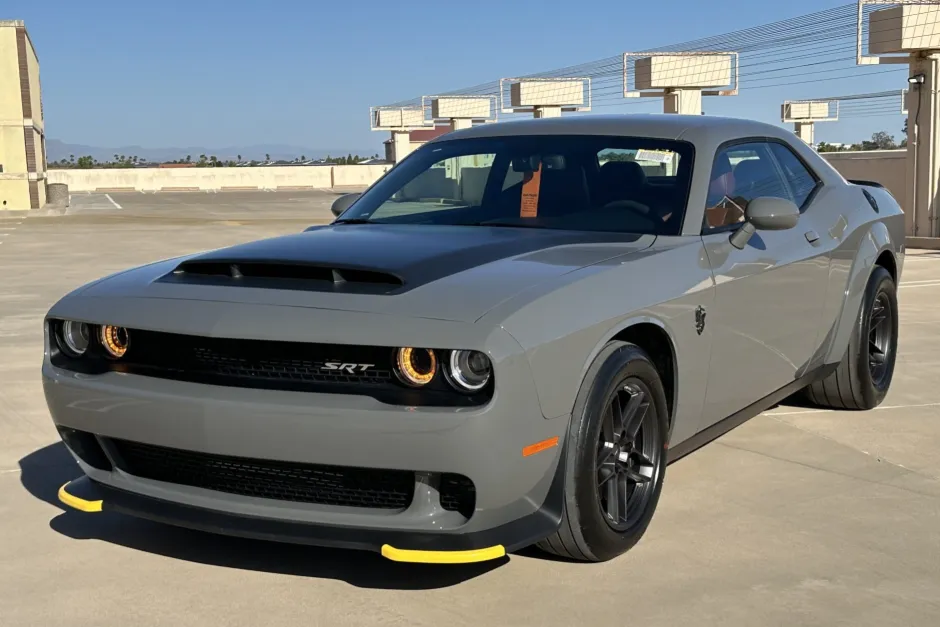
In electric-only markets, a vehicle like the Demon 170 would not have a place in its current form. Its reliance on a large supercharged engine and its focus on raw combustion power run counter to the direction of future regulations.
The Demon 170 represents a philosophy that prioritizes intensity and specialization. It is a reminder that not all performance needs to be balanced or refined, capturing a type of experience that will not transition into the electric era in the same way.
8. Lamborghini Aventador Ultimae
The Lamborghini Aventador Ultimae serves as a closing statement for one of the most iconic supercar platforms of the modern era.
Rather than introducing something entirely new, it refines and celebrates what came before, bringing together the strongest elements of the Aventador lineup. In doing so, it marks the end of a naturally aspirated V12 era that will not continue in electric-only markets.
At the center of the Ultimae is its V12 engine, delivering power in a way that feels both immediate and progressive. The experience is defined by how the engine responds to input, building intensity as it moves through the rev range.
This characteristic creates a sense of connection that relies on mechanical processes rather than electronic simulation.
The car’s performance is not limited to acceleration. Handling has been carefully tuned to provide stability and control, allowing the driver to manage its power effectively. It strikes a balance between being approachable and demanding, offering an experience that evolves as the driver becomes more familiar with its behavior.
Design-wise, the Ultimae maintains the dramatic presence associated with the Aventador while introducing subtle refinements. The proportions remain bold, with sharp lines and a low stance that emphasize its performance capabilities. It feels like a culmination of years of design evolution rather than a departure from it.
The interior reflects a similar philosophy, combining recognizable elements with small updates that enhance usability. It does not attempt to reinvent the experience but instead refines it, ensuring that the focus remains on driving.
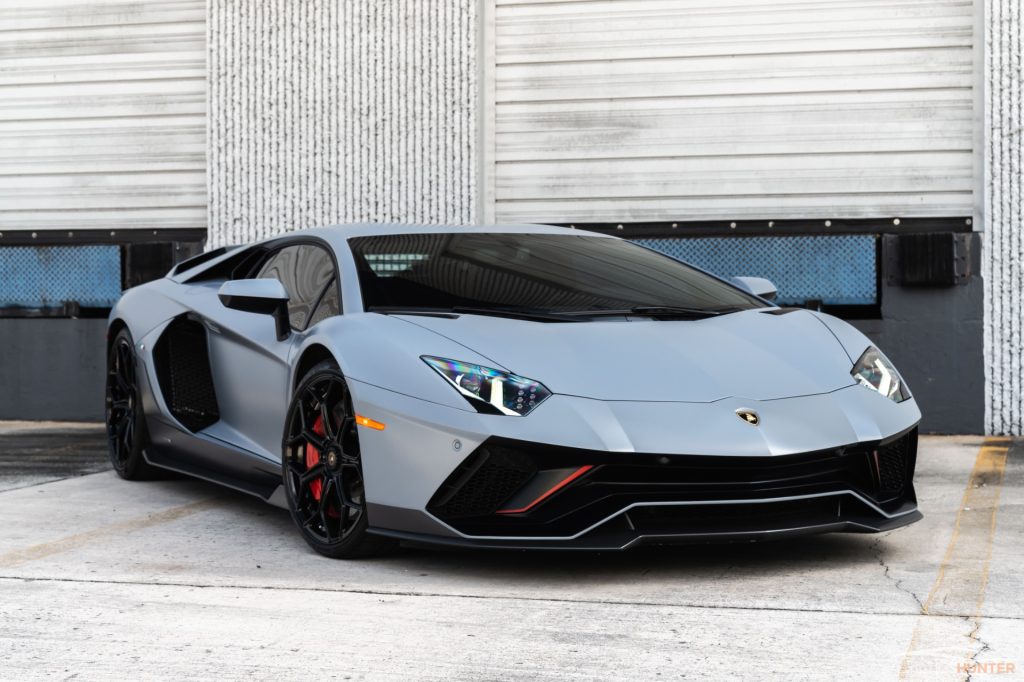
What makes the Ultimae particularly significant is its timing. As Lamborghini transitions toward hybrid and eventually fully electric models, this car stands as one of the last pure expressions of its traditional approach.
In electric-only markets, the defining characteristics of the Ultimae would not carry over. The naturally aspirated V12, the mechanical feedback, and the sense of progression in its power delivery would be replaced by a different kind of performance.
The Aventador Ultimae captures the end of an era, preserving a style of engineering that will soon become part of automotive history.
9. Pagani Huayra R
The Pagani Huayra R exists outside the usual expectations of what a modern supercar should be. It is not designed for public roads, nor does it attempt to meet everyday usability standards.
Instead, it focuses entirely on delivering a pure, unfiltered driving experience centered around a naturally aspirated V12 engine. In a future defined by electric-only markets, a car like this becomes almost impossible to justify under regulatory frameworks.
The engine itself is the centerpiece of the Huayra R. Developed specifically for this model, it produces a sound and response that feel closer to a racing prototype than a conventional supercar.
The way it revs, the intensity of its output, and the absence of forced induction all contribute to a driving experience that feels mechanical and immediate. This is not just about speed but about how that speed is delivered.
Aerodynamics play a crucial role in shaping the car’s behavior. Every surface is designed with airflow in mind, ensuring that the car remains stable at high speeds.
The large rear wing and sculpted bodywork are not stylistic choices but functional elements that enhance performance. This focus on purpose creates a machine that feels precise and controlled even under extreme conditions.
Ownership of the Huayra R is also unique. It is part of a program where the manufacturer provides support, storage, and track access for owners. This transforms the car from a simple possession into an experience, where driving becomes an event rather than a routine activity. This level of exclusivity adds another dimension to its appeal.
The interior follows a similar philosophy, prioritizing lightweight materials and functionality. There is no attempt to soften the experience or add unnecessary features. Everything is designed to support the act of driving at high performance levels.
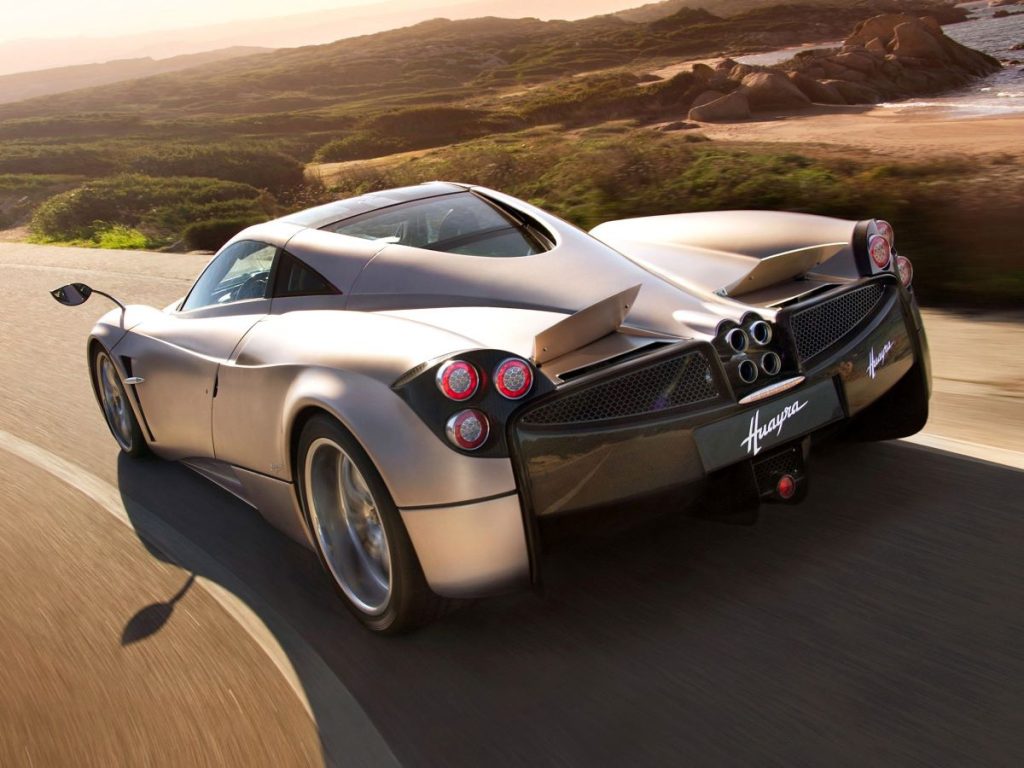
In electric-only markets, the characteristics that define the Huayra R would not exist. The sound, the mechanical feedback, and the reliance on combustion technology all place it firmly in a category that will not transition forward.
The Huayra R stands as a statement of intent, capturing a form of performance that is deeply connected to engineering tradition and unlikely to be replicated in the same way again.
10. Bugatti Chiron Super Sport
The Bugatti Chiron Super Sport approaches the idea of a supercar from a perspective that emphasizes extreme capability combined with refinement.
It is built around a quad-turbocharged W16 engine, a configuration that represents one of the most complex and powerful internal combustion setups ever placed in a production car. In an electric-only future, such engineering would not align with efficiency and emissions requirements.
Acceleration in the Chiron Super Sport feels relentless, yet controlled. The power delivery is smooth despite the immense output, allowing the car to reach extraordinary speeds without feeling unstable. This balance between intensity and composure is a defining aspect of its character, setting it apart from more aggressive or unpredictable machines.
The design reflects its performance goals, with a focus on aerodynamics and stability at high speeds. The elongated body and carefully shaped surfaces reduce drag while maintaining downforce, enabling the car to perform consistently even under extreme conditions. Every detail serves a purpose, contributing to its ability to operate at levels few cars can approach.
Inside, the cabin offers a level of craftsmanship that contrasts with its performance capabilities. Materials are carefully selected, and the layout emphasizes both comfort and control. It is a space that allows occupants to experience high speeds without sacrificing refinement, creating a unique blend of luxury and engineering.
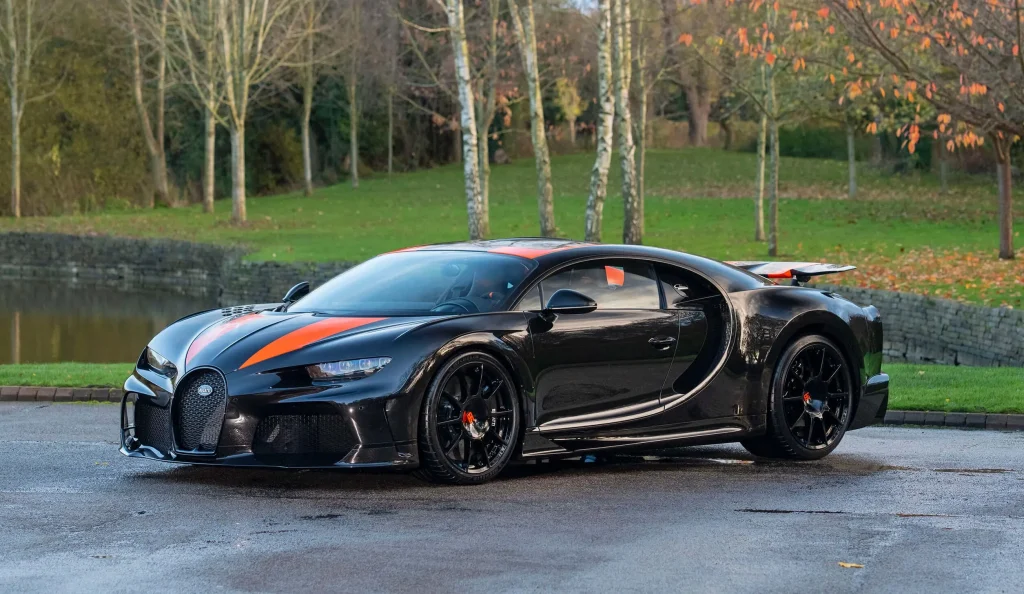
What makes the Chiron Super Sport particularly significant is its role as a pinnacle of combustion technology. It represents the limits of what can be achieved within traditional engineering frameworks, pushing boundaries in ways that will not continue in the same form.
As electric-only markets become more prevalent, cars like the Chiron Super Sport will stand as reminders of a different approach to performance. The complexity of its engine, the nature of its power delivery, and the sensory experience it provides all belong to an era that is gradually coming to a close.
The Chiron Super Sport captures the culmination of internal combustion innovation, marking a point where engineering ambition reached extraordinary heights before the transition toward a new direction.
Also Read: 8 Limited-Production Supercars Collectors Missed Their Chance At
