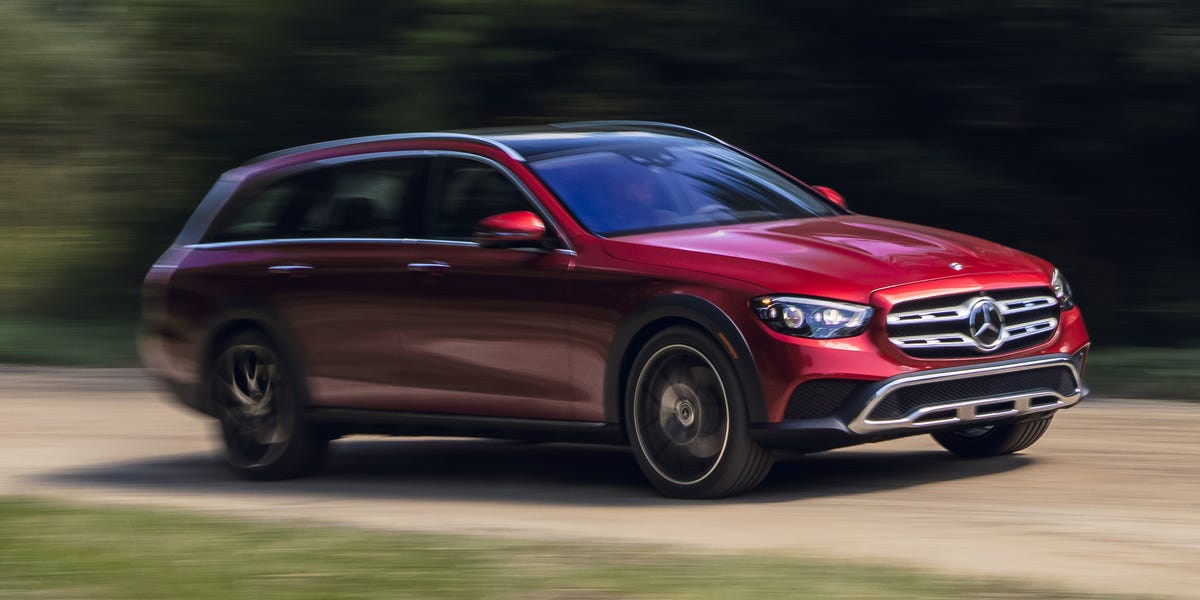
Station wagons have lived through cycles of popularity, decline, and quiet resurgence, yet they have never truly disappeared from the automotive landscape. While crossovers and SUVs dominate today’s roads, wagons continue to offer a blend of practicality, efficiency, and driving pleasure that few other body styles can match.
They carry the DNA of sedans but stretch their capabilities with extended cargo space, making them ideal for families, enthusiasts, and long-distance travelers alike.
One of the strongest arguments in favor of wagons is their balanced design. Unlike bulky SUVs, they sit lower to the ground, which improves handling, stability, and fuel efficiency. At the same time, they retain a spacious rear cargo area that rivals many compact and mid-size SUVs.
This combination makes them particularly appealing for those who want utility without sacrificing driving dynamics. Wagons feel planted on highways, agile in corners, and far more car-like than taller alternatives.
Another reason wagons remain a smart choice lies in their understated versatility. They are equally comfortable navigating crowded urban streets and embarking on cross-country road trips.
Foldable rear seats, wide tailgates, and thoughtful storage solutions make loading everything from groceries to camping gear effortless. For drivers who value function without the visual bulk of an SUV, wagons deliver a refined solution.
There is also an emotional aspect tied to wagons. Many modern examples blend practicality with performance, offering powerful engines, premium interiors, and advanced technology.
This dual personality allows them to serve as both family haulers and enthusiast machines. In a world where many vehicles feel homogenized, wagons often stand out as thoughtful, driver-focused alternatives.
The following selection highlights eight wagons that reinforce why this body style still makes sense today. Each one approaches the concept differently, proving that wagons are not just relics of the past but relevant, capable, and often superior choices in the present automotive market.
Also Read: 10 Hot Hatches That Outrun Proper Sports Cars in the Real World
1. Volvo V60 Cross Country
The Volvo V60 Cross Country presents a compelling case for those who want a wagon that does more than just carry luggage. It blends Scandinavian design with a rugged attitude, creating a vehicle that feels equally at home on city streets and unpaved trails.
Its raised ride height and all wheel drive system give it an edge over traditional wagons, allowing drivers to venture beyond smooth asphalt without hesitation.
Inside, the cabin reflects a minimalist yet premium philosophy. Materials feel carefully chosen rather than excessive, and the layout prioritizes clarity over clutter.
The infotainment system integrates seamlessly with the dashboard, while supportive seats make long journeys less tiring. This is not a vehicle that overwhelms with flashy features; instead, it focuses on comfort and usability in a calm, deliberate manner.
Performance in the V60 Cross Country is not about outright speed but about confidence. The suspension absorbs uneven surfaces with ease, and the steering remains predictable even in challenging conditions.
Whether driving through rain soaked highways or light snow, the car maintains a reassuring sense of control. This makes it particularly appealing in regions where weather conditions can change quickly.
Cargo space is another area where this wagon shines. The rear compartment is wide and practical, and the flat loading floor simplifies packing. Fold down the rear seats, and the space expands enough to accommodate larger items without struggle.
It serves families, outdoor enthusiasts, and professionals with equal competence, adapting to different needs without requiring compromise.
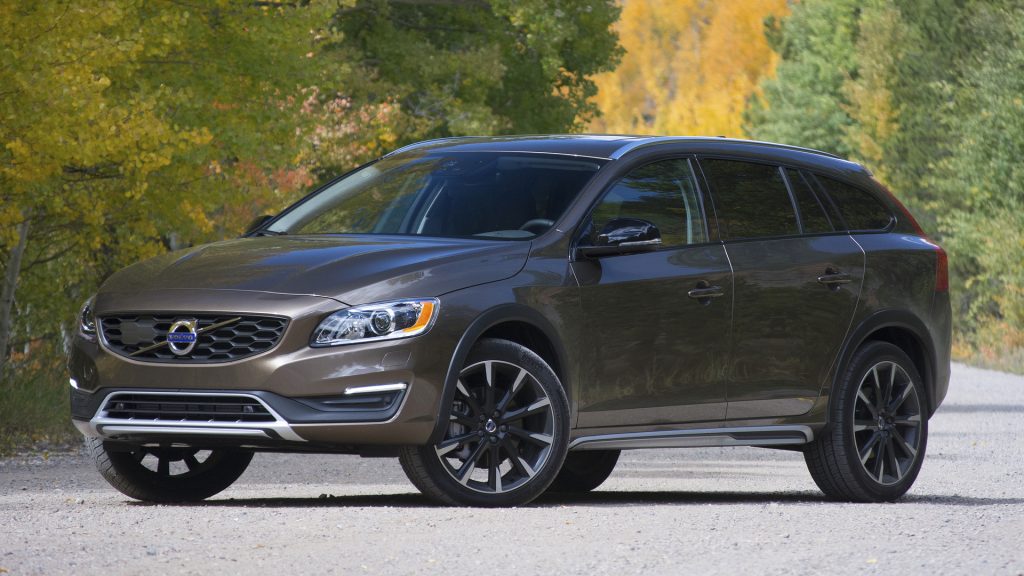
What truly sets the V60 Cross Country apart is its ability to bridge categories. It delivers the refinement of a luxury sedan, the practicality of a wagon, and a hint of SUV capability without fully committing to any one identity.
This balance is precisely why wagons like this continue to make sense. They do not chase trends; they quietly solve real world needs with thoughtful engineering.
2. Audi A6 Allroad
The Audi A6 Allroad approaches the wagon formula from a different angle, leaning heavily into luxury and technology while still retaining a sense of adventure. It is a vehicle designed for those who expect sophistication but do not want to give up practicality. With its distinctive styling and subtle rugged elements, it stands out without appearing excessive.
Step inside, and the experience immediately feels elevated. The cabin is dominated by clean lines, high resolution displays, and premium materials that create a modern yet inviting environment.
Dual touchscreen interfaces control most functions, giving the interior a futuristic edge. Despite the technology, usability remains intuitive, ensuring that drivers are not distracted while on the move.
Under the surface, the A6 Allroad delivers a strong and refined driving experience. Its turbocharged engine provides smooth acceleration, while the adaptive air suspension adjusts to different driving conditions.
This system allows the car to raise its height for rough terrain or lower itself for improved aerodynamics on highways. The result is a vehicle that adapts rather than forces the driver to adapt.
Practicality is woven into every aspect of the design. The cargo area is generous, and thoughtful touches like tie down points and adjustable floor levels enhance usability.
Families benefit from the spacious rear seating, while long distance travelers appreciate the quiet cabin and stable ride. It handles daily duties with ease yet feels special enough for weekend getaways.
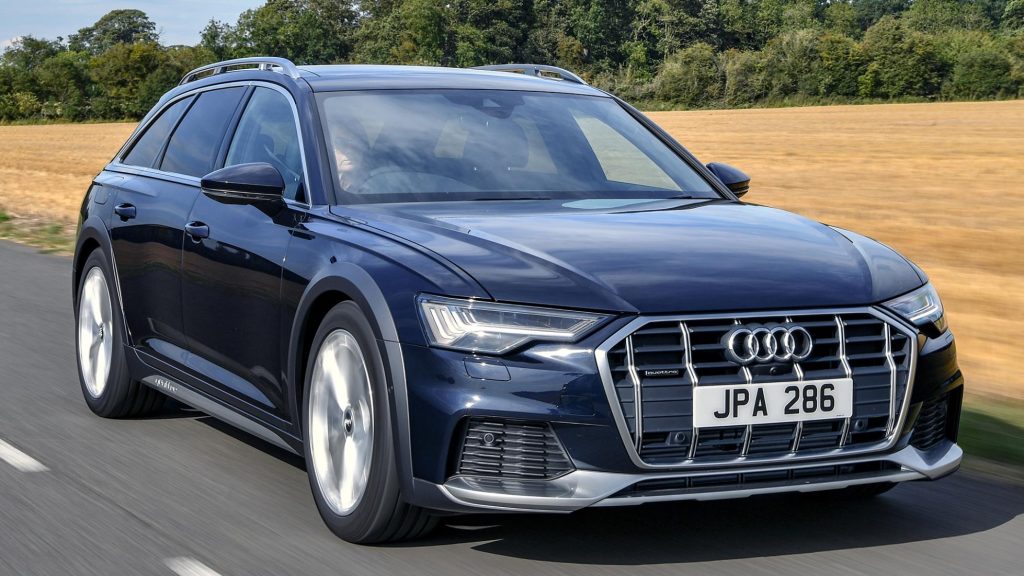
Rather than relying on a single strength, the A6 Allroad succeeds through its range of abilities. It combines comfort, capability, and advanced features into a cohesive package that feels carefully engineered.
This wagon demonstrates that practicality does not need to come at the expense of luxury. Instead, it shows how both can coexist, reinforcing why station wagons remain a smart and relevant choice today.
3. Subaru Outback
The Subaru Outback does not try to fit neatly into a single category, and that is precisely why it resonates with such a wide audience. It carries the silhouette of a wagon, yet its personality leans toward adventure and resilience.
For drivers who value reliability and real world usability more than image, the Outback presents itself as a dependable companion rather than a status symbol.
From the moment you get behind the wheel, the focus on practicality becomes clear. The seating position offers excellent visibility, and the controls are laid out in a way that feels intuitive even for first time drivers.
Subaru’s emphasis on safety is evident through its driver assistance features, which quietly support rather than interrupt the driving experience. This creates a sense of trust that builds over time.
On the road, the Outback favors stability and predictability. Its standard all wheel drive system ensures consistent traction, whether navigating wet roads or uneven terrain.
The suspension is tuned to handle rough surfaces without transmitting excessive vibrations into the cabin. This makes it particularly appealing for those who frequently travel beyond city limits or encounter less than ideal road conditions.
The interior space reflects thoughtful design rather than excess. Rear passengers benefit from generous legroom, while the cargo area accommodates a surprising amount of gear.
The wide opening and low load height make it easy to pack items quickly, whether it is luggage for a trip or equipment for outdoor activities. Small storage compartments and clever features add to its everyday convenience.
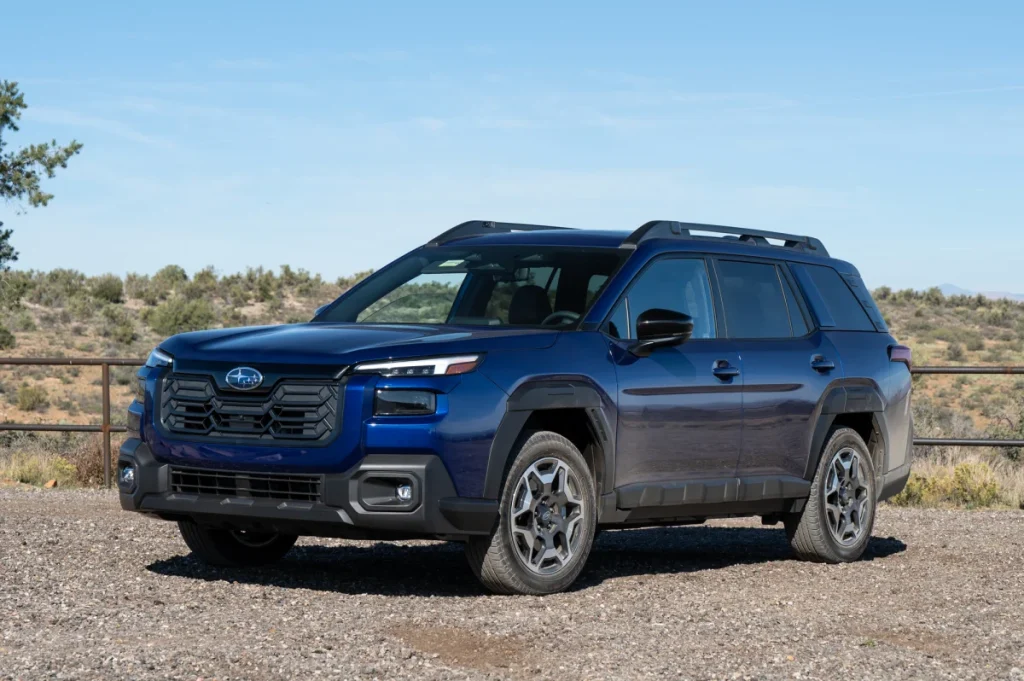
What makes the Outback stand out is its quiet confidence. It does not rely on flashy styling or overwhelming performance figures to make its case. Instead, it delivers consistent capability, comfort, and reliability in a way that feels honest.
This approach highlights a key strength of wagons: they prioritize usefulness without sacrificing driving enjoyment, making them a logical choice for those who value substance over spectacle.
4. Mercedes-Benz E-Class Wagon
The Mercedes-Benz E-Class Wagon takes a more refined route, presenting itself as a vehicle that blends elegance with practicality in a seamless manner. It caters to those who expect a premium experience but still need the versatility of a spacious rear compartment. This balance is not easy to achieve, yet the E-Class manages it with a sense of quiet authority.
Inside the cabin, attention to detail becomes the defining feature. Materials feel rich without being overwhelming, and the design flows naturally from one element to the next.
Ambient lighting, high quality finishes, and advanced digital displays contribute to an environment that feels both modern and welcoming. It is a space where long drives become something to anticipate rather than endure.
The driving experience leans toward comfort, but it does not lose its composure when pushed. The suspension smooths out imperfections in the road, while the steering maintains enough precision to keep the driver engaged.
Power delivery is smooth and effortless, reinforcing the car’s refined character. It is less about aggressive performance and more about delivering a composed and confident journey.
Versatility is integrated in a way that feels almost effortless. The rear facing third row, a rare feature in modern vehicles, adds an extra layer of practicality for families.
Cargo space is generous, and the ability to fold seats in multiple configurations allows for flexibility depending on the situation. Whether carrying passengers or transporting larger items, the wagon adapts without fuss.
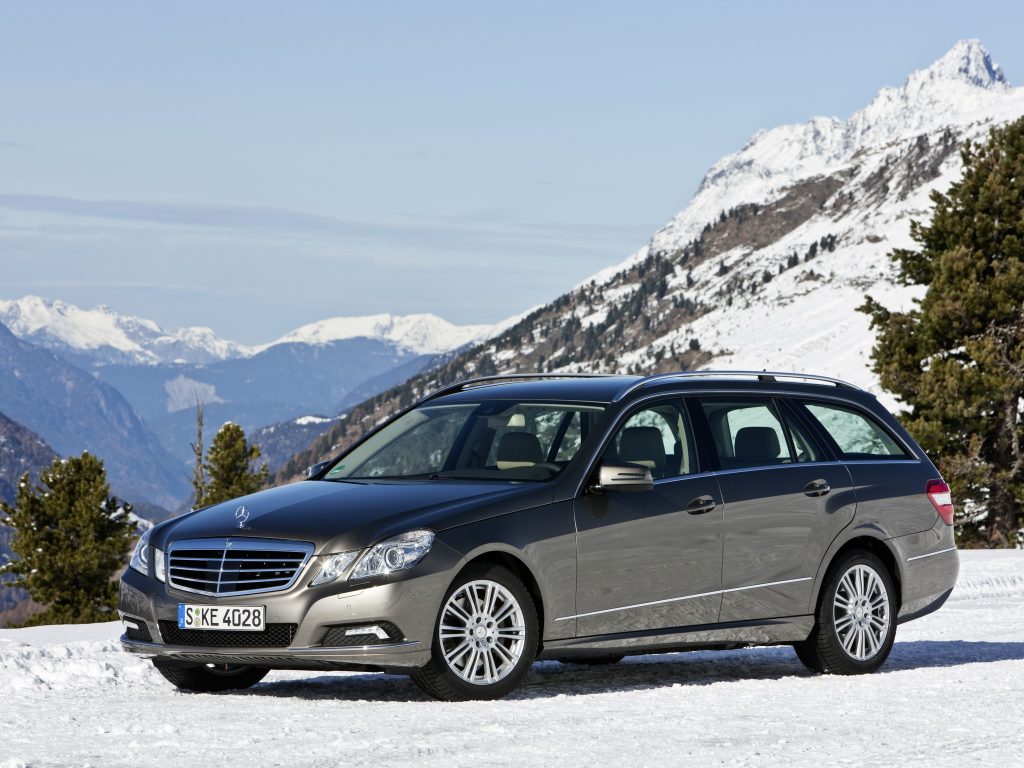
Rather than trying to reinvent the concept, the E-Class Wagon refines it. It demonstrates how a vehicle can be both luxurious and functional without compromise.
This approach reinforces the enduring appeal of wagons, showing that practicality does not have to come at the expense of sophistication. Instead, it can enhance it, creating a vehicle that feels complete in a way many others do not.
5. BMW 3 Series Touring
The BMW 3 Series Touring brings a driver focused philosophy into the wagon segment, proving that practicality does not have to dilute excitement.
Unlike many vehicles that prioritize space first, this one starts with driving dynamics and then builds utility around it. The result is a wagon that feels alive on the road while still handling everyday responsibilities with ease.
Slip into the driver’s seat, and the familiar BMW layout immediately reinforces a sense of control. Everything is angled toward the driver, creating an environment where focus remains on the road ahead.
The steering wheel, pedals, and seating position all work together to deliver a connected feel. This is not just transportation; it is an experience shaped around engagement.
Acceleration is smooth yet responsive, offering enough power to make merging and overtaking effortless. What truly defines the Touring, however, is how it handles corners.
The lower center of gravity compared to SUVs allows it to remain composed and agile, encouraging drivers to take the scenic route rather than the quickest one. It feels balanced, predictable, and rewarding in a way that few practical vehicles manage.
Despite its sporty nature, the car does not ignore its practical duties. The cargo area is thoughtfully designed, with a wide opening and flexible seating arrangements that make it easy to adapt.
Whether carrying luggage, sports equipment, or daily essentials, the space feels usable rather than simply large. Small details, like storage compartments and hooks, add to its real world convenience.
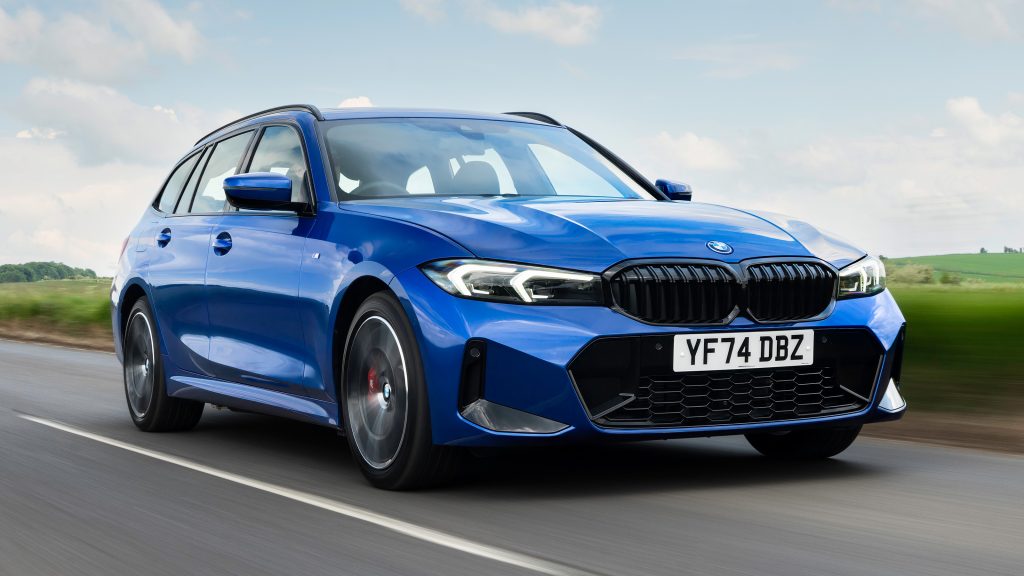
This wagon appeals to those who refuse to compromise between enjoyment and usefulness. It stands as a reminder that vehicles can serve multiple purposes without losing their identity.
By blending performance with practicality, the 3 Series Touring reinforces why wagons remain relevant, offering something that crossovers often struggle to replicate: genuine driving satisfaction paired with everyday versatility.
6. Porsche Panamera Sport Turismo
The Porsche Panamera Sport Turismo challenges expectations by combining high performance engineering with the functionality of a wagon.
It does not follow the traditional formula of prioritizing practicality first; instead, it begins with performance and then integrates utility in a way that feels seamless. This creates a vehicle that stands apart from nearly everything else in its category.
From the outside, its design is unmistakably Porsche, yet the extended roofline adds a layer of usability that enhances its appeal.
The styling feels purposeful rather than decorative, with every line contributing to both aesthetics and aerodynamics. It manages to look sleek and muscular while still hinting at the extra space hidden behind the rear hatch.
Inside, the cabin is crafted around the driver but does not neglect passengers. The materials, layout, and technology all reflect a high level of precision. Controls are placed with intent, and the overall environment feels cohesive rather than cluttered. It is a space where performance and luxury coexist without competing for attention.
On the road, the Sport Turismo delivers a driving experience that feels sharp and controlled. Acceleration is immediate, and the handling remains composed even when pushed.
The steering provides clear feedback, allowing the driver to feel connected to the car in a meaningful way. Despite its performance capabilities, it remains comfortable enough for long journeys, showing that it is not limited to short bursts of excitement.
The practicality aspect reveals itself in subtle ways. The rear cargo area offers more space than expected, and the hatch design makes loading items straightforward. It may not match traditional wagons in sheer capacity, but it compensates by offering a unique blend of speed and usability. This dual nature is what defines the Sport Turismo.
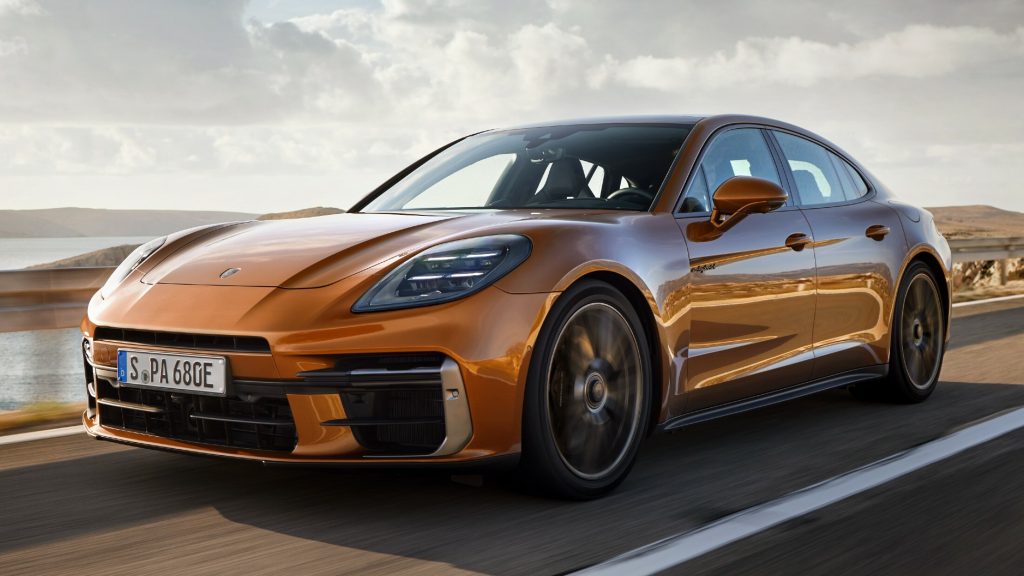
Rather than fitting into an existing category, this vehicle creates its own space. It demonstrates that wagons can evolve beyond their conventional roles, becoming something more dynamic and engaging.
By merging performance with practicality in such a distinct way, it reinforces the idea that wagons are not outdated but continuously adapting to modern expectations.
7. Volkswagen Golf SportWagen
The Volkswagen Golf SportWagen builds its appeal on simplicity done right. It does not rely on dramatic styling or excessive features to attract attention, yet it consistently delivers what most drivers actually need. This wagon feels grounded in practicality, offering a well rounded package that fits seamlessly into daily life without demanding constant attention or adjustment.
From the first drive, the balanced nature of the car becomes clear. It feels neither too soft nor overly firm, striking a middle ground that works across different road conditions.
The steering is light enough for city driving yet retains enough feedback to feel composed at higher speeds. This equilibrium makes it approachable for a wide range of drivers, from those new to wagons to experienced enthusiasts.
The cabin focuses on clarity and usability. Controls are straightforward, and the layout avoids unnecessary complexity. Everything is positioned where you expect it to be, reducing the learning curve and allowing drivers to settle in quickly.
Materials are durable rather than extravagant, which suits the car’s practical intent. It is designed to be lived with, not just admired.
Cargo space is where the SportWagen quietly excels. The rear compartment offers enough room for everyday needs, from grocery runs to weekend luggage. Fold the rear seats, and the space expands into something far more versatile. The flat load floor and wide opening simplify the process of carrying larger items, making it a dependable option for varied tasks.
What sets this wagon apart is its sense of normalcy in the best possible way. It does not try to redefine the segment or push boundaries. Instead, it refines the essentials, ensuring that every aspect of the vehicle works as intended. This approach resonates with drivers who value consistency and reliability over novelty.
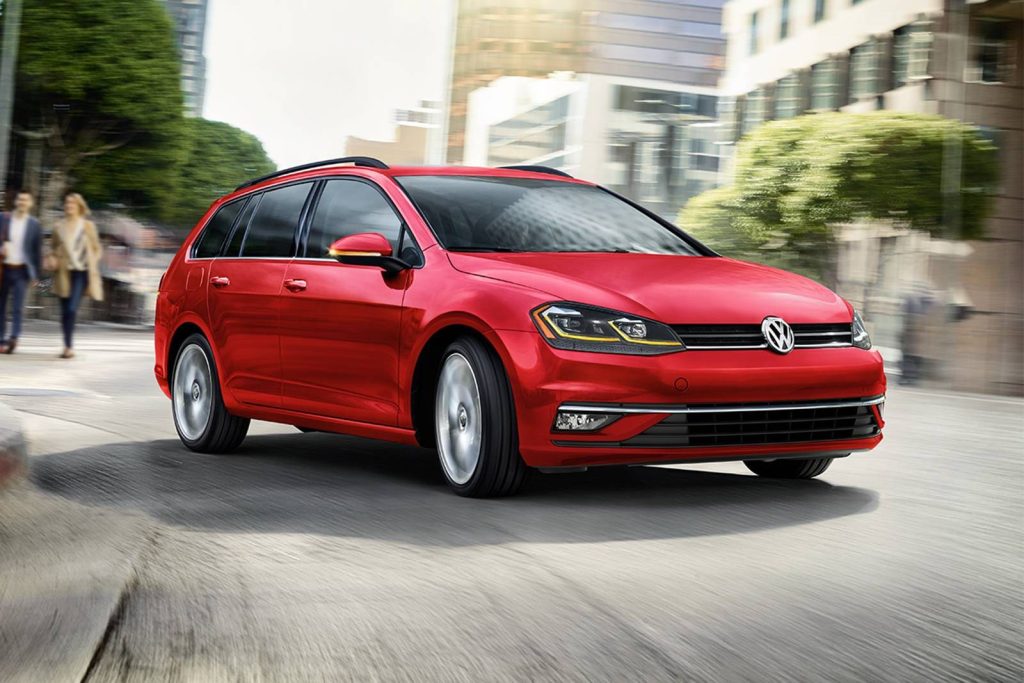
The Golf SportWagen represents a practical interpretation of what a wagon should be. It delivers efficiency, usability, and comfort without unnecessary distractions.
In a market filled with vehicles trying to stand out through excess, this wagon proves that thoughtful design and balanced execution can still make a strong case. It quietly reinforces why wagons remain a sensible and enduring choice.
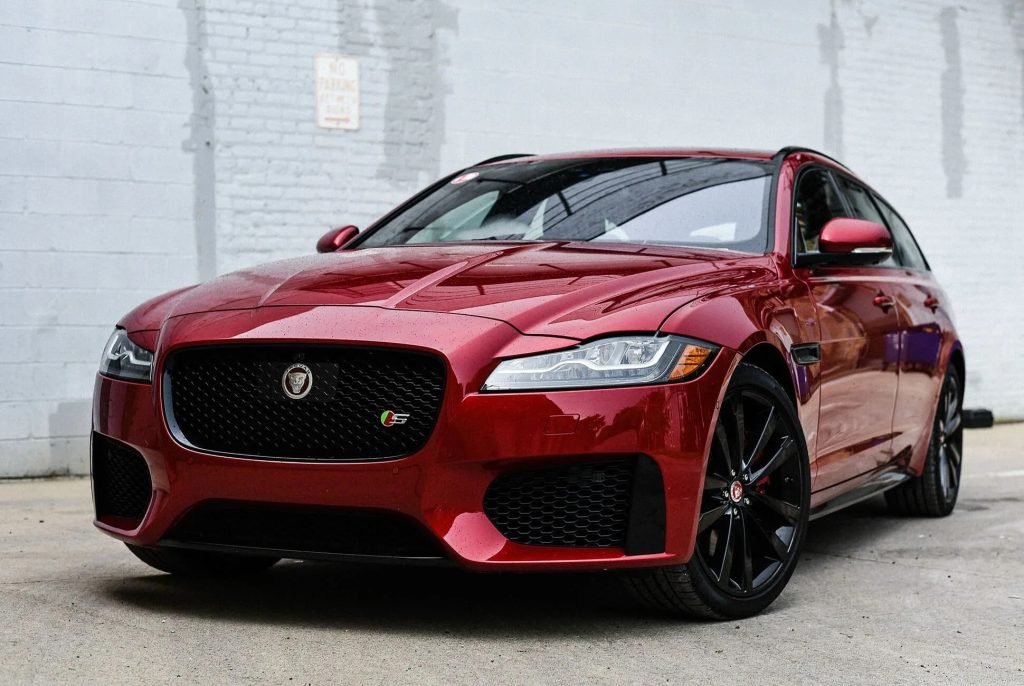
8. Jaguar XF Sportbrake
The Jaguar XF Sportbrake approaches the wagon concept with a focus on elegance and individuality. It offers a distinct alternative for those who want practicality wrapped in a more expressive design. Rather than blending into the background, this wagon carries a sense of character that sets it apart from more conventional options.
Step inside, and the cabin immediately reflects a refined atmosphere. The materials, textures, and layout create a space that feels carefully curated.
There is a sense of craftsmanship that runs through every detail, from the stitching on the seats to the subtle design elements across the dashboard. It is a place that encourages drivers to appreciate the journey rather than simply complete it.
On the road, the XF Sportbrake delivers a composed and fluid driving experience. The suspension absorbs imperfections with ease, allowing the car to glide over uneven surfaces without losing stability.
Steering responses are smooth and predictable, giving the driver confidence without requiring constant input. It is not about aggressive performance but about maintaining a refined sense of motion.
Practicality is integrated in a way that complements its design rather than competing with it. The cargo area is spacious enough for daily use and longer trips, while the layout ensures that items can be loaded efficiently.
The rear seats fold to expand capacity, creating flexibility when needed. It adapts to different scenarios without disrupting the overall sense of sophistication.
This wagon stands out through its ability to combine form and function in a distinctive way. It does not follow the same path as more utilitarian models, instead offering a blend of practicality and style that feels unique. For drivers who want something different without sacrificing usability, it provides a compelling option.
The XF Sportbrake highlights a different side of what wagons can be. It shows that practicality does not have to come at the expense of personality. By delivering both in a cohesive package, it reinforces the enduring relevance of wagons.
They continue to offer solutions that go beyond trends, appealing to those who value thoughtful design and balanced capability.
Station wagons continue to prove their relevance in a market heavily dominated by SUVs and crossovers, offering a unique balance that many modern vehicles struggle to achieve.
They combine the driving comfort and efficiency of sedans with the cargo carrying ability of larger vehicles, creating a practical solution for a wide range of needs. This dual nature is what keeps wagons appealing, even as trends shift toward taller and bulkier designs.
One of the most important strengths of wagons is how naturally they handle everyday driving. Their lower ride height improves stability and control, making them feel more planted on highways and more responsive in corners.
This creates a smoother and more engaging experience compared to many SUVs, which often prioritize height over handling. For drivers who still value the act of driving, wagons offer a satisfying alternative that does not compromise on usability.
Another key advantage lies in their intelligent use of space. Wagons provide generous cargo capacity without the excessive size of larger vehicles, making them easier to maneuver in tight urban environments.
Features like foldable rear seats and wide cargo openings enhance their flexibility, allowing them to adapt to everything from daily errands to long road trips. This practicality feels intentional rather than forced, aligning with real world requirements.
The diversity within the wagon segment also plays a significant role in its continued appeal. Some models lean toward rugged capability, offering all wheel drive systems and raised suspensions for light off road use.
Others focus on luxury, delivering premium interiors and advanced technology that rival high end sedans. There are also performance oriented wagons that bring powerful engines and sharp handling into the mix, proving that practicality and excitement can coexist.
What stands out across all these examples is the absence of compromise. Each wagon approaches the concept differently, yet all manage to deliver a balanced experience.
They do not force drivers to choose between comfort, utility, and driving enjoyment. Instead, they integrate these qualities into a cohesive package that feels thoughtfully engineered.
In a landscape where many vehicles prioritize trends and visual impact, wagons remain grounded in purpose. They serve as a reminder that good design is not about excess but about meeting needs effectively.
Their ability to adapt, perform, and provide comfort without unnecessary bulk makes them a smart choice for those who look beyond popularity.
Ultimately, station wagons endure because they solve problems without creating new ones. They offer space without sacrificing efficiency, performance without losing practicality, and versatility without complexity.
This balance ensures that, regardless of changing automotive trends, wagons will continue to hold their place as one of the most sensible and rewarding vehicle types available.
Also Read: 8 Pickup Trucks With Transmissions Rated for 500,000 Miles of Towing