
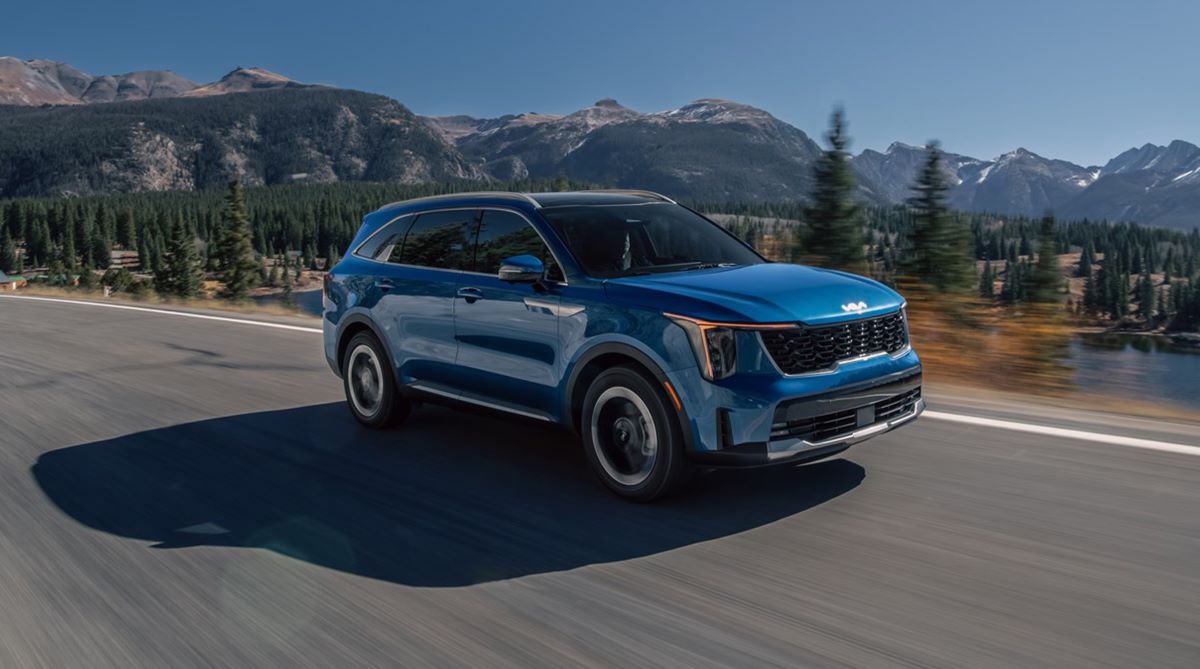
Hybrid SUVs have moved from being niche, experimental vehicles to becoming mainstream choices for families, commuters, and long distance drivers. Over the past decade, rising fuel prices, stricter emissions regulations, and improvements in battery and hybrid technology have reshaped the automotive industry. Today, many buyers are no longer asking whether hybrids are worth considering, but instead which hybrid SUV actually saves them money over time.
The answer is not as simple as it might seem. While almost every hybrid SUV delivers better fuel economy than its gasoline counterpart, not all hybrids truly save money in the long run. Some models come with a significantly higher upfront price, which can take many years of fuel savings to recover.
Others offer only marginal efficiency improvements, meaning the financial advantage is small or even negligible depending on driving habits. However, there is a strong group of hybrid SUVs where the balance between purchase price, fuel savings, and long term reliability clearly favors the hybrid version.
These vehicles typically succeed in three important areas. First, they provide meaningful improvements in fuel economy compared to their non hybrid versions, often delivering 20 to 40 percent better mileage in real world driving conditions.
Second, their hybrid premium, the extra cost compared to gasoline models, is reasonable enough that drivers can recover the difference within a few years of ownership. Third, they tend to hold their resale value well, especially in markets where fuel efficiency is increasingly prioritized.
Popular models such as the Toyota RAV4 Hybrid, Honda CR V Hybrid, and Hyundai Tucson Hybrid have become benchmarks in this category. According to industry testing, hybrids like these can reduce annual fuel costs by several hundred dollars depending on mileage, with some drivers saving enough to offset the price difference within 3 to 6 years of ownership.
This article explores 10 SUVs where choosing the hybrid version is not just an environmental decision but a financially smart one. We will break down why these vehicles stand out, how they compare to their gasoline counterparts, and what kind of drivers benefit most from each model. Whether you are a daily commuter, a family buyer, or someone planning long term ownership, understanding which hybrids truly save money can help you make a more informed and cost effective decision.
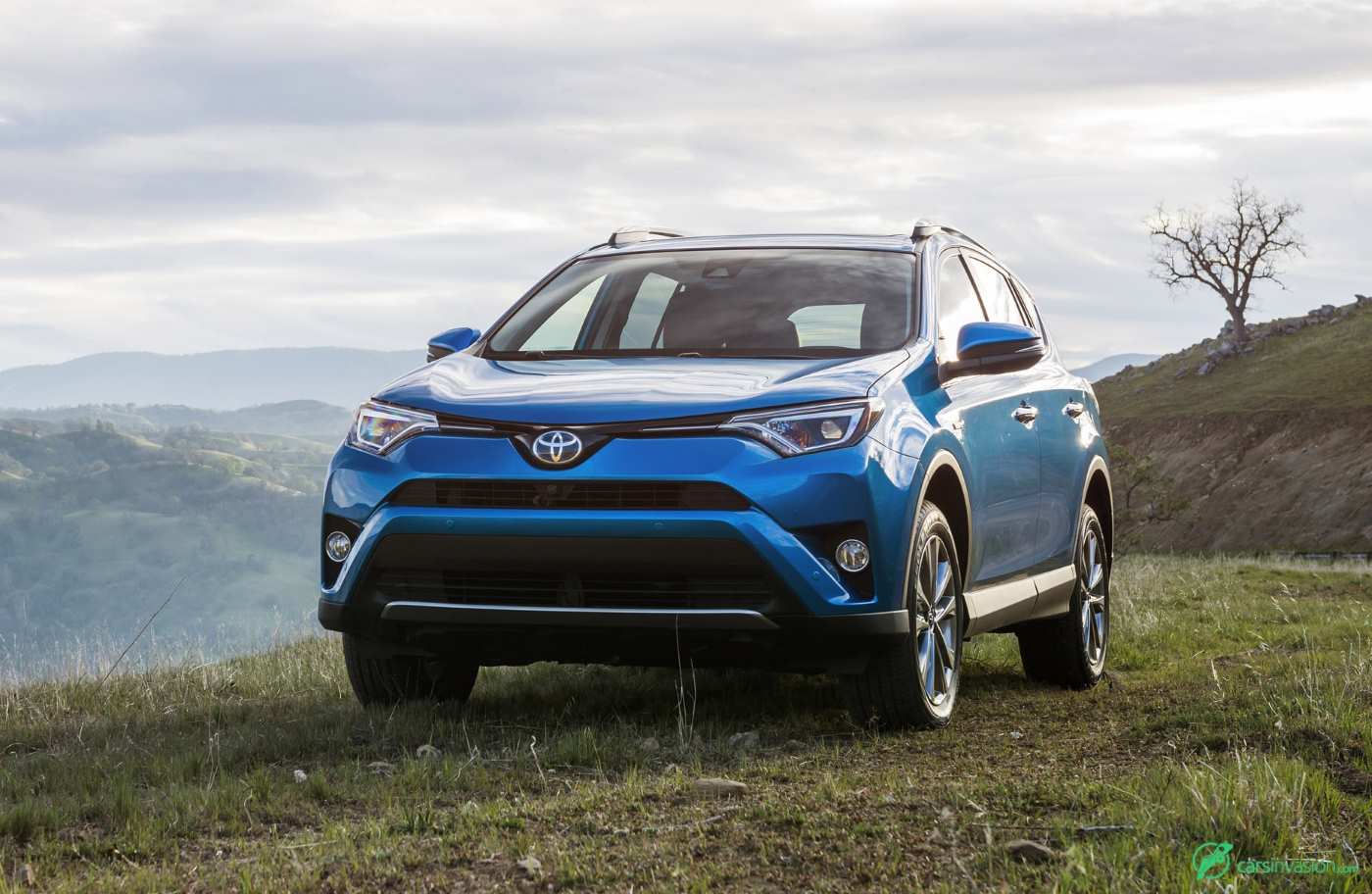
1. Toyota RAV4 Hybrid
The Toyota RAV4 Hybrid is widely regarded as the gold standard in the compact hybrid SUV category, and for good reason. It combines strong fuel efficiency, exceptional reliability, and one of the most balanced ownership cost structures in the entire automotive market. For many buyers, it is the vehicle that first proves hybrid technology can genuinely save money over time rather than just being an eco friendly upgrade.
One of the strongest financial advantages of the RAV4 Hybrid is its consistent real world fuel economy. Depending on driving conditions, it regularly achieves between 38 and 41 MPG combined, with many drivers reporting even better efficiency in city driving due to its electric motor assistance at lower speeds.
This is a major improvement over the gasoline RAV4, which typically averages closer to 27 MPG combined. Over the span of several years, this difference translates into substantial fuel savings, especially for commuters who drive long distances daily or families who frequently travel.
Another major reason the RAV4 Hybrid saves money is its relatively small price gap compared to the non hybrid version. While the hybrid does cost more upfront, the difference is not extreme, which means the payback period through fuel savings is shorter than many competitors.
In many cases, drivers can recover the additional cost within three to five years depending on mileage and fuel prices, making it one of the quickest returning hybrid investments in the SUV segment.
Reliability also plays a critical role in its long term cost effectiveness. Toyota’s hybrid system is known for its durability and low maintenance requirements, which significantly reduces repair costs over the vehicle’s lifespan.
Unlike more complex turbocharged engines or plug in systems with larger battery packs, the RAV4 Hybrid uses a proven hybrid architecture that has been refined over many years, minimizing the risk of expensive mechanical issues.
Finally, resale value is another financial advantage that cannot be ignored. The RAV4 Hybrid consistently holds its value better than many competitors, meaning owners lose less money when selling or trading in the vehicle. This combination of strong resale value, low maintenance costs, and excellent fuel efficiency makes the Toyota RAV4 Hybrid one of the most financially sound SUV choices available today.
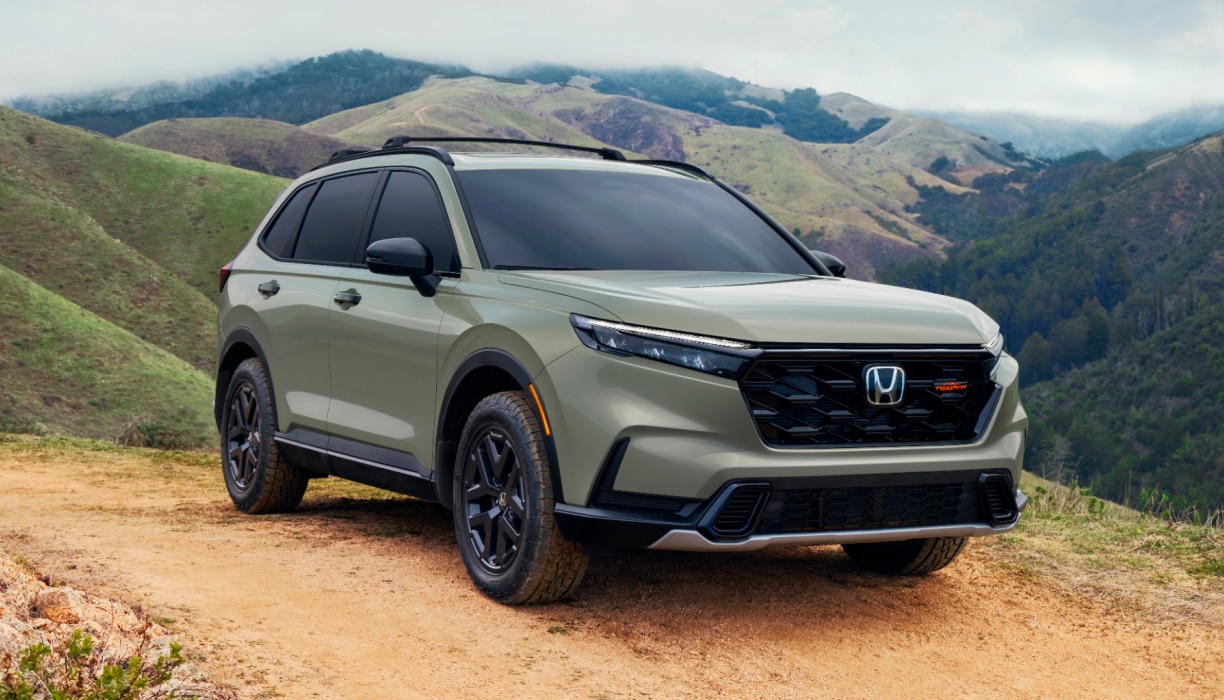
2. Honda CR V Hybrid
The Honda CR V Hybrid stands out as one of the most well balanced hybrid SUVs on the market, offering a combination of practicality, comfort, and fuel efficiency that appeals to a very wide range of drivers. While it may not always be the absolute leader in MPG figures, it excels in delivering consistent real world savings and everyday usability that make it a strong long term financial choice.
In terms of fuel efficiency, the CR V Hybrid typically achieves around 40 MPG combined depending on trim and driving style. This represents a significant improvement over the gasoline CR V, which generally averages closer to 29 MPG. The difference becomes especially important for drivers who spend a lot of time in stop and go traffic, where hybrid systems are most efficient due to regenerative braking and electric motor assistance at low speeds.
One of the key financial strengths of the CR V Hybrid is its stability in mixed driving conditions. Unlike some hybrids that perform best only in city environments, the CR V Hybrid maintains strong efficiency across both highway and urban driving. This makes it a more predictable option for suburban commuters who have varied driving patterns throughout the week. Over time, this consistency helps ensure that fuel savings remain steady rather than fluctuating based on driving style.
Another important factor contributing to its cost effectiveness is its interior space and practicality. The CR V Hybrid offers one of the most spacious cabins in its class, with generous rear passenger room and cargo capacity. This means buyers do not need to upgrade to a larger and more expensive SUV to meet family or storage needs, indirectly saving money on both purchase price and long term fuel consumption.
Maintenance costs also remain relatively low due to Honda’s proven hybrid engineering. The system is designed for durability and does not require frequent or expensive servicing. Combined with Honda’s strong reputation for reliability and high resale value, the CR V Hybrid becomes a financially stable choice that minimizes unexpected ownership costs.
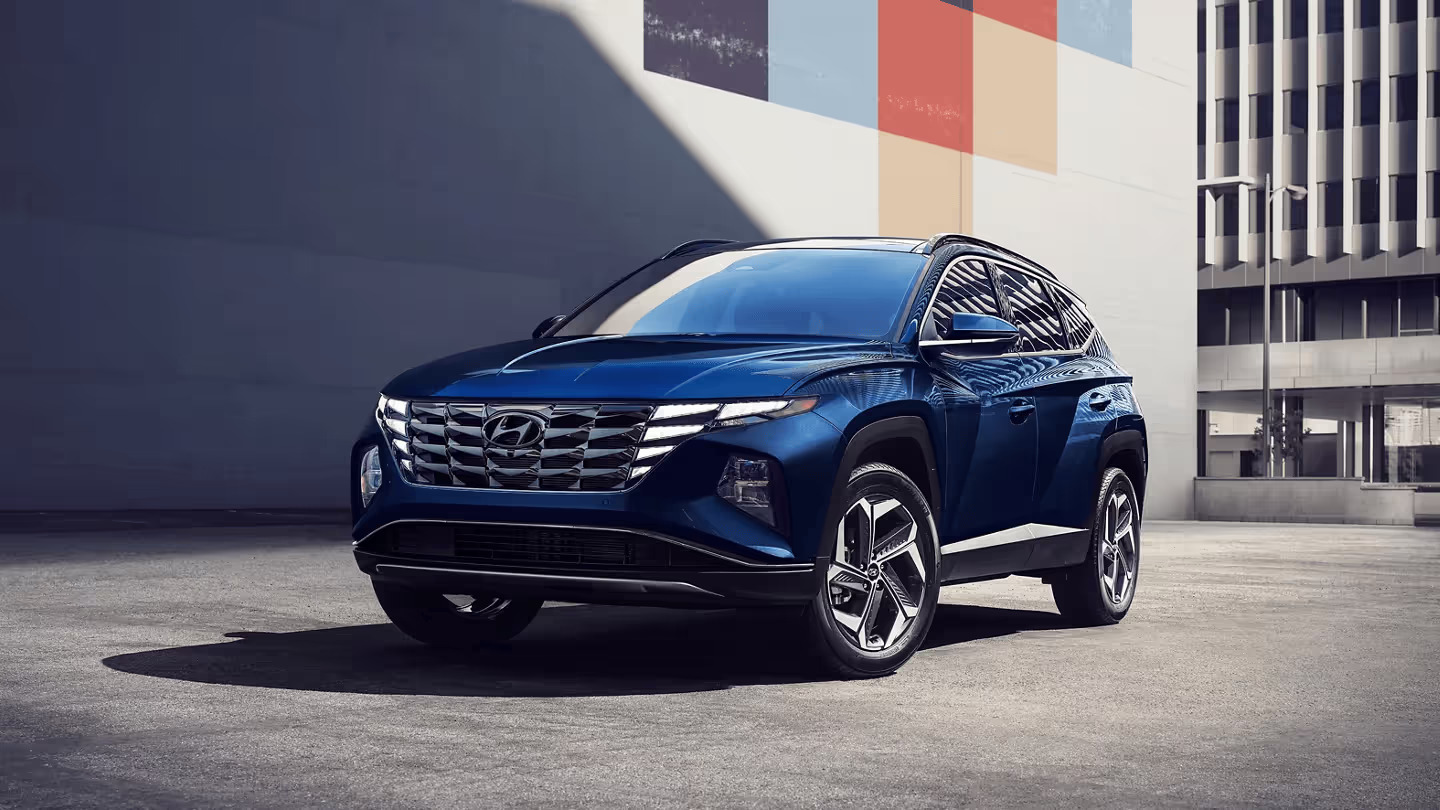
3. Hyundai Tucson Hybrid
The Hyundai Tucson Hybrid has rapidly gained popularity in the compact SUV segment due to its combination of modern design, advanced technology, and strong fuel efficiency. What makes it particularly appealing from a financial standpoint is its ability to deliver hybrid savings without requiring a significant premium over its gasoline counterpart.
Fuel economy for the Tucson Hybrid typically falls in the range of 37 to 38 MPG combined, which is a substantial improvement compared to the gasoline Tucson, often rated around 26 to 28 MPG. While it may not always lead the segment in absolute efficiency, it strikes a strong balance between performance and economy, making it suitable for a wide variety of driving conditions.
One of the most important financial advantages of the Tucson Hybrid is its pricing strategy. Hyundai positions the hybrid variant competitively, often keeping the price difference relatively modest compared to rivals. This smaller hybrid premium significantly reduces the time required for fuel savings to offset the initial cost. For many drivers, this means the break even point can be reached faster than with more expensive hybrid alternatives.
Hyundai’s industry leading warranty coverage also plays a major role in reducing long term ownership costs. With extended protection on major components, including hybrid system parts, owners are less likely to face unexpected repair expenses during the early years of ownership. This added peace of mind contributes indirectly to financial savings by reducing risk.
In addition, the Tucson Hybrid benefits from a well designed interior and feature rich technology package, meaning buyers receive strong value for the price paid. This reduces the need for costly aftermarket upgrades or higher trim levels, further enhancing its cost efficiency.
For buyers seeking a modern, well equipped SUV that delivers meaningful fuel savings without a steep upfront investment, the Hyundai Tucson Hybrid stands out as one of the most financially balanced options in its class.
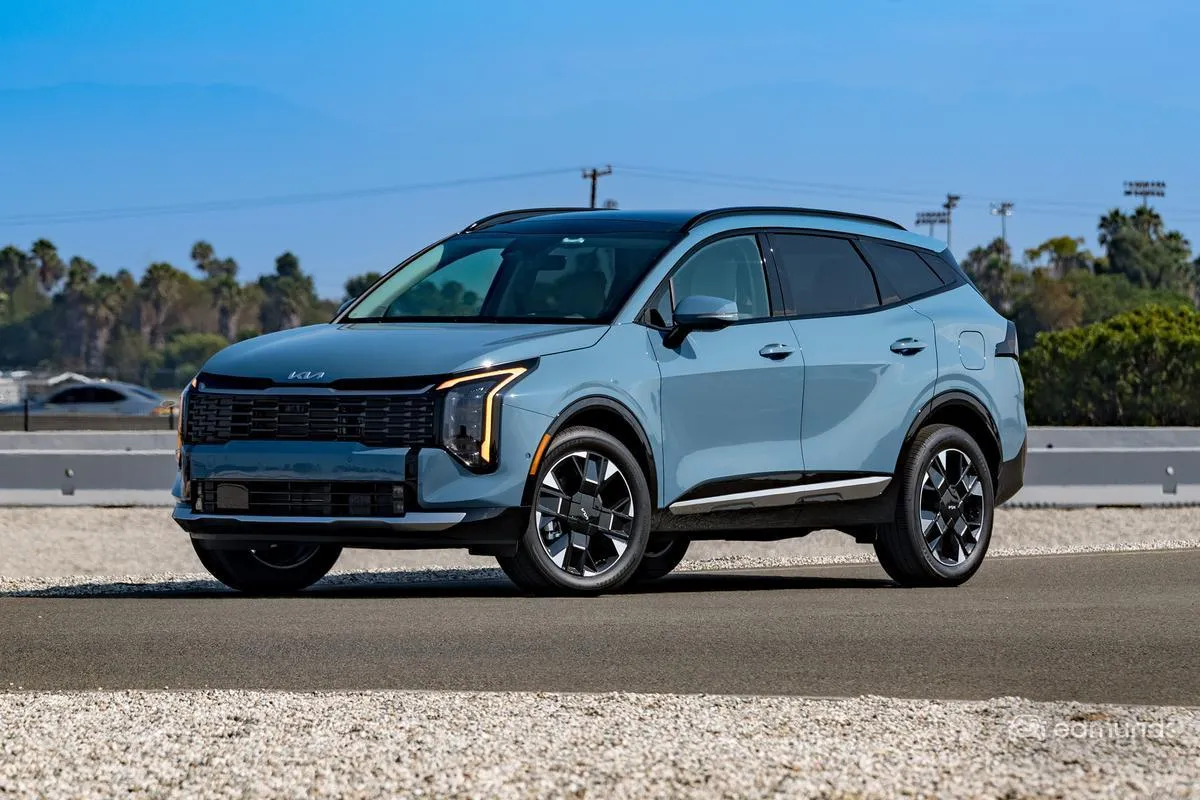
4. Kia Sportage Hybrid
The Kia Sportage Hybrid has quickly become one of the strongest value oriented hybrid SUVs available, offering impressive fuel efficiency combined with aggressive pricing that makes it highly attractive to cost conscious buyers. Its appeal lies in the way it blends modern styling, practical features, and genuine long term fuel savings.
In terms of efficiency, the Sportage Hybrid typically delivers around 40 to 43 MPG combined depending on configuration and drivetrain. This places it among the most fuel efficient non plug in hybrid SUVs in its segment. Compared to the gasoline Sportage, which averages closer to 26 MPG, the hybrid version delivers a dramatic improvement in fuel consumption, especially in urban environments where stop and go driving is frequent.
The financial strength of the Sportage Hybrid is heavily tied to its pricing structure. Kia has positioned the hybrid version in a way that keeps the price difference relatively low compared to some competitors. This allows buyers to benefit from hybrid fuel savings without needing to commit to a large upfront premium, significantly improving the return on investment.
Another factor contributing to its cost effectiveness is Kia’s industry leading warranty coverage. This reduces the risk of unexpected repair costs and helps ensure long term reliability of key components, including the hybrid system. Over the life of the vehicle, this warranty protection can translate into meaningful financial security for owners.
The Sportage Hybrid also benefits from a well designed interior that provides a premium feel without requiring higher trim levels. This helps buyers avoid additional spending while still enjoying modern features and comfort.
The Kia Sportage Hybrid offers one of the strongest combinations of affordability, efficiency, and long term savings potential in the compact SUV market.
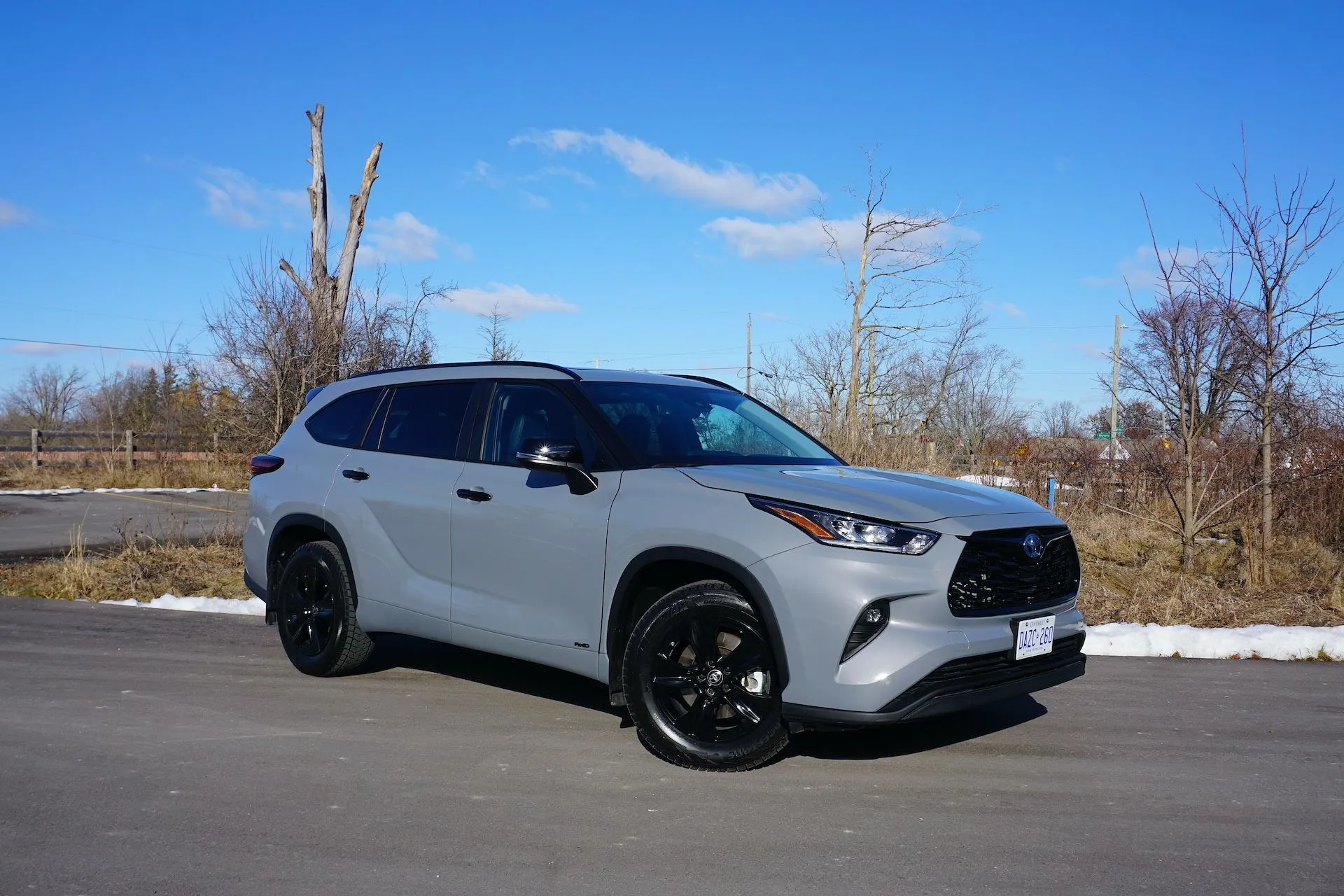
5. Toyota Highlander Hybrid
The Toyota Highlander Hybrid stands out as one of the few three row SUVs where hybrid technology clearly delivers measurable financial savings over time. Large SUVs typically consume significant fuel due to their size and weight, but the Highlander Hybrid effectively reduces this burden through its highly efficient hybrid powertrain.
In real world driving, the Highlander Hybrid achieves approximately 34 to 36 MPG combined, which is exceptional for a vehicle in the midsize three row category.
By comparison, the gasoline powered Highlander often averages closer to 21 to 23 MPG. This difference becomes extremely significant for families who regularly drive long distances or frequently use all seating rows, as fuel consumption rises sharply in traditional V6 models.
The fuel savings generated by the hybrid system are particularly noticeable in city driving conditions, where the electric motor can handle low speed movement and reduce engine load. Over several years of ownership, these savings can amount to thousands of dollars, especially for high mileage households.
Although the Highlander Hybrid comes with a higher upfront cost, its strong resale value helps offset the initial investment. Toyota vehicles are known for holding their value well, and the Highlander Hybrid is no exception. This means owners recover a larger portion of their investment when selling or trading in the vehicle.
Maintenance costs are also relatively low compared to many competitors in the three row segment. The hybrid system is designed for long term durability, and Toyota’s proven engineering reduces the likelihood of expensive repairs.
For families needing space, reliability, and real fuel savings, the Toyota Highlander Hybrid remains one of the most financially sensible large SUV choices available today.
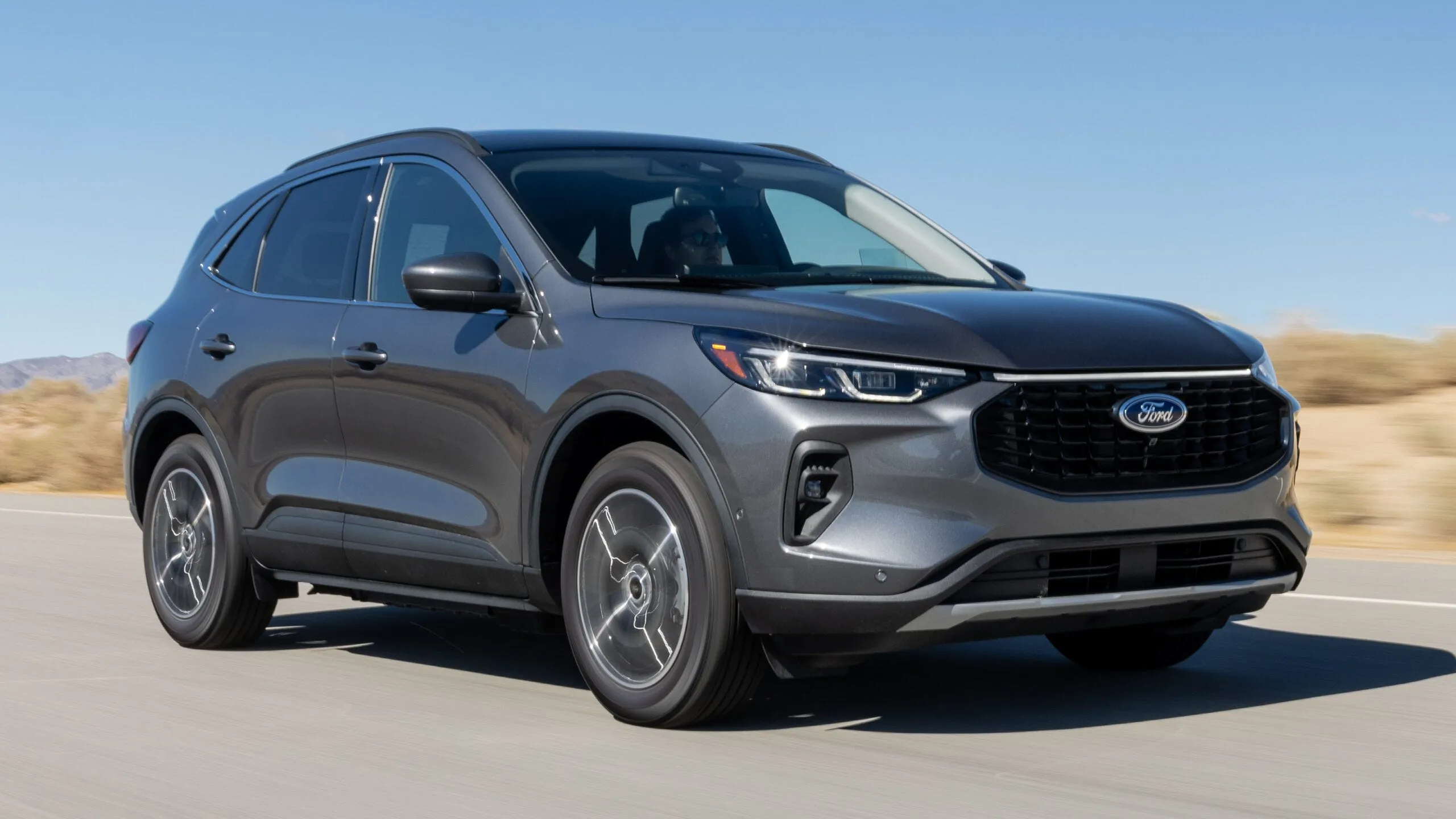
6. Ford Escape Hybrid
The Ford Escape Hybrid is one of the most accessible hybrid SUVs in the mainstream market, and its appeal is strongly tied to affordability combined with meaningful fuel savings. For buyers who want to enter the hybrid segment without paying a premium price, the Escape Hybrid represents a practical and financially sensible starting point. It is especially popular among urban drivers and small families who prioritize efficiency and lower monthly running costs over luxury features.
From a fuel economy perspective, the Escape Hybrid delivers approximately 39 to 42 MPG in city driving and around 37 to 40 MPG combined depending on configuration.
This is a major improvement over the standard gasoline Escape, which typically averages around 26 MPG combined. The difference becomes particularly noticeable in stop and go traffic, where the hybrid system relies heavily on electric assistance, significantly reducing fuel consumption and improving efficiency.
One of the most important financial strengths of the Escape Hybrid is its low entry cost compared to many competitors. Ford has positioned this model in a way that keeps the hybrid upgrade relatively affordable, meaning buyers do not need to spend a large premium to access hybrid technology.
This reduces the break even time required to recover the initial investment through fuel savings, making it one of the faster paying hybrid SUVs in its class.
The Escape Hybrid also benefits from Ford’s continued improvements in hybrid system reliability. While earlier generations of hybrid SUVs from various manufacturers sometimes faced concerns about long term durability, modern systems like the Escape Hybrid have been refined to offer smoother performance and reduced maintenance needs. This helps keep ownership costs predictable and manageable over time.
In addition, the Escape Hybrid is well suited for city commuters, where fuel savings are maximized. Frequent braking, acceleration, and low speed driving allow the regenerative braking system to recover energy efficiently, further reducing fuel consumption. For drivers with daily urban commutes, the Escape Hybrid often delivers some of its strongest financial benefits.
The Ford Escape Hybrid stands out as a budget friendly hybrid SUV that delivers genuine fuel savings without requiring a high upfront investment, making it one of the most practical choices for cost conscious buyers entering the hybrid market.
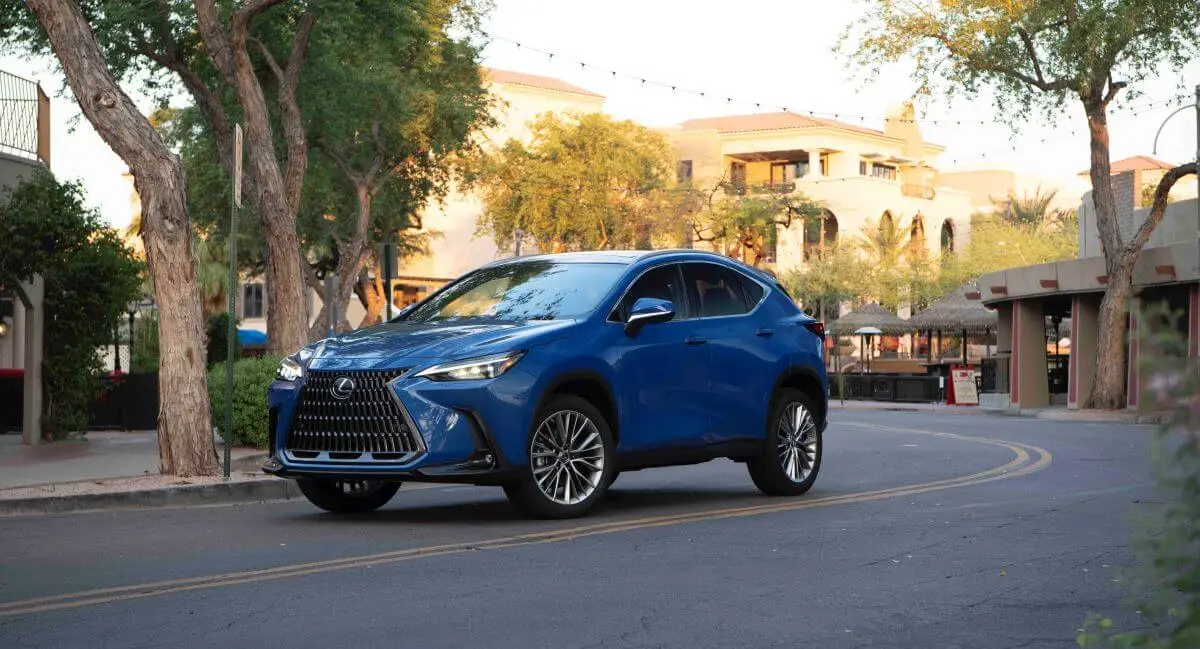
7. Lexus NX Hybrid
The Lexus NX Hybrid offers a unique combination of luxury, refinement, and long term fuel efficiency, making it one of the few premium compact SUVs that can still deliver meaningful financial savings over time. While luxury vehicles are often associated with higher running costs, the NX Hybrid challenges that assumption by providing strong MPG figures and excellent reliability within the luxury segment.
In terms of fuel efficiency, the Lexus NX Hybrid typically achieves around 39 to 41 MPG combined depending on trim and drivetrain. This is a significant improvement over traditional luxury SUVs with turbocharged or V6 engines, which often struggle to exceed 22 to 25 MPG. The difference in fuel consumption becomes particularly important for buyers who drive frequently or use their vehicle for both city commuting and highway travel.
One of the key financial advantages of the NX Hybrid is its strong resale value. Lexus vehicles consistently perform well in the used car market due to their reputation for reliability and build quality. This helps offset the higher initial purchase price and reduces long term depreciation costs, which are often one of the largest expenses in luxury vehicle ownership.
Another important factor is reduced maintenance complexity. Lexus hybrid systems are known for their durability and require fewer repairs compared to many European luxury competitors. This translates into lower long term service costs and fewer unexpected expenses, which is a major financial advantage in the premium segment.
The NX Hybrid also benefits from a refined interior and high quality materials, meaning buyers receive luxury features without needing to upgrade to larger, more expensive SUVs. This helps control ownership costs while still delivering a premium driving experience.
For buyers who want luxury without excessive fuel expenses, the Lexus NX Hybrid provides a strong balance of comfort, efficiency, and long term financial stability, making it one of the most cost effective premium hybrid SUVs available.
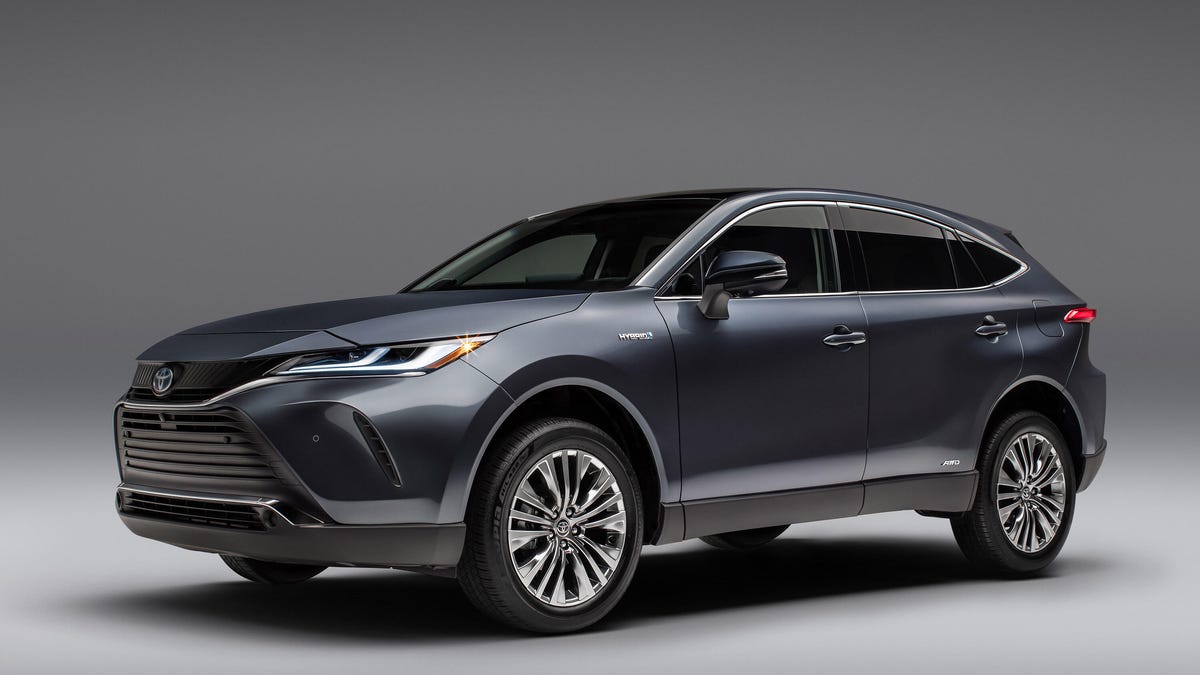
8. Toyota Venza Hybrid
The Toyota Venza Hybrid is a midsize crossover designed with a strong focus on comfort, refinement, and efficiency. Unlike many competitors that offer both gasoline and hybrid versions, the Venza is exclusively available as a hybrid, which allows Toyota to optimize its design specifically for fuel efficiency and long term cost savings.
The Venza Hybrid delivers impressive fuel economy, typically around 39 to 40 MPG combined. This is particularly strong for a midsize SUV and places it among the most efficient vehicles in its class. Compared to traditional midsize SUVs that often average 22 to 26 MPG, the Venza provides a significant reduction in fuel consumption, making it especially attractive for long distance commuters and families who prioritize efficiency.
One of the key financial advantages of the Venza is its built in efficiency strategy. Since it is only offered as a hybrid, Toyota has been able to fine tune its hybrid system and vehicle design for maximum economy from the start. This eliminates the need for buyers to pay a premium for a hybrid upgrade, since all versions already include the technology.
The Venza also benefits from Toyota’s strong reliability reputation, which helps reduce long term maintenance costs. Fewer mechanical issues and a well tested hybrid system mean owners can expect predictable servicing expenses over the life of the vehicle.
In addition, the Venza’s interior is designed to provide a near luxury experience without entering the premium price category. This allows buyers to enjoy high comfort levels while still maintaining relatively moderate ownership costs.
The Toyota Venza Hybrid is a strong choice for buyers who want midsize SUV practicality combined with excellent fuel efficiency and long term financial stability.
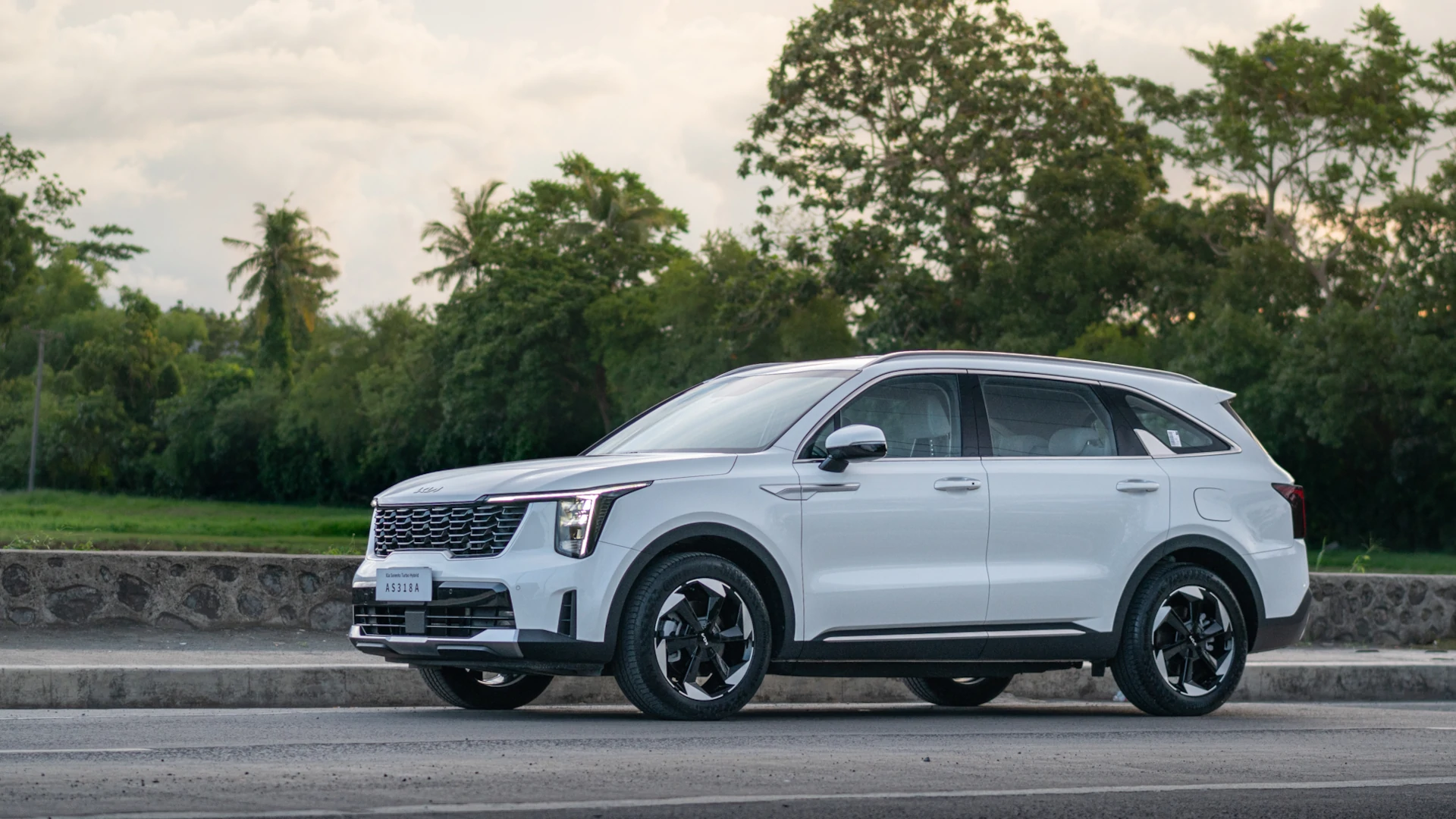
9. Kia Sorento Hybrid
The Kia Sorento Hybrid brings hybrid efficiency into the midsize three row SUV category, offering families a way to reduce fuel expenses without sacrificing space or versatility. As larger vehicles typically consume more fuel, the hybrid version of the Sorento plays an important role in lowering ownership costs for households that require additional seating capacity.
Fuel economy for the Sorento Hybrid typically ranges from 34 to 37 MPG combined depending on configuration. This is a significant improvement over the gasoline Sorento, which averages closer to 23 to 25 MPG. The difference becomes even more noticeable for families who regularly travel with passengers or cargo, as the hybrid system helps offset the additional weight and load.
One of the main financial advantages of the Sorento Hybrid is its ability to deliver three row seating while still maintaining relatively low fuel costs. In many cases, families considering larger SUVs would otherwise need to move into much less efficient full size models, which significantly increases long term fuel expenses. The Sorento Hybrid provides a more balanced alternative.
Kia’s pricing strategy also contributes to its value proposition. The hybrid version is often priced competitively within the midsize SUV segment, reducing the financial barrier to entry. Combined with strong warranty coverage, this helps lower the risk of long term ownership costs and unexpected repairs.
The Sorento Hybrid also benefits from modern interior design and technology features that reduce the need for additional upgrades. Buyers can access advanced safety and infotainment systems without moving to higher priced trims.
The Kia Sorento Hybrid is a practical and cost effective option for families who need space but still want to control long term fuel and ownership expenses.
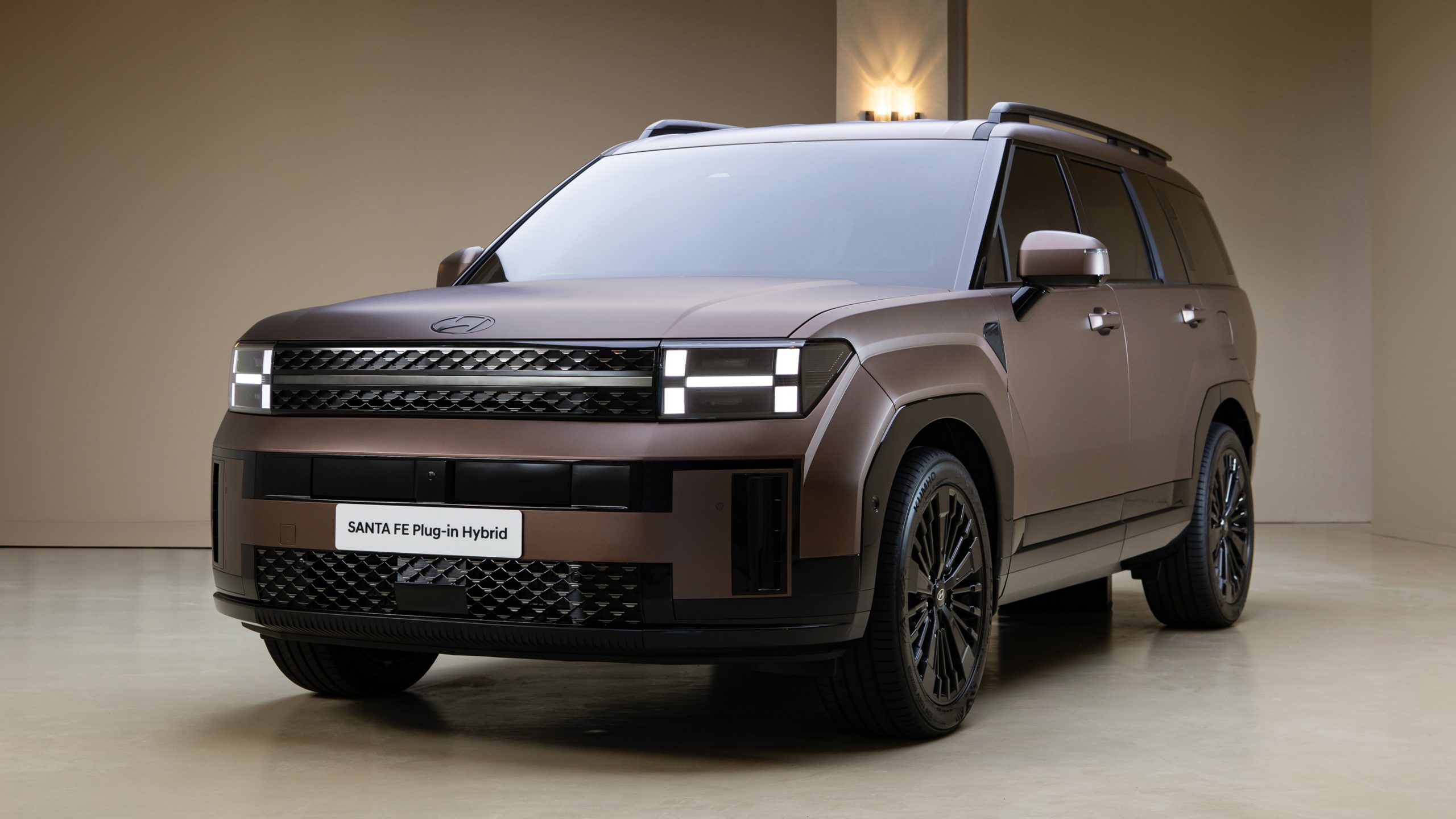
10. Hyundai Santa Fe Hybrid
The Hyundai Santa Fe Hybrid represents a modern approach to midsize SUV design, combining family friendly practicality with improved fuel efficiency and advanced technology. It is aimed at buyers who want a comfortable and capable SUV without the high fuel costs typically associated with midsize gasoline models.
In terms of fuel economy, the Santa Fe Hybrid generally achieves around 35 to 36 MPG combined, which is a major improvement over the standard gasoline version that averages closer to 24 MPG. This difference is especially important for families who drive frequently or use their vehicle for both commuting and long distance travel, where fuel savings quickly accumulate over time.
One of the key financial benefits of the Santa Fe Hybrid is its ability to reduce long term fuel expenses without requiring a shift to a smaller vehicle. Many families face a trade off between space and efficiency, but the hybrid version helps bridge that gap by offering both.
Hyundai’s competitive pricing strategy also plays a role in its financial appeal. The hybrid variant is typically priced in a way that keeps it accessible compared to other midsize hybrid SUVs. Combined with Hyundai’s long warranty coverage, this reduces ownership risk and provides additional financial security.
The Santa Fe Hybrid also benefits from a comfortable and well equipped interior, reducing the need for expensive upgrades or aftermarket additions. Buyers can access advanced driver assistance features and modern infotainment systems without significantly increasing costs.
The Hyundai Santa Fe Hybrid is a strong option for families seeking a midsize SUV that balances comfort, practicality, and long term fuel savings in a cost effective package.
