
Not every collectible car announces its arrival with hype, record-breaking auctions, or instant recognition. Some vehicles take a quieter path, slipping out of production with little attention, only to slowly gain appreciation among enthusiasts who understand their true value.
In 2026, a growing number of discontinued models are entering that phase, where rarity, character, and timing combine to turn overlooked machines into future icons.
What makes a car a collector item is rarely just about performance or luxury. It often comes down to context. A model might represent the end of an era, such as the final version of a naturally aspirated engine or a design philosophy that no longer exists.
Others gain value because they were misunderstood when new, only to be re evaluated later as trends shift and preferences mature.
Another important factor is production numbers. Limited availability does not always guarantee collectibility, but when combined with distinctive engineering or unique styling, it creates a strong foundation for long-term desirability.
Vehicles that once sat quietly in showrooms can suddenly become sought after once supply dries up and awareness increases.
An emotional element is also involved. Many of these discontinued cars offer a driving experience that modern vehicles no longer replicate. Whether it is analog feedback, unconventional design, or a bold approach to performance, they deliver something that feels increasingly rare in today’s market.
The rise of digital communities and enthusiast forums has further accelerated this shift. Cars that were once overlooked are now being discussed, documented, and celebrated, bringing attention to models that might otherwise have remained forgotten. This growing awareness plays a significant role in shaping collector interest.
In this list, each model represents a unique story. Some were ahead of their time, others were misunderstood, and a few simply disappeared too soon. What connects them is their quiet transition from used cars to emerging collector items.
These are not the obvious classics everyone already knows. They are the ones gaining traction steadily, building a reputation among those paying close attention to where the automotive world has been and where it is heading.
Also Read: 8 Performance Sedans Quietly Dominating Track Days
1. Honda S2000
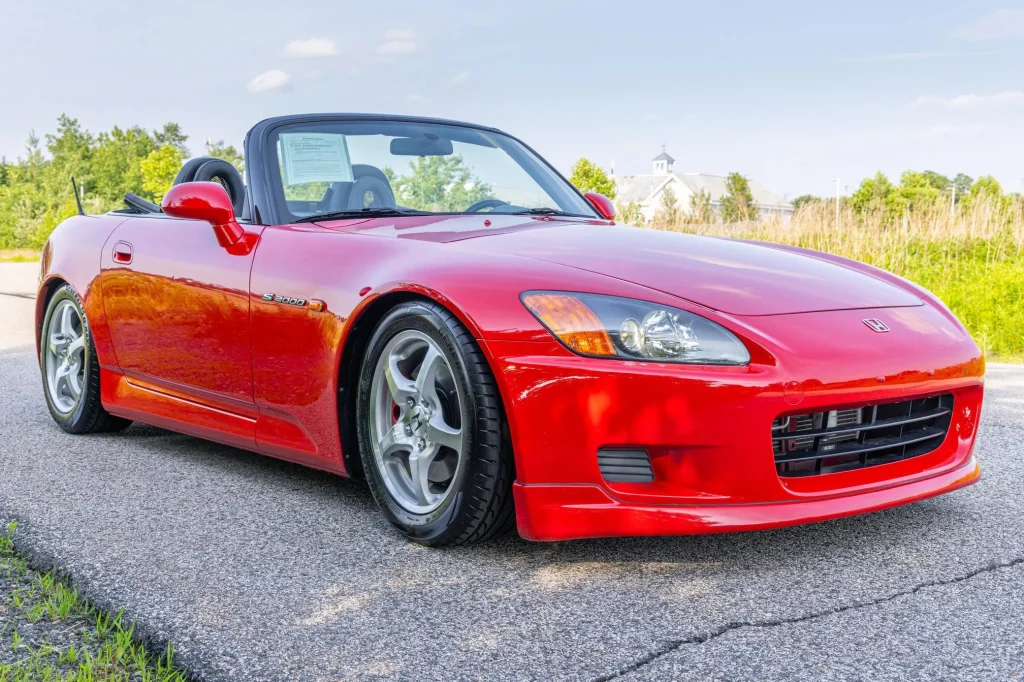
The Honda S2000 did not fade away loudly, but its absence has only made its presence stronger among enthusiasts who value precision and purity. When it left production, it was appreciated but not fully understood. Years later, that perception has shifted significantly.
At the heart of its appeal lies its engine, a high-revving masterpiece that delivers a driving experience increasingly rare in modern cars.
Unlike turbocharged setups that dominate today, this naturally aspirated unit rewards drivers who engage with it fully. The result is a connection that feels mechanical and direct, something collectors are beginning to value more deeply.
The design also plays a role in its rising status. Compact proportions, clean lines, and a driver-focused layout give it a timeless quality. It does not rely on aggressive styling or excessive features, which helps it age gracefully in a market where trends change quickly.
Ownership experience adds another layer to its growing reputation. Reliability, a trait often associated with the brand, ensures that the car remains usable rather than just collectible. This balance between durability and performance makes it appealing to buyers who want both enjoyment and long-term value.
Availability is another factor influencing its collectibility. Well-maintained examples are becoming harder to find, especially those that remain close to original condition. As supply tightens, interest naturally increases, pushing the model further into collector territory.
A sense of nostalgia is also attached to it. For many drivers, the S2000 represents a period when driving was more about feel than technology. This emotional connection strengthens its appeal, particularly among those looking for something authentic.
The market has begun to recognize its significance, but it still feels like a car that is gaining momentum rather than reaching its peak. That stage often presents the most interesting opportunity for collectors.
Its rise has not been sudden or exaggerated. Instead, it has followed a steady path, built on genuine appreciation and a growing understanding of what makes it special.
2. BMW i8
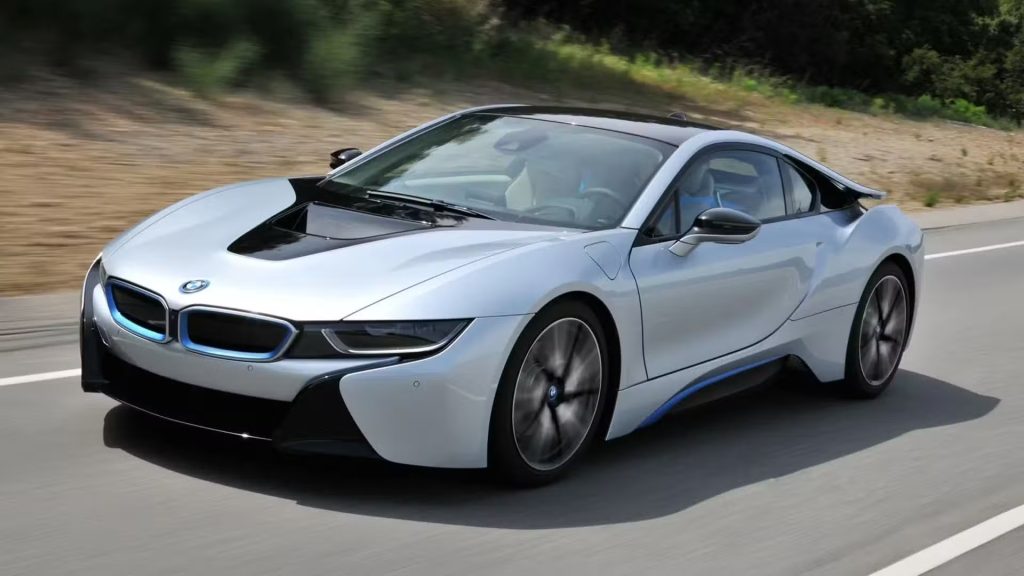
The BMW i8 entered the market as something different, and that difference is now becoming its greatest strength as a collector’s item. At launch, it was seen as futuristic but perhaps too unconventional for traditional enthusiasts. Today, that uniqueness is exactly what sets it apart.
The i8 represents a moment in automotive history where performance and sustainability began to intersect in new ways. Its hybrid powertrain was not just about efficiency; it was about redefining what a sports car could be. That idea, once questioned, is now widely accepted, giving the i8 a stronger place in the narrative of automotive evolution.
Visually, the car still looks ahead of its time. The design has not aged in the way many vehicles do, largely because it never followed conventional styling cues to begin with. Its sculpted body and distinctive proportions make it instantly recognizable, which adds to its desirability.
Inside, the cabin reflects a similar philosophy. The layout blends modern technology with a sense of occasion, creating an environment that feels special without being overwhelming. This balance contributes to its long-term appeal.
From a collector’s perspective, significance matters as much as performance. The i8 may not compete with traditional supercars in raw numbers, but it offers something different, serving as a marker of a turning point for the industry. That kind of historical importance often drives interest over time.
Production has ended, and while the car was not extremely limited, it was never produced in massive numbers either. As years pass, finding well-preserved examples will become more challenging, further supporting its rise in value.
The driving experience itself adds to its charm. It feels distinct from both conventional sports cars and modern electric vehicles, creating a niche that is unlikely to be replicated exactly in the future.
This is a car that rewards those who appreciate innovation and are willing to see beyond traditional definitions of performance. Its journey from curiosity to collectible is already underway, and it continues to gain recognition with each passing year.
3. Lexus GS F
The Lexus GS F never chased attention, and that quiet confidence is exactly why it is beginning to attract collectors. While competitors leaned heavily into turbocharging and aggressive branding, this sedan followed a more traditional path, combining refinement with a naturally aspirated V8 that now feels increasingly rare.
There is something deliberate about how this car delivers performance. It does not overwhelm with sudden bursts of power or artificial enhancements. Instead, it builds momentum in a linear and predictable way, rewarding drivers who appreciate balance rather than spectacle. That characteristic alone separates it from many modern alternatives.
Step inside, and the experience reflects a different philosophy. The cabin is crafted with precision, focusing on quality and durability rather than trend-driven design. Materials hold up exceptionally well over time, which is an important consideration for collectors who value preservation as much as performance.
The GS F also benefits from being overlooked during its production years. It never reached the popularity of some German rivals, which means fewer units are circulating in the market today. This limited presence, combined with its unique drivetrain, creates a situation where demand is slowly catching up to supply.
Another aspect worth noting is its reliability. High-performance sedans often come with concerns about long-term ownership, but this model challenges that expectation. It offers a level of dependability that allows owners to enjoy the car without constant worry, making it more than just a garage piece.
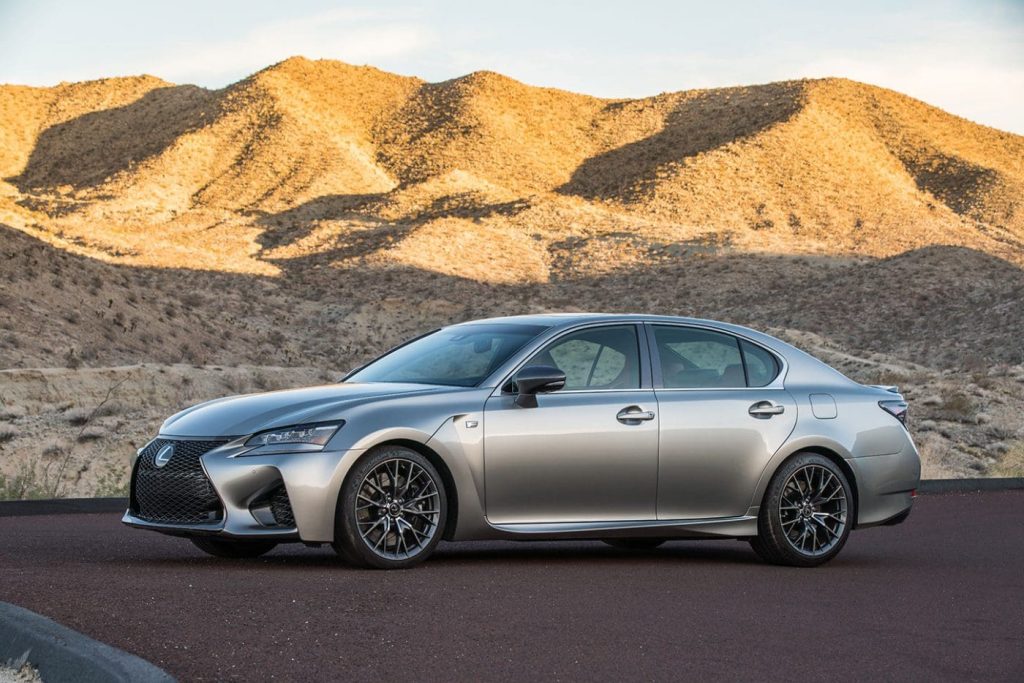
Its design has aged with quiet elegance. There are no exaggerated elements that feel outdated, and that subtlety gives it lasting appeal. It is a car that reveals its strengths gradually, rather than demanding immediate attention.
Collectors are starting to recognize that it represents the end of a certain era, a time when performance sedans could combine power, comfort, and simplicity without relying heavily on forced induction or complex electronics.
As appreciation grows, the GS F is transitioning from a hidden gem into a respected choice among those who value authenticity and understated performance.
4. Chevrolet SS
The Chevrolet SS followed a path unlike most cars in its segment. It arrived quietly, carried serious performance credentials, and then disappeared before many people fully understood what it offered. That unusual trajectory is now turning it into one of the more intriguing collector candidates.
At its core, the SS is a straightforward performance sedan with a powerful V8 and Rear Wheel Drive layout. There is no unnecessary complexity, no attempt to disguise its purpose. It delivers a driving experience that feels honest and engaging, something that has become less common as vehicles grow more digital.
What makes its story compelling is how it was marketed. The car never received the level of promotion its capabilities deserved, which resulted in relatively low sales numbers. Today, that limited exposure works in its favor, as fewer examples exist compared to more widely recognized rivals.
The driving dynamics contribute significantly to its appeal. It offers a blend of comfort and performance that feels natural rather than engineered for numbers alone. Whether on a highway or a winding road, the car maintains a sense of balance that encourages drivers to engage with it fully.
Inside, the design leans toward practicality. It may not have the flashiest interior, but it provides a solid and functional environment that holds up well over time. This durability adds to its long-term desirability, especially for collectors who prefer cars that can still be driven regularly.
A growing appreciation exists for vehicles that represent the end of certain traditions. The SS stands as one of the last examples of a full-size, naturally aspirated V8 sedan from its brand, a category that is rapidly disappearing.
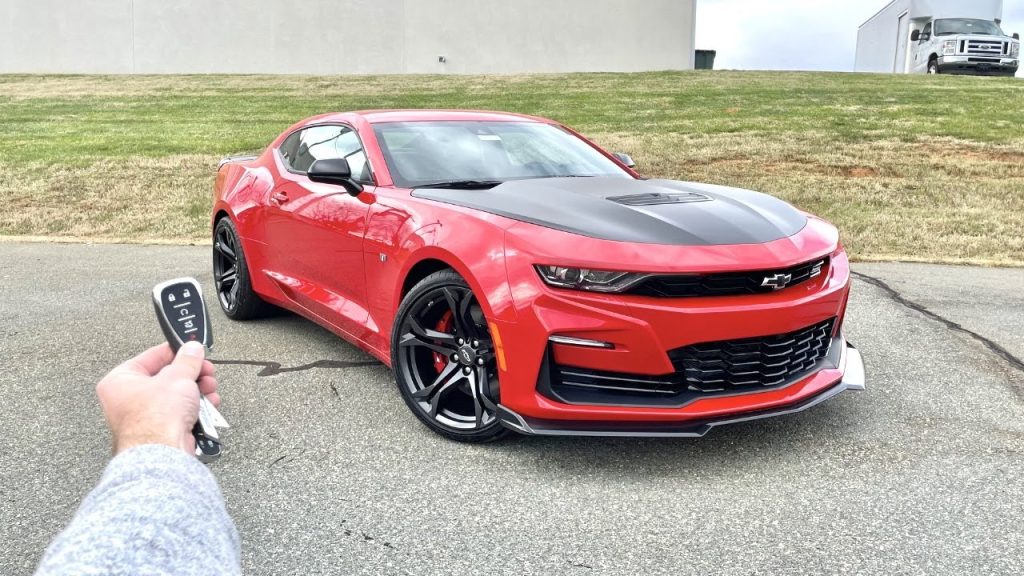
Interest in the model has been building steadily, driven by enthusiasts who recognize its uniqueness. It is not a car that gained fame through headlines or auctions, but rather through word of mouth and community recognition.
That kind of organic growth often signals a strong future in the collector market, and the Chevrolet SS is now firmly on that path.
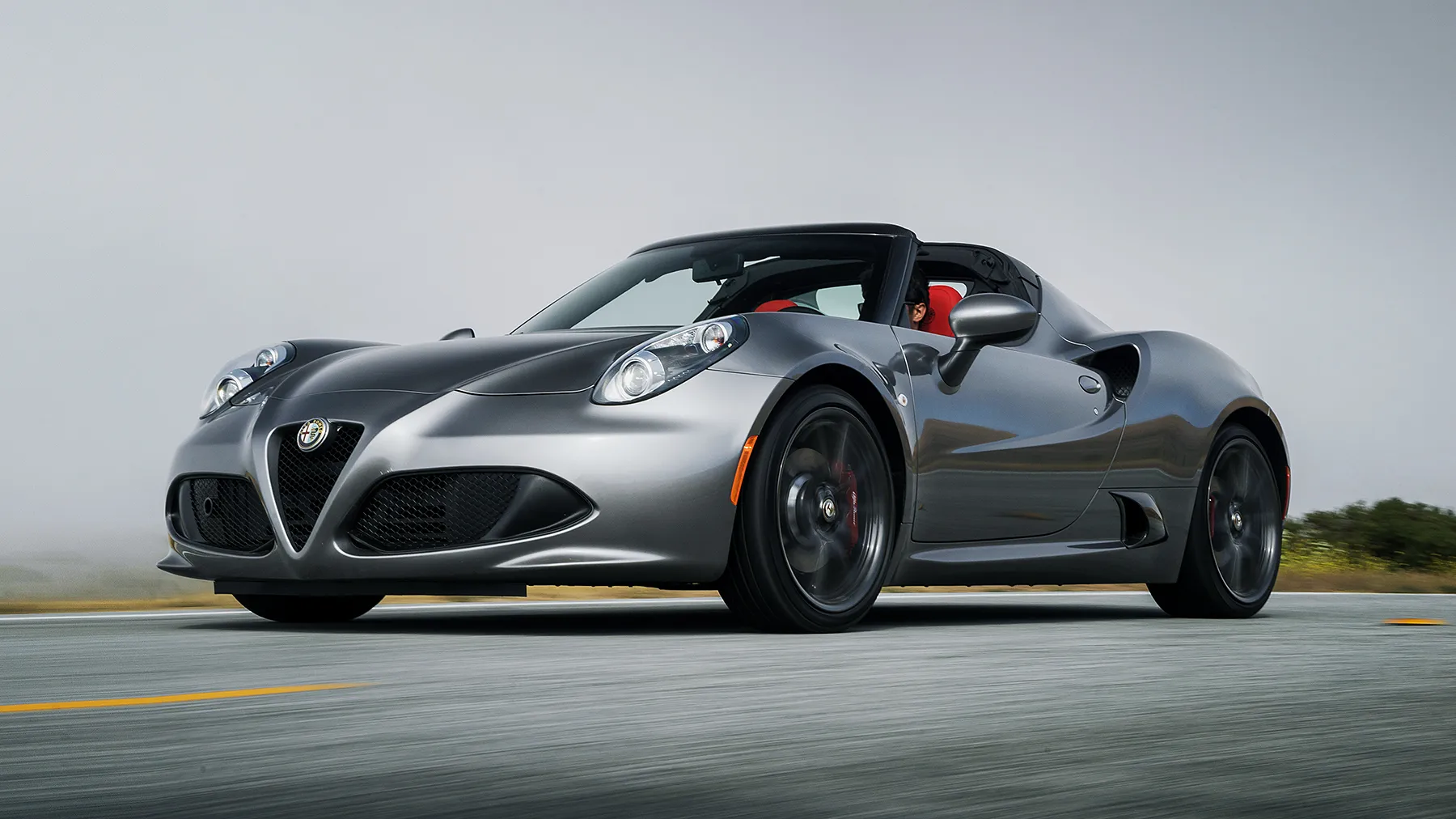
5. Alfa Romeo 4C
The Alfa Romeo 4C feels less like a conventional car and more like a statement that arrived at the wrong time. When it was new, many people struggled to understand its raw nature. Today, that same character is turning it into a serious collector candidate.
Begin with its construction, because that is where the story truly starts. A carbon fiber monocoque in this price range was almost unheard of, and it gave the 4C a level of structural purity rarely seen outside exotic supercars. This focus on weight reduction defined every aspect of the vehicle, shaping how it drives and how it feels.
Driving it is an experience that refuses to be softened. There is no attempt to filter feedback or isolate the driver from the road. Steering is direct, the chassis communicates constantly, and every input produces an immediate response. For some, this felt demanding when the car was released. Now, it feels refreshing in a world dominated by digital assistance.
The design reinforces that sense of individuality. Compact dimensions and dramatic proportions give it a presence that stands apart from typical sports cars. It looks purposeful rather than decorative, which helps it maintain visual relevance over time.
Inside, the minimalism continues. Instead of luxury-focused features, the cabin emphasizes function. This approach may have limited its mainstream appeal, but it enhances its identity as a driver-focused machine, something collectors are beginning to appreciate more.
Production numbers were never high, and many examples have already been driven hard, which means pristine units are becoming increasingly difficult to find. Scarcity, combined with its unique construction, strengthens its position in the collector space.
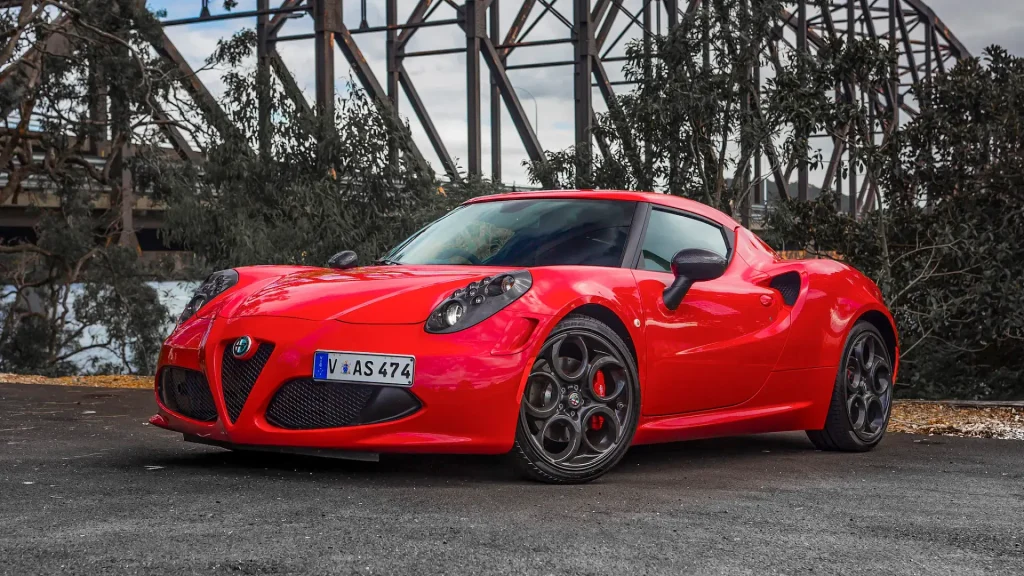
It is increasingly recognized that cars like the 4C may not return. As the industry shifts toward comfort and automation, vehicles focused on raw engagement above all else are becoming increasingly rare.
As opinions shift, the 4C is being re-evaluated not as a flawed product, but as a bold and uncompromising creation. That change in perspective is exactly what often drives a car into collector status.
6. Infiniti FX50
The Infiniti FX50 took a different route from the beginning, blending sports car characteristics with SUV practicality in a way that felt unusual at the time. While it never became a mainstream success, that distinct identity is now working in its favor.
Its design immediately sets it apart. The FX50 does not follow traditional SUV proportions, instead adopting a more aggressive and sculpted shape that prioritizes style and performance. This bold approach gave it a unique presence that still stands out today.
Under the surface, the SUV carries a powerful V8 engine that delivers strong and consistent performance. Unlike many modern crossovers that focus primarily on efficiency, this model leans toward driving enjoyment, offering a character that feels closer to a sports sedan than a utility vehicle.
The interior reflects a blend of luxury and sportiness. Materials are well chosen, and the layout creates a driver-oriented environment without sacrificing comfort. This balance makes it appealing to those who want something different from typical premium SUVs.
What truly supports its rise as a collector’s item is its rarity. Sales numbers were limited, and many units have not been preserved in original condition. As a result, clean examples are becoming harder to locate, increasing interest among enthusiasts who recognize their uniqueness.
Another factor is timing. The FX50 arrived before the current surge in performance-oriented SUVs, which means it represents an early attempt at a concept that is now widely accepted. This historical context adds depth to its appeal.

Driving it today feels like stepping into a transitional period in automotive design, where boundaries between segments were beginning to blur. That sense of innovation gives it a narrative that extends beyond specifications.
For collectors looking for something unconventional, the FX50 offers a combination of rarity, performance, and distinctive design that continues to gain appreciation quietly.
7. Dodge Viper (Final Generation)
The Dodge Viper never tried to soften its personality, and that refusal to conform is exactly why it is gaining serious attention among collectors today. When production ended, it marked more than just the loss of a model; it signaled the closing chapter of a philosophy that no longer fits within modern automotive trends.
This car is defined by intensity. The massive naturally aspirated V10 engine delivers power in a way that feels raw and immediate, without the filters that have become common in newer performance vehicles. Driving it requires focus, respect, and skill, which creates a connection that is difficult to replicate.
Its design reflects that same attitude. Wide proportions, aggressive lines, and a stance that looks ready to move even when stationary give it a presence that commands attention. It does not attempt to be subtle, and that boldness contributes to its lasting appeal.
Inside, the cabin strikes a balance between refinement and purpose. While earlier versions were known for being extremely minimal, the final generation introduced improved materials and technology without losing its driver-focused character. This makes it more accessible while still maintaining its identity.
Production numbers were relatively limited, and the end of the model came at a time when regulations and market shifts were pushing manufacturers toward smaller engines and electrification. This context adds significance, as the Viper represents one of the last examples of unapologetic, large displacement performance.
Another element driving its collectibility is rarity in condition. Many units have been driven enthusiastically, which means well-preserved examples are becoming increasingly valuable. Collectors often seek cars that combine performance history with scarcity, and the Viper fits that description perfectly.
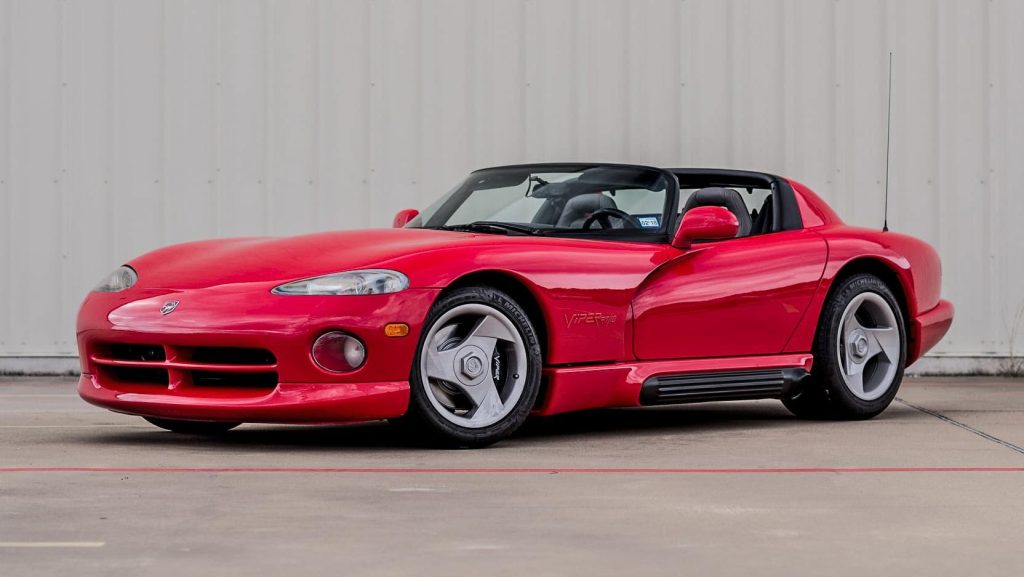
A cultural aspect is also present. The Viper has always stood apart from its peers, representing a uniquely American approach to performance that prioritizes power and emotion over precision engineering alone.
As the industry continues to evolve, cars like this become more than machines; they become symbols of a different era. That transformation is already underway, and the Viper is firmly positioned within it.
8. Saab 9-5 Aero (Final Generation)
The Saab 9-5 Aero carries a story that extends beyond engineering, shaped by the circumstances surrounding the brand itself. When Saab ceased operations, this model became one of its final statements, and that alone gives it a unique place in the collector world.
Unlike many luxury sedans of its time, the 9-5 Aero did not follow conventional design trends. Its styling is distinctive, with proportions and details that reflect the brand’s Scandinavian roots. This individuality helps it stand out in a segment often dominated by uniformity.
Underneath its exterior lies a performance-oriented setup that balances comfort with capability. The engine delivers strong output while maintaining a composed driving experience, making it suitable for both daily use and spirited driving. This versatility adds to its appeal.
Step inside, and the cabin reveals a different approach to luxury. Controls are arranged with a focus on usability, and the overall layout feels thoughtful rather than excessive. This design philosophy aligns with Saab’s reputation for prioritizing function alongside form.
What makes this car particularly interesting to collectors is its rarity. Production ended abruptly, and relatively few units were produced compared to competitors. As time passes, finding well-maintained examples becomes increasingly challenging.
An emotional connection is tied to the brand’s history as well. Owning a 9-5 Aero is not just about the car itself, but about preserving a piece of a company that no longer exists. This narrative adds depth to its value.
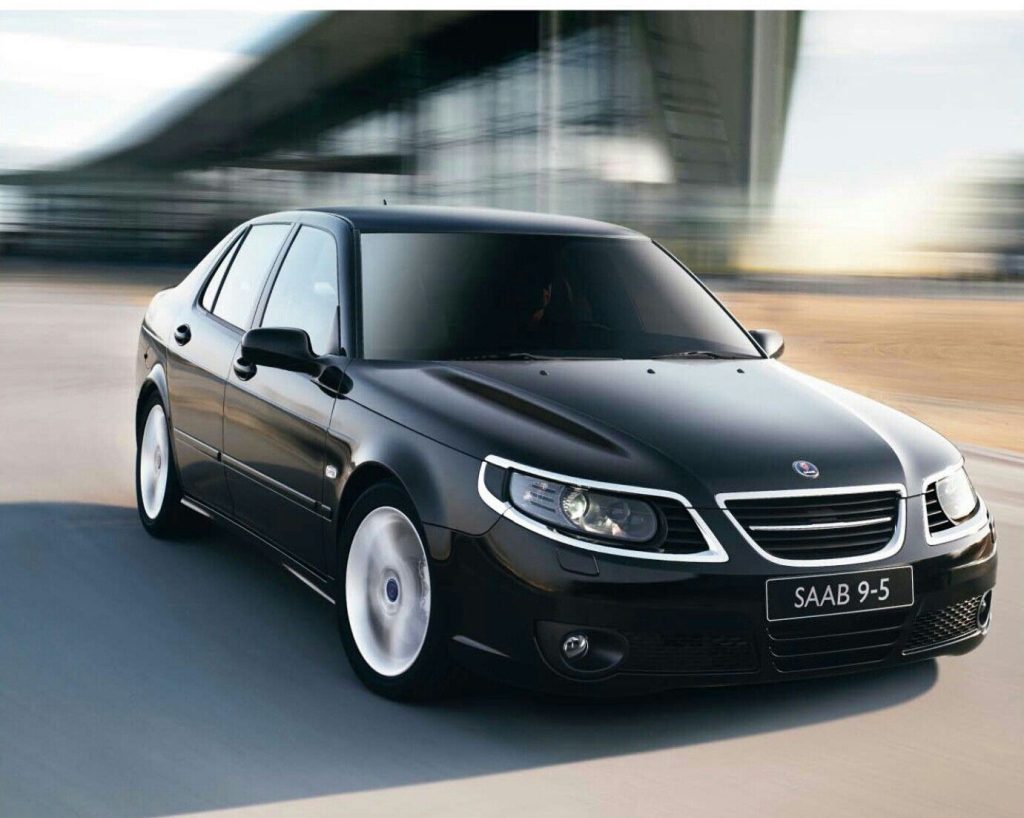
Market interest has been growing steadily, driven by enthusiasts who appreciate its uniqueness and the story it represents. It may not have the widespread recognition of some rivals, but that understated presence often defines future collector items.
For those who value individuality and historical significance, this model offers a compelling combination that continues to gain recognition.
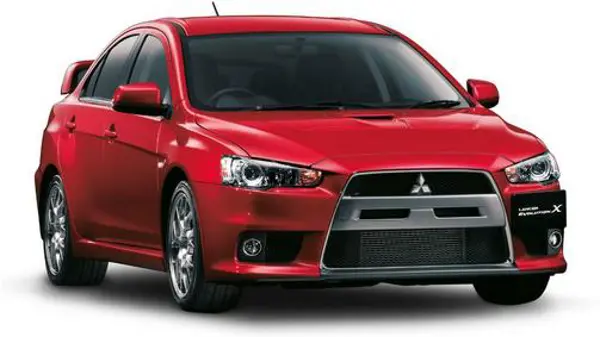
9. Mitsubishi Lancer Evolution X
The Mitsubishi Lancer Evolution X represents the conclusion of a lineage that played a major role in shaping performance car culture. When it left production, it marked the end of an era defined by rally-inspired engineering and accessible performance.
This car is built around a philosophy that prioritizes control and precision. Its All Wheel Drive system, combined with a turbocharged engine, delivers a driving experience that feels both engaging and confident. It thrives in conditions where traction and responsiveness matter most.
The design communicates its purpose clearly. Functional elements such as vents and aerodynamic features are not just for appearance; they contribute to performance. This honesty in design helps it maintain relevance even as styling trends evolve.
Inside, the focus remains on the driver. The layout is straightforward, with controls placed for easy access and minimal distraction. While it may not offer the luxury of some competitors, it delivers an environment that supports active driving.
Rarity is becoming a key factor in its rising status. Many units have been modified or heavily used, which means original examples are increasingly difficult to find. Collectors often place a high value on cars that retain their factory condition, and the Evolution X is moving into that category.
Another important aspect is its cultural impact. The Evolution series built a strong following over the years, and the final generation carries that legacy forward. As newer vehicles move toward different technologies, the appeal of this traditional performance formula continues to grow.
Driving it today feels like connecting with a period when performance cars were defined by mechanical interaction rather than digital assistance. That authenticity is becoming more valuable as the automotive world evolves.
Its transition into a collector item is not based on nostalgia alone. It is supported by a combination of performance, heritage, and increasing scarcity, all of which contribute to its growing recognition.
Collector cars do not always emerge from obvious places. Some arrive with instant recognition, while others build their reputation quietly over time. The models listed here belong to the latter group, gaining appreciation through a combination of rarity, character, and shifting perspectives.
Each vehicle represents a different moment in automotive history. Some mark the end of traditional engineering approaches, while others highlight early attempts at innovation that are now being understood more clearly. This diversity is what makes the collector market so dynamic.
A common thread among these cars is authenticity. They offer experiences that feel distinct and unfiltered, qualities that are becoming harder to find as technology continues to reshape the industry. This authenticity plays a major role in their growing appeal.
Availability is another consideration. As years pass, well-preserved examples become increasingly scarce, naturally increasing demand. Collectors often look for cars that combine limited supply with meaningful stories, and these models fit that description well.
Interest in these vehicles is still developing, which makes this stage particularly significant. Recognition is growing, but many of them have not yet reached peak visibility. That creates an opportunity for those paying close attention.
Choosing a future collectible is not just about predicting value. It is about understanding what makes a car special and how that significance evolves over time. The models listed here demonstrate that sometimes the most interesting stories are the ones that unfold quietly.
In 2026, these discontinued vehicles will no longer be just used cars. They are becoming symbols of change, reminders of different eras, and for many enthusiasts, meaningful pieces of automotive history.
Also Read: 8 Flat-Plane Cranks That Reshaped American Muscle Thinking
