
There is a specific kind of automotive frustration that hits differently than a dead battery or a flat tire. It is the frustration of standing in a parking lot with a burned-out headlight bulb in one hand, a repair manual in the other, and the dawning realization that what should be a fifteen-minute job is actually going to require removing the front bumper cover, possibly the grille, and maybe a wheel well liner, all to access a bulb that costs $8 and clips into a socket. Welcome to modern automotive design, where headlight access is apparently optional.
This problem became dramatically worse as manufacturers began integrating headlight assemblies deeper into complicated front-end designs that prioritized aerodynamic styling over service accessibility. Bumper fascias now wrap around headlight assemblies in ways that make access from the engine bay difficult or impossible without disassembling portions of the front end.
Some vehicles require specialty tools that most home mechanics do not own. Others require dealer-level procedures that manufacturers quietly buried in service bulletins they hoped most owners would never read. But not every car manufacturer made these decisions. A meaningful number of vehicles, including some from the current production era, were engineered with service access in mind from the beginning.
Their headlight assemblies are accessible from the engine bay through access panels, removable sections, or simply enough space behind the headlight housing that an adult’s hand can reach the bulb socket directly. Some require no tools at all. Others need a single screwdriver. All of them can be serviced by a person with basic mechanical aptitude in a reasonable amount of time.
This page covers nine specific vehicles whose headlight bulb replacement genuinely does not require removing the bumper, with honest descriptions of what access actually involves for each one. Read through all nine before you buy your next car if headlight service access is a factor you care about.
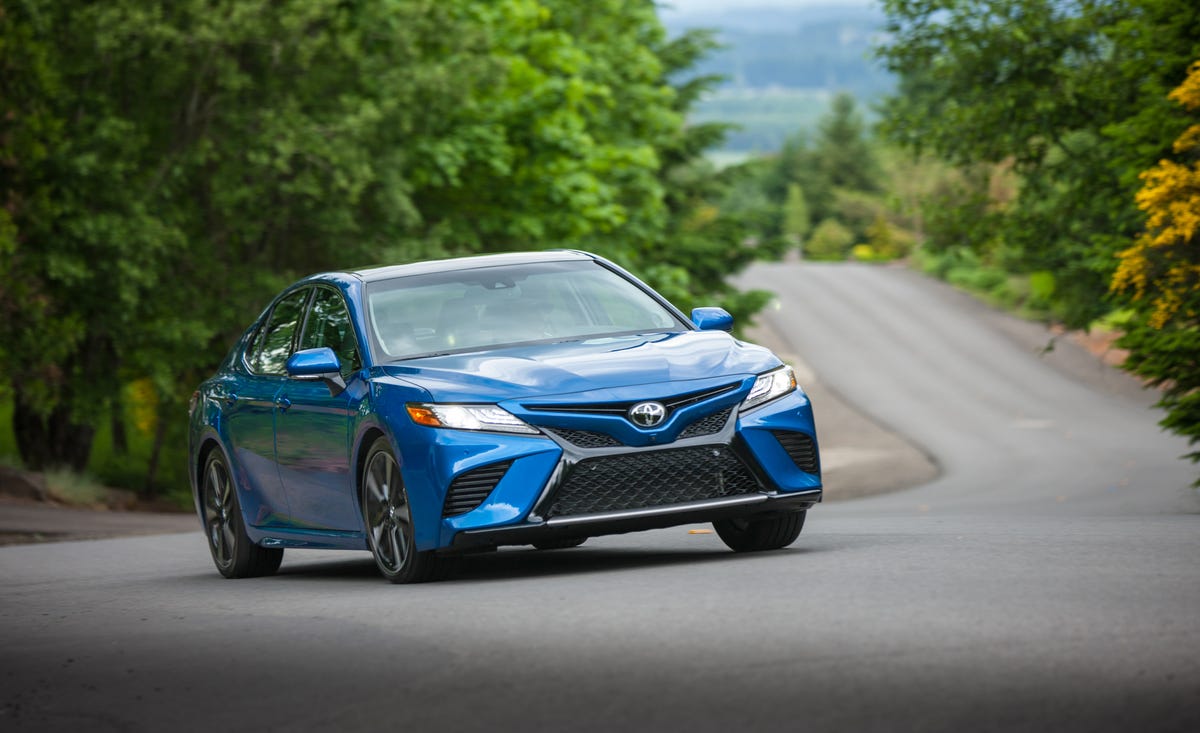
1. Toyota Camry LE Sedan (Eighth Generation, 2018 to 2024)
Toyota’s approach to service accessibility on the eighth-generation Camry reflects a design philosophy that recognizes the practical reality of vehicle ownership: most buyers will need to replace a headlight bulb at least once during their ownership period, and engineering that requires dealer service for a $15 bulb replacement creates unnecessary costs and inconvenience that informed buyers notice and resent.
Toyota engineers left adequate engine bay access to the Camry’s headlight assemblies, making this one of the better mainstream sedan examples of headlight service done with the owner in mind. Accessing the low-beam headlight bulbs on an eighth-generation Camry LE requires opening the hood and locating the backside of the headlight assembly, which is visible and reachable from the engine bay without removing any body panels.
On the driver’s side, slight clearance limitations from the battery and surrounding components may require some finger dexterity, but the procedure involves bending the bulb socket counterclockwise to unlock it from the housing, pulling the socket and bulb assembly out of the back of the housing, and disconnecting the electrical connector before reversing the process with the new bulb.
High-beam bulb access follows the same general procedure with minor positional differences, and daytime running light and turn signal bulb access on XLE and higher trim levels may require slightly different socket locations, but maintain the same philosophy of engine bay accessibility without bumper removal. Toyota’s service manual documents these procedures clearly with photographs that any competent owner can follow, which is the kind of manufacturer transparency that should be standard but is not universal.
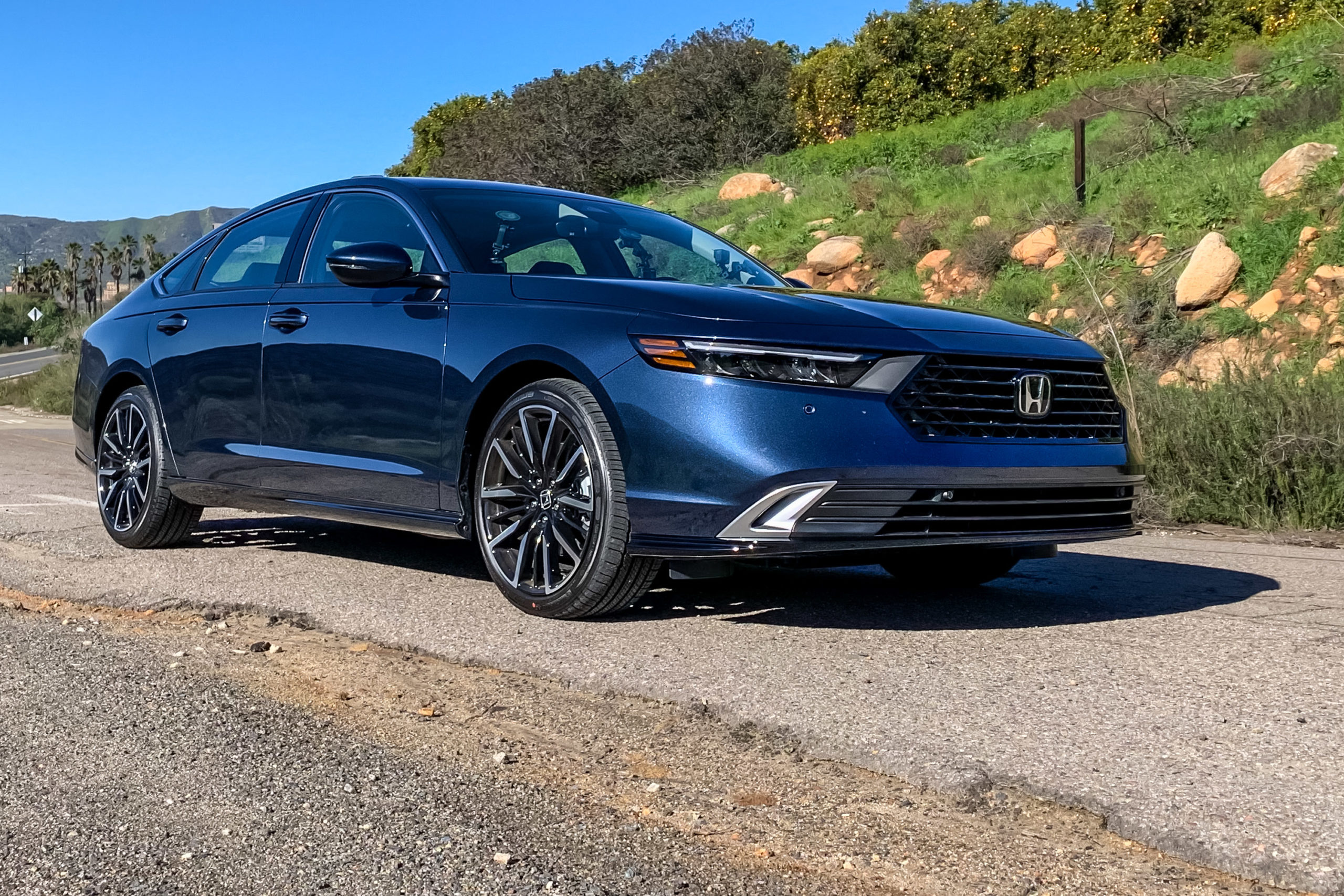
2. Honda Accord Sport CVT FWD (Eleventh Generation, 2023 to 2024)
Honda has historically maintained better-than-average headlight service access across its lineup, and the eleventh-generation Accord Sport continues this tradition with an engine bay layout that allows bulb replacement without body panel removal. Honda’s engineering teams have maintained awareness that service accessibility is a legitimate quality attribute alongside performance and fuel economy, and the Accord’s headlight access reflects this ongoing commitment to practical ownership experience.
Eleventh-generation Accord Sport headlight bulb access requires hood opening and navigation to the rear of the headlight housing. Honda positions the headlight assemblies with service access as a consideration, leaving clearance between the housing back and the adjacent engine bay components that allows for socket manipulation and bulb removal without tight-quarters gymnastics that require specialized tool lengths or contorted arm positions that cause strain during the procedure.
One practical access note specific to the eleventh-generation Accord’s driver-side headlight is the proximity of the windshield washer reservoir and its filler neck, which occupies space that can limit wrist rotation during socket manipulation. Owners who perform this service for the first time will benefit from identifying this constraint before beginning the procedure so they can plan their hand position accordingly.
The constraint does not require any component removal to work around, but awareness of it prevents the frustration of discovering the limitation mid-procedure. Owner community documentation of eleventh-generation Accord headlight bulb replacement from both Sport halogen and EX LED configurations provides detailed photographic walkthroughs that supplement Honda’s official service documentation.
This community knowledge base is one of the practical benefits of a vehicle with an engaged owner community, and Honda Accord owners have historically maintained strong community documentation resources that reduce the barrier to owner-performed service.
Also Read: 5 Discreet Sedans for Washington, D.C. Professionals vs. 5 Flashy Alternatives
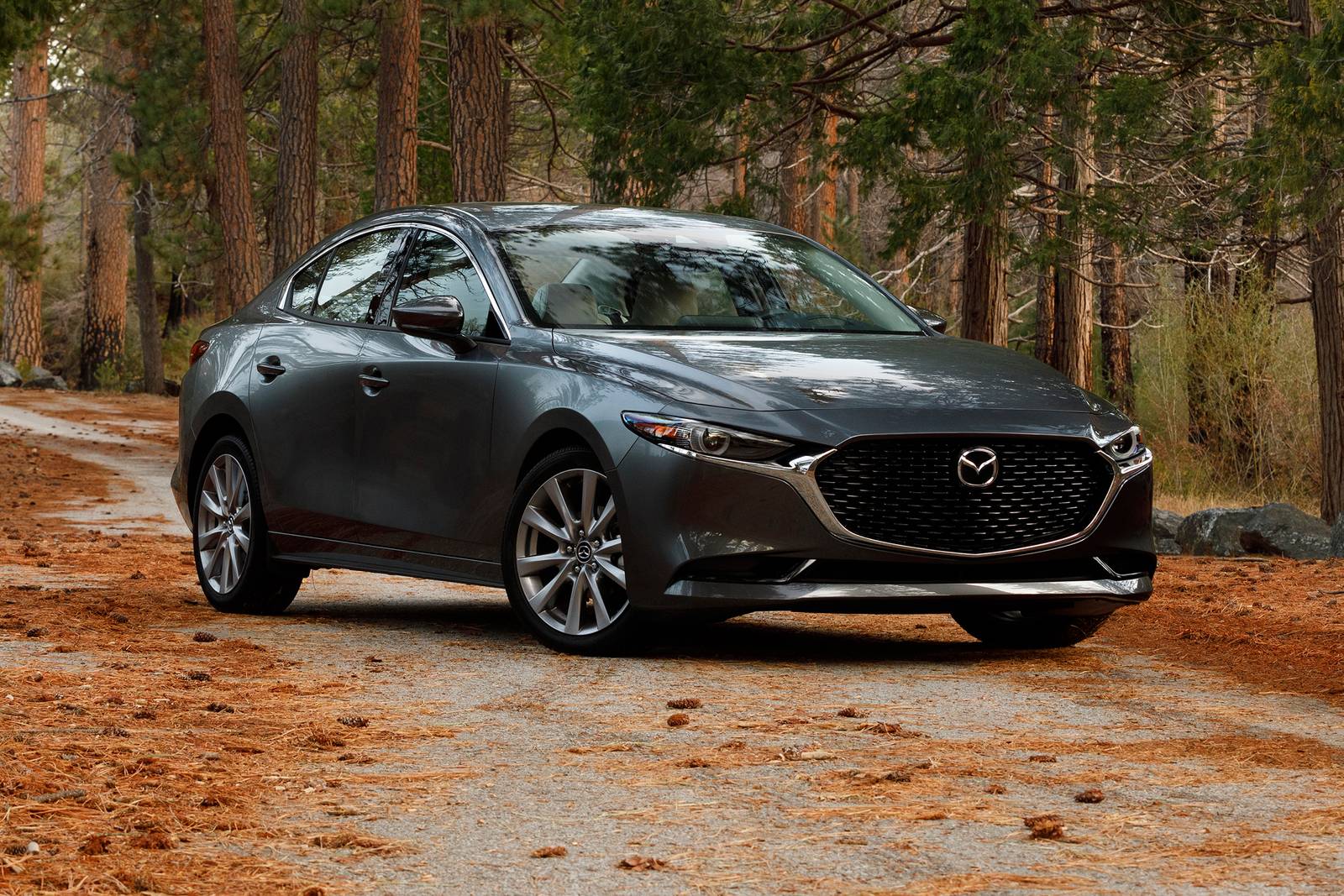
3. Mazda3 Sedan 2.5 S Select AWD (BP Generation, 2022 to 2024)
The BP generation Mazda3 Sedan reflects Mazda’s deliberate effort to extend quality beyond styling and driving feel into ownership practicality. While public attention often centres on cabin finish and handling balance, the engineering decisions behind service access reveal an equally thoughtful approach.
Headlight bulb replacement stands as a clear example. Mazda avoided front-end designs that prioritise appearance at the expense of maintenance, choosing instead to preserve direct access from the engine bay. This decision reduces service stress for owners and supports routine upkeep without professional intervention.
Accessing the headlight assemblies begins with opening the bonnet and locating the rear service covers on each unit. Mazda designed these covers with a quarter-turn locking system that can be operated by hand. The mechanism provides firm sealing against moisture and dust while remaining simple to release.
This balance between protection and accessibility reflects careful consideration of long-term use rather than showroom presentation alone. The covers remain securely seated during driving conditions, yet they open easily when service is required, eliminating the need for specialised tools.
On halogen-equipped versions, the low beam H11 bulb is the component most likely to require replacement. Once the access cover is removed, the bulb socket is clearly positioned and easy to identify. Electrical disconnection uses a press tab connector that responds to finger pressure, allowing removal without strain.
The bulb itself releases with a controlled bend and lifts free without resistance. Reinstallation follows the same steps in reverse, with proper alignment ensured by the socket design. For owners familiar with the process, the entire task can be completed quickly, while first-time attempts remain manageable with reference to the vehicle manual.
This approach demonstrates Mazda’s understanding of owner behaviour. Many drivers prefer to handle basic maintenance independently, particularly tasks such as lighting replacement that may arise unexpectedly. By keeping the process straightforward, Mazda reduces dependence on workshops for minor issues.
This also limits labour expenses and shortens downtime, improving day-to-day usability. The design choice supports the idea that refinement includes how a vehicle behaves during ownership, not only how it feels on the road. Higher specification BP Mazda3 models introduce LED headlight systems that differ from traditional bulb setups.
Some LED units use sealed assemblies, which means individual light elements cannot be replaced independently. Buyers who value bulb-level serviceability are advised to confirm the exact headlight specification of their chosen trim. Even where sealed units apply, Mazda avoided excessive disassembly requirements. Dealer servicing remains direct, avoiding the bumper removal procedures seen in competing models.
Through these decisions, the Mazda3 BP Sedan demonstrates a service philosophy rooted in respect for owners. The vehicle delivers a premium appearance while retaining practical maintenance access. This balance contributes to long-term satisfaction, reinforcing Mazda’s reputation for engineering that addresses real ownership conditions rather than focusing solely on design trends.
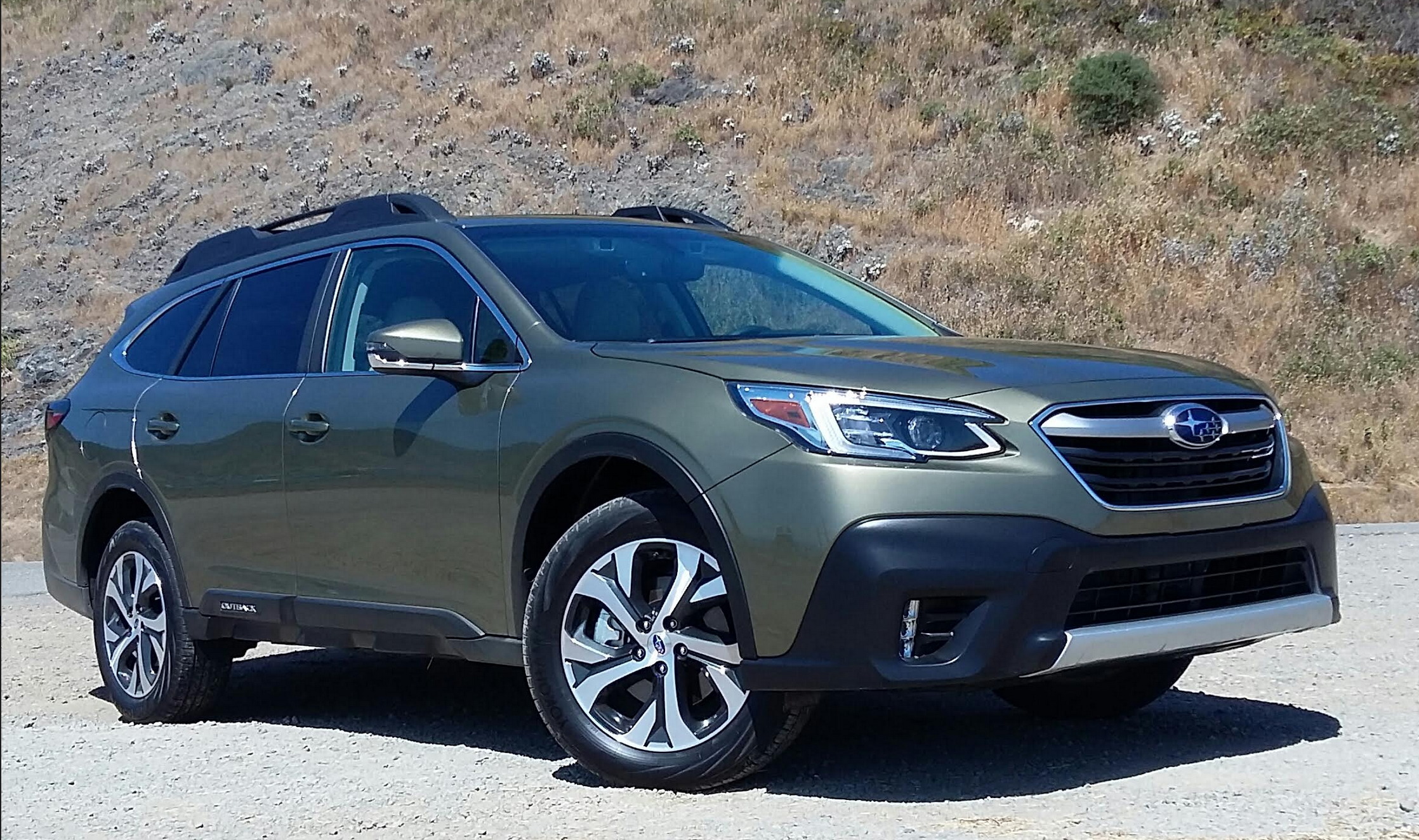
4. Subaru Outback Premium AWD (Seventh Generation, 2020 to 2024)
The seventh-generation Subaru Outback Premium AWD aligns with the needs of owners who depend on their vehicles beyond urban commuting. Many drivers use the Outback for extended travel, rural driving, and recreational activity, where immediate dealer support may not be available.
Subaru recognised this reality during development, ensuring that essential maintenance tasks such as headlight bulb replacement remain achievable without workshop tools or specialised equipment. Headlight access on this generation Outback is provided from the engine bay on both sides. The basic method remains consistent, though space availability varies due to surrounding components.
On the passenger side, access is relatively open, with fewer obstructions limiting hand movement. The driver’s side presents tighter clearance because of battery placement and auxiliary systems, requiring more careful hand positioning. Despite this, both sides permit access without removal of the front bumper or headlight housing, preserving service efficiency.
Premium trim Outback models equipped with halogen headlights use H11 bulbs for low beam lighting. The bulb retention system follows a familiar design that many experienced owners recognise. A counterclockwise bend disengages the bulb from its seated position. Subaru included rear access covers that protect the assembly from moisture while remaining easy to remove.
These covers do not rely on screws or clips that risk breakage, instead using a simple locking motion that balances sealing and usability. Electrical connectors detach through a press-release mechanism that responds to controlled finger pressure. The layout allows the bulb to be removed cleanly once disconnected, reducing the chance of accidental damage.
Reinstallation requires careful alignment, yet the design guides the bulb into the correct orientation. This prevents improper seating, which can affect the beam pattern and bulb life. Subaru’s design ensures that owners can complete the process confidently, even in low light or roadside conditions.
Advanced driver assistance features do not interfere with headlight servicing on halogen-equipped models. The EyeSight camera system sits independently near the windscreen and does not require recalibration after bulb replacement. This separation simplifies maintenance and removes concerns that basic service might affect safety systems.
LED-equipped variants with adaptive lighting introduce different service requirements, particularly where entire assemblies are involved. Such cases may require professional attention, though this does not apply to standard halogen replacements. A strong ownership community supports the Outback platform.
Many owners share documented experiences, photographs, and practical advice related to headlight service. These resources complement official service information and address the small differences between driver and passenger side access. The availability of such guidance reinforces Subaru’s reputation for vehicles designed to be maintained in real-use conditions.
Through straightforward engineering and thoughtful layout, the seventh-generation Outback Premium AWD delivers practical service access that aligns with its functional purpose. This design approach strengthens owner confidence and supports continued reliability in demanding environments.
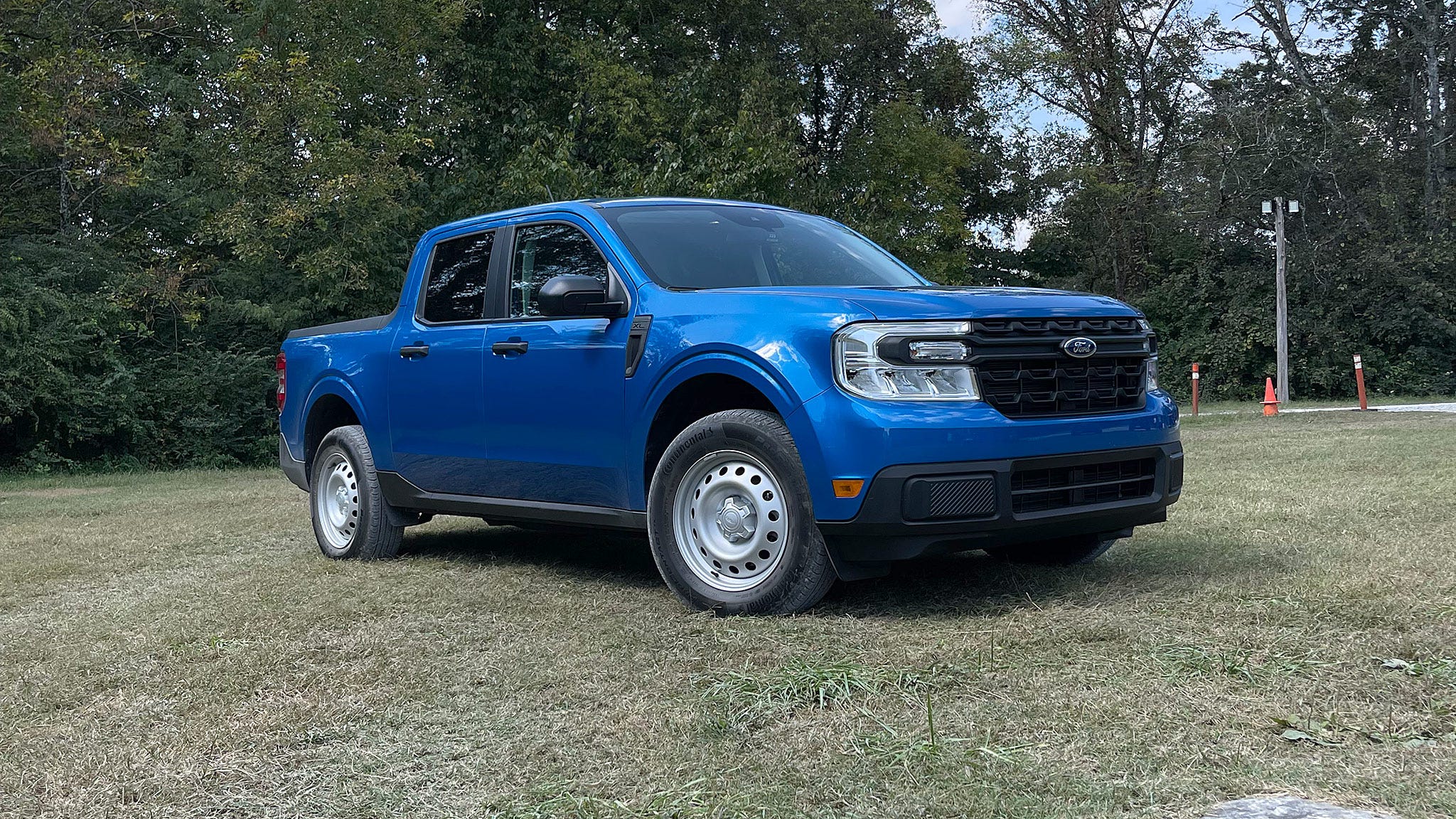
5. Ford Maverick XL FWD Hybrid (First Generation, 2022 to 2024)
Ford’s Maverick represents a deliberate design philosophy that prioritizes practical utility and owner serviceability in a compact truck format, and headlight bulb replacement access on the Maverick XL Hybrid aligns with this philosophy. Ford’s design team positioned the Maverick’s headlight assemblies with hood-up access as a functional requirement rather than an afterthought, producing a small truck whose headlight service does not require the body panel disassembly that larger, more elaborately styled Ford models sometimes demand.
Maverick headlight assembly design provides access from both above through the open hood and from the side of the engine bay, with the compact engine compartment’s proportions actually working in the owner’s favor by keeping the headlight assemblies smaller and more accessible than the larger assemblies in full-size truck applications.
H11 and 9005 halogen bulbs in the XL trim’s standard halogen headlight configuration are accessible through direct engine bay access without removing any components. Ford’s Maverick has attracted an owner community that specifically values practical self-service capability, and headlight bulb replacement procedure documentation from this community is thorough and photographic in ways that make the procedure clear for first-time attempts.
Community-developed procedure notes address the specific access angles that work best for each side of the engine bay, reflecting the practical knowledge accumulation that engaged owner communities develop through collective experience. Hybrid system components in the Maverick Hybrid’s engine bay require awareness of high-voltage system locations during any under-hood service, and Ford’s service documentation clearly identifies these locations.
Headlight bulb replacement on the Maverick Hybrid does not involve any high-voltage components, but understanding the battery system’s physical location in the engine bay helps owners plan their work positioning to maintain appropriate clearance from high-voltage system covers during the service procedure.
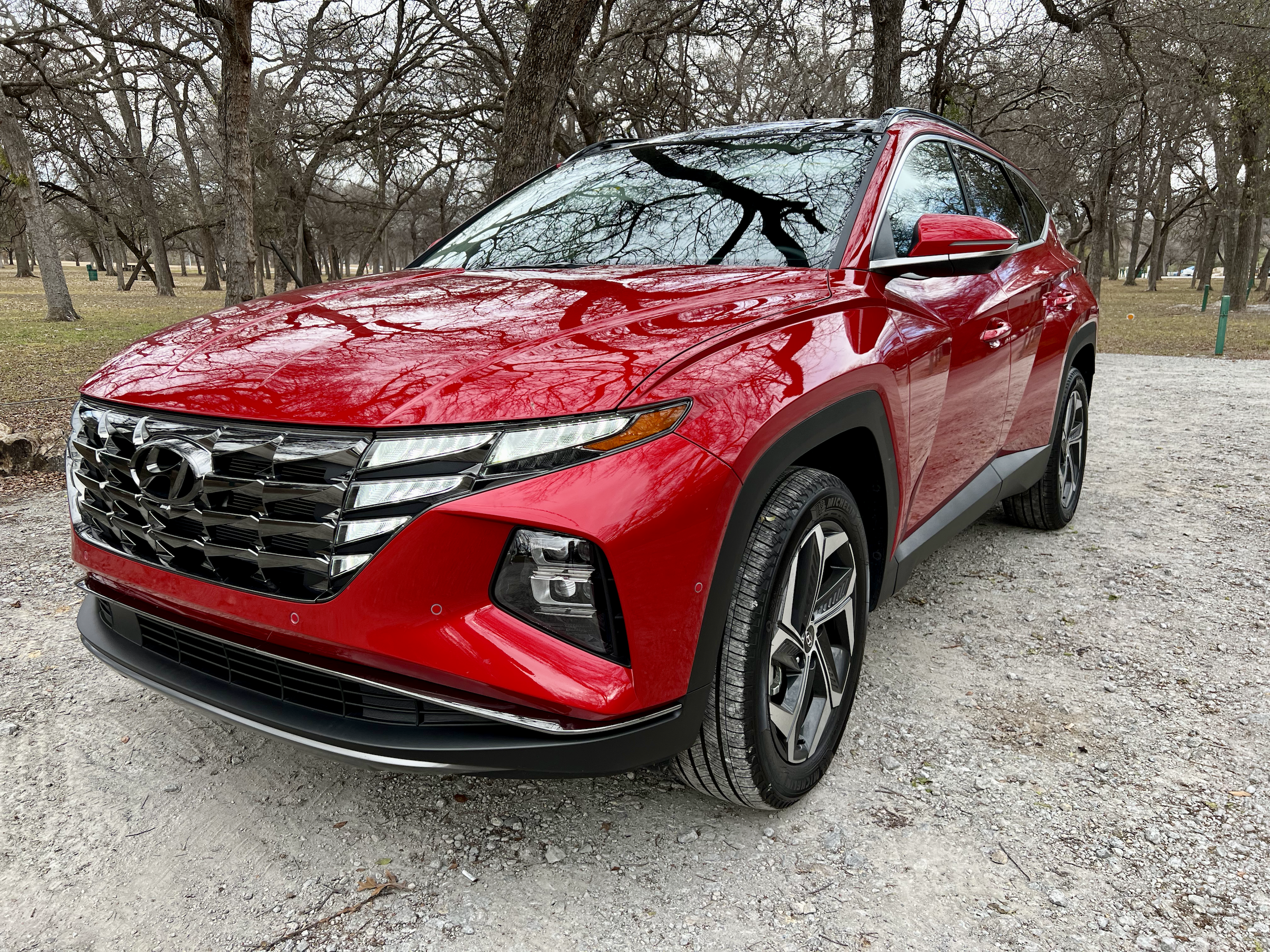
6. Hyundai Tucson SEL AWD (NX4 Generation, 2022 to 2024)
Hyundai’s NX4 generation Tucson represents the Korean manufacturer’s approach to balancing sophisticated exterior design with practical service accessibility, and the result for headlight bulb service is better than the Tucson’s complicated-looking front fascia might suggest to a first-time owner.
Hyundai engineers positioned the NX4 Tucson’s headlight assemblies with engine bay access provisions that allow bulb replacement without the front-end disassembly that some competitors with similarly styled front ends require. Access to NX4 Tucson headlight bulbs begins with hood opening and identification of the bulb access covers on the rear of each headlight housing.
Hyundai’s NX4 design team included specific service access provisions that are visible once the hood is open, distinguishing this generation’s serviceability from the more constrained access that characterized some previous Tucson generations. Owners who approach this procedure with the hood fully open and a brief familiarity with the engine bay layout from the owner’s manual or online resources will find the access provisions straightforward to locate and use.
Low-beam LED projector bulbs in SEL and higher trim configurations use a different service approach than traditional halogen H11 bulbs, as LED projector units in some NX4 Tucson configurations use sealed LED modules rather than individually replaceable bulbs.
Buyers who specifically want the simplest possible bulb replacement service should confirm their specific trim’s headlight technology before purchase, as the halogen-equipped base trim configurations provide the most accessible individual bulb replacement experience, while higher trim LED configurations may require more involved service at the assembly level.
Hyundai’s BlueLink remote functionality includes headlight-related vehicle status monitoring in some configurations, and owner-performed headlight bulb replacement does not require any system reset or dealer notification procedure after completion. Replacing a burned-out bulb through engine bay access and reinstalling the access cover returns the headlight system to normal function without any software or electronic service step, which is the correct outcome for a procedure that should be as simple as possible for owners who choose to perform it themselves.
Hyundai owner community documentation for the NX4 Tucson headlight service is growing as the generation accumulates ownership years, and first-generation Tucson owners who are familiar with that model’s service procedures will find the NX4’s access provisions improved over the previous generation in ways that reduce the procedure time and difficulty for comparable trim levels.
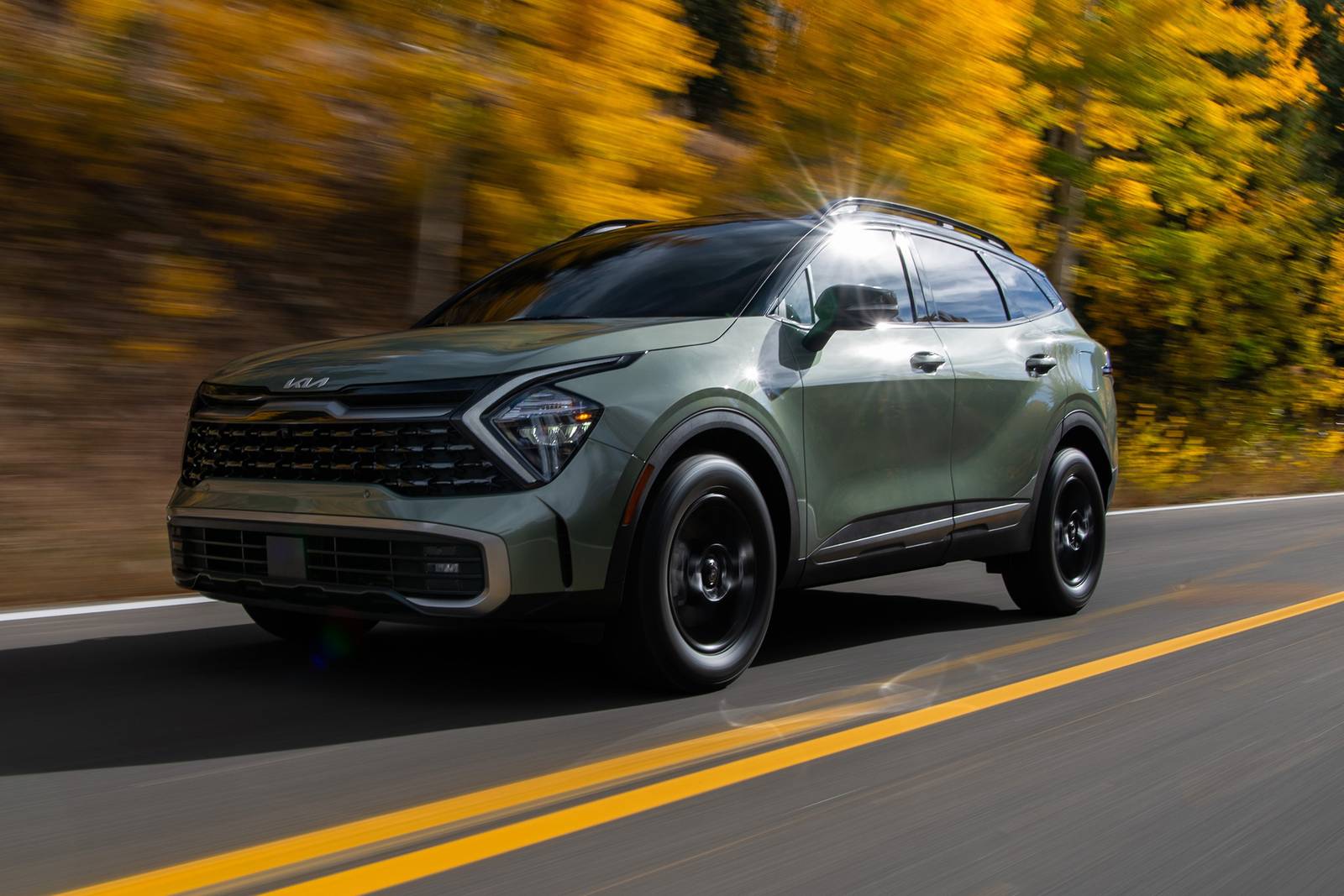
7. Kia Sportage EX AWD (NQ5 Generation, 2023 to 2024)
The NQ5 generation Kia Sportage EX AWD reflects Kia’s broader effort to balance visual ambition with practical ownership requirements. Built on the same core platform architecture as the Hyundai Tucson NX4, the Sportage benefits from engineering decisions made at the platform level rather than model-specific improvisation.
One area where this approach becomes immediately clear is headlight service access. Owners who encounter routine lighting replacement needs are not forced into invasive front-end disassembly, as the design allows access from within the engine bay, preserving time, effort, and component integrity.
Under bonnet access to the headlight assemblies follows a layout that prioritises direct reach rather than cosmetic concealment. Kia’s exterior styling for the NQ5 Sportage is more expressive than earlier generations, yet the design team avoided burying service points behind decorative structures.
Access covers are positioned at the rear of each headlight housing, allowing the technician or owner to reach the lighting components without removing adjacent body panels. This reflects coordination between styling and engineering teams, ensuring that design ambition does not undermine routine maintenance.
These units rely on sealed or modular LED technology rather than replaceable filament bulbs. In such cases, service responsibility moves from bulb replacement to module-level attention. While this limits roadside repair possibilities, Kia ensured that assembly removal remains straightforward for workshop service. The process does not require extensive dismantling of the front bumper, avoiding labour escalation that some competing designs impose on owners.
Ownership practicality is further supported by the scale of the Sportage user base. As one of Kia’s highest volume models in the United States market, the NQ5 Sportage benefits from a rapidly expanding owner knowledge base. Online forums, service guides, and user-generated photographic walkthroughs provide clear documentation of headlight access procedures.
These resources address variations between driver and passenger side access, highlighting clearance differences caused by battery placement, air intake routing, and auxiliary components. Kia’s official service literature outlines correct procedures, but owner-developed material adds practical insight gained from real use conditions.
This combination equips first-time owners with confidence when approaching maintenance tasks. The consistency between the Sportage and Tucson platforms also ensures that lessons learned on one model apply directly to the other, strengthening collective understanding.
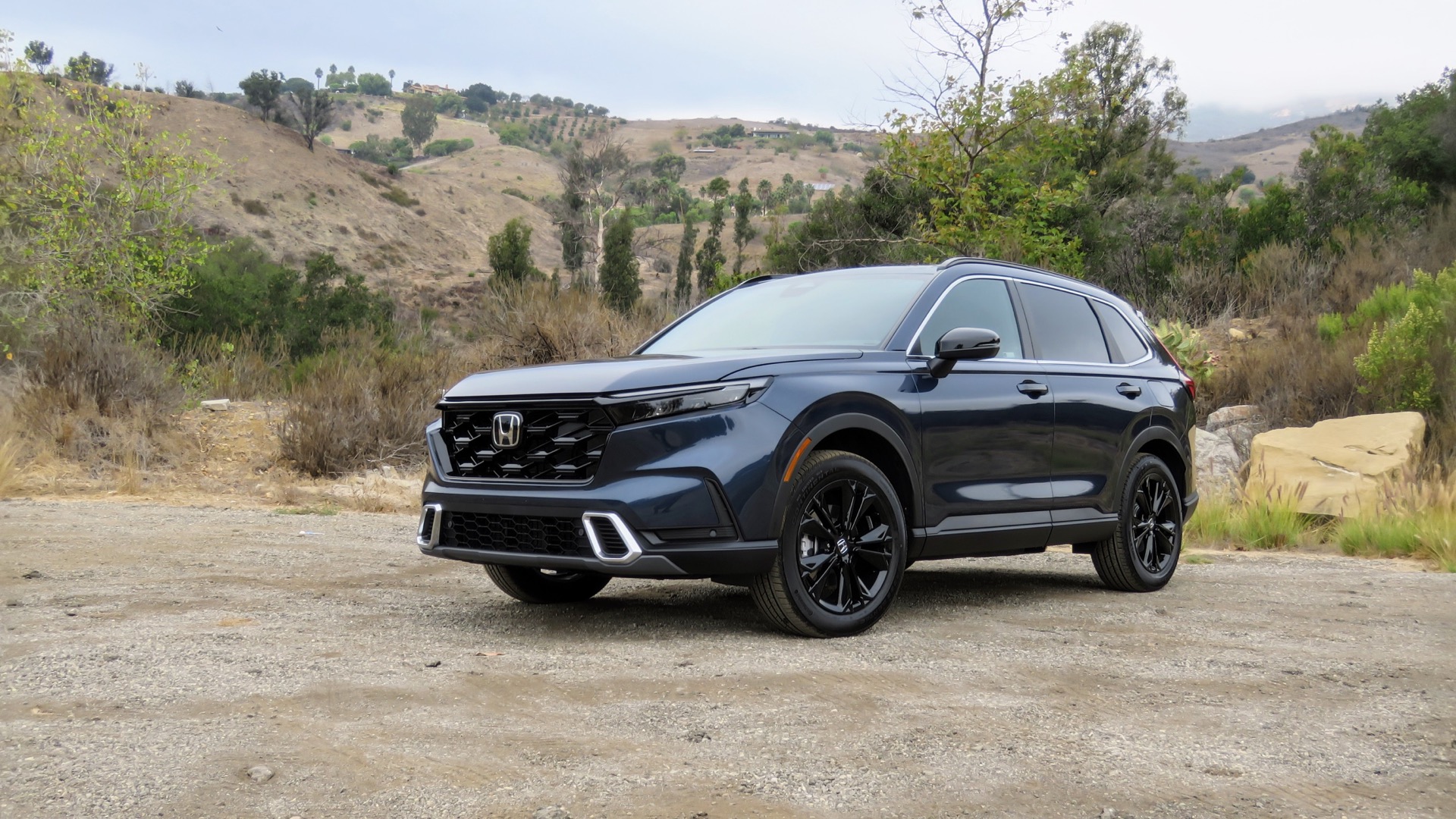
8. Honda CR-V Sport Touring AWD Hybrid (Sixth Generation, 2023 to 2024)
The sixth-generation Honda CR-V Sport Touring AWD Hybrid continues Honda’s long-established emphasis on service practicality within mainstream vehicle design. Despite the addition of a hybrid powertrain and associated electrical systems, Honda preserved clear access to routine maintenance areas.
Headlight service remains a task that can be approached with confidence, reflecting a design philosophy that treats maintenance access as a core functional requirement rather than a secondary consideration. Opening the bonnet reveals a carefully organised engine bay where headlight access points are positioned at the rear of each housing. Honda ensured that these points remain reachable despite the additional components required by the hybrid system.
On the passenger side, access is generally direct, with adequate clearance for hand movement. The driver’s side introduces greater density due to inverter placement and hybrid system cabling, yet Honda arranged these elements to avoid obstructing headlight service paths.
High-voltage components are clearly separated from service areas associated with lighting. Honda’s service documentation maps the location of hybrid system elements with precision, allowing technicians and informed owners to approach routine tasks without concern.
Headlight bulb replacement does not require contact with any high-voltage hardware, maintaining safety and simplicity. This separation reflects careful planning rather than retroactive accommodation of the hybrid system. The Sport Touring AWD Hybrid specification introduces LED headlight assemblies. These units rely on sealed LED elements that are not designed for individual field replacement.
While this changes the nature of service from bulb level to assembly level, Honda maintained reasonable accessibility for workshop intervention. Assembly removal avoids unnecessary body panel disruption, ensuring that labour time remains proportionate to the task.
Community support plays an important role in reinforcing service confidence among CR-V owners. The CR-V has maintained strong sales figures across multiple generations, resulting in a large and technically engaged ownership base. Sixth-generation service procedures are documented extensively through images and videos created by owners and independent technicians. These resources cover both hybrid and non-hybrid configurations, offering practical guidance that complements official manuals.
Also Read: 5 Vehicles for Flash Flood Season In Houston vs. 5 Low-Slung Sedans to Avoid
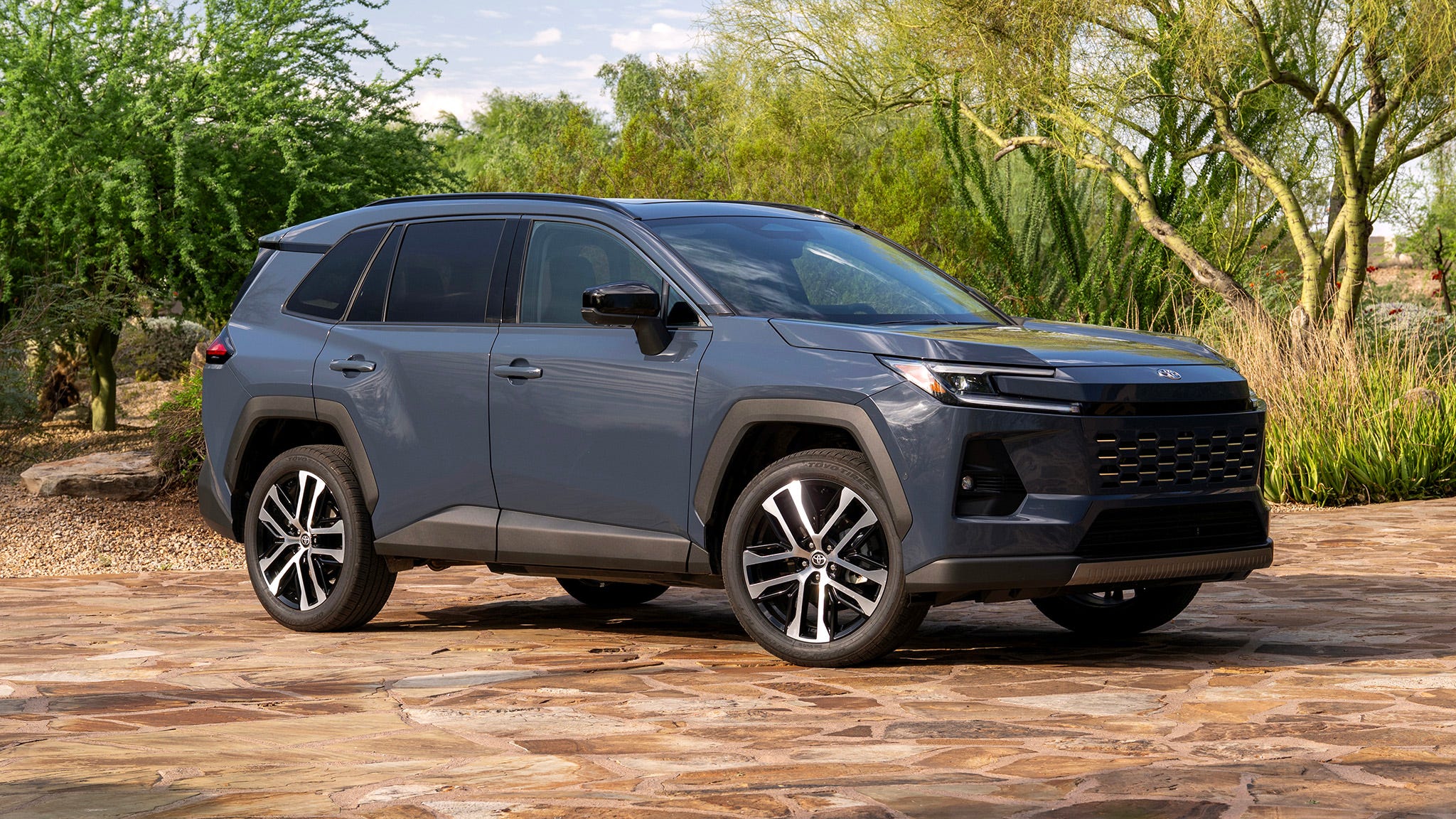
9. Toyota RAV4 XLE Premium AWD (Fifth Generation Facelift, 2022 to 2024)
Toyota’s fifth-generation RAV4 is the best-selling SUV in the United States, and its headlight service accessibility reflects Toyota’s practical ownership philosophy applied to a vehicle that millions of Americans depend on for daily transportation and occasional outdoor adventures.
RAV4 XLE Premium owners who need to replace a headlight bulb will find the procedure achievable from the engine bay without bumper removal, consistent with Toyota’s pattern of reasonable service access across its mainstream lineup. Fifth-generation RAV4 XLE Premium headlight assemblies are accessible from the engine bay on both sides, with the passenger-side access generally considered more straightforward due to the battery and air intake system’s position on the driver side.
Toyota’s engine bay layout in the RAV4 accommodates headlight service access in the space between the headlight assembly rear and the adjacent components, with the access cover design providing weather-sealed protection during normal operation and reasonable accessibility during service.
LED headlight assemblies in higher RAV4 trim levels use sealed LED technology in some configurations, and Toyota’s service documentation for these assemblies addresses them differently from halogen units. RAV4 XLE Premium in some market specifications uses halogen headlights as standard, with LED available on XLE Premium and standard on higher trims, creating trim-level variation in the service procedure that buyers who prioritize individual bulb replaceability should verify for their specific configuration.
RAV4 owner community service documentation is extensive and well-organized, reflecting the vehicle’s status as America’s best-selling SUV and the active online community that has developed around it. Headlight service procedures for both halogen and LED configurations are documented with photography and owner notes that address the specific access conditions for each side of the fifth-generation RAV4’s engine bay.
This documentation quality means that any RAV4 owner who needs to perform headlight service has immediate access to practical, photography-supported guidance that makes the procedure achievable regardless of prior experience with this specific model.
