
The idea that modern sports cars automatically outperform older machines is starting to look shaky in 2026. Technology has certainly moved forward, but performance is not just about horsepower figures or touchscreen interfaces. Weight, driver engagement, mechanical simplicity, and tuning potential still matter just as much as they did decades ago.
That is exactly where 1990s Japanese coupes come into the conversation. Built during Japan’s golden performance era, these cars were engineered with a level of focus that is difficult to replicate today.
Manufacturers were competing aggressively, pushing boundaries in chassis design, turbocharging, and balance. The result was a generation of machines that still feel alive, responsive, and brutally effective when pushed.
Another key reason these coupes continue to surprise modern cars is how well they respond to modification. Many of them were intentionally underrated from the factory due to agreements like the Japanese “gentlemen’s agreement.”
That left enormous headroom for tuning. Even with relatively modest upgrades, these cars can deliver performance that rivals or surpasses newer sports cars costing several times more.
There is also the weight factor. Most modern sports cars have become heavier due to safety regulations, added technology, and luxury features. In contrast, 90s coupes are lighter, simpler, and more connected to the road. That translates into sharper handling, better feedback, and quicker real-world acceleration in many scenarios.
Affordability adds another layer to their appeal. While some icons have become expensive, there are still several underrated and relatively cheap options that deliver serious performance. These are not just nostalgic collectibles. They are genuinely capable machines that can embarrass modern sports cars in the right conditions.
Below are eight such coupes that prove performance is not defined by age. Each one brings something unique to the table, whether it is raw turbo power, precision handling, or an engine that refuses to quit.
Also Read: 8 Toyota-Built Lexus Models Costing Half the Price to Own
1. Nissan 180SX Type X
The Nissan 180SX Type X represents one of the most balanced performance bargains from the 90s. While it often lives in the shadow of its more famous sibling, the Silvia, the 180SX quietly delivers a driving experience that can still challenge modern sports coupes.
At its core sits the SR20DET engine, a turbocharged 2.0-liter powerhouse that is far more capable than its factory numbers suggest. With proper tuning, it can easily push beyond 250 horsepower without sacrificing reliability.
That level of output in a lightweight Rear Wheel Drive chassis creates a power-to-weight ratio that surprises drivers accustomed to heavier modern machines.
What makes the 180SX particularly dangerous in real world performance scenarios is its responsiveness. Turbo lag is minimal when tuned correctly, and the engine builds power in a smooth yet aggressive manner. Combine that with a short wheelbase and well-balanced weight distribution, and you get a car that feels eager at every input.
Handling is where it truly starts to embarrass newer cars. Modern sports cars often rely on electronic aids to maintain stability. The 180SX, on the other hand, communicates directly with the driver.
The steering is sharp, the rear end is playful, and the car rewards skill rather than masking mistakes. On a tight road or technical track, this level of engagement can easily outperform more powerful but heavier competitors.
Another factor is adaptability. Owners have spent decades refining suspension setups for this platform. Whether it is drift-focused or grip-oriented, the aftermarket support allows the 180SX to be tailored into a precise weapon. Coilovers, upgraded bushings, and limited-slip differentials transform it into something far more capable than its age suggests.
It is also worth noting how approachable the car is. Unlike some high-strung modern sports cars, the 180SX does not demand perfection to be enjoyable. It invites experimentation, encourages pushing limits, and builds driver confidence over time.
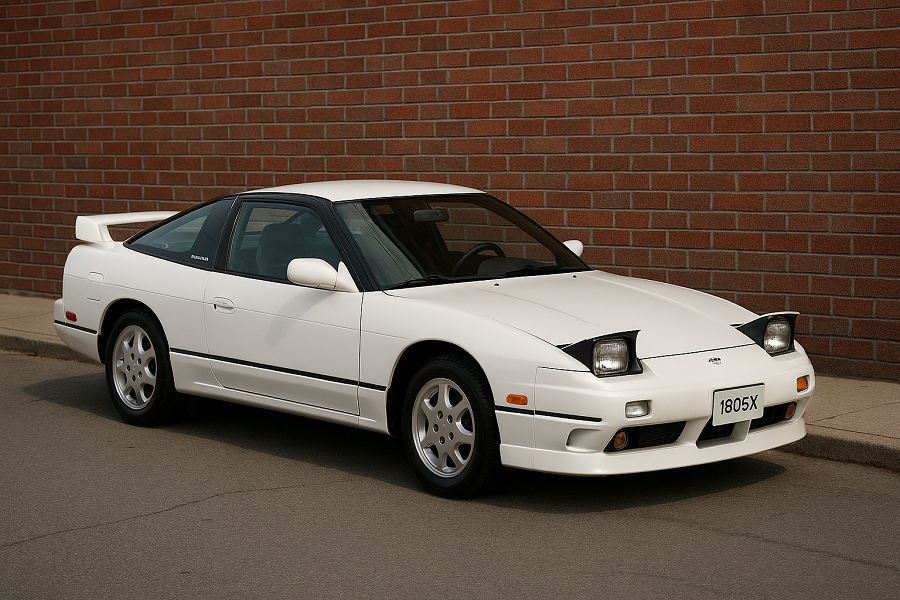
Put it against a modern entry-level sports coupe in a spirited drive, and the outcome may not be what you expect. The 180SX does not rely on numbers alone. It delivers performance through feel, balance, and raw connection, which often matters more when the road gets interesting.
2. Toyota Curren TRD Sports M
The Toyota Curren TRD Sports M is one of those rare machines that flies under the radar yet delivers performance that feels far ahead of its time. Built as a special tuning effort by TRD, this coupe takes the standard Curren platform and transforms it into something far more focused.
Power comes from a naturally aspirated 3S GE engine, but this is not the typical version found in regular models. TRD reworked key components to improve responsiveness and output, creating an engine that thrives on high revs. It may not have turbocharged brute force, but its linear delivery and eagerness to climb the rev range give it a unique edge.
Instead of overwhelming the driver with sudden bursts of power, the Curren TRD Sports M builds speed progressively. This makes it incredibly effective in situations where control and precision matter more than outright acceleration. On winding roads, it maintains momentum in a way that many modern turbocharged cars struggle to match.
The chassis setup is where things become even more interesting. TRD fine-tuned the suspension to deliver sharper turn-in and improved stability. The result is a coupe that feels planted yet agile. It changes direction quickly and holds its line with confidence, making it a strong contender against newer cars that rely heavily on electronic corrections.
Driving this car feels different from the typical modern experience. There is no artificial enhancement, no overly assisted steering, and no disconnected feedback. Every input translates directly into action, creating a sense of involvement that is increasingly rare.
Another strength lies in its consistency. Modern sports cars often shine in short bursts but can feel heavy or less engaging over extended drives. The Curren maintains its composure and character, encouraging longer sessions behind the wheel without fatigue.
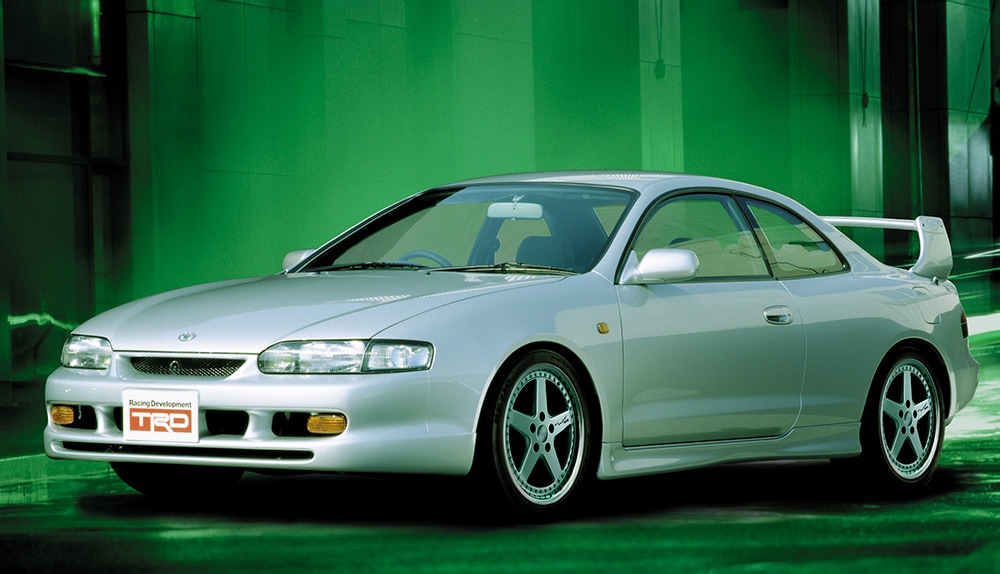
Its rarity also adds to its appeal. While many enthusiasts chase more obvious icons, this TRD-tuned coupe offers something distinct. It is not just about speed. It is about how that speed is delivered and how the car interacts with the driver.
In a head-to-head comparison with a modern sports coupe on a technical route, the Curren TRD Sports M can hold its own surprisingly well. Its ability to carry speed through corners, combined with its predictable behavior, often allows it to stay ahead where it matters most.
The experience it provides goes beyond numbers. It demonstrates that a well-engineered chassis and a responsive engine can still challenge newer machines that rely more on technology than driving purity.
3. Mazda MX-6 GT Turbo
The Mazda MX-6 GT Turbo does not usually appear in mainstream performance conversations, which is exactly why it can catch modern drivers off guard. Beneath its understated design lies a turbocharged character that delivers far more punch than expected, especially when pushed hard in real-world conditions.
At the heart of this coupe is a 2.2-liter turbocharged engine that produces strong mid-range torque. Unlike many modern small-displacement turbo engines that rely heavily on electronics to manage delivery, the MX-6 GT Turbo feels mechanical and direct.
Once the boost comes in, it pulls with a sense of urgency that makes highway acceleration and rolling starts particularly impressive.
What separates this car from many Front Wheel Drive competitors is its composure under pressure. Torque steer is present, but it is manageable and predictable. Skilled drivers can use this behavior to their advantage, especially when exiting corners with precision.
The car demands involvement, and that interaction becomes a strength rather than a limitation.
Its chassis tuning leans toward stability with just enough agility to keep things interesting. While it may not have the playful rear end of a Rear Wheel Drive coupe, it compensates with confidence.
High-speed cornering feels planted, and the suspension absorbs imperfections without unsettling the car. On long sweeping roads, this balance allows it to maintain speed where heavier modern cars begin to feel less composed.
Another area where the MX-6 surprises is its tuning potential. With upgraded intercooling, improved intake flow, and a refined exhaust setup, the engine responds well to modifications. Boost levels can be increased safely with proper supporting upgrades, turning it into a genuinely quick machine that can keep up with newer sports coupes.
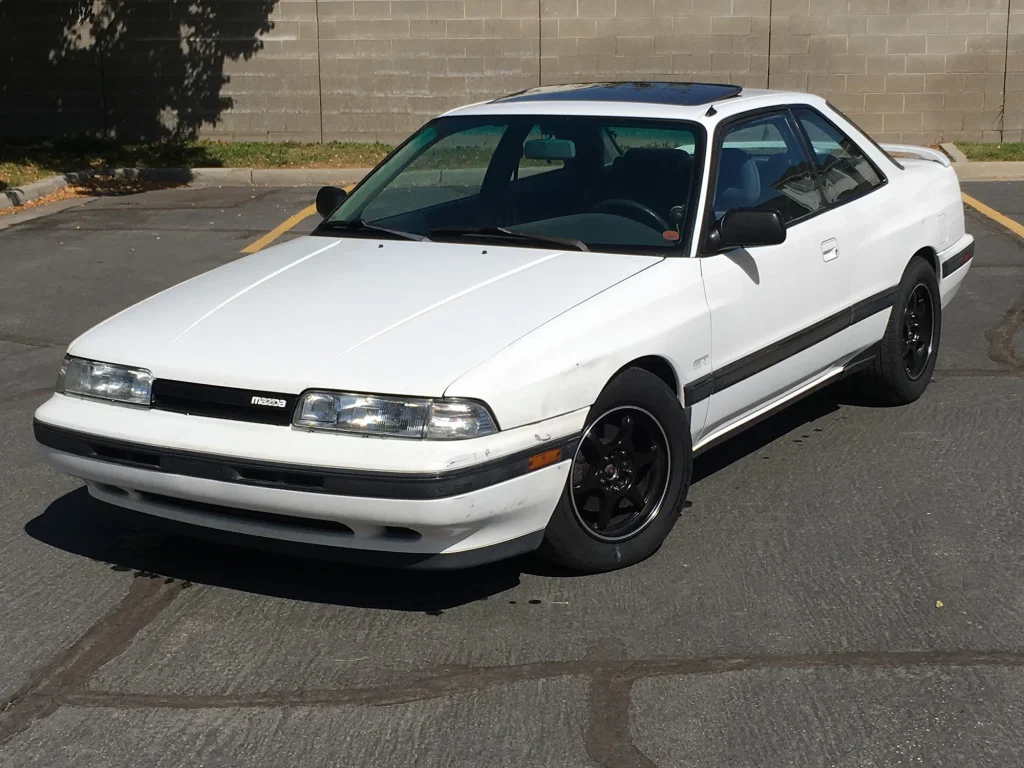
There is also a certain honesty in how the car delivers performance. It does not hide behind driving modes or electronic intervention. What you feel is what the car is doing, and that clarity builds confidence over time. Modern cars often filter this connection, making them easier to drive fast but less engaging.
In a real-world scenario, such as a highway pull or a flowing back road, the MX-6 GT Turbo can surprise drivers who underestimate it. It may not dominate in a straight line against high-horsepower modern cars, but in situations where balance and momentum matter, it proves that older engineering still has plenty to offer.
4. Honda Prelude Si VTEC (BB4)
The Honda Prelude Si VTEC from the BB4 generation represents a different philosophy of performance. Instead of relying on forced induction, it uses precision engineering and high-revving character to deliver speed in a way that feels both controlled and addictive.
Its H22A engine is the centerpiece of the experience. Known for its VTEC system, it transforms its personality as the revs climb. At lower speeds, it remains smooth and manageable. Push it harder, and it transitions into an aggressive, high-revving machine that rewards commitment. This dual nature allows the Prelude to adapt to different driving styles effortlessly.
What truly sets this car apart is its handling technology. The Prelude featured advanced four-wheel steering in certain variants, which dramatically improves cornering ability. At lower speeds, it enhances maneuverability, while at higher speeds, it increases stability.
This system gives the car an edge in tight corners and quick direction changes, allowing it to carry speed in ways that can unsettle newer, heavier coupes.
The steering feel is another highlight. It is precise, communicative, and consistent. Drivers can sense exactly how much grip is available, which makes pushing the car to its limits both safer and more enjoyable. Modern cars often isolate this feedback, but the Prelude keeps the driver fully connected to the road.
Braking performance is equally confidence-inspiring. The car remains stable under hard braking, and its relatively low weight helps reduce stopping distances. This becomes particularly important in spirited driving, where quick transitions between acceleration and braking can define performance.
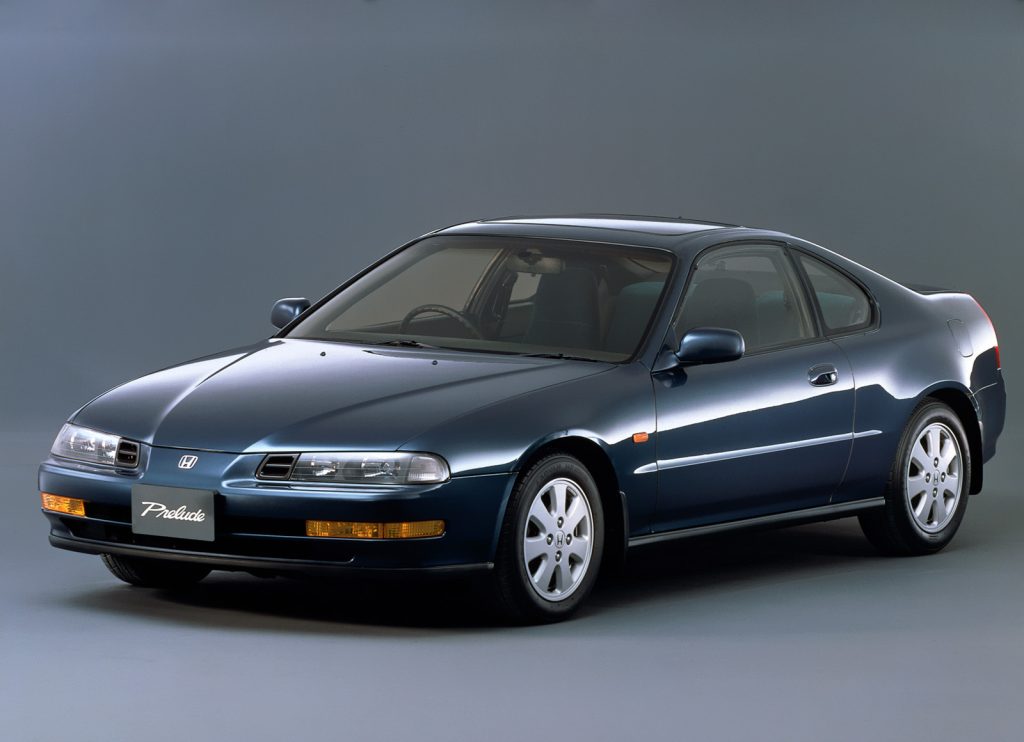
Unlike turbocharged competitors, the Prelude demands a different approach. It encourages drivers to maintain momentum, select gears carefully, and keep the engine within its optimal power band. This creates a more involved driving experience that rewards skill and precision.
When compared to modern sports coupes, especially those that rely heavily on turbocharging and electronic assistance, the Prelude can feel more engaging and responsive. On a technical route with multiple corners and elevation changes, its ability to maintain balance and carry speed can make it surprisingly competitive.
The BB4 Prelude is not about overwhelming power. It is about control, rhythm, and extracting maximum performance through driver input. In the right hands, it can challenge cars that appear superior on paper, proving that engineering finesse can rival raw numbers.
5. Mitsubishi FTO GP Version R
The Mitsubishi FTO GP Version R feels like a machine engineered around driver intensity rather than outright numbers. It does not try to overwhelm with torque or turbocharged surges. Instead, it builds its reputation on sharp responses, high-revving energy, and a chassis that seems eager to attack corners from the moment you turn the wheel.
At the center of its personality is the 6A12 MIVEC V6 engine. This is where the car separates itself from many others in its price range. The engine loves to rev, delivering its best performance at higher RPMs, where it becomes aggressive and alive.
There is a distinct transition in character as the revs climb, rewarding drivers who are willing to push beyond the mid-range and keep the engine singing.
Rather than offering effortless speed, the FTO demands attention and involvement. It asks the driver to stay engaged, to manage gear selection carefully, and to keep momentum flowing.
This makes it incredibly satisfying on technical roads where precision matters more than brute force. Modern sports cars often mask mistakes with electronics, but the FTO highlights them, pushing the driver to improve.
The chassis plays an equally important role. It feels compact, controlled, and responsive. Turn-in is immediate, and the car rotates with confidence when pushed. While it is Front Wheel Drive, it does not feel limited by that layout.
The balance is tuned in such a way that it remains composed even under aggressive driving, allowing it to maintain speed through corners without excessive understeer.
Another strength is how predictable the car remains at the limit. Drivers can sense when grip is approaching its threshold, making it easier to adjust inputs and maintain control. This predictability becomes a major advantage when comparing it to modern cars that sometimes rely too heavily on electronic systems to correct mistakes.
The FTO also benefits from its relatively low weight. This contributes to quicker acceleration, shorter braking distances, and more agile handling. When combined with its high-revving engine, it creates a driving experience that feels far more dynamic than many newer coupes that carry additional mass.
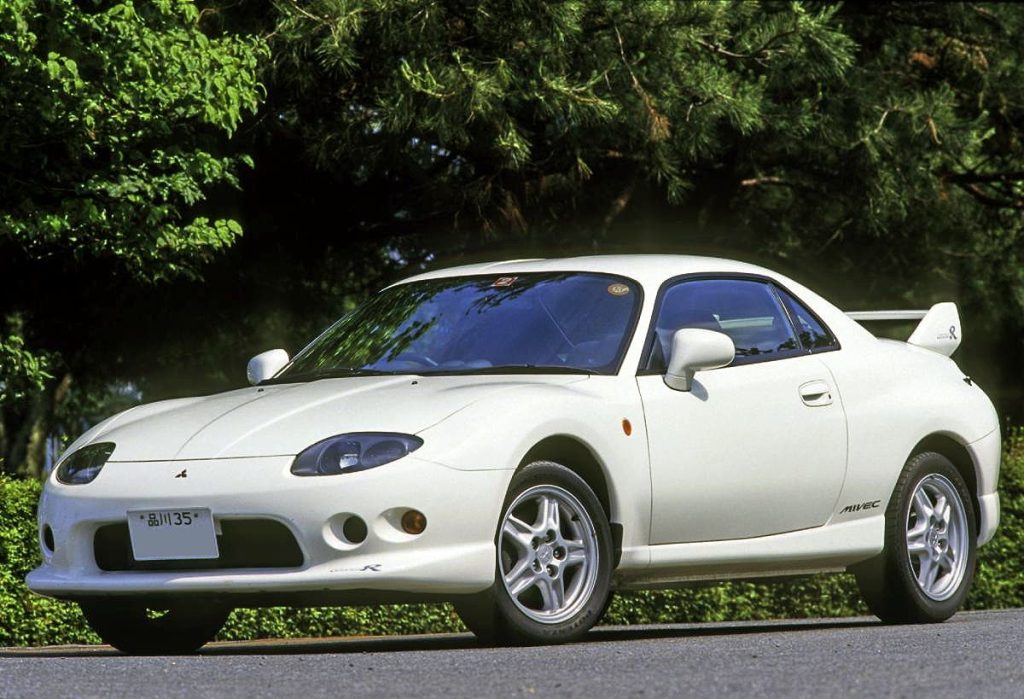
In real-world conditions, particularly on twisty roads, the FTO GP Version R can keep up with or even outpace modern sports cars that appear more powerful on paper. Its ability to maintain speed, change direction quickly, and respond instantly to driver input makes it a serious contender.
It stands as proof that performance is not always about peak numbers. Sometimes it is about how efficiently a car uses what it has, and how well it communicates with the person behind the wheel.
6. Toyota Celica GT-Four (ST205)
The Toyota Celica GT-Four ST205 brings a completely different kind of performance to the table. Built with rally heritage in mind, this coupe focuses on traction, durability, and the ability to deliver power in conditions where many modern sports cars struggle.
Its turbocharged 3S GTE engine provides strong and consistent power across the rev range. Unlike some engines that rely on a narrow power band, this one delivers usable performance in a wide range of situations. Whether accelerating out of a tight corner or pushing through a straight, the engine responds with confidence and strength.
The defining feature of the GT-Four is its All Wheel Drive system. This transforms how the car behaves under acceleration and in challenging conditions.
Grip is exceptional, allowing the car to launch effectively and maintain stability even when the surface is less than ideal. Modern Rear Wheel Drive sports cars often struggle for traction, especially during hard launches, but the Celica uses its drivetrain to convert power into forward motion efficiently.
Handling is influenced heavily by this traction advantage. The car feels planted and secure, giving drivers the confidence to push harder.
While it may not have the same playful characteristics as lighter Rear Wheel Drive coupes, it compensates with precision and control. Corners can be attacked with speed, knowing that the drivetrain will help maintain stability.
Another key aspect is its durability. Designed with rally conditions in mind, the GT-Four is built to withstand stress. This makes it particularly appealing for enthusiasts who want a car that can handle aggressive driving without constant concern about reliability. With proper maintenance and tuning, it can continue to perform at a high level for years.
The tuning potential is also significant. The 3S GTE engine responds well to upgrades such as improved turbo systems, better cooling solutions, and enhanced fuel management. These modifications can push performance far beyond stock levels, allowing the car to compete with much newer machines.
In a real-world scenario that includes varying road conditions, the Celica GT-Four often gains an advantage. Wet surfaces, uneven roads, and tight corners play to its strengths. While modern sports cars may dominate in ideal conditions, the Celica proves that versatility and traction can be just as important.
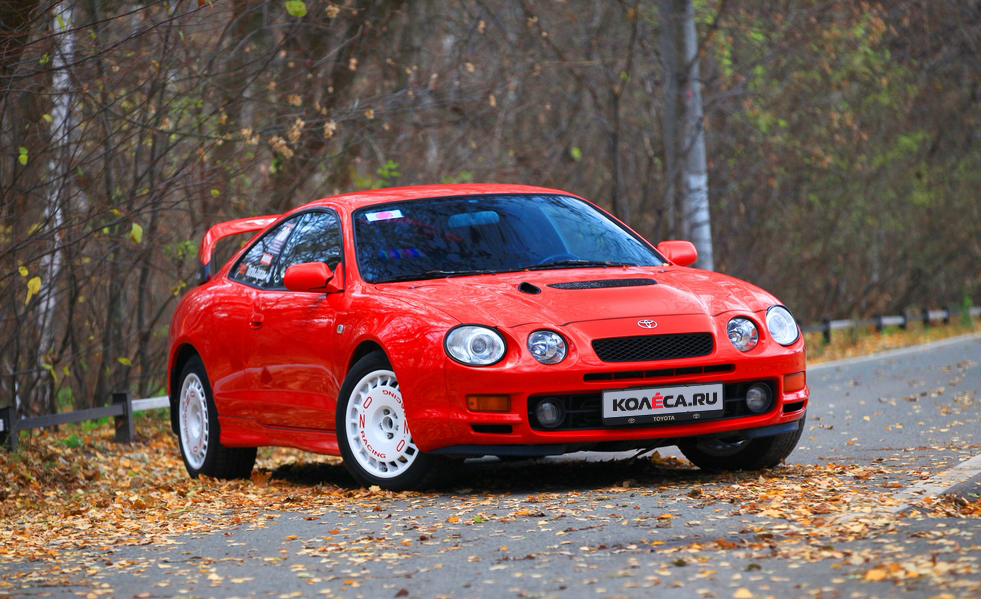
This coupe demonstrates a different kind of performance philosophy. Instead of chasing peak speed, it focuses on delivering consistent, reliable power and control in all situations, making it a formidable opponent even decades after its release.
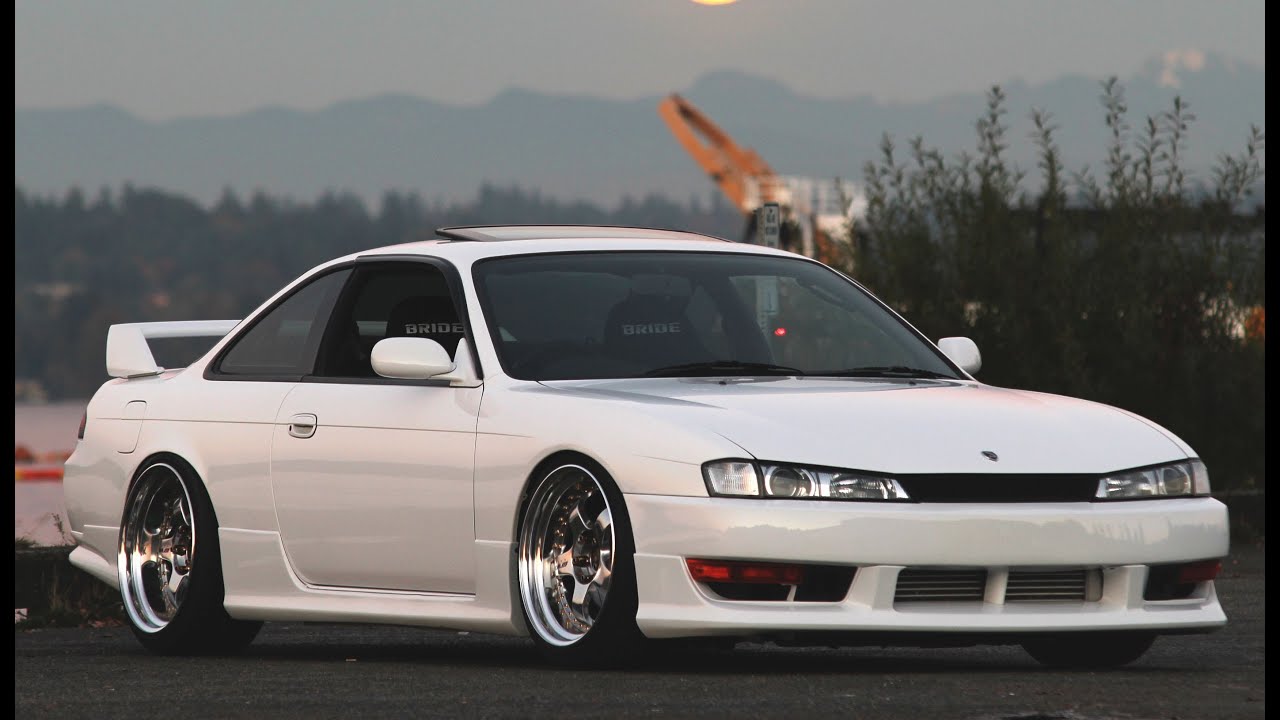
7. Nissan Silvia K’s (S14)
The Nissan Silvia K’s S14 represents a refined evolution of a formula that already worked brilliantly. Compared to earlier versions, this coupe feels more stable at speed while still retaining the playful, rear-driven nature that made the Silvia name legendary among enthusiasts.
Under the hood sits the SR20DET once again, but in the S14, it benefits from improved tuning and smoother delivery. The turbocharged engine produces strong mid-range performance, making it especially effective in rolling acceleration scenarios.
It does not rely on dramatic spikes in power. Instead, it builds speed in a controlled and predictable manner that keeps the driver confident.
One of the most noticeable improvements in the S14 is its longer wheelbase. This change enhances high-speed stability, allowing the car to remain composed even when pushed hard.
While earlier models can feel more twitchy, the S14 strikes a balance between agility and control. It still rotates willingly, but it does so with a sense of precision rather than unpredictability.
Cornering is where the Silvia K’s begins to challenge modern sports coupes. The chassis communicates clearly, letting the driver understand how much grip is available at any moment.
This transparency makes it easier to push the car to its limits without feeling disconnected. Modern cars often filter out this feedback, which can reduce driver confidence in demanding situations.
Another advantage lies in how well the platform responds to suspension upgrades. The S14 has become a favorite among enthusiasts for building grip-focused setups.
With the right combination of coilovers, alignment adjustments, and tire selection, it can achieve remarkable cornering performance. This adaptability allows it to compete with newer cars that rely more on factory tuning.
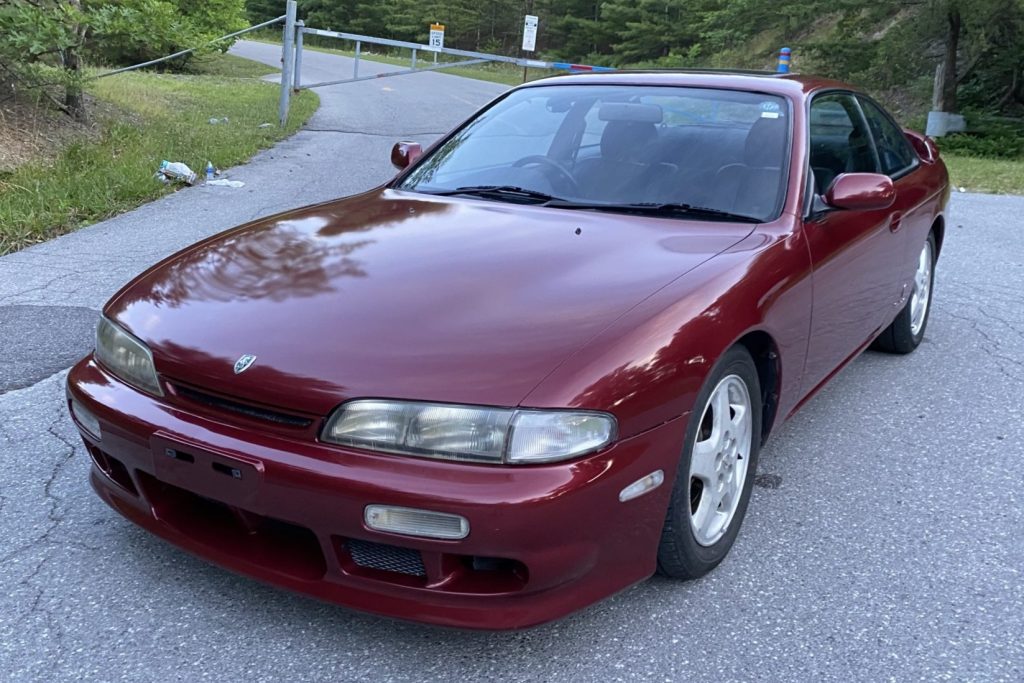
The driving experience is deeply engaging. Every input matters, and the car responds immediately. There is no artificial layer between the driver and the machine. This connection creates a level of involvement that is difficult to replicate in modern vehicles filled with electronic aids.
In real-world comparisons, especially on winding roads or track environments, the S14 can hold its ground against newer sports cars.
Its balance, responsiveness, and tuning potential give it the tools needed to stay competitive. It may not have the latest technology, but it delivers something equally valuable in return, which is pure driving control.
8. Honda Integra Type R (DC2)
The Honda Integra Type R DC2 approaches performance from a completely different angle. It does not rely on turbocharging or high torque figures. Instead, it focuses on reducing weight, increasing rigidity, and extracting maximum efficiency from every component.
Its B18C engine is one of the most celebrated naturally aspirated engines of its era. It thrives at high RPMs, delivering power in a sharp and linear fashion. There is no waiting for a boost, no sudden surge. Just a continuous build of energy that encourages the driver to push harder and stay within the upper rev range.
What truly defines the DC2 is its chassis tuning. Honda engineers focused heavily on weight reduction and balance, resulting in a car that feels incredibly agile.
Every movement is quick and precise, whether it is turns in, mid-corner adjustments, or corner exit. This responsiveness allows it to maintain higher speeds through technical sections than many heavier modern cars.
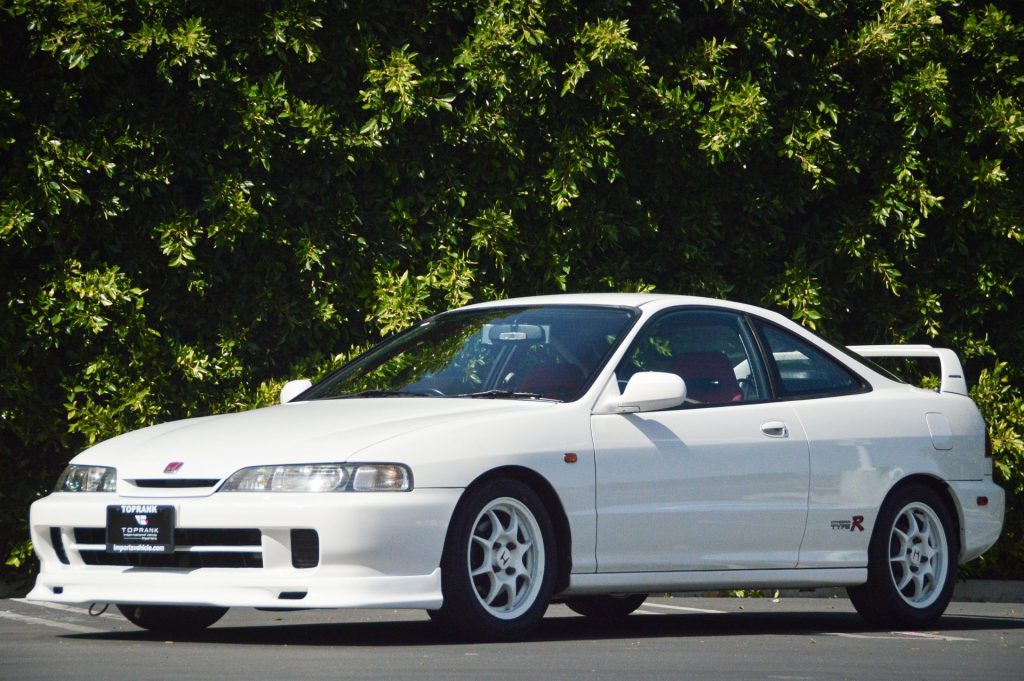
The limited-slip differential plays a crucial role in how the car behaves under acceleration. It helps distribute power effectively to the front wheels, improving traction and reducing wheel spin. This gives the Integra a surprising level of control, even when pushed aggressively.
Steering feedback is exceptional. The driver can feel subtle changes in grip and surface conditions, making it easier to adjust inputs in real time. This level of communication builds trust, allowing the car to be driven at its limits with confidence.
Braking performance is equally impressive due to the car’s low weight and well-balanced setup. It slows down quickly and remains stable, which is essential during spirited driving. Quick transitions between braking and acceleration feel natural and controlled.
Unlike many modern sports cars that emphasize comfort alongside performance, the Integra Type R remains focused. It prioritizes driving engagement above all else. This focus makes it incredibly rewarding for those who value precision and control.
In a comparison against modern coupes on a technical route, the DC2 often surprises with how much speed it can carry through corners. It may not dominate in straight-line acceleration, but its ability to maintain momentum and respond instantly to driver input allows it to stay competitive.
This car proves that performance is not just about power figures. It is about how efficiently a machine uses its resources and how effectively it connects with the driver, creating an experience that remains difficult to match even decades later.
Also Read: 8 Pickup Engines That Set Longevity Records in Fleet Service
