
Horse country and tight city living represent two completely different realities for vehicle ownership, and nowhere is that contrast sharper than between rural regions like Louisville’s equestrian outskirts and dense urban environments where compact hatchbacks dominate.
In places where horses, trailers, muddy access roads, and open land define daily life, vehicles are expected to be durable, powerful, and versatile.
They are tools first, lifestyle companions second. On the other side of the spectrum, small hatchbacks are often marketed as efficient urban solutions, but not all of them deliver the practicality buyers expect, especially when interior space becomes a serious limitation.
This comparison is not just about size, but about purpose. A utility vehicle in horse country must handle towing, uneven terrain, and long-distance hauling without complaint. It needs ground clearance, torque, and resilience built into its DNA.
Meanwhile, some small hatchbacks, despite their appealing fuel economy and easy maneuverability, fall short when it comes to cargo capacity, rear seat usability, and real-world practicality. They may look efficient on paper, but daily usage quickly exposes their compromises.
In Louisville’s horse country, vehicles are part of the working ecosystem. Whether transporting feed, pulling trailers, or navigating gravel paths after rain, the right vehicle becomes essential rather than optional.
Conversely, in urban settings, buyers often assume any hatchback will be practical enough for groceries, luggage, and passengers. That assumption does not always hold true, especially with models that prioritize design over usable space.
This article explores both ends of that spectrum. First, we dive into utility vehicles that genuinely suit the demands of horse country life, explaining why they stand out and what makes them reliable in such conditions.
Then we shift to small hatchbacks that struggle with space, highlighting why they may not be as practical as they seem.
The goal here is not just to list vehicles, but to explain the reasoning behind each choice. Every model included has been selected based on how well it fits or fails its intended purpose, offering a clear perspective for buyers who want function over marketing promises.
Also Read: 6 Sand-Ready 4x4s for Beach Access In Jacksonville vs. 6 Luxury SUVs That Hate Salt
6 Utility Vehicles for Horse Country In Louisville
Life in Louisville’s horse country is not forgiving to vehicles that are built purely for comfort or style. The environment demands strength, adaptability, and a level of mechanical honesty that many modern crossovers simply cannot deliver.
From towing horse trailers to navigating muddy paddocks and gravel roads, the right utility vehicle becomes an extension of daily work rather than just transportation.
This section focuses on vehicles that have proven themselves in these demanding conditions. These are not luxury-first machines pretending to be rugged, but genuine workhorses that balance durability with usability.
Each one has been chosen for a specific reason, whether it is towing capability, off-road confidence, or long-term reliability under stress.
What makes this list important is that horse country does not tolerate compromises. A weak drivetrain, low ground clearance, or fragile suspension quickly becomes a liability. These vehicles are here because they meet the real-world expectations of people who depend on them every day, not just occasional weekend users.
1. Ford F-150
The Ford F-150 earns its place not because of reputation alone, but because of how consistently it performs under pressure. In horse country, reliability is not measured in comfort features but in whether a truck can handle early morning starts, heavy loads, and unpredictable terrain without hesitation.
What sets the F-150 apart is its balance. It does not lean entirely into ruggedness at the cost of usability, nor does it soften itself into a lifestyle vehicle. Instead, it maintains a practical middle ground where towing capability, payload strength, and everyday drivability coexist. This makes it particularly valuable for those who need one vehicle to handle multiple roles.
Another important factor is its adaptability. With various engine options, including high-torque configurations, the F-150 can be tailored to specific needs.
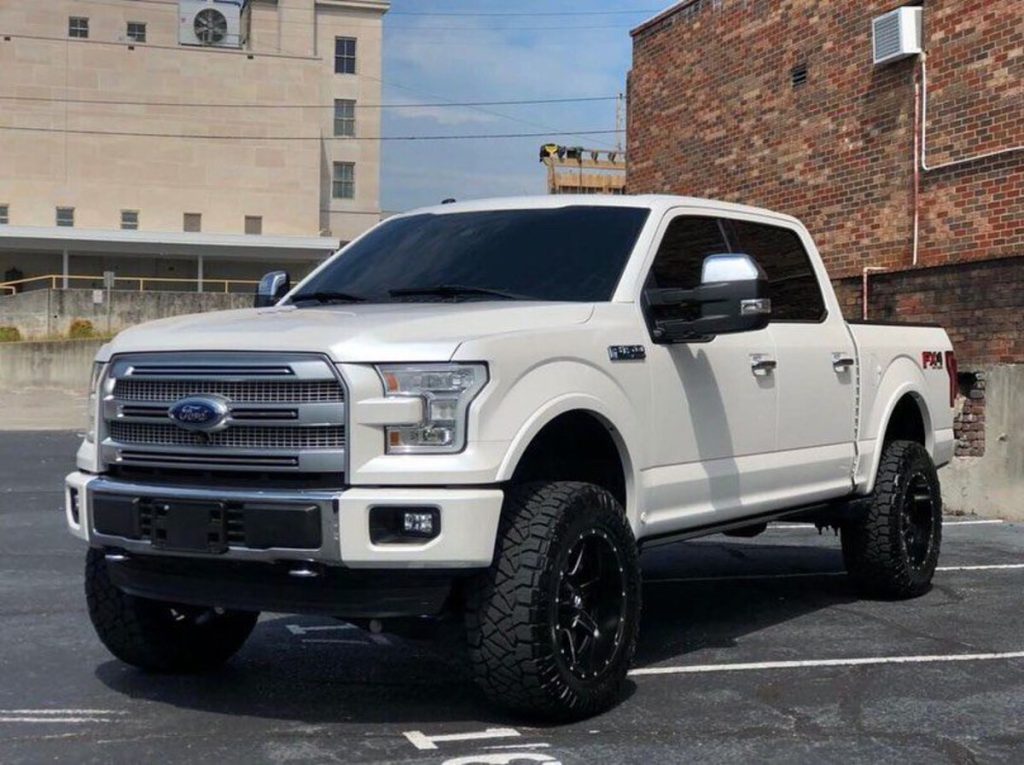
Whether hauling feed or towing a horse trailer, it responds with confidence rather than strain. That sense of effortlessness is critical in environments where overworking a vehicle leads to long-term issues.
The reason this truck is highlighted here is simple. It represents a dependable solution in a setting where failure is not an option. It is not about being the most luxurious or the most advanced, but about being consistently capable in situations that demand real strength.
2. Chevrolet Silverado 2500HD
Some environments require stepping beyond half-ton trucks, and that is where the Chevrolet Silverado 2500HD becomes relevant. This is not a vehicle designed for occasional heavy tasks. It is built with the expectation that demanding work is part of its daily routine.
The Silverado 2500HD stands out because of its unapologetic focus on capability. Its heavy-duty construction allows it to handle larger trailers and heavier loads without the sense of pushing limits. In horse country, where towing is not optional, this distinction becomes crucial.
What makes it particularly suitable is the way it handles stress over time. Many vehicles can perform well initially, but sustained heavy use reveals weaknesses. The Silverado 2500HD is engineered to maintain performance even when consistently pushed, which is why it is trusted in environments that demand durability.
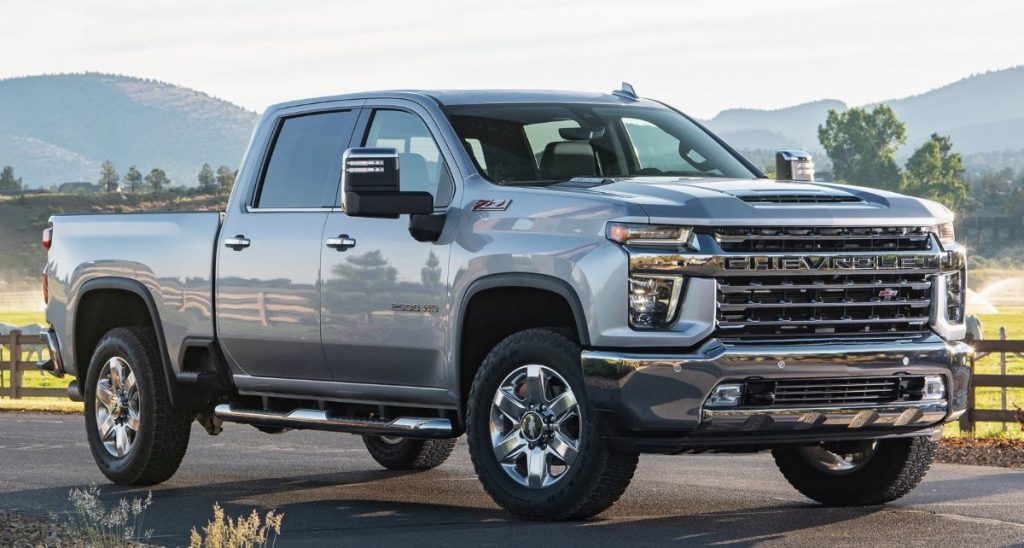
Another reason for its inclusion is the confidence it provides to the driver. When towing valuable animals or equipment, uncertainty is not acceptable. This truck delivers a sense of control and stability that reduces that concern significantly.
This is not a vehicle chosen for comfort or convenience. It is chosen because it excels in situations where lighter vehicles begin to struggle. That makes it an essential consideration for anyone operating in Louisville’s horse country.
3. Toyota Land Cruiser
The Toyota Land Cruiser approaches utility from a completely different philosophy compared to traditional pickup trucks. Instead of focusing purely on towing numbers or payload figures, it builds its reputation on long-term durability and the ability to operate in harsh conditions without constant attention.
In horse country, where vehicles are often pushed beyond ideal conditions, that kind of resilience becomes incredibly valuable.
One of the defining strengths of the Land Cruiser is how it handles unpredictable terrain. Gravel paths, muddy fields, and uneven access roads are part of daily life in Louisville’s equestrian areas, and this SUV navigates them with a level of composure that feels almost effortless.
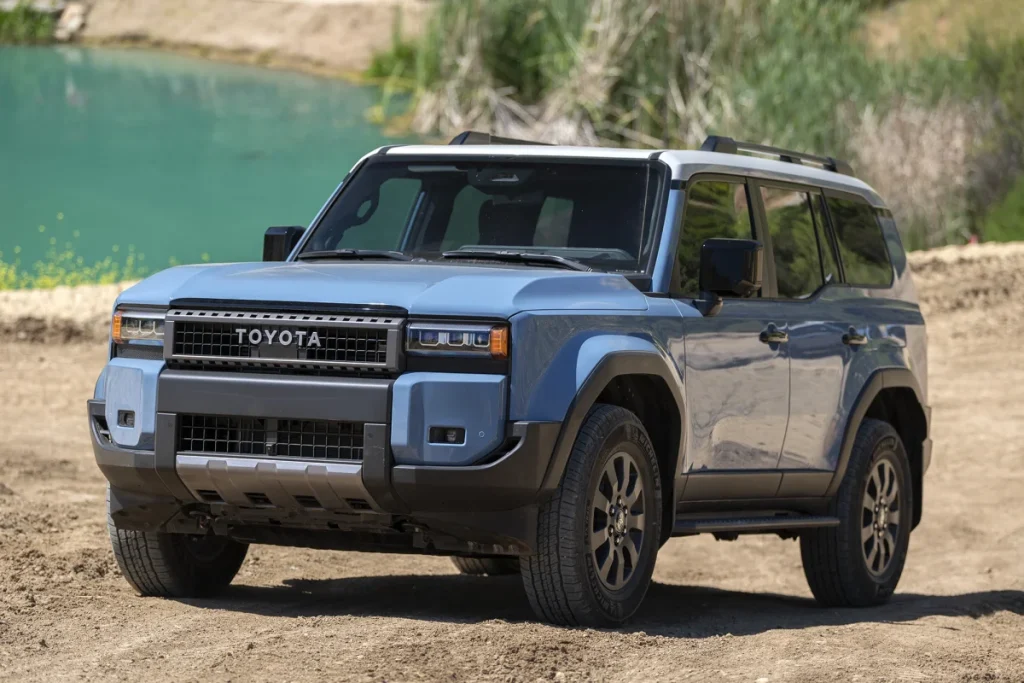
It is not about aggressive off-road theatrics, but about steady, controlled progress even when conditions are less than ideal.
Another reason this vehicle stands out is its engineering consistency. The Land Cruiser has built a global reputation for reliability, and that translates well into environments where breakdowns are more than just inconvenient.
When you are far from service centers or working on a tight schedule, dependability becomes a primary concern rather than a bonus feature.
Unlike many modern SUVs that prioritize interior luxury over mechanical strength, the Land Cruiser manages to offer both without compromising its core purpose. It provides comfort for long drives while still maintaining the toughness required for demanding tasks.
That balance is rare and makes it particularly suitable for those who need a vehicle that can transition between work and travel seamlessly.
This vehicle is included here because it represents a different kind of utility. It is not the most aggressive or the most specialized, but it excels in being consistently capable across a wide range of conditions, which is exactly what horse country demands.
4. Ram 2500
The Ram 2500 brings a distinct character to the heavy-duty segment by combining brute strength with a level of refinement that does not interfere with its work-focused nature. In environments like Louisville’s horse country, where long hours behind the wheel are common, that combination becomes more important than many people realize.
What makes the Ram 2500 particularly compelling is how it delivers its power. Instead of feeling harsh or overly mechanical, it provides a smooth yet commanding driving experience, even when carrying heavy loads. This matters when towing horse trailers, where stability and control directly affect safety.
Another aspect worth highlighting is its suspension setup. Unlike many trucks that feel overly stiff when unloaded, the Ram 2500 manages to offer a more composed ride without sacrificing its ability to handle weight. This makes it more versatile for those who use their vehicle for both work and everyday travel.
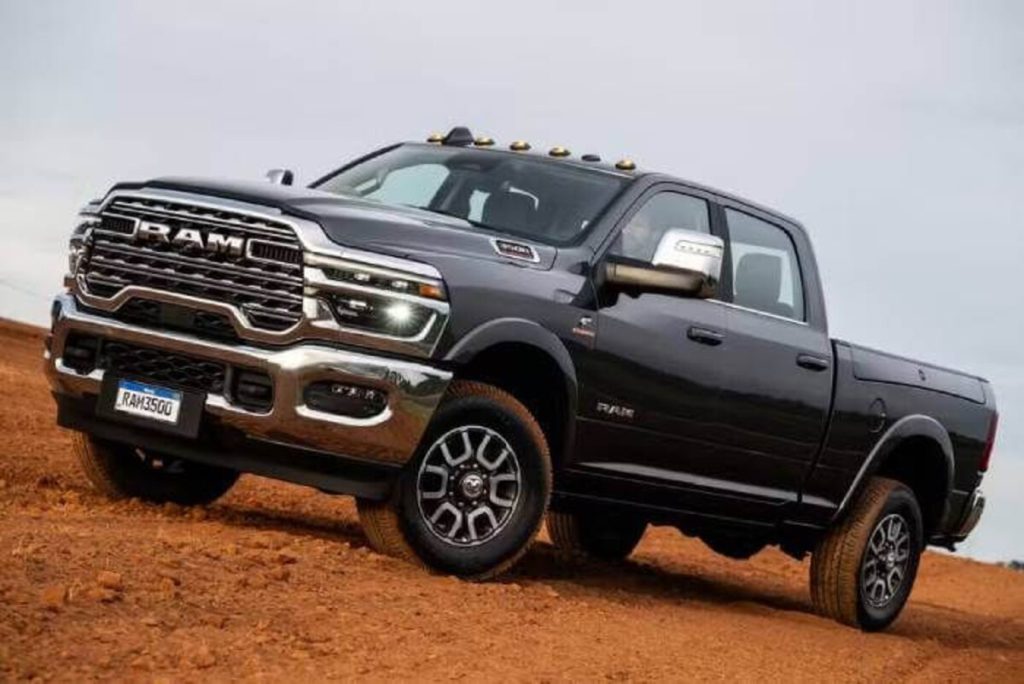
The reason this truck is featured here goes beyond raw capability. It acknowledges that utility vehicles are often used for extended periods, and driver comfort can influence productivity and fatigue. By addressing that without weakening its core strength, the Ram 2500 becomes a practical choice for those who demand both endurance and usability.
In horse country, where vehicles are expected to perform consistently under pressure, this truck delivers a balanced approach. It proves that heavy-duty capability does not have to come at the cost of comfort, making it a strong contender for those who need a reliable partner for demanding tasks.
5. Toyota Tundra
The Toyota Tundra enters this conversation with a reputation built less on headline-grabbing specifications and more on long-term dependability. In horse country, where vehicles are expected to perform day after day without constant mechanical attention, that kind of reliability becomes a deciding factor rather than a secondary benefit.
What makes the Tundra particularly relevant is how it handles sustained usage. It may not always lead the segment in towing numbers, but it delivers consistent performance without feeling strained. This matters when tasks are repetitive and demanding, such as hauling supplies or pulling medium-sized trailers across rural routes.
Another angle worth considering is ownership experience. The Tundra is known for requiring fewer unexpected repairs over time, which translates into less downtime. In an environment where schedules are often tied to animal care and land management, a vehicle that simply keeps working without interruption becomes invaluable.
Its construction also reflects a focus on durability rather than complexity. While many modern trucks introduce increasingly intricate systems, the Tundra maintains a more straightforward approach. This simplicity can be an advantage in rural settings, where ease of maintenance and long-term reliability often outweigh cutting-edge features.
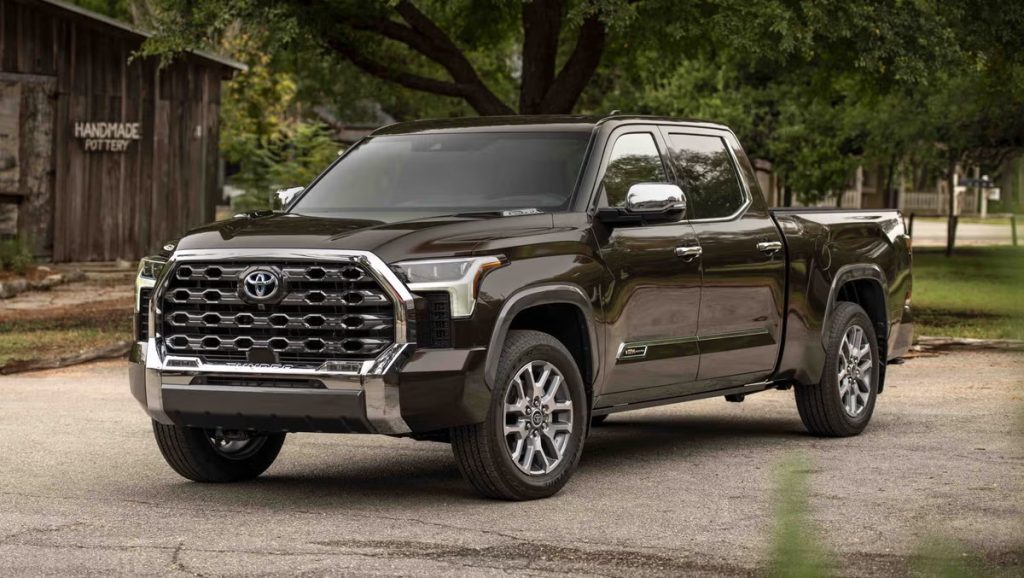
This truck earns its place on this list because it aligns with the mindset of horse country. It is not about chasing trends or offering the most advanced technology. It is about delivering dependable performance over years of use, which is exactly what makes it a trusted choice in demanding environments.
6. Ford Expedition
The Ford Expedition represents a different side of utility, one that prioritizes space and versatility without abandoning capability. In horse country, not every task revolves around towing heavy trailers. There are also needs for transporting people, equipment, and supplies in a single trip, and this is where a full-size SUV like the Expedition becomes highly practical.
One of its standout qualities is interior capacity. Unlike pickup trucks that separate cargo from passengers, the Expedition offers a unified space that can be configured based on immediate needs. Whether carrying multiple passengers or folding seats to accommodate gear, it adapts in a way that suits varied daily demands.
At the same time, it does not sacrifice strength. With solid towing capability and a robust build, it remains capable of handling many of the tasks required in horse country. This makes it an appealing option for those who want a balance between family usability and work readiness.
Another reason it is included here is its road presence and stability. Long drives between properties or trips into town are common, and the Expedition provides a comfortable, controlled experience that reduces fatigue. That becomes important when vehicles are used for extended periods rather than short commutes.
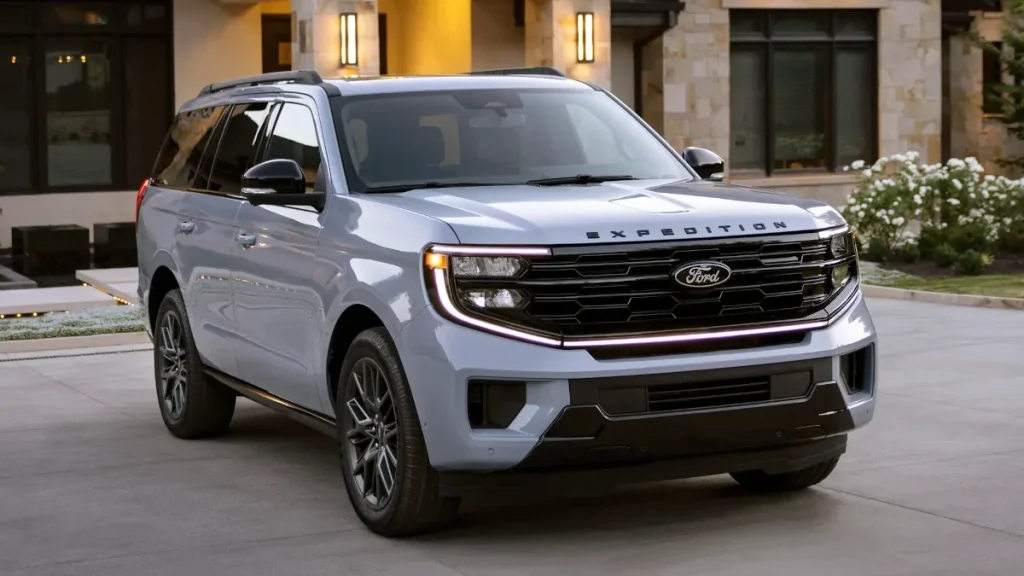
This SUV earns its place because it broadens the definition of utility. It shows that capability is not only about raw power but also about adaptability. In a setting where needs can shift throughout the day, having a vehicle that can transition smoothly between roles makes a significant difference.
6 Small Hatchbacks with No Space
Not every hatchback delivers on the promise of practicality. While the segment is often associated with efficiency and clever packaging, some models prioritize styling, compact dimensions, or cost-cutting measures in ways that severely limit usable space. For buyers who expect flexibility, these shortcomings quickly become frustrating.
This section focuses on hatchbacks that struggle in real-world usability. These are vehicles where rear seat space feels restrictive, cargo areas are smaller than expected, or overall design compromises reduce their everyday usefulness.
They may work for minimal needs, but they fall short when life demands more than just basic transportation.
The purpose of highlighting these cars is not to dismiss the entire hatchback category, but to point out that not all options are equally practical. Understanding these limitations helps buyers make more informed decisions, especially if space and versatility are priorities.
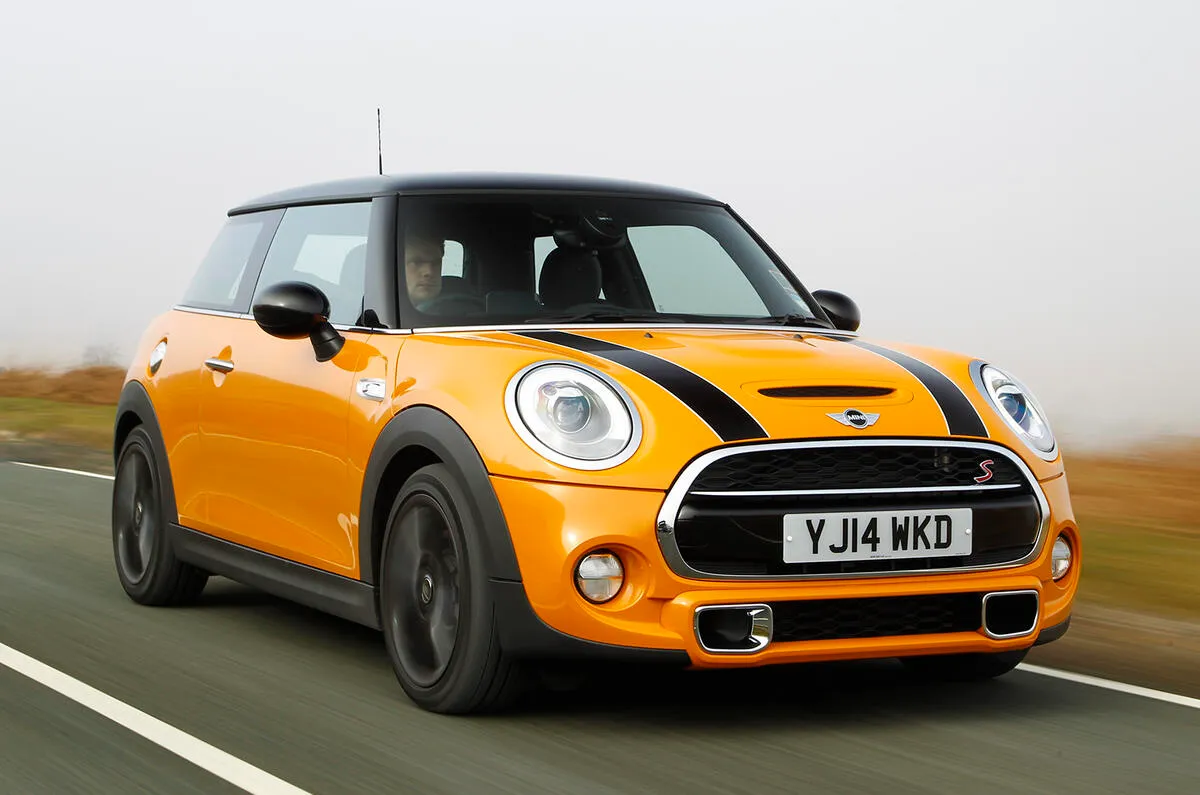
1. Mini Cooper 3-Door
The Mini Cooper 3-Door is often praised for its character and driving experience, but when viewed through the lens of practicality, it reveals clear limitations. Its compact design, while visually appealing, directly impacts interior usability in ways that cannot be ignored.
The most immediate issue is rear seat access and space. Getting into the back requires folding the front seats, which is inconvenient for regular use. Once inside, passengers are met with limited legroom and headroom, making it suitable only for short trips or smaller occupants.
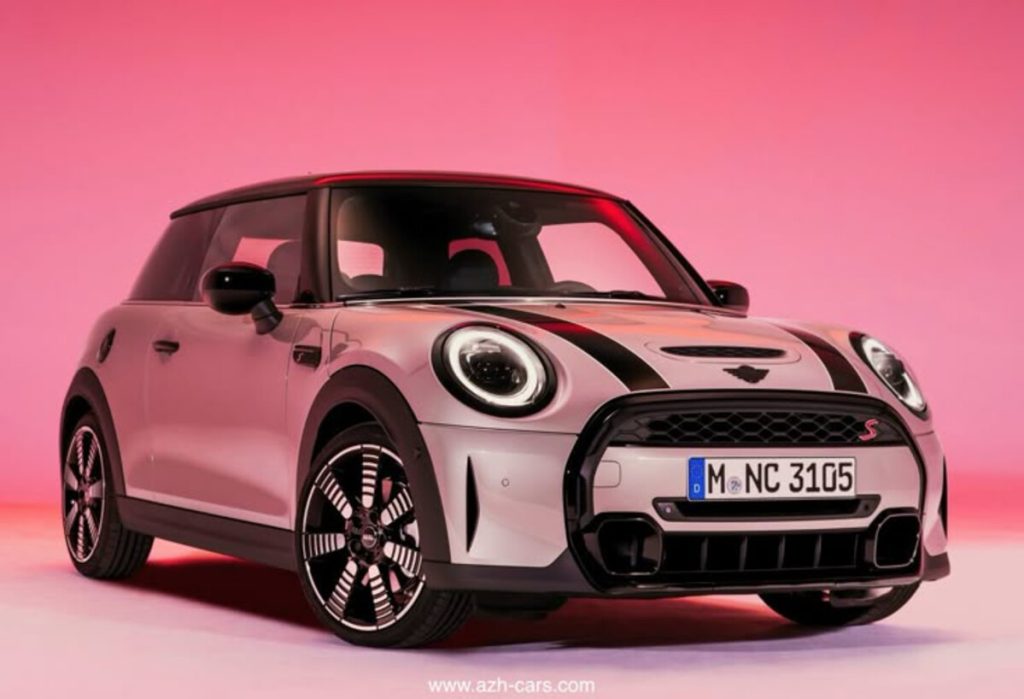
Cargo space presents another challenge. While the hatchback design suggests flexibility, the actual storage area is quite restricted. Everyday tasks such as carrying groceries or small luggage can quickly fill the available space, leaving little room for anything extra.
The reason this car is included here is to highlight how design priorities can overshadow practicality. The Mini Cooper 3-Door excels as a lifestyle vehicle, but it does not deliver the kind of versatility many buyers expect from a hatchback.
2. Fiat 500
The Fiat 500 embraces a retro-inspired design and ultra-compact footprint, but those same qualities contribute to its lack of usable space. It is a car built primarily for tight urban environments, where size is an advantage, but that advantage comes at a cost.
Interior space is one of its most noticeable weaknesses. Both front and rear seating areas feel constrained, with limited room for passengers to sit comfortably on longer journeys. This makes it less suitable for those who need a car that can accommodate more than just the driver and occasional passenger.
The cargo area is equally limited. While it can handle small items, it struggles with anything beyond basic daily needs. For buyers expecting the flexibility typically associated with hatchbacks, this can be a significant disappointment.
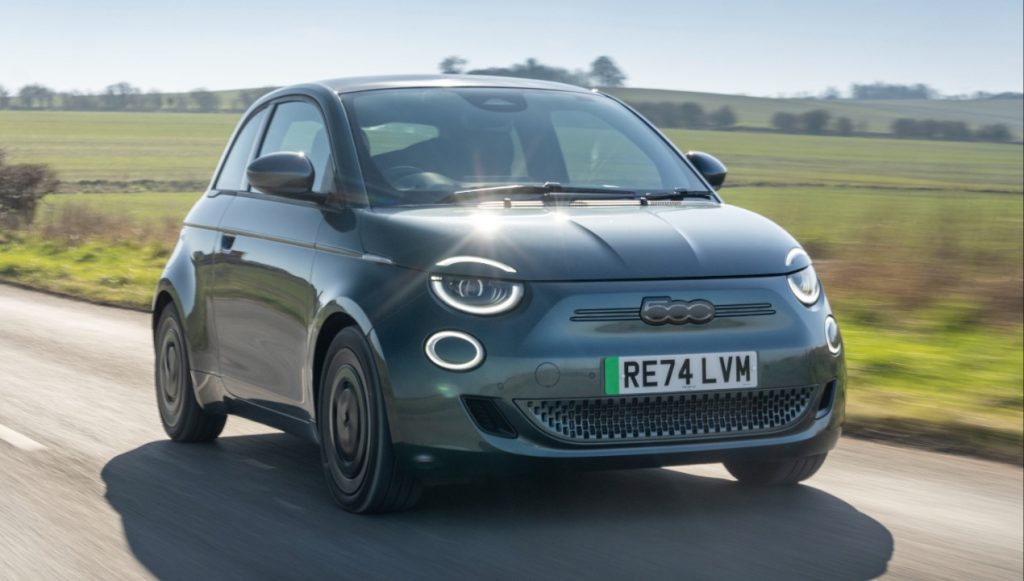
This car is featured here because it represents an extreme example of compact design taking priority over practicality. It works well in specific scenarios, but it does not meet the broader expectations many people have when choosing a hatchback.
3. Chevrolet Spark
The Chevrolet Spark represents one of the smallest entries in the hatchback category, and while that size makes it easy to maneuver through tight city streets, it also creates immediate compromises in usable space. What initially feels like a smart urban solution quickly reveals limitations when everyday demands increase beyond the basics.
Step inside, and the first thing that becomes apparent is how tightly packaged everything feels. The front seats are manageable for short commutes, but the rear seating area is where the real compromise shows.
Legroom is minimal, and taller passengers will find themselves uncomfortable even on moderately short trips. This turns the rear seats into occasional-use space rather than something genuinely practical.
Cargo capacity is another area where expectations do not match reality. With the rear seats up, the available space is extremely limited. A couple of grocery bags or a small backpack can fill it quickly, leaving no room for flexibility. Folding the rear seats helps, but that eliminates passenger capacity, forcing owners to constantly choose between people and cargo.
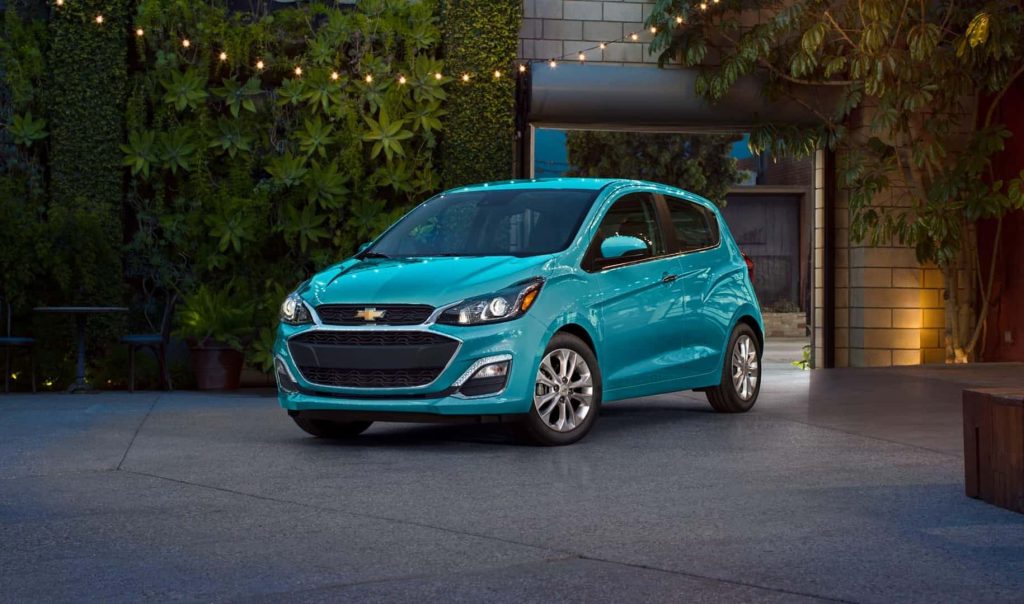
The reason this car is included here is to highlight how extreme downsizing affects usability. The Spark is efficient and easy to drive, but it does not fulfill the core promise of a hatchback being a versatile, do-it-all vehicle. For buyers who need more than just basic transportation, these limitations become apparent very quickly.
4. Mitsubishi Mirage
The Mitsubishi Mirage approaches the hatchback formula from a cost-focused perspective, which inevitably leads to compromises in both performance and interior space. While it appeals to budget-conscious buyers, the trade-offs become evident when evaluating how well it handles daily practicality.
Inside, the Mirage feels narrow and constrained. The seating arrangement does not provide much flexibility, and rear passengers often experience a lack of legroom and shoulder space. It is functional for short trips, but it struggles to deliver comfort when used more extensively.
The cargo area reflects a similar story. Although technically a hatchback, the available storage space is not particularly generous. It can manage light errands, but anything beyond that quickly pushes it to its limits. This makes it less suitable for users who expect their vehicle to adapt to varying needs.
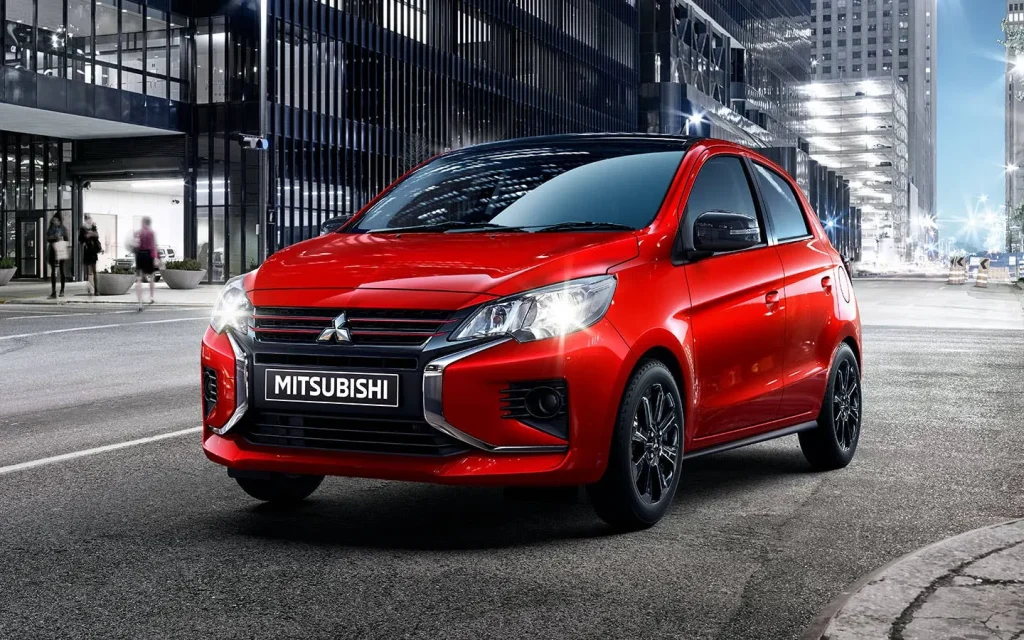
Another factor worth noting is how the overall design prioritizes affordability over usability. Materials, layout, and proportions all point toward cost savings, and while that keeps the price low, it also reduces the sense of practicality that many buyers associate with hatchbacks.
This vehicle is included because it demonstrates how budget constraints can influence design in ways that affect everyday usability. It serves its purpose as an entry-level car, but it does not provide the kind of space and flexibility that many people look for in this segment.
5. Toyota Aygo
The Toyota Aygo is designed primarily for dense urban environments, where compact dimensions and ease of parking are more important than interior space. While it excels in those conditions, its practicality begins to fade when judged by broader expectations of a hatchback.
The cabin layout reflects its city-focused design. Front occupants have just enough room to remain comfortable, but the rear seats feel like an afterthought. Limited legroom and a tight seating position make them suitable only for short journeys or occasional use, rather than regular passenger transport.
Storage space is equally restricted. The small rear cargo area limits what can be carried, and even everyday items can feel like a tight fit. For buyers expecting a hatchback to handle shopping trips, luggage, or multiple errands with ease, the Aygo may fall short.
What makes this car relevant to this list is how clearly it prioritizes one specific use case. It is highly effective in narrow streets and crowded areas, but that specialization comes at the cost of versatility. It is not a vehicle that adapts well to changing needs.
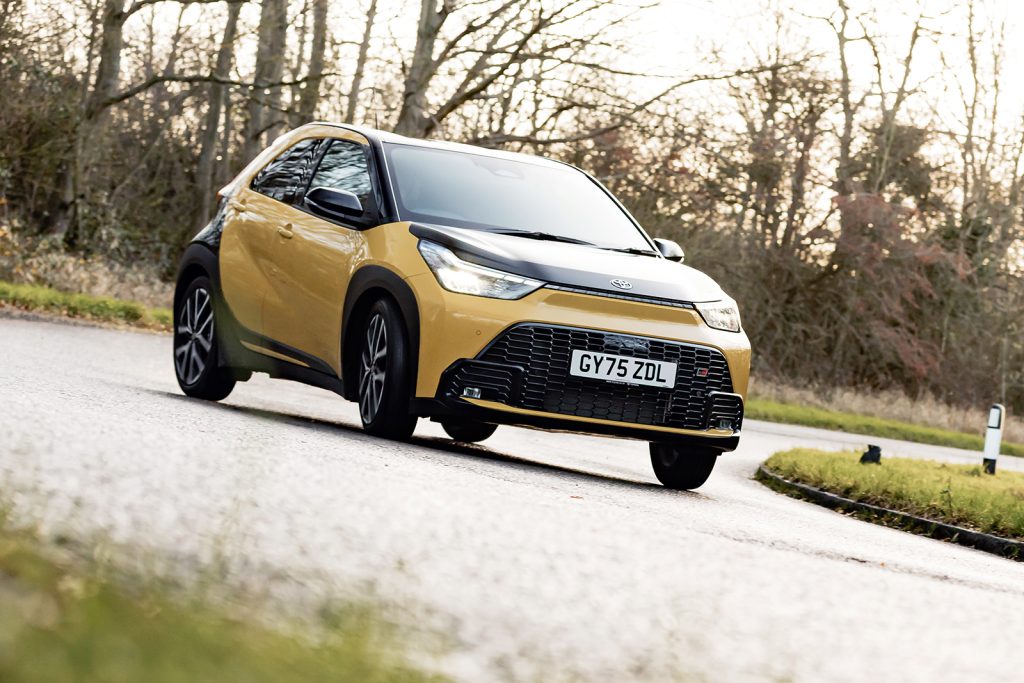
Including the Aygo here emphasizes that not all hatchbacks are designed with flexibility in mind. Some are built for very specific scenarios, and when taken outside those conditions, their limitations become more noticeable.
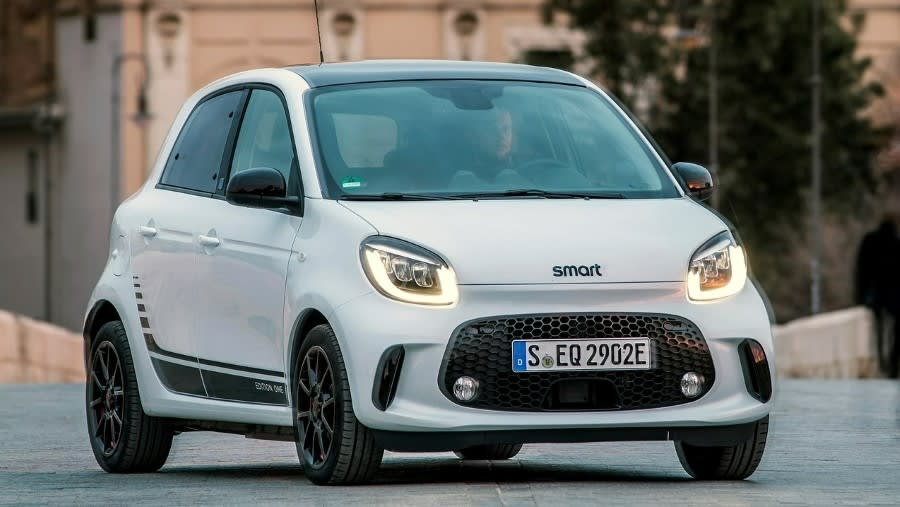
6. Smart ForFour
The Smart ForFour attempts to expand on the idea of ultra-compact urban mobility by adding extra seating, but in doing so, it stretches its design beyond what its size can realistically support. The result is a hatchback that technically offers more capacity, but struggles to deliver meaningful usability.
One of the key issues lies in its proportions. While it adds rear doors and seating, the overall dimensions remain extremely compact. This leads to a cramped interior where both front and rear passengers have limited room to move comfortably. It is usable, but far from spacious.
Cargo space follows the same pattern. The hatchback layout suggests practicality, yet the actual storage area is quite small. It can handle minimal loads, but anything beyond light usage becomes challenging. This limits its ability to function as a versatile daily vehicle.
Another aspect worth considering is how the design prioritizes urban convenience above all else. It is easy to park and navigate through tight spaces, but that advantage comes with noticeable sacrifices in comfort and storage capacity.
The reason this car is included is to show how pushing compact design too far can reduce overall usability. While the ForFour offers a unique approach to city driving, it does not meet the expectations many buyers have when choosing a hatchback for everyday flexibility.
This article contrasts two very different automotive realities by examining vehicles built for demanding rural life against hatchbacks that fall short in everyday practicality. In Louisville’s horse country, utility vehicles are not optional luxuries but essential tools.
Models like the Ford F-150, Chevrolet Silverado 2500HD, Toyota Land Cruiser, Ram 2500, Toyota Tundra, and Ford Expedition stand out because they offer durability, towing strength, and adaptability.
These vehicles are designed to handle rough terrain, heavy loads, and long working days without constant strain, making them dependable partners in environments where reliability directly impacts daily operations.
On the other side, the article highlights small hatchbacks that struggle to deliver the versatility buyers expect. Cars such as the Mini Cooper 3-Door, Fiat 500, Chevrolet Spark, Mitsubishi Mirage, Toyota Aygo, and Smart ForFour emphasize compact design and urban convenience but compromise heavily on interior space and cargo capacity.
While they may perform well in tight city conditions, their limited rear seating and storage make them less practical for broader use.
The overall takeaway is clear. Vehicles succeed when they align with their intended purpose. In demanding rural settings, strength and reliability define value, while in urban environments, true practicality requires more than just small size.
Also Read: 6 High-Stability Pickups for Windy Roads In Oklahoma City vs. 6 Top-Heavy SUVs
