
Modern vehicles are no longer just about getting from one place to another. They have become extensions of daily life, especially for families, commuters, and long-distance travelers who rely heavily on their devices.
From smartphones and tablets to laptops and gaming consoles, the need to stay connected and powered up has turned in-car charging into an essential feature rather than a luxury.
Among these conveniences, rear seat power outlets have gained particular importance, especially in SUVs where passengers often include children, coworkers, or friends on extended trips.
SUVs are uniquely positioned to deliver this kind of practicality. With their spacious cabins and flexible seating arrangements, they are often used for road trips, school runs, airport transfers, and everything in between. Rear seat passengers are no longer passive riders.
They are working, streaming, studying, and staying connected. Power outlets in the back seat allow them to do all of this without worrying about battery life, making the journey far more comfortable and productive.
The type of outlets available can vary significantly. Some SUVs offer traditional 12V sockets, while others include USB-A, USB-C, or even full household-style AC outlets. This variety ensures compatibility with a wide range of devices, from small electronics to larger equipment.
In many cases, these outlets are strategically placed for easy access, ensuring that passengers do not have to stretch or struggle to plug in their devices.
Another important aspect is how seamlessly these features are integrated into the cabin. In well-designed SUVs, rear power outlets are positioned in a way that keeps cables organized and out of the way.
This attention to detail helps maintain a clean and comfortable environment, which is particularly valuable on long journeys where clutter can quickly become an issue.
Beyond convenience, rear seat power outlets also enhance safety and peace of mind. Parents can keep children entertained with charged devices, reducing distractions during drives.
Professionals can stay connected and productive, even when traveling between meetings. For many users, this feature transforms the SUV into a mobile workspace or entertainment hub.
The demand for such features has grown across global and US markets, leading manufacturers to include them in a wide range of SUVs, from compact crossovers to full-size family haulers. This means buyers no longer have to choose between practicality and modern connectivity. They can have both in a single package.
This list highlights eight SUVs that stand out for offering rear seat power outlets, each bringing a different approach to comfort, usability, and in-car technology. These vehicles demonstrate how thoughtful design can make everyday travel more convenient, ensuring that passengers remain powered and connected no matter where the road leads.
Also Read: 10 Trucks With The Lowest 10-Year Maintenance Costs in 2026
1. Toyota Highlander
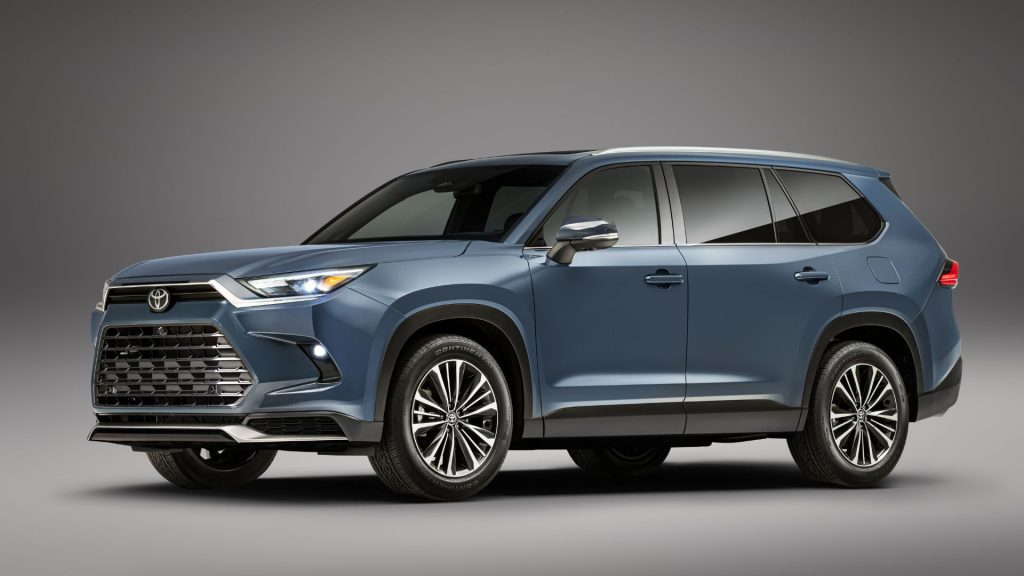
The Toyota Highlander approaches rear seat convenience with a strong focus on family usability, making it one of the most practical choices for passengers who rely on powered devices during travel. Instead of treating power outlets as an afterthought, it integrates them into the cabin in a way that feels natural and accessible.
Step into the second row, and the placement of charging options immediately stands out. The Highlander provides multiple USB ports along with available household-style power outlets, allowing passengers to charge everything from phones to larger electronics.
This flexibility is particularly useful for families where different devices require different types of connections.
What makes the experience more effective is how thoughtfully these outlets are positioned. They are easy to reach without interfering with seating comfort, and cables can be managed without creating clutter. This becomes important during long drives where multiple passengers are charging devices at the same time.
The Highlander also benefits from a spacious interior that complements its charging capabilities. Rear passengers have enough room to comfortably use their devices, whether it is watching content on a tablet or working on a laptop. The combination of space and power access turns the rear seats into a functional and comfortable environment.
Another strength lies in its consistency. The power delivery remains stable, ensuring that devices charge efficiently without interruptions. This reliability is essential for users who depend on their devices for work or entertainment during travel.
In addition to physical outlets, the Highlander supports a broader ecosystem of connectivity. Features like rear climate controls and available infotainment options create a well-rounded experience for passengers. The presence of power outlets enhances these features, allowing devices to remain active throughout the journey.
The vehicle’s quiet and smooth ride further contributes to usability. Passengers can focus on their tasks or entertainment without distraction, making the most of the available power sources. This calm environment pairs well with the practicality of having accessible charging options.
For families and frequent travelers, the Highlander offers a balanced approach. It does not rely on flashy features but instead delivers consistent, user-friendly functionality.
Rear seat power outlets are integrated in a way that genuinely improves the travel experience, making it a dependable choice for those who value convenience and connectivity.
2. Ford Explorer
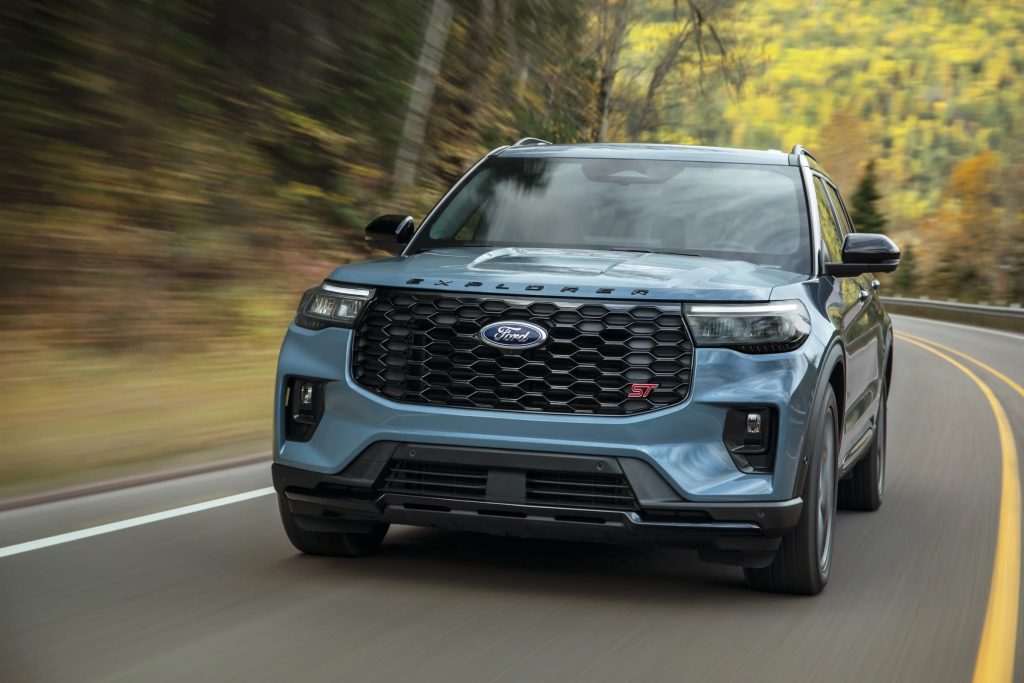
The Ford Explorer takes a slightly different route by combining utility with a more versatile approach to rear seat power access. It is designed to handle a variety of passenger needs, making it particularly appealing for larger families or groups who require multiple charging options at once.
Inside the Explorer, rear passengers benefit from a mix of USB ports and available AC power outlets. This combination ensures that both small and larger devices can be powered without compromise. Whether it is charging a smartphone or plugging in a laptop, the system accommodates different requirements with ease.
The layout of these outlets reflects a practical mindset. Positioned within easy reach, they allow passengers in both the second and third rows to stay connected. This is especially important in a three-row SUV, where access to power can often be limited for those seated further back.
The Explorer also introduces a sense of adaptability. Its interior can be configured in multiple ways, and the placement of power outlets supports this flexibility. Even when seats are adjusted or folded, access to charging points remains convenient, ensuring that functionality is not lost.
A notable aspect of the Explorer is how it supports active lifestyles. For users who travel with equipment such as cameras, tablets, or portable gaming devices, the availability of a standard power outlet in the rear becomes a valuable feature. It allows passengers to keep their gear ready for use without needing external chargers or adapters.
The driving experience complements this practicality. With a composed ride and stable handling, the Explorer creates an environment where passengers can comfortably use their devices. Sudden movements are minimized, making it easier to work or relax while connected to a power source.
Technology integration also plays a role. The Explorer’s infotainment system works alongside its charging capabilities, creating a cohesive experience for passengers. Devices can be charged while being used for navigation, entertainment, or communication, ensuring uninterrupted usage.
Another point worth noting is durability. The power outlets are designed to handle regular use, which is important in a vehicle often used for family trips or group travel. They maintain consistent performance even with multiple devices connected.
The Ford Explorer demonstrates how rear seat power outlets can be part of a broader strategy focused on versatility and usability. By offering multiple charging options and ensuring accessibility across all rows, it creates a practical solution for modern passengers who expect to stay powered throughout their journey.
3. Honda Pilot
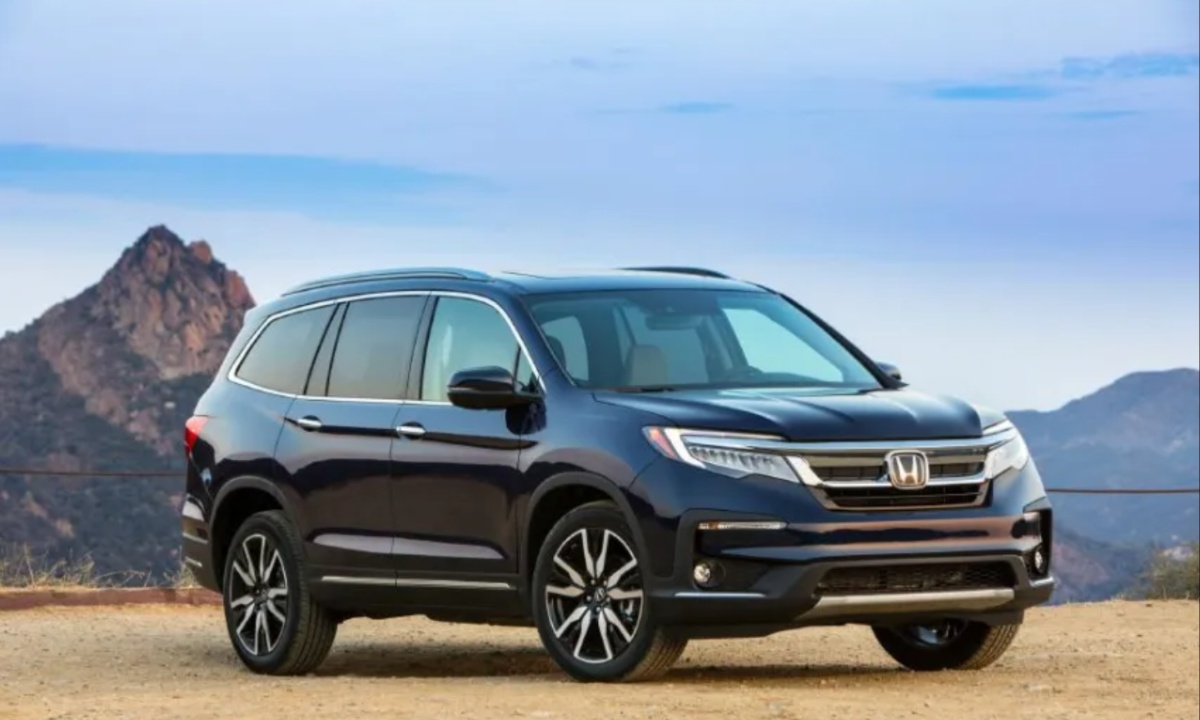
The Honda Pilot approaches rear seat power accessibility with a strong emphasis on everyday usability, particularly for families who treat their SUV as a shared living space on wheels. Instead of focusing on a single standout feature, it builds a complete environment where charging options feel naturally integrated into daily routines.
From the moment passengers step into the second row, the availability of multiple charging points becomes evident. The Pilot offers a combination of USB ports and available power outlets that are positioned within easy reach.
This ensures that passengers do not need to shift around or adjust their seating just to plug in a device, which becomes especially useful during longer drives.
What makes the Pilot particularly effective is how it distributes these charging options across the cabin. Third-row passengers are not left out, which is often a limitation in many SUVs. By extending access to power throughout the vehicle, it ensures that every occupant can stay connected, regardless of where they are seated.
The design of the interior supports this functionality in subtle but important ways. Storage spaces are placed near charging points, allowing passengers to keep their devices secure while they charge. This reduces clutter and prevents cables from becoming tangled or intrusive, maintaining a clean and organized cabin.
Another advantage comes from the Pilot’s spacious layout. Rear passengers have enough room to comfortably use their devices without feeling restricted. Whether it is a child watching videos on a tablet or an adult responding to emails on a phone, the combination of space and accessible power creates a relaxed and practical environment.

The Pilot also excels in creating a calm atmosphere, which enhances the usefulness of its charging features. Its smooth ride quality minimizes disturbances, allowing passengers to focus on their activities without interruption. This becomes particularly valuable on long trips where consistency and comfort matter more than anything else.
There is also a sense of reliability in how the system performs. The power delivery remains steady, ensuring that devices charge efficiently. This consistency is important for users who depend on their devices throughout the journey, whether for entertainment or productivity.
In addition to physical outlets, the Pilot supports a broader ecosystem of connectivity, making it easier for passengers to integrate their devices into the vehicle’s systems. Charging becomes part of a seamless experience rather than a separate task.
The Honda Pilot shows that rear seat power outlets are most effective when they are part of a well-thought-out interior design. By focusing on accessibility, distribution, and comfort, it creates a space where passengers can stay connected without effort, making it a strong choice for modern family travel.
4. Hyundai Palisade
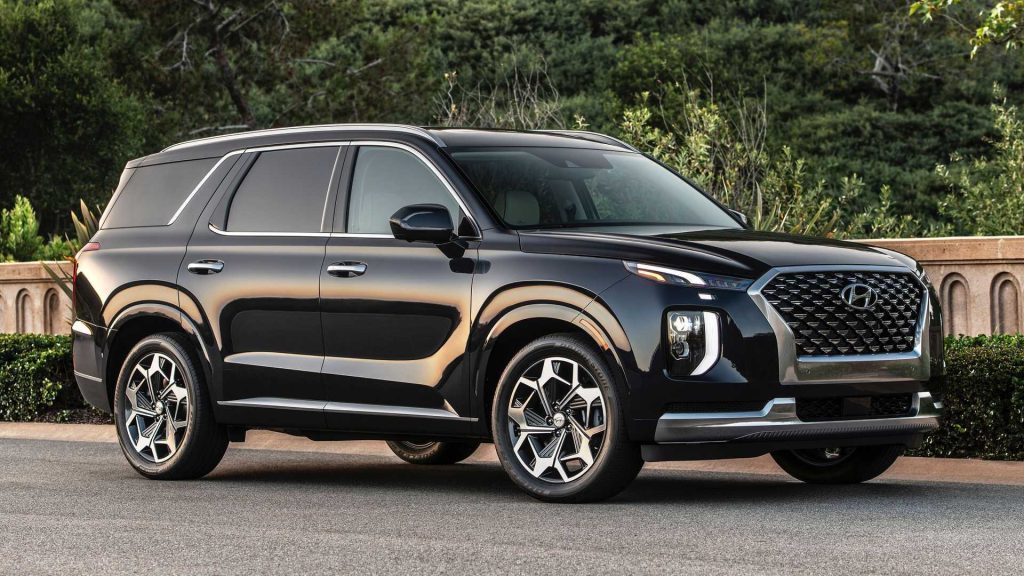
The Hyundai Palisade takes a more refined and passenger-focused approach to rear seat power outlets, blending convenience with a sense of premium comfort. It treats rear passengers not as an afterthought but as an integral part of the driving experience, and this philosophy is reflected in how charging options are presented.
Rather than simply adding ports, the Palisade integrates them into the cabin in a way that feels deliberate and intuitive. USB outlets are positioned along the sides of the seats as well as in the center areas, allowing passengers to access power without reaching awkwardly. This thoughtful placement ensures that every seat benefits from convenient charging access.
One of the standout aspects of the Palisade is how it caters to individual passenger needs. Each row is given attention, and the availability of charging points reflects this balanced approach. Whether someone is seated in the second row captain’s chairs or the third row, they have the ability to keep their devices powered without inconvenience.
The cabin environment enhances this experience further. With high-quality materials and a quiet interior, passengers are encouraged to relax and make full use of their devices. Charging a phone or tablet becomes part of a comfortable routine rather than a necessity driven by low battery.
Another interesting element is how the Palisade manages cable usage. By positioning outlets at accessible heights and angles, it reduces the chances of cables interfering with legroom or movement. This detail might seem small, but it significantly improves comfort during extended journeys.
The Palisade also supports modern charging demands by offering fast-charging capabilities through its USB ports. This ensures that devices can gain a meaningful charge even during shorter trips, adding to the practicality of the system. Passengers do not need to wait long periods to see results, which aligns well with busy lifestyles.
Beyond charging, the vehicle creates a cohesive passenger experience. Features such as rear climate controls and infotainment options work alongside the power outlets, allowing devices to remain in use throughout the journey. This integration makes the rear cabin feel more like a personalized space rather than just seating.
The driving experience contributes to this sense of refinement. With a stable and composed ride, the Palisade allows passengers to comfortably use their devices without distraction. The consistency of motion ensures that activities such as watching videos or working on a screen remain enjoyable.
The Hyundai Palisade demonstrates that rear seat power outlets can be more than just a functional feature. When combined with thoughtful design and premium comfort, they become part of a larger experience that prioritizes passenger satisfaction and convenience in every aspect of the journey.
5. Chevrolet Traverse
The Chevrolet Traverse approaches rear seat power access with a focus on practicality that feels grounded in real-world family use. Instead of presenting charging as a premium add-on, it treats it as an essential feature for everyday travel, especially in a vehicle designed to carry multiple passengers across long distances.
One of the most noticeable aspects inside the Traverse is how evenly the charging options are distributed. Second and third row passengers both have access to USB ports, and higher trims include a household-style power outlet that expands usability beyond basic device charging.
This means passengers are not competing for limited ports, which can often become an issue in larger families or group travel situations.
The placement of these outlets reflects a strong understanding of how people actually use the vehicle. Rather than hiding them in hard-to-reach areas, they are positioned where passengers naturally expect them to be. This reduces unnecessary movement and makes it easier to plug in devices without disrupting others in the cabin.
A defining trait of the Traverse is its spaciousness, and this directly enhances the usefulness of its charging features. With generous legroom and wide seating areas, passengers can comfortably hold and use their devices while they charge. There is no feeling of being cramped or restricted, which is particularly important during longer trips.
Another element that adds to its practicality is how the cabin accommodates multiple devices at once. It is not uncommon for passengers to travel with phones, tablets, and other electronics, and the Traverse handles this demand without feeling overwhelmed. The system supports consistent charging, allowing everyone to stay powered without interruptions.
The vehicle also suits a variety of travel scenarios. Whether it is a family road trip, a daily commute with multiple passengers, or a weekend outing, the availability of rear seat power ensures that devices remain functional throughout the journey. This adaptability makes the feature more than just a convenience.
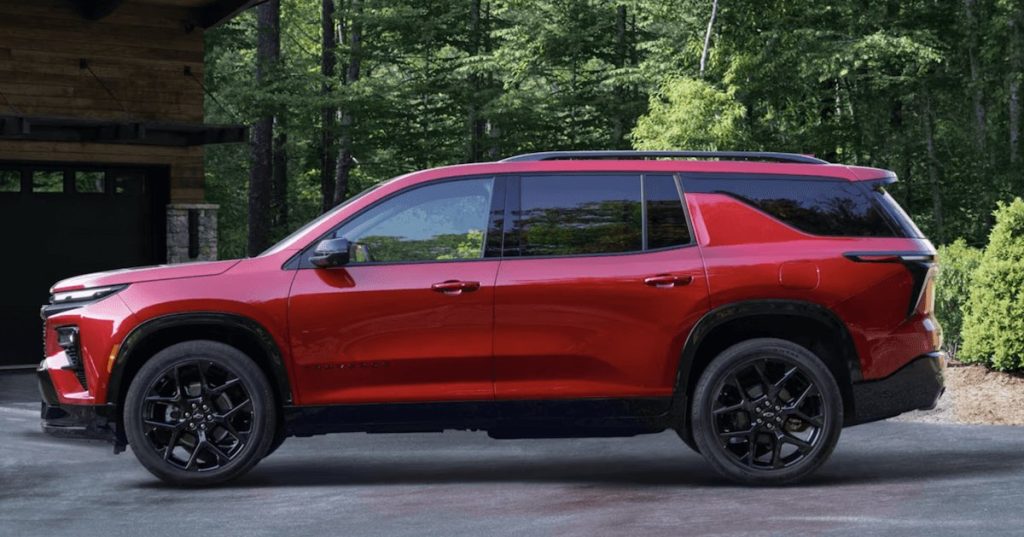
The ride quality further enhances the experience. With a smooth and composed driving character, the Traverse allows passengers to comfortably use their devices while plugged in. There is minimal disturbance, which makes activities like streaming content or working on a screen more enjoyable.
Interior organization plays a subtle but important role. Storage compartments and cupholders are positioned in a way that complements the charging setup, allowing passengers to keep their devices secure while they charge. This helps maintain order within the cabin and prevents unnecessary clutter.
The Chevrolet Traverse shows how rear seat power outlets can be integrated into a vehicle that prioritizes space and usability. By focusing on accessibility, consistency, and real-world practicality, it creates a setup that supports modern passenger needs without adding complexity.
6. Subaru Ascent
The Subaru Ascent takes a slightly different direction by combining rugged capability with thoughtful interior features, including well-placed rear seat power outlets. It is designed for families who balance city driving with outdoor activities, and its charging setup reflects this versatile lifestyle.
Inside the Ascent, power access is spread across the cabin in a way that feels both practical and intentional. Rear passengers benefit from multiple USB ports, and select versions include a standard power outlet that supports larger devices.
This flexibility allows the vehicle to accommodate everything from simple phone charging to powering small equipment.
The design of the cabin plays a key role in how effective these outlets are. Subaru has focused on making them easy to locate and use, even in low-light conditions or while the vehicle is in motion. This attention to usability ensures that passengers can connect their devices quickly without confusion.
What sets the Ascent apart is how it aligns its charging capabilities with an active lifestyle. Families who travel with cameras, portable speakers, or other gear will find the availability of a power outlet particularly useful. It allows devices to stay ready for use, whether the destination is a campsite or a sports field.
The interior space supports this functionality with a layout that feels open and accommodating. Passengers in both the second and third rows have enough room to comfortably use their devices, which enhances the value of having accessible power. The experience feels natural rather than forced.
Another important factor is durability. The Ascent is built to handle frequent use, and this extends to its charging system. The outlets are designed to maintain consistent performance, even when multiple devices are connected over extended periods. This reliability is essential for families who depend on their vehicle for daily activities.
The ride quality complements its practical nature. While it is capable of handling rougher conditions, it remains composed on regular roads, allowing passengers to use their devices comfortably. This balance makes it suitable for both urban commutes and longer journeys.
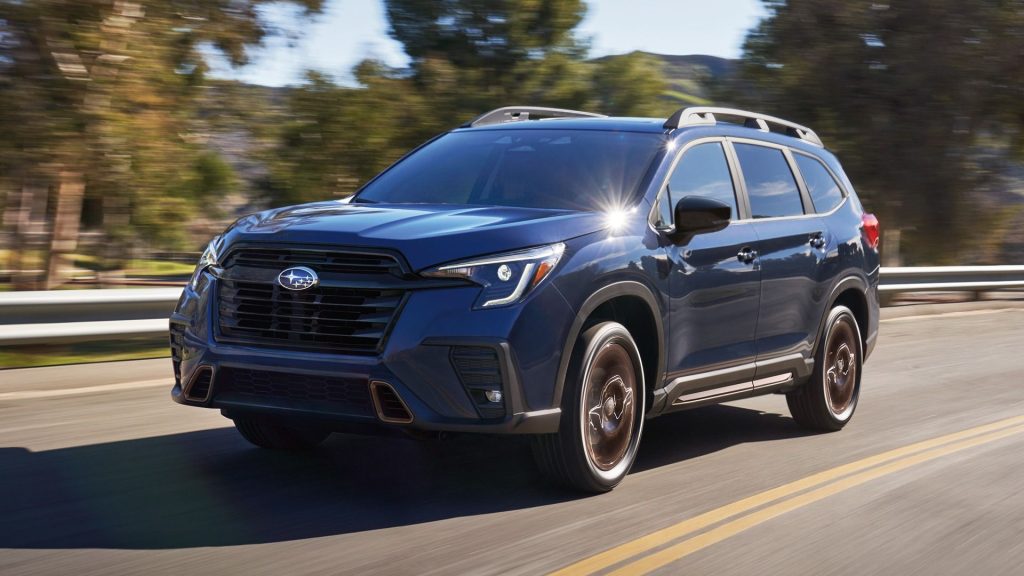
Subaru has also considered how cables and devices interact with the cabin space. The placement of outlets minimizes interference with seating and movement, which helps maintain comfort. Passengers can charge their devices without dealing with awkward cable positioning.
The Ascent also benefits from a straightforward and user-friendly approach to technology. The charging system does not require complicated setup or adjustments, making it accessible for all passengers. This simplicity adds to its appeal as a family-oriented vehicle.
The Subaru Ascent demonstrates that rear seat power outlets can be part of a broader philosophy centered on versatility and reliability.
By combining accessible charging with a durable and spacious interior, it offers a solution that fits a wide range of lifestyles while keeping passengers connected wherever they go.
7. Jeep Grand Cherokee
The Jeep Grand Cherokee combines everyday comfort with practical features, and its rear seat power setup reflects that balanced approach.
Passengers in the back are provided with multiple USB ports along with an available AC power outlet, allowing them to charge a wide range of devices without limitation. This flexibility becomes especially useful on longer drives where different passengers may have different charging needs.
The positioning of these outlets is straightforward and easy to access, ensuring that passengers do not have to stretch or adjust their seating just to plug in a device. This simple detail improves usability, particularly when the cabin is full. The layout also helps maintain a clean interior, as cables can be managed without interfering with legroom.
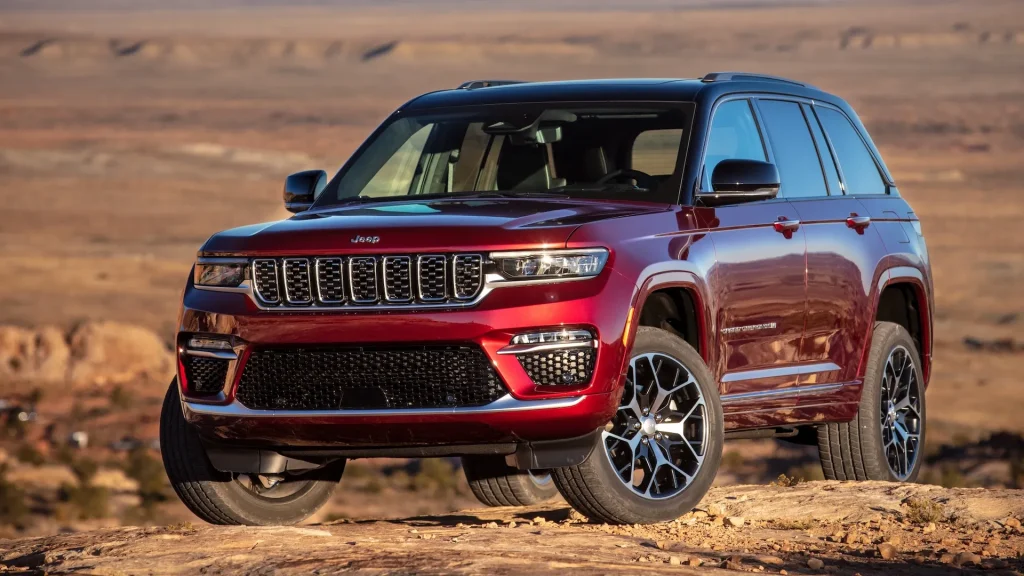
Comfort plays an important role in how effective these features feel. The rear seats offer a supportive and relaxed environment, making it easy for passengers to use their devices while they charge. Whether it is for entertainment or work, the setup supports a variety of uses without feeling restrictive.
The Grand Cherokee also maintains a steady and composed ride, which enhances the experience. Passengers can stay focused on their devices without constant interruptions, making the availability of power outlets even more valuable during extended trips.
8. Tesla Model Y
The Tesla Model Y delivers a modern take on rear seat charging by focusing on simplicity and efficiency. Instead of offering multiple outlet types, it provides high-speed USB-C ports that cater to most modern devices. This approach keeps the system clean and easy to use while still meeting everyday charging needs.
These ports are placed within easy reach of rear passengers, allowing for quick and convenient access. The minimalist cabin design ensures that the charging setup blends seamlessly into the interior, maintaining a clutter-free environment. Everything feels intentional, with no unnecessary complexity.
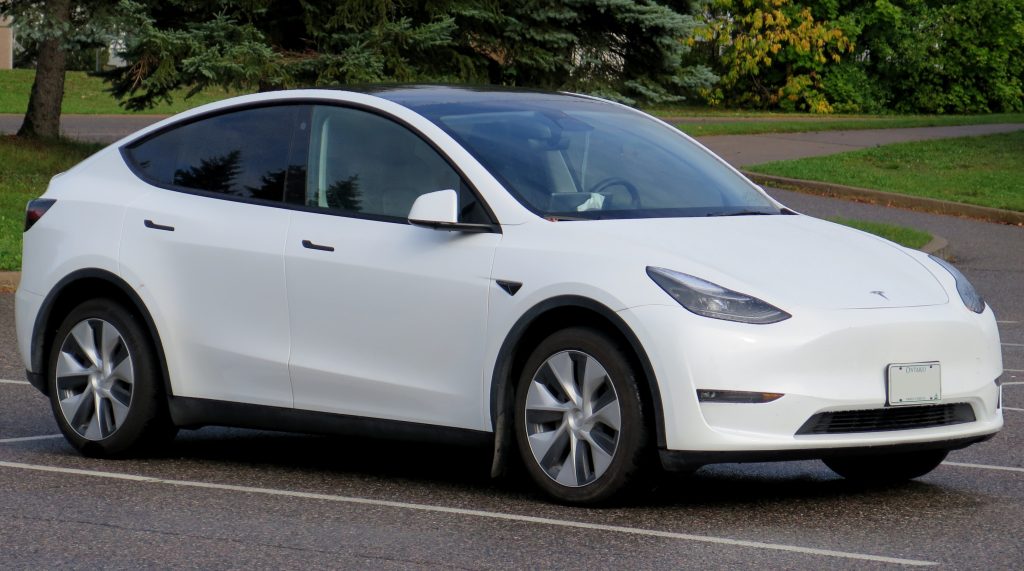
One of the standout aspects is the consistency of power delivery. As an electric vehicle, the Model Y provides smooth and reliable charging performance, which adds confidence when using multiple devices. Passengers can plug in their phones or tablets and expect steady results throughout the journey.
The quiet cabin further enhances usability. With minimal noise and vibration, passengers can comfortably use their devices while charging, whether they are watching content or working. This combination of simplicity, reliability, and comfort makes the Model Y a strong option for those who value modern, tech-focused convenience.
Also Read: 10 Diesel Trucks That Can Cross 500,000 Miles With Basic Care In 2026
