
Diesel trucks have built a global reputation for extreme durability, high torque output, and long service life that far exceeds most gasoline-powered vehicles. In 2026, even as emissions systems and modern electronics have added complexity to newer models, diesel pickups remain the backbone of heavy-duty work in construction, agriculture, towing, and long-distance hauling.
The biggest reason enthusiasts and fleet operators continue to invest in diesel trucks is simple: with basic and consistent maintenance, many of these machines are capable of reaching and even surpassing 500,000 miles without requiring a full engine replacement.
Unlike smaller gasoline engines that often experience accelerated wear at high mileage, diesel engines are designed with stronger internal components, lower operating RPMs, and higher compression tolerances. This engineering philosophy allows them to handle sustained loads for decades when properly maintained.
Industry data and long-term owner reports consistently show that well-cared-for diesel engines from manufacturers like Cummins, Ford Power Stroke, and GM Duramax frequently cross the half-million-mile mark in real-world conditions. In fact, some commercial fleets report diesel engines lasting between 400,000 and 1,000,000 miles depending on usage patterns and maintenance discipline.
However, reaching such mileage is not automatic. The difference between a diesel truck that lasts 150,000 miles and one that reaches 500,000 miles often comes down to preventive maintenance. Regular oil changes, fuel system cleaning, transmission servicing, and proper cooling system upkeep are essential.
Neglecting these areas can significantly shorten the lifespan even of the most robust diesel platforms. Additionally, driving style plays a role, as constant towing at maximum capacity or frequent short trips without proper warm-up cycles can accelerate wear.
Another key factor is engineering simplicity. Older diesel engines, especially those built before modern emissions systems became standard, tend to last longer due to fewer electronic components and reduced failure points. Meanwhile, newer trucks compensate for added emissions equipment with advanced diagnostics and improved materials, which help maintain reliability when serviced correctly.
In this article, we explore 10 diesel trucks known for their ability to surpass 500,000 miles with basic care. These models have earned their reputations through decades of real-world use, owner testimonials, and fleet performance data. Whether you are looking for a workhorse truck or a long-term investment, these diesel pickups stand out as some of the most durable machines on the road in 2026.
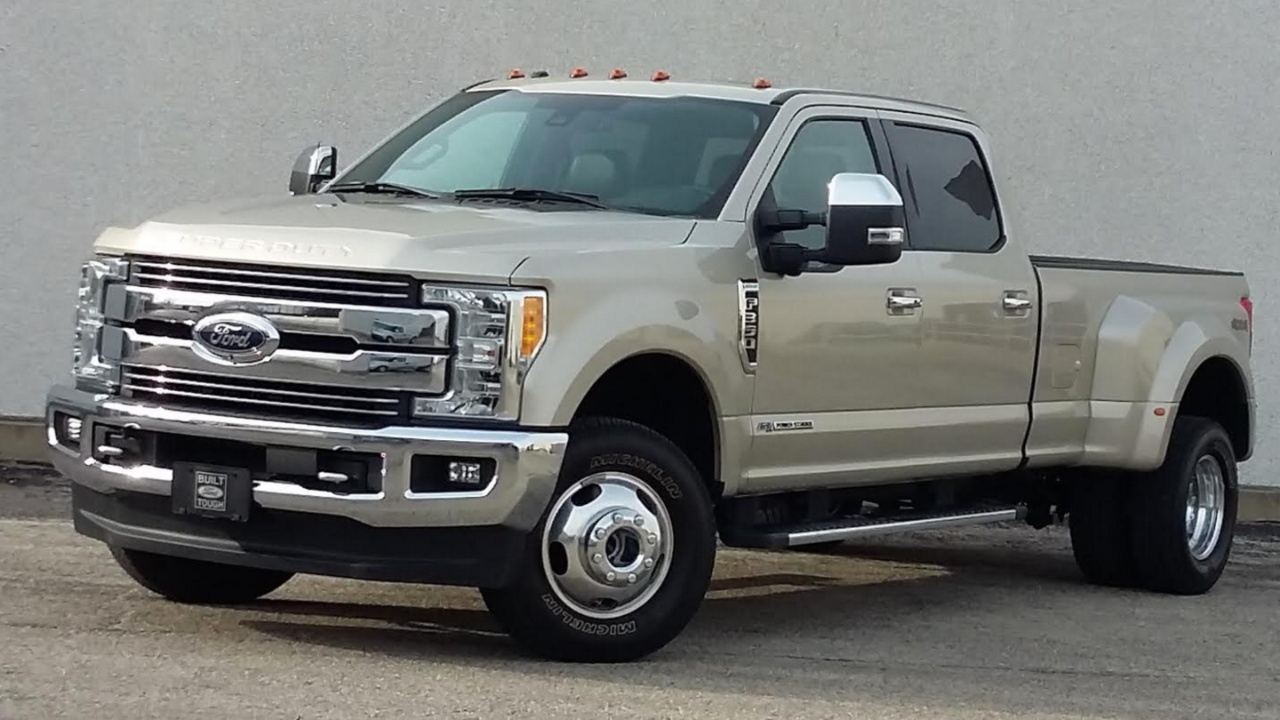
1. Ford F-250/F-350 Super Duty 7.3L Power Stroke
The 7.3L Power Stroke is widely regarded as one of the most durable diesel engines Ford has ever produced, and its reputation has only strengthened over time.
Built with a cast iron block, forged internals, and a relatively simple mechanical design compared to modern diesel engines, it was engineered in an era when long-term durability was prioritized over emissions complexity or advanced electronics. This foundation is one of the main reasons so many of these trucks are still running strong decades after leaving the factory.
What makes the 7.3L especially remarkable is how consistently it handles extreme mileage without catastrophic internal failure when maintained properly. Many owners report reaching well beyond 400,000 miles with only routine servicing, and a large number of well-cared-for examples continue to operate past the 500,000-mile mark in both personal and commercial use.
In fleet applications, especially in agriculture and utility work, these engines are often pushed hard daily, yet still demonstrate a level of endurance that modern engines struggle to match without more complex maintenance requirements.
Another major advantage of this platform is its tolerance for varied operating conditions. Whether used for towing heavy loads, long highway commutes, or stop-and-go industrial work, the engine maintains stable performance as long as oil changes and fuel system maintenance are performed consistently.
Its simpler electronic system also reduces the likelihood of expensive sensor-related failures that are common in newer diesel trucks. Even when repairs are needed, parts availability and mechanical familiarity make servicing relatively straightforward, which contributes to its long operational life.
The result is a diesel truck that has earned near legendary status among mechanics, fleet managers, and long-term owners. Even in 2026, the 7.3L Power Stroke remains one of the most trusted platforms for anyone prioritizing longevity over modern comfort features.
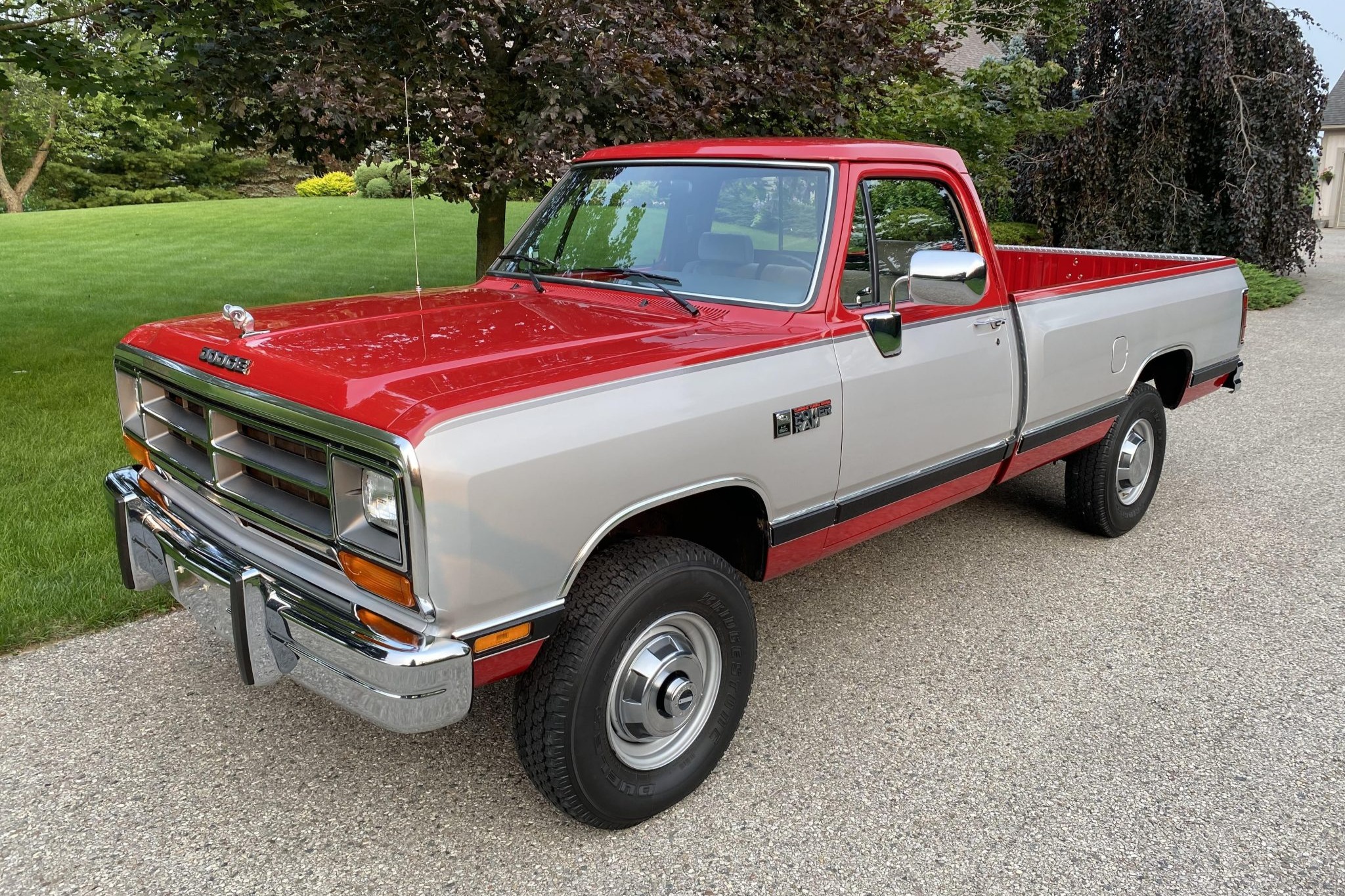
2. Dodge Ram 2500/3500 5.9L 12-Valve Cummins
The 5.9L 12-valve Cummins engine is often described as one of the most overbuilt diesel engines ever installed in a pickup truck. Its design is intentionally simple, relying on a mechanical Bosch injection pump rather than complex electronic fuel management systems. This simplicity is one of the biggest reasons it has become a global benchmark for diesel reliability and long-distance durability.
In real-world use, these engines regularly surpass 500,000 miles, and it is not uncommon to find examples that have exceeded 700,000 miles with only routine maintenance and occasional part replacements.
The internal components were engineered with heavy-duty use in mind, allowing the engine to operate under continuous load without the same level of stress seen in smaller or more modern high-strung diesel engines. This makes it particularly popular among towing operators, farmers, and long-haul drivers who depend on predictable performance over long periods.
One of the most impressive aspects of this engine is how forgiving it is when properly maintained. Even when subjected to heavy towing or extended idling, it tends to remain mechanically stable provided that oil changes, cooling system care, and fuel system cleanliness are not neglected. Its lack of complex emissions systems also removes several common failure points found in newer diesel trucks, which contributes significantly to its longevity.
Because of its mechanical nature, repairs are also generally simpler and more cost-effective. Many owners choose to rebuild or refresh high-mileage units rather than replace them entirely, which extends the life cycle even further. This combination of durability, simplicity, and rebuild potential has made the 12-valve Cummins one of the most respected diesel engines ever produced.
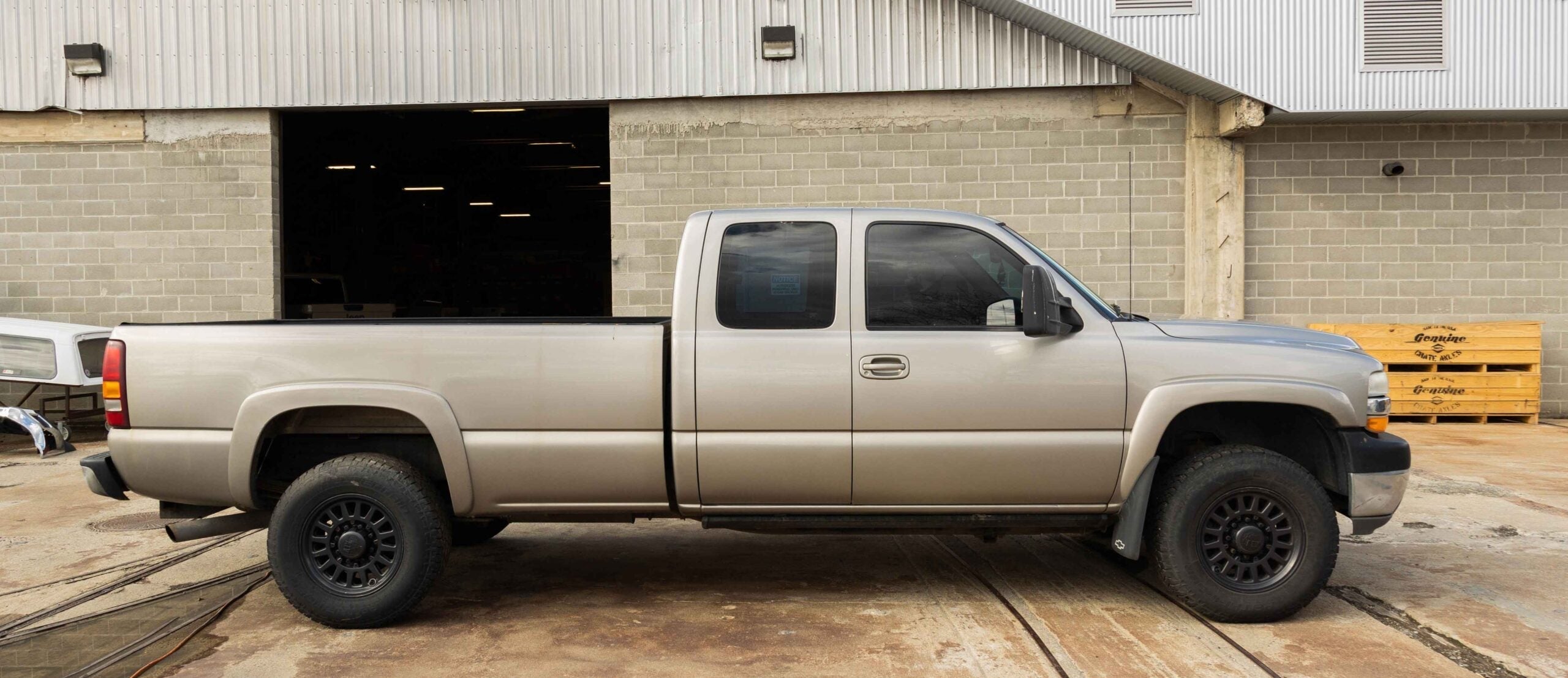
3. Chevrolet Silverado 2500HD/3500HD 6.6L Duramax LB7/L5P
The Duramax diesel lineup represents General Motors’ long-term commitment to competing in the heavy-duty diesel segment, and certain generations have proven especially capable of long-term endurance. Early versions like the LB7 helped establish the foundation, while later iterations such as the L5P refined durability, power delivery, and emissions compliance without sacrificing core engine strength.
These engines are known for their strong bottom-end construction and consistent torque delivery, which allows them to handle demanding workloads such as towing, construction hauling, and commercial fleet use.
When maintained correctly, high-mileage Duramax engines frequently reach 400,000 to 500,000 miles, and in some cases even exceed those figures with highway-focused driving patterns. Their longevity is especially evident in fleet environments where maintenance schedules are strictly followed, and downtime is minimized.
A major strength of the Duramax platform is its balance between power and refinement. Unlike older mechanical diesels, these engines incorporate modern fuel injection and electronic controls that improve efficiency and emissions performance. While this adds complexity, it also allows for more precise engine management, which can extend service life when systems are properly maintained.
Transmission pairing also plays a significant role in durability. The Allison automatic transmissions commonly paired with Duramax engines are known for their strength and ability to handle high torque loads over long periods. This combination creates a drivetrain that is highly respected in both commercial and personal heavy-duty applications.
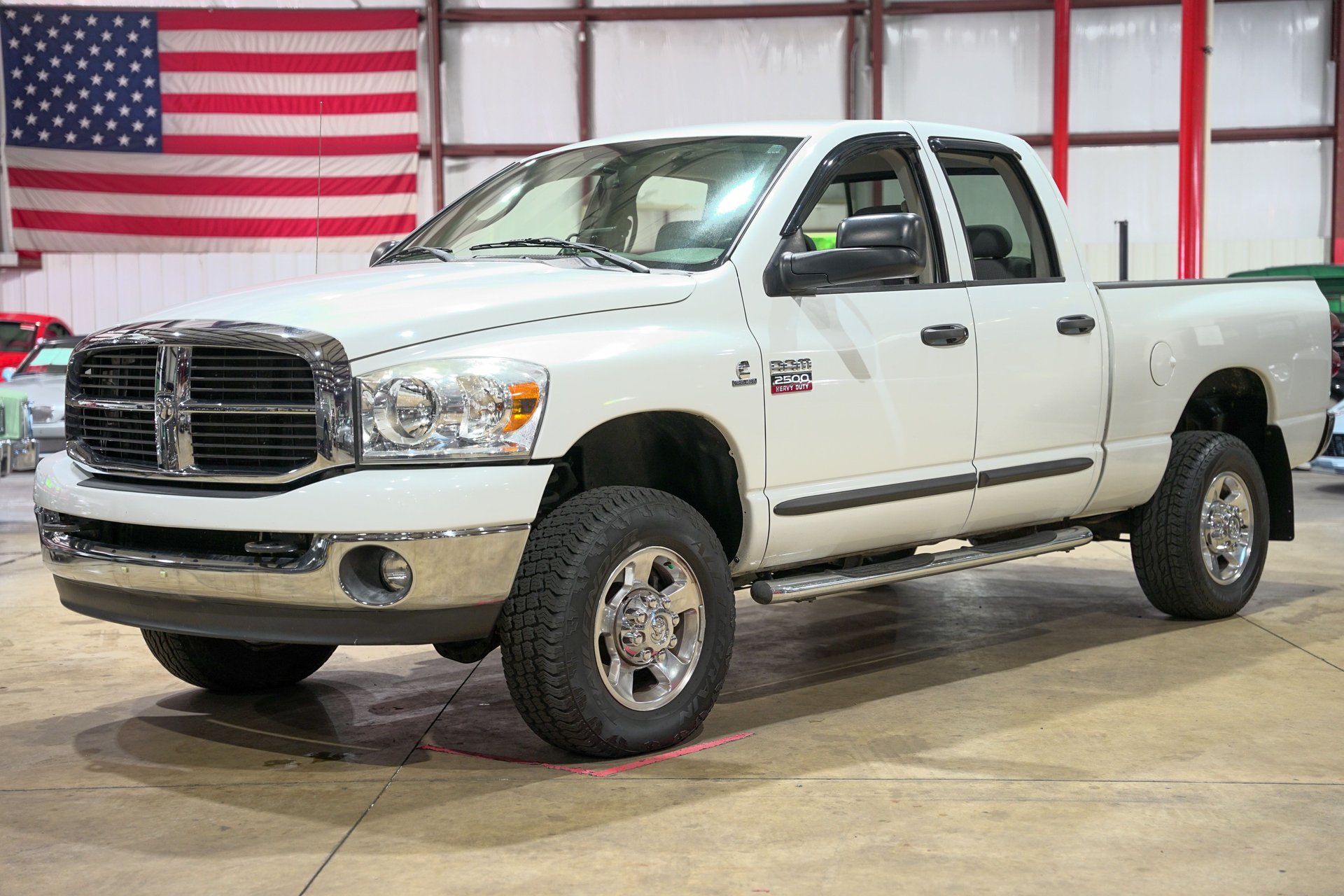
4. Ram 2500/3500 6.7L Cummins
The modern 6.7L Cummins engine continues the legacy of its predecessors while integrating emissions systems and electronic controls required in today’s automotive environment. Despite added complexity, the core engine design remains exceptionally strong, with many components derived from decades of proven Cummins engineering principles.
With consistent maintenance, these engines are capable of reaching 400,000 to 500,000 miles, particularly in applications that involve long-distance highway driving or steady towing conditions. The inline-six configuration contributes to smooth operation and reduced internal stress compared to more compact engine layouts. This inherent balance helps maintain long-term durability even under heavy use.
However, unlike earlier mechanical versions, the modern 6.7L requires more attention to emissions-related systems such as diesel particulate filters and exhaust gas recirculation components. While these systems improve environmental performance, they can become points of maintenance if neglected or used primarily in short-trip driving conditions.
Despite this, the base engine itself remains extremely robust. Many fleet operators continue to rely on it because of its strong torque output and ability to withstand prolonged workloads. When paired with proper servicing and responsible driving habits, it remains one of the most dependable modern diesel engines available in 2026.
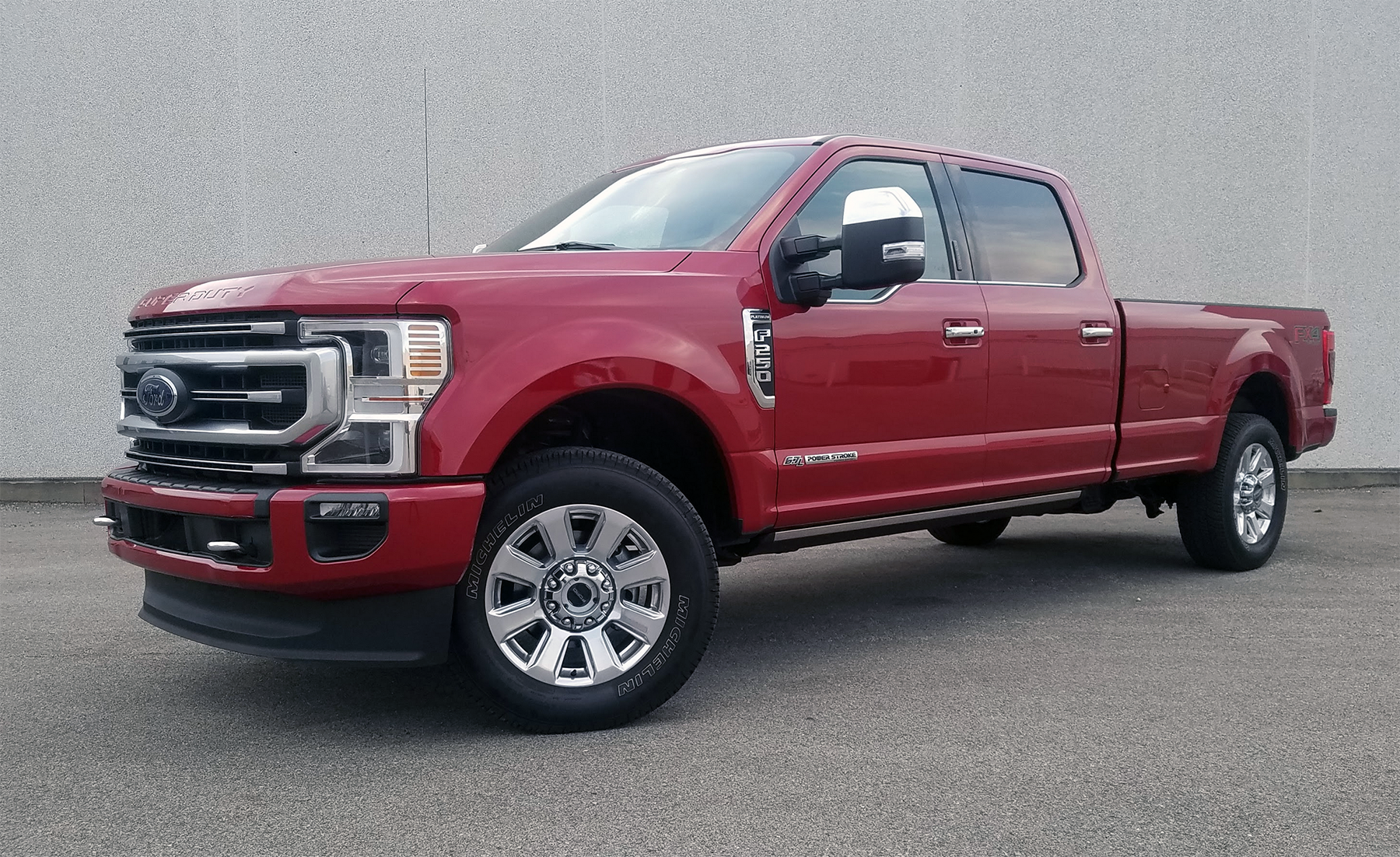
5. Ford F-250/F-350 6.7L Power Stroke
Ford’s 6.7L Power Stroke represents a major evolution in Ford diesel engineering, moving toward higher efficiency, improved emissions compliance, and increased power output. While early versions had mixed reliability perceptions, continuous refinements have significantly improved long-term durability.
With proper maintenance, many of these engines are now capable of reaching 400,000 to 500,000 miles, especially in highway-heavy or commercial towing environments. The engine uses advanced materials and high-pressure fuel systems that deliver strong performance while maintaining relatively good efficiency for its size and output level.
Cooling system maintenance is especially important for long-term reliability, as is regular servicing of fuel system components. When these areas are properly maintained, the engine demonstrates strong resilience under load. The drivetrain pairing with modern heavy-duty Ford transmissions also contributes to improved long-term performance in demanding applications.
Also read: 10 Cars Featuring the Most Aggressive Stock Factory Engine Exhaust Notes
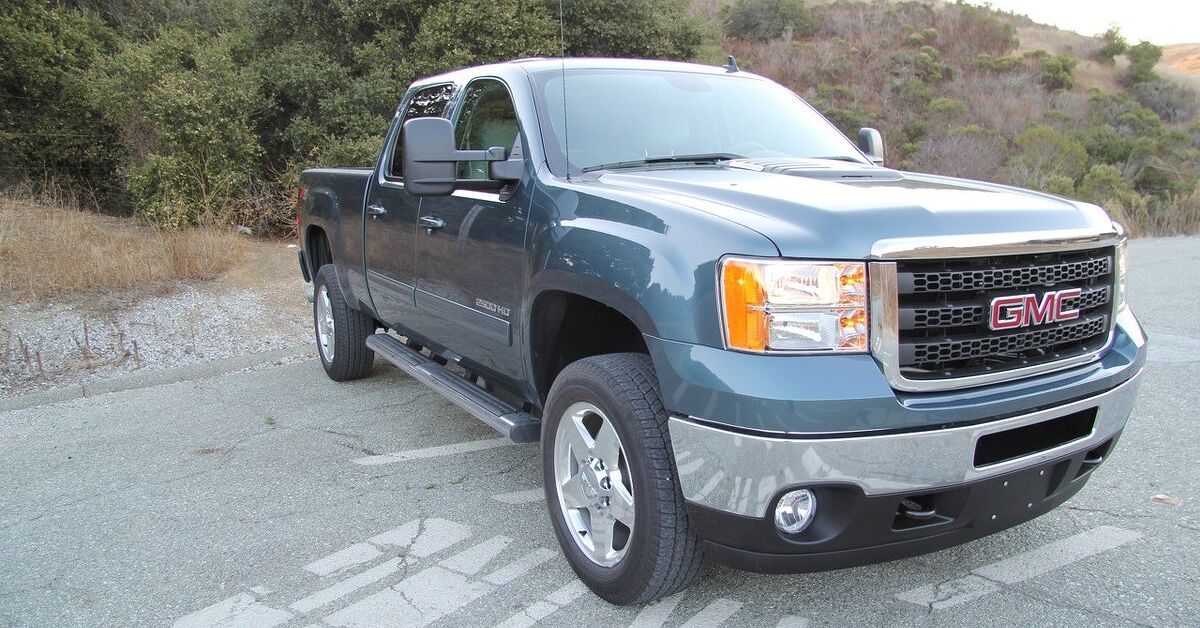
6. GMC Sierra 2500HD/3500HD Duramax
The GMC Sierra 2500HD and 3500HD equipped with Duramax diesel engines share much of their mechanical foundation with Chevrolet’s heavy-duty lineup, but they are often favored for slightly more refined builds and long-term comfort in demanding work environments.
These trucks are designed to handle continuous heavy loads, making them a common choice for contractors, fleet operators, and long-distance towing professionals who need both durability and drivability over extended mileage. When maintained correctly, these trucks consistently demonstrate the ability to reach 400,000 to 500,000 miles, particularly when used for highway driving or steady commercial workloads rather than short, repetitive trips.
One of the key strengths of the Sierra HD Duramax platform is its drivetrain balance. The engine’s torque delivery is smooth and consistent, which reduces unnecessary strain on internal components during towing or hauling.
Combined with the Allison transmission in many configurations, the system is engineered to distribute load efficiently, which plays a major role in extending the lifespan of the truck. This pairing has become a benchmark in the heavy-duty segment because it minimizes sudden stress spikes that often lead to premature mechanical wear in lesser systems.
Another important factor in long-term durability is maintenance consistency. These trucks respond extremely well to structured service intervals, including regular oil changes, fuel filter replacements, and transmission servicing.
When owners follow these basics, the engine and transmission can remain in strong operating condition for decades. However, like most modern diesel systems, neglecting emissions components such as EGR systems or diesel particulate filters can lead to reduced efficiency and eventual performance issues, especially in city-heavy driving conditions.
Even with added complexity compared to older mechanical diesel engines, the Sierra HD Duramax remains one of the most reliable modern heavy-duty trucks available in 2026. Its combination of power, refinement, and proven engine architecture makes it a strong candidate for anyone seeking long-term mileage potential without sacrificing comfort or towing capability.

7. Toyota Land Cruiser Diesel Variants
The diesel versions of the Toyota Land Cruiser, available primarily in international markets, are widely regarded as some of the most durable vehicles ever produced, regardless of category.
Unlike many modern trucks that prioritize performance or luxury features, the Land Cruiser has always been engineered with a focus on extreme reliability and survivability in the harshest environments on Earth. This philosophy is a major reason why diesel variants are frequently reported to exceed 500,000 miles with minimal mechanical failure when properly maintained.
These engines are designed with simplicity and robustness in mind, often using inline configurations and conservative tuning that prioritizes longevity over maximum horsepower.
This allows them to operate efficiently under extreme conditions such as desert heat, mountainous terrain, and long-distance off-road travel. In many regions across Africa, the Middle East, and Australia, diesel Land Cruisers are commonly used in mining, exploration, and government fleets where breakdowns are not acceptable, and vehicles are expected to last decades.
A major contributor to their longevity is the way Toyota engineers the entire vehicle system rather than just the engine. Cooling systems, suspension components, and drivetrain elements are all designed to handle heavy stress without rapid degradation.
This holistic durability approach ensures that the vehicle can continue operating even when subjected to constant heavy use. Maintenance remains simple compared to modern electronically complex vehicles, which further supports long-term mileage accumulation.
Because of this combination of mechanical strength, conservative engineering, and global real-world validation, diesel Land Cruisers are often considered nearly indestructible when maintained properly. Even in 2026, they remain one of the most respected long-life diesel platforms ever built.
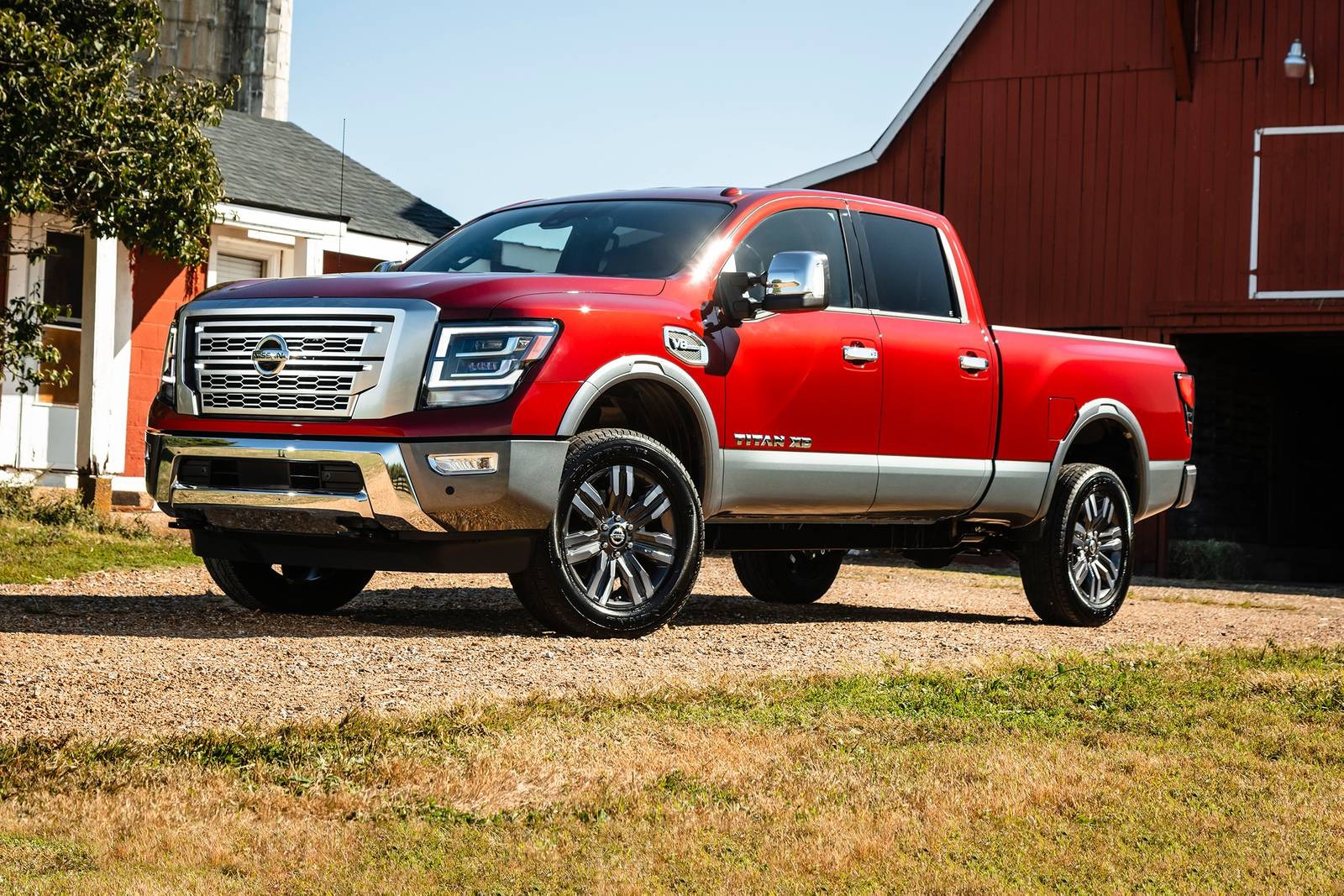
8. Nissan Titan XD Cummins 5.0L Diesel
The Nissan Titan XD equipped with the 5.0L Cummins V8 diesel engine was designed to bridge the gap between light-duty and heavy-duty pickup segments. Although its production run was relatively short compared to other diesel trucks, the engine itself was developed by Cummins, a company with a long history of producing durable industrial and automotive diesel engines. This gave the Titan XD a strong mechanical foundation, even if its long-term market presence was limited.
In terms of durability, the 5.0L Cummins has demonstrated the ability to achieve high mileage when maintained properly, with many examples performing well beyond 300,000 to 400,000 miles and some potentially reaching 500,000 miles under ideal conditions. However, compared to inline-six Cummins engines, this V8 design introduces additional complexity, which means maintenance discipline becomes even more important for long-term reliability.
One of the key challenges for this platform is ensuring consistent care of the fuel system and emissions components. Modern diesel engines like this one rely heavily on precise fuel delivery systems, which can be sensitive to poor fuel quality or irregular maintenance schedules. When these systems are properly maintained, however, the engine delivers strong torque and dependable towing capability that makes it suitable for medium-duty commercial applications.
Despite its shorter production lifespan, the Titan XD Cummins remains an interesting example of how diesel technology can be adapted into a half-ton-oriented platform. While it may not have the same legendary status as older Cummins inline engines, it still offers respectable durability when treated with consistent and proper maintenance practices.
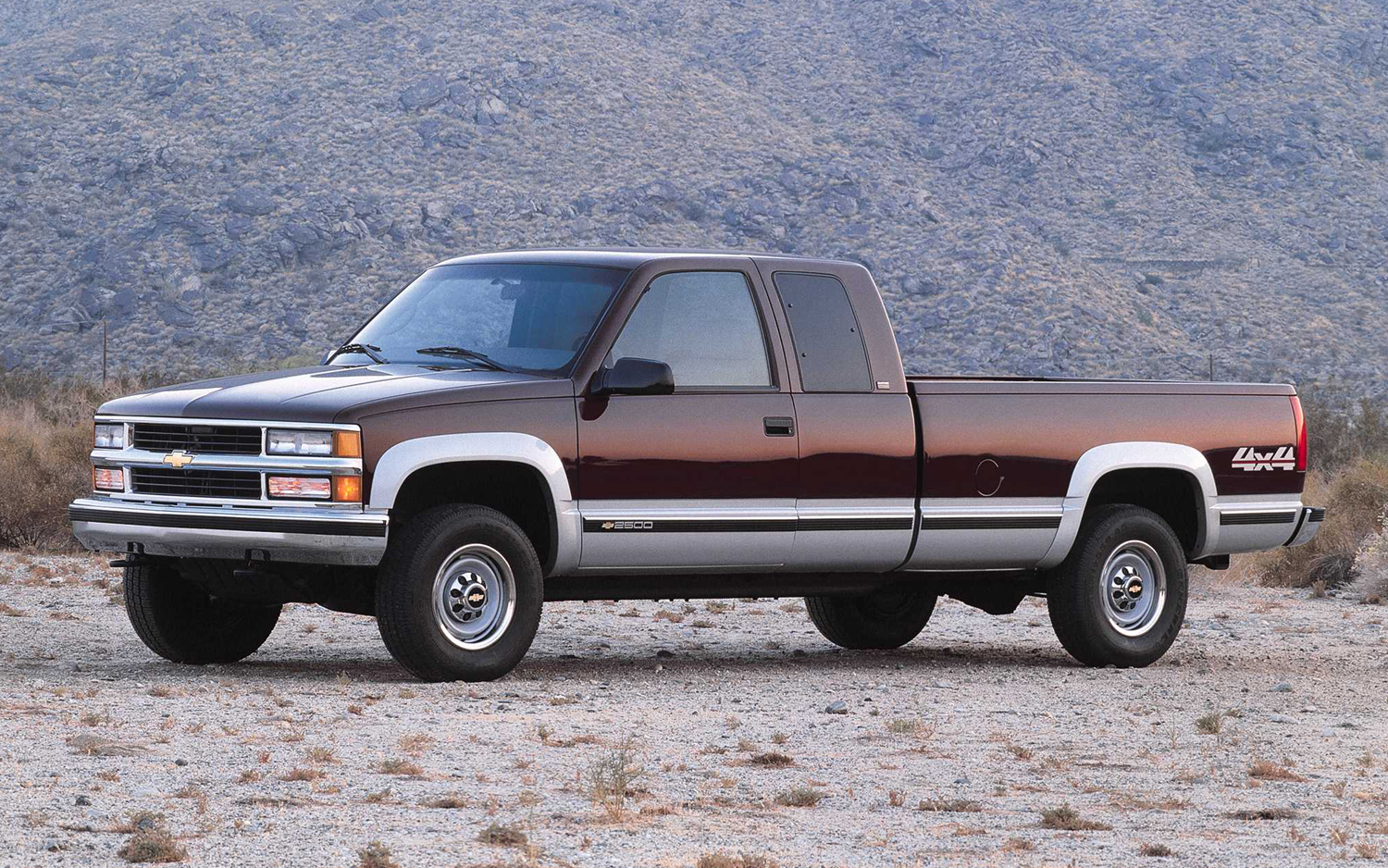
9. Chevrolet C/K 2500 Diesel (Older Mechanical Models)
Older Chevrolet C/K 2500 diesel trucks represent a different era of diesel engineering, one where mechanical simplicity and durability were prioritized over emissions compliance, electronics, and modern comfort systems.
These trucks are often equipped with older diesel engines that rely on mechanical injection systems and minimal electronic control, which significantly reduces the number of potential failure points over time. This simplicity is one of the main reasons many of these vehicles are still in service today, even after several decades of use.
When properly maintained, these older diesel trucks are capable of extremely high mileage, with many documented examples exceeding 500,000 miles and continuing to operate in agricultural, industrial, and rural environments.
Their engines are typically built with heavy-duty components designed to withstand constant load conditions, making them particularly well-suited for towing, hauling, and long operational cycles.
Another major advantage of these older platforms is their ease of repair. Because they lack complex electronics and emissions systems, mechanical issues can often be diagnosed and repaired without specialized diagnostic tools.
This makes them especially popular in rural regions and developing areas where access to advanced repair facilities may be limited. Replacement parts are also often more affordable and widely available due to the long production history of these models.
While they may lack the comfort, efficiency, and refinement of modern diesel trucks, their reputation for durability remains extremely strong. Many owners continue to rely on them simply because they are proven to last for decades when given basic, consistent maintenance.
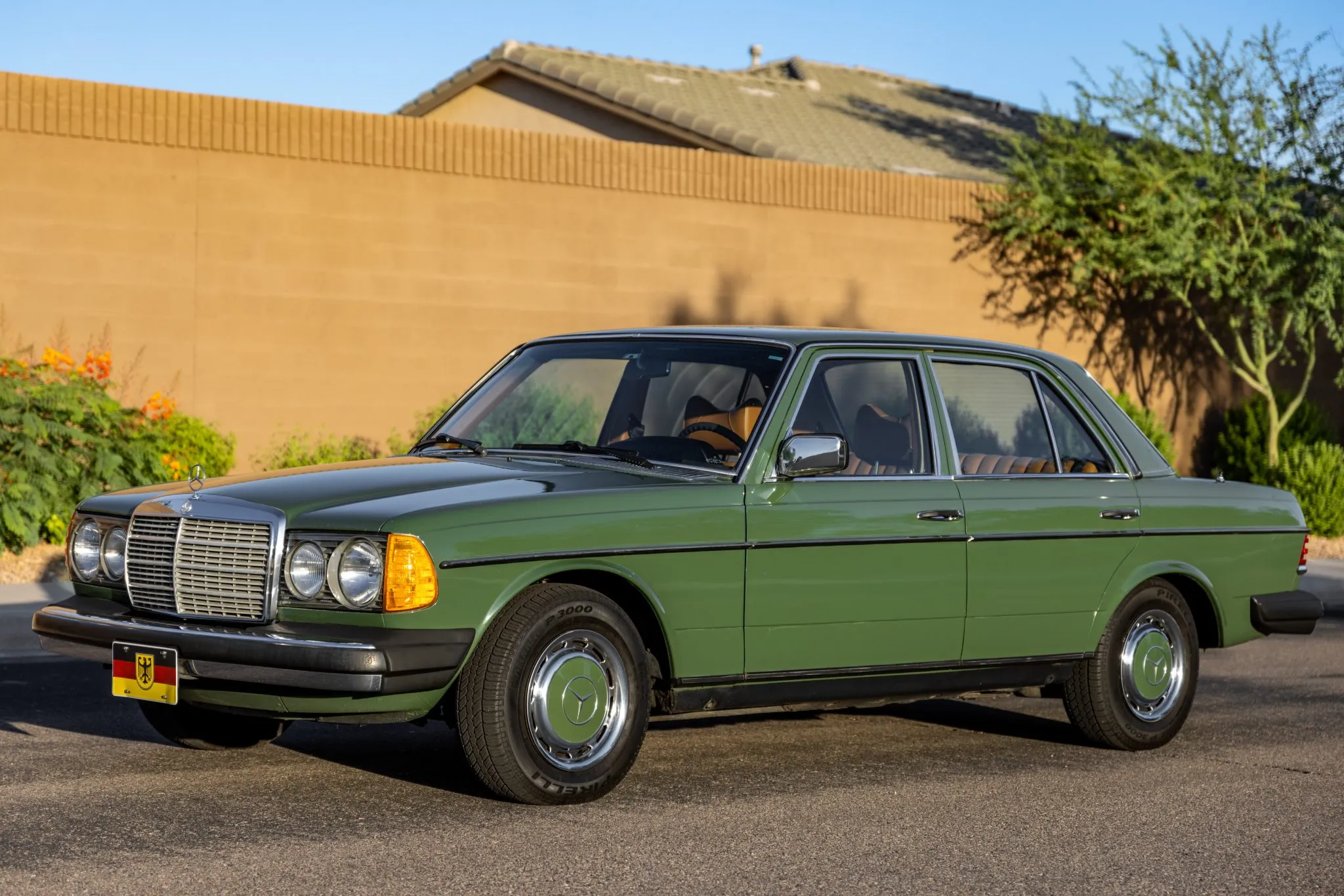
10. Mercedes-Benz 300D Diesel (W123 Series)
The Mercedes-Benz 300D from the W123 series is not a pickup truck, but it deserves inclusion in any discussion about extreme diesel longevity because it is widely considered one of the most durable passenger diesel vehicles ever produced. Built during an era when Mercedes-Benz focused heavily on engineering over cost optimization, the W123 diesel platform was designed with exceptional mechanical integrity and long-term reliability in mind.
These vehicles are famous for their ability to surpass 500,000 miles with proper care, and many documented examples have exceeded 1 million miles while still operating on original or lightly rebuilt engines. The diesel engines used in the 300D are known for their conservative tuning, strong internal construction, and low-stress operating characteristics, all of which contribute to their extraordinary lifespan.
Another reason for their durability is the simplicity of their mechanical systems. With fewer electronic components compared to modern vehicles, there are fewer failure points that can lead to costly breakdowns. This allows owners to maintain and repair the vehicle over long periods without excessive complexity. Combined with Mercedes-Benz’s emphasis on build quality during that era, the result is a vehicle that can remain operational for decades under proper maintenance routines.
Even in 2026, the 300D remains a reference point for diesel longevity. While it is not a truck, it represents the engineering philosophy that made many of the diesel engines in today’s heavy-duty pickups possible in the first place.
Also read: 5 Cars for Mountain Cabin Access in the USA vs. 5 With No Torque
