

A flat tire never announces itself at a convenient moment. It happens during a commute, on a late-night drive, or right when time is already tight. In those situations, ease of access matters just as much as having the spare tire in the first place.
Some vehicles turn a simple tire change into a frustrating task with hidden compartments, complicated tools, or awkward lifting points. Others make the process surprisingly straightforward, saving time and reducing stress when it matters most.
Design choices play a major role here. Automakers decide whether the spare sits under the cargo floor, beneath the vehicle, or mounted externally. Each approach has its advantages, but not all are equally user-friendly. A well-placed spare tire can mean the difference between a quick roadside fix and a long struggle with unfamiliar mechanisms.
This list focuses on vehicles that make things easier. These cars stand out for thoughtful layouts, accessible storage areas, and practical designs that help drivers handle tire changes with confidence. While performance, comfort, and technology often dominate conversations about cars, small details like spare tire access deserve attention, too.
Below are nine vehicles where reaching the spare tire feels refreshingly simple. Each one offers a design that prioritizes convenience, proving that smart engineering can make everyday problems far less stressful.

1. 2018 Honda CR-V EX
Practicality defines the 2018 Honda CR-V EX, and that philosophy extends to how the spare tire is stored. Lift the rear cargo floor, and the setup immediately feels intuitive. No hidden panels, no confusing latches, just a clearly defined compartment that reveals the spare without unnecessary steps. This straightforward approach makes a real difference when time matters.
Access begins with a lightweight cargo floor panel that can be lifted with one hand. Beneath it sits the spare tire, neatly secured in place alongside the jack and tools. Everything is arranged in a logical order, which reduces the chances of fumbling around during a roadside situation. That clarity becomes valuable when dealing with low light or poor weather conditions.
Placement also contributes to ease of use. Since the spare is inside the vehicle rather than underneath, there is no need to crouch down or reach under the chassis. This eliminates exposure to dirt, mud, or water that often accompanies underbody-mounted spares. Drivers remain cleaner and more comfortable during the process.
Another advantage lies in stability. The cargo floor provides a flat working surface where tools can be placed without rolling away. This small detail improves efficiency, allowing drivers to focus on the task instead of managing scattered equipment.
CR-V ownership often revolves around daily convenience, and this design fits that expectation perfectly. While some vehicles complicate simple tasks, this one keeps things clear and manageable. That consistency builds confidence, especially for drivers who may not change tires frequently.
Choosing a vehicle like the CR-V EX means fewer surprises when something goes wrong. Its spare tire setup reflects careful planning, ensuring that a common roadside issue can be handled quickly and without confusion.

2. 2017 Toyota RAV4 XLE
Simplicity takes center stage in the 2017 Toyota RAV4 XLE, particularly when accessing the spare tire. Open the rear hatch, lift the cargo floor, and the process reveals in a way that feels almost automatic. Every element is positioned with clarity, removing guesswork from an already stressful situation.
Start with the cargo area. The floor panel is light enough to lift easily, yet sturdy enough to feel durable during daily use. Beneath it, the spare tire sits in a recessed compartment, held securely in place. Tools are arranged around it in molded sections, ensuring that nothing moves or rattles during driving.
Design choices favor accessibility. No special tools are required to reach the spare, and no hidden fasteners slow the process down. Drivers can move from opening the hatch to accessing the tire in a matter of seconds. That speed becomes valuable during emergencies where time and safety are concerns.
Interior placement offers protection from the elements. Unlike underbody-mounted spares, this setup keeps the tire clean and ready for use. Dirt buildup and corrosion are less likely, which means fewer complications when the tire is needed.
Ergonomics also plays a role. The height of the cargo area allows drivers to work without excessive bending or awkward positioning. This reduces physical strain, making the process easier for a wide range of users.
RAV4 buyers often look for reliability, and that extends beyond engine performance. Small details like spare tire access contribute to a more dependable ownership experience. When everything works as expected, confidence grows with every mile.
That attention to practical design makes the RAV4 XLE a strong example of how thoughtful engineering can simplify everyday challenges.
Also Read: 5 Cars With Fuel Economy Better Than Advertised And 5 That Are Worse In 2026

3. 2016 Subaru Outback Premium
Versatility defines the 2016 Subaru Outback Premium, and its spare tire setup reflects that same approach. Designed for drivers who may venture beyond paved roads, the Outback ensures that accessing the spare remains straightforward regardless of conditions.
Open the rear hatch, and the process begins with a solid cargo floor panel. Lift it, and the spare tire is immediately visible, positioned neatly within a dedicated compartment. Tools are stored nearby in organized slots, allowing quick access without searching through loose items.
Focus on usability becomes clear through the layout. Each component has a designated place, reducing confusion during a tire change. Even drivers unfamiliar with the process can quickly identify what they need and proceed with confidence.
Interior storage provides a major advantage. Since the spare is not mounted underneath, drivers avoid dealing with mud, gravel, or road debris. This keeps the process cleaner and more manageable, especially in outdoor environments where conditions can be unpredictable.
Height and reach are also well considered. The cargo area sits at a comfortable level, making it easier to lift the spare without excessive effort. This thoughtful positioning helps reduce strain, particularly when handling heavier full-size spares.
Outback ownership often involves travel across different environments, from highways to rough trails. Having an accessible spare tire supports that versatility, ensuring drivers are prepared for unexpected situations. Attention to detail in this area reinforces the vehicle’s reputation for practicality.
When a flat tire occurs, the Outback Premium responds with a design that prioritizes ease and efficiency, allowing drivers to get back on the road with minimal delay.

4. 2019 Mazda CX-5 Touring
Orderly engineering is clearly evident in the 2019 Mazda CX-5 Touring, particularly in the manner in which the spare tire is arranged and accessed. While attention is often directed toward its driving balance and refined interior presentation, equal consideration has been given to practical elements that support everyday use. The spare tire compartment reflects careful planning, ensuring that drivers are not burdened with unnecessary difficulty when the need arises.
Access begins with the rear cargo area, where the floor panel can be lifted with minimal effort. The mechanism operates smoothly, without resistance or awkward positioning. Beneath this panel, the spare tire is securely housed within a dedicated space that prevents movement during travel.
Supporting tools are arranged in clearly defined positions, held firmly in place to avoid disorganization. This structured layout reduces confusion and ensures that each item can be identified immediately when required. A sense of order defines the entire arrangement.
Every component has been positioned with clear intent, creating a layout that feels deliberate rather than improvised. This approach allows drivers to proceed directly from opening the cargo area to retrieving the spare tire without hesitation. Such clarity becomes especially valuable in urgent situations, where time and efficiency are critical.
Placement within the vehicle provides additional advantages. By situating the spare tire inside the cargo compartment, protection is ensured against environmental exposure. Dust, moisture, and road debris are effectively kept away, preserving the tire’s condition.
This level of protection reduces the risk of complications during use and helps maintain readiness even after extended periods without inspection. Consistency in design further enhances usability. The same attention to detail applied to the cabin extends naturally to the cargo area, resulting in a cohesive and well-considered system.
Materials, finishes, and layout all contribute to an environment that feels unified. Even a routine task such as accessing a spare tire benefits from this thoughtful execution. Physical handling has also been taken into account. The tire is positioned at a manageable height, allowing drivers to lift it without undue strain.
This consideration makes the process more accessible to individuals with varying levels of strength, ensuring that the task does not become unnecessarily demanding. Ease of movement contributes to a smoother and more controlled experience.
Owners often value the CX-5 Touring for its balanced approach to design and functionality. That balance extends beyond performance and comfort, reaching into areas that are sometimes overlooked. Practical features such as this spare tire arrangement contribute to a more dependable ownership experience, where challenges are addressed with efficiency and care.
Attention to such details may appear minor at first glance, yet their importance becomes evident during moments of need. A well-organized and easily accessible spare tire compartment ensures that drivers can respond quickly and confidently, reinforcing the value of thoughtful engineering in daily use.

5. 2015 Ford Escape SE
Practical design principles guide the 2015 Ford Escape SE, particularly in the way it handles spare tire storage and accessibility. Every element of the system reflects a commitment to simplicity, ensuring that drivers can address unexpected situations without unnecessary difficulty.
This approach supports a sense of confidence, especially during roadside emergencies where clarity and ease of use are essential. Accessing the spare tire begins with opening the rear hatch, followed by lifting the cargo floor panel. The process is direct and uncomplicated, requiring no special tools or additional steps.
Once the panel is raised, the spare tire is immediately visible, positioned centrally within the compartment. Surrounding tools are arranged in an orderly manner, each secured in place to prevent shifting during vehicle movement.
Clarity defines this arrangement. There are no hidden mechanisms or confusing instructions to follow. Each component is presented in a way that allows the driver to proceed efficiently, focusing on the task rather than deciphering the setup. This straightforward layout proves particularly valuable in stressful situations, where time and concentration are limited.
Interior placement offers a practical advantage by protecting the spare tire from environmental factors. Exposure to dirt, moisture, and debris is minimized, ensuring that the tire remains in usable condition when needed. This protection eliminates the inconvenience of dealing with a compromised spare, which can occur when tires are stored beneath the vehicle.
Ease of access extends beyond the tire itself to the accompanying tools. The jack and wrench are positioned within immediate reach, eliminating the need to search through multiple compartments. This thoughtful arrangement reduces delays and helps maintain a steady workflow during the replacement process.
Each tool is readily available, allowing the driver to complete the task with minimal interruption. Ergonomic considerations further enhance usability. The cargo area is designed at a height that allows for comfortable handling of the spare tire.
Lifting and positioning the tire can be accomplished without excessive strain, making the process more manageable for a wider range of users. This attention to physical ease contributes to a more efficient and less demanding experience.
Convenience remains a central theme in the Escape SE, and this feature aligns closely with that objective. When faced with a flat tire, drivers benefit from a system that prioritizes simplicity and reliability. The design ensures that essential components are accessible, organized, and ready for use at a moment’s notice.
Thoughtful engineering is evident in the way routine challenges are addressed. By eliminating unnecessary complications, the Escape SE provides a solution that supports both efficiency and confidence. Drivers can approach the task with assurance, knowing that the vehicle has been designed to assist rather than hinder.
A well-executed spare tire system contributes meaningfully to the ownership experience. It transforms what could be a frustrating situation into a manageable process, reinforcing the importance of practical design in everyday driving.
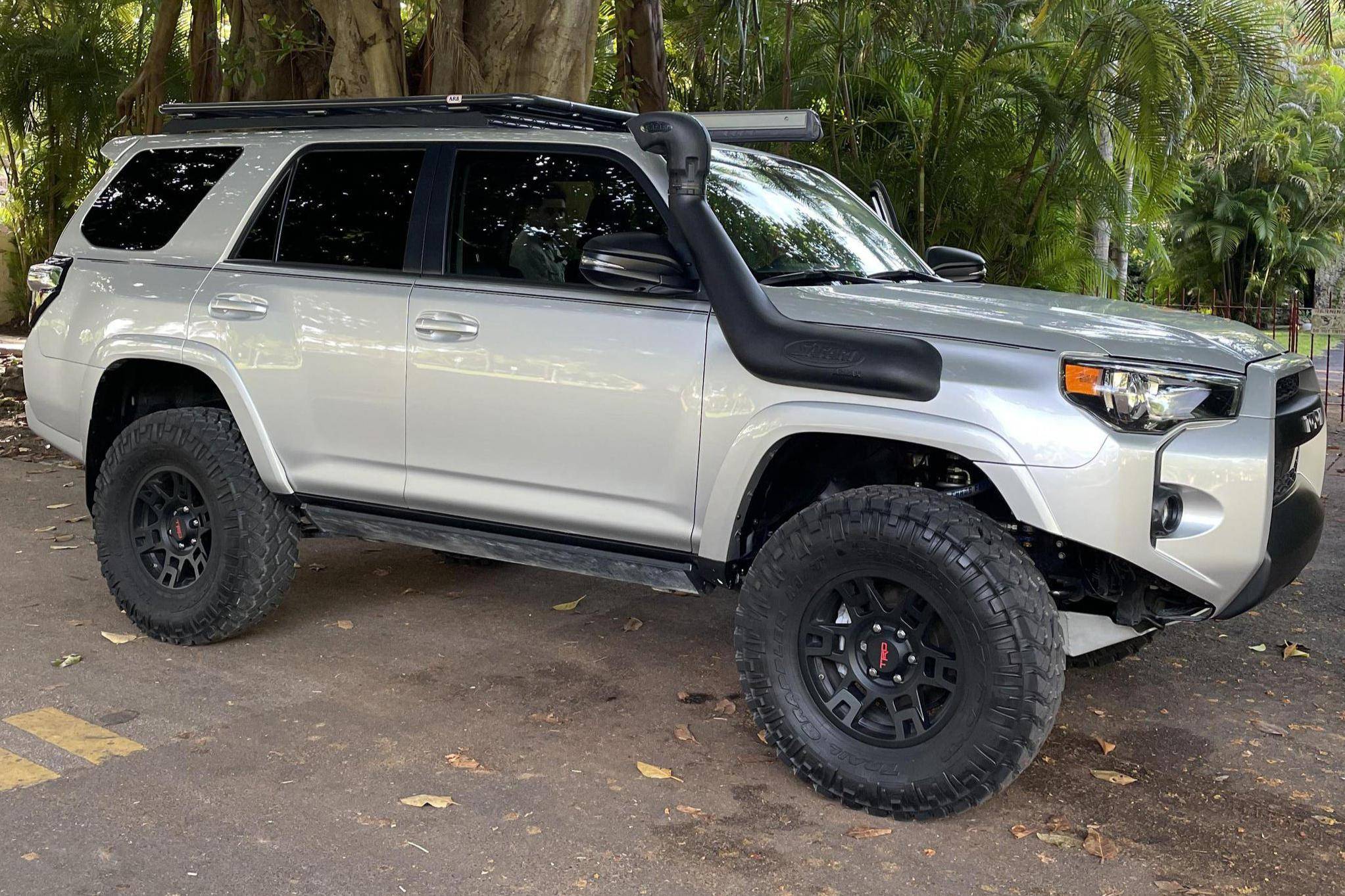
6. 2020 Toyota 4Runner SR5
Rugged design often brings trade-offs, yet the 2020 Toyota 4Runner SR5 handles spare tire access with a level of practicality that suits its purpose. Instead of hiding the spare inside the cargo area, this SUV positions it underneath the rear, secured by a cable system that lowers the tire when needed.
While underbody storage can sometimes be frustrating, the 4Runner keeps the process refreshingly direct. Start with the access point. A simple tool engages the lowering mechanism through an opening near the rear bumper. With a few turns, the spare tire gradually descends to the ground.
The motion feels controlled, which helps avoid sudden drops that could damage the wheel or create unnecessary stress during retrieval. This controlled release adds confidence, especially for drivers who may not have used such a system before.
Ground clearance plays an important role here. The 4Runner sits high enough to allow easy access to the spare once it is lowered. Drivers do not need to crawl or struggle to pull the tire free. This design supports the vehicle’s off-road focus, where conditions can be unpredictable and quick solutions matter.
Durability stands out as well. The mounting system is built to handle exposure to dirt, water, and debris without failing. Even after extended use in rough conditions, the mechanism continues to function reliably when maintained properly. That reliability becomes essential for drivers who depend on the vehicle in remote areas.
Tool storage remains organized within the cargo area, ensuring everything needed for the tire change is within reach. This reduces wasted time and prevents confusion during the process. Each component has a defined place, reinforcing a sense of readiness.
4Runner ownership often involves travel beyond paved roads, where assistance may not be readily available. A spare tire system that works without confusion supports that independence. Drivers can handle tire issues with confidence, knowing the design supports quick action.
Practical engineering defines this setup. While some underbody systems feel awkward, the 4Runner SR5 delivers a method that feels purposeful and dependable, aligning with the vehicle’s rugged identity.

7. 2018 Jeep Wrangler Unlimited Sport
Few vehicles embrace simplicity like the 2018 Jeep Wrangler Unlimited Sport, and its spare tire placement reflects that philosophy perfectly. Mounted directly on the rear tailgate, the spare is always visible and immediately accessible. This design removes nearly all barriers between the driver and the tire.
Approach the rear of the vehicle, and the spare is right there. No panels to lift, no mechanisms to operate, and no tools required just to reach it. This direct access becomes especially valuable in urgent situations, where every second counts. Drivers can begin the tire change almost instantly.
Mounting position also improves usability. Since the spare sits at a comfortable height, lifting it off the carrier requires less effort than pulling a tire from beneath the vehicle. The motion feels natural, reducing strain and making the process manageable for a wide range of users.
Exposure to the elements is part of the design, yet durability compensates for it. The spare tire is built to handle weather conditions, and protective covers can be added for extra care. Even without a cover, the tire remains ready for use when needed.
Visual awareness offers an additional benefit. Drivers can easily inspect the spare during routine checks, ensuring proper inflation and condition. This reduces the risk of discovering an unusable tire during an emergency. Wrangler design focuses on function above all else, and this approach extends to spare tire access.
By eliminating unnecessary steps, the vehicle ensures that drivers can respond quickly to unexpected situations. Off-road travel often demands self-reliance, and the Wrangler supports that mindset with a setup that prioritizes speed and simplicity. When a flat tire occurs, the solution is already in plain sight, ready to be used without delay.

8. 2017 Honda Pilot EX-L
Family-focused design defines the 2017 Honda Pilot EX-L, and that attention to everyday usability extends to how the spare tire is stored. Positioned beneath the rear cargo area, the spare is accessed through a system that balances protection with convenience.
Begin with the rear cargo space. A compartment houses the tools required to lower the spare, keeping everything organized and easy to locate. Once the tool is engaged, the lowering mechanism releases the tire smoothly, bringing it down to ground level without sudden movement.
Ease of operation stands out immediately. The system does not require excessive force, and the process feels controlled from start to finish. This helps drivers remain confident, even if they have little experience with tire changes. Ground clearance supports accessibility.
The Pilot sits high enough to allow comfortable access once the spare is lowered. Drivers can retrieve the tire without awkward positioning, which reduces physical strain during the process. Interior organization enhances efficiency. Tools are stored in clearly defined locations, ensuring that nothing is misplaced. This thoughtful arrangement saves time and reduces frustration when dealing with a flat tire.
Protection from cargo interference adds another advantage. Since the spare is stored outside the main cargo area, there is no need to unload luggage or equipment before accessing it. This becomes especially helpful during long trips where the vehicle may be fully packed.
Pilot ownership often revolves around practicality, and this feature aligns with that expectation. Families benefit from a design that keeps things simple, even in unexpected situations. Balanced engineering defines the approach here. The spare tire remains protected from everyday exposure while still being accessible when needed, creating a system that works efficiently without adding unnecessary steps.
Also Read: 9 Cars That Get 35 MPG Without Being A Hybrid

9. 2019 Chevrolet Tahoe LS
Full-size capability brings unique challenges, yet the 2019 Chevrolet Tahoe LS handles spare tire access with a method that feels both secure and manageable. Like many large SUVs, the Tahoe stores its spare beneath the rear, using a cable system designed for controlled lowering.
Operation begins at the rear bumper, where a dedicated access point allows the driver to insert the tool and engage the mechanism. Turning the tool gradually lowers the spare tire, maintaining steady movement throughout the process. This controlled descent prevents sudden drops and keeps the operation predictable.
Vehicle height plays a helpful role. The Tahoe’s elevated stance provides enough space to retrieve the spare without excessive effort. Drivers can access the tire comfortably once it reaches the ground, avoiding the need for awkward positioning.
Strength and durability define the system. Built to handle the weight of a full-size spare, the mechanism remains reliable when maintained properly. Even after extended use, it continues to function as intended, providing confidence during roadside situations.
Interior tool storage supports efficiency. Equipment is organized within the cargo area, ensuring quick access when needed. This arrangement reduces confusion and helps drivers stay focused on the task. Cargo space remains unaffected by the spare tire location.
Since the tire is stored underneath, the interior retains its full capacity for passengers and luggage. This separation enhances practicality, especially for long trips or large families. Tahoe ownership often involves heavy-duty use, from towing to extended travel.
A spare tire system that works without unnecessary difficulty supports that versatility. Thoughtful engineering ensures that even a large vehicle can offer straightforward solutions. When a flat tire occurs, the Tahoe LS provides a process that feels controlled, accessible, and dependable, allowing drivers to handle the situation with confidence.
