
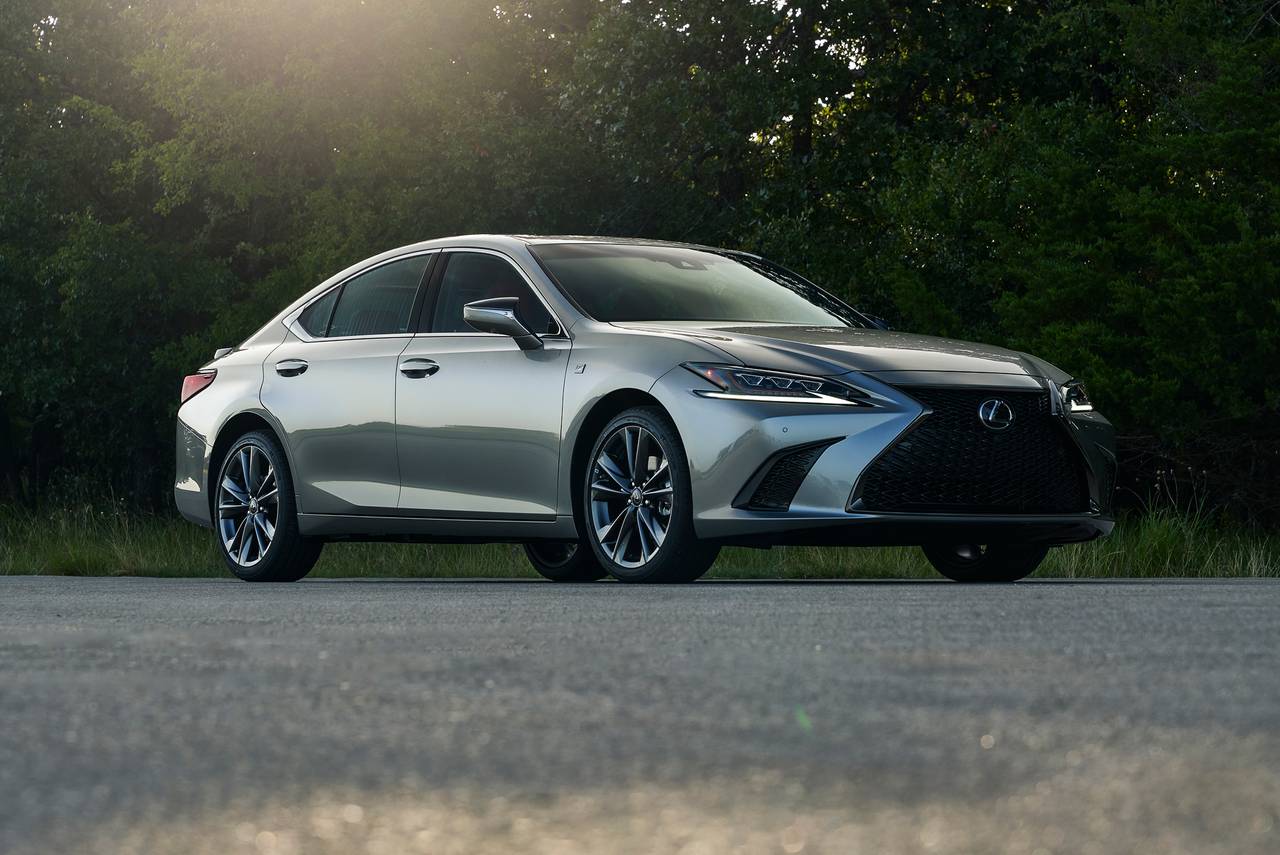
Sunset driving has a specific kind of danger that does not get discussed as often as it should. Rain, ice, and fog all receive appropriate attention in driver safety conversations, but the low-angle sun during the thirty to forty-five minutes around sunset and sunrise creates a visibility challenge that affects drivers every single day and that causes accidents at a rate that the hour’s relatively short duration makes easy to dismiss as a category of risk.
When sunlight enters at a flat angle, it does not simply make you squint. It creates a specific optical problem where glare bounces off the dashboard, reflects inside the windshield glass itself, and catches every fingerprint, dust particle, and manufacturing impurity in the glass surface, turning what should be a clear view of the road ahead into a washed-out, high-glare environment where important details like pedestrians, stop signs, and braking vehicles ahead become genuinely difficult to see.
Not all windshields handle this equally. Glass thickness, laminate composition, coating technology, the angle at which the windshield is set relative to the driving position, and the design of the dashboard surface below the windshield all contribute to how much sunset glare a driver actually experiences.
Modern automotive glass technology has made substantial progress in addressing this specific problem through anti-reflective coatings, acoustic laminate layers that also reduce internal reflection, and specific glass tints that filter the infrared and UV wavelengths responsible for the most disruptive glare effects without reducing visible light transmission enough to create nighttime visibility concerns.
This page covers ten cars whose windshield design, glass technology, and dashboard integration specifically address the sunset glare problem in measurable and driver-perceptible ways. These are vehicles where the engineering team paid specific attention to this visibility challenge rather than treating windshield selection as a generic safety checkbox.
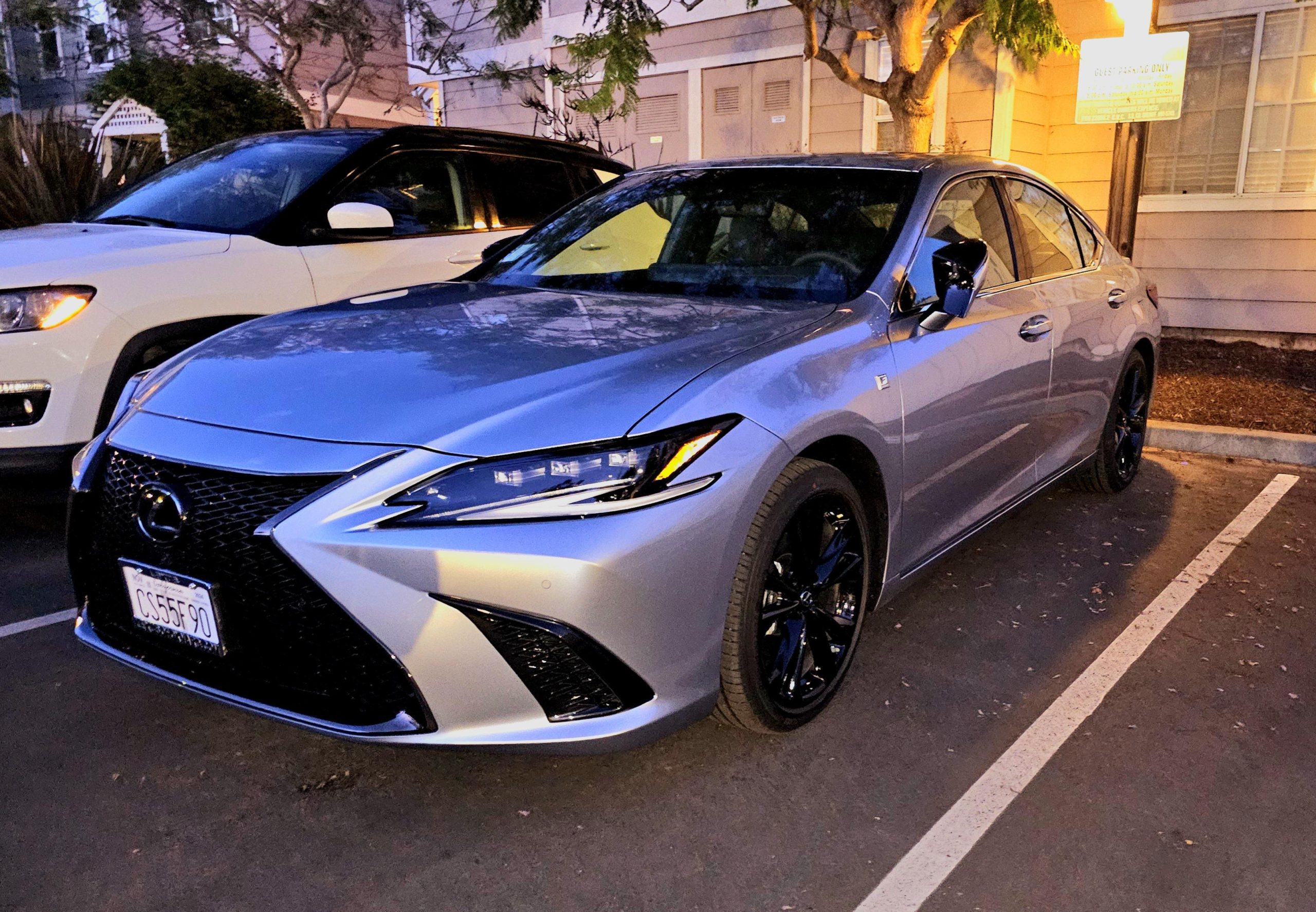
1. Lexus ES 350 F Sport AWD (2024)
Lexus’s approach to windshield engineering across the ES 350 platform reflects the brand’s broader philosophy of treating refinement and comfort as safety concerns rather than luxury indulgences. A driver who is comfortable, unstressed, and visually unimpeded by glare is safer, and Lexus has translated this philosophy into specific windshield glass engineering that addresses the sunset glare problem with measurable effectiveness.
Acoustic glass windshield in the 2024 ES 350 F Sport AWD uses a laminate construction that includes a polymer acoustic interlayer between two glass layers, and this interlayer performs a secondary function beyond noise reduction that is less frequently discussed: it disrupts the internal reflection pathway that creates glare inside the windshield during low-angle sun exposure.
When sunlight enters the glass at a steep angle and reflects off the inner glass surface back toward the driver’s eyes, the laminate interlayer’s optical properties scatter this internal reflection rather than allowing it to reach the driver’s vision field with full intensity.
Dashboard material specification directly contributes to glare management in a way that the windshield alone cannot achieve. Lexus uses a specific matte-finish, low-sheen material for the upper dashboard surface in the ES 350 that minimizes the reflection of external light back onto the inner windshield surface, which is the primary mechanism by which dashboard glare compounds the direct glare from the sun itself.
Buyers who have driven other vehicles with glossy or semi-gloss upper dashboard surfaces during sunset conditions understand immediately why this material choice matters. Windshield angle geometry in the ES 350 positions the glass at a rake angle that Lexus engineers calculated specifically to minimize the reflection angle at which dashboard light reaches the driver’s eyes.
This geometry consideration is not visible in any specification sheet but is perceptible in practice, where the specific angle at which the light from the dashboard would reflect upward toward the eyes is positioned outside the driver’s line of sight rather than directly into it.
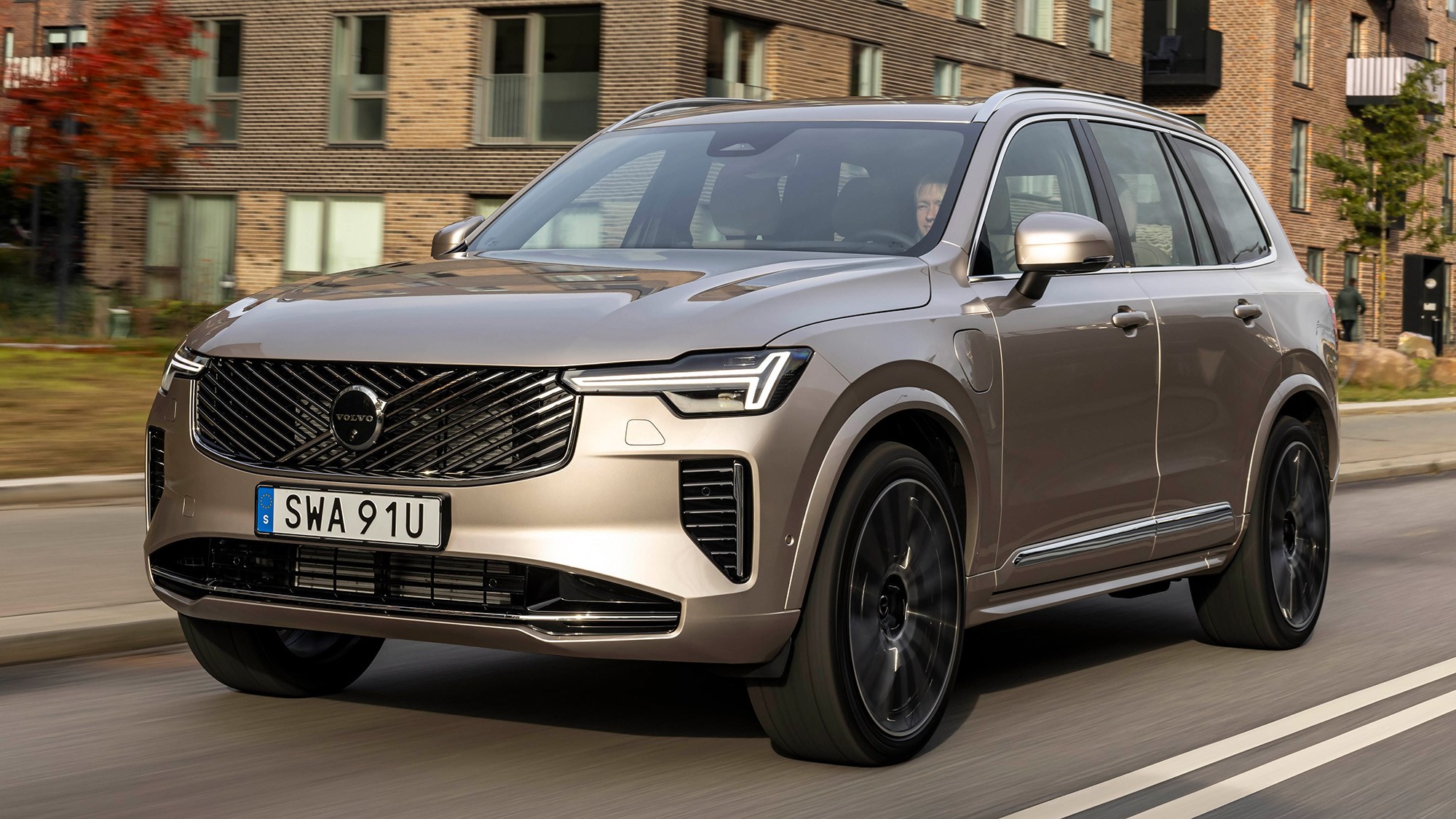
2. Volvo XC90 Recharge T8 Ultimate AWD (2024)
Volvo’s engineering culture treats every aspect of driver visibility as a safety matter, which is the organizational attitude that produces windshield engineering investments that other manufacturers might classify as comfort features rather than safety priorities.
In the XC90 Recharge T8 Ultimate AWD, this attitude produces a windshield system that Volvo’s development team specifically optimized for the visibility conditions that affect drivers throughout the Nordic winter, where low-angle sun during the short daylight hours creates sustained glare exposure that is more persistent than the temporary sunset window that most climates produce.
High-performance acoustic windshield glass with a green tint calibrated to filter the wavelengths responsible for the most intense glare effects while maintaining visible light transmission above 70 percent addresses the optical mechanism of sunset glare at the source rather than relying on the driver’s sun visor to block the problem after it has already entered the cabin.
Green-tinted glass specifically targets the infrared component of sunlight that contributes heat and intense brightness to the glare experience, reducing both the visual and thermal dimensions of the problem simultaneously. Volvo’s Driver Alert Control system in the XC90 monitors driving patterns for signs of impaired attention, and Volvo’s engineers have specifically noted in technical publications that glare-induced visibility impairment is one of the attention reduction scenarios the system was calibrated to detect.
This integration of glare management into the vehicle’s active safety system reflects how seriously Volvo treats sunset and sunrise driving as a genuine safety challenge rather than simply a comfort inconvenience.
Also Read: 9 Underrated American Muscle Cars Collectors Are Sleeping On In 2026
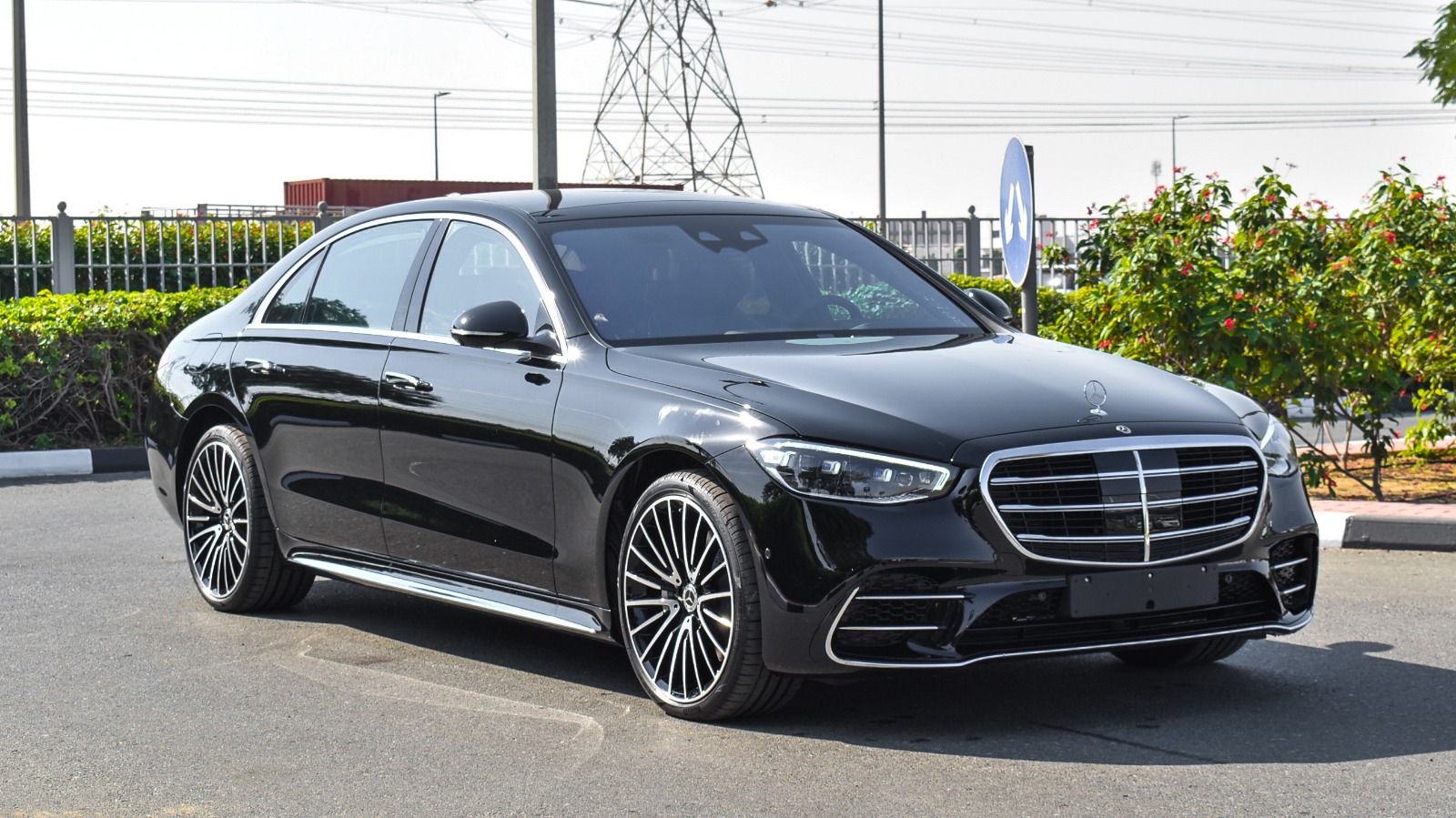
3. Mercedes-Benz S580 4MATIC (2024)
A clear demonstration of advanced automotive engineering can be observed in the 2024 Mercedes-Benz S580 4MATIC, where attention to detail extends far beyond performance and luxury into areas such as optical clarity and glare control. This flagship model reflects a deliberate effort to refine the driving experience through precise material selection and technological integration, particularly in the design of its windshield system.
At the centre of this refinement lies an acoustic laminated windshield enhanced with an infrared-reflective interlayer. This feature performs more than a conventional tinted glass function. It actively reduces the intensity of sunlight entering the cabin by reflecting infrared radiation before it contributes to heat buildup and visual discomfort.
Such technology, originally associated with aerospace and architectural applications, has been adapted effectively for automotive use, demonstrating the manufacturer’s commitment to incorporating advanced solutions into passenger vehicles.
Optical quality assurance for the windshield is maintained through strict inspection standards. Mercedes-Benz applies acceptance criteria that exceed general industry requirements, ensuring that even minimal distortions are identified and eliminated during production.
This level of scrutiny results in glass surfaces with reduced irregularities and improved consistency, which directly enhances driver visibility during challenging lighting conditions such as early morning or late afternoon sun exposure. Dashboard design complements the performance of the windshield. Materials used in the upper console are carefully selected and tested under controlled lighting conditions to minimise reflective glare.
Engineers evaluate how sunlight interacts with interior surfaces at low angles, ensuring that reflections do not interfere with the driver’s line of sight. This approach demonstrates a comprehensive understanding of how different components interact within the cabin environment.
Driving experience benefits from these combined efforts. During periods of intense sunlight, particularly when the sun is positioned low on the horizon, the cabin remains visually stable and comfortable. Drivers are less likely to experience eye strain or reduced visibility, which contributes to improved focus and safety.
The 2024 Mercedes-Benz S580 4MATIC represents a comprehensive approach to vehicle design, where even elements such as windshield construction receive careful attention. This dedication to precision ensures that drivers benefit from enhanced comfort and visibility in a wide range of conditions.
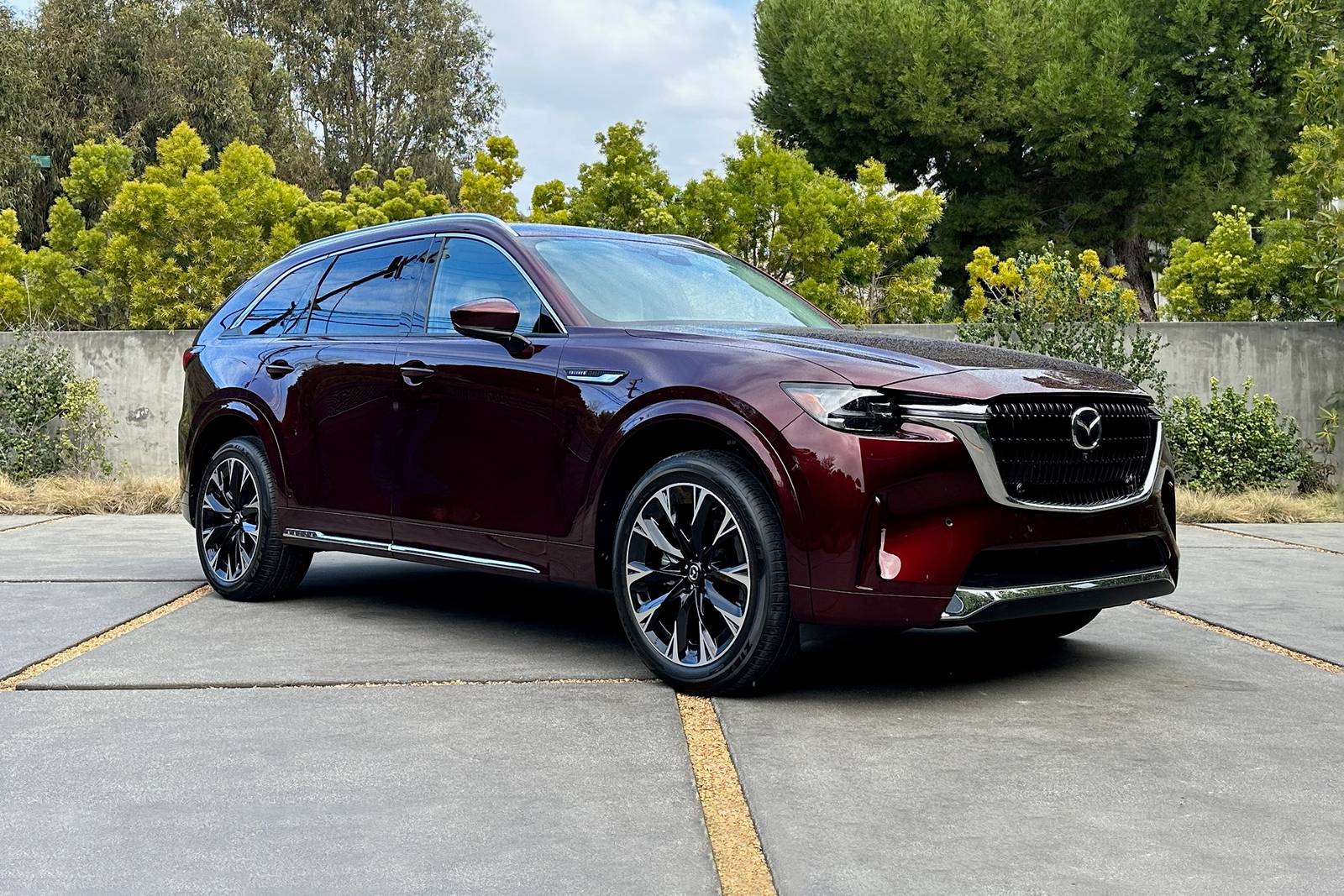
4. Mazda CX-90 PHEV Premium Plus AWD (2024)
Careful engineering and thoughtful design define the 2024 Mazda CX-90 PHEV Premium Plus AWD, a vehicle that demonstrates how attention to detail can enhance everyday driving. While positioned at a more accessible price point than traditional luxury vehicles, it incorporates advanced solutions that address real-world challenges, including glare reduction and visual clarity through its windshield system.
Mazda employs a specialised windshield design that combines an acoustic interlayer with a solar control coating. This configuration reduces the intensity of sunlight entering the cabin while maintaining sufficient visibility. Engineers carefully calibrated the balance between light transmission and glare reduction through structured testing, ensuring that the result aligns with driver comfort rather than relying solely on theoretical measurements.
Interior design plays an equally important role in managing visual conditions. Dashboard surfaces are shaped and positioned to limit the reflection of sunlight onto the windshield. By controlling the angle and texture of these surfaces, Mazda reduces the likelihood of glare reaching the driver’s field of vision. This approach reflects a coordinated effort between design and engineering teams to address the issue as a unified system.
Control layout contributes to the same objective. Displays and interfaces are positioned below critical reflection zones, preventing unnecessary brightness from interfering with visibility. Screen intensity is carefully regulated to remain clear without becoming distracting, particularly during low-light or high-glare conditions. This disciplined arrangement enhances usability while supporting visual comfort.
Driver-focused geometry is evident in the placement of the instrument cluster and head-up display. These elements are aligned with the natural line of sight, reducing the need for head movement and allowing information to be accessed quickly. At the same time, the dashboard profile remains low enough to avoid creating reflective surfaces that could affect windshield clarity.
Driving experience reflects the benefits of these design choices. During sunset or early morning conditions, the cabin maintains a stable visual environment. Reduced glare allows drivers to maintain focus on the road, improving both comfort and confidence. This becomes especially valuable during long journeys or in regions where sunlight intensity varies throughout the day.
The 2024 Mazda CX-90 PHEV Premium Plus AWD illustrates how precision in design can enhance everyday usability. By addressing glare management through both material selection and interior layout, it provides a driving experience that prioritises clarity, comfort, and practicality.
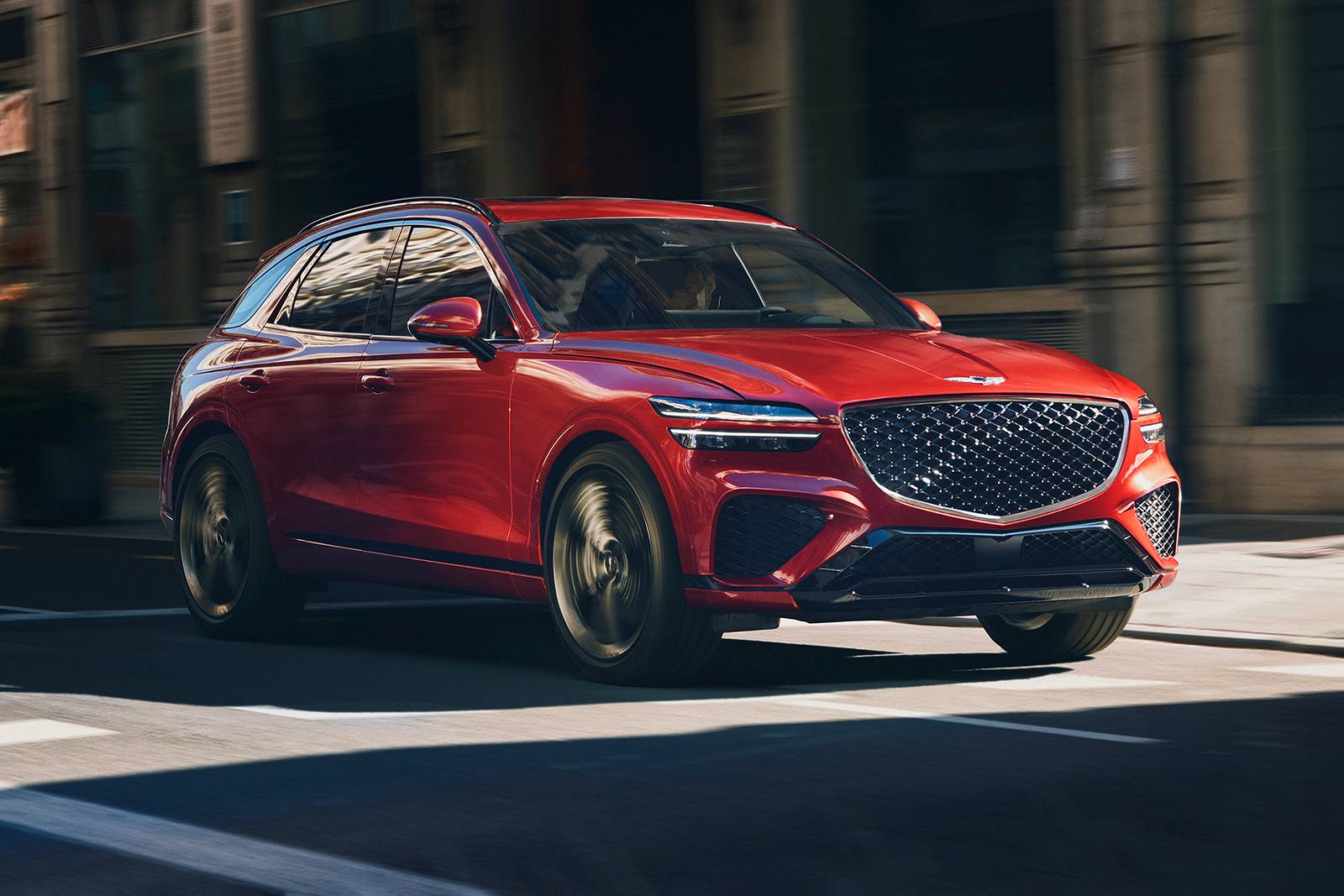
5. Genesis GV70 Sport Prestige 2.5T AWD (2024)
Genesis has invested substantial engineering resources in understanding what premium vehicle buyers specifically value beyond the obvious luxury indicators of leather quality and technology content, and driver optical comfort during challenging lighting conditions has emerged as a quality dimension that Genesis’s engineering team has addressed with specific technical investment in the GV70 Sport Prestige platform.
Laminated acoustic glass in the GV70 Sport Prestige uses a construction that Genesis specifies with anti-reflective properties on the inner glass surface, which reduces the internal reflection mechanism through which dashboard light contributes to windshield glare during sunset and sunrise driving.
Anti-reflective treatment on automotive windshield interior surfaces is less common in production vehicles than its effectiveness would predict, because the manufacturing process for applying and maintaining anti-reflective coatings at automotive production scale and quality control standards presents engineering challenges that Genesis has specifically addressed in the GV70’s glass specification.
Instrument panel design uses a specifically selected matte-finish covering material for the upper section that Genesis’s interior development team evaluated under standardized glare testing conditions. This evaluation process differs from standard material testing in that it specifically subjects candidate materials to low-angle illumination conditions representative of sunset driving and measures the resulting windshield inner surface reflection intensity rather than simply evaluating material appearance under general showroom lighting conditions.
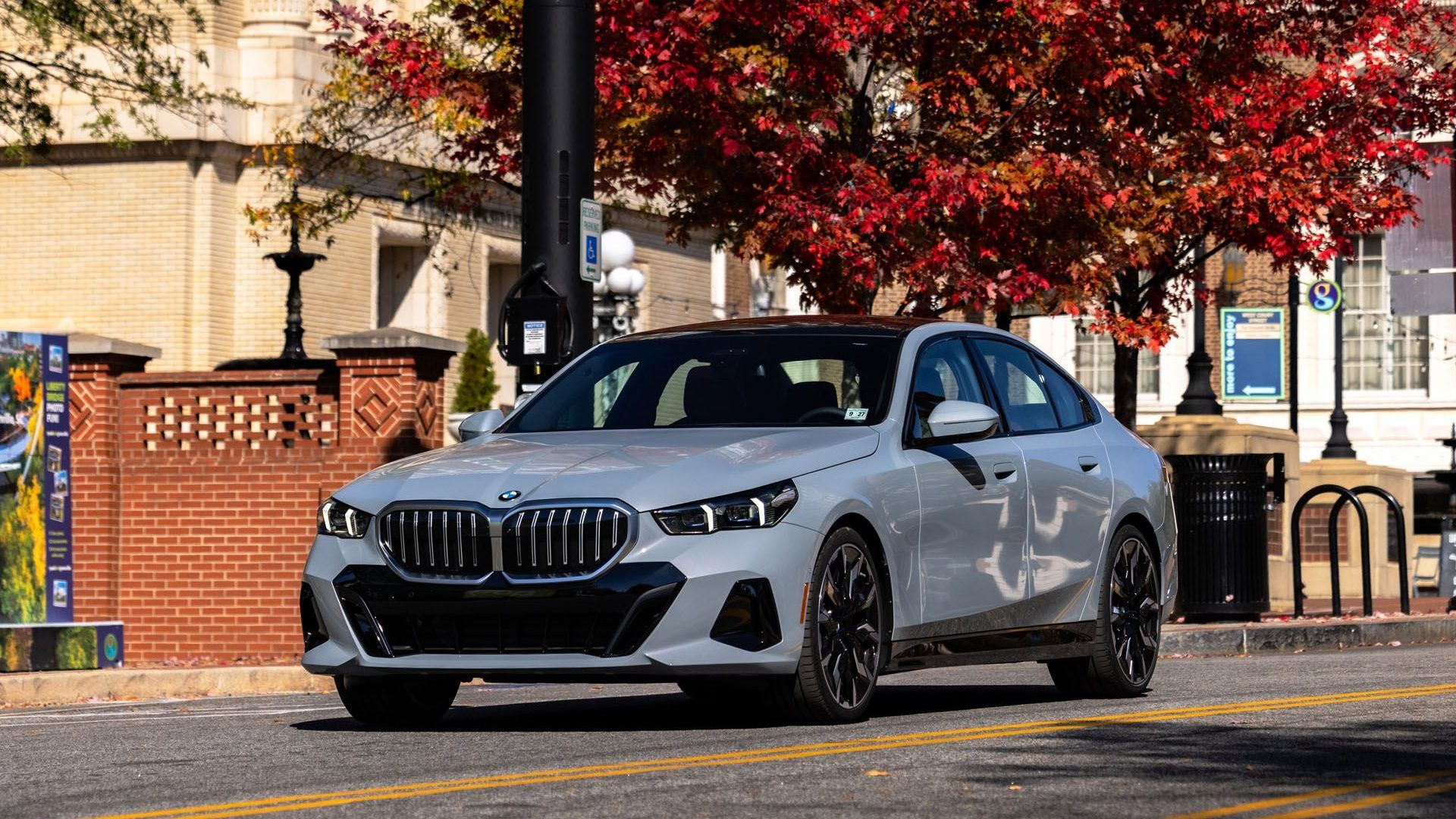
6. BMW 5 Series 530i xDrive (2024)
BMW’s engineering standards apply the same systematic discipline to optical quality in glass and interior materials that the brand applies to suspension geometry and engine thermal management, and the result in the 2024 5 Series 530i xDrive is a windshield and dashboard system that manages sunset glare through multiple coordinated engineering decisions rather than a single glass specification.
Panoramic windshield glass in the current 5 Series generation uses BMW’s thermal and acoustic glass specification with specific attention to the reflection characteristics of the outer and inner glass surfaces under conditions of low-angle illumination.
BMW’s glass supplier specifications include optical quality requirements that exceed baseline automotive standards, with acceptance criteria for surface flatness, internal stress distribution, and coating uniformity that produce glass with fewer glare-intensifying optical defects than standard automotive glass production typically achieves at the same volume level.
Digital instrument cluster design positions the driver information display behind a specifically calibrated anti-glare screen treatment that reduces display-to-windshield reflection contribution during low-angle sun exposure. When dashboard information displays reflect off the windshield’s inner surface toward the driver’s eyes during sunset conditions, they create a second layer of glare on top of the external glare from the sun, and BMW’s display screen surface treatment directly addresses this mechanism by reducing the reflection that reaches the windshield from the display surface.
Interior material specification throughout the upper dashboard of the 2024 5 Series uses surfaces whose gloss level has been specifically limited to below the threshold that BMW’s interior development team determined produces measurable glare reflection contribution during low-angle sun exposure testing.
This limiting of surface gloss for functional rather than simply aesthetic reasons reflects the engineering discipline that distinguishes manufacturers who treat driver environment systematically from those who evaluate interior elements independently of their interaction effects.
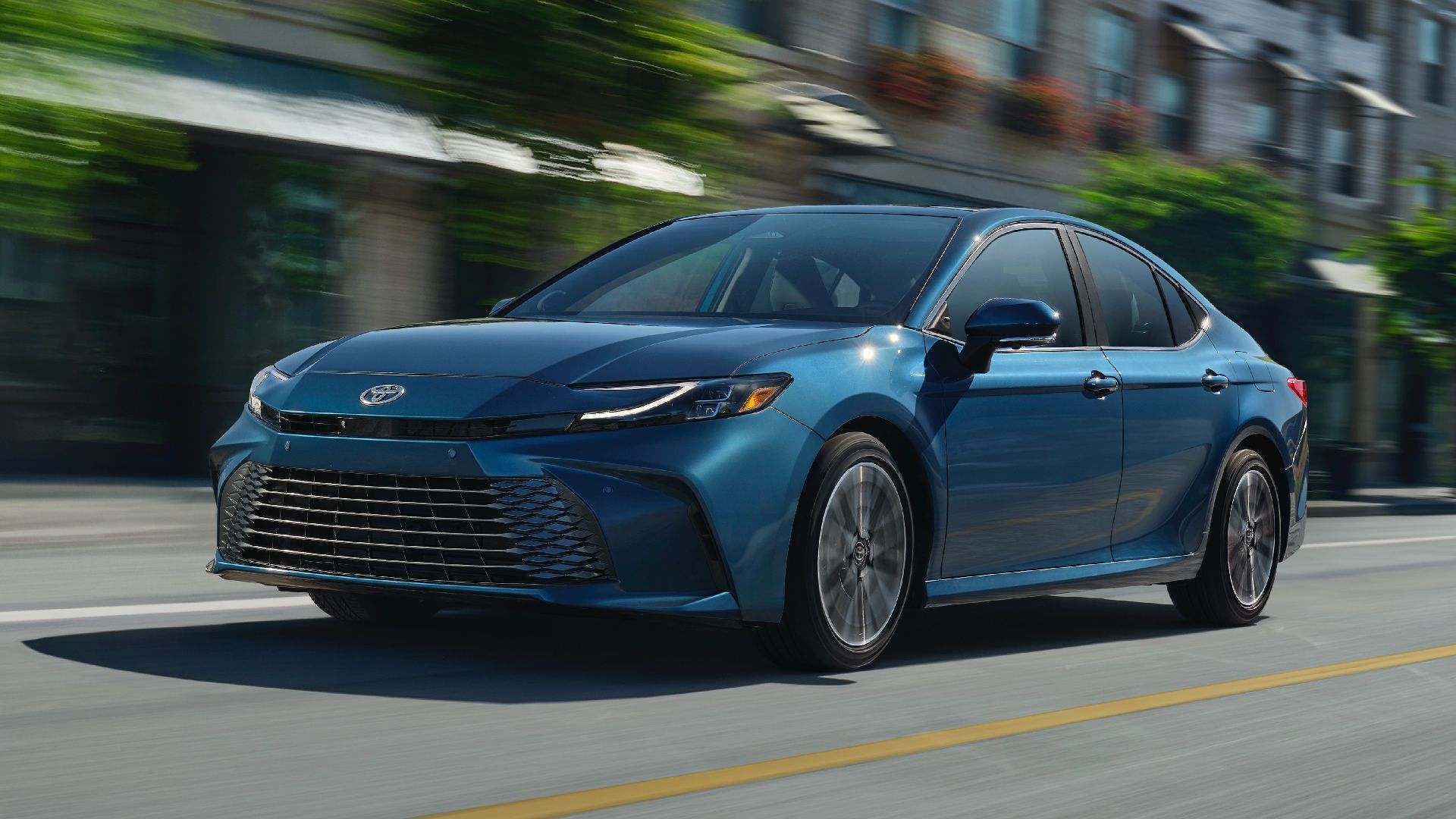
7. Toyota Camry XSE V6 FWD (2024)
High-volume production does not always allow for detailed refinement, yet the 2024 Toyota Camry XSE V6 FWD demonstrates that careful engineering can deliver strong glare control even at a mainstream price level. Achieving consistent optical quality across large production numbers requires strict material selection and disciplined manufacturing processes, both of which are evident in this model’s windshield design.
An acoustic laminated windshield forms the foundation of its glare management capability. A specially engineered polymer interlayer reduces sound transmission while also limiting light distortion during early morning and late evening driving. This dual-purpose design ensures that the cabin remains both quiet and visually comfortable.
Toyota maintains strict quality control across its supply chain to ensure that each unit meets precise optical standards, which is essential when production volumes are high. Interior design contributes directly to the effectiveness of the windshield.
The upper dashboard features a carefully selected texture and finish that reduces reflective glare. Engineers evaluated these materials under controlled lighting conditions to ensure that sunlight does not create distracting reflections on the glass surface. This attention to detail supports a stable visual environment for the driver.
Driving experience benefits from the inclusion of a 3.5-litre V6 engine. Smooth power delivery reduces the effort required during daily driving tasks such as merging and overtaking. When less attention is required for vehicle control, drivers can focus more effectively on road conditions, especially during periods of reduced visibility caused by sunlight.

8. Subaru Outback Touring XT AWD (2024)
A practical vehicle can still achieve high standards of optical clarity, and the 2024 Subaru Outback Touring XT AWD provides a clear example through its integration of advanced driver assistance technology and windshield design. The EyeSight system, which relies on stereoscopic cameras mounted near the top of the windshield, requires glass quality that exceeds standard automotive specifications.
Strict optical requirements ensure that the windshield maintains a high level of clarity and minimal distortion. Cameras used for lane detection and object recognition depend on precise visual input, which means the glass must be manufactured to tighter tolerances than usual. These same qualities benefit the driver by reducing glare and improving visibility during low-angle sunlight conditions.
Windshield flatness and consistency are carefully controlled during production. Even minor irregularities can affect camera performance, so Subaru enforces rigorous standards across its manufacturing process. As a result, the glass surface provides a clear and stable view, reducing the scattering of light that contributes to glare.
Interior systems are designed to complement this clarity. The Starlink multimedia interface adjusts screen brightness automatically based on ambient lighting conditions. This prevents displays from becoming sources of reflection on the windshield, especially during sunrise and sunset when lighting conditions change rapidly.
Power delivery also supports the driving experience. A 2.4-litre turbocharged engine provides steady acceleration, allowing drivers to maintain speed without excessive effort. Reduced strain during driving tasks helps maintain focus, which is particularly valuable when visibility is affected by sunlight.
Cabin layout reflects a practical approach to usability. Controls are positioned for easy access, while materials are selected to minimise reflection. This coordinated design ensures that multiple elements work together to reduce visual distraction.
The 2024 Subaru Outback Touring XT AWD illustrates how technology and engineering can combine to improve everyday driving conditions. Its windshield design, influenced by camera system requirements, delivers clarity that enhances both safety and comfort.
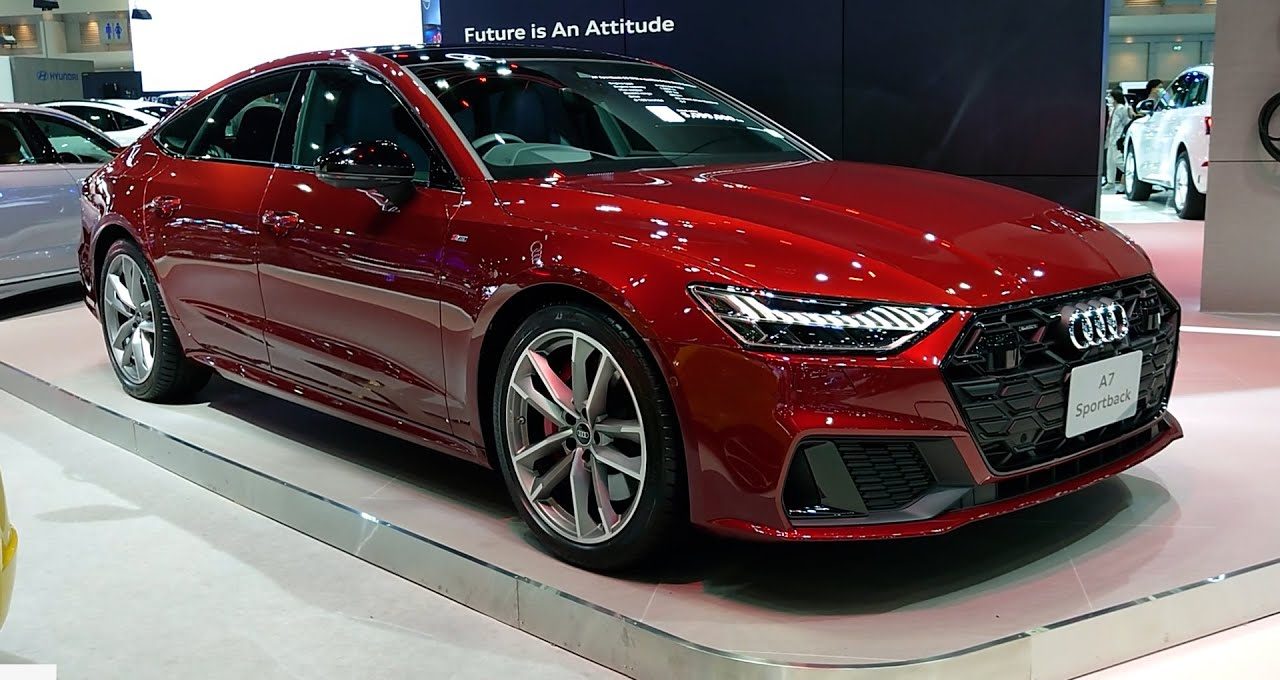
9. Audi A7 Sportback 55 TFSI Quattro (2024)
Audi’s engineering culture produces vehicles where the interaction between every system and surface has been considered rather than each evaluated independently, and the A7 Sportback’s fastback body architecture creates a windshield geometry and interior packaging combination that incidentally produces favorable glare management characteristics through the same design decisions that define the car’s visual identity.
Fastback windshield angle in the A7 Sportback positions the glass at a more upright rake angle than traditional sedan designs, which changes the angle at which sunset sunlight enters the glass and reflects off the inner surface in ways that reduce the probability of reflected light reaching the driver’s eye line.
This geometric consideration is not the primary purpose of the fastback body design, but the optical consequence of the specific windshield angle is a measurably different glare behavior compared to more steeply raked windshields that create more acute reflection angles at low sun positions. The Virtual Cockpit Plus instrument cluster uses an anti-glare display surface treatment specified by Audi to manage reflections between the display and the windshield glass under low-angle external illumination.
Display surfaces that reflect strongly off the inner windshield surface during sunset conditions create a compounded visual challenge where external glare and internal display reflection combine, and Audi’s anti-glare display surface specification directly reduces the display’s contribution to this compound effect.
Also Read: 9 Cars Where Replacing The Headlight Bulbs Doesn’t Require Removing The Bumper

10. Honda CR-V Sport Touring Hybrid AWD (2024)
Honda’s CR-V Sport Touring Hybrid closes this list as the most practically accessible entry, a mainstream crossover that families, commuters, and daily drivers across a wide range of budgets and lifestyles can realistically consider, whose windshield and interior engineering manage sunset glare through Honda’s specific attention to driver visibility as a genuine quality of life and safety priority rather than a luxury feature.
Acoustic laminated windshield glass in the CR-V Sport Touring Hybrid uses Honda’s specific glass specification that includes a solar control coating calibrated to balance visible light transmission with infrared and UV filtering at a ratio that Honda’s driver experience research determined produced the best balance between daytime glare reduction and nighttime visibility performance.
This balance is a genuine engineering trade-off that different manufacturers resolve differently based on their specific testing and prioritization, and Honda’s solution reflects the company’s extensive research into the actual driving conditions and visibility preferences of its mainstream buyer population. Upper dashboard design uses Honda’s specifically selected low-reflectance material that the interior development team evaluated under low-angle sun exposure conditions during the CR-V’s development program.
Honda’s development process for new model generations includes specific evaluations of interior materials under the lighting conditions that represent real-world driver challenges rather than only under the controlled showroom conditions that make all materials appear acceptable, and this process produces interior specifications that perform correctly in actual use rather than only in evaluation environments designed to make products look favorable.
