

Road quality varies dramatically across the world, from perfectly paved highways in parts of the United States to uneven city streets filled with cracks, expansion joints, and potholes. In such conditions, the way a car rides becomes one of the most important aspects of daily driving.
A vehicle that glides over imperfections can reduce fatigue, protect passengers from constant jolts, and make long journeys feel effortless. On the other hand, a car that transmits every bump into the cabin can quickly turn even a short commute into an uncomfortable experience.
Ride quality is shaped by several engineering decisions. Suspension tuning, wheel size, tire profile, chassis stiffness, and even seat cushioning all play a role. Some manufacturers prioritize comfort, allowing the suspension to absorb road imperfections smoothly.
Others focus on sharp handling and sporty response, which often comes at the cost of comfort on rough roads. Neither approach is inherently wrong, but the difference becomes very clear when driving over imperfect surfaces.
This article presents both sides of that contrast. It highlights cars known for their ability to soften bumps and deliver a composed ride, as well as vehicles that tend to transmit road imperfections directly into the cabin.
The goal is not simply to praise or criticize, but to explain why these differences exist and how they affect real-world driving.
Understanding ride quality is especially important for buyers who frequently encounter uneven roads. Comfort is not just about luxury features or quiet cabins; it is also about how the car interacts with the surface beneath it.
A well-tuned suspension can transform daily driving into a relaxed experience, while a poorly suited setup can make every pothole feel like an event.
By comparing these vehicles, this guide helps you identify which cars keep things smooth and which ones make you feel every inch of the road.
Also Read: 6 Cars Dads Buy For Themselves And 6 They Buy For Their Kids
6 Cars With Smooth Rides Over Bumps
A smooth-riding car does more than just soften impacts, it creates a sense of calm inside the cabin regardless of road conditions. These vehicles are designed to absorb imperfections in a way that feels natural rather than disconnected.
Instead of reacting sharply to every bump, they allow the suspension to move freely and settle quickly, maintaining stability without disturbing passengers.
The difference becomes obvious the moment you drive over uneven pavement. In a well-tuned car, bumps feel rounded and controlled. There is no harsh rebound, no sudden jolts, just a gentle motion that keeps the cabin composed. This is achieved through a combination of suspension design, damping control, and tire selection.
This section focuses on cars that deliver that kind of experience consistently across global markets. Each one represents a different approach to comfort, from traditional soft suspensions to advanced adaptive systems.
The explanations go deeper into how and why these cars perform so well, making it easier to understand what sets them apart.
1. Mercedes-Benz S-Class
There are cars that handle bumps well, and then there are cars that seem to erase them entirely. This sedan belongs firmly in the second category. The moment it encounters uneven pavement, the suspension reacts in a way that feels almost predictive, as if it knows what is coming before the wheels even reach the obstacle.
Instead of transmitting the impact upward, the system absorbs it with a controlled motion that settles almost instantly. Passengers experience a gentle rise and fall rather than a sharp jolt. This creates a sense of isolation from the road that is difficult to replicate in less sophisticated vehicles.
One of the reasons for this behavior lies in its advanced suspension technology. It continuously adjusts damping based on road conditions, ensuring that the car remains composed regardless of surface changes. This adaptability is what allows it to maintain comfort without feeling disconnected.
It represents the highest level of ride comfort engineering. Rather than simply transporting passengers, it is designed to shield them from road imperfections, and that level of refinement can make a noticeable difference in reducing fatigue during long-distance travel.
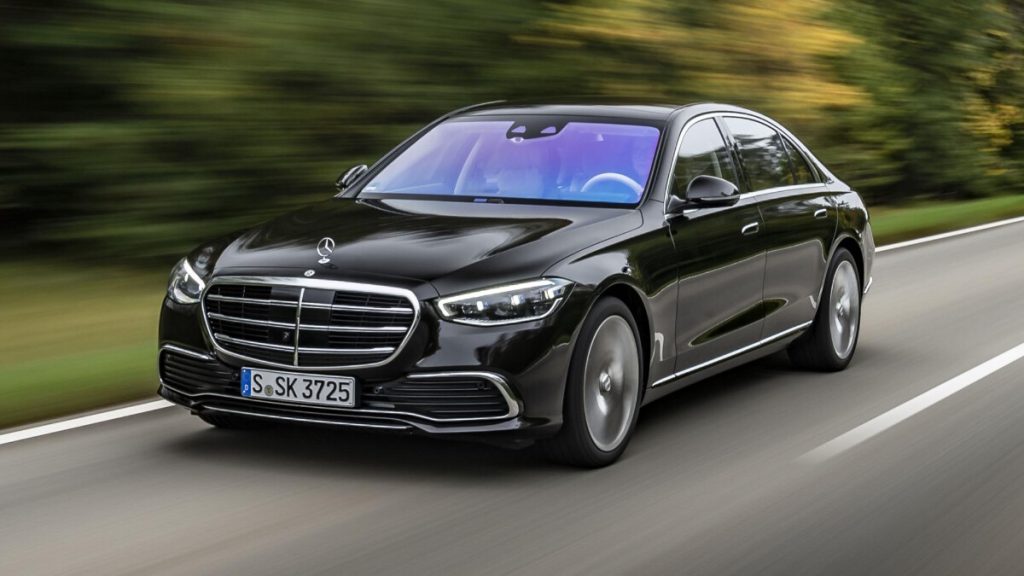
Even at higher speeds, the suspension remains calm and controlled. Instead of becoming unsettled over rough patches, it maintains a steady character, reinforcing the feeling that the car is always in control.
2. Lexus ES
Comfort in this sedan comes from a different philosophy. It does not rely on complex predictive systems, but instead focuses on consistency and balance. The suspension is tuned to absorb imperfections in a way that feels natural and reassuring rather than dramatic.
Drive it over a series of small bumps, and you notice how the motion flows smoothly from one to the next. There is no abrupt reaction, no sense of the car struggling to cope with the surface. Instead, it maintains a steady rhythm that keeps passengers relaxed.
Another strength lies in how it handles larger imperfections. Instead of crashing over potholes, it softens the impact and prevents it from disturbing the cabin excessively. This controlled response makes it well-suited for real-world conditions where road quality is not always ideal.
I am writing about this car because it shows that comfort does not always require cutting-edge technology. Careful tuning and attention to detail can achieve a similar result in a more straightforward way.
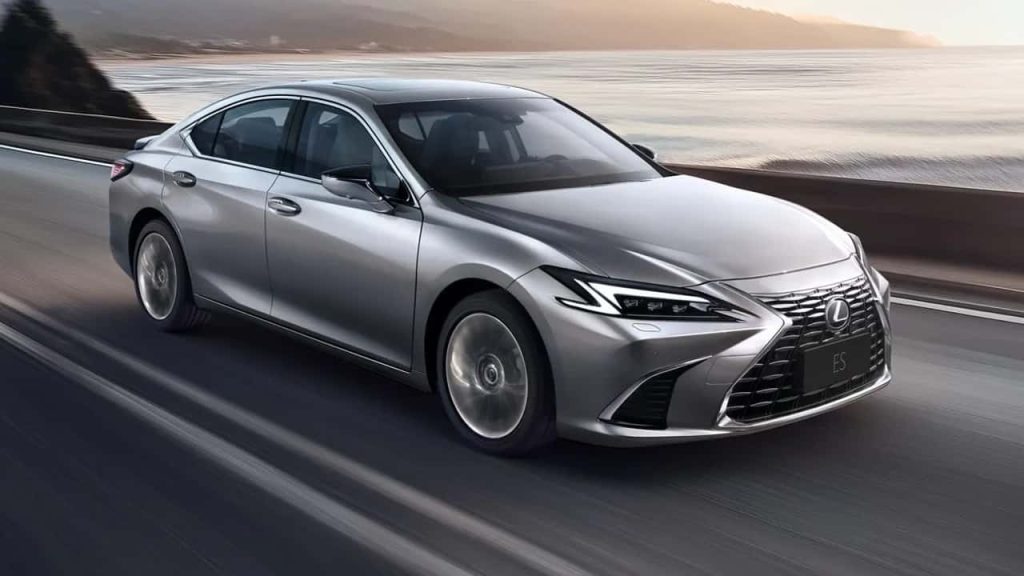
The seats also contribute to the experience. They complement the suspension by absorbing smaller vibrations, creating a layered approach to comfort that feels cohesive rather than isolated.
3. Toyota Avalon
There is a certain calmness to the way this sedan handles imperfect roads, and it becomes noticeable within the first few minutes of driving.
Instead of reacting sharply to every bump, the car seems to take a more relaxed approach, letting the suspension absorb impacts in a way that feels controlled and predictable. That sense of composure is what defines its character.
The suspension tuning leans toward comfort without feeling overly soft. When the wheels encounter uneven pavement, the motion is cushioned rather than transmitted. You feel the road, but only as a distant presence rather than a disturbance.
This balance makes it particularly appealing for drivers who want comfort without completely losing connection to the surface.
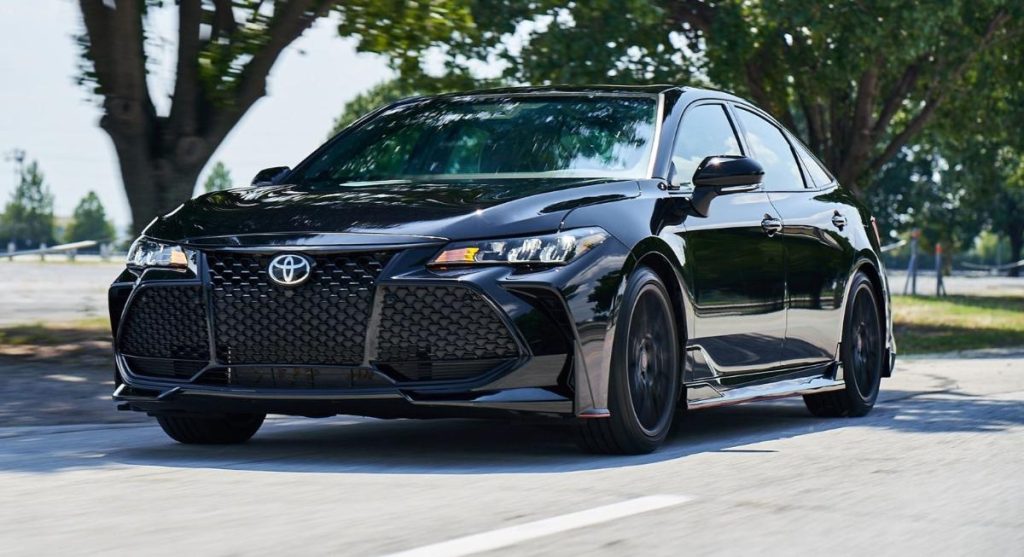
Another aspect that stands out is how well it handles continuous rough patches. Some cars manage isolated bumps effectively but become unsettled when faced with repeated imperfections. This one maintains stability, allowing the cabin to remain composed even when the road surface is less than ideal.
It reflects a practical approach to ride comfort. Without relying on complex systems or dramatic features, it delivers a consistently smooth experience that suits everyday driving.
The longer wheelbase also plays a role. It helps distribute impacts more evenly, reducing the sharpness of individual bumps. Combined with well-tuned dampers, this creates a ride that feels steady and reassuring rather than reactive.
4. Volvo XC90
This SUV approaches ride comfort with a focus on refinement and control. Unlike vehicles that simply soften every impact, it manages bumps in a way that feels measured and deliberate. The suspension does not just absorb the road; it organizes the motion so that passengers experience minimal disturbance.
One of the first things you notice is how it handles larger imperfections. Instead of producing a heavy thud, the impact is spread out into a smoother movement. This makes a significant difference on roads with deep potholes or uneven surfaces, where harsh reactions can quickly become tiring.
The vehicle also benefits from a well-balanced chassis. Even when the suspension is working hard to absorb bumps, the body remains stable. There is no excessive leaning or secondary motion, which helps maintain a sense of confidence for both driver and passengers.
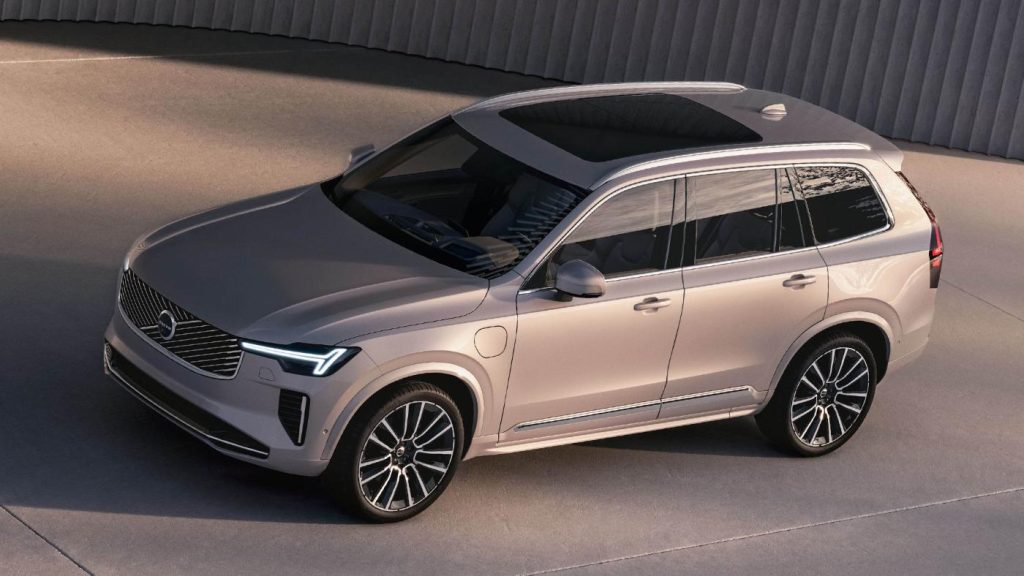
I am writing about this SUV because it demonstrates how comfort and control can coexist. It does not feel overly soft or disconnected, yet it still manages to protect occupants from harsh road conditions.
Another detail worth mentioning is how quiet the experience remains. The suspension works without drawing attention to itself, allowing the cabin to stay calm even when the road is not. That subtlety adds to the full sense of refinement.
5. Buick Enclave
Some vehicles reveal their strengths gradually, and this one does exactly that. It does not try to impress with dramatic softness in the first few bumps. Instead, the comfort builds as you spend more time behind the wheel, especially on roads that are less than perfect. The suspension seems tuned for real-world conditions rather than ideal test surfaces.
Drive it through a patch of broken asphalt, and the way it handles repeated imperfections becomes its defining trait. Instead of reacting to each bump individually, it smooths out the entire sequence into a controlled motion. The cabin remains settled, and passengers are not constantly shifting in their seats to compensate for jolts.
What stands out here is the sense of isolation. Road disturbances feel distant, almost filtered out before they reach the cabin. This does not mean the car feels disconnected, but rather that it prioritizes comfort in a way that suits long journeys and daily commutes alike.
I am including this SUV because it represents a distinctly comfort-focused approach in a segment where many vehicles lean toward sporty handling. It shows that family-oriented crossovers can still deliver a refined ride without sacrificing usability.
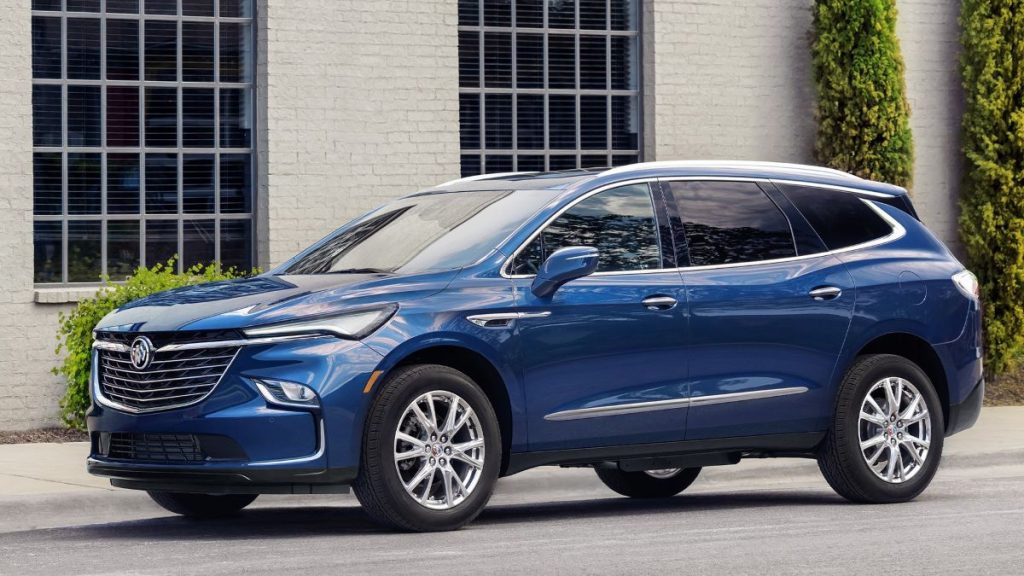
The suspension also handles weight distribution effectively. Even with multiple passengers and cargo, the ride quality remains consistent. That reliability across different load conditions adds to its appeal for those who value comfort above sharp dynamics.
6. Honda Accord
This sedan takes a more balanced route, blending comfort with a level of control that prevents the ride from feeling too soft. It does not aim to completely isolate the driver from the road, but it manages to reduce harshness in a way that feels practical and well judged.
The first impression often comes from how it deals with everyday imperfections like small potholes and uneven patches. Instead of sharp impacts, you feel a muted response that quickly settles. This makes city driving noticeably less tiring, especially on roads that are constantly changing in quality.
Another strength lies in how the suspension recovers after a bump. There is no lingering bounce or instability. The car absorbs the impact and returns to a stable state almost immediately, which helps maintain confidence at higher speeds.
I am writing about this car because it reflects a thoughtful compromise. Not every driver wants a fully cushioned experience that removes all feedback from the road. This model provides comfort while still allowing a sense of connection, making it suitable for a wide range of driving styles.
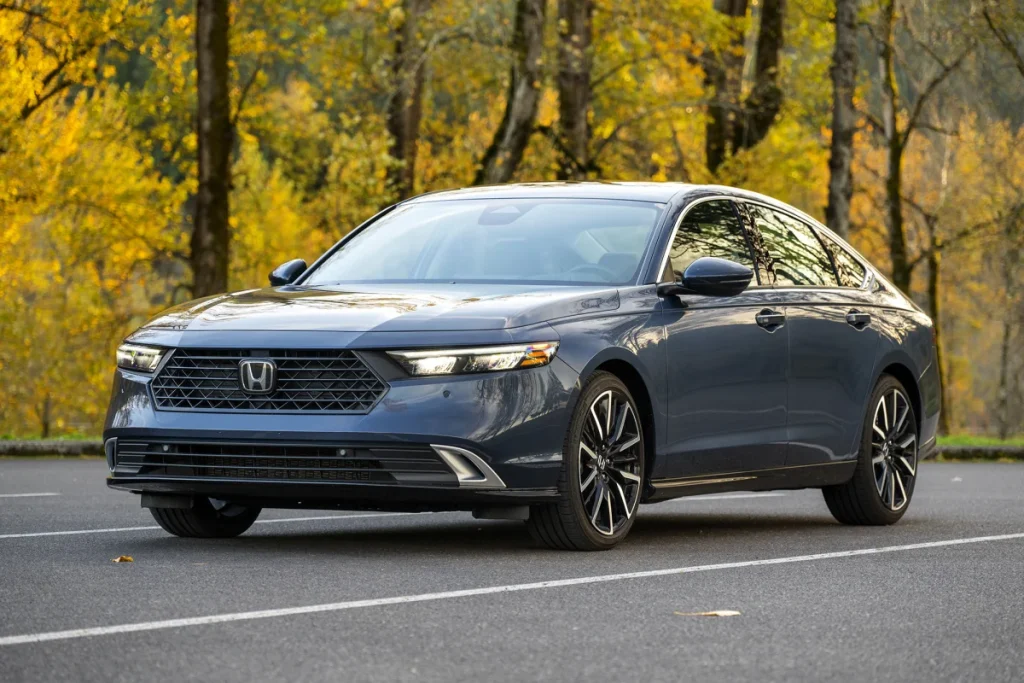
The full tuning feels cohesive. Steering, suspension, and chassis all work together to create a ride that is smooth without feeling detached. That harmony is what makes it stand out in its segment.
6 That Feel Every Pothole
Not all cars are designed to soften the road beneath them. Some prioritize sharp handling, quick responses, and a more direct connection between the driver and the surface.
While this can make them engaging to drive on smooth roads, it often comes at a cost when conditions are less forgiving. Potholes, cracks, and uneven pavement become far more noticeable, sometimes to the point of discomfort.
In these vehicles, the suspension is typically firmer, and the tires may have lower profiles. This combination reduces the ability to absorb impacts, allowing more of the road’s texture to pass directly into the cabin. For some drivers, this feedback is desirable, but for everyday use, it can become tiring over time.
This section focuses on cars that tend to highlight road imperfections rather than hide them. Each example represents a different reason for this behavior, from sporty tuning to structural design choices.
Understanding these characteristics helps explain why some vehicles feel harsh on rough roads and allows buyers to decide whether that trade-off suits their needs.
1. BMW 3 Series
There is no denying the precision this sedan offers when it comes to handling, but that sharpness comes with a noticeable side effect. The suspension is tuned to keep the car firmly planted, and as a result, it does not absorb bumps as generously as comfort-focused vehicles.
Drive it over uneven pavement, and the feedback is immediate. You feel the texture of the road clearly, from small cracks to larger potholes. While this enhances driver awareness, it also means that passengers are more exposed to the imperfections beneath the wheels.
The firmness is particularly evident at lower speeds, where the suspension does not have enough momentum to smooth out impacts. Instead, each bump is transmitted with clarity, creating a ride that can feel busy on rough city streets.
It highlights the trade-off between performance and comfort. Engineered for engaging driving dynamics, it inevitably sacrifices some ability to absorb rough surfaces.
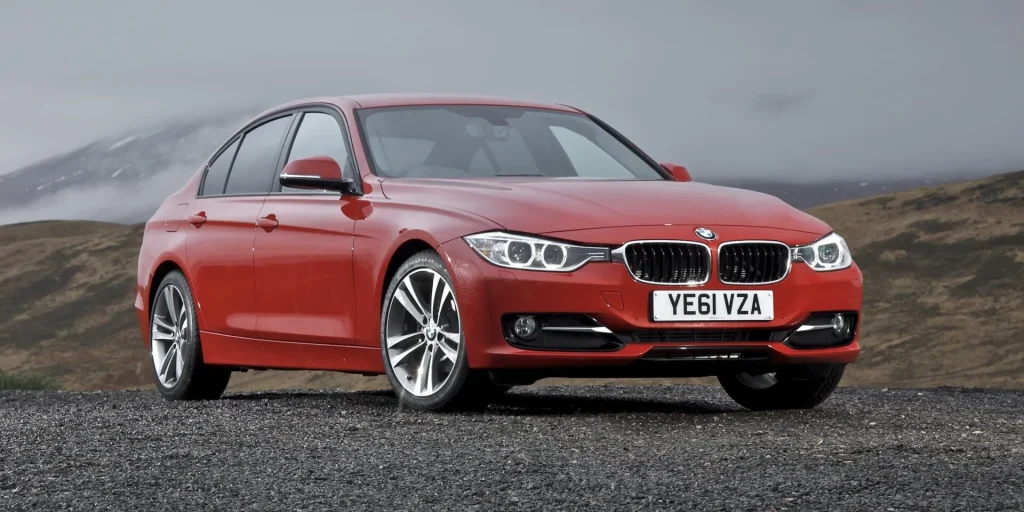
Even though the ride can feel harsh at times, it remains controlled. The car does not lose composure, but it does not attempt to hide the road either. That honesty is part of its character, though it may not suit every driver.
2. Jeep Wrangler
This vehicle approaches suspension from a completely different perspective, and that becomes obvious the moment it encounters paved roads. Designed primarily for off-road capability, it does not prioritize smoothing out everyday bumps in the same way as conventional vehicles.
On uneven city streets, the ride can feel unsettled. The solid axle setup and rugged suspension transmit movements directly into the cabin, making potholes and surface changes far more noticeable than expected.
Unlike performance-oriented cars, the firmness here is not about sharp handling but about durability and articulation. This means that while it performs exceptionally well on rough terrain, it does not translate that ability into comfort on regular roads.
I am writing about this vehicle because it represents how specialized design choices can affect daily usability. What works brilliantly off-road may not deliver the same comfort in urban environments.
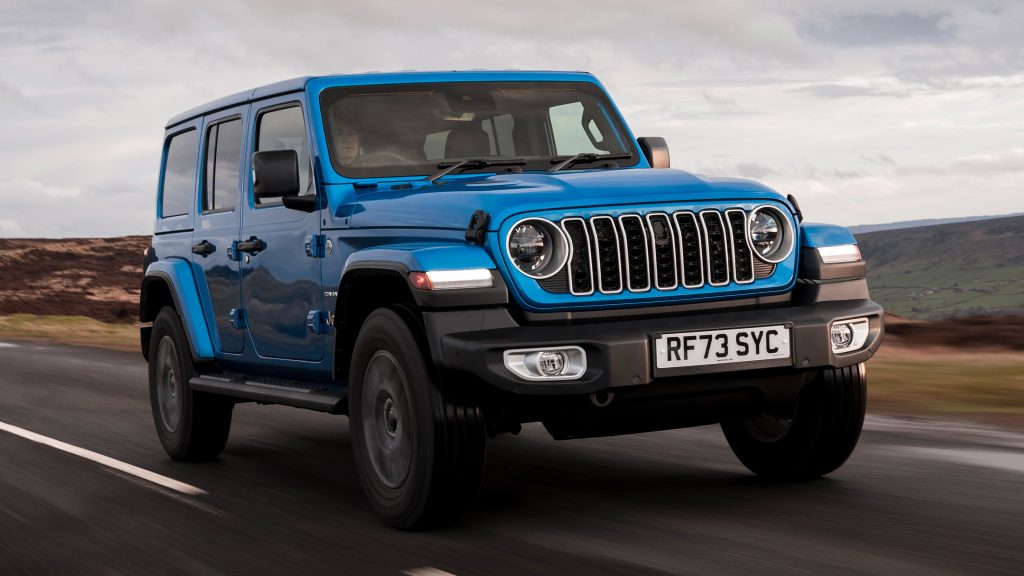
Another factor is the body movement. Instead of absorbing bumps smoothly, the vehicle tends to react with more pronounced motion, which adds to the feeling of constant feedback from the road.
3. Tesla Model 3
At first glance, this sedan gives the impression of modern comfort, but the way it interacts with imperfect roads tells a different story.
The suspension tuning leans toward firmness, and that decision becomes obvious the moment the tires meet uneven pavement. Instead of softening impacts, the car communicates them directly into the cabin.
There is a distinct sharpness in how it responds to small road imperfections. Expansion joints, patched asphalt, and minor cracks all register clearly, almost as if the car is intentionally highlighting them. This level of feedback can feel engaging on smooth surfaces, yet on rough roads, it quickly turns into a constant stream of interruptions.
Another point worth noting is how the vehicle behaves over consecutive bumps. Rather than smoothing them into a single motion, each imperfection feels separate. This creates a slightly busy ride, where the suspension is always reacting instead of settling into a rhythm.
It shows how design priorities can reshape the driving experience. With a focus on efficiency, handling precision, and structural stiffness, comfort over rough surfaces becomes a secondary consideration.

The low-profile tires also contribute to the experience. With less cushioning between the wheel and the road, impacts are transmitted more directly. Combined with the firm suspension setup, this results in a ride that feels tight but not particularly forgiving in challenging conditions.
4. Mini Cooper S
Driving this car on a smooth road can feel lively and engaging, but introduce a few potholes or rough patches, and its personality shifts quickly. The suspension is tuned for agility, and that sharpness translates into a ride that does not filter out imperfections effectively.
The first thing that stands out is how quickly the car reacts to bumps. There is very little delay or cushioning, which means every irregularity is felt almost instantly. This immediate response can be exciting in certain situations, but it also makes rough roads feel more intense than they actually are.
Another characteristic is the stiffness of the chassis. While it enhances cornering stability, it also reduces the ability to absorb impacts gently. Instead of a smooth transition over bumps, the car delivers a more abrupt motion that can become tiring over time.
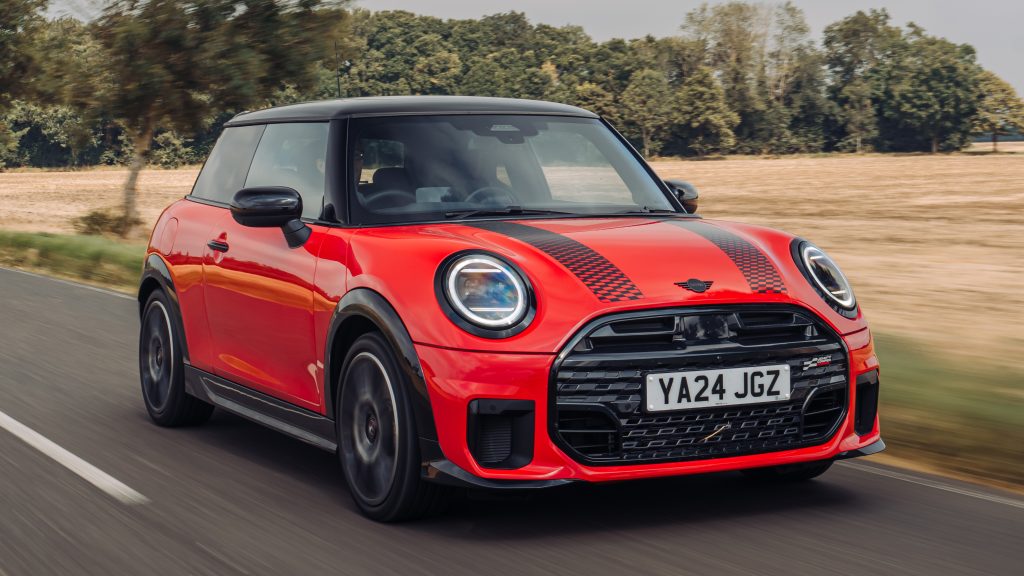
I am writing about this hatchback because it represents a deliberate choice. It prioritizes driving excitement and responsiveness, and in doing so, accepts a harsher ride as part of its identity.
The compact wheelbase further amplifies the effect. With less distance between the front and rear wheels, the car encounters bumps in quick succession, making the ride feel more active and less settled. This adds to the sensation that the road is constantly present beneath you.
5. Subaru WRX
This sedan does not hide its intentions. From the moment you begin driving, there is a clear sense that comfort is not the primary objective. The suspension is firm, the chassis feels tightly wound, and the road surface becomes a constant presence beneath you. That character defines how it behaves when faced with uneven pavement.
Take it through a section of road filled with imperfections, and the experience becomes very direct. Each bump is delivered with clarity, not softened or rounded off. The suspension reacts quickly, almost instantly, which prevents excessive body movement but also allows the impact to reach the cabin without much filtering.
There is also a noticeable difference in how it handles repeated bumps. Instead of blending them into a smoother motion, the car treats each one individually. This creates a rhythm that can feel busy, especially on poorly maintained roads where imperfections are frequent.
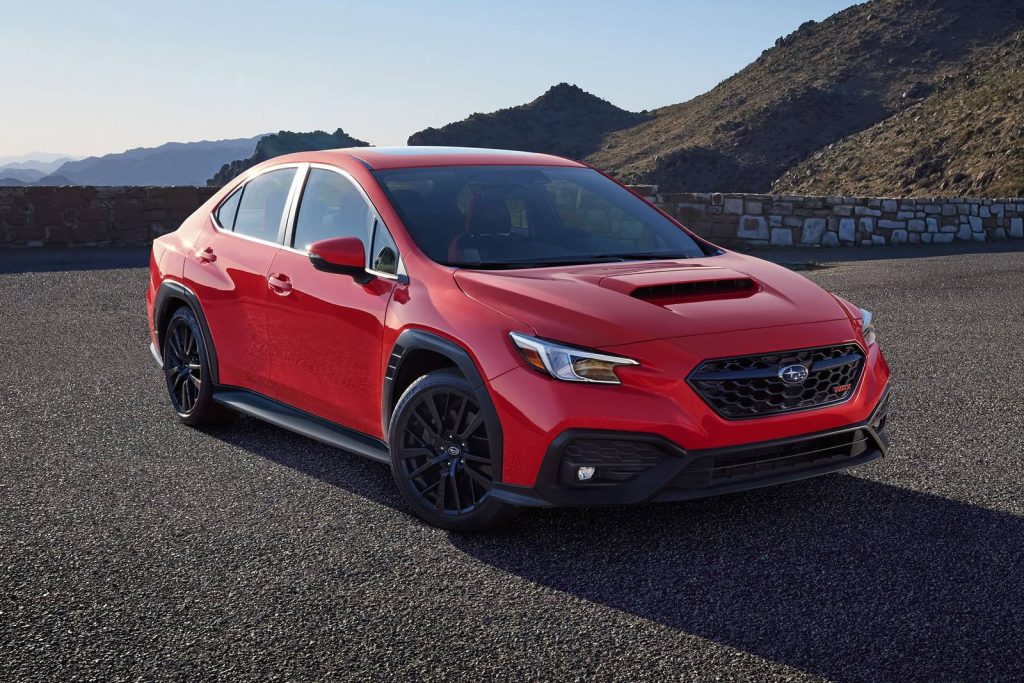
It highlights a performance-focused philosophy where grip, stability, and responsiveness are prioritized. The trade-off is a firmer ride in everyday conditions. While this can appeal to drivers who prefer a more connected driving feel, it may be less suitable for those seeking comfort on rough road surfaces.
The seating position and suspension setup combine to amplify the sensation. You sit close to the action, and the car communicates everything happening beneath the tires. That level of feedback is intentional, even if it makes potholes more noticeable than they need to be.
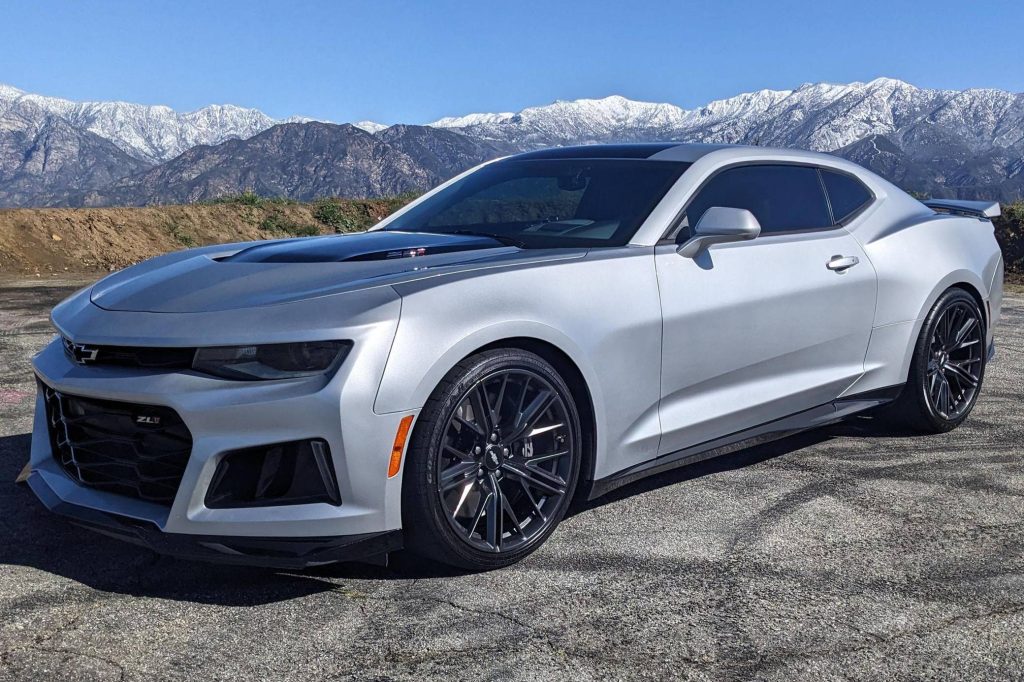
6. Chevrolet Camaro
In this coupe, the connection between driver and road is unmistakable, and it becomes especially apparent when the surface is less than ideal. The suspension is tuned to support performance driving, which means it does not prioritize absorbing bumps in a gentle manner.
As the car moves over uneven pavement, the impacts are firm and clearly defined. There is no attempt to soften the experience into something more relaxed. Instead, the suspension keeps everything tight and controlled, allowing the driver to feel exactly what the tires are encountering.
The larger wheels and lower-profile tires play a significant role in this behavior. With less cushioning from the tires themselves, more of the road’s texture passes directly into the chassis. This results in a ride that feels planted but not particularly forgiving.
I am writing about this car because it demonstrates how design choices shape everyday comfort. A vehicle built for performance will naturally behave differently on rough roads, and this model embraces that identity fully.
Another element that adds to the experience is how the car reacts after a bump. The motion settles quickly, but the initial impact remains pronounced. This combination keeps the car stable while still making every pothole noticeable.
Ride quality is one of those characteristics that reveals itself over time rather than in a single moment. A smooth-riding car reduces fatigue, keeps passengers comfortable, and makes long drives feel effortless.
Vehicles like luxury sedans and comfort-oriented SUVs achieve this through careful suspension tuning, effective damping, and thoughtful design choices that prioritize stability over sharpness.
On the other hand, cars that transmit every bump often do so by design. Performance-oriented models and certain specialized vehicles favor responsiveness, structural rigidity, and direct feedback. While this can make them engaging on well-maintained roads, it also means that rough surfaces become far more noticeable.
The contrast between these two approaches highlights an important point. There is no universal definition of the perfect ride, only what suits a particular driver’s needs. Some will prefer the calm isolation of a soft suspension, while others may enjoy the direct connection of a firmer setup.
Understanding these differences allows buyers to choose a vehicle that matches their daily environment. If your routes include broken pavement and uneven roads, comfort-focused cars can make a significant difference. If smooth highways and spirited driving are more common, a firmer ride may feel more rewarding.
In the end, the road beneath your car plays a major role in how enjoyable the drive becomes. Selecting the right kind of ride quality ensures that every journey feels appropriate for the conditions you face.
Also Read: 6 Trucks That Earn Their Keep And 6 That Are Just Lifestyle Statements
