
Roof rails have become a common sight on modern SUVs, often giving vehicles a rugged and adventure-ready appearance. At a glance, they suggest practicality, hinting that the vehicle is capable of carrying bikes, cargo boxes, kayaks, or extra luggage for long trips.
However, not all roof rails are created with the same intent. In some SUVs, they are designed to handle real loads and integrate seamlessly with crossbars and accessories. In others, they exist mostly as a styling element, adding visual appeal without delivering meaningful utility.
For buyers, this difference is more important than it may initially seem. Functional roof rails can significantly expand the versatility of an SUV, allowing owners to transport bulky items that would not fit inside the cabin.
This becomes especially useful for outdoor enthusiasts, families traveling long distances, or anyone who regularly carries extra gear. On the other hand, decorative rails may look convincing but lack the structural support or proper mounting points required for actual use.
The distinction often lies in engineering details that are not immediately visible. Load ratings, mounting strength, compatibility with aftermarket systems, and even the way the rails are attached to the roof all play a role in determining whether they are truly useful. Without these elements, roof rails become little more than an aesthetic feature.
This article brings both sides into focus. It highlights SUVs that offer genuinely usable roof rail systems and contrasts them with those where the rails serve primarily as a design statement.
The aim is to provide clarity for buyers who want more than just appearance, helping them understand which vehicles deliver real functionality and which ones fall short in practical use.
Also Read: 6 Cars With Great Outward Views And 6 With Tiny Windows
6 SUVs With Useful Roof Rails
When roof rails are designed with purpose, they become an extension of the SUV’s capability rather than just a visual detail. These systems are built to handle weight, support accessories, and maintain stability even at highway speeds.
They are often tested under demanding conditions to ensure that they can carry gear safely without compromising the vehicle’s structure.
Useful roof rails are defined by more than just their presence. They include proper mounting points, strong materials, and compatibility with a wide range of attachments. Whether it is a cargo box for road trips or equipment for outdoor activities, these rails are meant to handle real world demands.
This section focuses on SUVs that deliver on that promise. Each one has been chosen because its roof rail system adds genuine practicality. The explanations highlight not just what makes them functional, but why that functionality matters in everyday use.
1. Toyota 4Runner
There are SUVs that suggest adventure, and then there are those that are built around it. This vehicle belongs to the latter category, and its roof rails reflect that philosophy clearly. They are not added as an afterthought but integrated into the design as a functional component that supports real usage.
The first thing that stands out is the strength of the system. It is designed to handle significant weight, making it suitable for carrying cargo boxes, rooftop tents, and outdoor equipment. This capability transforms the SUV into something more than just a mode of transport, it becomes a tool for extended travel and exploration.
Another important aspect is compatibility. The rails work seamlessly with a variety of crossbars and aftermarket accessories, allowing owners to customize their setup based on their needs. This flexibility is what makes them genuinely useful rather than limiting.
I am including this SUV because it represents how roof rails should function when designed with purpose. They add value to the vehicle by expanding its usability, rather than simply enhancing its appearance.
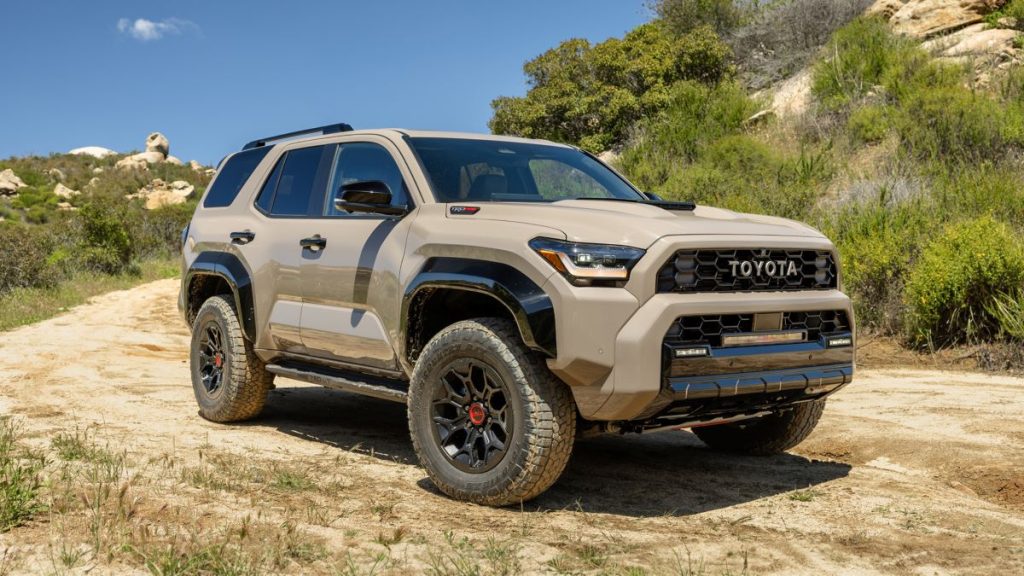
The positioning of the rails also contributes to their effectiveness. They are spaced in a way that supports stability, ensuring that carried items remain secure even during long journeys or off road driving.
2. Subaru Outback
This vehicle approaches roof rail design with a level of practicality that feels almost tailored for everyday use. Instead of requiring additional purchases to make the system functional, it incorporates features that simplify the process of carrying extra cargo.
One of its defining characteristics is the integrated crossbar system. The rails can be adjusted and locked into place without the need for separate components, making them immediately usable. This eliminates the inconvenience often associated with aftermarket setups.
The load capacity is also well balanced for its segment. It can handle a variety of equipment, from bikes to roof boxes, without feeling strained. This makes it particularly appealing for users who frequently switch between different types of cargo.
I am writing about this vehicle because it demonstrates how thoughtful design can enhance usability. The roof rails are not just strong, they are also convenient, which makes a significant difference in real world scenarios.
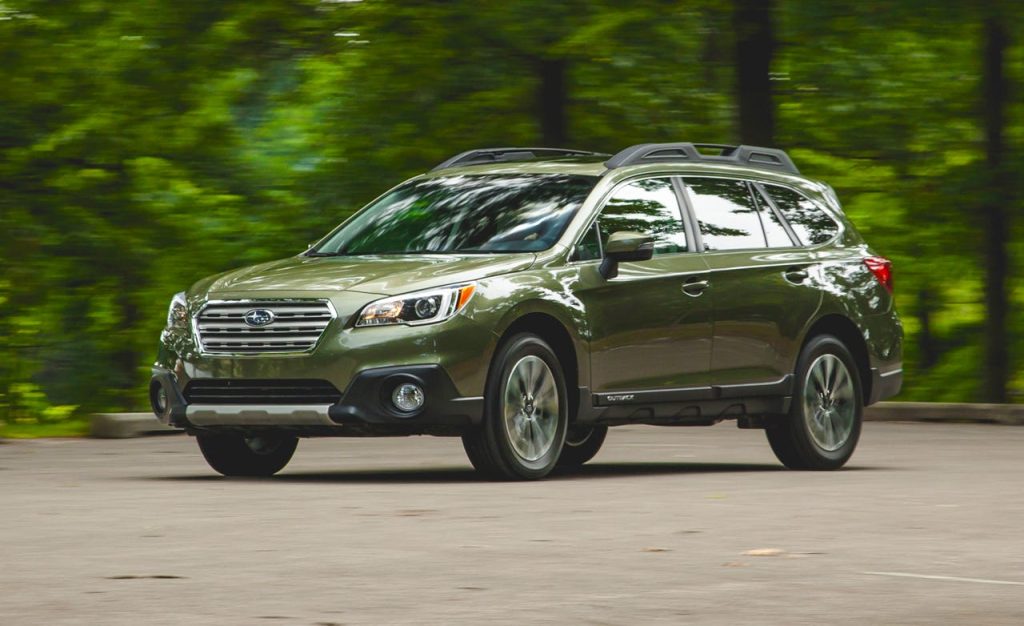
Another detail worth noting is how the system integrates with the full design of the vehicle. It does not feel like an add on but rather a core feature that complements the SUV’s identity as a versatile and practical choice.
3. Jeep Grand Cherokee
Not every roof rail system reveals its strength at first glance, and this SUV is a good example of that. It does not rely on exaggerated styling cues to suggest capability, yet when you look closer at how the rails are engineered, the intention becomes clear. These are built to handle actual use, not just complement the exterior design.
What makes this system stand out is its structural integration with the roof. The rails are mounted in a way that distributes weight evenly, which is essential when carrying heavier loads like cargo carriers or outdoor gear.
This reduces stress on specific points and improves long term durability, something that becomes important for owners who use their vehicles regularly for travel or recreation.
Another advantage lies in how stable the setup feels at higher speeds. When properly equipped with crossbars, the system maintains a secure hold on whatever is mounted.
There is no sense of movement or instability, which adds confidence during highway driving. That level of assurance is often missing in vehicles where roof rails are more decorative than functional.
I am including this SUV because it strikes a balance between everyday comfort and practical utility. It is not purely an off road machine, yet it retains enough capability to support real world cargo carrying needs. That versatility makes the roof rails more than just an occasional feature.
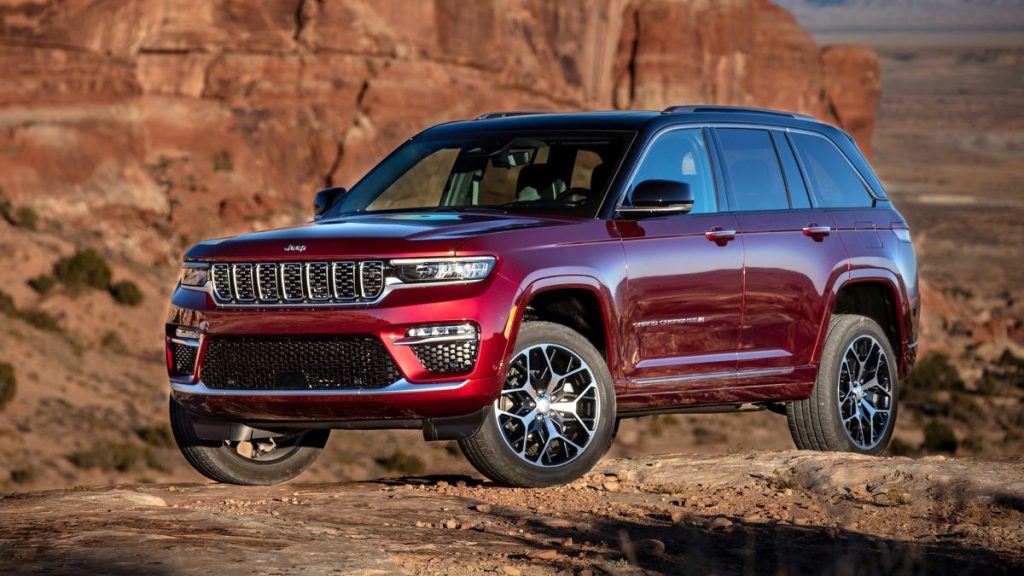
The design also allows for compatibility with a wide range of accessories. Whether it is bike mounts or storage boxes, the system adapts easily, giving owners flexibility without requiring complex modifications.
4. Ford Explorer
This SUV takes a more family oriented approach to roof rail functionality, and that perspective shapes how the system is designed. Instead of focusing solely on heavy duty use, it aims to provide practical support for everyday needs such as road trips, vacations, and recreational activities.
The rails are positioned to maximize usable space across the roof. This allows for larger cargo boxes or multiple attachments without crowding the area. For families traveling with extra luggage, this added capacity becomes a significant advantage.
Another strength is how user friendly the system feels. Installing crossbars or accessories does not require extensive effort, which encourages owners to actually use the feature rather than ignore it. Ease of use plays a major role in determining whether roof rails become part of daily life or remain unused.
I am writing about this SUV because it highlights how functionality can be tailored to a broader audience. Not every user needs extreme load capacity, but many benefit from a system that is reliable and easy to work with.
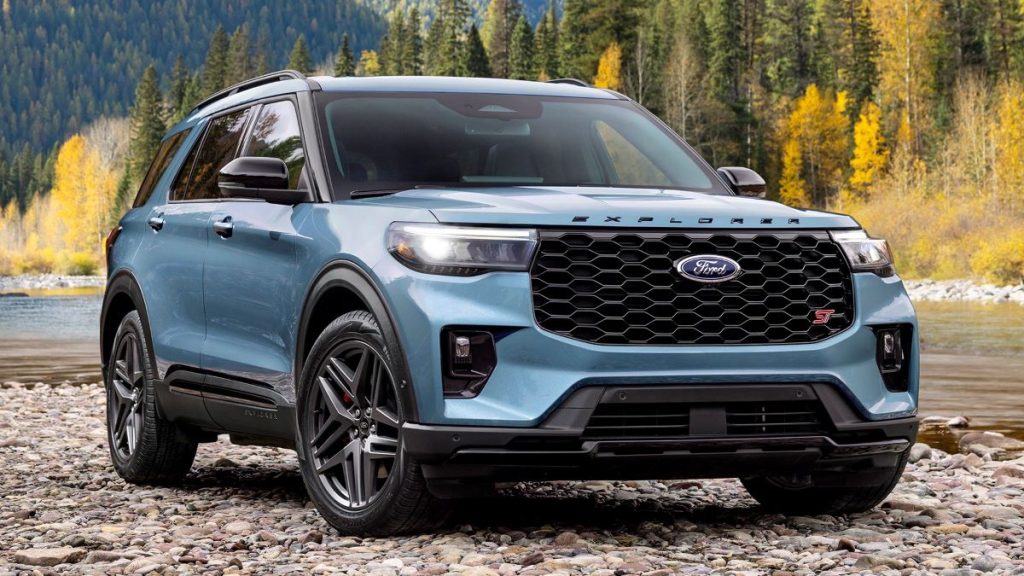
The rails also maintain a solid connection with the roof structure, ensuring that loads remain secure even when the vehicle is fully packed. This reliability is essential for long distance travel, where safety and stability are key concerns.
5. Land Rover Defender
This is the kind of SUV where roof rails are not an accessory but a core part of how the vehicle is meant to be used. The entire design philosophy revolves around capability, and the roof system reflects that intention clearly. It is built to carry real weight, not just enhance appearance.
What immediately sets it apart is its load bearing strength. The rails are engineered to support heavy equipment, including rooftop tents and expedition gear. This transforms the roof into a usable platform rather than just a storage extension. For long distance travel or remote adventures, that added capacity becomes essential.
There is also a strong emphasis on modularity. The rails integrate with a wide range of official and aftermarket accessories, allowing owners to configure the setup based on specific needs. Whether it is extra fuel storage, recovery equipment, or cargo carriers, the system adapts without compromise.
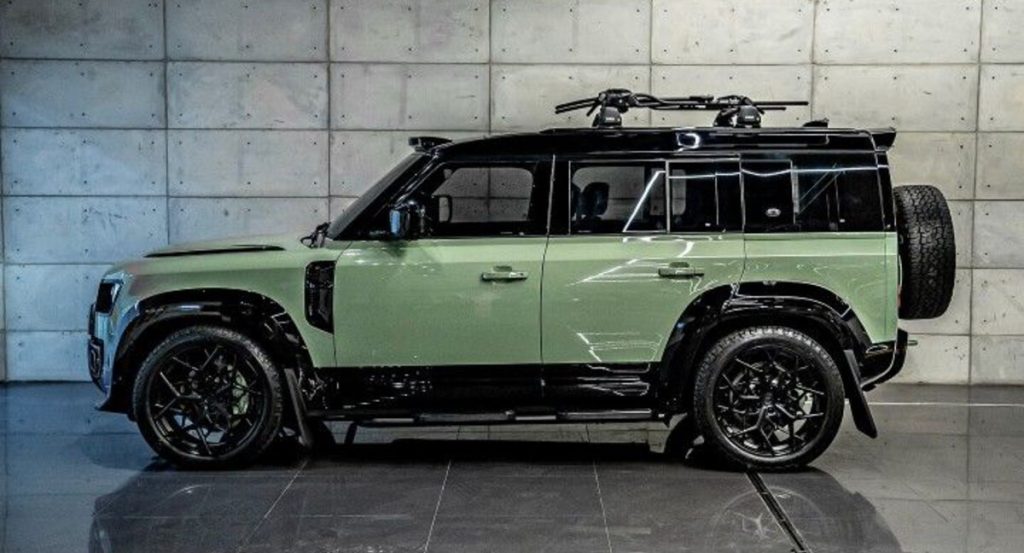
I am including this SUV because it represents the highest level of functional intent. It is not trying to balance style with utility, it prioritizes capability and ensures that every component supports that goal.
Another detail worth noting is how secure everything feels once mounted. Even under challenging conditions such as uneven terrain, the system maintains stability. This reliability is what makes it suitable for demanding environments where failure is not an option.
The rails also complement the structural strength of the vehicle itself. They are not isolated components but part of a larger framework designed to handle stress and load effectively.
6. Toyota Highlander
This SUV takes a more understated approach, but that does not reduce the usefulness of its roof rails. Instead of focusing on extreme capability, it delivers a system that fits seamlessly into everyday life. The result is a setup that feels practical and dependable rather than specialized.
The rails are designed to support common travel needs. Cargo boxes, luggage carriers, and sports equipment can be mounted without difficulty, making them ideal for family use. This level of functionality ensures that the feature is used regularly rather than occasionally.
Another strength lies in how balanced the system feels. It does not aim for maximum load capacity at the expense of simplicity. Instead, it provides enough strength for typical usage while remaining easy to manage. This balance makes it accessible to a wide range of users.
I am writing about this SUV because it demonstrates that usefulness does not always require extreme engineering. A well thought out system that meets everyday needs can be just as valuable as one designed for heavy duty applications.
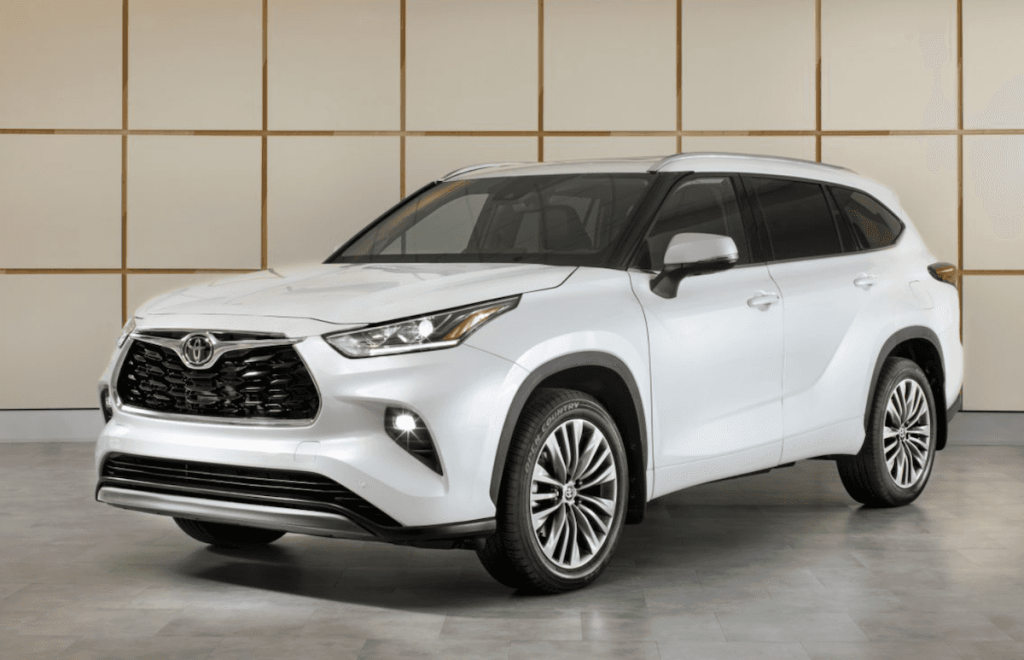
The integration with the vehicle’s design is also worth mentioning. The rails do not feel like an add on but a natural extension of the SUV’s structure, which contributes to both aesthetics and functionality.
They also maintain stability during long drives, ensuring that mounted items remain secure without constant adjustment. This reliability reinforces their role as a genuinely useful feature.
6 Where They’re Just For Looks
Not every roof rail system is designed with real world use in mind. In many modern SUVs, these rails are added primarily to create a rugged or adventurous appearance, even if the vehicle itself is not intended for such activities. At a glance, they may look identical to functional systems, but the differences become clear when you attempt to use them.
The limitations can come from several factors. Some rails lack proper mounting strength, others have very low load ratings, and a few are not even compatible with standard crossbars. In these cases, the rails serve more as a visual cue than a practical tool.
This section focuses on SUVs where roof rails tend to fall into that category. Each example highlights a different reason why the system is less useful, whether due to design compromises, cost considerations, or prioritization of styling over function.
Understanding these distinctions helps buyers avoid assumptions based on appearance alone. A vehicle may look ready for adventure, but without the engineering to support it, those roof rails remain largely decorative.
1. Chevrolet Trailblazer
At first glance, this SUV presents itself as a capable and adventurous vehicle, and the roof rails play a big part in creating that impression. They run along the top in a way that suggests readiness for extra cargo, but when examined more closely, their practical value becomes limited.
The primary issue lies in their load capacity. While they may support very light items, they are not designed to handle heavier equipment or sustained use. This immediately reduces their usefulness for activities such as carrying large cargo boxes or outdoor gear.
Another limitation is compatibility. The design does not always work seamlessly with a wide range of aftermarket accessories, which restricts the options available to owners. This lack of flexibility makes the system feel more like a fixed design element rather than a functional feature.
I am including this SUV because it highlights how styling can sometimes take priority over utility. The rails contribute to the vehicle’s visual appeal, but they do not deliver the level of practicality that many buyers might expect.
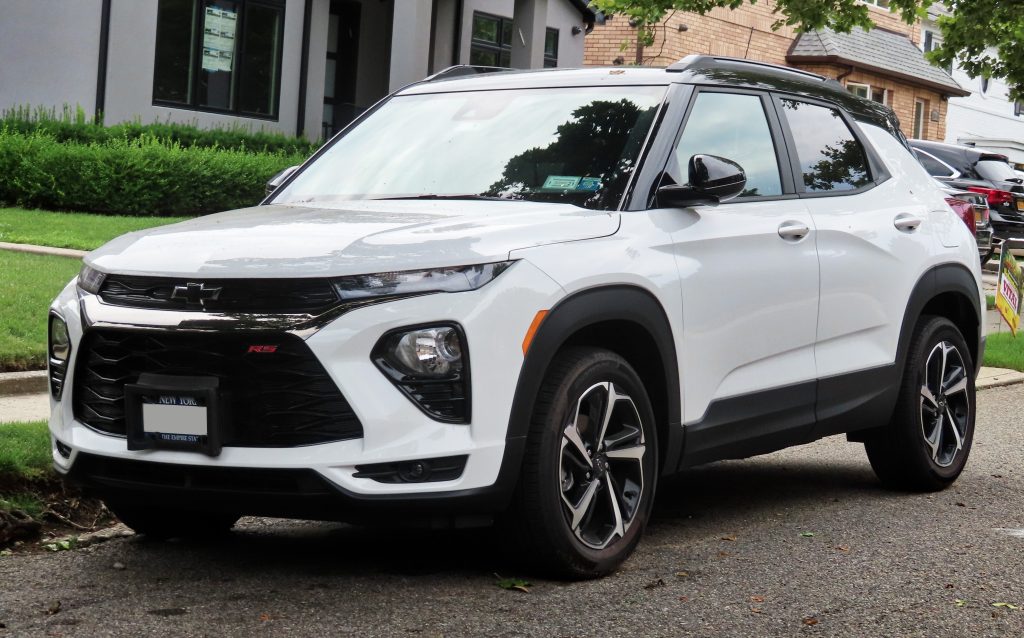
Even when used within their limits, the experience can feel less secure compared to more robust systems. This reduces confidence and discourages frequent use, reinforcing the idea that they are not intended for serious applications.
2. Nissan Kicks
This vehicle takes a minimalist approach to roof rails, and that simplicity is reflected in their functionality. They add a certain visual character to the SUV, giving it a more rugged look, but their actual usefulness remains quite limited.
One of the main concerns is structural strength. The rails are not built to handle significant loads, which means their role is largely restricted to very light carrying tasks. For many users, this does not justify their presence beyond aesthetics.
Another factor is the absence of robust mounting options. Without strong attachment points, the ability to securely install accessories becomes restricted. This limits the range of possible uses and makes the system less appealing for practical purposes.
I am writing about this SUV because it represents a common trend in modern design. Features that appear functional at first glance may not always deliver the expected performance when put to real use.
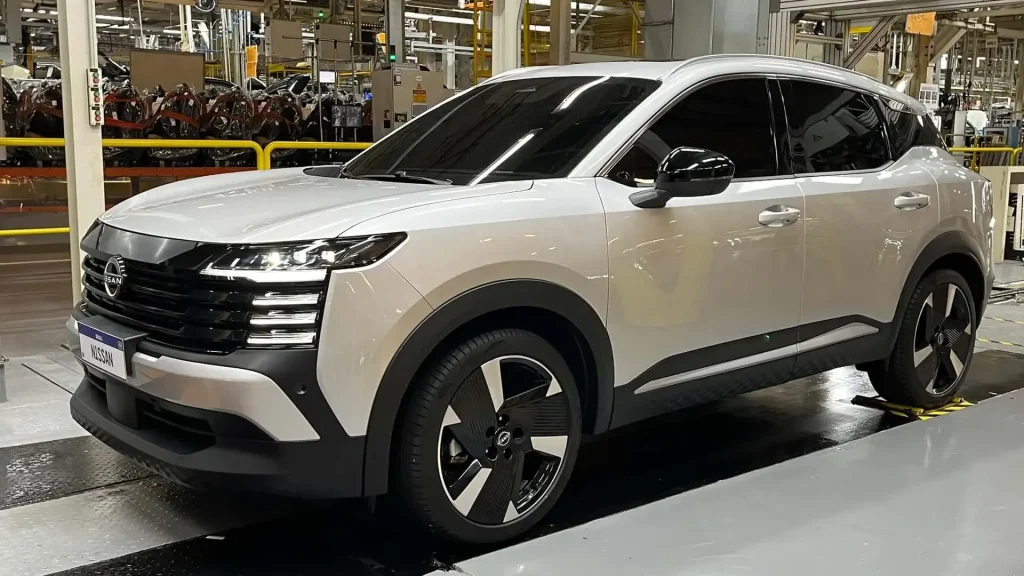
The visual impact of the rails is undeniable. They enhance the full appearance of the vehicle, making it look more versatile than it actually is. However, when it comes to everyday utility, they fall short of being genuinely useful.
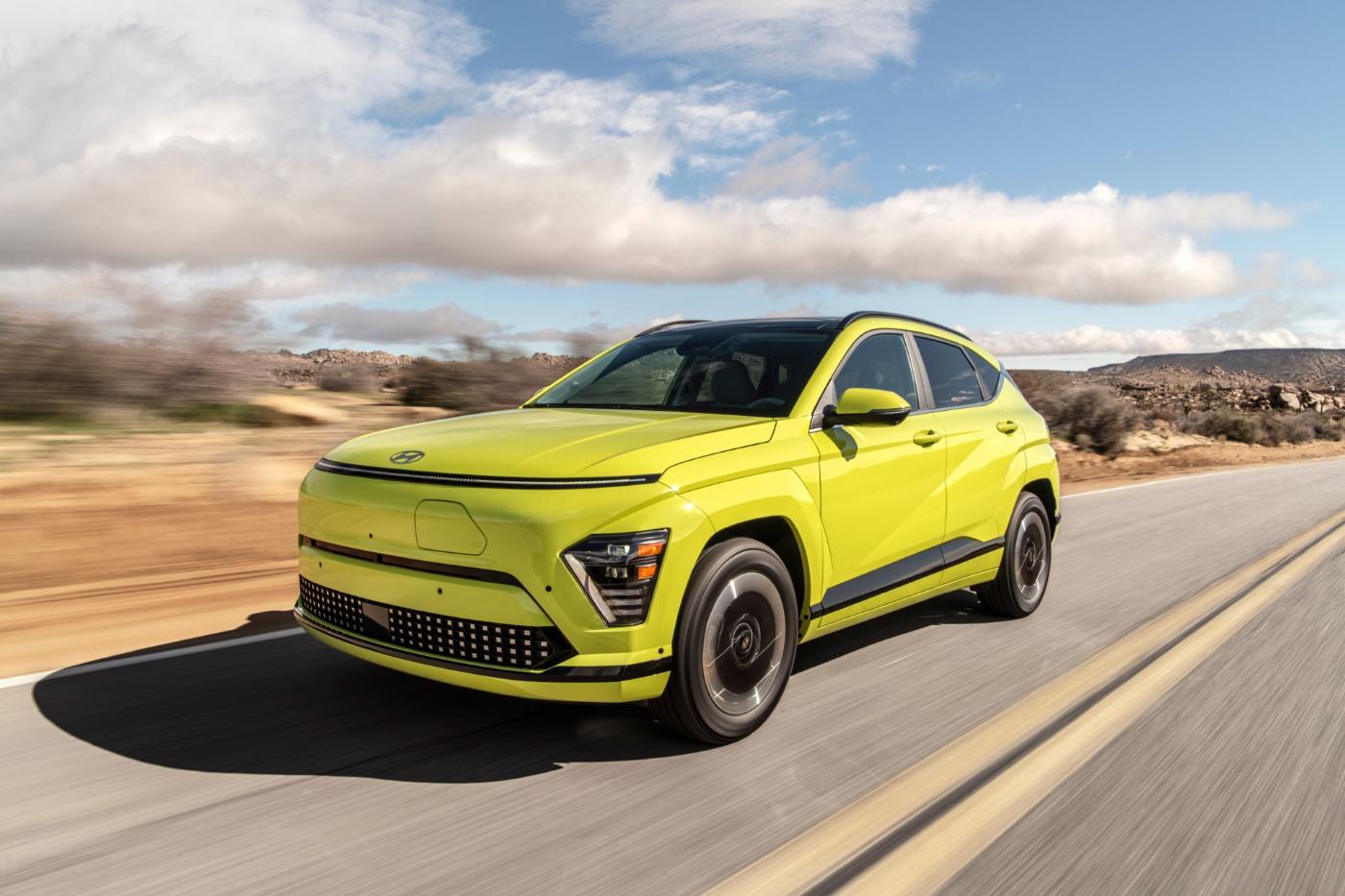
3. Hyundai Kona
The roof rails on this SUV create the impression that it is ready for weekend adventures, but that impression does not fully translate into practical usability. They are styled well and blend neatly into the design, yet their functionality feels secondary once you begin to evaluate how they are actually meant to be used.
A closer look reveals that the system is limited in how much weight it can safely support. While light accessories may be manageable, anything more demanding starts to push the boundaries of what the rails are designed for. This creates a situation where owners have to think twice before relying on them for real cargo carrying needs.
Another point that becomes evident is how dependent the system is on specific accessories. Compatibility is not as broad as more utility focused SUVs, which reduces flexibility. Instead of being able to choose from a wide range of options, users may find themselves restricted to certain configurations.
I am including this SUV because it highlights how design priorities can shift away from pure functionality. The rails contribute to the vehicle’s visual identity, giving it a more capable stance, but they do not fully support that image in practice.
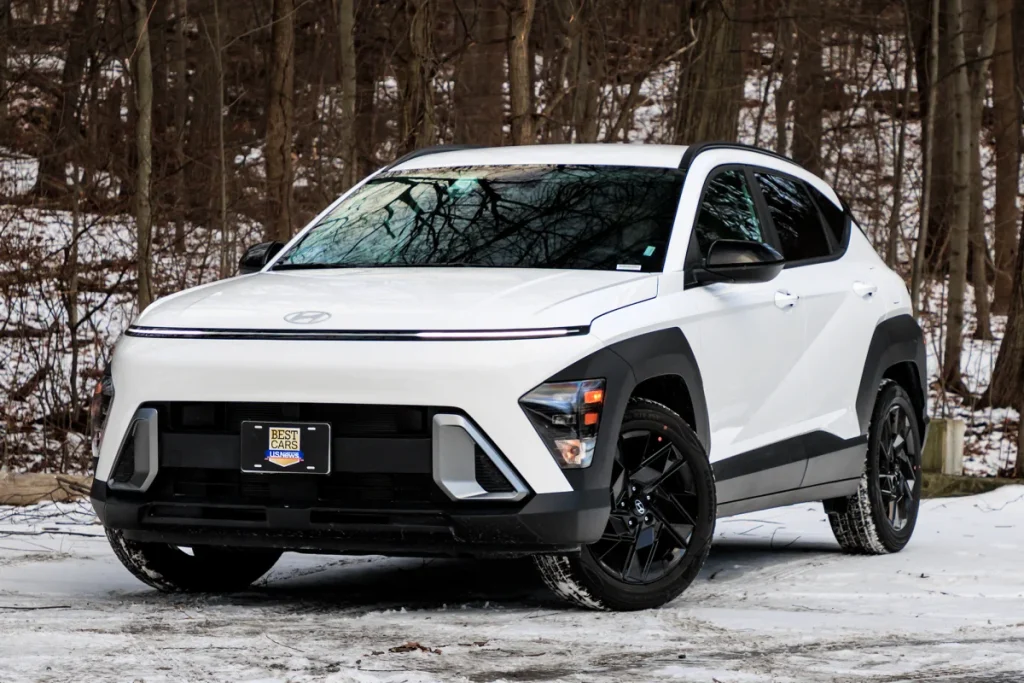
Even in situations where they are used within their limits, the experience lacks the confidence found in more robust systems. There is a sense that the feature is present, but not intended to handle demanding tasks on a regular basis.
4. Mazda CX-30
This crossover is known for its refined design and attention to detail, and the roof rails follow that same philosophy. They are neatly integrated into the full look, enhancing the vehicle’s appearance without drawing too much attention. However, their role leans more toward styling than utility.
The system does not emphasize heavy duty capability. Instead, it provides a basic level of support that may work for occasional light use. For drivers who expect to carry larger or heavier items, this limitation becomes noticeable quite quickly.
There is also a subtle issue with how the rails are positioned. While they look clean and well aligned, the spacing and structure do not always make them ideal for mounting a wide range of accessories. This reduces their practicality and limits how often they are actually used.
I am writing about this SUV because it represents a different kind of compromise. It prioritizes design harmony and everyday usability over specialized functionality. As a result, the roof rails feel like a finishing touch rather than a core feature.
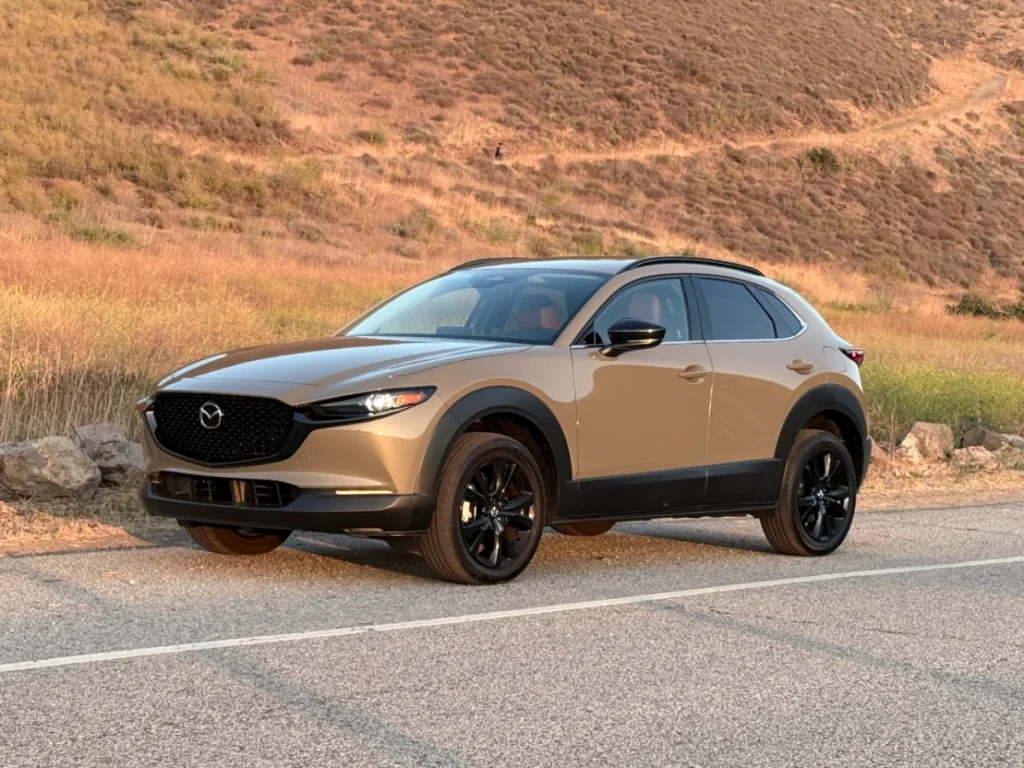
The experience of using them reflects that intention. They can serve a purpose in certain situations, but they do not invite frequent or demanding use. This reinforces the idea that their primary role is visual rather than functional.
5. Volkswagen Taos
There is a certain expectation that comes with seeing roof rails on an SUV, especially one positioned as practical and family friendly. In this case, the rails appear ready for action, yet their real world usefulness turns out to be more limited than the design suggests.
The system handles light loads without issue, but it does not inspire confidence when pushed further. The structure feels more suited to occasional use rather than consistent, demanding applications. This makes it less appealing for owners who plan to rely on roof mounted storage regularly.
Another factor is how the rails integrate with accessories. While basic setups may work, the range of compatible options is not as broad or as seamless as in more utility focused vehicles. This reduces convenience and makes the feature feel less versatile.
I am including this SUV because it demonstrates how expectations can differ from reality. The presence of roof rails suggests capability, but the execution does not fully support that assumption.
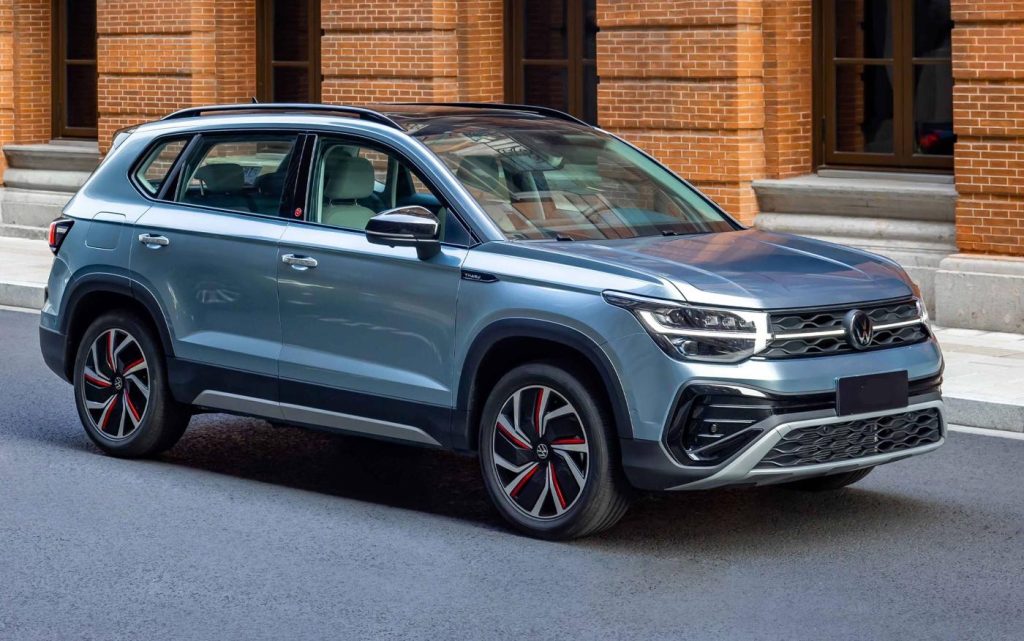
Over time, many owners may find themselves using the feature less frequently than anticipated. The limitations become clear, and the rails remain more of a visual element than a practical tool.
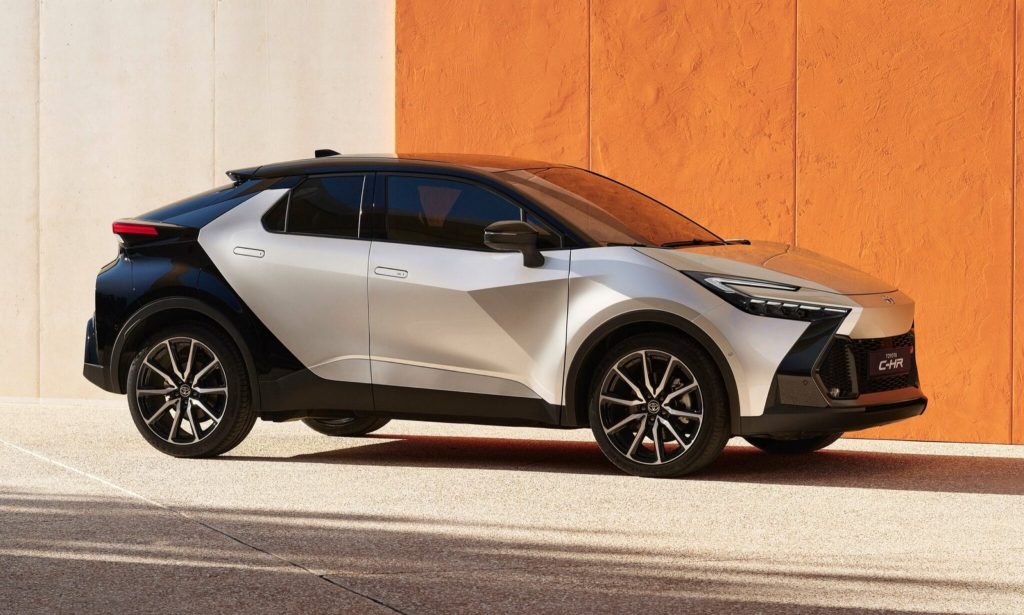
6. Toyota C-HR
This vehicle takes a bold approach to styling, and the roof rails contribute to that distinctive look. They enhance the full design, giving the SUV a more dynamic and adventurous appearance. However, their functional value does not quite match that visual impact.
The system is not built for heavy usage. It can accommodate minimal loads, but anything beyond that quickly exposes its limitations. This restricts its usefulness for activities that typically rely on roof mounted storage.
Another challenge is how the rails fit into the vehicle’s full design. While they complement the styling, they are not positioned or structured in a way that encourages frequent use. This creates a disconnect between appearance and practicality.
I am writing about this SUV because it clearly shows how design can take precedence over utility. The roof rails look convincing, but they are not intended to handle the kind of tasks that more functional systems can manage.
For many owners, they remain largely unused. They contribute to the vehicle’s identity, but they do not play a significant role in everyday functionality.
Roof rails can either transform an SUV into a more versatile tool or remain a purely visual detail that adds little beyond styling. The difference lies in how they are engineered and how well they integrate with real world usage.
Vehicles with functional roof rails offer strength, stability, and compatibility, making them valuable for carrying extra cargo and supporting outdoor activities.
On the other hand, some SUVs prioritize appearance over practicality. Their roof rails may look convincing, but they lack the structural support or flexibility needed for meaningful use. This creates a gap between expectation and reality, where a feature appears useful but does not deliver when needed.
Understanding this distinction helps buyers make more informed decisions. A well designed roof rail system can expand what an SUV is capable of, while a decorative one may simply enhance its visual appeal without adding real value.
In the end, the choice depends on how the vehicle will be used. For those who need extra carrying capacity, functional rails make a noticeable difference. For others, styling may be enough. Recognizing which category a vehicle falls into ensures that expectations match the actual experience.
Also Read: 6 Cars Dads Buy For Themselves And 6 They Buy For Their Kids
