
Modern SUVs promise space, flexibility, and family practicality, but one feature often separates marketing claims from real usability: the third row. On paper, many SUVs advertise three rows of seating, suggesting that they can comfortably carry seven or even eight passengers.
In reality, that third row can vary dramatically from one vehicle to another. In some SUVs, it feels like a natural extension of the cabin, offering enough legroom, headroom, and comfort for adults on longer journeys. In others, it is more of an afterthought, suitable only for short trips or younger passengers.
This difference matters more than most buyers expect. Families, road trips, and group travel all depend on how usable that third row actually is. A cramped third row can turn a practical SUV into a frustrating experience, where passengers constantly shift positions or avoid sitting in the back altogether.
On the other hand, a well-designed third row transforms the vehicle into something genuinely versatile, capable of handling real-world needs without compromise.
The challenge is that third-row comfort is not always obvious during a quick showroom visit. It depends on multiple factors, including seat height, floor design, access, cushioning, and even how the second row moves.
Some manufacturers invest heavily in making that space usable for adults, while others treat it as a secondary feature meant only to increase seating capacity on paper.
This article looks at both sides of that equation. First, it highlights SUVs that truly deliver when it comes to third-row comfort, making them suitable for adults and longer journeys. Then, it shifts focus to those where the third row feels limited, often working better for children than full-sized passengers.
Understanding this difference helps buyers avoid disappointment and choose a vehicle that matches their actual needs, not just what is listed in the brochure.
Also Read: 6 SUVs Built To Last 300,000 Miles And 6 You’ll Be Lucky To Get 100,000 Out Of
6 SUVs With Comfy Third Rows
A third row in an SUV can either feel like a thoughtful extension of the cabin or a space that exists just to meet a number. The difference becomes clear the moment someone actually sits there for more than a few minutes.
Comfort in the third row is not just about squeezing in extra seats. It depends on how the entire interior is engineered, from the floor height to the way the second row moves and the angle of the seatbacks.
SUVs that truly offer comfortable third rows tend to follow a very different design philosophy. They prioritize passenger experience across all rows rather than focusing only on the front seats.
This means ensuring that adults can sit without their knees pushed too high, that headroom is not compromised by sloping rooflines, and that entry into the third row does not feel like a struggle. When these elements come together properly, the third row becomes a usable space instead of a last-resort option.
Another factor that plays a key role is how the cabin feels once you are seated in the back. Good third-row SUVs provide proper ventilation, usable armrests, and enough window space to prevent a closed-in feeling.
These details may seem minor at first, but they significantly affect comfort during longer drives. Without them, even a technically spacious third row can feel uncomfortable over time.
The vehicles in this section are included because they manage to deliver a genuinely usable third row in real-world conditions.
They are not just designed to carry more passengers, but to carry them comfortably. Each one approaches this challenge differently, whether through clever packaging, larger dimensions, or better seat design.
By focusing on these SUVs, the aim is to highlight what makes a third row truly functional. It helps in understanding which vehicles can handle family duties without compromise and which ones are better suited for occasional use rather than regular occupancy.
1. Kia Telluride
The Kia Telluride sets a strong benchmark for what a third row should feel like in a midsize SUV. Instead of treating the rear seats as a secondary space, Kia designed them with enough room and support to accommodate adults comfortably, even on longer drives.
One of the first things you notice is how easy it is to get into the third row. The second-row seats slide forward smoothly, creating a wide opening that does not require awkward movement. This makes a significant difference in daily use, especially for families where passengers frequently move between rows.
Once seated, the comfort becomes more apparent. The seat height is well-balanced, allowing passengers to sit in a natural position rather than with their knees pushed upward. Legroom is generous for the segment, and the cushioning feels supportive rather than thin or temporary.
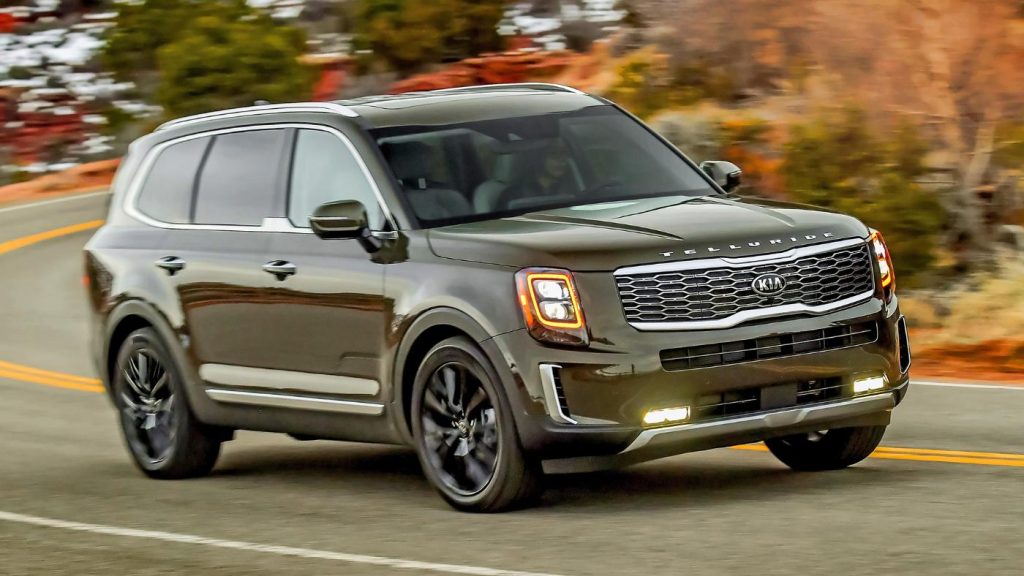
Another reason this SUV stands out is how well the third row integrates with the rest of the cabin. Air vents, charging ports, and thoughtful spacing ensure that passengers do not feel isolated or neglected. It creates a sense that every seat in the vehicle was designed with equal importance.
This car is included because it shows how a midsize SUV can deliver genuine usability without stepping into a larger segment. The Telluride proves that third-row comfort is achievable with the right design approach.
2. Toyota Highlander
The Toyota Highlander takes a slightly different approach, focusing on practicality and balance rather than sheer spaciousness. Its third row is not the largest in its class, but it is thoughtfully designed to remain comfortable for adults in most situations.
Access to the third row is straightforward, with second-row seats that adjust easily to create enough entry space. The process feels intuitive, which is important for everyday convenience. It avoids the struggle that some SUVs present when trying to reach the back seats.
Inside the third row, the seating position feels more natural than expected. The floor is not excessively high, allowing passengers to sit with a reasonable posture. This reduces fatigue during longer drives and makes the space more usable for a wider range of passengers.
Visibility is another advantage. The windows are positioned in a way that prevents the third row from feeling closed in, which can often be an issue in other vehicles. Combined with proper ventilation, this creates a more comfortable environment.
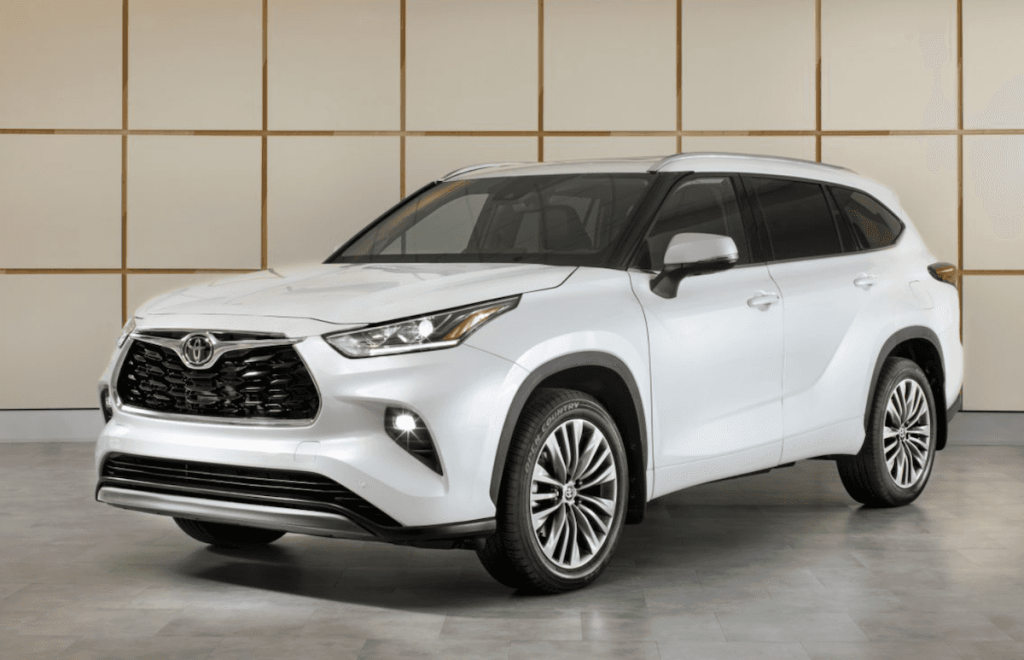
This SUV is featured because it represents a practical solution for families who need occasional third-row use without sacrificing comfort. The Highlander shows that even without class-leading space, careful design can make a noticeable difference in how usable the third row feels.
3. Honda Pilot
There are SUVs where the third row feels like a compromise, and then there is the Honda Pilot, which approaches it with a sense of intent. The design does not try to impress with numbers alone. Instead, it focuses on how people actually sit, move, and spend time in that space during everyday use.
Getting into the third row is handled with a one-touch mechanism on the second-row seats, which slide forward easily without requiring much effort. This becomes especially useful in situations where passengers are frequently switching places. It avoids the awkwardness that many three-row SUVs create when access is tight or requires multiple steps.
Once inside, the Pilot offers a seating position that feels closer to what you would expect from the second row rather than the last. The floor is not excessively raised, allowing passengers to keep their legs in a more relaxed position. This detail alone makes longer journeys far more manageable, as it reduces the discomfort that often builds up over time.
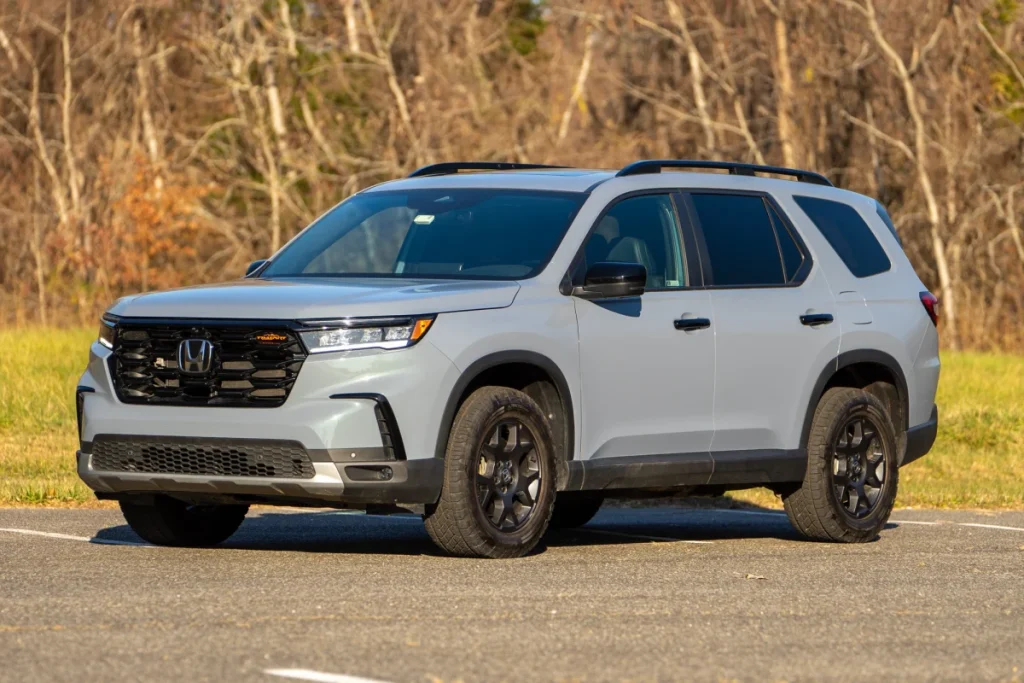
The space is also used efficiently. Legroom is sufficient for adults, and headroom remains accommodating even for taller passengers. There is no immediate sense of restriction, which is often the first sign of a well-designed third row. Instead, the area feels balanced, neither overly spacious nor cramped.
It highlights how thoughtful engineering can make a meaningful difference. Instead of relying on sheer size, the Pilot uses its interior space efficiently, ensuring the third row is not just present, but genuinely practical and comfortable for everyday use.
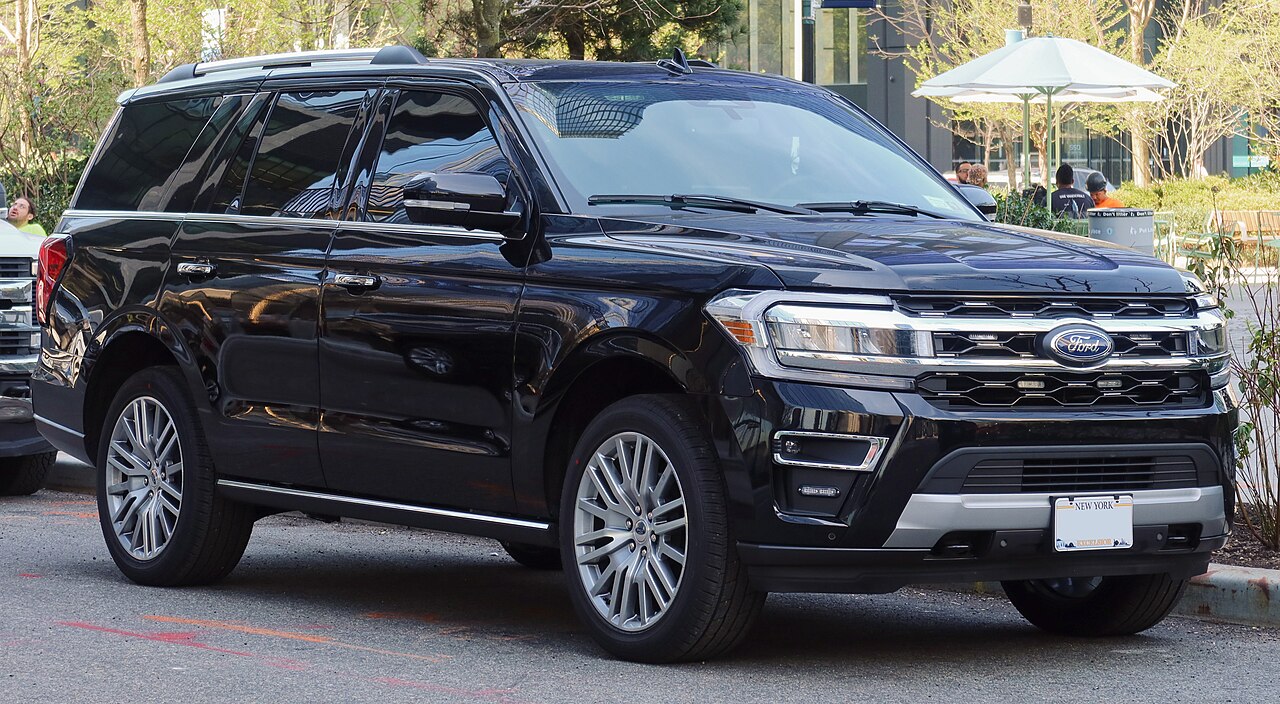
4. Ford Expedition
The Ford Expedition approaches third-row comfort from a completely different angle. Rather than relying on clever packaging alone, it uses its full-size dimensions to deliver a level of space that feels closer to a large family vehicle than a typical SUV.
Entering the third row is straightforward due to the wide-opening doors and adjustable second-row seats. There is enough room to step in without needing to twist or adjust awkwardly. This ease of access becomes particularly important when the vehicle is used regularly with multiple passengers.
Once seated, the amount of space becomes immediately noticeable. The legroom is generous enough for adults to stretch out comfortably, and the seat height allows for a natural posture. Unlike smaller SUVs, there is no sense of being pushed into a compact area. The third row feels like a proper seating zone rather than an extension of the cargo space.
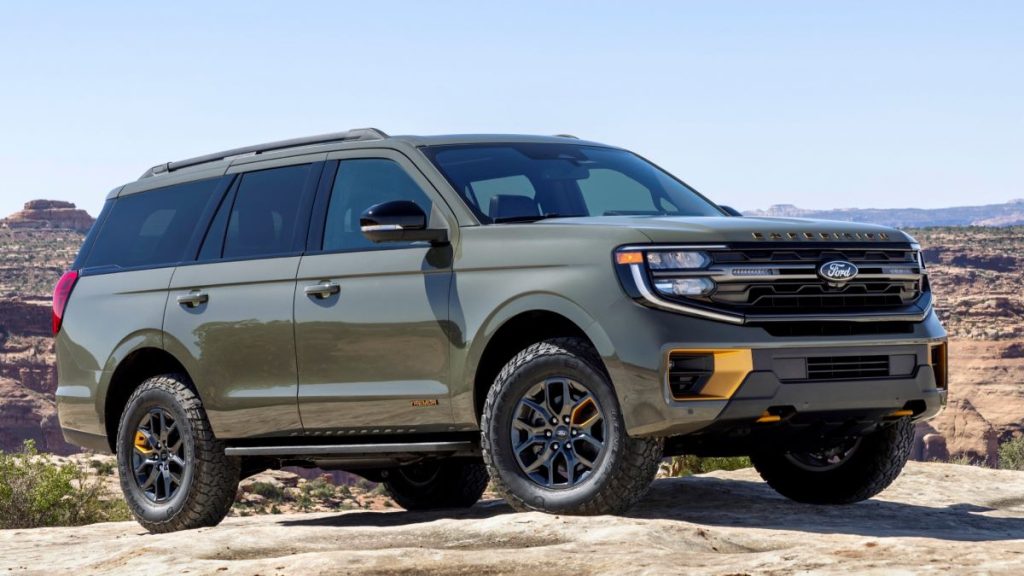
Another strength lies in how the environment is maintained. The Expedition provides dedicated air vents, charging options, and enough width for passengers to sit without feeling crowded. These elements combine to create a space that works well even on longer trips.
This vehicle is included because it represents what is possible when size is used effectively. The Expedition does not just offer a third row for capacity. It turns that space into a practical and comfortable seating area that can handle real-world usage without compromise.
5. Chevrolet Traverse
Space can sometimes feel exaggerated on spec sheets, but in the Chevrolet Traverse, the third row delivers in a way that feels immediately convincing once you sit in it. This SUV takes a practical approach, focusing less on luxury touches and more on making sure the space works for real people in everyday situations.
The entry into the third row is handled with a wide door opening and second-row seats that move forward without resistance. There is no sense of squeezing through a narrow gap, which makes a noticeable difference when the vehicle is used regularly with multiple passengers. It allows the third row to feel accessible rather than hidden away.
Seating comfort is where the Traverse earns its place in this list. The seat base is long enough to support the thighs properly, avoiding the perched feeling that often affects third-row passengers. Legroom is also generous, giving adults the ability to sit without constantly adjusting their posture.
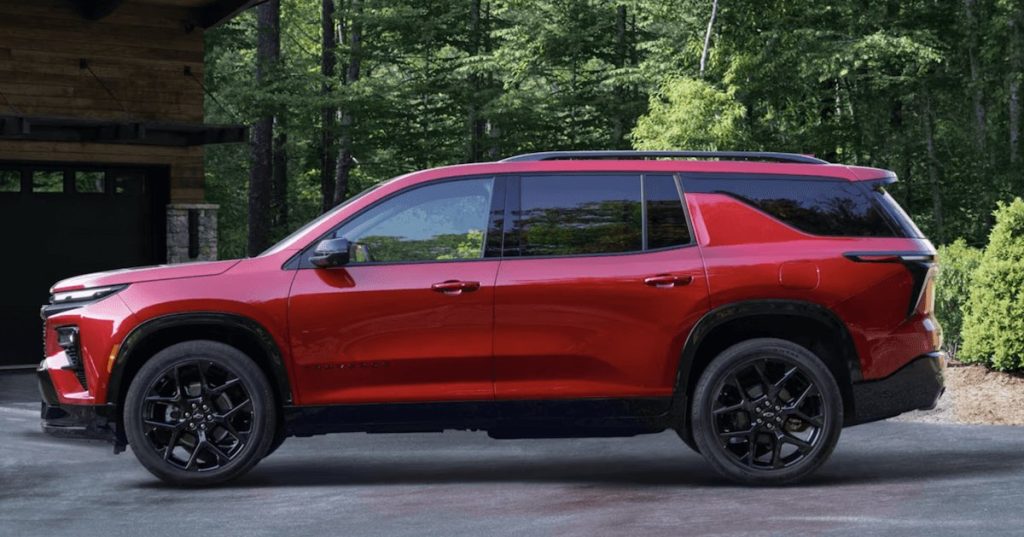
The width of the cabin adds another layer of comfort. Even when the third row is fully occupied, passengers do not feel tightly packed together. There is enough shoulder room to sit naturally, which becomes important during longer drives where small discomforts tend to build up.
It stands out for prioritizing usability above all else. The Traverse demonstrates how a well-designed interior can make the third row feel like a natural extension of the cabin rather than an afterthought, delivering the consistency families expect from a three-row vehicle.
6. Toyota Sequoia
The Toyota Sequoia approaches third-row comfort with a mix of size and thoughtful design. As a full-size SUV, it naturally offers more room than most midsize options, but what makes it stand out is how that space is shaped and used.
Access to the third row is straightforward, supported by second-row seats that adjust easily. The step-in process does not feel complicated, which is important for daily convenience. It allows passengers to reach the back without disrupting others too much.
Once seated, the third row provides a level of space that feels accommodating rather than restrictive. The legroom is sufficient for adults, and the seat height allows for a comfortable seating position. Unlike some large SUVs that still struggle with rear-seat design, the Sequoia manages to balance space and posture effectively.
Another detail worth noting is how the cabin environment extends to the third row. Proper airflow and window placement prevent the space from feeling enclosed. This helps maintain comfort during longer journeys, especially when all seats are occupied.
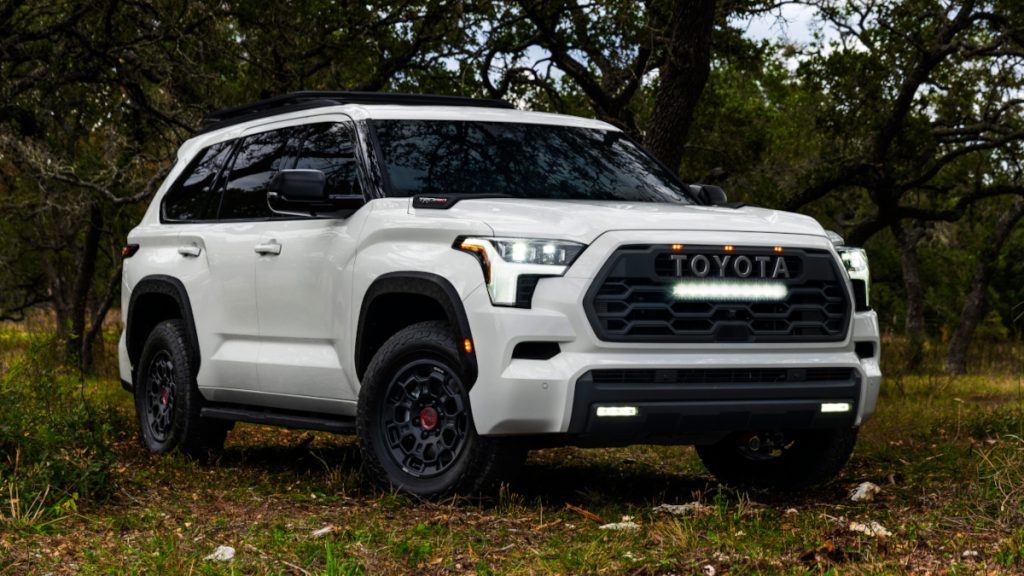
This vehicle is part of this list because it demonstrates how a larger platform can be used effectively. The Sequoia does not rely solely on its size. It combines that space with practical design choices, ensuring that the third row is usable in real-world conditions.
6 Where Only Kids Fit
Not every three-row SUV delivers the same level of comfort in its third row. In many cases, the extra seats exist primarily to increase passenger capacity on paper rather than to provide a genuinely usable space. These third rows often come with tight legroom, limited headroom, and seating positions that are better suited for shorter trips.
The difference becomes clear as soon as an adult tries to sit in the back. Knees may be pushed up due to a high floor, or the seat itself may feel too close to the ground. These factors combine to create a cramped experience that quickly becomes uncomfortable, especially during longer drives.
Access is another common issue. Some SUVs require awkward movements to reach the third row, making it inconvenient for regular use. This further limits how often the space is actually used, even if it is technically available.
In many of these vehicles, the third row works best for children. Younger passengers can fit more easily into tighter spaces, making the design somewhat practical for specific situations. However, for families expecting full usability across all rows, this limitation can become a drawback.
The SUVs in this section are included because they highlight these challenges. Each one demonstrates a different way in which third-row comfort can fall short, whether due to size constraints or design priorities.
Understanding these limitations is important when choosing a three-row SUV. It helps ensure that expectations match reality, especially for buyers who plan to use every seat regularly.
1. Mazda CX 5
The Mazda CX 5 does not pretend to be something it is not, and that honesty becomes clear when discussing its rear seating limitations.
While it is often praised for its driving dynamics and interior quality, the absence of a true third row makes it a useful reference point in this discussion. It highlights how size and design priorities can define what is realistically possible inside a vehicle.
In many markets, buyers look for SUVs that can accommodate more passengers, but the CX 5 focuses on delivering comfort for five occupants rather than stretching its layout to include an additional row.
This decision avoids the common mistake of forcing in a cramped third row that would only be usable in limited situations. Instead, the vehicle maintains a balanced cabin where space is distributed effectively for those seated in the front and second rows.
If a third row were to be added within these dimensions, it would almost certainly result in a very restricted space. The wheelbase and full length simply do not allow for the kind of legroom or seat height required for comfortable seating in the back.
This makes the CX 5 an example of how smaller SUVs naturally fall into the category where a third row, if present, would only suit children.
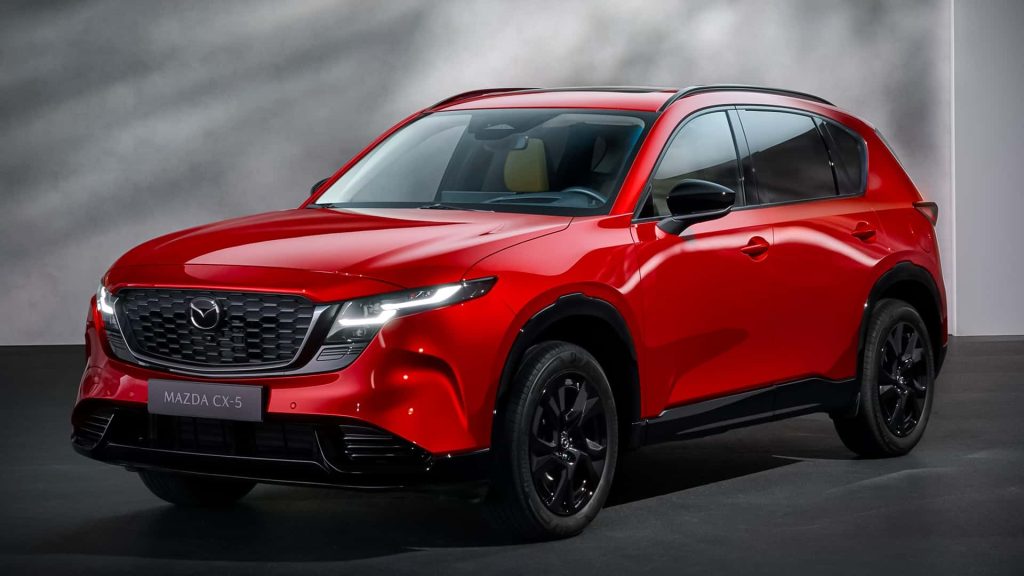
The reason this vehicle is mentioned here is to underline an important point. Not every SUV is designed to handle three rows, and forcing that expectation can lead to compromises that affect comfort across the cabin.
The CX 5 avoids that issue by staying within its strengths, but it also serves as a reminder of what happens when size limitations are pushed too far.
2. Mitsubishi Outlander
The Mitsubishi Outlander takes a different approach by actually offering a third row within a compact SUV footprint. On paper, this makes it appear more versatile than many competitors. In practice, however, the third row is clearly designed with smaller passengers in mind.
Accessing the third row requires sliding the second-row seats forward, which can feel slightly tight compared to larger SUVs. The opening is usable, but it does not provide the kind of easy entry that makes frequent use convenient. This already hints at the limitations of the space behind it.
Once seated, the constraints become more noticeable. Legroom is limited, and the seat position is relatively low, which can force adults into an uncomfortable posture. For shorter trips, it may be manageable, but over longer distances, the lack of space becomes difficult to ignore.
Headroom is also affected by the compact dimensions of the vehicle. Taller passengers may find themselves adjusting their position to avoid contact with the roofline. This further reinforces the idea that the third row is better suited for children or occasional use.
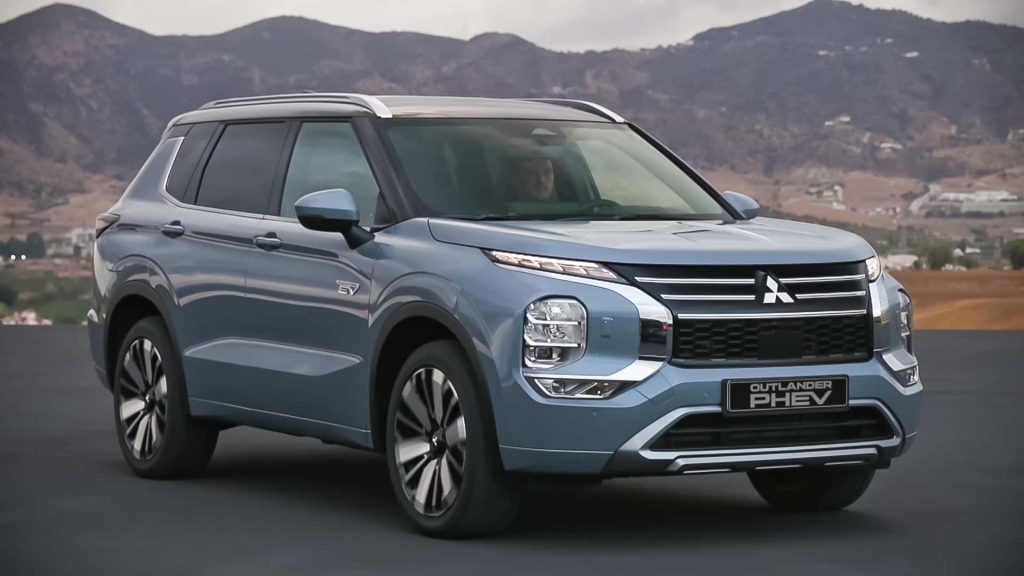
It reflects a common trade-off in this segment. By fitting a third row into a smaller platform, it expands seating capacity but compromises comfort. The Outlander highlights how added versatility on paper doesn’t always translate into real-world practicality.
3. Volkswagen Tiguan
The Volkswagen Tiguan presents itself as a flexible family SUV, and in certain versions, it even offers a third row. At first glance, this seems like a practical advantage in a compact footprint. However, the moment someone actually attempts to use that third row regularly, its limitations become clear in a way that cannot be ignored.
The process of getting into the last row already hints at the compromise. The second-row seats do slide forward, but the opening created is not particularly generous. It requires a bit of maneuvering, especially for adults, and this small inconvenience adds up when the third row is used frequently rather than occasionally.
Once seated, the restricted legroom becomes the defining factor. The distance between the second and third rows is limited, forcing passengers to sit in a tucked position.
Knees tend to sit higher than normal, which can quickly become uncomfortable even during moderate-length journeys. This seating posture is one of the clearest indicators that the space is not intended for full-sized occupants.
The roofline also plays a role in shaping the experience. While not extremely low, it still reduces the sense of openness in the back. Combined with the tighter dimensions, it creates a space that feels enclosed rather than accommodating. For children, this may not be an issue, but for adults, it limits how long the seat can be used comfortably.
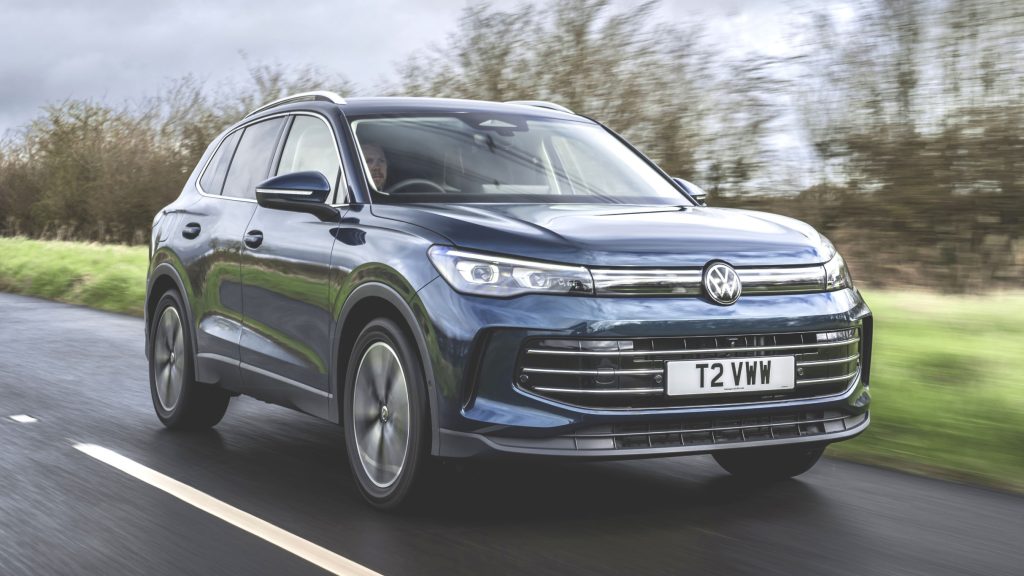
It illustrates how compact vehicles attempt to extend their usability. The Tiguan provides the convenience of an extra row, but in doing so, it also reveals the compromises that come with fitting additional seating into a smaller structure.
4. Nissan Rogue
The Nissan Rogue focuses heavily on comfort and practicality for five passengers, and that priority becomes evident when considering the idea of a third row. While earlier versions in some markets experimented with additional seating, the full design does not naturally support a spacious third row environment.
Looking at the interior layout, it becomes clear that space is optimized for the first two rows. The cabin feels open and well-proportioned up to that point, but extending it further would require significant compromises. The wheelbase and rear design simply do not leave enough room to create a comfortable seating area behind the second row.
If a third row is considered within these constraints, the result would mirror the challenges seen in other compact SUVs. Limited legroom, a higher floor position, and reduced headroom would combine to create a space that is only suitable for smaller passengers. Adults would likely find it uncomfortable almost immediately.
Another factor is how the vehicle prioritizes cargo space. The Rogue is designed to offer a usable trunk area, and adding a third row would reduce that practicality. This trade-off often leads manufacturers to avoid including extra seats unless absolutely necessary.
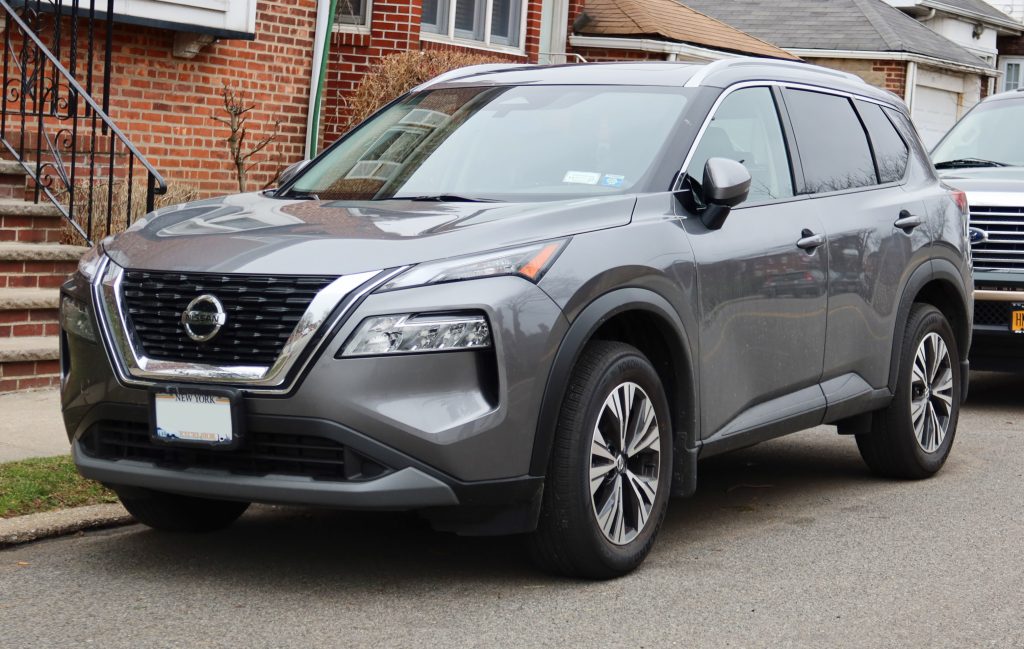
This model is featured here because it helps illustrate a broader point about design priorities. The Rogue shows that not every SUV benefits from adding more seating. When space is limited, maintaining comfort for fewer passengers can be a better decision than introducing a cramped third row that only works in limited situations.
5. Hyundai Tucson
The Hyundai Tucson is a strong example of a compact SUV that prioritizes comfort and usability for five passengers rather than stretching itself to accommodate more. That decision becomes important when discussing third-row practicality, because the Tucson’s dimensions clearly show what happens when space is already carefully allocated.
The cabin feels well-proportioned up to the second row. There is enough legroom, headroom, and width to keep passengers comfortable without any sense of compromise.
However, once you start imagining a third row within this structure, the limitations become obvious. The distance between the rear axle and the second row is not sufficient to create a meaningful seating area behind it.
If a third row were forced into this layout, it would result in a very tight space with minimal legroom. Passengers would likely have to sit with their knees raised and their posture restricted, which quickly becomes uncomfortable. This kind of arrangement is only practical for children or very short trips.
Another aspect to consider is the roofline. The Tucson’s design slopes gently toward the rear, which enhances its styling but reduces vertical space. This would further limit headroom in a hypothetical third row, making it even less suitable for adults.
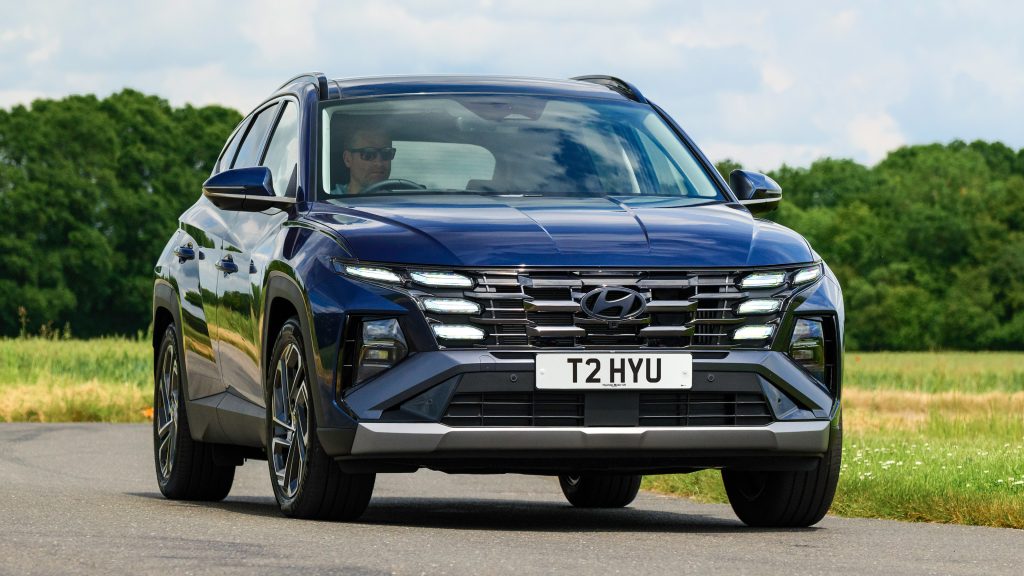
It clearly demonstrates how important proper proportions are in vehicle design.
The Tucson works well because it does not attempt to exceed its natural limits. At the same time, it helps highlight why compact SUVs that try to add a third row often end up with a space that is only usable for younger passengers.
6. Subaru Forester
The Subaru Forester takes a practical and straightforward approach to interior design, focusing on visibility, comfort, and everyday usability. Like the Tucson, it is built as a two-row SUV, and its structure reflects that intention clearly.
Inside the Forester, the space is distributed evenly between the front and second rows. Passengers benefit from a tall roofline and large windows, which create an open and airy feel. However, this layout also reveals the limits of the vehicle’s full length when considering additional seating.
Adding a third row within these dimensions would introduce significant compromises. The available space behind the second row is primarily intended for cargo, and converting it into seating would reduce both comfort and practicality. Legroom would be minimal, and the seating position would likely feel cramped due to the high floor.
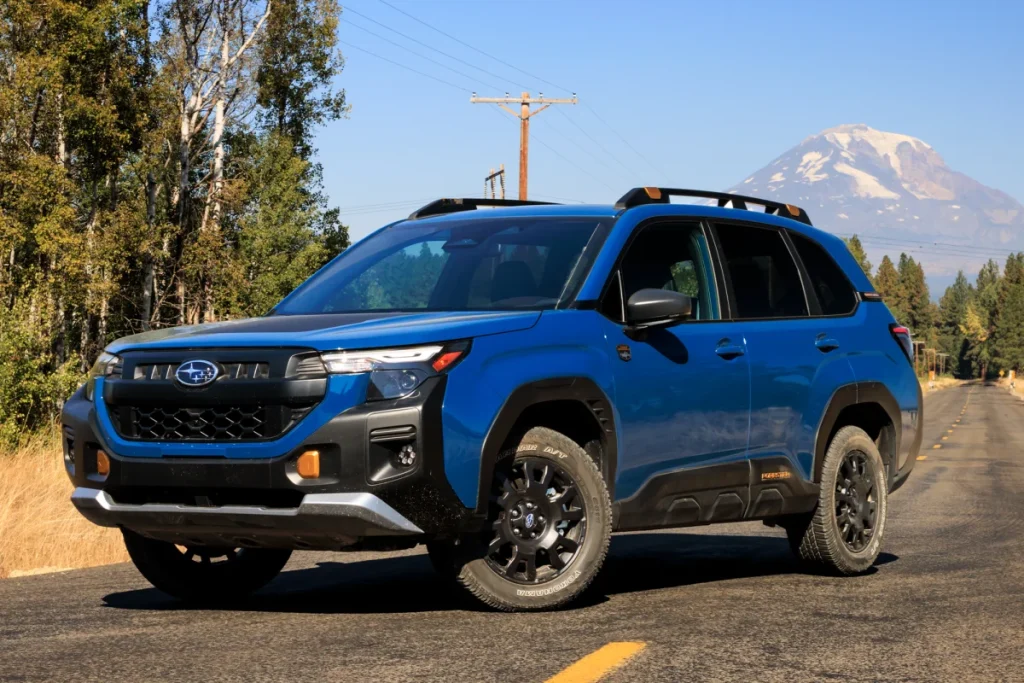
The upright design of the Forester helps with headroom, but it does not fully solve the issue of limited depth. Without enough distance between rows, passengers in the third row would struggle to sit comfortably, especially on longer drives. This reinforces the idea that the space would be best suited for children rather than adults.
This vehicle is part of this list because it highlights a key principle in SUV design. Not every model is meant to accommodate three rows, and forcing that feature can lead to compromises that affect the entire cabin.
The Forester succeeds by staying within its intended purpose, while also serving as a clear example of why size matters when it comes to third-row comfort.
Also Read: 7 Cars That Handle Road Salt Without Rusting
