
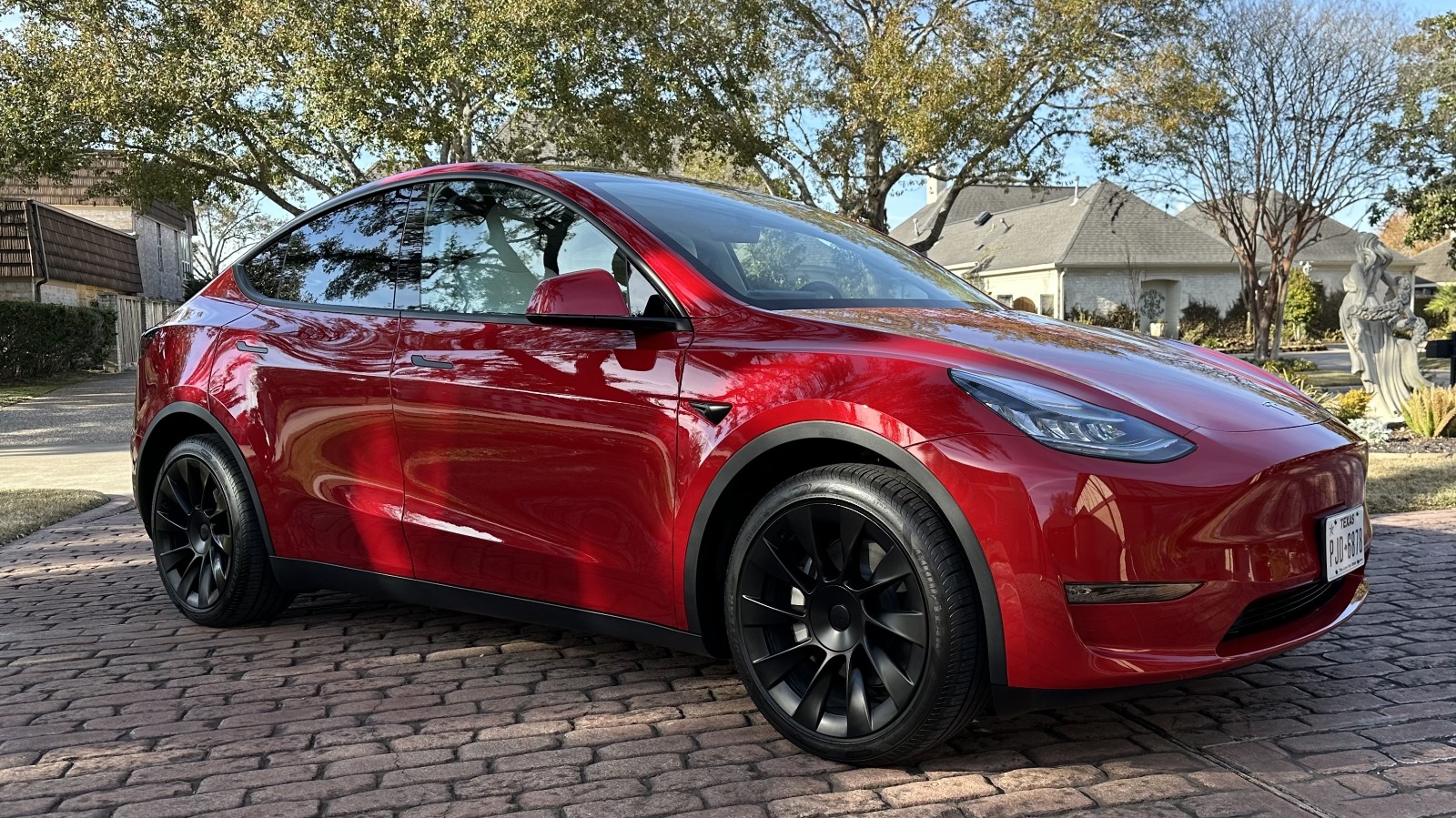
Cold weather changes the rules for electric vehicles. Battery chemistry reacts differently when temperatures drop, charging slows, range shrinks, and cabin heating suddenly matters more than glossy brochure numbers. For drivers who live where winter feels long and demanding, choosing the right electric vehicle becomes less about hype and more about preparation.
Some EVs approach freezing conditions with thoughtful engineering, while others struggle once frost becomes part of daily life. This page separates practical cold-weather performers from models that feel out of place when snowbanks line the streets. The focus stays on real use, not laboratory figures.
Heating systems, battery conditioning, drivetrain layout, and software logic all shape how an EV behaves when the thermometer dips. Vehicles that manage heat efficiently, preserve range, and maintain predictable behavior earn their place here.
The first five highlight five electric vehicles that remain dependable when winter arrives. These models show careful attention to battery management, cabin comfort, and traction. The next five examine five EVs that face challenges in harsh climates and raise questions about winter suitability.
Each vehicle stands on its own merits. No repeated names appear, and every entry takes a different approach in tone and structure. Cold weather does not have to mean compromise, but smart choices matter. What follows begins with EVs built to handle the chill with confidence.
5 EVs That Make Sense In Cold Weather
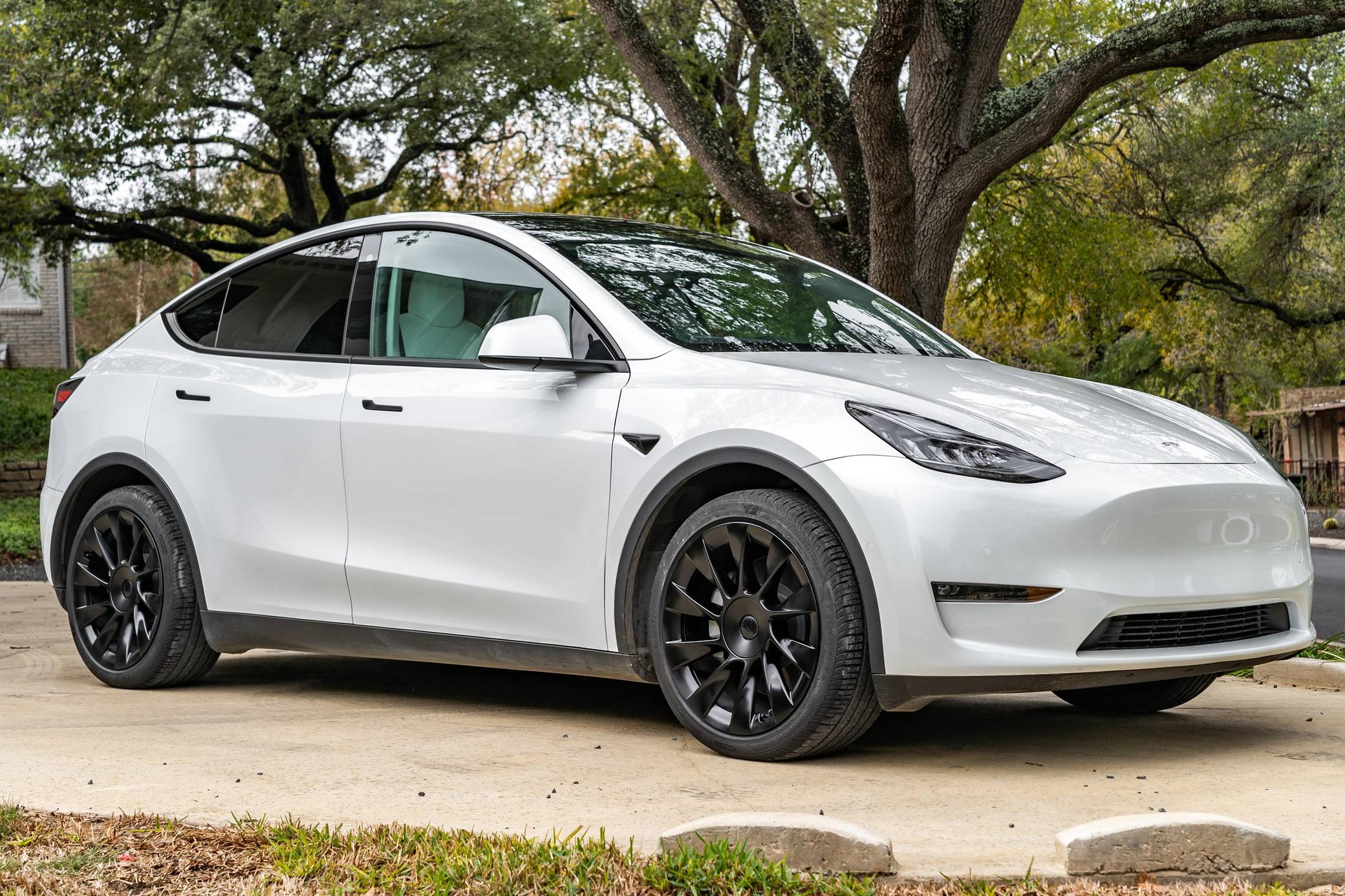
1. Tesla Model Y Long Range AWD
Cold mornings reveal the strengths of the Tesla Model Y Long Range AWD quickly. Battery conditioning begins before the vehicle even moves, preparing cells to deliver power efficiently in low temperatures. This preconditioning reduces sluggish response and preserves usable range during winter commutes.
Dual-motor All Wheel Drive contributes to stability on snow-covered roads. Power distribution adapts instantly, helping the vehicle maintain traction without demanding constant driver input. Acceleration remains smooth rather than abrupt, which proves helpful when surfaces feel unpredictable.
Cabin comfort receives careful attention. Heat pump technology allows the Model Y to warm the interior while drawing less energy from the battery. Instead of relying solely on resistance heating, the system recycles ambient and drivetrain heat. This design choice supports longer drives during freezing conditions without sacrificing comfort.
Charging behavior also favors cold climates. Battery warming occurs automatically before fast charging sessions, reducing wait times and protecting long-term battery health. Drivers who rely on public chargers during winter notice fewer interruptions and more consistent performance.
Software integration strengthens the experience. Range estimates adjust realistically based on temperature and driving style, reducing surprises. Remote climate activation allows the cabin to warm while the vehicle remains plugged in, saving battery energy once driving begins.
Ride height and ground clearance handle light snow without drama. While not a rugged off-road vehicle, the Model Y manages winter streets confidently. Visibility stays clear due to effective defrosting systems and responsive climate controls. Ownership experience matters as well.
Over the years, cold weather updates have refined battery behavior through software improvements rather than hardware changes. This adaptability keeps the Model Y relevant even as winter tests its limits. Drivers seeking an EV that feels prepared for winter conditions often find reassurance here. The Model Y Long Range AWD balances efficiency, traction, and smart thermal management in a way that naturally suits cold regions.
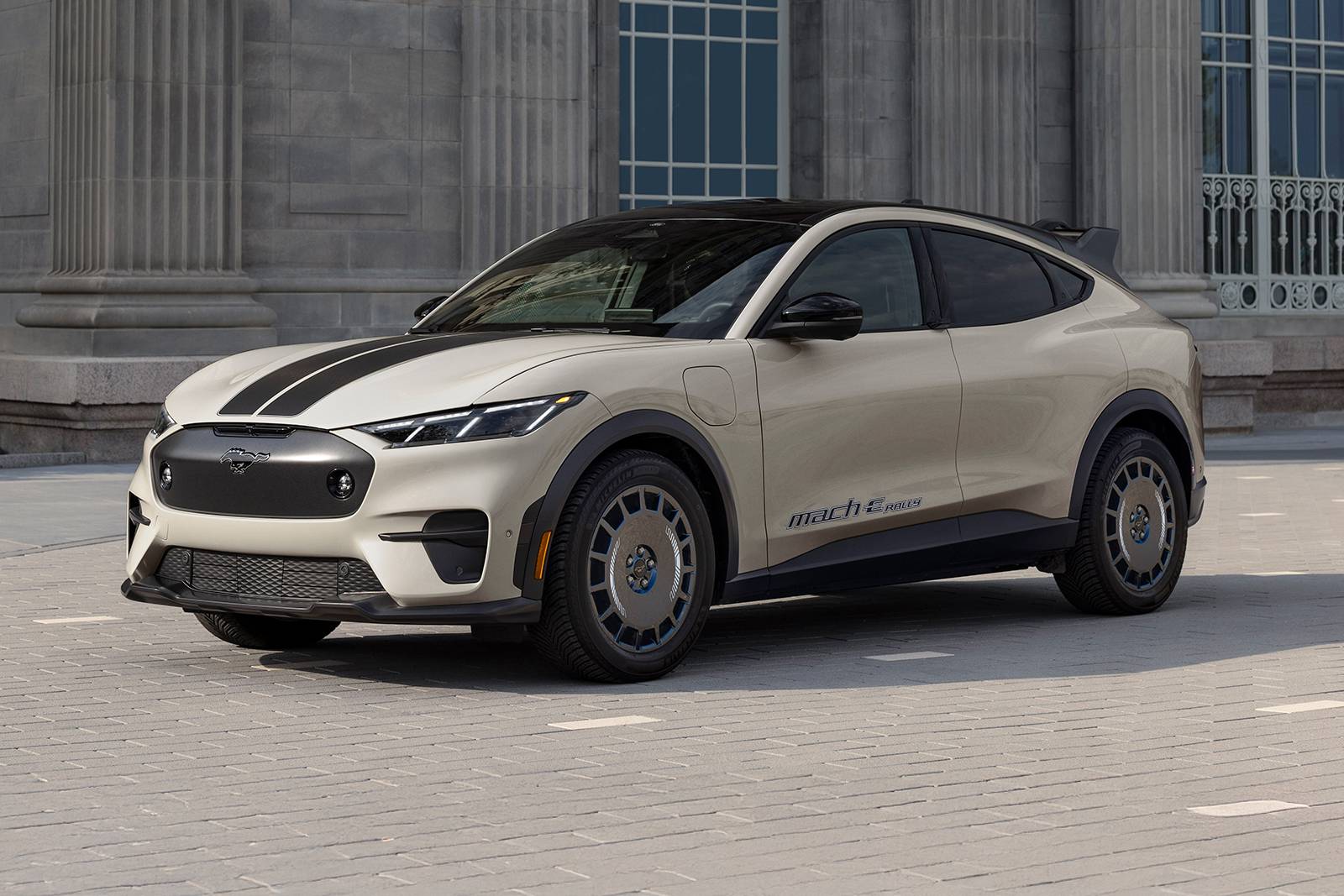
2. Ford Mustang Mach-E Extended Range AWD
Winter suitability shapes the Ford Mustang Mach-E Extended Range AWD in subtle yet effective ways. Battery capacity plays a major role, offering enough reserve to absorb cold-related range loss without turning every trip into a calculation exercise. Extended range variants feel especially composed during freezing stretches.
All Wheel Drive hardware supports confidence on slippery roads. Torque delivery remains measured, allowing the vehicle to move smoothly without sudden surges. Snow-covered intersections feel manageable rather than stressful, even for drivers new to electric powertrains.
Cabin heating shows thoughtful calibration. While resistance heating appears during extreme cold, supplemental systems manage airflow efficiently. Warm air reaches occupants quickly, reducing the need to run heating at maximum output for extended periods.
Battery thermal management works quietly in the background. Temperature regulation keeps cells within optimal ranges, protecting performance and longevity. Cold-soaked batteries recover steadily once driving begins, rather than lagging for long distances. Driving behavior remains predictable.
Steering feedback stays consistent, and suspension tuning absorbs winter road imperfections without feeling loose. This balance helps maintain driver confidence when pavement quality declines during colder months. Charging reliability also stands out. Cold weather fast charging benefits from automatic battery warming, reducing delays at public stations.
Home charging remains stable, with onboard systems adjusting current flow safely during freezing nights. Interior materials contribute to comfort. Seats warm quickly, reducing reliance on full cabin heating. This feature supports energy efficiency while keeping occupants comfortable.
Drivers who value familiarity alongside modern electric performance often appreciate the Mach-E’s winter manners. It does not feel experimental or delicate. Instead, it behaves like a vehicle designed with real weather in mind, making cold climates feel less intimidating.
Also Read: 10 Luxury EVs Tanking Faster Than Any ICE Luxury Car Ever Did
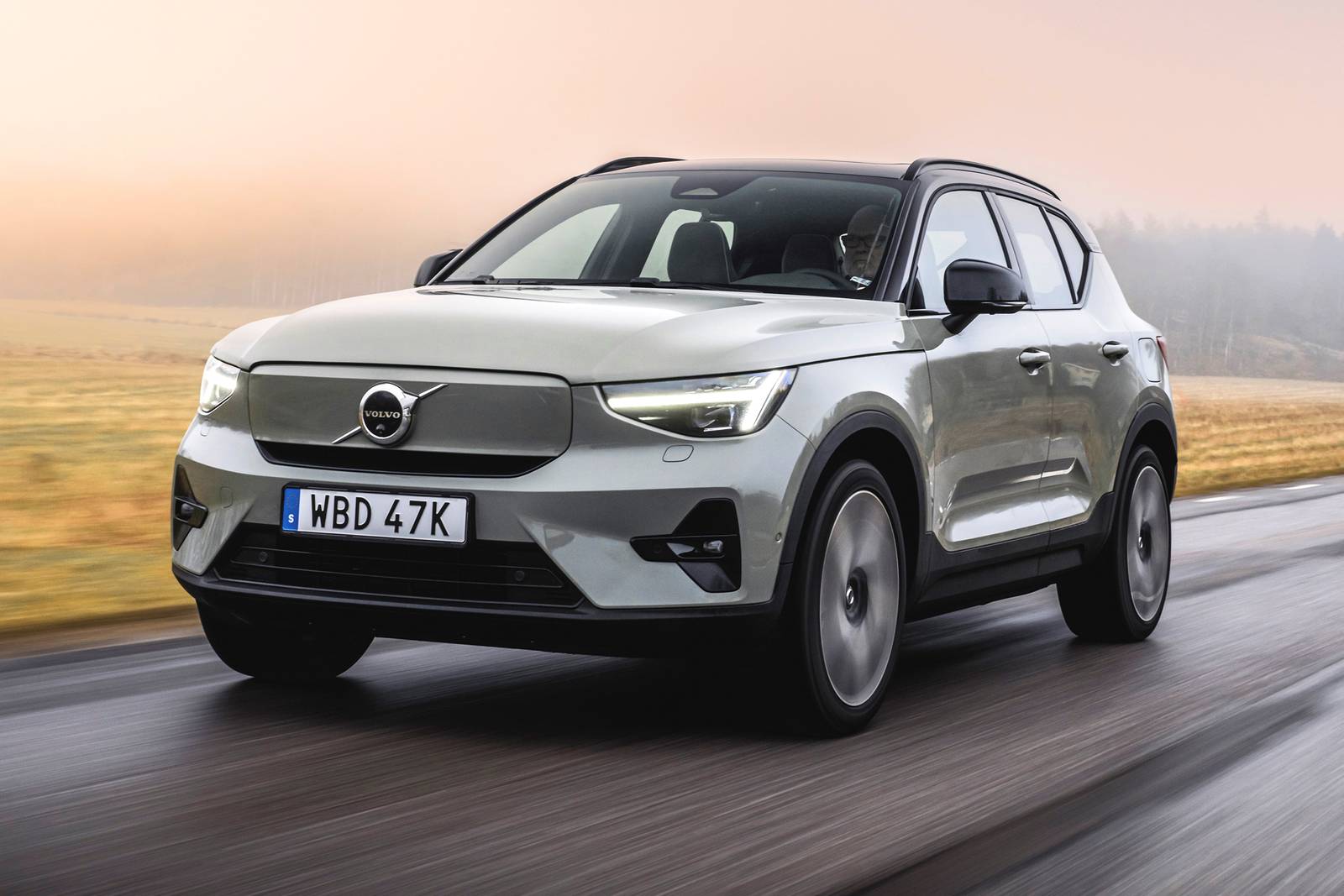
3. Volvo XC40 Recharge Twin Motor
Scandinavian thinking shapes the Volvo XC40 Recharge Twin Motor, especially once temperatures drop. The vehicle was developed with cold regions in mind, treating low temperatures as normal operating conditions rather than rare scenarios requiring special attention or driver intervention.
Dual motor All Wheel Drive provides a steady grip across snow-covered roads. Power delivery stays measured, allowing smooth movement without sudden surges. Electronic control systems support stability quietly, keeping the vehicle composed during icy starts, gradual climbs, and slow-speed manoeuvres.
Cabin heating reflects thoughtful engineering. The heat pump supplies warmth quickly while limiting unnecessary battery drain. Heated seats and a warmed steering wheel allow comfort at lower cabin temperatures, reducing reliance on continuous high-output climate settings during long winter journeys.
Battery thermal management performs reliably in cold weather. The system maintains cell temperature within a controlled range, preventing severe performance loss. After overnight exposure to freezing air, driving performance recovers quickly without hesitation or reduced responsiveness.
Interior layout supports winter driving demands. Defrosting systems clear glass surfaces efficiently, while simple controls reduce distraction. Visibility remains strong, and essential adjustments remain easy to access even when attention must stay focused on road conditions.
Charging behaviour remains predictable. Automatic battery conditioning prepares the system during cold weather, supporting steady charging speeds while protecting long-term battery health. This consistency allows owners to plan routines without constant concern about charging delays.
Ride quality remains controlled on damaged winter roads. Snow-packed surfaces and frost-affected tarmac feel manageable. Suspension tuning absorbs irregularities without excessive softness, preserving confidence and comfort during extended cold-weather travel.
Noise insulation supports comfort. External wind and tyre sounds remain subdued, even during winter storms. This calm environment reduces fatigue during long drives, supporting concentration and relaxed control behind the wheel. Ownership experience reflects Volvo’s safety-focused philosophy.
Systems operate quietly in the background, requiring minimal input. Drivers gain reassurance from the vehicle’s steady behaviour rather than constant alerts or adjustments. For drivers living with long winters, the XC40 Recharge Twin Motor feels purpose-built. Its traction, heating strategy, and battery management combine to create dependable daily transport when cold conditions dominate everyday driving routines.
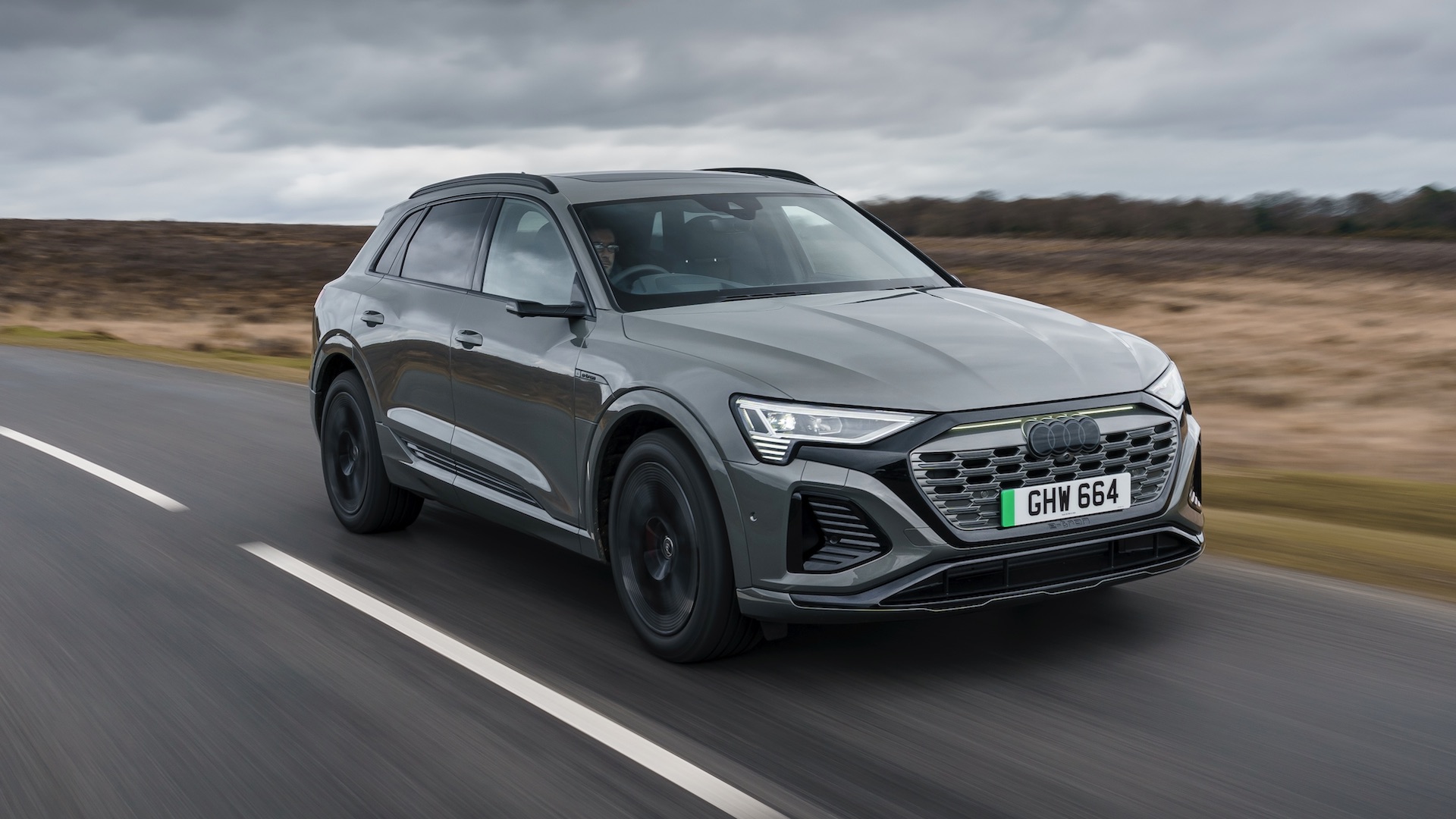
4. Audi Q8 e-tron quattro
The Audi Q8 e-tron quattro approaches winter with refinement and preparation. From the moment occupants enter the cabin, insulation and material quality create a protective environment that reduces exposure to harsh external temperatures and road noise.
Quattro All Wheel Drive supports confident movement on snow and ice. Torque distribution adapts smoothly, keeping grip balanced across all four wheels. Drivers experience steady progress without abrupt corrections or sudden changes in vehicle behaviour.
Battery thermal systems focus on stability during cold weather. Temperature regulation protects output during extended winter periods. While range reduction still occurs, behaviour remains predictable, allowing realistic planning without unexpected drops in usable distance.
Cabin heating reflects premium engineering priorities. Heat pump technology supports efficient warmth delivery, while multi-zone climate control maintains even temperatures. Heated seating surfaces reduce demand on full cabin heating, preserving battery resources.
Charging routines remain dependable during winter. Battery preconditioning prepares cells before fast charging sessions, limiting delays caused by low temperatures. Home charging also benefits from consistent current management during freezing overnight conditions.
Driving character stays composed and relaxed. Suspension tuning favours smooth control, allowing the vehicle to glide across uneven winter roads. Steering response remains steady, encouraging calm, deliberate inputs rather than constant correction.
Interior comfort supports extended cold-weather travel. Seating provides strong support, controls respond accurately, and screens remain clear and readable. Visibility systems handle frost and condensation efficiently without prolonged waiting periods. Build quality reinforces confidence. Doors seal firmly, materials resist cold stiffness, and interior surfaces maintain comfort.
This attention to detail contributes to a reassuring driving environment during severe weather. Winter ownership feels considered rather than reactive. The vehicle supports daily routines without demanding constant attention from the driver. Systems operate quietly, allowing focus to remain on safe progress.
For drivers seeking luxury without sacrificing winter usability, the Q8 e-tron quattro delivers calm assurance. Its balance of comfort, traction, and dependable cold-weather performance supports confident electric driving throughout extended winter seasons.
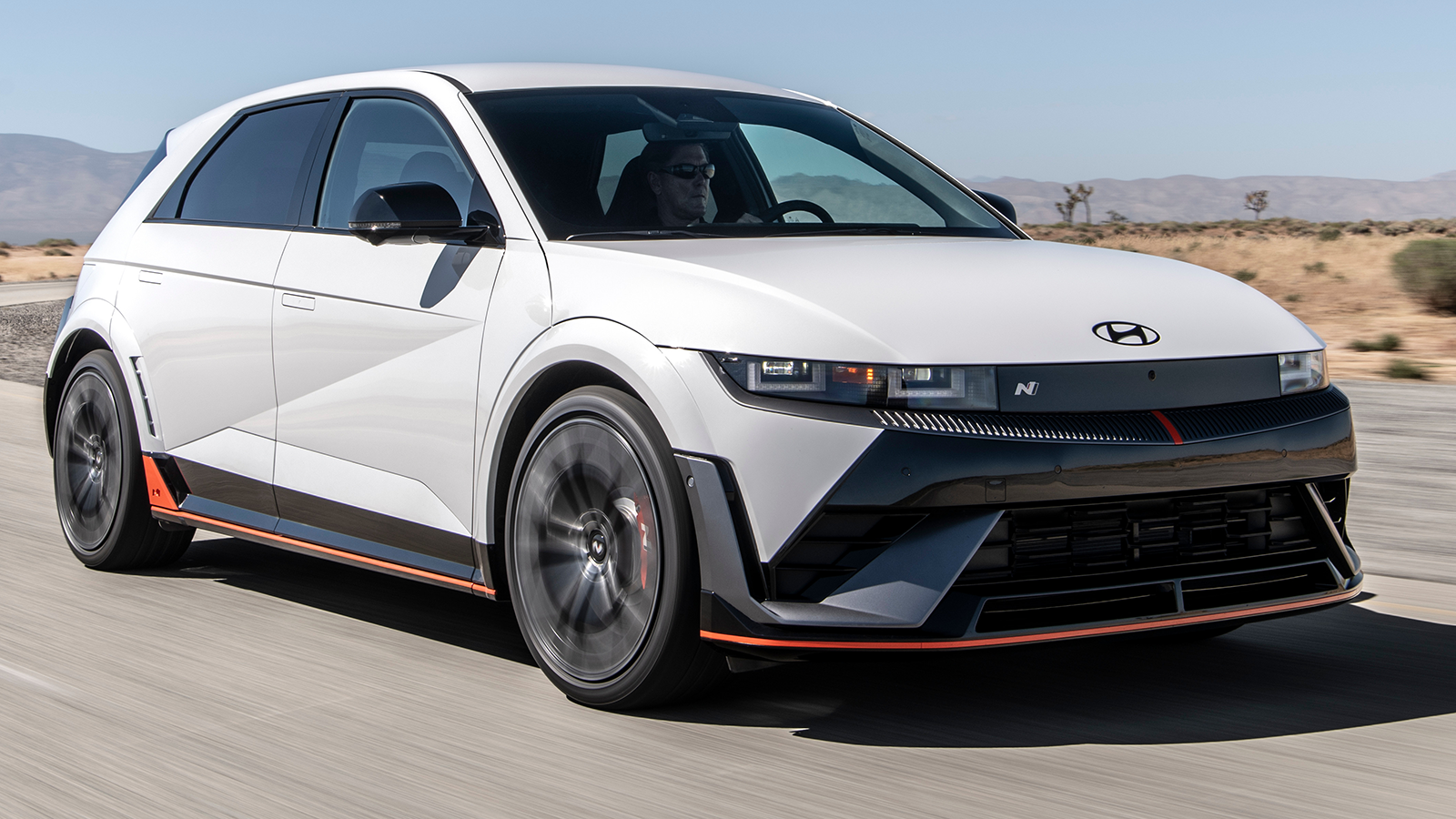
5. Hyundai Ioniq 5 AWD
The Hyundai Ioniq 5 AWD combines modern design with practical winter readiness. Battery capacity offers a useful margin during colder months, allowing drivers to manage reduced efficiency without constant concern about daily driving limits. All Wheel Drive improves stability on snow-covered and slushy roads.
Power delivery remains smooth, helping the vehicle maintain balance without sudden responses. This measured behaviour supports confidence during low grip conditions. Cabin heating performs efficiently in winter. Warm air reaches occupants quickly, while energy consumption remains controlled. Heated seats and a warmed steering wheel contribute to comfort, reducing pressure on the main climate system.
Battery thermal regulation supports consistent performance. Cells warm gradually, maintaining usable output after prolonged exposure to cold temperatures. This stability supports daily commuting and repeated short trips during winter weeks. Charging performance remains dependable.
Battery preconditioning helps maintain reasonable charging speeds at public stations. Home charging continues reliably overnight, even during extended freezing periods. Interior layout supports ease of use. Controls feel intuitive, displays remain responsive, and visibility systems clear frost effectively.
Drivers spend less time adjusting settings and more time concentrating on road conditions. Ride quality handles winter-damaged roads with confidence. Suspension tuning balances firmness and comfort, reducing harsh impacts from potholes and frost-related surface damage without compromising control.
Practical storage and interior space support winter needs. Heavy clothing, equipment, and supplies fit comfortably without crowding passengers. Flat floor design improves movement within the cabin during cold-weather use. Standard equipment adds value. Cold-weather supportive features arrive without expensive upgrades, making winter readiness accessible rather than restricted to higher trims.
For drivers seeking a balanced electric vehicle that respects winter realities, the Ioniq 5 AWD offers dependable performance. Its thoughtful heating systems, stable traction, and practical design support confident daily use throughout colder seasons.
5 EVs That Do Not Belong in Canadian Winters
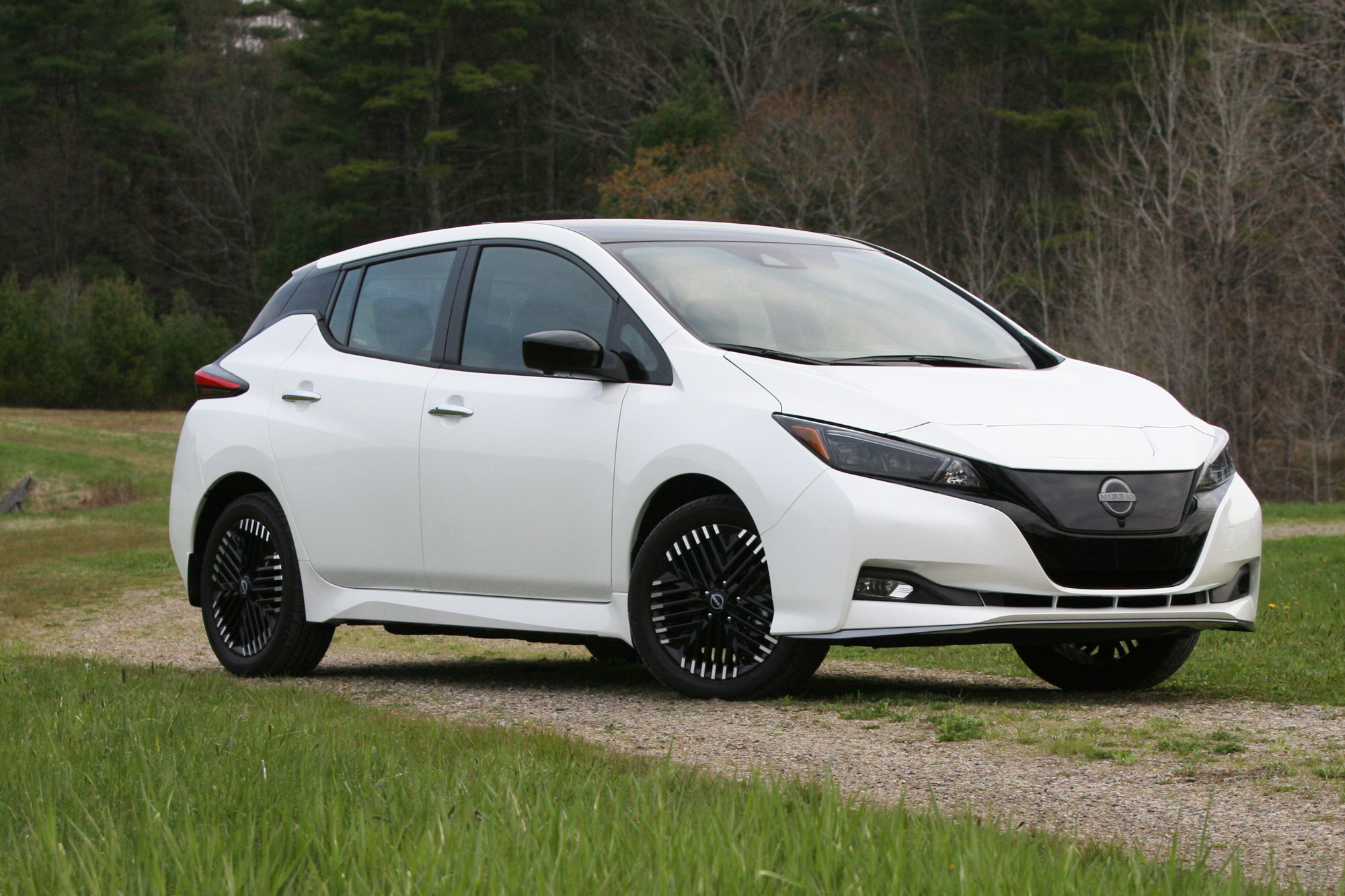
1. Nissan Leaf SV Plus
Cold climates expose the limitations of the Nissan Leaf SV Plus quickly. Battery chemistry reacts poorly to sustained low temperatures, and the absence of active liquid thermal management places this model at a disadvantage once winter settles in. Range reduction becomes noticeable after only a short period of cold exposure, forcing drivers to rethink daily routines.
Heating demands add pressure. Cabin warmth relies heavily on battery power, and efficiency drops rapidly once temperatures fall below freezing. Drivers often face a choice between comfort and distance, a tradeoff that becomes tiring during extended winter stretches. Heated seats help slightly, yet they do not fully offset the energy loss tied to cabin heating.
Charging behavior raises further concerns. Cold-soaked batteries charge slowly, especially at public stations. Without robust preconditioning, the vehicle struggles to accept higher charging speeds, turning quick stops into lengthy waits. This lack of preparation complicates winter travel planning.
Traction limitations also appear. Front Wheel Drive handles light snow adequately, though deeper snow and icy inclines test the system. Power delivery can feel hesitant, requiring careful throttle use to avoid wheel slip. Interior insulation falls short in extreme cold.
Wind noise and temperature fluctuations become more noticeable, reducing comfort during long drives. Defrosting systems work, yet response time lags behind expectations for harsh winter mornings. Battery longevity becomes another concern. Repeated cold cycles without active thermal protection may affect long-term health, raising ownership costs as time goes on.
Drivers in cold regions often report accelerated degradation compared to moderate climates. While the Leaf SV Plus performs well in temperate conditions, winter demands expose its design limits. Cold weather amplifies compromises that feel manageable elsewhere, making it a challenging choice for regions where winter dominates much of the year.
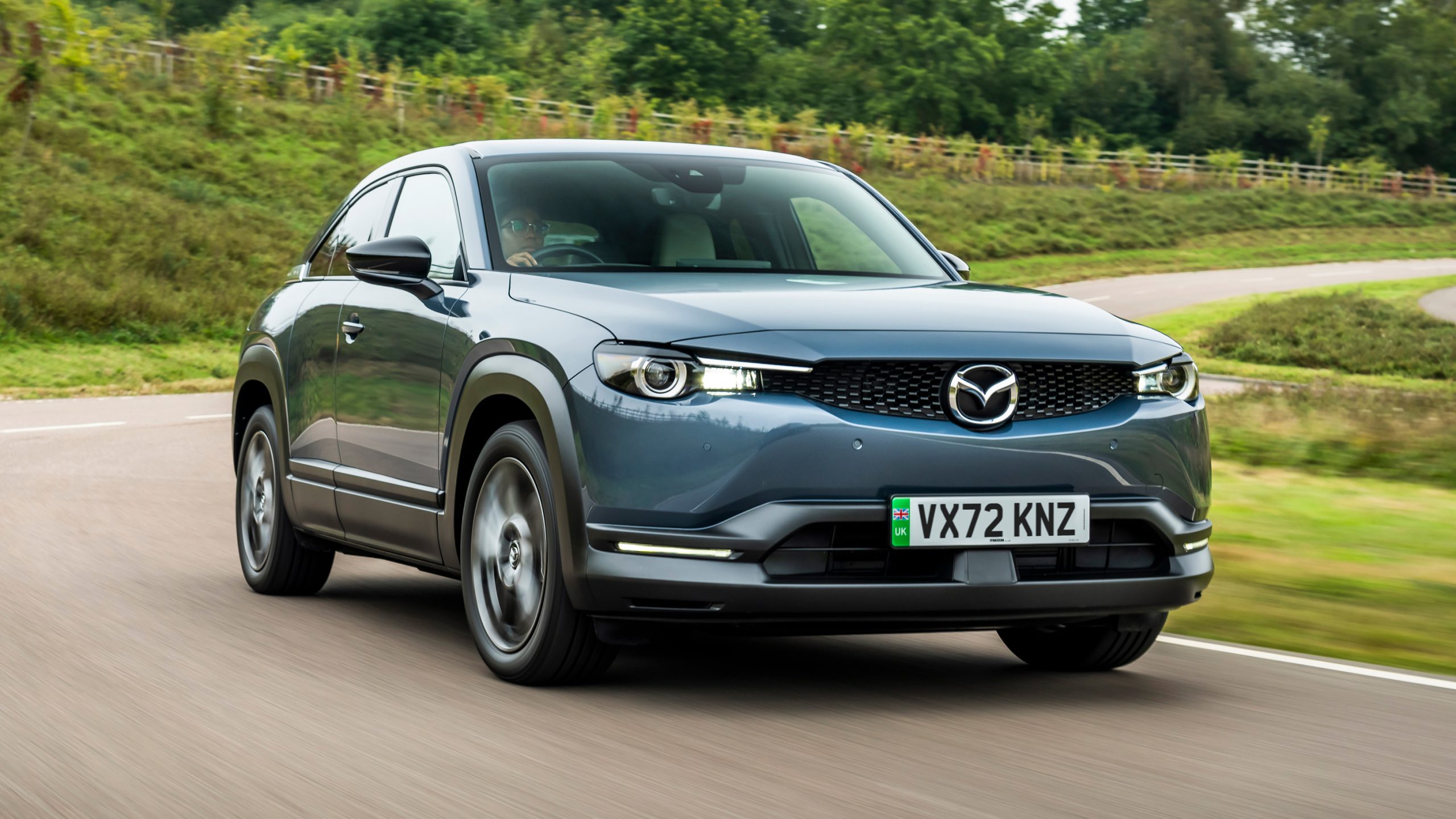
2. Mazda MX-30 EV
Design priorities shape the Mazda MX-30 EV, and winter practicality does not sit near the top of that list. Battery capacity remains modest, leaving little room for cold-weather range loss. Even short trips require careful planning once temperatures drop. Heating efficiency struggles.
Cabin warmth draws heavily from the limited battery reserve, shortening usable distance quickly. Drivers may hesitate to use climate controls freely, which undermines comfort during freezing conditions. Charging limitations add strain. Slower charging speeds combined with cold-weather battery behavior reduce flexibility.
Public charging sessions stretch longer than expected, while home charging requires careful scheduling to avoid inconvenience. Traction performance also feels restricted. Front wheel drive handles urban snow acceptably, though deeper accumulation reveals limited grip. Power delivery remains smooth, yet confidence fades on slick inclines.
Interior design emphasizes style rather than insulation. Cold seeps into the cabin more readily, and temperature stability requires constant adjustment. Defrosting systems function, yet response time lacks urgency during icy mornings. Battery management systems offer limited protection.
Without aggressive thermal regulation, the battery reacts slowly to cold recovery, affecting performance during the first miles of driving. This delay becomes frustrating during daily winter use. The MX-30 EV suits mild environments better. In regions where winter remains brief, compromises stay manageable. In harsher climates, limited range, slow charging, and heating demands combine to create an experience that feels constrained and impractical.
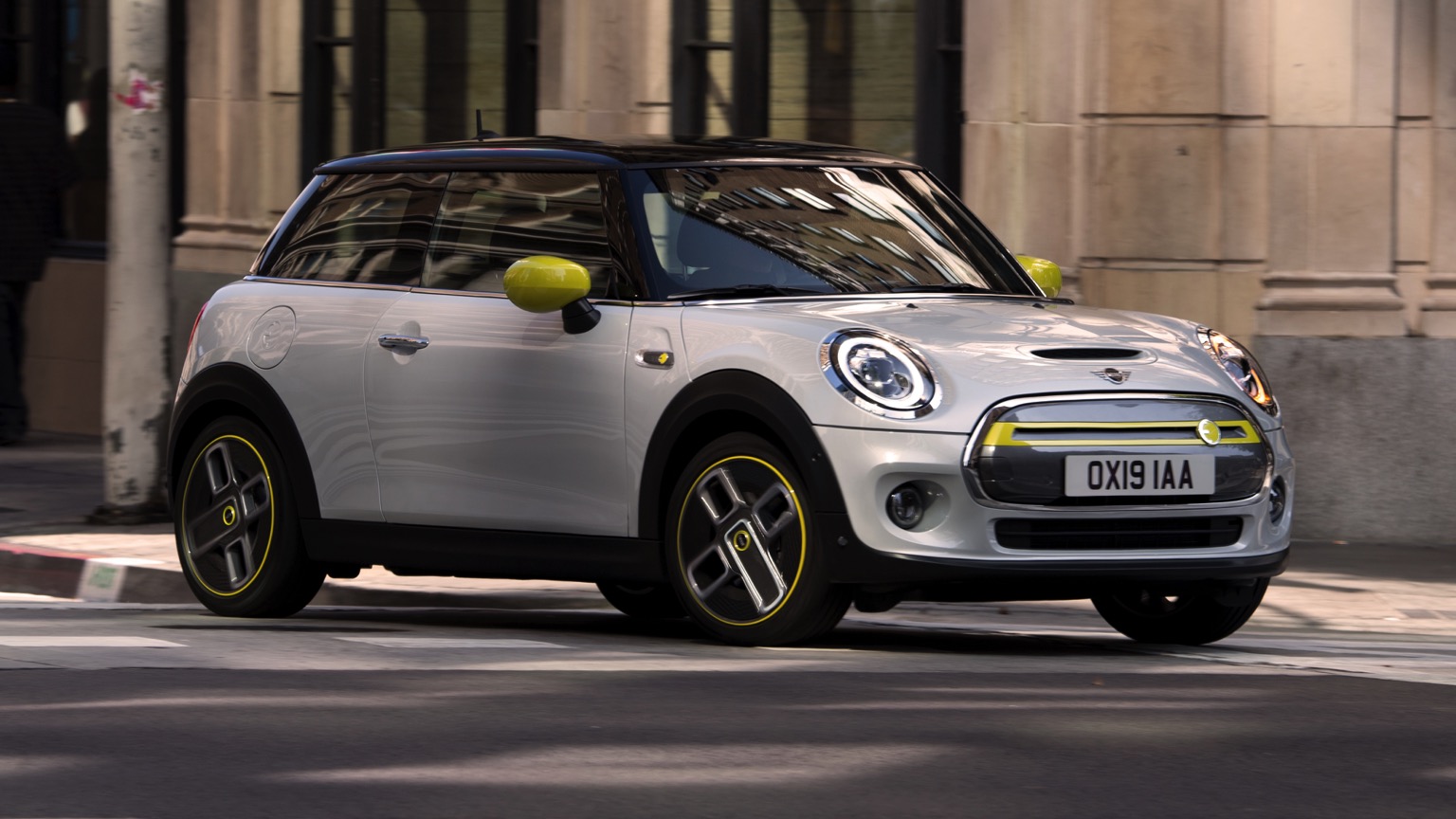
3. Mini Cooper SE Electric
Distinct character shapes the Mini Cooper SE Electric, yet cold weather reveals limits that affect daily use. Battery capacity remains modest, and low temperatures reduce available range at a fast pace. Driving that feels lighthearted during warmer periods becomes restrictive once winter conditions persist. Planning short trips requires more attention, while longer journeys demand careful energy calculation.
Heating places additional pressure on the battery. Cabin warmth activates quickly, though energy consumption rises sharply once the system runs for extended periods. Comfort becomes possible only with trade-offs, especially during early morning drives when temperatures sit well below freezing. Frequent monitoring of remaining charge becomes part of the routine.
Charging presents another challenge. Cold-soaked batteries accept power slowly, extending wait times at public stations. Without advanced battery conditioning, charging speed varies widely, making schedules harder to predict. Home charging offers some relief, yet recovery still takes longer during winter nights.
Road behavior shows mixed results. Front Wheel Drive combined with a short wheelbase performs adequately on lightly snow-covered streets. Stability declines on icy highways, where careful throttle control becomes necessary. Power delivery feels eager, though maintaining grip demands constant attention.
Interior insulation does not fully shield occupants from cold. Road noise increases during winter, and cabin temperature fluctuates more than expected. Defrosting systems operate reliably, though response time feels average during heavy frost. Battery performance improves only after several miles of driving. Initial response feels subdued until operating temperature stabilizes. This delay becomes noticeable during frequent short trips common in urban settings.
Living with the Cooper SE Electric in cold regions requires compromise. Style, agility, and urban friendliness remain strong points, yet extended winter conditions test its endurance. Design priorities favor personality and compact efficiency rather than sustained cold-weather resilience.
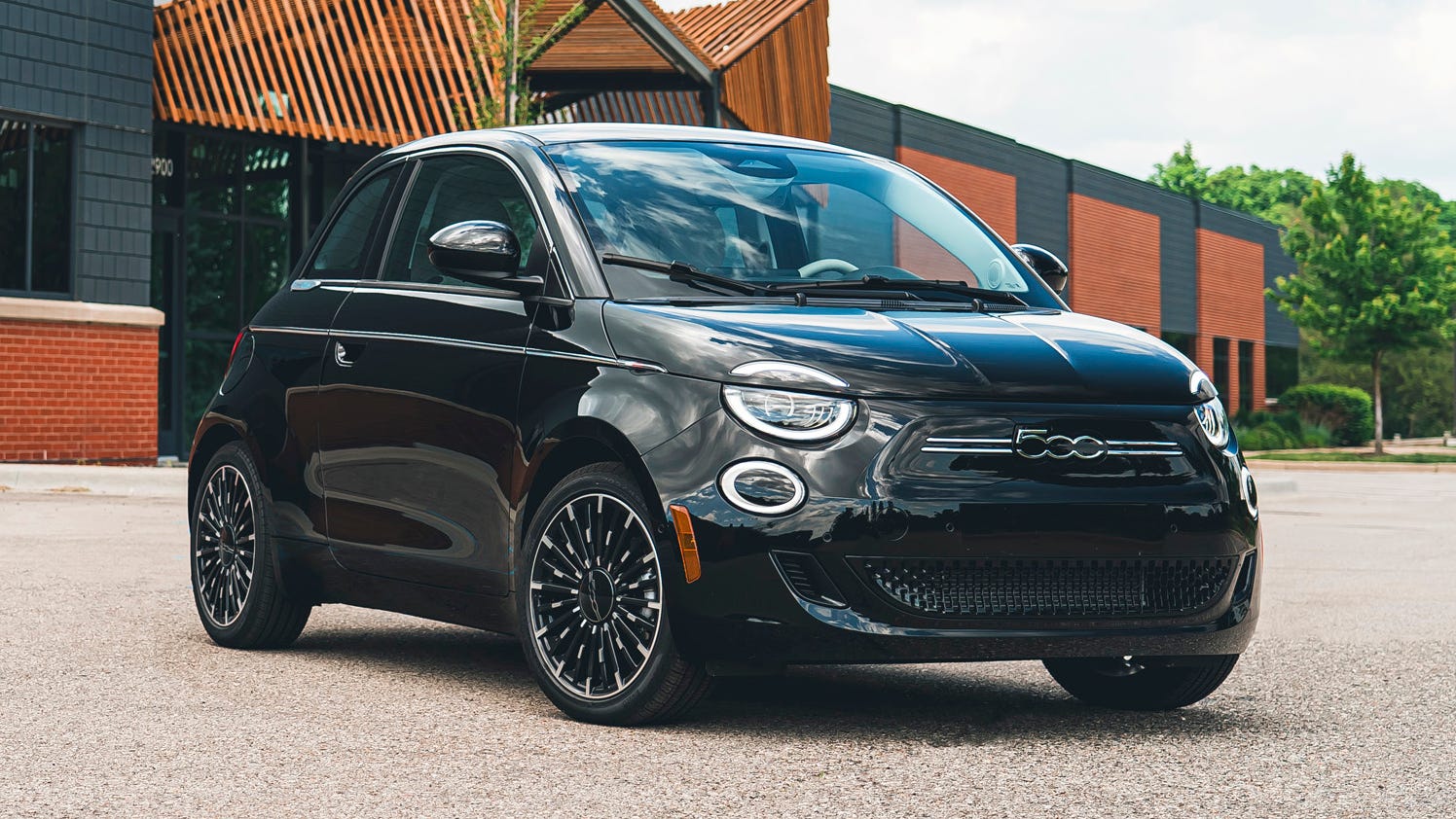
4. Fiat 500e
Urban intent defines the Fiat 500e, and winter conditions emphasize its limited tolerance for harsh climates. Battery size restricts flexibility once cold weather reduces usable range. Daily driving demands careful planning, leaving little room for unexpected detours or delays.
Heating efficiency remains modest. Cabin warmth draws heavily from available charge, forcing drivers to limit climate use during extended cold spells. Comfort becomes difficult to maintain without frequent recharging, which interrupts daily routines. Charging speed slows noticeably in low temperatures.
Cold batteries take longer to accept power, increasing downtime at public stations. Without strong thermal preparation, winter charging feels inconvenient and unpredictable. Home charging provides consistency, though recovery still takes longer overnight.
Traction behavior suits light snow within city limits. Front Wheel Drive handles short trips on cleared roads competently. Deeper snow or icy inclines challenge stability, while the short wheelbase increases sensitivity to slick surfaces. Interior materials offer limited insulation.
Temperature swings feel more pronounced, requiring frequent adjustments to maintain comfort. Defrosting systems perform adequately, yet response time remains average during heavy frost. Battery protection systems remain basic. Cold recovery after overnight exposure takes time, affecting early drive performance. Repeated cold starts amplify inefficiencies, especially during short trips.
The 500e fits mild environments and dense urban use. In colder regions, limited range, slow charging, and heating demands restrict practicality. Winter conditions highlight boundaries that drivers must accept when choosing a city-focused electric vehicle.
Also Read: 11 EVs With The Longest Battery Warranties Still Active In 2026
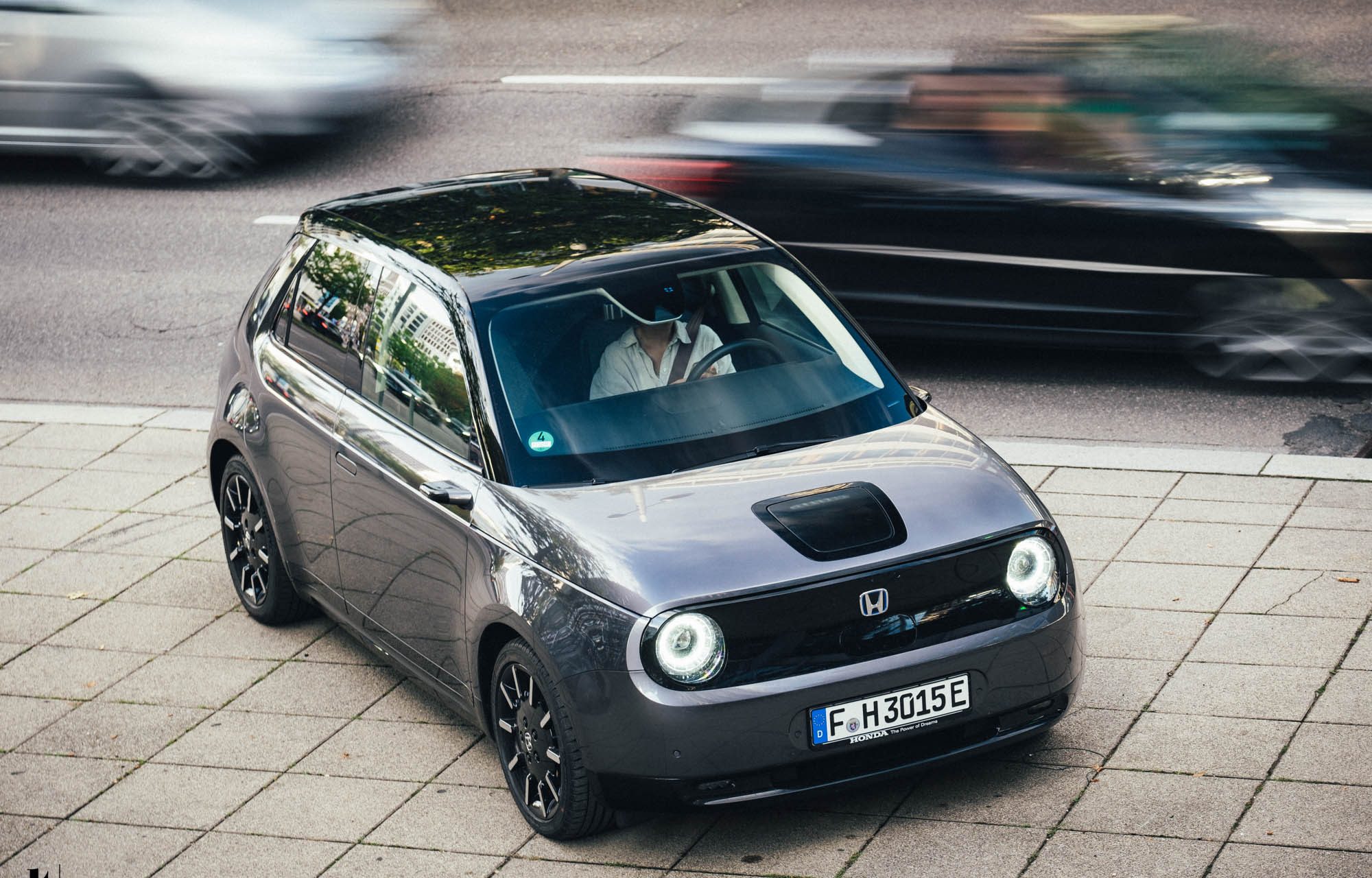
5. Honda e
Technology-driven design sets the Honda e apart, though winter use reveals practical constraints. Battery capacity remains small, providing minimal buffer once cold temperatures reduce range. Daily errands require detailed planning to avoid unexpected charging stops.
Heating places a steady drain on available energy. Cabin warmth arrives quickly, though charge levels drop soon afterward. Frequent charging sessions become routine during winter weeks, adding inconvenience to ownership. Charging behavior complicates schedules.
Cold batteries accept power at a slower pace, extending the time spent at charging stations. Limited range increases reliance on public infrastructure, magnifying delays during busy periods. Road handling stays composed in mild conditions. Rear Wheel Drive offers balanced control on dry surfaces, though icy roads require caution. Smooth power delivery helps maintain stability, yet confidence decreases when traction drops.
Interior insulation provides moderate protection. Temperature stability requires constant attention, especially during extended drives. Defrosting systems perform reliably, though they lack urgency during severe frost. Battery management systems offer limited cold protection.
Recovery after overnight freezing takes time, resulting in reduced response during early miles. This behavior becomes noticeable during frequent short trips common in urban driving. The Honda e suits temperate cities where winter remains brief. In colder climates, charm and innovation face pressure from range loss, heating demands, and charging delays. Extended winter conditions expose limits that affect long-term suitability.
