
Car design has never followed a simple straight path. Some vehicles appear on the market carrying ideas that feel closer to a future stage of automotive development, while others arrive with features and engineering choices that already seem dated by launch day.
Buyers usually only notice this difference later, when years of progress in technology, safety standards, and driving expectations make earlier designs feel either forward-thinking or behind schedule. A certain group of vehicles introduced concepts before the market was ready for them.
At first release, they could appear unusual, overly ambitious, or unnecessary, yet those same ideas later became standard across many manufacturers. What once felt unfamiliar gradually turned into normal expectations for modern vehicles.
These ahead-of-their-time models often set direction rather than follow it. Their influence tends to show up later in areas such as electrification, digital control systems, lightweight materials, or new interior layouts. Although early reception may have been mixed, their design choices eventually became reference points for later development.
Another group sits at the opposite end. These vehicles entered the market carrying outdated engineering approaches, limited technology, or styling that failed to meet contemporary expectations. Even strong branding or loyal customer bases could not fully hide the sense that they were no longer aligned with what buyers wanted at that moment.
This section separates both categories clearly. First comes four vehicles that pushed ahead of their era by introducing ideas that later shaped industry direction. After that, four vehicles that struggled at launch due to design and engineering decisions that already felt behind current standards.
Each entry focuses on real ownership experience, mechanical decisions, and market reaction. The goal is to show how timing alone can determine whether a vehicle is remembered as forward-thinking or immediately seen as outdated when it first appears.
4 Cars That Were Ahead Of Their Time
1. 2004 Toyota Prius
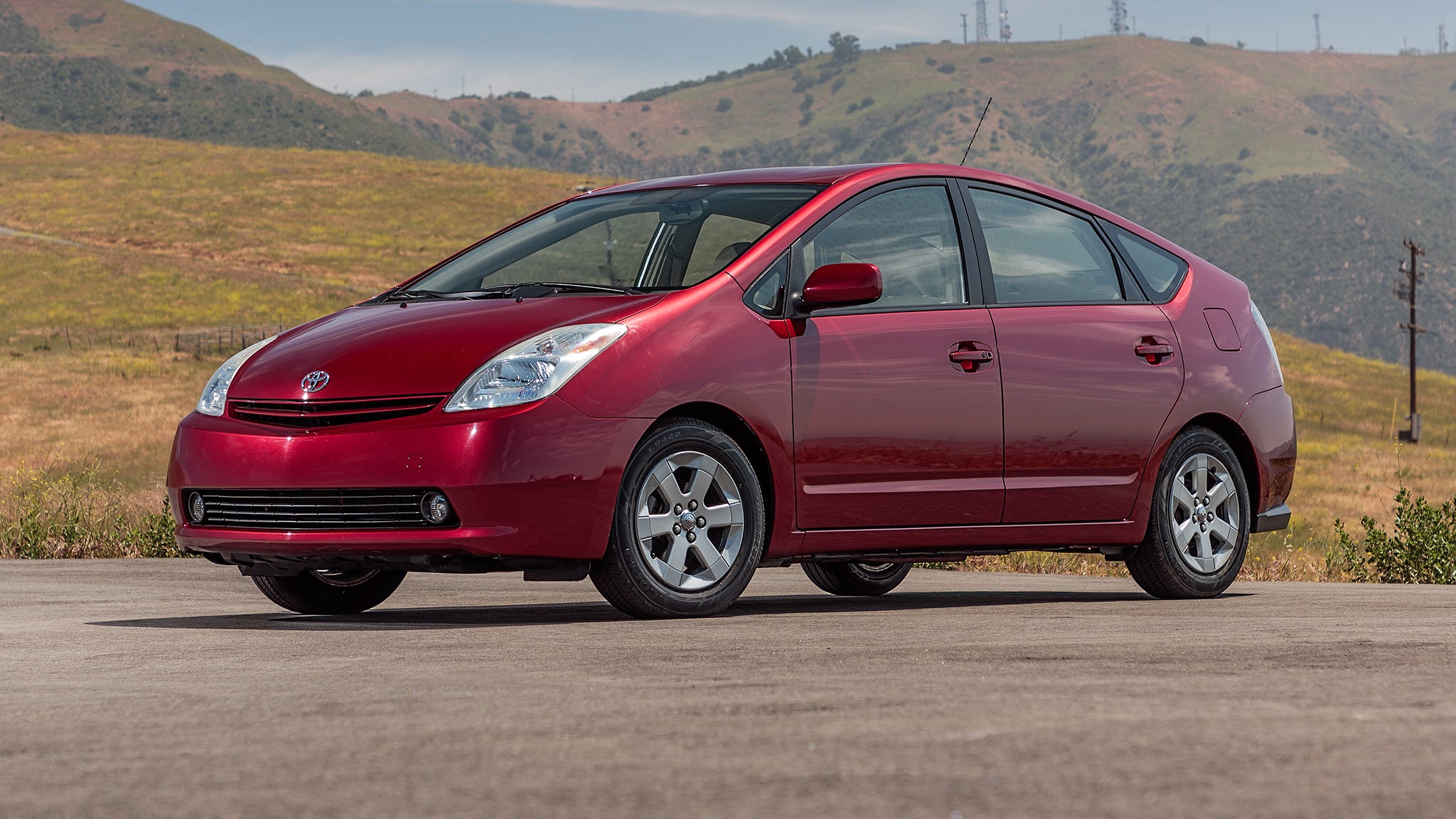
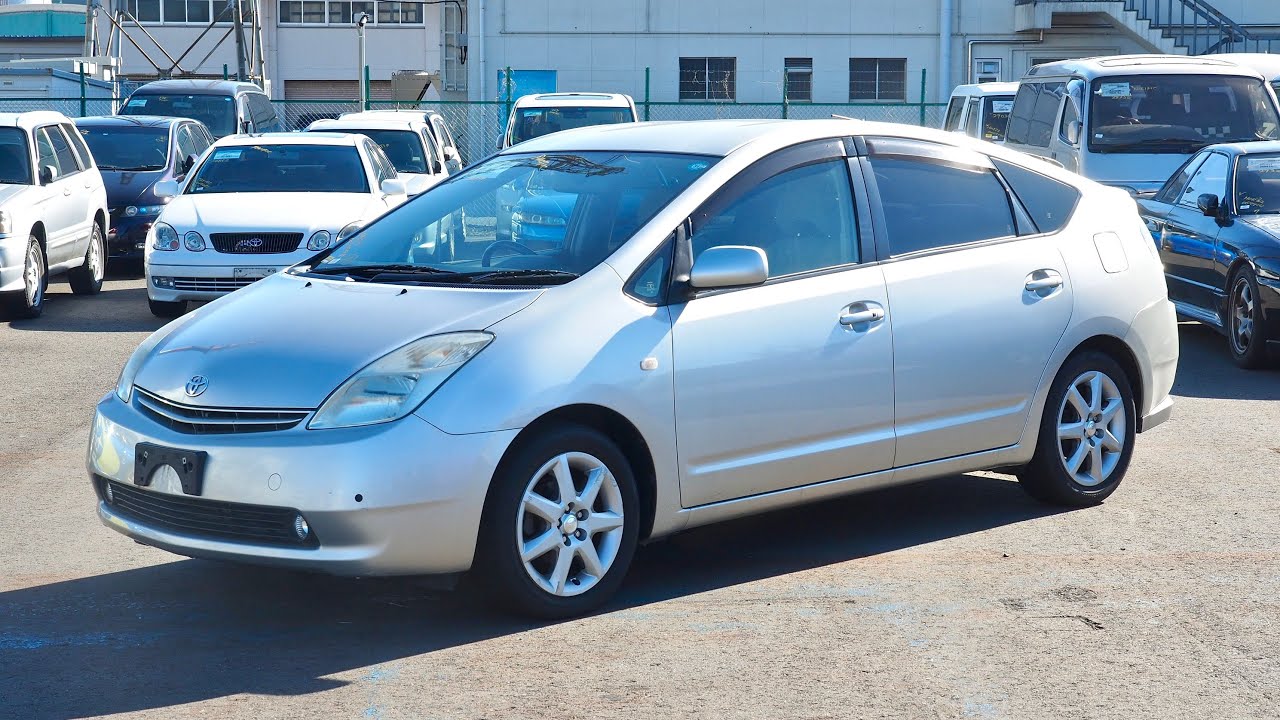
Public reaction to the 2004 Toyota Prius was mixed at launch, yet its engineering direction later became the foundation for mainstream hybrid adoption. The vehicle introduced a gasoline-electric system that prioritized efficiency at a time when fuel economy was improving slowly across most segments.
Many drivers initially viewed it as unusual, but its long-term influence became impossible to ignore. Driving behavior feels different compared to conventional sedans of the same era. The electric motor assists low-speed movement, allowing quieter starts and reduced fuel usage in city traffic.
Regenerative braking also plays a role, converting energy that would normally be lost into usable electrical charge. At the time, this system felt unfamiliar, but it later became standard practice across multiple brands.
Interior design reflects a focus on efficiency rather than traditional layout expectations. The central instrument cluster placement feels unconventional, yet it was designed to improve visibility and reduce driver distraction. Materials used inside are functional rather than luxurious, reinforcing the car’s purpose-driven identity.
Mechanical structure prioritizes longevity of hybrid components. The battery system, electric motor, and gasoline engine work together in a way that reduces strain on each individual part. This balance contributes to long-term reliability, a trait that later strengthened the Prius’ reputation in used car markets.
Market perception shifted as fuel prices rose in later years. What once seemed unnecessary became highly desirable, especially for commuters seeking lower running costs. Taxi operators and high-mileage drivers adopted it widely, reinforcing its practicality.
Repair networks adapted quickly as demand increased. Mechanics became more familiar with hybrid systems, reducing service hesitation. Early skepticism faded as the technology proved durable in real-world conditions. Design decisions that felt unusual in 2004 later became reference points for modern hybrid engineering. The Prius demonstrated that efficiency-focused architecture could succeed commercially, setting a path for future electrified vehicles.
2. 2012 Tesla Model S
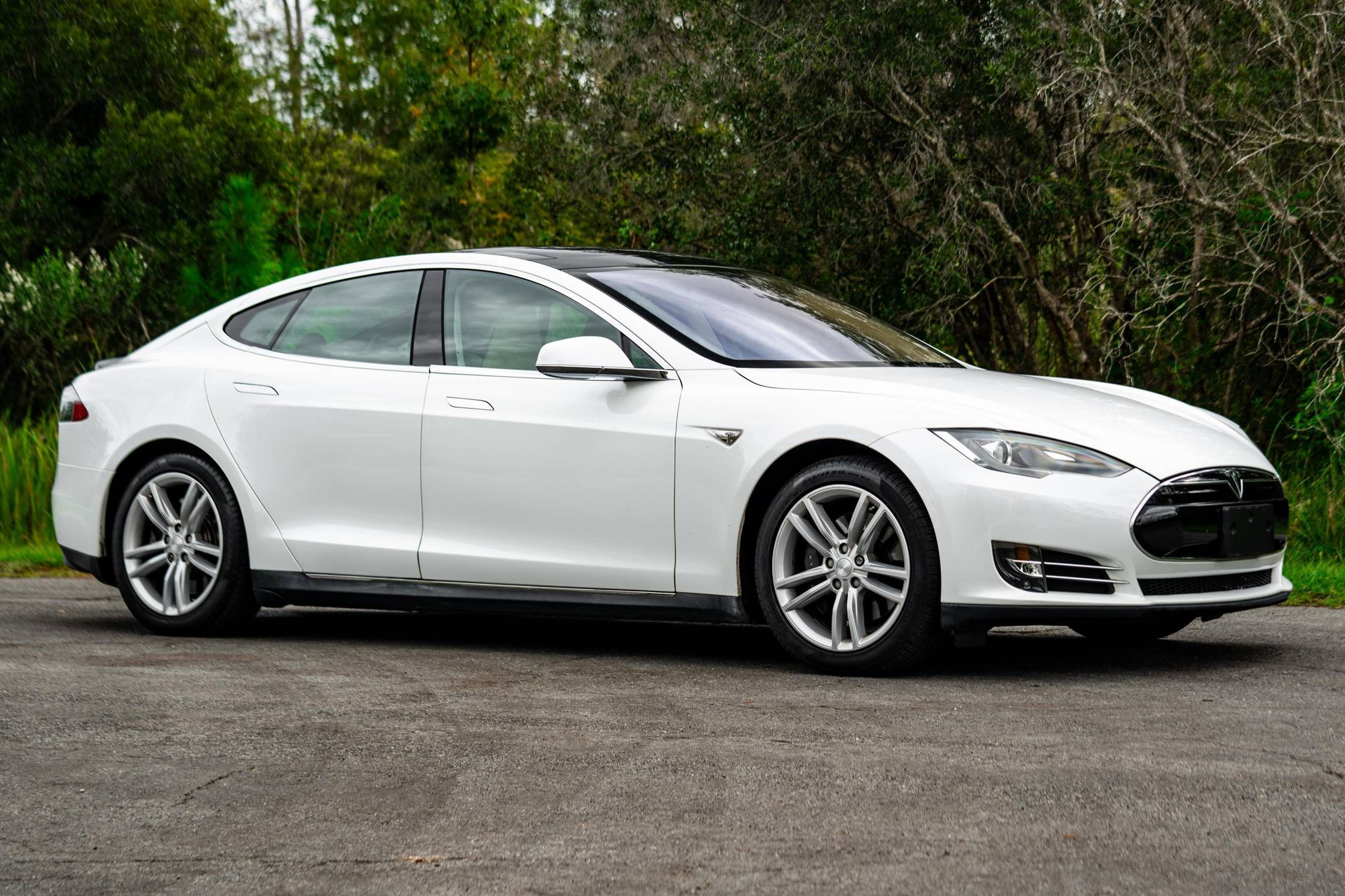
The arrival of the 2012 Tesla Model S marked a major turning point for premium automotive expectations, introducing a fully electric sedan that challenged long-held assumptions about performance, range, and luxury. At the time of release, electric vehicles were still associated with limited driving distance and modest acceleration, yet this model stepped into direct competition with established luxury sedans powered by combustion engines.
That positioning alone placed it in a category few expected it to succeed in, especially at scale. Acceleration delivery feels immediate due to the electric motor’s response characteristics. Power arrives without delay, producing strong forward motion from a standstill without gear changes.
This driving behavior changed expectations among performance-oriented drivers, who were used to gradual power build-up from traditional engines. The sensation of continuous acceleration created a new reference point for electric performance sedans and influenced later development across multiple manufacturers.
Cabin design centers on a large central touchscreen that replaces many physical buttons and switches. This interface controls climate settings, navigation, media, and vehicle adjustments. At launch, this approach felt unconventional because most luxury vehicles still relied heavily on tactile controls.
However, the design reduced dashboard clutter and introduced a digital-first user experience that later became widely adopted across the automotive industry. Battery placement uses a flat floor architecture, which improves interior space distribution.
Passengers benefit from increased legroom since there is no traditional transmission tunnel running through the cabin. This structural layout also improves weight balance, contributing to stable handling characteristics during cornering and highway travel.
Charging infrastructure development played a central role in usability. Dedicated fast-charging stations allowed longer journeys with reduced waiting time compared to early electric systems. This network expansion addressed one of the main concerns surrounding electric mobility at the time, making long-distance travel more practical for owners.
Software integration added another layer of innovation. Vehicle systems received updates remotely, allowing performance improvements, feature additions, and interface changes without physical dealership visits. This approach introduced a technology-style update cycle to automotive ownership, changing expectations for how vehicles advance after purchase.
Market response grew steadily as charging infrastructure expanded and real-world usability improved. Concerns about range gradually reduced as improvements in battery efficiency and station availability became more widespread. The Model S developed strong acceptance among luxury buyers who previously relied on traditional performance sedans.
Design influence extended far beyond its own segment. Competing manufacturers began accelerating electric vehicle development programs, adjusting both performance targets and interior technology expectations. The Model S established a reference point that shaped the direction of premium electric vehicles for years that followed.
Also Read: 10 Cars With Windshields That Don’t Show Glare At Sunset
3. 2011 Nissan Leaf
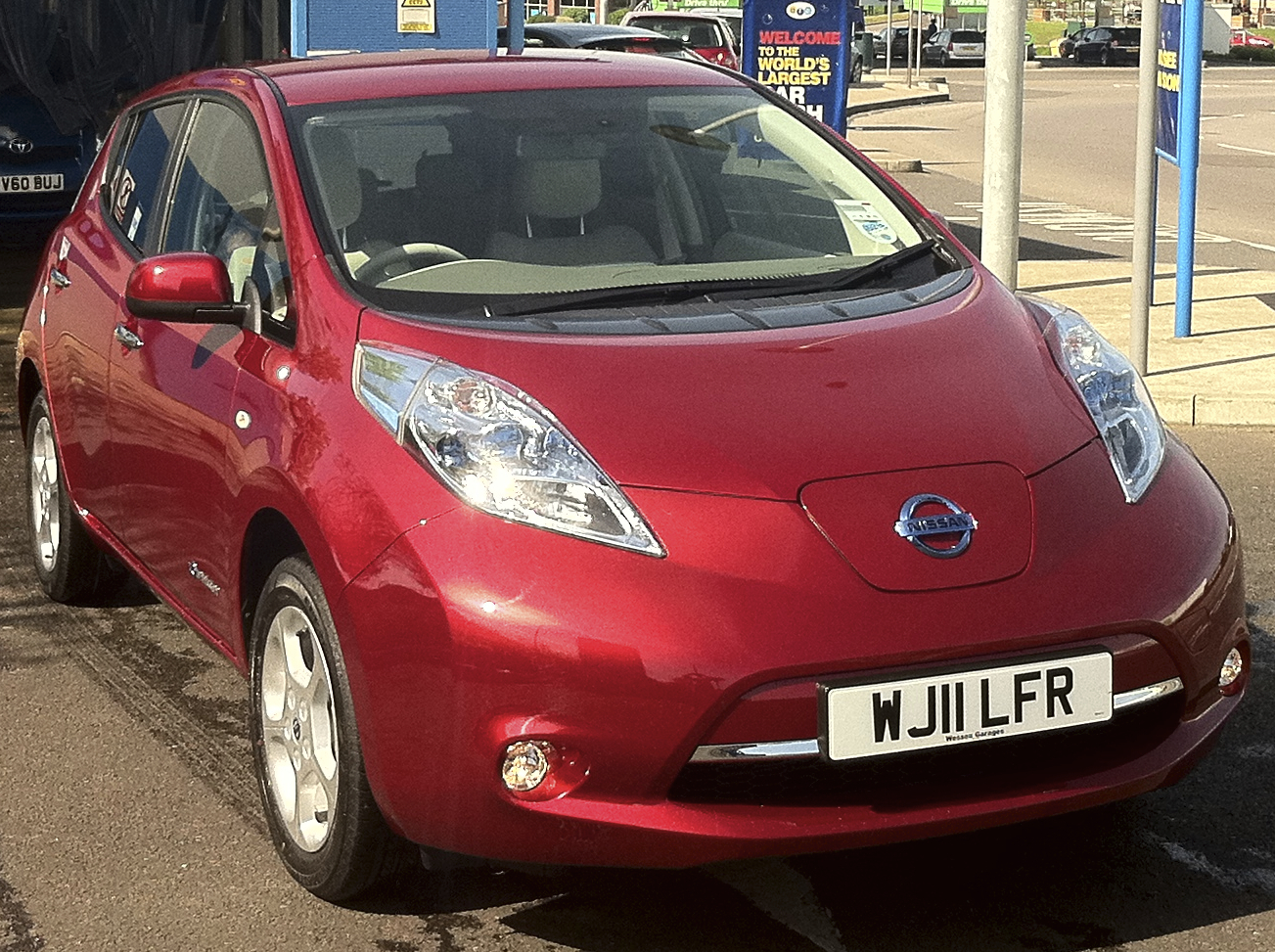
The 2011 Nissan Leaf entered production as one of the earliest mass-market fully electric hatchbacks intended for everyday drivers, marking a move toward accessible electric mobility. At the time, electric vehicles were still viewed with hesitation due to concerns around range, charging access, and long-term usability.
Despite those conditions, this model introduced a practical approach focused on simplicity and affordability rather than performance-oriented ambition. Driving experience remains quiet due to the absence of an internal combustion engine.
Acceleration delivery is smooth and predictable, designed primarily for urban commuting and short-distance travel. This tuning reflects a focus on efficiency and ease of use rather than high-speed capability, making it suitable for routine driving patterns such as school runs and daily commuting.
Battery capacity during early production limited travel distance per charge, which required careful trip planning. Charging infrastructure was still developing at the time, meaning owners often relied on home charging setups or limited public charging stations. This constraint influenced driving habits, encouraging shorter trips and structured charging routines.
Interior layout emphasizes function over styling complications. Instrument displays provide real-time feedback on energy consumption, driving efficiency, and remaining range. This information encourages more controlled driving behavior, helping users maximize available battery capacity during daily use.
Regenerative braking technology contributes to energy recovery during deceleration. Instead of losing energy as heat, part of it is converted back into battery charge. This system extends the usable range slightly while reducing wear on traditional braking components, supporting lower long-term service requirements.
Mechanical simplicity plays a major role in ownership experience. Electric drivetrains contain fewer moving parts compared to combustion engines, reducing the number of components that require routine maintenance. This design approach later became a strong selling point as electric mobility adoption increased globally.
Market reception initially remained cautious due to unfamiliarity with electric-only transportation. However, growing environmental awareness and rising fuel costs gradually improved interest among buyers seeking alternative energy solutions. Early adopters played an important role in normalizing electric hatchbacks as practical vehicles rather than experimental products.
The Leaf contributed to establishing foundational expectations for mass-market electric cars. Later models expanded on its concept by increasing range, improving charging speed, and enhancing performance, but the Leaf’s early presence helped define the direction of affordable electric transportation.
4. 2014 BMW i3
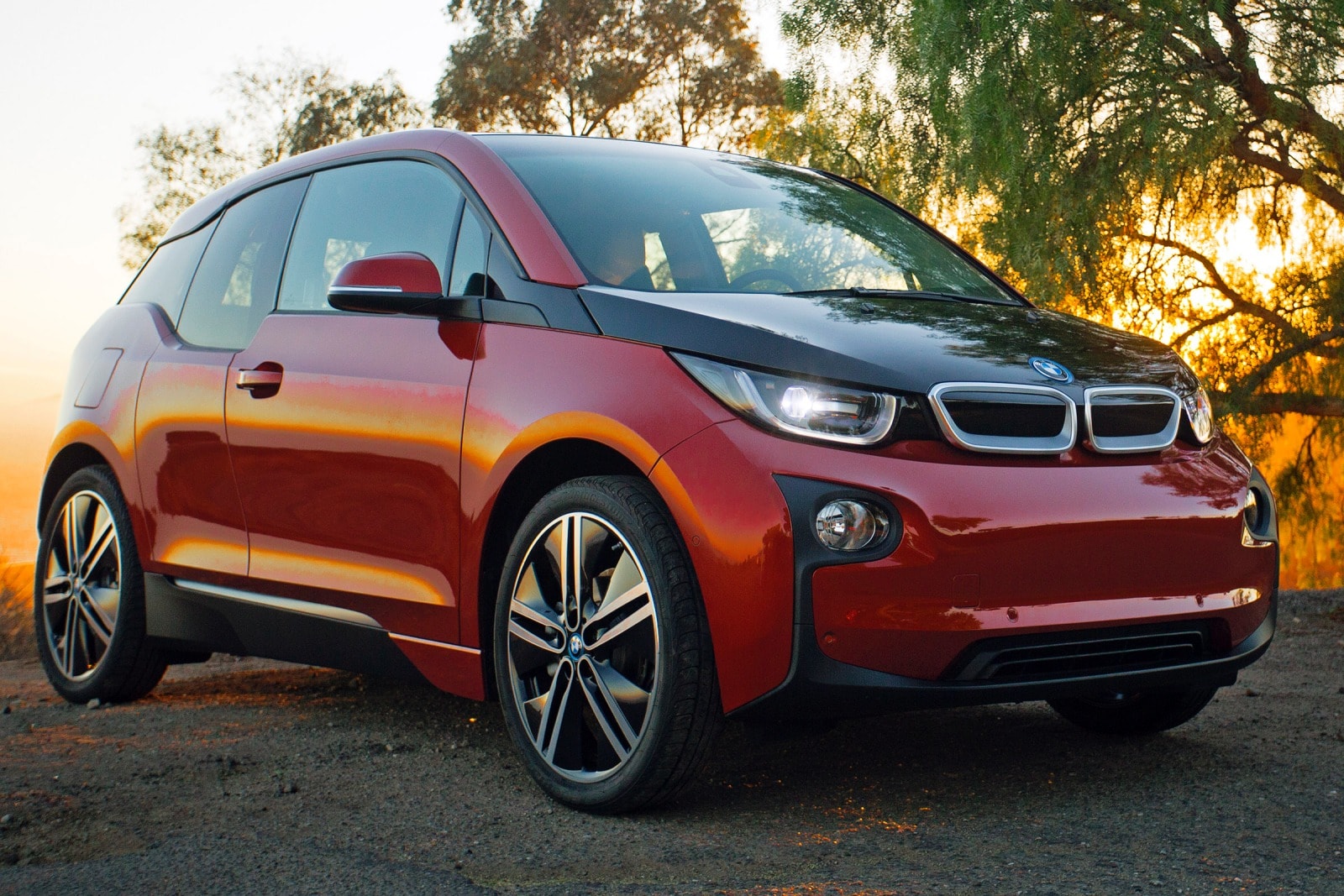
The arrival of the 2014 BMW i3 introduced a distinct engineering philosophy centered on lightweight construction, urban mobility, and sustainable material usage. At first release, its appearance and structure differed from traditional BMW models, signaling a departure from conventional design language.
This difference was intentional, reflecting a focus on future-oriented city transportation rather than traditional performance expectations. Structural design uses carbon fiber reinforced plastic, which reduces vehicle weight while maintaining rigidity.
This construction method improves energy efficiency and handling response, especially during frequent acceleration and braking cycles typical of urban driving conditions. Reduced weight also contributes to improved battery efficiency, extending usable driving range.
Electric drivetrain operation delivers smooth power delivery without gear changes. Instant torque response at lower speeds supports efficient city driving, where quick acceleration from traffic stops is often required. This driving behavior aligns with short-distance commuting patterns rather than long highway travel.
Interior design incorporates recycled materials and a minimalist layout approach. Cabin structure emphasizes open space and functional simplicity, reducing visual clutter while maintaining usability. This design philosophy reflects a move toward sustainability-focused vehicle development.
Rear door design uses a split configuration that improves access to rear seating areas. This layout is particularly useful in tight parking environments, allowing easier entry and exit in confined urban spaces. Driving characteristics prioritize maneuverability and efficiency. Steering response feels light, supporting ease of control during city driving.
Suspension tuning focuses on comfort within urban road conditions rather than high-speed performance stability. Certain versions include a range extender system, which uses a small auxiliary combustion engine to generate electricity when the battery charge becomes low. This feature extends usability for longer trips without fully relying on charging infrastructure.
Market response showed mixed opinions at launch due to its unconventional appearance and engineering choices. However, its design philosophy later influenced compact electric vehicle development, particularly in areas related to lightweight construction and sustainable materials.
4 Cars That Were Already Outdated At Launch
1. 2007 Chrysler Sebring Sedan
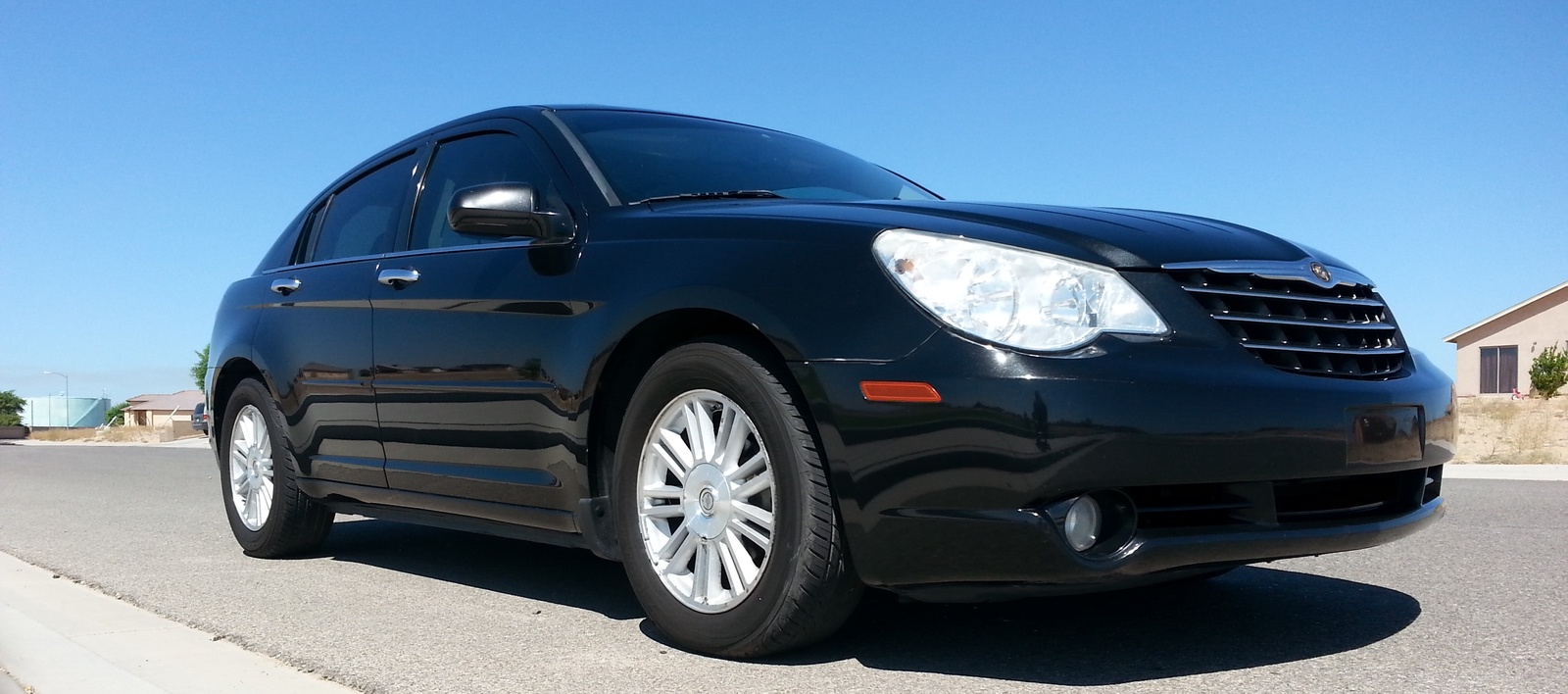
The arrival of the 2007 Chrysler Sebring Sedan came during a period when midsize sedans were rapidly improving in refinement, yet this model struggled to match rising expectations. Styling appeared conservative, but not in a timeless way. Instead, it leaned toward an older design language that other manufacturers had already moved beyond. At a time when competitors were introducing sharper lines and stronger road presence, the Sebring looked a step behind current trends.
Driving behavior reflects an emphasis on comfort that does not fully translate into confidence on the road. Steering response feels light but lacks precision, especially during highway lane changes. Suspension tuning absorbs bumps, yet the resulting ride can feel unsettled on uneven surfaces.
Competing models from the same era delivered a more controlled balance between softness and stability. Engine options included a base four-cylinder and an available V6, though neither stood out in refinement or efficiency. Acceleration feels adequate for city driving but lacks urgency during highway merging or overtaking.
Transmission behavior also draws criticism, with gear changes that feel delayed compared to rivals that already adopted smoother automatic systems. Interior presentation contributes heavily to the perception of being behind its time.
Cabin materials lean toward hard plastics, and the design layout feels less cohesive than that of competitors from Japanese and European manufacturers. Control placement does not always follow intuitive ergonomics, which affects ease of use during daily driving.
Technology offerings at launch lagged behind market expectations. While some competitors had begun introducing advanced infotainment systems and improved cabin electronics, the Sebring maintained a simpler setup that felt dated even at release. This gap became more noticeable as consumer expectations shifted quickly in the following years.
Reliability perception also played a role in its reputation. Long-term ownership reviews often mention inconsistent build quality and higher-than-average repair attention compared to segment leaders. These concerns reduced confidence among buyers seeking long-term value.
Market reception reflected these shortcomings. Even though pricing positioned it as accessible, many shoppers preferred alternatives offering stronger performance, better interiors, and more modern styling. The Sebring became an example of how timing and execution can define a vehicle’s long-term perception.
2. 2006 Mitsubishi Galant ES
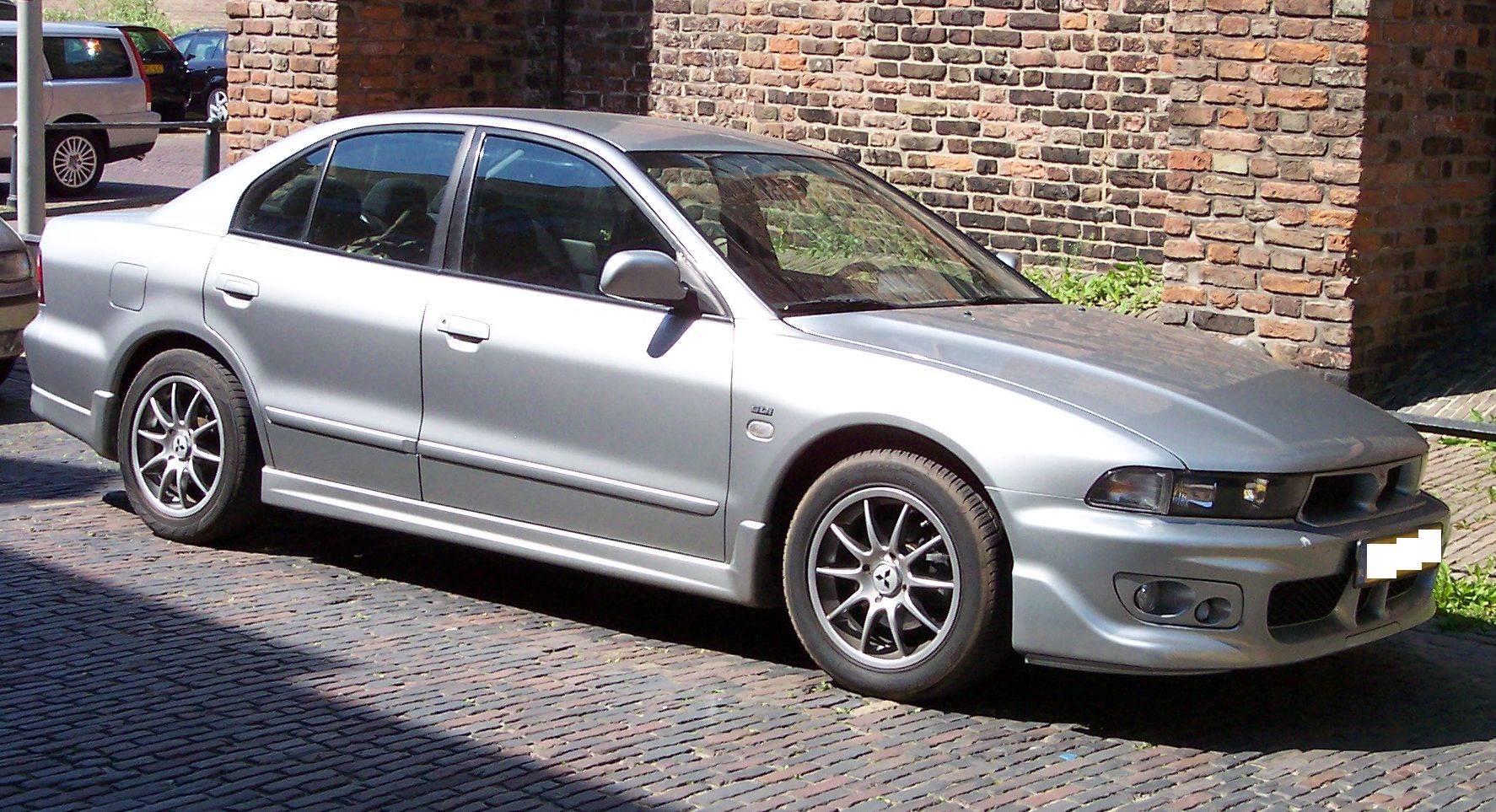
Entry of the 2006 Mitsubishi Galant ES into the midsize sedan segment occurred during a period when rivals were rapidly modernizing, yet this model retained a design approach that felt rooted in earlier automotive thinking. Exterior styling appeared conservative, lacking the sharpness and identity that competitors were adopting at the time. While simplicity can age well in some cases, this design did not achieve that balance.
Performance delivery centers on a four-cylinder engine tuned for basic commuting needs. Acceleration feels modest, and response during highway driving lacks urgency. Competing models in the same class were already offering stronger powertrains with improved fuel efficiency and smoother delivery, placing the Galant at a disadvantage.
Transmission behavior adds to the sense of outdated engineering. Gear changes feel less refined compared to newer automatic systems introduced by rival manufacturers. This affects driving smoothness, especially during stop-and-go traffic conditions.
Interior design reflects an older layout philosophy. Dashboard structure feels flat and less integrated, with controls positioned in a way that does not fully prioritize ergonomic flow. Material quality also leans toward lower-grade plastics, which impacts perceived value.
Technology features remain minimal. While competitors were beginning to introduce advanced infotainment systems and improved cabin connectivity, the Galant maintained a simpler setup that lacked modern convenience features expected by buyers at the time.
Ride comfort is acceptable, though not class-leading. Suspension tuning absorbs road imperfections reasonably well, but does not provide the composed stability found in more recent designs from competing brands. Long-term ownership perception tends to reflect these limitations.
While the vehicle can function as basic transportation, it does not offer the refinement or features that buyers increasingly expected during its production period. Market response showed a gradual decline as competitors advanced more quickly. The Galant remained functional but struggled to maintain relevance against newer, better-equipped alternatives.
3. 2008 Ford Taurus (Fifth Generation)
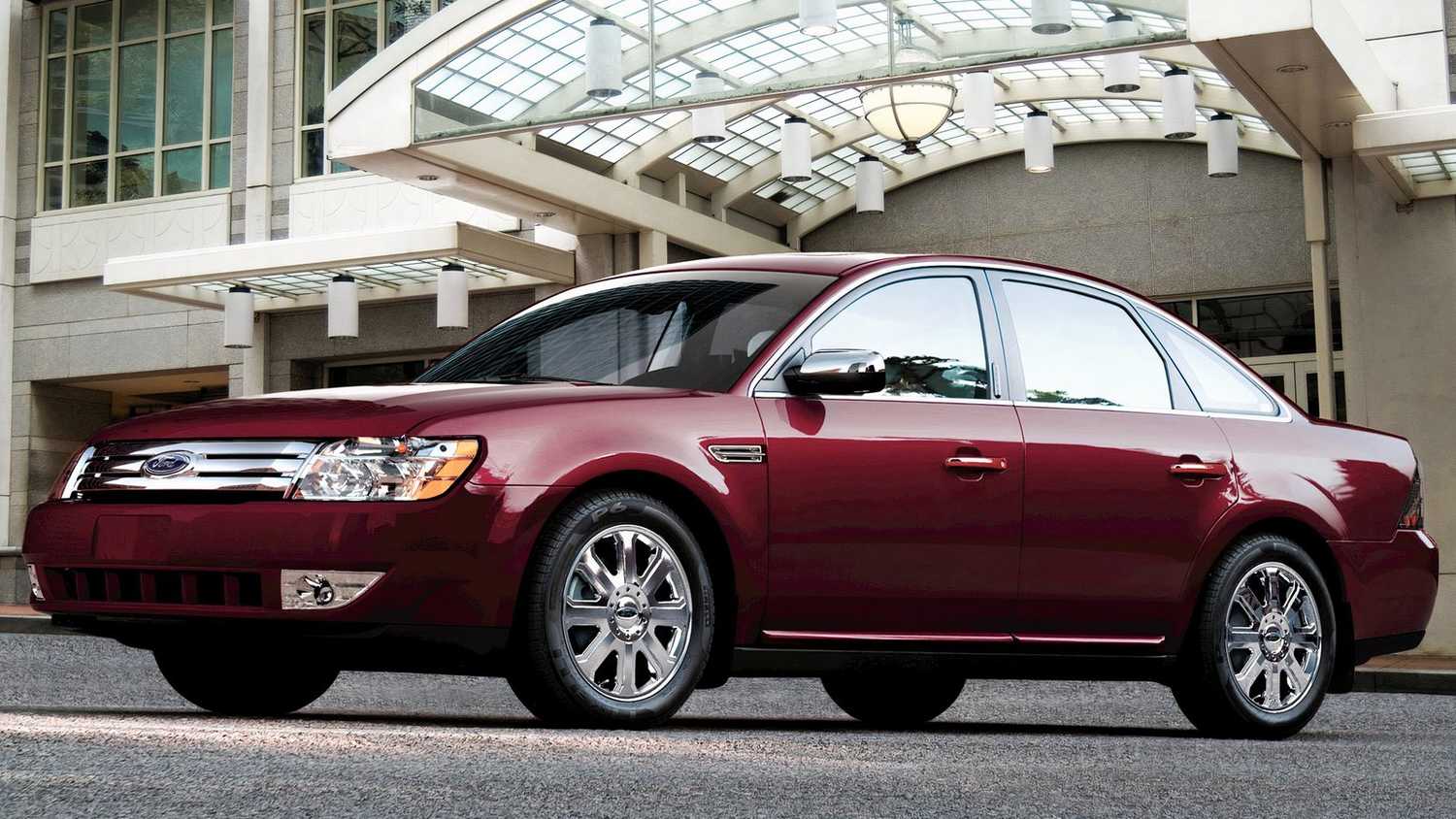
Reintroduction of the Ford Taurus name in 2008 brought expectations of modernization, yet the fifth-generation model arrived with design decisions that felt misaligned with the segment direction. Exterior styling emphasized bulk rather than aerodynamic efficiency, giving the vehicle a heavier visual presence that did not reflect evolving consumer preferences.
Powertrain options centered around V6 engines that delivered adequate performance but lacked refinement compared to competitors’ offering more efficient and responsive alternatives. Acceleration feels steady rather than energetic, and fuel consumption tends to be higher than segment benchmarks.
Handling characteristics reflect a comfort-first setup. Steering feels somewhat detached, reducing driver engagement during cornering or lane transitions. Suspension tuning favors softness, but this can lead to a less controlled feel at higher speeds.
Interior layout presents a dated impression. Dashboard design appears wide and somewhat fragmented, with controls distributed across multiple areas rather than integrated into a unified interface. This affects ease of interaction during driving.
Material selection inside the cabin does not match the level of refinement offered by rival sedans at the time. Hard plastics dominate several touchpoints, reducing perceived quality in comparison to competitors that had already improved interior craftsmanship. Technology offerings lag behind expectations for its release period.
Infotainment systems lack the responsiveness and functionality that buyers were beginning to expect, especially as competitors introduced more advanced interfaces and connectivity features. Fuel efficiency also contributes to its weaker positioning. Higher consumption levels increase long-term operating costs, making it less appealing to buyers focused on economy and daily practicality.
Market reception reflected these gaps. Although the Taurus name carried historical recognition, this generation struggled to compete effectively against more modern midsize sedans that offered better design, performance, and technology integration.
Also Read: 9 Cars With Mirrors That Fold In On Their Own
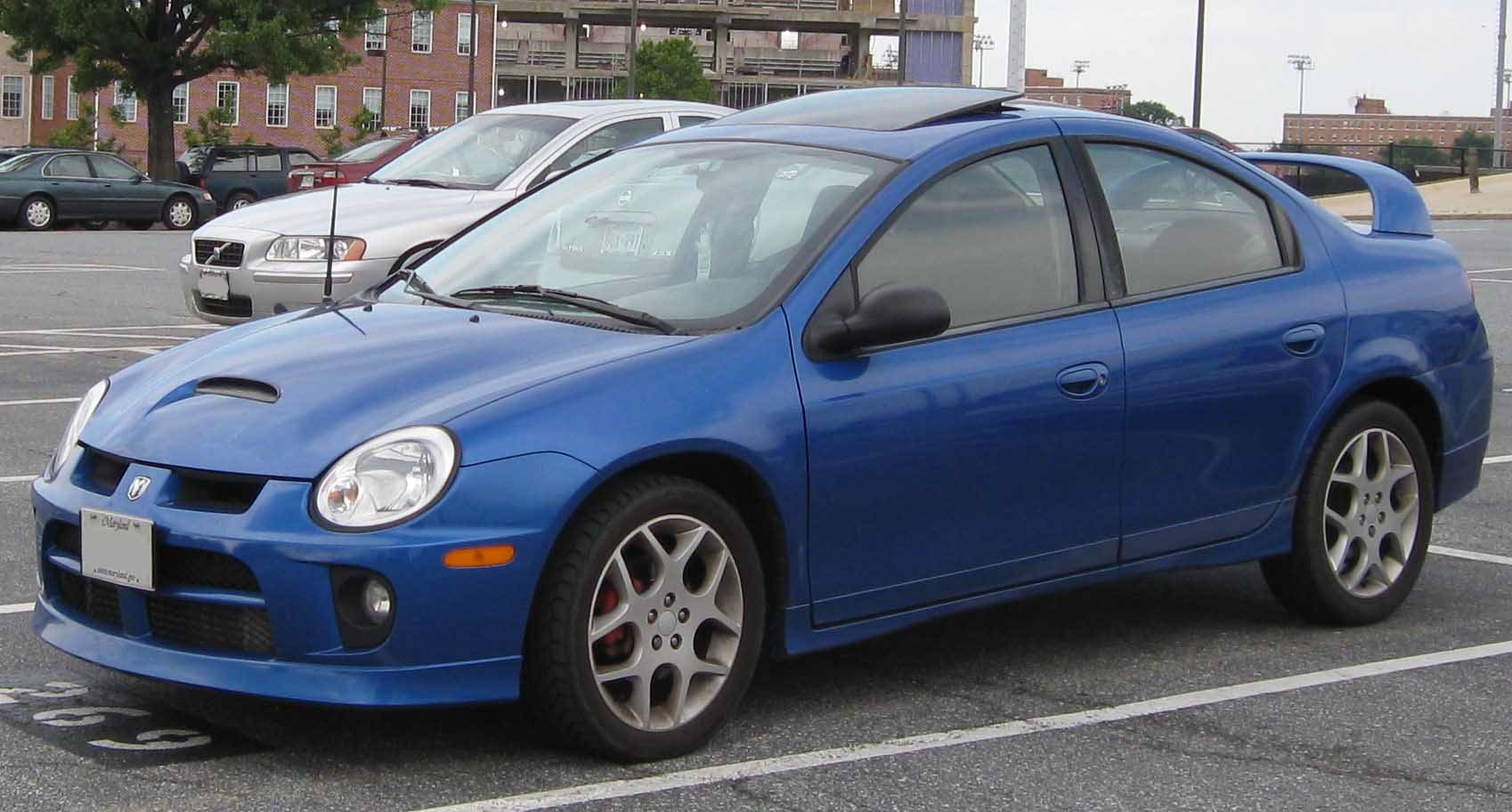
4. 2005 Dodge Neon SXT
The arrival of the 2005 Dodge Neon SXT placed it in a segment where compact cars were already advancing in refinement, yet this model reflected design thinking that lagged behind competitors. Exterior styling appeared plain, with minimal character lines and a body shape that lacked the sharper proportions seen in rival models from Japan and Europe at the time.
Buyers looking at newer compact sedans often noticed that the Neon did not carry the same visual freshness. Engine performance centers around a 2.0-liter four-cylinder unit focused on basic transportation rather than refinement. Acceleration feels modest, especially when merging onto highways or carrying multiple passengers.
Competing compact cars already offered smoother power delivery and better fuel efficiency, making the Neon feel less competitive in daily driving scenarios. Transmission behavior reinforces that impression. Gear changes can feel unrefined, with noticeable hesitation during acceleration. While functional for city use, the entire driving experience lacks the smoothness that was becoming standard in the segment.
Interior presentation leans heavily toward cost control. Dashboard materials consist mainly of hard plastics, and the layout feels simple rather than thoughtfully designed. Control placement does not always prioritize ergonomic flow, which affects ease of use during driving. Compared to rivals that had begun improving cabin design and comfort, the Neon’s interior felt dated at launch.
Technology offerings remain limited. At a time when compact cars were starting to include improved audio systems, better instrument displays, and enhanced convenience features, the Neon SXT retained a very basic equipment list. This lack of modernization contributed to its weaker appeal among buyers seeking more value from small cars.
Ride quality is serviceable but not refined. Suspension tuning absorbs basic road imperfections, yet stability at higher speeds feels less controlled compared to newer competitors. Noise levels inside the cabin also tend to rise during highway travel, affecting comfort during longer drives.
Market reception reflected these shortcomings. While the Neon SXT remained affordable, it struggled to compete against compact sedans that offered better styling, improved efficiency, and more advanced features. Its position in the market highlighted how quickly expectations were changing during that period, leaving it appearing behind the curve at release.
