
Car warranties are designed with a clear expectation in mind. Manufacturers typically anticipate that most vehicles will perform reliably within a specific timeframe or mileage limit, after which wear and tear begin to show.
For many buyers, the warranty period represents a safety net, a guarantee that major failures will be covered while the car is still relatively new. Yet, certain vehicles completely defy this expectation, continuing to run smoothly long after their warranties have expired, not just once, but multiple times over.
These cars are not merely reliable in the traditional sense. They represent a level of durability that goes beyond what manufacturers promise. Owners often report driving them for decades, crossing hundreds of thousands of miles, and still depending on them for daily use.
In many cases, these vehicles become part of the family, passed down through generations or kept as trusted companions even after newer models enter the garage.
What sets these cars apart is not just build quality, but also thoughtful engineering. Simpler mechanical layouts, proven components, and a focus on longevity rather than complexity all contribute to their endurance.
Many of these vehicles were built during periods when manufacturers prioritised robustness, sometimes at the expense of cutting-edge features. As a result, they age gracefully and remain serviceable even as the years pile on.
Maintenance habits also play a crucial role, but even with average care, these cars tend to hold up remarkably well.
They are forgiving machines, capable of handling neglect better than most modern vehicles. Mechanics often speak highly of them, not because they never need repairs, but because when they do, the fixes are straightforward and lasting.
This article highlights ten cars that have proven their ability to outlive their manufacturer’s warranties several times over.
Each one has earned its place through real-world durability and consistent performance. These vehicles demonstrate that true reliability is not just about surviving the warranty period, but about continuing to deliver long after it has expired.
Also Read: 9 Cars That Survive New Drivers Without a Single Major Repair
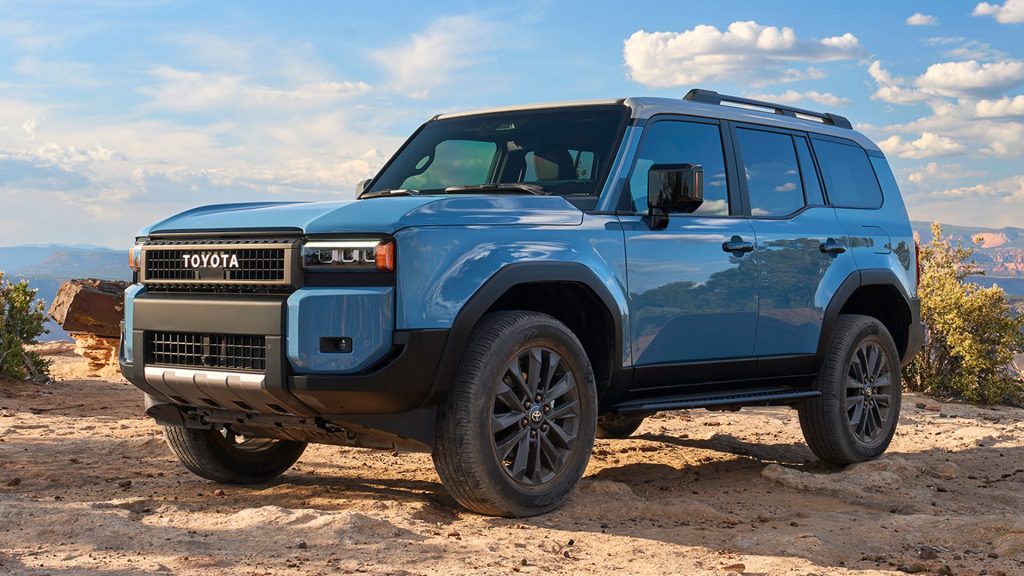
1. Toyota Land Cruiser
Few vehicles carry a reputation for longevity quite like the Toyota Land Cruiser. It is not just a car; it is a symbol of endurance in some of the harshest environments on the planet. From deserts to mountains, this SUV has built its legacy by continuing to function where others fail, often long after its warranty has faded into memory.
Owners frequently report Land Cruisers crossing 300,000 miles without major mechanical failures. This is not accidental. The engineering behind the vehicle prioritises strength and reliability above all else.
Components are overbuilt, meaning they are designed to handle more stress than they typically encounter. This approach reduces wear over time and allows the vehicle to remain dependable even under demanding conditions.
Another factor that contributes to its long life is its relatively straightforward mechanical design. While modern versions include advanced features, the core philosophy remains rooted in durability.
Engines and drivetrains are tuned for longevity rather than pushing extreme performance limits. This balance ensures that the vehicle does not strain its components unnecessarily.
Maintenance plays a role, but the Land Cruiser is known for its ability to tolerate less-than-perfect care. In many parts of the world, it continues to operate in remote areas where access to professional servicing is limited.
Despite this, it keeps going, often with minimal intervention. This resilience is one of the reasons it has become a favourite among adventurers and professionals alike.
The Land Cruiser’s ability to outlast its warranty multiple times is not just about engineering; it is about philosophy. It represents a commitment to building a vehicle that can endure for decades, making it one of the most respected names in automotive history.
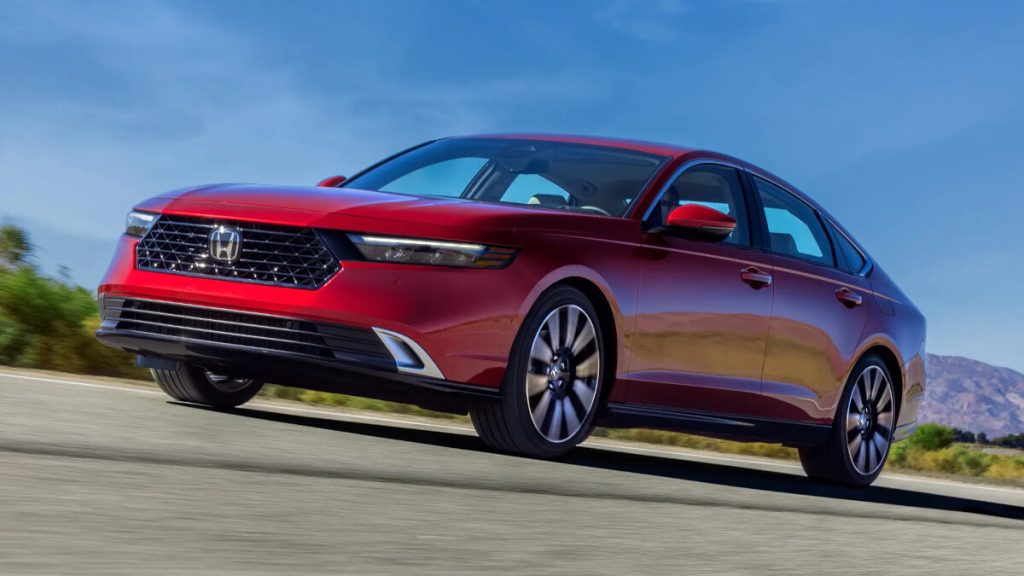
2. Honda Accord
The Honda Accord has long been regarded as one of the most dependable sedans ever produced. Unlike vehicles that rely on rugged off-road capability to prove their durability, the Accord demonstrates its strength through consistency in everyday use.
It is the kind of car that quietly accumulates miles without drawing attention to itself, yet its longevity speaks volumes.
One of the key reasons for the Accord’s extended lifespan is its well-balanced engineering. The engines are designed to deliver reliable performance without excessive strain, and the transmissions are built to handle daily driving demands with ease.
This harmony between components reduces the likelihood of major failures, allowing the car to remain on the road for years beyond its warranty period.
Another important aspect is ease of maintenance. Mechanics often appreciate working on the Accord because of its accessible design and logical layout.
Routine services such as oil changes, brake replacements, and timing belt maintenance can be performed without unnecessary complications. This encourages owners to keep up with maintenance, which in turn extends the vehicle’s life.
The Accord also benefits from a strong reputation for quality control. Honda’s manufacturing processes ensure that each vehicle meets high standards, resulting in fewer defects and more consistent performance over time. This reliability builds trust among owners, many of whom choose to keep their cars far longer than originally planned.
What makes the Accord stand out is its ability to remain relevant even as it ages. It continues to provide a comfortable and efficient driving experience, making it a practical choice long after the warranty has expired.
This combination of durability, simplicity, and usability is what allows it to outlive expectations and remain a staple on roads around the world.
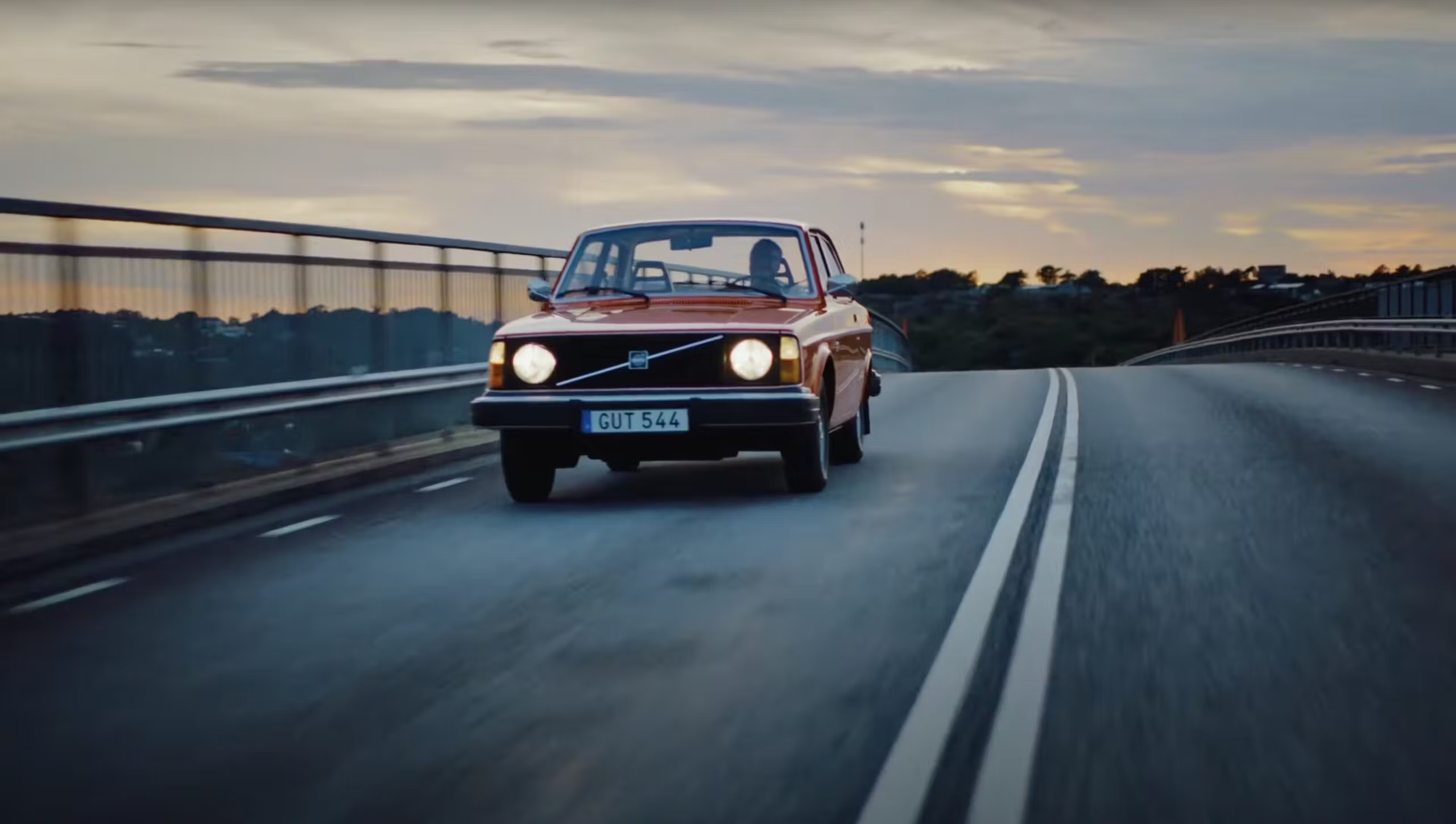
3. Volvo 240
There is a certain honesty in the way the Volvo 240 was built, a kind of mechanical sincerity that becomes obvious the longer the car stays on the road. It was never designed to chase trends or impress with flashy features.
Instead, it focused on durability, safety, and straightforward engineering. Decades later, that decision continues to pay off in ways few cars can match.
Owners often describe the 240 as a car that simply refuses to quit. It is not uncommon to see examples with extremely high mileage still being driven daily.
The engine, particularly the red block inline four, is known for its robustness and ability to tolerate wear without catastrophic failure. Even when problems arise, they tend to develop gradually, giving owners time to address them before they become serious.
Another reason for its long life lies in its simplicity. The mechanical layout is easy to understand, and many components are accessible without excessive disassembly.
This encourages regular maintenance and makes repairs less intimidating. Independent mechanics and even enthusiasts often take on work themselves, which keeps these cars running long after others would have been retired.
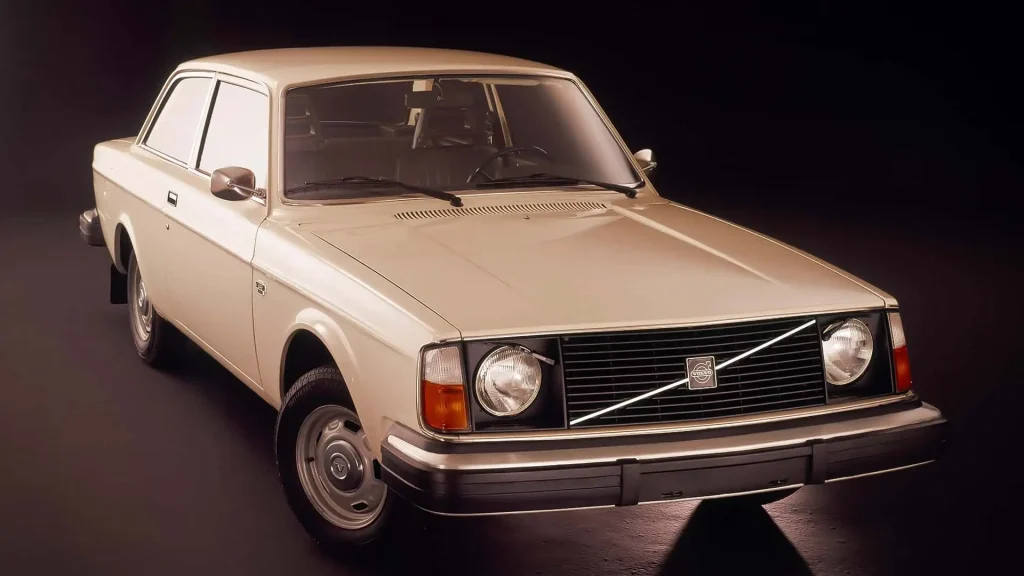
The materials used in the 240 also contribute to its endurance. The body structure is solid, and the interior components are designed to withstand years of use. While it may not offer modern luxury, it delivers a sense of reliability that builds confidence over time. This is a car that feels like it was made to last rather than to impress in the short term.
What truly sets the Volvo 240 apart is its ability to remain functional without demanding constant attention. It does not rely on complex systems that can fail unexpectedly. Instead, it operates with a kind of mechanical clarity that allows it to keep going year after year, long after its original warranty has become irrelevant.
4. Lexus LS400
When the Lexus LS400 was introduced, it marked a turning point in the luxury car segment. It combined refinement with a level of build quality that surprised even seasoned automotive observers.
While many luxury vehicles are known for becoming expensive to maintain as they age, the LS400 took a different path, proving that comfort and longevity could coexist.
At the heart of this car is an engine that has earned widespread respect for its durability. The V8 is engineered with precision, delivering smooth power without placing unnecessary stress on its components.
This careful balance allows it to operate reliably for extended periods, often far beyond what most owners initially expect. It is not unusual to find LS400 models still running strong after decades of use.
The attention to detail extends beyond the engine. Every aspect of the car, from its suspension to its interior fittings, reflects a commitment to quality.
Components are designed to fit and function with minimal wear, which reduces the likelihood of recurring issues. This consistency is one of the reasons why the LS400 maintains its reputation long after its production ended.
Maintenance is another area where the LS400 excels. While it is a luxury vehicle, it does not punish owners with overly complicated systems. Routine servicing is manageable, and parts are known to last longer than expected. Mechanics often appreciate working on it because it rewards proper care with dependable performance.
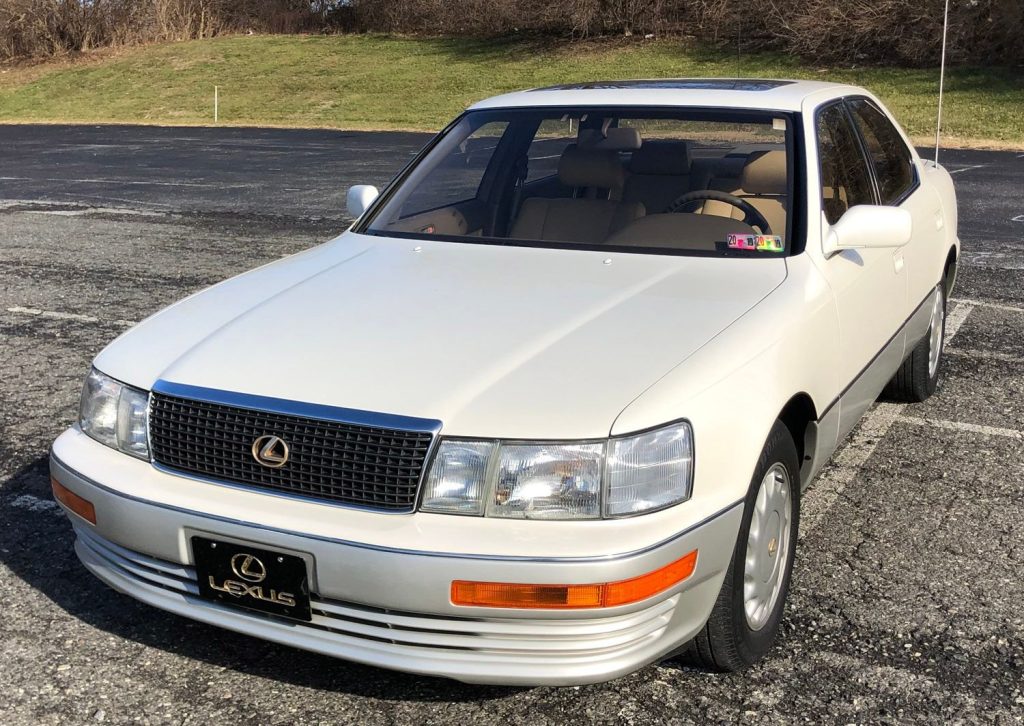
The LS400 stands as proof that a well-engineered car can deliver both luxury and longevity. It does not rely on gimmicks or excessive complexity. Instead, it offers a driving experience that remains smooth and reliable over time, allowing it to outlast its warranty multiple times without losing its core appeal.
5. Mercedes-Benz W123
The Mercedes-Benz W123 does not try to impress with speed or modern gadgets, yet it commands respect in a way few cars manage.
Built during an era when durability was a primary goal rather than a marketing slogan, this sedan has earned a reputation that borders on legendary. It is often described as a car that feels engineered for decades of use, not just a few years of ownership.
Step into the mechanical side of the W12,3, and a pattern becomes clear. The engines, especially the diesel variants, are designed to run under stress without complaint. They are not the most powerful, but they are remarkably consistent.
Many examples have crossed extraordinary mileage figures while still retaining their original engines and transmissions. This kind of longevity does not happen by accident; it comes from deliberate design choices that favour strength over complexity.
There is also a distinct rhythm to how the W123 ages. Instead of sudden failures, components tend to wear gradually. This gives owners time to address issues before they escalate, which contributes to the car’s extended life.
Mechanics often appreciate this predictability because it allows for straightforward diagnostics and repairs. The car communicates its needs clearly rather than surprising its owner with unexpected breakdowns.
Another interesting aspect is the build quality. Doors close with a reassuring solidity, switches maintain their function over time, and the full structure resists the kind of deterioration that affects many vehicles.
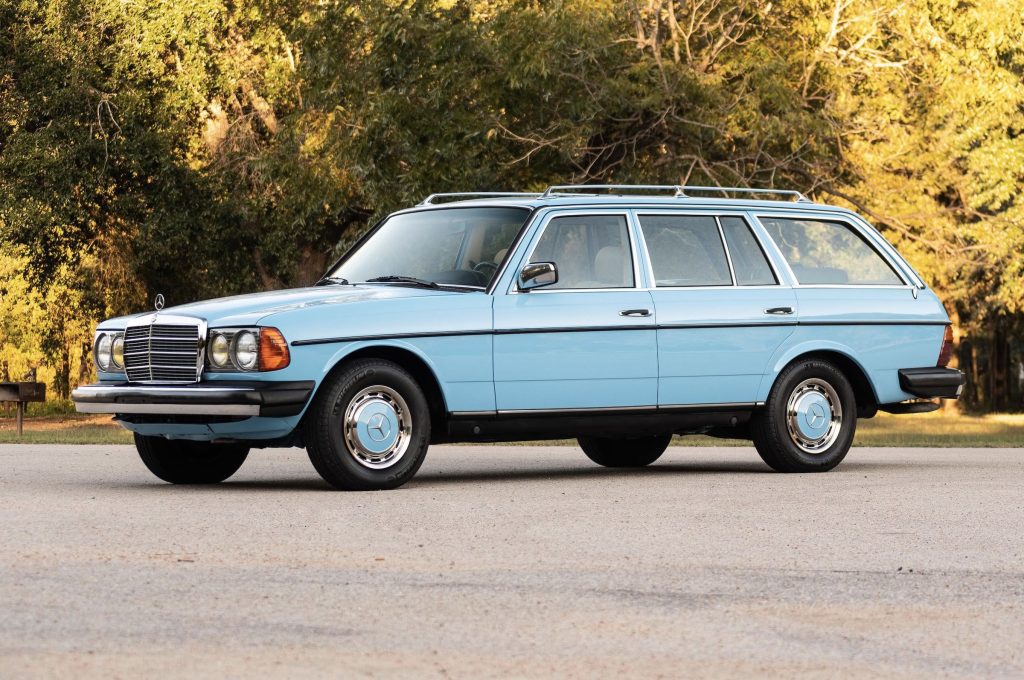
This sense of durability extends beyond the mechanical components and into the entire ownership experience. It is a car that continues to feel dependable even after years of use.
The W123 proves that a vehicle does not need to be complicated to be exceptional. Its ability to outlive its warranty multiple times is rooted in a philosophy that values longevity above all else, making it a benchmark for reliability that few have matched.
6. Toyota Corolla (1990s Models)
The 1990s Toyota Corolla represents a different kind of success story, one built on quiet reliability rather than standout features.
It does not aim to excite or draw attention, yet it consistently delivers something far more valuable: the ability to keep going without demanding much in return. For many owners, it becomes a dependable companion that stays in service far longer than expected.
What makes this generation of Corolla so enduring is its simplicity. The engines are straightforward, the electronics are minimal, and the full design avoids unnecessary complications.
This reduces the number of things that can go wrong and makes repairs easier when they are needed. Mechanics often describe it as a car that does not fight back during maintenance, which is a rare quality in the automotive world.
Fuel efficiency and low operating costs also play a role in its longevity. Because it is inexpensive to run and maintain, owners are more likely to keep it rather than replace it.
This creates a cycle where the car continues to receive basic care, allowing it to remain on the road for years beyond its intended lifespan. It becomes a practical choice that just keeps proving its worth.
There is also a sense of consistency in how the Corolla performs. It does not deliver dramatic highs or lows, but instead offers a steady driving experience that remains unchanged over time.
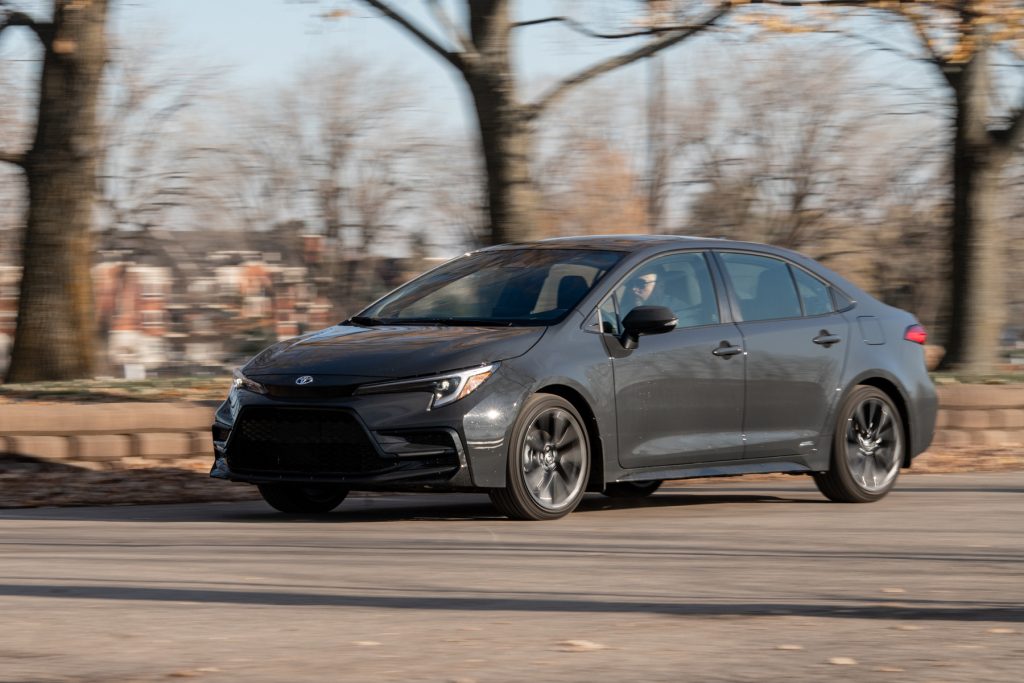
This predictability builds trust, encouraging owners to rely on it even as it ages. It is the kind of car that starts every morning and completes every trip without drama.
The 1990s Corolla may not have been designed to stand out, but its ability to outlast its warranty multiple times has made it one of the most respected examples of long-term reliability. It shows that sometimes the simplest approach can lead to the most enduring results.
7. Honda Civic (Early 2000s Models)
The early 2000s Honda Civic represents a phase where practicality met refinement in a way that aged remarkably well. It was not trying to reinvent the compact car formula, yet it executed every element with such balance that the result has lasted far beyond expectations.
Owners often find themselves holding onto these cars much longer than planned, simply because they continue to deliver without complaint.
One of the defining traits of this Civic is how it handles daily use over long periods. The engines are responsive yet conservative in their tuning, which means they rarely operate under excessive stress.
This helps internal components maintain their integrity over time. It is not unusual for these engines to keep running smoothly even after years of commuting, stop-and-go traffic, and long highway drives.
The driving experience also plays a subtle role in its longevity. Controls feel natural, visibility is good, and the car behaves predictably in different conditions. This reduces driver fatigue and encourages careful use, which indirectly contributes to the vehicle’s lifespan. It becomes a car people are comfortable using every day without hesitation.
Maintenance is rarely a struggle with this model. Parts are widely available, and the layout makes servicing relatively straightforward. Mechanics often approach it with confidence because there are few hidden surprises.
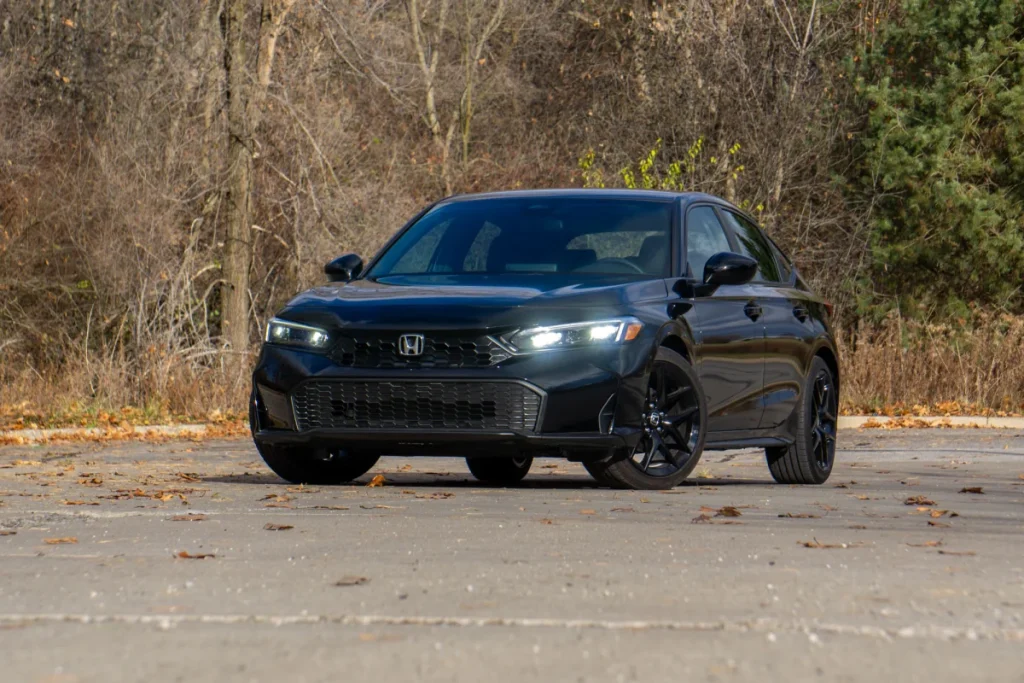
When something does need attention, the solution is usually clear and manageable, which keeps repair costs in check and extends the car’s usable life.
Over time, the Civic builds a quiet reputation for dependability. It does not rely on dramatic claims or standout features. Instead, it earns trust through consistent performance and ease of ownership. That steady reliability is what allows it to outlast its warranty several times over without losing its appeal.
8. Ford Crown Victoria
The Ford Crown Victoria carries a legacy shaped by years of demanding service. It is widely known for its role in fleets such as taxis and law enforcement, environments where vehicles are pushed to their limits daily. Surviving under those conditions requires more than just good engineering; it demands a level of durability that few cars can offer.
This sedan is built on a body-on-frame platform, a design more commonly associated with trucks. That construction provides strength and resilience, allowing the car to handle heavy use without structural fatigue. It also simplifies certain types of repairs, as components can be accessed and replaced without dealing with overly complex integration.
Under the hood, the engine is tuned for reliability rather than aggressive performance. It delivers steady power while maintaining a level of simplicity that works in its favour.
Mechanics often describe it as an engine that tolerates high mileage with minimal fuss, provided it receives basic care. This reliability is one of the reasons the Crown Victoria remained in service fleets for so long.
Another factor that contributes to its longevity is its predictable nature. The car behaves in a consistent manner, whether it is idling for long periods or covering long distances at speed. This stability reduces wear on critical components and helps maintain performance over time. It becomes a vehicle that operators can rely on without constant monitoring.
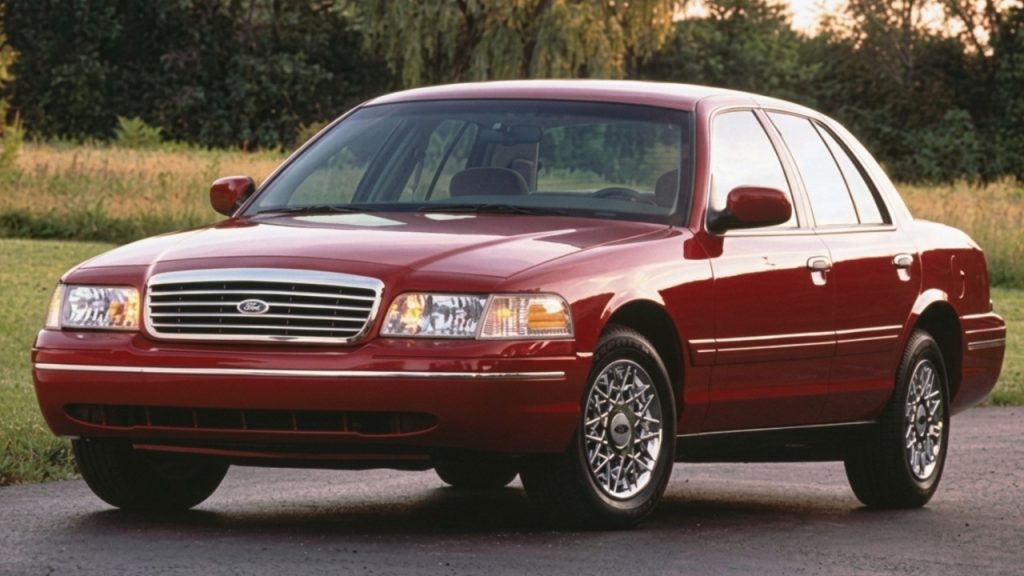
The Crown Victoria’s ability to outlive its warranty multiple times is closely tied to its purpose. It was built to endure, and that intention is evident in every aspect of its design. Even as newer vehicles replace it, many examples continue to run, proving that durability can outlast changing trends.
9. Subaru Outback (Early 2000s Models)
The early 2000s Subaru Outback occupies a unique space where practicality meets quiet resilience. It was designed as a versatile wagon capable of handling different road conditions, yet its true strength lies in how long it continues to serve its owners.
Many of these vehicles remain on the road long after their warranty periods have faded, not because they are perfect, but because they are consistently dependable.
A defining element of the Outback is its all-wheel-drive system. Unlike systems that feel complicated or fragile, this setup is engineered to operate with a sense of balance. It distributes power effectively without placing excessive strain on individual components.
Over time, this reduces uneven wear and allows the drivetrain to maintain its functionality even after years of use. Owners often rely on it in challenging weather, which adds to its reputation as a dependable companion.
The engine design also contributes to its longevity, though in a slightly different way compared to other vehicles on this list. It does require attention, particularly when it comes to known issues like head gasket wear.
However, what makes the Outback stand out is how manageable these concerns can be when addressed early. Mechanics familiar with the platform know what to look for, and once properly maintained, the engine can continue to perform reliably for a long time.
Inside the cabin, the Outback reflects a focus on practicality rather than luxury. Materials are chosen for durability, and controls are designed to remain functional over years of use.
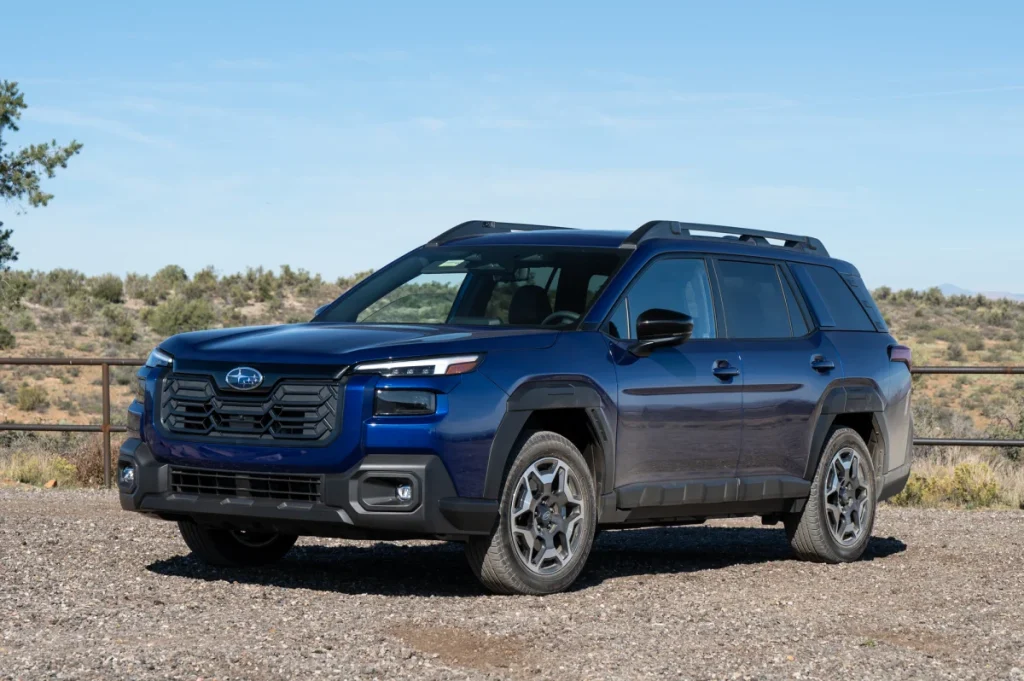
This straightforward approach means the interior ages in a predictable manner, avoiding the kind of rapid deterioration that can make older cars feel worn out. It continues to provide a usable and comfortable environment even as mileage increases.
The Outback’s story is not about being flawless, but about being resilient. It rewards attentive ownership with years of dependable service, making it a vehicle that frequently surpasses expectations and outlives its warranty several times over.
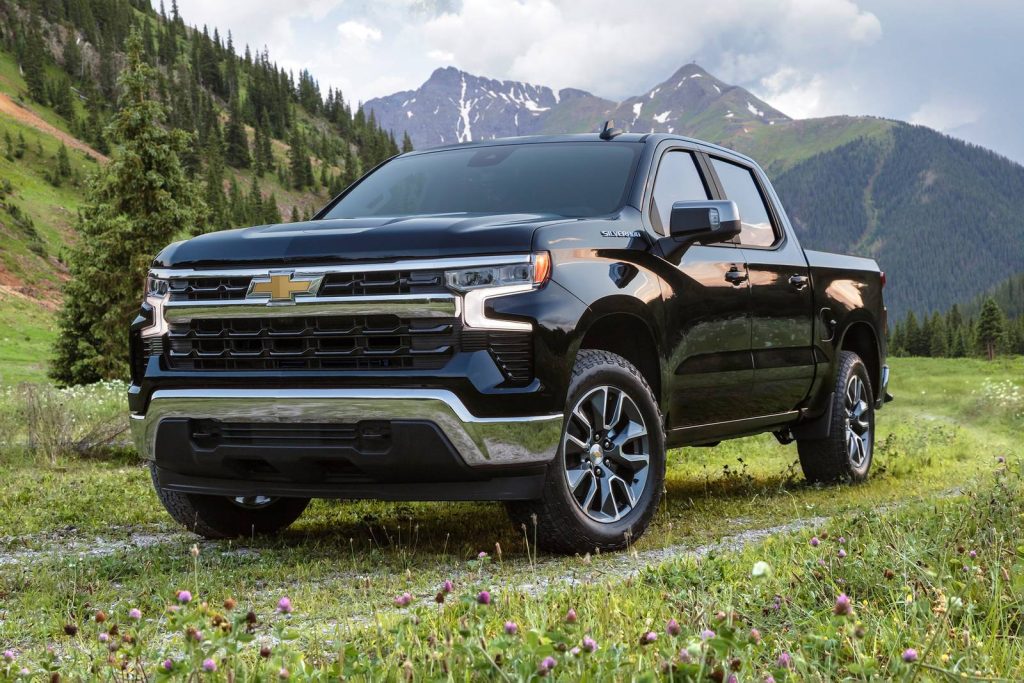
10. Chevrolet Silverado 1500 (Early 2000s Models)
The early 2000s Chevrolet Silverado 1500 represents a workhorse philosophy that prioritises endurance above refinement. It was built to handle demanding tasks, from hauling heavy loads to enduring long hours on the road.
This focus on utility has translated into a level of durability that allows many of these trucks to remain in operation far beyond their original warranty coverage.
One of the key strengths of the Silverado lies in its powertrain. The engines are designed with a straightforward approach that favours reliability. They deliver consistent performance without relying on overly complex systems, which reduces the likelihood of major failures.
This simplicity also makes repairs more approachable, allowing mechanics to address issues without unnecessary complications.
The truck’s structure plays an equally important role. Built to withstand heavy use, it handles stress in a way that prevents premature wear.
Whether it is towing, carrying cargo, or navigating rough terrain, the Silverado maintains its composure. This resilience ensures that the vehicle can continue to perform even after years of demanding work.
Another aspect worth noting is how the Silverado adapts to long-term ownership. It is not uncommon for these trucks to pass through multiple owners, each relying on them for different purposes.
Despite this varied usage, many examples continue to operate reliably, which speaks to the strength of their design. It becomes a vehicle that proves its worth repeatedly, regardless of how it is used.
The Silverado 1500’s ability to outlive its warranty multiple times is rooted in its identity as a dependable tool. It is not about luxury or advanced features, but about delivering consistent performance over time.
That commitment to durability ensures it remains a trusted choice long after newer models have taken its place.
Longevity in the automotive world is not achieved by accident. The cars highlighted here demonstrate that durability comes from a combination of thoughtful engineering, balanced performance, and a focus on practicality.
Each vehicle takes a different path, yet they all arrive at the same destination, continuing to function reliably long after their warranties have expired.
For owners, these cars offer more than just transportation. They provide a sense of trust that builds over years of use. When a vehicle consistently starts, runs, and completes its tasks without drama, it becomes something more than a machine. It turns into a dependable presence that owners are reluctant to part with, even as newer options become available.
From a broader perspective, these examples highlight the value of designing with longevity in mind. Simpler systems, durable materials, and accessible maintenance all contribute to a vehicle’s ability to remain on the road for extended periods.
When these elements come together, the result is a car that does not just meet expectations but exceeds them by a wide margin.
These vehicles remind us that true reliability is measured over time. Outliving a warranty once is impressive, but doing so multiple times is a testament to exceptional design and real-world durability.
Also Read: 9 Vehicles With Original Factory Clutches Still Working After 20 Years
