
Car ownership is often framed as a simple equation of purchase price and fuel costs, but the real financial shock usually comes later in maintenance. One of the most underestimated expenses in automotive ownership is braking system service. While many drivers assume brake jobs are routine and affordable, the reality changes dramatically depending on the vehicle you own.
A typical economy car, like a Honda Civic, is known for low-cost maintenance, widely available parts, and a simple mechanical design. The front-end repair costs for such a vehicle, including suspension components like control arms, tie rods, and bushings, often stay within a relatively modest range.
In many markets, a full front-end refresh on a Civic can cost a few hundred dollars to around a thousand dollars, depending on parts quality and labor rates. This affordability is one of the reasons the Civic has remained one of the most popular compact cars globally.
However, once you move into luxury, performance, or heavy-duty vehicles, the economics of braking systems change entirely. Brake components are no longer simple steel discs and basic pads. Instead, they can include oversized rotors, multi-piston calipers, electronic parking brake systems, wear sensors, and, in some cases, carbon ceramic materials designed for extreme performance. Each of these upgrades increases both the cost and labor complexity.
Modern luxury vehicles also integrate advanced driver assistance systems that require recalibration after brake service. European manufacturers like BMW, Mercedes-Benz, Audi, and Porsche often design braking systems that prioritize performance and safety at high speeds, but this engineering precision comes with significant service costs. Even standard brake pad and rotor replacements can escalate into four-figure repairs per axle at dealerships.
In some cases, a single brake job on a luxury vehicle can exceed the entire cost of replacing the front suspension assembly on a Honda Civic. That contrast highlights a major truth in automotive ownership: maintenance cost does not scale linearly with purchase price; it escalates exponentially with complexity and brand positioning.
This article breaks down nine vehicles where brake service alone can cost more than a complete Civic front-end repair. Each example reflects real-world pricing trends, labor complexity, and parts engineering that drive these costs higher.
Understanding these differences is essential for anyone considering upgrading from economy cars to luxury or performance vehicles, or simply curious about where maintenance money actually goes in the automotive world.
1. BMW 7 Series
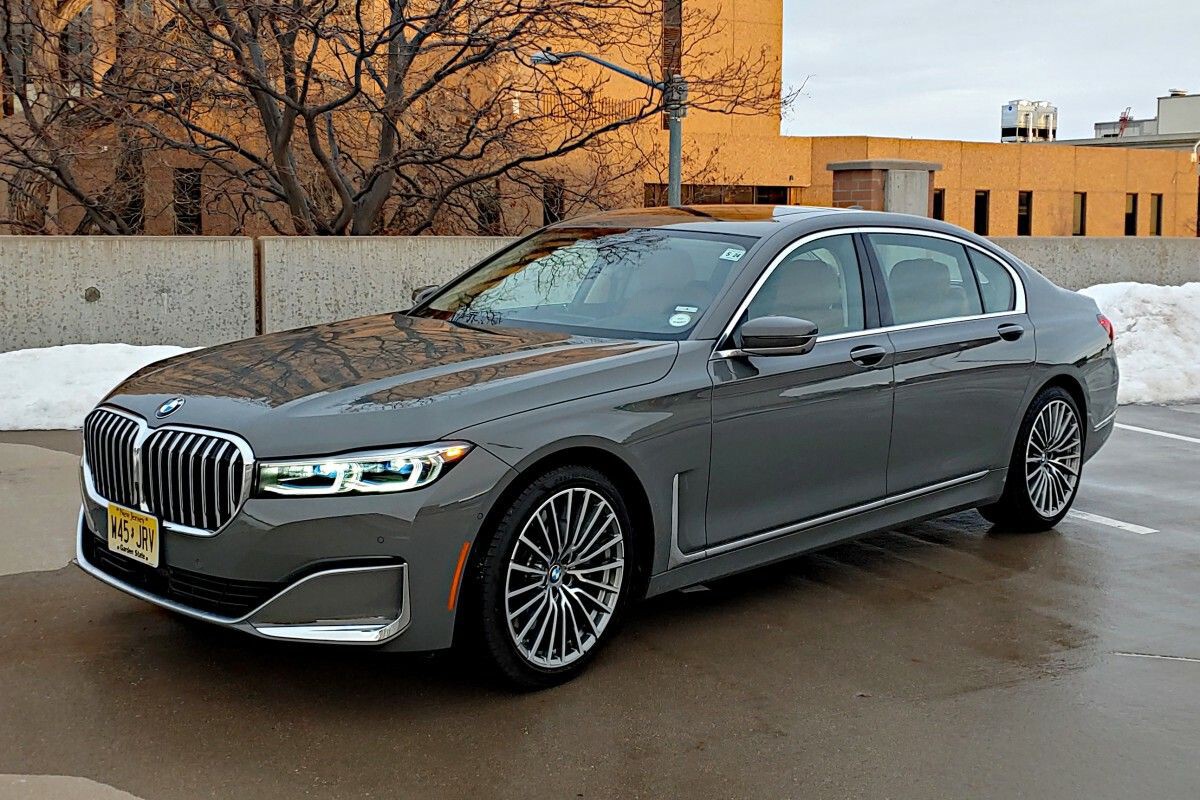
The BMW 7 Series sits at the top of BMW’s luxury sedan hierarchy, representing a blend of executive comfort, cutting-edge electronics, and high-performance engineering. Unlike economy vehicles such as a Honda Civic, which rely on simple and cost-effective braking and suspension systems, the 7 Series is built with a highly integrated chassis architecture where every component is designed for precision and refinement.
This includes its braking system, which is significantly larger, heavier, and more technologically advanced than what most drivers are used to. The rotors are oversized to handle both the weight of the vehicle and the high-speed stability expected from a flagship luxury sedan, while the calipers often use multi-piston designs to ensure smooth and controlled braking performance under all conditions.
What makes brake servicing on the BMW 7 Series particularly expensive is not just the size of the components but the integration with electronic systems. Modern 7 Series models include electronic brake wear sensors, parking brake actuators, and stability control systems that must be properly reset after service.
This means a simple pad and rotor replacement is no longer just a mechanical job but also a diagnostic procedure that often requires specialized software and dealership-level tools. Labor time increases significantly because technicians must follow strict BMW service protocols, ensuring that the braking system remains fully synchronized with onboard safety systems.
In terms of cost comparison, a full brake job on a BMW 7 Series can easily reach several thousand dollars, depending on whether both axles are serviced and whether OEM parts are used. When compared to the cost of replacing or rebuilding the entire front-end suspension of a Honda Civic, including struts, control arms, tie rods, and bushings, the BMW brake service can exceed that total expense with ease.
The Civic’s front-end design is simple, widely available, and inexpensive to repair, whereas the 7 Series demands premium materials and precision engineering at every level.
Another factor contributing to the high cost is BMW’s emphasis on ride quality and braking refinement. Brake pads are engineered to minimize noise, vibration, and harshness, which means they are made from specialized compounds that are more expensive than standard friction materials. Combined with large rotors and heavier vehicle mass, wear rates and replacement costs remain consistently high across ownership cycles.
The BMW 7 Series demonstrates how luxury engineering directly impacts maintenance economics. Owners are not just paying for performance and comfort when driving the car; they are also committing to significantly higher service costs that can surpass major repair jobs on much simpler vehicles like the Honda Civic.
2. Mercedes-Benz S-Class
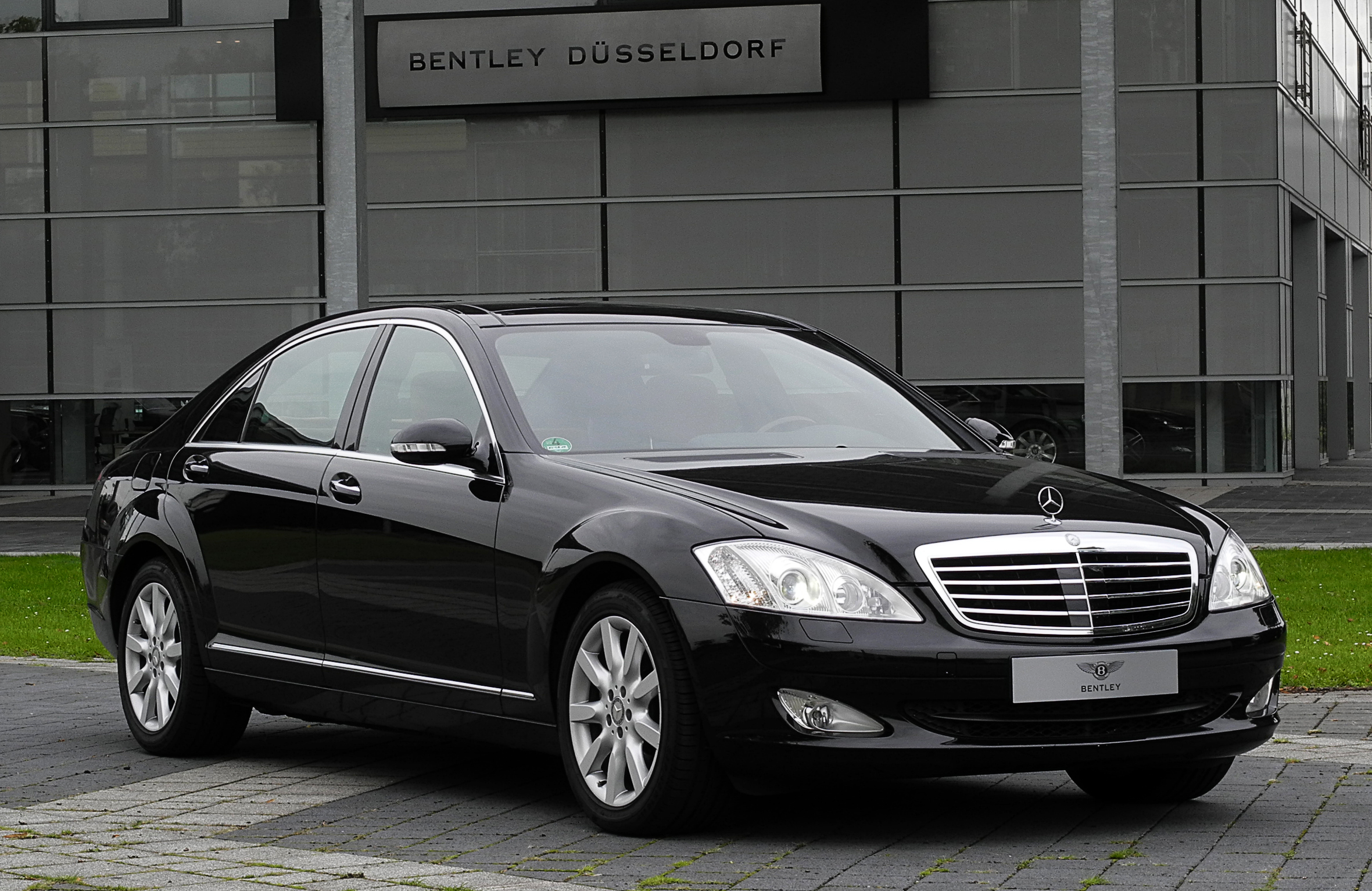
The Mercedes-Benz S-Class has long been regarded as the benchmark for full-size luxury sedans, and its braking system reflects the same philosophy of refinement, safety, and advanced engineering. Unlike compact vehicles that prioritize cost efficiency, the S-Class is designed to deliver near-silent operation, smooth deceleration, and exceptional stability at high speeds.
To achieve this, Mercedes equips the S-Class with oversized brake rotors, reinforced calipers, and high-performance brake pads that are specifically engineered to reduce noise and vibration while maintaining strong stopping power under heavy vehicle loads.
One of the most important aspects of S-Class brake service is its integration with electronic systems. Many models feature electronic parking brakes, adaptive brake assist systems, and wear sensors that continuously communicate with the vehicle’s onboard computer.
This means that any brake job is not simply a matter of replacing pads and rotors but also involves resetting electronic modules and ensuring that all safety systems are functioning correctly after service. This increases both labor complexity and total service time.
From a cost perspective, the Mercedes-Benz S-Class sits firmly in the high-maintenance category. Even routine brake service on a single axle can reach prices that exceed what it costs to rebuild the entire front-end suspension of a Honda Civic. The Civic uses inexpensive components that are widely available in the aftermarket, while the S-Class often requires OEM parts or premium equivalents that match Mercedes’ strict engineering standards.
The braking hardware itself is significantly more advanced than what is found in economy vehicles. Larger rotors are required to handle the weight of the vehicle, and high-performance pads are used to ensure consistent braking under repeated heavy use. These components are more expensive to manufacture, and their replacement requires careful installation to maintain factory-level performance.
In addition, Mercedes-Benz emphasizes comfort-oriented braking behavior, which means pads and rotors are designed to wear in a way that preserves smoothness and quiet operation. This results in higher material costs and more frequent replacement cycles in some driving conditions.
S-Class demonstrates how luxury and safety engineering directly influence maintenance costs. While it delivers one of the most refined driving experiences in the automotive world, it also comes with brake service costs that can easily surpass major mechanical repairs on far simpler vehicles like the Honda Civic.
3. Audi A8
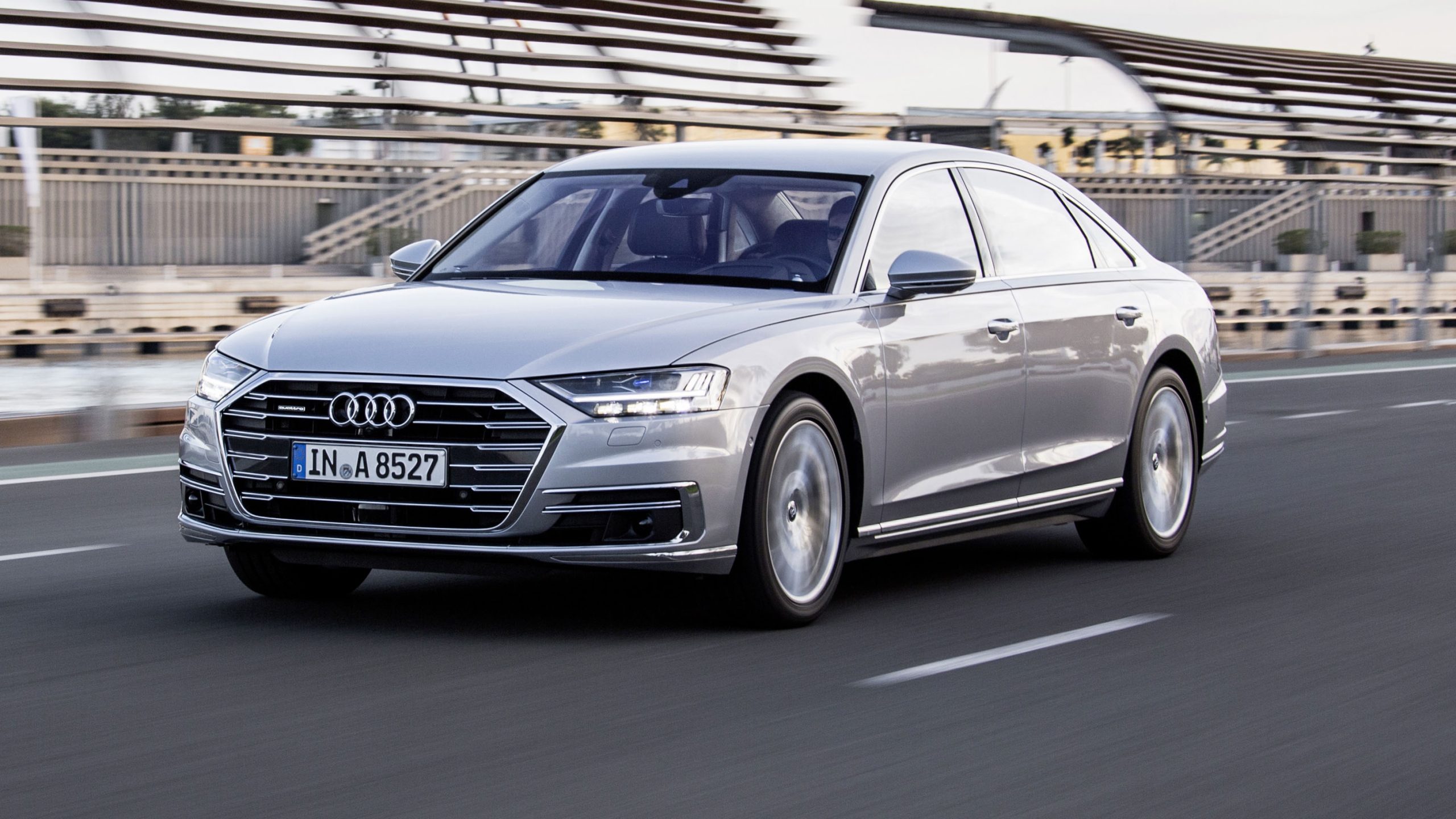
The Audi A8 is Audi’s flagship luxury sedan, built around advanced aluminum construction, sophisticated electronics, and Quattro all-wheel-drive technology. Every system in the vehicle is engineered for precision, and the braking system is no exception. Unlike economy vehicles that use relatively simple braking setups, the Audi A8 employs large ventilated rotors, high-performance calipers, and electronic wear monitoring systems that ensure consistent braking performance across a wide range of driving conditions.
Brake service on the A8 is significantly more complex than on a compact car due to both hardware size and electronic integration. The vehicle’s onboard systems continuously monitor brake wear and performance, and once service is performed, technicians must reset these systems using specialized diagnostic equipment.
This adds both time and labor cost to what would otherwise be a straightforward mechanical job. In addition, Audi’s engineering standards require precise torque specifications and OEM-quality parts to maintain safety and performance integrity.
When comparing costs, a brake job on an Audi A8 can easily exceed the total cost of replacing the entire front-end suspension system of a Honda Civic. The Civic uses simple and inexpensive components that are widely available and easy to install, while the A8 demands premium materials and dealership-level service procedures. Even aftermarket parts for the A8 tend to be significantly more expensive than OEM parts for economy vehicles.
The braking system itself is designed for both comfort and performance. Large rotors are necessary to manage the weight of the vehicle, while advanced caliper designs ensure smooth braking transitions. This engineering sophistication results in higher manufacturing costs, which directly translate into higher replacement expenses for owners.
Audi also focuses heavily on reducing brake noise and vibration, which requires specialized pad compounds that are more expensive than standard friction materials. These pads are engineered for refinement rather than cost efficiency, further increasing long-term maintenance expenses.
The Audi A8 illustrates how luxury engineering, advanced electronics, and precision manufacturing combine to create a braking system that is far more expensive to service than the basic suspension repairs required for a Honda Civic.
4. Porsche Cayenne
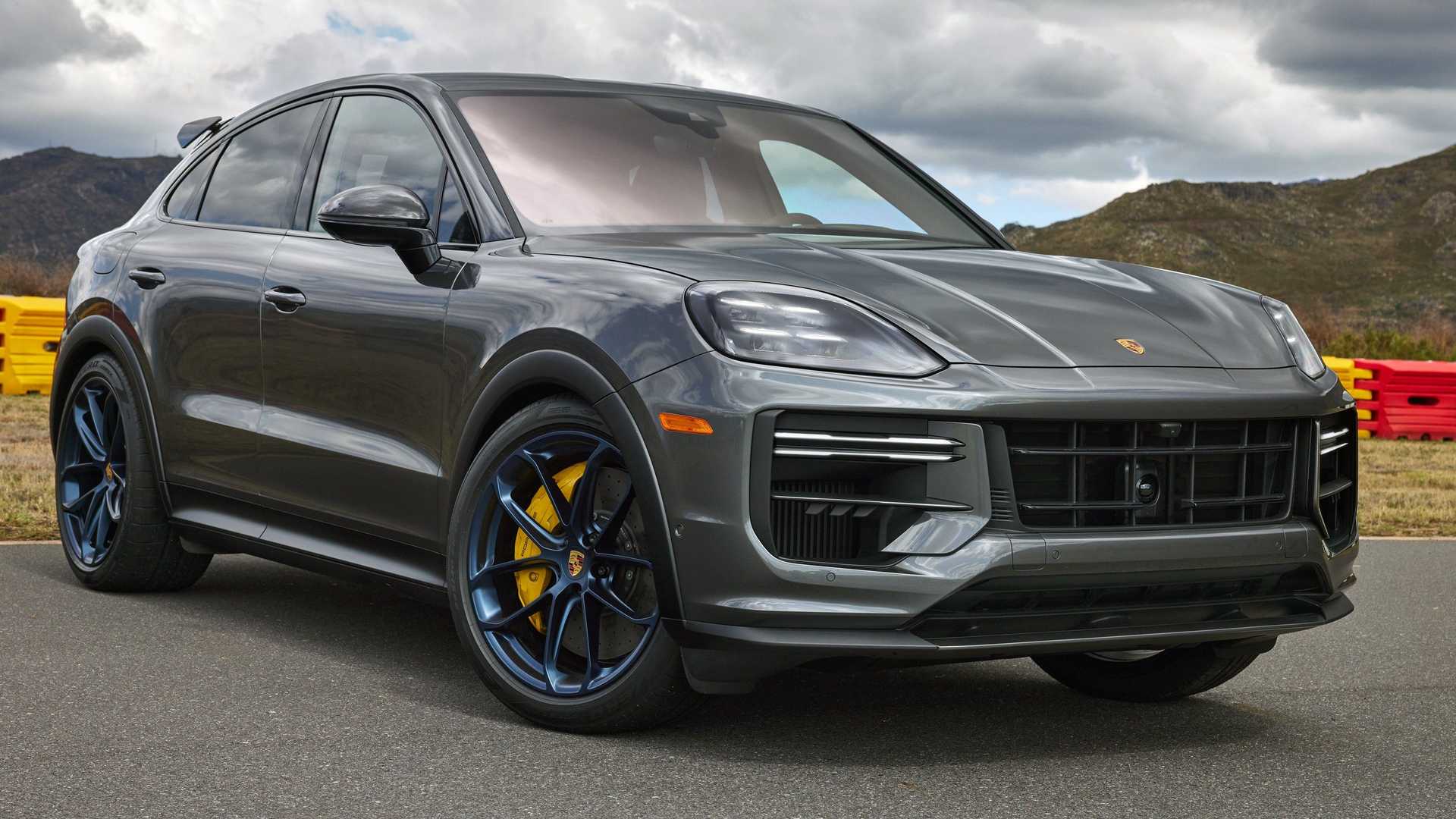
The Porsche Cayenne is a performance-oriented luxury SUV that blends sports car engineering with everyday practicality. Unlike traditional SUVs that prioritize durability and cost efficiency, the Cayenne is designed to deliver high-speed stability, rapid acceleration, and precise braking performance.
This philosophy directly influences its braking system, which is significantly more advanced and expensive than what is found in standard utility vehicles.
The braking components on the Cayenne are built to handle both the weight of a large SUV and the performance demands associated with Porsche engineering. This means oversized ventilated rotors, high-friction brake pads, and multi-piston calipers are standard across most trims. In higher performance variants, carbon ceramic braking systems are available, which dramatically increase both durability and cost but also significantly raise replacement expenses when service is eventually required.
Brake service on the Cayenne is not only expensive due to parts but also due to complexity. The vehicle’s systems are tightly integrated with electronic stability control, adaptive suspension, and traction management systems. Any brake service often requires diagnostic resets and system calibration to ensure full functionality. This increases labor time and requires specialized tools typically found only in authorized service centers.
When compared to a Honda Civic front-end repair, the cost difference is substantial. A Civic front-end rebuild involves relatively simple mechanical components that are inexpensive and widely available. In contrast, the Cayenne’s brake system uses high-performance materials and precision engineering that significantly raise replacement costs.
Another contributing factor is heat management. Because the Cayenne is capable of high-performance driving, its brake system must dissipate large amounts of heat efficiently. This requires advanced rotor designs and specialized materials that are more expensive to produce and replace.
The Porsche Cayenne represents a clear example of how performance engineering in SUVs leads to maintenance costs that can easily exceed major repairs on economy vehicles like the Honda Civic.
5. Range Rover Sport
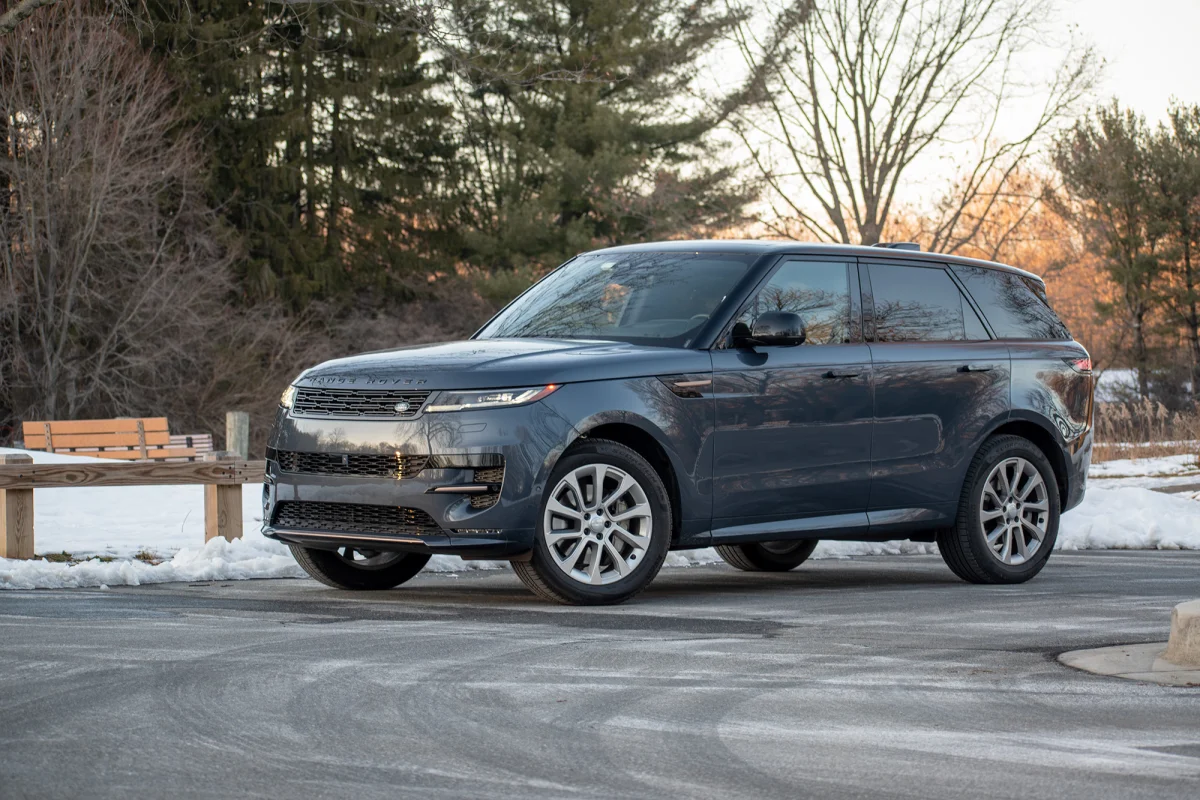
The Range Rover Sport is a luxury SUV designed to balance off-road capability with high-end comfort and on-road performance. Unlike traditional SUVs that focus on durability and low maintenance costs, the Range Rover Sport incorporates advanced systems that significantly increase both performance and service complexity, particularly in its braking system.
The brake setup on this vehicle is engineered to handle a heavy chassis while still delivering smooth and controlled stopping power under varying driving conditions. This requires large ventilated rotors, reinforced calipers, and high-performance brake pads that are capable of managing both urban driving and off-road terrain. These components are significantly more expensive than those found in compact or economy vehicles.
Brake servicing on the Range Rover Sport is further complicated by its electronic systems. Many models include electronic parking brakes, terrain response systems, and stability controls that must be recalibrated after brake work is performed. This adds diagnostic time and increases labor costs, making even routine maintenance more expensive than expected.
In terms of cost comparison, a full brake service on a Range Rover Sport can easily surpass the cost of replacing the entire front-end suspension system of a Honda Civic. The Civic uses simple, cost-effective mechanical parts, while the Range Rover Sport relies on premium engineering and integrated electronic systems.
Additionally, the vehicle’s weight and performance capabilities place extra stress on braking components, leading to more frequent wear and higher replacement costs over time. Brake pads and rotors are designed for durability and performance, but they come at a significantly higher price point.
The Range Rover Sport highlights how luxury SUV engineering directly translates into higher maintenance costs, particularly in braking systems that are far more advanced than those found in economy vehicles like the Honda Civic.
Also read: 5 Cars That Feel Like A Luxury Car For Half The Price And 5 Luxury Cars That Feel Cheap
6. Tesla Model S
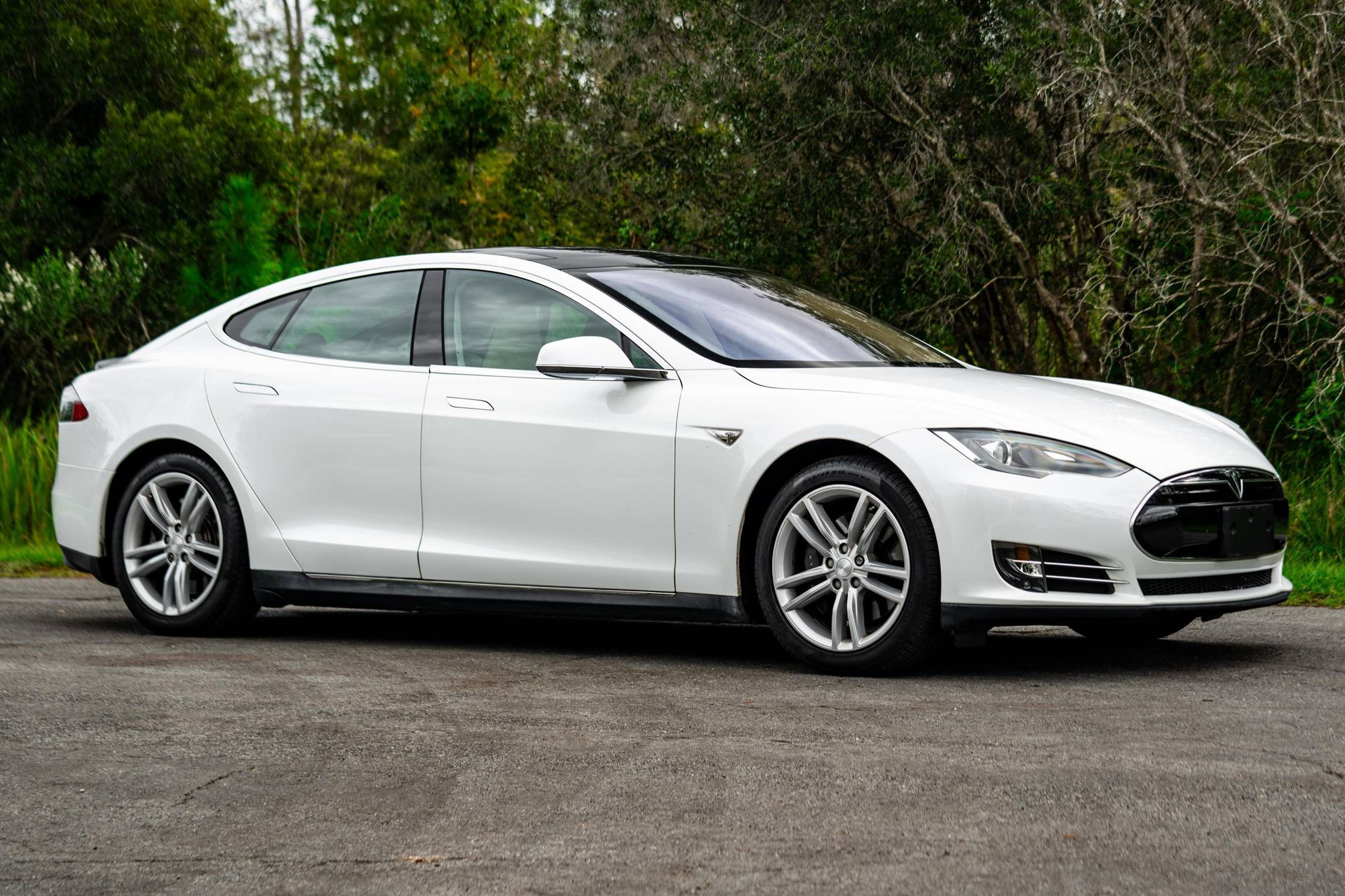
The Tesla Model S represents a major shift in automotive engineering because it is an electric vehicle that relies heavily on regenerative braking rather than traditional friction-based braking. At first glance, this might suggest that brake maintenance would be cheaper compared to conventional vehicles.
In reality, the opposite can often be true when service is finally required. While brake pads may last significantly longer due to energy recovery systems slowing the car during deceleration, the complexity of the braking system and the integration with software-driven vehicle controls can make service procedures more expensive and technically demanding.
Unlike a Honda Civic, where brake service is purely mechanical, the Tesla Model S is deeply integrated with electronic systems that govern braking behavior, stability control, and energy regeneration.
When brake service is performed, technicians often need to inspect and sometimes recalibrate electronic systems to ensure proper interaction between regenerative braking and friction braking. This requires diagnostic tools, software access, and trained technicians familiar with Tesla’s proprietary systems, all of which contribute to higher labor costs.
Another important factor is that while brake pads may last longer, components like rotors can still corrode or wear over time due to reduced friction cleaning. Because EVs do not always engage traditional braking as frequently, rust buildup can become an issue, requiring full rotor replacement rather than simple resurfacing. When this occurs, the cost of service can increase significantly.
In comparison to a Honda Civic front-end repair, which typically involves low-cost mechanical parts such as control arms and bushings, the Tesla Model S brake service often includes both mechanical and software-related procedures. This combination increases complexity and reduces the number of independent shops capable of performing the work correctly.
Additionally, Tesla’s emphasis on safety and system integration means that many components are not designed for aftermarket replacement, further pushing owners toward OEM service channels. This results in higher pricing for brake-related maintenance events.
Tesla Model S demonstrates that even with reduced brake usage, advanced technology and system integration can still lead to maintenance costs that exceed traditional economy car repairs.
7. BMW M5
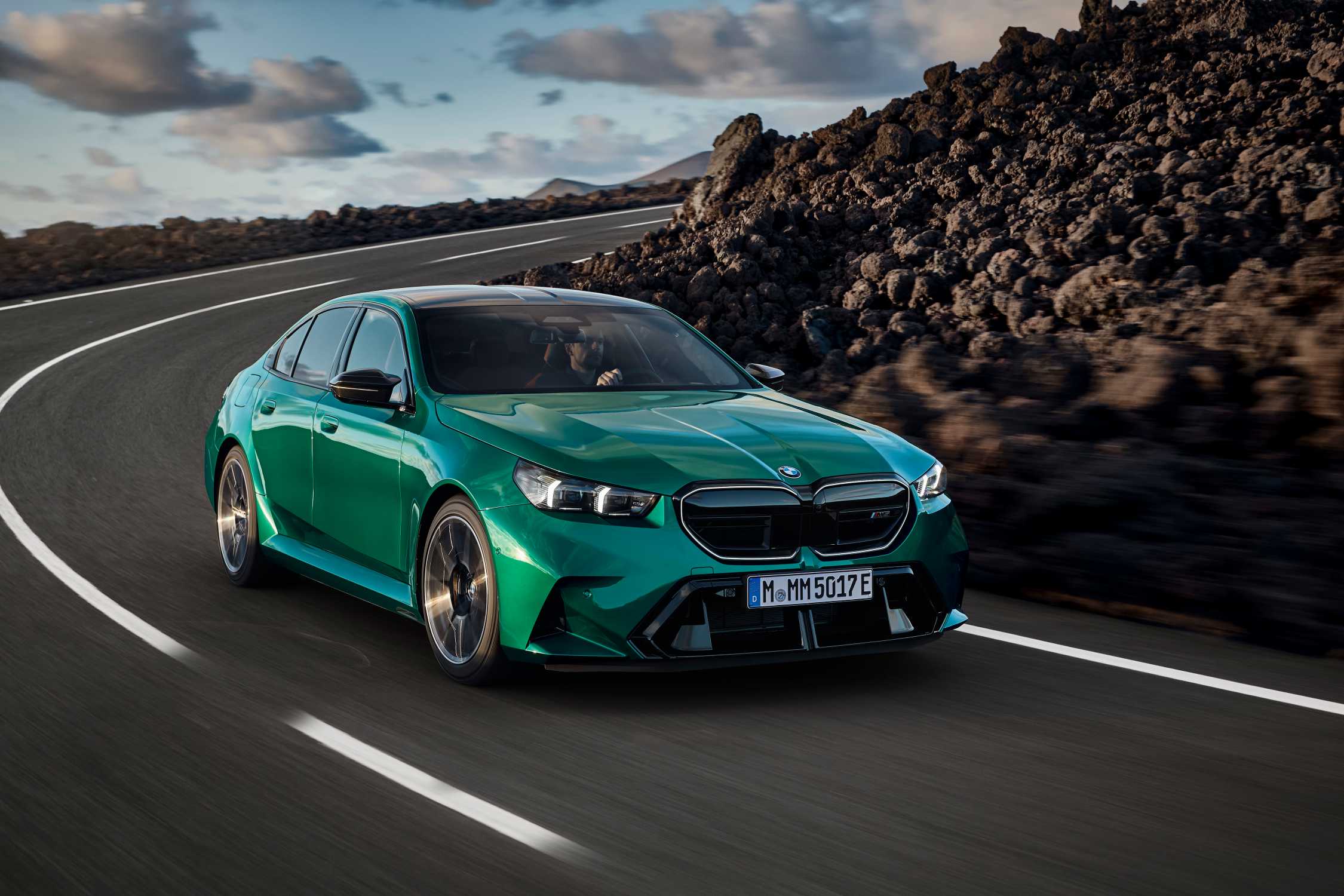
The BMW M5 is a high-performance executive sedan designed to deliver sports car-level acceleration and handling while maintaining the comfort of a luxury vehicle. Unlike standard sedans, the M5 is engineered for aggressive driving conditions, including high-speed highway runs and track-level performance scenarios. This places enormous demand on its braking system, which is one of the most advanced in the BMW lineup.
The braking components on the M5 are significantly larger and more performance-oriented than those found on regular sedans, including the BMW 7 Series. It features oversized ventilated rotors, multi-piston calipers, and high-friction brake pads designed to withstand repeated high-speed braking without fade. These components are engineered for performance first, which means they prioritize stopping power and heat resistance over cost efficiency.
Because of this performance focus, brake wear occurs more quickly compared to standard vehicles. Aggressive driving can accelerate pad and rotor degradation, leading to more frequent service intervals. When replacement is needed, the cost is significantly higher due to the use of premium materials and precision manufacturing standards.
Brake service on the M5 also requires careful installation procedures and diagnostic checks. The vehicle’s electronic stability and performance control systems must be recalibrated after brake work, adding both time and complexity to the service process. Specialized tools are often required to ensure that all systems function correctly after maintenance.
When compared to a Honda Civic front-end repair, the difference in cost becomes very clear. The Civic uses simple, widely available suspension parts that are inexpensive to replace. The M5, on the other hand, uses performance-engineered braking components that can cost several times more per axle than an entire Civic suspension rebuild.
Additionally, BMW’s emphasis on driving precision means that tolerances are tighter, and OEM parts are strongly recommended to maintain performance integrity. This further limits cost-saving alternatives and increases maintenance expenses.
The BMW M5 is a clear example of how performance engineering dramatically increases brake service costs, often surpassing major mechanical repairs on economy vehicles like the Honda Civic.
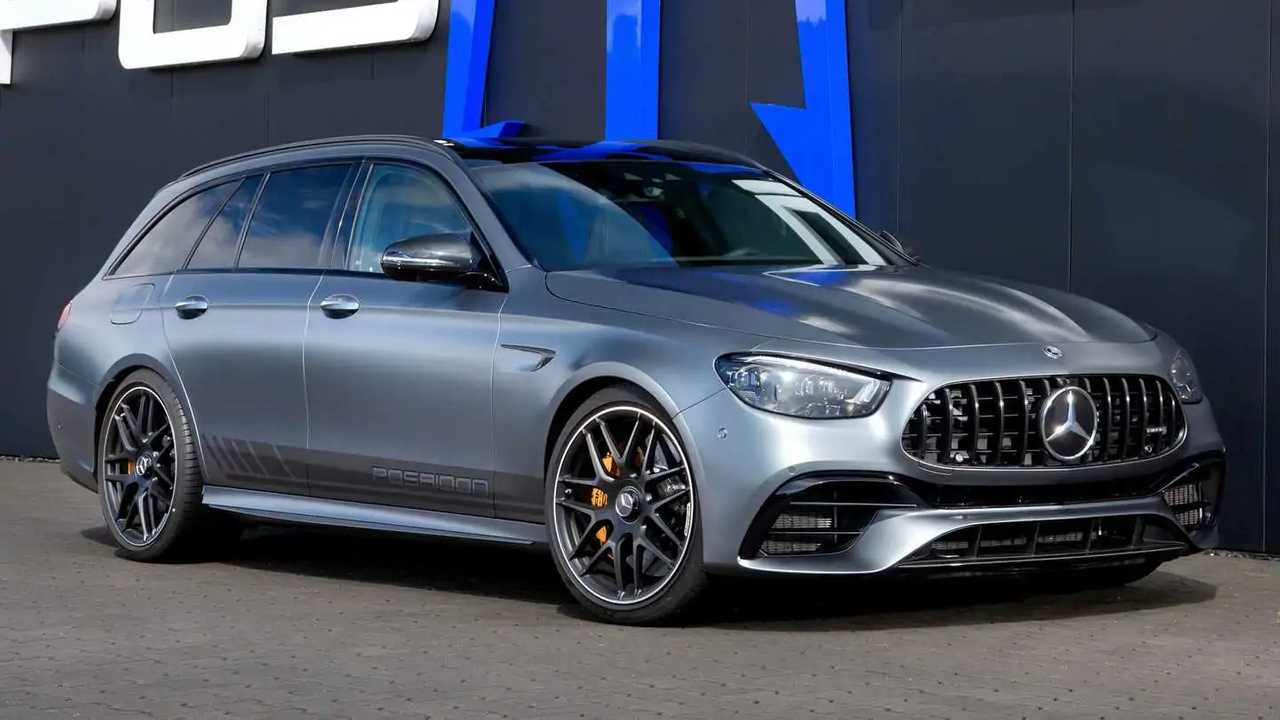
8. Mercedes-AMG E63
The Mercedes-AMG E63 is a high-performance variant of the E-Class that transforms a luxury sedan into a near-supercar-level performer. This transformation comes with significant upgrades to nearly every system in the vehicle, especially the braking system. Designed to handle extreme speeds and rapid deceleration, the AMG E63’s brakes are far more advanced than those found in standard luxury sedans.
The braking system features large, high-performance rotors, reinforced calipers, and specialized brake pads designed to handle repeated high-temperature braking conditions. These components are engineered for both durability and performance, but they come at a significantly higher cost than standard braking systems.
Brake service on the E63 is also more complex due to its integration with advanced driving dynamics systems. AMG tuning includes enhanced stability control, performance driving modes, and electronic systems that must be properly calibrated after service. This adds both diagnostic time and technical complexity to routine maintenance.
In terms of wear, the E63 experiences accelerated brake degradation compared to non-performance vehicles. This is due to its high power output and aggressive driving capability. As a result, brake pads and rotors often require more frequent replacement, increasing long-term ownership costs.
When compared to a Honda Civic front-end repair, the cost difference is substantial. The Civic uses simple suspension components that are inexpensive and easy to replace, while the AMG E63 uses premium performance parts that can exceed multiple times the cost of a full Civic front-end overhaul for just one axle of brake service.
Another key factor is the emphasis on braking precision. AMG vehicles are tuned for high-performance driving, which means braking systems must deliver a consistent and immediate response under extreme conditions. This requires higher-grade materials and tighter manufacturing tolerances, both of which increase cost.
The Mercedes-AMG E63 illustrates how performance luxury engineering significantly raises brake maintenance costs, often far beyond what is required for economy vehicle suspension repairs.
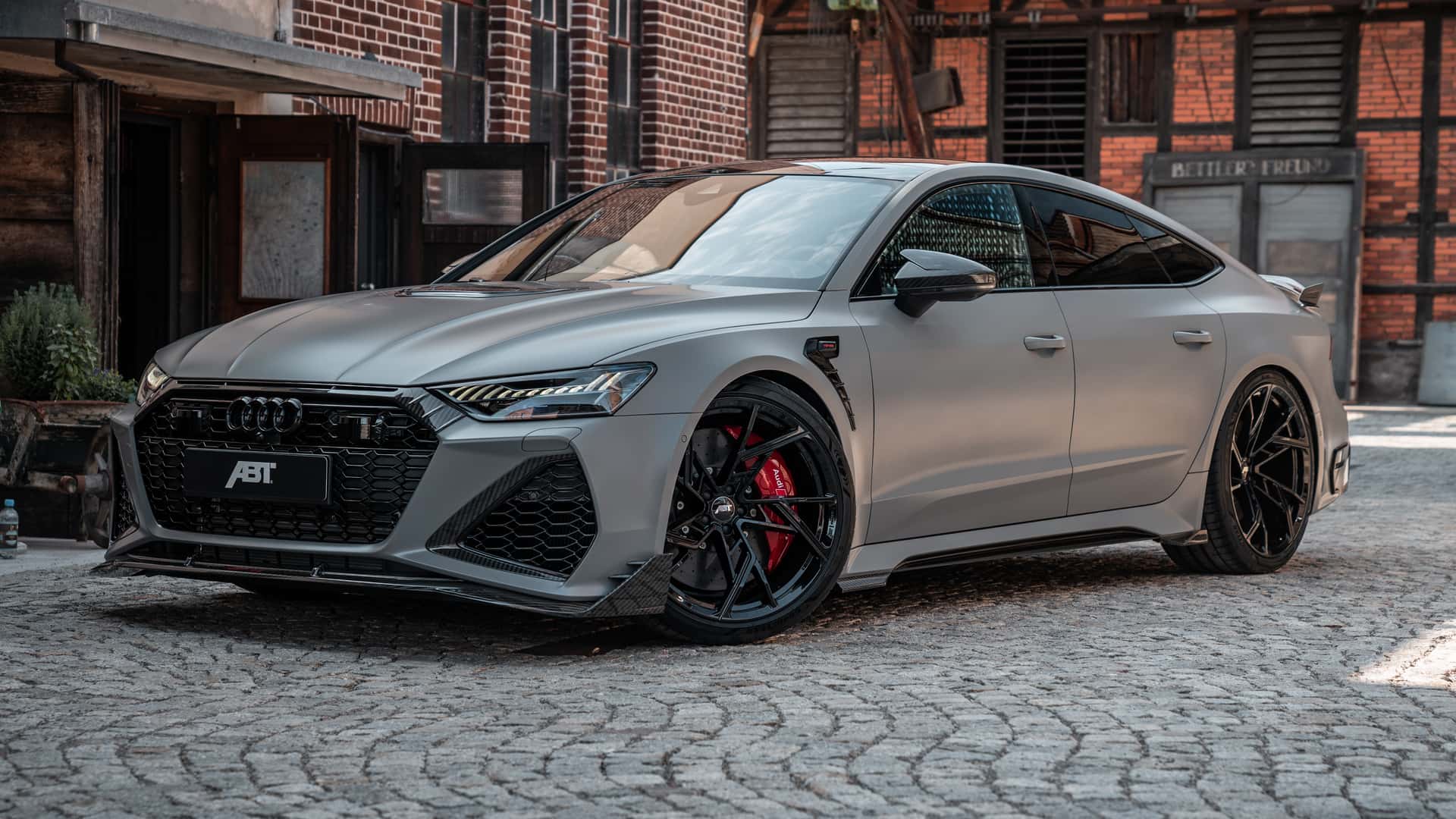
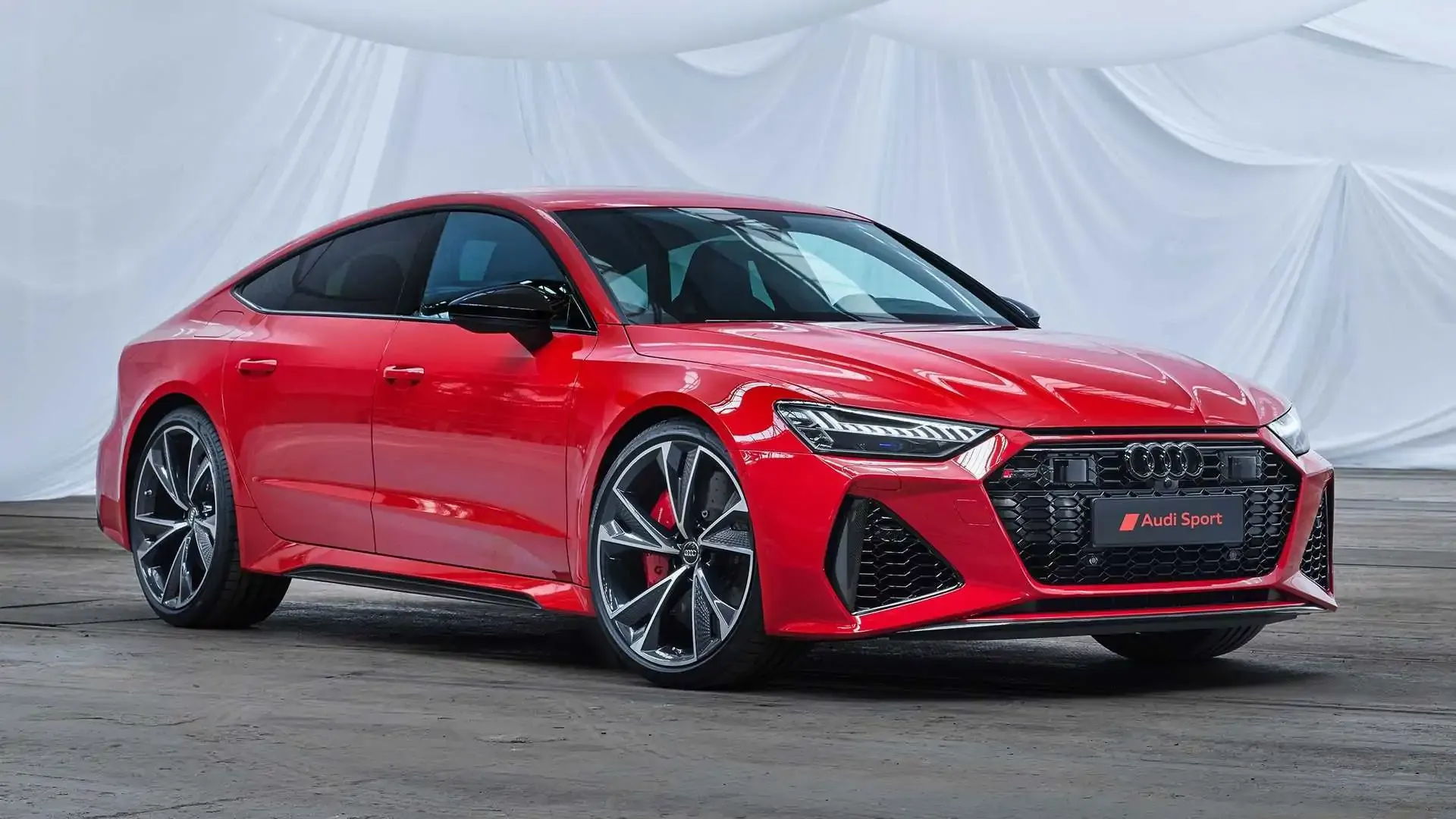
9. Audi RS7
The Audi RS7 is one of Audi’s most powerful performance sedans, combining coupe-like styling with supercar-level performance. Its braking system is designed to match this extreme capability, making it one of the most advanced and expensive systems in its class.
The RS7 uses large ventilated rotors and high-performance calipers designed to handle intense acceleration and high-speed braking demands. In higher trims, carbon ceramic brake systems are available, which significantly improve performance and durability but come with extremely high replacement costs when service is eventually required.
Brake service on the RS7 is highly specialized. The vehicle’s braking system is integrated with Audi’s Quattro all-wheel-drive system, electronic stability control, and multiple driving modes. Any brake maintenance requires careful recalibration of electronic systems to ensure proper balance and performance across all driving conditions.
Labor costs are also higher due to the precision required in servicing performance braking systems. Technicians must follow strict torque specifications and use OEM-approved diagnostic tools to ensure system integrity.
Compared to a Honda Civic front-end repair, the RS7’s brake service is significantly more expensive. The Civic uses basic, cost-efficient suspension components, while the RS7 relies on high-performance engineering and premium materials that dramatically increase maintenance costs.
Additionally, the RS7’s performance capability means that brake wear can occur more rapidly under aggressive driving conditions, especially in urban or spirited driving environments. This leads to more frequent service intervals compared to economy vehicles.
The Audi RS7 represents the upper end of performance sedan engineering, where braking systems are designed for extreme capability but come with maintenance costs that far exceed standard automotive repair benchmarks like those found on a Honda Civic.
Also read: 10 Cars That Are Cheapest To Fix At Any Mechanic in the United States
