
Weekend warehouse shopping brings value, bulk savings, and one quiet stress that rarely gets mentioned. Parking lots packed with oversized carts, wide-opening doors, and distracted drivers create a daily test for vehicle exteriors. A short shopping run can leave behind small dents, chipped paint, or scuffed door edges that slowly erode pride of ownership. These marks rarely come from reckless driving. They come from crowded spaces where people rush, carts roll freely, and door control becomes an afterthought.
Some vehicles tolerate this environment better than others. Body panel thickness, door skin flexibility, protective cladding, paint resilience, and bumper height all influence how well a vehicle absorbs these routine impacts. A shallow dent that barely registers on one vehicle can leave a visible scar on another. Door design, trim placement, and even mirror mounting angles quietly decide whether a shopping trip ends without cosmetic regret.
This page focuses on vehicles that endure repeated parking lot contact without constant repair bills or visible aging. These are not cars chosen for show field perfection. They are vehicles selected for real-life use where shopping carts drift, doors swing wide, and tight spaces challenge patience.
Each model listed has design traits that help limit visible damage and reduce repair sensitivity. If daily errands include crowded retail parking, these vehicles provide a level of exterior resilience that saves time, money, and frustration over the years of ownership.
1. Toyota 4Runner SR5 (Fifth Generation, 2014 to 2024)
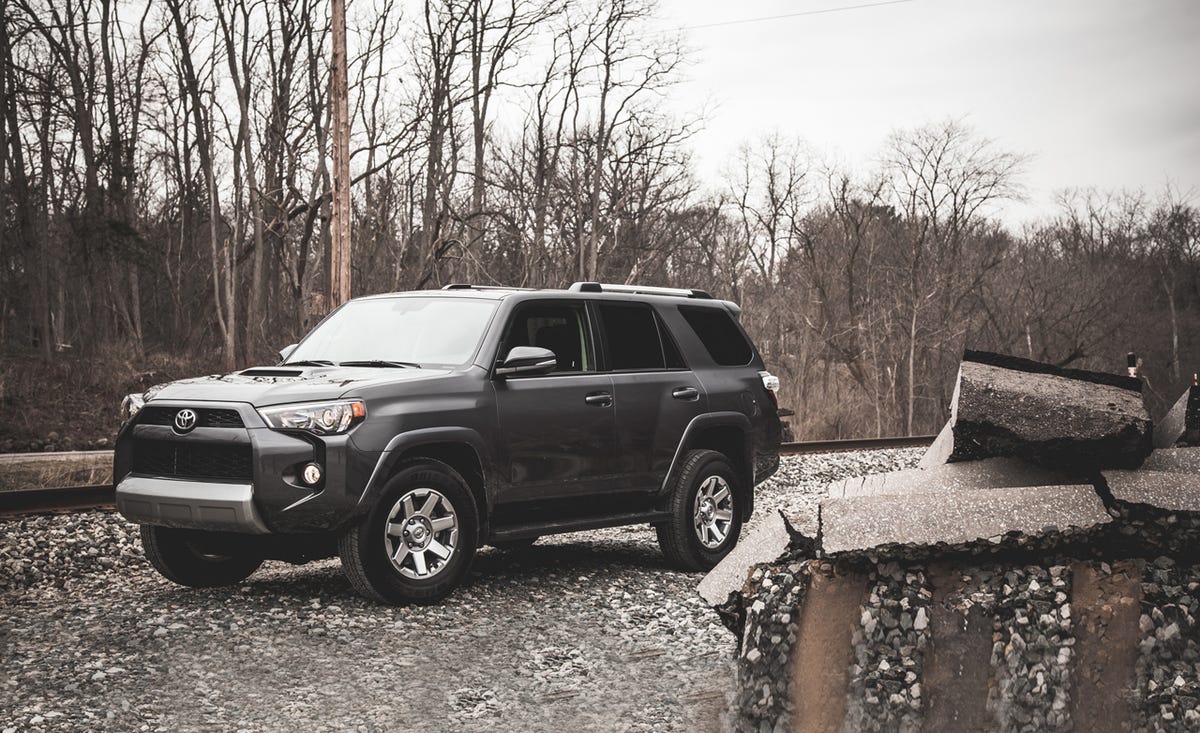
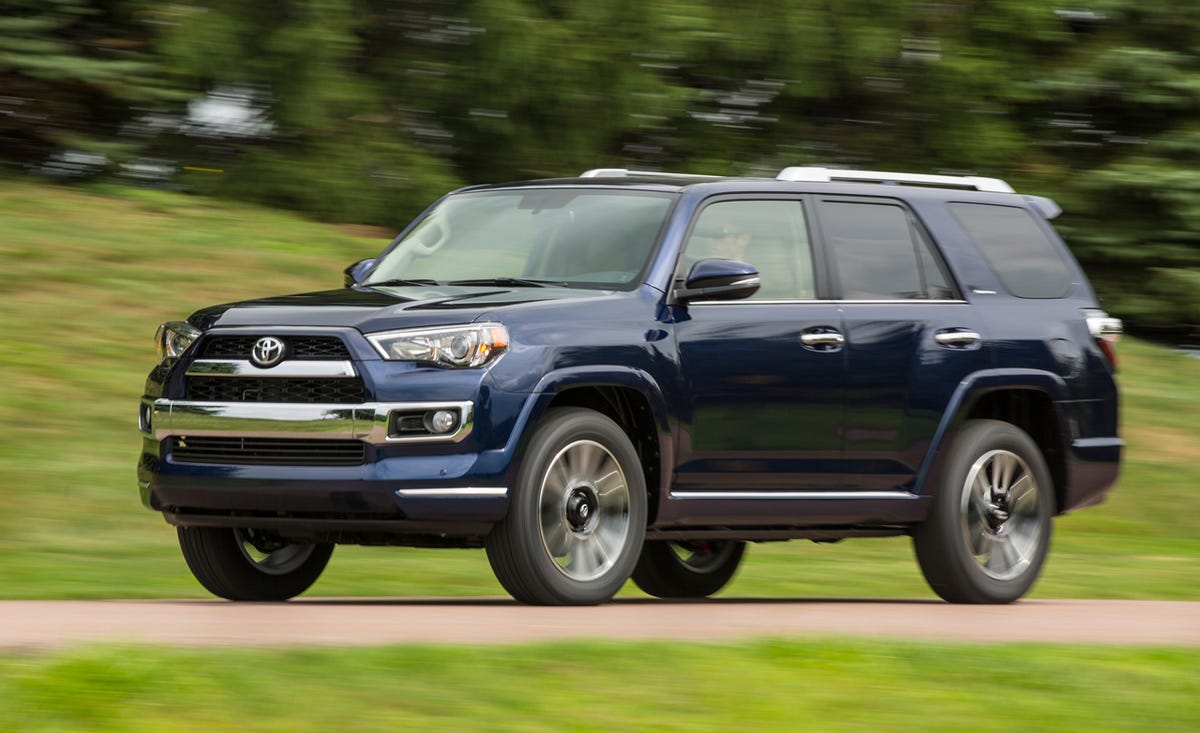
Few vehicles shrug off parking lot abuse like the Toyota 4Runner SR5. Built on a body-on-frame platform, the 4Runner uses thicker exterior panels than most modern crossovers. Door skins resist shallow deformation, meaning casual door contact often leaves no visible mark. When a dent does occur, panel metal tends to rebound rather than crease, reducing repair complications.
Protective geometry plays a major role. Door surfaces sit relatively vertical, limiting the leverage that causes deep impressions. Black side cladding on lower doors absorbs cart contact that would chip painted surfaces on smoother designs. This cladding hides light scuffs and can be cleaned without repainting, a practical advantage for frequent warehouse shopping.
Paint formulation on the 4Runner favors durability over show-car depth. Chips from door edges or cart impacts remain localized rather than spreading beneath clear coat layers. Owners frequently report that minor contact damage remains cosmetic rather than structural. This slows visual aging even with regular exposure to crowded parking.
Door hinges also contribute quietly. Doors open with controlled resistance, reducing the chance of accidental overextension into adjacent vehicles. This protects both sides of the interaction. Heavy door construction also resists wind-driven swings that cause most accidental impacts.
Mirror placement matters in tight parking rows. The 4Runner’s mirrors mount forward enough to avoid being the first contact points during door openings. Combined with squared body lines, this layout minimizes unexpected touch points. Longevity reports reinforce these design benefits. High-mileage examples often show fewer visible dents than lighter crossovers of similar age.
The vehicle’s utilitarian origins translate well into everyday retail environments where resilience matters more than sculpted curves. For shoppers who value exterior survival more than sleek styling, the Toyota 4Runner SR5 remains a dependable shield against routine parking lot damage.
2. Subaru Outback Premium Sixth Generation 2020 to 2024
The Subaru Outback Premium reflects a design philosophy that places everyday durability above cosmetic fragility. Its exterior construction shows deliberate attention to the realities of frequent parking, tight retail spaces, and repeated low-speed contact.
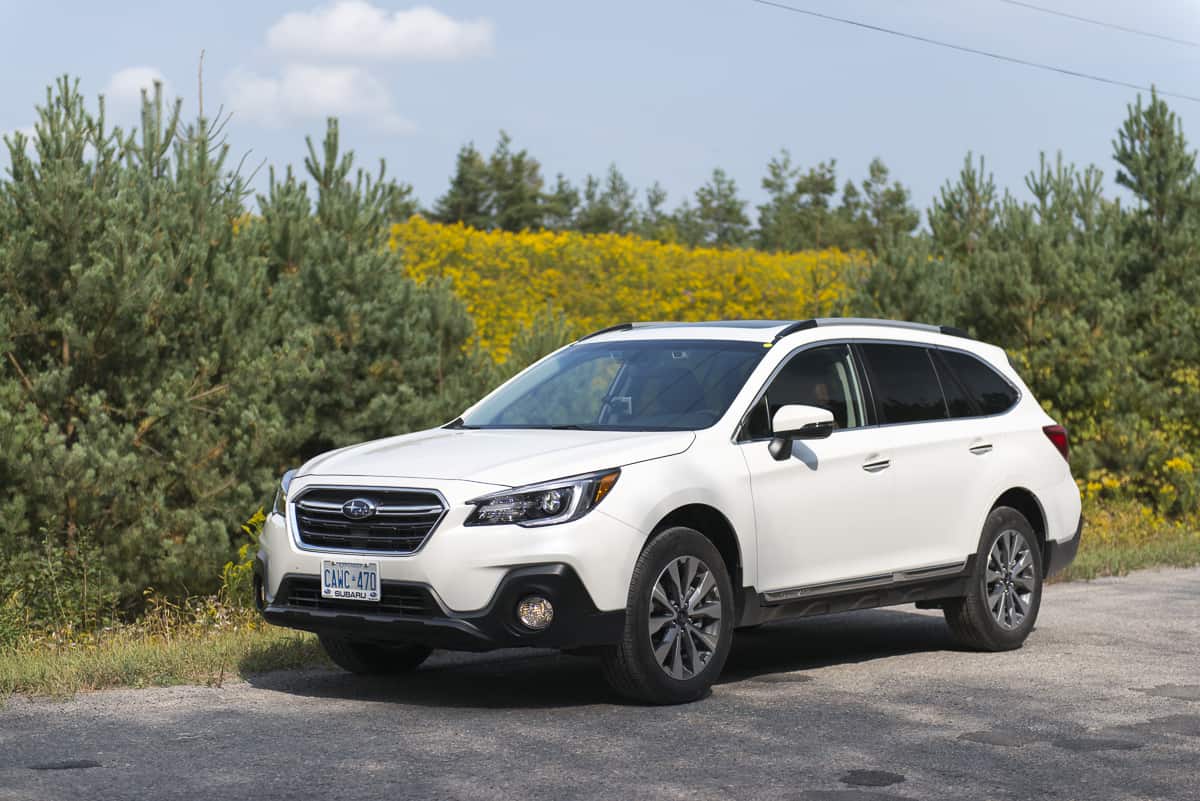
Instead of relying only on heavier metal panels, Subaru applies protective cladding along door bottoms, wheel arches, and lower body sections. These materials absorb light impacts that would otherwise damage painted surfaces. Shopping carts, loose doors, and minor scrapes often leave only faint marks that can be cleaned without repair.
Door panel shaping contributes quietly to surface protection. Gentle curvature across the panels disperses force across a wider area during contact. This reduces the likelihood of sharp creases that require bodywork. When impressions do occur, they remain shallow and less visible under normal lighting. This approach suits a vehicle intended for constant daily use rather than display-focused ownership.
Paint treatment balances visual quality with resilience. The clear coat shows resistance to fine cracking caused by repeated edge contact. Door edges include subtle reinforcement that limits chipping when adjacent doors swing wider than expected. These details reduce cumulative damage that often builds up in high-use vehicles.
Mirror housing construction supports durability in close quarters. Flexible mounting allows slight movement during minor contact without fracturing the housing or mirror glass. This reduces replacement costs, which often exceed the cost of minor dent correction. In narrow parking spaces, this feature proves valuable.
Door hinge tuning also assists with protection. The doors resist sudden motion caused by wind or uneven ground. Controlled opening reduces accidental strikes against nearby vehicles. This characteristic becomes especially helpful in open parking areas where wind interference is common.
Vehicle height plays a role in impact avoidance. The Outback’s door midline sits above that of many sedans. As a result, contact often misses painted panels and instead meets lower trim or passes beneath door edges entirely. Many impacts that would damage smaller vehicles fail to reach critical surfaces.
Owners who rely on the Outback for errands, commuting, and travel often observe how well it conceals wear. Textured trim hides scratches effectively, while panel shaping disguises minor dents. Even after extended exposure to crowded parking environments, the vehicle maintains a tidy appearance.
For drivers seeking reliable daily transport without constant cosmetic attention, the Subaru Outback Premium delivers thoughtful exterior protection suited to routine use.
Also Read: 9 Vehicles Where the Owner’s Manual Is the Size of a Phone Book
3. Honda Ridgeline RTL Second Generation 2017 to 2024
The Honda Ridgeline RTL approaches exterior durability with a blend of structural strength and practical surface protection. While classified as a pickup, its unibody construction allows for controlled panel behavior during low-speed contact. Door panels resist shallow deformation from incidental impacts, maintaining shape under conditions that often mark lighter vehicles.
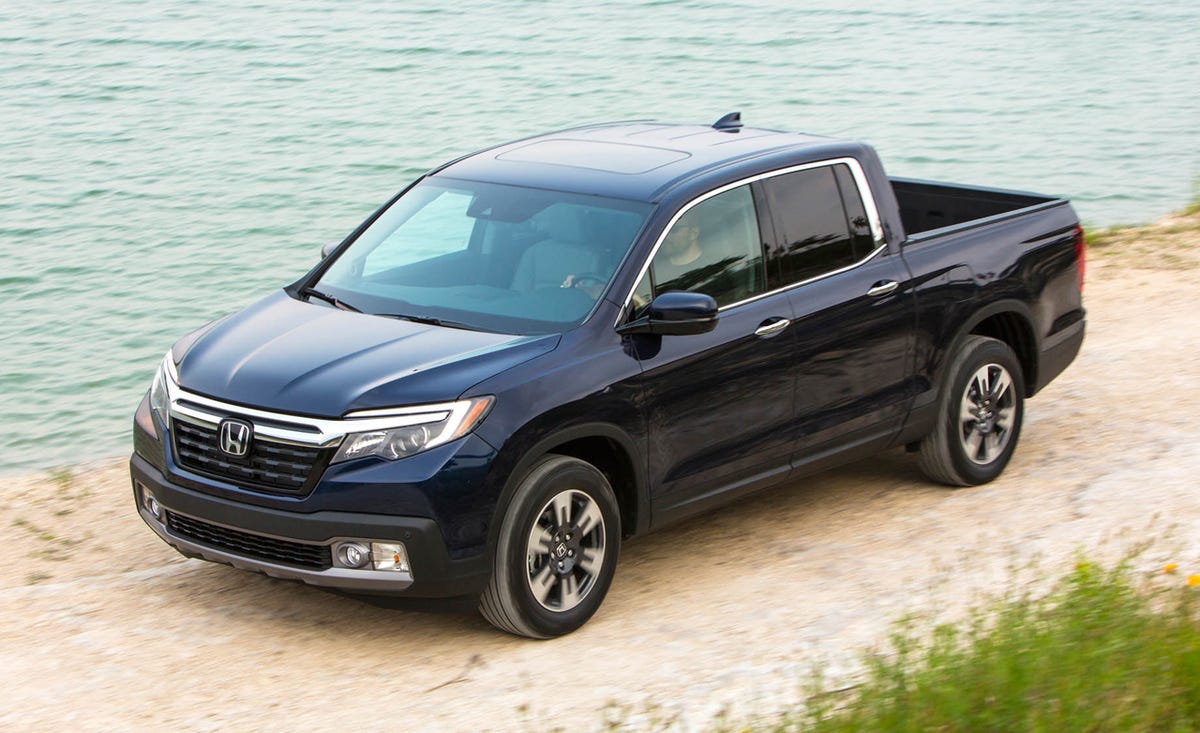
Lower body cladding along the doors and rear quarters shields painted surfaces from frequent contact. These materials tolerate scraping without cracking or peeling. Scuffs remain limited to textured areas, which reduces the need for cosmetic repair. This design suits environments where carts, curbs, and narrow spaces are routine concerns.
Door geometry supports impact management. Broad, relatively flat door surfaces spread contact force evenly. When an adjacent vehicle door makes contact, the energy disperses rather than concentrating at a single point. This limits the formation of sharp creases that typically require panel replacement.
Paint application emphasizes consistency rather than show-level depth. This approach helps resist flaking at impact points. Chips remain confined, reducing the risk of corrosion spreading beneath the surface. For a vehicle expected to serve daily duties, this balance supports long-term ownership.
Hinge resistance provides indirect protection. Doors open with firm control, limiting sudden movement caused by slope or wind. Wide door stops prevent excessive swing in confined spaces. Together, these features reduce accidental contact during entry and exit.
Mirror placement also reduces vulnerability. Positioned higher and further forward, mirrors avoid common contact points when neighboring doors open unexpectedly. Flexible mounting adds another layer of protection during light contact. Rear body design plays a role as well.
The tailgate and bed sides often absorb cart contact that would strike lower bumpers on passenger vehicles. Composite bed materials tolerate light impacts without visible damage, preserving appearance without repair. Owners who use the Ridgeline for frequent shopping and transport often report fewer parking-related marks than anticipated. Cosmetic aging appears gradual, supporting confidence in daily use.
For drivers seeking durability without stepping into full-size truck proportions, the Honda Ridgeline RTL offers restrained exterior toughness suited to high-traffic environments.
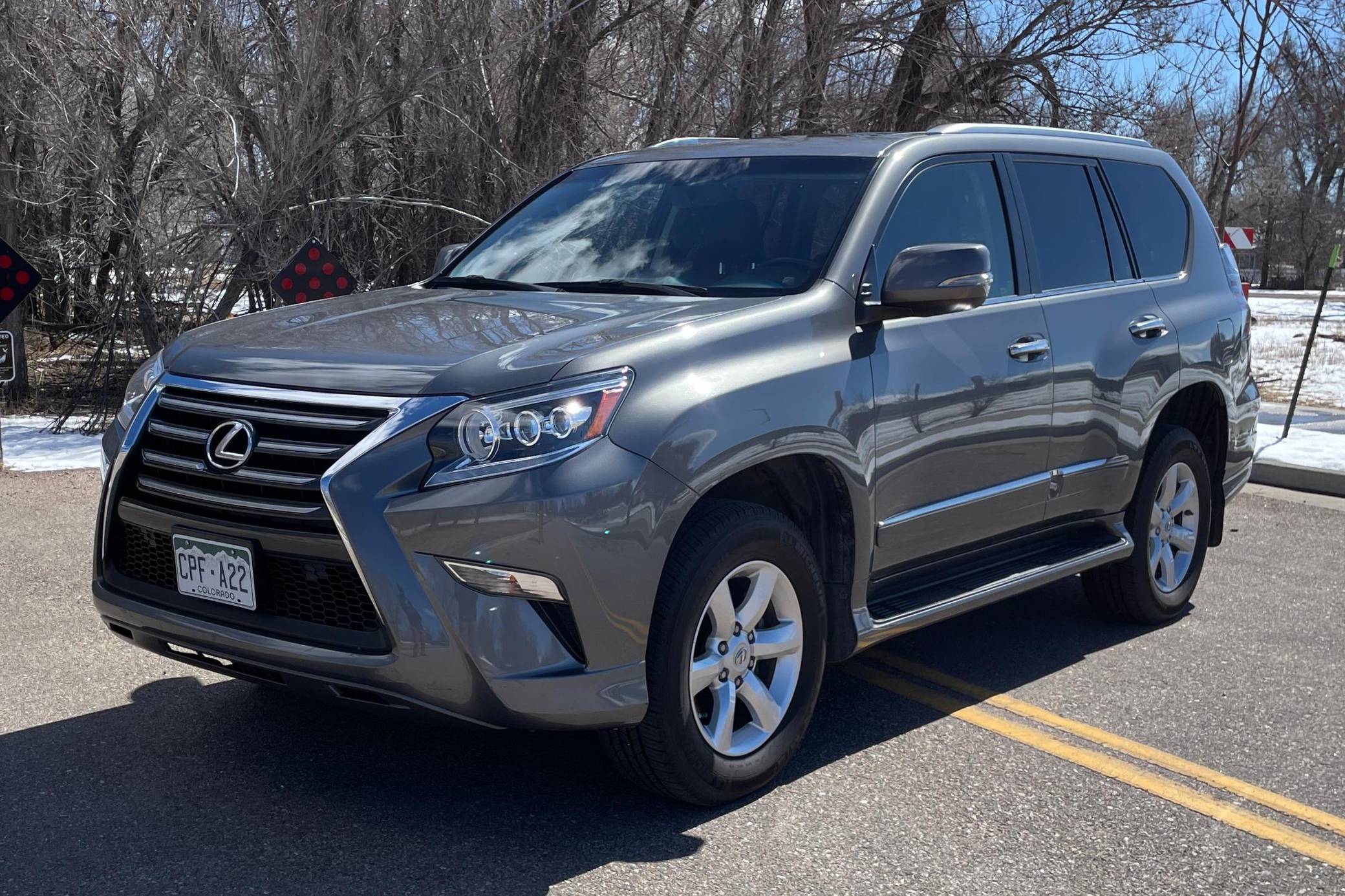
4. Lexus GX 460 Second Generation 2014 to 2023
Lexus GX 460 occupies a rare position within premium sport utility vehicles because its design philosophy places physical strength ahead of cosmetic fragility. Construction begins with a body structure derived from utility-focused platforms, and this foundation influences how the exterior responds to everyday parking contact.
Door skins are thicker than those found on many refinement-driven crossovers, allowing them to resist shallow dents caused by carts, careless doors, and incidental bumps that commonly occur in crowded retail spaces. Light contact rarely leaves permanent deformation, preserving visual order even with frequent exposure.
Lower body protection plays an important role in daily durability. Subtle trim pieces along the base of the doors absorb repeated contact from carts and low obstacles without attracting attention. These protective sections shield painted metal in the areas most likely to be struck.
Scuffs often remain hidden within darker finishes or textured surfaces, reducing the need for cosmetic intervention. This restraint suits drivers who prefer quiet resilience rather than decorative excess. Door operation further supports damage avoidance. The GX uses heavy, well-balanced doors that resist uncontrolled movement.
When opened on uneven ground or in windy conditions, the doors maintain steady motion rather than swinging outward abruptly. This reduces accidental contact with neighboring vehicles and fixed objects. Hinge quality contributes to this behavior, remaining smooth and consistent even after years of repeated use in tight parking environments.
Paint treatment reflects a practical priority. Clear coat application shows resistance to cracking along door edges where repeated contact typically occurs. When chips appear, they remain small and contained, limiting visible deterioration and reducing the risk of corrosion. This quality supports ownership scenarios where the vehicle sees regular errands rather than limited weekend use.
Vehicle height also reduces exposure. Door midpoints sit above the impact zones of many passenger cars, which lowers the likelihood of direct alignment with sedan door edges. In many situations, contact meets lower trim rather than painted panels. This positioning minimizes visible wear in common shopping scenarios.
Mirror housings add another layer of protection. Flexible mounting allows minor contact without fracturing the housing or damaging the mirror glass. This characteristic lowers replacement frequency, especially in narrow parking spaces where mirrors often become first contact points.
Long-term owners often observe that the GX retains a composed exterior despite routine exposure to crowded parking lots. Surface wear develops gradually rather than abruptly, reflecting engineering priorities rooted in durability. For drivers who value refinement supported by physical strength, the Lexus GX 460 provides exterior resilience that aligns with everyday practicality across years of use.
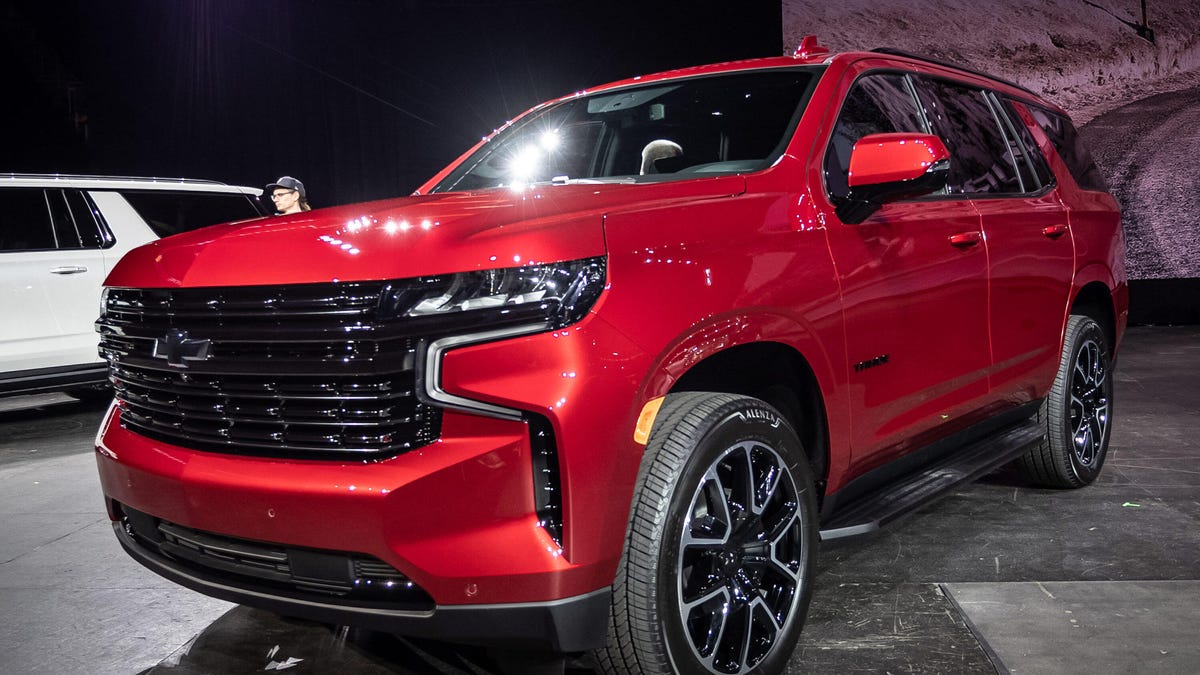
5. Chevrolet Tahoe LT Fourth Generation 2021 to 2024
Chevrolet Tahoe LT approaches parking durability through scale, structure, and controlled movement. Full-size proportions provide immediate advantages in crowded retail environments where smaller vehicles often absorb the brunt of careless contact. Door panels use thick metal that resists shallow dents from low-speed impacts, while broad body surfaces spread force across wider areas. This combination reduces the visibility of incidental damage caused by carts and adjacent doors.
Protective cladding along the lower doors shields painted sections from frequent contact. These materials absorb scraping without cracking or peeling, preserving primary surfaces that define the vehicle’s appearance. Scuffs remain confined to areas designed for impact, which limits cosmetic upkeep and preserves visual consistency during daily use.
Paint formulation supports long-term surface integrity. Chips caused by repeated contact resist spreading, keeping damage localized rather than progressive. This approach maintains panel condition even when the vehicle experiences regular exposure to busy parking areas. Owners benefit from reduced repainting needs across extended ownership.
Door operation contributes to damage prevention. Heavy hinges provide firm resistance, preventing sudden or uncontrolled swings. Doors open with steady motion, which reduces accidental contact when parked close to other vehicles. This controlled behavior protects both the Tahoe and the surrounding cars, especially during loading and unloading.
Vehicle height plays a protective role. Door surfaces sit above common car and sedan door impact zones. Many carts strike bumpers rather than door skins, reducing cosmetic risk. This positioning also limits alignment with lower vehicle edges that often cause visible dents.
Mirror housings tolerate minor contact without immediate damage, supported by sturdy mounting. This reduces replacement frequency and supports daily usability in tight spaces. Owners who rely on the Tahoe LT for frequent shopping and family transport often report fewer visible parking-related marks than expected.
Exterior wear appears restrained, supporting confidence during routine errands. Through size, structure, and controlled motion, the Chevrolet Tahoe LT delivers practical resistance suited to high-traffic parking environments.
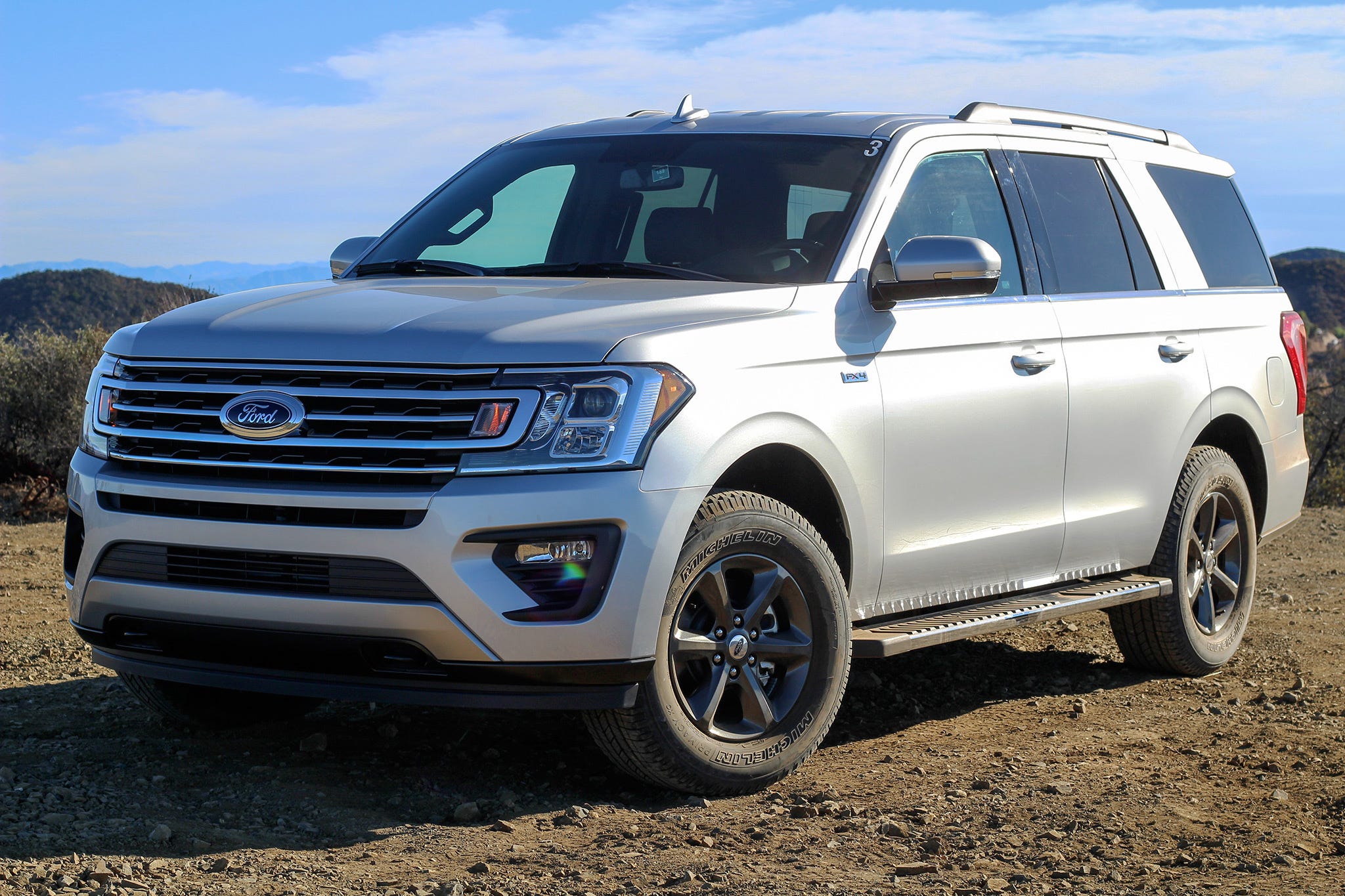
6. Ford Expedition XLT (Fourth Generation, 2018 to 2024)
Full-size SUVs face parking lot exposure almost daily, and the Ford Expedition XLT manages that reality with physical design choices that reduce cosmetic damage from routine door contact. One advantage begins with panel thickness. Expedition doors use heavier gauge steel than midsize crossovers, allowing minor impacts to dissipate energy instead of forming sharp impressions. Cart strikes and careless door taps often leave no lasting mark beyond faint surface rubs.
Lower body protection plays a central role. Black rocker cladding spans the lower door sections where carts and low-slung doors frequently make contact. These areas accept abrasion without cracking or paint loss. Owners who regularly park in high-traffic retail lots report that this cladding absorbs damage that would otherwise require paint correction.
Door geometry also works in the Expedition’s favor. Large, flat door surfaces distribute pressure across a wider area. When another vehicle door opens into it, force spreads rather than concentrating at a single crease point. This makes dents shallower and less visible even when contact occurs.
Paint durability follows a practical philosophy. Clear coat thickness resists chipping from edge contact, and paint adhesion limits peeling after repeated minor impacts. Surface marks tend to remain superficial, making detailing easier and less frequent. Hinge resistance deserves attention.
Expedition doors open with controlled effort, reducing the chance of wind-driven swings that cause many parking lot dents. This resistance also benefits adjacent vehicles, lowering accidental impact frequency. Height alignment reduces exposure as well. Door midpoints sit above most sedan door edges. Many impacts strike the lower trim instead of the painted sections.
Cart handles also tend to contact bumpers rather than doors, shifting damage away from visible panels. Mirror placement minimizes risk. Mounted forward and high, mirrors avoid being the first point of contact during tight parking maneuvers. This lowers replacement costs and cosmetic issues.
Long-term ownership reports often highlight how well Expeditions retain clean body lines despite daily errand use. The vehicle’s scale and construction translate into fewer visible scars from crowded retail environments. For drivers who routinely shop in packed lots, the Ford Expedition XLT offers a body that tolerates constant exposure with minimal cosmetic decline.
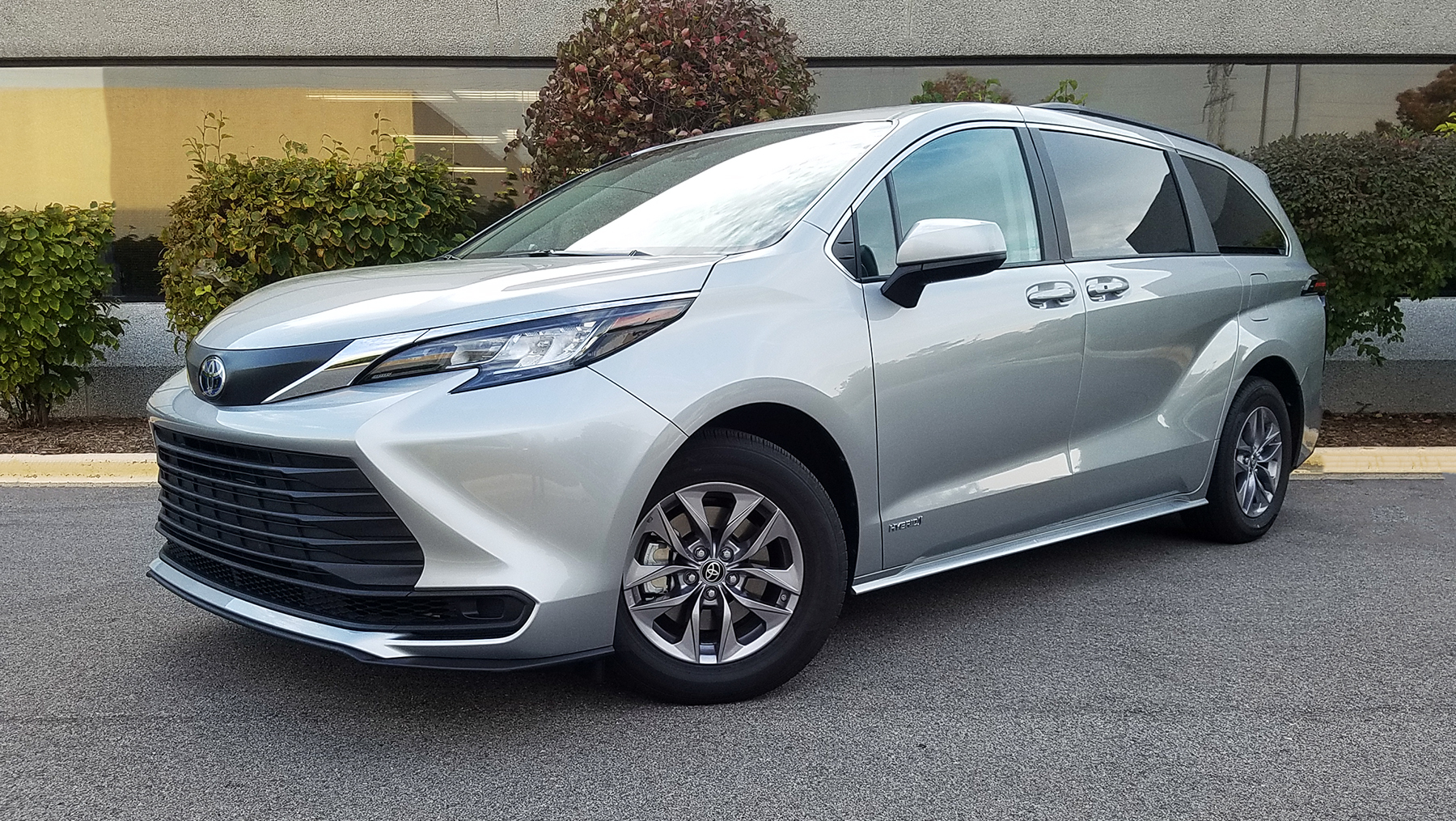
7. Toyota Sienna LE AWD Fourth Generation 2021 to 2024
The Toyota Sienna LE AWD presents a vehicle structure that suits daily use in crowded commercial parking areas where minor contact is difficult to avoid. Its design reflects careful attention to body protection, surface durability, and controlled door operation.
One of the strongest advantages lies in the sliding rear doors, which remove a common cause of side panel damage. Because these doors do not swing outward, the risk of striking nearby vehicles or being struck during entry and exit reduces considerably. This proves valuable in narrow parking bays where spacing is limited and movement is restricted.
The front doors are built with solid panel construction that resists shallow impressions from light contact. Their thickness supports surface strength while maintaining a balanced weight. Along the lower sections, protective body cladding absorbs repeated contact from shopping carts and low obstacles. This trim disguises scuff marks that would otherwise appear prominent on painted metal surfaces. These protective areas also simplify maintenance, as they require less cosmetic attention after routine use.
The sliding door tracks remain recessed within the body lines. This placement shields mechanical components from direct impact and prevents damage when vehicles park side by side closely. Smooth door travel remains consistent even after extended exposure to busy retail environments. The controlled motion of both sliding and hinged doors prevents sudden movement that could lead to accidental strikes, particularly during loading activities.
Paint quality supports long-term surface integrity. The clear coat resists edge chipping, and minor abrasions remain confined rather than spreading. Frequent cart contact rarely results in peeling or cracking. The vehicle height also contributes to protection. Door midlines sit above typical sedan impact areas, allowing lower trim and bumpers to receive most incidental contact. This alignment reduces visible wear on the main door panels.
Mirror housings feature flexible mounting that tolerates light impact without structural failure. This design lowers replacement frequency and preserves outward appearance. Many owners who rely on the Sienna for regular family transport observe that cosmetic wear remains minimal after extended ownership. Surface marks blend into trim sections rather than drawing attention.
For drivers who value ease of ownership and reduced concern about minor exterior damage, the Toyota Sienna LE AWD offers a body design that supports consistent use without constant cosmetic repair. Its combination of door configuration, protective materials, and controlled movement promotes confidence during daily errands and repeated parking exposure.
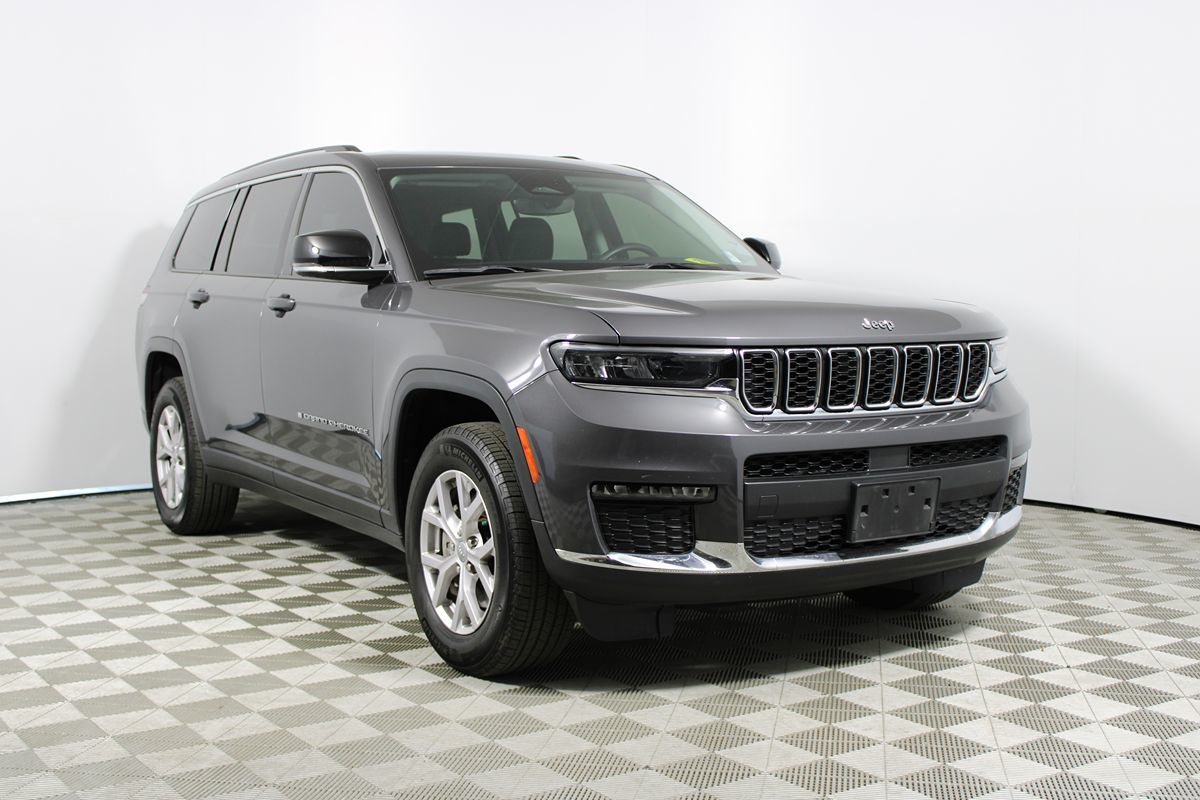
8. Jeep Grand Cherokee L Limited 2021 to 2024
The Jeep Grand Cherokee L Limited combines size with thoughtful exterior construction to manage routine parking contact effectively. Three-row vehicles often face greater exposure due to extended body length, yet this model applies reinforcement strategies that preserve surface condition through everyday use.
Door panels incorporate a strengthened internal structure that resists shallow dents from low-speed contact. Minor bumps often leave little or no visible change to the exterior surface. Lower door cladding plays a protective role. This trim absorbs contact from carts and low objects, preventing paint damage in high-risk areas. Scuffs remain contained within textured sections that disguise wear.
The door surface curvature distributes force across a wider area rather than concentrating pressure at a single point. This reduces the depth and visibility of impressions when contact occurs. Paint application supports long-term durability. The clear coat maintains adhesion despite repeated minor impacts and washing cycles.
Surface finish remains consistent across years of use without premature fading or cracking. Door hinge tuning limits uncontrolled swing, reducing the chance of doors striking nearby vehicles during entry and exit. This proves useful in windy conditions or sloped parking surfaces.
Vehicle height contributes to impact avoidance. Many adjacent sedan doors align below the main painted surfaces, directing contact toward lower trim or missing painted panels entirely. Mirror housings attach through flexible mounts that allow slight movement during contact without fracturing. This design reduces repair needs and supports sustained exterior appearance.
Owners frequently report that the Grand Cherokee L maintains clean body lines despite routine shopping and school transport duties. Cosmetic aging occurs gradually rather than abruptly, supporting confidence in daily use. Families who require interior space without constant concern for surface repairs often appreciate this balance between refinement and resilience.
Also Read: 10 Vehicles With Brake Pads You Can Buy at Any Walmart
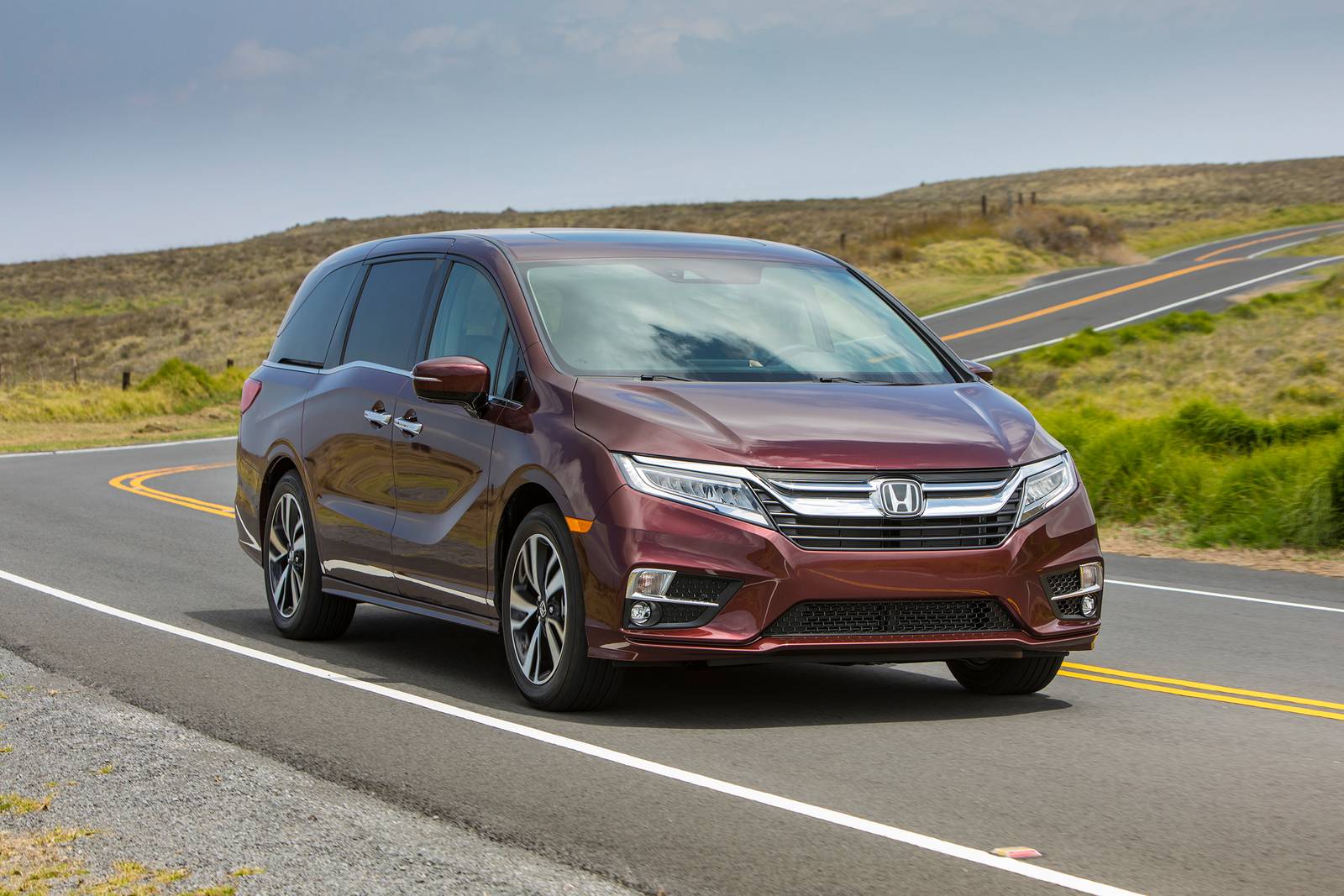
9. Honda Odyssey EX L Fifth Generation 2018 to 2024
The Honda Odyssey EX-L applies practical design principles that support exterior durability in busy parking environments. Sliding rear doors eliminate one of the most common sources of side-impact damage. Without outward-swinging panels, exposure during passenger entry and exit is sharply reduced, particularly in tight spaces where clearance is limited.
Front doors feature strong panel construction that resists shallow deformation from light contact. Lower body cladding absorbs frequent cart strikes and shields painted areas from abrasion. This trim conceals marks effectively, allowing the vehicle to retain a tidy appearance even after repeated exposure to crowded retail areas.
Paint quality emphasizes consistency and adhesion. Chips remain localized rather than spreading, and the clear coat resists peeling despite repeated minor impacts. Sliding door tracks remain protected within the body structure, preventing damage during close parking. Door operation remains smooth across years of use, even with frequent opening cycles.
Door resistance settings limit uncontrolled motion. This reduces accidental strikes during loading, unloading, or child seating activities. Vehicle height positions door midlines above common impact zones, directing most incidental contact toward bumpers and lower trim rather than main panels.
Mirror housings tolerate light contact without cracking, reducing maintenance costs. Owners commonly observe that the Odyssey conceals wear effectively, with cosmetic damage remaining minimal after extended daily use. For drivers seeking a vehicle that supports stress-free parking and long-term surface integrity, the Honda Odyssey EX L delivers a design grounded in durability and practical engineering.
