

Emissions testing day is not something most truck owners look forward to. You pull into the testing station, hand over your keys, and stand in a waiting area, hoping that the numbers coming off your tailpipe meet whatever the state currently requires before you can legally drive home.
For owners of poorly maintained or improperly running trucks, this is a genuinely stressful experience that sometimes ends with a failed test, a required repair, a retest fee, and a vehicle sitting unregistered while the repair gets sorted out. But here is what separates trucks that sail through emissions testing year after year from trucks that become familiar faces at the repair shop every registration cycle: it is not expensive tuning, elaborate emissions equipment upgrades, or pre-test preparation rituals.
It is fundamental engine design quality, combustion efficiency engineering, and modern emissions management systems that do their job so consistently that the testing station’s equipment barely registers concern. Modern trucks equipped with properly functioning OBD-II systems, efficient combustion engines, and well-designed exhaust aftertreatment hardware produce emissions profiles during normal operation that fall comfortably within even the stricter state regulations.
California Air Resources Board standards, Colorado’s program, and the emissions testing requirements of the Northeast states all represent targets that certain trucks hit consistently without any special preparation. This matters in practical terms because the cost of failing an emissions test goes beyond the retest fee.
It includes diagnostic time, repair costs, and the registration delay that affects a vehicle’s legal status. Trucks that routinely pass without intervention represent an engineering achievement and a practical financial benefit that their owners rarely think about, specifically because the problem never materializes into a cost.
Eight trucks follow. Each one passes emissions testing on the strength of its factory engineering without requiring tune-up preparation, and each one earns its place through documented owner experience and technical reasons that explain why the result is predictable rather than lucky.
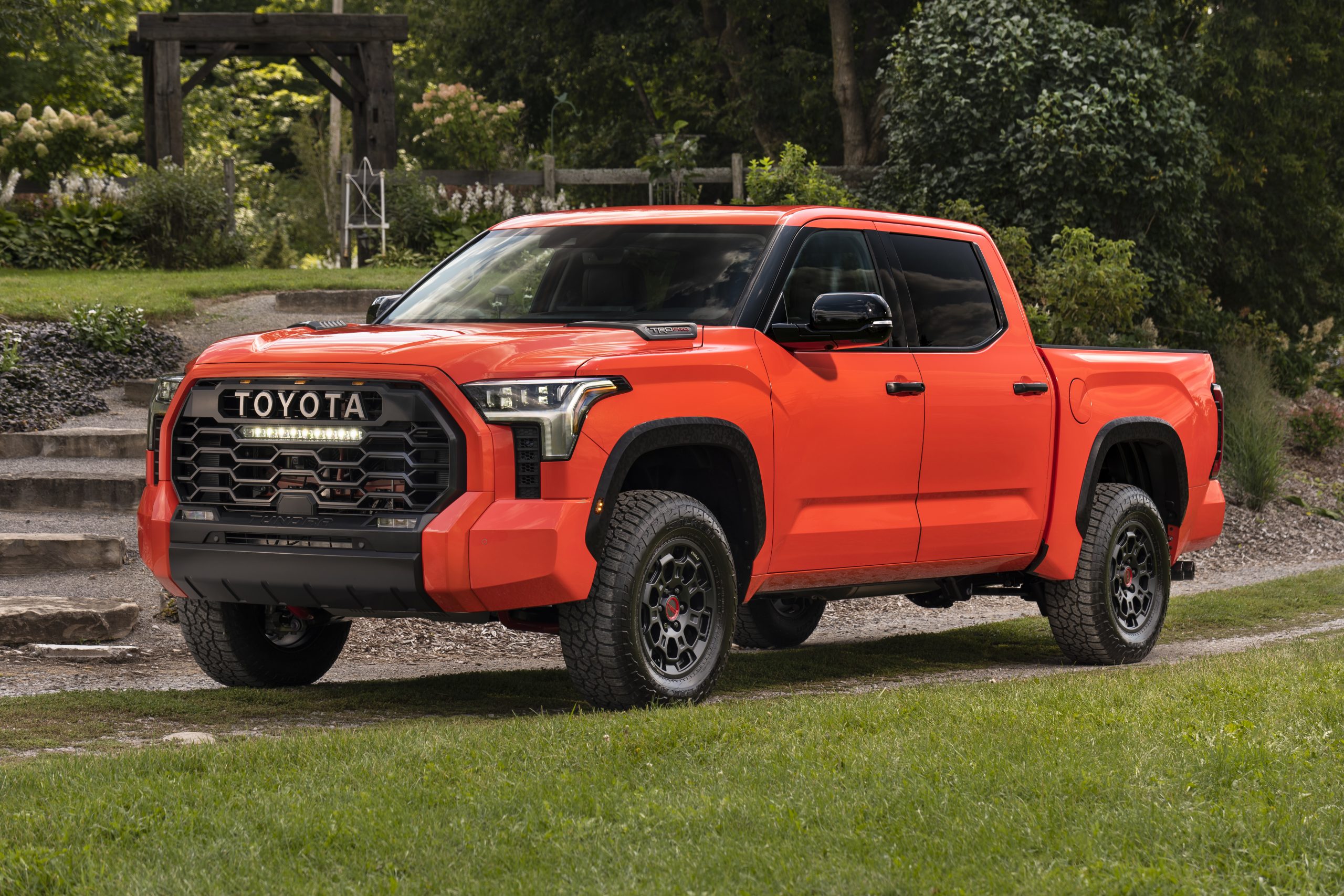
1. Toyota Tundra SR5 Crew Max 4×4 3.5L Twin-Turbo V6 (2022)
Toyota’s third-generation Tundra arrived for 2022 with a completely redesigned twin-turbocharged 3.5-liter V6 powertrain that replaced the outgoing 5.7-liter naturally aspirated V8, and with this new engine came combustion efficiency and emissions management technology that represents genuine advancement in how cleanly a full-size truck can operate under all real-world driving conditions.
D-4ST dual fuel injection system in the new Tundra V6 uses both port injection and direct injection simultaneously, calibrated by the engine control unit based on operating conditions, temperature, and load requirements. Port injection’s fuel introduction into the intake stream creates thorough fuel-air mixing before the air charge enters the combustion chamber, while direct injection delivers precise fuel quantity directly into the cylinder at exactly the right moment for optimal combustion timing.
Combining both methods allows the ECU to optimize combustion chemistry in ways that neither system achieves independently, which produces both better thermal efficiency and cleaner combustion products across the full operating range. Emissions output from the twin-turbo V6 benefits specifically from its smaller displacement relative to the V8 it replaced, because smaller displacement means less total fuel processed per combustion cycle at light and moderate loads.
Full-size trucks spend the vast majority of their operating time at light to moderate throttle during highway and urban driving, and at these loads, the twin-turbo V6’s displacement efficiency provides dramatically cleaner combustion than larger displacement engines operating at the same load in the same conditions.
Toyota’s air-fuel ratio management uses wideband oxygen sensors that monitor combustion chemistry with precision beyond what narrowband sensors provide, feeding real-time data to the ECU that adjusts injection timing and quantity to maintain stoichiometric combustion across the full range of temperature, altitude, and load conditions that truck owners encounter.
Stoichiometric combustion produces the most complete oxidation of fuel hydrocarbons, which minimizes unburned hydrocarbon emissions and carbon monoxide at the source rather than relying entirely on the catalytic converter to handle incomplete combustion products downstream.
State-of-the-art three-way catalytic converter system in the Tundra V6 operates most efficiently when the engine’s combustion is consistently clean, which creates a positive feedback relationship between the engine’s combustion management and the catalytic system’s conversion efficiency.
A catalytic converter working with already-clean combustion products handles its conversion task with far less thermal and chemical stress than one dealing with excessively rich or lean combustion products, which maintains catalyst efficiency across the full ownership period rather than allowing degradation that eventually produces emissions test failures.

2. Ford F-150 XLT SuperCrew 4×4 2.7L EcoBoost (2021)
Ford’s 2.7-liter EcoBoost twin-turbocharged V6 has established itself as one of the most efficient combustion engines in the full-size truck segment, and its emissions profile during real-world operation reflects the investment Ford made in combustion engineering when they moved the F-150 away from traditional naturally aspirated V8 powerplants in its mainstream configurations.
Port-fuel injection combined with direct injection in the 2.7 EcoBoost works through Ford’s own implementation of dual-injection architecture, providing fuel delivery flexibility that optimizes combustion for the specific operating condition encountered at any given moment.
Cold start conditions, where combustion efficiency is inherently reduced and where emissions output is highest due to incomplete catalyst warm-up, benefit from port injection’s fuel delivery characteristics. Warmed operating conditions benefit from direct injection’s precision. Ford’s engine management software transitions between these modes continuously, maintaining the combustion quality that clean emissions require across all operating states.
Low-pressure exhaust gas recirculation in the 2.7 EcoBoost reduces peak combustion temperatures that produce nitrogen oxide emissions, which are among the most tightly regulated pollutants in modern emissions programs. By routing a controlled amount of exhaust gas back into the intake charge, the EGR system dilutes the oxygen concentration in the cylinder, reducing combustion temperature and limiting the thermal conditions that generate NOx.
Managing NOx at the combustion source reduces the demand on the downstream catalytic converter to handle elevated NOx concentrations that fuel-lean combustion produces. Auto Start-Stop system in the F-150 EcoBoost eliminates fuel combustion and emissions production during stationary idling, which is an operating condition where combustion efficiency is lowest and where emissions per unit of useful work performed are highest.
By shutting the engine off at every stop and restarting it smoothly when the driver releases the brake, the system eliminates a category of combustion events that contribute to emissions without contributing to vehicle progress. In drive cycle testing that includes urban stop-and-go conditions, Auto Start-Stop meaningfully reduces the cumulative emissions output that the vehicle produces across a complete test cycle.
Ford’s aftertreatment system includes a close-coupled catalytic converter positioned near the exhaust manifold to reach operating temperature quickly during cold starts, reducing the cold-start emissions window before catalyst light-off, combined with an underbody converter for sustained conversion efficiency during extended driving.
This two-stage catalytic architecture provides both rapid warm-up performance and sustained conversion capacity that single-converter systems cannot match across varied drive cycles.
Also Read: 8 Trucks Where the Bed Outlasts Three Sets of Tailgate Hinges

3. Chevrolet Silverado 1500 LT Crew Cab 4WD 5.3L V8 EcoTec3 (2023)
The 2023 Chevrolet Silverado 1500 LT Crew Cab equipped with the 5.3-litre V8 EcoTec3 engine represents a mature stage in General Motors’ engine development, particularly in the area of emissions control and fuel efficiency. This power unit integrates advanced combustion strategies with modern control systems to deliver performance that meets regulatory standards while maintaining dependable operation under daily driving conditions. Its engineering reflects careful calibration aimed at achieving compliance during inspection procedures without compromising engine responsiveness.
At the centre of this system is Dynamic Fuel Management, an advanced form of cylinder deactivation. This technology enables the engine to operate on fewer cylinders when full power is not required. Under light driving conditions, such as steady highway movement, the system selectively deactivates specific cylinders, allowing the engine to function temporarily as a smaller unit.
This system prevents fuel vapours from escaping into the atmosphere by capturing them in a carbon canister. During appropriate engine conditions, these vapours are reintroduced into the intake system and burned as part of the combustion process. This closed-loop handling of fuel vapour ensures compliance with environmental standards that assess both tailpipe and evaporative emissions.
Monitoring systems within the exhaust structure play a vital role in maintaining long-term emissions performance. Oxygen sensors positioned along the exhaust path provide continuous feedback to the engine control unit. These sensors track both combustion efficiency and catalytic converter performance.
When any reduction in efficiency is detected, the system alerts the driver through the onboard diagnostics interface. This early warning mechanism allows for corrective action before regulatory testing is conducted. Despite its strong towing and hauling capability, the Silverado maintains consistent emissions behaviour under increased load.
The engine management system adjusts fuel delivery and combustion timing to match demand while preserving efficient operation. This adaptability ensures that emissions output remains within acceptable limits regardless of whether the vehicle is lightly loaded or operating under heavier conditions.
A comprehensive integration of mechanical design and electronic control allows the 2023 Silverado 1500 to deliver stable emissions performance. Its systems work in coordination to maintain clean combustion, effective exhaust treatment, and reliable monitoring, ensuring readiness for inspection at any point during its service life.

4. Ram 1500 Classic Tradesman Regular Cab 4×4 5.7L HEMI V8 (2022)
The 2022 Ram 1500 Classic Tradesman equipped with the 5.7-litre HEMI V8 engine demonstrates a long-standing approach to engine development, refined through continuous production and calibration improvements. This engine combines established combustion design with updated emissions control systems, resulting in dependable performance that aligns with regulatory expectations during standard vehicle inspections.
A defining feature of the HEMI engine is its dual spark plug configuration per cylinder. This design initiates combustion from two separate points within the combustion chamber, allowing the air-fuel mixture to burn more evenly and efficiently.
Faster flame propagation reduces the likelihood of incomplete combustion, thereby lowering the production of unburned hydrocarbons. This efficiency at the combustion stage reduces the burden placed on the exhaust treatment system.
The Multi-Displacement System, commonly referred to as MDS, contributes to emissions reduction during everyday driving conditions. When the vehicle operates under light load, such as during steady cruising, the system deactivates four of the eight cylinders.
Fuel injection and ignition processes in those cylinders are suspended, effectively reducing the number of combustion events taking place. This controlled reduction leads to lower emissions output while maintaining smooth engine operation. Exhaust treatment in the 5.7 HEMI engine relies on a three-way catalytic converter designed to operate efficiently across a range of temperatures.
The placement of the converter within the exhaust system ensures rapid heat build-up after engine start, which is essential for effective emissions control. Early activation of the catalyst helps limit the release of pollutants during the initial phase of engine operation, when emissions are typically higher.
The onboard diagnostics system continuously monitors combustion conditions through oxygen sensors placed along the exhaust pathway. These sensors provide real-time data on the air-fuel ratio, enabling the engine control unit to make necessary adjustments to maintain efficient combustion. This adaptive control ensures that the engine responds appropriately to variations in fuel quality, ambient temperature, and altitude.

5. GMC Canyon AT4 Crew Cab 4WD 2.7T (2023)
GMC’s Canyon AT4 with the 2.7-liter turbocharged inline-four in its high-output configuration represents a mid-size truck whose modern combustion architecture and comprehensive emissions management consistently produce results that emissions programs across the country accept without question, regardless of whether the state applies tailpipe measurement or OBD-II monitor evaluation.
Turbocharged inline-four efficiency advantage in the Canyon comes from the engine’s ability to match combustion events precisely to the power demand at any given moment, using boost pressure as the primary variable that determines the engine’s effective output without requiring the displacement of a larger naturally aspirated engine.
Running a smaller displacement engine at higher load through boost pressure is fundamentally more efficient than running a larger engine at light load to produce the same output, because the smaller engine’s parasitic losses are proportionally lower and its combustion events are proportionally more energetic per unit of fuel consumed.
Exhaust system design on the Canyon AT4 positions the catalytic converter within the thermal range that maximizes conversion efficiency during both warm-up and sustained operation, with the specific converter substrate formulation matched to the exhaust temperature profile and chemical composition that the turbocharged four-cylinder produces.
Matching catalyst chemistry to the specific exhaust conditions of the engine application produces better conversion efficiency than using generic catalyst specifications designed for average conditions rather than specific engine characteristics.
OBD-II system in the 2023 Canyon monitors sixteen emissions-related parameters continuously, with each monitor running completion cycles during normal driving that ensure readiness status is current without requiring special drive procedures.
States that use OBD-II monitor status as the primary emissions test evaluate the Canyon’s monitoring history and find complete, cleared monitors with no fault codes across all required systems when the truck has been maintained within normal operating parameters.
Long-term fuel trim stability in the Canyon AT4 reflects the 2.7T’s combustion consistency across varied operating conditions, with adaptive fuel control maintaining stoichiometric combustion ratios that keep both short-term and long-term fuel trim values within the narrow window that indicates optimal combustion chemistry.
Emissions testing programs that evaluate fuel trim data as part of diagnostic analysis find stable, within-range values in Canyon AT4 trucks operating normally without tune-up preparation.

6. Honda Ridgeline RTL-E AWD 3.5L V6 (2022)
Honda’s Ridgeline uses the company’s passenger car-derived platform and powertrain approach that brings engineering refinement from Honda’s extensive compact and midsize car development program into the truck segment, and the emissions performance that results from this approach produces results that Honda’s own car platforms are known for, applied to a truck body that many buyers choose specifically because they want car-like reliability from a vehicle with truck utility.
3.5-liter naturally aspirated VTEC V6 in the Ridgeline RTL-E is an engine that Honda has been developing through successive refinements since the K-series and J-series engine families were established, and the current VCM (Variable Cylinder Management) implementation in the Ridgeline adds cylinder deactivation capability that reduces combustion event frequency during light-load driving.
Running on three cylinders during steady moderate-speed highway driving reduces fuel consumption and emissions production by the same proportional reduction in active combustion events, with the smoothness of the transition between 3-cylinder and 6-cylinder modes managed by Honda’s VCM system through precision timing of the deactivation events.
The Idle-stop system in the Ridgeline eliminates combustion during stationary stops, which is an operating condition where combustion efficiency is inherently low and where unburned hydrocarbons can accumulate in the catalytic converter during prolonged operation.
By shutting the engine during stops and restarting it smoothly and quickly when the driver releases the brake, the Ridgeline eliminates the emissions production during stationary operation that contributes to cumulative emissions without contributing to vehicle progress.
Honda’s precision control of air-fuel ratio through direct and port injection in the current J35 engine family provides combustion chemistry consistency that the VTEC variable valve timing system supports by optimizing intake and exhaust valve timing for the specific operating point encountered at any moment.
Optimal valve timing at every operating point produces the most complete combustion possible at that point, which minimizes unburned hydrocarbon and carbon monoxide emissions at the source and reduces the workload on the downstream catalytic converter.
Earth Dreams catalytic converter technology on the Ridgeline uses Honda-specific precious metal formulations optimized for the J35 V6’s exhaust chemistry, with substrate geometry matched to the exhaust flow characteristics that Honda’s engineers measured from this specific engine under this specific vehicle’s duty cycle.
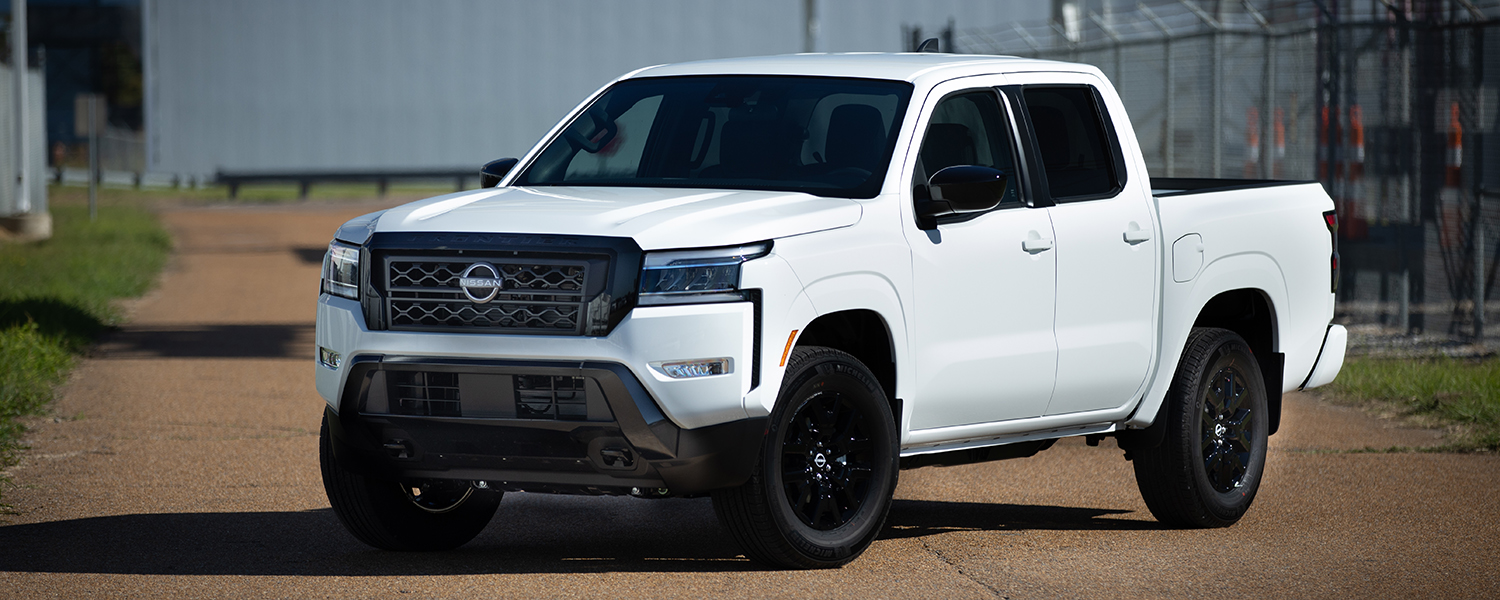
7. Nissan Frontier Pro-4X Crew Cab 4×4 3.8L V6 (2023)
The 2023 Nissan Frontier Pro-4X Crew Cab 4×4 is equipped with a 3.8-litre V6 engine that reflects a modern approach to powertrain development. This engine replaced the earlier 4.0-litre unit and introduced improved combustion control, updated fuel delivery methods, and enhanced emissions management systems.
These improvements have contributed to better fuel efficiency and more consistent compliance with emissions testing requirements during routine inspections. Central to the performance of this engine is its direct fuel injection system. Fuel is delivered into the combustion chamber at high pressure, with precise timing determined by the engine control unit.
This method allows fuel to mix more effectively with incoming air, leading to cleaner combustion. Accurate placement of fuel within the cylinder ensures that combustion occurs efficiently, reducing the presence of unburned hydrocarbons and limiting the formation of nitrogen oxides.
The engine is paired with a nine-speed automatic transmission, which provides a wider range of gear ratios compared to older transmission systems. This arrangement allows the engine to operate within its optimal efficiency range more frequently.
By maintaining appropriate engine speed across different driving conditions, fuel consumption is reduced, and emissions output remains controlled. Smooth transitions between gears also contribute to stable engine operation and reduced mechanical strain.
Monitoring of exhaust gases is carried out through a dual oxygen sensor system. Sensors located before and after the catalytic converter provide continuous feedback to the engine control unit. The upstream sensors assist in regulating the air-fuel mixture, ensuring that combustion remains balanced.
The downstream sensors evaluate the effectiveness of the catalytic converter by comparing the exhaust composition before and after treatment. This system allows early detection of reduced catalyst efficiency, prompting maintenance action before regulatory testing.
Variable valve timing is applied to both the intake and exhaust camshafts, allowing the engine to adjust valve operation based on driving conditions. This flexibility supports efficient combustion during low-speed driving and ensures adequate airflow during higher load conditions. By adapting valve timing in real time, the engine maintains consistent combustion quality across a wide range of operating situations.
Also Read: 8 Trucks Under $25,000 With Bulletproof Engines

8. Ford Maverick XLT FWD 2.5L Hybrid (2023)
The 2023 Ford Maverick XLT equipped with a 2.5-litre hybrid powertrain represents a modern approach to reducing vehicle emissions through the integration of electric and petrol propulsion systems. This configuration allows the vehicle to operate with reduced reliance on continuous combustion, resulting in lower exhaust output during everyday driving conditions.
At the core of the hybrid system is a 2.5-litre four-cylinder engine operating on the Atkinson combustion cycle. This cycle is designed to extract more usable energy from each combustion event by extending the expansion phase. As a result, fuel is utilised more efficiently, and fewer residual combustion by-products remain in the exhaust stream. This method contributes to lower emissions while maintaining steady engine operation.
Supporting the petrol engine is an electric motor powered by a battery system. During low-speed driving, particularly in urban environments, the electric motor can propel the vehicle without engaging the petrol engine. This mode of operation produces no tailpipe emissions during those periods, which is beneficial during stop-and-go traffic conditions where conventional engines tend to produce higher emissions per mile.
The hybrid system automatically determines when to use electric power, petrol power, or a combination of both. This coordination ensures that the petrol engine operates mainly during conditions where it can perform efficiently. By reducing the frequency of combustion events, the system lowers total emissions output while maintaining practical performance for daily use.
The catalytic converter in the Maverick Hybrid experiences reduced workload due to the lower volume of exhaust gases produced by the petrol engine. Since the engine does not operate continuously, the converter processes fewer combustion by-products. This reduced exposure helps maintain its efficiency for a longer period, supporting sustained emissions compliance throughout the vehicle’s service life.
Monitoring of emissions-related systems is handled through the onboard diagnostics framework. This system evaluates both the petrol engine components and the hybrid system interactions that affect emissions performance. Readiness monitors provide status updates that reflect whether all systems are functioning within acceptable limits.
Through the integration of efficient combustion technology, electric propulsion, and advanced monitoring systems, the 2023 Ford Maverick XLT Hybrid maintains low emissions output while delivering practical utility. Its design reflects a structured approach to meeting environmental standards without compromising everyday usability.
