
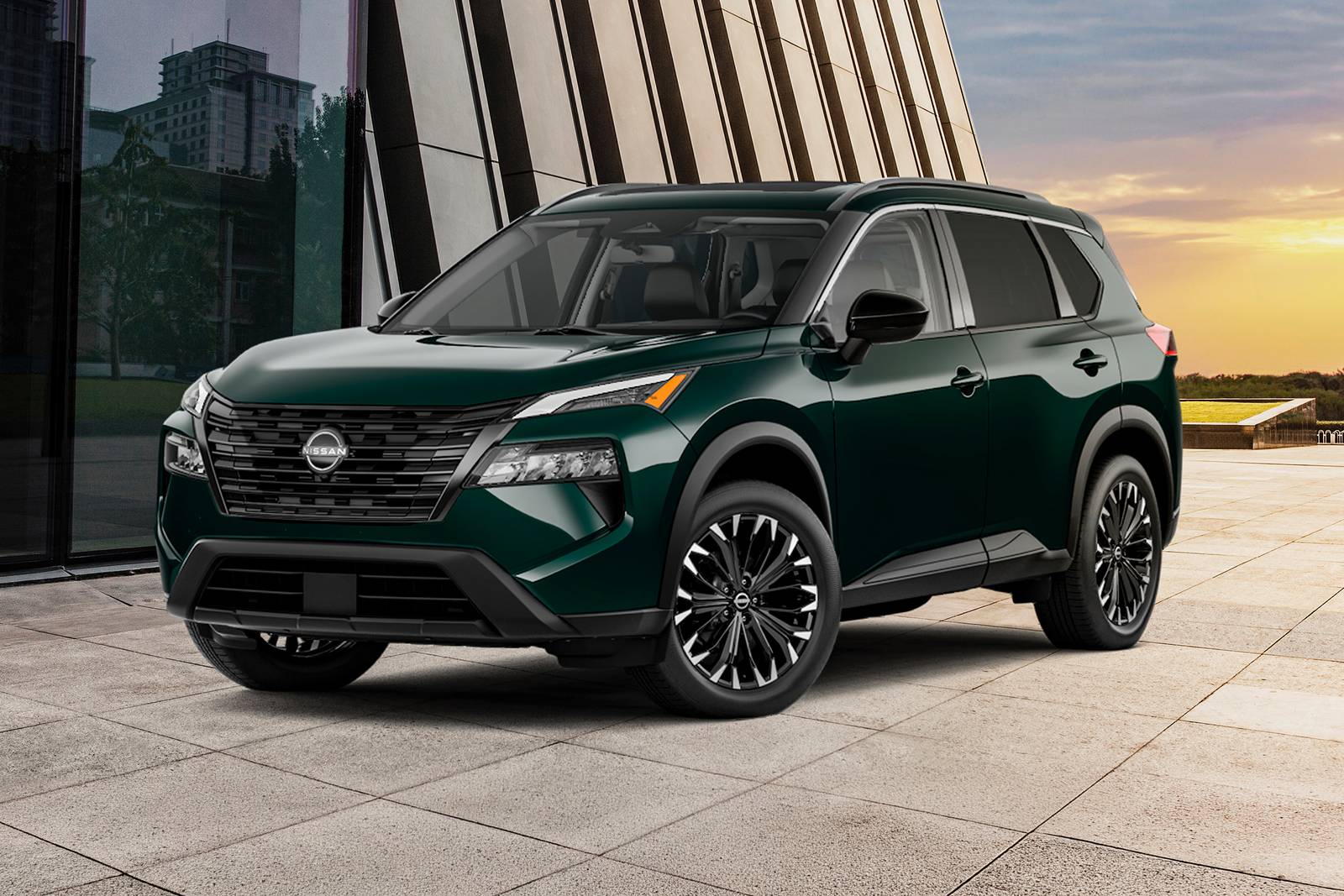
Longevity in a vehicle is not only about engines and transmissions. Exterior durability matters just as much, especially when repairs become necessary years down the line. Scratches, dents, and minor collisions are part of real-world driving, and replacing body panels should not feel like a difficult search. Some SUVs stand out because their parts remain widely available even decades after production.
Availability comes from several factors. High production numbers ensure a steady supply of used panels, while strong aftermarket support keeps new replacements in circulation. Vehicles that share components across multiple model years also benefit from extended parts compatibility. These traits make repairs more manageable and cost-effective.
Owners who plan to keep a vehicle for the long term often prioritize this aspect. A reliable SUV loses its appeal if simple repairs require rare or expensive components. Being able to source doors, fenders, and bumpers without delay keeps the vehicle practical and easier to maintain.
Each SUV in this list has proven its staying power through continued parts availability. These models remain visible on roads, in salvage yards, and across parts suppliers. Their widespread presence ensures that body panels are still within reach even after twenty years.
This guide highlights ten SUVs that continue to offer accessible replacement panels. Each example shows how design, popularity, and production scale contribute to long-term usability. Choosing one of these vehicles means fewer obstacles when repairs become necessary.
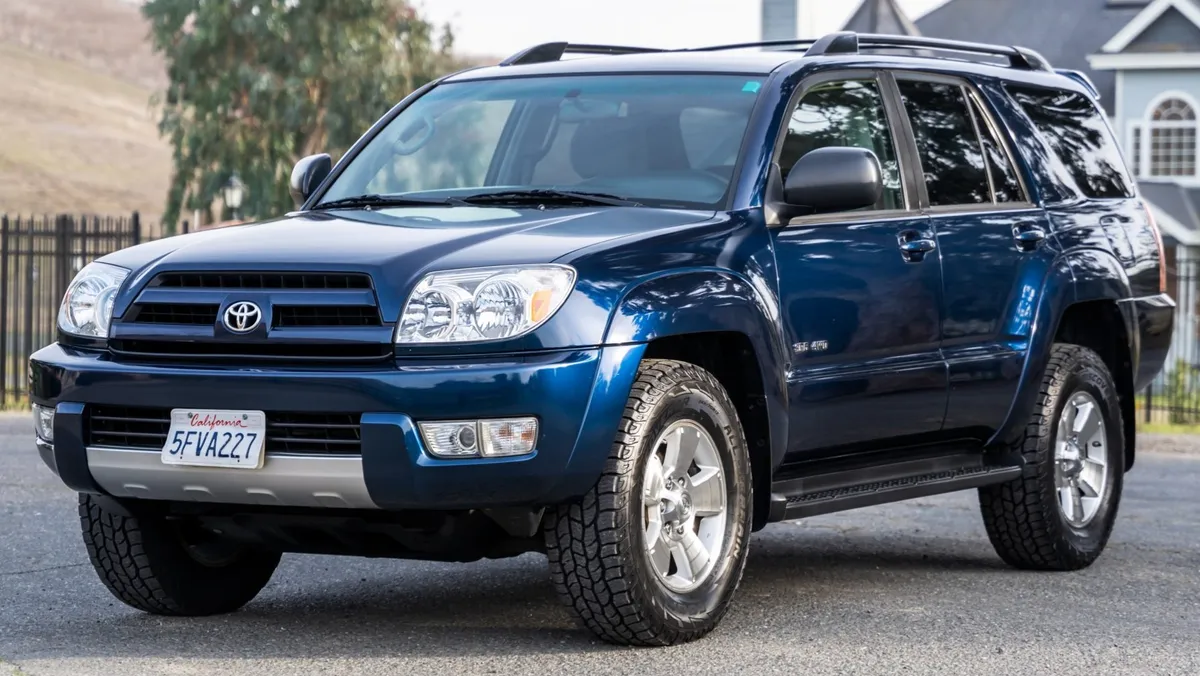
1. 2004 Toyota 4Runner SR5
Durability and widespread popularity define the 2004 Toyota 4Runner SR5. Production numbers were strong, and the model maintained a consistent design across several years. That continuity allows body panels to remain interchangeable, which keeps supply steady even decades later. Salvage yards frequently stock these SUVs, making it easier to locate doors, hoods, and quarter panels without extensive searching.
A practical advantage appears in how Toyota approached panel construction. Straightforward mounting points allow panels to be removed and replaced without specialized procedures. This simplicity encourages reuse, which keeps secondhand parts circulating in the market. Owners benefit from a system that supports both professional repairs and independent work.
Consistency in design contributes to long-term availability. The 4Runner did not undergo drastic styling changes during this generation, which means parts from different model years often fit without modification. This compatibility expands the pool of available components, reducing reliance on rare or discontinued items.
Aftermarket manufacturers continue to support this SUV. Replacement bumpers, fenders, and trim pieces remain widely produced. These options provide alternatives when original parts are difficult to find, ensuring that repairs remain accessible.
A strong enthusiast community also plays a role. Owners share resources, trade parts, and maintain inventories that support long-term upkeep. This network adds another layer of accessibility, making it easier to locate specific components.
Repair costs remain manageable due to this availability. Instead of waiting for rare parts, owners can choose from multiple sources, balancing cost and quality. This flexibility supports continued use of the vehicle. Choosing a 2004 Toyota 4Runner SR5 offers confidence in long-term repairability. Its widespread presence and consistent design ensure that body panels remain within reach, even after many years of service.
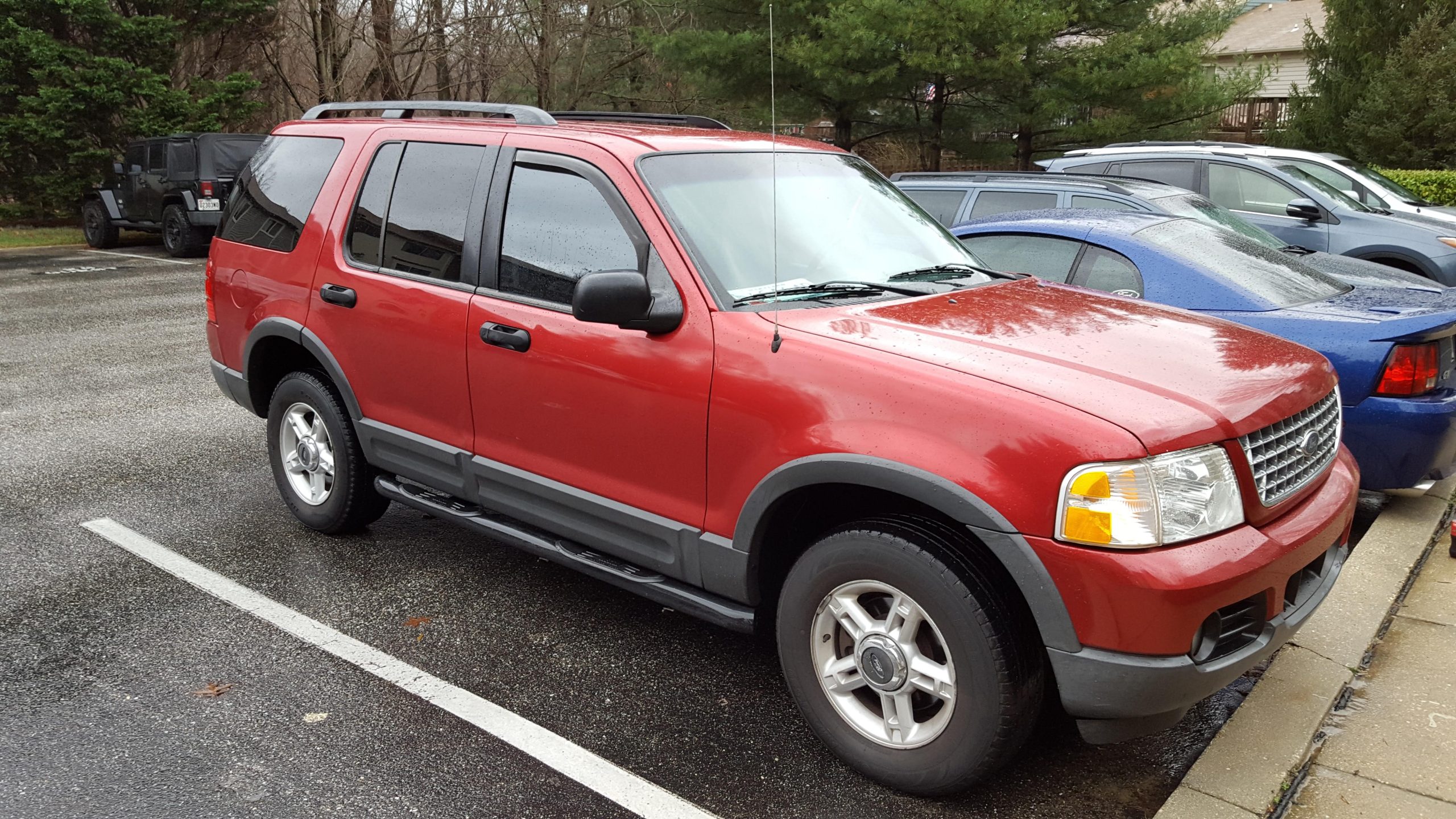
2. 2003 Ford Explorer XLT
Mass production defines the 2003 Ford Explorer XLT, and that scale continues to influence parts availability today. Large numbers of these SUVs were sold, creating a steady supply of both new and used body panels. This widespread presence ensures that replacement parts remain easy to find across different markets.
Panel design emphasizes practicality. Components such as doors and fenders are designed for straightforward replacement, which supports efficient repairs. This approach encourages reuse, allowing salvage yards to maintain a steady inventory of usable parts.
Compatibility across model years strengthens availability. Ford maintained similar dimensions and mounting points throughout this generation, allowing parts from nearby years to fit with minimal adjustment. This compatibility expands sourcing options for owners.
Aftermarket support remains strong. Manufacturers continue producing replacement panels, including bumpers and body trim. These parts provide reliable alternatives when original components are no longer available. Repair accessibility benefits from the Explorer’s popularity. Mechanics are familiar with its construction, and parts suppliers stock components regularly. This familiarity reduces downtime during repairs.
The condition of available parts varies, yet the volume ensures choice. Buyers can select panels based on quality and price, balancing cost with durability. This flexibility supports different repair approaches. Ownership remains practical due to this availability. A vehicle that can be repaired easily retains its usefulness for longer periods. The Explorer continues to meet this expectation.
Selecting a 2003 Ford Explorer XLT assures that body panels will remain accessible. Its production scale and consistent design keep parts circulating, making repairs straightforward even after two decades.
Also Read: 8 SUVs That Hold Up to Three Kids and a Dog for 10 Years
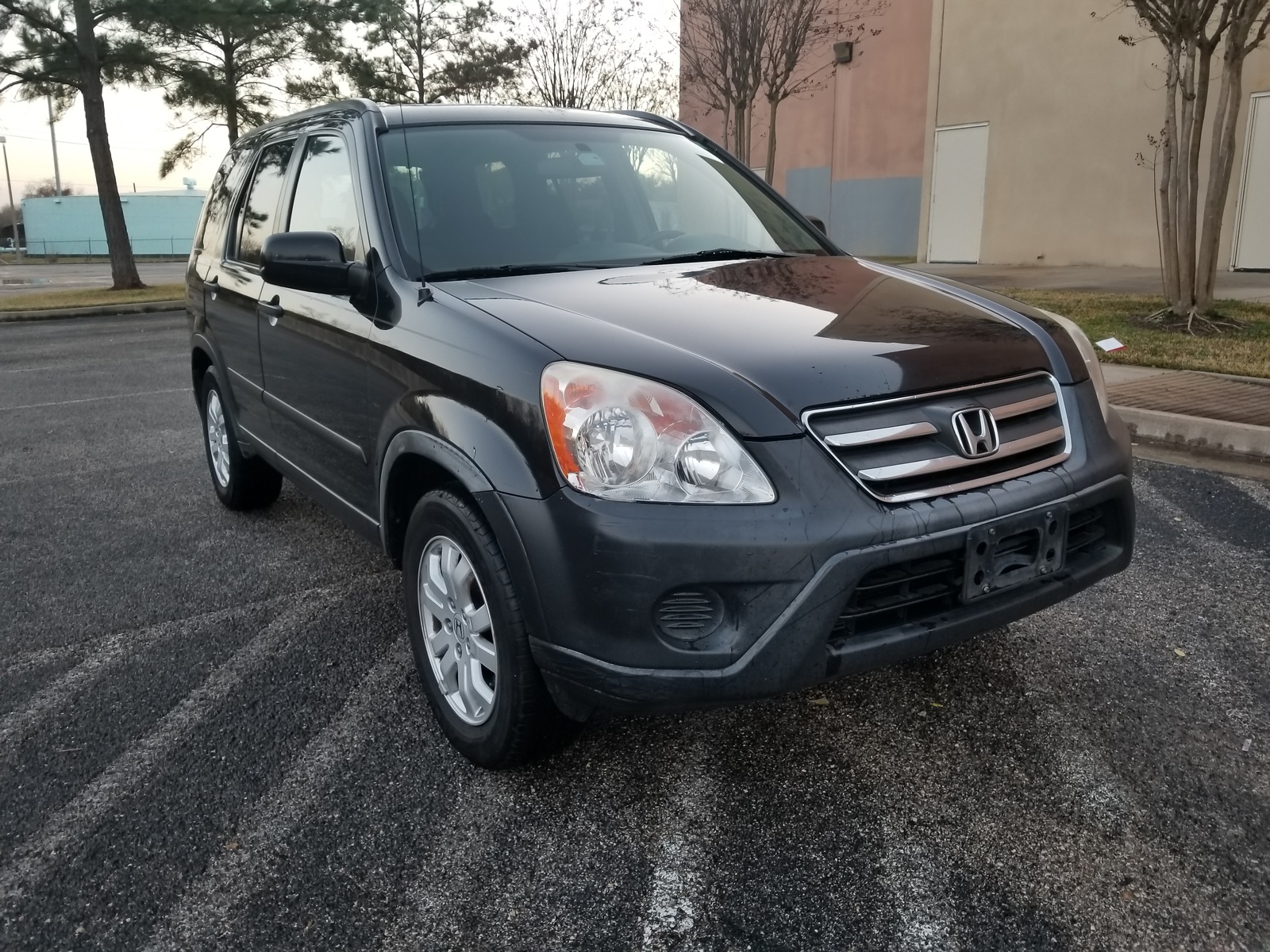
3. 2005 Honda CR-V EX
Reliability and steady demand define the 2005 Honda CR-V EX. This compact SUV gained widespread acceptance, which contributed to a strong parts ecosystem. Body panels remain accessible due to continued interest from both owners and parts suppliers.
Design simplicity plays an important role. Panels are shaped for easy alignment, reducing the complication of replacement. This encourages reuse and keeps secondhand parts in circulation. Salvage yards frequently carry CR-V components, ensuring availability.
Compatibility across production years enhances sourcing options. Honda maintained similar exterior dimensions during this generation, allowing parts from adjacent years to fit without major adjustments. This consistency supports long-term repairability.
Aftermarket manufacturers contribute additional supply. Replacement fenders, bumpers, and doors are widely available, offering alternatives to original parts. These options help maintain affordability. Compact size also influences availability. Smaller panels are easier to store and transport, which encourages suppliers to keep them in stock. This practical advantage ensures continued circulation.
Community support strengthens access to parts. Owners share information and trade components, creating a network that supports long-term ownership. This collaboration helps locate rare items when needed. Repair costs remain reasonable due to the variety of options. Buyers can choose between original and aftermarket parts, balancing quality and price.
Owning a 2005 Honda CR-V EX provides confidence in repair accessibility. Its popularity and consistent design ensure that body panels remain easy to find, supporting continued use as time goes on.
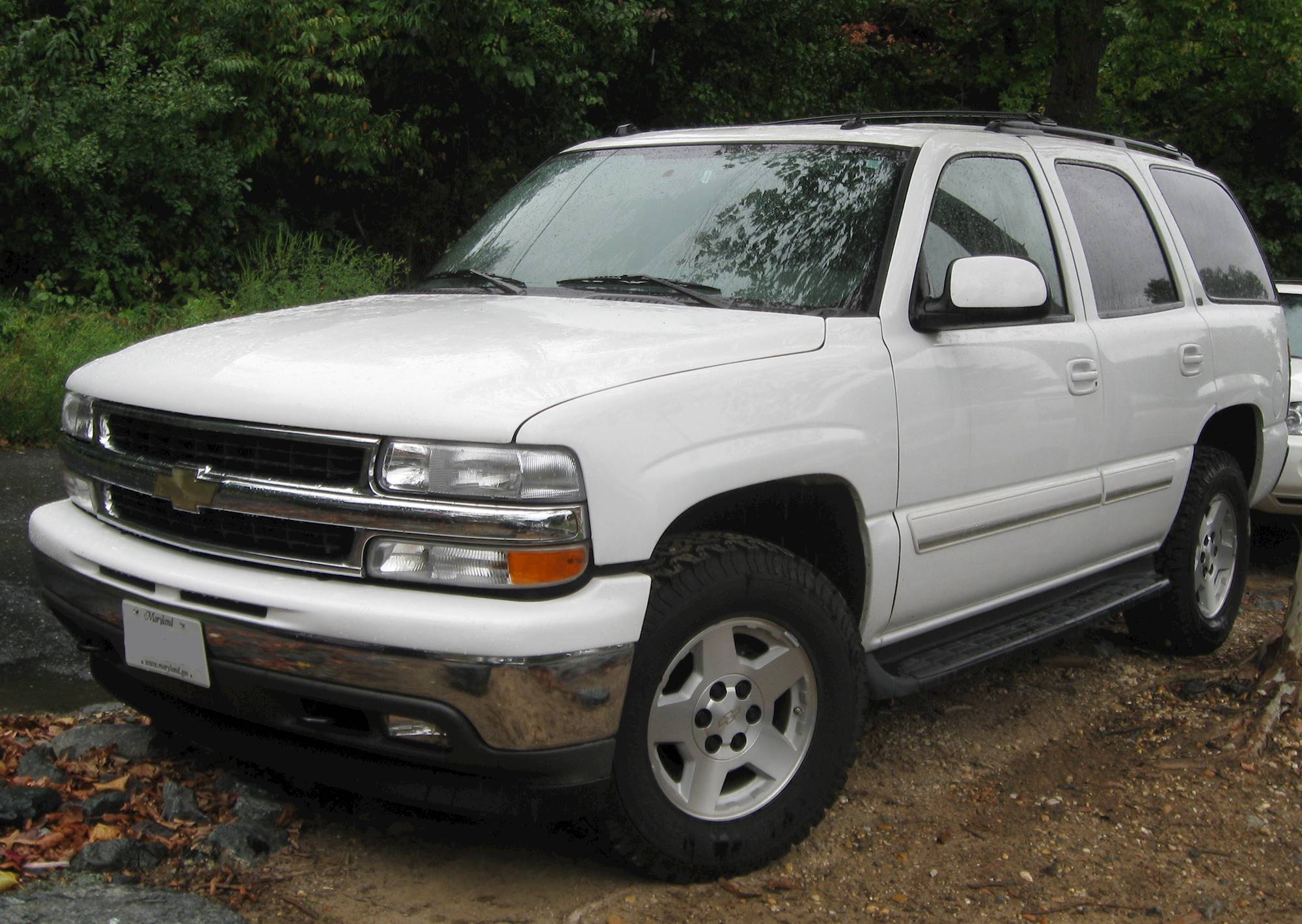
4. 2002 Chevrolet Tahoe LS
The 2002 Chevrolet Tahoe LS presents a compelling case for long-term ownership due to its strong presence in the automotive market and the continued accessibility of replacement body panels. Built during a period when General Motors emphasized platform sharing and production scale, this full-size sport utility vehicle benefits from a wide distribution of compatible parts across several related models.
As a result, owners seeking to maintain or restore the exterior structure of the vehicle are rarely faced with difficulty in sourcing necessary components. A major strength of this model lies in the interchangeability of its body panels. Components such as doors, front fenders, and rear quarter panels often align with those used in comparable GMC models produced within the same timeframe.
This shared engineering approach expands the pool of available parts considerably. Rather than being restricted to a single model line, owners can draw from a broader network of compatible vehicles, thereby improving the chances of locating suitable replacements without delay.
Attention must also be given to the construction philosophy applied to the Tahoe LS. Body panels were designed with durability and serviceability in mind, allowing for relatively straightforward removal and installation. This practical design encourages dismantlers to recover usable panels during vehicle disassembly, which in turn supports a consistent flow of secondhand parts into the market.
Such circulation ensures that even older units continue to serve as viable sources of replacement components. Aftermarket support remains another important factor. Manufacturers continue to produce replacement panels for this model, including bumpers, tailgates, and exterior trim elements.
These newly manufactured parts provide an alternative to original components, offering flexibility in terms of cost and condition. Owners are therefore able to choose between used and new options depending on their preferences and repair requirements.
Salvage yards across various regions frequently stock Tahoe components due to the vehicle’s enduring popularity. This availability reduces the time and effort required to locate specific panels. Buyers are often presented with multiple choices, enabling them to assess condition and pricing before making a decision.
While the size of the vehicle may influence repair costs, particularly for larger panels, the abundance of available parts ensures that options remain within reach. The continued presence of this model on the road contributes to an ongoing cycle of supply through resale and dismantling.
Selecting a 2002 Chevrolet Tahoe LS assures that exterior repairs can be managed efficiently. Its shared components, practical construction, and sustained market demand combine to support reliable access to body panels even after many years of use.
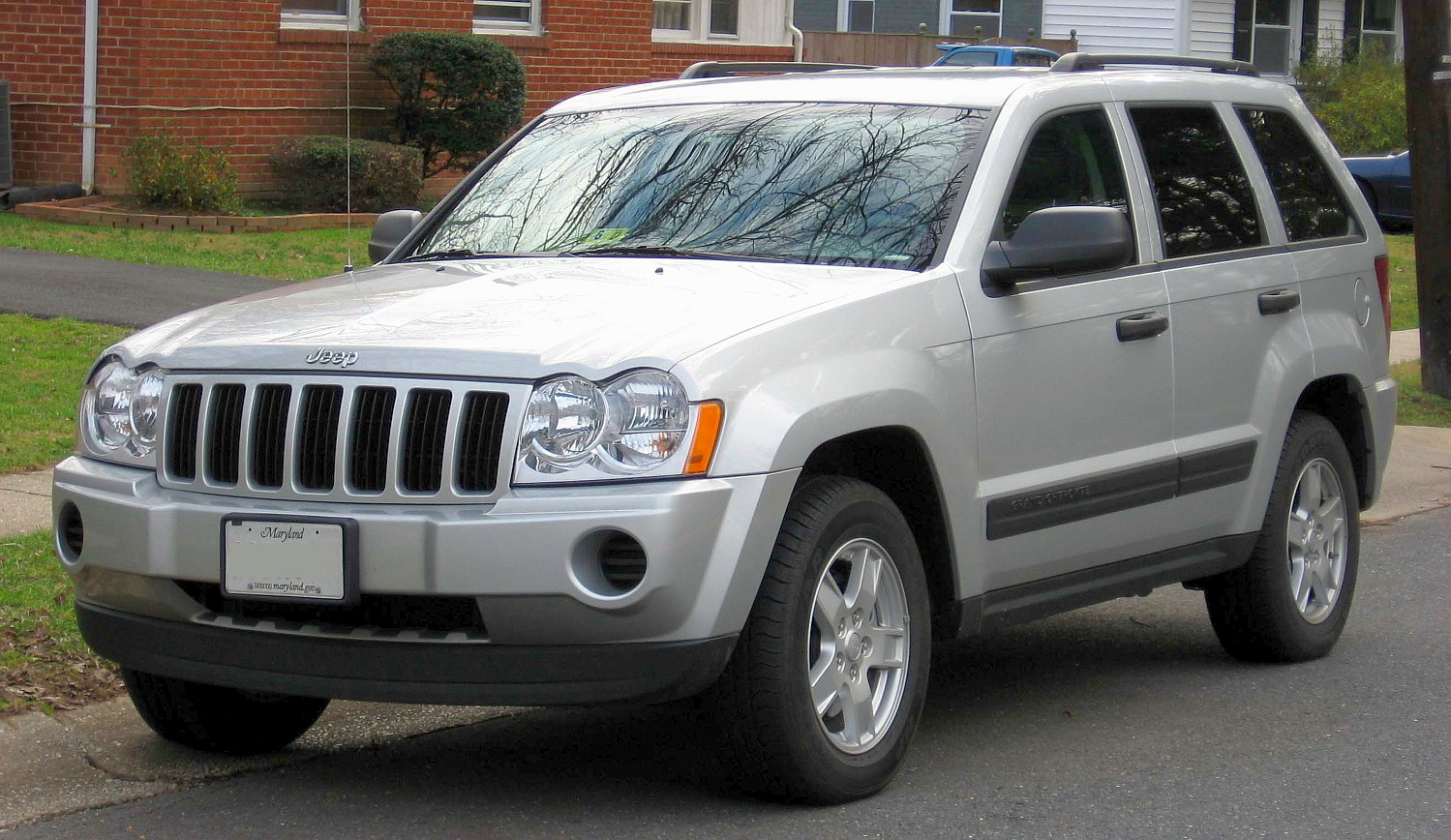
5. 2006 Jeep Grand Cherokee Laredo
The 2006 Jeep Grand Cherokee Laredo stands as a well-established example of a sport utility vehicle that continues to benefit from consistent parts availability long after its initial production period. Its widespread adoption and enduring appeal have contributed to a strong and active market for replacement body panels, making it a practical choice for owners who value ease of repair.
Construction methods applied to the Grand Cherokee Laredo emphasize both durability and serviceability. Body panels are engineered for straightforward removal and installation, enabling efficient repair work. This practicality encourages dismantlers to salvage usable components, thereby maintaining a steady flow of parts within the secondary market.
Salvage facilities frequently stock these panels, reflecting the vehicle’s continued presence and demand. Aftermarket manufacturers also play a vital role in sustaining availability. Replacement panels, including bumpers, fenders, and doors, are widely produced and distributed.
These options provide an effective alternative to original equipment, allowing owners to select parts that align with their budget and quality expectations. The presence of both original and aftermarket components ensures that repairs remain feasible under varying circumstances.
Usage patterns associated with this vehicle further reinforce parts circulation. The Grand Cherokee Laredo is commonly utilized in both urban and off-road environments, which naturally increases the likelihood of exterior wear or damage. This demand for replacement panels encourages suppliers to maintain inventory, thereby supporting continued access for current owners.
Community engagement adds another dimension to parts availability. Enthusiasts and long-term owners often exchange information, trade components, and maintain networks dedicated to preserving these vehicles. Such collaboration enhances the ability to locate specific panels, particularly those that may be less common in standard supply channels.
Flexibility in sourcing allows owners to balance cost and quality when undertaking repairs. Whether selecting a used panel from a salvage yard or opting for a newly manufactured replacement, the range of available options supports informed decision-making.
Choosing a 2006 Jeep Grand Cherokee Laredo offers confidence in sustained repairability. Its consistent design, widespread production, and active support network ensure that body panels remain accessible, allowing the vehicle to remain functional and presentable even after many years of service.
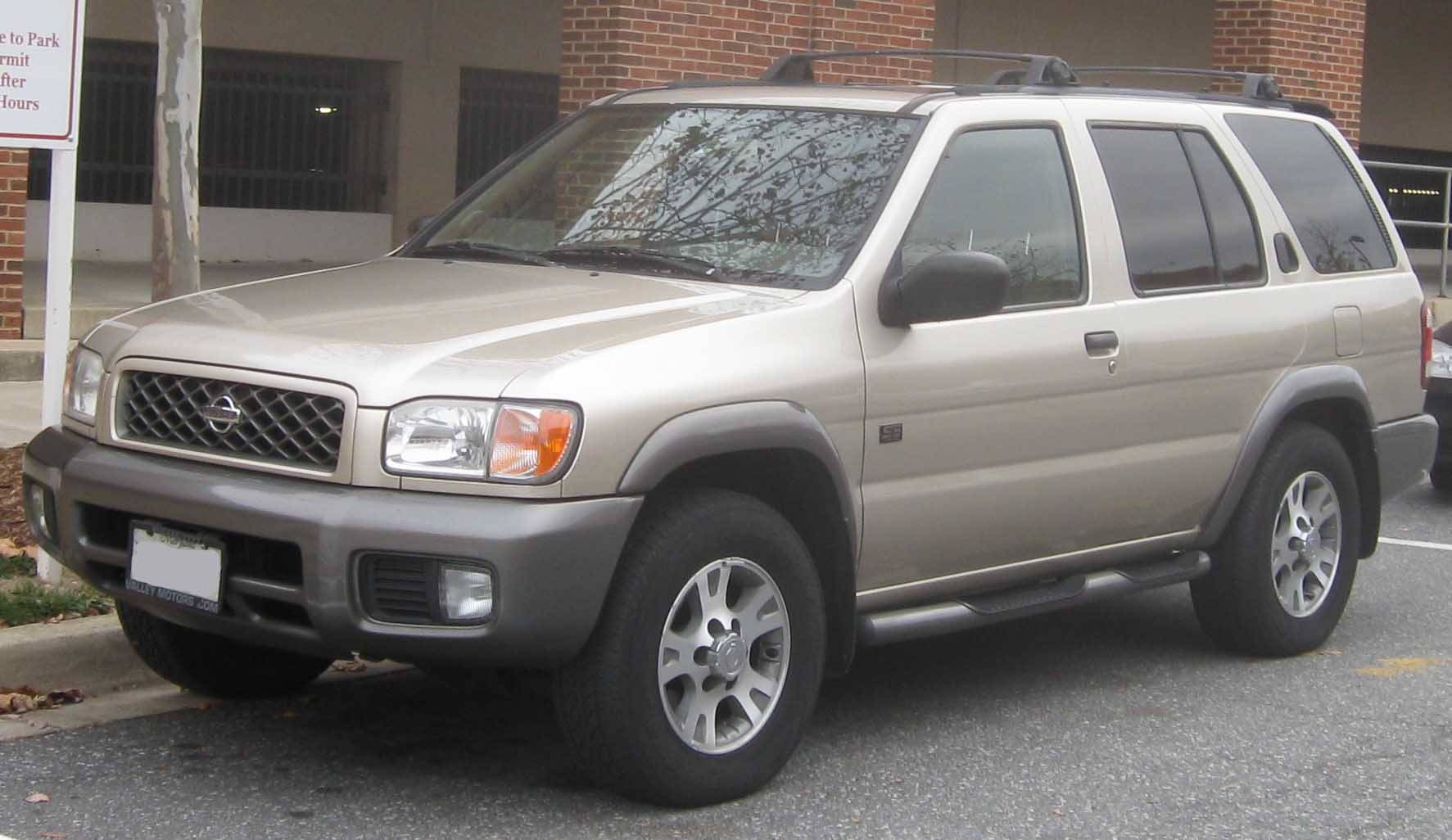
6. 2001 Nissan Pathfinder LE
Longevity in parts availability often begins with steady production and consistent design, both of which define the 2001 Nissan Pathfinder LE. This SUV earned a reputation for durability during its time, and that same widespread adoption continues to support a strong supply of body panels today.
Owners searching for replacement doors, fenders, or tailgates rarely face long delays because the model remains common in salvage networks and parts inventories. A closer look at construction reveals why panels remain easy to source.
Nissan used straightforward mounting systems that allow components to be removed without specialized procedures. This encourages reuse, since dismantlers can recover panels in good condition without damaging surrounding structures. As a result, secondhand parts maintain a steady presence in the market.
Design continuity adds another layer of convenience. Exterior dimensions and panel shapes remained consistent across nearby model years, allowing interchangeability with minimal adjustment. This compatibility expands sourcing options, giving owners access to a broader range of parts rather than limiting them to a single production year.
Aftermarket support reinforces availability. Replacement panels continue to be manufactured, especially for high-demand components such as bumpers and front fenders. These options provide an alternative when original parts are unavailable or priced higher than expected. Buyers benefit from flexibility, choosing between used and newly produced components based on their needs.
Repair practicality remains a strong point. Mechanics are familiar with the Pathfinder’s structure, which reduces labor time during panel replacement. This familiarity also encourages continued servicing, keeping the vehicle relevant even as newer models enter the market.
Ownership experience reflects these advantages. A vehicle that can be repaired without difficulty remains useful for longer periods, and the Pathfinder continues to meet that expectation. Parts availability supports ongoing use rather than forcing premature replacement.
Selecting a 2001 Nissan Pathfinder LE offers reassurance that body panels will remain within reach. Its production scale, combined with consistent design and aftermarket backing, ensures that repairs stay manageable even after two decades of service.
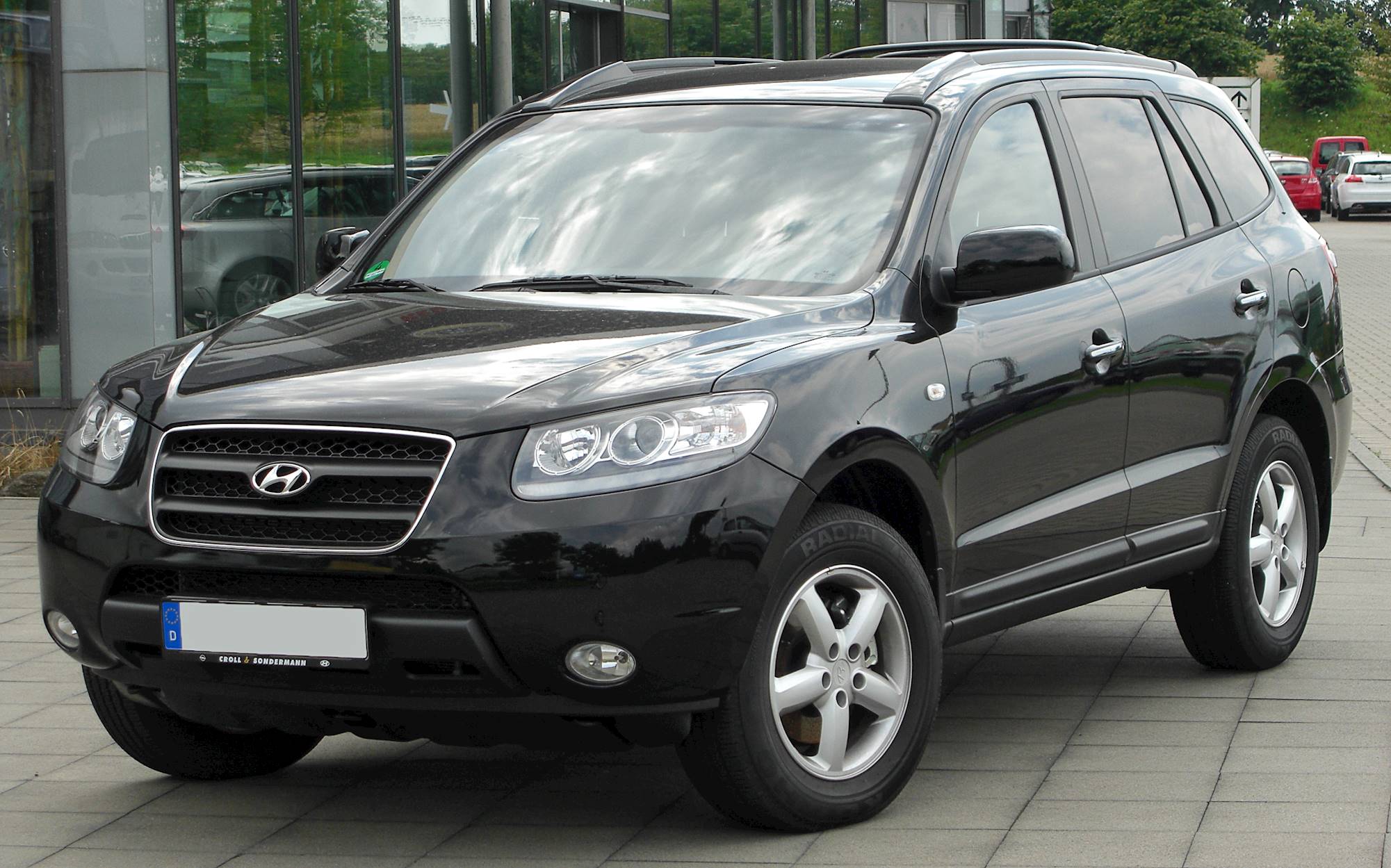
7. 2007 Hyundai Santa Fe GLS
Practical design and growing popularity helped the 2007 Hyundai Santa Fe GLS establish a strong foundation for long-term parts availability. During its production years, this model reached a wide audience, which created a lasting supply of components that continues to benefit owners today.
Panel accessibility begins with thoughtful engineering. Hyundai designed exterior components with ease of replacement in mind, allowing panels to be removed and installed without unnecessary complication. This straightforward approach supports both professional repairs and independent work, keeping parts in circulation.
Production volume plays a major role. A large number of these SUVs remain on the road, while others contribute to salvage inventories. This steady turnover ensures that used panels remain available, offering cost-effective solutions for repairs.
Compatibility across similar models expands sourcing options. Certain components share dimensions with related Hyundai vehicles from the same era, increasing the likelihood of finding matching parts. This shared design reduces the risk of shortages.
Aftermarket manufacturers continue to support the Santa Fe. Replacement bumpers, doors, and trim pieces are widely produced, ensuring that repairs remain accessible even when original parts become scarce. These alternatives provide flexibility for owners managing repair costs.
Interior and exterior durability contribute to continued use. Vehicles that remain functional are more likely to stay in circulation, which in turn sustains parts availability. This cycle benefits current and future owners. Repair costs remain reasonable due to the variety of sources. Buyers can select panels based on condition and price, balancing affordability with quality.
This flexibility supports long-term ownership without excessive expense. Choosing a 2007 Hyundai Santa Fe GLS provides confidence in repair accessibility. Its widespread presence and continued support ensure that body panels remain easy to find, making it a practical option for those planning extended use.
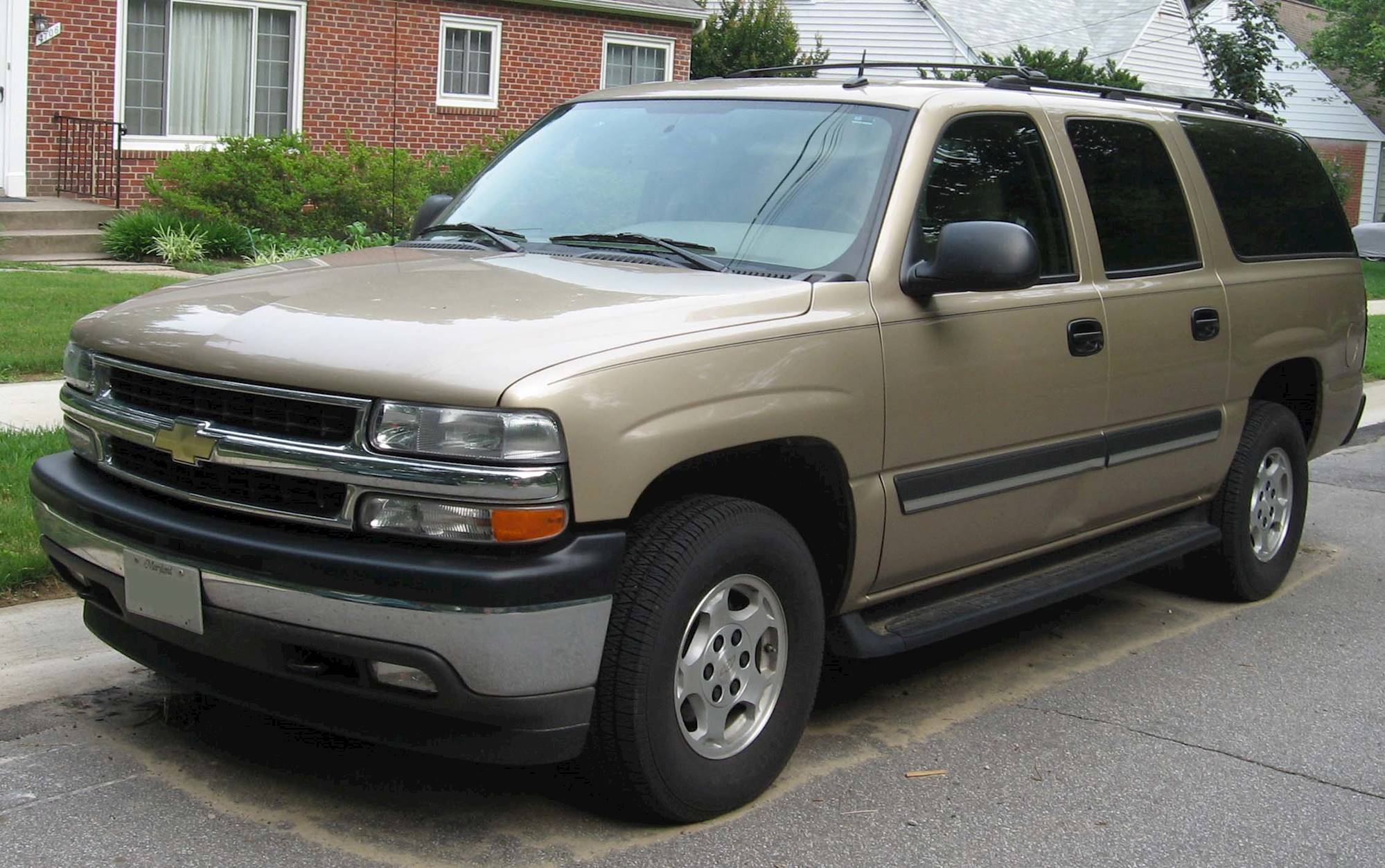
8. 2000 Chevrolet Suburban 1500 LS
Large-scale production and shared engineering define the 2000 Chevrolet Suburban 1500 LS. This full-size SUV benefits from extensive parts compatibility within General Motors’ lineup, which greatly enhances the availability of body panels even after many years.
Interchangeability stands out immediately. Panels from related models, such as the Tahoe and certain GMC counterparts, often fit without modification. This shared platform increases the pool of available components, making it easier to locate replacements.
Construction emphasizes durability and practicality. Panels are designed for straightforward removal, allowing dismantlers to recover parts efficiently. This ease of access keeps salvage inventories well stocked, ensuring continued availability.
Aftermarket production remains active. Replacement panels, including large components such as doors and quarter panels, are still manufactured due to ongoing demand. These options provide alternatives when original parts are difficult to source.
Size influences both cost and availability. Larger panels may require more effort to transport, yet the high volume of these vehicles ensures that supply remains steady. Buyers can choose between used and new components depending on their preferences.
Widespread use contributes to long-term support. Vehicles that remain common on the road continue to generate demand for parts, which encourages suppliers to maintain inventory. This cycle benefits owners seeking replacements. Repair accessibility remains strong.
Mechanics are familiar with the Suburban’s construction, which reduces labor time and supports efficient servicing. This familiarity adds to the vehicle’s practicality. Selecting a 2000 Chevrolet Suburban 1500 LS ensures access to a broad range of body panels. Its shared components and high production numbers keep parts circulating, making repairs manageable even after two decades.
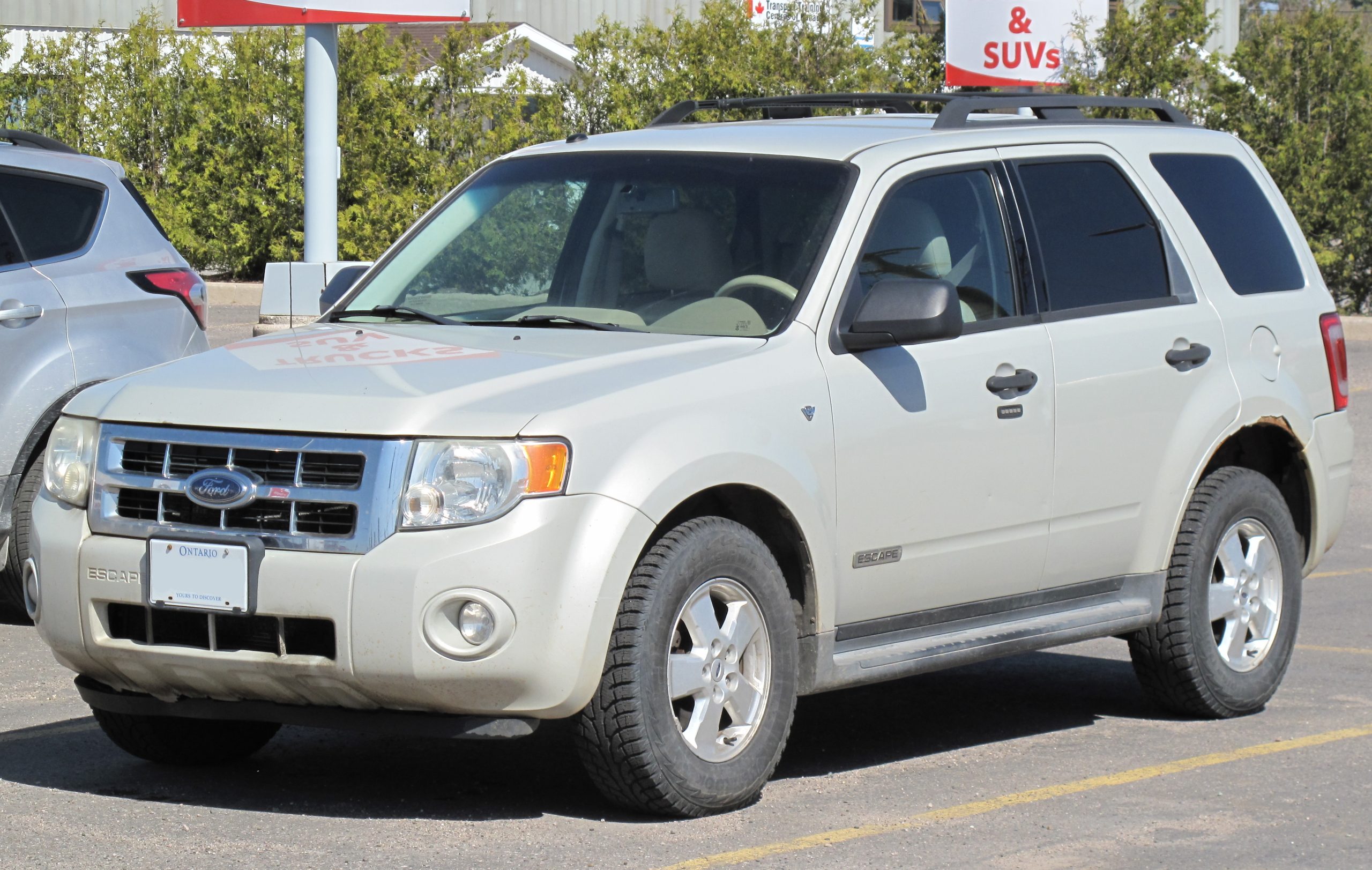
9. 2008 Ford Escape XLT
Compact design and widespread appeal define the 2008 Ford Escape XLT. This SUV reached a broad audience, and its continued presence on the road supports a strong supply of replacement body panels. Owners benefit from a model that remains easy to repair long after its initial release.
Panel design focuses on simplicity. Components such as fenders and doors are shaped for easy alignment, reducing the complication of replacement. This encourages reuse, keeping secondhand parts available in salvage markets. Production volume ensures a steady supply. Large numbers of Escapes were sold, and many continue to contribute to parts inventories.
This availability reduces the time required to locate specific components. Compatibility across model years adds flexibility. Ford maintained similar dimensions during this generation, allowing panels from nearby years to fit with minimal adjustment.
This expands sourcing options for owners. Aftermarket support remains strong. Replacement panels are widely produced, providing alternatives to original components. These options help maintain affordability and ensure continued access to parts.
Repair costs benefit from this availability. Buyers can choose between used and new panels, balancing price and condition. This flexibility supports different repair strategies. Community involvement enhances access. Owners and enthusiasts share resources and information, helping locate parts when needed. This network adds another layer of support.
Choosing a 2008 Ford Escape XLT offers confidence in long-term repairability. Its popularity and consistent design ensure that body panels remain accessible, supporting continued use without unnecessary difficulty.
Also Read: 9 SUVs Under $20,000 That Will Hit 300,000 Miles
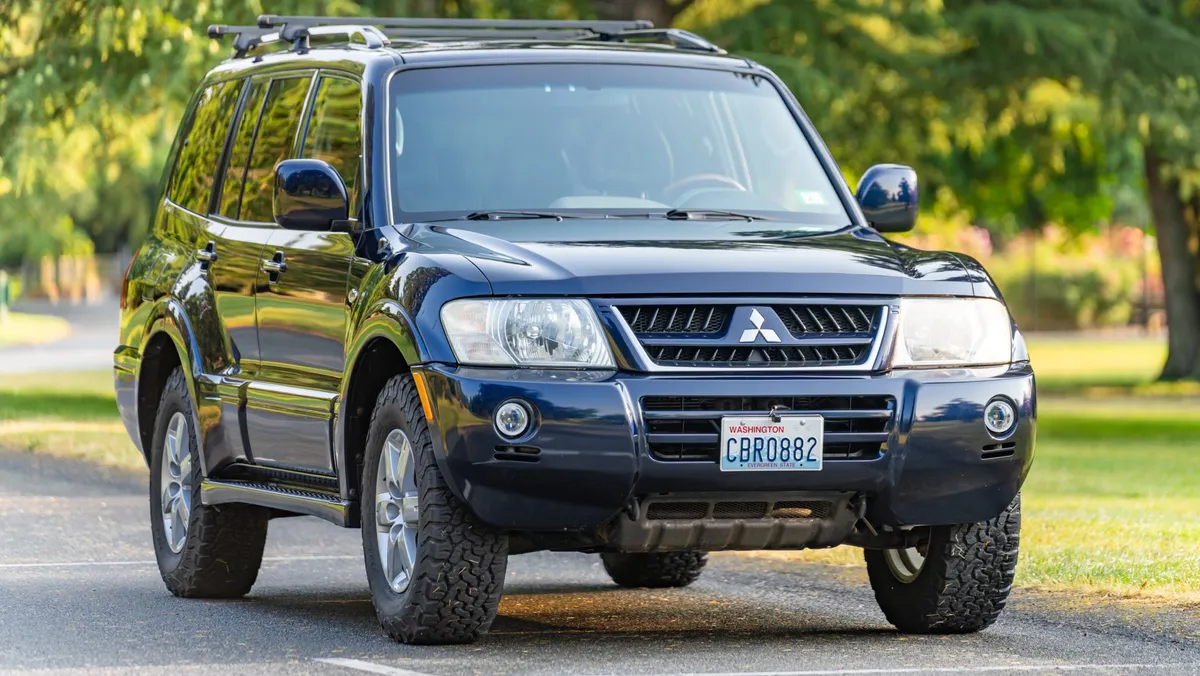
10. 2003 Mitsubishi Montero Limited
Durability and global presence define the 2003 Mitsubishi Montero Limited. While less common than some competitors, this SUV benefits from international production and continued demand, which supports the availability of body panels even after many years.
Global distribution plays a major role. The Montero was sold in multiple markets under different names, increasing the entire supply of parts. This widespread presence ensures that components remain accessible through various channels.
Construction supports practical repairs. Panels are designed for durability and ease of removal, allowing dismantlers to recover usable parts efficiently. This contributes to a steady supply in salvage markets. Compatibility across international models expands sourcing options.
Parts from vehicles sold in different regions often fit without modification, providing additional flexibility for owners seeking replacements. Aftermarket production continues to support this SUV. Replacement panels remain available for common components, ensuring that repairs can be completed without relying solely on original parts.
Repair considerations may involve sourcing from multiple locations, yet availability remains consistent due to global demand. This approach provides options even when local supply is limited. Ownership experience reflects these advantages. A vehicle supported by international markets benefits from a broader parts network, which enhances long-term usability.
Selecting a 2003 Mitsubishi Montero Limited offers a practical solution for those seeking durable body panel availability. Its global presence and continued support ensure that repairs remain achievable, even after two decades of service.
