
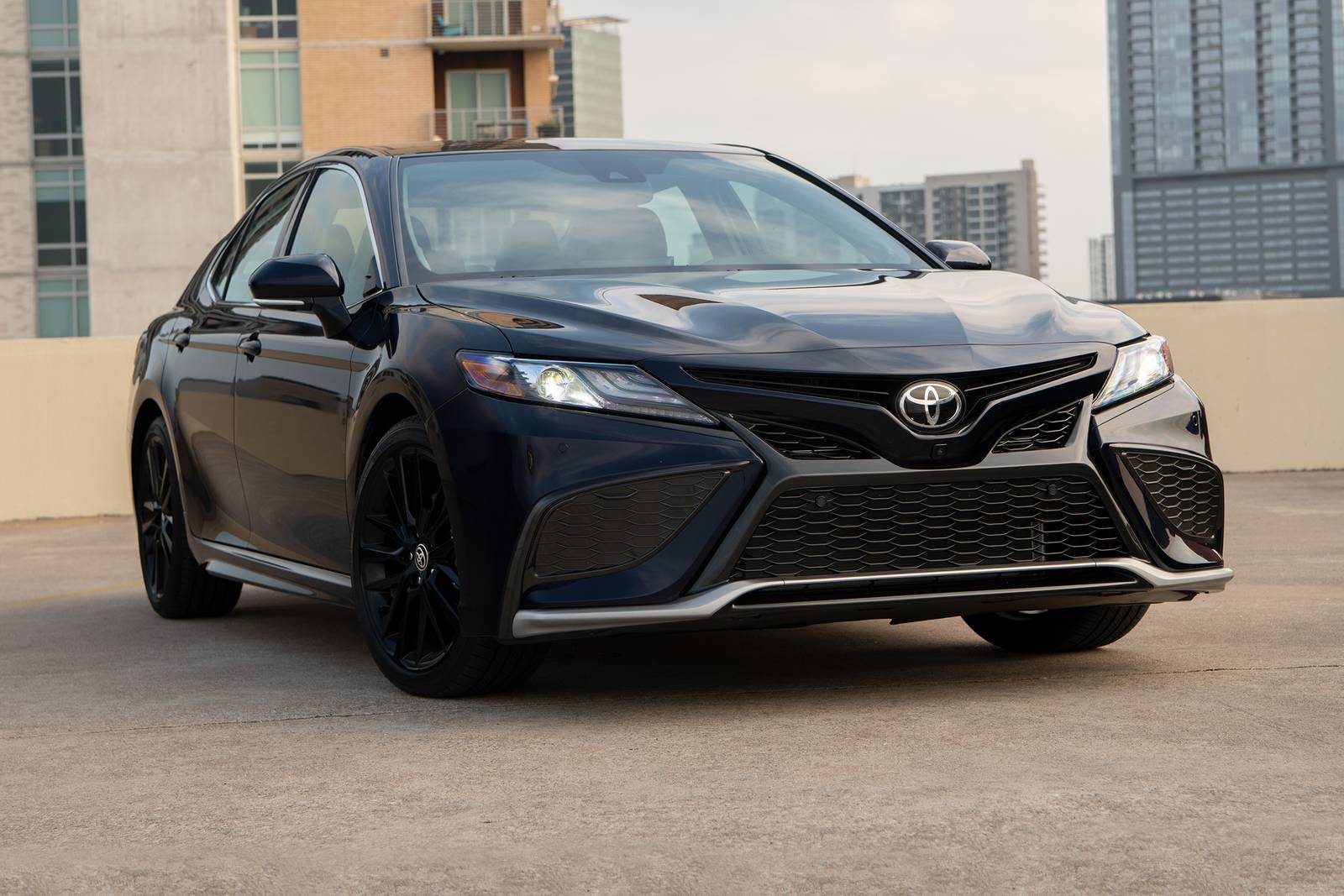
Choosing a vehicle often involves more than exterior appearance or the latest digital features. Confidence plays a central role in the decision, even if buyers do not always express it openly. Confidence that the engine will run without hesitation each morning. Confidence that dashboard alerts will remain silent.
Confidence that unexpected repair costs will not arrive before monthly payments feels less burdensome. This sense of assurance is what distinguishes an ordinary vehicle from one that builds lasting owner loyalty. Many drivers now seek straightforward transportation.
A vehicle that performs its role without constant supervision or anxiety. No sudden breakdowns. No premature failures of major components. Just scheduled maintenance and dependable operation year after year. Vehicles capable of reaching 100,000 miles without a single repair tend to follow similar principles.
Their designs favor restraint rather than experimentation. Their engines and transmissions are based on long-established layouts. Materials are selected for endurance instead of visual novelty. These manufacturers prioritize refinement and testing rather than rushing unproven ideas into production.
This page highlights ten vehicles that have earned respect through dependable real-world use. These models are commonly driven for extended periods with little more than routine upkeep. Owners often report replacing only standard wear items such as brake pads, tires, filters, and fluids. When maintained according to factory guidelines, each vehicle has shown the ability to accumulate high mileage without mechanical disruption.
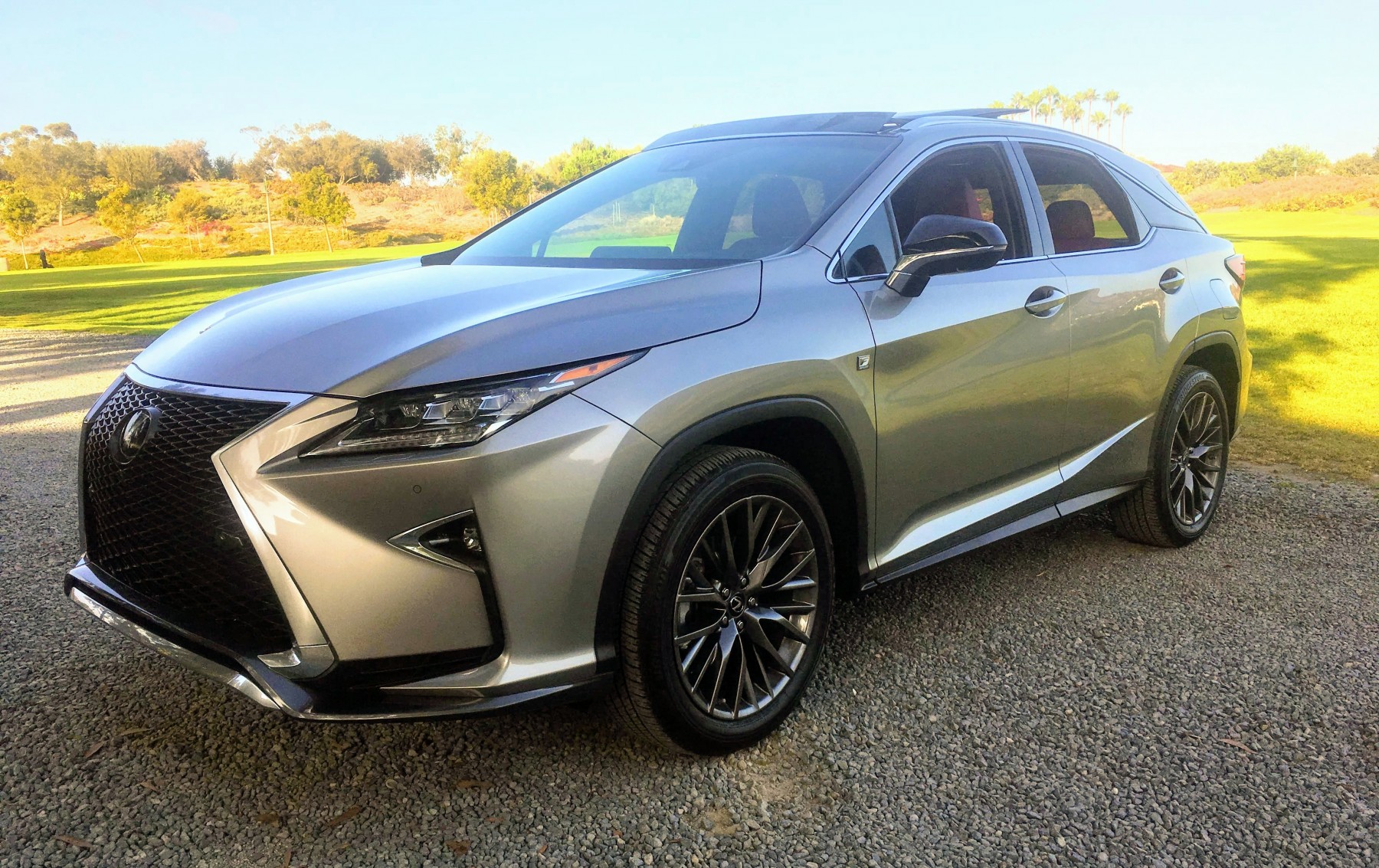
1. Lexus RX 350 FWD
Luxury vehicles often attract concern about long-term ownership stability, yet the Lexus RX 350 FWD demonstrates how disciplined mechanical planning can support comfort without sacrificing endurance. This model relies on a naturally aspirated V6 engine that delivers power in a linear and measured manner.
By avoiding turbocharging hardware, the engine operates under moderate internal pressure levels, which helps preserve pistons, valves, and bearings during extended use. Heat generation remains controlled, reducing stress on gaskets and seals that tend to fail early in more aggressively tuned engines.
Thermal management plays a central role in the RX 350 design philosophy. The cooling system circulates coolant efficiently across the engine block and cylinder heads, maintaining consistent operating temperatures during city driving, highway cruising, and prolonged idle periods.
Oil delivery channels remain unobstructed, ensuring that lubrication reaches all moving parts without interruption. These conditions help oil retain its protective qualities for longer periods, allowing owners to follow standard service intervals without fear of accelerated degradation.
The automatic transmission complements the engine’s calm character. Gear changes occur smoothly, with programming that avoids abrupt engagement. This approach reduces shock loads within the gearbox, allowing clutches and internal gears to wear at a predictable pace. Many RX 350 units accumulate high mileage without requiring a transmission overhaul, reflecting the benefits of restrained calibration.
Ride comfort does not rely on excessive softness. Suspension components strike a balance that absorbs road imperfections while maintaining structural discipline. Bushings, control arms, and dampers age evenly, reducing the likelihood of early replacement. Steering hardware retains a consistent response, helping the vehicle track straight and limiting uneven tire wear that often signals alignment issues.
Inside the cabin, durability remains evident. Seat frames, adjustment motors, and upholstery materials resist fatigue even with frequent use. Climate control systems maintain stable performance, and infotainment hardware functions without recurring electronic faults. Switchgear and trim materials show resistance to cracking or peeling, supporting long-term cabin quality.
Ownership records frequently emphasize routine servicing rather than corrective repairs. Oil changes, brake service, and scheduled inspections dominate maintenance logs. Reports of early mechanical failure appear infrequently, reinforcing confidence among drivers who prioritize reliability alongside refinement.
This generation of the RX 350 illustrates how careful engineering choices can sustain luxury over long ownership periods. Reaching and surpassing 100000 miles without major repairs aligns naturally with its construction principles rather than standing as an exception.
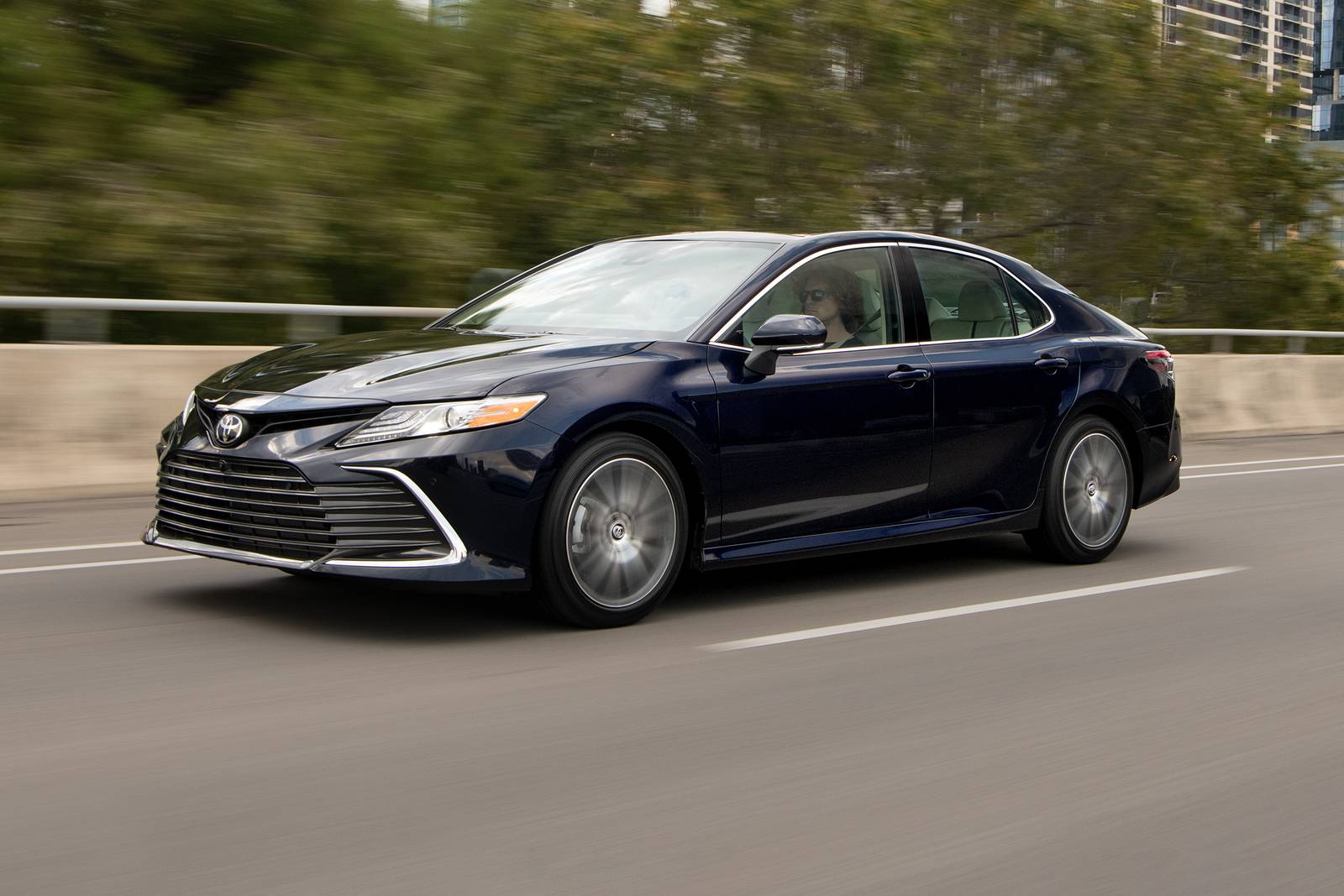
2. Toyota Camry LE 2.5L Automatic (Eighth Generation, 2018 to 2023)
Longevity defines the Toyota Camry LE in a way few midsize sedans manage to replicate. This generation benefits from decades of refinement rather than radical redesign. Under the hood sits the 2.5-liter naturally aspirated four-cylinder engine, a unit engineered with restraint as its guiding principle. Power delivery feels smooth and predictable, avoiding stress levels that shorten component life.
Engineering choices favor durability from the first mile. Port and direct injection work together to reduce carbon buildup while maintaining clean combustion. Internal tolerances are designed to remain stable as mileage accumulates, limiting oil consumption and preventing early wear. Cooling systems operate well within safe ranges even during extended highway driving or summer traffic conditions.
Transmission behavior contributes equally to the Camry’s record. The eight-speed automatic prioritizes smooth engagement rather than aggressive moves. Gear changes happen with minimal shock, protecting internal clutches and bearings. Many owners report reaching 100,000 miles without experiencing shudder, hesitation, or fluid contamination.
Suspension components follow the same conservative pattern. Bushings and control arms use proven materials that age gradually instead of failing suddenly. Steering systems maintain a consistent feel without developing play early in ownership. Even interior electronics tend to function without interruption, reflecting Toyota’s cautious approach to infotainment integration.
Owner experiences reinforce the engineering story. Long-term Camry drivers often describe routine service visits as uneventful. Oil changes, tire rotations, and inspections form the bulk of maintenance records. Repair invoices remain absent well into high mileage territory.
This version of the Camry appeals to drivers who value calm reliability over excitement. Its strength lies in doing nothing extraordinary and doing everything correctly. That philosophy allows it to pass 100,000 miles quietly, leaving owners focused on driving rather than diagnosing problems.
Also Read: 10 Cars Where the Speedometer Still Works After Half a Million Miles
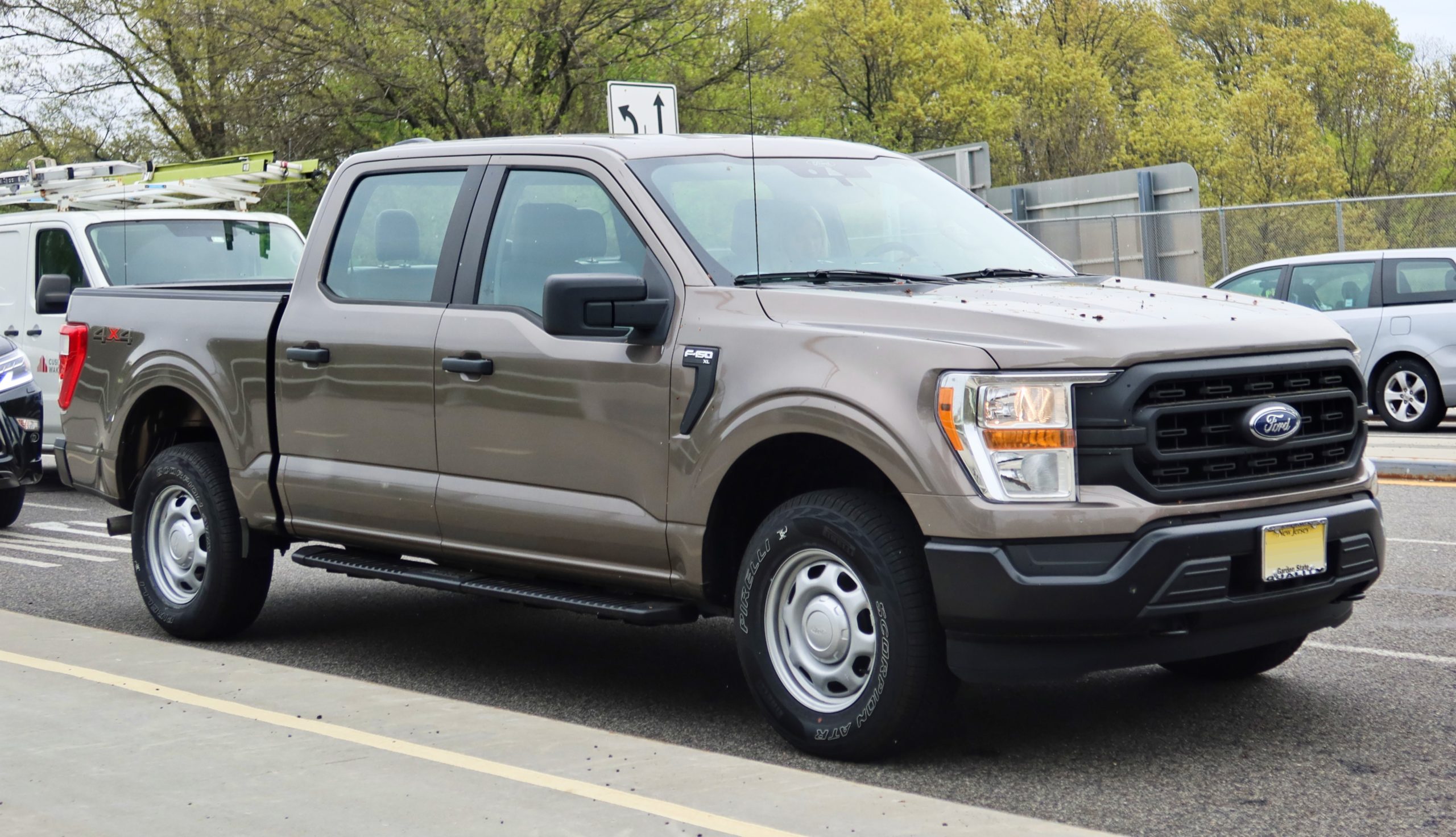
3. Ford F-150 XL 3.3L V6
The Ford F-150 XL equipped with the 3.3-liter V6 reflects a work-focused philosophy centered on strength and restraint. This engine configuration prioritizes durability over peak output, making it suitable for prolonged daily use under varied load conditions. Naturally aspirated operation limits internal heat and pressure, supporting long-term component stability.
Engine internals operate within conservative tolerances. Cooling capacity manages sustained operation without thermal strain, even during extended driving or light towing. Oil circulation remains consistent, protecting crankshaft bearings and valvetrain assemblies from premature wear. These attributes contribute to long service life across both private and commercial ownership.
Transmission calibration aligns with practical use. Gear changes occur smoothly, avoiding harsh engagement that accelerates internal wear. Fleet operators frequently report extended operational periods without gearbox intervention, reflecting the benefits of measured tuning.
Chassis construction supports repeated use. Suspension components handle payload demands and uneven road surfaces without rapid fatigue. Springs, dampers, and mounting points maintain integrity across extended mileage. Steering systems retain stability, reducing corrective maintenance and supporting predictable handling.
Electrical systems remain straightforward. Reducing electronic complications limits potential failure points, which benefits long-term dependability. Interior controls maintain functionality, supporting daily usability without distraction or frequent repair visits. Maintenance records from both individual owners and commercial fleets emphasize routine servicing rather than corrective work.
Oil changes, brake inspections, and standard checks dominate service schedules. Reports of early mechanical failure remain uncommon within the first six-digit mileage range. This F-150 XL configuration demonstrates that modern trucks can deliver dependable service when engineered with moderation. Achieving 100000 miles without major repair aligns with its intended role as a reliable and durable working vehicle rather than an extraordinary outcome.
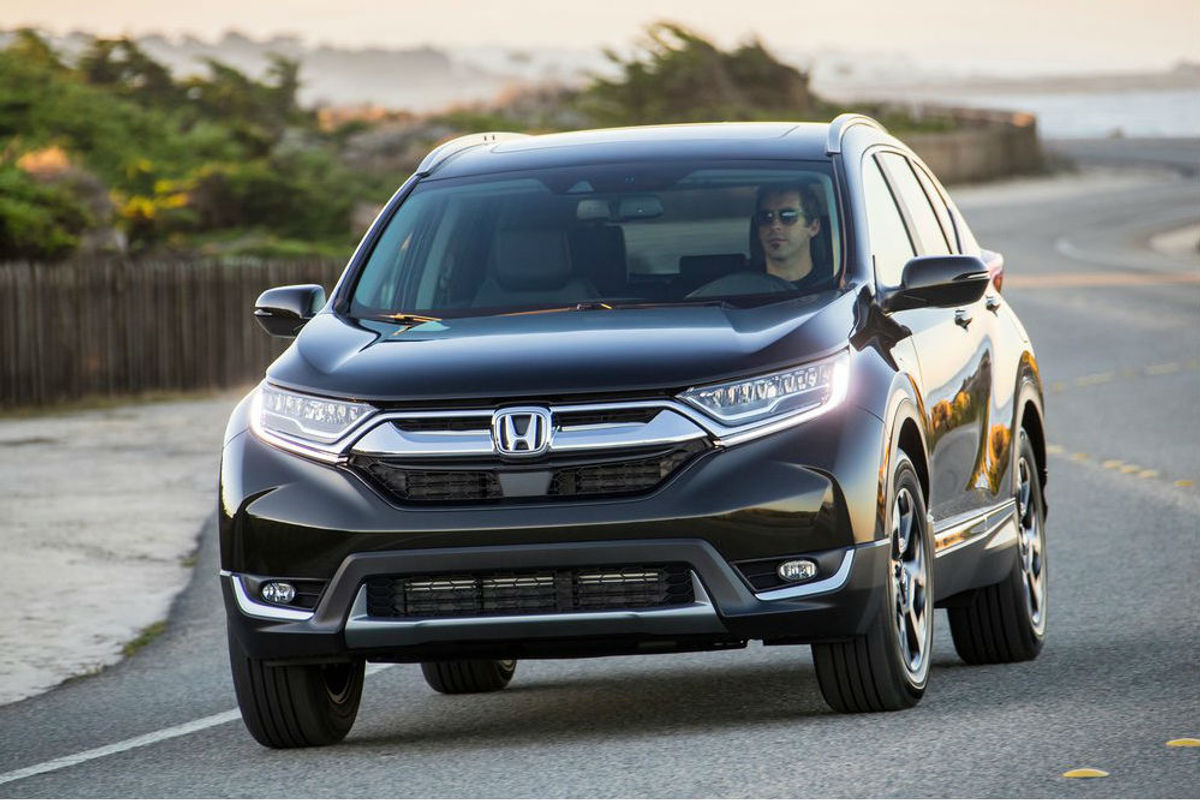
4. Honda CR-V EX AWD 1.5T (Fifth Generation, 2017 to 2022)
Consistency anchors the Honda CR-V EX AWD as a compact SUV trusted by families and commuters alike. The fifth-generation model refines Honda’s compact platform with careful attention to mechanical balance. Its 1.5-liter turbocharged engine delivers adequate power while operating within conservative limits.
Turbocharging often raises reliability concerns, yet Honda addressed oil stress through controlled boost levels and efficient thermal management. Turbo hardware experiences moderate temperatures rather than extreme heat, preserving lubrication integrity. Owners who follow service schedules often report stable oil condition and clean internals even at high mileage.
All-wheel drive components receive similar attention. The system engages only when needed, reducing constant load on driveline parts. This selective operation lowers wear on differentials and transfer components. As a result, many CR-V owners report zero drivetrain repairs well past 100,000 miles.
Ride quality also plays a role in longevity. Suspension tuning absorbs road imperfections without harsh impact, protecting joints and mounts. Steering systems maintain precision without developing noise or looseness early in ownership. Interior materials resist premature wear, contributing to a vehicle that feels intact long after warranty coverage ends.
Ownership feedback paints a clear picture. Drivers frequently cite the absence of unexpected repairs as the reason they continue buying CR-V models. Maintenance remains predictable and affordable, reinforcing trust built through daily use. This generation of the CR-V earns its reputation through balance.
Nothing feels overstressed. Each system works within a comfortable range, allowing the vehicle to age gradually instead of abruptly. That balance makes reaching 100,000 miles without repairs a common experience rather than a rare achievement.
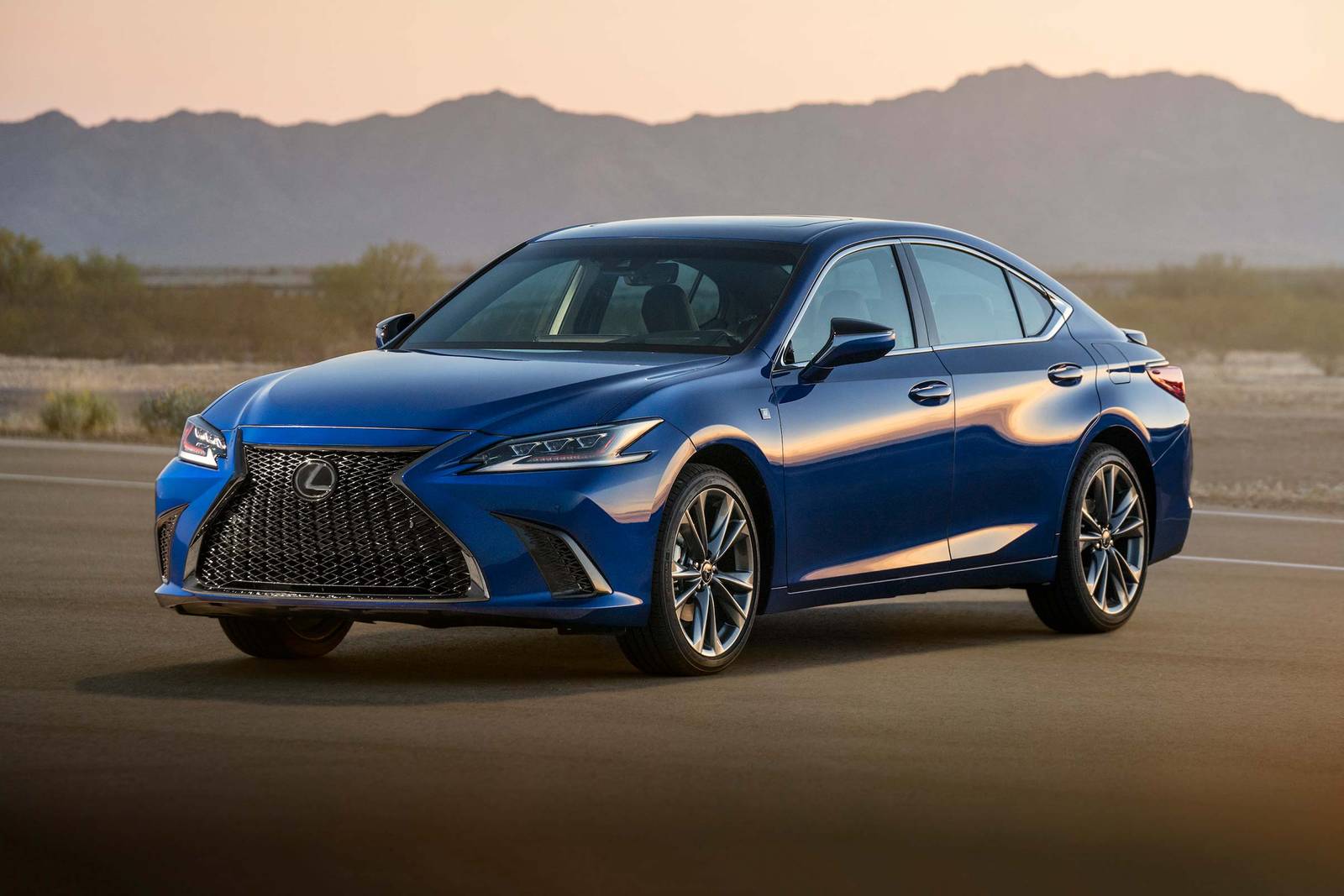
5. Lexus ES 350 FWD (Seventh Generation, 2019 to 2023)
Refinement meets durability in the Lexus ES 350, a sedan designed to minimize stress at every level. Power comes from a naturally aspirated 3.5-liter V6 known for smooth operation and conservative tuning. Acceleration feels effortless without pushing internal components toward their limits.
Engine design focuses on thermal stability and consistent lubrication. Cooling systems manage heat efficiently, preventing hotspots that accelerate wear. Oil pathways maintain a steady flow even during extended driving, supporting long service intervals without degradation. Owners often report clean oil analysis results deep into ownership.
Transmission behavior reinforces the theme. The eight-speed automatic moves gently, reducing internal shock. This controlled operation preserves clutch packs and internal gears. Long-term owners frequently reach high mileage without experiencing transmission faults or fluid issues.
Chassis components reflect Lexus’ commitment to quiet longevity. Suspension elements absorb imperfections without transmitting harsh forces. Steering systems retain precision without developing vibration or noise. Electronic systems operate seamlessly, avoiding the glitches that frustrate luxury car owners.
Interior durability adds another layer of confidence. Materials resist cracking, peeling, and premature wear. Controls maintain tactile quality as time goes on, supporting a sense of continuity throughout ownership. Drivers often describe the ES 350 as uneventful in the best way possible.
Service visits feel routine, and repair discussions rarely arise. That sense of reliability aligns with Lexus’ long-standing reputation for vehicles that prioritize long-term satisfaction. Reaching 100,000 miles without repairs feels natural for this sedan. Its design philosophy avoids unnecessary risk, allowing owners to enjoy luxury without mechanical anxiety.
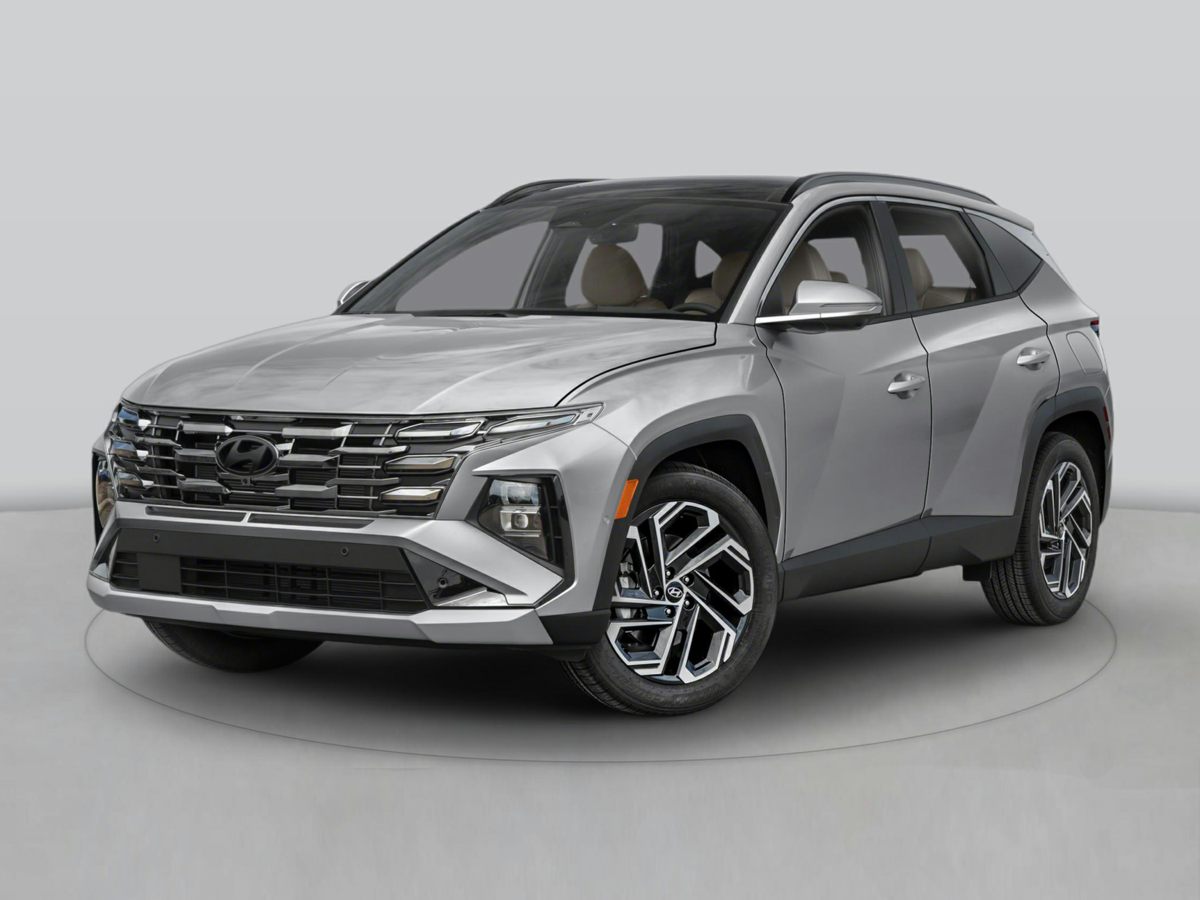
6. Hyundai Tucson SEL 2.5L
The Hyundai Tucson SEL with the 2.5-liter engine reflects a manufacturer’s approach that blends contemporary styling with conservative mechanical execution. Beneath its modern exterior lies a powertrain configured for longevity rather than performance theatrics.
The naturally aspirated four-cylinder engine avoids forced induction systems that often introduce elevated temperatures and additional failure points. This simplicity allows internal components to operate under steady conditions that support extended service life.
Combustion efficiency contributes to consistent oil quality throughout standard maintenance cycles. Lubrication reaches critical areas without interruption, limiting friction-related wear. Cooling components manage temperature effectively during varied driving patterns, including dense traffic and sustained highway speeds. These attributes help preserve cylinder walls, camshafts, and bearings as mileage accumulates.
Transmission tuning favors smoothness over aggression. Gear engagement occurs without sharp torque delivery, protecting internal assemblies from unnecessary stress. Drivers commonly report stable shifting behavior even after years of use, with minimal need for mechanical attention beyond fluid service.
Chassis design supports durability through even load distribution. Suspension geometry absorbs impacts without transferring excessive force to joints or mounts. This reduces fatigue across ball joints, bushings, and struts. Steering systems maintain alignment stability, which contributes to predictable handling and reduces uneven tire degradation.
Electrical architecture in this Tucson generation shows clear refinement. Infotainment systems operate reliably, and driver assistance features maintain calibration without repeated faults. Wiring and sensors demonstrate improved resistance to moisture and vibration, areas that previously challenged earlier models.
Interior construction reinforces the same focus. Seat structures remain firm, adjustment mechanisms function smoothly, and interior surfaces resist premature wear. Control interfaces continue to respond accurately, supporting a sense of confidence during daily operation.
Owner feedback frequently highlights consistency. Scheduled maintenance remains the dominant service requirement, while unexpected repairs appear infrequently within early and mid ownership stages. This predictability appeals to drivers seeking dependable transportation without constant mechanical concern.
The Tucson SEL 2.5L represents Hyundai’s steady progression toward dependable engineering. Its layout supports extended use without drama, allowing many owners to reach high mileage thresholds with little beyond routine care.
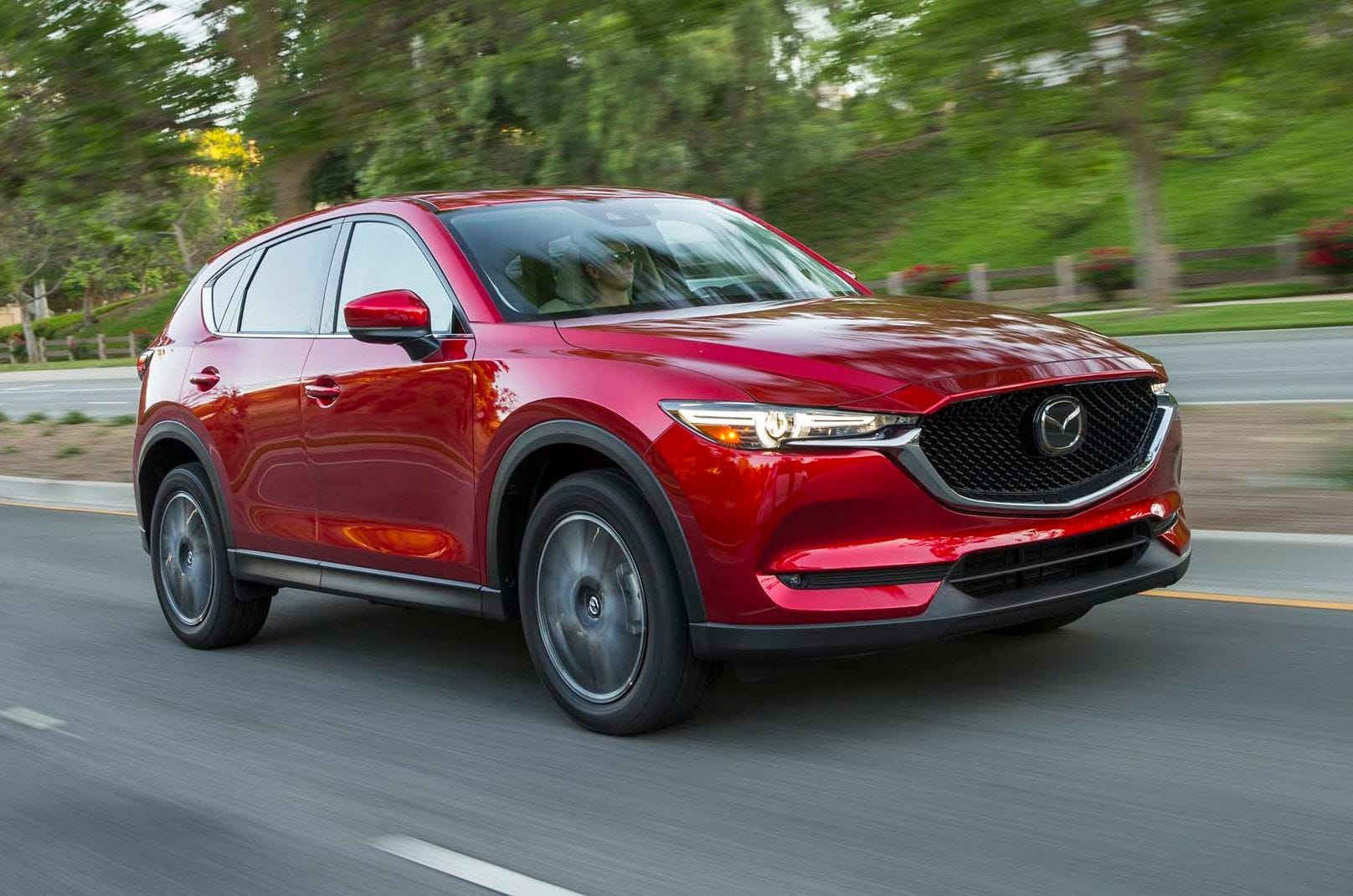
7. Mazda CX-5 Touring AWD 2.5L (Second Generation, 2017 to 2023)
Mazda approaches reliability through simplicity paired with precision. The CX-5 Touring AWD reflects this philosophy clearly. Its 2.5-liter naturally aspirated engine relies on efficient combustion rather than forced induction, reducing long-term stress on internal components.
Skyactiv engineering focuses on clean burn characteristics and thermal efficiency. Reduced internal friction allows parts to move with less resistance, lowering wear rates across thousands of cycles. Oil condition remains stable when serviced on schedule, supporting extended ownership without internal repairs.
All-wheel drive systems operate seamlessly, engaging smoothly without sudden torque spikes. This controlled behavior preserves driveline integrity. Suspension tuning balances comfort and control, absorbing impacts without transferring shock loads into mounting points.
Interior systems follow the same disciplined approach. Infotainment functions reliably without freezing or rebooting issues. Climate control components maintain consistent output, reducing strain on compressors and actuators. Owner reports frequently highlight how little attention the CX-5 demands beyond routine care. Brake components wear evenly. Steering remains responsive. No early failures dominate ownership discussions.
Mazda’s focus on driver engagement does not come at the expense of durability here. Instead, the CX-5 proves that thoughtful engineering can deliver enjoyment and reliability together. Crossing 100,000 miles without repairs becomes a realistic expectation rather than a hopeful goal.
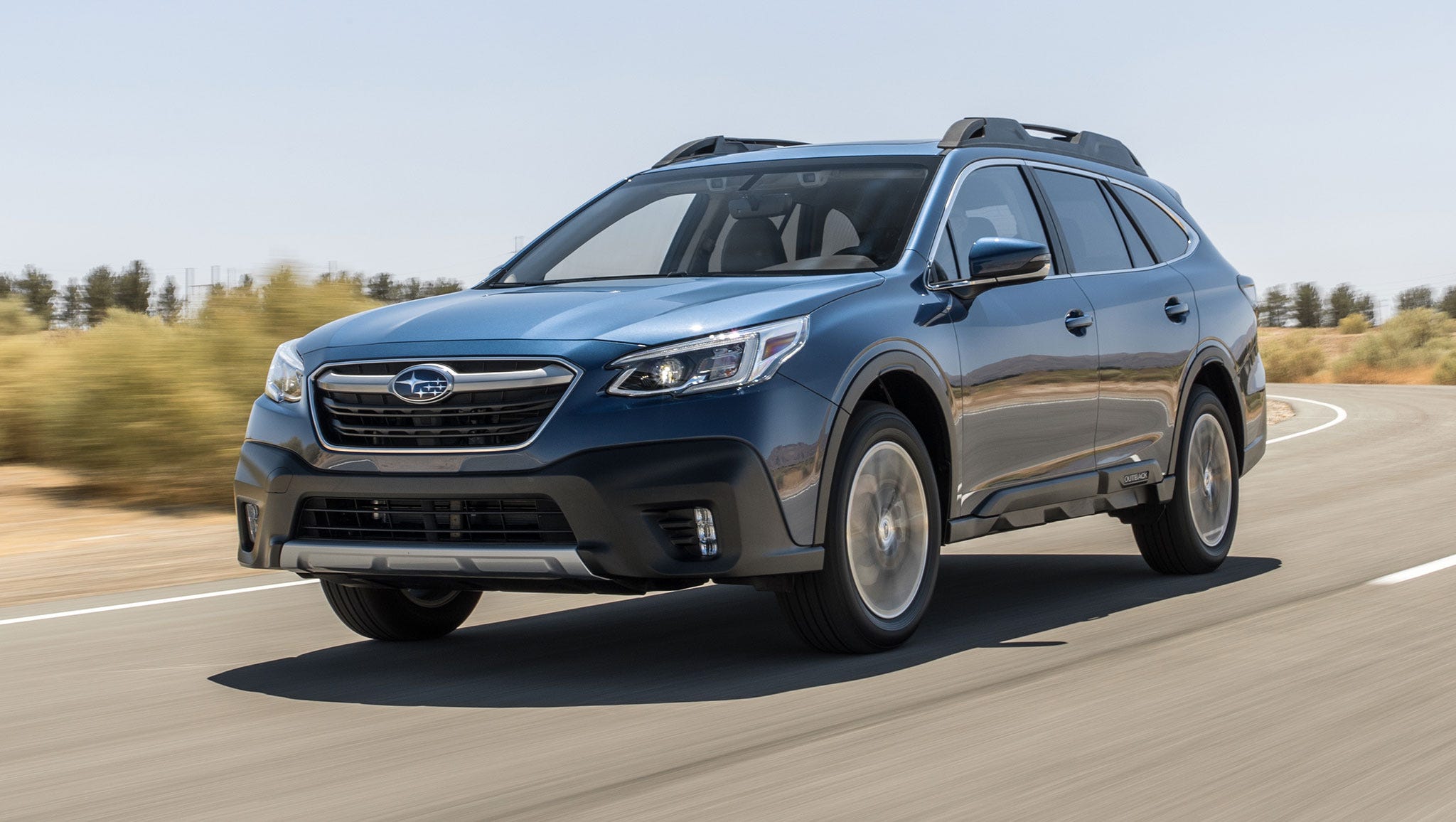
8. Subaru Outback Premium AWD 2.5L (Sixth Generation, 2020 to 2023)
Versatility defines the Subaru Outback Premium, yet reliability remains central to its appeal. Powered by a 2.5-liter naturally aspirated boxer engine, this model emphasizes balance and stability. The horizontally opposed design lowers vibration, reducing stress on mounts and accessories.
Subaru refined oil control and cooling in this generation, addressing concerns from earlier designs. Improved gasket materials and thermal regulation help maintain consistent lubrication. Owners who adhere to service schedules often report minimal oil consumption and clean engine operation deep into ownership.
All-wheel drive functions continuously yet efficiently. Power distribution remains smooth, avoiding sudden engagement that damages components. This steady operation supports driveline longevity across varied driving conditions. Suspension systems handle rough surfaces without transferring excessive force. Bushings and joints age gradually, allowing predictable service planning. Interior systems function reliably, reinforcing confidence during long trips.
Owner experiences often describe the Outback as dependable transportation that asks little in return. Routine service remains the primary interaction with service departments. Repairs rarely enter the conversation before 100,000 miles. This generation of the Outback reflects Subaru’s focus on practical durability.
It supports active lifestyles without demanding mechanical compromise, earning its place among vehicles trusted to run repair-free through early high mileage.
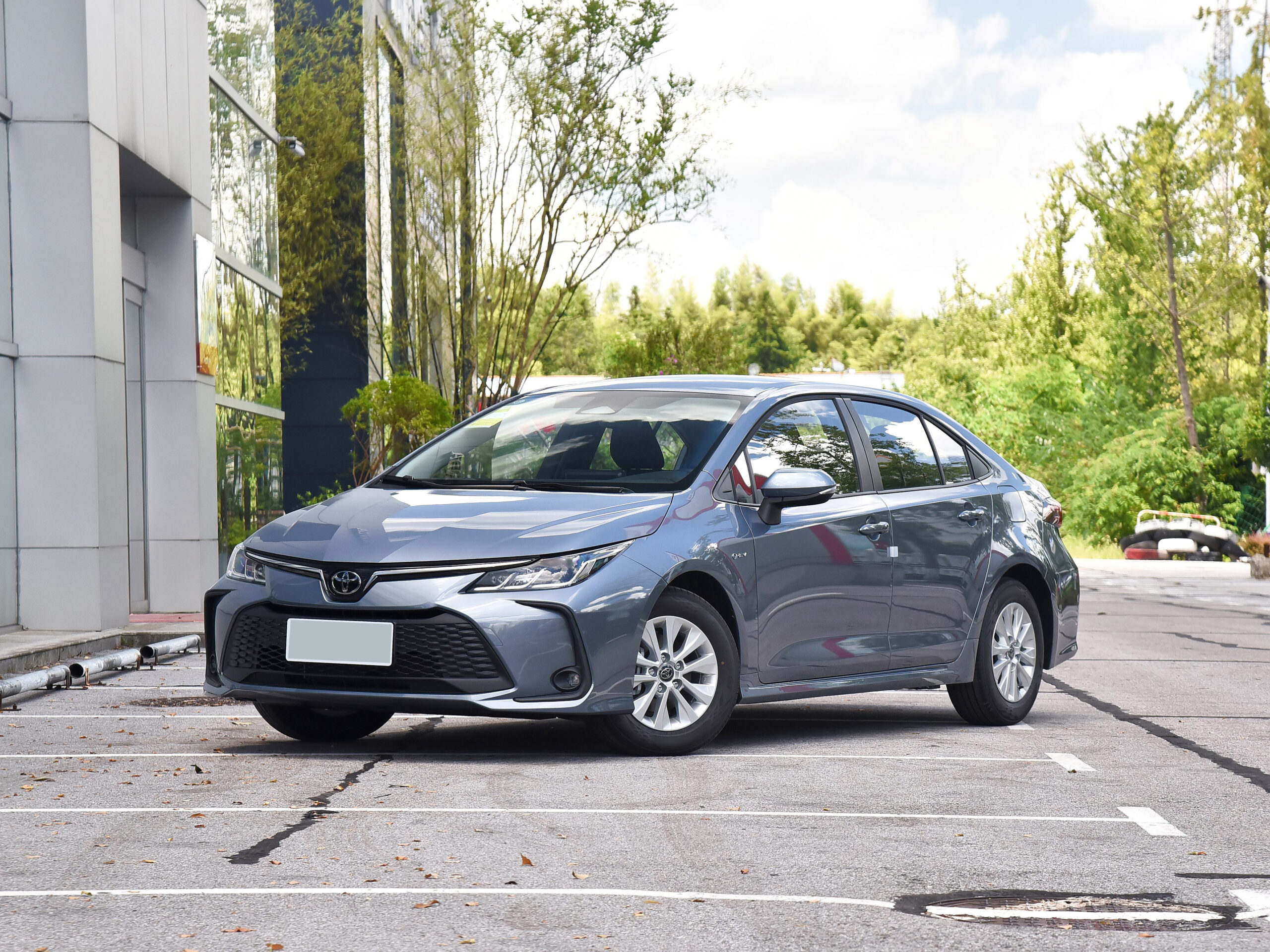
9. Toyota Corolla LE 1.8L CVT
Durability does not always require size, power, or premium pricing. The Toyota Corolla LE equipped with the 1.8-liter engine and CVT transmission proves that restrained engineering often delivers the longest service life. This generation benefits from decades of accumulated refinement applied to one of the most widely produced platforms in automotive history.
Each mechanical decision favors stability, predictability, and resistance to early wear. Engine architecture reflects conservative priorities. The naturally aspirated 1.8-liter four-cylinder avoids high compression extremes and thermal strain. Internal components operate under moderate loads, allowing bearings, seals, and piston rings to maintain integrity deep into ownership. Cooling systems regulate temperature consistently, preventing heat spikes that shorten component life. Oil control design limits consumption when routine service is followed.
Transmission performance supports longevity through smooth, gradual ratio changes rather than abrupt engagement. Toyota calibrated the CVT for low stress rather than aggressive response. This tuning reduces belt and pulley wear while maintaining consistent drivability. Many owners report flawless transmission behavior beyond 100,000 miles with no repairs or reprogramming.
Suspension systems favor compliance without excessive softness. Road impacts are absorbed evenly, protecting joints and bushings from accelerated fatigue. Steering components retain alignment stability, reducing uneven tire wear and secondary strain on suspension hardware.
Electrical systems follow Toyota’s conservative approach. Infotainment software avoids unnecessary complications. Climate control components operate reliably without early actuator or compressor failure. Interior switches and controls maintain function without degradation.
Owner feedback repeatedly highlights predictability as the Corolla’s defining trait. Service visits remain routine and inexpensive. Unexpected mechanical issues rarely surface early. That consistency allows drivers to focus on usage rather than monitoring symptoms.
For buyers prioritizing dependable transportation above all else, this Corolla generation delivers exactly that. Reaching 100,000 miles without a single repair aligns with its design intent, not luck.
Also Read: 10 Cars Where Replacing the Floor Mats Costs More Than a Phone
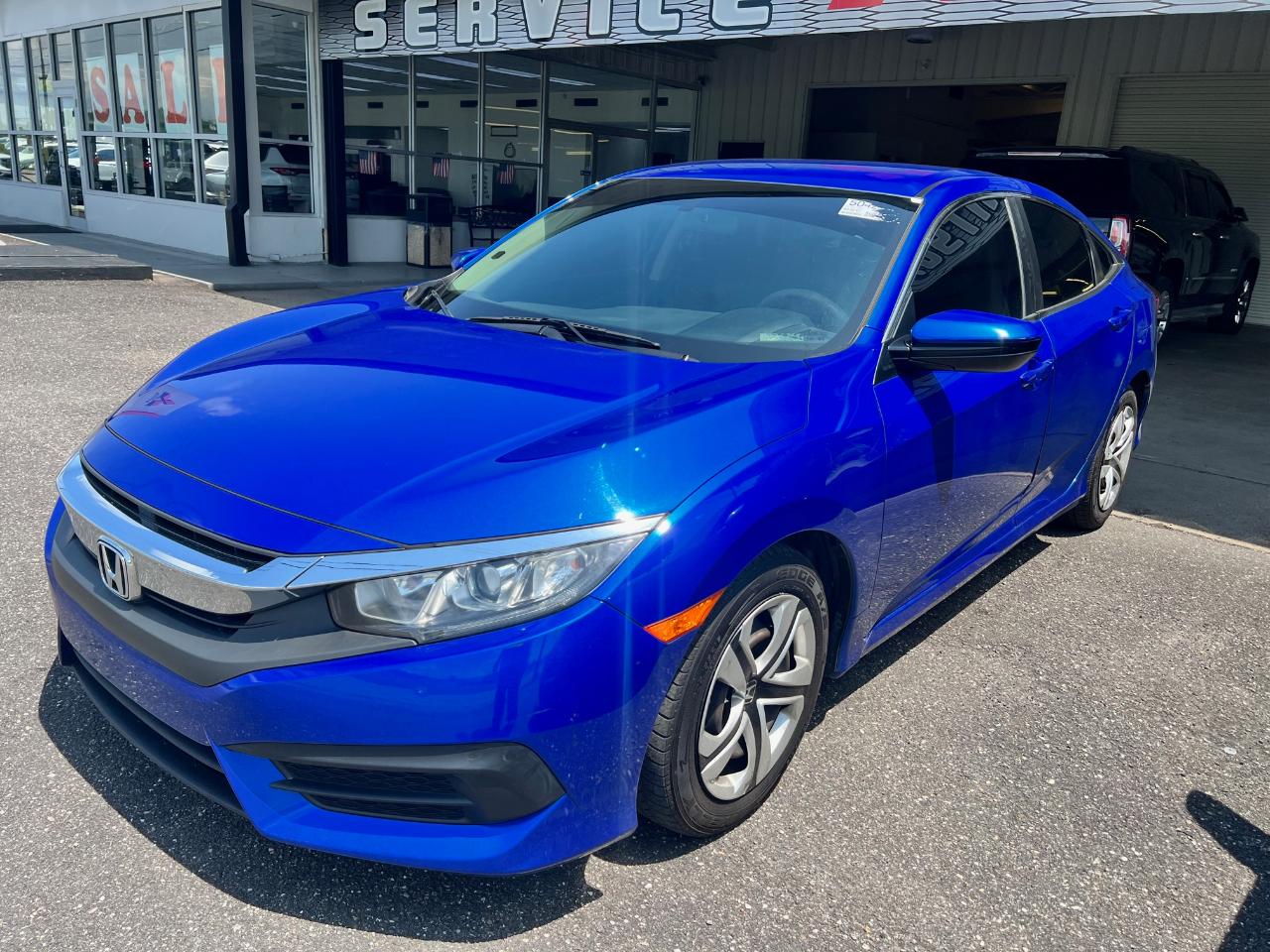
10. Honda Civic LX 2.0L CVT
Precision defines the eleventh-generation Honda Civic LX in ways that extend beyond handling or fuel economy. Beneath its refined exterior lies a powertrain tuned for longevity rather than headline performance. The naturally aspirated 2.0-liter engine represents a return to simplicity, reducing the mechanical stress associated with turbocharging.
Internal engine components operate within generous tolerance margins. Combustion temperatures remain controlled, preserving gasket integrity and reducing oil breakdown. Honda’s long-standing expertise with four-cylinder engines appears clearly in how smoothly this unit accumulates mileage without internal noise or degradation.
Transmission calibration reflects restraint. The CVT responds progressively, avoiding sudden torque application. This behavior protects internal components while maintaining consistent drivability. Owners frequently report stable performance through high mileage without software issues or mechanical intervention.
Chassis design contributes to durability by distributing loads evenly. Suspension geometry absorbs impacts predictably, limiting stress concentration. Steering systems maintain precision without developing play early, preserving alignment and tire wear patterns.
Electrical architecture avoids overcomplication. Driver assistance systems operate quietly in the background without intrusive recalibration demands. Cabin electronics remain functional without freezing or connectivity failures. Ownership discussions often emphasize peace of mind. Civic drivers report minimal interaction with service departments beyond scheduled care. Mechanical surprises rarely appear during early ownership years.
This Civic generation succeeds by avoiding unnecessary strain. Each component performs its task without being pushed beyond comfort. That philosophy allows many examples to reach 100,000 miles without repairs, reinforcing Honda’s reputation for dependable daily transportation.
