
Car ownership is not just about fuel economy, performance, or comfort. One of the most overlooked yet important aspects is repair cost, especially when it comes to exterior components like bumpers. In modern vehicles, bumpers are no longer simple metal bars designed to absorb impact.
They are now complex assemblies that often include sensors, cameras, advanced plastics, and integrated styling elements. While this evolution has improved safety and design, it has also made bumper replacements significantly more expensive.
However, not all cars follow this trend. Some models still maintain a balance between modern safety requirements and practical repair costs. These vehicles use simpler bumper designs, widely available parts, and construction methods that keep replacement expenses reasonable.
For drivers, this can make a significant difference in long-term ownership costs, particularly in urban environments where minor collisions and parking scrapes are common.
Another factor influencing bumper costs is availability. Cars that are widely sold tend to have better parts availability, both new and aftermarket.
This competition helps keep prices under control. In contrast, less common vehicles or those with highly specialised designs often come with higher repair bills due to limited supply and complex components.
Material choice also plays a role. Some manufacturers use straightforward plastic covers without excessive integration of electronic systems. This makes repairs easier and reduces the need for costly recalibration. In many cases, these bumpers can be replaced or repaired without extensive labour, which further lowers the total expense.
It is also worth considering how design philosophy impacts repairability. Vehicles that prioritise practicality often feature modular components that can be replaced individually. This means a damaged bumper does not necessarily require replacing additional parts, saving both time and money.
This list highlights ten cars where bumper replacement costs remain relatively reasonable compared to modern standards. Each one offers a practical approach to design and maintenance, making them smart choices for drivers who want to avoid high repair bills. Below are ten cars that prove affordability in repairs still exists.
Also Read: Why Most People Are Buying the Wrong Size SUV for Their Lives
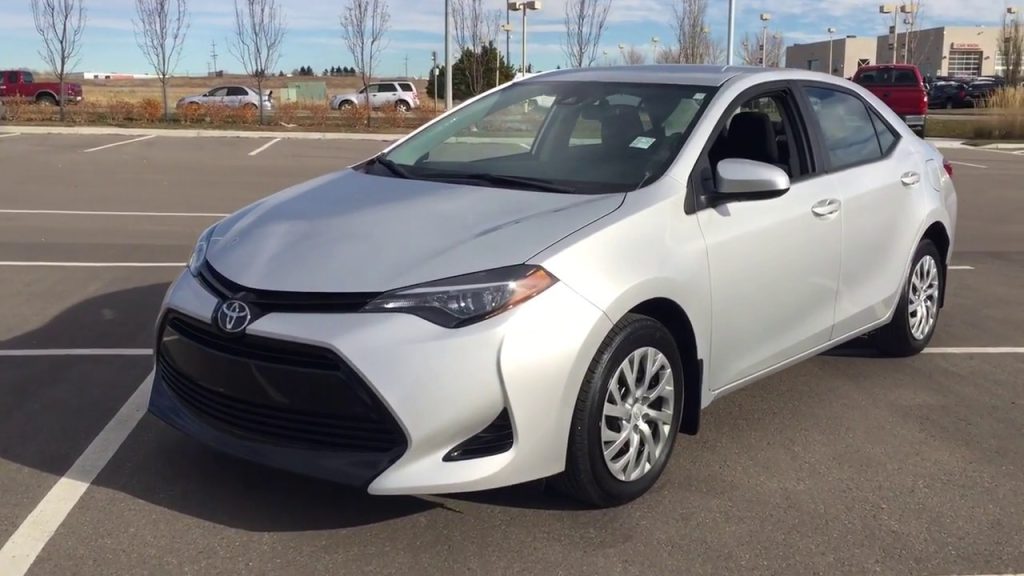
1. Toyota Corolla
The Toyota Corolla has long been associated with reliability and affordability, and that reputation extends to repair costs as well. When it comes to bumper replacement, the Corolla stands out for its straightforward design and wide availability of parts.
One of the main reasons the Corolla keeps costs low is its massive global presence. With millions of units sold worldwide, replacement parts are easy to find.
This high availability creates competition among suppliers, which helps keep prices reasonable. Whether opting for original equipment or aftermarket options, owners rarely struggle to find affordable solutions.
The bumper design itself avoids unnecessary complexity. While modern versions do include safety features, the core structure remains relatively simple. This reduces both the cost of the part and the labour required for installation. In many cases, minor damage can be repaired without needing a full replacement, further lowering expenses.
Another advantage is how the Corolla is engineered for ease of service. Mechanics are familiar with its layout, which means repairs can be completed quickly and efficiently. Lower labour time directly translates into reduced costs for the owner.
Urban drivers particularly benefit from this practicality. In environments where minor impacts are common, having a car with affordable bumper replacements can save significant money over time. The Corolla’s design ensures that these incidents do not turn into major financial burdens.
Material choice also contributes to its affordability. The use of durable yet cost-effective plastics allows the bumper to absorb minor impacts without cracking easily. When replacement is necessary, the materials are inexpensive compared to those used in more premium vehicles.
Another point worth noting is the consistency across model years. Toyota maintains a level of design continuity, which means parts compatibility often extends across multiple versions. This further improves availability and reduces costs.
The Corolla remains a practical choice for drivers who value predictability in ownership costs. Its bumper replacement affordability is not accidental; it is the result of thoughtful engineering and a focus on long-term usability.
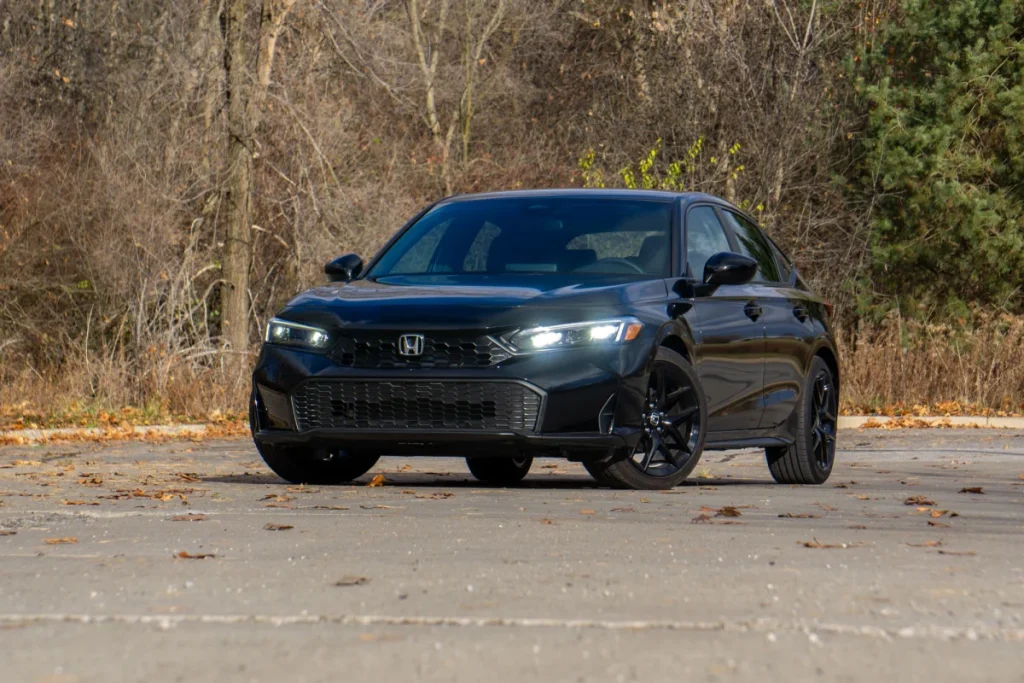
2. Honda Civic
The Honda Civic approaches affordability in a slightly different way, combining modern styling with a design that still keeps repair costs manageable. It is one of the most widely recognised compact cars, and its popularity plays a major role in keeping bumper replacement expenses within reach.
Unlike some vehicles that integrate too many components into the bumper assembly, the Civic maintains a level of separation between its parts. This modular approach allows damaged sections to be addressed without replacing the entire assembly in certain situations. That flexibility can significantly reduce repair costs.
Parts availability is another major advantage. The Civic has a strong global presence, which ensures a steady supply of both original and aftermarket components. This abundance helps prevent price inflation and gives owners multiple options when it comes to repairs.
The design of the bumper also reflects a balance between aesthetics and practicality. While it looks modern, it avoids overly complex shapes or materials that would drive up manufacturing and replacement costs. This thoughtful approach keeps expenses under control without compromising visual appeal.
From a maintenance perspective, the Civic is known for its accessibility. Mechanics are familiar with its construction, and repairs do not typically require specialised tools or extensive labour. This efficiency reduces the full cost of replacing a damaged bumper.
Drivers who use their vehicles in busy city environments often appreciate this practicality. Minor collisions and parking incidents are less stressful when repair costs are predictable and manageable. The Civic’s design ensures that such situations remain relatively affordable.
Another aspect that contributes to its cost-effectiveness is the durability of its materials. The bumper is designed to handle everyday impacts without sustaining severe damage. This resilience reduces the frequency of replacements, saving money in the long run.
The Honda Civic continues to be a smart choice for those who want a balance of style, reliability, and reasonable repair costs. Its approach to bumper design reflects a broader philosophy of practical ownership.
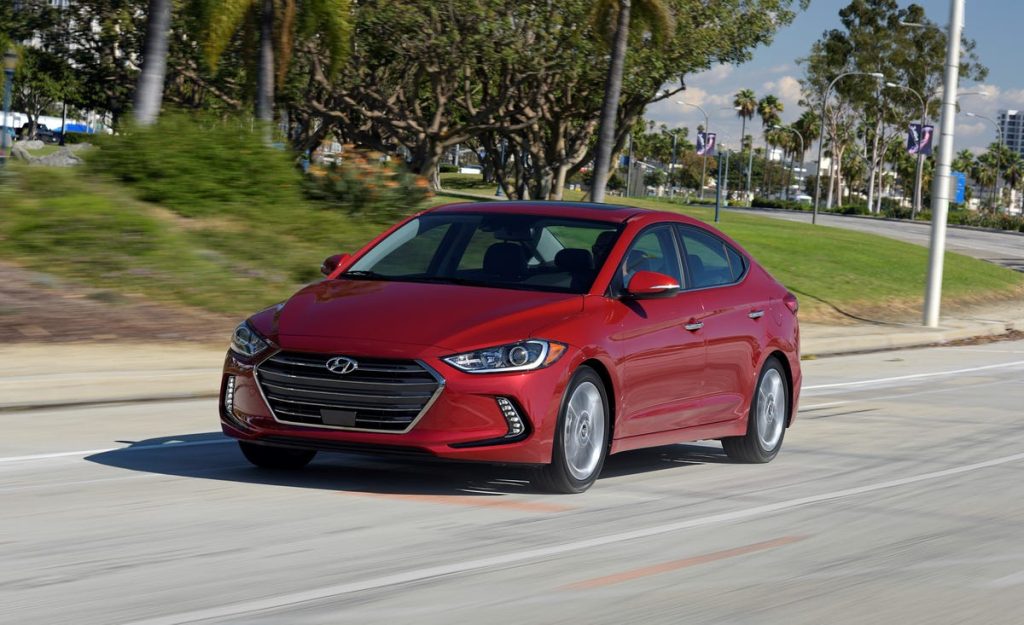
3. Hyundai Elantra
The Hyundai Elantra has steadily built a reputation for offering strong value, and that extends into repair affordability. When it comes to bumper replacement, this model benefits from a design strategy that keeps both parts and labour within a reasonable range.
A key advantage lies in Hyundai’s approach to manufacturing scale. The Elantra is produced in large numbers, which ensures a consistent supply of replacement components.
This availability keeps pricing competitive, especially when compared to vehicles with lower production volumes. Owners typically find multiple options when sourcing a bumper, including aftermarket alternatives that further reduce costs.
The structure of the bumper assembly reflects a practical mindset. Rather than combining too many elements into a single unit, the Elantra separates components in a way that allows targeted repairs. If only a section is damaged, it may not require a full replacement. This reduces both material costs and labour time.
Another important factor is the material selection. Hyundai uses flexible plastic that can absorb minor impacts without cracking easily.
This durability reduces the likelihood of needing a replacement after small collisions. When replacement becomes necessary, the material itself remains relatively inexpensive compared to more specialised composites.
Repair procedures for the Elantra are generally straightforward. The mounting points and fasteners are designed for accessibility, allowing technicians to remove and install the bumper efficiently. Shorter repair times directly contribute to lower full costs.
The Elantra also avoids excessive reliance on integrated electronics in its bumper system, particularly in earlier and mid-range trims. Fewer embedded sensors mean fewer components that require recalibration after a replacement. This simplicity keeps the repair process both faster and more affordable.
Drivers who frequently deal with tight parking spaces or congested roads often benefit from this cost structure. Minor accidents are less financially stressful when replacement parts are reasonably priced and easy to install.
Hyundai’s focus on value is clearly visible in how the Elantra handles real-world ownership costs. It delivers modern styling while still maintaining a level of practicality that keeps repairs manageable.
4. Mazda3
The Mazda3 takes a more design-focused route while still maintaining sensible repair costs. Known for its sharp styling and engaging driving experience, it manages to avoid the expensive repair pitfalls that often come with visually complex vehicles.
One of the reasons the Mazda3 keeps bumper costs under control is its balanced design philosophy. While the exterior appears sleek and refined, the underlying structure remains relatively simple. This ensures that the bumper does not become an overly complicated component that is difficult or expensive to replace.
Parts availability plays a strong role here as well. The Mazda3 has been a consistent presence in global markets, which supports a healthy supply of replacement components. Owners can typically find both genuine and aftermarket bumpers without significant difficulty, helping to keep prices competitive.
The bumper itself is designed with clean lines rather than excessive detailing. This reduces manufacturing complexity and lowers replacement costs. At the same time, it maintains the car’s premium appearance, showing that affordability does not have to come at the expense of design.
From a repair standpoint, the Mazda3 is relatively straightforward to work on. The bumper can be removed without extensive disassembly of surrounding components. This reduces labour time and simplifies the process for technicians.
Another factor worth noting is how the car handles minor impacts. The materials used provide a degree of flexibility, allowing the bumper to absorb light damage without cracking immediately. This resilience can prevent the need for replacement in certain situations, saving owners additional money.
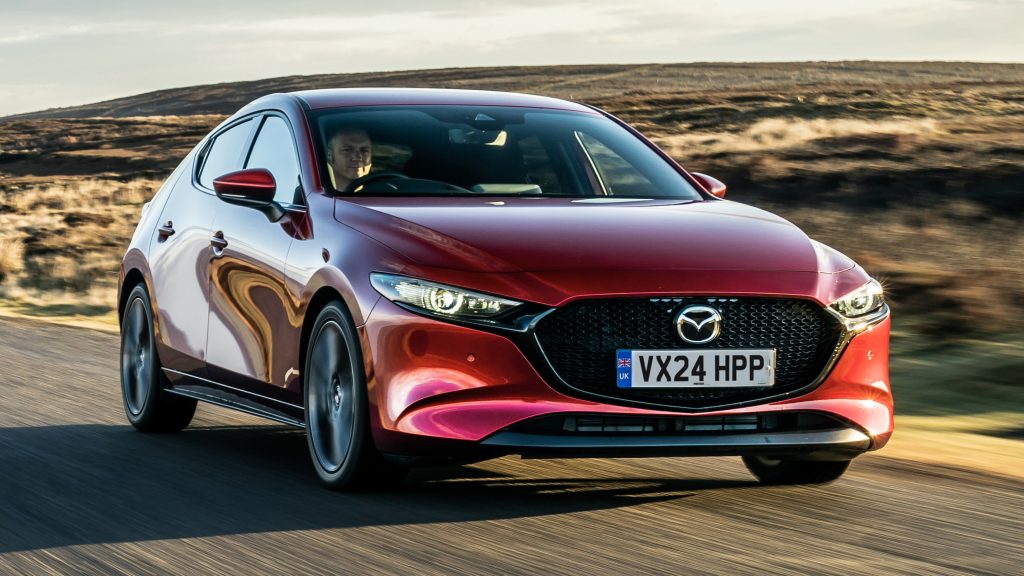
The integration of sensors and safety features is handled in a way that does not overly complicate repairs. In many cases, these components are positioned so they can be managed independently, avoiding unnecessary expenses during a bumper replacement.
Drivers who appreciate a stylish vehicle but want to avoid high repair bills often find the Mazda3 to be a practical option. It demonstrates that thoughtful engineering can deliver both visual appeal and cost-effective maintenance.
5. Nissan Sentra
The Nissan Sentra takes a quiet and practical approach to ownership costs, and that becomes especially clear when dealing with something as common as bumper damage. It does not rely on flashy design choices or overly complex structures, which works in favour of keeping replacement costs manageable.
A major strength of the Sentra lies in how widely it is produced and sold. High production numbers create a strong aftermarket ecosystem, which means replacement bumpers are easy to source. This competition among parts suppliers helps maintain reasonable pricing, giving owners flexibility when choosing between original and alternative components.
The bumper design itself reflects a straightforward philosophy. It avoids excessive layering of parts, which can complicate repairs in some modern vehicles. Instead, the Sentra uses a clean structure that allows damaged sections to be removed and replaced without affecting unrelated components.
Another advantage comes from how the car is engineered for accessibility. Technicians can work on the bumper without needing to dismantle large portions of the vehicle. This reduces labour time, and as a result, the total repair bill remains within a comfortable range.
Material durability also plays a role. The Sentra’s bumper is built to handle everyday wear, including minor impacts in crowded parking areas. It does not crack easily under light stress, which means owners can often avoid immediate replacement after small incidents.
There is also a noticeable effort to keep electronic integration limited in certain trims. While newer versions do include sensors, they are not deeply embedded in a way that complicates removal. This makes the replacement process more straightforward and less expensive compared to vehicles with heavily integrated systems.
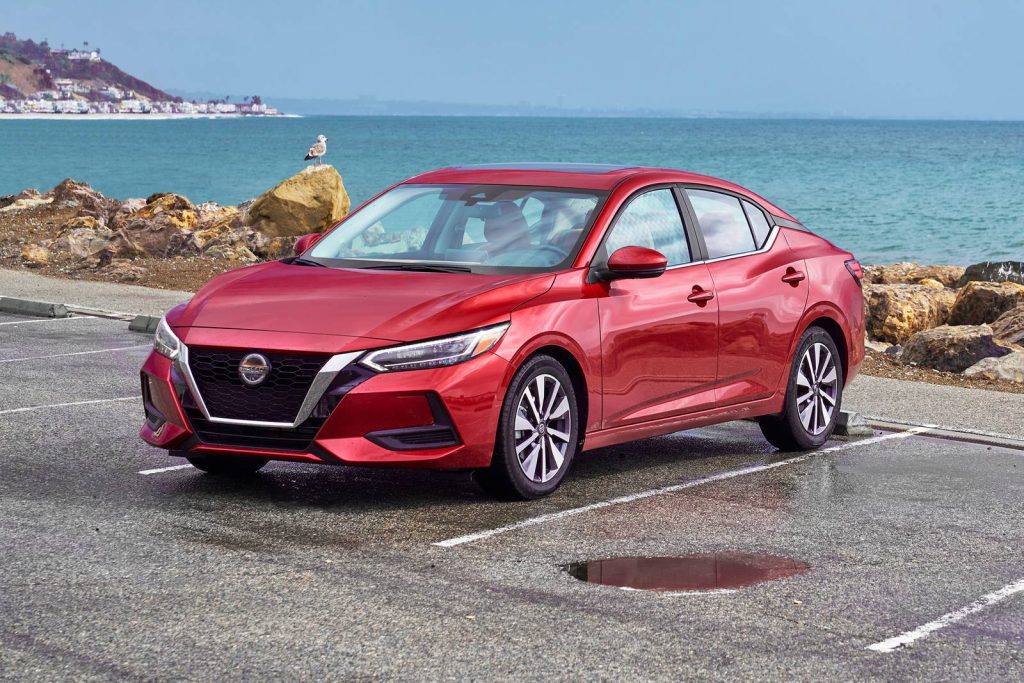
Drivers who rely on their vehicles for daily commuting benefit from this balance. The Sentra does not turn minor accidents into major financial setbacks, which is exactly what many owners look for in a practical car.
By focusing on usability and repair simplicity, the Nissan Sentra earns its place as a cost-effective choice for those who want predictable maintenance expenses.
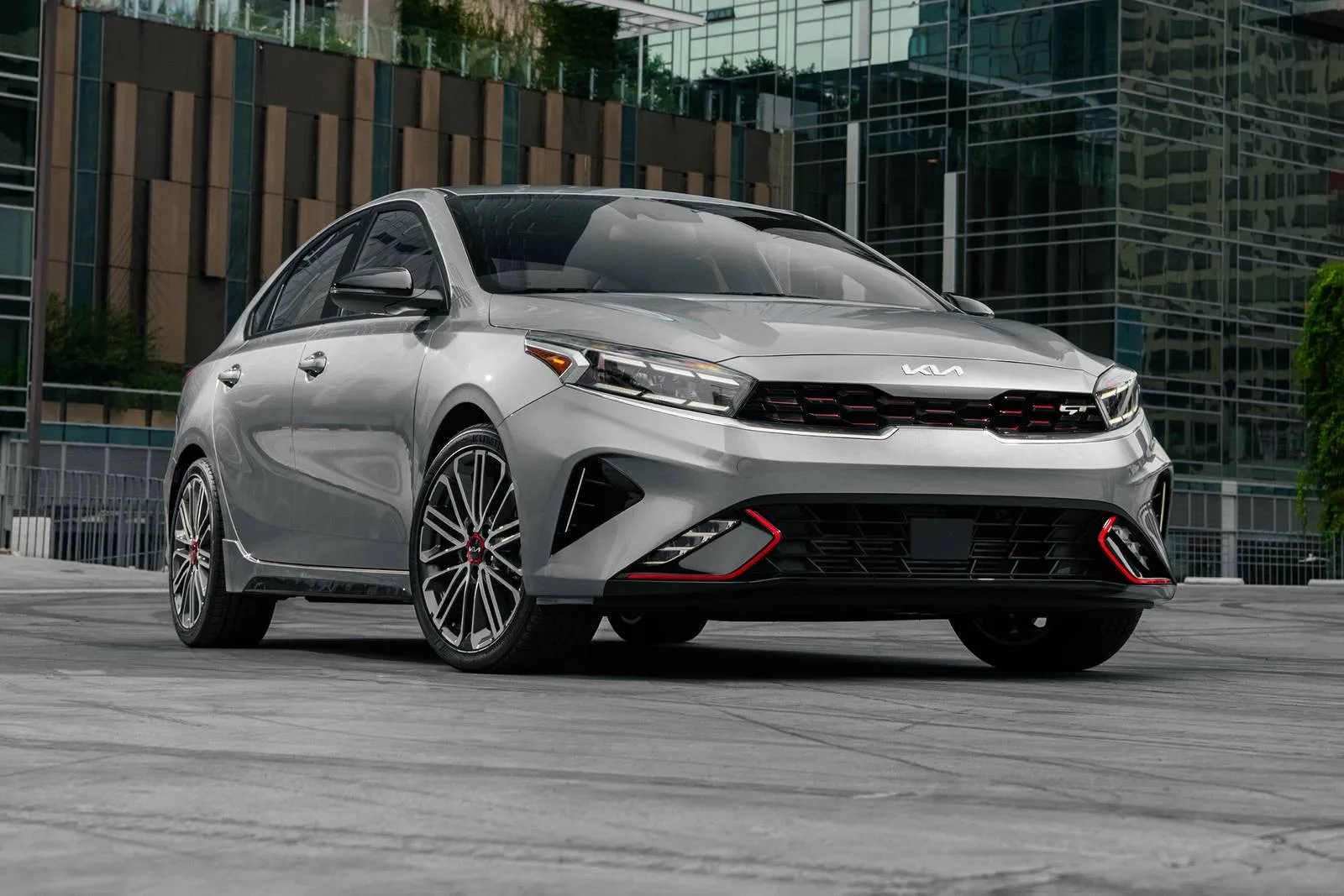
6. Kia Forte
The Kia Forte approaches bumper affordability with a combination of smart manufacturing and thoughtful design. As a compact sedan aimed at value-conscious buyers, it ensures that repair costs remain reasonable without compromising modern styling.
One of the first things to consider is Kia’s growing global production scale. The Forte benefits from shared components and widespread availability, which keeps replacement parts accessible. This strong supply network helps prevent inflated prices and gives owners multiple sourcing options.
The bumper construction is designed with efficiency in mind. Instead of creating a highly intricate assembly, Kia keeps the layout relatively simple. This allows for quicker removal and installation, which directly reduces labour costs during replacement.
Another factor contributing to affordability is how the Forte handles minor damage. The bumper materials are flexible enough to absorb light impacts, reducing the likelihood of cracks. This durability means that not every incident results in a full replacement, saving money over time.
From a repair perspective, the Forte is built to be technician-friendly. Fasteners and mounting points are positioned for easy access, which speeds up the process. Shorter repair times translate into lower service charges, making ownership more manageable.
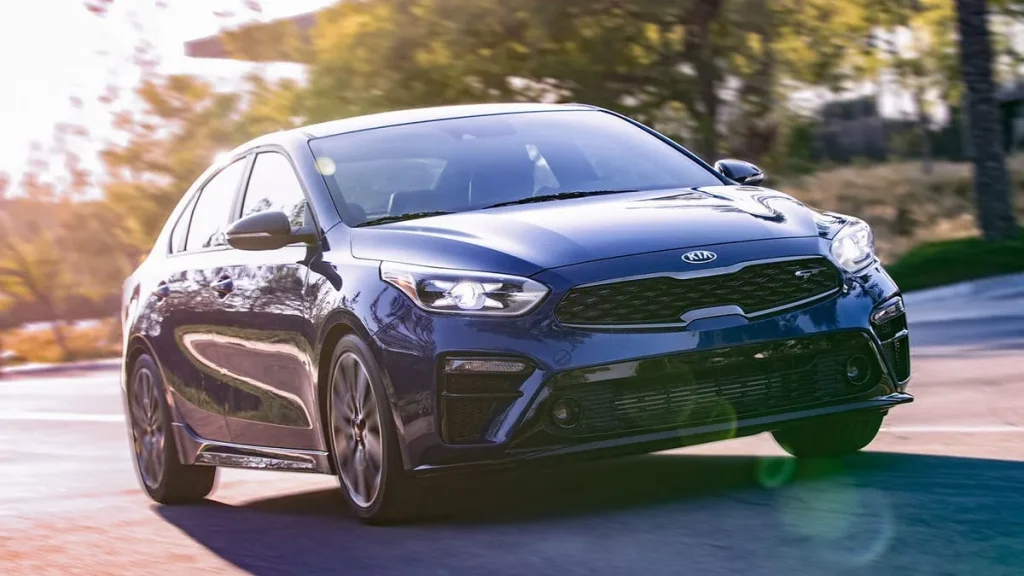
The integration of modern features is handled carefully. While the car includes necessary safety systems, they are not overly embedded within the bumper structure. This separation ensures that replacing the bumper does not require extensive recalibration or additional expenses.
Drivers often notice how predictable the repair costs are with the Forte. There are no hidden complexities that suddenly increase the bill. This transparency is a key part of its appeal, especially for those who want to avoid unexpected expenses.
The Kia Forte proves that a modern car can still prioritise affordability in practical areas. Its approach to bumper design reflects a broader commitment to keeping ownership costs under control.
7. Chevrolet Malibu
The Chevrolet Malibu approaches repair affordability with a mix of mainstream engineering and practical design decisions. It sits in a segment where comfort and features matter, yet it avoids turning simple repairs into expensive procedures. When it comes to bumper replacement, this balance becomes quite noticeable.
One reason the Malibu keeps costs manageable is its widespread availability in North America and other markets. High production volume ensures a steady supply of replacement parts. This helps prevent inflated pricing and allows owners to choose between different suppliers depending on their budget.
The bumper design reflects a measured approach. It delivers a clean and modern appearance without relying on excessive complexity. This keeps manufacturing costs lower and makes replacement parts more affordable. At the same time, it avoids intricate shapes that could complicate repairs.
Another point worth considering is how the bumper assembly is structured. The Malibu uses a layout that allows technicians to access mounting points without removing multiple surrounding components. This reduces labour time and simplifies the replacement process, which directly lowers the total cost.
Material choice also contributes to its practicality. The bumper is designed to absorb minor impacts while maintaining structural integrity. In many cases, light damage does not immediately require replacement, which helps owners save money over time.
The integration of sensors and safety features is handled in a controlled manner. While modern versions do include these elements, they are not excessively embedded into the bumper itself. This makes it easier to replace the bumper without dealing with complex recalibration procedures.

Drivers who use the Malibu for daily commuting or long-distance travel benefit from this predictable cost structure. Minor accidents or parking incidents remain manageable, which adds to the full ownership experience.
The Malibu demonstrates that a midsize sedan can offer comfort and modern features without sacrificing repair affordability. Its bumper design is a clear example of how thoughtful engineering can reduce long-term expenses.
8. Ford Focus
The Ford Focus has long been known for its practicality, and that extends into how it handles repair costs. When it comes to bumper replacement, the Focus benefits from a combination of smart design and strong parts availability.
A key factor in its affordability is its global presence. The Focus has been sold in large numbers across multiple regions, creating a robust market for replacement components. This widespread availability helps keep prices competitive and ensures that owners are not limited in their options.
The bumper design itself is relatively uncomplicated. It avoids excessive detailing that could drive up production and replacement costs. This simplicity does not take away from the car’s appearance, but it does make repairs more accessible.
From a structural standpoint, the Focus allows for efficient removal and installation of the bumper. Technicians can complete the job without extensive disassembly, which reduces labour time. This efficiency plays a major role in keeping the full repair bill within a reasonable range.
Another advantage is how the materials behave under stress. The bumper is designed to handle everyday impacts without severe damage. This durability reduces the frequency of replacements, which is an important factor in long-term ownership costs.
The integration of additional features is handled with care. While newer models include modern safety systems, they are not overly complicated to manage during repairs. This keeps the process straightforward and avoids unnecessary expenses.
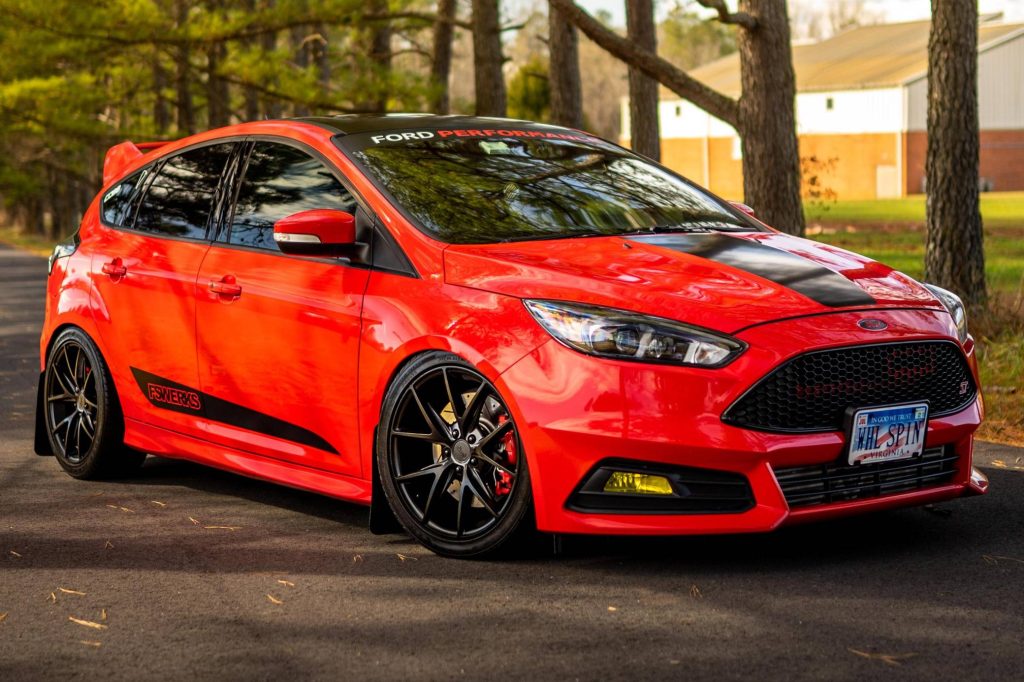
Drivers who frequently navigate crowded streets or tight parking areas often find the Focus to be a practical choice. It does not turn minor incidents into major financial concerns, which adds to its appeal as an everyday vehicle.
The Ford Focus earns its place on this list by offering a balance of usability and affordability. Its approach to bumper design reflects a commitment to keeping maintenance costs predictable and manageable.
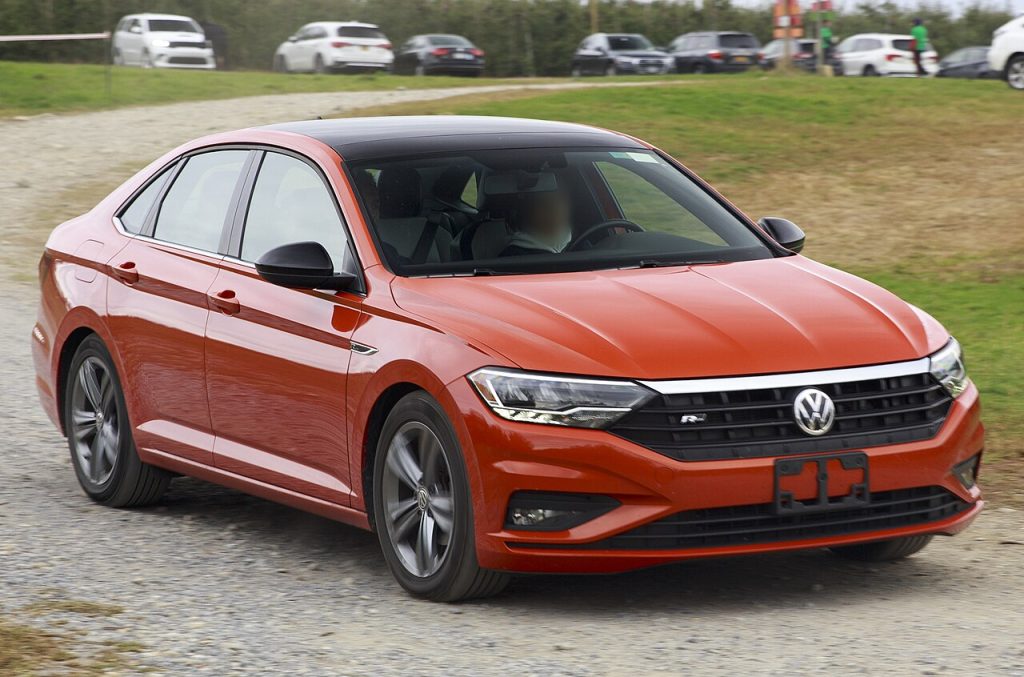
9. Volkswagen Jetta
The Volkswagen Jetta approaches repair costs with a slightly more refined philosophy, yet it manages to keep bumper replacement expenses within a reasonable range. It delivers a clean, European-inspired design while avoiding the excessive complexity that often leads to high repair bills.
One of the key reasons behind its affordability is production scale. The Jetta has been a consistent presence in global markets for years, which ensures that replacement parts remain widely available. This strong supply network helps keep pricing competitive and prevents owners from being limited to expensive options.
The bumper design reflects a careful balance between style and practicality. While it carries a polished look, the structure underneath remains relatively straightforward. This means that replacing the bumper does not involve dealing with overly intricate components or hidden complications.
From a repair standpoint, the Jetta offers a manageable process. The mounting system is designed in a way that allows technicians to access and remove the bumper without excessive effort. This reducelabouror time, which is a major factor in keeping full costs down.
Material selection also contributes to its durability. The bumper is built to handle minor impacts without immediate structural failure. This resilience can delay the need for replacement, especially in cases of light damage such as parking scrapes.
Another important aspect is how the vehicle integrates its safety features. While modern versions do include sensors, they are typically positioned in a way that does not complicate the replacement process. This avoids additional expenses related to the recalibration of specialised labour.
Drivers often appreciate how predictable the Jetta feels in terms of maintenance. There are no sudden surprises when it comes to repair costs, which makes it a practical option for long-term ownership.
The Jetta proves that a car can maintain a refined appearance while still being sensible in terms of repairability. Its approach to bumper design highlights a focus on balancing aesthetics with affordability.
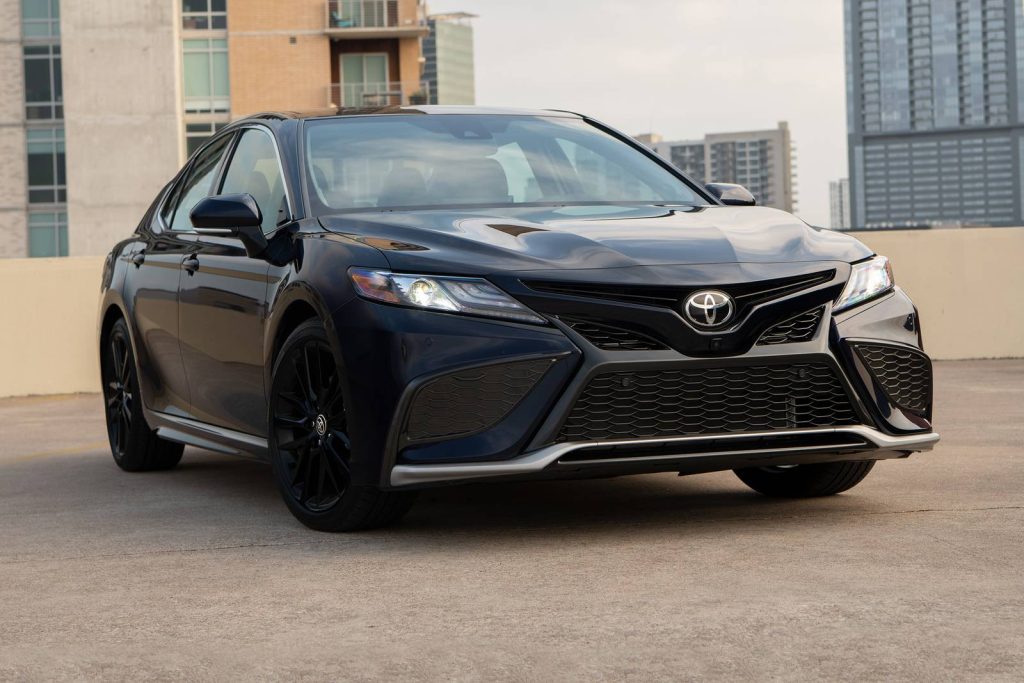
10. Toyota Camry
The Toyota Camry concludes this list with a strong example of how a midsize sedan can maintain low repair costs without sacrificing quality. Known for its reliability and widespread popularity, the Camry also stands out for keeping bumper replacement expenses within a reasonable range.
A major factor is its global presence. The Camry is one of the most widely sold sedans, which ensures a steady supply of replacement parts. This high availability keeps prices stable and gives owners multiple options when sourcing a new bumper.
The design of the bumper reflects Toyota’s focus on practicality. It avoids unnecessary complexity, allowing for easier removal and installation. This straightforward approach reduces both part costs and labour time, making repairs more affordable.
Another advantage is how the Camry handles minor impacts. The bumper materials are chosen to absorb everyday damage without cracking easily. This durability reduces the frequency of replacements, which helps lower long-term ownership costs.
From a service perspective, the Camry is known for its accessibility. Mechanics are familiar with its construction, and repairs can be completed efficiently. This familiarity redlabourlabor charges and ensures that the process remains simple.
The integration of modern features is handled carefully. While the vehicle includes advanced safety systems, they are not excessively embedded within the bumper structure. This allows for replacement without complicated procedures, keeping costs under control.
Drivers who use the Camry in daily commuting or family settings benefit from this reliability. Minor accidents or parking incidents do not result in overwhelming repair bills, which adds to its appeal as a practical vehicle.
The Camry secures its place by demonstrating how thoughtful engineering can keep ownership costs predictable. It delivers a balance of durability, availability, and simplicity that ensures bumper replacements remain affordable over time.
Also Read: 8 Reasons New Cars Have Smaller Trunks Than They Did 20 Years Ago
