
The cabin noise level of a sedan can make or break your daily driving experience. Nobody wants to feel like they are sitting inside a wind tunnel on a highway cruise. Noise, vibration, and harshness, commonly known as NVH, are among the most critical factors engineers work to control. It separates a premium driving experience from a frustrating one.
Car manufacturers spend millions of dollars on acoustic engineering every single year. They use sound-deadening materials, laminated glass, and aerodynamic body designs to keep unwanted noise out. Some brands have mastered this art beautifully. Others still struggle to deliver a refined and peaceful interior environment.
Wind noise, road noise, and engine noise are the three biggest culprits inside any sedan cabin. A quiet car allows you to enjoy music, hold conversations, and arrive at your destination feeling relaxed. A loud car, on the other hand, causes fatigue and stress over long distances.
This article breaks down five sedans that offer whisper-quiet cabins and five that are known for being noticeably loud. Whether you are a daily commuter or a long-distance traveler, this guide will help you choose wisely. Every car on this list has been evaluated based on real-world driving impressions and cabin refinement standards.
5 Sedans With Quiet Cabin Fans
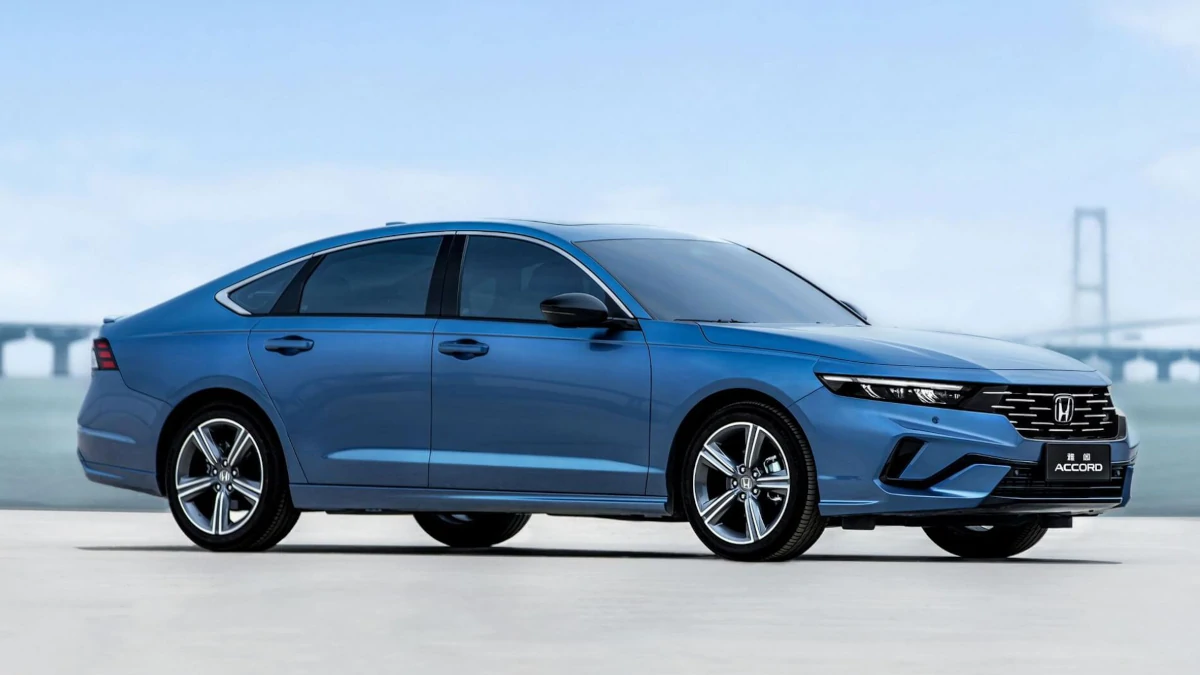
These sedans are known for well-insulated HVAC systems, smooth blower motors, and refined cabin acoustics, keeping fan noise low even at higher speeds. Models like the Toyota Camry, Honda Accord, and Lexus ES are often praised for nearly silent climate control operation.
Vehicles such as the Hyundai Sonata and Mazda6 also stand out with balanced airflow and minimal vibration, allowing the cabin to stay comfortable without distracting noise. Their design focuses on refinement, making long drives more relaxing.
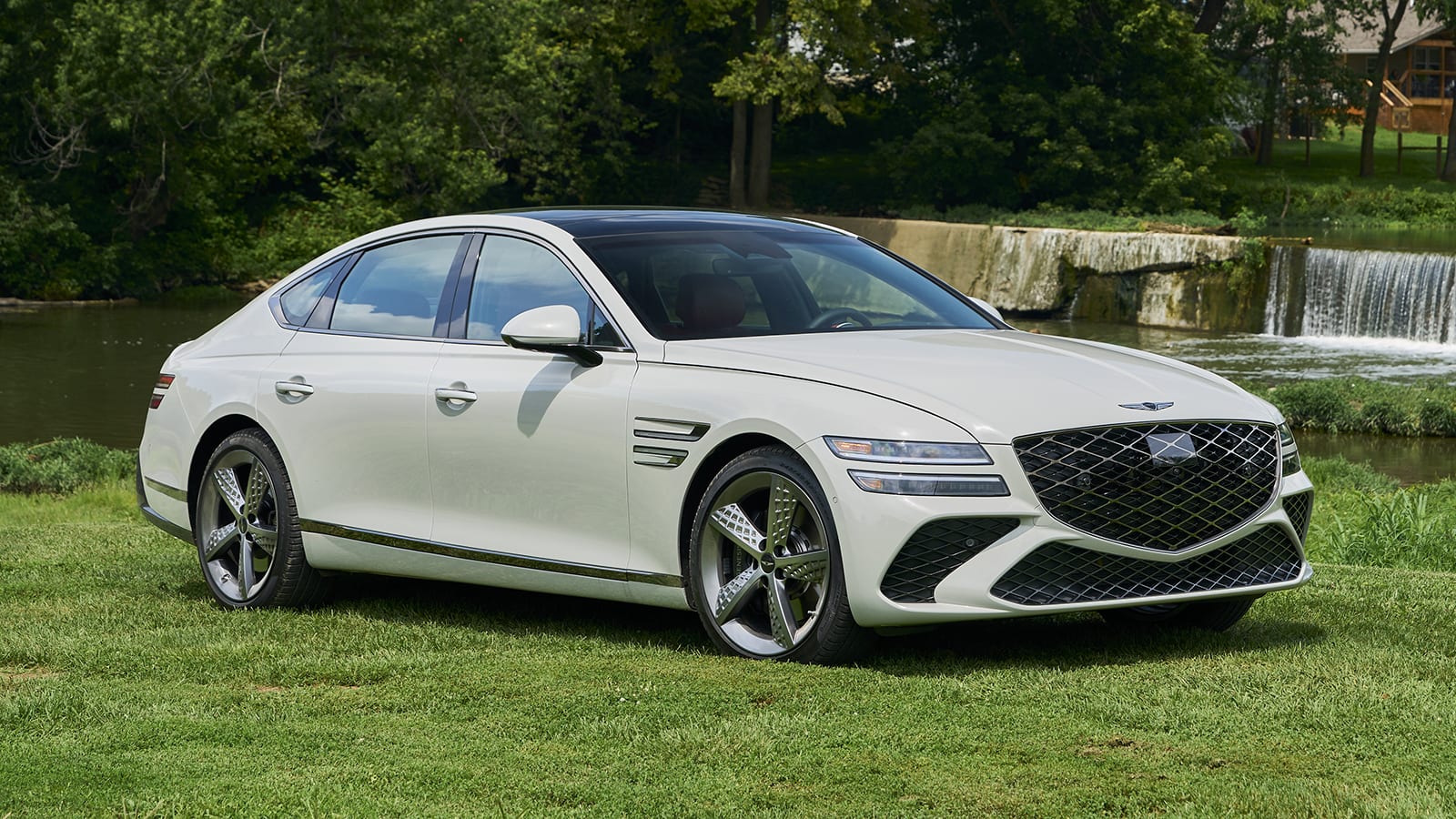
1. Genesis G80
The Genesis G80 is one of the quietest sedans you can buy today at its price point. It competes directly with German luxury rivals but often outshines them in cabin silence. Genesis has poured serious engineering effort into making this car a rolling sanctuary. The results speak for themselves the moment you close the door.
The doors themselves feel incredibly solid and well-sealed when you shut them. That satisfying thud immediately tells you something special is happening with this car’s construction. Double-sealed door weatherstripping lines every entry point around the cabin. It blocks wind and road noise from creeping inside, even at high highway speeds.
Laminated acoustic glass is used on all side windows throughout the G80. This specialized glass has a sound-dampening layer sandwiched between two panes. It dramatically reduces the high-frequency wind noise that plagues lesser sedans. Passengers in the rear seat especially benefit from this thoughtful engineering detail.
The floor and firewall are lined with thick layers of sound-absorbing material. These materials trap road vibration before it can travel up into the seats and steering wheel. Even on coarse asphalt surfaces, the G80 remains impressively composed and quiet. The cabin feels almost completely isolated from the rough world outside.
The suspension tuning also plays a major role in keeping things quiet. Genesis engineers calibrated the dampers to absorb impacts smoothly without transmitting harsh thuds through the chassis. Rough road expansion joints pass beneath the wheels with barely a murmur. The ride is plush, controlled, and wonderfully silent.
At highway speeds above 100 km/h, the G80 holds its composure brilliantly. Wind noise is nearly nonexistent thanks to the carefully sculpted body and flush door handles. The turbocharged 2.5-litre four-cylinder engine stays hushed and refined under normal driving. Only when you push the throttle hard does the engine make its presence known.
Interior materials also contribute to the acoustic experience in meaningful ways. Soft-touch surfaces and thick carpeting absorb sound waves that would otherwise bounce around the cabin. There are no hard plastic panels that rattle or vibrate annoyingly. Every surface feels premium and tightly assembled.
The G80 also features active noise cancellation technology in higher trim levels. Microphones inside the cabin detect unwanted low-frequency sounds and generate opposing sound waves. This technology effectively neutralizes engine and road drone before your ears even register it. It is the same principle used in high-end noise-cancelling headphones.
The Genesis G80 sets a benchmark for affordable luxury silence. It proves that you do not need to spend Mercedes S-Class money to enjoy a truly quiet cabin. For buyers who prioritize peace and refinement above all else, the G80 is an outstanding choice. It is genuinely one of the best executive sedans for NVH performance available today.
2. Toyota Camry
The Toyota Camry has transformed dramatically over the past decade. It was once criticized for being bland and unremarkable in almost every way. Today, however, it stands as one of the most refined mainstream sedans on the market. Its cabin’s quietness is a major part of that remarkable transformation.
Toyota invested heavily in NVH improvements when redesigning the Camry on the TNGA platform. The platform itself is stiffer and more rigid than the previous generation’s underpinnings. A stiffer body structure vibrates less and transmits fewer road noises into the cabin. This foundational engineering improvement pays dividends in everyday refinement.
Acoustic glass is now standard on many Camry trim levels. It makes a noticeable difference when driving on highways surrounded by heavy traffic. Wind rush and tire hum from nearby trucks are significantly muted. Conversations flow naturally without needing to raise your voice.
The 2.5-litre four-cylinder engine is smooth and well-isolated at cruising speeds. It settles into a quiet, distant hum once you are cruising comfortably on a motorway. There is no intrusive vibration through the steering wheel or floorboard. The engine essentially disappears from your sensory awareness during relaxed driving.
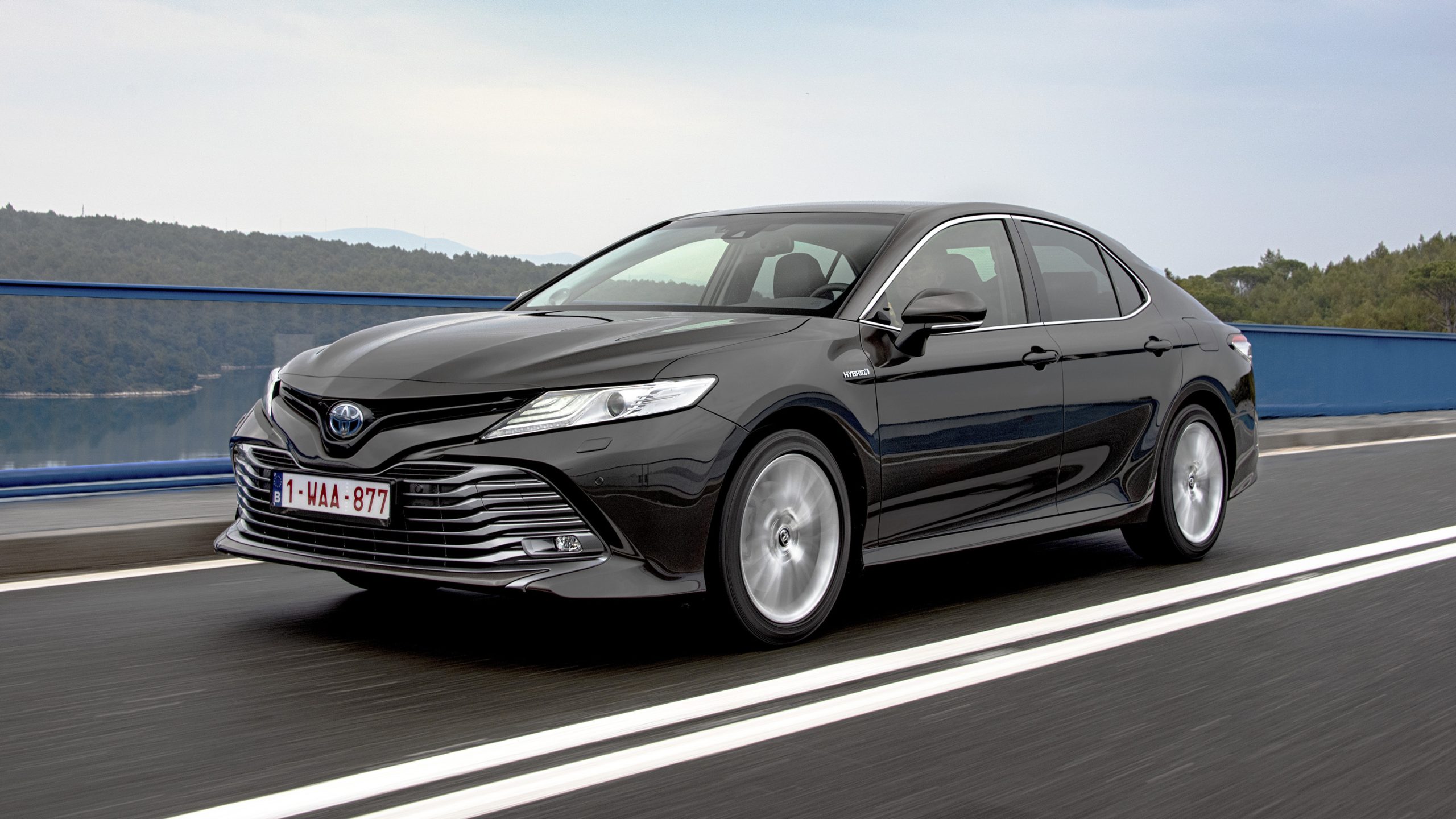
Road noise suppression is particularly impressive for a car in this price segment. Toyota has used extensive underbody cladding and wheel arch insulation to quiet the tire roar. Even on poorly maintained urban roads, the Camry maintains a composed and refined character. It does not punish occupants with every crack and pothole.
The Hybrid variant of the Camry takes cabin quietness one step further. In electric-only mode at low speeds, the cabin is almost eerily silent. You glide through parking lots and suburban streets with virtually no powertrain noise. Even when the petrol engine kicks in, it does so with remarkable smoothness.
Rear passengers enjoy an especially quiet environment in the Camry. The rear door seals are tightly fitted, and the C-pillar design minimizes wind turbulence. Long-distance rear-seat passengers often comment on how rested they feel after a journey. That is the true mark of excellent cabin acoustic engineering.
The Camry proves that quietness is no longer reserved for luxury cars alone. Toyota has brought genuine refinement to a vehicle that millions of people can afford. It competes with and often beats far more expensive rivals in real-world NVH performance. For everyday buyers seeking peace and value, the Camry delivers in remarkable fashion.
3. Honda Accord
The Honda Accord has always been a benchmark in the mid-size sedan segment. Its tenth and eleventh generations have pushed cabin refinement to impressive new heights. Honda’s engineers took noise complaints from previous models very seriously. The result is a sedan that wraps its occupants in a genuinely tranquil environment.
Honda used extensive acoustic modelling during the Accord’s development process. They identified every pathway through which noise could enter the cabin. Each gap, seam, and surface was then treated with appropriate insulation or sealing material. The result of this meticulous process is a noticeably quieter car than its predecessor.
The front windshield uses acoustic laminated glass as standard equipment. This feature alone makes a tremendous difference on motorway drives. High-speed wind noise is one of the most tiring sounds during a long journey. The Accord tackles it head-on with this thoughtful inclusion right from the base trim level.
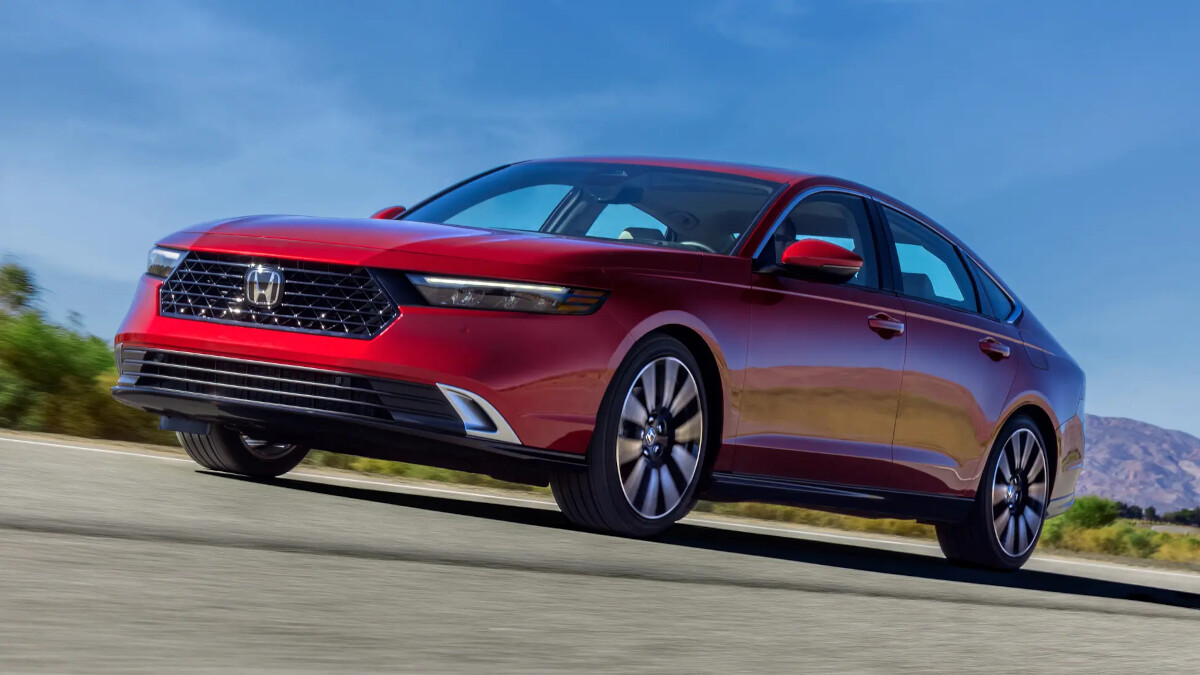
The 1.5-litre turbocharged engine is well-isolated from the firewall. Under light throttle inputs, it barely makes its presence felt inside the cabin. Honda has used multi-layer firewall insulation to achieve this impressive level of isolation. Only under hard acceleration does the engine note enter the passenger compartment with any real volume.
Tyre and road noise management is equally impressive in the Accord. The rear suspension is carefully tuned to absorb impacts without sending vibration through the floor. Honda lined the wheel arches with thick acoustic foam to further deaden tyre roar. Even budget-grade replacement tyres do not transform the Accord into a noisy car.
The Accord’s aerodynamic body shape also contributes to its quiet cabin. The sloping roofline, flush door handles, and carefully shaped mirrors all reduce wind turbulence. This lowers the amount of wind noise generated at highway speeds. Less turbulence means less noise, and the Accord’s designers clearly understood this principle deeply.
At motorway speeds, the Accord feels utterly composed and serene. Conversations are easy, music plays at low volumes comfortably, and fatigue accumulates slowly. These are the hallmarks of a car that has been genuinely engineered for refinement. The Accord shows that Honda can deliver luxury-grade quietness at a mainstream price point.
For buyers who spend long hours behind the wheel, the Accord is a compelling choice. It combines engaging driving dynamics with genuine cabin tranquillity. Few sedans at this price level offer such a well-rounded acoustic experience. The Honda Accord earns its reputation as one of the segment’s finest all-rounders.
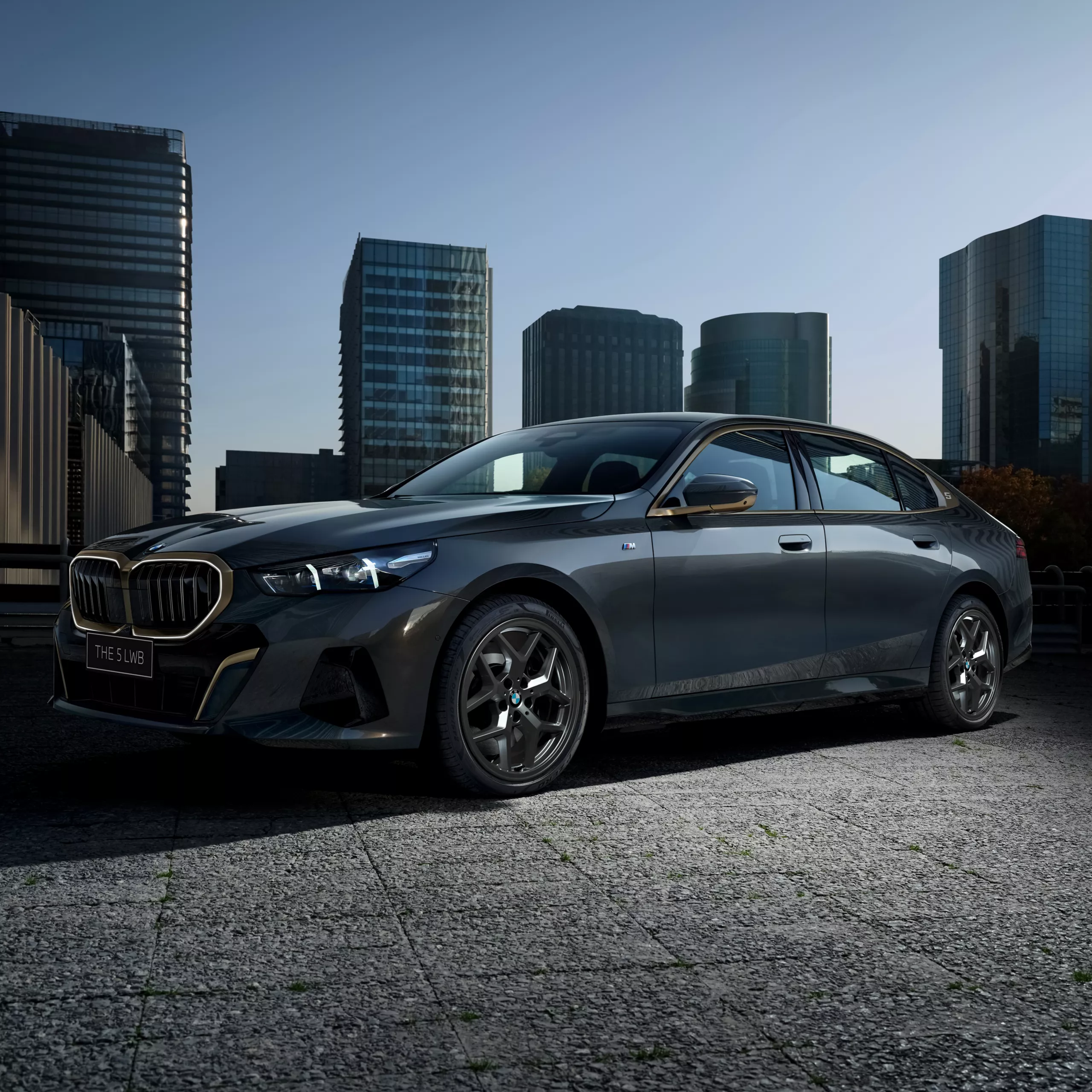
4. BMW 5 Series
The BMW 5 Series has long been considered one of the best executive sedans. It balances driver engagement with passenger comfort in a way few rivals can match. Part of that comfort equation involves an impressively well-insulated cabin. BMW’s acoustic engineering on the 5 Series is genuinely world-class.
Every panel gap on the 5 Series is sealed with precision-engineered rubber gaskets. BMW manufactures these seals to extremely tight tolerances at their production facilities. Even a small gap can allow wind noise to whistle through at speed. BMW eliminates these gaps almost entirely, resulting in a cabin that remains hushed at all velocities.
The 5 Series uses double-pane acoustic glass on the front side windows. This is in addition to the already standard laminated windshield. The combination of these two acoustic glass technologies is highly effective. Wind noise at 130 km/h is reduced to a barely-there whisper that most passengers will not even notice.
BMW’s eight-speed automatic gearbox is silky smooth and contributes to cabin peace. Gear changes happen without any jolt or drivetrain lurch that could disturb passengers. The transmission keeps the engine operating in its smoothest, quietest rev range wherever possible. This intelligent powertrain management reduces NVH throughout the entire driving experience.
The suspension on the 5 Series absorbs road imperfections with surgical precision. Adaptive dampers continuously adjust to the road surface being traveled upon. This means sharp bumps are softened before they can generate impact noise inside the cabin. The car reads the road and responds proactively to maintain composure and quietness.
Road noise in the 5 Series is impressively well contained. Thick rubber undercoating on the floor pan forms an effective barrier against tyre roar. Additional insulation layers in the doors and roof liner further prevent noise transmission. Even on rough motorway surfaces, the interior remains a place of genuine calm and luxury.
The inline-six petrol engine found in higher 5 Series variants is a masterpiece of smoothness. It revs with an almost turbine-like lack of vibration through the entire powerband. Under normal driving conditions, it contributes almost nothing to the cabin noise level. Only a faint, pleasurable mechanical note reaches the interior when you request full power.
The BMW 5 Series remains a gold standard for executive sedan refinement. It sets the bar that all competitors in this segment aspire to reach. If you want a driver’s car that also happens to be whisper-quiet, this is your answer. The 5 Series is the complete package for buyers who refuse to compromise on any front.
Also Read: 4 Cars With Working Cruise Control After 200K vs 4 Where It Fails by 100K
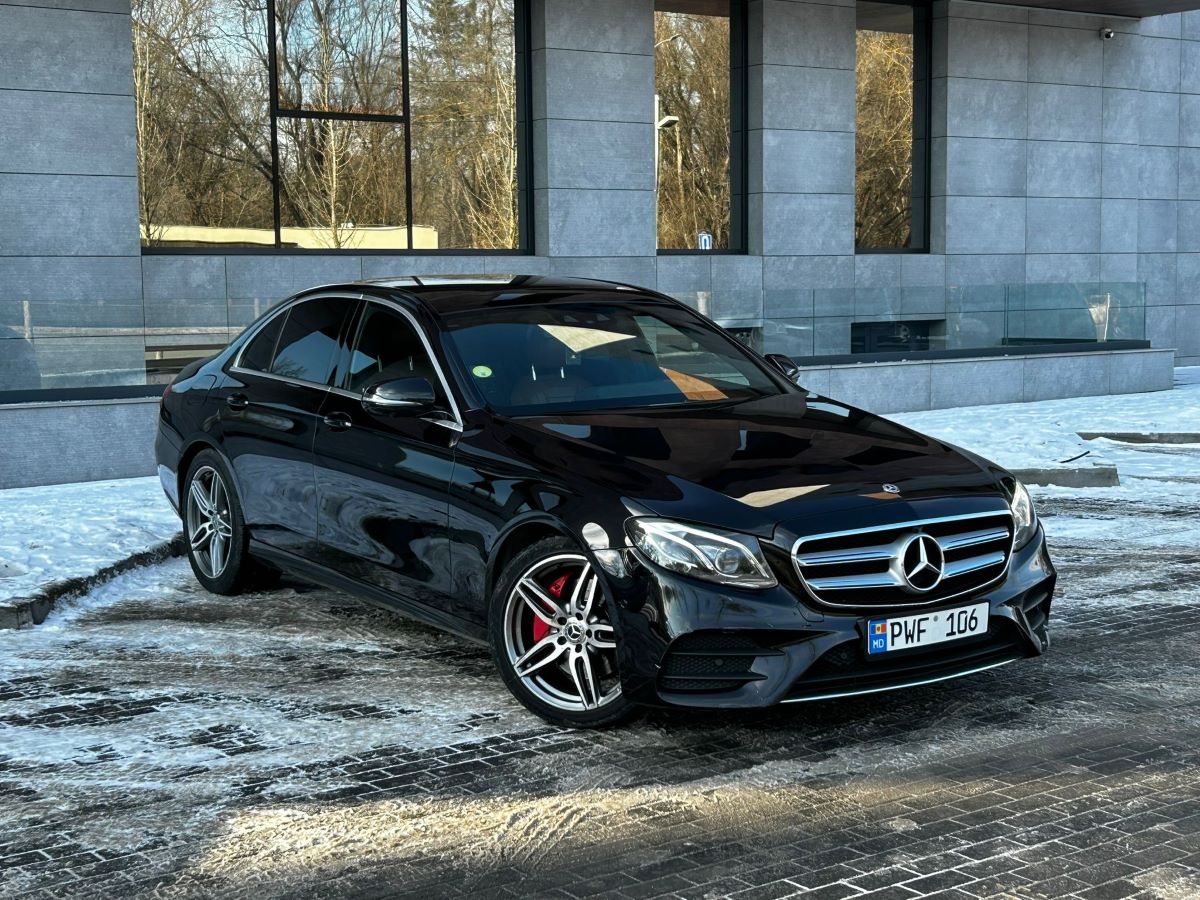
5. Mercedes-Benz E-Class
The Mercedes-Benz E-Class has been synonymous with serene, refined motoring for decades. It is the car that defined what an executive sedan should feel and sound like. Every generation has pushed the boundaries of cabin acoustic engineering further. The current model represents the absolute pinnacle of what Mercedes can achieve in this regard.
Mercedes engineers spent thousands of development hours specifically targeting NVH in the E-Class. They used advanced acoustic simulation software to model sound pathways before building physical prototypes. This digital-first approach allowed them to address noise issues before they were ever built into a real car. The resulting cabin is extraordinarily quiet by any objective measurement standard.
The E-Class uses acoustic laminated glass on all windows, not just the windshield. This comprehensive application of sound-dampening glass is rare even among luxury competitors. It means that wind and road noise have no easy pathway into the passenger compartment. The effect is immediately apparent the first time you drive this car on a busy motorway.
The door seals on the E-Class are multilayered and extraordinarily effective at their job. They compress snugly against the door frame when closed, creating an airtight seal. This sealing system blocks both wind noise and water ingress with equal effectiveness. The solid, vault-like thud of a closing E-Class door is one of motoring’s most satisfying sensations.
Mercedes uses a triple-layer acoustic floor mat in the E-Class. This thick, multi-density carpet system absorbs road vibration before it reaches the occupants’ feet. Combined with extensive underbody insulation, it makes the floor feel almost completely decoupled from the road. Your feet rest in silence while the road surface rushes past beneath the car.
Active noise cancellation is fitted as standard in the E-Class. It operates continuously and without any driver input required. The system effectively erases low-frequency engine and road hum from the cabin soundscape. Passengers are left with a silence that feels almost unnatural in its completeness.
The rear passenger compartment of the E-Class deserves special mention. It is arguably the most refined place to sit in any non-limousine sedan available today. Road noise, wind noise, and mechanical vibration are all reduced to levels that barely register consciously. Long journeys feel effortless and thoroughly rejuvenating for rear-seat occupants.
The Mercedes-Benz E-Class is the undisputed king of sedan cabin quietness. It sets a standard that most competitors cannot realistically hope to match. If ultimate acoustic refinement is your primary requirement, no other sedan comes close. The E-Class is not just a quiet car, it is a rolling demonstration of acoustic engineering mastery.
5 That Are Loud
These sedans are often associated with noisy blower motors, weaker insulation, or less refined HVAC design, causing noticeable fan noise, especially at higher settings. Budget-focused models or older designs may produce a constant hum or loud airflow sound.
This can become distracting during daily driving, especially in quieter cabins where the fan noise stands out more. Over time, wear in the blower motor or ducts can make the issue worse, reducing comfort.
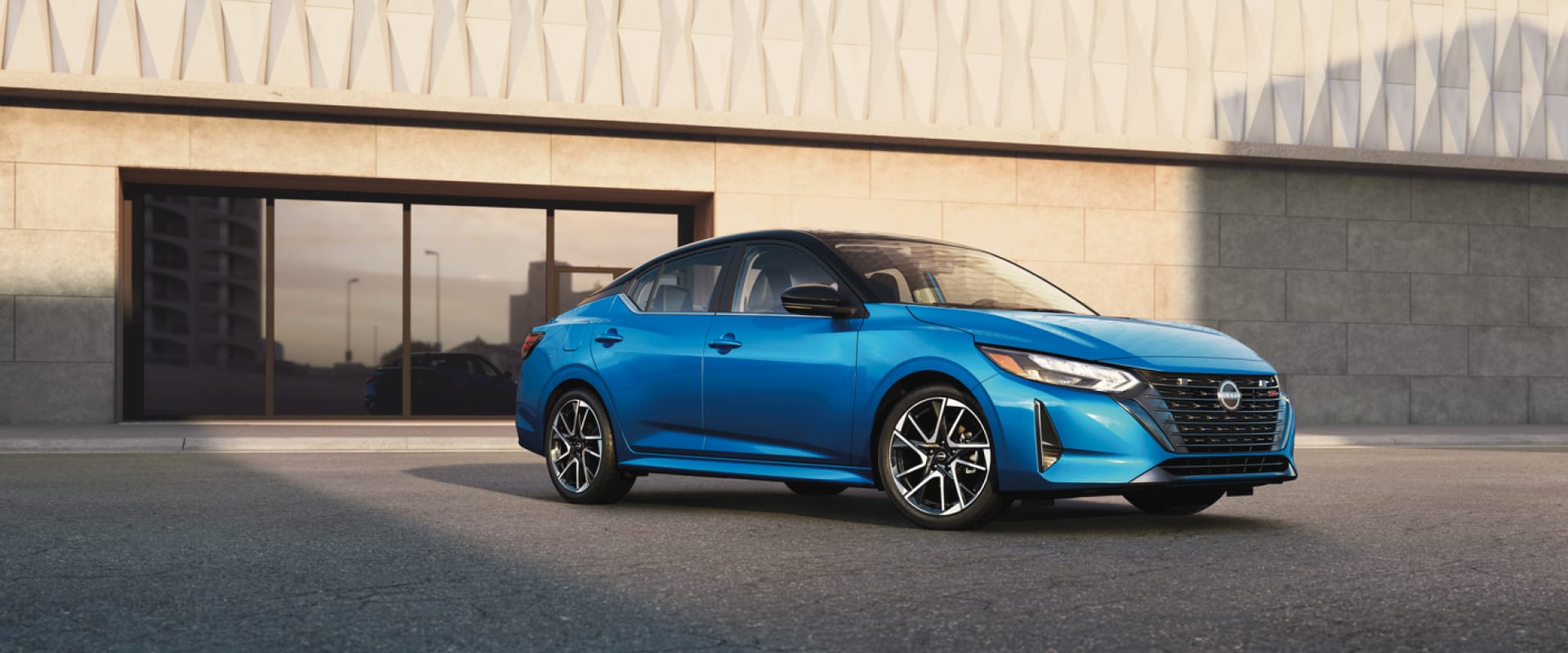
1. Nissan Sentra
The Nissan Sentra occupies the affordable end of the compact sedan market. It offers reasonable value for money in many areas of ownership. However, cabin quietness is unfortunately not one of its stronger suits. The Sentra has a well-documented reputation for allowing significant road noise into the cabin.
The tyre roar in the Sentra becomes very apparent shortly after pulling onto a highway. Coarse asphalt surfaces amplify this issue dramatically and immediately. The wheel arch liners are thin and provide minimal acoustic insulation against tyre noise. Passengers notice the constant hiss and roar that accompany most motorway driving.
Wind noise at speeds above 90 km/h is also a notable concern in the Sentra. The door seals appear to be less robustly engineered than those found on more expensive rivals. Wind rushes through around the A-pillars and along the roofline at higher speeds. This creates a persistent background noise that requires raising the radio volume to overcome.
The 2.0-litre naturally aspirated engine is not a particularly refined unit by modern standards. Under hard acceleration, it generates a coarse, buzzy noise that fills the cabin unpleasantly. Even at steady cruising speeds, there is a noticeable level of mechanical vibration present. The engine’s presence in the cabin is something drivers become acutely aware of on longer journeys.
The dashboard and door panels are made almost entirely from hard plastic materials. These hard surfaces do not absorb sound; they reflect it directly back at the occupants. This means every noise that does enter the cabin bounces around and amplifies rather than being absorbed. The acoustic properties of the interior materials genuinely work against the car here.
Sound-deadening material in the Sentra is minimal compared to more premium offerings. Nissan has clearly made cost-cutting decisions in this area of the car’s construction. The firewall insulation feels thin and insufficient for effective noise isolation. You can hear the engine compartment quite clearly even during relaxed, steady-speed driving.
Rear passengers have an especially tough time in the Sentra on long journeys. The rear portion of the cabin receives road noise from the rear tyres with very little filtering. Conversations require noticeable effort on motorways due to the background noise level. It is a significant shortcoming in an otherwise serviceable and affordable family sedan.
The Nissan Sentra is a reasonable car for short urban commutes where noise is less of an issue. But for highway driving and long-distance journeys, the cabin noise levels become genuinely fatiguing. Buyers who prioritize a peaceful interior environment will likely find the Sentra frustrating over time. It needs significantly more acoustic investment to compete with quieter rivals in its class.
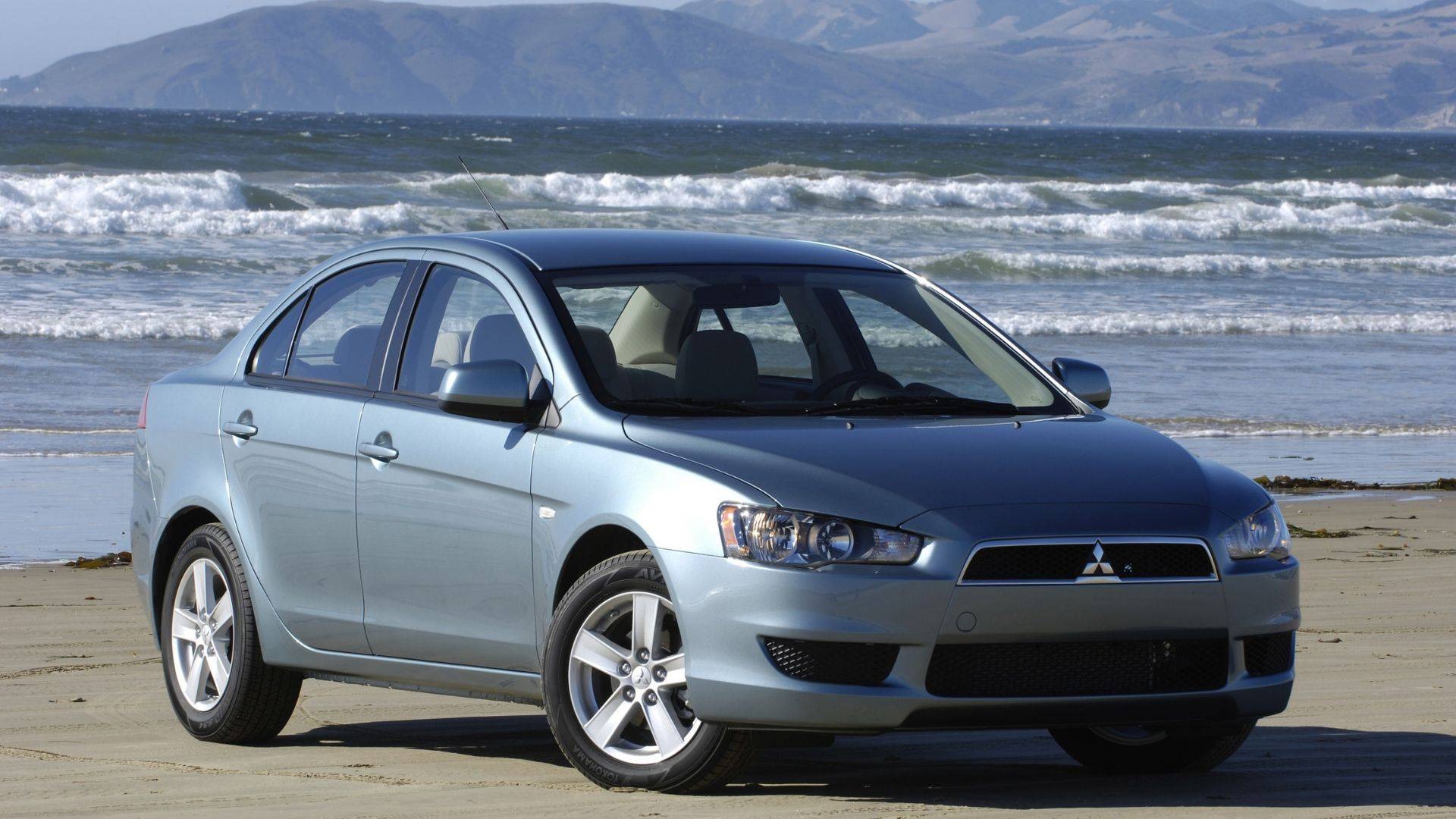
2. Mitsubishi Lancer
The Mitsubishi Lancer has had a remarkably long production run in various global markets. While it has loyal fans who appreciate its straightforward reliability, cabin refinement is not its strong point. It represents an older approach to sedan engineering that did not prioritize acoustic comfort. Modern buyers exposed to quieter competitors will notice the difference immediately.
The Lancer’s cabin becomes notably loud during motorway driving at sustained speeds. Road noise from the front tyres enters the cabin without much resistance or filtering. The floor pan lacks adequate insulation to absorb the vibration generated by coarser road surfaces. The result is a constant low-frequency rumble that accompanies every highway journey.
Wind noise around the door mirrors and A-pillars is a persistent characteristic of the Lancer. The aerodynamic shape of the car was designed in an earlier era of automotive development. Modern cars use far more sophisticated computational fluid dynamics to minimize wind turbulence. The Lancer simply lacks the aerodynamic refinement needed to achieve low wind noise figures.
The 2.0-litre four-cylinder engine is adequately powered but not particularly refined acoustically. At higher revs, it generates a harsh, strident note that penetrates the firewall without much difficulty. Engine vibration can also be felt through the steering wheel and gear lever during spirited driving. These tactile and audible intrusions become tiresome on longer journeys.
The interior plastics throughout the Lancer are uniformly hard and resonant. Dashboard panels, door cards, and centre console components all have a tendency to develop rattles over time. As the car ages and plastic clips loosen, these rattles become more numerous and harder to track down. They add a layer of cabin noise that compounds the existing road and wind noise problems.
Door seals on older Lancer examples often deteriorate and lose their effectiveness at blocking wind and water. Replacing them improves the situation noticeably, but it is an additional ownership cost. Even on well-maintained examples, the door seals are not as multilayered or effective as those on modern competitors. Air infiltration around the door frames is a common complaint among Lancer owners.
The Lancer’s suspension tuning prioritizes handling feel over ride compliance and noise isolation. Road impacts are transmitted through the relatively stiff suspension with considerable energy. Large bumps and expansion joints send audible thuds through the chassis into the cabin. This makes inner-city driving on degraded road surfaces a particularly noisy experience.
Despite its many loyal followers, the Lancer’s cabin noise levels are a genuine weakness. It is a car that made compromises in NVH to keep costs low and handling sharp. Buyers seeking a quiet long-distance companion should look elsewhere in the segment. The Lancer is better suited to those who prioritize driving engagement and reliability over refined acoustic comfort.
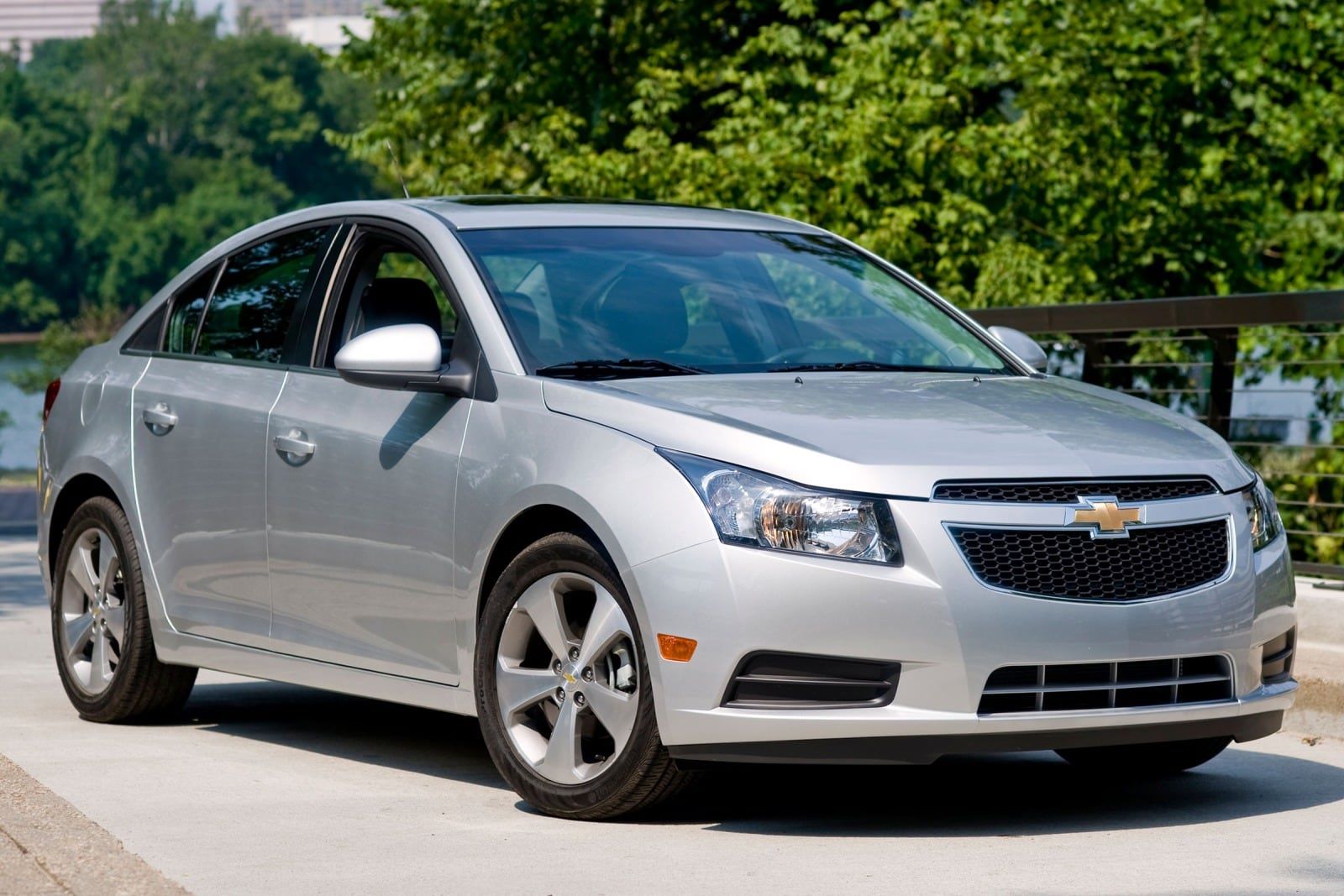
3. Chevrolet Cruze (First Generation)
The first-generation Chevrolet Cruze arrived with great fanfare as GM’s global compact sedan. It offered attractive styling and a broad range of engine options for different markets. However, the original Cruze developed a reputation for cabin noise that undermined its otherwise reasonable value proposition. NVH engineers clearly had limited budgets to work with on this particular project.
Road noise in the first-generation Cruze is prominent and immediately noticeable. The thin tyres fitted to base models generate a significant amount of roar on rough surfaces. Wheel arch insulation is minimal and provides little acoustic barrier between the tyres and occupants. Even on smooth surfaces, there is always a background level of tyre noise present in the cabin.
The turbocharged 1.4-litre engine can be coarse and intrusive at certain points in the rev range. Around 2,500 to 3,500 rpm under load, it generates a rough, buzzy tone that enters the cabin readily. This particular rev range is exactly where most urban and suburban driving naturally occurs. It means the noise issue is present frequently throughout a typical daily commute.
Wind noise around the door frame and windshield surround becomes very apparent above 100 km/h. The door seal quality on early production examples was inconsistent from vehicle to vehicle. Some cars were notably worse than others, depending on assembly quality from the factory. This inconsistency made the noise issue frustratingly difficult to predict or rely upon.
The dashboard in the first-generation Cruze was made from hard, resonant plastic materials throughout. These surfaces amplified rather than absorbed ambient noise entering the cabin. On cold mornings, thermal expansion and contraction caused various interior components to creak and groan. Owners frequently reported clicking and ticking noises from the instrument panel area.
Floor insulation in the Cruze was thin and insufficient for a car aimed at highway-capable family use. Road vibration is transmitted clearly through the floor to the feet and seat base. This was especially apparent on motorway surfaces with regular surface joins and expansion gaps. The vibration could be felt as much as heard, contributing to driver fatigue.
Rear-seat passengers in the Cruze faced particularly challenging noise conditions. The rear parcel shelf area was prone to vibrating in sympathy with road noise frequencies. Items placed on the parcel shelf would rattle and shuffle around annoyingly at certain speeds. Combined with the already raised road noise level, this made the rear cabin an uncomfortable place.
The first-generation Cruze is a reminder that competitive pricing always involves compromises somewhere. Acoustic refinement was one area where General Motors cut costs noticeably. The second-generation model improved significantly in this area following customer feedback. But the original Cruze remains a cautionary example of what happens when NVH engineering receives insufficient attention and budget.
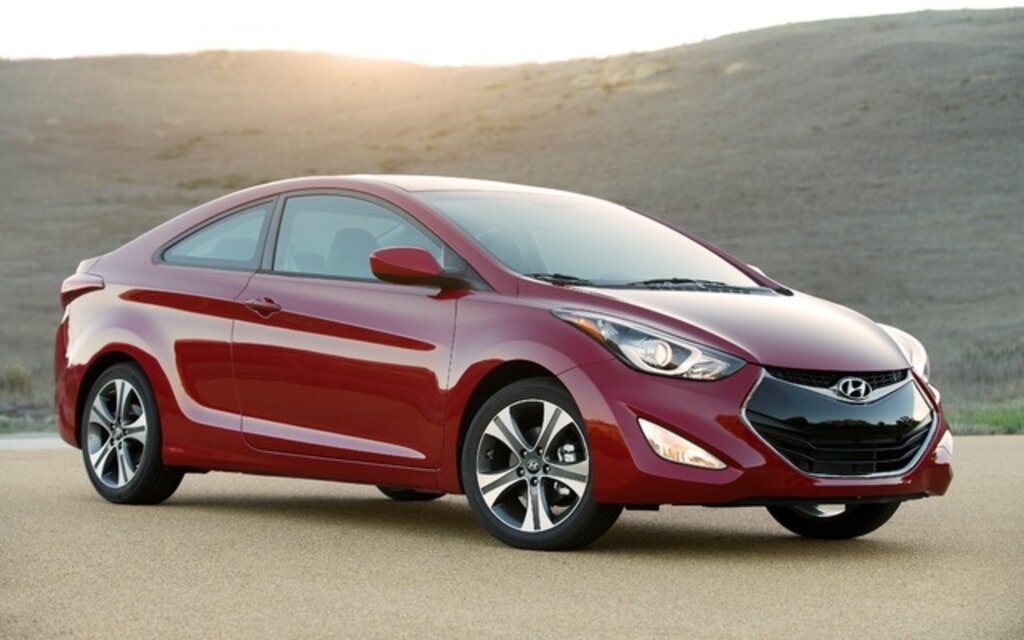
4. Hyundai Elantra (Older Generations)
Earlier generations of the Hyundai Elantra were popular for their affordability and attractive styling. Hyundai offered strong value with a comprehensive features list at a competitive price point. However, cabin refinement was an area where the older Elantra fell noticeably short of expectations. Road and wind noise were frequent complaints among owners and automotive reviewers alike.
The road noise issue in older Elantra models was most pronounced on motorway and expressway surfaces. The relatively thin body panels transmitted road vibration with minimal resistance into the cabin. Underbody insulation was applied sparingly to keep manufacturing costs within acceptable limits. This resulted in a cabin that felt acoustically exposed to the road during sustained high-speed driving.
Wind noise around the door mirrors was a particular characteristic of older Elantra designs. The mirror shape and mounting position created noticeable aerodynamic turbulence at highway speeds. This turbulence generated a persistent wind rush that entered the cabin through the surrounding seal areas. Drivers seated on the left side of the car were especially aware of this irritating noise.
The naturally aspirated 1.6- and 2.0-litre engines in older Elantra models were adequate but not smooth. Under moderate to hard acceleration, they produced a raspy, unrefined note that projected clearly into the cabin. The firewall insulation was not thick enough to fully contain engine noise under these conditions. Spirited driving resulted in an acoustic experience that felt more budget than the car’s specification suggested.
Hard plastic door trims were used extensively throughout older Elantra interiors to reduce costs. These surfaces reflected sound rather than absorbing it, worsening the acoustic environment. Over time and with age, these plastic panels became increasingly prone to developing rattles and squeaks. Ownership surveys consistently identified interior noise and squeaks as common long-term complaints.
Door seals on older Elantra models were functional but not exceptionally effective in blocking wind infiltration. Long-term owners often reported that seals deteriorated faster than expected, worsening noise intrusion over time. The degraded seals allowed additional wind noise to enter the cabin around the door frame perimeter. This made already-noisy older examples even louder as the years passed.
The older Elantra’s suspension was tuned for economy rather than acoustic isolation. It transmitted a significant amount of road texture information to the cabin floor and seats. On poorly maintained urban roads, the car felt and sounded noticeably busy and agitated. This nervous, noisy character made longer urban drives more tiring than necessary.
It is important to note that recent Elantra generations have improved considerably in this regard. Hyundai has invested heavily in NVH across its entire lineup in recent years. The current Elantra is a much more refined product than its predecessors. But the older models remain a testament to the acoustic compromises that plagued earlier iterations of Hyundai’s popular compact sedan.
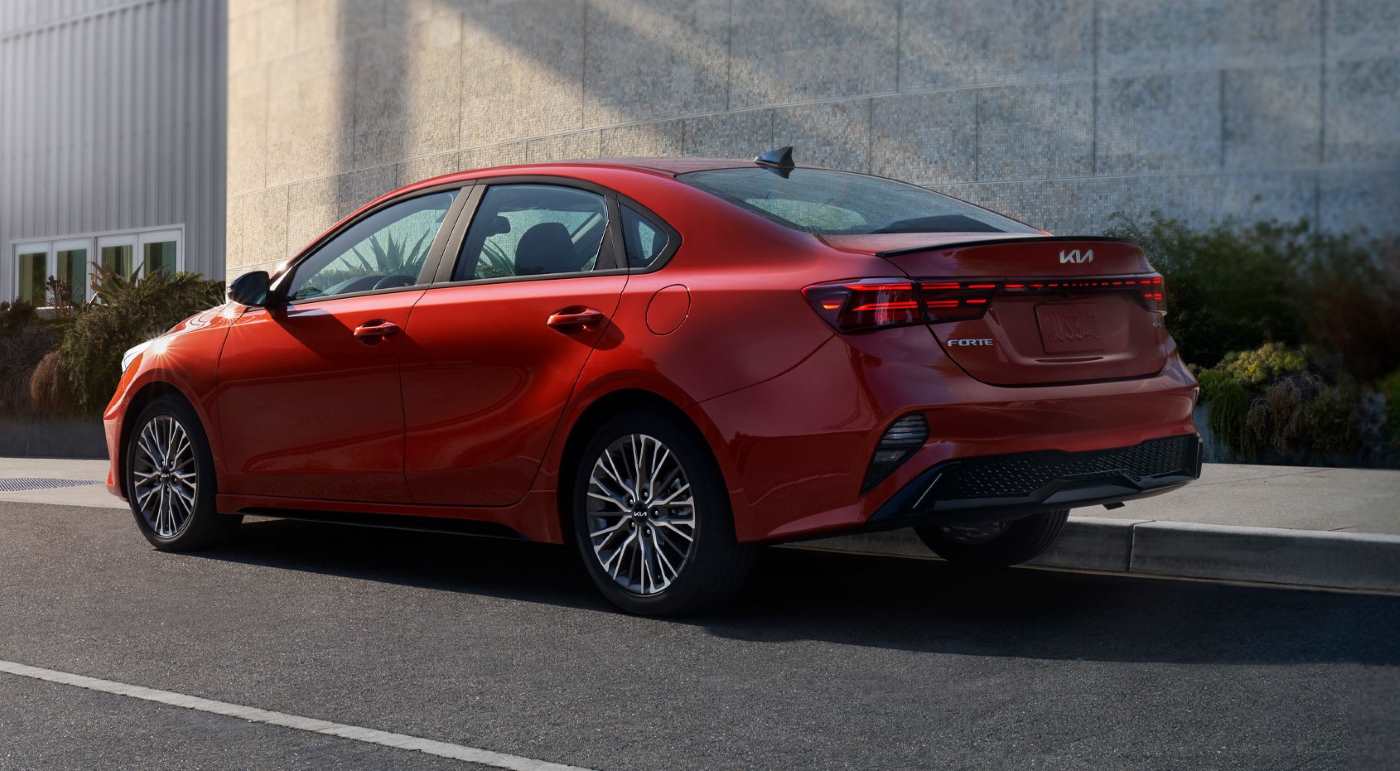
5. Kia Forte (Base Trim)
The Kia Forte in base trim specification represents one of the most affordable entries into the compact sedan segment. It offers reliable transportation and modern technology at a genuinely accessible price point.
However, the base trim’s acoustic experience leaves significant room for improvement. Cost-cutting measures are clearly evident in the car’s approach to noise management.
Road noise in the base Forte is the most immediately noticeable acoustic shortcoming. Standard-fit tyres in entry-level trim are optimized for fuel efficiency rather than quietness.
These tyres generate more tyre roar than premium alternatives fitted to higher trim levels. On motorway and expressway surfaces, this tyre noise becomes the dominant sound inside the cabin.
The absence of acoustic glass on base trim Forte models is felt keenly at highway speeds. Laminated glass is reserved for higher and more expensive variants in the model lineup. Standard glass transmits wind noise much more readily than its laminated counterpart. At speeds above 100 km/h, wind rushing around the A-pillars becomes a constant companion for the driver and passengers.
The 2.0-litre naturally aspirated engine in the base Forte is not particularly refined under hard use. When pushed beyond 3,000 rpm, it generates a coarse, buzzy induction roar that enters the cabin.
City driving, where frequent acceleration is required, means this engine noise is present regularly throughout journeys. It is not a seriously problematic issue, but it does contribute to an impression of budget-level refinement.
Door insulation in base trim Forte models is minimal and clearly a cost reduction area. The doors feel lighter and less substantial when closing than those of better-insulated competitors.
The reduced insulation means road and wind noise find the doors to be relatively easy entry points. Conversations at highway speeds require noticeably more effort than in more generously insulated rivals.
Floor and firewall acoustic material in the base Forte is present but thin throughout. Vibration from the road surface can be felt through the floor mat and seat base during motorway driving.
The sensation is not aggressive or alarming, but it adds to a general sense of noise and activity in the cabin. Long-distance motorway trips in the base Forte are more fatiguing than they need to be as a result.
Rear occupants in the base Forte find themselves closer to the road acoustically than front passengers. Rear wheel arch insulation is particularly sparse in base specifications.
Tyre roar from the rear wheels enters the rear cabin compartment with minimal filtering or dampening. Passengers on rear seats are acutely aware of this noise during any sustained highway driving.
The Forte’s noise situation is closely tied to the trim level you select. Higher trims with acoustic glass, better tyres, and additional insulation tell a very different story.
The base model, however, is a clear example of how budget allocation decisions affect real-world acoustic performance. It serves as a useful reminder that the sticker price of a car often reflects the acoustic refinement you can expect to experience inside it.
Also Read: 9 Most Underrated SUVs of the Last 15 Years
