
Side mirror damage is one of the most common and frustrating issues car owners face. Whether it happens in tight parking spaces, crowded streets, or through minor contact with another vehicle, the side mirror is often the first component to take a hit.
What makes this problem worse is the cost of repair. In many modern vehicles, even a small crack in the mirror glass can lead to surprisingly high expenses, especially when the entire assembly must be replaced.
However, not all vehicles follow this expensive path. Some models are designed in a way that allows the mirror glass to be replaced separately from the housing and electronics.
This small but important design choice can make a huge difference in repair costs. Instead of replacing motors, indicators, and sensors, owners can simply swap out the glass itself at a fraction of the price.
Another factor that influences cost is availability. Vehicles that are widely sold tend to have a strong aftermarket presence. This leads to a large number of replacement options, which keep prices low. In many cases, mirror glass for these vehicles can be purchased for under $50, making repairs quick and affordable.
Design simplicity also plays a major role. Cars that avoid excessive integration of heating elements, blind spot monitoring systems, or complex shapes tend to have cheaper mirror components.
While these features add convenience, they also increase replacement costs. Vehicles that maintain a balance between functionality and simplicity often provide the best value when repairs are needed.
Ease of installation is equally important. Many of these vehicles allow mirror glass to be replaced without professional assistance. This reduces labour costs and makes the repair process accessible even for those with basic tools and minimal experience.
This list highlights nine vehicles where side mirror glass replacement remains budget-friendly. Each one demonstrates that thoughtful design and widespread availability can keep ownership costs under control. Below are nine vehicles that make mirror repairs simple and affordable.
Also Read: 9 Cars That Don’t Mind Being Parked in 110-Degree Phoenix Heat
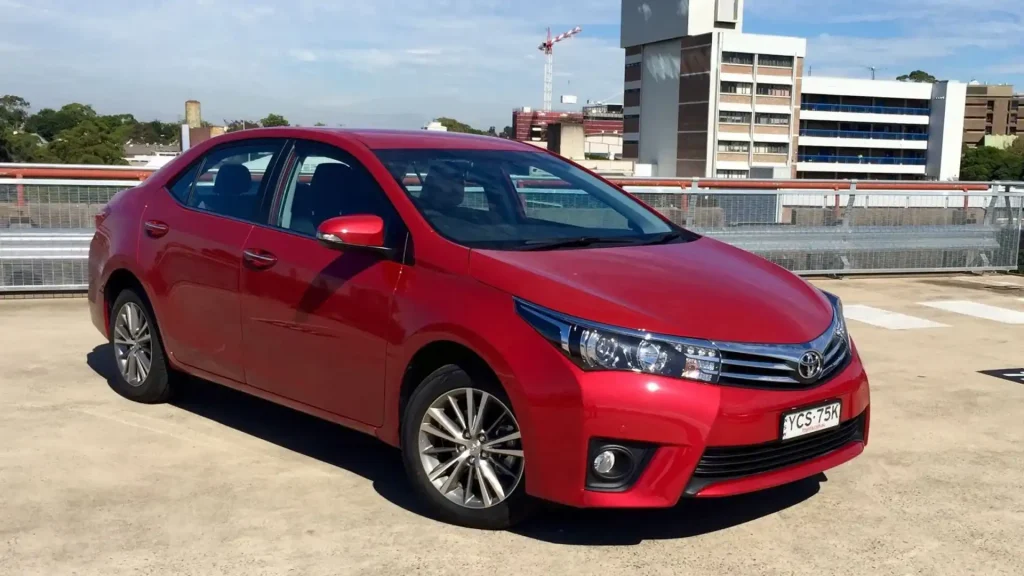
1. Toyota Corolla
The Toyota Corolla stands as one of the most practical choices when it comes to keeping repair costs low, and this extends to something as specific as side mirror glass replacement. Its long-standing popularity ensures that parts are easy to find, and that includes mirror glass options that typically remain well under the $50 mark.
One of the biggest advantages of the Corolla is how its mirror assembly is structured. Instead of forcing owners to replace the entire unit, the design allows the glass to be removed and replaced independently. This reduces both material costs and the complexity of the repair.
Availability plays a major role here. Because the Corolla has been sold in massive numbers across multiple generations, aftermarket manufacturers produce a wide range of compatible mirror glass options. This competition keeps prices low and gives owners flexibility when choosing a replacement.
The shape of the mirror glass is also relatively straightforward. It avoids unusual curves or integrated features that would increase manufacturing costs. This simplicity translates directly into affordability when it comes time for replacement.
Another point worth noting is how easy the process is. In many cases, the damaged glass can be removed with basic tools, and the new piece can be snapped or adhered into place. This means owners can often complete the repair themselves, avoiding labour charges entirely.
Durability is another factor that works in the Corolla’s favour. While no mirror is immune to damage, the materials used are designed to handle everyday conditions without becoming overly fragile. This reduces the frequency of replacements over time.
Drivers who use their vehicles in busy urban environments benefit the most from this setup. Minor incidents that would otherwise lead to expensive repairs become manageable and inexpensive.
The Corolla continues to prove that practical engineering can make a real difference in ownership costs. Its approach to mirror design ensures that even small repairs remain affordable and straightforward.
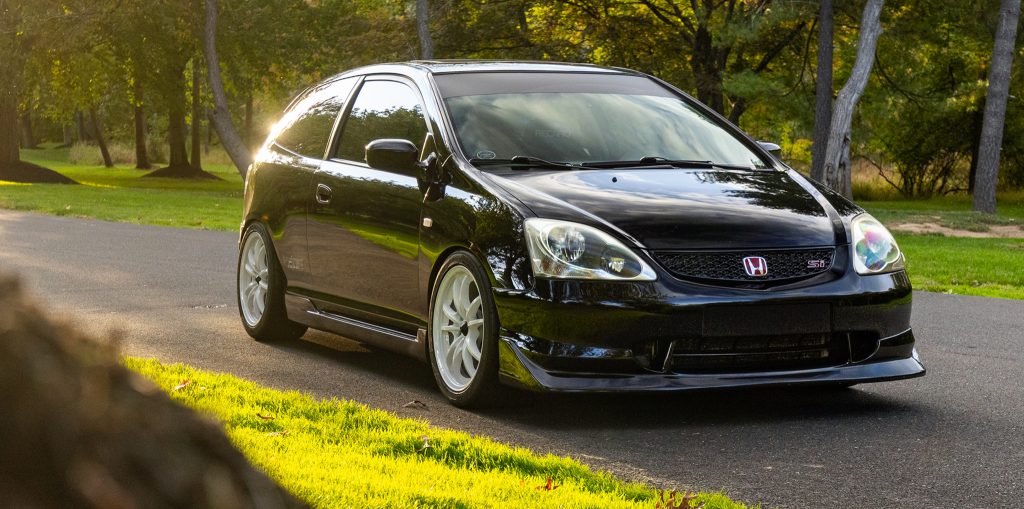
2. Honda Civic
The Honda Civic takes a slightly more refined approach while still maintaining affordability in key areas like mirror glass replacement. It combines modern styling with a design that does not unnecessarily complicate repairs.
One of the reasons the Civic keeps mirror glass costs low is its modular construction. The mirror housing, motor, and glass are separate components, allowing each part to be addressed individually. This means a cracked mirror does not require replacing the entire assembly.
The Civic’s widespread presence in global markets ensures strong parts availability. Aftermarket suppliers produce a large number of mirror glass options, which helps keep prices competitive. Finding a replacement under $50 is typically not difficult for most model years.
The design of the mirror glass itself avoids excessive complexity. While it may include basic features such as heating in some versions, it does not rely on advanced systems that would significantly increase costs. This balance keeps replacement parts affordable.
Installation is another area where the Civic performs well. The process is generally simple and can often be completed without professional assistance. This reduces the total cost of repair and makes it more accessible for owners.
The materials used in the mirror construction are durable enough to handle regular use, yet not so specialised that they become expensive to replace. This combination ensures that the mirror remains both functional and cost-effective.
Drivers who frequently deal with tight parking situations often appreciate this practicality. A damaged mirror does not turn into a major expense, which adds to the Civic’s reputation as a sensible choice for everyday use.
The Honda Civic demonstrates that modern design does not have to come with high repair costs. Its mirror system reflects a thoughtful approach that prioritises both functionality and affordability.
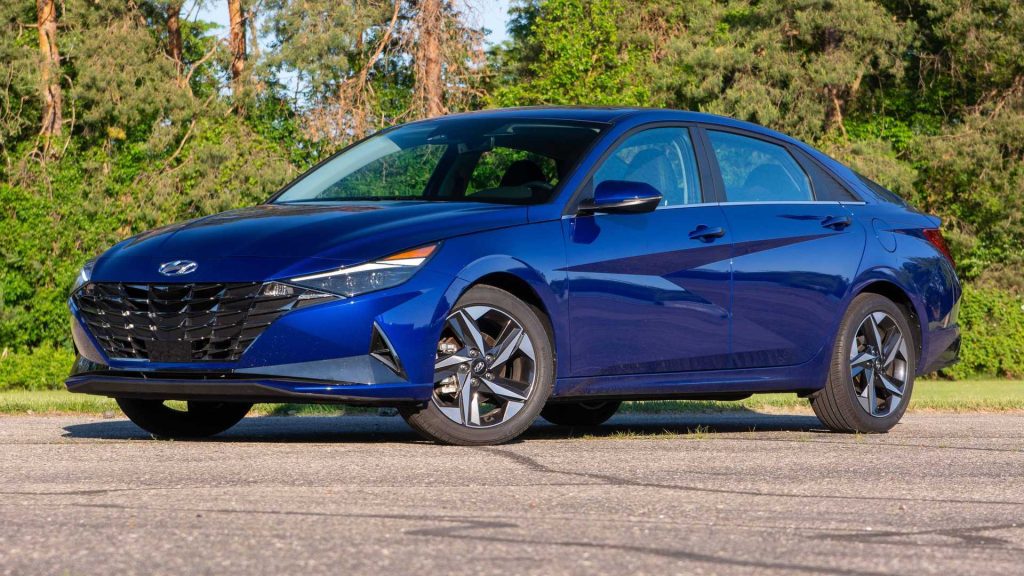
3. Hyundai Elantra
The Hyundai Elantra approaches affordability with a focus on accessibility and smart component design, and that becomes very clear when dealing with something as specific as side mirror glass. It is a vehicle built for value-conscious buyers, and its repair costs reflect that intention practically.
One of the most noticeable advantages is the availability of replacement parts. The Elantra has been sold in large volumes across multiple regions, which has created a strong aftermarket presence. Because of this, mirror glass options are easy to source and are typically priced well below $50, even for relatively recent model years.
The mirror assembly itself is designed with separation in mind. Instead of integrating everything into one unit, Hyundai allows the glass to be replaced independently. This avoids unnecessary expenses and makes the repair process far less complicated than it would be in more complex systems.
Another detail that works in the Elantra’s favour is the shape of the mirror glass. It follows a simple and consistent design, which keeps manufacturing costs low. This simplicity directly translates into lower replacement prices for owners.
From a hands-on perspective, the repair process is manageable. In many cases, the damaged glass can be removed without dismantling the entire mirror housing. The replacement piece can then be fitted with minimal effort, making it a task that many owners can handle on their own.
The materials used also contribute to cost efficiency. While durable enough for everyday use, they do not rely on expensive coatings or advanced integrations that would drive up replacement costs. This balance ensures that the mirror remains functional without becoming costly to maintain.
Drivers who rely on their vehicles for daily commuting often benefit the most from this setup. Minor damage to the mirror does not create a financial burden, which adds to the full ownership experience.
The Hyundai Elantra continues to show that thoughtful engineering can keep even small repairs affordable. Its mirror design is a clear example of how practicality can be built into everyday components.
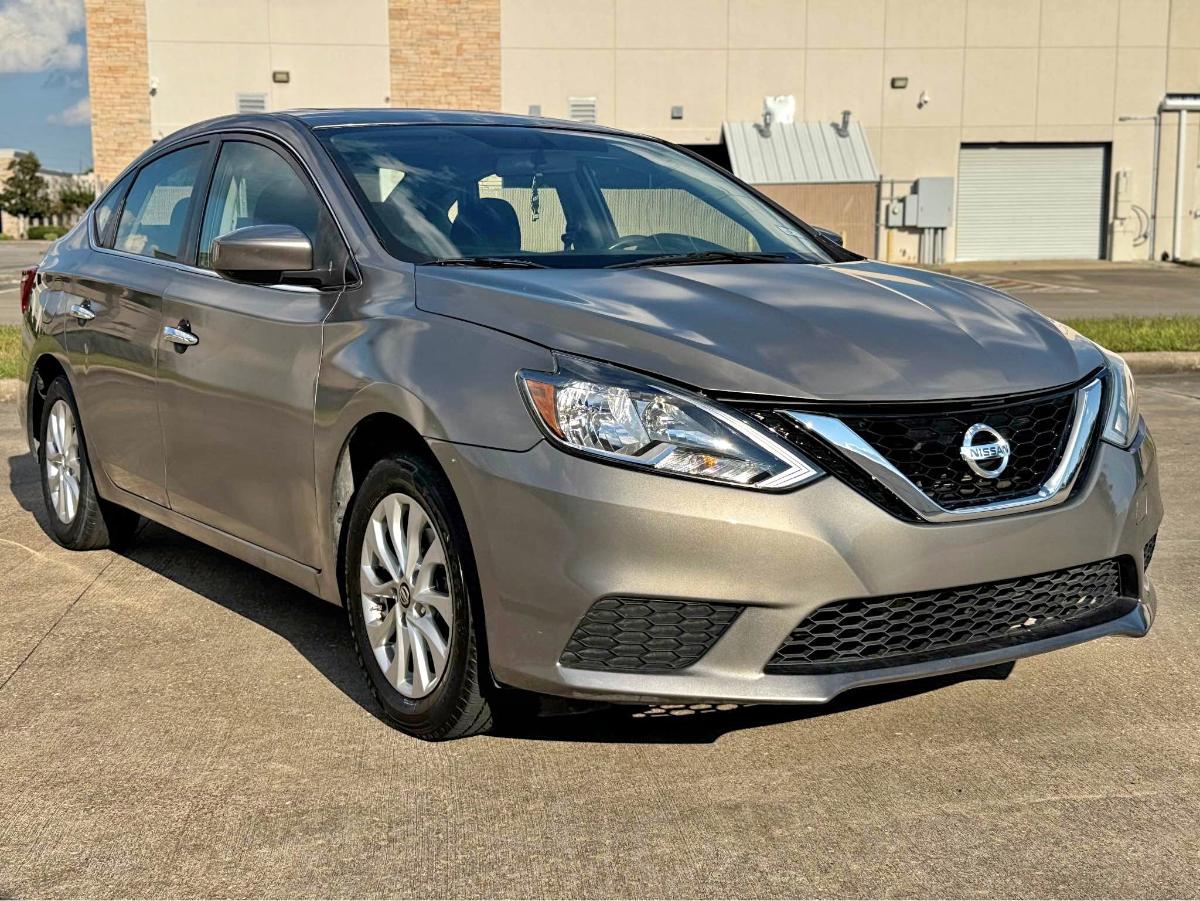
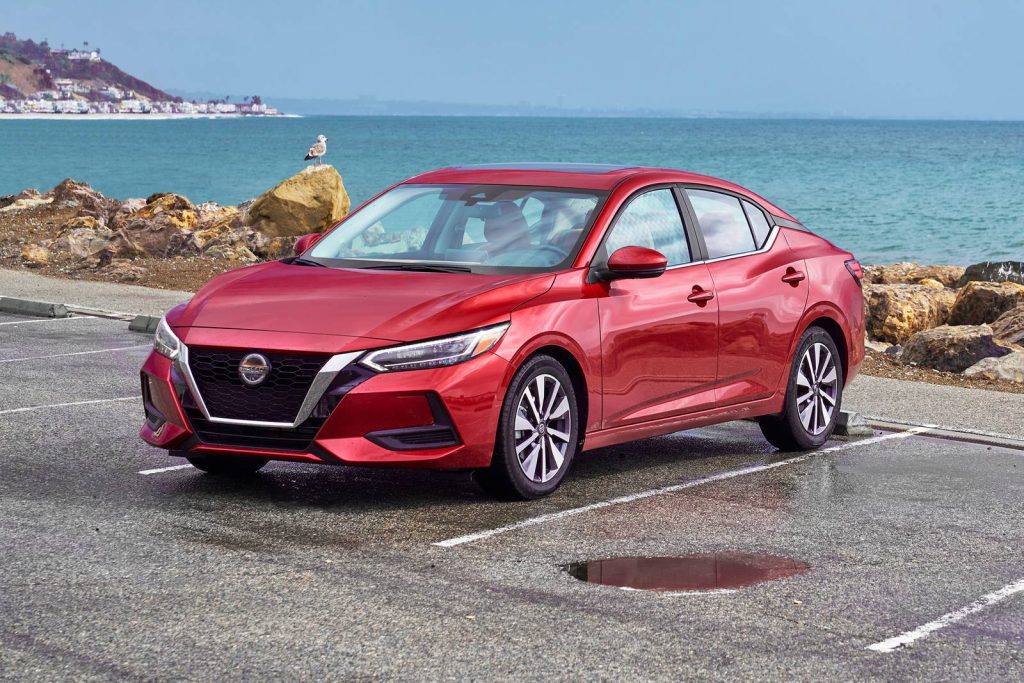
4. Nissan Sentra
The Nissan Sentra takes a straightforward and no-nonsense approach to repair costs, and this extends to side mirror glass replacement. It is a vehicle that prioritises usability, and its design reflects a clear intention to keep ownership expenses predictable.
A major factor behind its affordability is how widely the Sentra is produced. High production numbers ensure that replacement parts are readily available. This creates a competitive market for mirror glass, keeping prices low and making it easy for owners to find suitable options.
The mirror assembly is structured in a way that supports easy maintenance. The glass is not permanently bonded to the entire unit, which means it can be replaced without affecting the motor or housing. This separation significantly reduces repair costs.
Another advantage is the consistency in design across multiple model years. Nissan has maintained a relatively uniform approach, which allows parts compatibility in some cases. This further improves availability and keeps prices within a reasonable range.
The mirror glass itself is designed with practicality in mind. It avoids unusual shapes or complex integrations that would increase production costs. As a result, replacement pieces remain affordable and easy to manufacture.
From a repair standpoint, the Sentra is accessible. The process of removing and installing mirror glass does not require advanced tools or extensive disassembly. This makes it a convenient option for both professional repairs and do-it-yourself solutions.
Durability is also part of the equation. While no mirror is immune to damage, the materials used are capable of handling everyday conditions without becoming overly fragile. This reduces the likelihood of frequent replacements.
For drivers moving through crowded streets or tight parking spaces, this level of affordability is a clear advantage. Small incidents do not result in large expenses, which helps keep long-term ownership costs under control.
The Nissan Sentra reinforces the idea that simplicity can be highly effective. Its approach to mirror design ensures that repairs remain straightforward and budget-friendly.
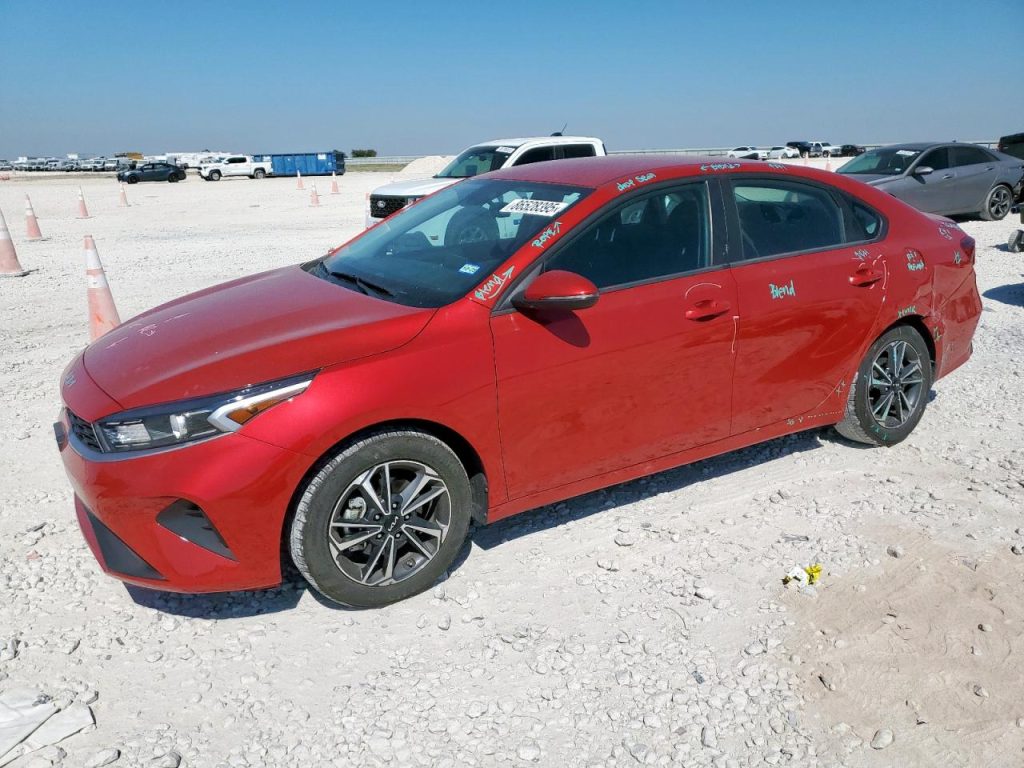
5. Kia Forte
The Kia Forte presents a strong case for affordability by combining modern design with a repair-friendly structure. It is a car that targets practical buyers, and that intention is clearly visible when dealing with something as specific as side mirror glass replacement.
A key strength of the Forte lies in its parts ecosystem. With strong global sales and shared components across several Kia models, replacement mirror glass is widely available. This accessibility ensures that prices remain competitive, and finding options under $50 is rarely a challenge.
Instead of integrating too many functions into one unit, the Forte keeps its mirror assembly modular. The glass sits as a separate component, allowing it to be replaced without disturbing the housing or internal mechanisms. This reduces both cost and effort during repairs.
The design of the mirror glass itself avoids unnecessary complexity. It maintains a practical shape that is easy to manufacture and replicate. This straightforward approach keeps production costs low, which directly benefits the end user.
Installation is another area where the Forte excels. In many cases, the replacement process is simple enough to be completed without professional assistance. The old glass can be removed carefully, and the new piece can be fitted with minimal tools. This eliminates labour costs and makes the repair more accessible.
Material choice also contributes to its affordability. The mirror glass is durable enough for daily use but does not include expensive layers or features that would increase replacement costs. This balance ensures that the component remains both functional and economical.
Drivers who frequently encounter tight parking conditions will appreciate this practicality. Minor damage does not lead to a complicated or expensive repair process, which helps maintain predictable ownership costs.
The Kia Forte demonstrates that a modern compact car can still prioritise affordability in key areas. Its mirror design reflects a commitment to keeping everyday repairs simple and budget-friendly.
6. Ford Focus
The Ford Focus approaches this topic with a blend of practicality and widespread availability. As a globally recognised compact car, it benefits from a strong aftermarket presence that plays a major role in keeping mirror glass replacement costs low.
One of the main advantages of the Focus is how easy it is to source replacement parts. With millions of units sold worldwide, manufacturers produce a wide range of mirror glass options. This competition ensures that prices remain within reach, often staying comfortably below the $50 range.
The mirror assembly is designed with serviceability in mind. The glass is not permanently fixed, which allows it to be removed and replaced independently. This prevents unnecessary expenses and keeps the repair process straightforward.
Another factor contributing to its affordability is the simplicity of the mirror’s design. It avoids excessive curves or specialised shapes that would increase manufacturing complexity. This keeps replacement parts easy to produce and affordable to purchase.
From a practical standpoint, the installation process is manageable. Many owners can replace the mirror glass themselves without needing advanced tools. This reduces the total cost significantly, as labour charges are often eliminated.
The materials used strike a balance between durability and cost efficiency. The glass is capable of handling everyday use without being overly delicate, yet it does not rely on expensive coatings that would raise replacement prices.

The Focus also benefits from a design that keeps additional features separate from the glass whenever possible. This means that replacing the mirror does not involve dealing with multiple integrated systems, which simplifies the process further.
For drivers who use their vehicles in busy environments, this level of affordability is a clear advantage. Small accidents do not lead to major repair bills, making the Focus a practical choice for daily use.
The Ford Focus continues to prove that thoughtful design and strong parts availability can keep even small repairs affordable. Its approach to mirror glass replacement reflects a broader focus on usability and cost control.
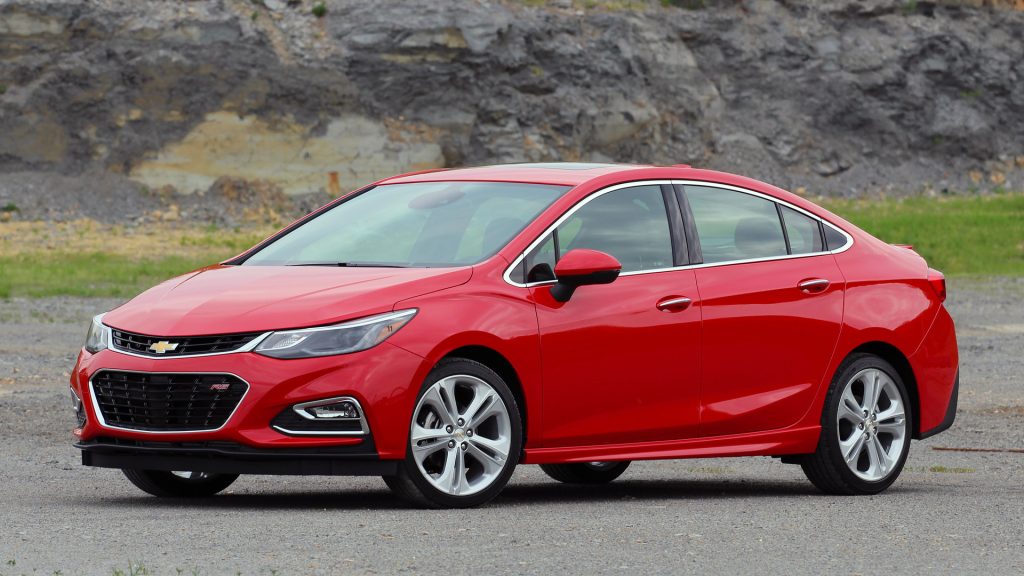
7. Chevrolet Cruze
The Chevrolet Cruze approaches ownership costs with a practical mindset, and that philosophy becomes very clear when dealing with something as common as side mirror damage. It is a car designed for everyday usability, and its mirror system reflects that intention by keeping replacement costs accessible.
One of the biggest advantages of the Cruze is its strong presence in global markets. High production numbers have created a steady supply of replacement parts, including mirror glass. This availability ensures that prices remain competitive, and finding options under $50 is typically straightforward.
The mirror assembly is built with separation between components, which plays a major role in affordability. Instead of requiring a full unit replacement, the glass can be removed independently. This design choice significantly reduces both the cost of parts and the complexity of the repair.
Another aspect that contributes to its cost-effectiveness is the shape and construction of the mirror glass. It avoids unnecessary detailing or complex curves, which keeps manufacturing simple. This simplicity directly translates into lower prices for replacement parts.
From a practical standpoint, the repair process is accessible. Many owners can replace the mirror glass without professional assistance. The procedure usually involves carefully removing the damaged piece and fitting the new one into place, which can be done with basic tools.
The materials used in the Cruze’s mirror are designed to balance durability with affordability. While capable of handling daily use, they do not include expensive features that would drive up replacement costs. This ensures that the component remains economical over time.
Drivers who frequently park in tight spaces or navigate busy streets benefit from this design. Minor incidents that would otherwise lead to high repair bills become manageable and predictable.
The Cruze stands out as a vehicle that prioritises real-world practicality. Its approach to mirror glass replacement demonstrates how thoughtful engineering can keep small repairs simple and affordable.
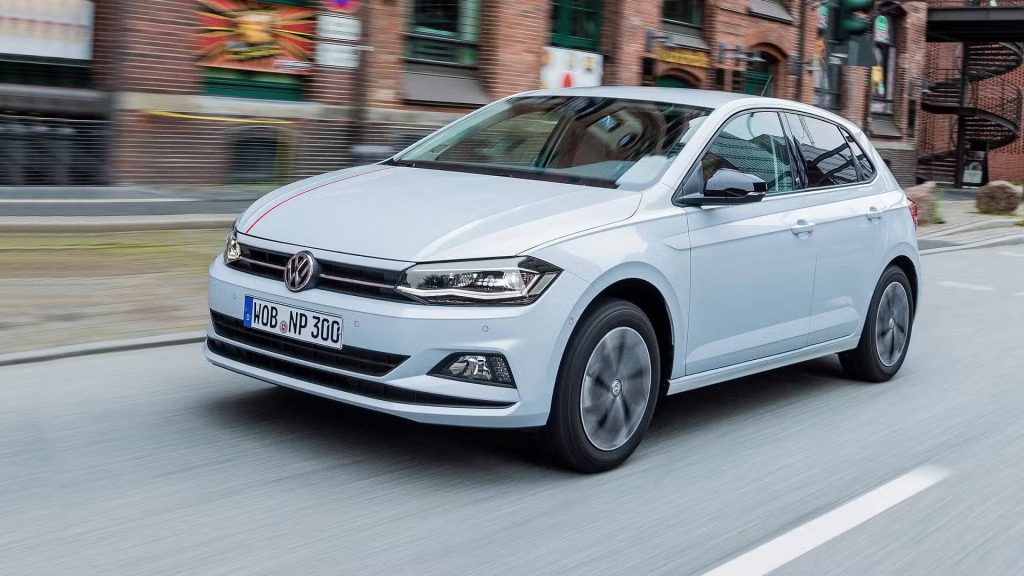
8. Volkswagen Polo
The Volkswagen Polo takes a slightly more refined approach while still maintaining reasonable repair costs. It is known for its solid build quality, yet it avoids the trap of making simple components overly complex or expensive to replace.
One of the main reasons the Polo keeps its mirror glass costs low is its consistent design strategy across multiple generations. Volkswagen has maintained a level of uniformity in its mirror assemblies, which helps ensure parts availability. This consistency allows aftermarket suppliers to produce compatible glass at competitive prices.
The mirror assembly itself is designed with practicality in mind. The glass is not permanently bonded to the entire unit, which allows it to be replaced independently. This separation keeps costs under control and simplifies the repair process.
Another important detail is the shape of the mirror glass. It maintains a clean and functional design without excessive styling elements. This reduces production complexity and keeps replacement prices within a reasonable range.
From a repair perspective, the Polo offers a manageable process. The glass can typically be removed without dismantling the entire mirror housing. This reduces labour time and makes the repair accessible for those who prefer a do-it-yourself approach.
Material selection also plays a role. The mirror glass is durable enough for daily use but does not rely on costly enhancements that would increase replacement expenses. This balance ensures that it remains both functional and affordable.
Drivers often appreciate how predictable the repair costs are with the Polo. There are no hidden complexities that suddenly increase expenses. This reliability in cost makes it a practical option for long-term ownership.
The Volkswagen Polo demonstrates that a car can offer a refined feel while still being sensible in terms of maintenance. Its mirror design reflects a thoughtful balance between quality and affordability.
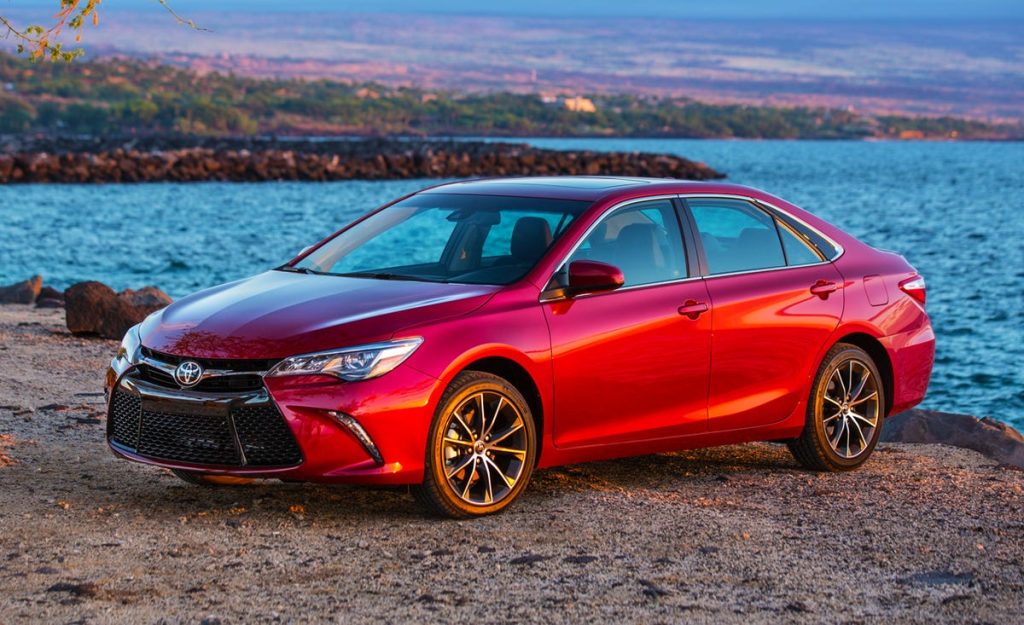
9. Toyota Camry
The Toyota Camry completes this list with a strong example of how a midsize sedan can maintain affordability in even the smallest repair scenarios. Known for its reliability and widespread popularity, it also delivers when it comes to keeping mirror glass replacement costs low.
A major factor is its global reach. The Camry is one of the most widely sold sedans, which ensures a steady and competitive supply of replacement parts. This availability makes it easy to find mirror glass options under $50 across many model years.
The mirror assembly is designed with serviceability in mind. The glass can be replaced independently, avoiding the need to change the entire unit. This design choice keeps both parts and labour costs manageable.
Another advantage lies in the simplicity of the mirror’s shape. It avoids complex curves or integrated features that would increase production costs. This straightforward design helps keep replacement prices within an affordable range.
From a maintenance standpoint, the Camry is known for its accessibility. The mirror glass replacement process is generally simple and can often be completed without professional help. This reduces the total cost and makes the repair more convenient for owners.
The materials used are durable enough to handle everyday use without becoming overly expensive to replace. This balance ensures that the mirror remains practical for long-term ownership.
Drivers who rely on their vehicles for daily commuting or family use benefit from this predictability. Minor damage to the mirror does not result in significant expenses, which adds to the Camry’s reputation for practicality.
The Toyota Camry secures its place by combining reliability, availability, and thoughtful design. Its approach to mirror glass replacement reflects a commitment to keeping ownership costs under control.
This article highlights nine vehicles that make one of the most common repairs, side mirror glass replacement, simple and affordable.
In many modern cars, even minor mirror damage can lead to high costs because the glass is integrated with motors, sensors, and complex housing units. However, the vehicles in this list avoid that problem by using modular designs, widely available parts, and straightforward construction.
Models like the Toyota Corolla and Honda Civic stand out due to their massive global presence, which ensures a steady supply of low-cost replacement parts.
Their mirror assemblies are designed so the glass can be replaced independently, eliminating the need to change the entire unit. This keeps both parts and labour costs low, making them ideal for everyday drivers.
Cars such as the Hyundai Elantra and Nissan Sentra follow a similar philosophy, focusing on practicality and ease of repair. Their mirror glass is simple in shape and easy to install, often allowing owners to handle the replacement themselves. This reduces dependency on professional labour and further lowers expenses.
The Kia Forte and Ford Focus add another layer of value by combining modern styling with repair-friendly engineering. They maintain a balance between durability and affordability, ensuring that mirror glass remains inexpensive without compromising functionality. Their strong aftermarket support also helps keep prices competitive.
Vehicles like the Chevrolet Cruze and Volkswagen Polo demonstrate that even slightly more refined or premium-feeling cars can still offer affordable repairs. They avoid excessive complexity in mirror design, which keeps replacement costs predictable and manageable.
Finally, the Toyota Camry reinforces the importance of widespread availability and practical engineering. Its mirror system is easy to service, and replacement parts are consistently affordable, making it a reliable choice for long-term ownership.
Across all nine vehicles, the key factors remain the same: simple design, modular components, and strong parts availability. These elements ensure that a common issue like mirror damage does not turn into a major financial burden.
For drivers who frequently deal with tight parking or busy roads, choosing one of these vehicles can lead to significant savings over time while maintaining convenience and reliability.
Also Read: 9 US Cars Where the Cigarette Lighter Still Powers a Phone Charger at 300K Miles
