

When people talk about older US cars still having a “working cigarette lighter,” what they are really referring to is the 12V accessory power outlet that replaced the original heating element decades ago.
This outlet has become one of the most universal and long-lasting electrical features in modern vehicles because it is simple, fused, and directly tied to the car’s electrical system.
Even in vehicles that have crossed 300,000 kilometers or more, the 12V system usually continues functioning as long as the alternator, fuse box, and wiring harness remain in good condition. Unlike infotainment systems or USB modules that can fail or become obsolete, the 12V socket is mechanically simple and rarely removed from production vehicles, especially in the US market, where accessory compatibility has remained important for decades.
Many drivers still rely on it for charging phones, powering dash cams, tire inflators, GPS devices, and portable coolers. In fact, even newer vehicles that include multiple USB ports still retain at least one 12V outlet because it supports higher power devices that USB cannot handle efficiently.
This makes it one of the most dependable long-term features in high-mileage cars. Below are nine well-known US vehicles recognized for longevity and continued usability of their 12V power outlets, even at extremely high mileage usage scenarios.
ALSO READ: 9 Vehicles With Side Mirrors Wide Enough for Older Eyes
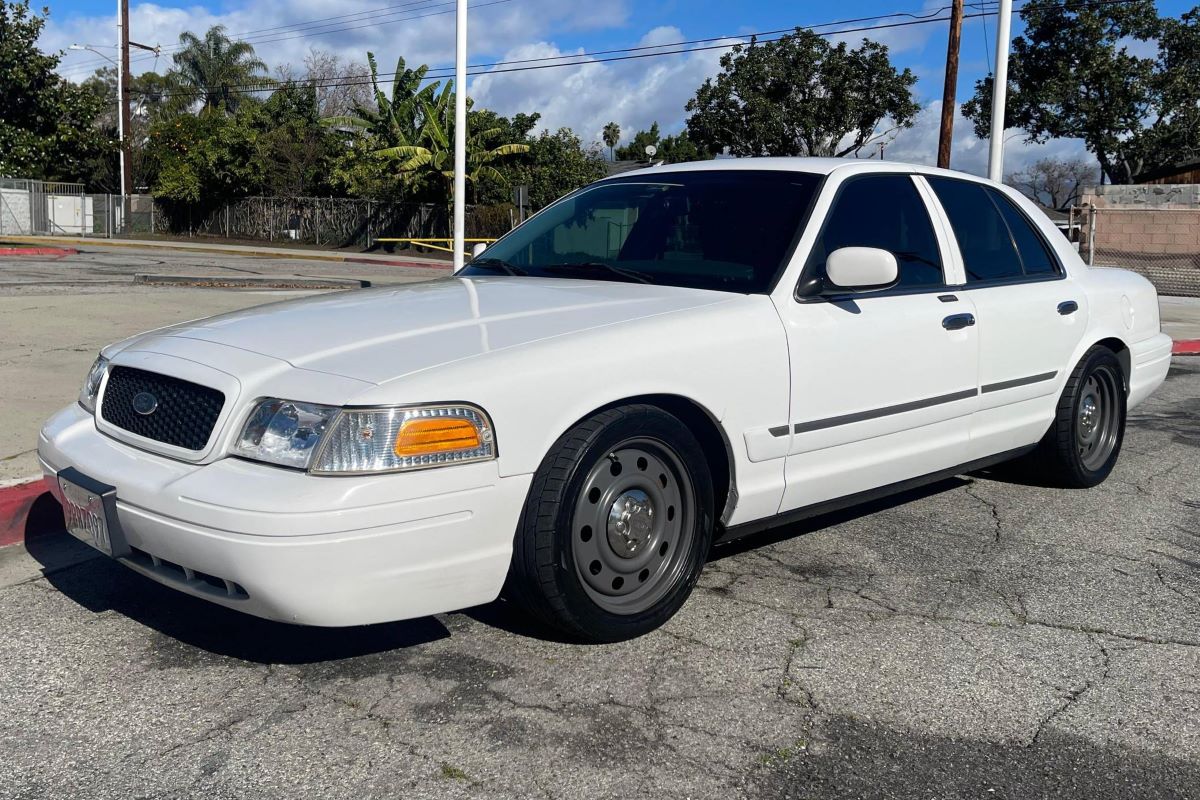
1. Ford Crown Victoria
The Ford Crown Victoria is widely regarded as one of the most durable full-size sedans ever produced in the United States, and its reputation for longevity is strongly tied to its use in law enforcement, taxi fleets, and government services.
One of the most important yet often overlooked features in this vehicle is its 12V accessory power outlet, commonly referred to as the cigarette lighter socket. Unlike modern cars that integrate heavily software-dependent charging systems, the Crown Victoria relies on a very simple and rugged electrical architecture. This simplicity is exactly what allows its power outlet to remain functional even after extremely high mileage, often exceeding 300,000 kilometers or more in real-world fleet conditions.
The electrical system in the Crown Victoria was designed with long-term service in mind, especially because police cruisers and taxis frequently operate under continuous load. Radios, emergency lighting systems, GPS units, and mobile charging devices are often plugged into the 12V system for extended periods.
As a result, the wiring harness and fuse systems are built to tolerate sustained power draw without significant degradation. Even after years of vibration, idling, and rough usage, the socket itself usually continues to function unless physically damaged or unless a fuse has blown. This makes it one of the most dependable accessory systems found in any US sedan of its era.
Another important factor is the vehicle’s mechanical simplicity. The Crown Victoria does not rely on complex infotainment-based power distribution modules that can fail or require software resets. Instead, the 12V outlet is directly tied to the vehicle’s fuse box and battery system, which means troubleshooting is straightforward and long-term reliability is significantly higher.
Even when other interior electronics begin to wear out due to age, the accessory socket often remains unaffected. This is one of the reasons why many retired police vehicles continue to be used in civilian fleets long after their official service life.
In high-mileage scenarios, maintenance plays a key role in keeping the system functional. As long as the battery, alternator, and fuse panel are in working order, the 12V outlet continues to deliver stable voltage suitable for phone chargers and other accessories.
Many owners of retired Crown Victoria units report that even original sockets still work reliably, provided they have not been physically modified or corroded. This consistency has made the vehicle a favorite among budget-conscious users who need dependable long-term transportation.
The Ford Crown Victoria stands as a benchmark for electrical durability in US automotive history. Its 12V accessory socket is not just a convenience feature but a reflection of its engineering philosophy: simplicity, serviceability, and endurance under extreme usage conditions. This is why even at very high mileage levels, the cigarette lighter function remains operational in most surviving units.
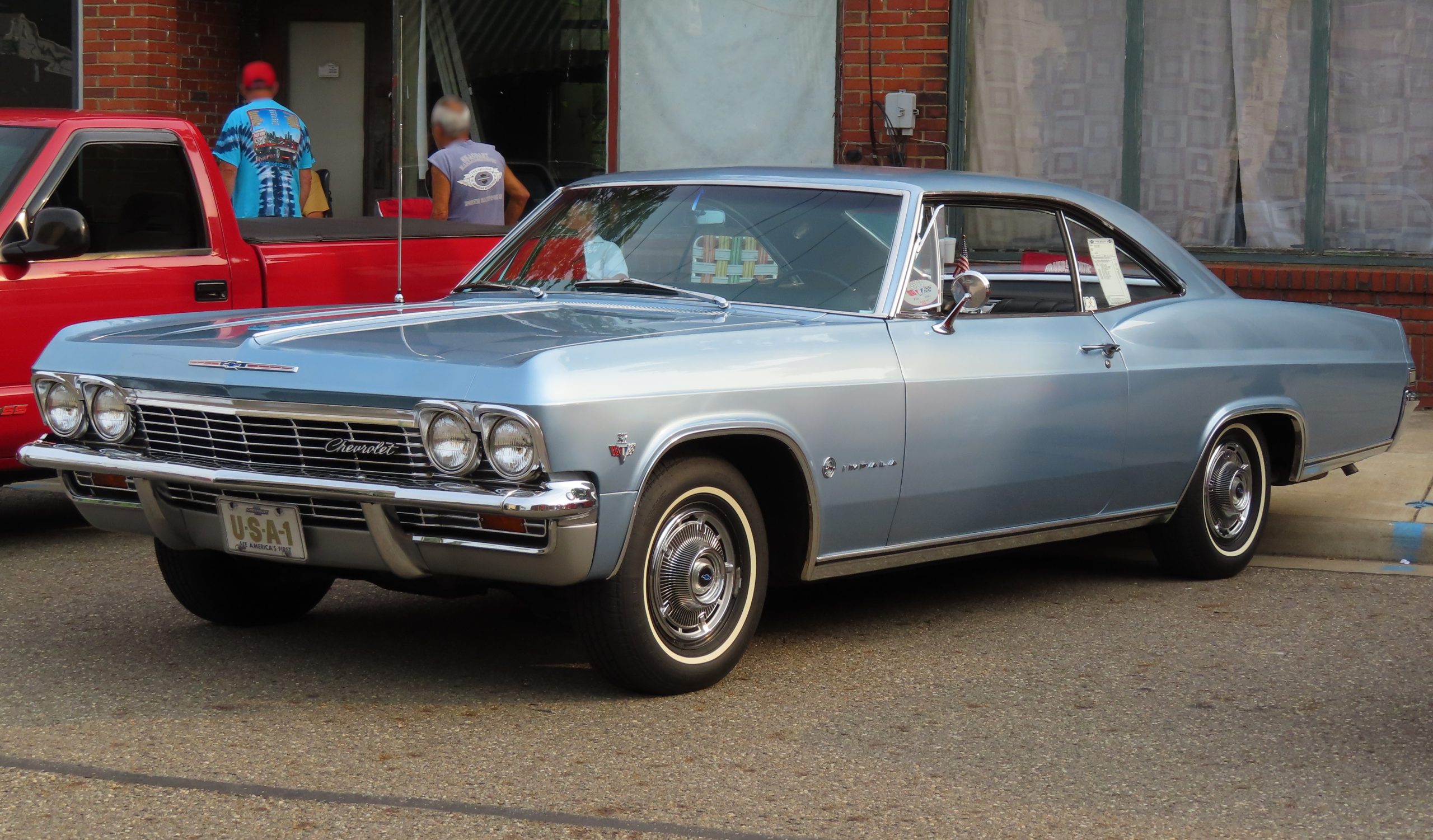
2. Chevrolet Impala (Fleet Models)
The Chevrolet Impala, particularly the fleet-focused versions used by government agencies, rental companies, and corporate fleets, has long been associated with dependable long-term operation. While newer generations of the Impala have evolved into more technology-heavy vehicles, older fleet-spec models are known for their simplicity and durability, especially in their electrical systems.
Among these systems, the 12V accessory power outlet remains one of the most consistently reliable components, often surviving well beyond 300,000 kilometers of usage in demanding environments.
Fleet vehicles like the Impala are designed differently from consumer retail models. They are built to withstand constant operation, frequent idling, and heavy accessory use, including communication devices, laptops, and charging equipment.
Because of this, the wiring connected to the 12V socket is typically reinforced and protected through straightforward fuse systems rather than complex electronic control modules. This design choice reduces the likelihood of system failure over time and ensures that essential power delivery remains intact even after years of continuous operation.
One of the key strengths of the Impala’s accessory system is its separation from more sensitive electronics. Unlike modern cars, where USB ports and infotainment systems control power distribution, the Impala’s 12V socket operates independently through the vehicle’s main electrical circuit.
This independence makes it far more resistant to software glitches or module failures, which are increasingly common in newer, heavily computerized vehicles. As a result, even when other systems begin to degrade with age, the accessory power outlet often continues functioning without interruption.
High-mileage fleet Impalas are also regularly maintained, which significantly contributes to the longevity of their electrical components. Routine inspections often include checking fuses, battery health, and alternator output, all of which directly impact the reliability of the 12V system. When these components are kept in good condition, the socket remains stable and capable of powering modern phone chargers and other low-to-medium draw accessories without issue.
In practical real-world usage, many older Chevrolet Impala fleet units continue to serve in secondary transportation roles long after retirement from official service. In these cases, the 12V outlet often becomes one of the most frequently used features, especially as drivers rely on smartphones and navigation tools.
The continued functionality of this simple but essential feature highlights the vehicle’s engineering focus on durability and cost-effective longevity.

3. Toyota Avalon
The Toyota Avalon has long been positioned as a premium full-size sedan tailored specifically for the North American market, emphasizing comfort, reliability, and long-distance driving stability.
One of the understated but highly dependable features of the Avalon is its 12V accessory power outlet, which continues to perform consistently even in high-mileage vehicles that have crossed the 300,000-kilometer threshold. This reliability is not accidental but the result of Toyota’s engineering philosophy, which prioritizes long-term durability and minimal electronic failure points.
The Avalon’s electrical system is designed with stable voltage regulation, meaning that the power delivered to the 12V socket remains consistent under varying driving conditions. Whether the vehicle is idling in traffic or cruising on the highway for extended periods, the alternator and voltage regulator work together to ensure a steady output.
This stability is critical for modern phone chargers, which require consistent voltage to operate safely and efficiently. As a result, users rarely experience fluctuations or interruptions when using the accessory socket.
Another important factor contributing to the Avalon’s long-term reliability is Toyota’s use of high-quality wiring materials and protective insulation. The 12V socket circuit is typically isolated from more complex infotainment or multimedia systems, reducing the chance of electronic interference or failure.
This separation of systems is a deliberate design choice that enhances long-term serviceability. Even as infotainment screens and Bluetooth modules age or become outdated, the basic power outlet continues functioning independently.
High-mileage Avalon vehicles are commonly found in taxi fleets, ride-sharing services, and long-distance commuter use cases. These environments place consistent demand on the electrical system, particularly the accessory socket, which is frequently used for charging multiple devices throughout the day.
Despite this heavy usage, the system tends to remain stable due to Toyota’s conservative electrical load design, which avoids overloading individual circuits.
In addition, maintenance practices such as battery replacement, alternator servicing, and periodic electrical inspections contribute significantly to preserving the functionality of the 12V outlet. Even in older models, as long as these core components are maintained, the socket continues to operate reliably. This makes the Avalon one of the most dependable sedans for users who rely heavily on in-car charging during long journeys.
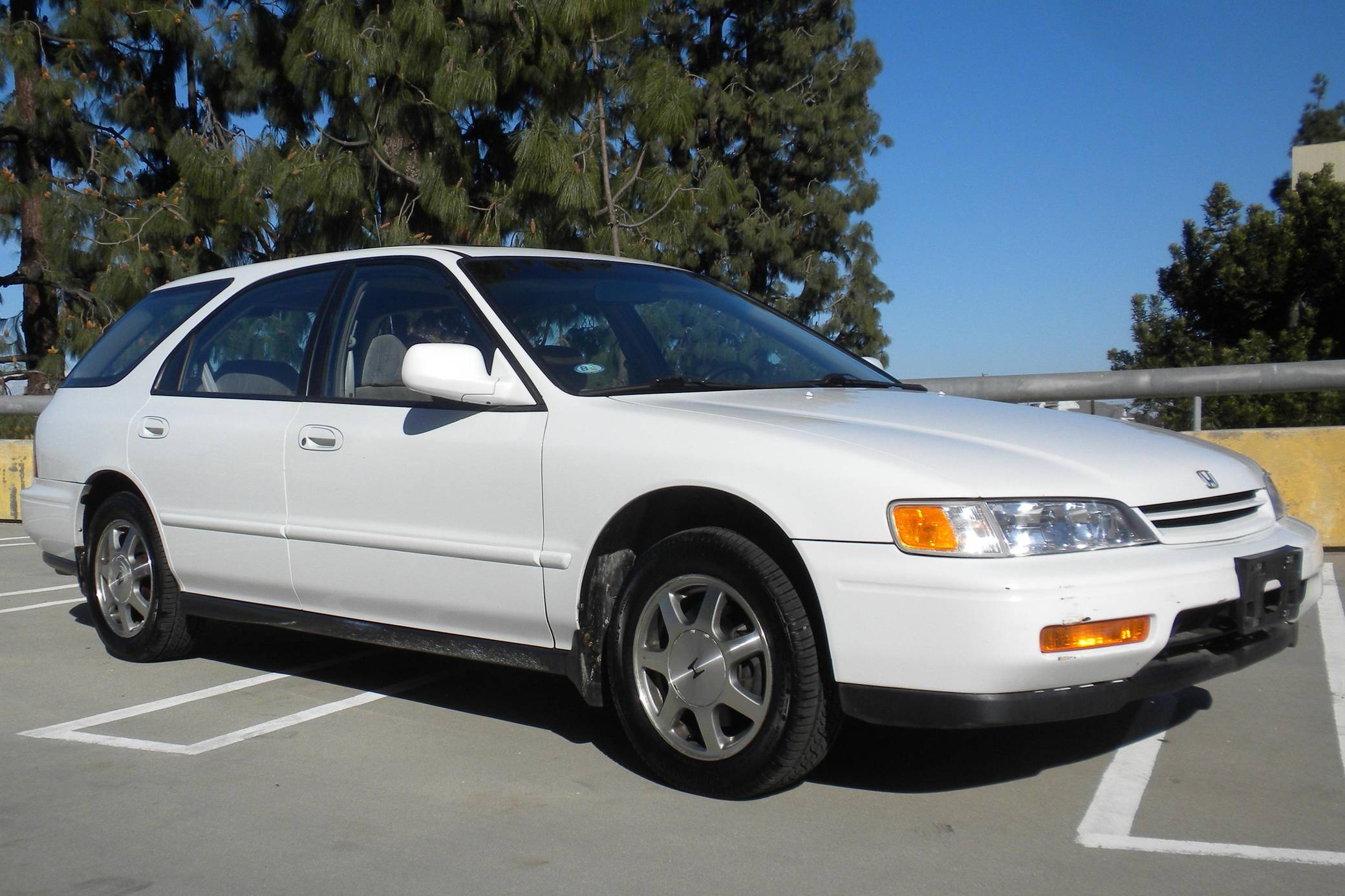
4. Honda Accord
The Honda Accord is one of the most widely recognized mid-size sedans in the United States, known for its exceptional balance of efficiency, performance, and long-term reliability.
Among its many durable components, the 12V accessory power outlet stands out as a particularly resilient feature, often continuing to function even in vehicles that have surpassed 300,000 kilometers of use. This reliability is deeply rooted in Honda’s engineering approach, which emphasizes mechanical simplicity and electrical efficiency.
The Accord’s 12V socket is integrated into a straightforward electrical system that avoids unnecessary complexity. Unlike modern vehicles that rely heavily on centralized electronic control units for power distribution, older Accord models use a direct fuse-based system.
This means that the accessory socket is protected by a simple circuit that is easy to maintain and highly resistant to systemic failure. In most cases, when issues arise, they are limited to blown fuses rather than complete system breakdowns.
One of the key strengths of the Accord’s electrical architecture is its consistency under varying driving conditions. Whether the vehicle is used for daily commuting, highway travel, or long-distance driving, the alternator and battery system are designed to maintain stable output.
This ensures that the 12V socket can safely power phone chargers, dash cams, and other electronic accessories without voltage fluctuations or interruptions. Over time, this stability contributes significantly to the longevity of the socket itself.
High-mileage Accords are commonly found in both private ownership and commercial use, including rideshare services and delivery operations. These environments demand frequent use of charging ports, often for extended hours each day.
Despite this heavy reliance, the socket typically continues to function without major issues, provided that basic electrical maintenance is performed. This includes periodic battery replacement and ensuring that the charging system remains within proper operating parameters.
Even in older models, the Honda Accord’s reputation for durability extends to its interior electrical components. The 12V outlet is rarely a point of failure unless subjected to physical damage or neglect. This reliability has made the Accord a preferred choice for drivers who depend on consistent access to in-car charging over long periods of ownership.
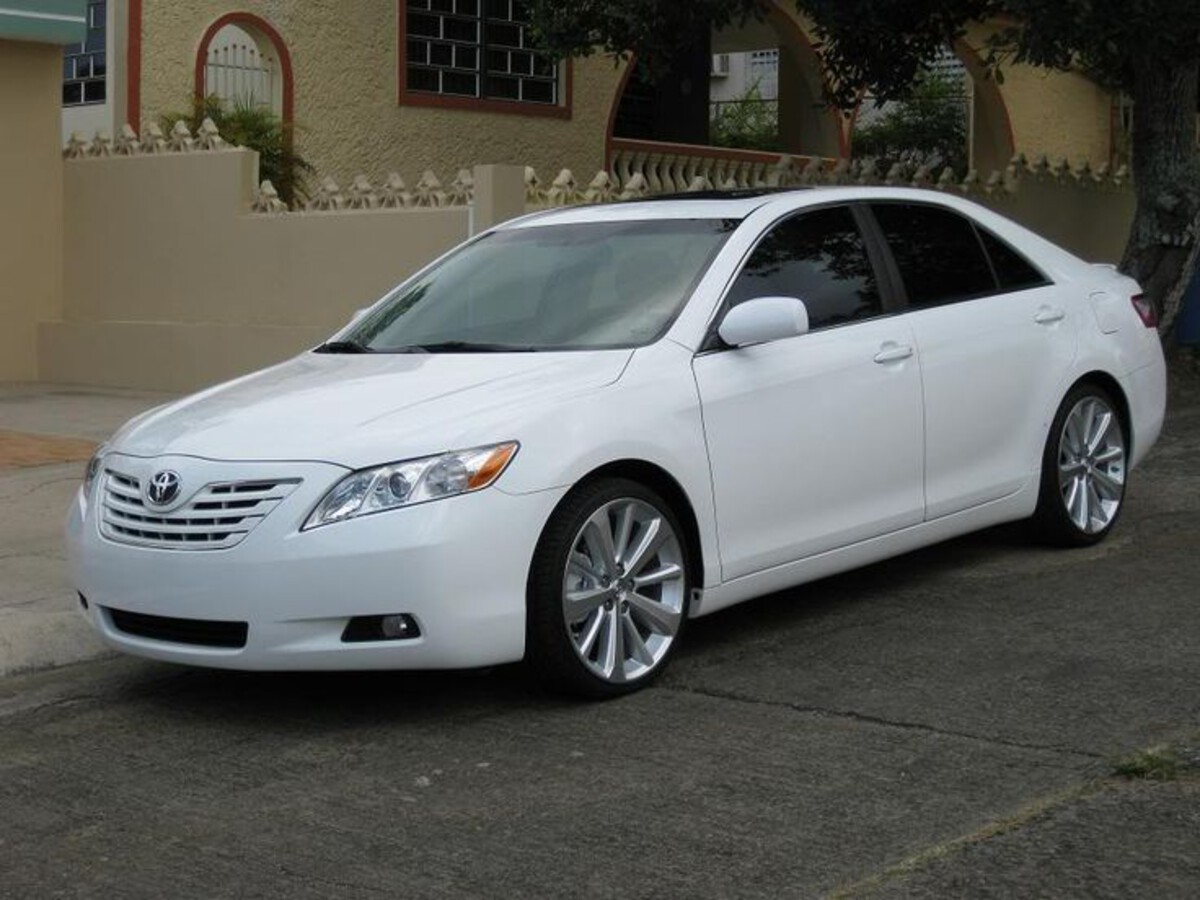
5. Toyota Camry
Older generations of the Toyota Camry are widely recognized for their outstanding long-term reliability, and the 12V accessory power outlet is no exception to this reputation. The Camry has consistently been one of the best-selling sedans in the United States, largely due to its ability to maintain performance and functionality even after extremely high mileage use.
In many cases, Camry vehicles that have exceeded 300,000 kilometers continue to provide fully functional accessory power systems, including the cigarette lighter socket.
The simplicity of the Camry’s electrical design is a major factor in this durability. The 12V socket is directly connected to the vehicle’s main electrical system through a fuse-protected circuit. This means that there are very few intermediate components that could fail over time.
Unlike modern vehicles with complex power management modules, older Camry models rely on straightforward electrical pathways that are easier to maintain and less prone to electronic degradation.
Toyota’s focus on quality manufacturing also plays a significant role in long-term reliability. The wiring harnesses used in older Camry models are designed to resist wear from vibration, heat, and extended use.
This is particularly important for vehicles that accumulate high mileage, as continuous road vibrations can often lead to electrical fatigue in less well-designed systems. However, in the Camry, such issues are relatively rare when compared to many competing vehicles in the same class.
In real-world usage, older Camry models are often used in taxis, family transportation, and commuter roles that require consistent daily driving. These conditions naturally place ongoing demand on the 12V socket, especially as drivers increasingly rely on mobile devices for navigation and communication. Despite this, the socket typically remains functional because it is not dependent on software systems or fragile electronic modules.
Maintenance is another key factor in preserving the functionality of the Camry’s accessory outlet. As long as the battery and alternator are properly maintained and the fuse system remains intact, the socket continues to provide stable power output.
Even after decades of service, many Camry vehicles retain their original 12V outlets in working condition, demonstrating the effectiveness of Toyota’s long-term engineering strategy.
ALSO READ: 10 Cars Mechanics Often Advise Against for Their Own Families

6. Ford F-150
The Ford F-150 is one of the most iconic and best-selling pickup trucks in the United States, and its reputation for durability extends far beyond just engine performance or towing capability. One of the less discussed but highly practical features of the F-150 is its 12V accessory power system, which continues to function reliably even in vehicles that have reached extremely high mileage, often surpassing 300,000 kilometers.
This long-term reliability is not accidental but a result of the truck’s fundamental design philosophy, which prioritizes utility, ruggedness, and electrical simplicity.
Unlike passenger sedans that may focus more on comfort and infotainment systems, the F-150 is engineered for work environments. This means its electrical system is designed to support continuous accessory use, such as air compressors, portable tools, GPS tracking devices, and charging equipment.
The 12V outlets are often reinforced with robust fusing and wiring systems capable of handling repeated high-load usage without degradation. This makes them particularly reliable in long-term ownership scenarios where the vehicle is used daily under demanding conditions.
Another key factor is the separation of the accessory circuit from more sensitive electronic modules. Even in newer generations of the F-150, Ford has maintained a relatively straightforward architecture for power distribution.
This ensures that the 12V socket remains functional even if unrelated electronic systems experience wear or malfunction over time. In high-mileage trucks, this separation becomes even more important, as it allows essential utility functions to remain operational long after non-critical systems begin to age.
Fleet and commercial usage further contribute to the proven durability of the F-150’s electrical system. Many trucks are used in construction, logistics, and field services, where accessory power is frequently required throughout the workday.
Despite constant plugging and unplugging of devices, the sockets generally maintain structural integrity and stable output. This consistency is a major reason why the F-150 remains a top choice for long-term utility fleets.
In real-world conditions, even older F-150 models continue to provide dependable 12V power for phone chargers and work equipment. As long as the battery, alternator, and fuse system are maintained properly, the socket remains fully functional, reinforcing the truck’s reputation as a long-lasting and highly practical work vehicle.

7. Chevrolet Silverado
The Chevrolet Silverado is another cornerstone of the American pickup truck market, known for its strength, towing capacity, and long-term reliability. One of its most consistently dependable features is the 12V accessory power outlet, which continues to function effectively even in high-mileage vehicles that have been driven well beyond 300,000 kilometers.
This durability is especially important for drivers who rely on the Silverado for commercial, industrial, or rural work environments where consistent accessory power is essential.
The Silverado’s electrical system is designed with utility in mind, meaning it prioritizes stability and load-handling capability over unnecessary complexity. The 12V socket is integrated into a fused circuit that isolates it from more sensitive onboard electronics.
This design reduces the risk of system-wide failure and ensures that even if infotainment or sensor modules degrade over time, the basic accessory power function remains intact. This is a key reason why Silverado trucks are often seen remaining fully functional long after their expected service life.
In addition, the truck’s wiring architecture is built to withstand vibration, temperature changes, and extended operational stress. These conditions are common in heavy-duty usage scenarios such as towing trailers, hauling equipment, or driving on rough terrain. The 12V socket benefits directly from this rugged design approach, as it is less likely to suffer from internal wear or electrical instability compared to more delicate systems found in passenger-focused vehicles.
High-mileage Silverado trucks are frequently used in fleets, agriculture, and construction industries, where they are exposed to continuous daily operation. In these environments, the accessory socket is often used for powering essential tools, mobile devices, and navigation systems.
Despite this heavy usage, the system generally remains reliable due to strong fuse protection and stable alternator output, which together ensure consistent voltage delivery.
Even in older Silverado models, the 12V socket typically continues to function as long as basic electrical components are maintained. Routine servicing such as battery replacement and alternator checks plays a significant role in preserving this functionality. As a result, the Silverado maintains its reputation as a dependable long-term work truck with a highly reliable accessory power system.
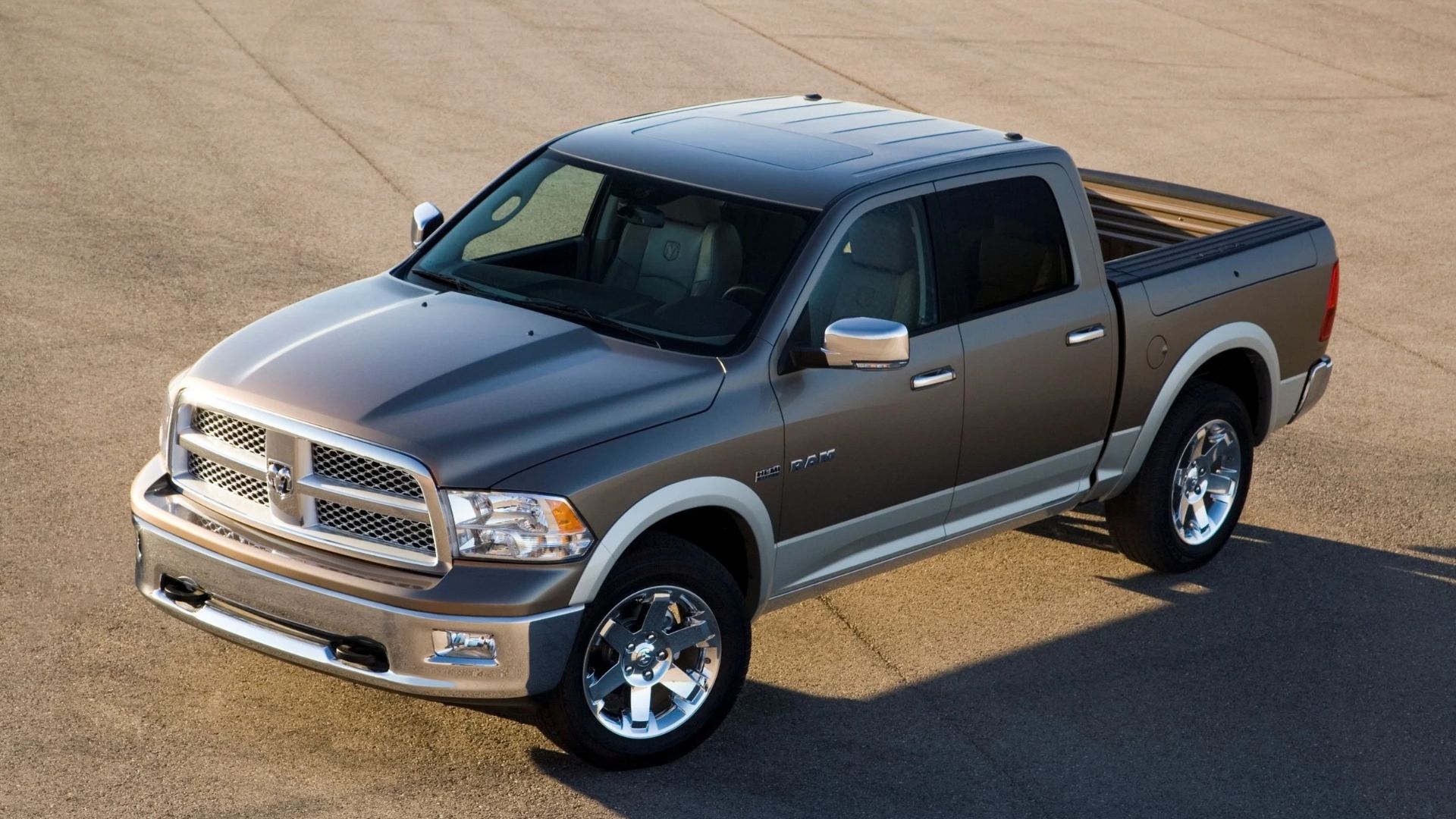
8. Dodge Ram 1500
The Dodge Ram 1500, now commonly branded simply as the Ram 1500, has built a strong reputation in the United States as a powerful and durable full-size pickup truck. One of its most practical and long-lasting features is the 12V accessory power outlet, which remains functional even in high-mileage vehicles that have exceeded 300,000 kilometers.
This reliability is especially important for users who depend on the truck for both personal and professional applications, including towing, hauling, and long-distance travel.
The electrical system in the Ram 1500 is designed to support heavy accessory loads, making it particularly suitable for users who frequently rely on electronic equipment in the cabin.
The 12V sockets are engineered with robust fuse protection and are often distributed across multiple locations within the vehicle. This redundancy ensures that even if one outlet experiences issues, others remain operational, enhancing usability in demanding conditions.
A key strength of the Ram 1500’s design is its ability to maintain consistent voltage output under varying load conditions. This is achieved through a well-calibrated alternator and battery system that regulates power delivery efficiently. As a result, devices such as phone chargers, portable air pumps, and navigation systems can operate without interruption, even during extended driving sessions or heavy accessory use.
High-mileage Ram trucks are frequently used in rural areas, construction sites, and commercial fleets where reliability is critical. These environments expose the vehicle to constant vibration, dust, and temperature extremes, all of which can challenge electrical systems over time. However, the 12V socket typically remains resilient due to its simple construction and strong integration into the vehicle’s core electrical architecture.
With proper maintenance, including periodic battery replacement and electrical system checks, the Ram 1500’s accessory power outlets continue to function effectively even in older vehicles. This long-term reliability reinforces its position as a dependable workhorse in the US pickup truck market.

9. Jeep Grand Cherokee
The Jeep Grand Cherokee is widely recognized as a versatile SUV that combines off-road capability with on-road comfort, making it a popular choice for drivers who need durability across a variety of driving conditions.
One of its most consistently reliable features is the 12V accessory power outlet, which continues to function even in high-mileage vehicles that have surpassed 300,000 kilometers. This durability is particularly valuable for drivers who rely on the vehicle for long-distance travel, outdoor activities, and rugged terrain navigation.
The Grand Cherokee’s electrical system is designed to support both everyday convenience and off-road utility. The 12V socket is integrated into a fused circuit that ensures stable power delivery even under challenging conditions such as uneven terrain, steep inclines, or extended engine load. This stability is essential for maintaining the functionality of essential devices like GPS units, mobile chargers, and portable air compressors.
Another important aspect of the Grand Cherokee’s design is its resistance to environmental stress. Because the vehicle is often used in off-road and outdoor settings, its electrical components are built to withstand dust, moisture variations, and temperature fluctuations.
This rugged engineering helps preserve the integrity of the accessory power system over long periods of use, even when the vehicle is exposed to harsh conditions.
High-mileage Grand Cherokees are commonly found in both personal adventure use and utility roles such as security services and rural transportation. In these scenarios, the 12V socket is frequently used for powering essential devices during long trips. Despite this constant demand, the system remains reliable due to its straightforward electrical design and strong fuse protection.
With routine maintenance, including battery servicing and alternator checks, the Grand Cherokee’s accessory power outlet continues to function effectively even in aging vehicles. This makes it one of the more dependable SUVs for users who require consistent in-cabin charging capability in both urban and off-road environments.
