

Used car lots have a reputation, and honestly, some of it is earned. Pull into any independent dealership on a Saturday morning, and you will find rows of vehicles that look clean, smell fresh, and carry price tags that seem almost reasonable. You will also find salespeople who are very good at their jobs. That combination is not always in your favor.
Here is the truth nobody puts on a window sticker: buying a used car from an independent lot is one of the most financially consequential decisions most people make, and it is also one of the decisions people prepare for the least. You would not walk into a negotiation at work without doing your homework first.
Yet thousands of buyers walk onto used car lots every single week armed with nothing but enthusiasm and a rough idea of what they want to spend. Independent lots operate differently from franchise dealerships. There is no manufacturer backing, no certified pre-owned program with teeth, and often no standardized inspection process.
That does not make every independent lot shady. Plenty of them are run by honest people who take pride in what they sell. But the environment rewards informed buyers and punishes unprepared ones in ways that can follow you for years through bad loans, surprise repairs, and vehicles that simply do not hold up.
This page covers the ten mistakes buyers make most often at independent lots. Not vague warnings, but specific, practical errors that real people repeat all the time. Each one costs money, time, or both, and every single one is avoidable with the right knowledge going in.
Whether you are buying your first used vehicle or your fifth, this is the preparation you actually need before you shake anyone’s hand on that lot. Read every section carefully. Your next car purchase is going to go a lot better because of it.
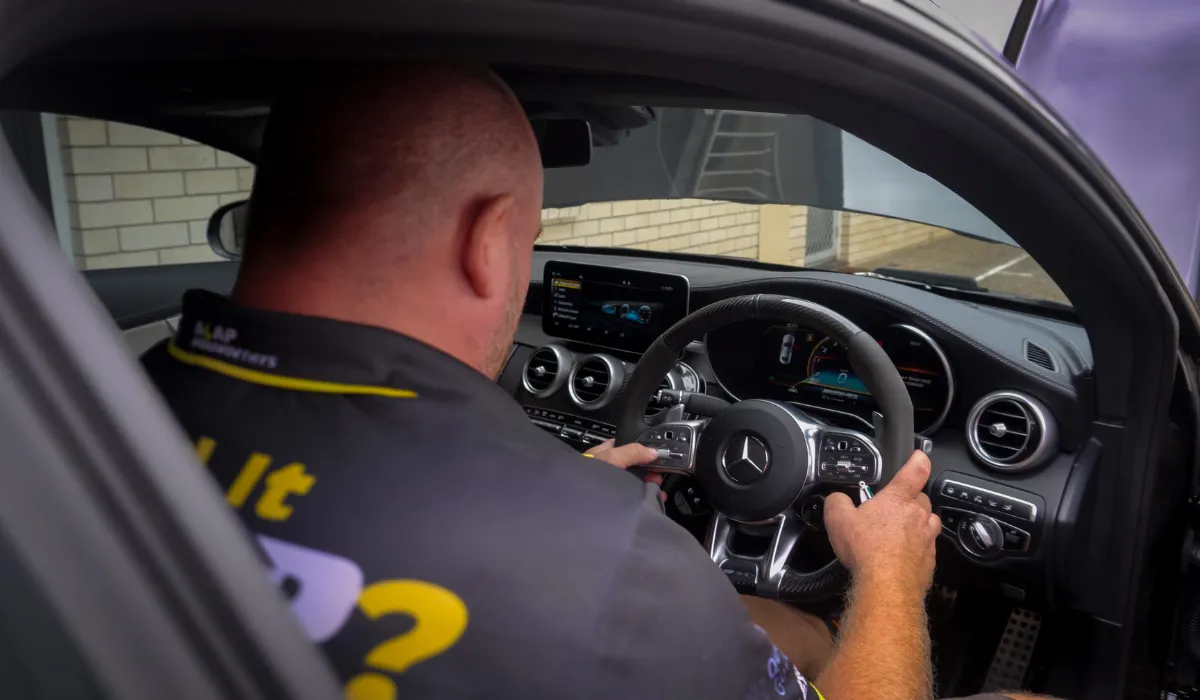
1. Skipping the Pre-Purchase Inspection Is the Fastest Way to Regret a Car Buying Decision
Buying a used car without a pre-purchase inspection is roughly equivalent to buying a house without a home inspection. Most people would never do the second thing. They do the first one constantly. It happens because cars feel more familiar than houses, because the sales process creates momentum, and because nobody on the lot is going to suggest you slow down and bring in an outside expert. That suggestion would not serve their interests.
A pre-purchase inspection, or PPI, is a simple concept. Before you finalize any deal, you take the vehicle to an independent mechanic, not the lot’s mechanic, not someone the salesperson recommends, but a shop you found yourself. That mechanic puts the car on a lift, checks the frame, inspects the suspension components, looks for rust, pulls the wheels to check the brakes, and runs a diagnostic scan for stored fault codes.
A trained eye can spot oil leaks from the valve cover gaskets, worn control arm bushings, a failing water pump, and a cooling system that is one bad day away from leaving you stranded. None of those issues show up in a casual walk-around. All of them represent repair bills that could total $3,000 or more. For $125 worth of professional inspection time, you either negotiate those costs off the purchase price or you walk away entirely.
Independent lots sell vehicles as-is in most states. That phrase carries legal weight. Once you sign the paperwork and drive off the lot, the vehicle’s problems become your problems. There is no warranty meeting, no goodwill repair, and no manager willing to split the cost of a surprise transmission issue with you. The as-is doctrine makes the PPI not just helpful but genuinely necessary.
Buyers often skip this step because they feel embarrassed asking a salesperson to wait while they get an inspection done, or they worry the lot will sell the vehicle to someone else in the meantime. Those concerns are understandable, but they are also exactly the kind of emotional pressure that leads to expensive mistakes.
A legitimate seller will wait. A vehicle worth buying will still be there after an inspection. If either of those things is not true, that tells you something important right there.

2. Falling for the Monthly Payment Trap Instead of Focusing on Total Purchase Price
Here is a scenario that plays out constantly at independent lots. A buyer walks in knowing they want to spend around $15,000 on a vehicle. A salesperson listens carefully, then steers the conversation away from total price and toward monthly payments.
Suddenly, the discussion is about whether $350 a month feels comfortable. That is a completely different question, and the buyer does not always notice the switch. The monthly payment focus is one of the most effective tools in a car salesperson’s toolkit because it allows the total price to float upward while the buyer focuses on a number that feels manageable.
Stretch a loan from 48 months to 72 months, and the monthly payment drops meaningfully, even if the total amount owed increases by thousands. Add an extended warranty, a paint protection package, and a GAP insurance policy to the financed amount, and the payment barely moves. But the debt grows substantially.
Take a 2015 Nissan Pathfinder SL 4WD priced at $18,500. A buyer focused on monthly payments might agree to a 72-month loan at a rate that results in paying well over $22,000 by the time the loan is satisfied. A buyer focused on total price negotiates the purchase price down first, secures their own financing through a credit union before arriving, and approaches the conversation from a position of clarity. Same vehicle, very different financial outcome.
Getting pre-approved for financing before stepping onto any lot changes the dynamic entirely. When you arrive with an approval from your bank or credit union already in hand, you know your rate, you know your ceiling, and you are not dependent on the lot’s finance office to structure your deal. Many independent lots work with networks of lenders who pay referral fees, and those arrangements do not always result in the buyer receiving the best available rate.
Reading the full loan agreement before signing is not optional. Every fee, every add-on product, and every term needs to be understood before a pen touches paper. Ask what the out-the-door price is, get it in writing, and compare that number to what your budget actually allows.
Also Read: 10 Used Cars to Buy Before Spring 2026 Prices Spike
3. Ignoring the Vehicle History Report Leaves You Blind to Problems You Absolutely Need to Know About
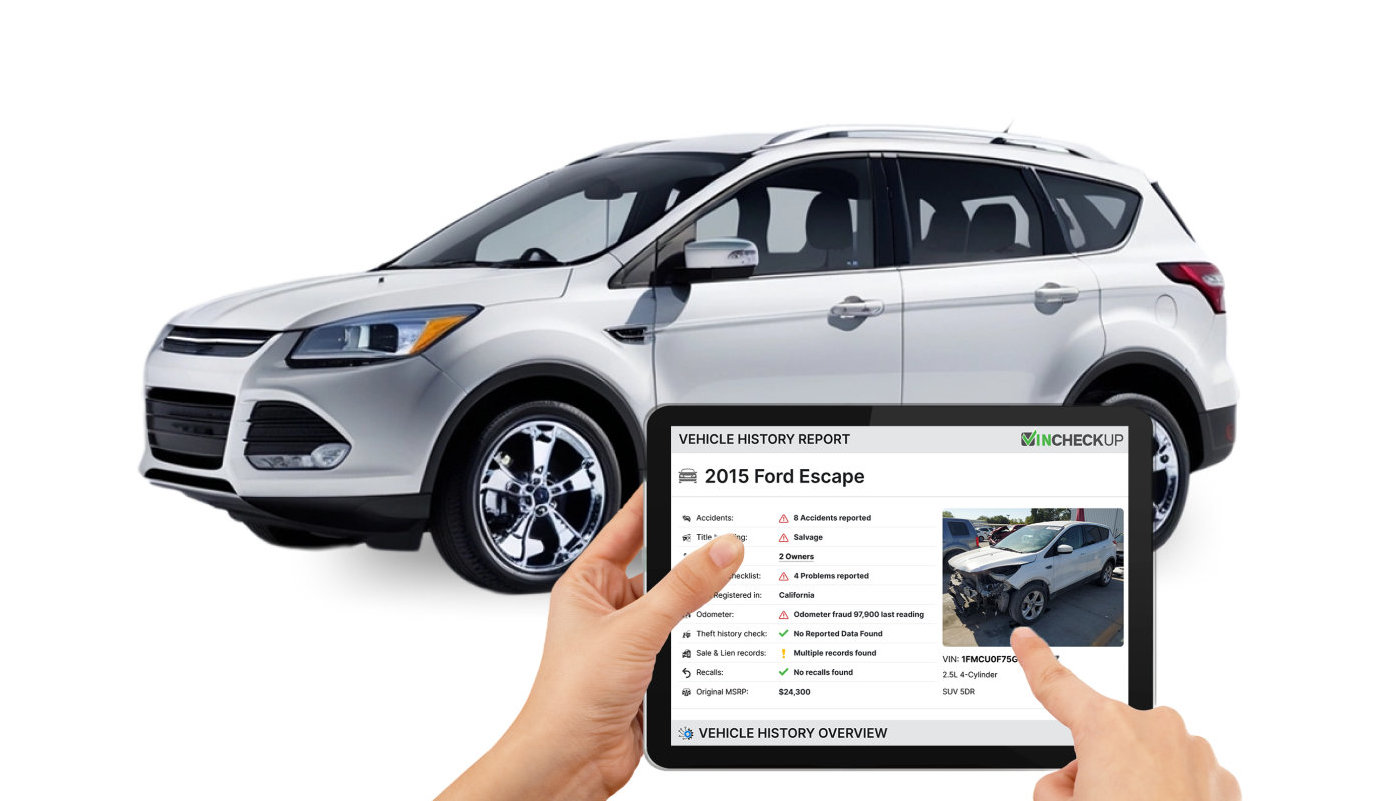
Every used vehicle on an independent lot has a past. Some of that past is benign. Some of it is not. A vehicle history report is the closest thing to a background check that exists for a used car, and skipping it because the vehicle looks clean or because the salesperson seems trustworthy is a mistake that buyers make far too often.
Services like Carfax and AutoCheck compile data from insurance claims, state DMV records, auction reports, and service records into a single report that tells you a great deal about what a vehicle has been through. Accident history, title brands, odometer readings at service visits, the number of previous owners, and whether the vehicle was ever used as a rental or fleet unit are all things that materially affect the car’s value and your decision to buy it.
A 2013 Jeep Grand Cherokee Overland 4WD with a clean exterior might carry a salvage title from an accident several years ago. That title brand means the vehicle was declared a total loss by an insurance company at some point, then repaired and returned to the road.
Salvage title vehicles are harder to insure, harder to finance, and harder to resell. They are also potentially structurally compromised depending on the quality of the repair work. A vehicle history report surfaces that information immediately, before you have invested emotional energy or negotiating time in the vehicle.
Some independent lots will provide a history report proactively. Others will not mention it unless asked. Run your own report regardless. It costs around $40 for a single vehicle report, and that small investment gives you information that changes the entire picture of a vehicle’s value and condition. Never skip it based on how a car looks or how confident a seller sounds. Those things tell you nothing about what the report will reveal.

4. Not Test Driving Long Enough or in the Right Conditions to Catch Real Problems
A lot of buyers treat the test drive like a formality. They circle the block, make sure the radio works, and call it good. That approach catches almost nothing. A proper test drive is a diagnostic exercise, and the buyer needs to treat it that way to get any real value from it.
Real problems in a used vehicle reveal themselves under specific conditions. A transmission that slips shows up during highway acceleration, not during a slow cruise around a parking lot. A brake vibration appears when you apply firm pressure at speed, not when you tap the brakes gently in a 25 mph zone.
A steering pull that signals alignment issues or a worn tie rod becomes obvious when you briefly release the wheel on a straight road at 50 mph. A rough idle after warm-up requires the engine to actually reach operating temperature before it appears.
Getting all of that information means driving the vehicle for at least 20 to 30 minutes across a real mix of road conditions. Highway speeds, surface streets, a section of rougher road, a sharp turn or two, and a hard stop from moderate speed. Bring a passenger if possible, because two sets of ears catch more than one. Listen for clunks, rattles, grinding sounds during braking, whines from the transmission, and any hissing or ticking from the engine bay that should not be there.
A 2009 Honda Pilot EX-L AWD might drive perfectly fine for the first five minutes. But if the VTM-4 rear differential is starting to fail, you may feel a subtle vibration or hear a faint whine during turns that only becomes apparent after the drivetrain has been under load for several miles.

5. Buying Based on Emotion Instead of Research Costs Buyers More Than They Realize
Walking onto a used car lot without prior research is a bit like walking into a restaurant without knowing what you are hungry for and letting the server choose your meal for you. The server might do fine. They also might point you at the most expensive thing on the menu. At a car lot, the version of that story rarely ends in the buyer’s favor.
Emotional buying happens fast. A buyer spots a 2016 Dodge Challenger R/T Scat Pack that looks incredible in the afternoon sun, feels the excitement build before they have even checked the market price, and starts picturing themselves driving it before a single practical question has been asked. That emotional momentum is the seller’s best friend and the buyer’s biggest vulnerability. By the time the conversation turns to price, the buyer is already attached, and attachment is expensive.
Research before visiting any lot means knowing the fair market value of the vehicle you want before anyone quotes you a price. Tools like Kelley Blue Book, Edmunds, and CarGurus give you a realistic range based on mileage, condition, and geographic market.
When you walk in knowing that a 2016 Dodge Challenger R/T Scat Pack in good condition with 60,000 miles is selling in your area for between $28,000 and $32,000, you cannot be told that a $36,000 asking price is standard. You know it is not. Research also covers the vehicle’s known issues before you fall for its looks.
The Challenger R/T Scat Pack is genuinely fun, but buyers should know its fuel economy is poor, its rear-wheel-drive setup requires adjustment in winter conditions, and some model years had issues with the touchscreen system and transmission calibration. Knowing those things ahead of time changes what you inspect, what questions you ask, and what you are willing to accept in a purchase agreement.

6. Skipping Title and Lien Checks Opens the Door to Serious Legal Headaches
Buying a used vehicle with an unresolved lien on its title is one of the most expensive mistakes a buyer can make, and it happens far more often than most people expect. A lien means a lender has a legal financial interest in that vehicle. If the previous owner still owes money on it and the title has not been properly cleared, you could end up holding a vehicle that a bank has the right to repossess, even though you paid for it in good faith.
Independent lots are not always rigorous about sourcing history. Some vehicles arrive at smaller lots through auction chains with paperwork that has not been fully vetted. A quick check with your state’s DMV or through a title search service reveals whether there is an active lien before you hand over a dollar. This is not a lengthy process. It takes minutes online, and it protects you from a scenario that is genuinely difficult and expensive to resolve after the fact.
A 2010 Cadillac CTS-V Sedan purchased from a small independent lot should have a clean title in the seller’s name with no outstanding financial encumbrances. If the title is in someone else’s name, if there is a noted lien holder that has not been released, or if the seller is vague about the title’s current status, those are serious warning signs that require resolution before the transaction moves forward.
Branded titles beyond salvage deserve attention as well. Flood-damaged vehicles, rebuilt titles, and lemon law buybacks all carry specific title brands that affect the vehicle’s insurability, financing eligibility, and resale value. A flood-branded title on a vehicle that otherwise looks clean should stop a transaction entirely.
Never take a seller’s word that the title is clean. Verify independently, check the report, and if the title is not in hand and ready to transfer on the day of sale, walk away. Documentation protects buyers in every real estate and financial transaction. Vehicles are no different. A clear title is not a bonus feature. It is a baseline requirement.
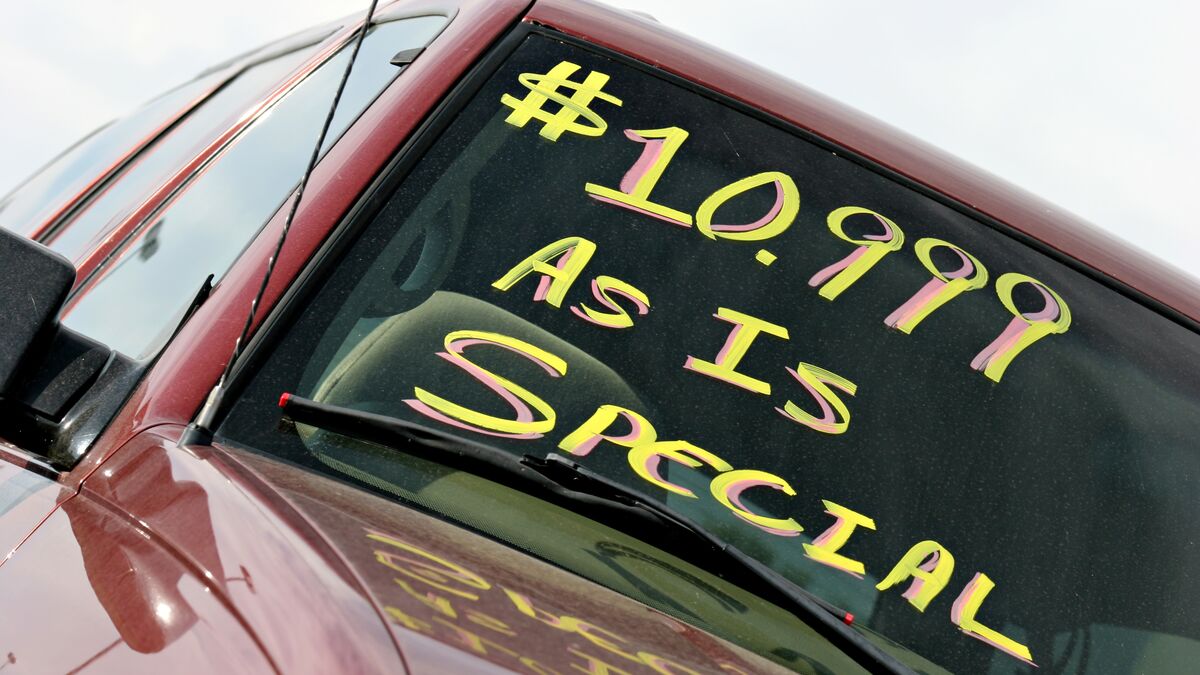
7. Underestimating What “As-Is” Really Means in a Used Car Transaction
Those two words printed on a contract or posted on a window sticker carry enormous legal weight, and the number of buyers who sign without fully understanding their implications is genuinely troubling. Buying a vehicle as-is from an independent lot means you are accepting the vehicle in its current condition with no promises, no guarantees, and no recourse when something goes wrong after you drive away.
State lemon laws that protect buyers of new vehicles generally do not apply to used vehicle purchases from independent lots. Implied warranty of merchantability, which exists in some states for dealer sales, can be explicitly waived through the as-is clause.
Once that document is signed, the vehicle and all of its current and future problems belong entirely to you. That is not a criticism of independent lots as a category. It is simply the legal reality of how those transactions work. A 2012 Land Rover LR4 HSE purchased as-is from an independent lot might develop an air suspension failure within two weeks of purchase.
Your willingness to walk away from a vehicle that shows red flags needs to be genuine, not performative. The absence of any post-sale safety net is precisely why everything that happens before the sale must be thorough. Ask every question you can think of before signing. Does the vehicle have any known issues? Has it had any recent repairs? Are there warning lights that were cleared before the car went on the lot?
A seller’s answers to direct questions, and their willingness to answer them at all, tell you a great deal about the transaction you are entering. As-is is manageable when you go in with both eyes open. It becomes a problem when buyers assume it is just standard language that does not really apply to them.

8. Overlooking Insurance Costs Before Buying Can Blow Up Your Monthly Budget
Most buyers calculate whether they can afford a vehicle based on the purchase price and the anticipated loan payment. What they often forget to factor in before making a decision is the cost of insuring the specific vehicle they are about to buy. That oversight can turn an apparently affordable purchase into a monthly budget problem that does not reveal itself until the first insurance bill arrives.
Insurance rates vary considerably based on vehicle type, age, safety record, repair cost history, theft rates, and the buyer’s personal driving record and location. A sports car or performance-oriented vehicle that seems reasonably priced at purchase can carry insurance premiums that are higher than a comparably priced sedan or crossover. That difference compounds monthly across the life of the loan or ownership period.
A 2008 Mitsubishi Lancer Evolution X GSR purchased from an independent lot might carry a price tag that feels reasonable for a performance vehicle with that kind of heritage. But insurance on that car for a driver under 30 in an urban area can run $250 to $350 per month or more, depending on coverage requirements and driving history. A buyer who did not get an insurance quote before purchasing may find their total monthly transportation cost is far higher than they planned for.
Getting an insurance quote before finalizing any purchase is a five-minute task that can meaningfully change a buying decision. Call your insurer or use an online quote tool with the vehicle’s year, make, model, and VIN before signing anything. If the insurance cost pushes your total monthly expense beyond what your budget allows, that vehicle is not actually affordable for you, regardless of what the window sticker says.

9. Failing To Negotiate the Price Leaves Real Money on the Table Every Single Time
Sticker prices at independent lots are starting points. That is an industry-wide reality that most sellers understand very well but rely on buyers not knowing. A buyer who accepts the asking price without any negotiation is leaving money behind, sometimes quite a lot of it. And yet, discomfort with negotiation causes buyers to do exactly that every day.
Negotiation does not require aggression or confrontation. It requires information and a willingness to have a direct conversation. When you know the market value of the vehicle you are looking at, when you have the pre-purchase inspection report identifying issues that need addressing, and when you are genuinely prepared to walk away from a deal that does not make sense, you are in a strong position. Sellers respond to prepared buyers differently than they respond to emotional, uninformed ones.
A 2014 Volkswagen Passat TDI SE with a Sunroof listed at $14,500 might have a realistic market value closer to $12,500, given mileage and condition. Presenting that information calmly, referencing comparable listings you found during your research, and citing items noted in the inspection report to justify a price reduction is a completely reasonable approach. Many sellers expect negotiation and have intentionally built room for it into the asking price.
Do not negotiate only on price. Ask about what the lot will do regarding any outstanding issues the inspection identified. Ask whether they will include a fresh oil change, a set of floor mats, or a tank of gas. These smaller asks sometimes land when a bigger price reduction does not, and they represent real value regardless of their size.
Also Read: 8 Cheap Used Cars Mechanics Buy for Their Own Kids

10. Rushing the Paperwork Stage Is Where Buyers Get Hit With Hidden Costs They Never Agreed To
Getting through the negotiation, completing the test drive, and receiving the inspection results you were satisfied with does not mean the buying process is finished. What happens at the desk during the paperwork phase is where many buyers, even careful and prepared ones, end up surprised by costs they did not expect and products they did not ask for.
Finance and insurance managers at independent lots work from a menu of products. Extended service contracts, GAP insurance, paint and fabric protection packages, tire and wheel protection plans, and credit life insurance are all things that may be presented as standard parts of the deal. They are not standard.
They are optional products with profit margins built into them, and they are most effectively sold to buyers who are tired, excited, and just trying to get the keys in their hands. A 2018 Hyundai Santa Fe Sport 2.0T Ultimate AWD purchased at a fair price can become a more expensive transaction if $2,800 in add-on products get rolled into the financing without the buyer scrutinizing the itemized breakdown.
You are allowed to say no to any product being offered. You are also allowed to take the documents home and review them before signing, though not every lot will accommodate that request willingly. Staying alert and patient at the desk protects everything you worked for during the earlier stages of the purchase.
Do not let the excitement of being close to done cause you to gloss over documents that represent real financial commitments. A 2018 Hyundai Santa Fe Sport is a genuinely solid vehicle that deserves a clean, clearly understood purchase agreement. Give the paperwork the same attention you gave the test drive and inspection, and you will drive off that lot with real confidence in the deal you made.
