
Panoramic roofs have become one of the most desirable features in modern SUVs. Buyers love the open feeling, extra sunlight, and premium atmosphere these giant glass panels create inside the cabin.
A panoramic roof can make even a modest family SUV feel far more upscale, giving passengers better visibility and a more spacious environment during long drives. Automakers now advertise these roofs heavily because they instantly attract attention in showrooms and online listings.
Yet panoramic roofs also introduced a problem many buyers underestimate until ownership begins: water leaks. Unlike traditional solid roofs, panoramic systems rely on complex seals, drainage channels, tracks, motors, and glass alignment mechanisms that must continue working perfectly for years.
Once any part of that system weakens or becomes clogged, water can enter the cabin and create major headaches.
Leaks rarely stay small for long. Water intrusion can damage headliners, carpets, electronics, speakers, airbags, and interior trim. In severe cases, mould develops inside the cabin while hidden moisture corrodes wiring underneath the floor.
Some owners spend months chasing mysterious leaks that dealerships struggle to diagnose properly. What started as a luxury feature quickly becomes one of the most frustrating aspects of ownership.
Fortunately, not every panoramic roof is problematic. Certain SUVs developed strong reputations because their roof systems remain dependable even after years of rain, snow, heat, and repeated opening cycles.
Better drainage design, stronger seals, and more careful engineering help these vehicles avoid the chronic leak issues that plague less reliable competitors.
Other SUVs, unfortunately, became infamous for water intrusion problems. Owners reported clogged drains, failing seals, creaking glass panels, and recurring leaks despite repeated repair attempts. In some models, panoramic roof complaints became so common that buyers actively searched owner forums before purchasing used examples.
This comparison focuses on both sides of the experience. Some SUVs prove that panoramic roofs can remain durable, leak-free for years, while others show how quickly a premium feature can turn into a costly nightmare.
For buyers considering an SUV with a giant glass roof, understanding which models handle long-term durability properly can save enormous frustration later.
Also Read: 5 Vehicles With Center Consoles That Still Latch After 10 Years vs 5 That Don’t
4 SUVs With Panoramic Roofs That Don’t Leak
Panoramic roofs add style and openness to modern SUVs, but they also create one of the biggest long-term durability concerns in the automotive world. A traditional steel roof has very few failure points.
A panoramic roof, on the other hand, introduces seals, drains, moving tracks, motors, and large sections of glass exposed constantly to weather and temperature changes. Once those systems begin failing, owners can face water leaks, electrical damage, mould, and extremely expensive repairs.
That is why SUVs with dependable panoramic roofs deserve real recognition. These vehicles prove that large glass roof systems can survive years of rainstorms, snow buildup, automatic car washes, and harsh sunlight without constantly creating ownership headaches. Strong engineering and thoughtful drainage design make a massive difference over time.
The best panoramic roof systems share several important traits. Their drainage channels resist clogging, seals remain durable through changing weather conditions, and the roof structures maintain proper alignment even after years of body flex and road vibrations.
Manufacturers that prioritise testing and long-term durability usually avoid the leak complaints that flood owner forums for weaker models.
Another important factor is repair simplicity. Even well-engineered panoramic roofs eventually require maintenance, but certain SUVs make cleaning drains and replacing seals far easier than others. That reduces long-term ownership stress and helps prevent small issues from becoming catastrophic leaks.
The SUVs in this section built strong reputations because owners consistently reported dry interiors and dependable roof systems even at higher mileage.
These vehicles show that panoramic roofs do not automatically mean water intrusion and endless dealership visits. When engineered properly, they can remain one of the most enjoyable and practical luxury features in an SUV for many years.
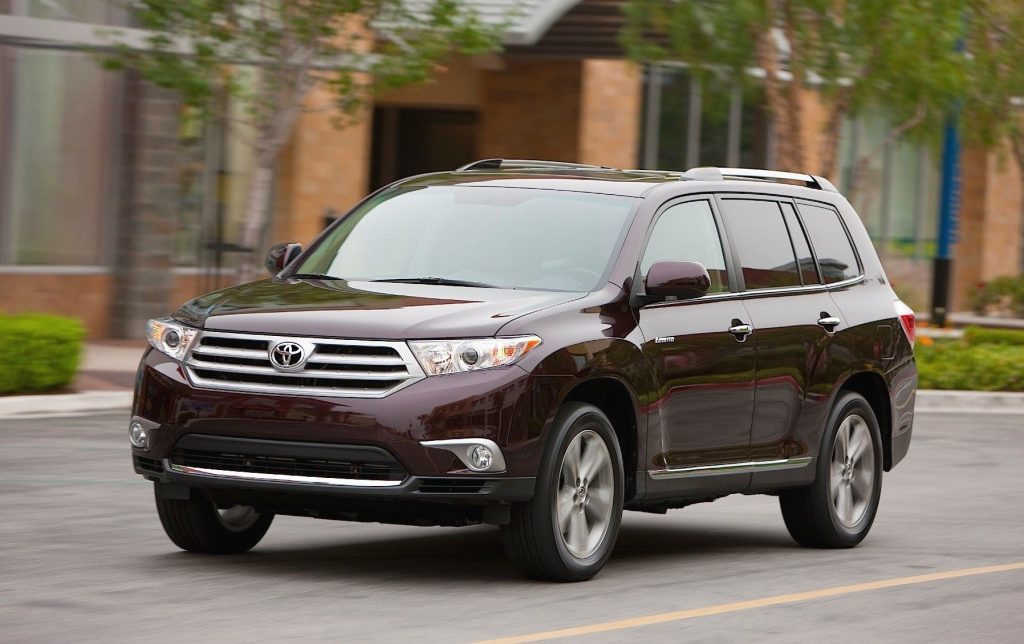
1. Toyota Highlander
The Toyota Highlander became one of the most trusted midsize family SUVs on the market, and its panoramic roof system reflects the same reliability-focused engineering that defines the rest of the vehicle.
While many large glass roofs create leak complaints as SUVs age, the Highlander developed a far stronger reputation for long-term durability and weather resistance.
Toyota approached the panoramic roof with a conservative mindset. Instead of pushing complicated gimmicks or fragile mechanisms, the company focused on proper sealing, dependable drainage channels, and sturdy structural integration with the body.
This helped the Highlander avoid many of the recurring leak issues that affect more experimental roof systems.
Owners frequently praise how well the panoramic roof survives heavy rain, snow, and years of outdoor parking without allowing water into the cabin.
Even older Highlanders with significant mileage often maintain dry headliners and clean interior trim around the roof opening. That consistency matters greatly because water leaks can quietly destroy electronics and interior materials over time.
Another strength comes from Toyota’s attention to drainage design. Panoramic roofs naturally collect water around the edges, which must flow safely through hidden drain tubes.
In the Highlander, these systems generally resist clogging better than those found in many competitors. Routine maintenance still matters, but catastrophic overflow problems appear far less common.
The SUV’s body structure also helps preserve roof alignment. Large glass panels depend heavily on maintaining proper fitment over the years of driving. The Highlander’s solid construction reduces excessive body flex that can stress seals and create leak points later.
Families especially appreciate this durability because the Highlander is often kept for many years as a daily driver and road trip vehicle. Owners want comfort features that remain dependable instead of creating expensive surprises after warranty coverage expires.
The Highlander proves that panoramic roofs can remain practical long term when manufacturers prioritise durability and proper engineering instead of focusing only on showroom appearance.
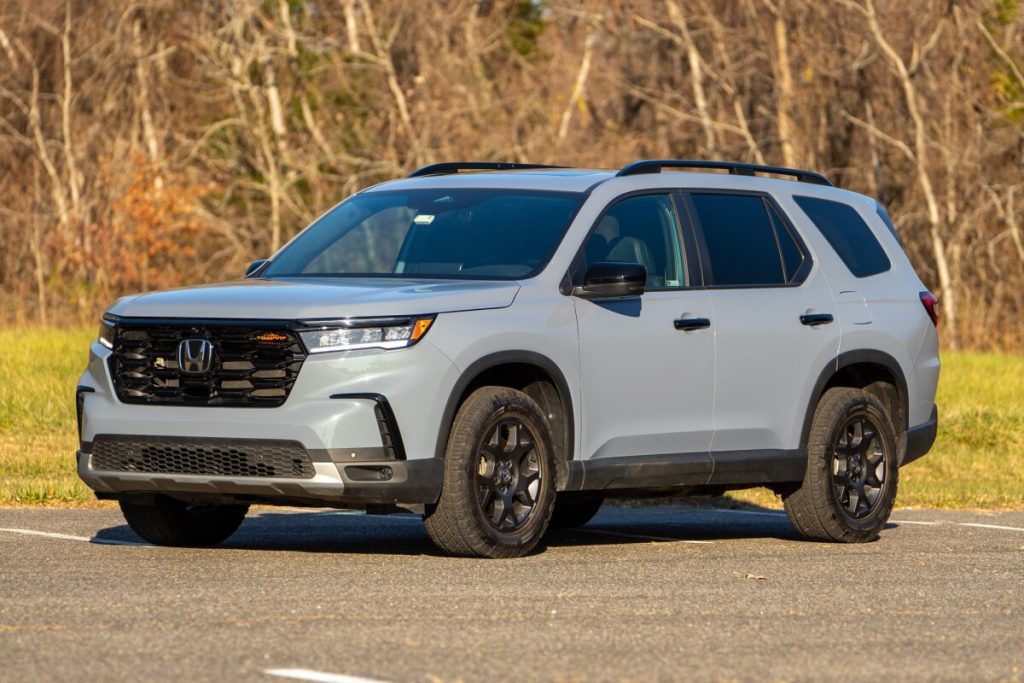
2. Honda Pilot
The Honda Pilot built its reputation around dependable family transportation, and its panoramic roof system follows that same practical philosophy. While panoramic roofs often create anxiety for long-term owners worried about leaks and water damage, the Pilot earned praise for keeping interiors dry and avoiding many of the common failures seen in rival SUVs.
Honda approached the design with careful balance rather than unnecessary complexity. The panoramic roof integrates cleanly into the body structure, helping reduce stress on seals and moving components over time.
This becomes important because SUVs experience constant twisting forces from rough roads, weather changes, and everyday driving conditions that can eventually create leak points in weaker roof systems.
Drainage engineering plays a major role in the Pilot’s strong reputation. Water channels surrounding the glass panels guide moisture away effectively, reducing the chance of overflow into the cabin.
Owners still need occasional maintenance to keep drains clean, but widespread leak complaints remain relatively rare compared to many competitors with larger panoramic systems.
Another advantage comes from Honda’s consistent build quality. Roof alignment tends to remain stable even after years of use, helping preserve proper sealing around the glass edges.
Some SUVs develop creaking, shifting, or uneven roof movement as mileage climbs, eventually leading to water intrusion. The Pilot generally avoids those long-term structural issues.
The panoramic roof also complements the Pilot’s role as a family road trip vehicle. Large windows and open cabin visibility create a spacious atmosphere without forcing owners to constantly worry about rainstorms or car washes damaging the interior. That peace of mind matters greatly for drivers planning to keep the SUV for a decade or longer.
Honda succeeded because it treated the panoramic roof as a durability feature rather than only a luxury feature. The result is an SUV where owners can enjoy the open cabin feeling without living in fear of soaked carpets, stained headliners, or mysterious electrical problems caused by hidden leaks.
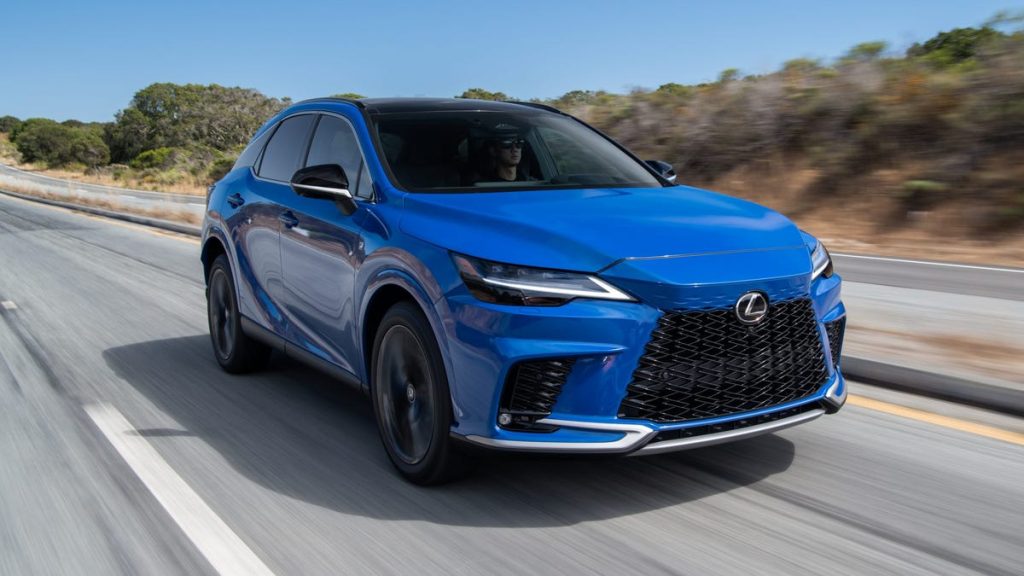
3. Lexus RX
The Lexus RX became one of the most successful luxury SUVs in the world because it combines comfort, refinement, and long-term dependability better than many rivals. That reputation extends to its panoramic roof system, which has proven far more reliable than the leak-prone designs found in several competing luxury models.
Luxury SUVs often suffer from panoramic roof problems because manufacturers prioritise dramatic styling and complicated mechanisms over durability. Lexus took a more careful approach with the RX. The roof system was engineered to operate smoothly while maintaining strong sealing and dependable drainage performance over the years of ownership.
One major advantage comes from the quality of the roof seals and surrounding materials. Lexus used durable weather stripping capable of handling temperature changes, heavy rain, and prolonged sunlight exposure without deteriorating rapidly. Owners frequently report dry interiors even after years of outdoor parking and harsh seasonal weather.
The drainage system also deserves praise. Water channels guide moisture away efficiently, helping prevent the clogged drain disasters that affect many panoramic roof vehicles. While regular maintenance still matters, the RX experiences far fewer complaints involving soaked carpets or stained headliners compared to many European luxury SUVs.
Another important factor is structural stability. The RX rides on a solid platform that limits excessive body flex, helping maintain proper roof alignment over time. This protects seals from uneven pressure and reduces the likelihood of gaps forming around the glass panels.
Owners especially appreciate this reliability because luxury SUV repairs can become extremely expensive once water intrusion damages electronics or interior trim. The RX avoids much of that ownership anxiety by keeping the panoramic roof dependable long term.
The SUV may not have the flashiest panoramic roof design on the market, but Lexus focused on making the system durable rather than risky. That practical engineering approach helped the RX become one of the safest luxury SUV choices for buyers wanting panoramic roof comfort without constant leak concerns.
4. Subaru Outback
The Subaru Outback occupies a unique place between wagon and SUV, and its panoramic roof system earned respect because it handles harsh weather conditions far better than many people expect. Subaru owners frequently drive through snow, rain, mud, and rough terrain, so roof durability matters more here than in vehicles designed mainly for suburban commuting.
One reason the Outback performs well is Subaru’s strong focus on weather resistance. The company understands that many owners live in regions with severe winters and heavy rainfall. Because of that, the panoramic roof system was engineered with dependable drainage channels and strong sealing designed to survive difficult conditions.
The Outback’s roof structure also helps maintain alignment over time. Rough roads and uneven terrain place constant stress on large glass roof systems, but Subaru’s solid body construction minimises excessive twisting that can eventually weaken seals or create small leak points.
Owners who use the vehicle for outdoor adventures often praise how well the roof holds up after years of demanding use.
Another strength is simplicity. Subaru avoided overly complicated panoramic roof mechanisms that can become difficult and expensive to maintain. The system operates smoothly without relying on fragile electronics or unnecessary moving parts that increase failure risk later.
Drain maintenance remains important in any panoramic roof vehicle, yet the Outback experiences far fewer widespread leak complaints than many competitors with larger or more elaborate glass roof setups. Drivers frequently report dry interiors even after years of exposure to snowstorms, automatic car washes, and long periods parked outdoors.
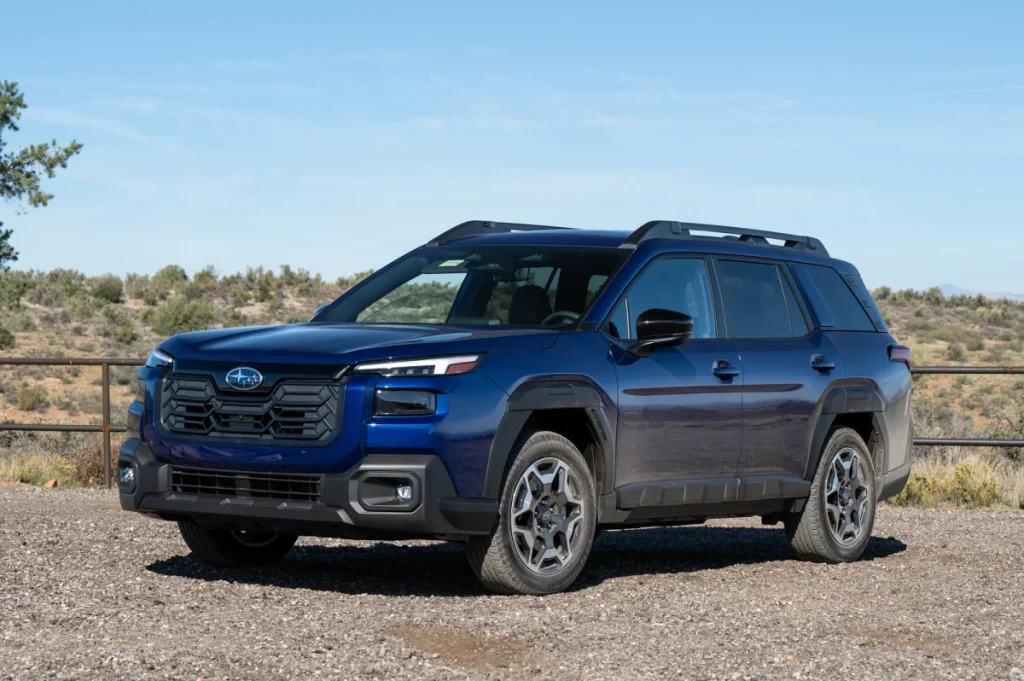
The panoramic roof also fits naturally with the Outback’s personality. Families, campers, and road trip drivers enjoy the added visibility and open cabin feel during outdoor travel without constantly worrying about water intrusion damaging the interior.
Subaru succeeded because it engineered the panoramic roof for real-world durability rather than only showroom appeal. That practical mindset helped the Outback become one of the safer choices for buyers wanting a panoramic roof in unpredictable weather conditions.
4 That Always Do
Panoramic roofs look impressive in advertisements and dealership showrooms, but once water begins leaking into the cabin, the ownership experience changes completely. A feature designed to create openness and luxury suddenly becomes a source of stress every time rain clouds appear.
Drivers start checking headliners for water stains, feeling carpets for dampness, and worrying about expensive electronic damage hidden beneath the interior trim.
Leaks from panoramic roofs rarely stay isolated to one small area. Water often travels through pillars, under carpets, and around electrical modules before owners even realise a problem exists.
By the time moisture becomes visible, damage may already be spreading underneath the cabin. Mould, foul smells, failing speakers, and electrical glitches frequently follow prolonged leaks.
Many SUVs developed reputations for repeated panoramic roof problems because the systems relied on fragile seals, undersized drainage channels, or roof structures that struggled to maintain alignment over time.
In colder climates, debris and ice easily clog drain tubes, causing water to overflow directly into the cabin. Some owners repaired the same leak multiple times without achieving a permanent solution.
Luxury SUVs often suffered the worst because manufacturers prioritised dramatic glass roof designs over long-term durability. Complex sliding mechanisms and oversized panels created more opportunities for failure as vehicles aged.
Repair bills quickly became overwhelming once technicians needed to remove headliners, replace motors, or diagnose hidden water intrusion points.
The SUVs in this section became well known for panoramic roof complaints serious enough to damage owner confidence. Some still delivered excellent performance, comfort, or styling, but their leak issues overshadowed those strengths for many long-term owners.
These vehicles serve as reminders that luxury features can become expensive liabilities when durability testing falls short. A panoramic roof should make an SUV feel more enjoyable, not force owners to keep towels inside the cabin during every rainstorm.
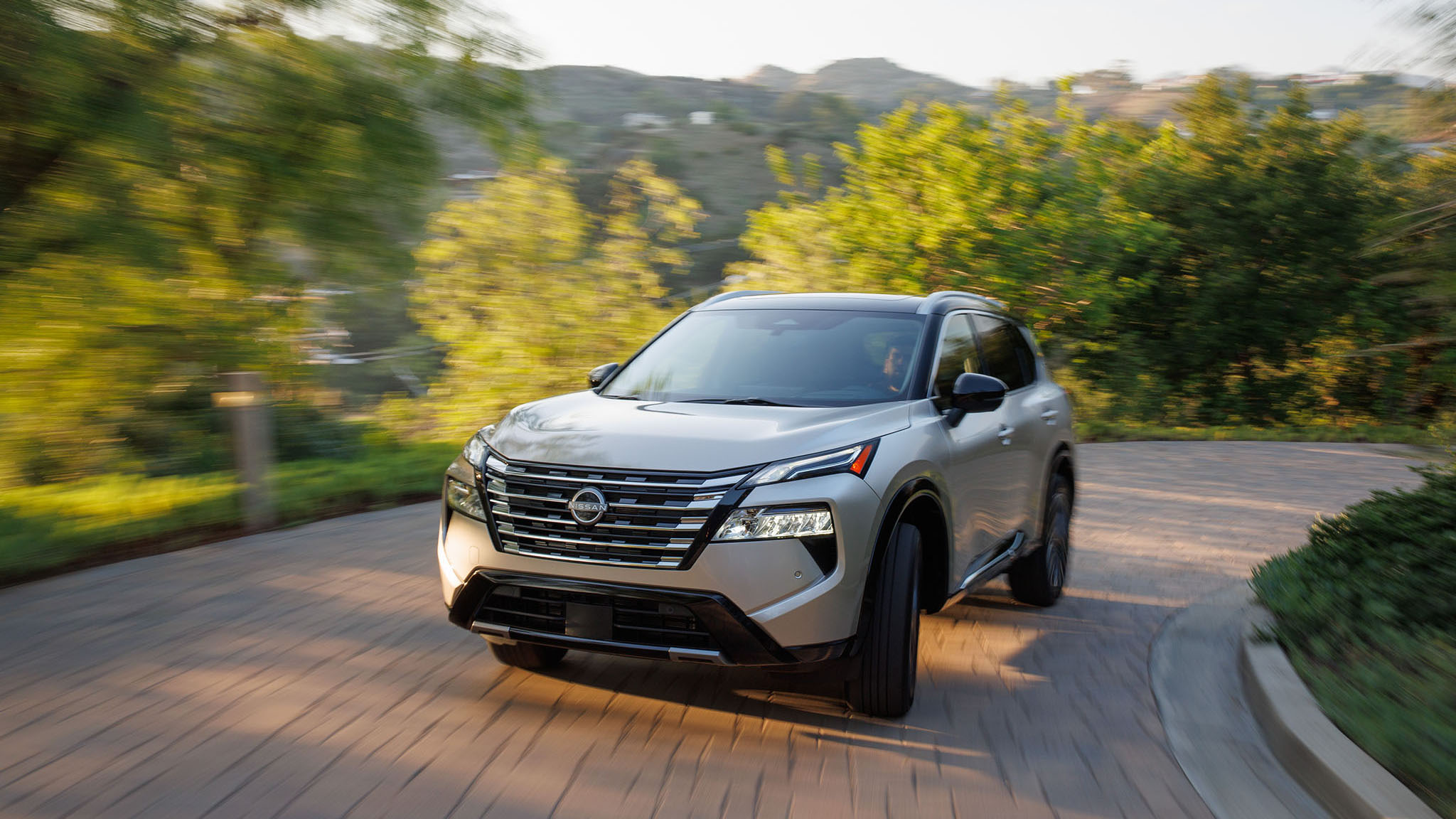
1. Nissan Rogue
The Nissan Rogue became one of the most popular compact SUVs on the market because of its affordability, comfortable ride, and family-friendly interior. Unfortunately, panoramic roof leaks became a recurring frustration for many owners, especially in models equipped with larger glass roof systems.
One major problem involved clogged drainage tubes. Panoramic roofs naturally collect water around the edges of the glass, and the drainage system is supposed to channel that moisture safely away from the cabin.
In the Rogue, owners frequently reported drain tubes becoming blocked by dirt, leaves, or debris far too easily. Once clogged, water overflowed into the headliner and interior trim.
The issue often appeared gradually. Drivers first noticed damp headliners near the roof opening or small water stains around interior lights.
Over time, moisture spread downward into carpets and electrical components hidden beneath the floor. Some owners experienced malfunctioning electronics, musty odours, and repeated interior water damage after heavy rainstorms.
Another frustration came from inconsistent repairs. Cleaning the drains sometimes solved the issue temporarily, but leaks often returned later. Certain owners reported multiple dealership visits without permanent fixes because the underlying roof alignment or seal problems remained unresolved.
The Rogue’s panoramic roof also faced criticism for seal durability. Temperature changes and years of exposure to sunlight occasionally caused weather stripping to weaken or shift slightly, creating additional leak points around the glass edges.
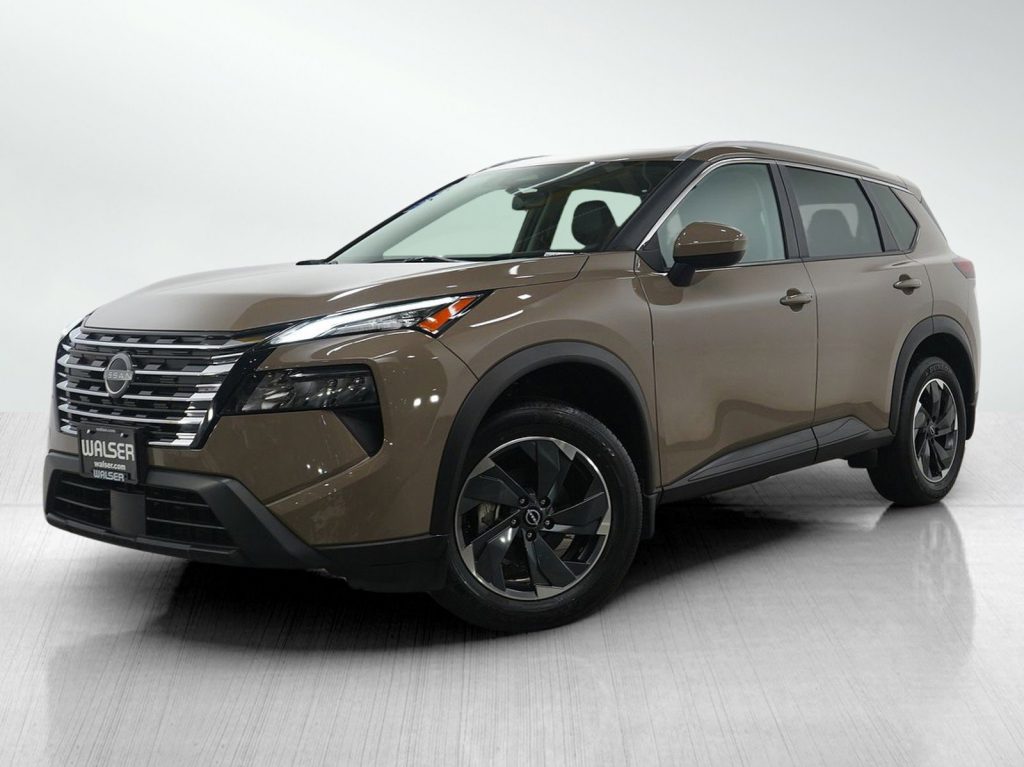
Families using the Rogue as a daily commuter or road trip vehicle found these issues especially disappointing because water intrusion damages long-term cabin quality quickly. Once moisture enters carpets and insulation, lingering odours and mould risks become difficult to eliminate.
The Rogue still offered good practicality and fuel efficiency, but panoramic roof reliability became one of the SUV’s most frustrating weaknesses. For many owners, the excitement of having a large glass roof disappeared quickly after repeated battles with leaks and interior water damage.
2. Jeep Cherokee
The Jeep Cherokee attracted buyers with rugged styling and available panoramic roof options that gave the cabin a more upscale feeling. Yet despite its adventurous image, the Cherokee developed a reputation for panoramic roof leaks serious enough to frustrate many long-term owners.
One of the biggest weaknesses involved water drainage performance. Panoramic roofs depend heavily on clear drain channels to move rainwater safely away from the glass panels.
In the Cherokee, these drains are frequently clogged with dirt, pollen, leaves, and road debris. Once blocked, water overflowed directly into the cabin instead of exiting underneath the vehicle.
Owners often discovered leaks after storms or automatic car washes. Water stains around the headliner became common warning signs, followed by damp carpets and moisture near interior electronics. Some drivers reported hearing sloshing water sounds trapped inside roof areas before leaks became fully visible.
The problem became worse because diagnosing the exact source of leaks proved difficult. Some Cherokees suffered from drain clogs, while others experienced seal deterioration or slight roof alignment problems.
This inconsistency led to repeated dealership visits and expensive repair attempts that did not always solve the issue permanently.
Electrical damage added another layer of concern. Modern SUVs contain sensitive wiring and electronic modules throughout the roof and floor areas. Once water intrusion begins, features like lighting systems, speakers, and power accessories can start malfunctioning unpredictably.
Cold-climate owners faced additional frustration because freezing temperatures occasionally worsened drainage issues. Ice buildup around roof channels increased the likelihood of overflow during winter weather and seasonal thawing periods.
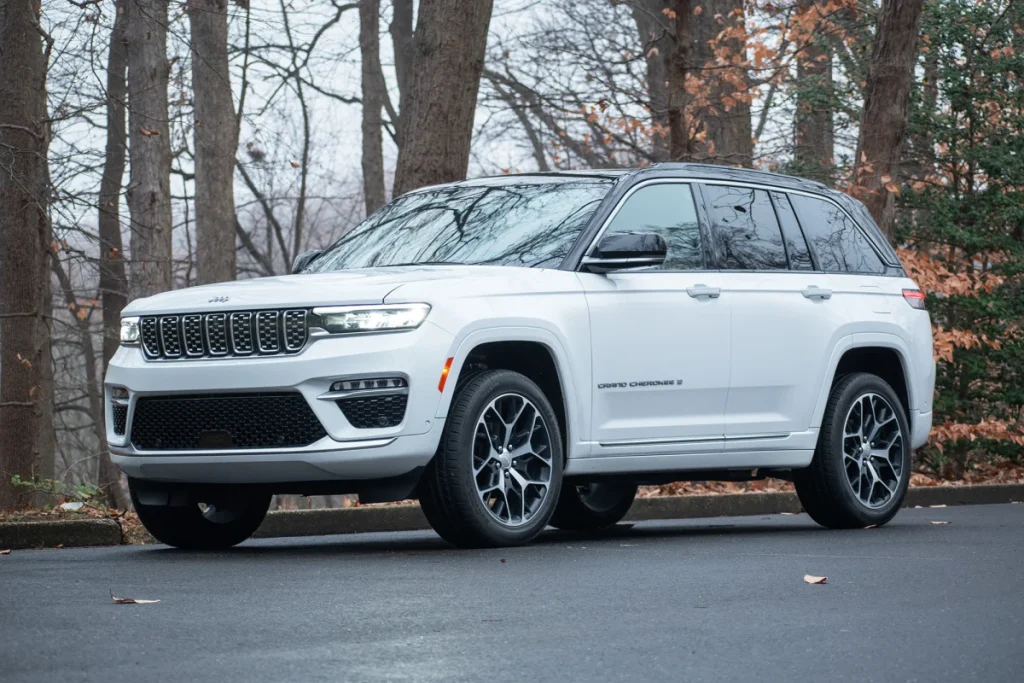
The Cherokee remained attractive because of its styling and off-road image, but panoramic roof reliability became a major ownership complaint. Many drivers who initially loved the open cabin atmosphere eventually grew anxious every time heavy rain approached.
The SUV demonstrated how quickly a premium comfort feature can become a constant source of stress when drainage and sealing systems are not engineered for dependable long-term durability.
3. Land Rover Discovery Sport
The Land Rover Discovery Sport promised luxury, versatility, and premium styling, but its panoramic roof system became one of the most criticised aspects of long-term ownership. While the large glass roof gave the cabin an airy and upscale atmosphere, many owners eventually faced frustrating water leaks that damaged confidence in the SUV’s durability.
One of the most common complaints involved blocked or poorly functioning drainage channels. Panoramic roofs collect large amounts of rainwater around the glass edges, and the Discovery Sport sometimes struggled to move that water away effectively. Once the drains clogged or slowed, moisture overflowed into the cabin through the headliner and roof trim.
Owners often noticed wet carpets, damp headliners, or water dripping near interior lights after storms. In severe cases, water reached electronic modules hidden beneath the floor, creating expensive electrical problems that extended far beyond a simple roof repair.
Warning lights, malfunctioning infotainment systems, and power accessory failures occasionally followed prolonged leaks.
Another issue involved seal durability. Some Discovery Sport models developed weakened weather seals after years of exposure to sunlight and changing temperatures. Even slight deterioration around the panoramic roof edges increased the risk of water intrusion during heavy rain or automatic car washes.
Repair frustration became a recurring theme among owners. Leak sources were not always easy to pinpoint because water travelled invisibly through roof channels before appearing elsewhere inside the cabin. Some drivers returned to dealerships multiple times without achieving permanent solutions.
The Discovery Sport still delivered comfortable road manners and premium styling, but panoramic roof reliability seriously damaged the ownership experience for many people. Instead of enjoying the open roof during scenic drives, owners often worry about future storms and hidden moisture damage waiting beneath the interior trim.
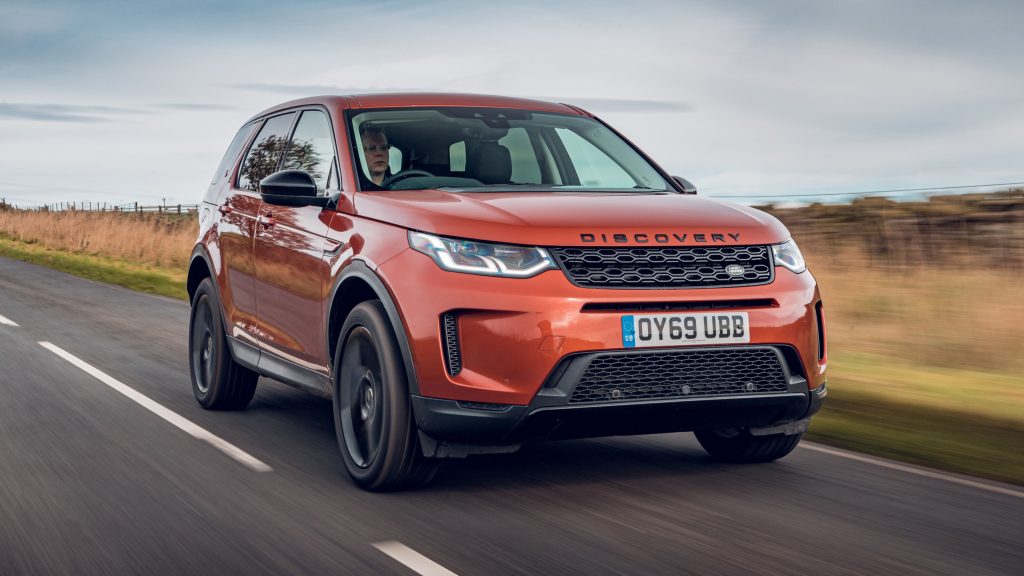
The SUV serves as a reminder that luxury features mean very little if long-term durability and weather sealing are not engineered carefully enough for years of real-world use.
4. Ford Explorer
The Ford Explorer became one of America’s most popular family SUVs, but panoramic roof leak complaints appeared frequently enough in certain generations to create long-term ownership concerns.
While buyers loved the spacious cabin and large glass roof design, many owners eventually faced water intrusion problems that proved difficult and expensive to solve.
One major weakness involved drainage system reliability. The panoramic roof depended on narrow drain tubes hidden inside the body structure to carry rainwater away safely. Over time, leaves, dirt, and debris could clog those drains, causing water to back up and overflow into the cabin instead.
Owners commonly reported damp headliners near the roof opening, soaked carpets, and water stains spreading along interior pillars. Some even discovered standing water beneath floor mats after heavy rainstorms. Once moisture entered the cabin repeatedly, unpleasant odours and mould risks became serious concerns.
Electrical damage created even greater frustration. Modern Explorers contain numerous electronic systems beneath the flooring and around interior trim panels. Water intrusion occasionally triggered speaker failures, warning lights, malfunctioning sensors, and power accessory issues that required costly repairs beyond the roof itself.
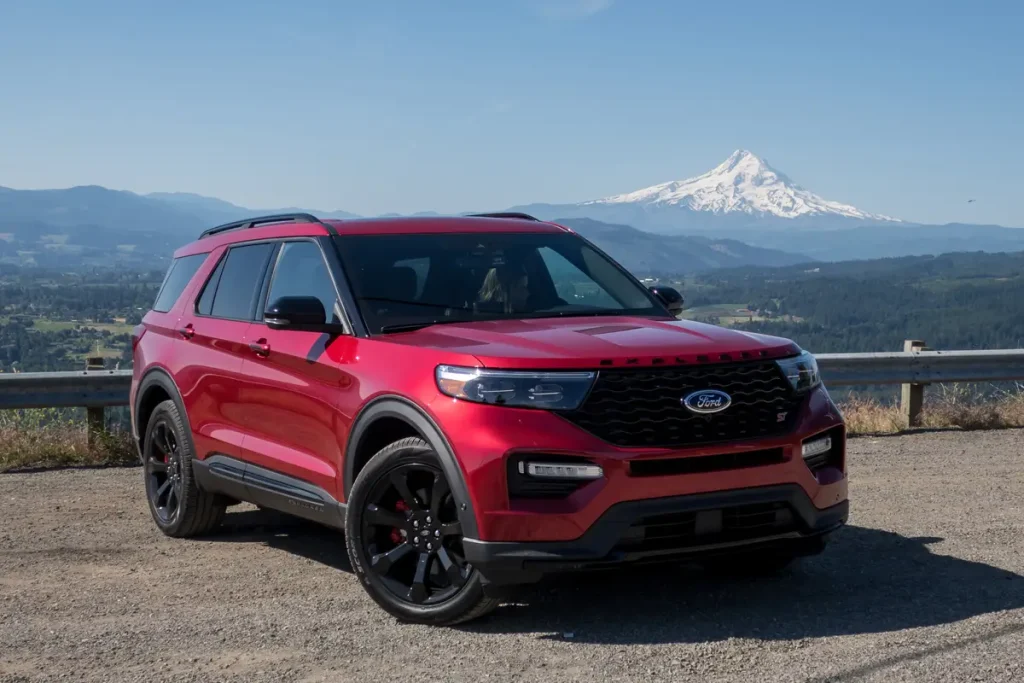
Another problem came from inconsistent repair outcomes. Some owners cleaned the drains successfully and avoided future leaks, while others experienced recurring problems despite multiple dealership visits. In certain cases, roof alignment or seal wear contributed to continued water intrusion even after drain maintenance.
The Explorer remained practical and comfortable for families, but panoramic roof reliability became one of the SUV’s biggest weak points in long-term ownership discussions. Drivers who originally enjoyed the extra sunlight and open cabin feeling sometimes ended up avoiding use of the roof entirely out of fear of worsening leaks.
The Explorer showed how a highly desirable luxury feature can quickly become a major ownership burden when drainage and sealing systems fail to maintain durability over years of weather exposure.
Also Read: 5 Cars With Genuinely Cold AC at Idle vs 5 That Only Cool While Moving
