
Air conditioning has become one of the most important parts of modern car ownership, especially for drivers living in extremely hot climates or dealing with long daily commutes.
A sedan can have a smooth engine, comfortable seats, and excellent fuel economy, but if the air conditioning system constantly struggles or fails, the ownership experience quickly becomes frustrating.
Drivers often underestimate how important dependable cooling really is until they spend a summer trapped in traffic with weak airflow and rising cabin temperatures.
Some sedans developed reputations for air conditioning systems that continue working reliably for years with very little attention beyond basic maintenance.
These cars cool quickly, maintain consistent cabin temperatures, and rarely suffer catastrophic compressor failures or expensive refrigerant leaks. Owners often drive them well past high mileage figures while still enjoying cold air during the hottest days of the year.
In many cases, the systems were engineered with durable compressors, reliable electrical controls, and strong, long-term component quality.
At the other end are sedans known for repeated air conditioning headaches. Some struggle with weak cooling after only a few years, while others become notorious for failed compressors, leaking evaporators, faulty climate control modules, or repair costs so high that owners delay fixing the system entirely.
Air conditioning issues are especially frustrating because diagnosing them can become complicated and expensive very quickly. A small failure in one component often spreads stress throughout the system.
This comparison matters because air conditioning repairs are no longer simple or cheap on modern vehicles. Labor-intensive term dashboards, sensitive electronics, and tightly packed engine bays can turn a cooling issue into a major financial burden.
Buyers searching for dependable used sedans often pay close attention to AC reliability because replacing compressors, condensers, or evaporators can cost thousands.
The sedans in this article show both sides of the experience. Some earned praise because their cooling systems continue performing year after year with impressive consistency.
Others gained reputations for weak durability and expensive failures that repeatedly frustrate owners. Knowing which sedans handle long-term-intensive AC reliability properly can make a huge difference in comfort, maintenance costs, and ownership satisfaction.
Also Read: 5 Cars That Are Worth the Repair vs 5 You Should Walk Away From
5 Sedans With Air Conditioning That Last Forever
A dependable air conditioning system can completely change how enjoyable a sedan feels during long-term ownership. Drivers in hot regions quickly learn which vehicles cool down rapidly and continue delivering strong performance year after year.
The best systems are not simply cold when new. They remain reliable deep into high-mileage-term ownership without demanding constant repairs or expensive component replacements.
Long-lasting-mileage air conditioning systems usually come down to smart engineering and durable components. Strong compressors, reliable seals, efficient condensers, and quality electrical systems all contribute to cooling performance that survives years of heavy use.
Sedans with dependable AC systems also tend to avoid weak points such as leaking evaporators or fragile climate control modules that create repeated repair bills.
Another reason this topic matters is that modern air conditioning repairs have become extremely expensive. In some cars, replacing a failed evaporator requires removing the entire dashboard.
Certain luxury sedans can generate repair estimates large enough to make owners ignore the problem altogether. Because of that, sedans with proven long-term cooling durability become far more attractive in the used market.
The cars in this section earned strong reputations because owners repeatedly discovered that their air conditioning systems simply kept working.
Even after years of summer traffic, high-mileage commuting, and constant climate control use, these sedans continued blowing cold air with impressive consistency. Many mechanics also praise them because serious AC failures are relatively uncommon compared to other vehicles in the same category.
These sedans prove that reliability is not limited to engines and transmissions alone. A durable cooling system can dramatically improve comfort, ownership satisfaction, and long-term value. For drivers who refuse to gamble on expensive climate control repairs, these cars stand out as some of the safest choices available.
1. Toyota Camry
The Toyota Camry built a reputation for dependable ownership in nearly every category, and its air conditioning system became another reason drivers trusted the car for the long haul.
Many Camrys continue delivering cold, consistent airflow even after years of daily commuting and high-mileage driving. That kind of durability matters greatly in places where air conditioning is not a luxury but a necessity.
Toyota designed the Camry with a focus on simplicity and long-term mileage reliability rather than chasing overly complicated climate control systems.
Compressors in many generations proved remarkably durable, often lasting well beyond 150,000 miles without major issues. Owners frequently report that routine refrigerant servicing is all the system requires for many years.
Another strength comes from the consistency of cooling performance. Some sedans blow cold air while moving but struggle during idle traffic in extreme heat. The Camry usually avoids that weakness. Even during long summer traffic jams, the system maintains steady cabin temperatures without placing excessive strain on the engine.
Repair costs also stay relatively manageable if problems eventually appear. Parts remain widely available, and independent mechanics understand Toyota climate systems extremely well. This reduces labor complexity and keeps ownership stress lower than with luxury sedans carrying expensive, specialized components.
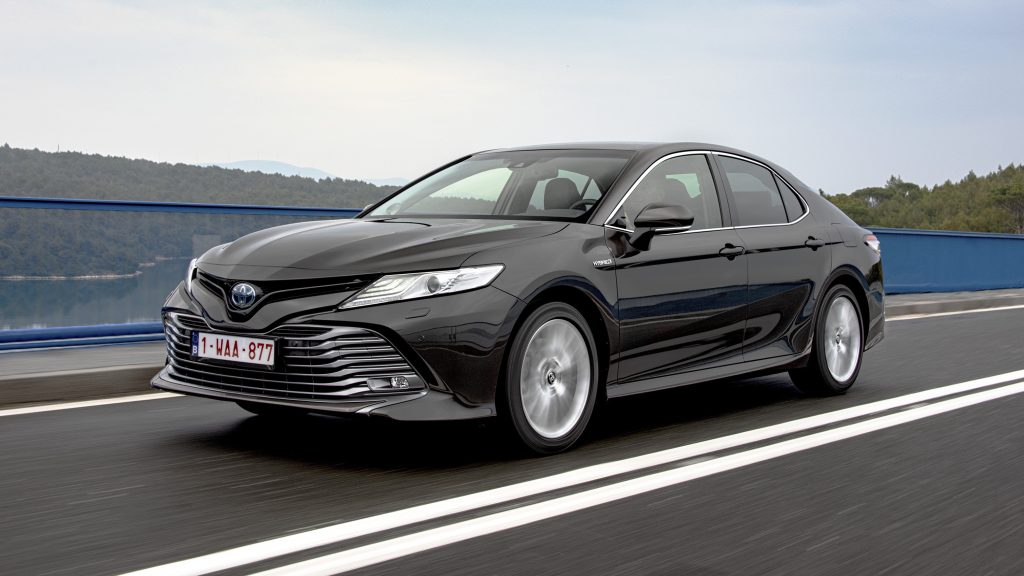
The Camry’s cabin design contributes to cooling effectiveness, too. Airflow distribution is balanced, vents are positioned intelligently, and the system cools the interior quickly without constantly running at maximum fan speed. Drivers and passengers notice the difference during long highway trips or intense heat waves.
Another reason people continue praising Camry air conditioning systems is predictability. Owners rarely worry about sudden compressor failures or dashboard removal for hidden evaporator leaks. That confidence becomes especially valuable as the car ages.
The Camry may not attract attention with flashy technology, but its dependable cooling system reflects the same practical engineering philosophy that made the sedan famous worldwide. For drivers wanting cold air without expensive surprises, few sedans have earned more trust across decades of ownership.
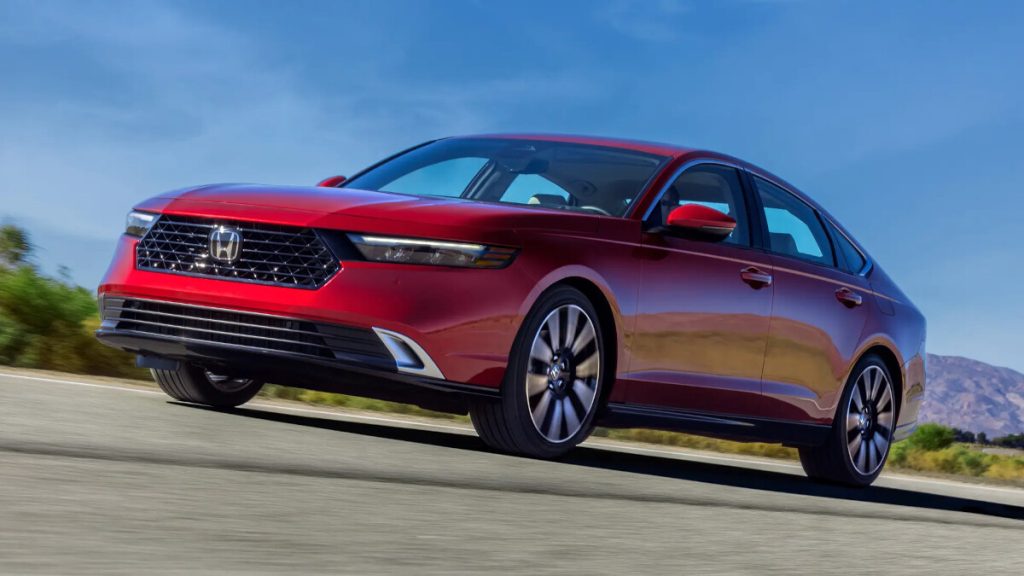
2. Honda Accord
The Honda Accord earned loyal owners because it balances comfort, reliability, and practicality exceptionally well, and its air conditioning system became one of the strongest parts of that ownership experience.
In many climates, the Accord developed a reputation for cooling cabins quickly and maintaining dependable performance year after year with minimal drama.
One reason the Accord stands out is the durability of its core AC hardware. Compressors in several generations proved surprisingly resilient compared to competitors that suffered repeated failures. While no system lasts forever without maintenance, many Accord owners report cold air continuing deep into high mileage ownership without major repairs.
Honda also engineered strong airflow throughout the cabin. Instead of relying on excessive fan noise, the Accord distributes cooled air efficiently across both front and rear seating areas. This creates a comfortable environment even during long summer drives and stop-and-go urban traffic.
Unlike some luxury sedans, where climate control systems become nightmares once they age, the Accord keeps things relatively straightforward.
Repairs are generally easier to diagnose, replacement parts are widely available, and labor costs stay reasonable compared to premium brands. Owners appreciate knowing that future maintenance will not automatically turn into a financial disaster.
Another important advantage involves system consistency. Certain sedans cool well when new, ew, but gradually lose effectiveness as components wear. The Accord often maintains strong cooling output for many years if basic servicing is performed correctly. This reliability becomes especially valuable in regions with intense humidity and prolonged summer heat.
The sedan’s long-term-and-go dependability also helps preserve owner trust. Drivers become comfortable knowing the car will continue delivering reliable transportation without constantly demanding attention. That confidence extends to the air conditioning system as well.
The Accord succeeds because Honda focused on durable engineering instead of unnecessary complexity. Years later, many older Accords still provide cold, reliable air conditioning that rivals much newer vehicles, proving why the sedan remains one of the safest long-term ownership choices in its class.
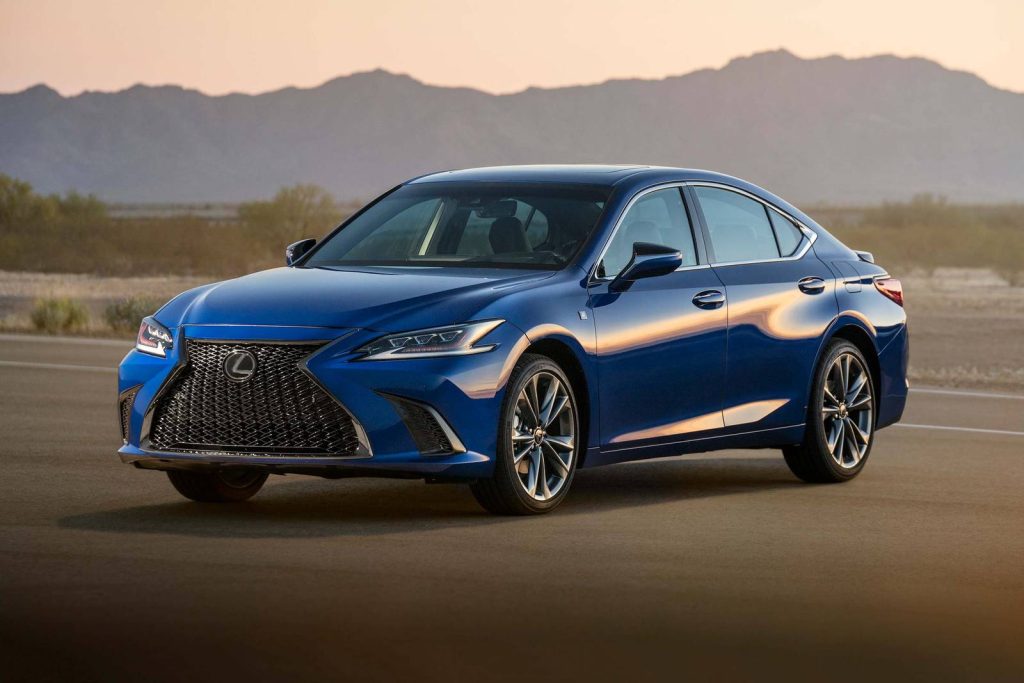
3. Lexus ES 350
The Lexus ES 350 became famous for quiet comfort and stress-free ownership, and its air conditioning system plays a major role in that reputation.
Many luxury sedans develop expensive climate control problems as they age, but the ES 350 consistently avoids the constant failures that frustrate owners of competing premium cars. Drivers often discover that the system keeps delivering strong cooling long after the car reaches high mileage.
One reason the ES 350 performs so well is Toyota’s conservative engineering approach. Instead of filling the system with overly fragile technology, Lexus focused on durability and refinement.
Compressors, blower motors, and climate controls were designed to function smoothly for years without frequent breakdowns. Owners commonly report reliable cold air even after a decade of ownership.
The cabin insulation also improves the cooling experience. Because outside heat and road noise are kept under control effectively, the air conditioning system does not need to work excessively hard to maintain comfort. During hot summer traffic, the sedan cools the interior quickly and keeps temperatures stable without constant fan noise.
Another strength involves the quality of airflow distribution. Rear passengers benefit from consistent cooling, while front occupants receive strong vent performance without uneven temperature zones. Long highway drives remain comfortable even in extremely hot climates.
Repair costs can still be higher than those of mainstream sedans because Lexus parts carry premium pricing, but serious AC failures happen far less frequently than in many rival luxury vehicles. Owners appreciate that reliability because luxury car repairs often become overwhelming once electronic climate systems begin failing repeatedly.
The ES 350 succeeds because it combines luxury comfort with Toyota reliability. Instead of treating air conditioning as an afterthought, Lexus engineered a cooling system capable of surviving years of real-world-free use.
For buyers wanting dependable cold air without luxury car headaches, the ES 350 remains one of the strongest choices in the sedan market.
4. Ford Crown Victoria
The Ford Crown Victoria built its reputation through toughness and simplicity, and those qualities extended to its air conditioning system as well.
These sedans spent years serving police departments, taxi fleets, and government agencies where dependable cooling was necessary. A car operating for long shifts in extreme weather could not afford constant climate control failures.
One of the Crown Victoria’s biggest strengths is the durability of its components. Ford designed the sedan during a period when simplicity still mattered more than complicated electronics.
Compressors, condensers, and blower systems were built to withstand heavy daily use without becoming fragile maintenance nightmares. Many old Crown Victorias still produce impressively cold air despite carrying extremely high mileage.
Fleet service history helped prove the system’s toughness. Police officers often left these cars idling for hours during hot summers while relying heavily on the air conditioning.
Taxi companies pushed them through a constant stop-and-go world of traffic with passengers entering and exiting throughout the day. Despite that punishment, the systems generally continued operating reliably.
Another advantage comes from repair accessibility. Unlike modern sedans, where mechanics must dismantle huge sections of the dashboard for basic climate repairs, the Crown Victoria remains relatively straightforward to service. Parts are affordable, labor is manageable, and many independent mechanics know the platform thoroughly.
The sedan’s large cabin also cools surprisingly well. Strong airflow and wide vent placement help distribute cold air evenly across the interior, making long drives more comfortable even in intense heat.
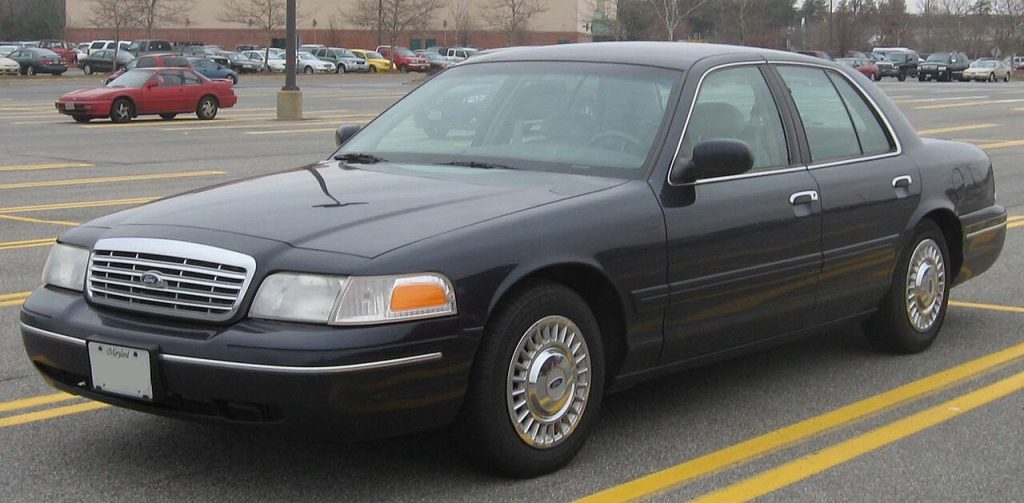
The Crown Victoria may lack modern luxury features, but its dependable engineering continues earning respect years after production ended. Owners appreciate knowing the air conditioning system can survive heavy use without turning into a constant source of repair bills and frustration.
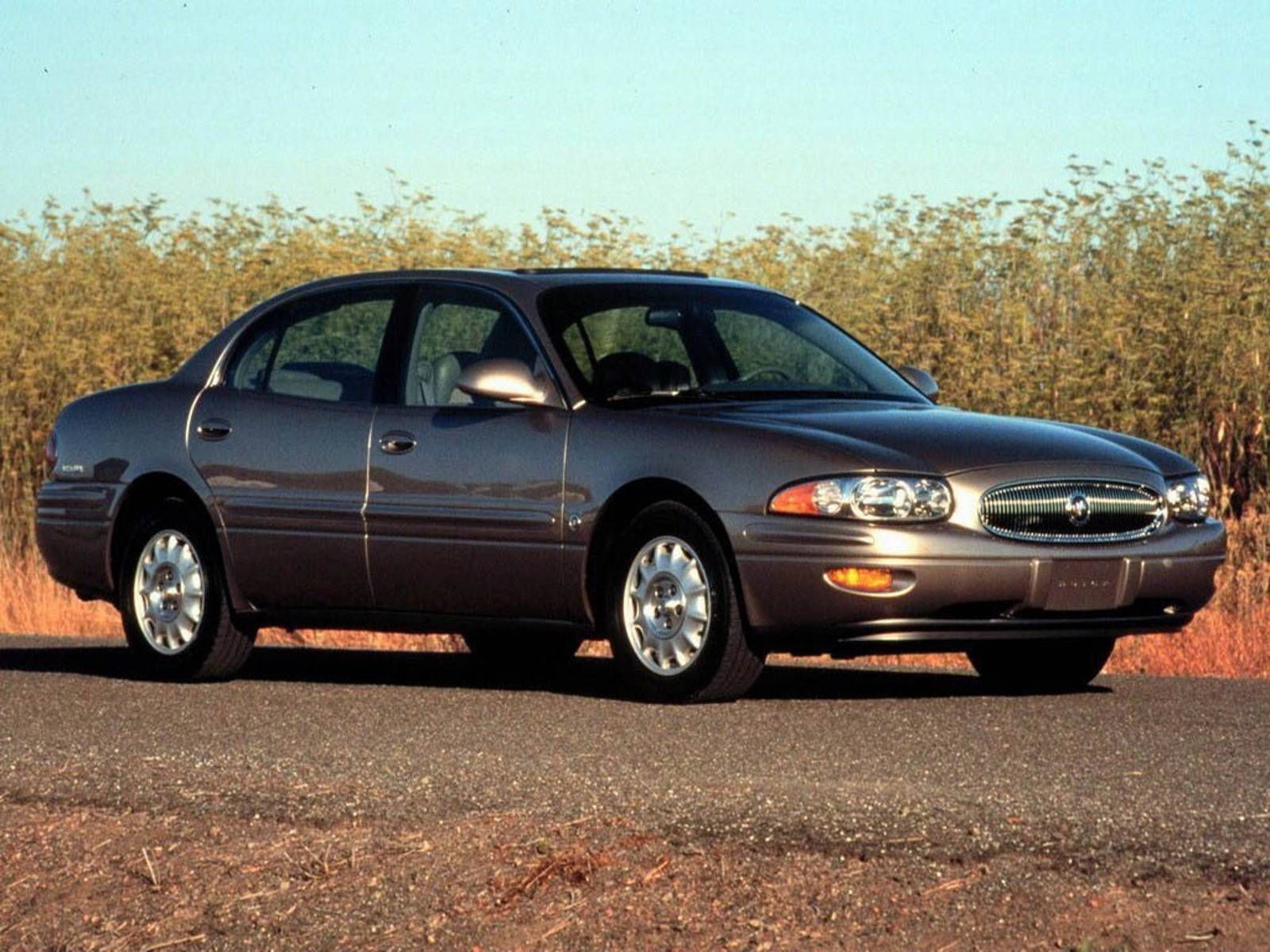
5. Buick LeSabre
The Buick LeSabre became a favorite among drivers who valued comfort and dependable long-distance and go cruising, and its air conditioning system quietly contributed to that reputation for many years.
While the sedan rarely attracted attention for flashy technology or aggressive styling, owners frequently praised how consistently the cooling system performed, even as the car aged.
One reason the LeSabre stands out is the durability of its GM 3800-era-distance engineering. During this period, General Motors produced air conditioning systems that were relatively simple, strong, and capable of surviving years of heavy summer use.
Compressors in many LeSabres lasted impressively long when basic maintenance was performed correctly.
The sedan’s large interior also benefited from a strong-era airflow design. Cooling reached both front and rear passengers effectively without requiring constant maximum fan speeds. Even during hot highway driving or extended idle traffic, the cabin remained comfortable with little effort from the system.
Another advantage involves repair practicality. Replacement parts remain widely available, and mechanics familiar with older GM sedans usually diagnose problems quickly. Owners appreciate that even if repairs eventually become necessary, costs tend to stay manageable compared to luxury sedans with highly complex climate control systems.
The LeSabre also earned praise from older drivers and commuters because the cooling controls remained straightforward and reliable. Instead of burying every function inside confusing digital menus, Buick kept the system user-friendly, strong, and dependable. That simplicity helped reduce long-term-friendly electronic failures.
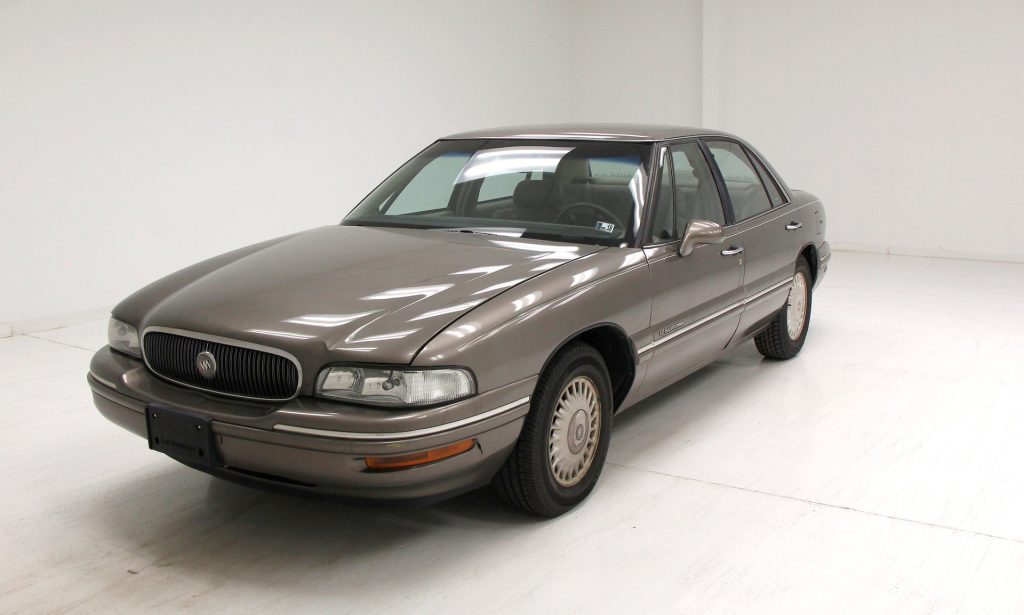
Many surviving LeSabres today still deliver strong cold air despite carrying significant mileage. That durability reflects the sedan’s broader reputation as a comfortable and trustworthy daily driver built during a period when long-term reliability still mattered heavily in mainstream American sedans.
5 That Doesn’t
Air conditioning problems can ruin an otherwise pleasant sedan ownership experience. Weak airflow, failing compressors, leaking refrigerant lines, and expensive dashboard disassembly quickly turn comfort into frustration. Some sedans, unfortunately, became known for climate control systems that struggled far earlier than owners expected.
In many cases, the issue was not simply one weak component. Certain cars developed patterns of repeated failures involving compressors, evaporators, electrical controls, and sensors.
Owners would repair one problem only to face another shortly afterwards. This cycle became especially painful because modern AC repairs often require expensive labor.
Luxury sedans were not immune either. Some premium brands packed complicated climate technology into their vehicles without ensuring long-term durability. As these systems aged, repair bills climbed dramatically.
A sedan that once felt refined and comfortable could suddenly become miserable during hot weather because of the cost of the cooling system, costing thousands.
Another factor is accessibility. In several sedans, replacing a leaking evaporator requires reworking the entire dashboard. Labor alone can become overwhelming before parts are even added to the estimate. Drivers frequently delay repairs because the costs feel unreasonable for an older vehicle.
The following sedans developed reputations for unreliable air conditioning systems and recooling-related complaints. Some suffered weak compressors, while others became known for electrical failures or hidden refrigerant leaks.
These vehicles remind buyers that dependable climate control matters just as much as engine reliability when choosing a sedan and for long-term ownership.
1. Chrysler 200
The Chrysler 200 struggled to build a strong reliability reputation, and its air conditioning system became one of the biggest complaints among long-term owners. While the sedan looked modern and offered a comfortable ride when new, many drivers eventually faced expensive cooling problems that damaged confidence in the vehicle.
One of the most common issues involved weak compressor durability. Owners frequently reported air conditioning systems blowing warm air unexpectedly, especially during hotter months when the system worked hardest. In many cases, compressor failure arrived earlier than expected, creating repair bills that frustrated owners of relatively low-mileage-term cars.
Electrical problems added another layer of trouble. Climate control modules, sensors, and blower motor components sometimes failed unpredictably, causing inconsistent cooling performance. Drivers often experienced situations where airflow remained weak or cabin temperatures fluctuated without warning.
The Chrysler 200 is also labor-intensive in mileage repairs. Some air conditioning components were difficult to access, increasing labor costs significantly once repairs became necessary. What started as a simple cooling complaint could quickly turn into a large service estimate after diagnostic work began.
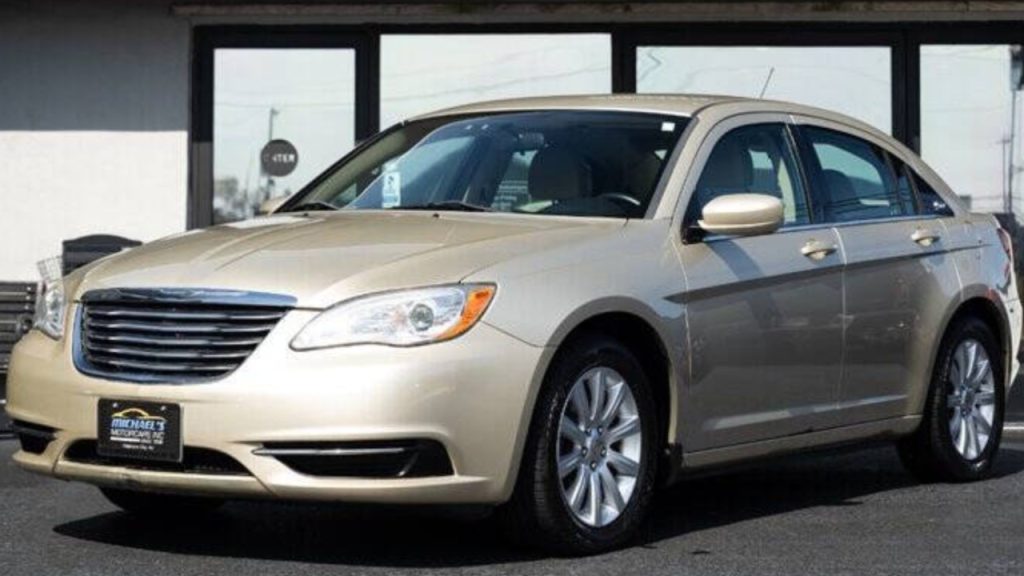
Another frustrating long-term, intensive consistency. Certain owners repaired one AC issue only to encounter another within a short period. Refrigerant leaks, compressor strain, and electrical glitches created an ownership experience that felt unreliable compared to rivals from Honda or Toyota.
Because the sedan already suffered from heavy depreciation, many owners hesitated to invest large amounts into major climate control repairs. Spending thousands on cooling system work rarely felt worthwhile on a vehicle with limited resale value.
The Chrysler 200 may have delivered comfortable commuting when functioning properly, but its weak air conditioning reliability became one of several reasons many drivers eventually lost patience with the car.
2. BMW 5 Series (E60 Generation)
The BMW E60 5 Series impressed buyers with luxury, sharp handling, and advanced technology, but its air conditioning system often became a major ownership headache as the cars aged. While the cooling performance felt excellent when new, long-term reliability proved far less reassuring.
One major weakness involved the complexity of the climate control system. BMW packed the sedan with electronic modules, sensors, and advanced automatic climate features that became increasingly fragile over time. Electrical faults frequently triggered inconsistent airflow, weak cooling, or warning lights that required expensive diagnostic work.
Evaporator and compressor failures became especially costly because of the labor involved. In some cases, dashboard disassembly was necessary to reach critical components, dramatically increasing repair bills. Owners were often shocked to learn that a cooling issue could require thousands of dollars in labor before parts were even considered.
The E60 also suffered from refrigerant leaks that were difficult to trace. Some owners repeatedly recharge, realizing without realizing deeper failures existed beneath the surface. This created cycles of temporary fixes followed by repeated breakdowns during hot weather.
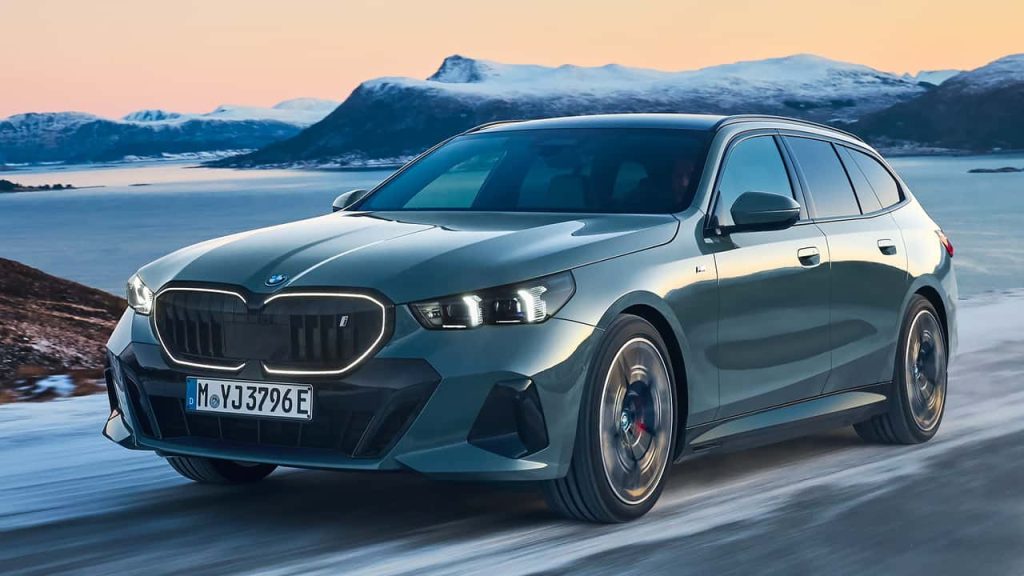
Another problem was ownership unpredictability. A repaired air conditioning system did not always guarantee long-term peace of mind because additional electrical or cooling-related failures frequently appeared later. This constant uncertainty frustrated many owners once warranty coverage expired.
Luxury car depreciation made the situation even harder to justify financially. Repair costs remained extremely high despite the vehicle losing much of its market value over time. Owners eventually faced difficult decisions about whether continuing repairs made practical sense.
The E60 5 Series remains engaging to drive, but aging examples often turn climate control maintenance into an expensive and stressful experience that many buyers underestimate before ownership.
3. Nissan Altima (Mid-2000s Models)
The mid-2000s Nissan Altima gained popularity because of its roomy cabin, decent fuel economy, and affordable pricing, but its air conditioning system became a weak point for many long-term owners. Drivers in hot climates especially noticed that cooling performance and reliability often declined earlier than expected.
One common complaint involved compressor failure. Many owners reported the system suddenly blowing warm air during summer conditions, sometimes without much warning beforehand. Once the compressor began failing, repair costs quickly increased because debris from internal damage could spread through the entire AC system.
Another issue came from refrigerant leaks that proved difficult to diagnose. Small leaks hidden within hoses, seals, or evaporator components slowly reduced cooling performance over time. Drivers often noticed the system becoming weaker each summer until expensive repairs finally became unavoidable.
Electrical reliability also created frustration. Climate control switches, blower motors, and sensors occasionally developed faults that caused inconsistent airflow or irregular temperature behavior. Some owners dealt with air conditioning systems that worked properly one day and struggled the next.
The Altima’s aging interior materials added to the ownership disappointment. When the cabin already felt worn from sun exposure and material deterioration, losing effective air conditioning made the sedan even less enjoyable during hot weather.
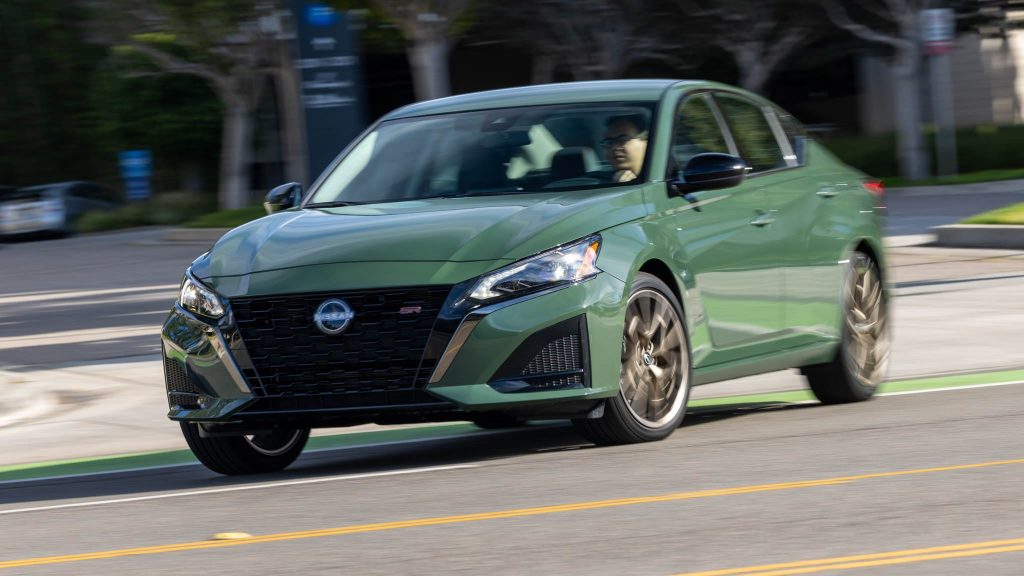
Repair costs were not always catastrophic individually, but repeated cooling-related problems created long-term frustration. Owners frequently discovered that fixing one component did not permanently solve the system’s weaknesses.
The Altima remained practical transportation for many families and commuters, but its air conditioning durability never matched the stronger reliability reputations built by rivals like the Toyota Camry a priori. For buyers prioritizing long-term cooling dependability, this generation of Altima often became a disappointing experience.
4. Audi A6 (Early 2000s Models)
The early 2000s Audi A6 delivered luxury, smooth highway comfort, and refined cabin quality, yet its air conditioning system became one of the more expensive ownership concerns as these sedans aged. While the cooling performance felt impressive when new, long-term reliability often proved frustrating and financially draining.
One major issue involved complicated climate control electronics. Audi integrated advanced automatic temperature systems filled with sensors and electronic modules that became increasingly vulnerable over time. Small failures could trigger inconsistent cooling, weak airflow, or complete system shutdowns that required extensive diagnostic work.
Compressor failures also became common enough to damage owner confidence. In several cases, replacing major components involved extremely high labor costs because of the crowded engine bay and difficult system access. What should have been a routine repair on a simpler sedan often turned into a major service bill.
Evaporator leaks created another expensive headache. Since the evaporator sits deep behind the dashboard, repair requires removing a large portion of the interior. Labor alone became overwhelming for many owners, especially once the sedan had already depreciated heavily.
The situation is aging me worse because aging Audi electrical systems rarely fail in isolation. Owners dealing with air conditioning repairs often faced simultaneous problems involving sensors, warning lights, or control modules elsewhere in the car. This created a constant feeling of financial uncertainty.
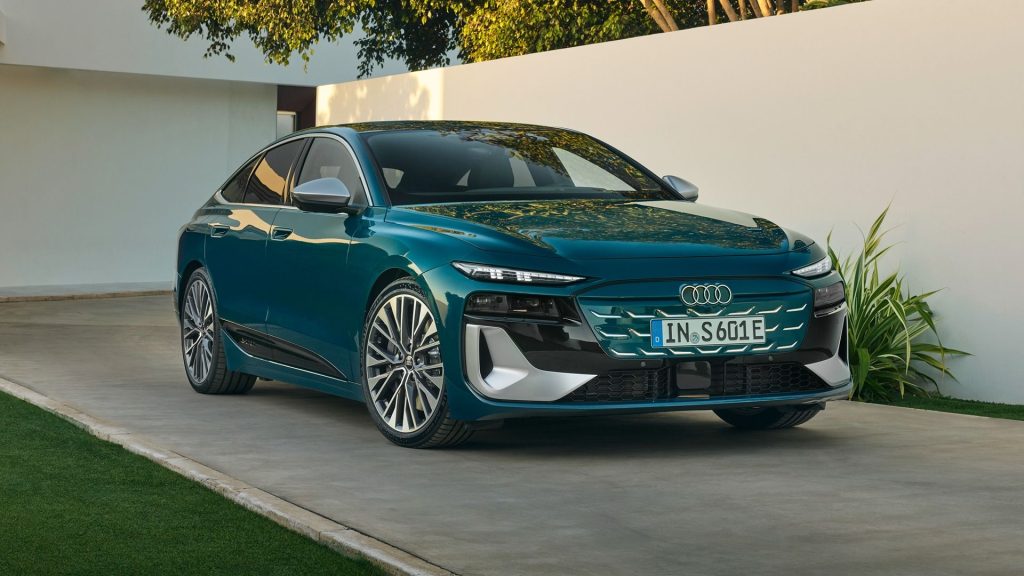
Despite these issues, the A6 remained enjoyable to drive when functioning correctly. The cabin stayed quiet, comfortable, and refined during highway cruising. Unfortunately, maintaining that comfort level became increasingly expensive as the cars aged.
For many owners, the repeated climate control expenses eventually outweighed the luxury experience itself. The early 2000s A6 serves as a reminder that sophisticated cooling systems can become enormous liabilities once complex luxury sedans grow older.
5. Chevrolet Cruze
The Chevrolet Cruze attracted buyers with modern styling, fuel efficiency, and affordable pricing, but its air conditioning system developed enough long-term complaints to hurt the sedan’s reputation. Many owners experienced cooling problems far earlier than expected, especially in higher-mileage examples.
It involves the most common issues involved in compressor and refrigerant failures. Drivers frequently reported the air conditioning suddenly losing cooling strength during hot weather. In several cases, leaks developed within hoses or seals, gradually weakening performance before complete failure occurred.
The Cruze also struggled with electrical reliability tied to climate control operation. Faulty sensors, blower motor issues, and inconsistent temperature controls created frustrating ownership experiences. Some owners noticed airflow becoming unpredictable, while others dealt with systems that worked intermittently.
Another problem involved repair frequency. Even after one component was fixed, additional AC-related failures sometimes appeared later. This pattern created growing repair costs that became difficult to justify on an affordable compact sedan with limited resale value.
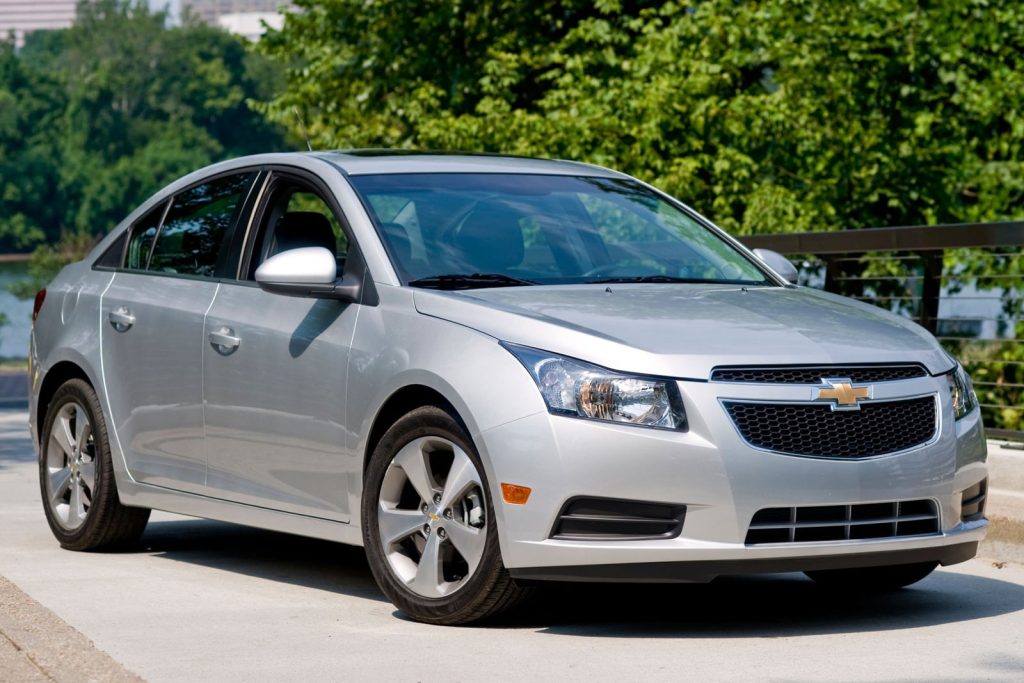
Hot climate drivers felt these weaknesses most strongly because the system often seemed strained during extreme summer temperatures. Cabin cooling performance could become inconsistent during long traffic delays or extended highway driving.
The Cruze offered practical transportation in many areas, but its air conditioning reliability never earned the same trust as stronger competitors in the compact sedan market.
For buyers seeking long-lasting cooling durability, the Cruze became a vehicle many mechanics and owners approached cautiously after years of recurring climate control complaints.
Also Read: 5 Trucks Where the 4WD Engages Instantly vs 5 That Hesitate Before Locking In
