
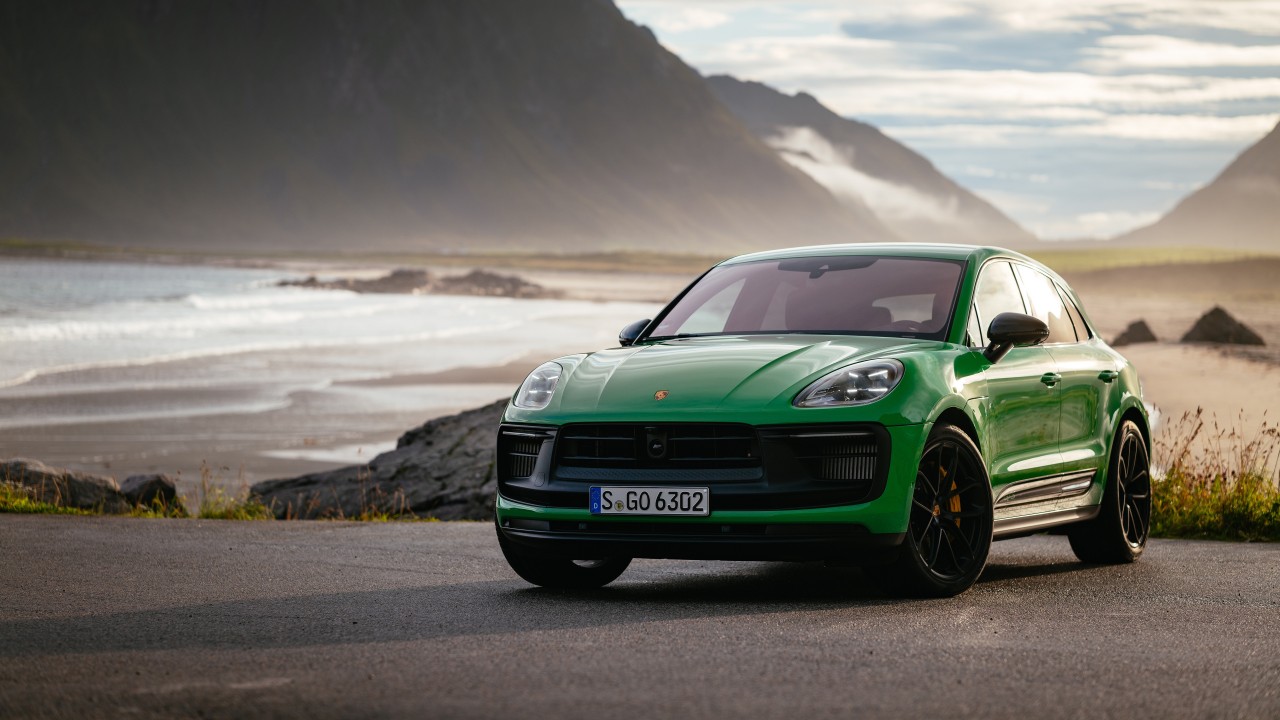
Among Porsche’s lineup, the Macan stands out as the brand’s top-selling model, despite the fact that the petrol-powered version of this compact luxury SUV hasn’t undergone a full redesign since its debut 12 years ago. However, its future is now coming to an end.
During a first-quarter investor and analyst briefing, Porsche finance executive Jochen Breckner confirmed that production of the internal combustion engine Macan will be discontinued this summer.
Until then, the company will continue manufacturing as many units as possible and keep selling them through the rest of this year and into the next, until inventory is depleted. Porsche is particularly mindful of strong demand in the United States and plans to allocate supply accordingly.
“The ICE Macan really has a great demand,” Breckner stated. “So we are also supplying that region [the U.S.] with the cars that we produce. That’s even more important based on the fact that the tax incentives on electric vehicles have been stopped by the U.S. government.
There’s some pressure on the electric Macan in the United States; therefore, we provide as many ICE Macans in the United States as we can.”
Also read: 5 Cars With Manufacturer Maintenance Plans That Pay Off vs 5 That Don’t
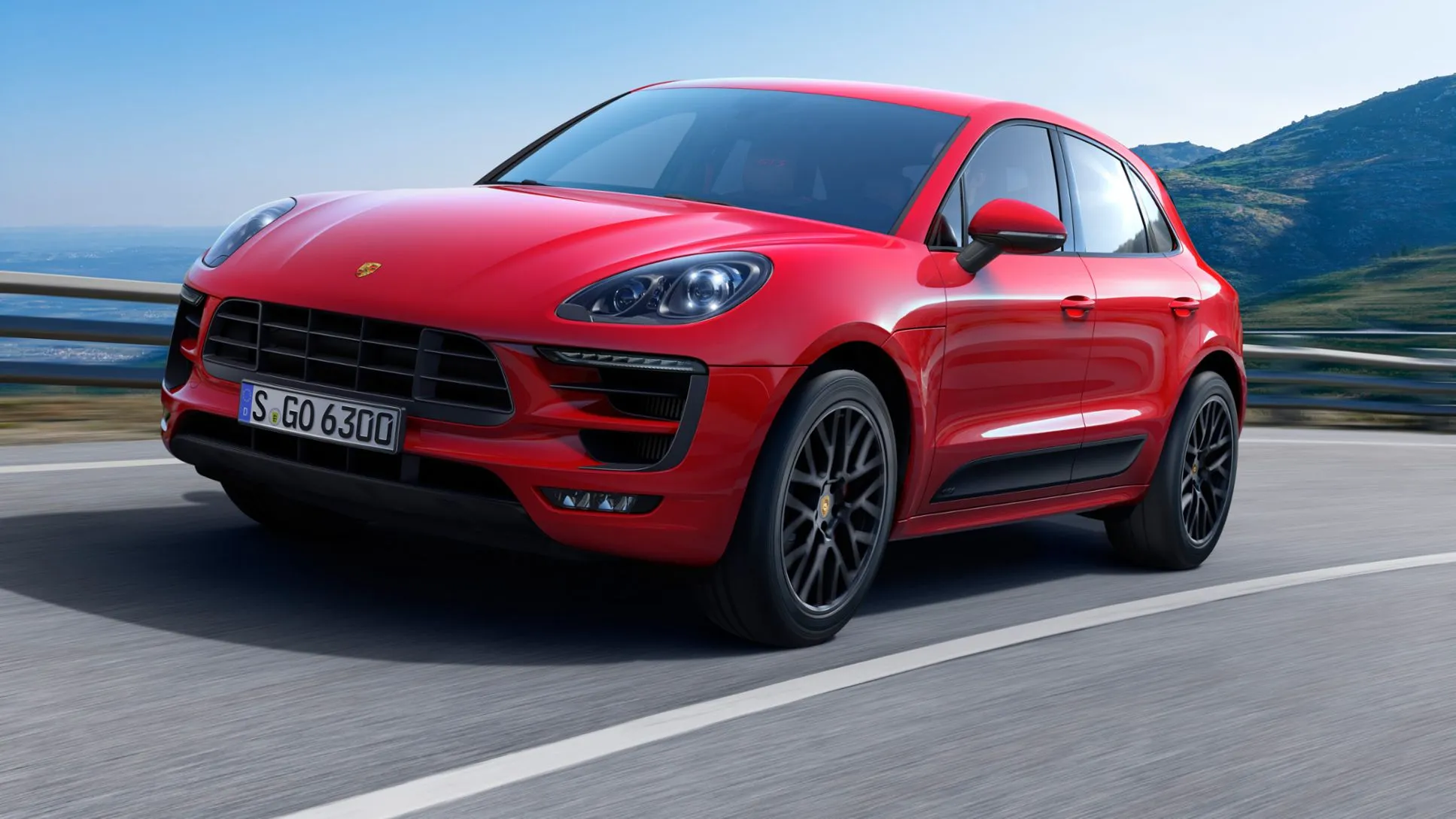
Macan is the Most Popular in the List
In 2025, the Macan led Porsche’s U.S. sales with 27,139 units, making it the brand’s most popular vehicle in the market. While Porsche does not break down figures between the combustion and electric versions, Breckner’s remarks, along with broader EV adoption trends in the U.S., suggest the gasoline model still accounts for a significant portion of sales.
Plans for an all-electric Macan first emerged in 2019, when Porsche announced the next-generation SUV would transition fully to electric power. The electric Macan eventually launched in 2024, signaling a shift in focus, while the gasoline version has seen no major updates since 2021.
This transition leaves Porsche in a challenging position. With no direct petrol-powered successor expected until around 2028, the company will rely entirely on its electric compact SUV for several years, offering no non-electric alternative in this segment. It remains to be seen whether buyers will embrace the EV-only option or turn instead to competing models from BMW and Mercedes.
Also read: 10 Cars Where the 2026 Version Is More Reliable Than the 2024 Version
