
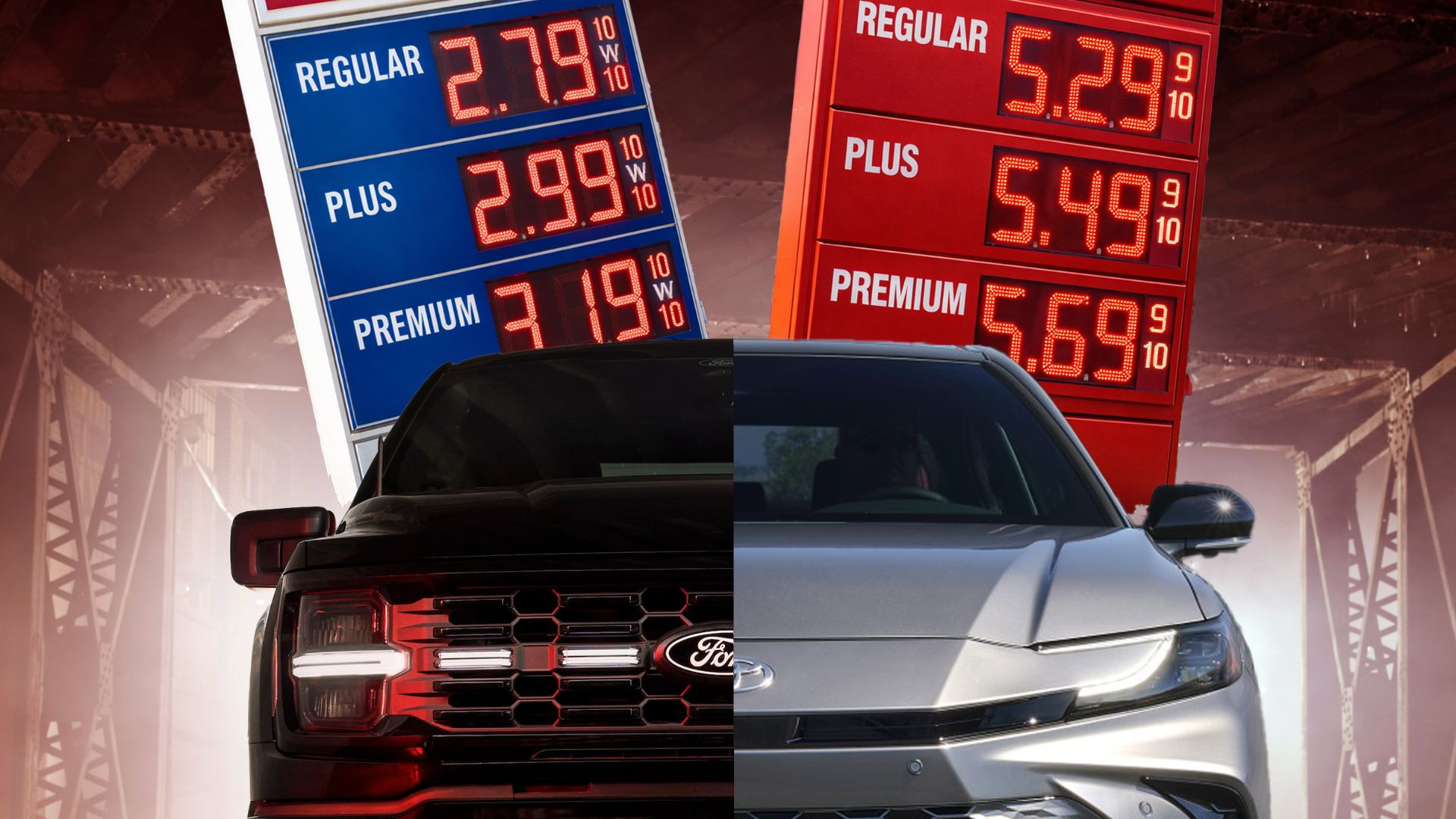
Pull up to any gas station and watch what happens. Plenty of drivers skip right past regular unleaded and reach for the premium nozzle without a second thought. Ask them why, and you will hear a confident mix of reasoning: it is better for the engine, it cleans the fuel system, it improves performance, and it makes the car run smoother.
Some of them are driving a 2024 Honda CR-V EX-L AWD. Some are driving a basic sedan that left the factory with a sticker that says “regular fuel recommended.” And they are paying 30 to 60 cents more per gallon for a benefit that, in their specific vehicle, does not exist.
Premium gasoline myths are everywhere, and they are expensive. Not in a dramatic, single-purchase way, but in the quiet, cumulative way that costs you $200 to $400 per year for fuel, your car’s engine cannot use any differently than the cheaper option sitting right next to it on the pump.
Here is where the confusion comes from: premium fuel genuinely does matter for certain engines. High-performance, turbocharged, and high-compression engines are engineered to require it, and running those engines on regular fuel creates real problems.
That is a true and important fact. But somewhere along the way, that truth got stretched into a belief that premium is universally better, that all high-quality or expensive cars need it, and that switching to premium on any vehicle produces measurable benefits. None of those extensions is accurate for most cars on the road today.
This page examines nine of the most common assumptions about premium fuel and compares them with findings from engine engineering, automaker specifications, and independent test results. Whether you drive a 2025 Toyota Camry XSE FWD, a 2024 Subaru Forester Sport AWD, or a pickup that spends most of its time in city traffic, these are facts worth considering every time you pull up to the pump from now on.
1. Premium Gas Makes Every Car Run Better and Faster
Why Higher Octane Does Not Equal More Power in Most Engines
Walk into any casual conversation about cars, and you will hear this one within minutes: “I always put premium in my car because it just runs better.” It is said with complete confidence. It is also, for the vast majority of vehicles on American roads, factually incorrect.
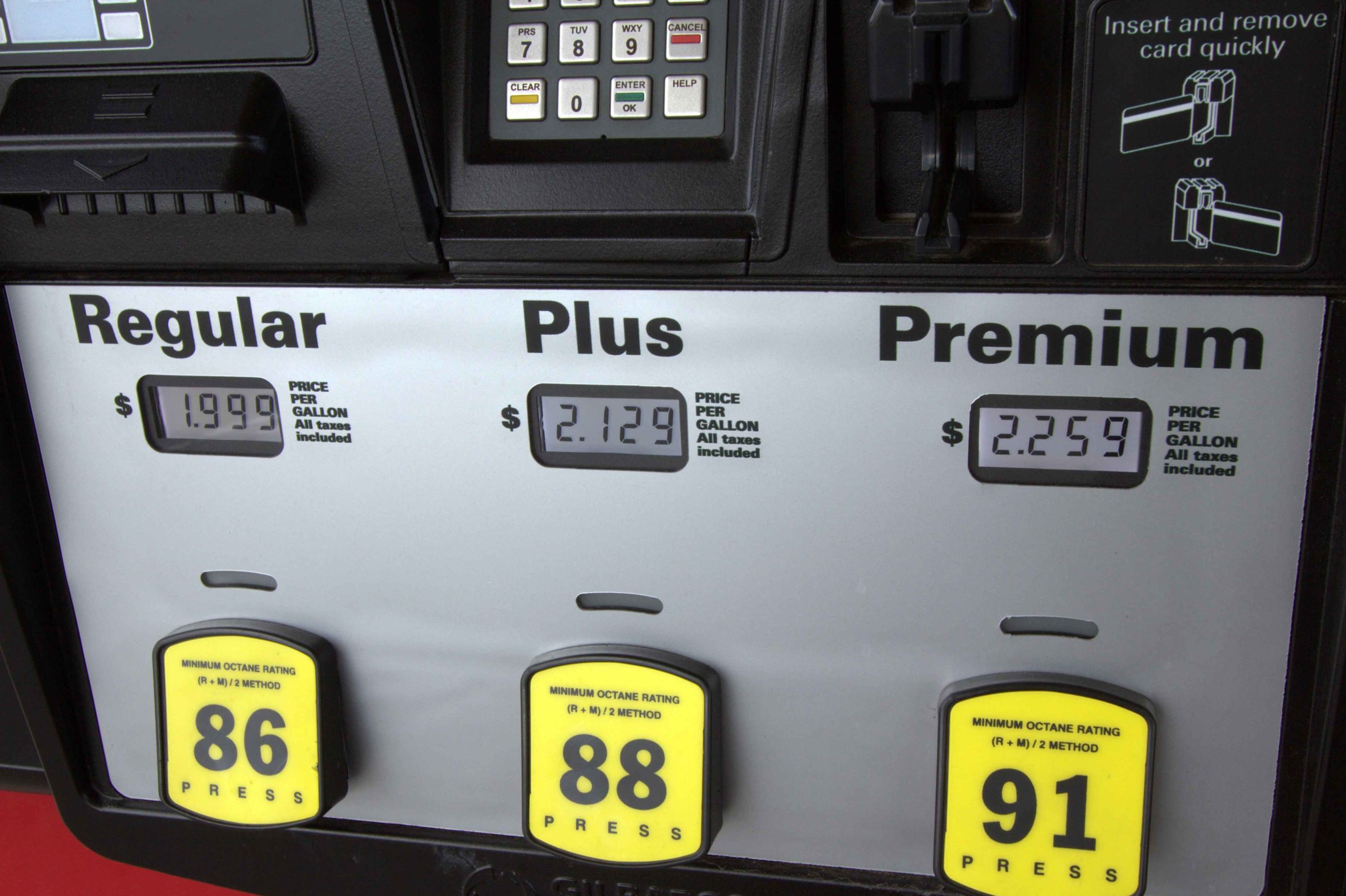
Octane rating is not a measure of fuel quality in the sense that most people understand it. Octane is a measure of a fuel’s resistance to premature detonation, which is the tendency of the air-fuel mixture to ignite from compression heat before the spark plug fires. This premature ignition is called knock or ping, and it is mechanically harmful in engines that were not designed to handle it. Premium fuel’s higher octane rating (91 to 93) versus regular’s lower rating (87) simply means premium resists that premature combustion better.
Engines that require premium are designed with higher compression ratios or more aggressive ignition timing than engines designed for regular fuel. Those engines genuinely benefit from premium because the higher octane prevents knock that would otherwise damage the engine or force the knock sensor to retard ignition timing, reducing power and efficiency.
A 2024 Cadillac CT5-V Blackwing is a perfect example of a vehicle where the manufacturer requires premium fuel, and that requirement is engineered into every aspect of the engine’s performance map. For an engine designed around regular fuel, premium provides none of these benefits. A 2024 Hyundai Elantra SEL IVT was engineered with a compression ratio and ignition timing calibrated for 87-octane fuel.
Its knock sensor has nothing to do with normal operation because the engine is not near the knock threshold on regular fuel. Putting a premium on that engine does not allow the ECU to advance timing further, does not increase compression, and does not produce more power. You are paying extra for a detonation resistance property that your engine has no mechanism to use.
Independent testing by Consumer Reports and the AAA has confirmed this repeatedly. Vehicles that require only regular fuel show no measurable improvement in fuel economy, horsepower output, or emissions when switched to premium. What they show is a higher fuel cost with identical performance results, which is a definition of spending money unnecessarily.
The source of this myth is partly understandable. Premium does produce better results in vehicles that require it, so the logic that more expensive equals better performance feels intuitive. Adding to the confusion, some manufacturers rate their vehicles as “premium recommended” rather than “premium required,” which occupies a middle ground where premium produces a small benefit but regular causes no damage.
That specific category gets collapsed in popular understanding into a blanket belief that premium helps all cars, and that belief gets reinforced by drivers who feel a placebo-level confidence every time they choose the more expensive option.
Check your owner’s manual. It will specify either “regular unleaded,” “premium recommended,” or “premium required.” That specification is the only authority that matters. If it says regular, using premium is a financial choice with no engineering justification.
2. Premium Fuel Cleans Your Engine Better Than Regular Gasoline
What Detergent Additives Actually Do and Where They Come From
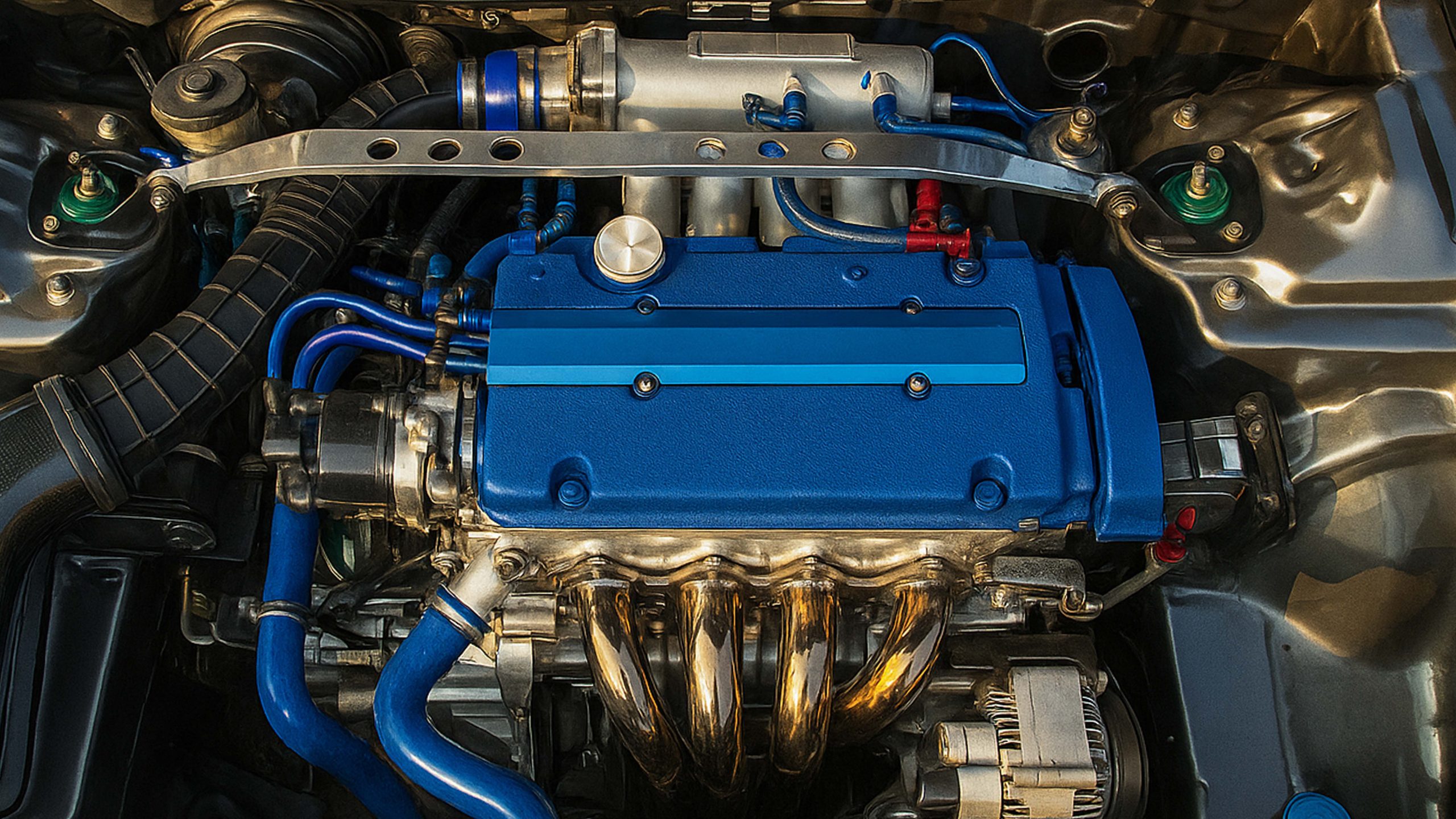
Ask someone why they use premium, and a common answer is that it cleans the engine better, keeps the injectors cleaner, and prevents buildup that regular fuel causes. This belief is so widespread that it functions almost as received wisdom at the pump. It also misunderstands how fuel detergency actually works in the United States market.
Since 1996, the Environmental Protection Agency has required all gasoline sold in the United States, regardless of octane grade, to contain a minimum level of detergent additives. Regular, mid-grade, and premium all carry EPA-mandated detergent packages.
Buying regular unleaded at a compliant American gas station means you are getting detergent-treated fuel. Paying extra for premium does not automatically mean you are getting more or better detergents. You are primarily paying for a higher octane rating.
That said, there is a legitimate detergency distinction worth knowing: TOP TIER gasoline. TOP TIER is a voluntary standard adopted by several major automakers, including General Motors, Toyota, BMW, and Honda, which requires higher detergent levels than the EPA minimum.
Gasoline sold under the TOP TIER label, available at stations like Chevron, Shell, Texaco, and others, carries enhanced deposit-control additives at both the regular and premium grades. A driver filling their 2024 Ford Escape Active FWD with TOP TIER regular unleaded is getting better deposit protection than a driver using non-TOP TIER premium from a discount station.
This is a detail that upends the cleaning argument for premium entirely. If your goal is to keep fuel injectors and intake valves clean, the relevant choice is TOP TIER certification, not octane grade. A TOP TIER regular at one station cleans better than a non-TOP TIER premium at another. Octane and detergency are independent variables.
Direct injection engines, which are found in a growing number of vehicles, including the 2024 Mazda3 2.5 S Carbon Edition Sedan, are more susceptible to intake valve deposits because the fuel spray does not wash over the intake valves the way it does in port-injection engines.
For these engines, TOP TIER certification matters more, not premium octane. Using a carbon-cleaning fuel additive periodically and choosing TOP TIER certified gasoline addresses the actual deposit concern far more effectively than choosing premium for its octane rating.
Premium gasoline at some stations does carry more robust additive packages than the minimum grade at that same station, because fuel suppliers sometimes differentiate their product. But this is a supplier decision, not a universal premium characteristic.
You cannot assume premium equals better cleaning without knowing the specific supplier’s formulation. What you can verify reliably is TOP TIER certification, which is grade-independent and publicly listed.
Also Read: 8 Tips for Finding a Rust-Free Classic Car in the US Southwest
3. Putting Premium in a Regular-Fuel Car Will Not Hurt Anything, So It Is Worth a Try
Why This Reasoning Costs Money Without Producing Any Return
This belief sits in a middle category: it is not exactly wrong about safety, but it is wrong about value. Premium fuel will not damage an engine designed for regular. The engine will run fine. What will not happen is any improvement in performance, fuel economy, or longevity that would justify the extra cost. Harmless and beneficial are not the same thing.
A driver filling their 2024 Nissan Sentra SR FWD with 93-octane premium every week for a year is spending approximately $200 to $350 more annually than they would spend using 87-octane regular, depending on their driving volume and local fuel prices. Over five years of ownership, that is $1,000 to $1,750 in additional fuel spending.
Every independent test of vehicles spec’d for regular fuel confirms zero measurable return on that investment in terms of fuel economy improvement, power gain, or reduced maintenance intervals. Some drivers report that their regular-fuel car “feels smoother” on premium. This is a perception that testing does not support.
Dynamometer testing of vehicles spec’d for regular fuel shows no measurable horsepower difference between regular and premium inputs. What drivers perceive as smoothness is more likely a confidence effect from having chosen the more expensive product, which is a well-documented psychological response, not an engine response.
There is also a cost-opportunity argument. That extra $300 per year spent on unnecessary premiums is $300 that could fund one tire rotation and balance per year, a cabin air filter replacement, or a portion of an oil change. Those actual maintenance items produce real, measurable benefits to the vehicle’s condition and longevity. Premium fuel in a regular-fuel engine produces none.
For a driver of a 2023 Mitsubishi Eclipse Cross SE S-AWC, for example, the owner’s manual specifies regular unleaded. Every fill-up with premium is a transaction where the only party that benefits is the fuel supplier collecting the price differential.

4. High-End or Expensive Vehicles All Require Premium Fuel
Why Vehicle Price Has Nothing to Do With Fuel Grade Requirements
Here is a belief that trips up a lot of buyers stepping into a new price bracket for the first time: if a car costs a lot of money, it must need premium fuel. This assumption connects price to fuel requirements in a way that feels logical but does not match how manufacturers actually engineer their vehicles.
Fuel grade requirements are determined by an engine’s compression ratio, its forced induction setup (if any), and its ignition timing calibration. Those are engineering decisions, not pricing decisions. A manufacturer building a luxury crossover for the mass market may choose a naturally aspirated engine with moderate compression specifically so the vehicle can operate on regular fuel, making it more economical for owners to run.
A 2024 Lincoln Nautilus Standard FWD, which is an upmarket, well-appointed vehicle, runs on regular unleaded. A 2024 Acura MDX SH-AWD with its naturally aspirated 3.5-liter V6 specifies regular fuel as well. These are not budget vehicles. They are premium brand products engineered for 87-octane fuel. Assuming they need premium because of their badge or price point is incorrect and costly.
Buyers who assume their new luxury purchase requires premium and spend accordingly are often operating on a mistaken assumption that the owner’s manual will correct immediately. Before making any fuel decision, read the owner’s manual fuel specification. It takes thirty seconds, and it tells you precisely what the manufacturer engineered the engine to use.
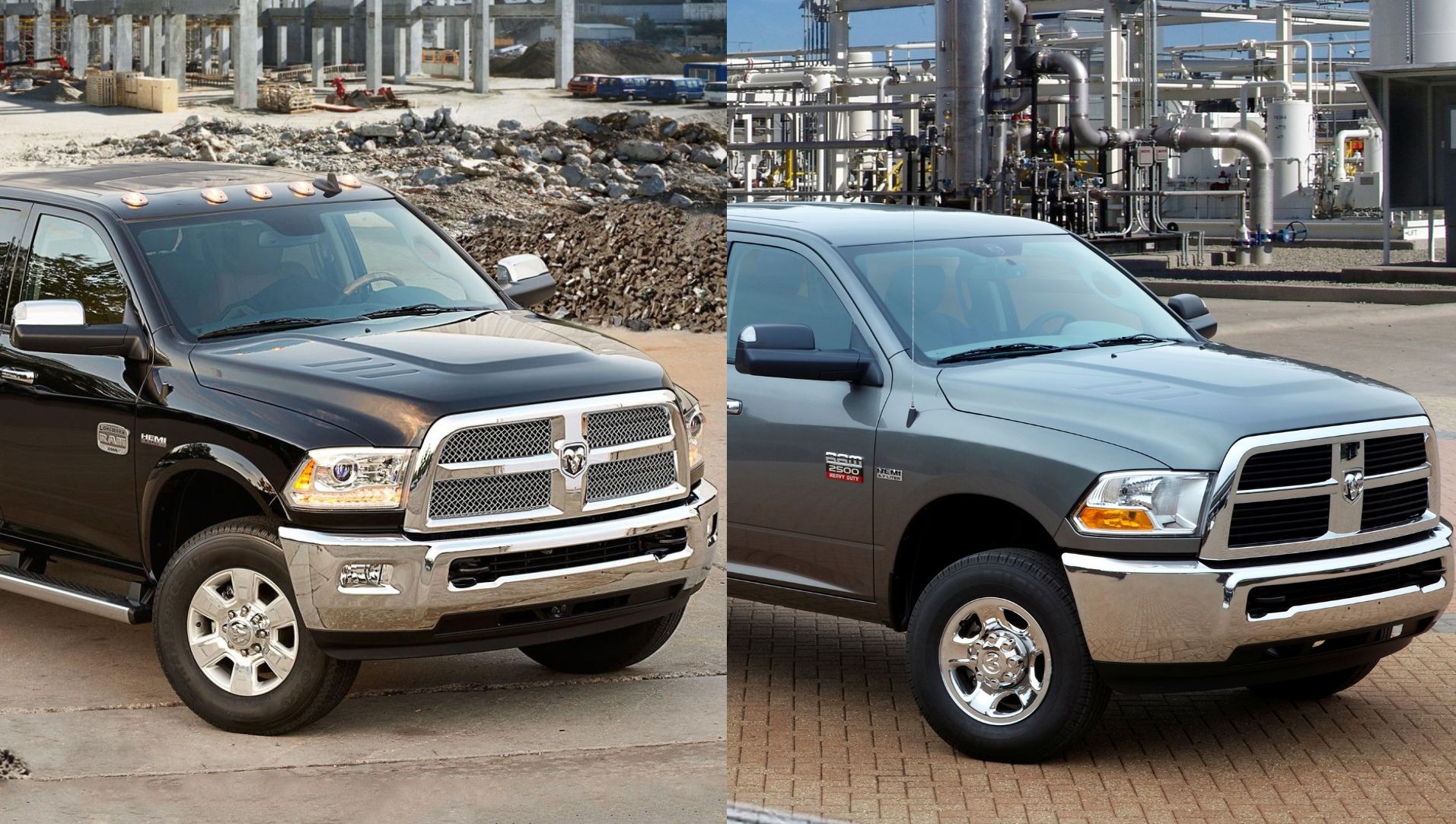
Vehicles that genuinely require premium are usually those with high-output turbocharged or supercharged engines, or high-compression naturally aspirated performance engines. A 2024 Dodge Charger Scat Pack Widebody requires premium fuel because its 6.4-liter HEMI is built with compression and timing that produce its rated output only on higher-octane fuel.
That is an engineering requirement, not a luxury tax. Knowing the difference saves money and clears up confusion about what premium fuel actually does.

5. Premium Gas Improves Fuel Economy in Any Vehicle
What the Numbers Show When Regular and Premium Are Tested Side by Side
Fuel economy is where the premium myth gets most expensive for regular-fuel vehicle owners, because this belief combines the cost of premium fuel with the false expectation of getting it back through better mileage. Independent testing consistently shows that this calculation does not work for vehicles designed to run on regular.
AAA conducted extensive testing on this exact question and published findings that showed vehicles not requiring premium fuel demonstrated no statistically meaningful improvement in fuel economy when switched to premium. The miles-per-gallon numbers were within the normal measurement variance between fill-ups on the same fuel grade. There was no consistent, reproducible gain.
Consider a driver putting 15,000 miles per year on a 2024 Volkswagen Tiguan SE AWD, which specifies regular unleaded. At 28 miles per gallon combined, that vehicle uses approximately 535 gallons of fuel per year. If that driver uses premium at $0.50 per gallon more than regular, they spend $267.50 extra annually.
If Premium genuinely improved their fuel economy by even 3 percent, they would use about 519 gallons instead of 535, saving roughly 16 gallons, which at the regular price amounts to about $50 in savings. They paid $267.50 to theoretically recover $50. And that 3 percent improvement does not actually occur in a regular-fuel engine, making the real return zero.
For vehicles with a “premium recommended” designation, the calculation changes slightly. A small but real improvement in both power output and fuel economy can occur because these engines have adaptive knock control systems that can advance timing slightly when given higher-octane fuel.
Even in those cases, the improvement often does not financially justify the premium price difference unless the driver regularly operates the vehicle under high load, such as towing or sustained highway driving at speed.

6. Using Regular Gas in a Premium-Required Engine Is Just Fine
Why This Is the One Myth That Actually Causes Real Mechanical Harm
Every other myth in this article costs money without producing a benefit. This one is different. Using regular fuel in an engine that genuinely requires premium is the one belief in this list that can produce actual mechanical damage, and it deserves more attention than the casual version of this debate typically gives it.
Engines that require premium fuel are built with higher compression ratios, more aggressive ignition timing, or turbocharger boost levels that push combustion conditions to the edge of where knock begins. Premium fuel’s higher octane rating prevents the premature detonation that those conditions would otherwise produce. When you put 87-octane regular into an engine built for 91 or 93 octane, the gap between combustion conditions and knock threshold closes.
Modern engines have knock sensors specifically designed to detect the early signs of detonation and respond by retarding ignition timing. This prevents immediate engine damage in most situations. What it also does is reduce power output and fuel efficiency because retarded timing produces less efficient combustion.
An owner who regularly uses regular fuel in a premium-required engine is not avoiding damage through the knock sensor. They are trading power and efficiency for a lower fuel cost, and they are repeatedly asking the knock sensor to compensate for fuel that does not meet the engine’s design specification.
On a 2024 Alfa Romeo Stelvio Quadrifoglio AWD, which requires premium fuel for its 505-horsepower turbocharged engine, sustained use of regular fuel allows the knock sensor to manage the immediate detonation risk. But the combination of altered combustion conditions and continuous timing retardation under performance use creates thermal stress on components, including pistons, spark plugs, and catalytic converters, that accumulates across tens of thousands of miles.
Sustained knock in forced induction engines, even low-level knock that the sensor partially catches, can damage piston crowns and ring lands. Turbocharger efficiency degrades when timing is chronically retarded because exhaust gas temperatures rise when combustion is less efficient.
A 2024 BMW M340i xDrive Sedan with its turbocharged inline-six requires premium, and its performance envelope is calibrated around that fuel. Using regular fuel consistently is not a neutral financial trade-off. It is a slow-motion reduction in both performance and mechanical longevity.
7. Premium Gas Stays Fresh Longer in Storage or Low-Use Vehicles
What Fuel Stability Actually Depends On and Why Octane Is Not Part of the Answer
Owners of collector cars, seasonal vehicles, or low-mileage weekend drivers sometimes hold onto the belief that premium fuel, being of higher quality, has a longer shelf life than regular and is therefore the better choice for vehicles that sit for extended periods. Fuel stability is a real and important concern for low-use vehicles. Premium octane rating is not the relevant variable.
Gasoline degrades through oxidation and evaporation of volatile components. As fuel ages, it forms varnish deposits, loses its combustibility characteristics, and can cause starting problems, rough idle, and fuel system deposits in vehicles that sit with old fuel in the tank.
This degradation process is driven by the fuel’s chemical composition, exposure to oxygen, and temperature variation, not by octane rating. Regular and premium gasoline degrade at essentially the same rate under the same storage conditions. A tank of 87-octane regular stored in a cool, sealed environment with a quality fuel stabilizer added will maintain its usability longer than a tank of 93-octane premium stored in a warm environment with no stabilizer treatment.
A 2023 Chevrolet Corvette Z06 3LZ coupe, which requires premium, gains nothing in storage stability from its required fuel grade. It benefits from the same fuel stabilizer products that protect any stored gasoline. Ethanol content is actually the more relevant fuel characteristic for storage stability.
Ethanol-blended fuels, which include most pump gasoline sold in the United States today as E10, absorb moisture from the atmosphere and can cause phase separation when the ethanol and water mixture drops out of solution from the gasoline. This produces two separate fuel layers in the tank, with the bottom water-ethanol layer incapable of properly combusting and highly corrosive to certain fuel system materials.
Ethanol content is consistent across regular and premium grades at most American stations. A buyer choosing premium for their stored 2022 Porsche 718 Boxster T PDK on the belief that it resists degradation better is making a decision that does not address the actual storage concern.
8. Premium Gas Is Better for Turbocharged Engines Regardless of What the Manual Says
Why Turbocharging and Fuel Requirements Are Not Automatically Linked
Turbocharged engines have been associated with premium fuel requirements for long enough that many drivers assume all turbocharged vehicles require it. This assumption leads to real overspending because a growing number of modern turbocharged engines are specifically engineered to run on regular fuel, and their manufacturers have confirmed this through testing and calibration.
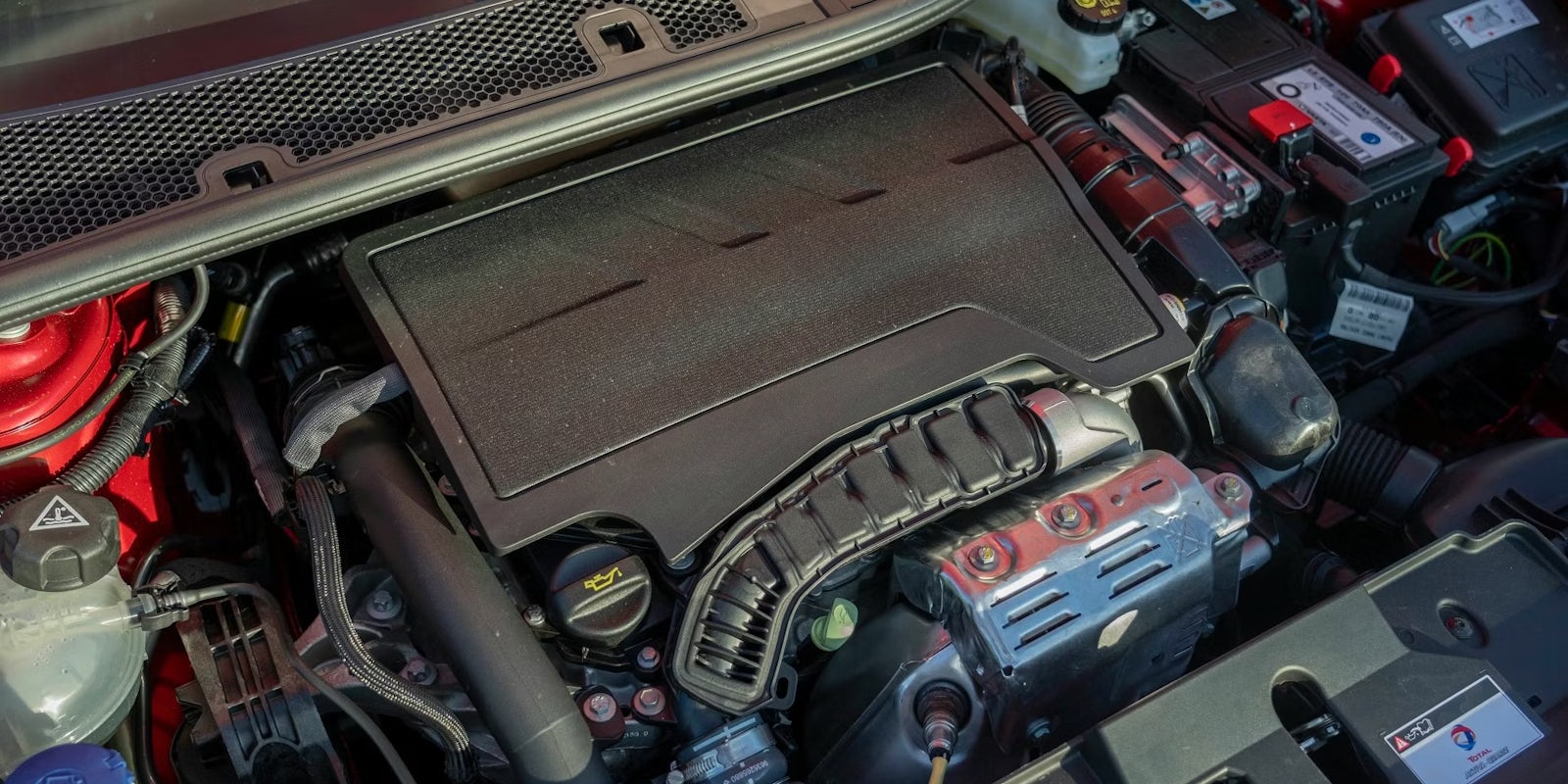
Turbocharging increases the effective compression ratio of an engine by forcing more air into the cylinder than atmospheric pressure alone provides. Higher boost pressure means higher combustion pressures, which increases the risk of knock. This is the engineering basis for the historical association between turbocharged engines and premium fuel requirements.
However, modern direct injection, variable valve timing, and sophisticated knock control systems have allowed engineers to build turbocharged engines that operate safely and efficiently on regular fuel within their normal operating parameters. A 2024 Ford Bronco Outer Banks 2.3L EcoBoost 4WD uses a turbocharged 2.3-liter four-cylinder engine and specifies regular unleaded.
Ford’s engineers calibrated that engine’s boost pressure, compression ratio, injection timing, and knock control system specifically around 87-octane fuel. Putting a premium in it does not unlock additional power. The ECU does not remap itself for higher octane. The turbo does not increase boost. You simply paid more for the same combustion outcome.
Similarly, a 2024 Kia Sportage X-Pro Prestige Plug-In Hybrid uses a turbocharged engine that specifies regular fuel. Kia’s engineers made specific decisions about that engine’s operating parameters that allow it to produce its rated output reliably on 87-octane fuel across its full operating range.
Owners who switch to premium on the assumption that turbocharging requires it are spending additional money based on a generalization that does not apply to their specific vehicle. This is why the owner’s manual is the only reliable source of fuel grade information. Generalizations about engine type, brand nationality, or vehicle class all produce incorrect conclusions in enough cases to make them unreliable guides.
Also Read: 8 Tips for Protecting Your Car Electrical System From Desert Rodents
9. Switching Between Regular and Premium Fuel Regularly Is Bad for the Engine
Why Fuel Grade Switching Is a Non-Issue for Properly Calibrated Engines
Ask around, and you will find drivers who believe that switching between regular and premium on different fill-ups creates engine problems, causes inconsistent combustion, or somehow confuses the fuel management system. Some avoid mixing grades within a single tank as if it would produce a chemical reaction. None of this reflects how modern engine management systems actually work.
Modern electronic fuel injection and engine management systems sample combustion quality continuously through knock sensors, oxygen sensors, and crankshaft position feedback. They adjust ignition timing, fuel trim, and injection duration in real time based on what the sensors report.
A 2024 Toyota RAV4 XLE Premium AWD specified for regular fuel does not know whether the last fill-up was regular or premium. It reads combustion conditions and adjusts accordingly, every combustion cycle, regardless of fuel grade.
For vehicles with premium-recommended designations, the adaptive system responds to higher octane fuel by advancing timing slightly to extract additional efficiency, and responds to lower octane fuel by pulling timing back to protect against knock. This adaptation happens automatically and continuously. There is no mechanical or electronic harm in switching between grades on different fill-ups for a vehicle with this designation. The system adapts every time you start the car.
For vehicles specified for regular fuel, switching to premium occasionally and then back to regular produces no measurable effect in either direction. A 2024 Honda Passport TrailSport AWD filled with premium one week and regular the next will run identically on both, because the engine has no mechanism for using the extra octane capacity of the premium fuel. It runs at its calibrated regular-fuel parameters regardless.
