

Your grandfather had a system. Warm the engine up for ten minutes before pulling out of the driveway. Pump the brakes before a hard stop. Downshift through every gear when slowing down. Change the oil every 3,000 miles without exception. Back in his day, that system made complete sense because the cars he was driving genuinely needed it.
Here is the problem: those habits got passed down through generations of drivers who never stopped to ask whether they still applied. Automotive engineering has changed at a pace most casual drivers have not tracked, and what was once considered smart, responsible driving is now either completely unnecessary, mildly counterproductive, or, in a few cases, actively harmful to the vehicle you are driving.
Modern cars are engineered with a level of precision and technology that would have seemed unrealistic just thirty years ago. Electronic fuel injection replaced carburetors. Synthetic lubricants replaced conventional oils with limited additive packages. Antilock braking systems replaced the need for manual brake modulation.
Continuously variable transmissions, automatic engine stop-start systems, and drive-by-wire throttle controls have changed the relationship between driver input and mechanical response in ways that most people behind the wheel do not fully understand.
None of this means older drivers were doing anything wrong. The habits they developed were correct for the vehicles they drove. But applying 1975 driving logic to a 2022 vehicle is a bit like using a film camera manual to operate a smartphone. The fundamentals of what you are trying to do are the same. Everything about how you do it has changed.
This singular page covers eight habits that a lot of drivers still carry into modern vehicles. Each one gets a full explanation of where it came from, why it made sense historically, and why modern engineering has made it either obsolete or counterproductive. Read it, share it with whoever taught you to drive, and update your habits accordingly.

1. Warming Up the Engine for Several Minutes Before Driving Is Now More Harmful Than Helpful
Cold morning. Cup of coffee in hand. Key in the ignition, engine started, and then back inside to let it warm up for a good five to ten minutes before driving anywhere. That routine felt responsible, even respectful toward the machine. And for a carbureted engine built before the mid-1980s, it genuinely was.
Cold carburetors do not atomize fuel efficiently, and driving a cold carbureted engine hard before it reaches operating temperature causes rough running, poor fuel mixture, and real mechanical strain. Fuel injection changed everything about this equation.
Every passenger vehicle sold in the United States since the late 1980s uses electronic fuel injection, which meters fuel precisely based on sensor inputs that account for engine temperature from the very first second of operation. A cold fuel-injected engine does not need time sitting in the driveway to manage its air-fuel mixture. It is already managing it correctly the moment you start it.
A 2021 Subaru Outback Premium with the 2.5-liter Symmetrical AWD Boxer engine is a vehicle that reaches operating temperature fastest when it is driven gently rather than idled. Idling a cold fuel-injected engine allows it to warm up at the slowest possible rate, which means it spends more time in the cold-start enrichment phase, where it runs a richer fuel mixture that deposits raw fuel on cylinder walls, dilutes the oil film, and washes lubrication away from the rings.
That is not a warming-up benefit. It is a real wear cost with no mechanical justification behind it. Catalytic converter efficiency is another reason that extended cold idling works against a modern vehicle. Catalytic converters require heat to function, and they reach operating temperature much faster under a light driving load than during a stationary idle.
Every minute of driveway idling is a minute of unfiltered exhaust emissions that the catalytic converter is not yet hot enough to process. On a 2021 Subaru Outback or any other modern vehicle, a thirty-second idle to allow oil pressure to build, followed by gentle driving, is all the warm-up routine the engine actually needs.
Fuel consumption during unnecessary idling is measurable and cumulative. A vehicle idling for ten minutes per day across a full year burns a meaningful quantity of fuel that produces zero miles of travel. For a vehicle like a 2019 GMC Yukon XL SLT with the 5.3-liter EcoTec3 V8, the fuel cost of extended idling adds up to a real dollar figure annually, with no mechanical benefit to show for it.
2. Pumping the Brakes Before a Hard Stop Was Brilliant Advice That Modern ABS Made Completely Obsolete
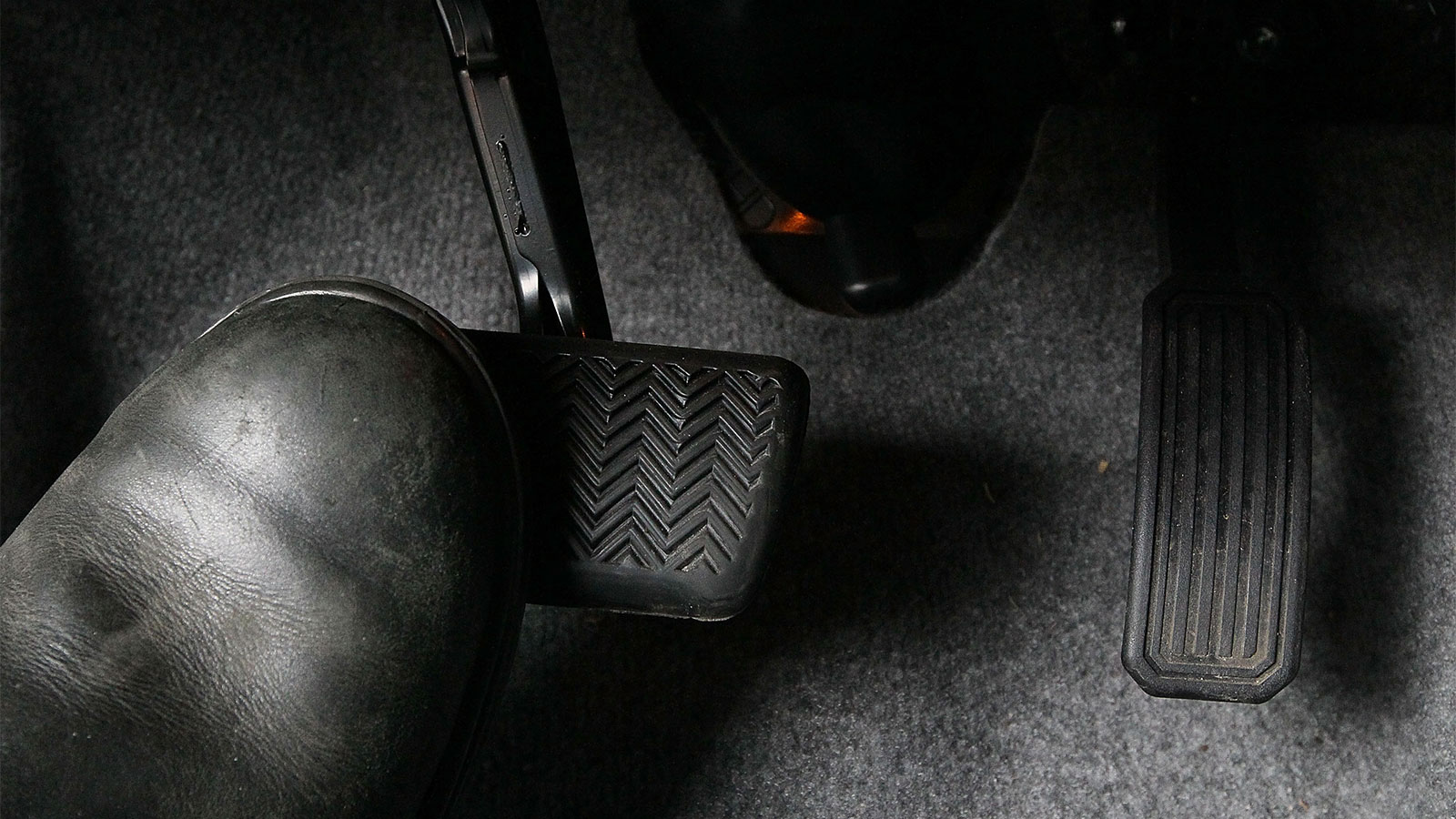
Ask someone who learned to drive before 1990 about stopping on ice, and they will tell you to pump the brakes rapidly to prevent wheel lockup. That technique was not just folk wisdom. It was correct, necessary, and genuinely effective on vehicles without antilock braking systems.
When a wheel locks during braking, it loses traction entirely, and the vehicle becomes difficult to steer. Pumping the brakes rapidly simulated what an antilock system does mechanically by briefly allowing the wheel to rotate between brake applications and restoring some steering control.
Antilock braking systems became standard equipment on most U.S. passenger vehicles through the 1990s and were federally required on all new passenger cars by 2012. ABS does exactly what experienced drivers were trying to do manually, only it does it with far greater precision and at a speed no human foot can match.
Modern ABS systems modulate brake pressure individually at each wheel up to fifteen times per second, maintaining the tire at the edge of traction without ever fully locking the wheel. No driver pumping a brake pedal manually can approach that frequency or that precision.
A 2022 Honda Civic Sport Sedan with its standard ABS needs the driver to do exactly one thing during a panic stop: press the brake pedal firmly and hold it down. That is the entire correct technique. Pressing hard and holding allows the ABS to manage wheel speed automatically while the driver focuses on steering around the obstacle that caused the panic stop in the first place.
A driver who pumps the brake pedal on a vehicle with ABS is actively interrupting the system’s operation, reducing braking efficiency, and extending stopping distances compared to a firm, steady application. Steering during emergency braking is one of the primary safety benefits that ABS enables, and it only works when the driver maintains continuous firm pedal pressure.
During a genuine panic stop on a 2023 Toyota Corolla LE with standard ABS, the driver can simultaneously press the brake pedal to the floor and steer around a hazard. That combination is not possible if the driver is pumping the brakes, because each pump reduces the hydraulic pressure available for steering input and disrupts the ABS cycle.
Drivers who have never experienced ABS in action during a real emergency sometimes interpret the pedal pulsation that ABS produces as a sign that something is wrong and instinctively reduce pedal pressure, which is the opposite of what they should do.
Also Read: 8 Tips for Extending the Life of Your Hybrid Battery Without Specialized Tools
3. Downshifting Through Every Gear When Slowing Down Does More Harm Than Good in Modern Automatics
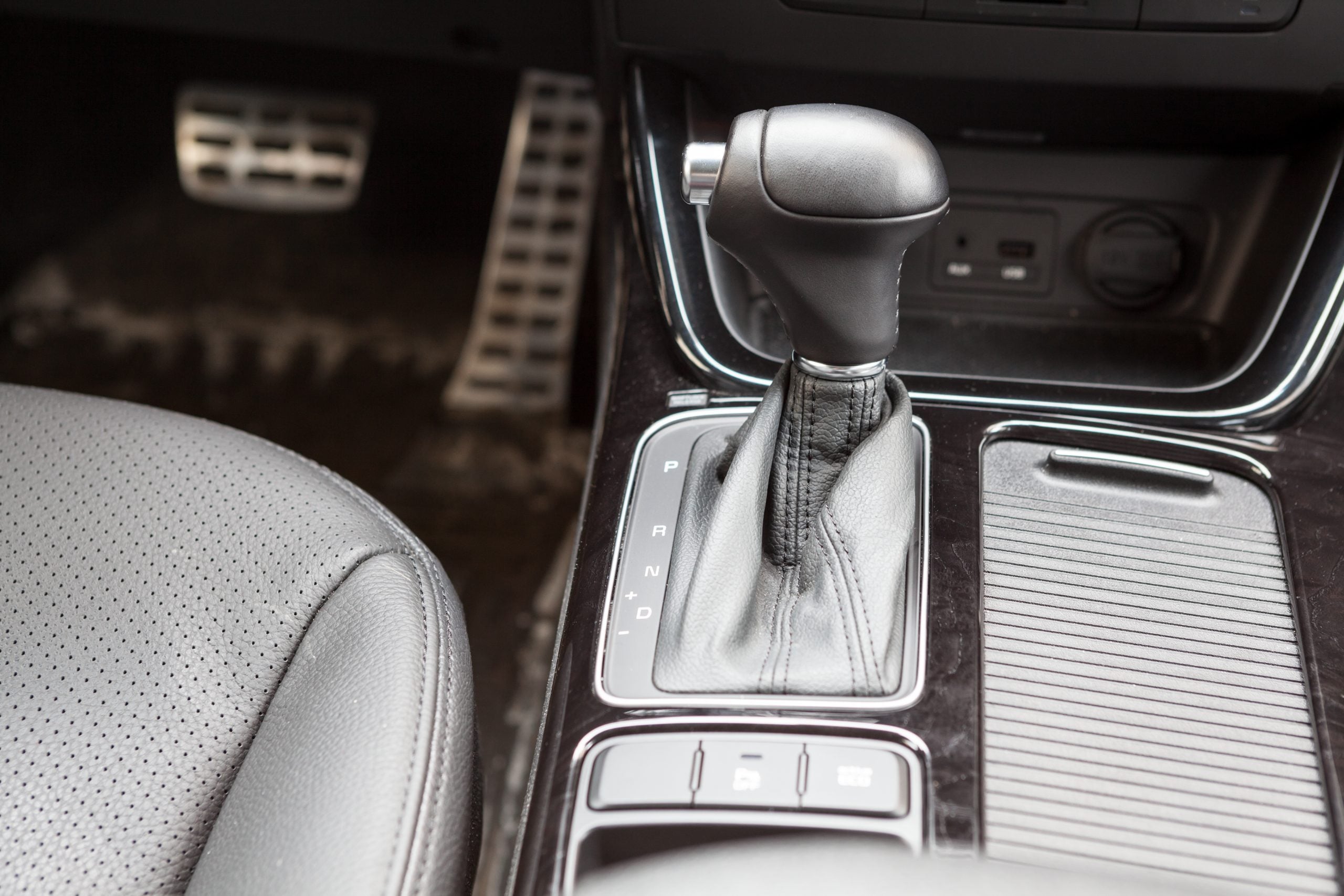
Manual transmission drivers who learned on older vehicles developed a habit of sequentially downshifting through every gear during deceleration, using engine braking to slow the car rather than relying heavily on the friction brakes. On older vehicles, this technique had practical merit.
Drum brakes faded quickly under sustained use, and using the engine to help slow the vehicle preserved brake effectiveness during long descents or repeated stops. Engine braking also helped control speed without wearing brake components that were expensive and labor-intensive to replace.
Modern disc brake systems, particularly the ventilated disc brakes used on front axles of virtually every passenger vehicle today, have dramatically better thermal management than the drum brakes they replaced. Ventilated rotors dissipate heat efficiently during repeated hard stops, and brake pad materials have improved to the point where fade is rarely a practical concern during normal driving.
Brake pads and rotors on modern vehicles are also considerably cheaper to replace relative to vehicle cost than brake components were on older vehicles, which reduces the economic argument for engine braking as a pad-preservation technique.
A 2023 Mazda MX-5 Miata RF Club with the 2.0-liter Skyactiv-G engine is a vehicle where the driving experience includes a well-matched manual transmission that rewards skilled gear selection. Experienced drivers of that car understand that engine braking remains a useful technique on long mountain descents where brake thermal management is genuinely a concern.
But in everyday urban and suburban driving, sequentially downshifting from fifth to fourth to third to second at every traffic light applies unnecessary heat cycles to the clutch, engages the synchromesh at each downshift, and does not meaningfully extend brake life compared to simply using the brakes normally with good technique.
Automatic transmissions on modern vehicles make this habit even less applicable. A 2024 Acura TLX Type S with the 10-speed automatic does not need the driver to manually select lower gears during deceleration in everyday driving. Lifting off the throttle in Drive allows the transmission to hold gears appropriately based on speed and throttle input, providing a degree of engine braking without requiring any driver input.
4. Changing Oil Every 3,000 Miles Is an Outdated Rule That Costs Drivers Unnecessary Money
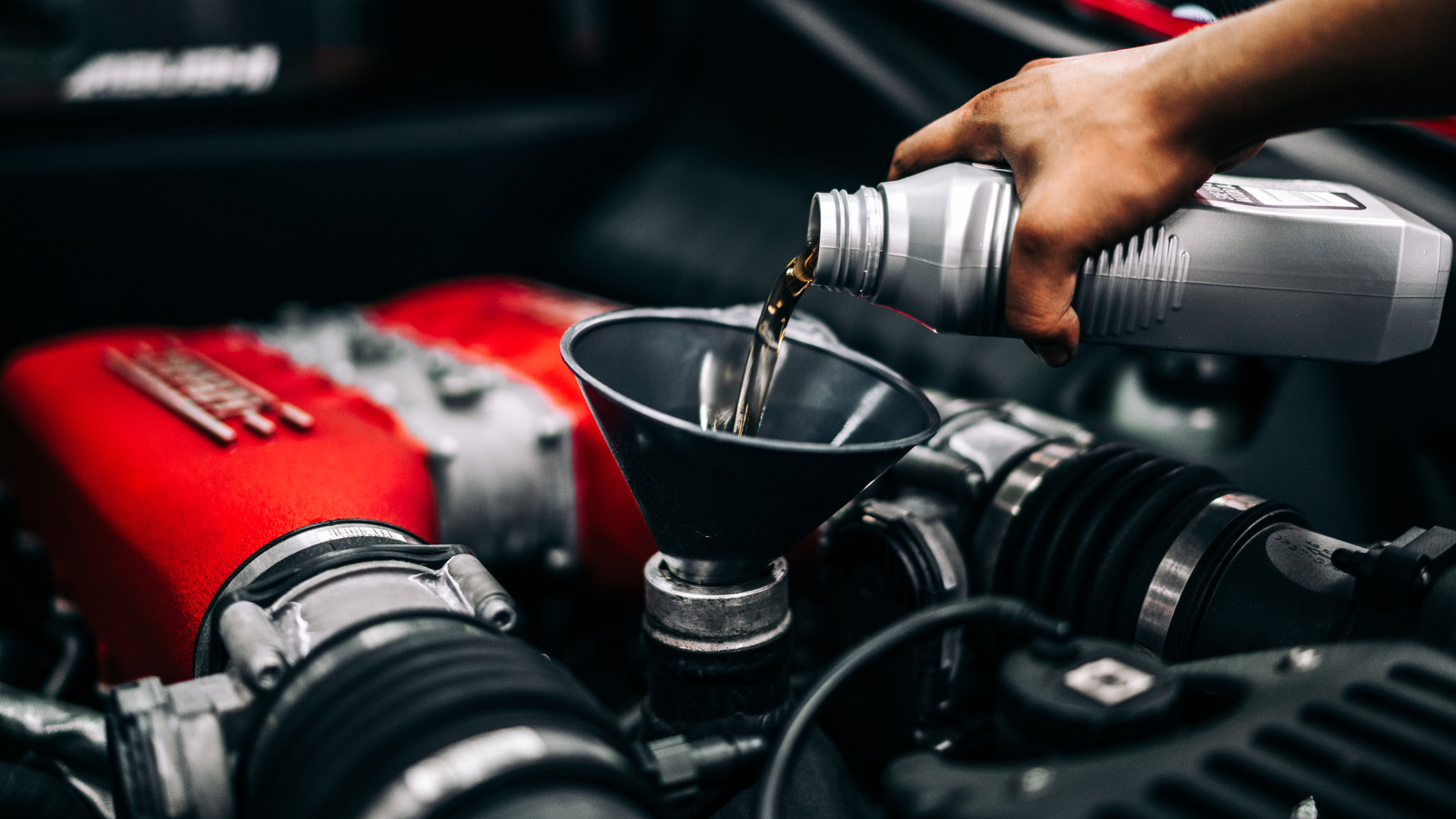
Few automotive habits have survived as stubbornly as the 3,000-mile oil change interval. It has been promoted so consistently by quick-lube businesses and reinforced so thoroughly in popular driving culture that many owners treat it as an absolute rule rather than a historical guideline that was specific to a particular era of engine and oil technology.
Sticking to 3,000-mile intervals on a modern vehicle is not dangerous. It is simply unnecessary, and it costs drivers real money across the life of their vehicle. Conventional motor oils of the 1970s and 1980s used additive packages that depleted relatively quickly under the thermal and chemical stress of engine operation.
Three thousand miles was a reasonable interval for protecting engines of that era using the oil technology available at that time. Full synthetic oils, which became widely available through the 1990s and are now the factory fill in a broad range of new vehicles, have dramatically superior thermal stability, oxidation resistance, and additive longevity. They protect engines effectively at much longer intervals than conventional oil ever could.
A 2022 Chevrolet Silverado 1500 LTZ with the 3.0-liter Duramax diesel engine comes from the factory with a GM-specified oil change interval of up to 7,500 miles under normal conditions, with an Oil Life Monitoring system that calculates the actual remaining oil life based on driving conditions, temperature cycles, and engine load.
That monitoring system uses a real algorithm developed from extensive engine testing. It is not a guessing game. Following it rather than a blanket 3,000-mile rule saves money and does not sacrifice engine protection. A 2020 Ford Expedition Platinum MAX with the 3.5-liter EcoBoost V6 specifies 7,500-mile oil change intervals using the Motorcraft 5W-30 full synthetic that Ford recommends for that engine.
Changing that oil at 3,000 miles rather than 7,500 miles means doing oil changes two and a half times more often than necessary, producing more waste oil, spending more money on parts and labor, and gaining absolutely nothing in terms of additional engine protection.
Over ten years of ownership, that unnecessary frequency adds up to dozens of extra service visits and hundreds of extra dollars spent on a service schedule the manufacturer’s engineering team never designed the vehicle to require. Read the owner’s manual for the specific vehicle you drive. Follow the oil life monitoring system if your vehicle has one. Use the oil type and viscosity that the manufacturer specifies.
5. Coasting in Neutral to Save Fuel Actually Wastes More Gas Than It Saves on Modern Cars
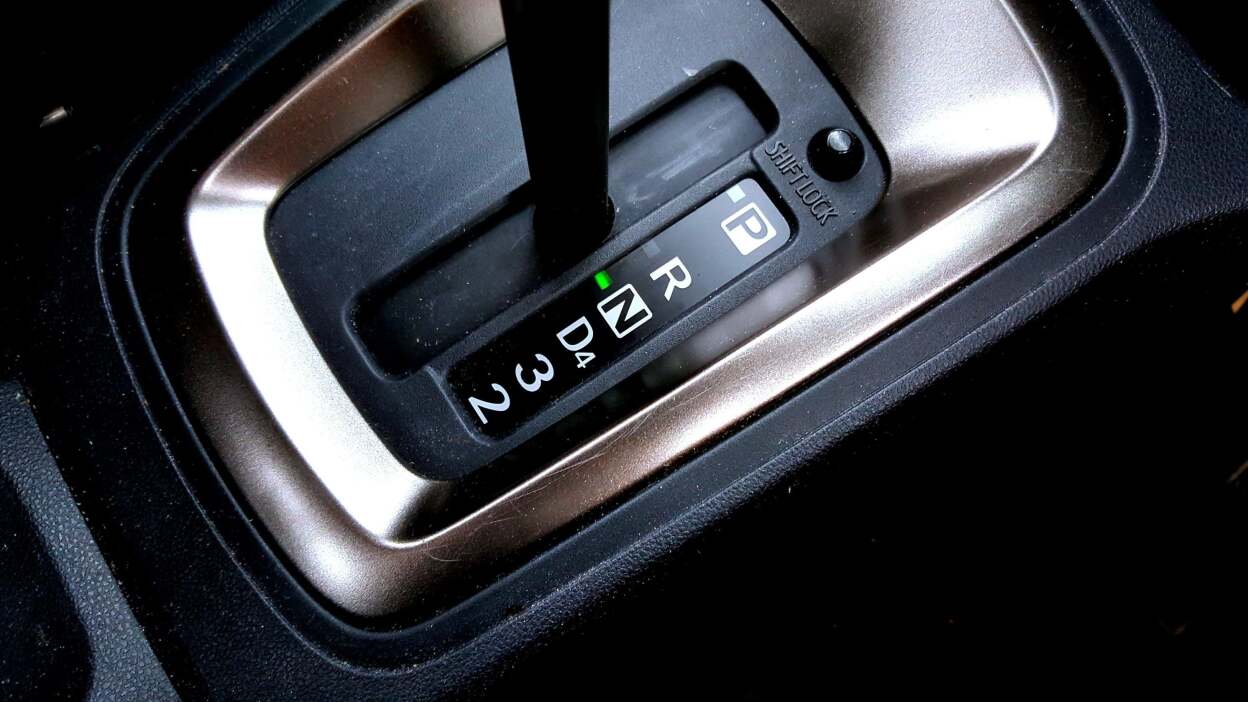
Older drivers who grew up watching every penny at the fuel pump developed a habit of shifting into neutral when approaching a red light or coasting downhill, believing that disconnecting the engine from the drivetrain would reduce fuel consumption.
On a carbureted vehicle, this reasoning had a mechanical basis. Carbureted engines at idle consume fuel at a steady rate regardless of whether the drivetrain is engaged. Coasting in neutral kept the engine at idle, which was considered the lowest possible fuel consumption state.
Electronic fuel injection changed this completely, and most drivers never received the update. Fuel-injected engines use a feature called Deceleration Fuel Cut-Off, which detects when the throttle is closed, and the transmission is in gear, with the vehicle moving above a certain speed.
When those conditions are met, the fuel injection system cuts fuel delivery to the injectors entirely. Zero fuel consumption. Not reduced fuel consumption. Zero. The engine is being spun by the momentum of the vehicle through the connected drivetrain, and it requires no fuel at all to maintain that rotation.
A 2023 Hyundai Sonata SEL with the 1.6-liter turbocharged GDI engine uses Deceleration Fuel Cut-Off actively during normal driving. When a driver approaching a red light lifts off the throttle while still in Drive and allows the vehicle to decelerate in gear, the fuel system cuts injection, and the engine uses no fuel while slowing the vehicle through engine braking.
More critically, a driver coasting in neutral in an emergency must complete the additional step of re-engaging a gear before full drivetrain response is available. Modern vehicles are designed to respond instantly to Drive. Neutral introduces a variable that serves no practical purpose in normal driving.
A 2024 Kia EV6 GT-Line AWD takes this concept even further with regenerative braking that actually recovers energy during deceleration and returns it to the battery. Coasting in neutral on an electric or hybrid vehicle eliminates regenerative braking, which actively wastes energy that the system was designed to capture.
For EV and hybrid drivers especially, staying in Drive and using regenerative deceleration is the most fuel-efficient technique available. Neutral is the least efficient option. Leave the transmission in Drive during normal deceleration and trust modern fuel management systems to do what they were designed to do. The habit of coasting in neutral is a solution to a problem that electronic fuel injection solved decades ago.
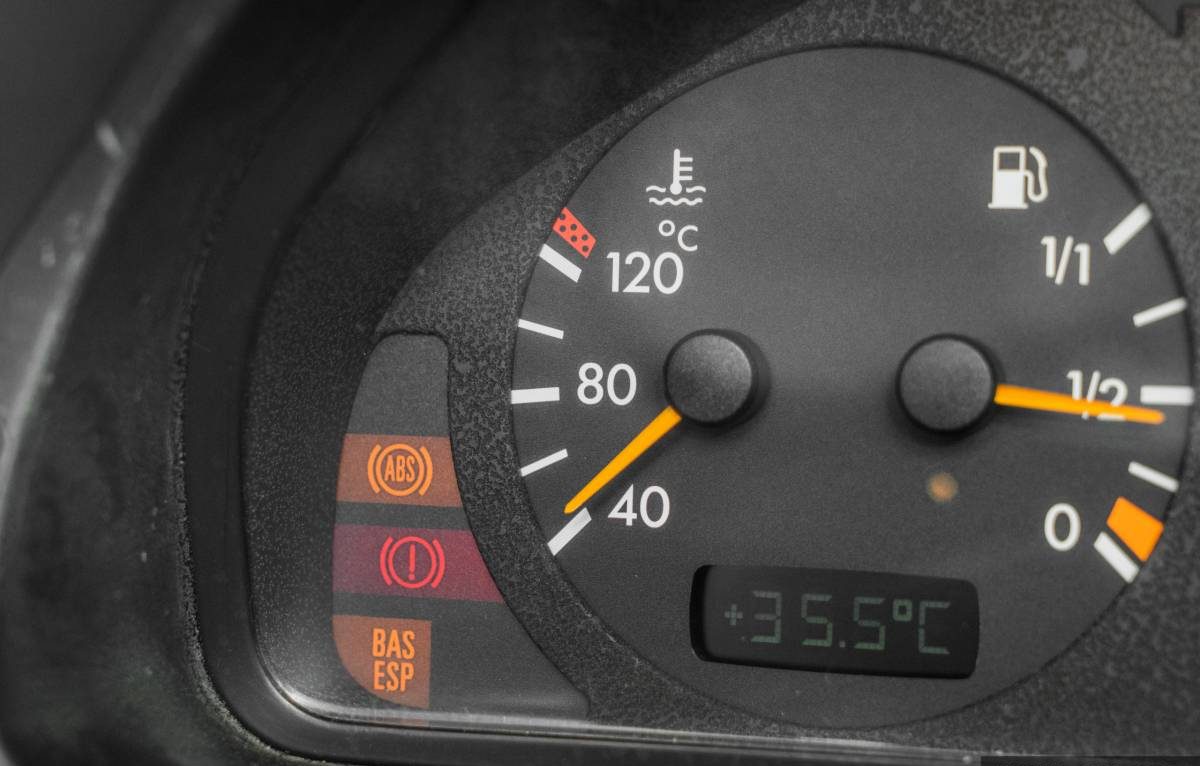
6. Revving a Cold Engine To Warm It Up Faster Is a Habit That Damages Modern Engine Components
Some drivers who picked up this habit from watching racing culture or working on older high-performance engines believe that revving a cold engine helps distribute oil faster, warms the engine to operating temperature more quickly, and clears out any condensation that may have formed overnight. Each of those beliefs contains a partial truth that has been taken out of context and applied incorrectly to modern street vehicles.
Oil does circulate faster at higher engine speeds, and an engine does warm up somewhat more quickly at higher RPM than at idle. However, the thermal and mechanical stress placed on cold engine components during high-RPM operation before the oil is warm and properly viscous far outweighs any warming benefit.
Cold engine oil is thicker than warm oil, moves more slowly through narrow passages, and provides less effective lubrication at bearing clearances that expand and contract as temperature rises. Asking those components to handle high RPM loads before lubrication is optimal is exactly the kind of use that accelerates wear.
A 2021 BMW M340i xDrive Sedan with the 3.0-liter inline-six TwinPower Turbo engine is a high-performance vehicle where engine warm-up discipline matters enormously. BMW’s engineering team has published guidance specifying that high RPM operation should be avoided until the engine oil temperature gauge reads within its normal operating range.
That guidance exists because the tight bearing tolerances and high-performance valve train components in that engine require properly warmed, properly viscous oil before they can handle the loads associated with spirited driving or high RPM operation.
Modern engine coatings and materials are also relevant to this discussion. Piston rings on current production engines use extremely low-tension designs that improve fuel economy by reducing friction against the cylinder wall. Those low-tension rings require an established oil film at the correct temperature to seal properly during operation.
High RPM on a cold engine with cold, thick oil produces incomplete ring sealing, which allows combustion gases to pass into the crankcase and contaminate the oil with combustion byproducts before it even gets to its first change interval. A 2022 Genesis G70 3.3T Sport AWD Sedan with the 3.3-liter twin-turbocharged V6 is another example of a performance-oriented vehicle that communicates warm-up requirements through its driver information system.
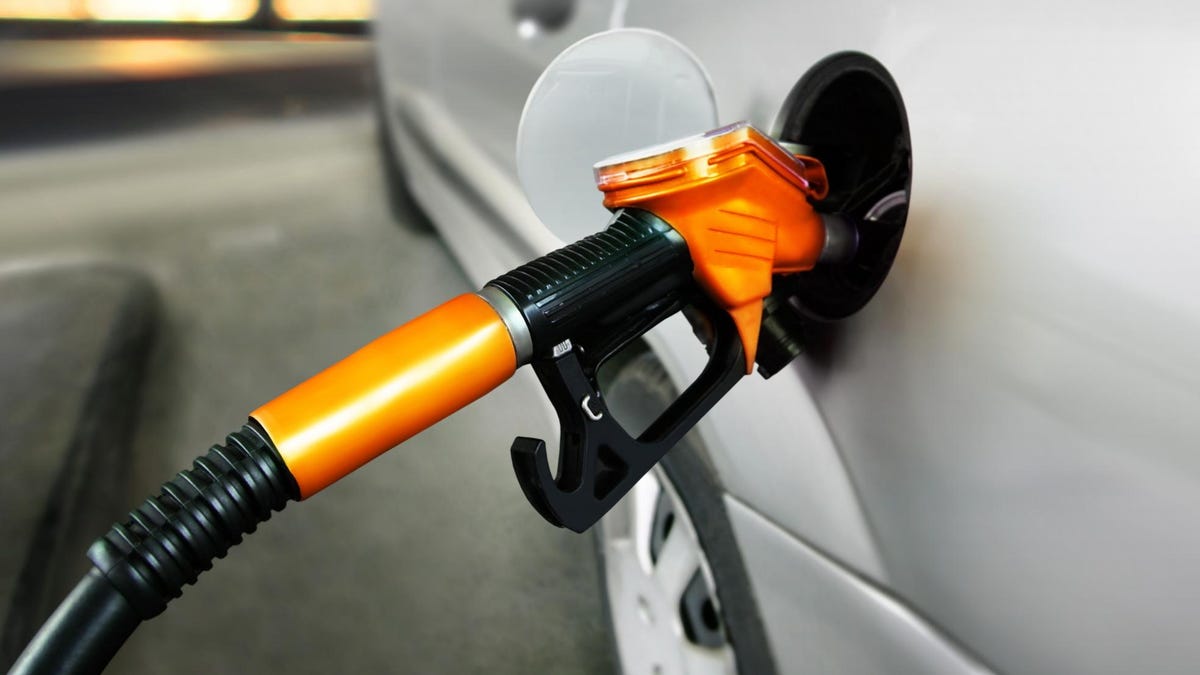
7. Topping Off the Gas Tank After the Pump Clicks Off Damages Emissions Systems That Did Not Exist Decades Ago
Squeezing extra fuel into the tank after the automatic shutoff has clicked is a habit most drivers developed without much thought. The tank is not visually full, the pump clicked early, and a few more squeezes seem to top things off properly. On older vehicles without modern evaporative emissions systems, this habit had no meaningful consequences beyond minor fuel spillage risk.
Modern vehicles are equipped with an Evaporative Emission Control System, commonly called EVAP, that captures fuel vapors from the gas tank and routes them through a charcoal canister to the engine, where they are burned during normal operation.
This system is closed and pressurized, and it includes a liquid fuel trap designed to prevent liquid gasoline from reaching the charcoal canister. When a driver continues pumping after the automatic shutoff, excess fuel floods the area above the tank where the EVAP system components are located. Liquid fuel that enters the charcoal canister saturates the carbon material and ruins it.
A 2020 Jeep Grand Cherokee Limited with the 3.6-liter Pentastar V6 has an EVAP system that is sensitive to overfilling precisely because of how the fuel tank and vapor recovery system are integrated. Charcoal canister replacement on a 2020 Jeep Grand Cherokee Limited runs between $200 and $400, depending on the shop and whether related components require replacement as well.
An EVAP system fault caused by canister saturation triggers a check engine light and may cause the vehicle to fail an emissions inspection. That outcome traces directly back to a fueling habit that costs nothing to change. EVAP system leaks and failures caused by overfilling are among the more common check engine light causes that independent shops diagnose.
The diagnostic fee alone for chasing an EVAP code starts around $100, and if the code leads to charcoal canister replacement, the total visit cost climbs from there. Mechanics who ask about fueling habits during an EVAP diagnosis frequently hear that the owner always tops off the tank, which is a pattern that correlates strongly with canister saturation.
Also Read: 8 Tips for Extending the Life of Your Hybrid Battery Without Specialized Tools
8. Using a Higher Octane Fuel Than the Manufacturer Recommends Does Not Improve Performance in Regular Engines
Premium fuel carries an aura of quality that marketing has reinforced for decades. It costs more, it is labeled premium, and many drivers assume that putting better fuel in their engine will produce better performance, cleaner combustion, or extended engine life.
For engines that specify premium fuel, that reasoning is correct. For engines that specify regular fuel, it is simply inaccurate, and it costs drivers money without delivering any benefit. Octane rating measures a fuel’s resistance to pre-ignition, commonly called knock or ping.
High-compression engines and turbocharged engines often require premium fuel because their combustion chambers generate heat and pressure levels that can cause regular fuel to ignite before the spark plug fires. Pre-ignition in a high-compression engine is destructive and must be prevented by using fuel with sufficient octane to resist it under those conditions.
A 2023 Subaru Crosstrek Premium with the 2.0-liter naturally aspirated Boxer engine is specified for regular 87-octane fuel. Running premium 93-octane fuel in that engine does not produce more power, does not clean the engine more thoroughly, and does not extend any component’s service life.
The engine’s compression ratio and combustion chamber design are calibrated for regular fuel, the ignition timing is set accordingly, and the knock sensors that adjust timing in response to fuel quality have no reason to advance timing beyond its designed limit when premium fuel is used.
Premium fuel in that engine is simply more expensive fuel that burns identically to regular fuel under the conditions that the engine creates. A 2022 Acura MDX SH-AWD with the 3.5-liter V6 does recommend premium fuel, and in that case, the recommendation exists because the engine’s compression ratio and power targets were designed around premium octane.
Using regular fuel in an engine that recommends premium causes the knock sensors to retard ignition timing, which reduces power output and can affect long-term combustion efficiency. Following the manufacturer’s recommendation in both directions, using regular where regular is specified and premium where premium is specified, is the correct approach.
