
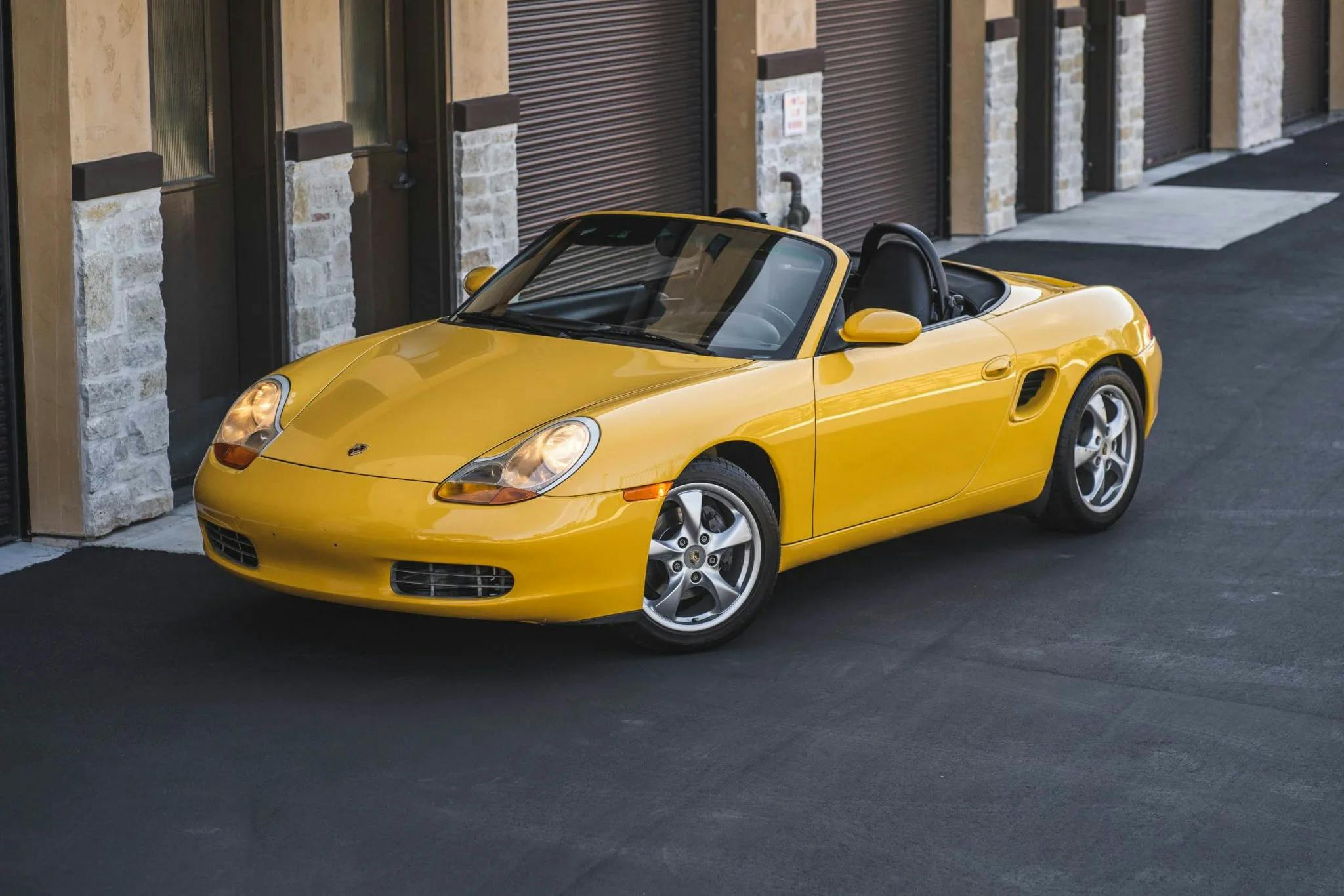
Convertibles sell a feeling before they sell a car. Open sky, wind in your hair, engine noise filling the cabin without a roof filtering it out. That promise is real, and when the right convertible delivers it alongside genuine reliability, reasonable running costs, and a driving experience that holds up beyond the first sunny weekend, the ownership story becomes something people talk about for years.
Not every convertible keeps that promise, though. Some of them deliver the look and the initial excitement while hiding expensive roof mechanisms, structural flex that makes the car feel loose and unrefined, and repair bills that arrive with a frequency that turns a dream purchase into a regret.
Convertibles are a unique category of vehicle where the gap between the best examples and the worst ones is wider than almost any other segment. Getting that buying decision right matters more here than it does with a standard coupe or sedan.
This page is built around honesty. Three convertibles that genuinely reward ownership with reliable engineering, real driving pleasure, and a cost structure that does not punish you for choosing open-air motoring. And three convertibles that look compelling on paper or in person but carry ownership realities that should give any serious buyer pause before signing anything.
Each vehicle gets a full, honest evaluation. Not just the good stuff that shows up in press releases, but the real-world ownership picture that emerges after the honeymoon period ends and the car becomes part of daily life. Whether you are looking for a weekend toy, a daily driver with some personality, or a collector piece worth keeping for the long haul, the information in this article helps you make that decision with clear eyes and accurate expectations.
Both sections matter equally. Read the worth-owning list to know where to put your money. Read the not-worth-it list to know where to protect it.
3 Convertibles Worth Owning
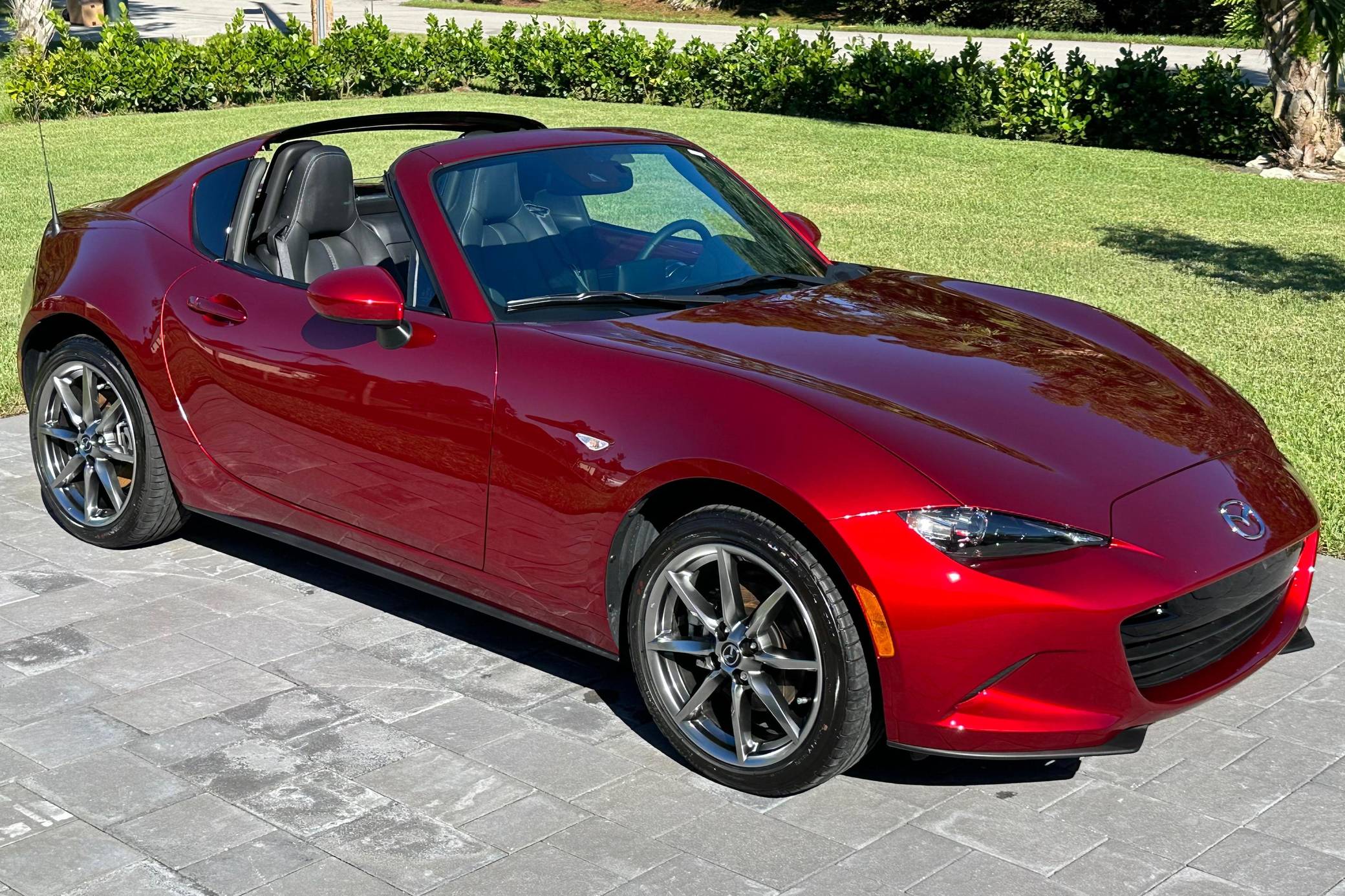
1. Mazda MX-5 Miata RF Grand Touring Is the Convertible That Proves Small Can Be Perfect
Start with the car that automotive journalists and actual owners have agreed on for three consecutive decades: the Mazda MX-5 Miata RF Grand Touring is the standard against which every other small convertible gets measured, and it keeps winning that comparison with consistency that few vehicles in any category can match.
RF stands for Retractable Fastback, and the distinction matters. Unlike the soft-top MX-5, the RF features a power-folding hard top that creates a proper fastback roofline when closed and stows itself neatly behind the seats when open. It operates in about 13 seconds, works at speeds up to 6 mph, and gives the car a more refined, coupe-like appearance compared to the cloth-top version.
Buyers who want the open-air experience without sacrificing the weather-sealed security of a hardtop get exactly that from the RF. Under the hood sits Mazda’s 2.0-liter Skyactiv-G naturally aspirated four-cylinder engine producing 181 horsepower. That number sounds modest until you factor in the car’s curb weight of approximately 2,400 pounds.
Power-to-weight ratios tell a more honest story than raw output figures, and the MX-5 RF’s ratio produces a driving experience that feels more immediate, more connected, and more rewarding than many cars with twice the horsepower. A six-speed manual transmission, perfectly weighted steering, and a suspension tuned for communication rather than isolation make this car genuinely fun to drive at legal speeds on public roads.
Reliability is where the Mazda MX-5 RF Grand Touring separates itself from most of its competitors in the convertible segment. Mazda has consistently earned top reliability scores from J.D. Power and Consumer Reports across multiple model years.
Owners of current-generation MX-5s, which began with the ND platform in 2016, report low incidence of mechanical problems, reasonable maintenance costs, and a roof mechanism that operates without the chronic hydraulic failures that have plagued competitor convertibles. A car that costs around $36,000 new and rarely surprises its owner with unexpected repair bills is a genuinely rare proposition in this segment.
Interior space is the honest limitation of the MX-5 RF Grand Touring. Two occupants fit comfortably. Luggage capacity is limited to a small trunk that handles weekend bags without difficulty, but discourages anything more ambitious. Taller drivers may find headroom tighter than they would like, particularly with the roof closed.
These are known trade-offs that buyers accept when they choose a two-seat roadster, and Mazda has not tried to pretend the car is something it is not by compromising the driving dynamics to accommodate more space. Resale value on well-maintained MX-5 RF examples has been strong through multiple model year cycles.
A car that depreciates slowly, costs little to maintain, delivers consistent driving pleasure, and holds mechanical reliability through high mileage is not just a good sports car. It is a sensible financial decision compared to alternatives that cost more to purchase, more to repair, and lose value faster.
For anyone who has ever wanted a real driver’s convertible without the emotional and financial weight of a high-strung European alternative, the Mazda MX-5 Miata RF Grand Touring is the answer that the automotive world has arrived at collectively and correctly.
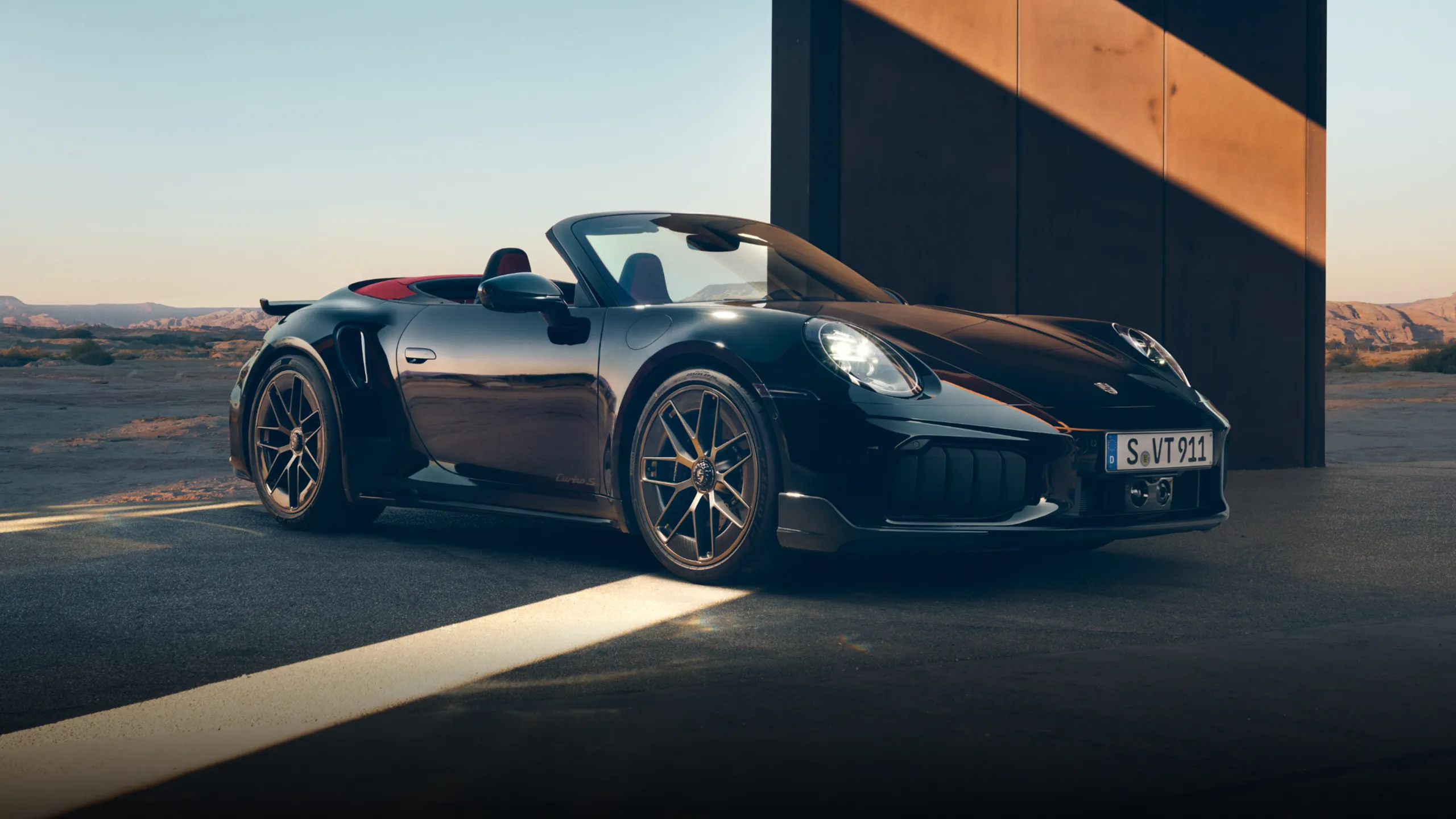
2. Why the Porsche 911 Carrera Cabriolet Remains One of the Most Rewarding Convertibles You Can Buy
Calling the Porsche 911 Carrera Cabriolet a reliable, sensible choice might seem counterintuitive for a vehicle that starts above $120,000. But in the context of the high-end convertible market, where performance, engineering quality, and long-term ownership satisfaction matter as much as initial cost, the 911 Cabriolet earns its place on this list through consistency that few vehicles at any price can approach.
Porsche builds the current 992-generation 911 Carrera Cabriolet around a 3.0-liter twin-turbocharged flat-six engine mounted behind the rear axle in the configuration that has defined the model since 1963. Rear-engine placement gives the car a weight distribution and handling balance that is unlike anything else in the convertible market.
Rear-engine also means the folding soft top mechanism does not compromise the front trunk space, which provides usable storage in a vehicle that is genuinely capable of serving as a daily driver. That soft top is one of the best-engineered folding roofs in the convertible market.
Porsche’s multi-layer fabric top operates in approximately 12 seconds, works at speeds up to 31 mph, provides genuine acoustic insulation when closed, and has a documented reliability record that independent Porsche specialists and owners consistently describe as trouble-free across normal service intervals.
Roof mechanism failures are a documented ownership nightmare on several competing luxury convertibles. On a properly maintained 911 Cabriolet, roof issues are genuinely uncommon. Porsche’s build quality and long-term durability are supported by real-world evidence. Air-cooled 911s from decades past are still driving regularly as daily and weekend cars. Water-cooled examples from the 996 and 997 generations, when maintained correctly, routinely exceed 150,000 and 200,000 miles.
Current 992-generation vehicles have the engineering benefit of everything Porsche learned from those earlier platforms. An owner who follows the service schedule and uses quality fluids is investing in a vehicle with a proven track record of lasting far beyond the industry average.
Driving character is the other dimension where the 911 Carrera Cabriolet stands entirely alone. Porsche tuned the 992’s suspension, steering, and powertrain calibration to deliver a driving experience that is precise, confidence-inspiring, and genuinely communicative.
Dropping the top on that car at a canyon road entrance and driving it the way it was designed to be driven is an experience that justifies the premium in ways that are difficult to articulate but impossible to dismiss once you have felt it.
This is not transportation. It is one of the finest driver’s convertibles ever produced, wrapped in a package that an owner can also drive to work and park in a normal garage without drama.
Also Read: 8 Convertibles That Won’t Leak In Heavy Rain In 2026
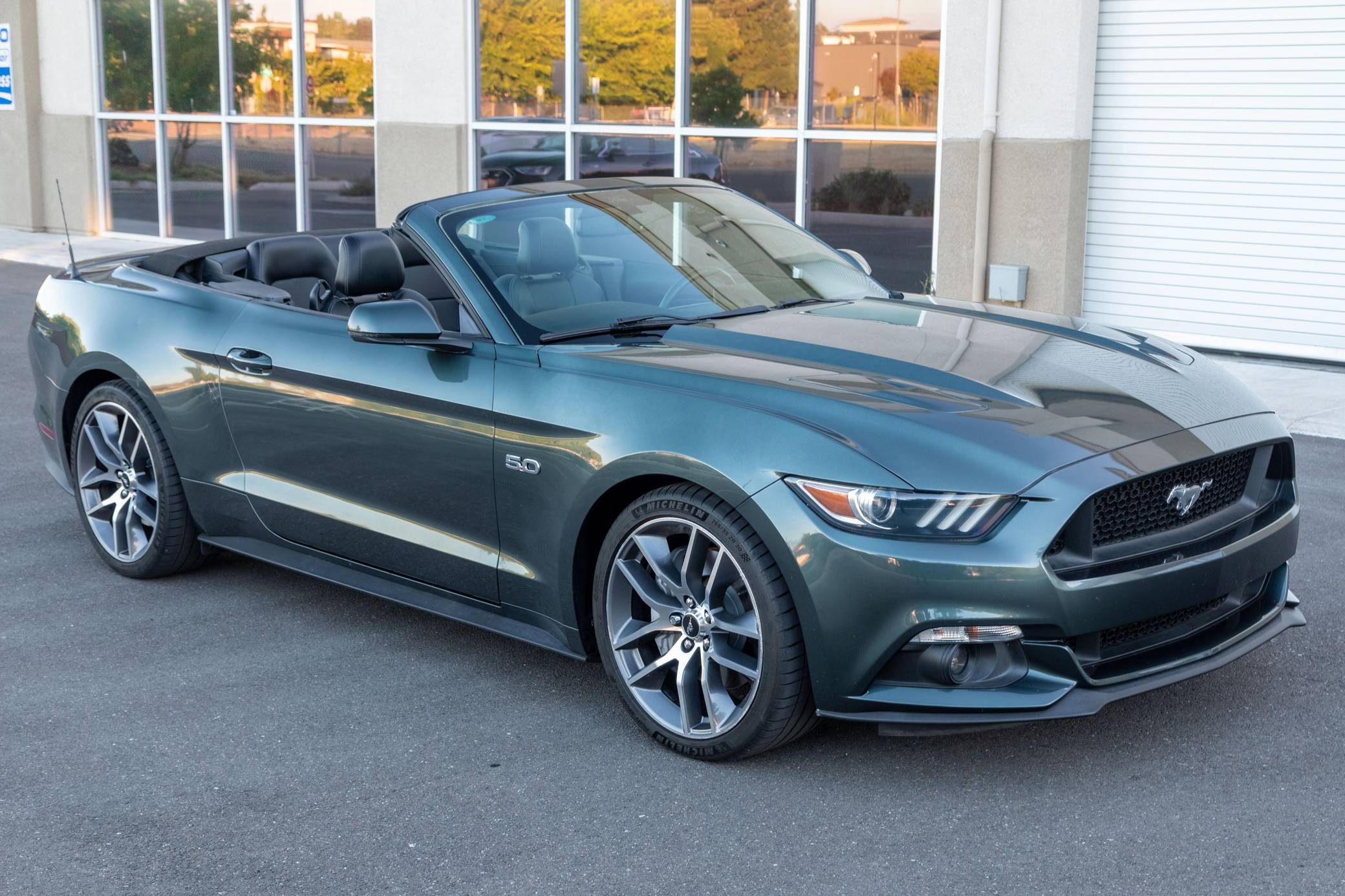
3. Ford Mustang GT Premium Convertible Delivers Americana Open-Air Thrills Without Breaking the Bank
Few vehicles carry the cultural weight of the Ford Mustang, and the GT Premium Convertible version of the current S650 generation translates that heritage into a package that delivers real performance, legitimate daily usability, and a price point that makes the open-air sports car experience accessible without requiring a second mortgage or a tolerance for obscure European parts sourcing.
Ford’s 5.0-liter Coyote V8 engine in the current Mustang GT produces 480 horsepower in its latest calibration. That number is substantial in any context, but inside a convertible that weighs around 4,100 pounds and costs approximately $52,000 in GT Premium trim, it represents a performance value that nothing else at that price point in the convertible segment can honestly match.
Drop the top, engage the exhaust’s active valve system for maximum sound, and accelerate through the gears in the available six-speed manual, and you have an experience that costs even more to replicate in any European alternative.
Ford’s soft top on the current Mustang Convertible is a genuine improvement over previous generations. It operates electrically, folds completely behind the rear seat, and provides a level of wind and noise insulation when closed that makes the car comfortable as a daily driver in cooler weather.
The rear glass window, rather than the plastic rear window that plagued older Mustang convertibles, eliminates the yellowing and cracking that made those earlier tops look aged before their time. Properly maintained, the current top should provide years of reliable service.
Mustang reliability in GT trim with the naturally aspirated 5.0-liter Coyote V8 has been well documented across multiple model years. Ford’s pushrod predecessor engines had a mixed reputation, but the modular and Coyote V8 families earned strong reliability records that owners across hundreds of thousands of documented examples support.
Parts availability for Mustangs is unparalleled in the American performance car segment. Independent shops, specialty builders, and online parts suppliers provide coverage that keeps maintenance costs competitive and repair options flexible for the vehicle’s entire service life.
Practicality is not the primary argument for the Mustang GT Premium Convertible, but it is more present than critics sometimes acknowledge. Two adults fit comfortably in the front seats. Rear seating accommodates shorter passengers for shorter trips.
Trunk space is competitive with other convertibles in its class. For buyers who want a performance convertible that can serve as a primary vehicle, the Mustang GT Premium Convertible makes that case more convincingly than most of its competitors at any price point near its own.
3 Convertibles Not Worth Owning
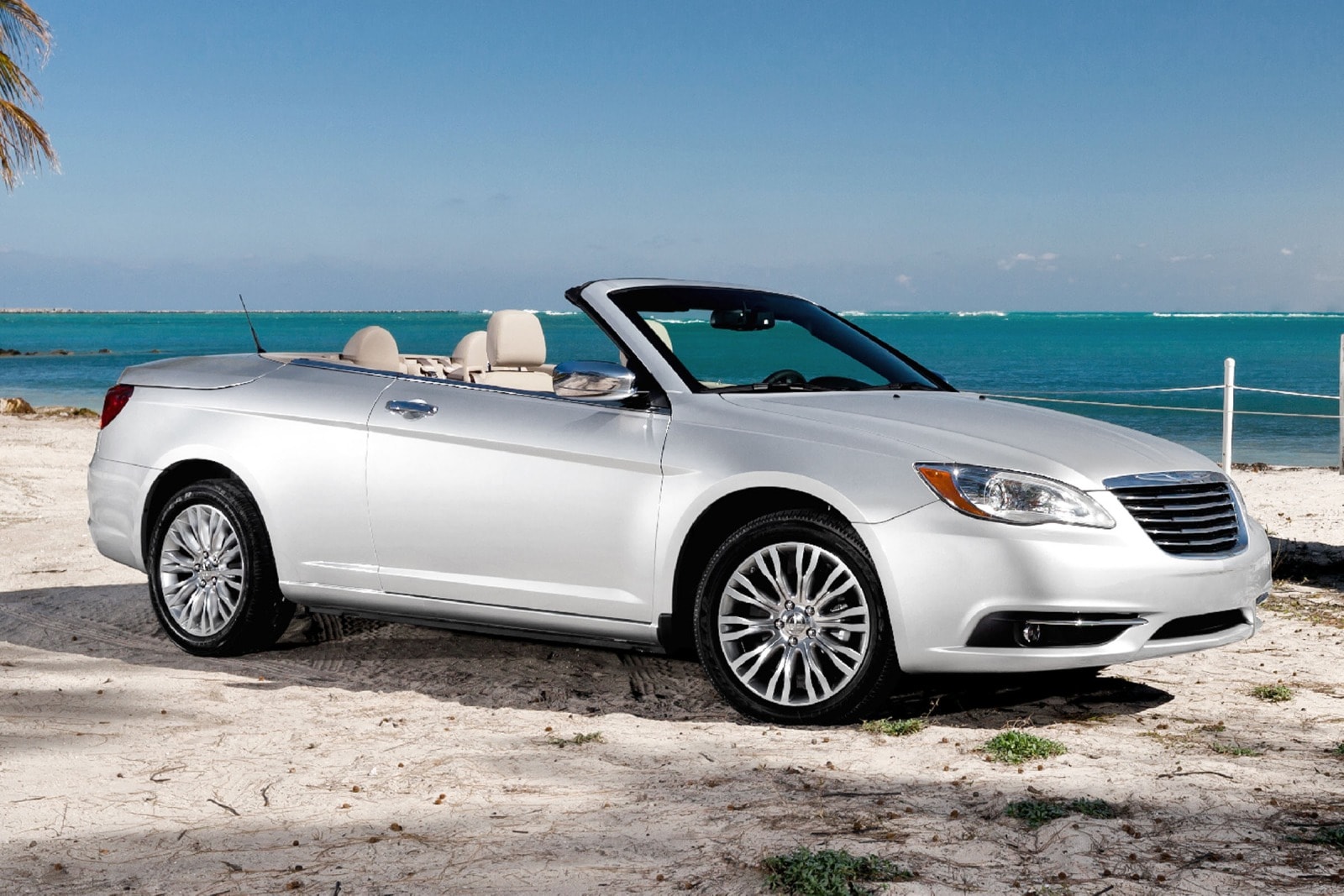
1. Chrysler 200 S Convertible Looked Stylish on the Lot but Delivered Ownership Pain That Buyers Did Not Expect
At first glance, the Chrysler 200 S Convertible seemed like a legitimate answer to the question of what an American mid-size convertible could look like if styled with some confidence and priced within reach of a broad buying audience. Chrysler’s styling team did credible work on the exterior, and the interior received materials and design attention that felt appropriate for the segment.
The problem is that attractive packaging around fundamentally compromised engineering does not improve the engineering. Chrysler’s 200 Convertible, which used a platform shared with the outgoing Sebring, carried forward structural and mechanical characteristics that were not well-suited to the demands of open-top body construction. Convertibles require structural rigidity that is normally provided by the roof.
When the roof is removed, the chassis must compensate with reinforced sills, floors, and subframe connections. Insufficient reinforcement produces a car that flexes visibly over uneven pavement, exhibits cowl shake that sends vibrations through the steering column and instrument panel, and feels structurally unresolved in a way that never goes away, regardless of how the car is driven.
Ownership reviews from Chrysler 200 S Convertible buyers consistently cited roof mechanism problems as a primary source of frustration. Chrysler’s power soft top on that vehicle used a combination of electric and hydraulic actuation that developed chronic failure patterns across the model run. Sensors that prevent the top from operating when the trunk lid is not positioned correctly caused false lockouts that left owners unable to open or close the roof in parking lots.
Hydraulic components in the mechanism leaked, motor failures occurred outside warranty coverage, and dealer diagnostic processes for roof issues were time-consuming and expensive. A convertible whose top cannot be trusted to operate reliably is not a convertible that enhances life.
Fuel economy from the available 2.4-liter four-cylinder engine was underwhelming relative to the competition, and the 2.4-liter itself developed a reputation for excessive oil consumption that Chrysler acknowledged through technical service bulletins.
An engine that consumes oil between changes on a vehicle that already has chronic roof problems and structural shortcomings is not a combination that produces satisfied long-term owners. Resale values on the Chrysler 200 S Convertible fell faster than the segment average, and used examples today are priced at levels that reflect the market’s accurate assessment of the vehicle’s desirability and reliability record.
A low purchase price on a used example does not offset the cost of roof repairs, engine maintenance, and the general ownership dissatisfaction that documented owner feedback describes consistently across model years.
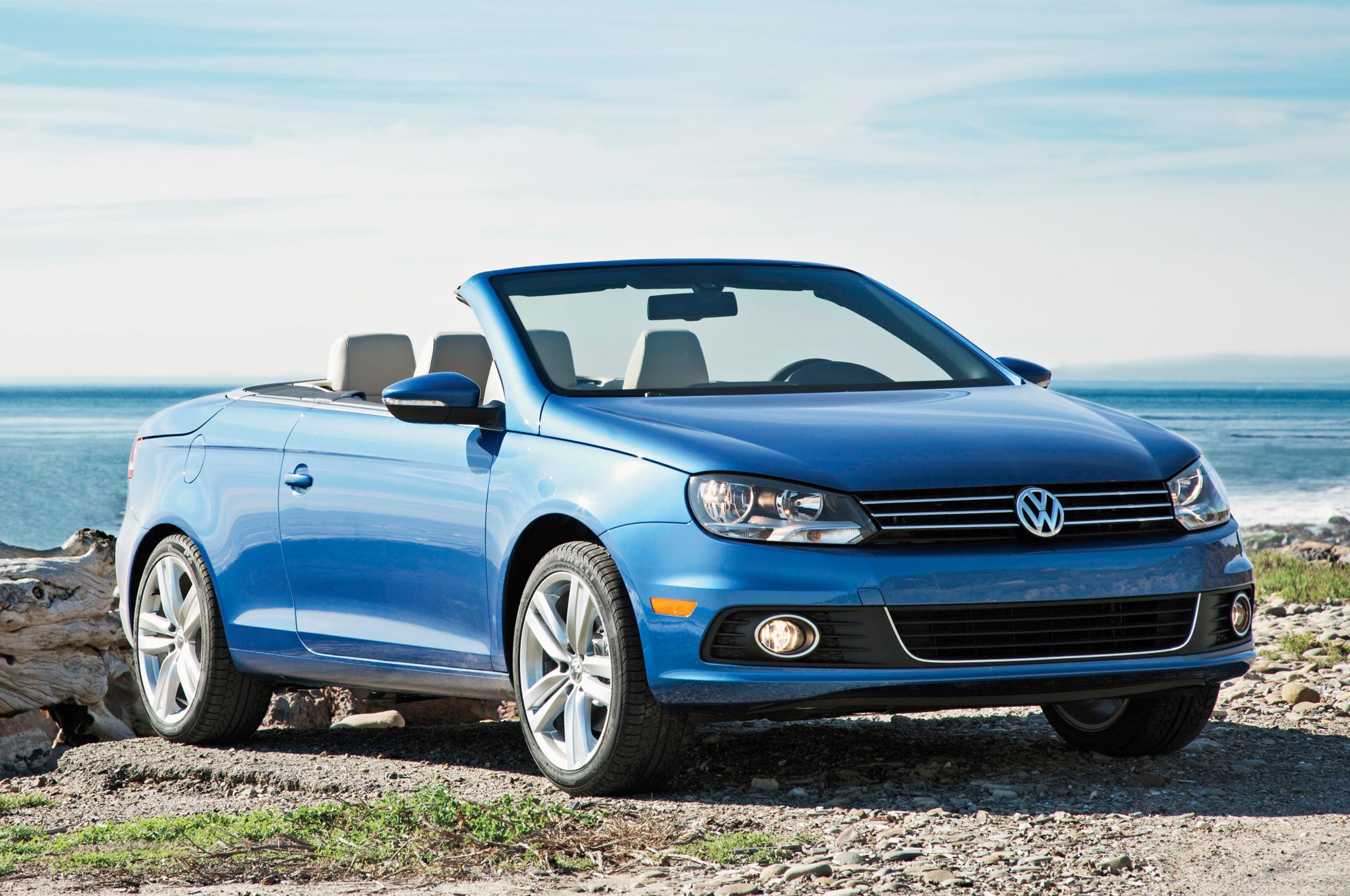
2. Volkswagen Eos SE Was Cleverly Engineered but Financially Punishing to Own Past Warranty
Volkswagen marketed the Eos SE as a technological showpiece, and in a narrow sense, that marketing was accurate. Its power-retractable hardtop was a genuinely impressive piece of engineering that incorporated a folding metal roof, an integrated sunroof panel, and a rear window that operated independently of the roof panel.
When it worked correctly, the Eos roof was a conversation piece that demonstrated what German engineering ambition could accomplish in a compact package. When it stopped working correctly, which happened with a regularity that documented owner feedback makes difficult to ignore, the Volkswagen Eos SE became one of the most financially punishing convertibles in its price class to diagnose and repair.
Volkswagen’s retractable hardtop mechanism used a multi-actuator hydraulic system with numerous limit switches, sensors, and solenoids that coordinated to execute a complicated folding sequence. Each of those components represented a potential failure point.
When any part of the sequence failed to execute correctly, the entire roof system faulted and required dealer-level diagnostics to identify which sensor or actuator had caused the interruption. Roof repair costs on out-of-warranty Volkswagen Eos SE models shocked owners who had not anticipated the expense.
Hydraulic pump replacement, actuator seal repairs, sensor replacements, and the labor required to access and service those components inside the rear body structure added up to repair invoices that routinely exceeded $2,000 for single service visits.
Owners who experienced multiple roof system failures found themselves spending more on roof repairs annually than they had budgeted for the entire vehicle’s maintenance combined. Volkswagen’s DSG dual-clutch transmission, available on some Eos configurations, added another layer of potential expense.
DSG units require mechatronic unit service and fluid changes at intervals that many owners missed because the service was not prominently communicated. A DSG transmission with deferred fluid service develops movement quality problems and mechatronic failures that add $800 to $2,000 to the ownership cost picture on top of any roof-related expenses.
Structural rigidity on the Eos was better than on many soft-top convertibles of its era, which was a genuine advantage of the retractable hardtop design. But structural solidity cannot compensate for a roof mechanism that costs a fortune to repair and an electrical architecture that ages in ways that produce mounting reliability concerns as mileage climbs past 80,000.
Buyers drawn to used Eos examples by their low purchase prices should carefully research total ownership costs before committing, because the purchase price is rarely the largest expense those vehicles incur.
Also Read: 9 Convertibles Whose Value Curve Finally Reversed
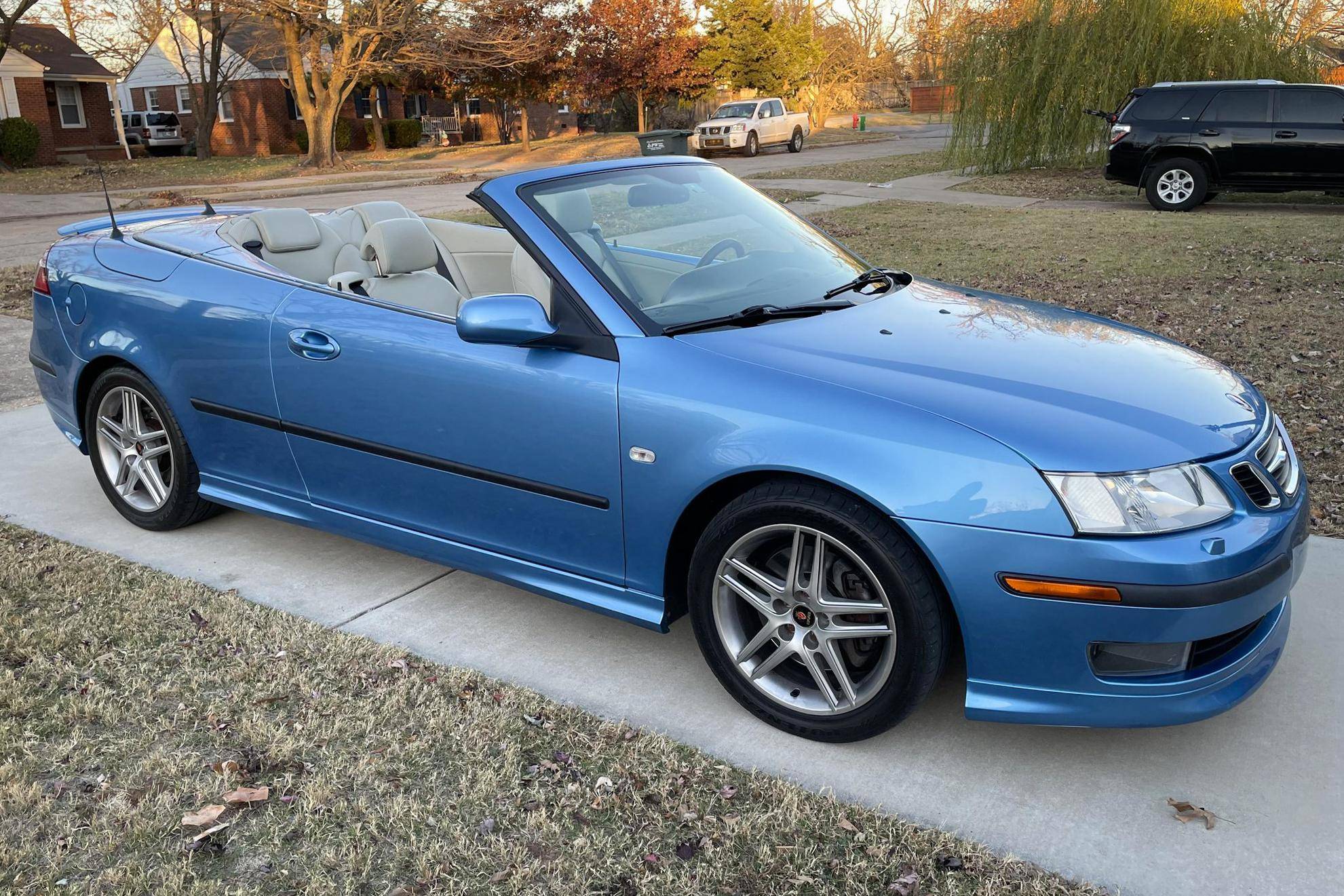
3. Saab 9-3 Aero Convertible Is a Charming Car With a Support System That Has Almost Completely Disappeared
Saab built interesting cars. That is not a point of debate among people who actually drove them. Saab’s engineers approached problems from unconventional angles, and the 9-3 Aero Convertible reflected that independence with front-wheel-drive handling that was genuinely competent, a turbocharged engine with a distinctive power delivery character, and an interior layout that prioritized the driver in ways that set it apart from more conventional European alternatives.
General Motors acquired Saab in 1990 and discontinued the brand in 2011, and that discontinuation created an ownership reality for Saab 9-3 Aero Convertible buyers that no amount of mechanical affection for the car can overcome. Parts supply for Saab vehicles has diminished steadily since 2011.
Some components that were difficult to source in 2014 are genuinely scarce in 2024. Electrical components, body-specific parts, and Saab-specific mechanical items that cannot be substituted with GM platform equivalents are increasingly found only through specialist suppliers, online enthusiast networks, and diminishing salvage yard inventory.
Saab 9-3 Aero Convertible maintenance requires either a specialist shop with Saab expertise developed out of enthusiasm for the brand, or a general shop willing to spend time researching procedures and sourcing parts through non-standard channels.
Neither option is as convenient or as cost-effective as bringing a mainstream vehicle to any of the dozens of independent shops within driving distance. Labor costs at specialist shops reflect the scarcity of expertise, and shops that are not Saab-familiar sometimes misdiagnose issues on these vehicles because familiarity with the platform’s idiosyncrasies is not widely distributed anymore.
Common mechanical issues on the 9-3 Aero Convertible include turbocharger oil feed line failures, DI cassette ignition problems, power steering pump failures, and convertible top hydraulic system leaks that share some of the same sourcing challenges as other components.
A car that has multiple known failure patterns and a shrinking supply of replacement parts is not a vehicle that rewards ownership with peace of mind, no matter how enjoyable it is to drive on the days when everything is working correctly.
Buying a Saab 9-3 Aero Convertible in the current market is a choice best suited to owners who have already identified a specialist shop, located a parts network, and accepted that the vehicle is a hobby car rather than reliable transportation.
For buyers who want an open-air car they can depend on for regular use, the supply chain reality of a discontinued brand makes the Saab 9-3 Aero Convertible a vehicle that belongs in the not-worth-it column, regardless of how appealing it looks at a fair price on a sunny afternoon.
