
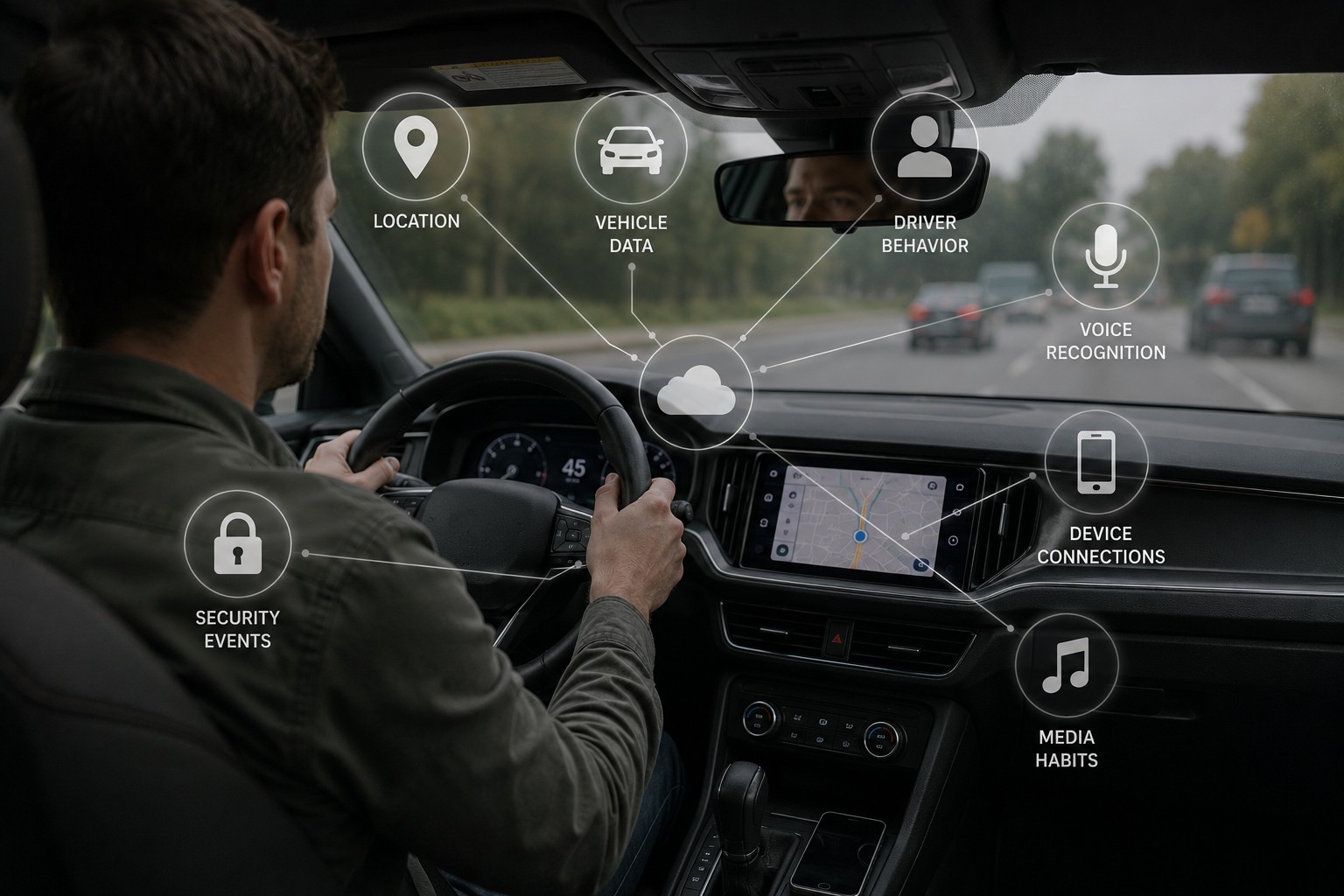
Modern cars are no longer just machines that take you from one place to another. They have become sophisticated data collection devices on four wheels. Every time you start your engine, your vehicle begins recording information about you. This happens silently, without any warning or notification.
Today’s cars are equipped with dozens of sensors, cameras, and internet-connected systems. These technologies were originally designed to improve safety and the driving experience. However, they also collect enormous amounts of personal data. Most drivers have absolutely no idea this is happening.
Automakers claim that data collection helps them improve vehicle performance. They say it makes cars safer and more efficient for everyone. But privacy experts and researchers tell a very different story. The amount of data being collected goes far beyond what is needed for safety.
Your car may know more about you than your smartphone does. It tracks where you go, how fast you drive, and even your emotional state. Some vehicles even listen to conversations inside the cabin. This raises serious questions about privacy, consent, and corporate responsibility.
Location and Movement Tracking
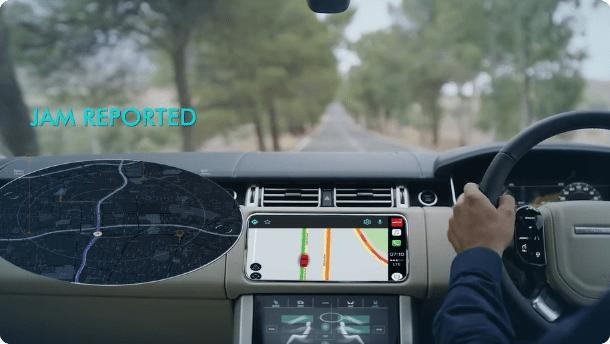
Your car records every journey you make with remarkable precision. It stores your starting point, destination, and every road taken in between. This data is saved automatically without asking for your permission. Many drivers are completely unaware that this tracking is even happening.
GPS systems in modern vehicles do much more than show you directions. They log timestamps alongside precise location coordinates throughout your trip. This means automakers can reconstruct your entire daily routine from this data. They know when you leave home, where you stop, and when you return.
Some automakers sell this location data to third-party companies. Insurance firms, marketing agencies, and data brokers are major buyers of this information.
A 2023 investigation found that General Motors shared driving data with insurers without clear driver consent. This led to some drivers receiving higher insurance premiums unexpectedly.
Location data is considered highly sensitive by privacy regulators worldwide. It can reveal your religion if you visit places of worship regularly. It can expose your medical conditions if you frequently visit specific clinics. It can even indicate your political beliefs based on the events you attend.
Many vehicles continue transmitting location data even when the car is parked. The vehicle remains connected to cellular networks around the clock. Automakers argue this is necessary for remote services and emergency assistance. Critics argue this level of monitoring is deeply invasive and completely unnecessary.
Also Read: Buyers Left Stranded as Tesla Suddenly Cancels Fremont Delivery Event
Biometric and Behavioral Data Collection
Modern vehicles are beginning to collect data directly from the human body. Advanced driver monitoring systems use cameras to watch your face continuously. They track your eye movements, blinking patterns, and head position while driving. Some systems can detect drowsiness, distraction, and even emotional stress levels.
Ford, BMW, and several other manufacturers have patented emotion-detection technologies for vehicles. These systems analyze facial expressions to determine how a driver is feeling. The stated goal is to improve safety by detecting dangerous levels of fatigue. However, this biometric data is also stored and potentially shared with external parties.
Steering wheel sensors in some vehicles measure grip pressure and hand temperature. Seat sensors track weight distribution and posture adjustments throughout the journey. These details help build a detailed physical profile of the regular driver. This kind of biometric profiling raises very serious ethical and legal concerns globally.
Voice assistant systems inside vehicles present another significant privacy challenge. When you use voice commands, recordings may be stored on remote servers. Some automakers have confirmed that third-party contractors review these voice recordings. This review process often happens without the explicit knowledge of vehicle owners.
Behavioral data also includes how aggressively you brake, accelerate, and take corners. This driving style information is shared directly with insurance companies in many regions. Safe drivers may receive discounts, but aggressive drivers face much higher premiums. The problem is that drivers rarely consent to this kind of continuous behavioral surveillance.
What Automakers Do With Your Data
Automakers have built entire new business models around the data your car generates. Vehicle data is now considered one of the most valuable commercial assets in the automotive industry. McKinsey has estimated that the global car data monetization market could reach 800 billion dollars by 2030. This enormous figure explains why manufacturers are so eager to collect everything possible.
Data collected from vehicles is used internally to improve future car designs. Engineers study how real drivers use their vehicles in actual daily conditions. This helps manufacturers identify mechanical weaknesses and improve software performance. So far, this internal use of data seems relatively reasonable and beneficial.
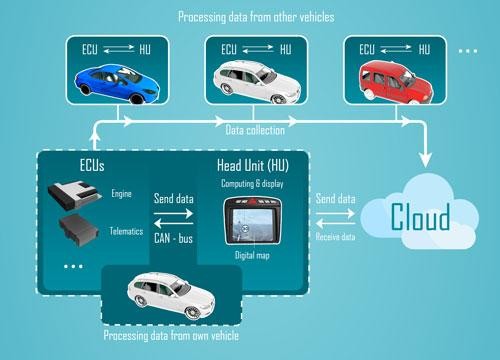
However, the external sharing of data is far more concerning for privacy advocates. Automakers share data with insurance companies, governments, advertisers, and research institutions. Some manufacturers include data-sharing clauses buried deep inside lengthy ownership agreements. Most buyers never read these documents before signing them at the dealership.
Mozilla Foundation conducted a thorough investigation into automaker privacy policies in 2023. They examined 25 major car brands and found all of them collected excessive amounts of personal data. Nissan’s privacy policy was flagged for collecting sexual activity and health diagnosis information. This shocking finding highlighted just how broad and vague these data collection practices really are.
Some automakers allow drivers to opt out of certain data collection programs. However, the opt-out process is often deliberately confusing and technically difficult. Important vehicle features are sometimes disabled when drivers try to limit data sharing. This creates a troubling situation where privacy comes at the cost of functionality and convenience.
Your Legal Rights and How to Protect Yourself
Privacy laws around the world are slowly beginning to address connected vehicle data. The European Union’s General Data Protection Regulation gives citizens strong rights over personal data. Under GDPR, automakers must clearly explain what data they collect and why. European drivers can legally request the deletion of their personal data from company servers.
The United States currently lacks a single comprehensive federal privacy law for vehicles. California has the strongest state-level protections through its Consumer Privacy Act. However, most American drivers have very limited legal protection against vehicle data collection. Lawmakers are currently debating new regulations, but progress has been disappointingly slow.
India and other developing markets have even weaker protections in place currently. Millions of connected vehicle owners in these regions have almost no legal recourse. Automakers operating in these markets face minimal accountability for their data practices. This creates a deeply unequal global system of privacy protection based on geography.
There are practical steps you can take to reduce your vehicle’s data footprint today. Regularly reviewing and resetting your car’s privacy settings is an important first step. Disabling unnecessary connected services limits the amount of data transmitted to manufacturers. Turning off your vehicle’s WiFi and Bluetooth when not in use also helps significantly.
Reading your vehicle’s privacy policy carefully before purchasing is absolutely essential. Look specifically for language about third-party data sharing and behavioral monitoring programs. Ask your dealership directly which data collection features can be disabled permanently. Being an informed consumer is currently the most powerful tool available to protect your privacy.
Also Read: 5 Japanese Cars That Outlast American Ones and 5 Exceptions
