Modern cars are packed with smart tech. From adaptive cruise control to digital dashboards, everything feels advanced. But not every upgrade actually improves long-term reliability. One quiet but important example is the shift from mechanical oil pumps to electronic oil pumps.
On paper, electronic oil pumps sound like a win. They adjust oil flow based on engine demand, improve fuel efficiency, and reduce parasitic loss. That’s great for emissions and short-term performance. But here’s the catch: more electronics mean more failure points. Sensors fail. Control modules glitch. And when that happens, engine lubrication can take a serious hit.
Mechanical oil pumps, on the other hand, are simple. They rely on direct engine motion, usually driven by the crankshaft or camshaft. No sensors. No software. Just consistent oil flow. That simplicity is exactly why they last longer. They may not be as “smart,” but they are dependable, and in the long run, that matters more.
This is why many car enthusiasts, mechanics, and even long-distance drivers still prefer vehicles with mechanical oil pumps. These cars often prove themselves after 150,000 km… 200,000 km… even beyond. The engine keeps going because the lubrication system never quits.
In this guide, we’re focusing on modern cars, not outdated models that still use mechanical oil pump systems or retain traditional designs that prioritize durability over complexity. These cars are built for people who don’t want surprises under the hood.
If you care about engine longevity, low maintenance cost, and long-term reliability, this list is for you. Let’s break down the cars that quietly outlast the trend.
Why Mechanical Oil Pumps Still Matter in Modern Cars
When people talk about engine reliability, they often focus on big components, such as the engine block, transmission, or turbochargers. But the oil pump? It’s just as critical.
A mechanical oil pump ensures continuous lubrication without relying on electronics. It operates in sync with engine speed, delivering oil pressure as long as the engine runs. That consistency reduces the risk of sudden failure, especially compared to electronic systems that depend on multiple sensors and control units.
Electronic oil pumps are designed for efficiency. They reduce engine load when full oil pressure isn’t needed. But this efficiency comes at a cost of complexity. If a sensor misreads data or a control unit fails, oil flow may drop unexpectedly. That’s not something you want happening at highway speeds.
Mechanical pumps avoid this issue entirely. Their design is straightforward, which makes them easier to maintain and less likely to fail over time. That’s why many high-mileage vehicles still rely on them.
Another advantage is predictability. Mechanical systems wear gradually. You’ll often notice warning signs like reduced oil pressure before complete failure. Electronic systems, however, can fail instantly without warning.
For drivers who prioritize durability over minor fuel savings, mechanical oil pumps remain the better choice. And as you’ll see below, several modern cars still stick with this proven approach.
ALSO READ: 12 Modern Transmissions With Easily Accessible Internal Filters for Service
1. Toyota Corolla
The Toyota Corolla has built a reputation that few cars can match. It’s not flashy. It doesn’t chase trends. But when it comes to long-term reliability, it consistently delivers, and its use of a traditional mechanical oil pump plays a key role in that.
Modern Corolla engines, especially the naturally aspirated variants, rely on a mechanically driven oil pump that prioritises steady lubrication over adaptive control. This setup ensures that oil pressure remains consistent, regardless of driving conditions. Whether you’re stuck in traffic or cruising on the highway, the system works without interruption.
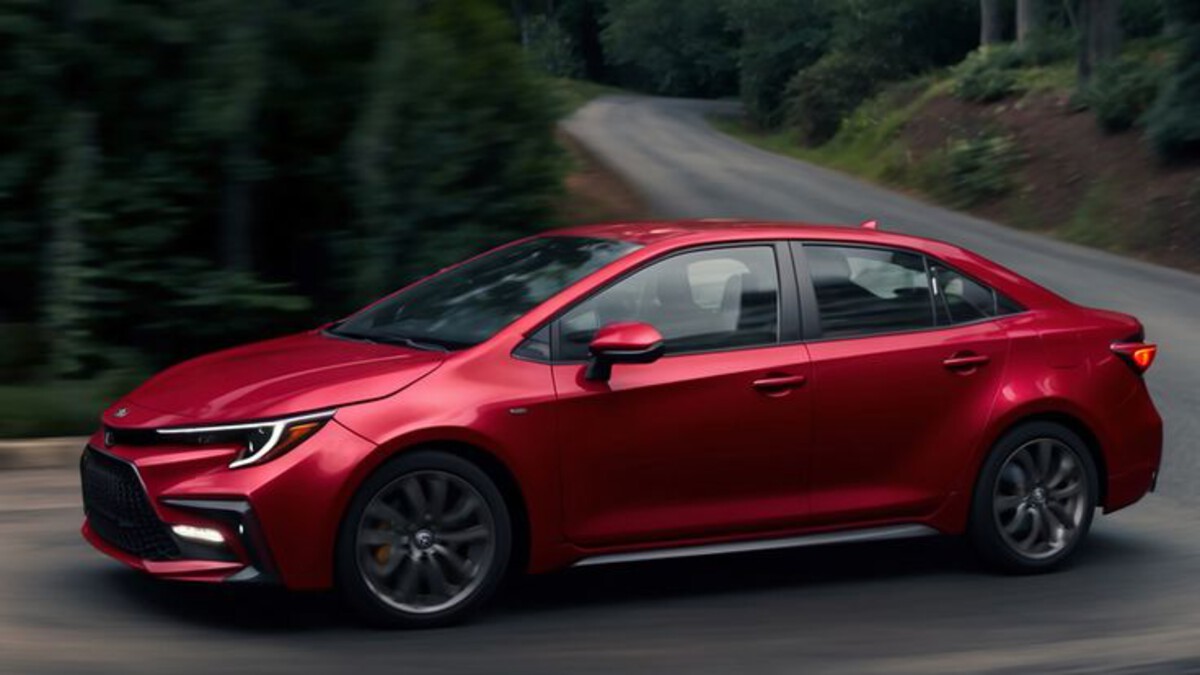
One of the biggest strengths of the Corolla is how well it handles high mileage. Many units easily cross 200,000 km with minimal engine issues. A big reason for this is the simplicity of its internal systems. The mechanical oil pump doesn’t rely on sensors or electronic controls, reducing the risk of sudden failure.
Maintenance is also straightforward. Oil changes are simple, and the pump itself rarely needs attention unless the engine has been severely neglected. This helps keep ownership costs low, making the Corolla a smart choice for budget-conscious drivers.
Another advantage is thermal stability. Mechanical oil pumps maintain consistent pressure even in hot climates or heavy traffic conditions, where electronic systems may struggle due to overheating sensors or control modules.
The Corolla may not offer cutting-edge performance, but it excels in dependability. For drivers who want a car that just works, year after year, this model remains one of the best options.
In a world where complexity often leads to problems, the Corolla proves that simple engineering still wins.
2. Honda Civic
The Honda Civic is another modern classic that balances performance, efficiency, and long-term durability. While newer versions include advanced features, many Civic engines still rely on a mechanical oil pump system that keeps things reliable under the hood.
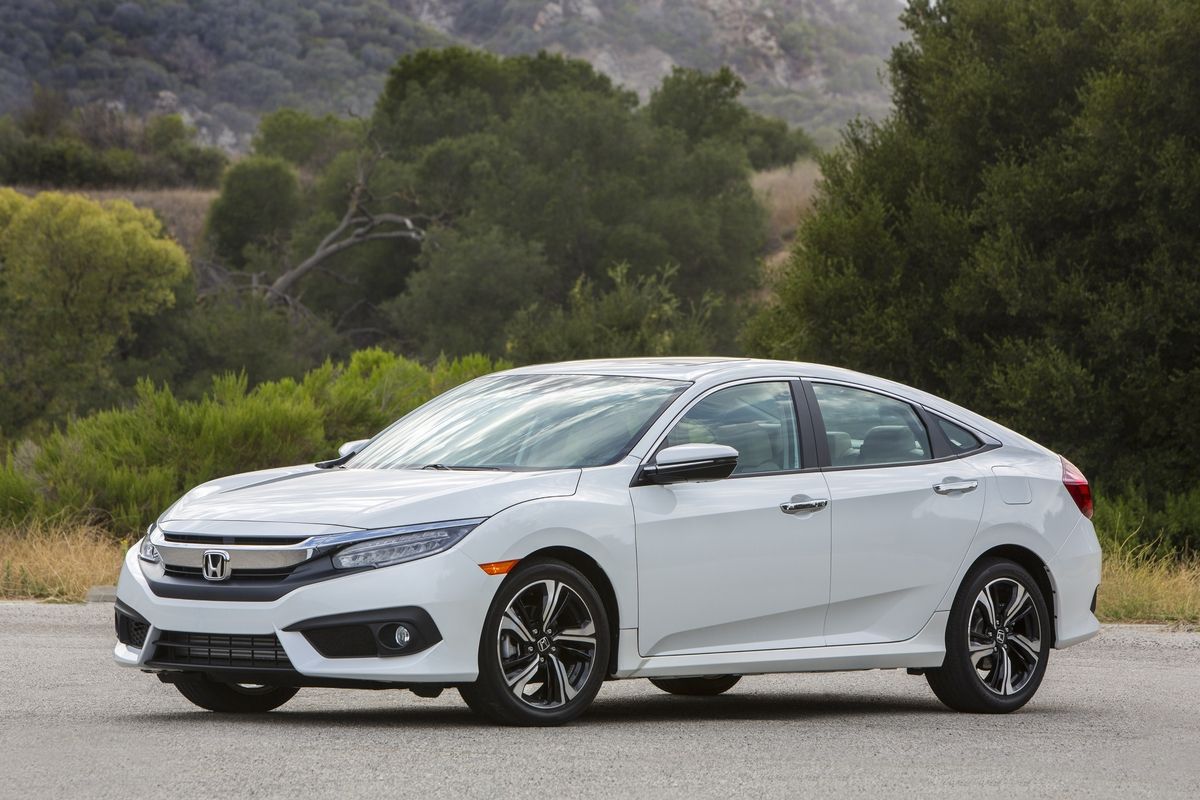
Honda has always focused on precision engineering. The Civic’s oil pump is designed to deliver consistent pressure across a wide range of engine speeds. This ensures that critical components like camshafts and pistons remain properly lubricated at all times.
Unlike electronic oil pumps, which depend on multiple sensors, the Civic’s mechanical system operates independently. This reduces the chances of unexpected failure and keeps maintenance simple. It’s one of the reasons why Civics are known for running smoothly even after years of use.
Another key factor is engine efficiency. While electronic pumps aim to improve fuel economy, Honda achieves similar results through optimized engine design rather than adding complexity. This allows the Civic to remain efficient without sacrificing reliability.
The Civic also performs well under stress. Whether it’s daily commuting or long highway drives, the oil pump maintains stable pressure. This consistency helps prevent engine wear and extends the engine’s lifespan.
Owners often report minimal issues even after 150,000 km or more. Regular maintenance is usually enough to keep the engine in top condition. And because the oil pump is mechanical, there’s less to worry about in terms of electronic failure.
For drivers who want a mix of modern features and proven reliability, the Civic hits a sweet spot. It’s practical, efficient, and built to last.
3. Mazda3
The Mazda3 stands out for its driving experience, but it also deserves attention for its durability. Underneath its sleek design is a well-engineered engine system that includes a reliable mechanical oil pump.
Mazda’s Skyactiv engines focus on efficiency through smart design rather than excessive electronics. The oil pump follows the same philosophy. It delivers consistent lubrication without relying on complex control systems.
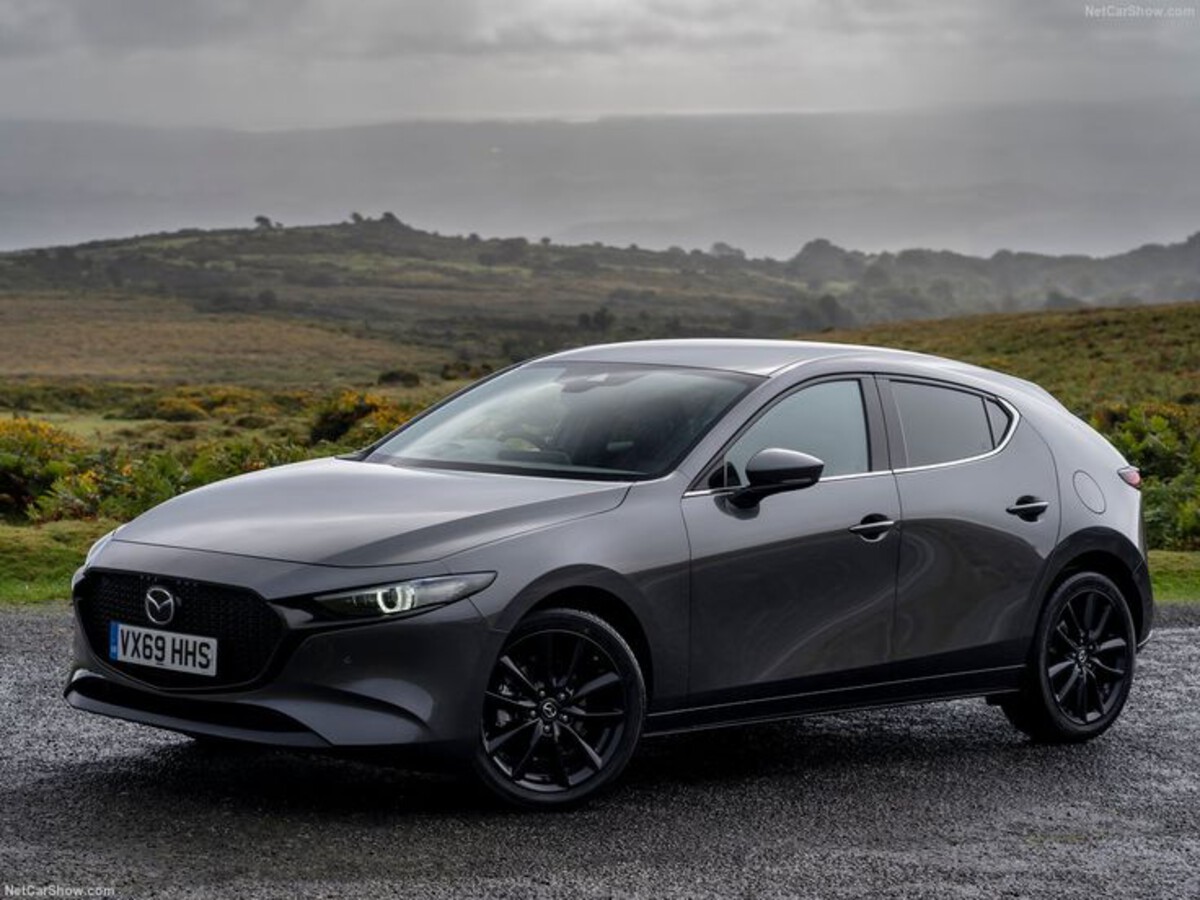
This approach has clear benefits. The mechanical oil pump ensures steady oil pressure, reducing the risk of sudden drops that could damage the engine. It also simplifies maintenance, as there are fewer components that can fail.
The Mazda3 is known for its smooth performance, and proper lubrication plays a big role in that. The oil pump keeps internal components moving efficiently, even during high-speed driving or heavy loads.
Another advantage is longevity. Many Mazda3 owners report strong engine performance even after years of use. The mechanical oil pump contributes to this by maintaining consistent lubrication over time.
Fuel efficiency is still competitive, proving that you don’t need electronic oil pumps to achieve good mileage. Mazda achieves this through lightweight design and efficient combustion rather than adding complexity.
For drivers who want a car that’s both fun to drive and reliable in the long run, the Mazda3 offers a strong balance. It proves that you can enjoy modern features without sacrificing durability.
4. Toyota Hilux
If there’s one vehicle that has proven its durability across extreme conditions, it’s the Toyota Hilux. From construction sites to remote terrains, this pickup has built a reputation for surviving where most vehicles fail. A big part of that toughness comes from its simple and reliable engine design, including a mechanical oil pump.
The Hilux is designed to work, not just commute. Its engines, especially the diesel variants, rely on a mechanically driven oil pump that ensures continuous lubrication under all conditions. Whether the engine is idling for long hours or pushing through heavy loads, the oil flow remains steady and dependable.
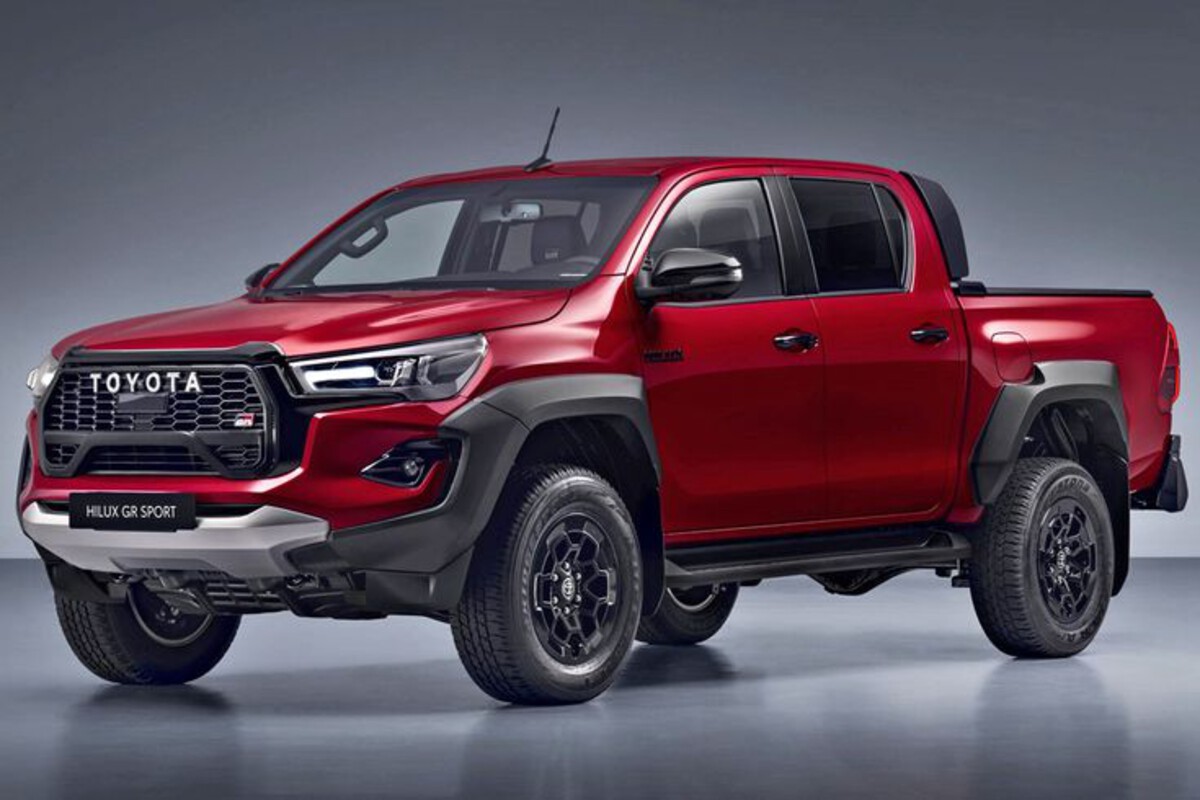
This consistency is critical in off-road environments. Dust, heat, and uneven terrain can put serious stress on an engine. Electronic systems can struggle in these conditions, especially if sensors or wiring are exposed. The mechanical oil pump avoids this issue entirely by eliminating reliance on electronic controls.
Another advantage is long-term durability. Hilux engines are known to cross extremely high mileage with minimal internal wear. The oil pump plays a key role in this by maintaining stable pressure over time, reducing friction and heat buildup.
Maintenance is also straightforward. Mechanics around the world are familiar with the Hilux, and its simple oil pump design makes repairs easier and more affordable. There’s no need for specialized diagnostics or software resets.
Even under harsh usage, the Hilux rarely shows signs of oil system failure. That’s why it’s trusted in industries where downtime is not an option.
For anyone who values reliability over comfort features, the Hilux is one of the toughest choices out there, and its mechanical oil pump is a big reason why.
5. Ford Mustang GT
The Ford Mustang GT is all about performance, but it also holds onto some old-school engineering where it matters. Beneath its aggressive styling and powerful V8 engine lies a mechanical oil pump system designed to handle high stress without failure.
Performance engines generate more heat and friction than regular engines. That means consistent oil pressure is critical. The Mustang GT’s mechanically driven oil pump ensures that lubrication keeps up with engine demand, especially during high-speed driving or aggressive acceleration.

Unlike electronic oil pumps, which adjust flow based on sensors, the mechanical system in the Mustang delivers oil based on engine speed. This direct connection reduces the risk of lag or incorrect readings, which can be dangerous in performance scenarios.
Track use is where this setup really proves its value. During extended high-RPM driving, the oil pump continues to deliver stable pressure, preventing engine damage. Electronic systems can sometimes struggle under these conditions due to overheating or sensor inconsistencies.
Durability is another strong point. While performance cars are often seen as high-maintenance, the Mustang GT manages to balance power with reliability. The mechanical oil pump contributes to this by reducing complexity and potential failure points.
Owners who maintain their vehicles properly often see strong engine performance even after years of use. The oil system remains consistent, which helps preserve internal components.
The Mustang GT shows that you don’t have to sacrifice reliability for performance. By sticking with a mechanical oil pump, it keeps things simple where it counts, right at the heart of the engine.
6. Subaru Outback
The Subaru Outback is built for versatility. It handles city roads, highways, and rough terrain with equal confidence. Behind this capability is a dependable engine system that includes a mechanical oil pump designed for consistent performance.
Subaru’s boxer engines are unique. Their horizontal layout requires precise lubrication to keep everything running smoothly. A mechanical oil pump ensures that oil reaches all parts of the engine evenly, regardless of driving conditions.
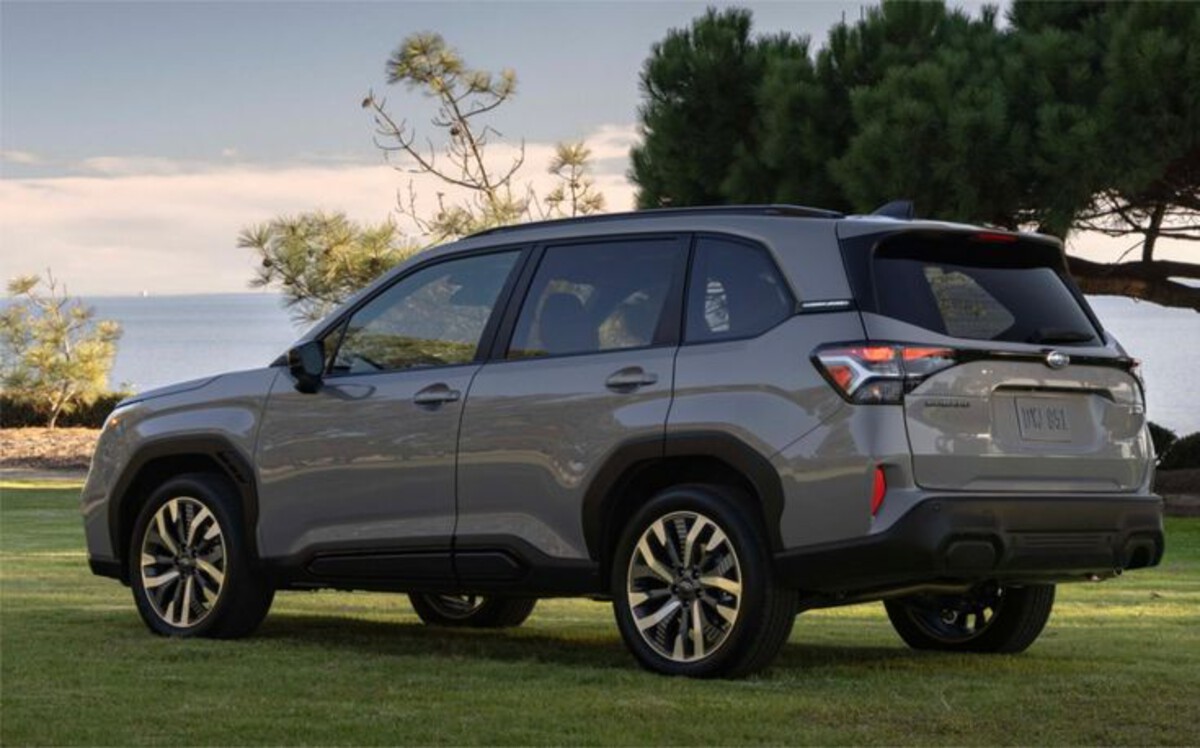
This is especially important for vehicles like the Outback, which are often used for long trips and outdoor adventures. Changing elevations, temperatures, and loads can affect engine performance. The mechanical oil pump maintains stable pressure, helping the engine adapt without relying on electronic adjustments.
Another benefit is reliability in remote areas. When you’re far from service centres, the last thing you want is an electronic failure. The Outback’s simpler oil system reduces that risk, making it a safer choice for long-distance travel.
The vehicle also handles cold starts well. Mechanical oil pumps begin working immediately as the engine turns, ensuring that lubrication starts without delay. This helps reduce wear during startup, which is one of the most critical moments for any engine.
Over time, this consistent lubrication contributes to engine longevity. Many Outback owners report reliable performance even after years of use.
The Outback may not be the most powerful car on this list, but it’s one of the most dependable. Its mechanical oil pump plays a quiet but essential role in keeping it ready for anything.
ALSO READ: 8 Modern Muscle Cars That Are Surprisingly Comfortable for Daily Commuting
7. Jeep Wrangler
The Jeep Wrangler is built for one thing: going where other vehicles won’t. Whether it’s rocky trails, deep mud, or steep climbs, the Wrangler is designed to handle extreme conditions. And like any serious off-road vehicle, it relies on a mechanical oil pump to keep the engine protected.
Off-roading puts engines under unpredictable stress. Sudden angle changes, uneven surfaces, and constant load variation can affect oil flow. A mechanical oil pump ensures that lubrication remains consistent, regardless of terrain.
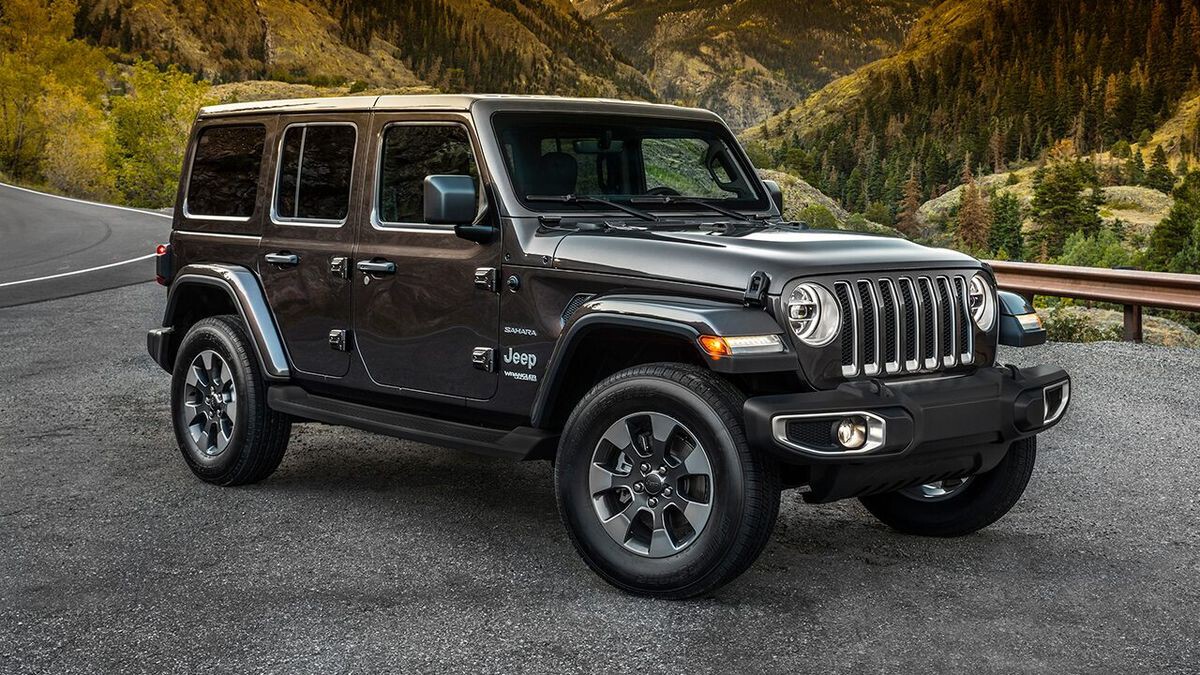
Unlike electronic systems, which may struggle with sensor accuracy in rough conditions, the Wrangler’s oil pump works purely based on engine movement. This eliminates the risk of incorrect readings or delayed responses.
Another advantage is durability under impact. Off-road driving can expose vehicles to vibrations and shocks. Electronic components are more vulnerable in such environments, while mechanical systems are generally more resilient.
The Wrangler’s engines are built to handle abuse, and the oil pump is a key part of that durability. It keeps internal components protected even during extended off-road sessions.
Maintenance is also easier compared to more complex systems. Repairs can often be done without advanced tools, which is useful for drivers who travel far from urban areas.
Over time, this simplicity translates into reliability. Wrangler owners often push their vehicles hard, yet the engines continue to perform.
The Wrangler isn’t about comfort or efficiency; it’s about capability and toughness. And the mechanical oil pump fits perfectly into that philosophy.
8. Nissan Frontier
The Nissan Frontier is one of those trucks that doesn’t try too hard to be modern, and that’s exactly why it works. While many competitors moved toward more complex systems, the Frontier stuck with proven engineering, including a dependable mechanical oil pump.
This pickup is built for durability first. Its engine design focuses on steady performance rather than chasing maximum efficiency. The mechanical oil pump plays a big role here by delivering consistent oil pressure without relying on electronic controls.
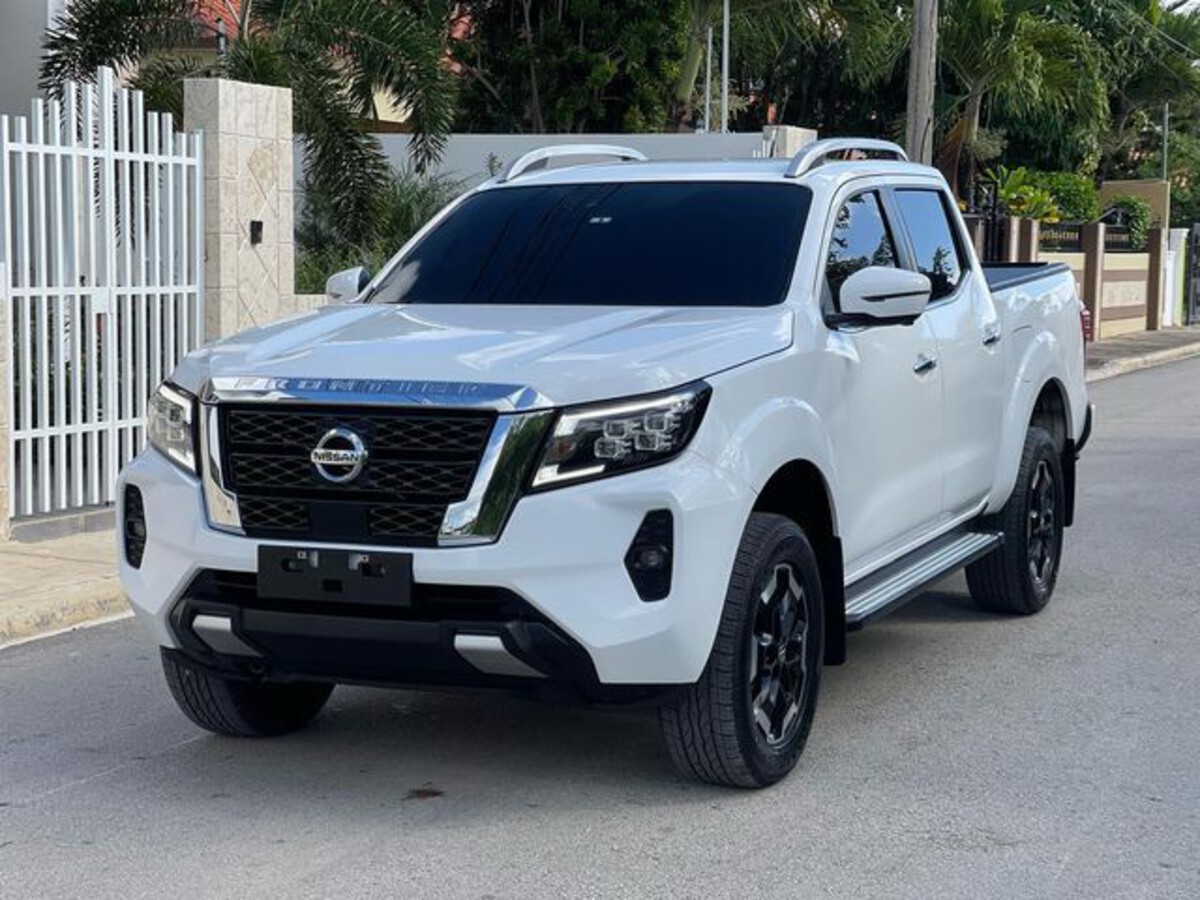
For truck owners, reliability matters more than small fuel savings. Whether the Frontier is used for hauling, towing, or daily driving, the engine needs a lubrication system that won’t fail under pressure. The mechanical oil pump ensures that oil flow remains stable even during heavy loads.
Another benefit is long-term ownership. The Frontier is known for running strong even after years of use. The oil system rarely causes issues, and when it does, repairs are simple compared to electronic setups.
Heat management is another area where this truck performs well. Mechanical oil pumps maintain consistent pressure even when the engine is working hard in hot conditions. Electronic systems, on the other hand, can sometimes struggle with sensor reliability under heat stress.
Drivers who keep up with basic maintenance often see excellent engine life from the Frontier. It’s not the most advanced truck on the market, but it’s one of the most dependable.
If your priority is a truck that keeps running without surprises, the Frontier is a solid choice, and its mechanical oil pump is a big part of that dependability.
9. Chevrolet Camaro SS
The Chevrolet Camaro SS brings serious performance, but like the Mustang, it doesn’t completely rely on modern complexity. Its V8 engine uses a mechanical oil pump designed to keep up with high power output while maintaining reliability.
Performance engines demand strong and consistent lubrication. The Camaro SS delivers this through a mechanically driven oil pump that responds directly to engine speed. This ensures that oil pressure increases as the engine works harder, without waiting for electronic adjustments.
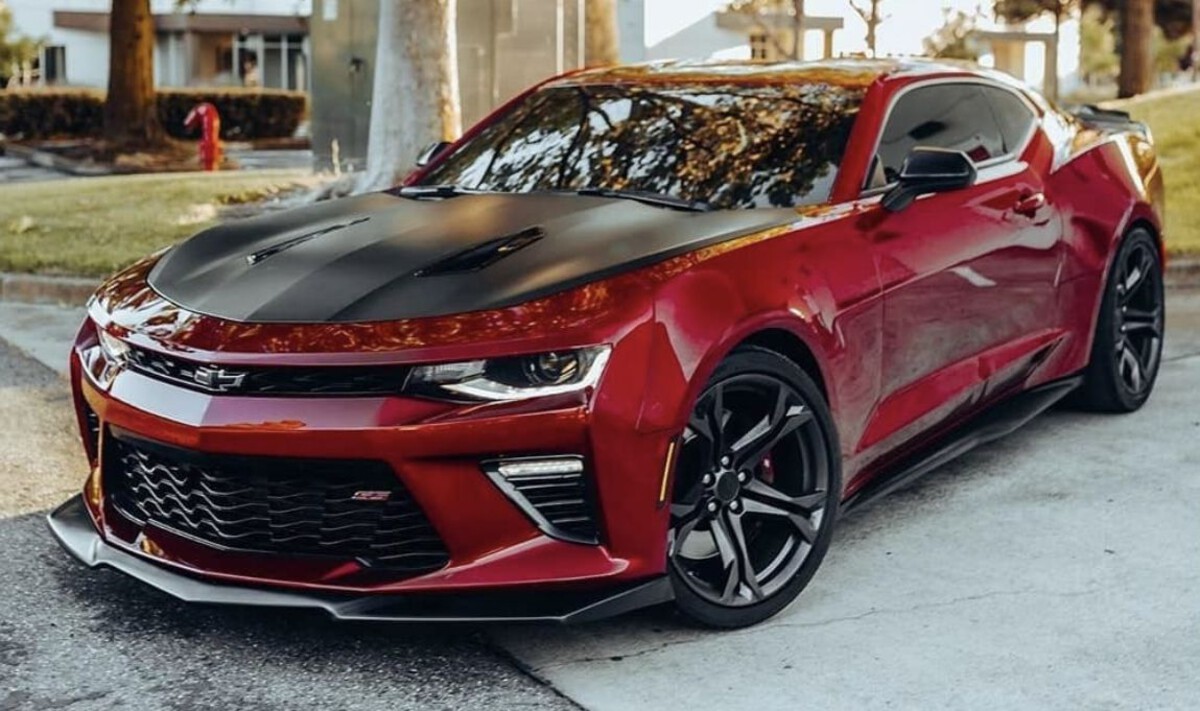
This setup is especially important during aggressive driving. Rapid acceleration, high RPMs, and extended load can push an engine to its limits. A mechanical oil pump provides an immediate response, reducing the risk of oil starvation.
Track enthusiasts often prefer this type of system for its predictability. No dependence on sensors or control units could fail under extreme conditions. The system works as long as the engine runs, as simple as that.
Durability is another strong point. While the Camaro SS is built for speed, it also holds up well over time when properly maintained. The oil pump plays a key role in reducing internal wear, especially during high-performance use.
Maintenance remains manageable despite the car’s performance focus. The mechanical oil system reduces the number of components that can fail, keeping repair costs more predictable.
The Camaro SS proves that performance and reliability can coexist. By sticking with a mechanical oil pump, it avoids unnecessary risks while delivering serious power.
10. Hyundai Elantra
The Hyundai Elantra has evolved into a modern, feature-packed sedan, but it still holds onto practical engineering where it matters. Many of its engines continue to use a mechanical oil pump system that prioritises reliability over complexity.
Hyundai has focused heavily on improving build quality over the years, and the Elantra reflects that progress. Its oil pump design ensures consistent lubrication, helping the engine maintain stable performance across different driving conditions.
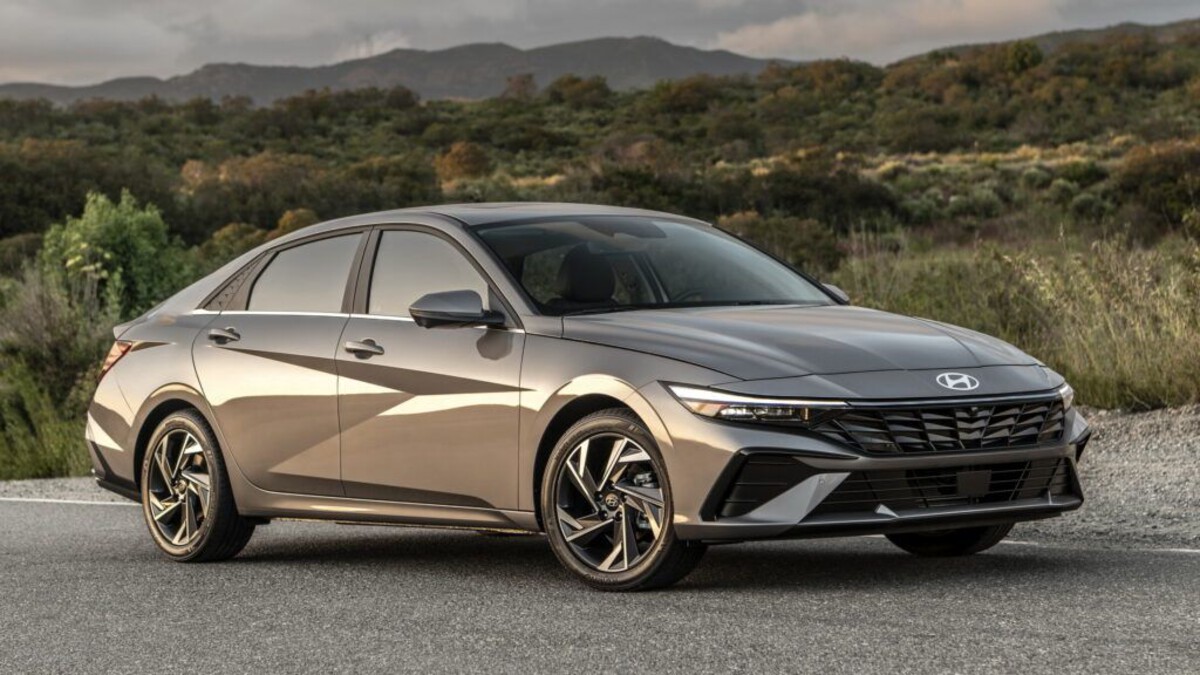
For everyday drivers, this matters more than they might think. Stop-and-go traffic, long commutes, and varying temperatures all put stress on an engine. A mechanical oil pump keeps oil flowing without interruption, reducing wear and extending engine life.
Another advantage is cost efficiency. Mechanical systems are generally easier to maintain and repair. This makes the Elantra a practical choice for drivers who want low ownership costs without sacrificing reliability.
Fuel efficiency remains competitive. Instead of relying on complex oil pump systems, Hyundai achieves strong mileage through refined engine design and optimization. This approach keeps the setup simple while still meeting modern expectations.
The Elantra also performs well over time. Owners who follow regular maintenance schedules often experience minimal engine issues. The oil system remains consistent, which helps preserve performance even after years of use.
For those who want a modern sedan with dependable engineering, the Elantra offers a strong balance. It shows that you don’t need excessive complexity to build a reliable car.
ALSO READ: 5 Modern Cars With Spare Tires vs 5 That Only Give You a Repair Kit
Final Thoughts: Why Simple Engineering Still Wins
Here’s the reality: modern cars are getting smarter, but not always better in the long run.
Electronic oil pumps exist for a reason. They help improve fuel efficiency and meet strict emissions standards. But they also add layers of complexity that can fail over time. And when they fail, the consequences aren’t small; they can lead to serious engine damage.
Mechanical oil pumps take a different approach. They don’t try to be smart. They focus on doing one job consistently: keeping the engine lubricated. That simplicity is what makes them reliable.
Every car on this list proves that point. Whether it’s a compact sedan like the Corolla, a performance machine like the Mustang, or a rugged truck like the Hilux, the common factor is clear: consistent oil pressure equals longer engine life.
These vehicles are built for people who think long-term. People who don’t want unexpected breakdowns or expensive repairs caused by electronic failures. People who value durability over small efficiency gains.
If you’re planning to keep your car for years, maybe even push it past 200,000 km, this detail matters more than most buyers realise. The type of oil pump isn’t something dealerships highlight, but it directly affects engine health.
So before choosing your next car, ask yourself a simple question: do you want something that’s optimised for short-term efficiency, or something built to last?
Because when it comes to engines, simple systems often win.