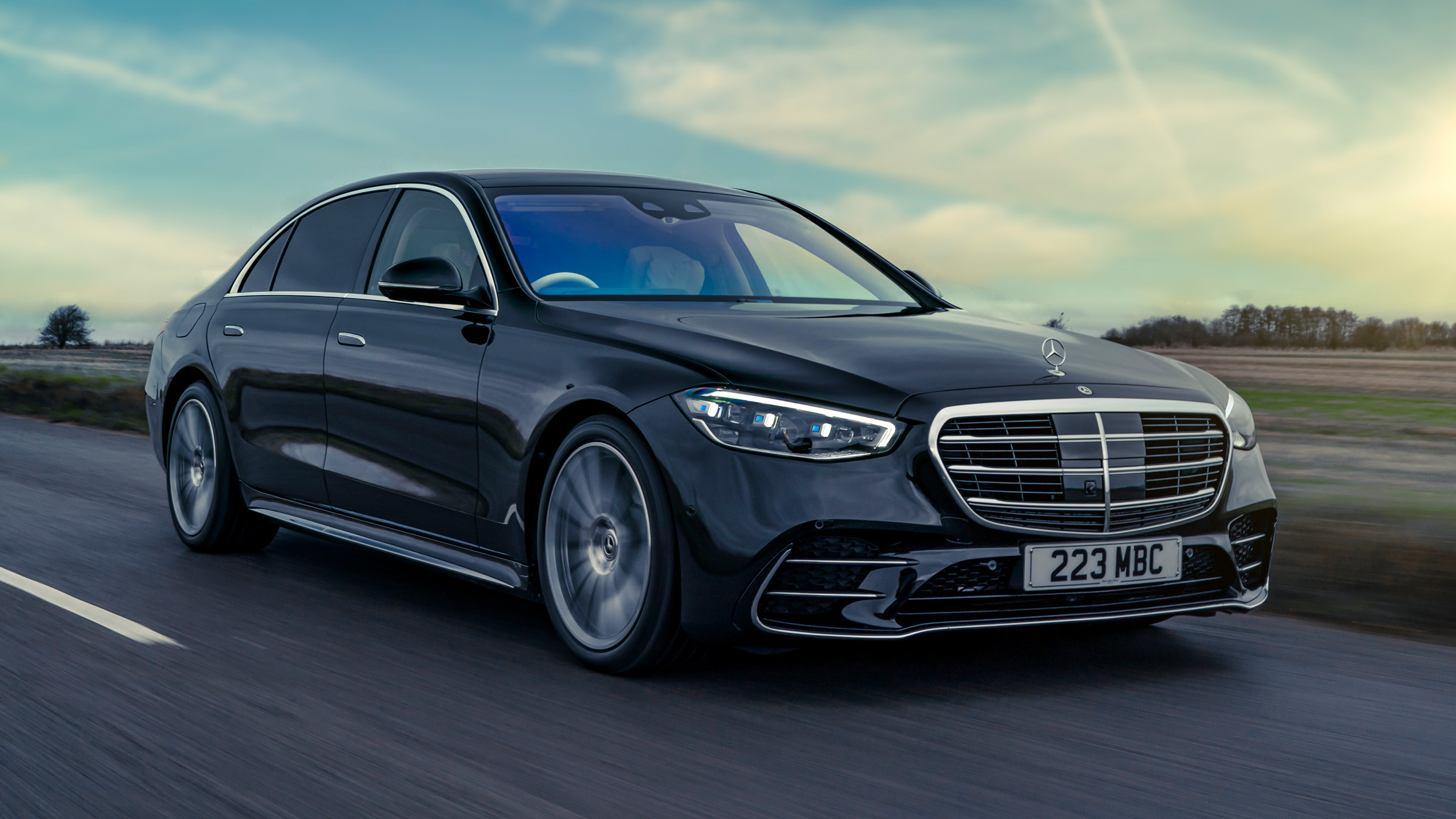
Air suspension has become a defining feature of modern luxury vehicles, blending comfort, adaptive handling, and advanced ride control into a single system. From executive sedans to full-size SUVs, manufacturers use complex air and hydraulic setups to deliver a smoother, more refined driving experience that traditional steel springs cannot match.
However, this sophistication comes at a price. As these systems age, they often develop leaks, compressor failures, or electronic faults that require specialized diagnostics and expensive replacements. Many owners discover that once warranties expire, even a single component failure can lead to repair bills exceeding $4,000, with some models climbing far higher.
This guide explores eight vehicles known for exceptional air suspension performance but also for costly long-term ownership. Each example highlights how cutting-edge engineering enhances ride quality and capability while simultaneously increasing maintenance complexity. Understanding these trade-offs is essential for buyers considering luxury vehicles, where comfort and technology come with significant financial responsibility beyond the showroom experience.
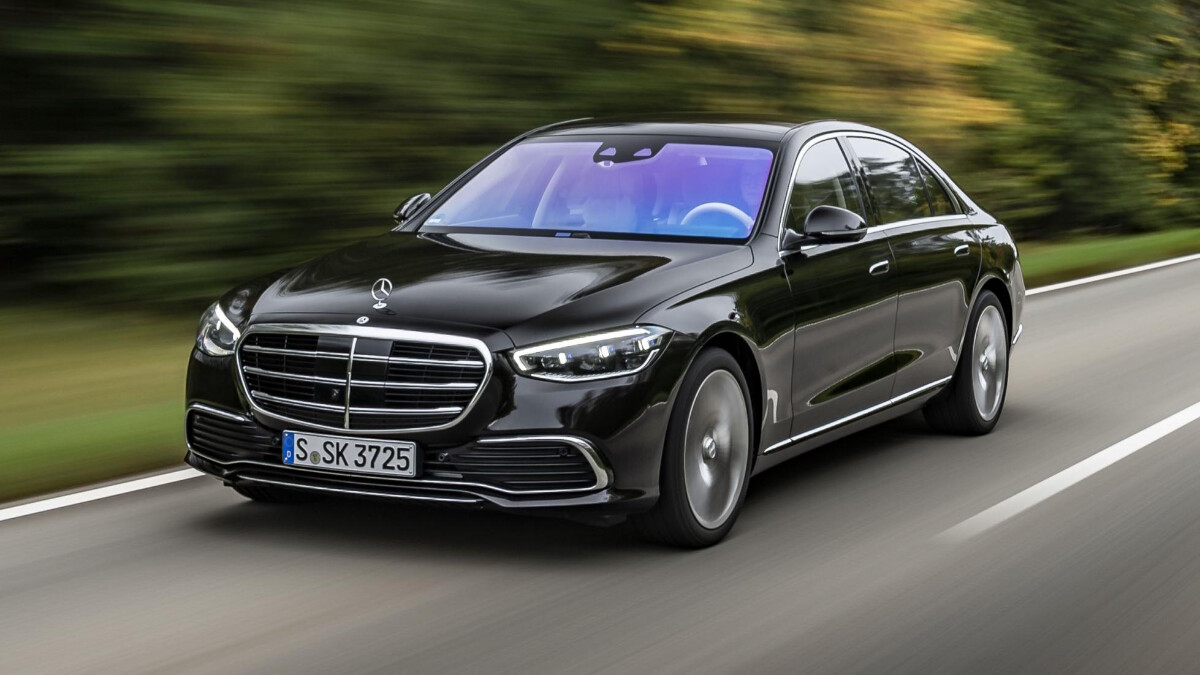
1. Mercedes-Benz S-Class
Advanced suspension technology plays a major role in defining what true automotive luxury feels like, combining smooth ride quality with precise handling. In high-end vehicles, these systems are engineered to adapt constantly to changing road conditions and driving dynamics. While they deliver exceptional comfort and control, their complexity often leads to significant maintenance demands as components age.
In the Mercedes-Benz S-Class, this is evident through its AIRMATIC and Active Body Control (ABC) systems. AIRMATIC relies on air suspension with adaptive damping to create a soft, refined ride. It automatically adjusts ride height and firmness depending on speed, terrain, and load, helping maintain stability and passenger comfort. ABC, on the other hand, uses a hydraulic setup designed to actively manage body movement. By minimizing roll, pitch, and squat, it provides a flatter and more controlled driving experience, particularly in performance-oriented variants.
As these systems age, wear becomes unavoidable. AIRMATIC components, such as rubber air bladders, can deteriorate, crack, or develop leaks, which forces the compressor to work harder and increases the risk of failure. ABC systems are even more intricate, relying on high-pressure hydraulics that can suffer sudden and expensive failures, including issues with pumps or struts that directly impact ride height and drivability.
Repair costs are a major consideration. Replacing a single air strut can cost around $1,200, while more extensive repairs or complete system overhauls typically range from $4,000 to $7,000. These high costs reflect the complexity of the systems, the price of genuine parts, and the need for specialized diagnostic expertise.
AIRMATIC is generally seen as the more manageable option in terms of reliability and cost, while ABC delivers superior handling at the expense of higher maintenance requirements.
2. Land Rover Range Rover
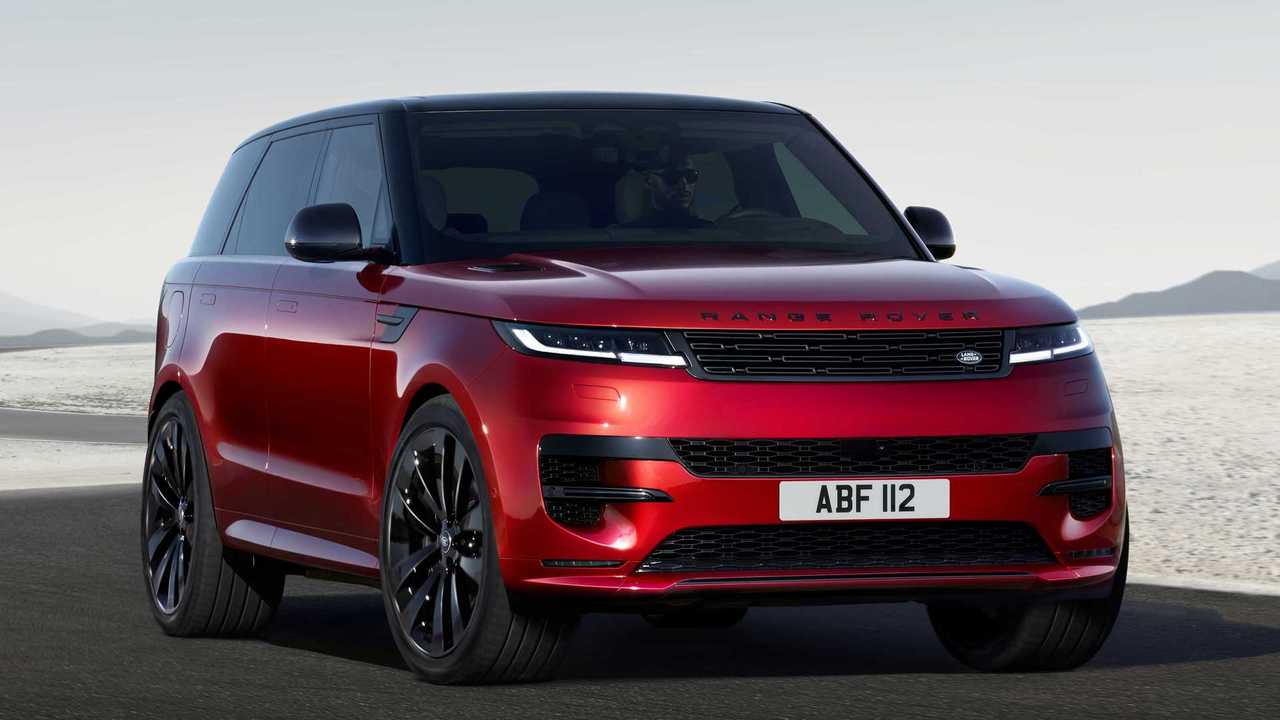
Luxury SUVs often rely on advanced suspension systems to balance comfort, performance, and off-road capability. Among them, the Land Rover Range Rover stands out for maximizing air suspension technology to deliver a smooth, adaptable, and highly capable driving experience. However, this same complexity also leads to significant maintenance challenges and high repair costs over time.
The Range Rover’s electronic air suspension is designed for versatility. It automatically adjusts ride height based on speed, terrain, and load conditions, allowing the vehicle to maintain stability whether cruising on highways or tackling rough trails. This system also provides self-leveling functionality, which is especially useful when towing heavy loads or carrying passengers. Integrated with Terrain Response systems, it enhances off-road performance by increasing ground clearance and wheel articulation, reinforcing the SUV’s reputation for combining luxury with rugged capability.
Despite these strengths, the system is known for reliability concerns as the vehicle ages. The heavy weight of the Range Rover puts constant strain on key components such as rubber air springs, valve blocks, and electronic sensors. Over time, these parts can degrade, leading to leaks or system failures. Compressor issues are also common, particularly when the system works harder to compensate for minor leaks.
Repair costs can be substantial due to the system’s complexity. Replacing worn components like air springs, sensors, or the compressor can easily exceed $4,500. In many cases, failures begin appearing between 30,000 and 50,000 miles. Diagnosis and calibration require specialized tools and expertise, which further increase labor costs. Because of these expenses, some owners choose to replace the air suspension entirely with more affordable coil spring conversion kits.
Even with these drawbacks, many enthusiasts consider the suspension system essential to the Range Rover’s identity, as it delivers a unique blend of comfort, stability, and off-road dominance.
3. Tesla Model S & Tesla Model X
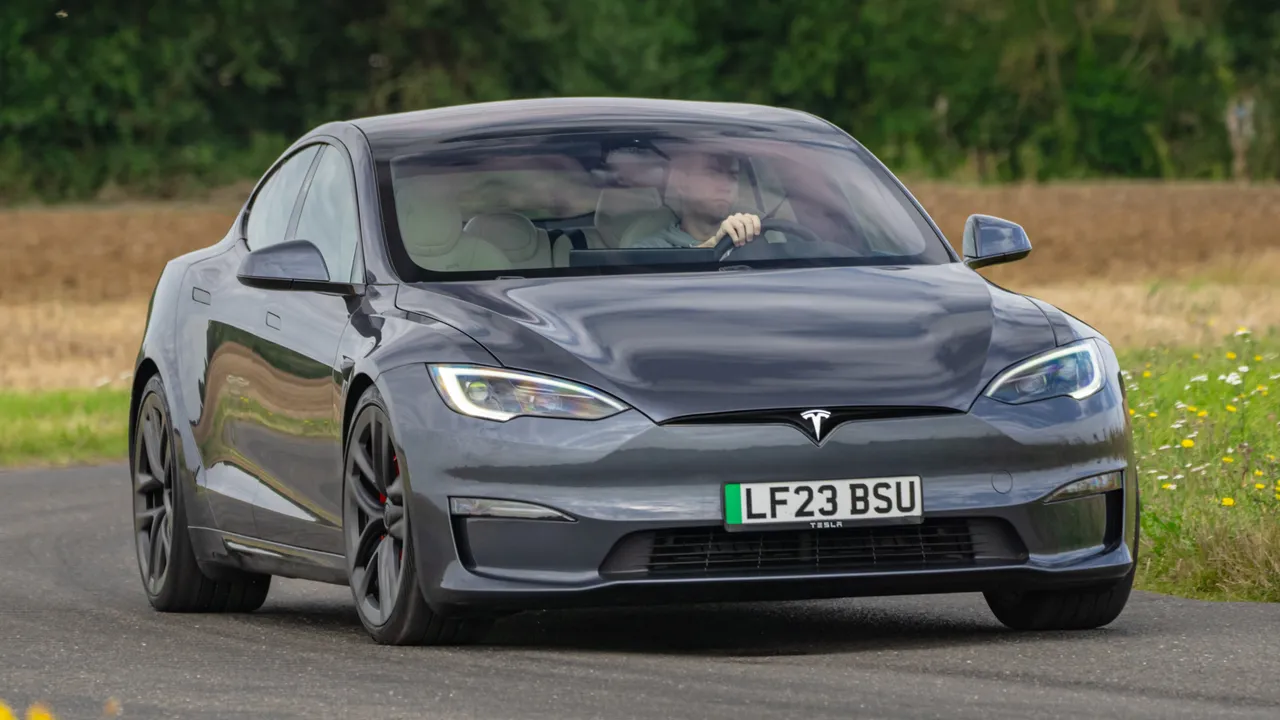
Advanced suspension systems in electric vehicles increasingly rely on software integration to enhance ride quality and efficiency. The Tesla Model S and Model X feature a proprietary Smart Air Suspension that blends adaptive hardware with intelligent controls, delivering a smooth and responsive driving experience. This innovation, while impressive, introduces long-term reliability concerns and high repair costs as the system ages.
Tesla’s suspension system is widely praised for its adaptability. It automatically adjusts ride height based on speed, terrain, and even GPS data, allowing the vehicle to prepare for specific road conditions such as steep driveways or rough surfaces. At higher speeds, the system lowers the car to improve aerodynamics and stability. The updated “Raven” system, introduced in 2019, adds real-time damping adjustments, further refining ride comfort and handling performance.
As mileage increases, wear becomes a common issue. Key components such as air springs, valve blocks, and control arms tend to degrade after around 50,000 miles. Failures can be severe, sometimes causing the suspension to collapse and rendering the vehicle undrivable. Front suspension problems are particularly common and often require immediate repair to restore safe operation.
Repair costs are a major concern for owners. Out-of-warranty service quotes frequently average around $4,000, with some repairs costing roughly $2,500 per corner, depending on the damage. These expenses are driven by the system’s complexity and Tesla’s tightly controlled ecosystem, which limits access to third-party parts and independent repair shops. As a result, most repairs must be completed through official service centers.
Despite the high costs, many owners proceed with repairs because the suspension system is essential to the vehicle’s comfort, efficiency, and advanced driving characteristics.
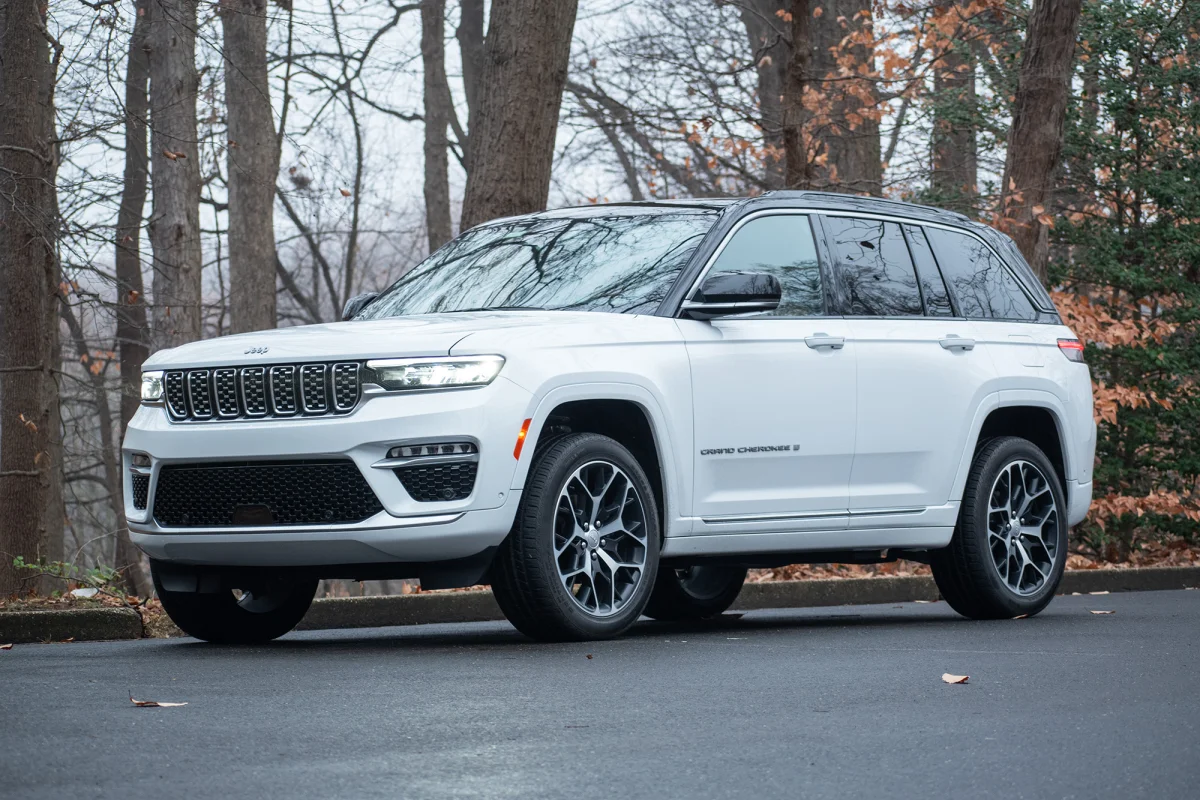
4. Jeep Grand Cherokee Quadra-Lift
Advanced suspension systems in modern SUVs are designed to balance comfort, utility, and off-road capability. The Jeep Grand Cherokee’s Quadra-Lift system exemplifies this by offering a highly adaptable air suspension setup that enhances both everyday driving and rugged terrain performance. While it delivers impressive versatility, its complexity leads to significant repair challenges and high ownership costs over time.
Quadra-Lift stands out due to its five adjustable ride height settings, allowing the vehicle to raise or lower itself depending on driving conditions. It can increase ground clearance to as much as 10.8 inches for off-road use, improving approach, departure, and breakover angles. On highways, the system lowers the vehicle in “Aero Mode” to improve aerodynamics, fuel efficiency, and stability. It also includes a “Park Mode” that lowers the SUV for easier entry, exit, and cargo loading. Integrated with traction systems, it adapts seamlessly to snow, mud, and rocky terrain.
Despite its advantages, the system is complex and difficult to service. Unlike typical air suspensions, Quadra-Lift operates as a closed-loop system filled with pressurized nitrogen gas. This design requires specialized tools and expertise to properly diagnose, refill, and recalibrate. As a result, most repairs must be handled by dealerships or highly trained technicians.
Failures can involve compressors, air lines, sensors, or struts, and often leave the vehicle stuck in a lowered position or with compromised ride quality. Repair costs typically range from $4,000 to $6,000, driven by both the intricate design and the labor-intensive servicing process. Even minor issues can escalate due to the system’s interdependent components.
For drivers who prioritize off-road capability and ride comfort, Quadra-Lift remains a compelling feature. However, long-term ownership requires careful consideration of maintenance demands and potential repair expenses.
Also read: 10 Cars Where the 2026 Version Is More Reliable Than the 2024 Version
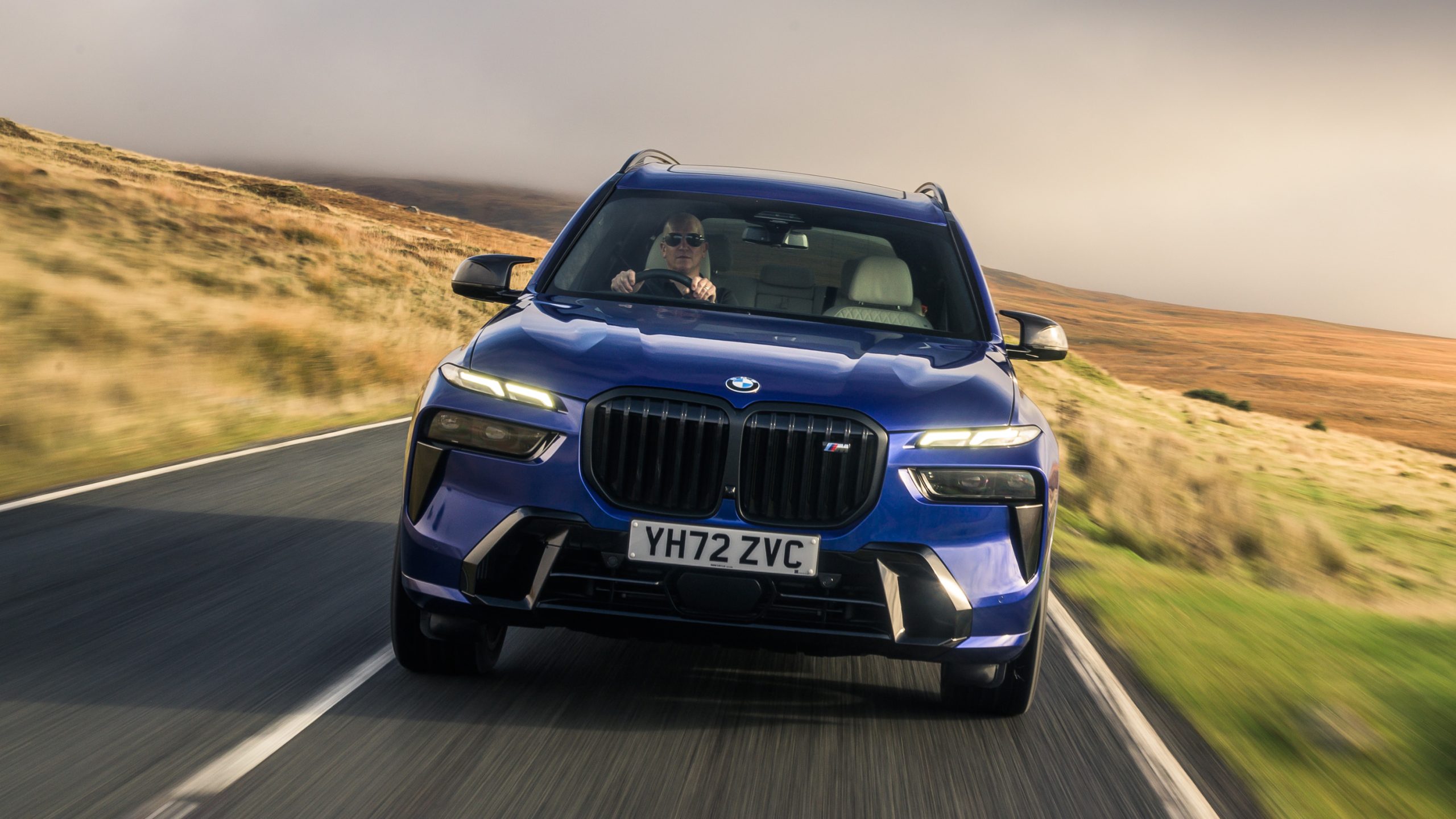
5. BMW X7 & BMW 7 Series
High-end luxury vehicles often rely on advanced suspension systems to deliver a balance of comfort, stability, and performance. The BMW X7 and BMW 7 Series showcase this through their adaptive 2-axle air suspension, a system engineered to provide a smooth, controlled ride while maintaining sharp handling. This technology enhances the driving experience but introduces significant complexity and costly maintenance over time.
BMW’s air suspension system is highly regarded for its ability to adapt in real time. It automatically levels the vehicle regardless of passenger load and adjusts ride height based on speed and terrain. At higher speeds, the system lowers the vehicle to improve aerodynamics and stability, while it can raise the car when additional ground clearance is needed. Advanced features such as touchdown detection, water-level sensing, and tire load adjustment further highlight its sophisticated design and versatility.
Despite these benefits, the system is prone to expensive failures as it ages. A common issue begins with leaks in the central valve block, which forces the air compressor to work harder than intended. This strain can lead to pump motor burnout, creating a chain reaction of failures across the system. Components such as air struts, compressors, and air lines are all costly to replace and often require attention after extended mileage.
Repair costs are a major concern for owners. Replacing core components like the air supply unit, valve block, and struts can cost around $4,000 in parts alone. When combined with specialized labor and digital calibration performed by factory-trained technicians, total repair bills can easily exceed $5,000. The need for dealership-level diagnostics further increases expenses.
While maintenance costs are high, the suspension system remains a defining feature, delivering the refined “gliding” ride and balanced handling expected from BMW’s flagship models.
6. Lincoln Navigator
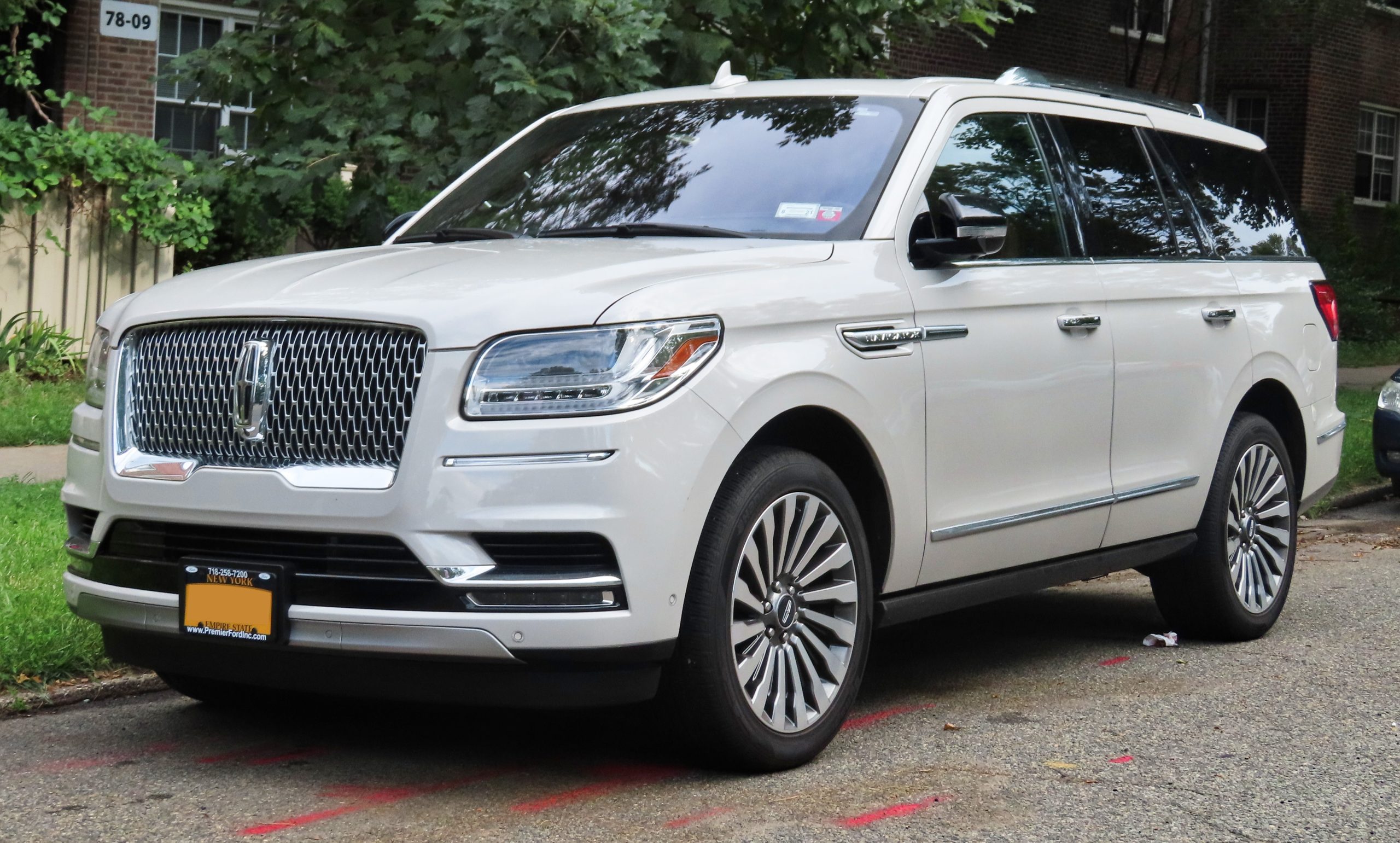
Full-size luxury SUVs are built to deliver exceptional comfort while handling substantial weight and utility demands. The Lincoln Navigator achieves this through its air suspension system, which prioritizes ride smoothness, load stability, and adaptability. While this setup creates a refined “spa-like” driving experience, it also becomes a major source of expensive maintenance as the vehicle ages.
The Navigator’s air suspension replaces traditional steel springs with air bladders that absorb road imperfections more effectively. This results in a softer, quieter ride, especially on uneven surfaces. The system also features automatic load leveling, which maintains a balanced stance when carrying passengers or towing heavy loads. Additionally, it can adjust ride height depending on driving conditions, lowering at highway speeds for improved aerodynamics and raising for added ground clearance when needed. Newer models even include advanced features like road preview technology, which prepares the suspension for upcoming bumps.
Despite these advantages, the system is prone to wear due to the vehicle’s significant weight. Over time, air bladders can develop leaks, often leading to the well-known “sagging rear” issue in older models. Once one component fails, others tend to follow, frequently requiring a full system overhaul rather than isolated repairs.
Repair costs are substantial. Replacing all four air springs, along with solenoids, moisture dryers, and the compressor, can range from $4,000 to $8,000 at dealership rates. These high costs are driven by both the number of components involved and the labor required to properly restore system function. Because failures often occur across multiple parts simultaneously, expenses can escalate quickly.
Some owners opt for aftermarket coil spring conversion kits as a lower-cost alternative, though this eliminates the adjustable ride features. Even so, many drivers accept the maintenance costs due to the Navigator’s exceptional comfort, towing stability, and long-term durability when properly maintained.
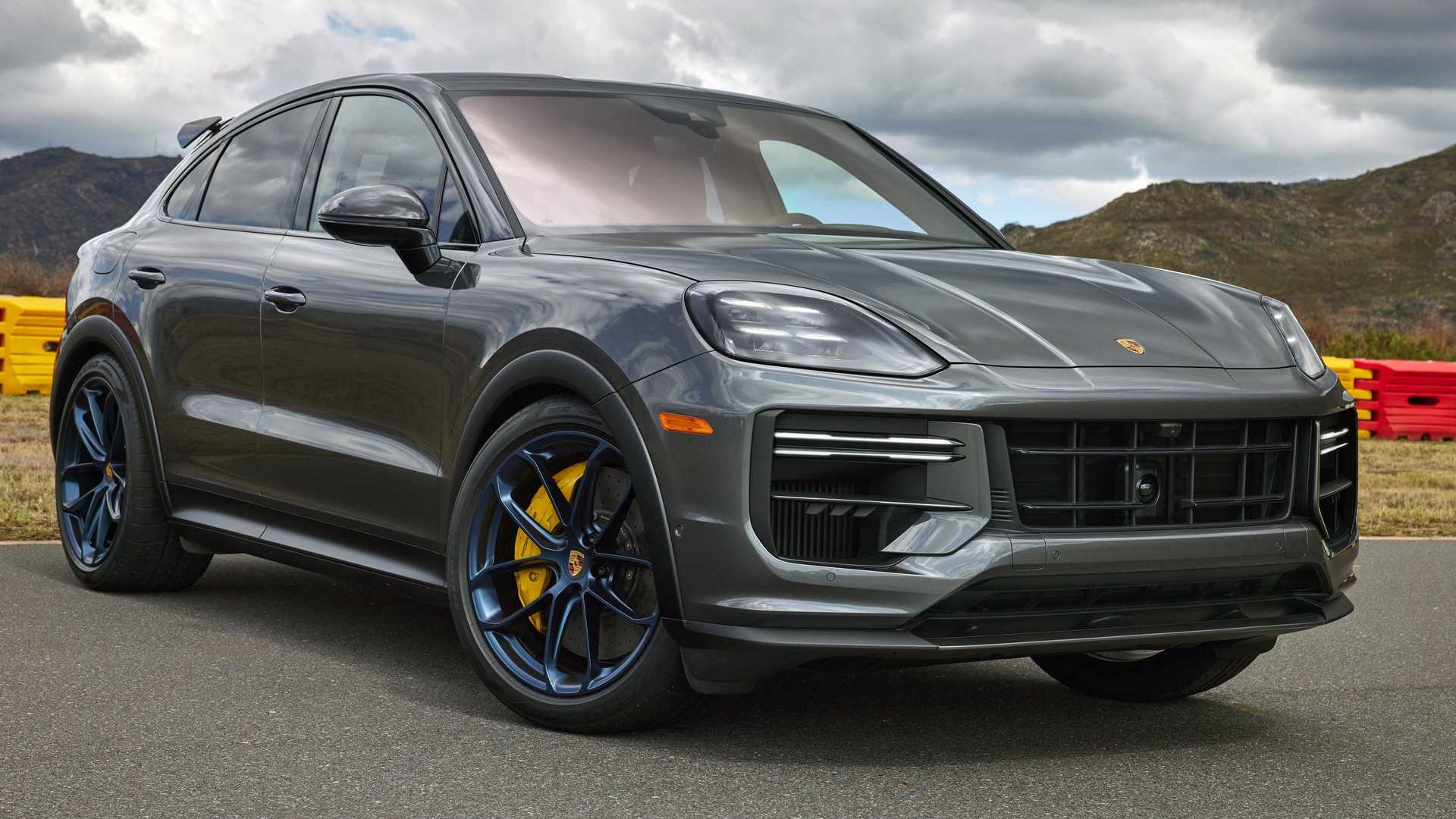
7. Porsche Cayenne
Luxury performance SUVs often rely on advanced suspension systems to balance sharp handling with comfort and practicality. The Porsche Cayenne uses an adaptive air suspension system integrated with Porsche Active Suspension Management (PASM), designed to deliver sports car-like agility while maintaining ride comfort and off-road capability. This engineering focus creates exceptional driving dynamics, but it also results in high maintenance complexity and costly repairs over time.
The Cayenne’s air suspension allows continuous adjustment of ride height and damping characteristics. At lower speeds or off-road conditions, the system raises the vehicle to improve ground clearance and obstacle clearance. At higher speeds, it lowers the SUV to enhance aerodynamics, stability, and cornering precision. When paired with Porsche Dynamic Chassis Control, it significantly reduces body roll, allowing the Cayenne to handle more like a sports car than a traditional SUV.
Despite its performance advantages, the system is highly complex. Each air strut contains integrated electronic dampening valves, making components more expensive and harder to service than standard suspension systems. This integration increases both part costs and labor requirements. Over time, wear in air springs, compressors, or electronic valves can lead to performance degradation or failure, especially in high-mileage or harsh-condition use.
Repair expenses are among the highest in its class. Replacing air suspension components through official Porsche service channels can reach around $5,000 per axle, while even independent specialist repairs typically cost around $3,000 to $4,000. These costs reflect both premium engineering standards and the precision required for calibration and diagnostics.
Even with these high expenses, the system remains a defining feature of the Cayenne’s identity. It enables a rare combination of luxury comfort, off-road versatility, and high-speed performance, reinforcing its position as one of the most capable performance SUVs in its segment.
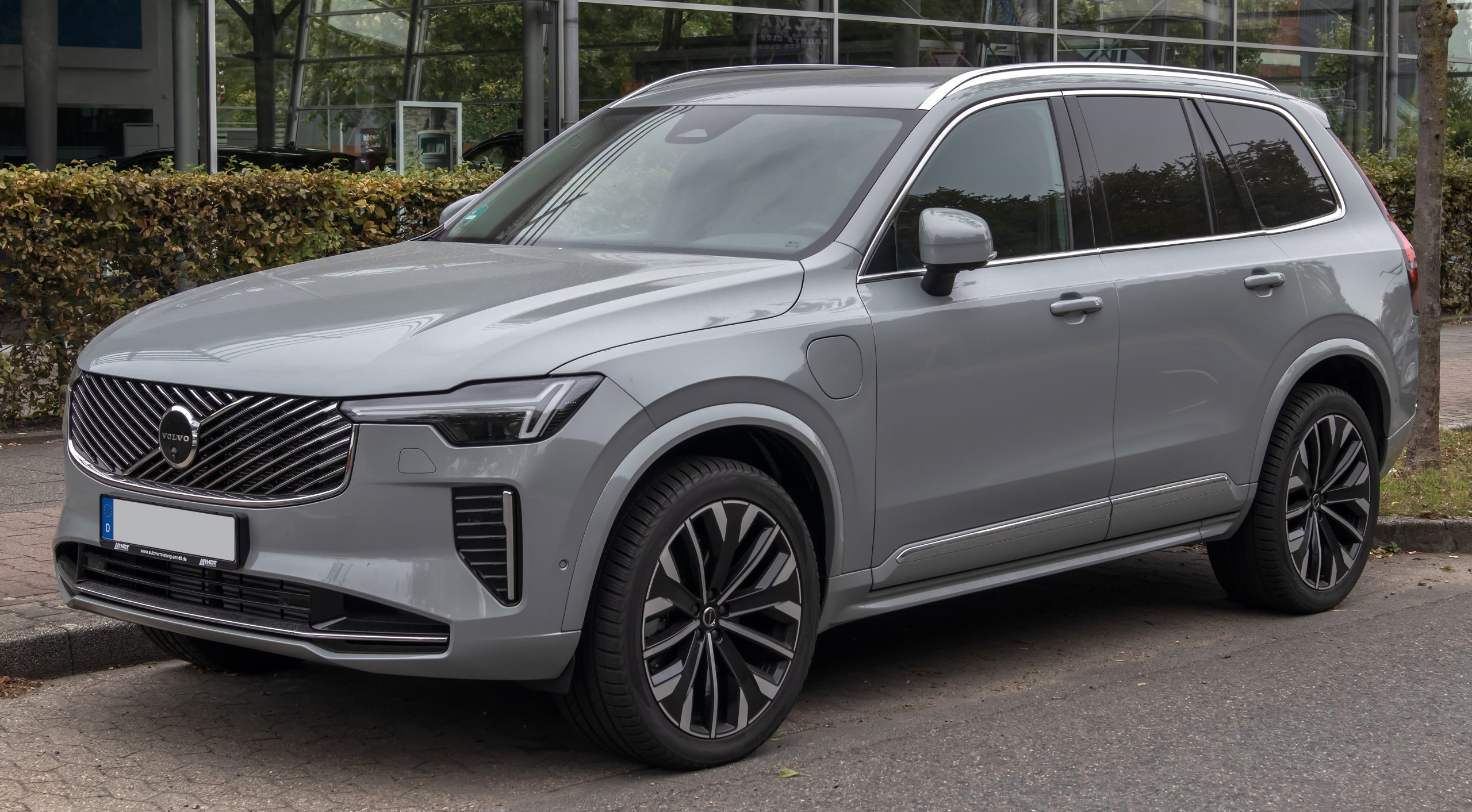
8. Volvo XC90
Luxury SUVs increasingly rely on adaptive suspension systems to deliver comfort, stability, and refined handling across different driving conditions. The Volvo XC90 uses an optional Active Chassis with Air Suspension designed to create a smooth, controlled ride while maintaining the brand’s focus on safety and practicality. Although it enhances driving comfort significantly, it also introduces costly long-term maintenance challenges due to its complexity and specialized components.
The XC90’s air suspension system automatically adjusts ride height and damping based on road conditions, vehicle load, and driving speed. This results in a “floating” ride quality that effectively isolates passengers from bumps and road imperfections. It also improves functionality by leveling the vehicle under heavy loads, lowering it for easier entry and exit, and enhancing stability at highway speeds. These adjustments help the XC90 maintain a calm and composed driving experience, particularly on long journeys.
Despite its benefits, the system is expensive to maintain. Air springs are highly complex and often costly to replace, with individual components reaching around $2,800. When multiple components fail or full axle replacements are needed, repair costs can quickly exceed $4,000. The system also relies on advanced electronic control modules that require proprietary diagnostic software, limiting repairs to dealership-level service centers and increasing labor expenses.
Wear typically develops over time, especially in high-mileage vehicles or under demanding driving conditions. As components degrade, owners may experience reduced ride quality or system warnings, often requiring immediate and expensive repairs to restore proper function.
Even with these drawbacks, the XC90 remains highly regarded for its comfort, safety, and smooth ride quality. Its air suspension plays a key role in delivering a premium driving experience, making it a popular choice for families seeking both luxury and practicality despite the potential for high maintenance costs.
Across all eight vehicles, air suspension systems consistently deliver a premium driving experience defined by smooth ride quality, adaptive handling, and improved stability across varied conditions.
Whether tuned for performance in Porsche models, off-road capability in Jeep and Land Rover SUVs, or executive comfort in Mercedes-Benz, BMW, Volvo, Lincoln, and Tesla vehicles, these systems rely on highly complex engineering to deliver their signature feel. However, that complexity also creates a clear drawback.
When components such as air springs, compressors, or electronic valve units begin to fail, repair costs quickly escalate into multi-thousand-dollar expenses, often requiring dealership-level diagnostics and specialized labor. For owners, this creates a long-term trade-off between refined ride performance and costly maintenance exposure.
Despite these risks, many drivers continue to choose vehicles equipped with air suspension because of the unmatched comfort, adaptability, and driving refinement they provide. In the luxury automotive segment, air suspension remains a defining feature that shapes both the driving experience and ownership expectations.
Also read: 5 Cars With Manufacturer Maintenance Plans That Pay Off vs 5 That Don’t