Across modern automotive history, a surprising economic imbalance has developed in certain vehicles where the catalytic converter can be worth more than the engine itself. This situation usually occurs when emissions systems contain high levels of precious metals such as platinum, palladium, and rhodium, while the rest of the vehicle has depreciated significantly due to age or mileage.
In some cases, theft or failure of this single component leads to repair costs so high that replacing the entire engine becomes the more practical option. The vehicles in this list highlight how emissions engineering, long-term durability, and low resale value can combine to create unusual financial outcomes for owners.
From hybrid sedans and compact commuters to heavy-duty trucks and family SUVs, each model shows a different reason for this imbalance. These reasons include easy underbody access, expensive multi-converter systems, and engines that remain reliable long after other components lose value. Together, they show how a small exhaust part can sometimes outweigh the main powertrain in market value.
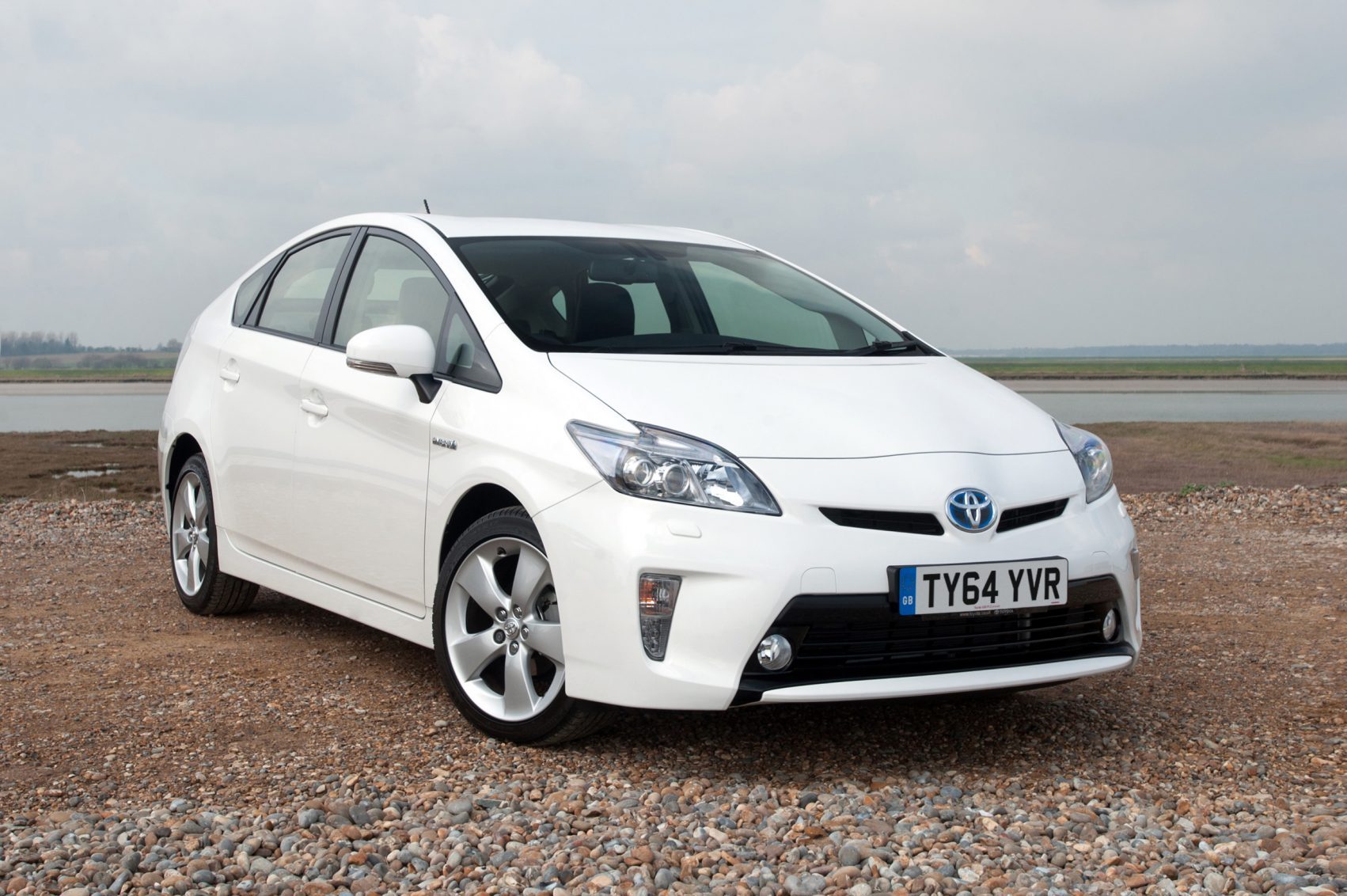
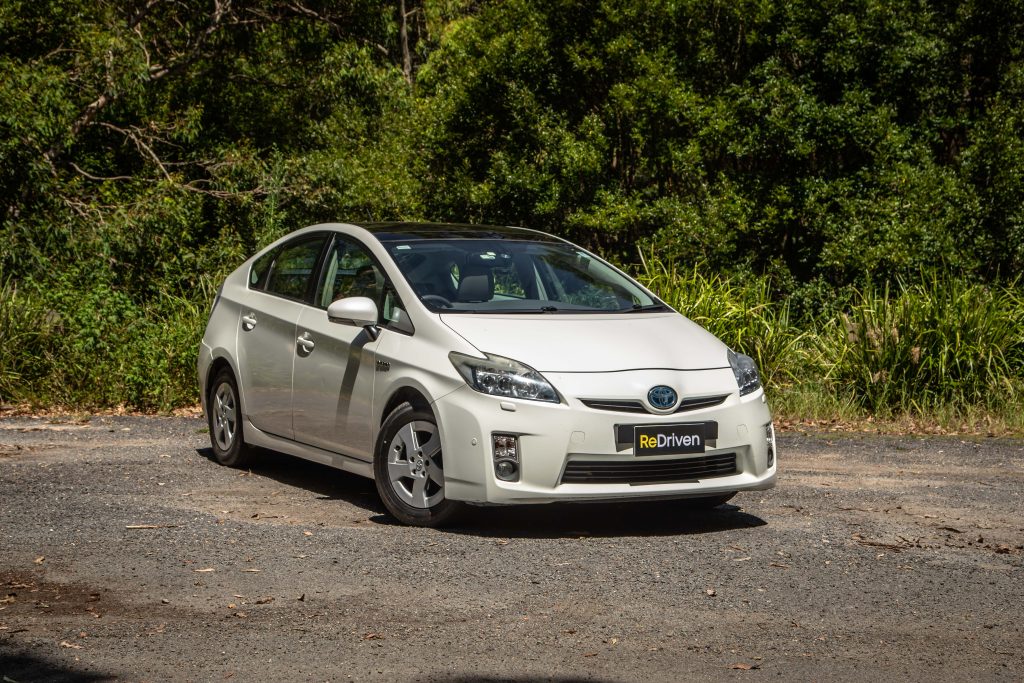
1. Toyota Prius (2nd and 3rd Generation)
The 2nd generation (2004–2009) and 3rd generation (2010–2015) Toyota Prius models are widely known for being among the most targeted vehicles for catalytic converter theft. This is mainly due to the unusually high value of their exhaust components, combined with the relatively low replacement cost of the rest of the vehicle. In many cases, the catalytic converter is worth more on the scrap market than the engine or even the entire car.
A key reason for this high value is the hybrid design of the Prius. Because the gasoline engine shuts off frequently and operates at lower temperatures, Toyota equipped these vehicles with catalytic converters that contain higher amounts of precious metals such as platinum, palladium, and rhodium. These materials are necessary to maintain emissions performance but are extremely valuable in recycling markets. The 2nd-generation Prius is especially targeted since its converters are known to contain higher concentrations of these metals.
Durability also plays a role in their desirability. Since the engine runs less often, the catalytic converters in these Prius models tend to stay in good condition even at high mileage. Many units remain fully functional beyond 100,000 miles, which makes them attractive for resale or precious metal recovery rather than being considered worn out.
The physical design of the Prius increases vulnerability to theft. The car sits relatively low, is lightweight, and has an exhaust system that is easy to access. This allows thieves with simple tools like cordless saws to remove the catalytic converter in just one to two minutes, making it a fast and low-risk target in many situations.
There is also a large financial gap between repair and vehicle value. A genuine OEM catalytic converter replacement can cost more than $3,000, while a used engine from a salvage yard can often be purchased for under $1,000. For older Prius models, this means a single theft-related repair can represent a very large portion of the car’s market value, sometimes more than 50 percent.
In terms of performance, the Prius uses a 2.0-liter inline-four engine paired with electric motors and a continuously variable transmission. Power output ranges from 194 horsepower in front-wheel-drive models to 196 horsepower in all-wheel-drive versions. It is also known for strong fuel efficiency, typically ranging from 49 to 57 miles per gallon depending on configuration.
Inside the cabin, the Prius offers modern technology including touchscreen infotainment systems, wireless Apple CarPlay and Android Auto, and available JBL audio systems. It also includes standard driver-assistance features such as adaptive cruise control, lane-keeping assist, and blind-spot monitoring. Cargo space is generous for a hybrid compact car, and safety ratings remain strong across recent evaluations.
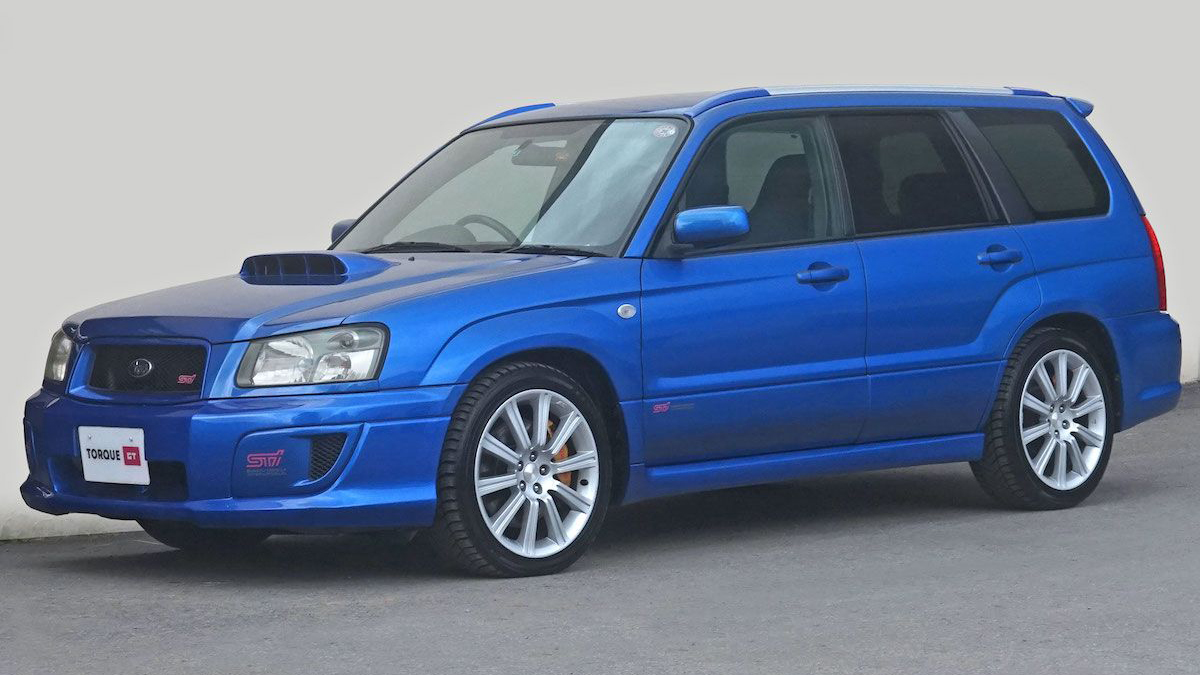
2. Subaru Forester (Older Models)
Older Subaru Forester models, generally from 1998 to 2008, are frequently targeted for catalytic converter theft due to a mix of valuable exhaust components, easy physical access, and relatively low vehicle value. In many cases, the catalytic converter itself is worth more than the rest of the vehicle, especially for high-mileage examples.
A major reason for this vulnerability is the high concentration of precious metals inside the catalytic converters. Subaru engineered these systems to meet strict emissions requirements for their boxer engines, which results in converters containing significant amounts of platinum, palladium, and rhodium. These materials have strong resale value in recycling markets, making them attractive to thieves.
Physical design also plays a major role. Foresters have high ground clearance, which makes it easy for a person to slide underneath the vehicle and remove the converter quickly using simple cutting tools. Some models also have more than one catalytic converter, including a pre-cat and a main unit, which increases the potential payout from theft.
The financial imbalance between repair costs and vehicle value further increases the problem. A replacement OEM catalytic converter can cost between $1,000 and $2,500, while many older Foresters on the used market are worth less than that amount. In cases where the vehicle already has issues such as head gasket failure or high mileage wear, replacing the converter may not be economically practical.
Despite these issues, older Subaru Foresters remain popular due to their strong all-wheel-drive capability, excellent visibility, and practical wagon-like design. They are widely regarded as reliable long-term vehicles when properly maintained and are capable of exceeding 200,000 miles.
However, they do come with known mechanical concerns. Earlier models, particularly from 1998 to 2010, are prone to head gasket problems. Later versions can experience oil consumption issues, and some early CVT transmissions have reliability concerns. Ride quality is also often described as firm.
Different generations offer varying strengths, with 2002–2008 models valued for practicality, 2008–2013 models for comfort, and 2016–2018 versions for improved reliability and modern features.
Because of their mix of durability, practicality, and vulnerability to catalytic converter theft, older Subaru Foresters represent both a dependable ownership choice and a potential financial risk if left unprotected.
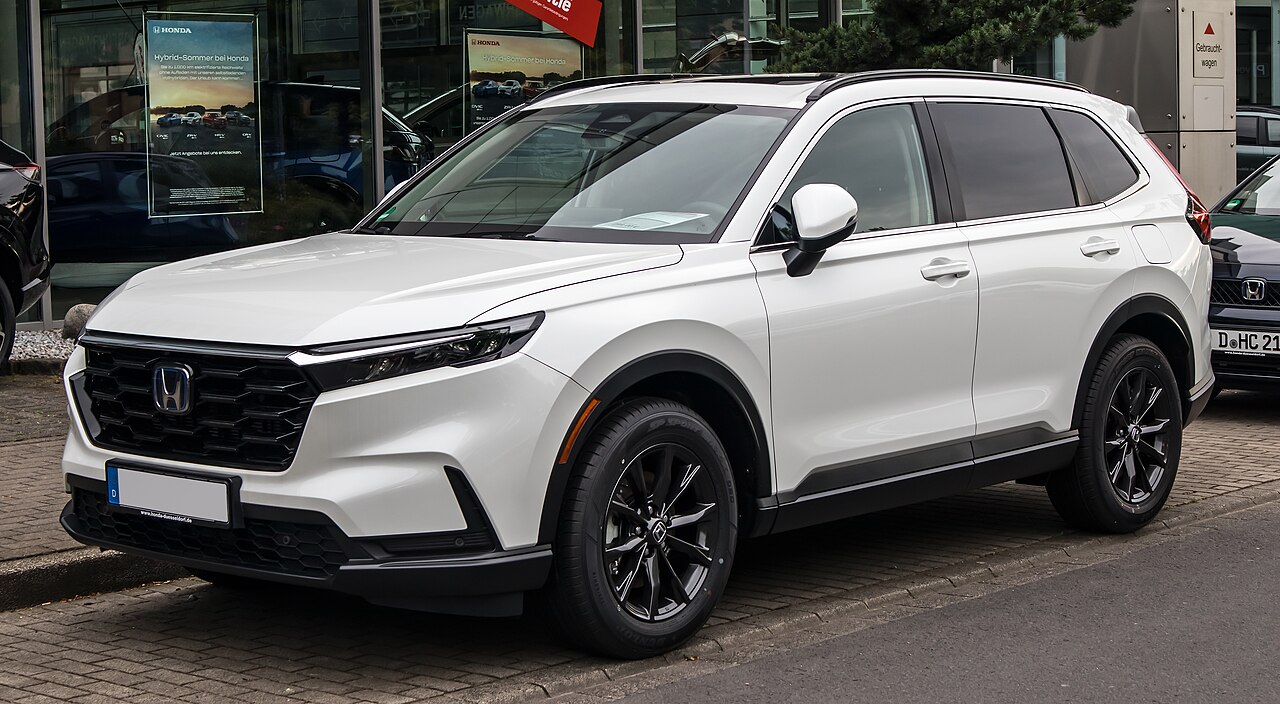
3. Honda CR-V (2003–2012)
The 2003–2012 Honda CR-V, covering the second and third generations, is one of the most frequently targeted SUVs for catalytic converter theft. Its combination of high ground clearance, easily accessible exhaust layout, and valuable emissions materials makes it a prime target. Thieves can often access and remove the converter in under a minute, especially with simple cutting tools.
A major factor behind the high theft value is the catalytic converter’s composition. Honda used significant amounts of precious metals such as platinum, palladium, and rhodium in these models to meet strict emissions standards. These metals are highly valuable in recycling markets, which drives strong demand for stolen units. As a result, replacement costs are high, typically ranging from $2,000 to $2,800 for OEM parts, and sometimes more in regions requiring CARB-compliant systems.
The economic imbalance between repair cost and vehicle value further increases the problem. Many older CR-Vs equipped with the K-series engine are still mechanically durable and widely available, which keeps engine replacement costs relatively low, often under half the price of a catalytic converter replacement. This makes the exhaust system disproportionately valuable compared to the rest of the vehicle, especially in high-mileage examples.
Despite this vulnerability, the CR-V remains one of the most popular compact SUVs due to its practicality and reliability. It is powered by a 2.4-liter inline-four engine producing around 185 horsepower, paired with a 5-speed automatic transmission. While not performance-focused, it delivers balanced everyday drivability and fuel efficiency of roughly 22 mpg in the city and 31 mpg on the highway.
One of its standout design strengths is usability. The low cargo floor makes loading groceries, luggage, or bulky items significantly easier than in many competitors. Folding rear seats can be released quickly from the cargo area, and available features like a multi-view backup camera improve visibility and parking convenience. These design choices prioritize function over complexity, making the CR-V especially user-friendly for daily tasks.
On the road, the CR-V is tuned for comfort and predictability rather than sportiness. Steering feedback is limited, and the all-wheel-drive system is designed mainly for light traction support rather than off-road use. However, its stability, ease of driving, and reliability have helped it maintain strong sales over multiple generations.
The 2003–2012 CR-V succeeds by refining a simple formula of practicality, efficiency, and durability, even while its catalytic converter design makes it a frequent target for theft.
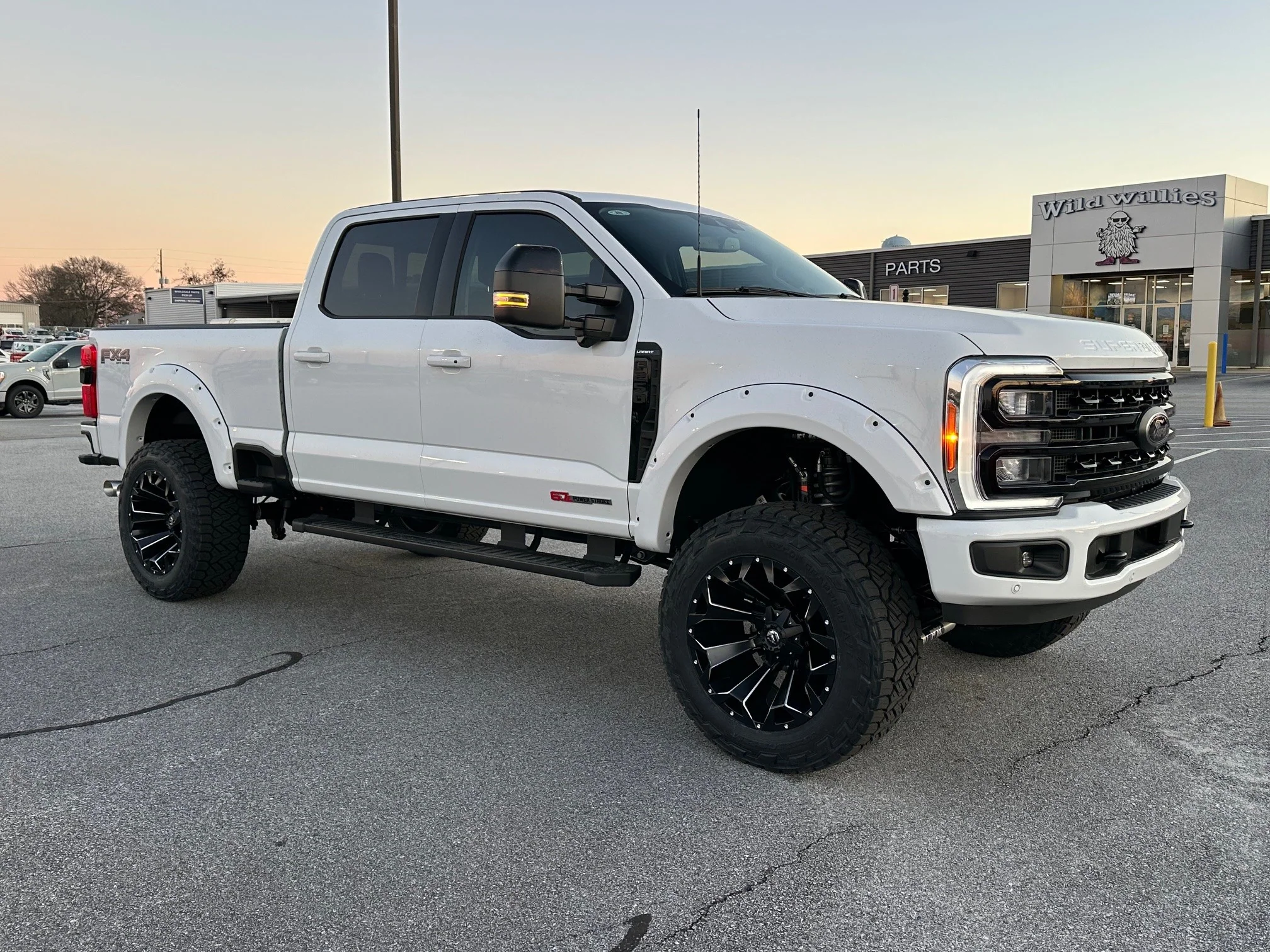
4. Ford F-250 Super Duty
The Ford F-250 Super Duty stands out as one of the most common targets for catalytic converter theft because of its extremely large, metal-rich exhaust systems. These trucks are built for extreme towing and commercial workloads, which require oversized catalytic converters loaded with precious metals. As a result, replacement costs can exceed $3,500, and in older high-mileage trucks, the converter can be worth more than the vehicle itself, sometimes leading to a total-loss situation after theft.
The high value of these catalytic converters comes from their demanding engineering requirements. Heavy-duty engines such as the 6.7-liter Power Stroke diesel and large gasoline V8s generate intense heat and emissions, requiring converters with high concentrations of platinum, palladium, and rhodium.
These materials are expensive and necessary for compliance with emissions regulations under heavy-duty operating conditions. Because these trucks are designed for towing, hauling, and commercial duty cycles, their exhaust systems must prioritize durability and flow efficiency, which further increases cost.
Despite the expense, the F-250 remains highly valued due to its capability and longevity. Engine options include a 405-horsepower 6.8-liter V8, a 430-horsepower 7.3-liter V8, and diesel variants producing up to 500 horsepower and 1,200 lb-ft of torque. Paired with a 10-speed automatic transmission and available rear-wheel or all-wheel drive configurations, the Super Duty is engineered for extreme workloads.
Performance is strong for such a large vehicle. Diesel versions can reach 0 to 60 mph in about 5.5 seconds, while gasoline variants are slightly slower at around 6.2 seconds. Towing capability is a defining strength, with properly equipped models capable of hauling up to 40,000 pounds using a gooseneck hitch.
Fuel economy remains modest, with diesel models achieving around 20 mpg on the highway in testing and gasoline versions closer to 15 mpg. Ride quality is firm when unloaded, but improves significantly under load or when towing.
Inside, the Super Duty offers a wide range of configurations from basic work trucks to premium trims. Cab options include regular, SuperCab, and SuperCrew layouts, with strong emphasis on storage and practicality. Infotainment systems range from 8-inch to 12-inch displays with wireless smartphone integration and premium audio options.
Driver-assistance features include automated emergency braking, blind-spot monitoring that works while towing, and optional lane-keeping systems. While not perfect, these features improve safety for such a large and powerful vehicle.
The Ford F-250 Super Duty combines extreme capability and durability with high operating and repair costs, while its catalytic converter design makes it especially vulnerable to theft due to its valuable metal content and accessible underbody layout.
Also read: 10 Cars Where the 2026 Version Is More Reliable Than the 2024 Version
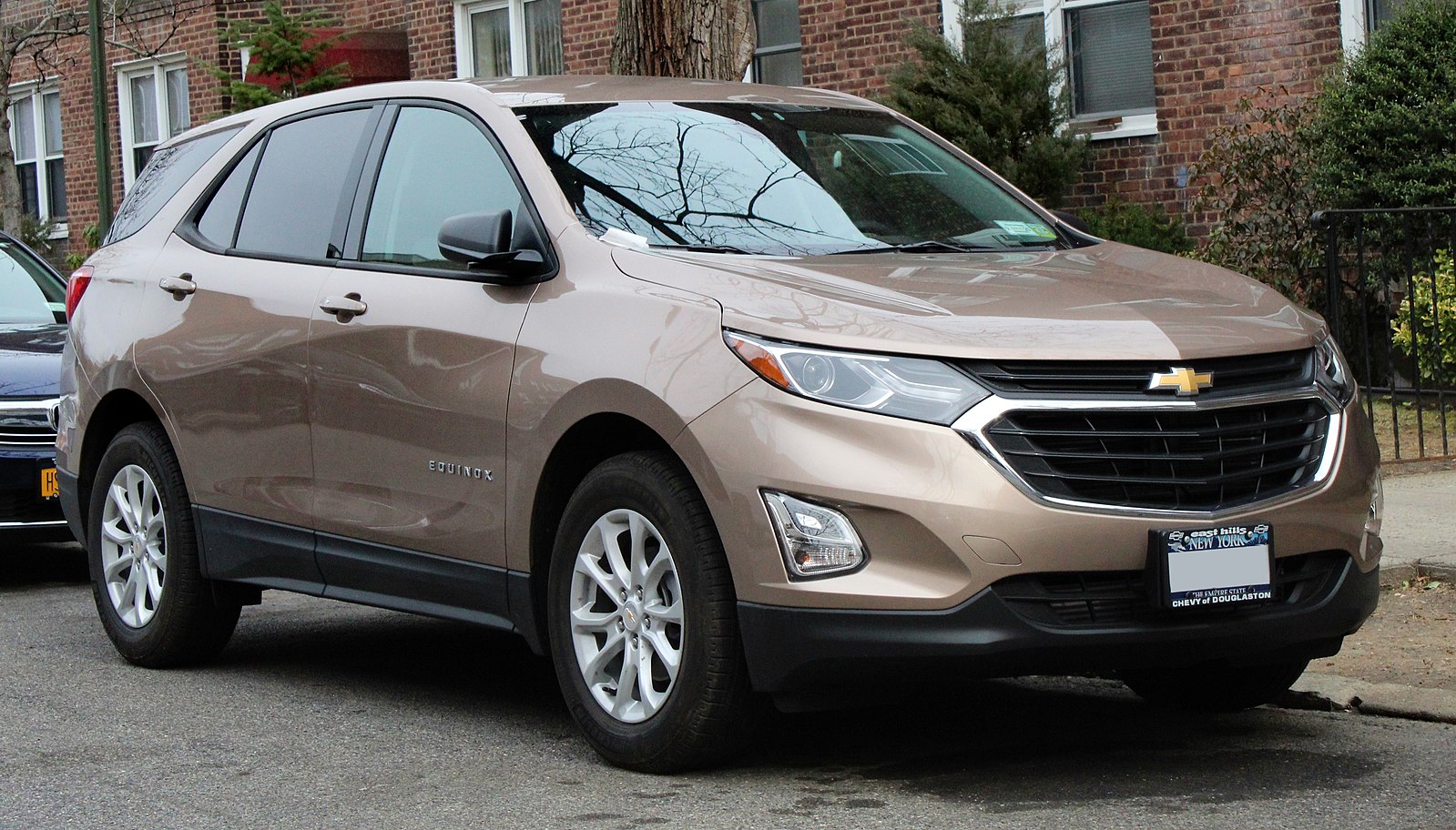
5. Chevrolet Equinox (Older Models)
Older Chevrolet Equinox models, especially the 2010–2013 versions with the 2.4-liter Ecotec engine, are frequently cited as high-risk vehicles for catalytic converter theft. This comes from a combination of valuable emissions components and low vehicle resale value, which often makes the catalytic converter more expensive than the car itself.
The main reason for this vulnerability is the use of precious metals inside the catalytic converter. To meet emissions standards, General Motors incorporated platinum, palladium, and rhodium into the exhaust system. These materials are costly and highly desirable in recycling markets, which drives up replacement prices. OEM catalytic converter replacements typically range from around $800 to more than $2,000, depending on specifications and region.
At the same time, these Equinox models are known for significant mechanical issues, particularly excessive oil consumption in the 2.4-liter engine. This defect can lead to premature catalytic converter damage because burning oil contaminates the emissions system. As a result, many of these vehicles have reduced market value, especially when high mileage and engine wear are factored in.
This creates a clear cost imbalance. Replacing a catalytic converter can cost more than the value of the vehicle itself in many cases, especially when the engine is already experiencing reliability issues. For some owners, repair costs are high enough that scrapping the vehicle becomes the more practical option.
Design also plays a role in theft risk. The underbody layout of the Equinox makes the catalytic converter relatively easy to access, allowing thieves to remove it quickly using basic tools. Because of this, these models frequently appear in insurance reports for catalytic converter theft claims.
Despite these problems, the Equinox did receive a series of updates during its production run. Engine refinements, including a more powerful V6 option, improved acceleration compared to earlier versions. Suspension updates added better stability and reduced body movement on uneven roads. Higher trims introduced features such as MyLink infotainment, advanced safety systems, and rear-seat entertainment options.
Even with these improvements, the Equinox still lagged behind key competitors in refinement and driving dynamics. Its heavy curb weight, limited rear visibility, and uninspiring handling made it less competitive compared to rivals such as the Honda CR-V, Ford Escape, and Mazda CX-5, especially in terms of appeal and long-term desirability.
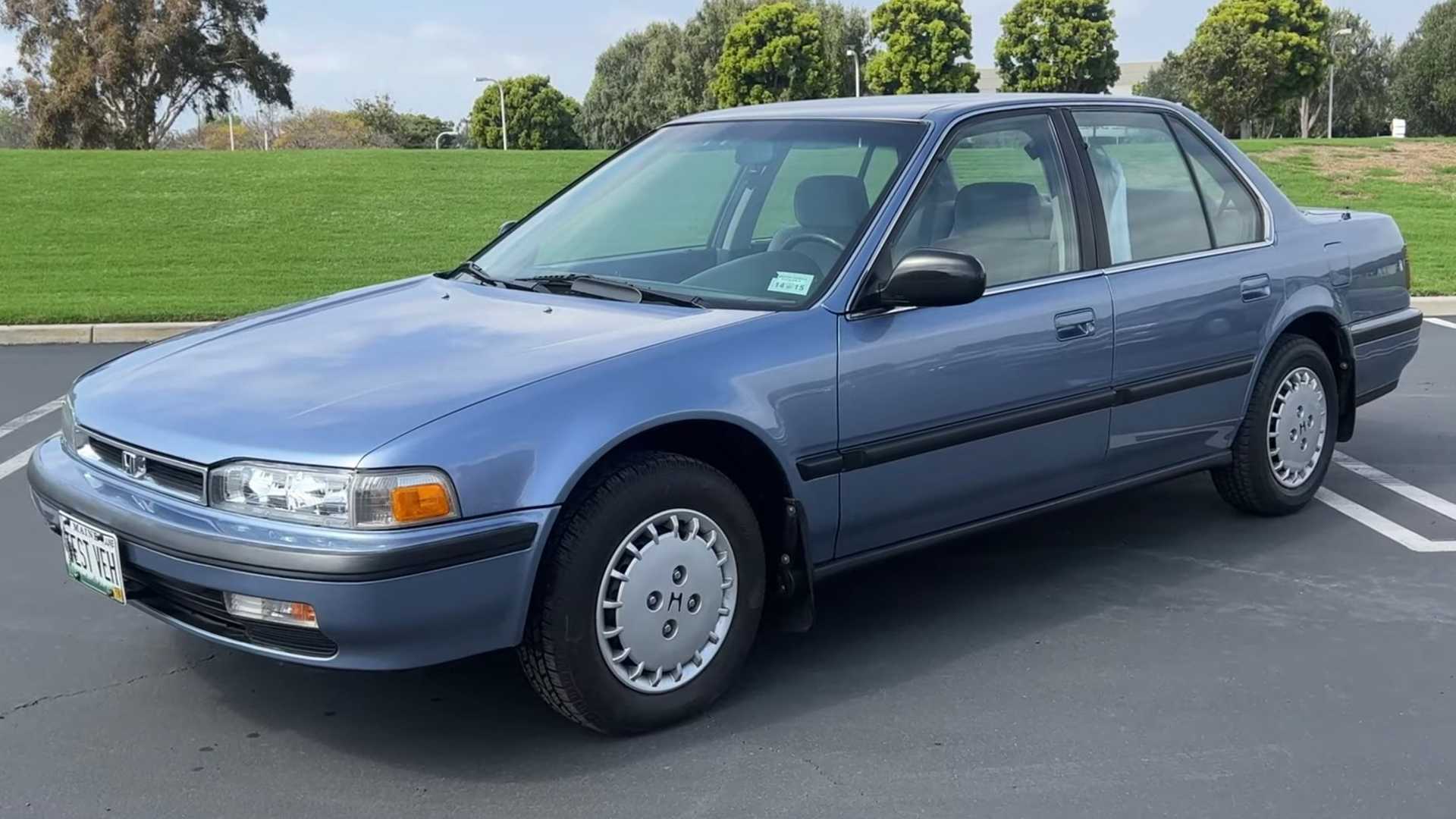
6. Honda Accord (1990–2020)
The Honda Accord, produced across multiple generations from 1990 to 2020, is one of the most common targets for catalytic converter theft due to its combination of high production volume, long-term reliability, and valuable emissions systems.
Its catalytic converters contain significant amounts of platinum, palladium, and rhodium, making them highly desirable in scrap and recycling markets. In many cases, especially with V6 and hybrid variants, the replacement cost of the converter system can exceed $3,000, while a used Accord engine can often be purchased for $800 to $1,200, creating a major imbalance in value.
A key factor behind this vulnerability is how widespread the Accord is. As one of the best-selling vehicles in automotive history, it is easy to find both working examples and parts in junkyards. This makes engine replacements relatively inexpensive compared to the cost of emissions components. At the same time, the Accord’s durable engines often outlast their original catalytic converters, especially in older, high-mileage vehicles.
Physical accessibility also contributes to theft risk. The Accord’s design and ground clearance make it easy for thieves to reach the exhaust system, allowing removal of the catalytic converter in just a couple of minutes. Hybrid models, especially newer ones like the 2020 version, are even more targeted because their converters operate at lower temperatures and require higher precious metal content.
Despite these issues, the 2020 Honda Accord remains a strong performer in the midsize sedan segment. It offers turbocharged engine options, smooth handling, and excellent fuel efficiency. Interior quality is high, with a comfortable cabin, a user-friendly infotainment system, and a spacious trunk.
The Accord is offered in multiple trims, ranging from the base LX with essential safety and convenience features to the Touring model, which adds luxury elements such as ventilated seats, adaptive suspension, and advanced navigation. Most versions come equipped with Honda Sensing safety technology, including adaptive cruise control, lane-keeping assist, and collision mitigation braking.
Reliability is another major strength, with the 2020 model earning a strong predicted reliability score and top safety ratings from both the IIHS and NHTSA. It achieved high marks in crash testing and front crash prevention systems, reinforcing its reputation as a dependable family sedan.
Ownership costs are relatively moderate for its class, and certified pre-owned options offer extended warranties and inspection programs that further enhance long-term value.
The Honda Accord remains a practical, widely available, and highly reliable vehicle, even as its catalytic converter design makes it a frequent target for theft in many regions.
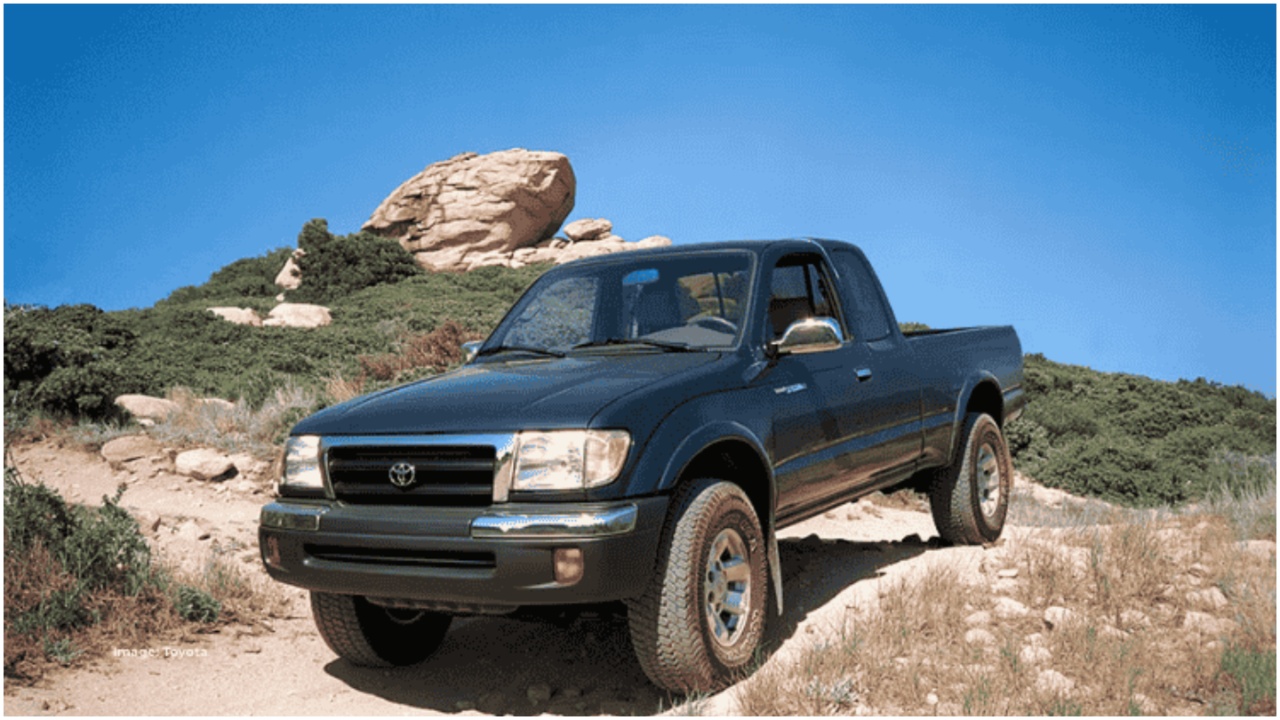
7. Toyota Tacoma (First and Second Generation)
First and second-generation Toyota Tacoma models (1995–2015) are widely recognized as both extremely reliable trucks and frequent targets for catalytic converter theft. Their combination of high ground clearance, simple underbody access, and expensive emissions components makes them especially attractive to thieves, while their legendary engine durability keeps the rest of the vehicle in service for decades.
A major reason for the high value of Tacoma catalytic converters is their use of precious metals such as platinum, palladium, and rhodium. These materials are essential for emissions control but are extremely costly, especially in OEM and CARB-compliant versions required in stricter emissions states. Replacement costs can range from roughly $1,500 to over $5,000, depending on configuration and location, particularly for V6 models.
The Tacoma’s engine reputation plays a major role in this cost imbalance. The 3.4-liter V6 in first-generation models and the 4.0-liter V6 in second-generation trucks are known for exceptional longevity, often exceeding 300,000 to 400,000 miles with regular maintenance. Because these engines rarely fail, there is little demand for engine replacement, and used engines remain relatively inexpensive compared to exhaust system repairs.
Many Tacoma models also use multiple catalytic converters, especially V6 and four-wheel-drive versions. Some configurations include two or more units, which increases both replacement complexity and total cost. This makes the exhaust system one of the most expensive components on the vehicle despite the engine’s reliability.
Physical design further increases theft risk. The Tacoma’s elevated ride height allows quick access to the catalytic converter without the need for lifting equipment. This enables removal in a very short time using basic cutting tools, contributing to its high theft rate in many regions.
Despite these vulnerabilities, the Tacoma remains a highly popular midsize truck. It is available in multiple cab styles, including Regular, Access, and Double Cab configurations, with seating for up to five passengers. Engine options include a 2.7-liter four-cylinder and a 4.0-liter V6, paired with manual or automatic transmissions.
Off-road capability is another strength, with available TRD packages offering upgrades such as skid plates, locking differentials, and enhanced suspension systems. Standard safety features include stability control, airbags, ABS, and tire pressure monitoring, while higher trims add navigation, premium audio, and comfort upgrades.
The Toyota Tacoma stands out as a durable, long-lasting truck where catalytic converter value often outweighs engine value, driven by extreme reliability and high-cost emissions systems.
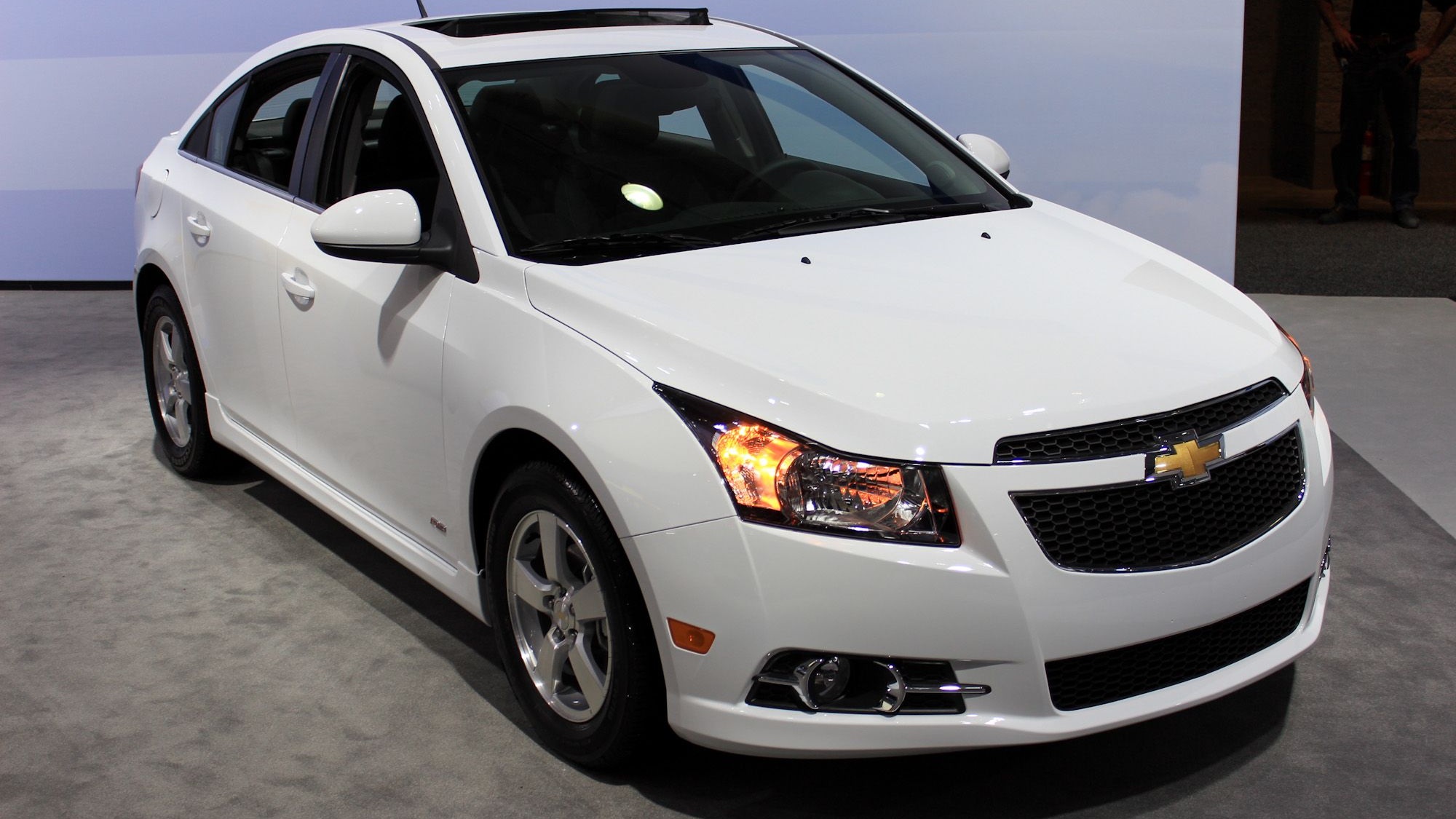
8. Chevrolet Cruze
The Chevrolet Cruze is a compact sedan and hatchback that looks unremarkable on the surface, but it has become a frequent target for catalytic converter theft. This is mainly due to the high value of its emissions system, combined with the relatively low resale value of the vehicle itself. In many cases, replacing the catalytic converter can cost over $2,000, while a used engine from a salvage yard may be available for under $1,000, making the exhaust system more valuable than the powertrain.
A key factor behind this risk is the design of the Cruze’s exhaust layout. The catalytic converter is mounted high in the engine bay, often close to or directly off the exhaust manifold. This positioning makes it easily accessible, allowing thieves to remove it quickly with basic tools and minimal effort.
The converter itself contains significant amounts of platinum, palladium, and rhodium, which are required for emissions control in the Cruze’s small turbocharged engine. These precious metals are expensive and highly sought after, increasing the scrap value of stolen units. As the vehicle ages and depreciates, repair costs involving the catalytic converter can exceed the market value of the car, especially in older or high-mileage examples.
Despite this vulnerability, the Cruze remains popular due to its affordability and strong fuel efficiency. Gasoline models offer competitive mileage for the compact class, while diesel versions are even more efficient and can exceed 50 mpg on the highway. This makes the Cruze appealing for budget-focused drivers and fleet use.
On the road, the Cruze provides a comfortable and stable driving experience. It feels solid at highway speeds and delivers a smooth ride, although it is not designed for sporty performance. The soft suspension improves comfort but limits sharp handling ability. Engine options include a turbocharged four-cylinder paired with either a manual or automatic transmission, while diesel variants use a more efficient but louder powertrain.
Inside, the Cruze offers a spacious cabin for its class, with good rear-seat room and practical cargo flexibility. The hatchback version is especially useful, with easy-folding rear seats and strong cargo capacity. Chevrolet’s MyLink infotainment system includes a touchscreen interface, smartphone integration, and available connectivity features such as 4G LTE.
Safety equipment is strong in crash performance but limited in availability on lower trims, with advanced driver-assistance features reserved for higher versions. Many technologies, such as automatic emergency braking and lane-keeping assist, are optional rather than standard.
The Chevrolet Cruze combines efficiency, practicality, and affordability, while its high-value catalytic converter and low vehicle worth create a notable vulnerability to theft in many areas.
These eight vehicles show how modern emissions systems can create unexpected value imbalances in the automotive world. Catalytic converters are built with precious metals to meet environmental regulations, which significantly increases their material worth.
At the same time, many of these vehicles are either highly durable or heavily depreciated, which lowers the relative value of their engines. This combination creates situations where a single exhaust component can cost more to replace than the entire powertrain.
The issue becomes more noticeable in older models, high-mileage vehicles, and widely produced cars, where parts are easy to find, but resale values are low. Trucks like the Ford F-250 and SUVs like the Honda CR-V face accessibility and cost challenges, while sedans such as the Honda Accord and Chevrolet Cruze are affected by volume and design factors. Together, these examples highlight a consistent trend where emissions technology, theft risk, and depreciation intersect in costly and unexpected ways for vehicle owners.
Also read: 6 Maintenance Items That Become Critical at 100,000 Miles