
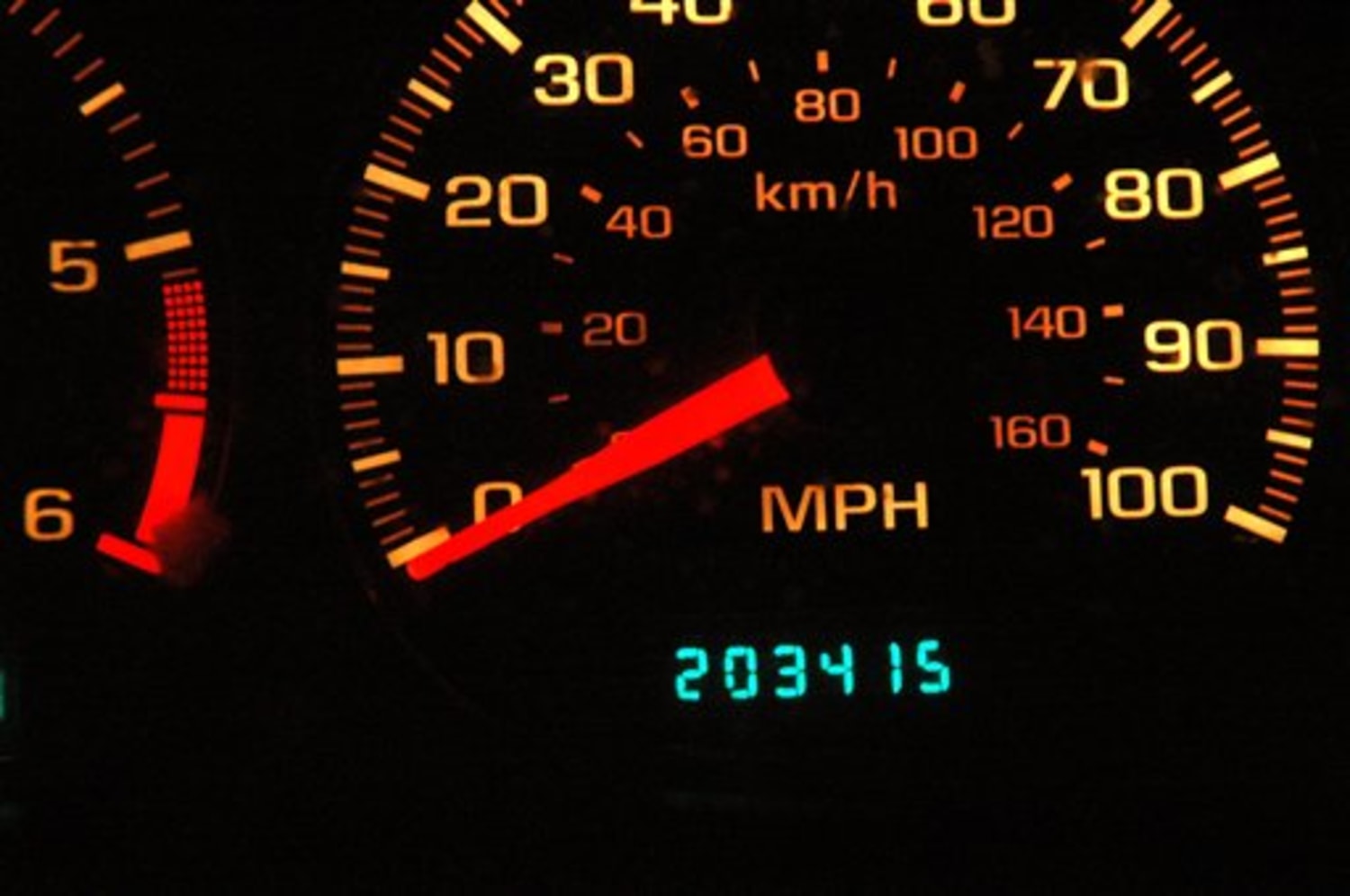
Hitting 100,000 miles on your odometer feels like a milestone worth celebrating. And honestly, it is. Getting a vehicle to six figures means you have been doing something right, whether that is staying on top of oil changes, avoiding hard driving habits, or simply buying a vehicle that was built to last. Pop the hood, give yourself a nod, and then read this article before you drive another mile without a plan.
Here is what most people do not realize: 100,000 miles is not the finish line. It is actually the starting line for a completely different phase of vehicle ownership. Before this point, most of your maintenance was routine, predictable, and relatively affordable.
After this point, a new category of components starts reaching the end of their designed service life all at once, and if you are not paying attention, they will remind you in the worst possible ways at the worst possible times. A timing belt that snaps on a cold Tuesday morning. A coolant hose that lets go on the highway in August.
A set of spark plugs so worn that the engine is misfiring and burning fuel inefficiently for months before anyone notices. These are not freak accidents. They are scheduled failures that happen to unprepared owners who assumed the vehicle would keep running smoothly without any additional attention.
This page covers six maintenance items that move from optional to absolutely critical once a vehicle crosses the 100,000-mile mark. Each one is explained in real terms, with specific vehicle examples and practical cost context, so you know exactly what you are dealing with. No scare tactics, no fluff. Just honest, useful information about what your vehicle actually needs at this stage of its life and why waiting is rarely the cheaper option.
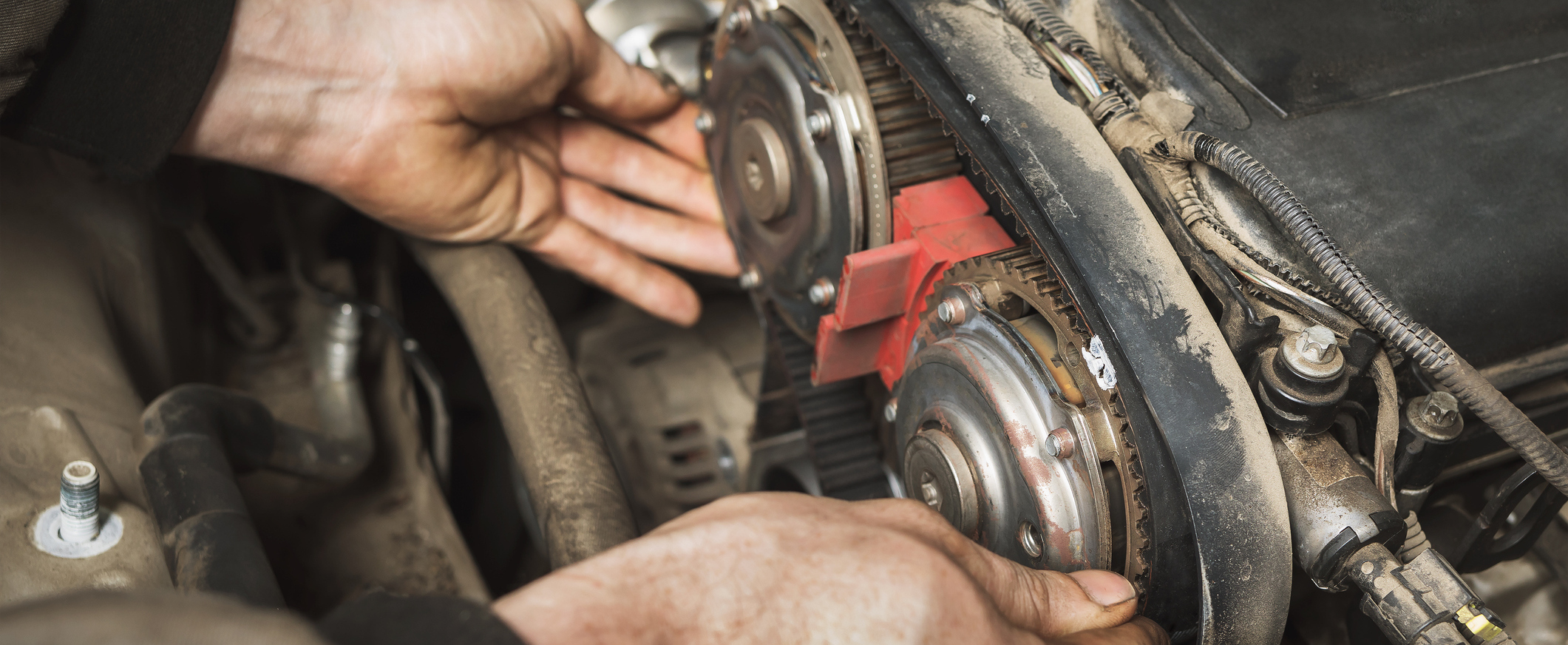
1. Timing Belt Replacement Is Non-Negotiable at 100,000 Miles and Here Is Exactly Why
Let’s start with the item that has ended more engines than almost anything else on this list. A timing belt is a reinforced rubber belt that keeps the camshaft and crankshaft rotating in precise synchronization. When it is working correctly, you never think about it. When it fails, you think about nothing else because you are suddenly looking at an engine repair bill that can exceed $4,000 or a complete engine replacement, depending on the vehicle.
Rubber degrades. That is not a design flaw. It is physics. Heat cycles, oil contamination, and simple age break down the fiber reinforcement and rubber compound of a timing belt, whether or not the mileage is there. Most manufacturers specify replacement intervals between 60,000 and 105,000 miles, but the 100,000-mile mark is the standard checkpoint where mechanics universally recommend getting this job done if it has not been completed already.
On an interference engine, which is the type found in most modern vehicles, a broken timing belt causes the pistons and valves to collide inside the engine. That collision bends valves, cracks pistons, and in severe cases causes damage severe enough that rebuilding the engine costs more than the vehicle is worth.
A 2006 Honda CR-V EX-L with a 2.4-liter K24 engine is a textbook interference engine vehicle. Skip the timing belt at 100,000 miles on that CR-V, and you are rolling the dice every single morning when you turn the key. Timing belt replacement is not a job most DIY mechanics tackle at home, and for good reason.
Getting to the belt requires removing accessory belts, the crankshaft pulley, and several other components. Labor time runs between three and five hours at most shops, depending on the vehicle. Because of the labor already invested, most mechanics strongly recommend replacing the water pump, idler pulleys, and tensioner at the same time.
All of those components are exposed during the job, they all wear at similar rates, and replacing them together means you are not paying that same labor charge again in 20,000 miles when one of them fails separately. A 2003 Toyota Camry XLE V6 with the 3.0-liter 1MZ-FE engine has a timing belt, not a chain.
Owners who assume every Toyota runs a timing chain have made that mistake and paid for it. Checking whether your specific engine uses a belt or a chain takes 30 seconds of research and could save you an engine. If your vehicle uses a chain, this particular service is not required. But if it uses a belt, consider 100,000 miles the absolute outer limit of comfortable waiting, not a suggestion to push further.
Cost for a complete timing belt service, including the water pump, tensioner, and pulleys, typically runs between $600 and $1,200, depending on the vehicle and the shop rate. That number sounds large until you compare it to what a neglected timing belt costs when it fails without warning.
There is no version of this story where skipping the timing belt service saves money. Do it at 100,000 miles, document it, and sleep easier every time you start the engine.
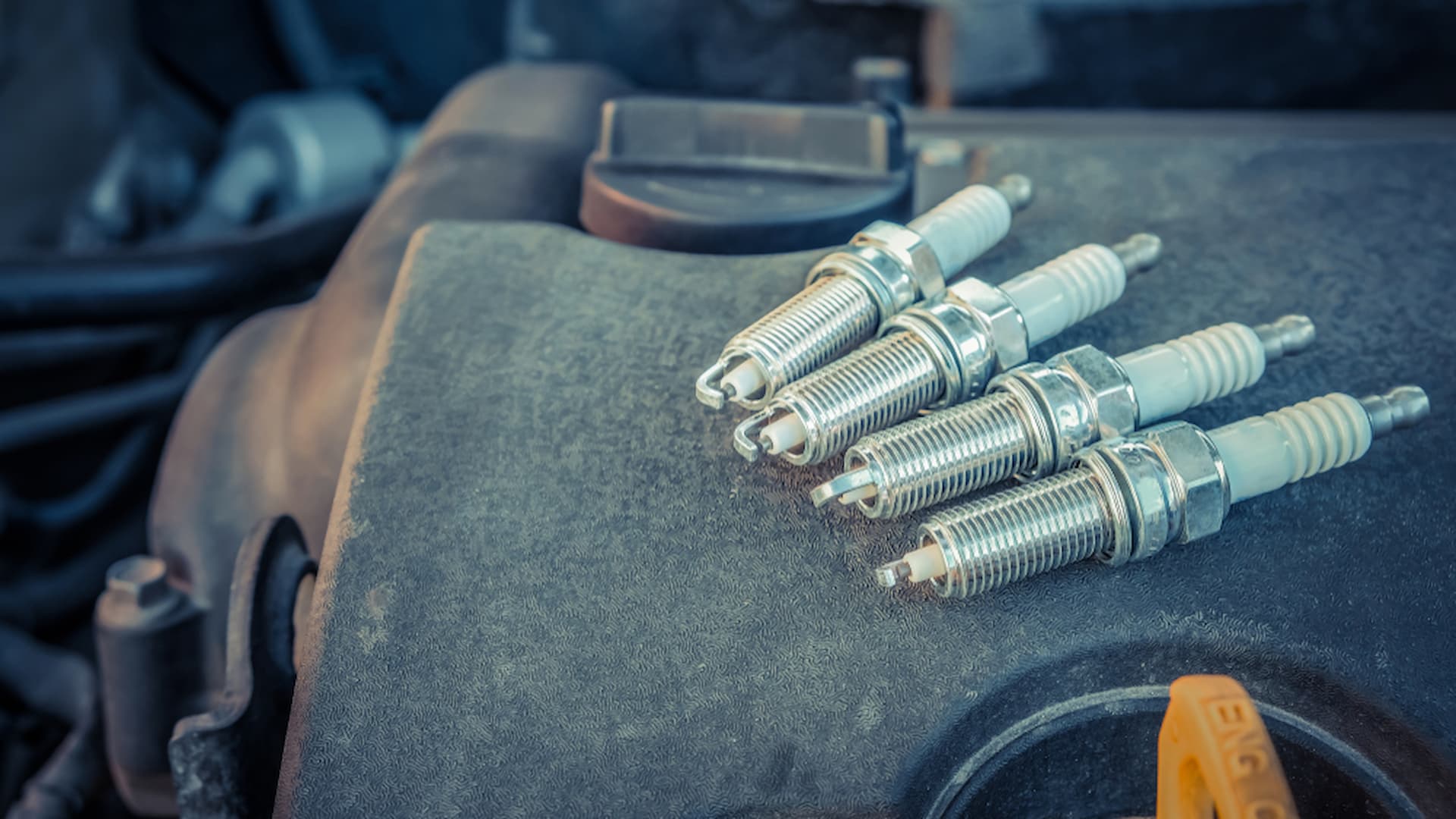
2. Spark Plugs at High Mileage Are Doing More Damage Than Most Owners Suspect
Worn spark plugs are quite troublesome. Unlike a timing belt failure that announces itself with catastrophic drama, degraded spark plugs cause problems that creep in slowly and gradually get worse over months. Fuel economy drops. Power decreases.
Cold starts get rougher. An occasional misfire appears at idle. None of those symptoms is dramatic enough to send most drivers straight to a shop, which is exactly why high-mileage spark plugs cause so much damage before they get replaced.
Every spark plug has a specific job: create a precise, reliable spark that ignites the air-fuel mixture in the combustion chamber at exactly the right moment. As a plug wears, the electrode gap widens, the spark becomes inconsistent, and combustion timing deteriorates. An engine running on worn plugs is firing improperly, and the ripple effects of that touch almost every performance metric the engine has.
Iridium and platinum spark plugs, the type found in most vehicles built in the last 20 years, are designed to last between 60,000 and 100,000 miles. Reaching 100,000 miles on original plugs means you are at or past the end of the recommended service window. Driving another 20,000 or 30,000 miles beyond that is not unusual, but it comes at a real cost in fuel consumption and combustion efficiency that adds up month after month.
A 2009 Ford F-150 SuperCrew XLT with the 5.4-liter 3-valve Triton V8 engine has eight spark plugs, and that engine has a well-documented history of plugs seizing into the cylinder head after extended mileage. Getting those plugs out of a high-mileage 5.4-liter Triton without proper technique and the right tools is genuinely risky.
A broken plug in the head turns a straightforward service into a labor-intensive extraction job. This is an example where the cost of doing the job at the right time is dramatically lower than the cost of doing it after problems have already developed.
Fresh spark plugs restore combustion efficiency immediately and noticeably. Owners who replace spark plugs on a high-mileage vehicle frequently report improved throttle response, smoother idle, better cold starts, and measurable fuel economy gains on their next few tanks. Those are real, documented improvements that happen because the engine is finally firing correctly again after months or years of degraded performance.
A 2011 Subaru Outback 2.5i Premium with the FB25 boxer engine takes four iridium plugs that are relatively affordable and accessible compared to some other platforms. A full plug replacement on that vehicle, including parts and labor at an independent shop, runs in the range of $150 to $250.
That investment restores engine performance and removes a known wear item from your worry list in a single service visit. At 100,000 miles, there is no reasonable argument for leaving original spark plugs in the engine another season.
Also Read: 8 Maintenance Items Your Manual Recommends That Mechanics Skip
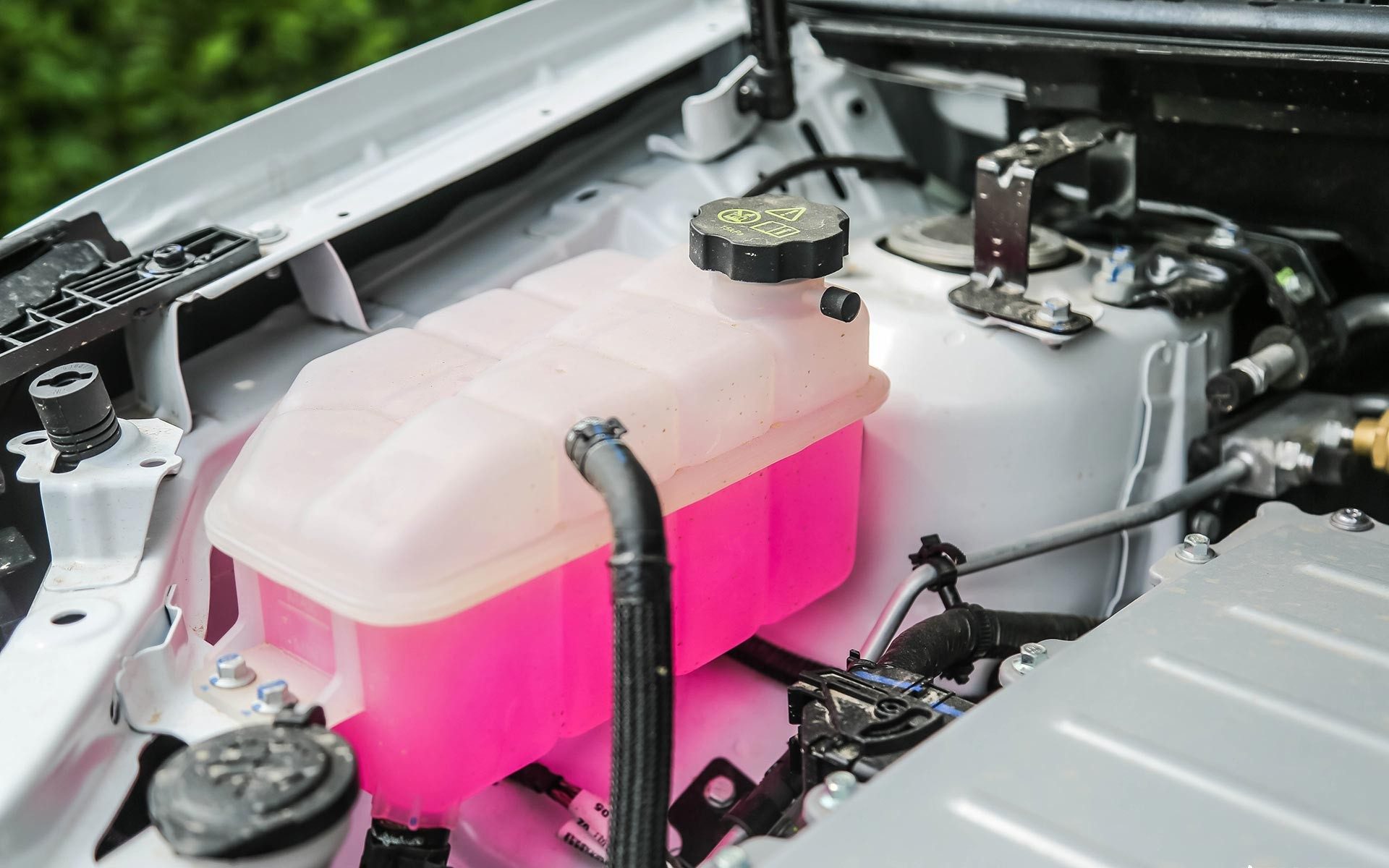
3. Coolant System Service Becomes Urgent When a Vehicle Reaches Six Figures
Coolant does not last forever, and neither do the hoses, clamps, and components that carry it through the system. Reaching 100,000 miles means your cooling system has been through years of extreme heat cycles, pressure changes, and chemical breakdown that gradually compromise every component in the loop. Addressing this system at the 100,000-mile mark is one of the highest-value services a high-mileage vehicle can receive.
Antifreeze degrades chemically as it ages. It loses its corrosion inhibitors, becomes acidic, and begins attacking the metal surfaces inside the engine, radiator, and heater core rather than protecting them. Signs of degraded coolant include discoloration, a sweet burning smell near the engine, visible deposits around hose connections, and, in advanced cases, pitting and corrosion visible inside the radiator neck. None of those conditions improves on its own, and all of them progress faster in a system that has not been serviced.
Radiator hoses on a high-mileage vehicle look perfectly fine on the outside, while the interior surface is cracking, softening, and preparing to fail. Squeezing a hose that feels spongy, collapses easily, or has any hardness to it means replacement is due.
A hose that fails on the highway at highway speed causes instant overheating, and an overheating event that goes unaddressed for even a few minutes can warp a cylinder head or damage head gaskets. Head gasket repair runs anywhere from $1,500 to $3,000, depending on the vehicle, which makes a $40 hose look extraordinarily affordable in retrospect.
A 2007 Chevrolet Tahoe LTZ with the 5.3-liter Vortec V8 has a substantial cooling system that works hard in both hot weather and when towing or hauling. By 100,000 miles, the original coolant has long since passed its service life if it has not been replaced.
A full coolant flush on that Tahoe, combined with inspection and replacement of any compromised hoses, thermostat, and radiator cap, runs between $150 and $350 at an independent shop. That service resets the chemical protection inside the system and gives the owner a clear picture of what else in the cooling circuit may need attention.
A 2010 Hyundai Sonata GLS with the 2.4-liter GDI engine is another vehicle where coolant service at 100,000 miles is a smart investment. Hyundai used a specific orange long-life coolant from the factory, and mixing different coolant types without a proper flush causes gel formation inside the system.
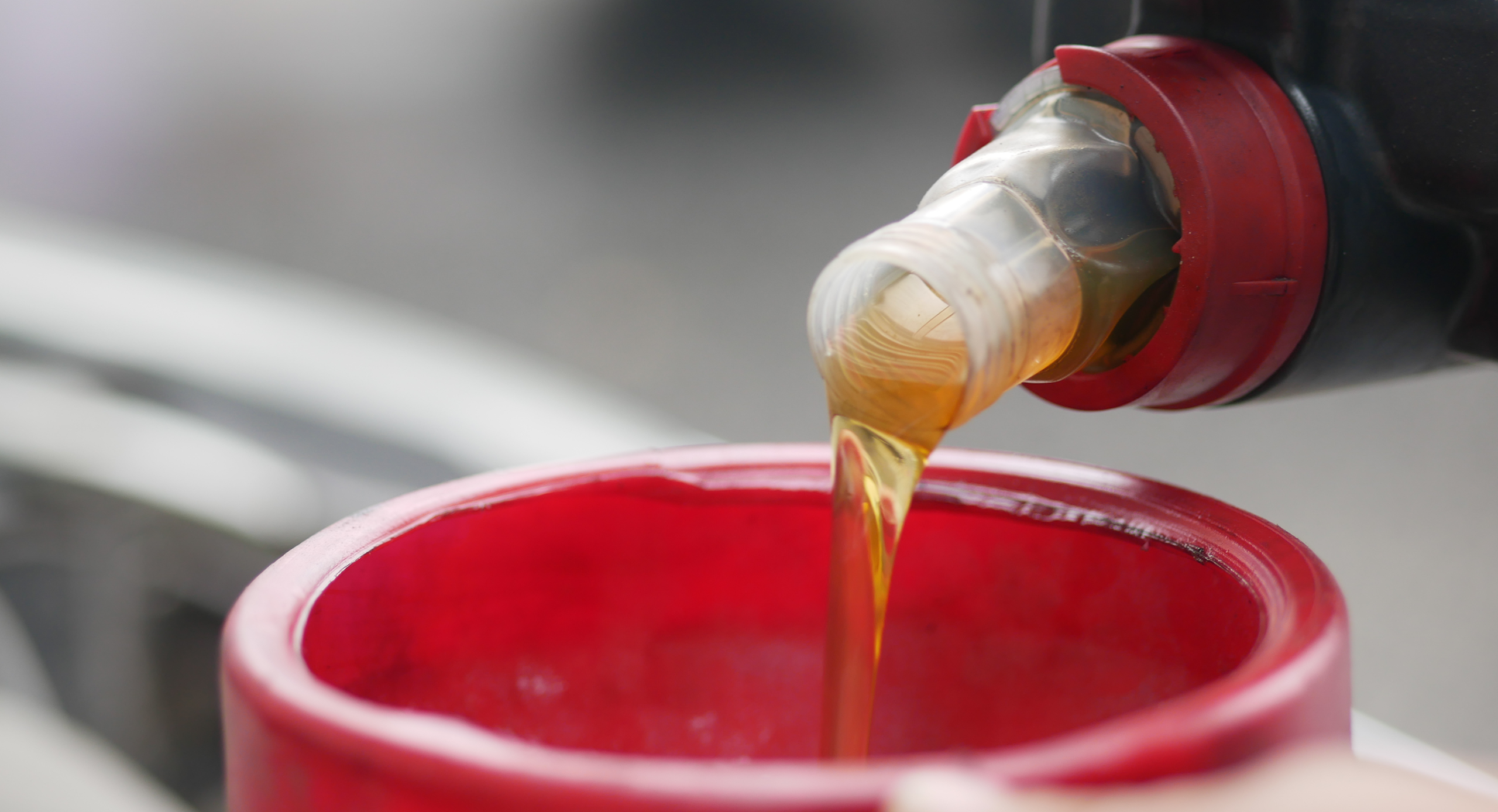
4. Transmission Fluid That Has Never Been Changed Is a Ticking Clock Past 100,000 Miles
Ask ten people when they last changed their transmission fluid, and at least six of them will look slightly uncertain. Transmission fluid is one of the most neglected fluids in any vehicle, partly because many manufacturers listed extended or even “lifetime” service intervals in the past, and partly because there are no dashboard lights that turn on when transmission fluid is degraded. It just quietly breaks down until the transmission itself begins to fail.
Automatic transmission fluid serves multiple purposes simultaneously. It lubricates moving parts, provides hydraulic pressure for gear changes, cools internal components, and carries microscopic metal particles away from bearing surfaces.
After 100,000 miles of continuous use, the fluid has been through thousands of heat cycles. Its viscosity has changed, its additive package is depleted, and the metal content it is carrying has accumulated to a level that accelerates internal wear with every additional mile driven.
A 2008 Chrysler Town and Country Touring with the 6-speed 62TE automatic transmission is a vehicle that benefits enormously from transmission fluid service at high mileage. That transmission has a reputation for sensitivity to fluid condition, and owners who have neglected the fluid past 100,000 miles often report rough shifting, delayed engagement, and eventual solenoid problems that are dramatically more expensive to address than a simple fluid service would have been.
The debate around complete transmission flushes versus drain-and-fill services is worth understanding. On high-mileage transmissions that have never been serviced, a complete flush that forces all old fluid out at once can sometimes dislodge accumulated debris and cause shifting problems in a transmission that had reached a sort of degraded equilibrium.
Many experienced transmission specialists recommend a series of drain-and-fill services spaced across several thousand miles as a safer approach for high-mileage vehicles receiving their first service. This gradual approach refreshes the fluid without disturbing the internal environment too aggressively.
A 2012 Mazda CX-9 Touring AWD with the 6-speed automatic transmission is a vehicle where the fluid condition at 100,000 miles directly predicts the transmission’s remaining service life. Mazda’s specification calls for their proprietary ATF fluid, and using a generic substitute that does not meet that specification can cause movement quality issues even in a healthy transmission.
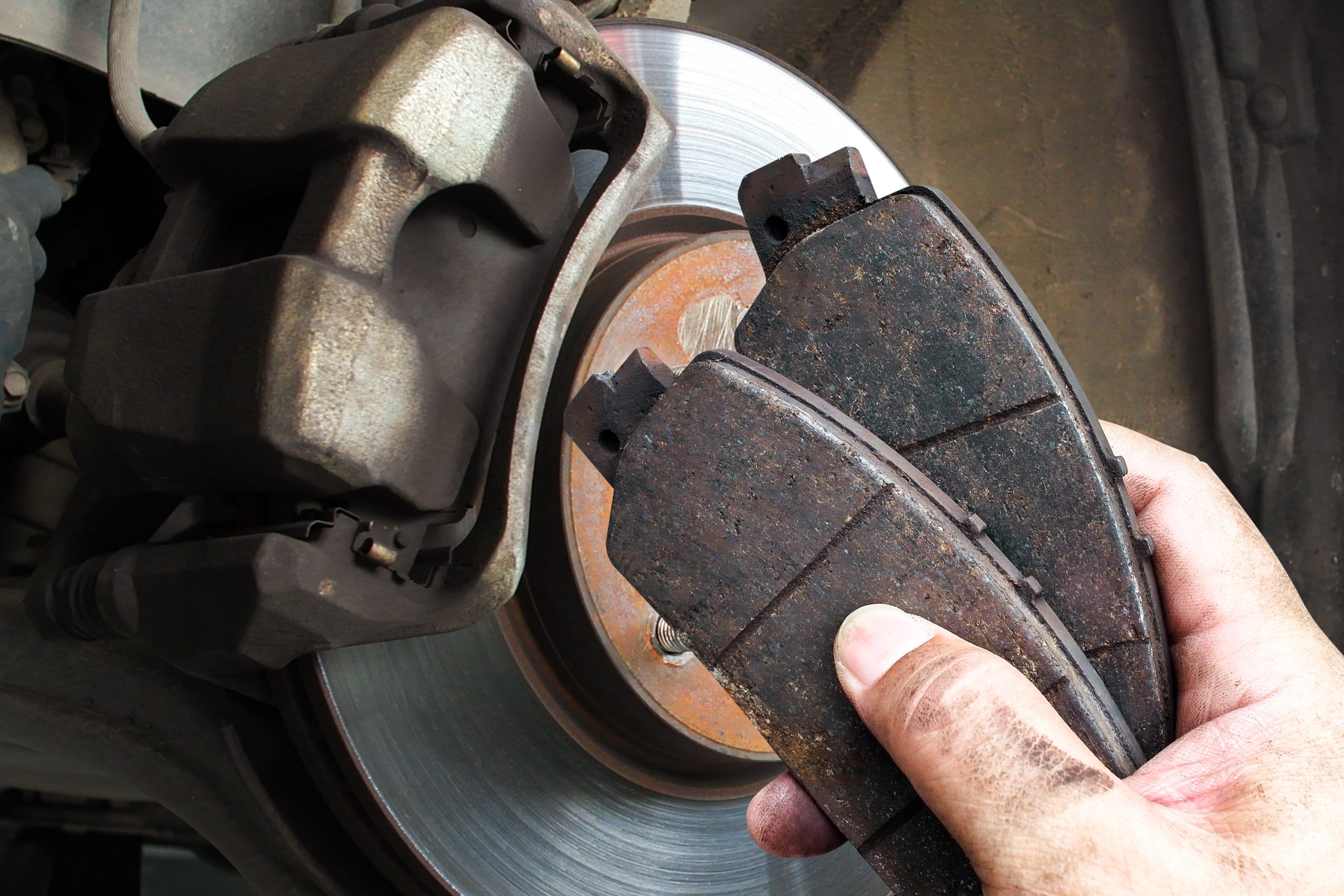
5. Brake System Components Wear Out in Ways That Become Dangerous Past Six Figures
Brakes are the one system where deferred service has immediate safety consequences. Every other item on this list affects your wallet when it fails. Brake system neglect at high mileage can affect your safety, your passengers, and everyone sharing the road with you. That is a different category of urgency, and it deserves to be treated as such.
Brake pads and rotors get the most attention, but the full brake system inspection at 100,000 miles covers much more than friction material. Brake fluid absorbs moisture from the atmosphere through the system’s rubber components. Moisture contamination lowers the fluid’s boiling point, which can cause brake fade under hard or repeated use when the fluid vaporizes inside the caliper. Fresh brake fluid on a high-mileage vehicle is inexpensive insurance against a terrifying situation.
Brake hoses are another component that reaches the end of their service life near the 100,000-mile mark. Rubber brake hoses connect the hard metal lines on the vehicle’s chassis to the moving calipers at each wheel. As they age, the interior of these hoses can deteriorate and create flaps of material that act as one-way valves.
That condition causes a caliper to apply but not fully release, leading to a dragging brake that generates heat, wears pads unevenly, and eventually causes the caliper to seize. A dragging brake that goes unnoticed can start a fire in extreme cases.
A 2005 Volvo XC90 2.5T AWD is a vehicle where complete brake system attention at 100,000 miles is especially worthwhile. Volvo’s brake systems are robust, but the calipers on high-mileage examples are known to develop sticking guide pins and deteriorating boots that allow moisture and debris to cause binding.
Rebuilding or replacing calipers at this mileage, combined with fresh fluid, new hoses, and quality pads and rotors, restores the braking system to a condition that the vehicle’s size and weight demand. Parking brake cables that have seized, ABS sensors caked with debris, and caliper brackets with worn slide pins are all issues that surface during a thorough brake inspection on a high-mileage vehicle.
These are not catastrophic failures on their own, but they compromise the system’s ability to perform correctly when it is needed most. A complete brake system inspection at 100,000 miles, performed by a mechanic who will put the vehicle on a lift and actually look at everything, is the only way to know where these components stand.
A 2013 Dodge Durango Citadel AWD with the 5.7-liter HEMI engine is a heavier vehicle that places huge demand on its braking system, especially when loaded with passengers or cargo. By 100,000 miles, the original brake hardware has been through thousands of heat cycles.
Also Read: 9 Exotic Cars Where Maintenance Exceeds the Original Price
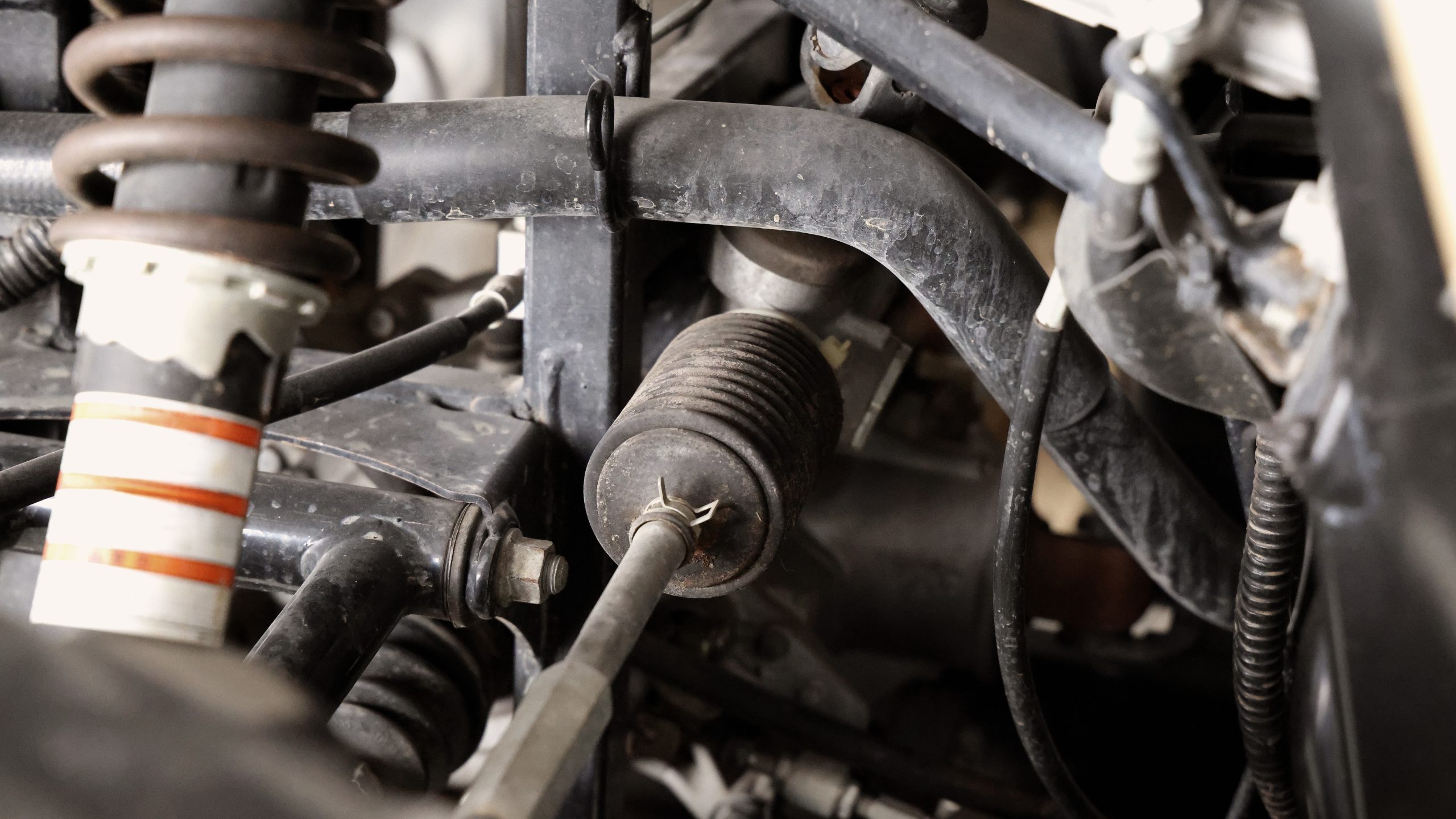
6. Suspension and Steering Components Degrade Quietly and Cost You More the Longer You Wait
Suspension wear is insidious because it happens so gradually that drivers adjust to it without realizing they are doing so. A vehicle that handled crisply at 30,000 miles and handles adequately at 100,000 miles has changed, but the change happened slowly enough that the driver adapted along the way. What feels normal after 100,000 miles of gradual deterioration would feel alarming to someone who drove the vehicle in its original condition.
Ball joints, tie rod ends, control arm bushings, strut mounts, and sway bar end links all wear at different rates depending on road conditions, vehicle weight, and driving habits. By 100,000 miles, most of these components are approaching or at the end of their designed service life on a vehicle that has not had suspension work performed.
A single worn ball joint can cause unpredictable steering behavior. A failed ball joint can cause a wheel to separate from the vehicle entirely, which is a catastrophic event at any speed. Inspecting suspension and steering components requires a vehicle on a lift with a trained technician applying force to specific points on each component to check for play that should not be there.
This is not something that appears on a visual inspection from underneath the car in a driveway. The movement in a worn tie rod end or ball joint is specific and directional, and finding it requires knowing exactly what to look for and how to check for it properly.
A 2004 Ford Expedition Eddie Bauer 4WD is a heavy, full-size SUV that places a substantial load on its suspension components with every mile driven. By 100,000 miles on a vehicle of that size and weight, ball joints, wheel bearings, and tie rod ends are strong candidates for replacement.
Addressing those components restores the steering precision and handling predictability that the vehicle had originally and removes failure modes that could otherwise develop without warning. Struts and shocks are another category that reaches the end of effective service life in this mileage range.
A 2015 Kia Sorento SX AWD with the 3.3-liter V6 is a vehicle where strut replacement at high mileage delivers a genuinely dramatic improvement in ride quality and handling confidence. Owners who have replaced struts and control arm bushings on similar crossovers at the 100,000-mile mark frequently describe the transformation as making the vehicle feel nearly new again.
That kind of improvement, combined with the safety benefit of properly functioning suspension geometry, makes this service one of the most rewarding investments a high-mileage vehicle owner can make.
