
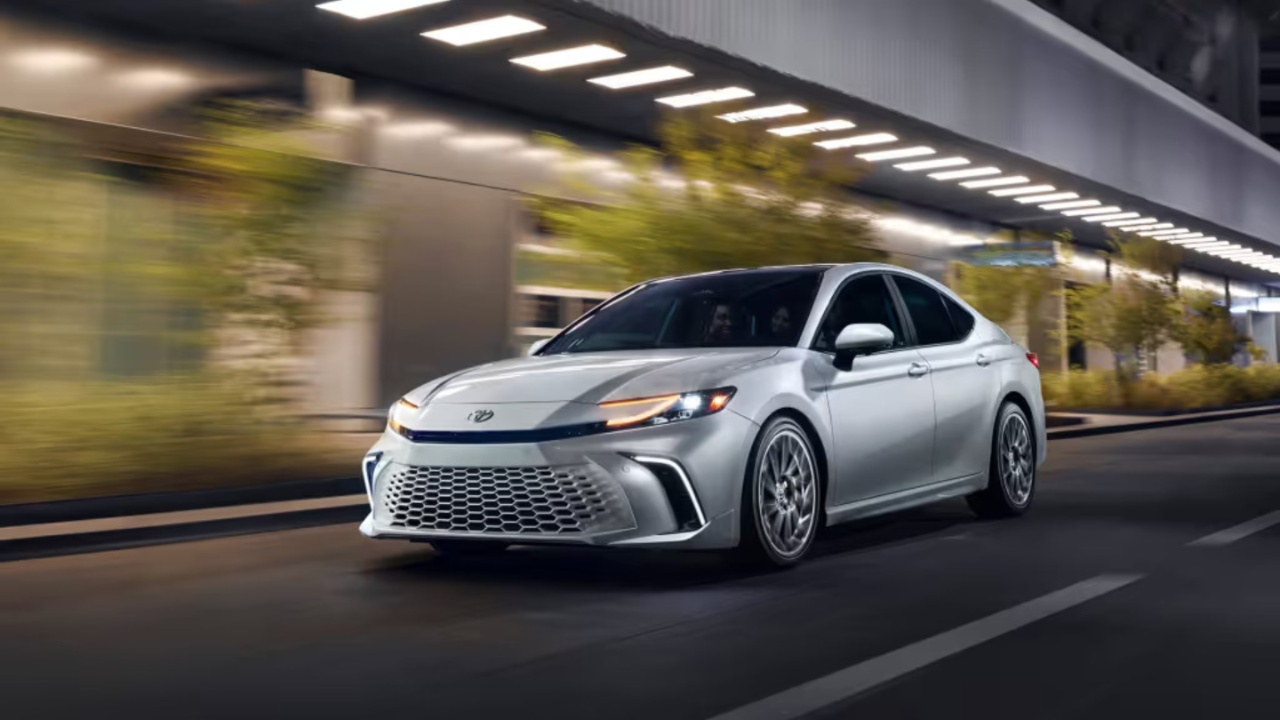
The modern automotive market is increasingly defined not by luxury trims but by how much technology is already included in entry-level models. Many manufacturers now load their base trims with advanced infotainment systems, hybrid powertrains, driver-assistance suites, and digital instrument clusters that were once reserved for premium packages.
This shift means buyers can access connected, efficient, and safety-rich vehicles without moving up the pricing ladder. From hybrid sedans and family SUVs to electric cars and luxury models, base trims are becoming highly capable machines in their own right. This list of “9 Vehicles With the Most Tech Buried in the Base Trim” highlights how automakers are redefining value.
Each model proves that “entry-level” no longer means basic, as even the most affordable versions now deliver features like large touchscreen displays, wireless smartphone integration, semi-autonomous driving aids, and electrified powertrains. Together, they show how technology has become standard rather than optional in today’s vehicles.
1. Toyota Camry LE
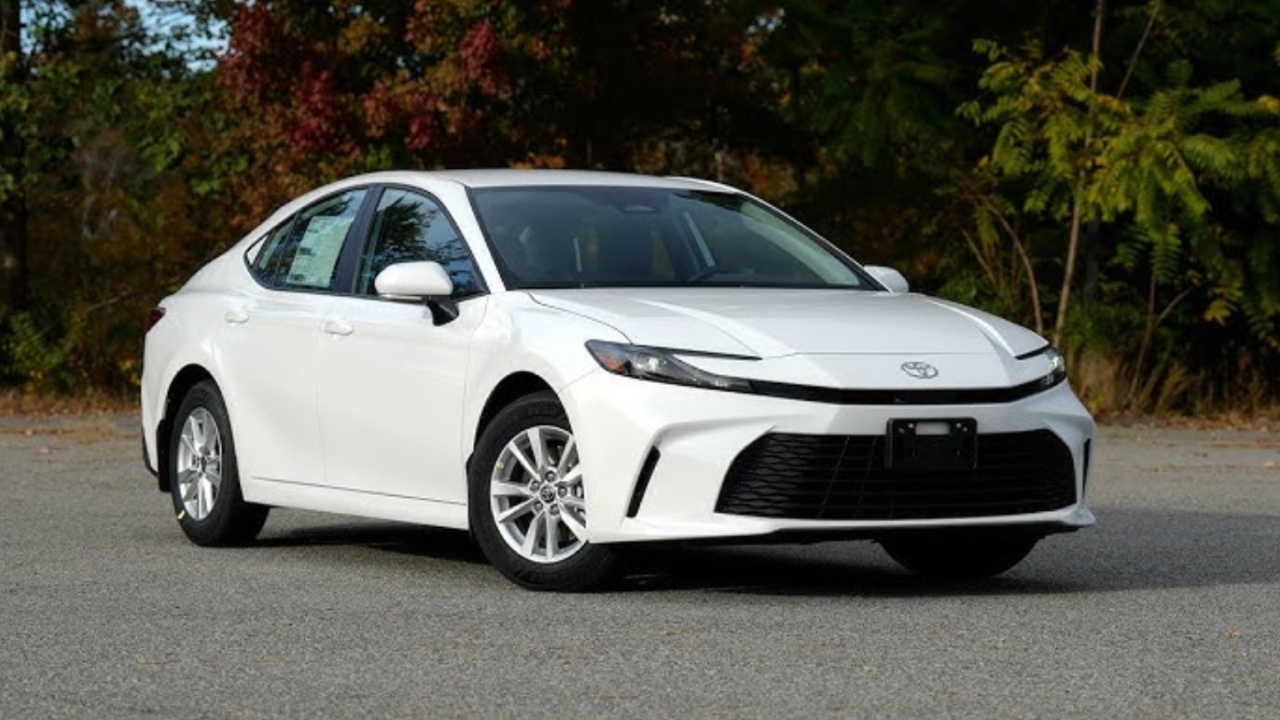
The Toyota Camry LE elevates the concept of an entry-level sedan by making advanced technology, hybrid efficiency, and strong safety features standard. Rather than offering a minimal base model, Toyota equips the LE with equipment that is typically optional in competing vehicles, giving it a more premium and modern feel from the start.
Power comes from a hybrid-only system built around a 2.5-liter four-cylinder engine paired with electric motors. It produces 225 horsepower in front-wheel-drive configuration and up to 232 horsepower with available all-wheel drive. The system focuses on smooth acceleration and strong fuel economy, achieving around 50 mpg combined. Its engineering is closely related to the Toyota Prius, though the Camry delivers more power and a larger, more comfortable sedan platform.
Safety is a major advantage of the LE trim. It includes Toyota Safety Sense 3.0 as standard, which features pre-collision warning with pedestrian detection, adaptive cruise control, lane tracing assist, and proactive driving assist. Blind-spot monitoring and rear cross-traffic alert are also included, adding protections that are often optional on rivals like the Hyundai Sonata.
Inside the cabin, the LE emphasizes usability and modern connectivity. It comes with an 8-inch touchscreen infotainment system that supports wireless Apple CarPlay and Android Auto, along with a digital gauge cluster, multiple USB ports, and a built-in Wi-Fi hotspot. Dual-zone automatic climate control and a push-button start system further enhance convenience for daily driving.
Driving behavior is tuned more for comfort and efficiency than sporty performance. A continuously variable transmission helps maintain smooth power delivery, while acceleration remains competitive within the segment, comparable to models such as the Honda Accord Hybrid. The Camry LE stands out by combining strong efficiency, extensive safety features, and modern technology in a well-rounded base trim designed for everyday practicality.
2. Hyundai Palisade Base
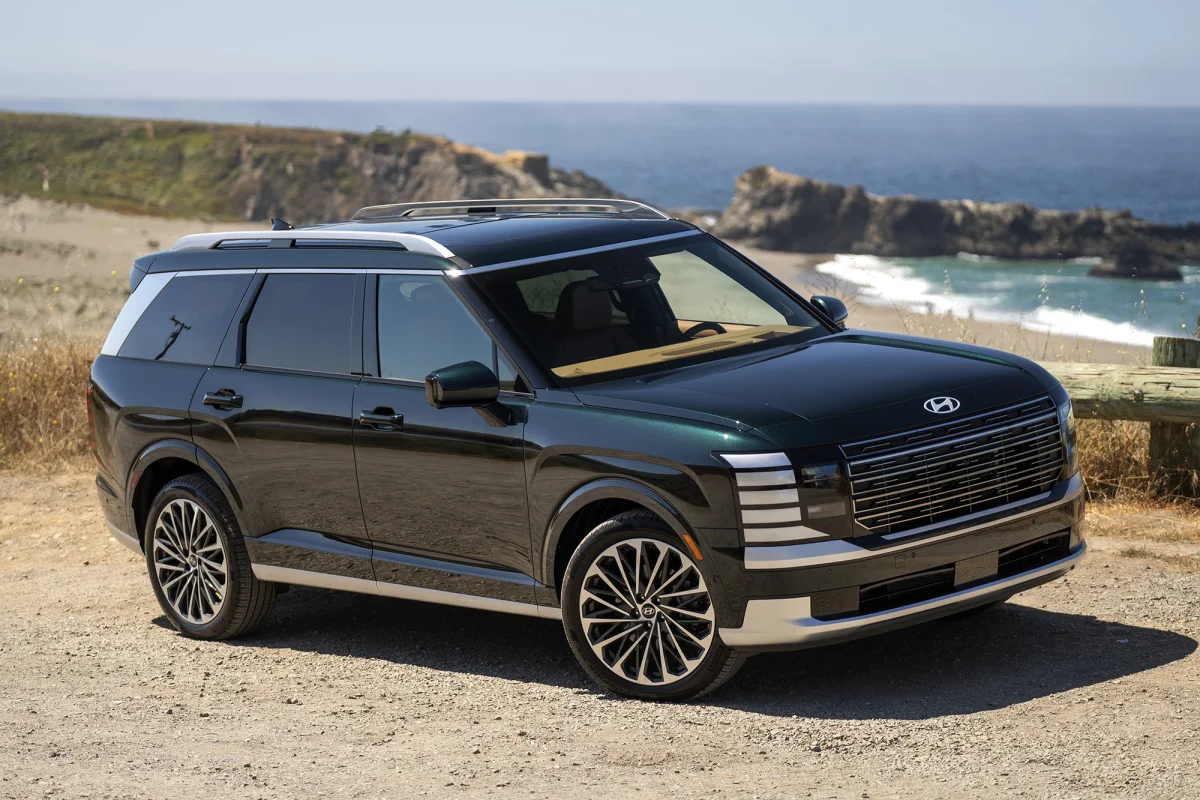
The entry-level Hyundai Palisade stands out in the three-row SUV segment by delivering high-end technology and comfort features from the base trim. Instead of reserving advanced systems for higher-priced versions, Hyundai equips even its base SE and SEL models with a premium digital experience, strong safety coverage, and family-friendly practicality.
A major highlight is the interior technology. The base Palisade features a curved dual-screen setup with two 12.3-inch displays that handle both instrumentation and infotainment. It includes wireless Apple CarPlay and Android Auto, built-in navigation, over-the-air updates, multiple USB-C ports across all rows, and an intuitive interface. Everyday convenience is further enhanced with proximity keyless entry, push-button start, and tri-zone climate control.
Safety is equally comprehensive thanks to Hyundai SmartSense. Standard equipment includes forward collision avoidance assist, lane keeping and lane following assist, blind-spot monitoring, rear cross-traffic alert, and adaptive cruise control. Highway Driving Assist adds semi-automated steering and speed control on highways, making long drives easier and less tiring.
Power comes from a 3.5-liter V6 engine producing 287 horsepower, paired with an 8-speed automatic transmission. Buyers can choose front-wheel drive or all-wheel drive. Performance is smooth but not aggressive, with 0–60 mph times around 8 seconds, prioritizing comfort over speed. A hybrid variant is also available in the broader lineup for improved efficiency.
Inside, the Palisade focuses on space and flexibility. It offers seating for up to eight passengers, with optional second-row captain’s chairs for added comfort. The third row is usable for adults on short trips, while cargo space expands significantly when seats are folded, supporting family travel and large loads. Higher trims add luxury touches like wireless charging, premium materials, and advanced digital features.
Fuel economy ranges from about 19 mpg city to 25 mpg highway, depending on configuration. Towing capacity reaches up to 5,000 pounds, adding versatility for recreation. Backed by strong warranty coverage, the Palisade base trim delivers a well-balanced mix of technology, safety, comfort, and everyday usability.
3. Honda Prelude Base
The revived Honda Prelude returns as a modern hybrid coupe that prioritizes technology, efficiency, and accessible performance in its base configuration. Instead of offering a stripped-down entry model, Honda equips it with a full suite of digital features, safety systems, and hybrid efficiency aimed at drivers who want a sporty feel without sacrificing daily comfort or fuel economy.
Inside, the base Prelude features a driver-focused cockpit anchored by a 10.2-inch digital instrument cluster and a 9-inch high-definition touchscreen. The system runs Google-built-in software, integrating Google Maps, Google Assistant, and access to the Play Store directly in the dashboard. Wireless Apple CarPlay and Android Auto are also standard, along with wireless smartphone charging and an 8-speaker Bose audio system.
Safety and driver assistance are fully included through the Honda Sensing suite. Standard features include adaptive cruise control, lane-keeping assist, collision mitigation braking, and road departure mitigation. With no optional safety packages, the base model is already fully equipped in this area.
Performance comes from a 2.0-liter two-motor hybrid system producing around 200 horsepower, paired with a CVT and front-wheel drive. While not as performance-focused as traditional sports coupes, it delivers smooth acceleration and strong efficiency, reaching about 44 mpg combined. A simulated shifting system called S+ Shift uses paddle shifters to mimic gear changes and add engagement, though it does not fully replicate a manual transmission experience.
Acceleration is moderate, with 0 to 60 mph times around 6.5 seconds. This places it behind lighter rivals like the Mazda MX-5 Miata and Toyota GR86, but it offers significantly better fuel economy than both.
Practicality is enhanced by a liftback design with folding rear seats, allowing flexible cargo space. The rear seats are tight for adults but usable for short trips. The interior mirrors Honda’s modern design language with updated trims, heated front seats, and a clean, tech-oriented layout.
The Prelude base trim stands out by combining hybrid efficiency, strong digital integration, and standard safety systems in a sporty coupe format, appealing to drivers who want style and technology in one package.

4. Tesla Model 3 Rear-Wheel Drive
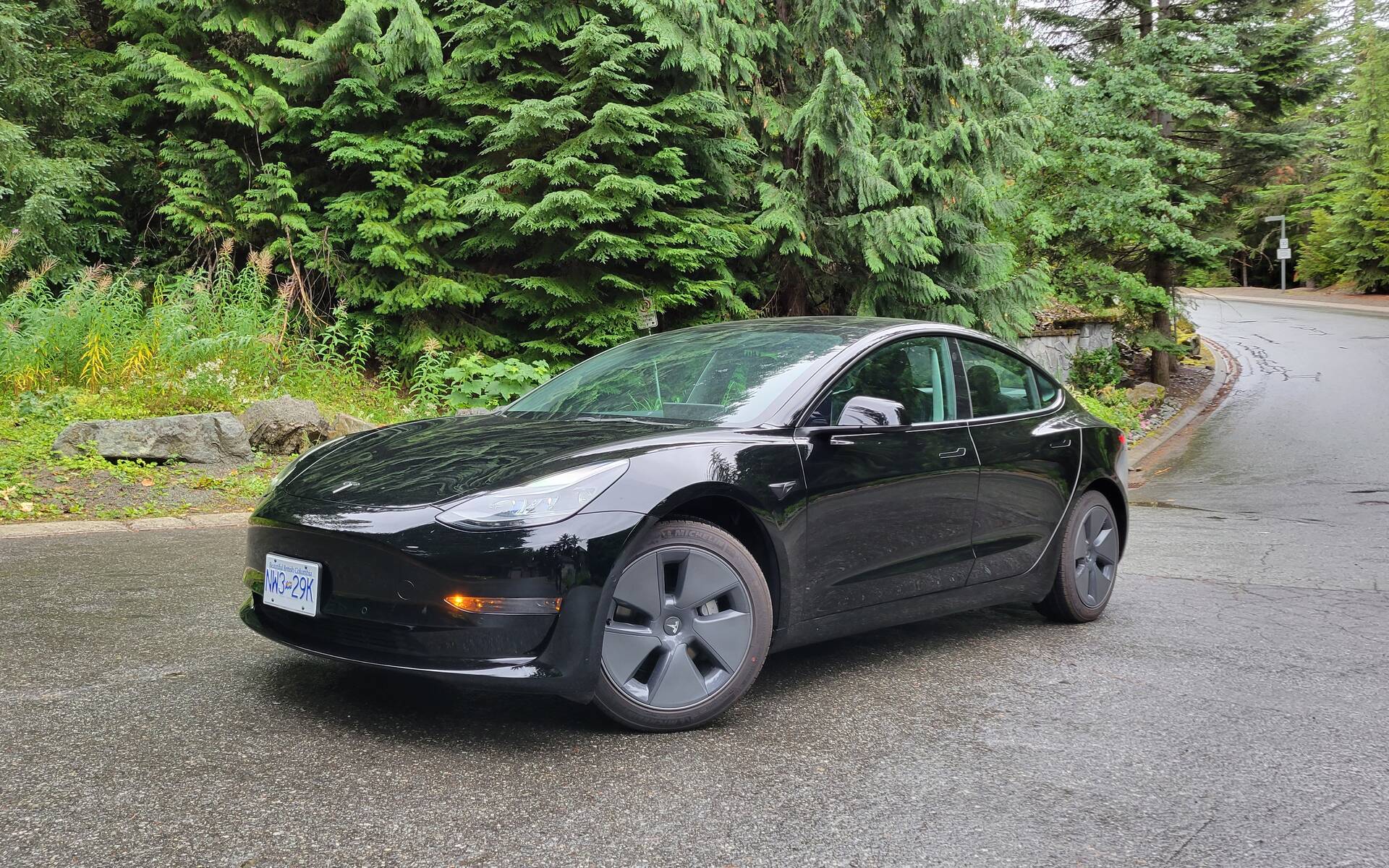
The entry-level Tesla Model 3 Rear-Wheel Drive is designed as a technology-first electric sedan where even the base configuration delivers a near-full suite of digital features. Rather than reserving premium equipment for higher trims, Tesla standardizes its software, hardware, and user experience across most of the lineup, allowing entry-level buyers to access the same core ecosystem as more expensive versions.
At the center of the cabin is a 15.4-inch touchscreen that controls nearly all vehicle functions, from navigation and climate settings to entertainment and vehicle controls. An additional 8-inch rear display gives passengers access to climate and media functions. The system supports wireless updates that continuously improve performance, features, and safety over time. Standard equipment also includes a 9-speaker audio system, wireless charging, and driver profile customization.
Safety and driver assistance are built into the core experience through standard Autopilot. This includes adaptive cruise control, lane centering, and traffic-aware steering, supported by a multi-camera system. While the system is not fully autonomous, it provides one of the most capable semi-automated driving suites in its class and improves through over-the-air updates.
Performance comes from a single electric motor producing about 286 horsepower. The Model 3 delivers smooth and instant acceleration, with 0 to 60 mph in roughly 4.6 seconds for the RWD variant. Higher-performance versions are significantly quicker, but even the base model benefits from the EV platform’s low center of gravity, precise steering, and stable handling characteristics.
Efficiency is a major strength, with EPA-rated range reaching over 300 miles depending on configuration. Real-world MPGe figures remain highly competitive, supported by aerodynamic design and Tesla’s extensive charging ecosystem, including Supercharger access and fast DC charging capability.
Inside, the minimalist cabin emphasizes space and simplicity, though rear-seat room is limited compared to rivals. Cargo capacity is strong thanks to a large rear trunk and folding seats, while a small front trunk adds extra storage.
The base Model 3 focuses on delivering a fully connected, software-defined driving experience with strong efficiency, advanced safety features, and consistent performance improvements over time.
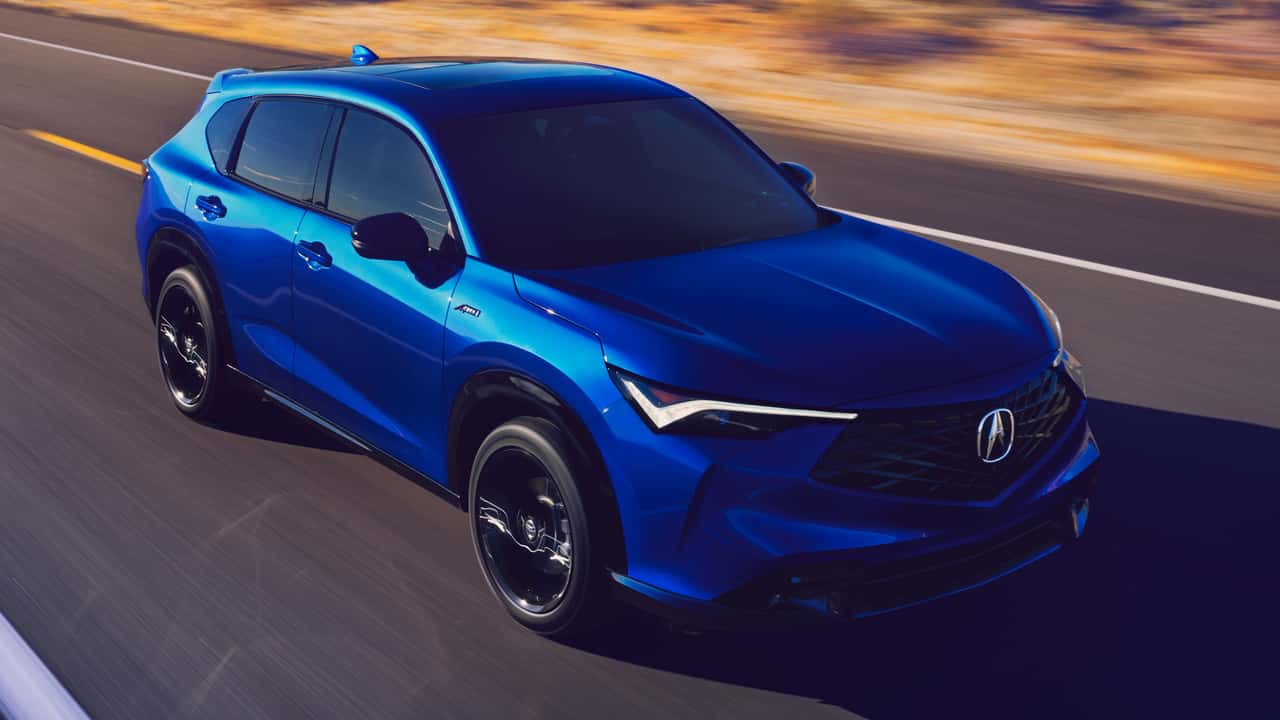
5. Acura ADX Base
The Acura ADX enters the compact luxury SUV space by treating its base trim like a fully equipped model rather than a stripped-down starting point. Acura’s approach is to deliver most of the digital features, safety systems, and comfort conveniences upfront, making the entry version feel close to higher trims in everyday use.
Technology is a core strength of the ADX. The cabin features a 9-inch infotainment touchscreen paired with a 10.2-inch digital driver display. Wireless Apple CarPlay and Android Auto are standard, along with a Wi-Fi hotspot, wireless charging, and AcuraLink connected services. The setup is designed to keep drivers connected without needing upgrades or optional packages.
Safety coverage is extensive through the standard AcuraWatch suite. It includes adaptive cruise control, lane-keeping assist, blind-spot monitoring, traffic sign recognition, and collision mitigation braking. This gives the base ADX a full set of driver-assistance tools that many rivals reserve for higher trims.
Under the hood, a 1.5-liter turbocharged four-cylinder engine produces 190 horsepower and is paired with a continuously variable transmission. Front-wheel drive comes standard, while all-wheel drive is available and can send up to 50 percent of power to the rear wheels. Performance is steady and comfortable rather than sporty, with 0 to 60 mph taking about 8.7 seconds.
Fuel efficiency is another practical advantage, with combined ratings in the high 20 mpg range depending on drivetrain. The ride is tuned for comfort, and handling is predictable and stable, making it suitable for daily commuting and family use.
Inside, the ADX offers seating for four adults with good comfort and a flexible cargo area that expands when the rear seats are folded. Higher trims introduce more luxury touches such as upgraded upholstery and premium audio systems.
The base ADX focuses on delivering a complete, tech-rich experience from the start, combining connectivity, safety, and comfort in a compact luxury SUV without requiring additional upgrades.
Also read: 10 Cars With the Strongest Stock Engines Sold Today
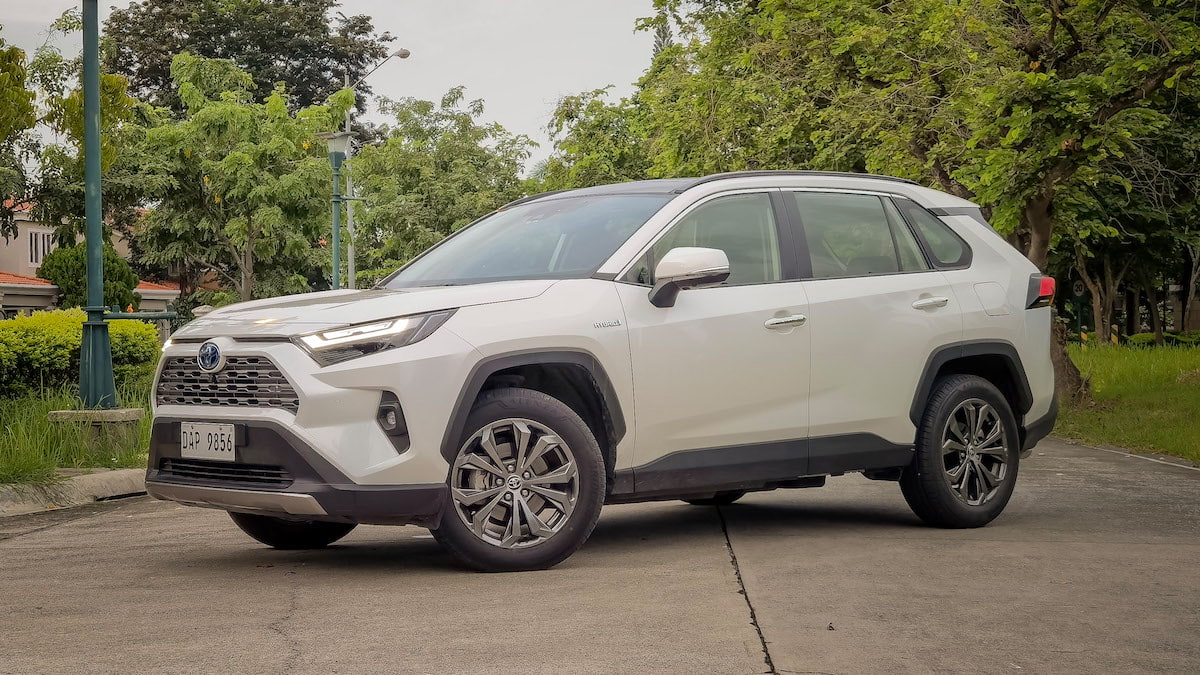
6. Toyota RAV4 LE Hybrid
The Toyota RAV4 LE Hybrid combines strong fuel efficiency, advanced technology, and standard all-wheel drive in an accessible compact SUV package. It uses a 2.5-liter four-cylinder engine paired with electric motors and a continuously variable transmission to produce about 219 horsepower. Electronic all-wheel drive is standard, giving improved traction and smoother acceleration compared to non-hybrid versions.
The cabin features a modern digital instrument cluster and a touchscreen infotainment system with wireless Apple CarPlay and Android Auto. Depending on configuration, screens can reach up to 12.3 inches for the cluster and 10.5 inches for infotainment. Standard connectivity includes wireless smartphone pairing, multiple USB-C ports, and an onboard Wi-Fi hotspot.
Toyota Safety Sense provides automatic emergency braking, lane departure alert, adaptive cruise control, and pedestrian detection. These systems come standard even in the base LE trim, improving driver confidence and everyday safety.
Fuel economy reaches about 41 mpg city, 38 mpg highway, and 40 mpg combined under EPA estimates. Real-world results typically remain in the high-30 mpg range depending on driving conditions. Cargo space is practical, fitting up to ten carry-on suitcases behind the rear seats and more with folding seats.
While higher trims add luxury features and larger screens, the LE Hybrid focuses on value and efficiency. It delivers a balanced driving experience suited for commuting, errands, and longer trips without unnecessary complexity. It maintains the same platform as the broader Toyota RAV4 lineup, ensuring reliability and strong resale value.
Hybrid tuning prioritizes smooth power delivery, with electric motors assisting during low-speed driving for efficiency. Weights and suspension are calibrated for comfort rather than sporty handling, making it easy to drive daily.
Warranty coverage includes a three-year basic, a five-year powertrain, and extended hybrid component protection for long-term confidence. Complimentary maintenance for two years or 25,000 miles further reduces ownership costs while reinforcing Toyota’s reputation for durability, efficiency, and long-term value for owners.
7. Audi A6 Base
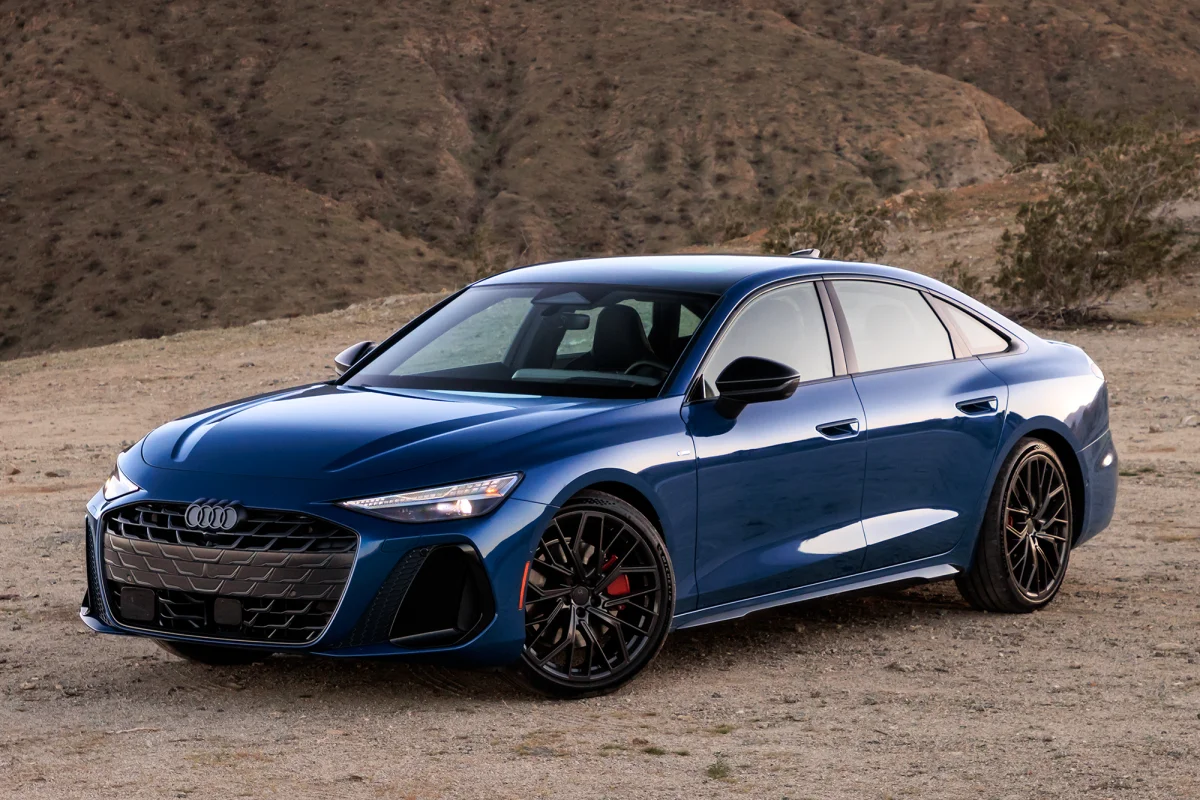
The base Audi A6 delivers a high level of digital technology, safety systems, and refined performance even in its entry trim. It is powered by a 3.0-liter turbocharged V6 producing around 362 horsepower, paired with a seven-speed dual-clutch automatic transmission and standard Quattro all-wheel drive. This setup enables strong acceleration, with 0–60 mph estimated at about 4.5 seconds, while maintaining smooth and composed road manners. Optional adaptive air suspension, sport-tuned setups, and rear-wheel steering further enhance ride comfort and agility.
Inside, the A6 emphasizes a fully digital cockpit experience. The standard setup includes Audi’s Virtual Cockpit Plus with a 12.3-inch digital gauge cluster and a dual-screen MMI infotainment system. A larger 14.5-inch central touchscreen and an 11.9-inch driver display dominate the dashboard, with wireless Apple CarPlay and Android Auto included. An optional passenger display, head-up display, and premium Bang & Olufsen audio systems expand entertainment and convenience options.
Comfort is a core focus of the cabin design. Premium materials such as leather, soft-touch surfaces, and ambient lighting create a refined environment. Tri-zone automatic climate control comes standard, while four-zone climate control and air purification systems are available. A panoramic glass roof enhances cabin openness, and trunk capacity is approximately 14 cubic feet, supporting everyday practicality.
Advanced driver assistance features come standard, including adaptive cruise control, lane-keeping assist, forward collision warning, and automated emergency braking. Additional systems such as surround-view cameras, parking assist, and traffic-aware driving support enhance safety and maneuverability in urban conditions.
Efficiency is supported by a 48-volt mild-hybrid system across the lineup, improving fuel economy and enabling smoother stop-start operation. EPA estimates place fuel consumption at around 20 mpg city, 29 mpg highway, and 23 mpg combined.
Audi’s strategy for the A6 focuses on equipping the base trim with nearly all core technologies found in higher versions. Upgrades in upper trims mainly add luxury enhancements rather than essential features, allowing even the entry model to feel fully equipped. Standard LED lighting, connected services, and digital interfaces ensure a premium experience without requiring additional packages.
8. Nissan Murano Base
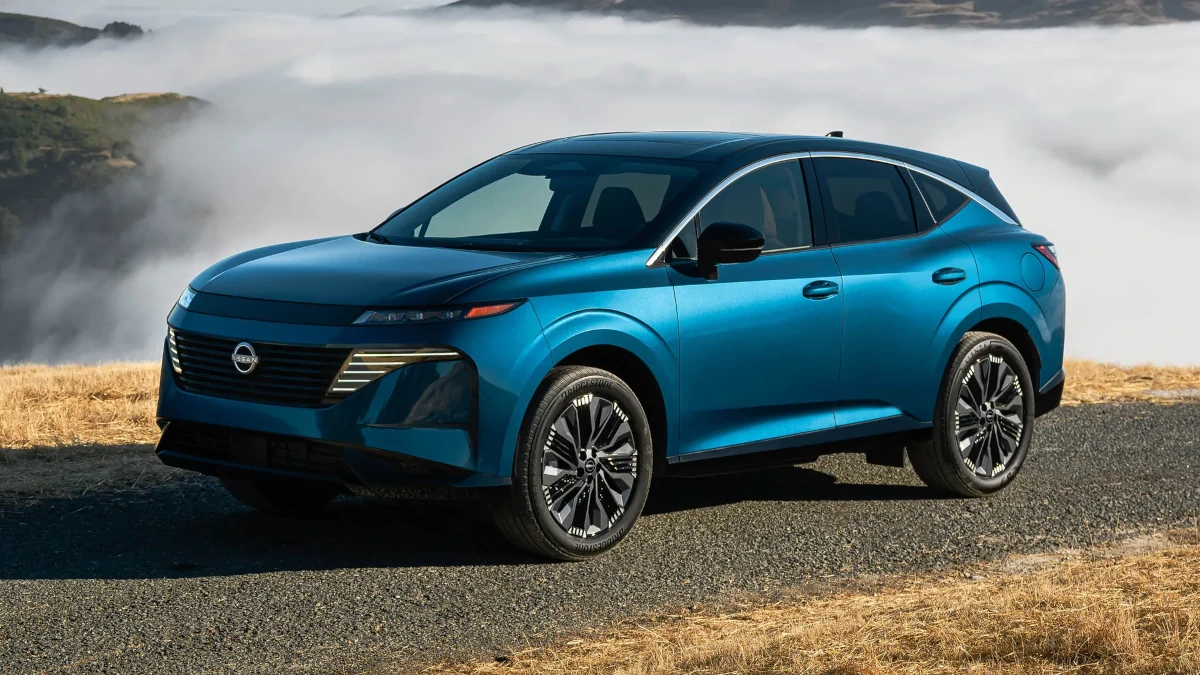
The Nissan Murano base SV trim brings a strong emphasis on digital technology, comfort, and standard driver assistance features, positioning it as a tech-forward option in the midsize crossover segment. It uses a turbocharged 2.0-liter four-cylinder engine producing 241 horsepower, paired with a nine-speed automatic transmission. Front-wheel drive is standard, while all-wheel drive is available on the SV and included on higher trims. In testing, the Murano delivers a 0–60 mph time of about 7.2 seconds, offering improved responsiveness over its previous generation.
Inside, the Murano adopts a modern dual-display layout with two 12.3-inch screens combining the digital instrument cluster and infotainment system. The setup includes wireless Apple CarPlay and Android Auto, voice recognition, multiple USB-C ports, and an available Google-based infotainment system with built-in apps and navigation. Higher trims expand connectivity with Bose audio, Amazon Alexa integration, and in-car Wi-Fi, while even the base version includes a wireless charging pad and active noise cancellation.
Comfort is a key focus, with Nissan’s Zero Gravity front and rear seats designed for long-distance support. The cabin features a stylish dashboard design with textured trim and touch-sensitive climate controls. Cargo capacity measures 33 cubic feet behind the second row and expands to 64 cubic feet with the seats folded, supporting everyday practicality. A power liftgate and keyless entry add convenience to daily use.
Safety technology is comprehensive even at the base level through Nissan Safety Shield 360, which includes automatic emergency braking with pedestrian detection, blind-spot warning, lane departure alert, rear cross-traffic braking, and adaptive cruise control. Advanced ProPILOT Assist features are available on higher trims, enhancing highway driving support.
Fuel economy is rated at 21 mpg city, 27 mpg highway, and 23 mpg combined. Towing capacity is modest at 1,500 pounds, reflecting its focus on comfort and commuting rather than heavy-duty utility.
The Murano’s base trim strategy emphasizes making advanced technology and safety systems standard rather than optional. This approach allows the entry model to feel close to premium-level crossovers without requiring significant upgrades, strengthening its appeal among buyers seeking comfort, connectivity, and ease of use.
9. Jeep Cherokee Base
The 2026 Jeep Cherokee base Laredo trim marks a shift toward a more modern, technology-focused compact SUV while retaining Jeep’s core capability. It introduces a standard hybrid powertrain combining a 1.6-liter turbocharged four-cylinder engine with two electric motors, producing about 210 horsepower and 230 lb-ft of torque. A continuously variable transmission works with standard all-wheel drive, while a mechanical rear axle connection can disconnect to improve efficiency. Estimated acceleration reaches 0–60 mph in roughly 8.1–8.3 seconds, prioritizing smoothness and efficiency over speed.
Inside, the Cherokee features a fully digital approach to its cabin experience. A standard 12.3-inch Uconnect 5 touchscreen handles infotainment duties with wireless Apple CarPlay, Android Auto, Bluetooth, and over-the-air updates. A digital instrument cluster provides configurable driving data, navigation views, and off-road information. Even the base trim includes connected services, multiple USB ports, and a six-speaker audio system, with upgraded Bose-like premium audio available on higher trims.
Safety technology is extensive and standard across the lineup, including adaptive cruise control, blind-spot monitoring, forward collision warning, pedestrian and cyclist detection, and active lane management. These systems help support both highway driving and urban traffic conditions without requiring optional packages.
Cabin space has improved compared to previous generations, with increased front and rear-seat room and more comfortable seating positions. Cargo capacity measures 31 cubic feet behind the rear seats and expands to 68 cubic feet when folded, reflecting a significant increase in practicality. Available features include heated and ventilated seating, faux-leather upholstery, and enhanced interior trims on higher models.
Fuel economy is estimated at 39 mpg city, 35 mpg highway, and 37 mpg combined, making it one of the more efficient options in its class. Towing capacity reaches up to 3,500 pounds, allowing light trailers and recreational gear use.
Jeep’s approach with the base Cherokee focuses on delivering strong standard equipment rather than requiring upgrades for core features. By combining hybrid efficiency, advanced safety systems, and a large digital interface with standard 4×4 capability, the base trim offers a well-equipped foundation suited for daily driving and light off-road use.
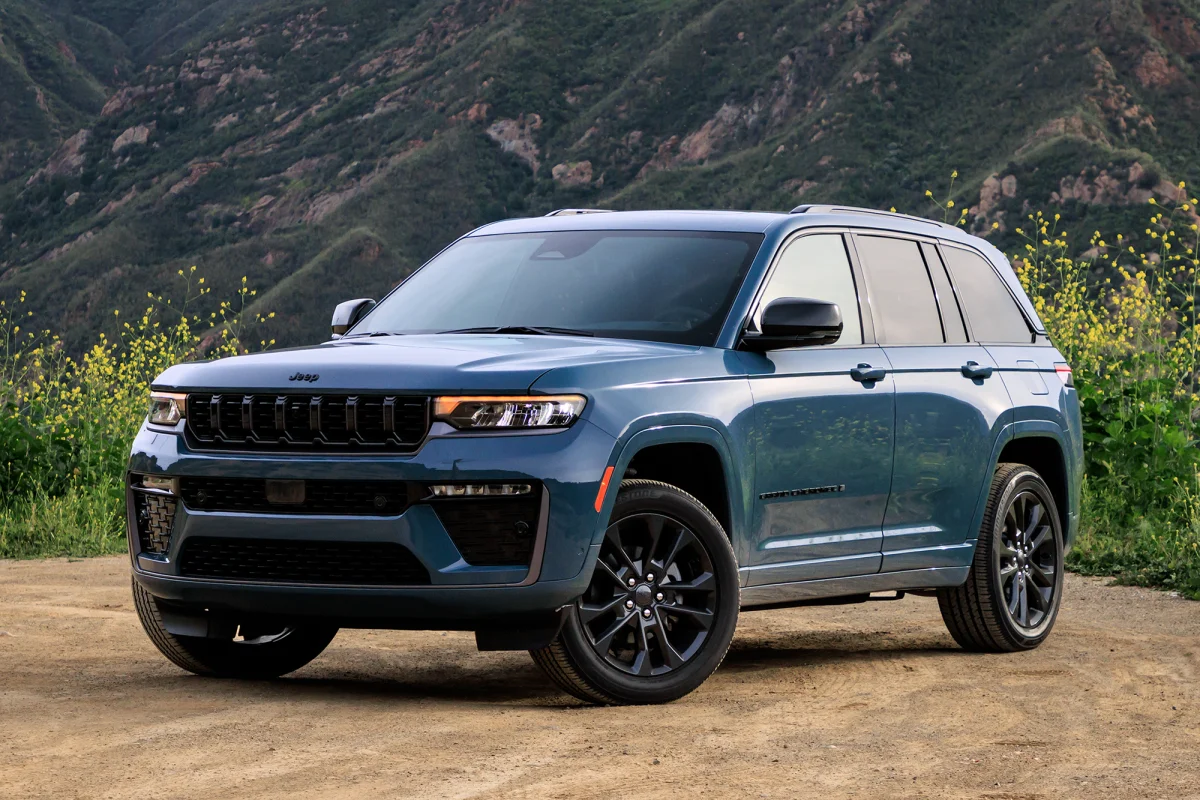
Across all nine models, a clear pattern emerges: the base trim is no longer the stripped-down version of a vehicle, but often its most strategically equipped form. Whether it is hybrid efficiency in the Toyota Camry LE and Jeep Cherokee, expansive digital dashboards in the Audi A6 and Nissan Murano, or full software ecosystems in the Tesla Model 3, manufacturers are prioritizing technology as a standard expectation.
Safety systems like adaptive cruise control, lane-keeping assist, and automatic emergency braking appear repeatedly, reinforcing how deeply driver assistance has been integrated even at the entry level. Comfort and connectivity also play major roles, with wireless smartphone integration, large infotainment screens, and premium cabin touches becoming routine.
This evolution shows that base trims now serve as complete, well-rounded packages rather than compromise options. For buyers, it means greater value and fewer reasons to upgrade, as today’s entry-level vehicles already deliver much of the technology once reserved for high-end trims.
Also read: 5 Cars to Buy Before Prices Rise and 5 to Wait On
