
For decades, the automotive industry followed a predictable pattern. Every redesign usually brought larger dimensions, more weight, and increased interior space. Sedans became longer, SUVs grew taller, and pickup trucks expanded so dramatically that older generations now look compact by comparison.
Buyers became accustomed to the idea that a new model would almost always be physically bigger than the one it replaced.
Yet in recent years, something unusual started happening. A handful of manufacturers reversed course and intentionally made certain vehicles smaller during redesigns.
In some cases, the full length decreased. In others, wheelbases shortened, rooflines dropped, or body dimensions became tighter and more compact. These decisions surprised many buyers because downsizing had become extremely rare in modern automotive design.
There are several reasons companies choose this direction. Fuel efficiency regulations continue pushing engineers toward lighter and more aerodynamic vehicles.
Urban congestion has also increased worldwide, making oversized vehicles harder to maneuver and park comfortably. Some automakers realized earlier generations had become too bulky, losing the agility and personality that originally made those models popular in the first place.
Another major factor involves changing platforms and market positioning. Certain vehicles shifted categories entirely during redesigns.
Some sedans transformed into more compact sport-oriented machines, while others abandoned heavy luxury identities in favor of lighter and more efficient layouts. Electric vehicle packaging has also influenced dimensions because batteries force manufacturers to rethink proportions carefully.
Interestingly, shrinking a vehicle does not always mean sacrificing interior comfort. Modern engineering allows companies to create smarter cabin layouts that preserve passenger room even while exterior measurements decrease. Improved packaging efficiency, thinner seats, and revised suspension systems all contribute to this trend.
The vehicles in this article stand out because they went against the industry norm. Instead of becoming larger with every generation, they became leaner, shorter, or more compact during their latest redesigns.
Some buyers appreciated the return to manageable dimensions, while others missed the larger presence of older models. Either way, these redesigns prove that bigger is no longer the only direction the automotive world is willing to follow.
Also Read: 9 Cars With the Best Free Maintenance Programs
1. Honda Accord
For many years, the Honda Accord steadily increased in size with nearly every redesign. Earlier generations evolved from compact dimensions into something approaching full-size territory, especially in North America, where buyers demanded larger cabins and more highway comfort.
However, Honda eventually recognized the Accord risked losing some of the balance and maneuverability that originally made it famous.
The latest redesign brought a more restrained approach. While the changes were not dramatic enough to transform the Accord into a small car again, Honda carefully reduced certain exterior proportions and refined the full shape to create a cleaner, more efficient sedan.
The company focused heavily on aerodynamics and packaging rather than simply stretching dimensions further.
One noticeable difference came from the design philosophy itself. Previous generations sometimes appeared bulky because of thick body panels and heavy styling elements.
The newer Accord adopted smoother surfaces and a more disciplined silhouette, helping the vehicle feel lighter and less oversized visually. Drivers immediately noticed the sedan felt easier to place on narrow roads and less cumbersome in crowded parking lots.
Honda also improved cabin efficiency during the redesign. The interior room remained generous despite subtle dimensional reductions because engineers optimized seating layouts and dashboard placement more effectively. This allowed the Accord to preserve family practicality without carrying unnecessary exterior bulk.
Fuel economy and driving dynamics benefited as well. A slightly leaner structure helped reduce weight while improving stability and responsiveness. Buyers who disliked the trend of ever-growing sedans often appreciated the newer Accord because it returned some athletic character to a model that had gradually become more comfort-focused over the years.
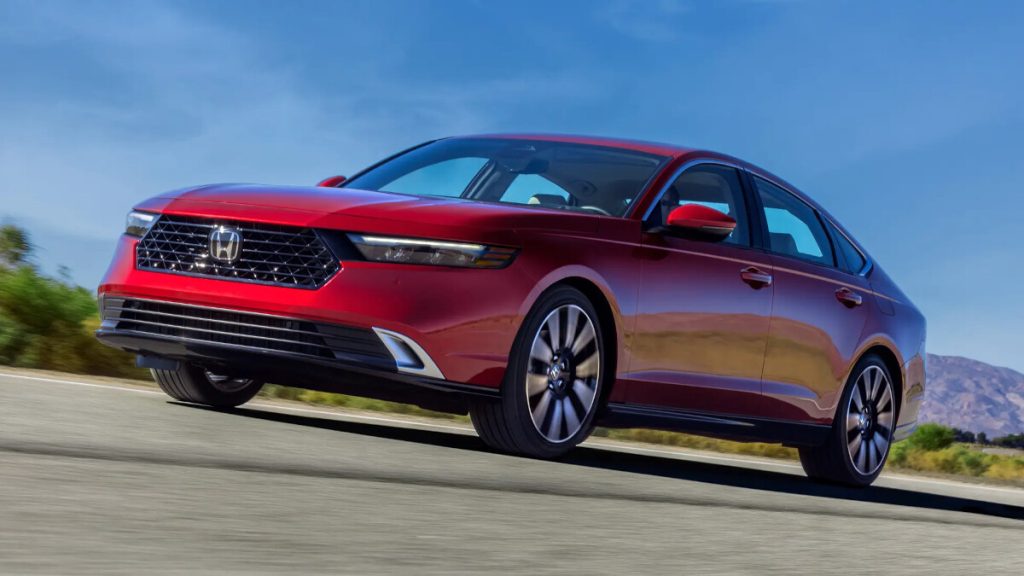
The redesign reflected a broader shift within the industry. Automakers increasingly understand that constant growth is not always beneficial. Larger dimensions may improve showroom presence, but they can also hurt efficiency, maneuverability, and driver engagement.
By making the Accord slightly smaller and more disciplined in its latest evolution, Honda demonstrated that intelligent refinement can sometimes matter more than simply adding extra inches to every new generation.
2. BMW 2 Series Coupe
The BMW 2 Series occupies an unusual place in BMW’s modern lineup because it resisted the brand’s long-standing habit of making every generation larger and heavier.
While many BMW models gradually expanded into near luxury cruiser territory, the most recent redesign of the 2 Series Coupe intentionally maintained compact proportions and even tightened certain dimensions to preserve the agile personality enthusiasts expected.
BMW understood the risk clearly. Earlier compact BMW coupes gained loyal followings because they felt nimble and connected to the road.
As larger vehicles dominated the market, many enthusiasts worried the company would transform the 2 Series into another oversized grand touring car. Instead, BMW focused on preserving maneuverability and driver engagement.
The redesign sharpened the car’s stance and reduced visual bulk considerably. Short overhangs, compact body proportions, and a relatively contained footprint helped the coupe feel smaller than many modern performance cars surrounding it.
In crowded urban environments, that difference became especially noticeable. Drivers could thread through traffic and park more confidently than they could in larger luxury coupes.
BMW also revised the chassis carefully to improve balance and responsiveness. A slightly tighter package contributed to quicker directional changes and stronger road feel, restoring some of the energetic character older BMW coupes once delivered consistently.
Enthusiasts praised the redesign because it avoided the bloated sensation affecting many modern performance vehicles.
Interestingly, the company managed to maintain acceptable interior comfort despite the compact exterior. Front passengers still received supportive seating and modern technology features, while the reduced size helped create a more driver-focused atmosphere rather than a detached luxury experience.
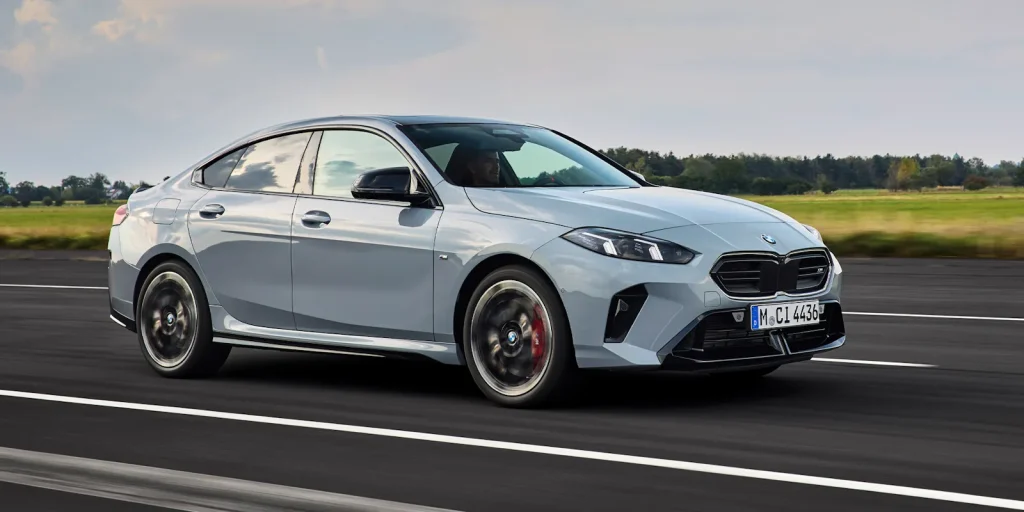
The redesign reflected an important realization within the premium performance market. Bigger dimensions do not always improve a sports coupe. Increased weight and size can dilute the precise handling qualities buyers actually want. BMW, therefore, treated the 2 Series differently from the larger models; it aimed more heavily at comfort and prestige.
By resisting unnecessary growth, the newest 2 Series Coupe preserved much of the playful nature that originally defined compact German performance cars. In a market filled with increasingly oversized luxury vehicles, its smaller redesign became part of its appeal rather than a compromise.
3. Chevrolet Trax
When the Chevrolet Trax first appeared, it targeted buyers wanting affordable crossover practicality in a city-friendly package. Earlier versions carried upright styling and dimensions that attempted to maximize interior space despite the vehicle’s small footprint.
However, the latest redesign took a surprisingly different direction by lowering the profile and tightening certain proportions to create a more car-like driving experience.
Chevrolet recognized that many buyers disliked bulky crossovers that felt oversized for urban driving. Instead of increasing height and visual mass, the redesigned Trax adopted sleeker bodywork with a lower stance and more disciplined dimensions. The result made the vehicle appear smaller and more athletic, even while maintaining useful cabin space.
This redesign changed the driving character noticeably. The lower center of gravity improved handling confidence while helping the crossover feel less top-heavy during quick maneuvers.
Parking garages, narrow streets, and crowded city traffic also became easier to navigate because the vehicle no longer carried the exaggerated proportions common among modern SUVs.
Another interesting aspect involved styling perception. Earlier compact crossovers often relied on rugged design cues to appear adventurous, even when they rarely left paved roads. The new Trax moved away from that formula by emphasizing cleaner lines and smoother proportions. This made the vehicle feel more contemporary and less visually inflated.
Chevrolet also improved packaging efficiency dramatically. Passengers still received respectable interior comfort despite the leaner exterior shape because engineers reorganized cabin layouts intelligently. Cargo space remained competitive for the class, proving that a vehicle does not need excessive height to remain practical.
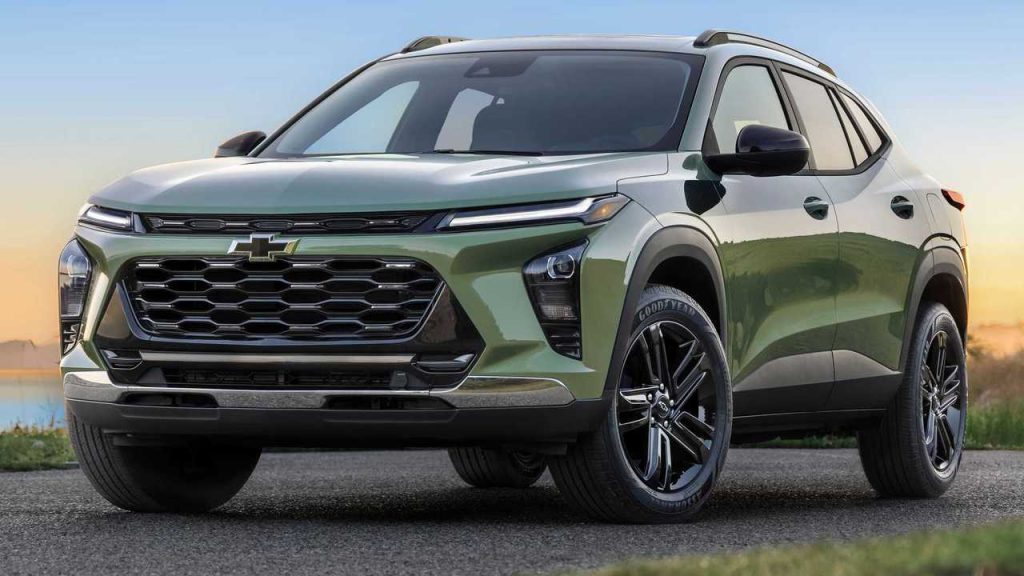
Fuel economy and aerodynamic performance benefited from the smaller redesign as well. Reduced visual bulk and improved airflow helped create a more efficient vehicle suited to modern commuting demands.
The redesigned Trax reflects a growing shift in automotive thinking. Some manufacturers now realize consumers do not always want larger crossovers with towering ride heights and excessive body cladding.
By making the Trax feel smaller, lighter, and more manageable, Chevrolet gave the vehicle a stronger identity in an increasingly crowded SUV market.
4. Mercedes-Benz C-Class
The Mercedes-Benz C-Class spent years growing larger with each generation as luxury buyers demanded more interior space, additional technology, and smoother highway comfort. At one point, the C-Class became so substantial that it started overlapping with older generations of the larger E-Class.
Mercedes eventually recognized this trend risked blurring the identity of its entry-level luxury sedan, leading to a more disciplined redesign strategy.
The newest redesign refined the vehicle’s dimensions carefully rather than allowing another major growth spurt. Mercedes focused on making the sedan appear sleeker and more compact visually while improving aerodynamic efficiency. The result created a cleaner and more agile luxury car that felt less bulky in crowded urban settings.
One important change involved body shaping. Previous versions sometimes appeared heavy because of thick styling lines and tall proportions. The updated model adopted smoother surfaces and a lower visual stance that helped reduce the sense of mass.
Drivers noticed the difference immediately during parking and tight maneuvering situations, where the sedan felt easier to control than larger luxury rivals.
Mercedes also relied heavily on modern packaging efficiency. Even though the exterior dimensions became more restrained, interior comfort remained impressive thanks to redesigned seats, thinner materials, and a revised dashboard layout.
Passengers still received the upscale atmosphere expected from the brand without forcing the vehicle to become unnecessarily oversized.
Driving dynamics improved as well. The slightly tighter body dimensions and refined structure contributed to sharper handling and better responsiveness. Earlier luxury sedans sometimes prioritized softness to the point of feeling detached from the road, but the newer C-Class regained some athletic character through its leaner redesign.
Another reason for the smaller approach involved market positioning. Mercedes needed a clearer separation between the C-Class and larger sedans higher in the lineup. Allowing the car to keep expanding would have weakened that distinction further.

The redesign showed that luxury vehicles do not always need to increase in size to feel premium. Through careful engineering and efficient packaging, Mercedes created a sedan that maintained comfort and sophistication while becoming more manageable and visually refined.
In a market where many luxury vehicles continue growing heavier and larger, the latest C-Class took a noticeably different path.
5. Ford Mustang
For decades, the Ford Mustang evolved into a larger and heavier performance machine. Earlier generations started as relatively compact pony cars, but over time, increasing safety regulations, larger engines, and growing consumer expectations pushed dimensions upward. Eventually, Ford recognized the Mustang risked losing some of the agility and approachable character that originally made it successful.
The latest redesign introduced a more controlled approach to size. While still unmistakably muscular, the modern Mustang has tightened proportions and reduced visual bulk compared with some previous generations. Ford focused on improving balance and handling rather than simply emphasizing road presence through larger dimensions.
One noticeable improvement came from the car’s stance. The redesign created a lower and more planted appearance that helped the Mustang feel sportier without requiring additional physical size. Drivers often describe the newer version as more confidence-inspiring on winding roads because it feels less cumbersome than earlier heavy-muscle car generations.
Ford also revised the chassis extensively to improve responsiveness. The slightly leaner structure supported better weight distribution and sharper steering characteristics, helping the car compete more effectively against modern sports coupes from Europe and Japan.
This mattered because performance buyers increasingly valued precision alongside straight-line power.
The cabin redesign demonstrated smarter packaging, too. Despite the more disciplined exterior proportions, the Mustang retained reasonable comfort and modern technology features. Engineers used interior layout improvements to preserve usability without forcing the body to grow continuously.
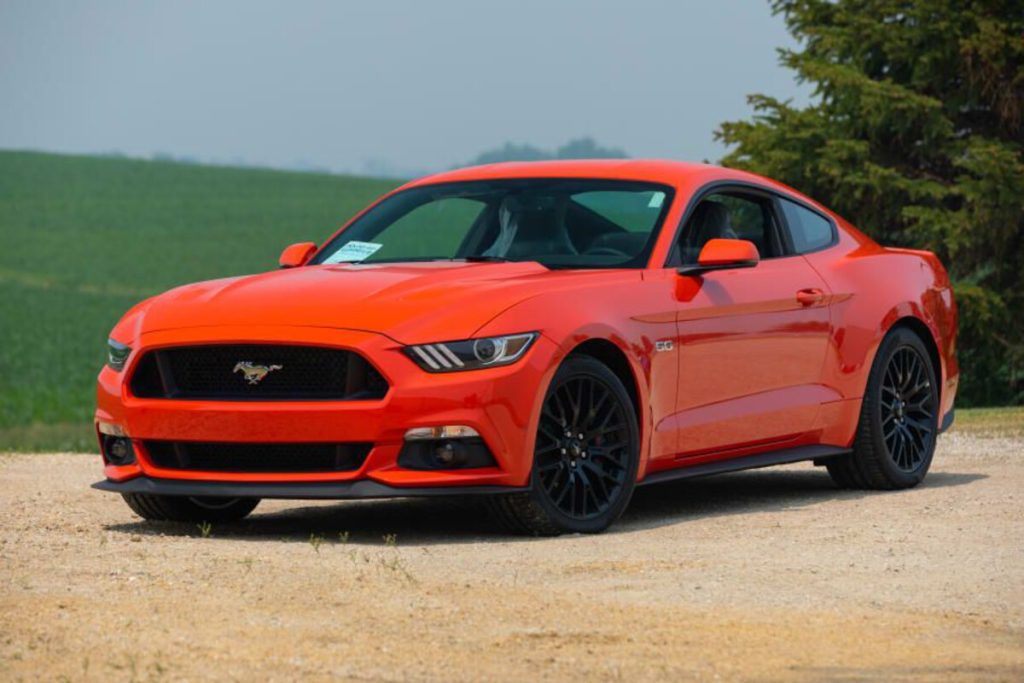
Aerodynamics became another major focus. By refining the shape and controlling unnecessary bulk, Ford improved airflow efficiency while maintaining the aggressive styling expected from an American performance icon. This helped both fuel economy and high-speed stability.
The smaller redesign also carried symbolic importance. It reflected Ford’s understanding that muscle cars succeed not only because of horsepower but also because of emotional driving experiences. Excessive size and weight can weaken that connection.
By making the Mustang feel tighter and more athletic in its latest redesign, Ford brought the car closer to the spirit of earlier generations while still meeting modern expectations for safety, comfort, and technology.
6. Mini Cooper
The Mini Cooper built its entire identity around small dimensions and playful driving manners, yet even Mini gradually allowed the car to grow larger through successive generations.
Safety regulations, additional technology, and changing consumer expectations slowly transformed the once tiny hatchback into something noticeably bigger than the classic models that inspired it. During the latest redesign, however, Mini attempted to reverse part of that expansion.
The company focused on making the Cooper feel more compact and agile again, rather than continuing the endless growth trend. Designers tightened exterior proportions and simplified the body shape to create a cleaner, more contained appearance.
The new version still meets modern safety standards and comfort expectations, but it no longer feels as visually inflated as some earlier generations.
This redesign mattered because maneuverability sits at the center of the Mini experience. Drivers expect the car to dart through traffic, squeeze into tiny parking spaces, and react quickly to steering inputs.
As dimensions increased over the years, some enthusiasts felt the vehicle started losing that energetic personality. The newer redesign attempted to restore some of that charm by emphasizing lighter and more disciplined proportions.
Interior packaging improved significantly as well. Mini used smarter layouts and updated technology integration to preserve passenger comfort despite the reduced exterior footprint. The cabin feels cleaner and more efficient, helping the car avoid the cramped sensation smaller vehicles sometimes create.

The redesign also improved visual identity. Earlier versions occasionally appeared oversized due to thick body panels and enlarged styling elements. The newest Cooper returned to a simpler and more balanced design language that better reflects the spirit of the original Mini concept.
Fuel efficiency and handling both benefited from the smaller approach. Reduced weight and tighter dimensions helped create a more responsive driving experience while supporting better urban practicality.
Mini understood an important truth during this redesign process. Customers choosing a Mini often want something intentionally compact, not a hatchback pretending to be a crossover. By resisting further growth and refining the vehicle into a more focused package, the brand strengthened the qualities that made the Cooper unique in the first place.
7. Jeep Cherokee
The Jeep Cherokee has gone through several identity changes throughout its history. Earlier generations ranged from rugged, boxy utility vehicles to more comfort-focused family crossovers.
During its latest redesign, Jeep made the Cherokee noticeably more compact and streamlined compared with some previous versions that had grown heavier and visually larger over time.
This shift reflected changing realities within the SUV market. Many crossovers had become so oversized that maneuverability and efficiency started suffering. Jeep recognized that buyers increasingly wanted vehicles easier to drive in cities without completely sacrificing utility. As a result, the redesigned Cherokee adopted leaner dimensions and a more aerodynamic shape.
The smaller redesign brought immediate improvements in key areas. Urban driving became more manageable, as the SUV felt less bulky in traffic and easier to park in tight spaces. Visibility also improved in many situations, giving drivers greater confidence when dealing with crowded or confined areas.
Jeep also focused heavily on weight reduction and efficiency. Earlier versions carried substantial mass that affected fuel economy and handling. The newer, more compact structure helped the Cherokee feel lighter on its feet while supporting better ride quality and reduced fuel consumption.
Interestingly, the redesign did not eliminate the vehicle’s utility-focused personality. Engineers worked carefully to maintain respectable cargo space and passenger comfort through smarter interior packaging. Fold-flat seating systems and revised cabin layouts helped preserve practicality despite the tighter exterior footprint.
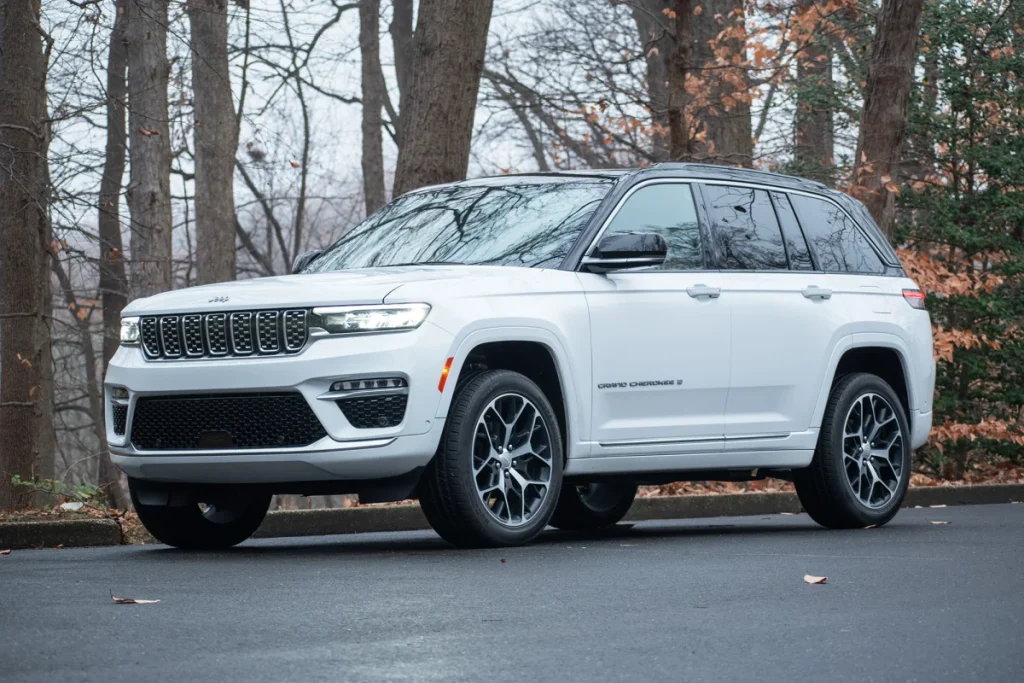
Styling played a major role, too. Previous generations sometimes looked oversized because of tall bodywork and aggressive front-end designs. The updated Cherokee adopted smoother proportions and cleaner lines, creating a more modern appearance without losing the rugged character associated with the Jeep brand.
The redesign showed that even SUVs benefit from restraint. Constantly increasing dimensions can eventually hurt the very practicality buyers expect from compact utility vehicles. By making the Cherokee smaller and more manageable, Jeep responded to changing consumer needs while improving efficiency and everyday usability at the same time.
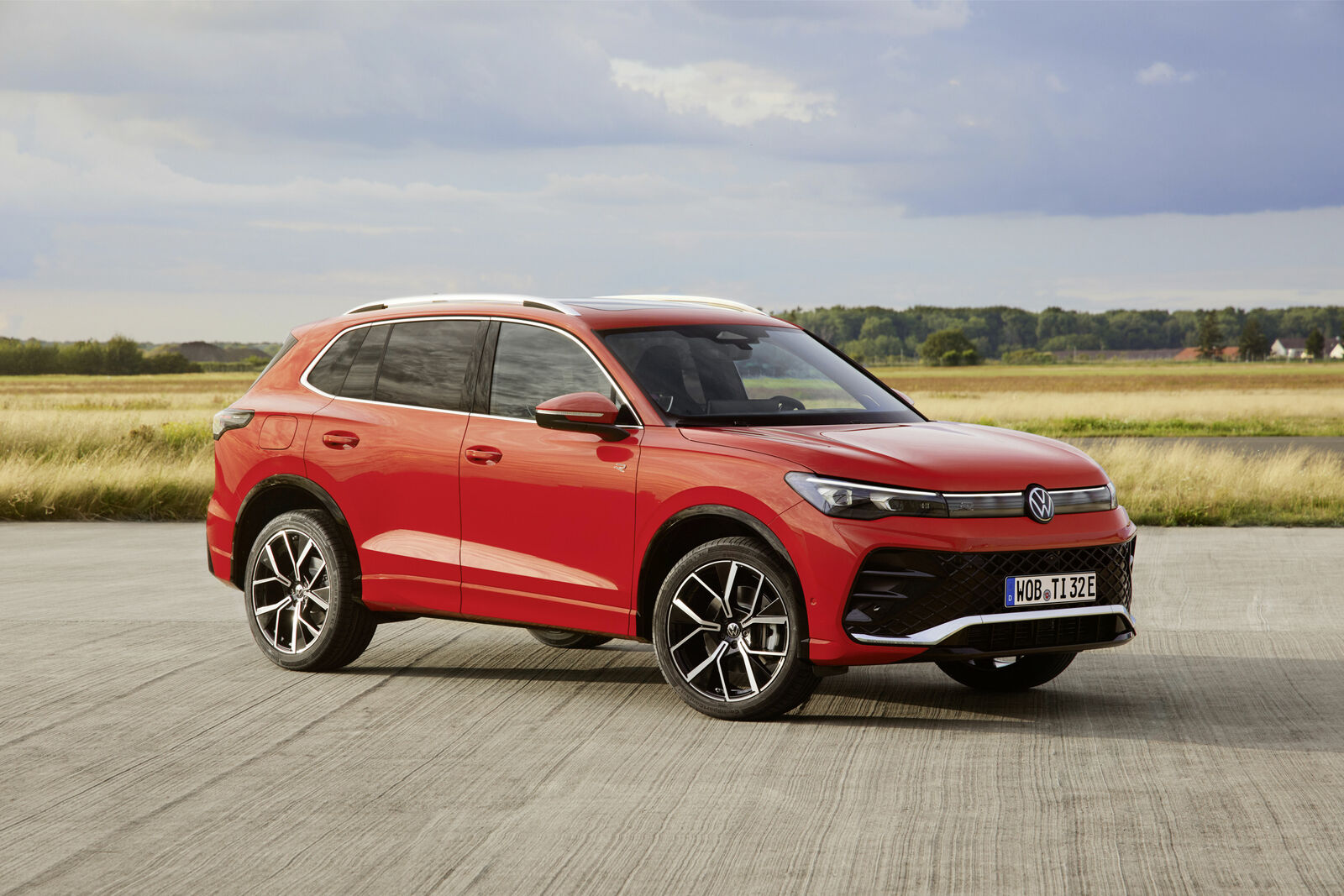
8. Volkswagen Tiguan
The Volkswagen Tiguan gradually expanded through earlier generations as Volkswagen attempted to satisfy growing demand for family-friendly SUVs. More cargo space, larger cabins, and broader market appeal pushed the vehicle toward dimensions that started overlapping with midsize crossovers.
During its latest redesign, however, Volkswagen chose a more controlled direction by tightening the full package and giving the Tiguan a noticeably leaner feel.
Rather than chasing maximum size, Volkswagen focused on efficiency and maneuverability. The updated Tiguan adopted cleaner body lines, a more aerodynamic profile, and proportions that reduced visual bulk significantly. Even where measurements changed only slightly, the crossover felt smaller because of the refined design approach.
This redesign improved everyday usability in several important ways. Drivers found the Tiguan easier to navigate through narrow city streets and crowded parking areas. The vehicle also became more stable and composed during highway driving because the reduced mass and sleeker body improved handling confidence.
Volkswagen worked carefully to preserve practicality despite the more compact direction. Interior packaging improvements helped maintain respectable passenger space and cargo capacity without forcing the crossover to continue growing outward.
Smarter seat designs and more efficient cabin layouts allowed the Tiguan to remain family-friendly while becoming less cumbersome externally.
Fuel efficiency also benefited from the redesign. Better aerodynamics and controlled dimensions reduced drag while helping the crossover consume less fuel than heavier and boxier SUV competitors. This mattered increasingly as buyers started prioritizing efficiency alongside practicality.
Another interesting aspect involved styling philosophy. Earlier SUVs often relied on exaggerated body cladding and tall proportions to appear rugged. Volkswagen instead gave the Tiguan a cleaner and more disciplined appearance, creating a crossover that looked modern without appearing oversized.
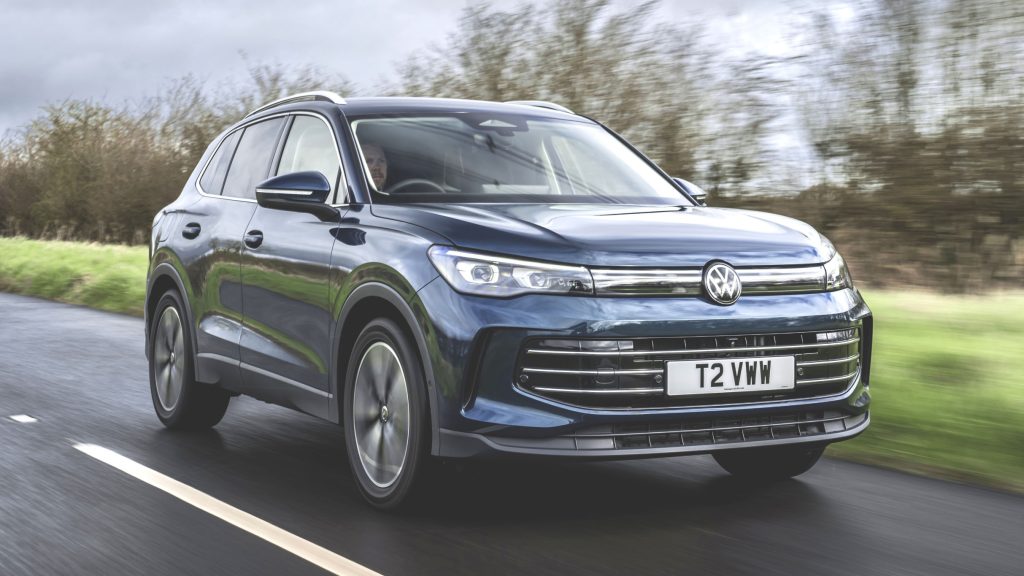
The redesign reflected a growing understanding within the industry that not every SUV needs to become larger with each generation. Many customers actually prefer vehicles that feel manageable and efficient rather than enormous and difficult to park.
By making the Tiguan leaner and more refined, Volkswagen preserved the crossover’s practicality while improving the driving experience and urban usability. The result demonstrated that thoughtful downsizing can strengthen a vehicle’s identity instead of weakening it.
9. Toyota Prius
The Toyota Prius spent years becoming larger and more comfort-focused as hybrid technology entered the mainstream market. Earlier generations gradually increased in size to provide additional passenger room and broader family appeal.
Yet the most recent redesign took a surprisingly different path by giving the Prius a lower, sleeker, and visually smaller shape that completely transformed its personality.
Toyota understood the older Prius had developed a reputation for prioritizing efficiency at the expense of driving excitement and style. The redesign, therefore, focused on creating a tighter and more athletic vehicle instead of simplifying interior dimensions again.
The lower roofline and more compact visual proportions immediately made the car appear leaner than previous generations.
This smaller redesign improved more than appearance alone. The updated Prius feels more stable and responsive on the road because of its lower center of gravity and revised chassis tuning. Drivers who previously dismissed the car as awkward or oversized often reacted positively to the sharper handling and more controlled body movements.
Toyota also improved aerodynamic efficiency dramatically. The sleeker shape reduced drag while preserving the excellent fuel economy that defines the Prius name. By refining proportions instead of increasing bulk, engineers created a hybrid vehicle that looks modern and efficient simultaneously.
Interior packaging became especially important during this redesign. Despite the lower and tighter exterior, the cabin still provides practical seating and useful cargo space thanks to smarter layout solutions. Toyota used modern engineering techniques to maintain comfort without allowing the vehicle to grow unnecessarily large.
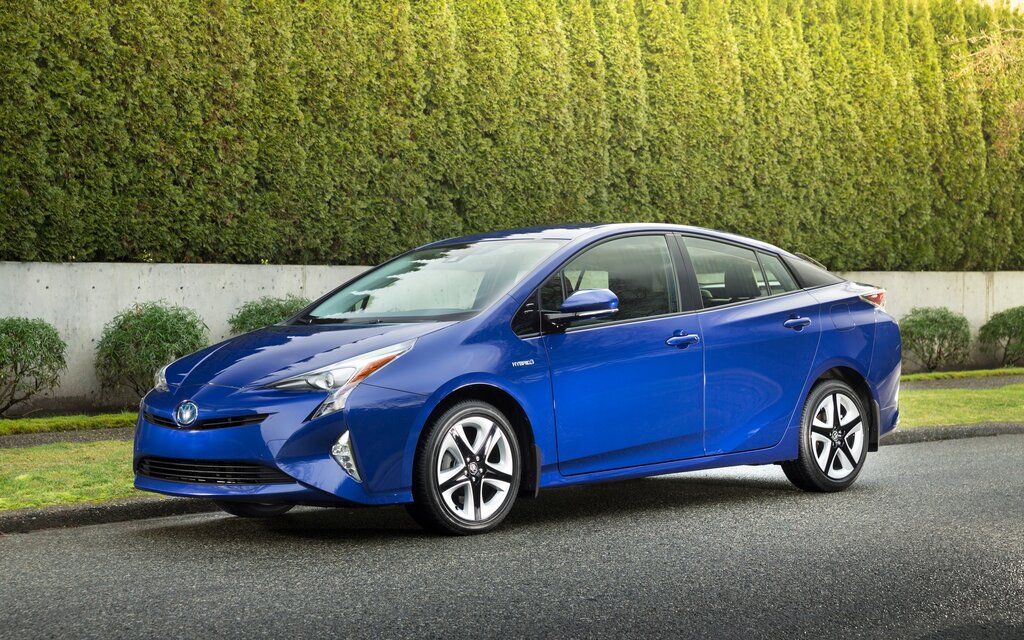
Another major advantage involves urban usability. The redesigned Prius feels easier to maneuver through traffic and simpler to park than some earlier versions that had become visually bulky over time. This restored some of the compact efficiency that originally helped hybrids gain popularity in crowded cities.
The newest Prius demonstrates how downsizing can completely reshape public perception of a vehicle. Instead of becoming another bloated family hatchback, Toyota transformed the Prius into a cleaner, more focused, and more engaging hybrid that better fits modern driving needs.
Also Read: 8 Cars With the Worst Real-World MPG of 2026
