
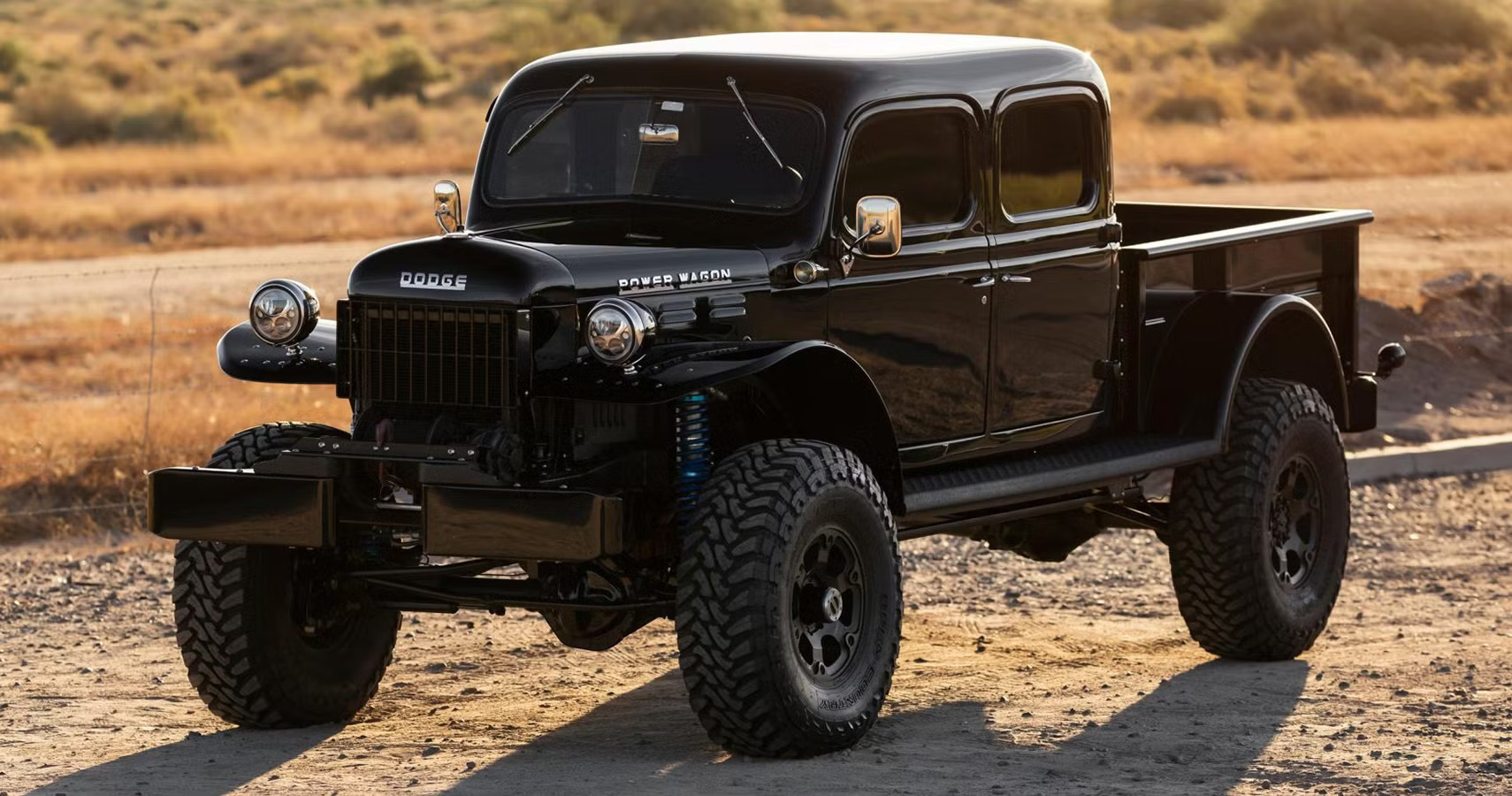
Pickup trucks were once purchased mainly for hard work. Farmers, construction crews, ranchers, and tradespeople relied on them because they were durable, simple to repair, and capable of handling abuse daily.
Few buyers imagined those same trucks would someday become collector vehicles worth more than the modern replacements sitting in dealerships today.
That shift has transformed the classic truck market dramatically. Older pickups that once sold cheaply at auctions or sat forgotten in barns now attract serious collectors willing to spend enormous money on clean examples.
In many cases, restored classic trucks sell for prices higher than brand-new luxury pickups loaded with touchscreen technology, advanced towing systems, and leather interiors.
Several factors explain this surge in value. Nostalgia plays a major role because many buyers grew up around these trucks and now want to relive that era.
Simpler mechanical designs also appeal to enthusiasts tired of increasingly complicated modern vehicles filled with expensive electronics and emissions systems. Classic pickups often provide a more direct and mechanical driving experience that newer trucks cannot replicate.
Rarity matters too. Many old pickups lived difficult lives hauling equipment, towing trailers, or surviving harsh weather conditions. As a result, clean original examples became surprisingly scarce over time. Trucks, once viewed as ordinary work tools, suddenly turned into collectible survivors.
Another important factor involves styling. Older pickups carried strong visual identities with square body lines, chrome trim, and straightforward proportions. Modern trucks, while incredibly capable, often feel oversized and heavily focused on luxury features rather than timeless design simplicity.
The collector market also expanded beyond muscle cars and sports cars. Enthusiasts increasingly recognized that vintage pickups represent important pieces of automotive history, especially models tied to farming culture, American manufacturing, and postwar industrial growth.
The trucks in this article now regularly command prices exceeding the cost of many brand-new replacements. Some became famous because of rarity and performance, while others earned collector status through durability, cultural impact, or iconic styling.
Together, they prove that classic pickups have evolved from basic work vehicles into some of the hottest collectibles in today’s automotive market.
Also Read: 9 SUVs With the Lowest 10-Year Maintenance Costs
1. Ford F-100
The Ford F-100 transformed from an everyday workhorse into one of the most sought-after vintage trucks in America. During its original production years, the F-100 served farmers, contractors, and small businesses without attracting much collector attention. Today, however, pristine examples regularly sell for prices exceeding many brand-new full-size pickups.
Part of the appeal comes from styling. The F-100, especially from the 1950s and 1960s, carried clean body lines, rounded fenders, and straightforward proportions that modern trucks rarely replicate. Enthusiasts appreciate the simplicity because the truck looks rugged without appearing oversized or overloaded with unnecessary design elements.
Mechanical simplicity also adds major value. Older F-100 models remain relatively easy to repair and modify compared with modern pickups filled with complex electronics and emissions systems. Many collectors enjoy restoring these trucks because parts availability remains strong and customization possibilities are enormous.
Another reason prices climbed involves cultural importance. The F-100 became deeply connected with American blue-collar history, representing a period when pickups served purely functional purposes rather than luxury lifestyles. Buyers often see these trucks as symbols of authenticity and durability.
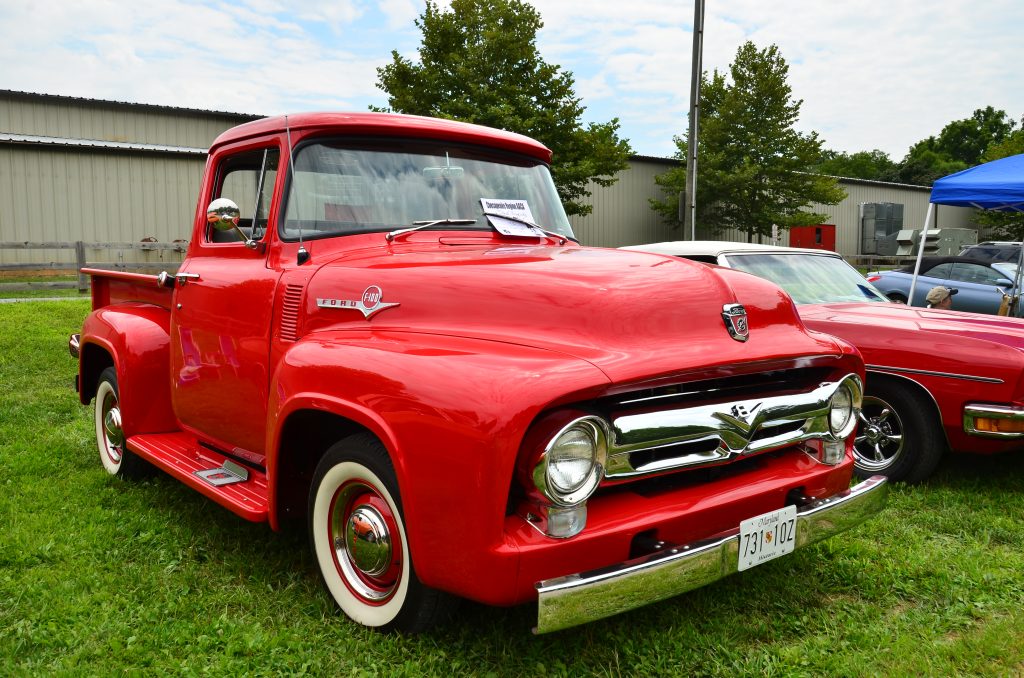
Restomod culture pushed values even higher. Some owners combine classic F-100 bodies with modern suspensions, fuel-injected V8 engines, upgraded brakes, and custom interiors. High-quality builds regularly sell for six-figure prices at major auctions, often exceeding the cost of brand-new luxury trucks by massive margins.
Original untouched examples became valuable too because many F-100s lived hard-working lives and eventually disappeared through rust or heavy use. Finding well-preserved trucks now requires significant money, especially for rare trim levels or desirable engine combinations.
Interestingly, the modern Ford F-150 remains America’s best-selling truck, yet certain vintage F-100 models command far FDohigher collector values than current showroom versions. That contrast highlights how nostalgia, rarity, and classic styling can outweigh modern technology in the enthusiast market.
The F-100 no longer represents simple transportation. It became an icon of classic American truck culture, and collectors continue paying extraordinary prices to own clean examples of Ford’s legendary pickup heritage.
2. Chevrolet C10
The Chevrolet C10 spent decades as one of America’s most dependable and recognizable work trucks, yet few people imagined it would someday become a collector favorite worth more than many brand-new pickups.
In recent years, values for restored and highly original C10Ss climbed dramatically as enthusiasts rediscovered the truck’s timeless design and customization potential.
One reason for the surge involves styling simplicity. Chevrolet gave the C10 clean proportions, wide stances, and elegant body lines that still look modern decades later.
The “square body” generations especially became hugely popular because they balance ruggedness with classic visual appeal. Unlike many modern trucks filled with aggressive styling details, the C10 feels honest and purposeful.
The truck also became deeply connected with American car culture. For years, younger enthusiasts lowered C10S, added polished wheels, upgraded suspension systems, and transformed them into stylish street trucks.
That customization movement expanded rapidly through social media and automotive events, pushing demand far beyond traditional collector circles.
Mechanical accessibility helped values rise, too. Small block Chevrolet V8 engines remain easy to modify, repair, and replace, making the C10 approachable for hobbyists. Enthusiasts can modernize drivetrains or preserve factory originality depending on personal preference.
Another factor involves rarity through survival. Many C10s worked extremely hard throughout their lives hauling equipment, towing trailers, or operating in rough weather conditions. Rust destroyed countless trucks over time, especially in northern climates. Clean examples, therefore, became increasingly scarce.
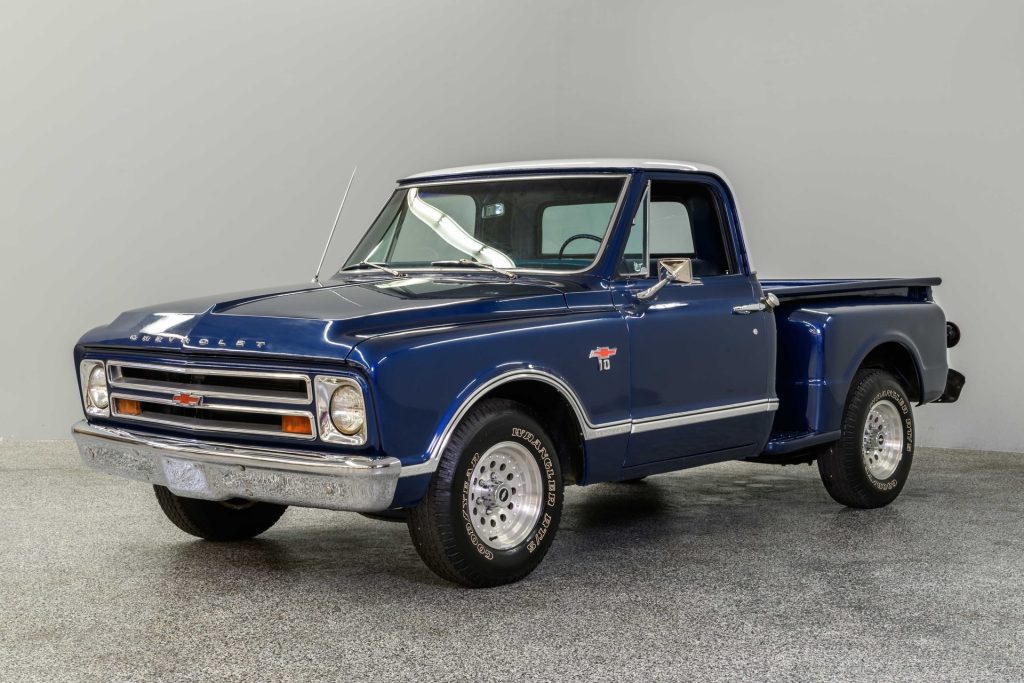
Auction prices now regularly shock longtime truck owners. Restored short-bed C10s sometimes sell for more than modern luxury pickups equipped with advanced towing systems and premium interiors. Buyers willingly pay because the trucks offer an emotional appeal that modern vehicles cannot duplicate.
The C10 also benefits from broad generational appeal. Older collectors appreciate nostalgia and authenticity, while younger buyers admire the truck’s customization possibilities and classic styling.
Chevrolet originally built the C10 as a durable work tool, but the market transformed it into something entirely different. Today, it stands as one of the strongest examples of how vintage pickups evolved into high-value collectibles capable of outperforming their modern replacements financially.
3. Dodge Power Wagon
The Dodge Power Wagon occupies a unique position in truck history because it combined military toughness with civilian utility long before off-road pickups became mainstream. Originally derived from World War II military vehicles, the Power Wagon earned legendary status for durability and capability.
Today, restored examples frequently sell for astonishing prices that exceed the cost of many modern heavy-duty trucks.
Collectors value the Power Wagon partly because of its historical significance. Few trucks carry such a direct connection to military engineering and post-war American industry. The rugged body design, exposed hardware, and towering stance give the truck an unmistakable personality absent from most modern pickups.
Capability also contributed heavily to the truck’s reputation. The Power Wagon featured four-wheel drive, solid axles, and exceptional off-road toughness at a time when many civilian trucks still struggled in rough terrain. Farmers, utility crews, and outdoor workers depended on these trucks in conditions where ordinary pickups could not survive.
Scarcity increased values dramatically over time. Many Power Wagons experienced decades of hard labor before eventually disappearing from farms and job sites. Rust, heavy wear, and mechanical neglect eliminated large portions of the surviving population. Clean original trucks, therefore, became highly desirable among collectors.
Restoration costs remain substantial, too. Properly rebuilding a vintage Power Wagon requires extensive specialized knowledge and hard-to-find components. Because of this, professionally restored examples often command six-figure prices when sold through major collector auctions.
The truck’s visual identity also separates it from modern pickups. Massive fenders, upright grilles, and narrow cabins create a raw mechanical appearance that enthusiasts find irresistible. Unlike contemporary trucks focused heavily on luxury and technology, the Power Wagon reflects pure function and toughness.
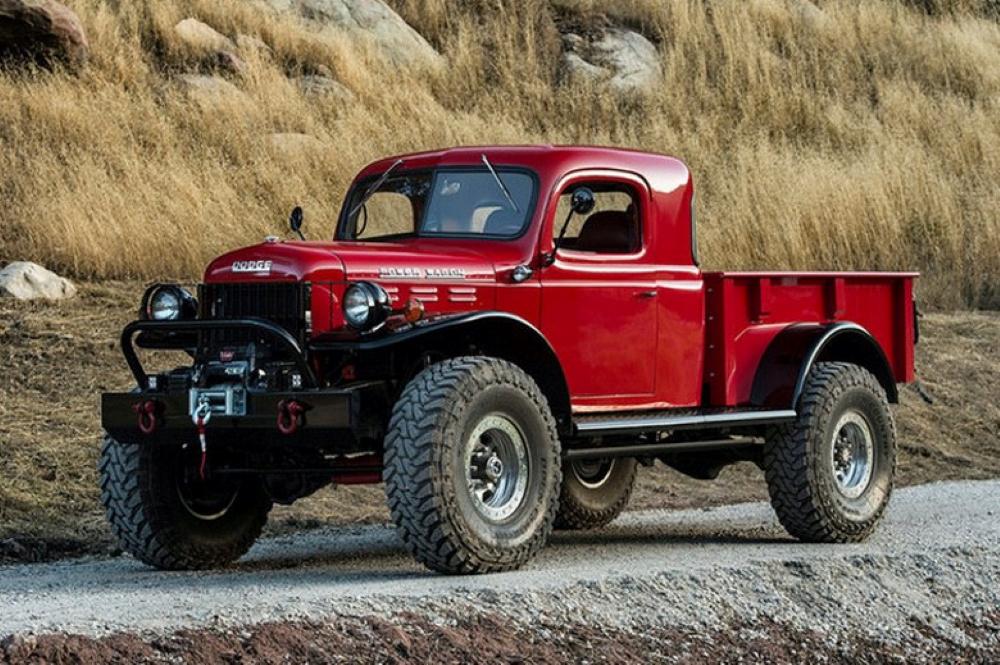
Modern Ram trucks offer vastly superior comfort, towing power, and technology, yet certain vintage Power Wagons still sell for far more money. Buyers are paying for heritage, rarity, and authenticity rather than convenience.
The Power Wagon represents a period when trucks existed solely to conquer difficult environments. That reputation continues to fuel collector demand decades after production ended.
4. International Harvester Scout Pickup
The International Harvester Scout never sold in the same massive numbers as Ford or Chevrolet trucks, yet that rarity became one of the main reasons collectors now pay extraordinary prices for surviving examples.
Originally designed as a rugged utility vehicle capable of competing with early off-road machines, the Scout pickup developed a loyal following that grew dramatically once vintage truck values started climbing.
One major reason behind the rising prices involves uniqueness. Modern pickups often look increasingly similar because manufacturers follow aerodynamic trends and luxury market expectations.
The Scout pickup, however, carried boxy proportions, had removable tops on some versions, and had a compact, rugged stance that gave it unmistakable character. Enthusiasts searching for something different gravitated toward the truck quickly.
The Scout also arrived during an important era in American automotive history. International Harvester primarily built agricultural and industrial equipment, so its vehicles emphasized durability and function rather than flashy styling.
Buyers today appreciate that honest mechanical personality because it feels authentic compared with many modern, lifestyle-focused pickups.
Off-road capability contributed strongly to collector demand as well. Scouts gained reputations for toughness in rough environments, helping them build cult status among outdoor enthusiasts.
Vintage four-wheel-drive vehicles became increasingly collectable over the past decade, and rare Scout pickups benefited directly from that trend.
Scarcity pushed values even higher. International Harvester ended vehicle production long ago, and many Scouts disappeared after decades of hard use, rust exposure, or neglect. Finding clean and original trucks today has become extremely difficult, especially unmodified pickups retaining factory components.
Restoration culture amplified interest, too. Some owners preserve original patina and mechanical simplicity, while others install modern V8 engines, upgraded suspensions, and contemporary interiors. High-quality builds regularly attract strong auction attention because buyers appreciate combining vintage style with improved usability.
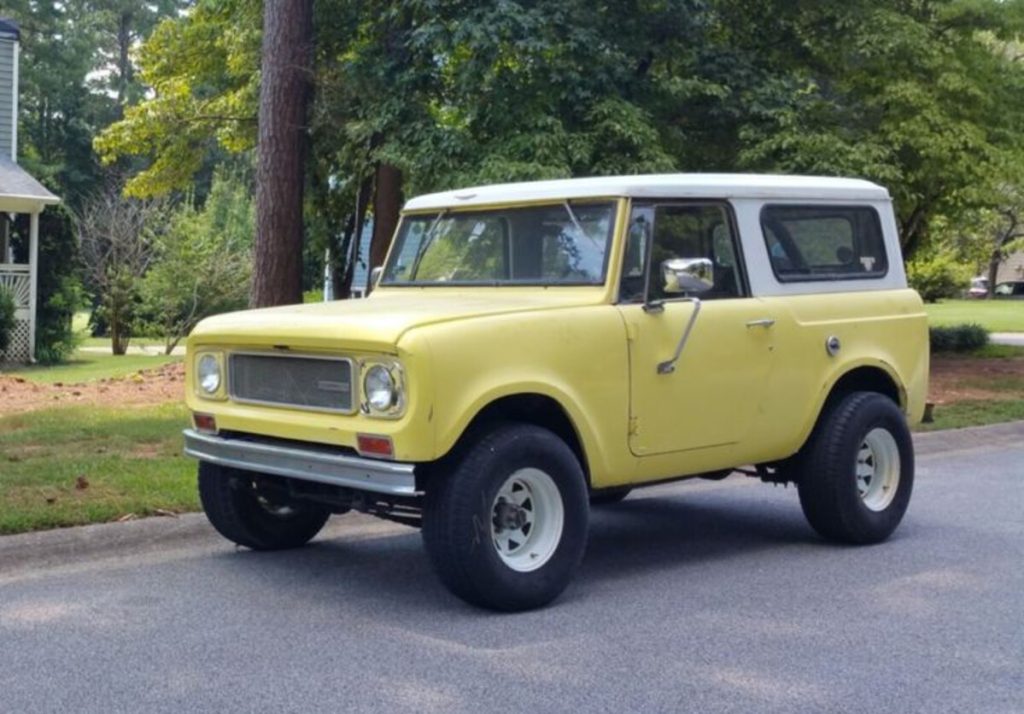
The modern replacement market offers far more capable trucks mechanically, yet certain Scout pickups still command collector prices exceeding brand-new midsize and full-size pickups. Buyers are investing in rarity, history, and personality rather than towing numbers or touchscreen technology.
The Scout pickup remains proof that uncommon vehicles with strong identities can eventually outperform mainstream models in the collector world.
5. GMC Sierra Grande
The GMC Sierra Grande once existed primarily as a premium version of General Motors’ work trucks, but today it occupies a very different position within the collector market. Well-restored Sierra Grande models from the 1970s and 1980s now sell for impressive amounts, sometimes exceeding the price of modern luxury pickups equipped with advanced technology and powerful engines.
Part of the attraction comes from styling. These trucks carried bold chrome grilles, clean body lines, and proportions that felt muscular without becoming oversized. Collectors especially admire the square-body generations because they represent a classic American truck design era now completely absent from modern showrooms.
The Sierra Grande also balanced utility with comfort better than many earlier pickups. GMC added upgraded trim, improved interiors, and more refined features while still preserving the truck’s durable, work-oriented character. Buyers today appreciate that mix because it feels authentic rather than overly luxurious.
Another major factor involves nostalgia. Many enthusiasts grew up around these trucks during childhood, whether on farms, construction sites, or family road trips. As those buyers gained financial freedom later in life, demand for clean Sierra Grande models increased sharply.
Survival rates heavily influenced pricing, too. These trucks worked hard for decades, and many eventually rusted away or suffered extensive wear. Finding rust-free and unmodified examples became increasingly difficult, especially in northern states where road salt destroyed countless bodies and frames.
Performance potential also helped values rise. Enthusiasts frequently install upgraded V8 engines, modern suspensions, and custom interiors while preserving the classic appearance. Professionally built restomods now command extraordinary prices at auctions and private sales.
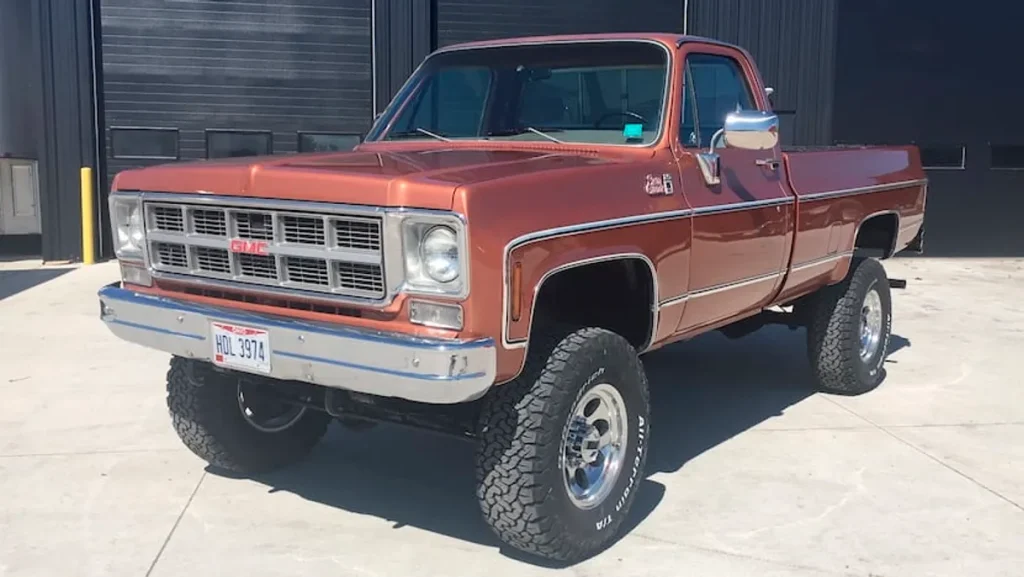
Interestingly, newer GMC Sierra models offer capabilities unimaginable during the classic truck era, including massive towing capacity, advanced driver assistance systems, and luxury-grade interiors. Yet collectors continue paying more for vintage Sierra Grande trucks because emotional appeal and rarity outweigh modern convenience in the classic market.
The Sierra Grande evolved from a practical work truck into a symbol of classic American pickup culture, and demand continues growing as enthusiasts chase increasingly scarce clean examples.
6. Toyota Hilux Pickup
The Toyota Hilux earned legendary status worldwide because of its durability and ability to survive conditions that destroyed many other trucks. While newer Toyota pickups offer more comfort, technology, and safety features, certain classic Hilux models now command collector prices higher than modern replacements in several markets.
One reason for the surge involves reputation. The Hilux became famous for reliability through decades of hard use across farms, deserts, construction sites, and remote regions around the globe. Stories about these trucks surviving extreme abuse helped create an almost mythical image among enthusiasts.
The truck’s simplicity also appeals strongly to collectors. Older Hilux models used straightforward mechanical systems that owners could repair with basic tools. In an era where modern pickups depend heavily on electronics and complicated emissions systems, the classic Hilux feels refreshingly mechanical and durable.
Another factor involves rarity in certain countries. Many older Hilux trucks worked until complete mechanical exhaustion because owners trusted them for difficult jobs year after year. As a result, surviving clean examples became scarce despite the truck’s strong original production numbers.
Collectors also appreciate the compact dimensions. Modern trucks have grown dramatically in size, making older Hilux models feel nimble and practical by comparison. Enthusiasts wanting classic pickups they can still drive comfortably in cities often prefer these smaller vintage trucks.
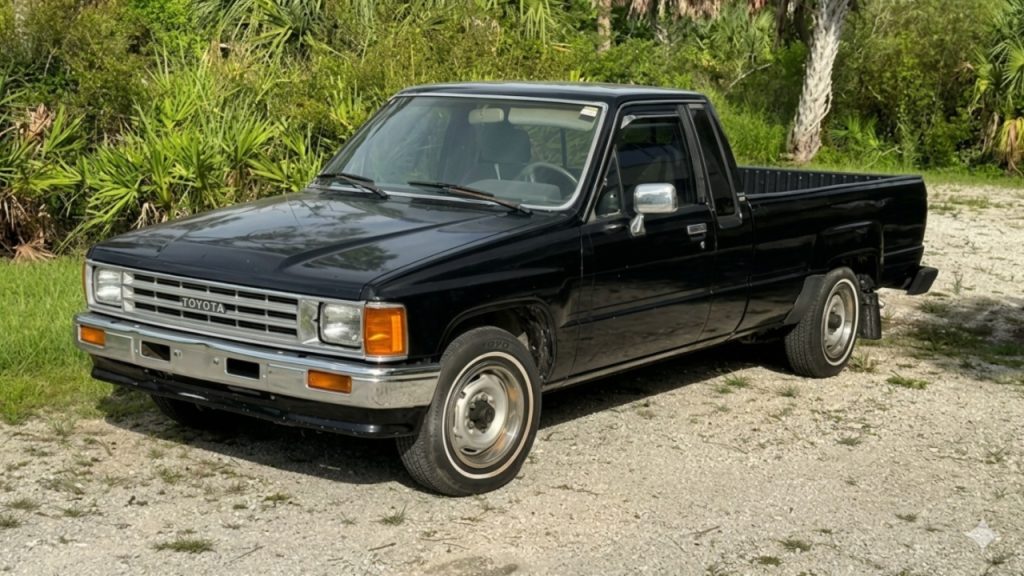
Off-road culture contributed heavily to rising values, too. Modified Hilux builds with lifted suspensions, oversized tires, and restored bodies became extremely desirable among adventure-vehicle enthusiasts. Some professionally restored examples now sell for astonishing prices internationally.
Television exposure strengthened the truck’s reputation even further. Public demonstrations of the Hilux surviving brutal punishment helped cement its image as one of the toughest vehicles ever built.
Modern Toyota pickups remain excellent vehicles, yet certain classic Hilux models now carry collector value far beyond simple transportation. Buyers pay for legendary durability, rarity, and the feeling of owning a machine built during a different era of automotive engineering.
7. Chevrolet 3100
The Chevrolet 3100 represents one of the most recognizable classic American trucks ever produced. Originally introduced during the post-World War II automotive boom, the 3100 combined practical utility with styling far more elegant than earlier work trucks.
Decades later, restored examples regularly sell for prices exceeding many modern pickups fresh from dealerships.
One major reason involves timeless design. Rounded fenders, split windshields, and simple chrome details give the 3100 an unmistakable appearance that continues attracting collectors across multiple generations. Unlike modern trucks emphasizing aggressive styling and oversized proportions, the Chevrolet 3100 feels charming and approachable.
The truck also symbolizes an important historical period in America. Returning soldiers, expanding industries, and growing rural economies all contributed to enormous demand for dependable pickups after the war. The 3100 became closely associated with that optimistic era of American manufacturing and small business growth.
Collectors value craftsmanship as well. These trucks featured durable steel construction and straightforward mechanical layouts that remain relatively easy to restore today. Enthusiasts often enjoy rebuilding them because replacement parts and aftermarket support remain widely available.
Hot rod culture helped increase demand significantly. Many owners transformed old 3100 trucks into custom street machines using modern V8 engines, upgraded suspensions, and luxury interiors while retaining classic body styling. High-quality builds frequently command six-figure auction prices.
Original trucks became increasingly scarce because many spent decades performing hard labor before eventually disappearing. Rust, accidents, and neglect eliminated countless examples, making surviving clean vehicles highly valuable.
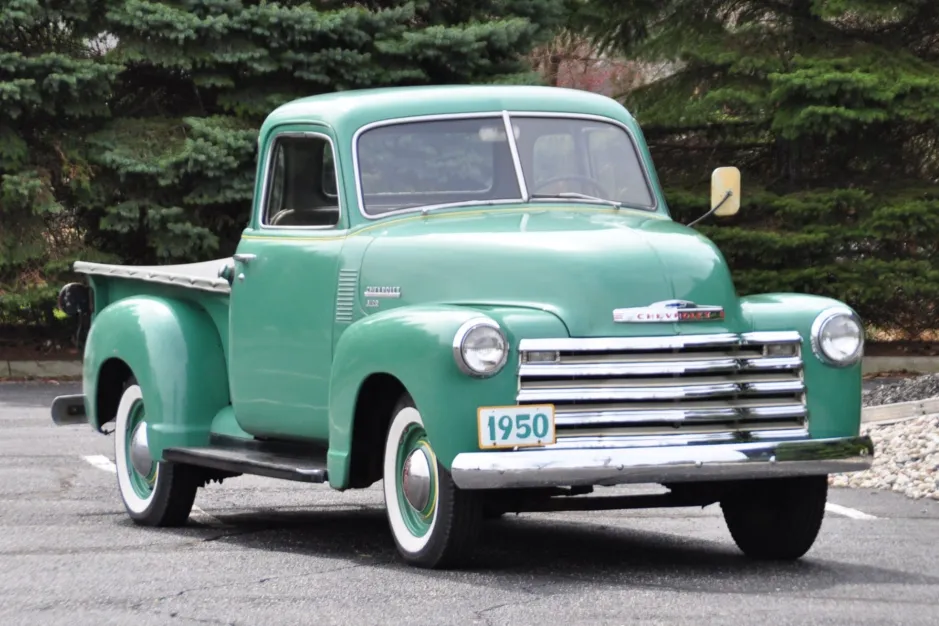
The Chevrolet 3100 also appeals emotionally in ways modern trucks rarely achieve. Driving one delivers a completely mechanical and analog experience, disconnected from the digital complexity dominating today’s automotive world.
Modern Chevrolet pickups offer vastly greater towing capacity, safety systems, and comfort, but certain vintage 3100 models still sell for substantially more money because collectors view them as rolling pieces of American history rather than simple transportation.
8. Dodge Lil’ Red Express Truck
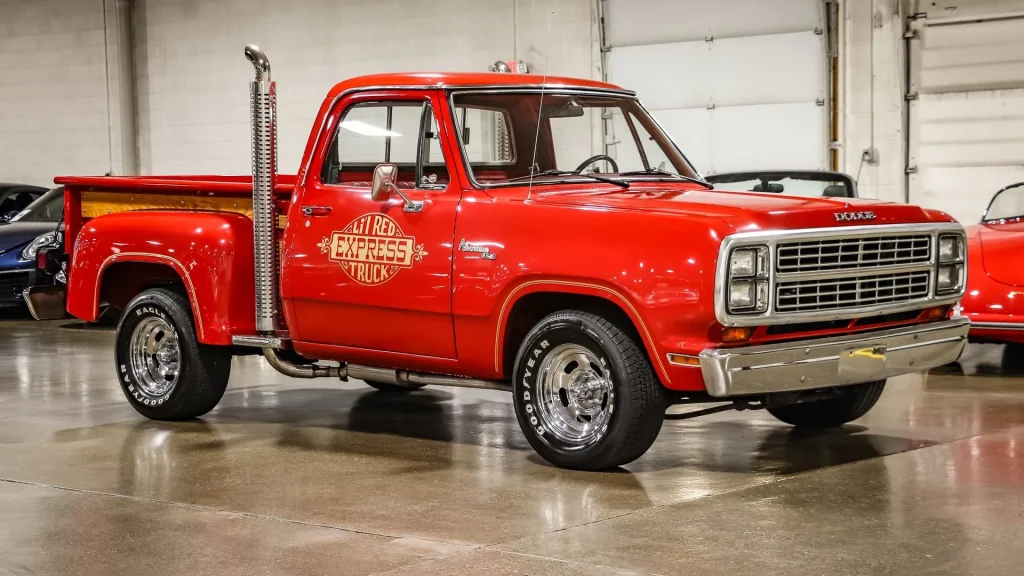
The Dodge Little Red Express became one of the most outrageous factory trucks of the late 1970s, and today it stands among the most valuable classic pickups in America.
At a time when emissions regulations weakened performance cars across the industry, Dodge unexpectedly created a high-performance pickup that combined muscle car attitude with bold styling. Decades later, clean examples regularly sell for prices exceeding many modern performance trucks.
The truck’s appearance immediately separated it from ordinary pickups. Bright red paint, gold striping, wooden bed rails, and towering chrome exhaust stacks behind the cab created a visual identity impossible to ignore. Few factory trucks before or since embraced such dramatic styling directly from the showroom floor.
Performance played a major role in the truck’s legend as well. During its debut year, the Lil Red Express reportedly ranked among the quickest American production vehicles available. Dodge achieved this by using a high-output V8 engine combined with lighter emissions restrictions applied to trucks at the time.
Collectors love the truck because it perfectly captured the rebellious personality of late 1970s American automotive culture. While many cars lost horsepower and excitement during that era, the Lil Red Express delivered attitude, sound, and visual drama in ways competitors could not match.
Production numbers remained limited, too, increasing rarity significantly over time. Many trucks disappeared through hard use, modifications, or neglect, leaving relatively few surviving examples in original condition today.
Auction values climbed sharply once collectors recognized the truck’s historical importance. Enthusiasts searching for unique muscle-era vehicles increasingly turned toward speciality pickups, and the Lil Red Express became one of the segment’s biggest stars.
The truck also benefits from cross-generational appeal. Older buyers remember seeing them during childhood, while younger collectors admire the unapologetically excessive design and factory performance image.
Modern Ram performance trucks deliver far greater horsepower and technology, yet the Little Red Express still commands astonishing collector prices because of personality and rarity. It represents a moment when American manufacturers experimented boldly, creating one of the most unforgettable pickups ever built.
9. Ford Bronco Pickup
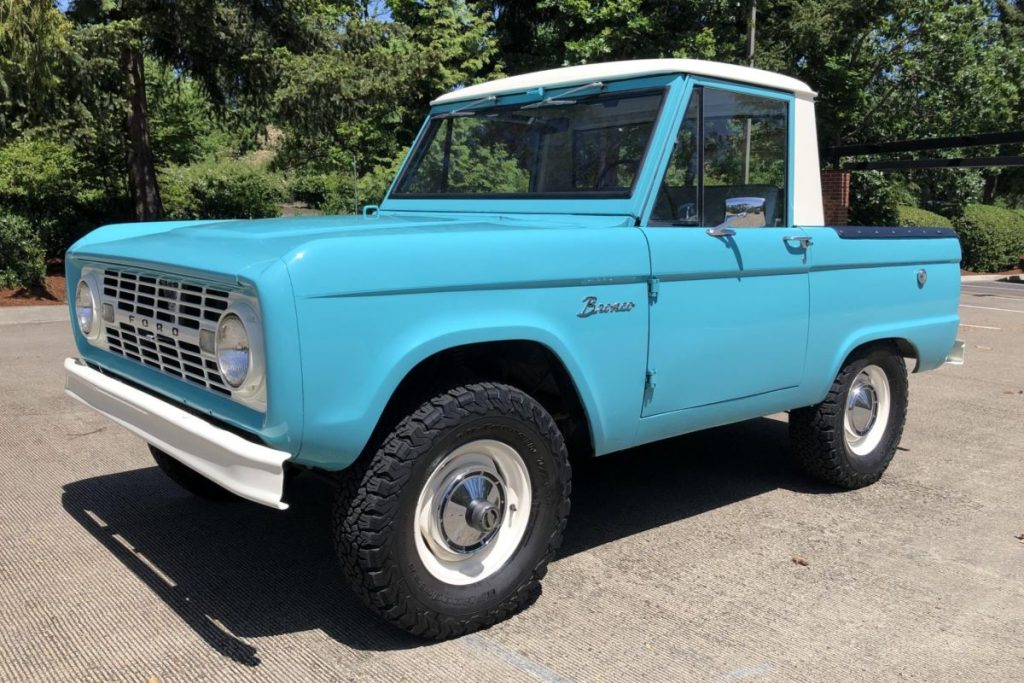
The Ford Bronco remains one of the rarest and most collectible vintage utility trucks connected to the Bronco nameplate.
While most people associate classic Broncos with SUVs, the pickup versions built during the early generations became extraordinarily valuable because of limited production and rising collector demand for vintage off-road vehicles.
Scarcity drives much of the market value. Ford produced far fewer Bronco pickups compared with standard SUV configurations, making surviving examples exceptionally difficult to find today. Collectors seeking rare variants pushed prices dramatically upward once vintage Broncos exploded in popularity during the past decade.
The truck’s compact dimensions add another layer of appeal. Unlike many modern pickups that grew enormous over time, the classic Bronco pickup remained relatively small and maneuverable. Enthusiasts appreciate the balance between utility and agility, especially for off-road driving and weekend recreational use.
Styling contributes heavily as well. Short wheelbases, removable tops on some versions, and simple body lines give the Bronco pickup a rugged personality modern trucks struggle to replicate. The design feels adventurous without appearing oversized or overly luxurious.
Off-road capability helped establish the truck’s reputation early. Solid axles, four-wheel drive systems, and lightweight construction made these vehicles highly capable in rough terrain. As vintage off-road culture expanded, collectors increasingly viewed Bronco pickups as icons of early recreational four-wheeling history.
Restoration culture intensified demand further. Some owners preserve factory originality carefully, while others create restomods featuring modern V8 engines, upgraded suspensions, and custom interiors. Professionally restored trucks now command astonishing prices at auctions.
The return of the modern Ford Bronco also boosted attention toward vintage models. Younger buyers discovering the Bronco heritage often became interested in early pickups, pushing collector demand even higher.
Modern Ford trucks offer vastly superior towing power and comfort, yet rare Bronco pickups regularly sell for more because collectors value heritage, rarity, and classic off-road personality above modern practicality.
10. Jeep Gladiator J-Series
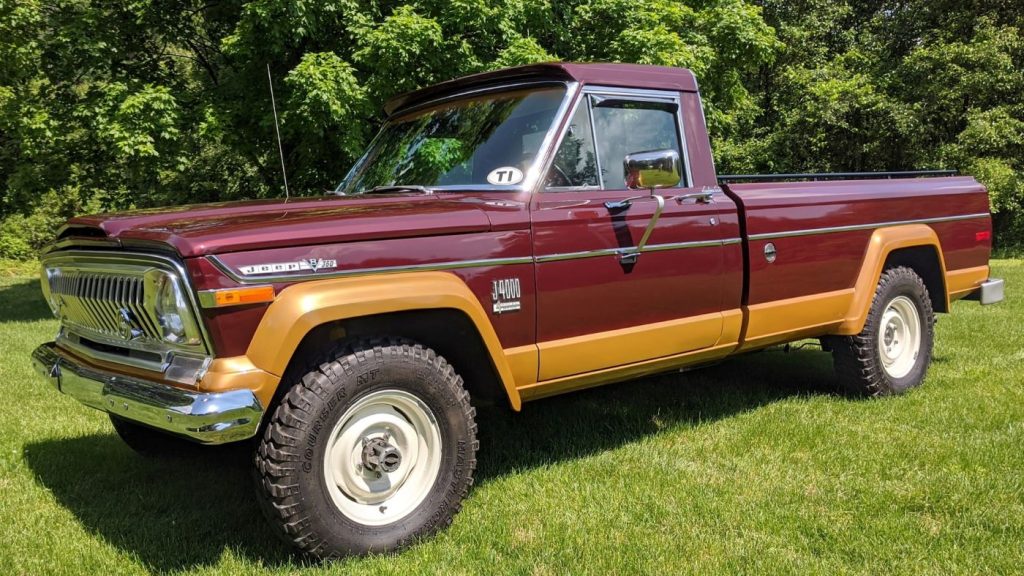
The Jeep Gladiator spent years in the shadows of more famous American pickups, but collector interest transformed these rugged trucks into highly valuable classics that sometimes sell for more than modern midsize and full-size replacements.
Originally built during an era when Jeep focused heavily on utility and off-road toughness, the J-Series Gladiator earned respect through durability and unmistakable styling.
One major reason values climbed involves uniqueness. The Gladiator looked completely different from traditional pickups produced by Ford, Chevrolet, and Dodge.
Its upright grille, aggressive stance, and rugged body proportions gave it an unmistakable Jeep identity that enthusiasts now appreciate even more in today’s market filled with similarly styled modern trucks.
The truck’s off-road capability also contributed heavily to its collector reputation. Jeep engineered the J-Series with four-wheel drive systems and durable mechanical components designed for difficult terrain and demanding work conditions.
Outdoor enthusiasts searching for classic utility vehicles increasingly turned toward these trucks once vintage off-road culture exploded in popularity.
Rarity plays a huge role, too. Many gladiators spent decades working hard on farms, ranches, and construction sites before eventually rusting away or being scrapped. Clean surviving examples became surprisingly scarce, especially trucks retaining original drivetrains and body panels.
Another important factor involves emotional appeal. The J-Series represents a period when Jeep trucks prioritized toughness and simplicity above luxury.
Modern pickups now include massive infotainment screens, advanced driver assistance systems, and highly refined interiors. The classic Gladiator instead delivers a raw and mechanical driving experience that collectors find refreshing.
Restomod builders also helped push prices upward. Many owners modernize suspension systems, brakes, and engines while preserving the truck’s vintage appearance. High-quality custom builds regularly attract serious money at auctions because buyers want classic styling combined with improved usability.
The revival of the modern Jeep Gladiator strengthened interest in older trucks, too. Enthusiasts curious about Jeep pickup history often discovered the J-Series and recognized its importance within American truck culture.
While modern Jeep trucks provide far greater comfort and technology, classic Gladiators now command remarkable collector prices because they represent authenticity, rarity, and a rugged spirit increasingly absent from the modern automotive landscape.
Also Read: 10 Forgotten Muscle Cars From 1960 to 2000
