
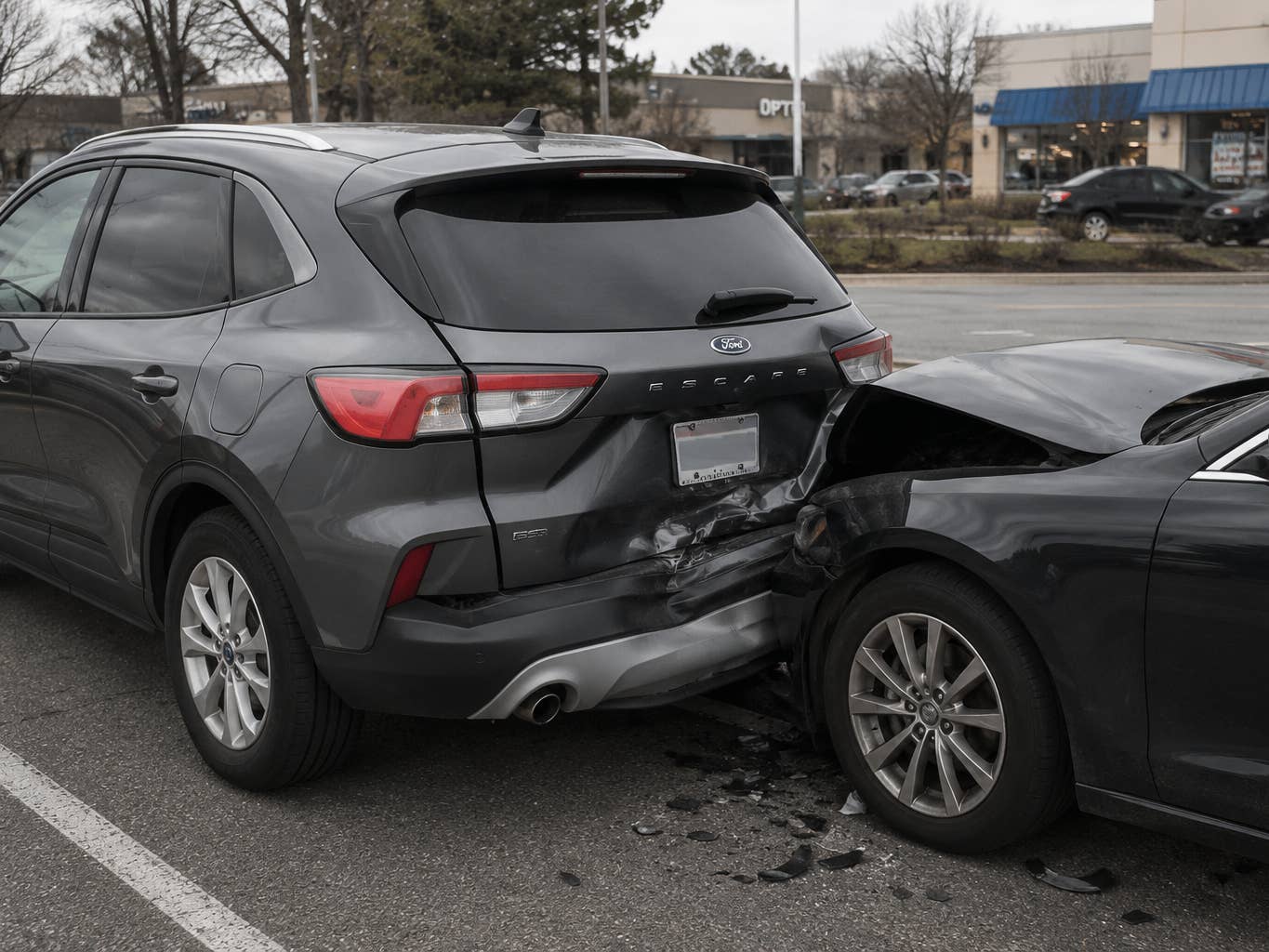
Every year, thousands of pedestrians are struck by vehicles in the United States, and a large percentage of those collisions happen in conditions where a well-functioning automatic emergency braking system could have intervened.
Daylight stops, nighttime crosswalks, urban intersections, and suburban parking lot exits are all environments where the gap between a driver noticing a pedestrian and a car stopping in time can come down to fractions of a second. Modern pedestrian detection technology exists specifically to close that gap. Car buyers have more safety data available to them today than at any previous point in automotive history.
Insurance Institute for Highway Safety testing now includes dedicated pedestrian automatic emergency braking evaluations that assess how well a vehicle’s forward-facing sensors and cameras detect pedestrians across a range of scenarios, including daylight adults crossing ahead, nighttime pedestrians at intersections, children emerging from between parked cars, and cyclists. Those tests produce ratings that translate directly into real-world crash prevention potential.
Choosing a vehicle with a strong pedestrian crash prevention rating is one of the most meaningful safety decisions a buyer can make, not just for the driver and passengers, but for everyone sharing the road. A car that reliably detects and responds to a pedestrian in its path does something a driver cannot always do: it reacts without hesitation, without distraction, and without the processing delay that comes with human response time.
This article names eight specific vehicles that have earned top pedestrian AEB ratings through documented testing. Each vehicle is described with its full name and model, and each entry explains what makes the system effective, what technology drives the performance, and why that particular vehicle belongs on a safety-conscious buyer’s short list.
Read all eight before making any comparison, because the differences in how these systems perform across specific scenarios matter as much as the rating.
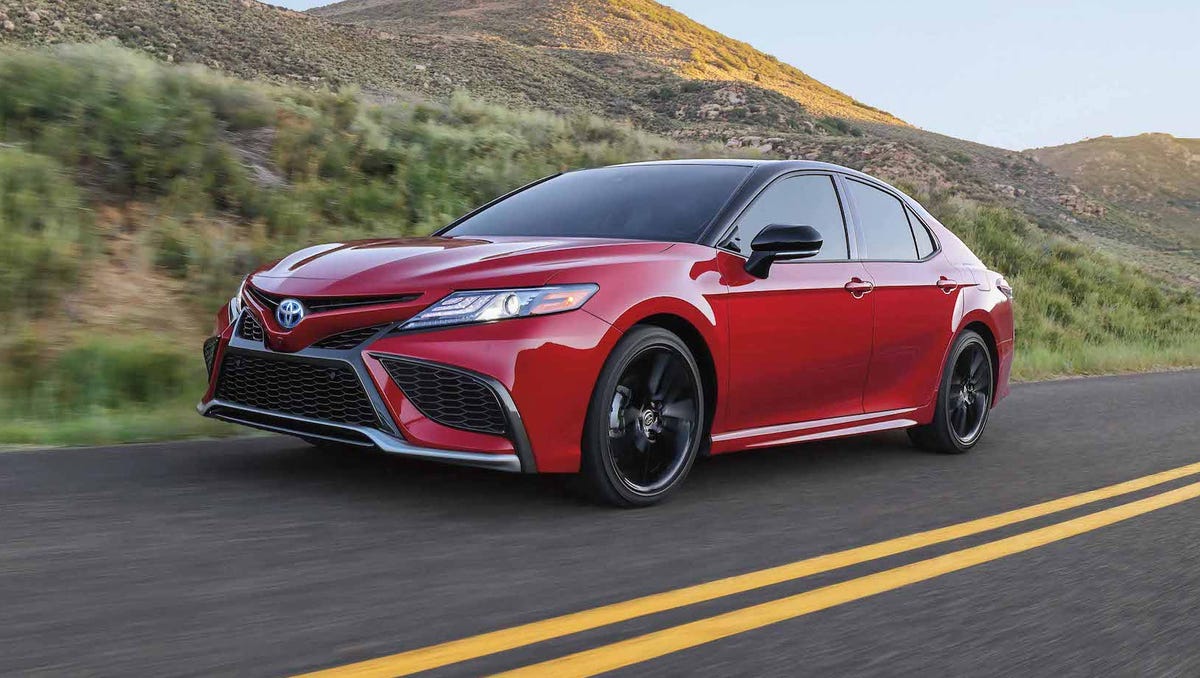
1. Toyota Camry XSE V6 Sedan
When a vehicle that sells in the hundreds of thousands of units annually earns top marks in pedestrian crash prevention testing, that result matters more than a top score from a low-volume specialty vehicle. Toyota’s Camry XSE V6 Sedan represents exactly that combination: a car that is everywhere on American roads, and a car whose pedestrian detection system has demonstrated genuine capability across multiple testing scenarios that reflect real driving conditions.
Toyota Safety Sense 3.0, which comes standard across the Camry lineup, including the XSE V6, uses a forward-facing camera combined with millimeter-wave radar to detect pedestrians ahead of the vehicle. Dual-sensor architecture is important because camera systems and radar systems have complementary strengths.
Cameras provide detailed visual recognition that helps distinguish pedestrians from stationary objects. Radar provides reliable distance and closing speed data regardless of lighting conditions. Combining both sensors gives the system a more complete picture of what is in front of the vehicle than either sensor could provide alone.
IIHS pedestrian AEB testing evaluated the Camry across multiple scenarios, and performance in the daylight adult-in-path scenario was particularly strong, with the system detecting the target pedestrian and initiating braking in time to avoid or substantially reduce the collision across multiple test runs.
Nighttime performance, which is one of the more challenging scenarios for pedestrian detection systems because camera-based recognition becomes more difficult without adequate lighting, was supported by the system’s radar component, maintaining distance tracking even when visual recognition was limited.
Cyclist detection is another scenario included in IIHS pedestrian AEB assessments, and the Camry XSE V6’s system demonstrated recognition capability for cyclists crossing ahead, which represents a detection task distinct from pedestrian recognition.
Cyclists move faster than pedestrians, occupy a different visual profile, and approach intersection situations from angles that differ from standard pedestrian crossing patterns. A system that handles both effectively is more capable than one tuned specifically for one target type.
Forward collision warning sensitivity adjustment is available in the Camry XSE V6, allowing drivers to set the system’s alert distance based on personal preference between early, standard, and late warning thresholds. Setting the system to early alert gives the driver maximum advance notice of a potential hazard, which is a feature that benefits drivers who prefer to manage following distance conservatively.
Automatic emergency braking operates independently of the driver’s selected warning sensitivity, engaging based on the system’s own assessment of collision risk rather than waiting for driver response. Toyota’s decision to make Safety Sense 3.0 standard equipment across the entire Camry lineup, rather than limiting it to premium trims, means that pedestrian detection capability is accessible to every buyer regardless of budget position.
A base Camry LE and a top-trim Camry XSE V6 both carry the same pedestrian detection hardware and software. That democratization of safety technology is a policy decision that saves lives at a scale that trim-specific safety packages cannot approach.
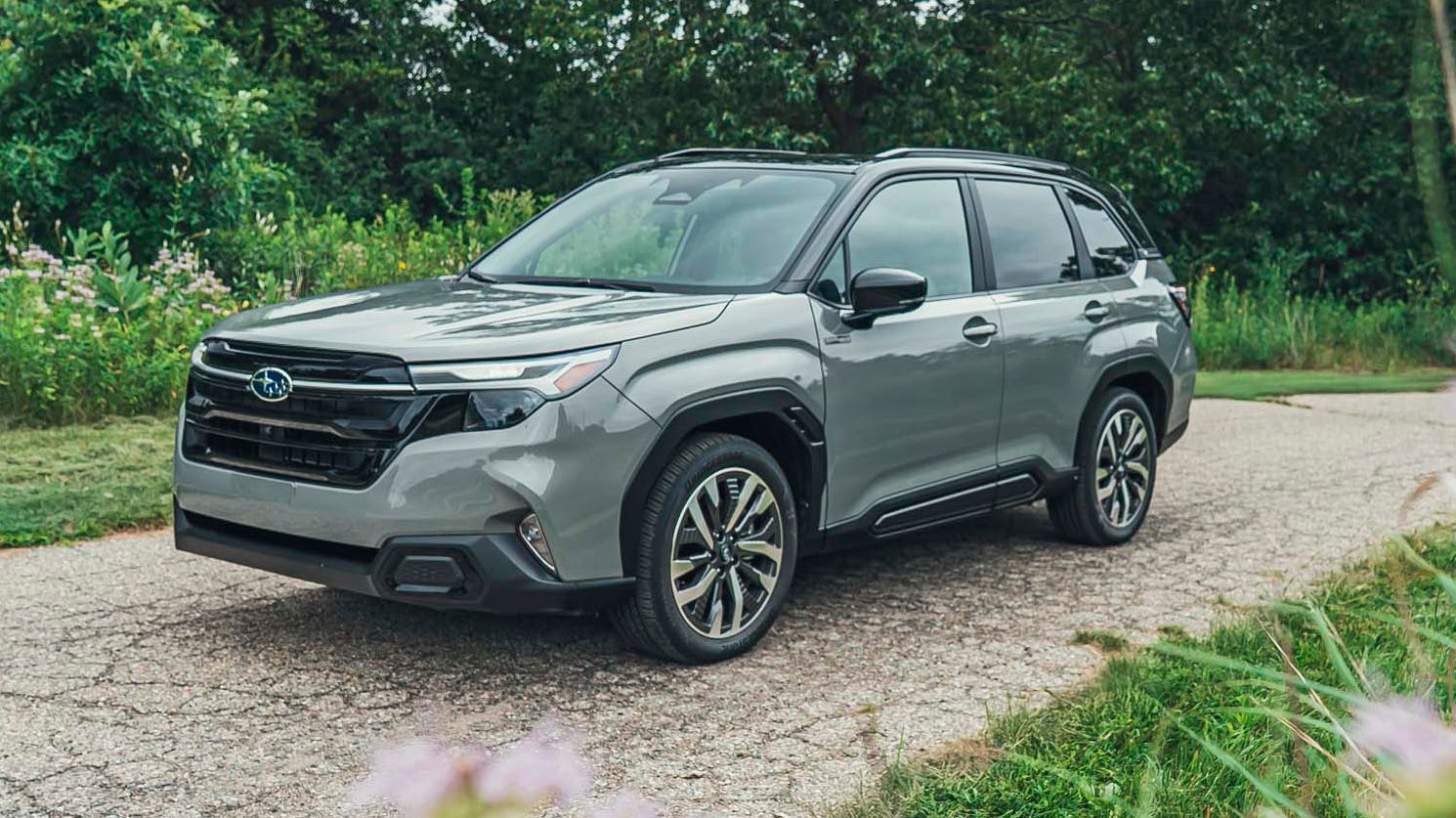
2. Subaru Forester Premium AWD
Subaru’s approach to forward collision and pedestrian detection is philosophically different from most competitors, and that difference shows up in testing results that have been consistently strong across multiple Forester generations. Where most manufacturers combine radar and camera sensors for their pedestrian AEB systems, Subaru’s EyeSight system uses a stereoscopic dual-camera configuration without radar. Understanding why that works as well as it does requires understanding what stereoscopic cameras actually do.
Two cameras positioned at the top of the windshield, spaced apart like human eyes, capture overlapping fields of view that the system’s processor combines to create a three-dimensional understanding of the space in front of the vehicle.
Depth perception derived from two offset camera perspectives allows the system to judge pedestrian distance and closing rate with an accuracy that single-camera systems cannot match. EyeSight’s pedestrian detection algorithm uses that depth data combined with shape and movement pattern recognition to identify human figures in the vehicle’s path.
Subaru Forester Premium AWD testing through IIHS pedestrian AEB protocols has produced strong daylight performance results, with the system responding to adult pedestrians crossing ahead with consistent braking initiation across repeated test runs.
Subaru has continuously updated EyeSight’s software through model year revisions, improving detection range, expanding the system’s field of view, and refining the algorithm’s ability to distinguish pedestrians from stationary roadside objects that generate false alarm potential.
EyeSight’s integration with the Forester’s broader safety architecture means pedestrian detection is not an isolated function. When EyeSight identifies a pedestrian threat, and the driver has not responded, the system initiates pre-collision braking, tightens the pre-tensioned seatbelts, and prepares the braking system for maximum stopping force.
That coordinated response sequence reduces stopping distance compared to braking intervention alone, because the brakes are already primed to deliver maximum pressure at the moment contact occurs. Visibility through the Forester’s windshield practically supports EyeSight’s camera-based system.
Subaru designed the Forester with a large, upright windshield that provides the cameras a wide forward view without the camera-blocking pillars and rooflines that compromise vision in lower-slung vehicles. Good natural visibility and good camera visibility reinforce each other, and the Forester’s cabin design reflects an understanding of how the EyeSight cameras need to be positioned to function optimally.
All-wheel drive standard fitment across the Forester lineup means that when EyeSight initiates emergency braking on a slippery surface, all four wheels are contributing to deceleration rather than only two. AWD combined with electronic brake force distribution gives the Forester better emergency stopping performance in wet and snowy conditions than front-wheel-drive alternatives with equivalent AEB systems.
Also Read: 10 Used Cars Worth Buying Across State Lines
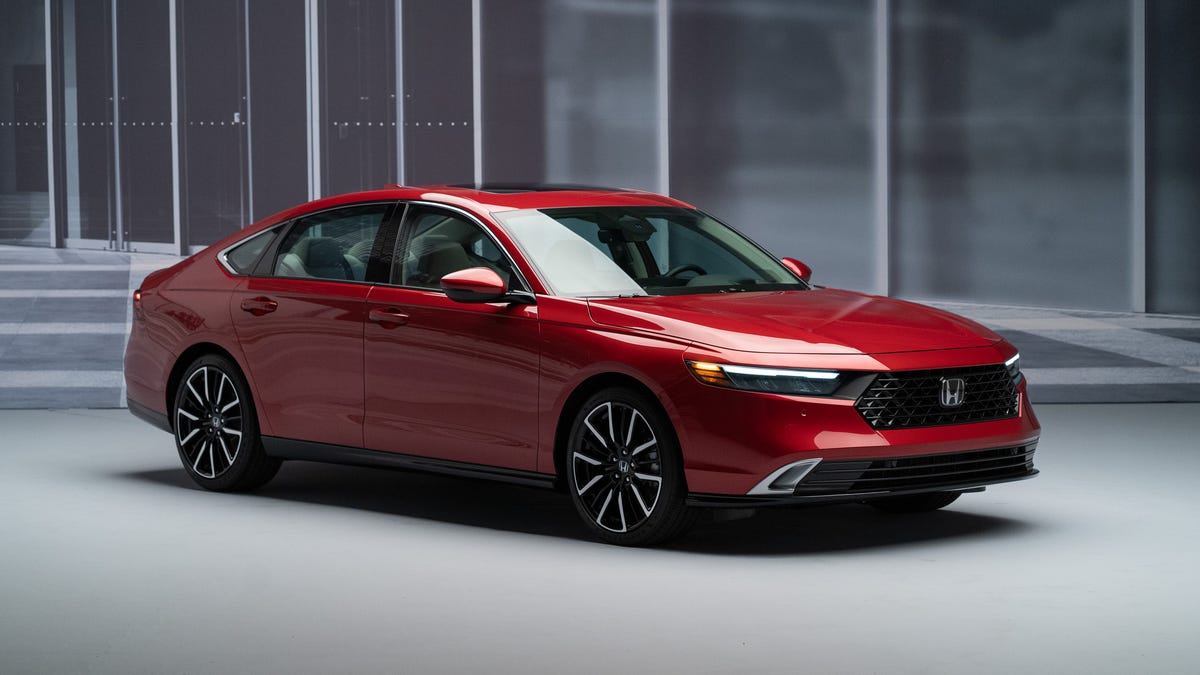
3. Honda Accord Sport Hybrid Sedan
Honda has steadily developed its Honda Sensing suite across several Accord generations, and the Sport Hybrid Sedan represents a refined application of that safety direction within one of Honda’s highest-volume passenger vehicles. The model combines hybrid efficiency with a structured approach to driver assistance technology, creating a sedan that appeals to buyers who value predictable operation and strong protective systems during daily commuting and highway travel.
Pedestrian detection in the Accord Sport Hybrid relies on a forward-facing camera paired with radar input, allowing two distinct sensing methods to interpret road conditions ahead. This dual-input arrangement improves detection consistency during situations where lighting conditions or weather conditions reduce visibility for camera-based systems alone.
The Collision Mitigation Braking System activates when sensors identify a pedestrian in the projected travel path, and the driver does not apply sufficient braking force in time to avoid a collision scenario. Brake application is managed in a controlled manner, designed to reduce speed while maintaining directional stability.
IIHS testing of the Accord’s pedestrian automatic emergency braking function includes turning scenarios that simulate real traffic intersections. These scenarios are demanding because the system must detect pedestrians entering from the side while the vehicle is rotating through a turn.
Honda’s calibration allows recognition during these lateral entry situations, which represent a large portion of pedestrian-related incidents in urban traffic environments. This performance places the Accord among sedans that handle intersection detection with a high level of consistency.
The Front Wide View Camera integrated into Honda Sensing adds lateral visual coverage that extends beyond the forward sensor’s primary field. This additional camera input becomes useful in environments such as parking lots and multi-lane intersections where pedestrians may approach from angles that are not directly in front of the vehicle.
The expanded field assists the system in tracking movement that begins outside the forward detection zone and moves into the vehicle’s projected path. Hybrid system operation also contributes indirectly to braking performance. During emergency braking activation, regenerative braking from the hybrid motor system supplements traditional hydraulic braking.
This combined effect increases deceleration capacity during sudden stops. While the improvement is modest, it contributes additional stopping performance that can reduce the distance covered during critical moments when an immediate braking response is required.
Honda’s approach to integrating safety and hybrid efficiency results in a sedan that maintains predictable driving behaviour while supporting driver awareness and reaction assistance. The system does not rely on aggressive intervention but instead prioritises early detection and measured response, allowing the driver to remain in control while receiving support during high-risk scenarios.
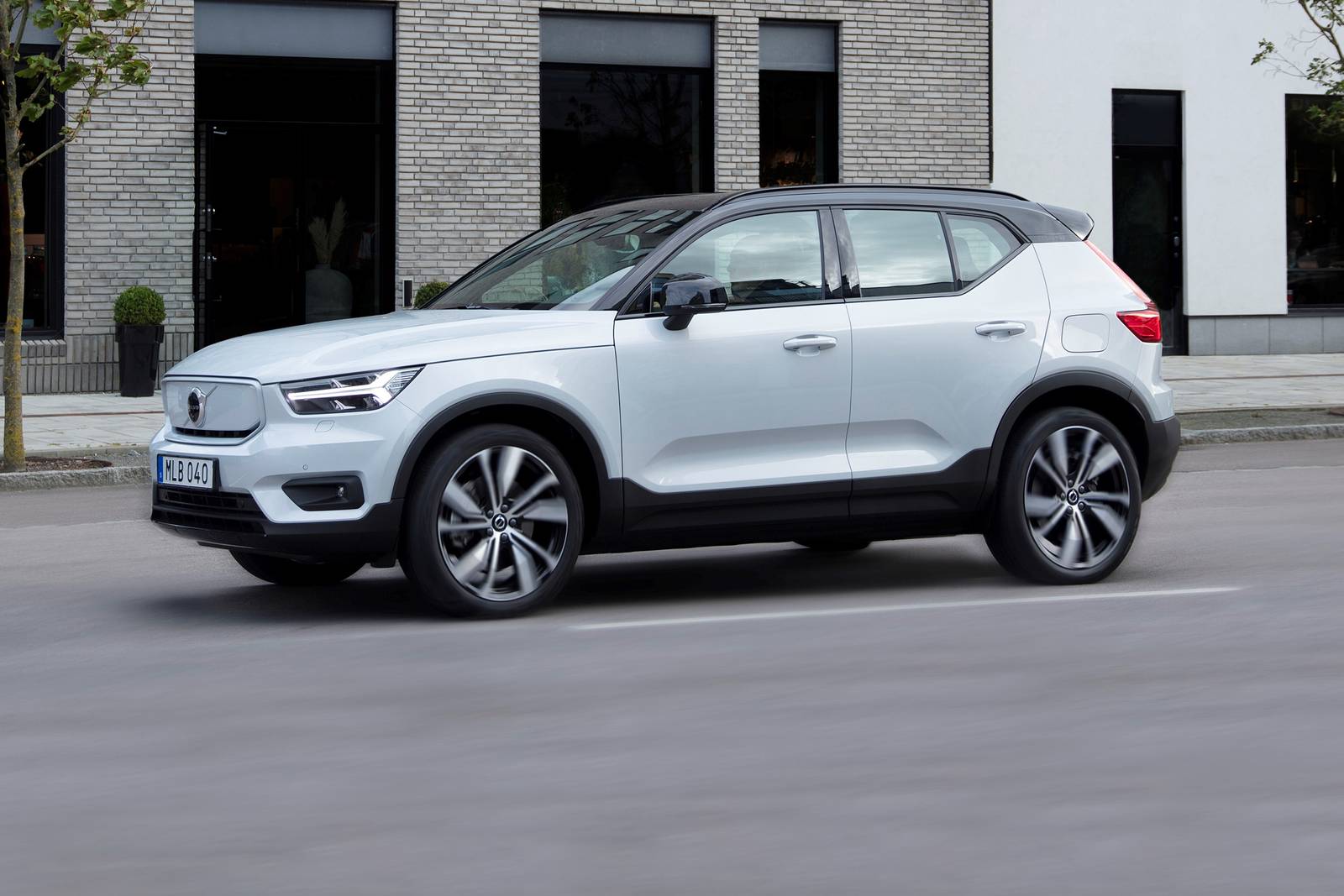
4. Volvo XC40 Recharge Pure Electric
Volvo has maintained a long-standing engineering focus on pedestrian protection, with early research efforts dating back to the early 2000s. That foundation has influenced successive generations of safety systems, and the XC40 Recharge Pure Electric represents a current application of that development path within an all-electric platform designed for urban and suburban driving environments.
City Safety serves as Volvo’s primary pedestrian detection and automatic braking system in the XC40 Recharge. It operates through a combination of forward-facing camera input and radar sensing, supplemented by a LiDAR-based system that generates three-dimensional spatial mapping of objects ahead. LiDAR technology uses laser pulses to calculate distance and movement, producing a detailed representation of object position and trajectory that enhances detection precision beyond standard optical systems.
This layered sensor approach allows the XC40 Recharge to interpret pedestrian movement with greater spatial awareness, particularly in situations where visibility is reduced. Nighttime driving presents one of the most challenging environments for pedestrian detection systems, yet Volvo’s integration of multiple sensing methods allows continued recognition when camera input alone may be limited.
Radar and LiDAR data continue to provide distance and movement information, supporting braking decisions even when optical clarity is reduced. Testing conducted under IIHS evaluation protocols has placed Volvo’s City Safety system among high-performing pedestrian detection systems in the compact electric SUV category.
Strong results in nighttime pedestrian scenarios reflect the advantage of redundant sensing inputs. Instead of relying on a single detection method, the system combines multiple data sources to maintain awareness across a wider range of driving conditions.
Volvo integrates additional safety functions alongside pedestrian detection, including run-off road mitigation and oncoming lane intervention systems. These systems share sensor data, allowing coordinated responses when multiple risk factors appear simultaneously. Rather than treating pedestrian detection as an isolated function, Volvo structures its safety architecture so that each system contributes to a shared operational understanding of surrounding traffic conditions.
The XC40 Recharge also addresses pedestrian awareness in low-speed environments through acoustic vehicle alert systems. Electric powertrains produce minimal mechanical sound at low speeds, which reduces natural auditory cues for pedestrians.
Volvo’s external warning sound system activates at lower speeds to provide audible awareness of vehicle presence. This feature supports pedestrian safety in urban areas where foot traffic and vehicle movement often intersect closely, particularly in shared spaces such as parking areas and residential streets.
Through layered sensing technology, coordinated safety systems, and acoustic awareness measures, the XC40 Recharge demonstrates an approach that prioritises consistent pedestrian detection across varied driving environments.
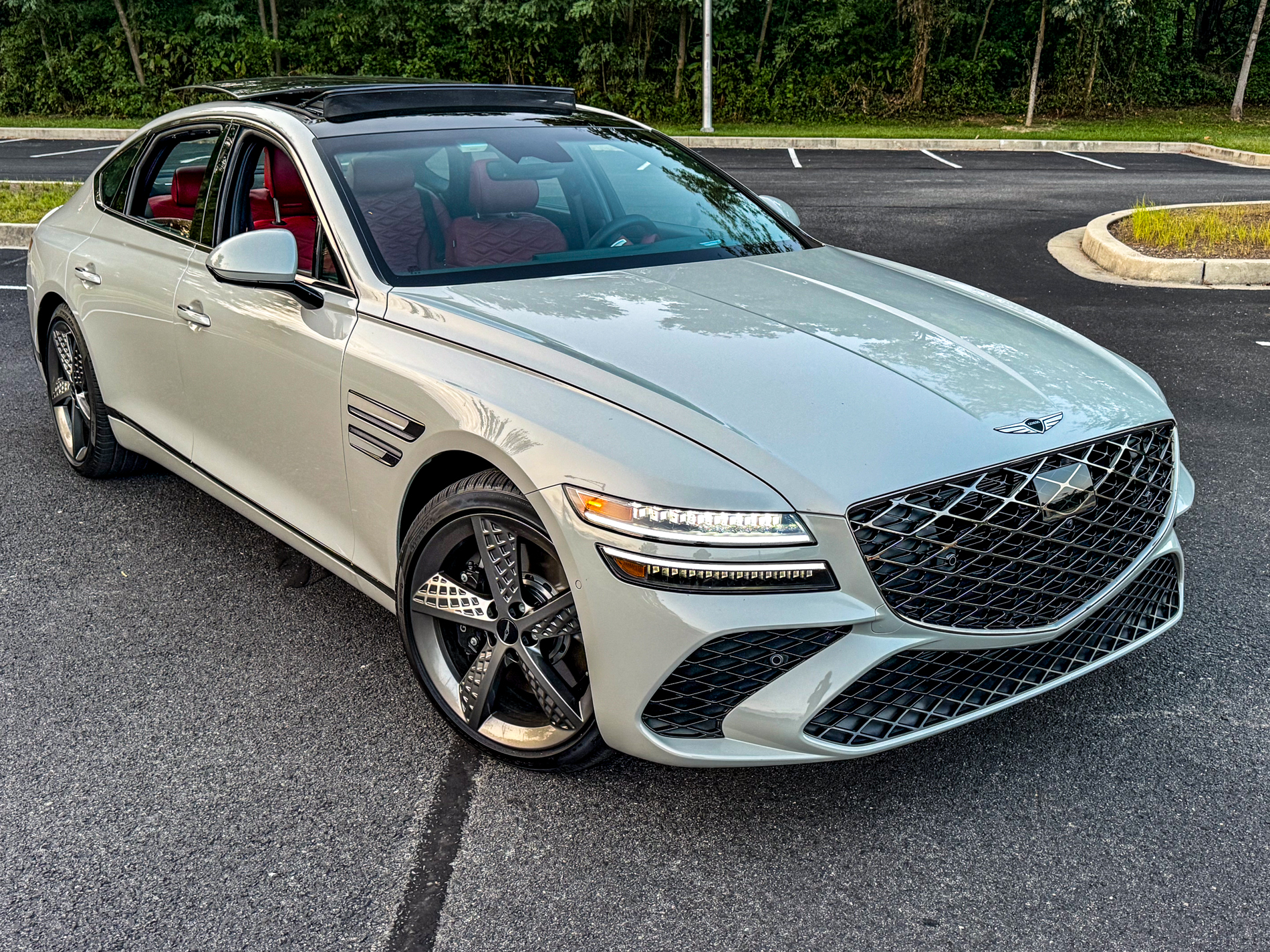
5. Genesis G80 3.5T Sport AWD
Luxury vehicles are sometimes assumed to be inherently safer than mainstream alternatives, but luxury pricing does not automatically translate into superior pedestrian detection performance. The Genesis G80 3.5T Sport AWD earns its place on this list through actual testing results rather than brand assumption, and its performance across IIHS pedestrian AEB scenarios reflects a genuine engineering commitment to active safety rather than a passive expectation that luxury buyers will accept inadequate performance in exchange for premium interior appointments.
Genesis Driver Assistance, the safety suite fitted to the G80, uses a forward-facing camera paired with front and rear radar units to provide pedestrian detection coverage that extends beyond what front-only sensor configurations can deliver.
Rear pedestrian detection supports low-speed reverse maneuvers in parking environments, addressing a collision scenario that front-facing systems cannot cover. Urban parking situations where pedestrians walk behind reversing vehicles represent a documented collision category, and rear sensor coverage addresses that risk specifically rather than leaving it outside the system’s detection envelope.
Forward collision avoidance assist in the G80 3.5T Sport AWD operates in two distinct modes: a vehicle mode that detects preceding traffic, and a pedestrian mode that applies different recognition algorithms tuned for human figure detection at the approach speeds and closing rates associated with pedestrian crossings. Algorithm separation between vehicle and pedestrian detection allows each mode to be optimized independently rather than using a single detection approach that compromises performance in both applications.
Night-vision capability, available on higher G80 trim configurations, supplements the standard camera and radar detection with thermal imaging that detects body heat signatures regardless of ambient lighting conditions. Thermal detection identifies pedestrians at distances beyond what camera-based recognition can reliably achieve at night, giving the driver an earlier warning of pedestrians in or near the vehicle’s path.
While thermal imaging does not directly control the automatic emergency braking function, it provides the driver with an actionable warning that extends the available response window. Interior design in the G80 3.5T Sport AWD places the driver in a naturally upright, forward-facing seating position with good forward visibility that supports natural pedestrian awareness before any electronic system becomes involved.
Driver visibility and electronic detection are complementary layers of pedestrian protection, and a vehicle that combines good natural sightlines with strong electronic detection capability is offering more comprehensive protection than one that relies exclusively on sensors to compensate for restricted driver visibility.
Genesis’s warranty coverage on the G80 includes the driver assistance technology, which means sensor calibration issues, camera cleaning system malfunctions, and radar alignment problems that develop within the warranty period are covered without additional cost to the owner.
Pedestrian detection systems that fall out of calibration due to minor collisions or body shop work must be professionally recalibrated to restore proper function, and warranty coverage for that recalibration protects owners from an expense that can otherwise run several hundred dollars per event.
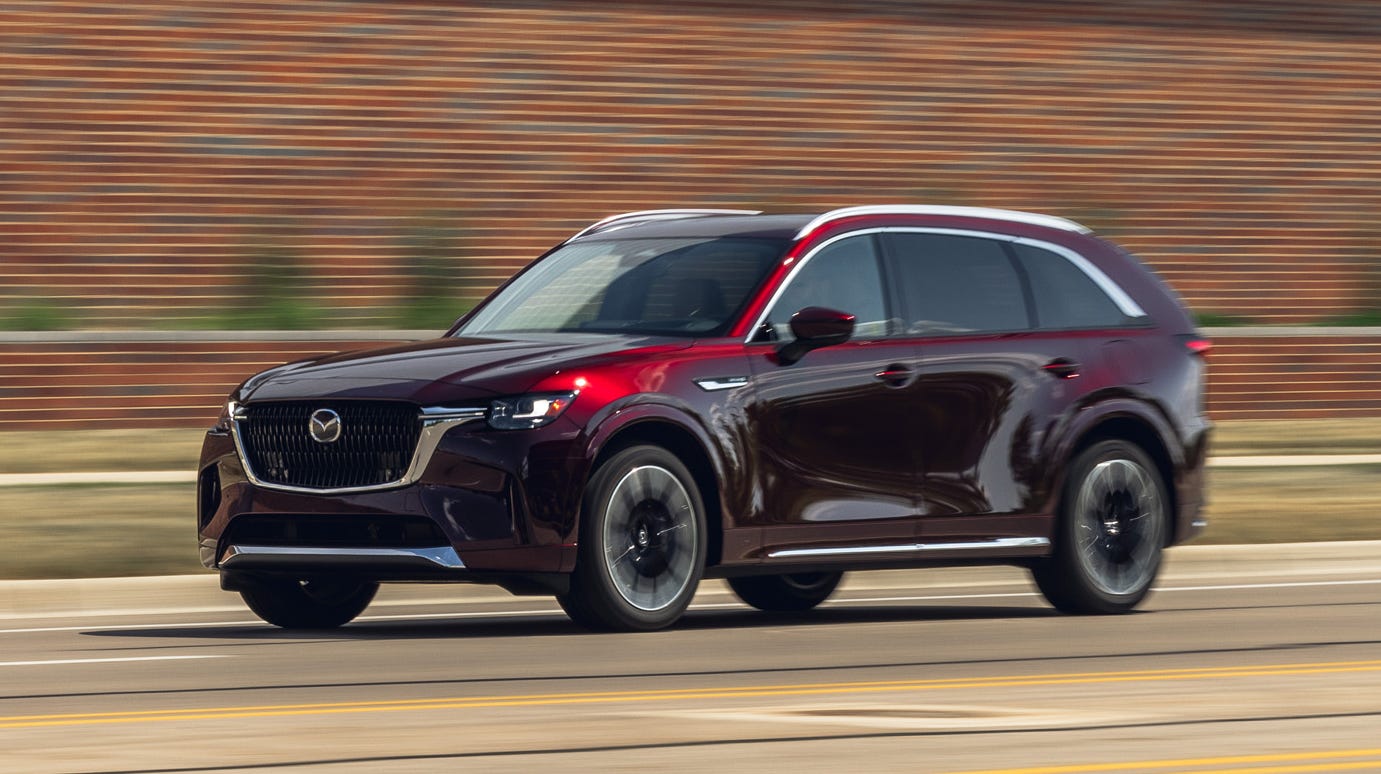
6. Mazda CX-90 PHEV Premium Plus AWD
Mazda approaches active safety from a design philosophy centered on driver awareness rather than driver replacement, and that philosophy produces a pedestrian detection implementation that works with the driver rather than around them.
CX-90 PHEV Premium Plus AWD combines plug-in hybrid efficiency with Mazda’s i-Activsense safety suite in a three-row crossover that has earned strong pedestrian AEB ratings through a combination of sensor capability and system calibration that reflects real-world pedestrian encounter geometry.
i-Activsense on the CX-90 uses a forward-facing camera and radar combination supported by a 360-degree monitoring system that integrates front, rear, and side camera inputs into a unified environmental awareness picture. Pedestrian detection draws primarily from the forward camera and radar but is informed by the broader monitoring system’s awareness of activity around the vehicle.
This broader situational awareness is particularly relevant in urban environments where pedestrian activity occurs simultaneously on multiple sides of the vehicle rather than exclusively ahead of it. IIHS evaluation of Mazda’s pedestrian AEB performance in the CX-90 produced strong results in both daylight and nighttime scenarios, with the nighttime adult pedestrian scenario showing improved performance relative to earlier Mazda safety systems.
Driver awareness features that complement the electronic detection system include a driver attention alert that monitors steering behavior for patterns associated with drowsiness or distraction. A driver who is fatigued or distracted is statistically more likely to miss a pedestrian before the electronic system identifies the threat.
By alerting a drowsy driver earlier in the process, Mazda’s system increases the probability that the driver notices and responds to a pedestrian before AEB intervention becomes necessary. Plug-in hybrid operation in the CX-90 PHEV means the vehicle operates in electric-only mode at lower speeds in urban environments where pedestrian encounter rates are highest. Electric operation eliminates engine noise that can mask acoustic cues relevant to driver awareness.
Mazda’s acoustic vehicle alerting system at low speeds generates a warning tone that pedestrians can hear when the CX-90 is operating silently on electric power alone. This combination of electronic pedestrian detection, driver alerting, and acoustic pedestrian warning creates a layered protection approach that addresses pedestrian safety from multiple directions simultaneously.
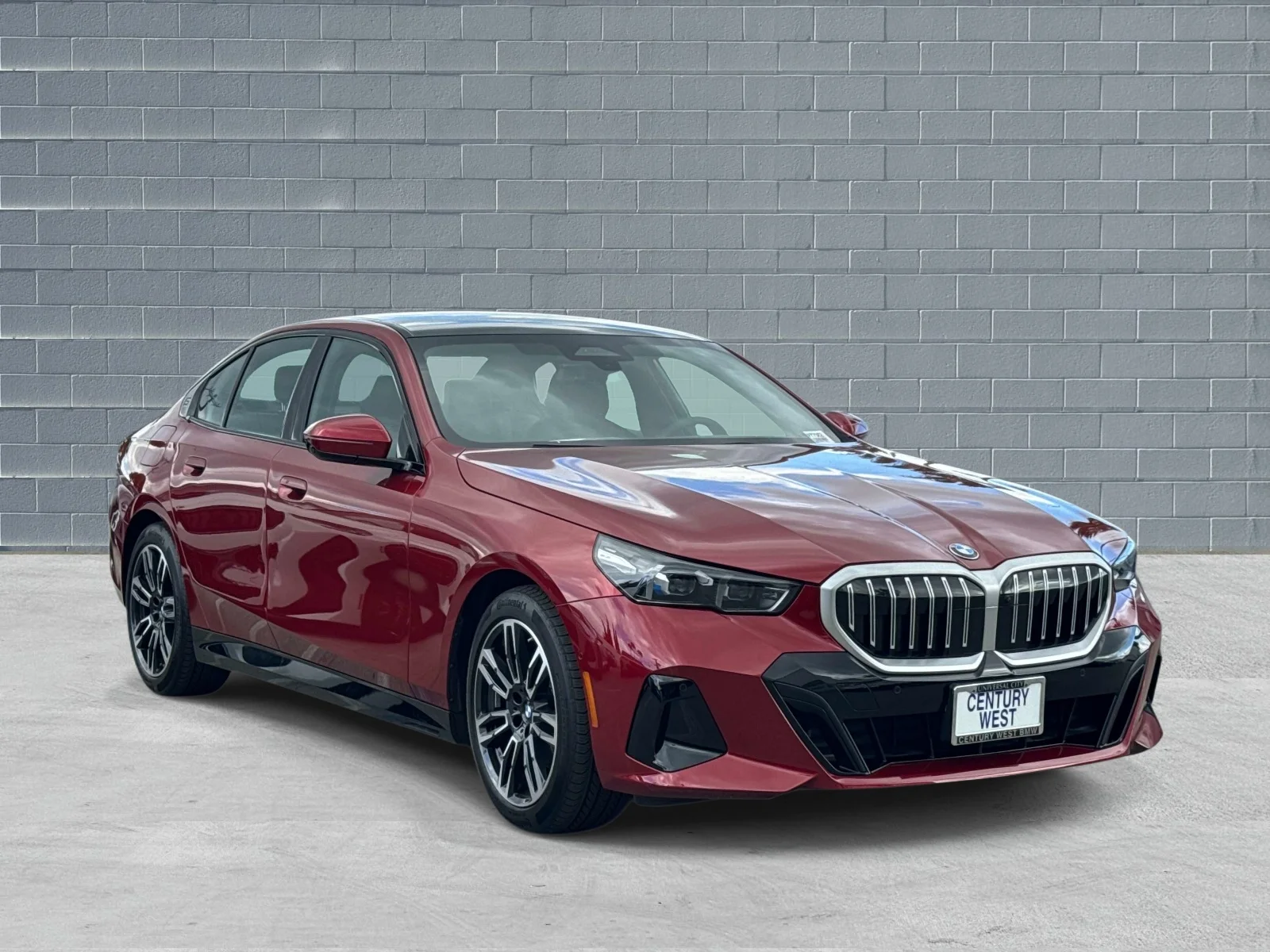
7. BMW 5 Series 530i xDrive Sedan
BMW positions its engineering philosophy around precision control, and that approach extends directly into pedestrian detection performance on the 530i xDrive Sedan. The system is designed to recognise genuine pedestrian risk while limiting false alerts that can reduce driver trust in automated assistance features. That balance plays a major role in how Active Driving Assistant performs during real traffic conditions.
The frontal collision warning system with City Collision Mitigation uses a stereo camera paired with radar sensors mounted at the front of the vehicle. Stereo camera technology allows the system to calculate depth perception by comparing two slightly offset visual inputs, while radar supports detection during low-visibility conditions such as rain or glare.
This combination provides consistent object recognition across varying road environments, especially in urban driving where lighting and traffic density change frequently. Testing by the IIHS on pedestrian automatic emergency braking performance placed the 530i xDrive among strong performers in the turning-into-pedestrian scenario.
That test measures how well a vehicle detects pedestrians while the vehicle is rotating through a turn, where sensor alignment becomes less direct. BMW’s calibration strategy improves response timing during these angled approach situations, allowing the system to react when a pedestrian enters the path during intersection turns.
Intersection-based protection functions extend beyond forward detection. The 530i xDrive includes systems that monitor cross-traffic at low speeds, supporting the detection of pedestrians moving from the side during parking lot exits or intersection turns. This additional coverage is important in urban traffic environments where pedestrian movement is not limited to forward-facing positions relative to the vehicle.
BMW ConnectedDrive supports software-based updates to the vehicle’s safety systems. This allows algorithm improvements to be delivered after purchase without requiring physical dealership intervention. Pedestrian detection logic can therefore be refined during the ownership period, allowing the system to reflect updated calibration standards as BMW continues refining its software models.
The combination of stereo vision, radar support, intersection detection logic, and software update capability creates a layered safety system that supports consistent pedestrian detection performance across varied driving environments.
Also Read: 8 Cars Where Coastal Florida Owners Pay Hidden Costs
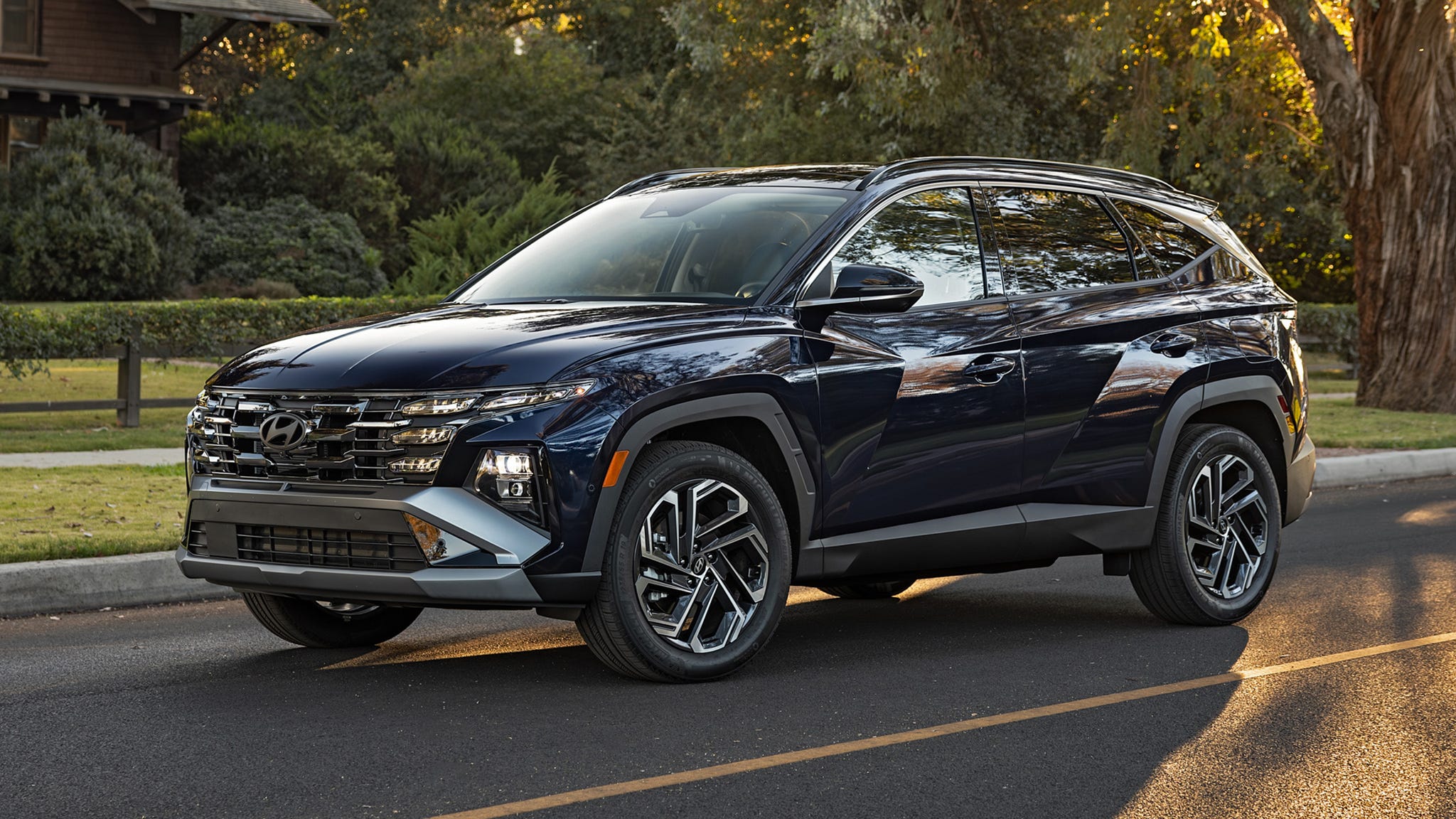
8. Hyundai Tucson Hybrid Limited AWD
Hyundai SmartSense represents the company’s active safety platform, and the Tucson Hybrid Limited AWD demonstrates how that system performs when applied to a widely accessible crossover segment. The vehicle delivers pedestrian detection capability that competes strongly with more expensive alternatives, especially in urban driving conditions where pedestrian interaction is frequent.
Forward Collision Avoidance Assist 2 uses a combination of front camera input and radar sensing to detect pedestrians, cyclists, and vehicles in the forward driving path. The updated version improves recognition of partially obscured pedestrians, including scenarios where a person steps into view from between parked vehicles.
That situation presents limited reaction time, making detection speed and accuracy important for reducing collision risk. IIHS testing results for the Tucson Hybrid’s pedestrian automatic emergency braking system place it among strong performers in the compact crossover category.
This segment is highly competitive, with many manufacturers offering similar safety packages, yet Hyundai’s tuning of SmartSense systems provides reliable detection performance at a price point that remains accessible to a wide range of buyers.
Blind spot collision warning adds lateral awareness for pedestrians and cyclists positioned beside the vehicle. While forward detection handles direct path scenarios, this system monitors adjacent zones where pedestrians may walk close to the vehicle during slow movement or lane changes. That additional layer improves awareness in crowded urban settings where the space between vehicles and pedestrians is limited.
Safe Exit Warning adds protection during door-opening situations. Sensors monitor approaching traffic from behind the vehicle and issue alerts if a cyclist or pedestrian is approaching from the rear. This reduces the chance of door-related incidents in parking areas and roadside stops, where rear approach detection becomes particularly relevant.
Hybrid powertrain efficiency in the Tucson Hybrid Limited delivers fuel consumption in the mid-to-high 30 miles per gallon range, depending on driving conditions. This efficiency reduces operating cost while pairing with safety systems that are already competitive within the segment.
AWD availability adds traction support for weather-related driving conditions without affecting the core safety architecture. The Tucson Hybrid Limited combines pedestrian detection, lateral awareness systems, and exit protection features in a package that delivers strong safety coverage within a mainstream pricing structure.
