
Living near the coast in Florida sounds ideal for many drivers. Warm weather, ocean views, palm-lined highways, and year-round sunshine create the perfect setting for car ownership. Yet beneath the attractive lifestyle lies a reality many buyers overlook when choosing a vehicle.
Coastal Florida creates one of the harshest environments for long-term automotive ownership in the United States. Salt-heavy air, high humidity, intense ultraviolet exposure, flooding risks, sand intrusion, and extreme heat all combine to create expensive maintenance challenges that can quietly drain a driver’s budget over time.
Some vehicles handle these conditions reasonably well, while others develop problems much faster than owners expect. Many drivers focus heavily on purchase price, horsepower, luxury features, or fuel economy without understanding how regional conditions can dramatically change ownership costs.
Florida’s coastal environment accelerates corrosion in metal components, weakens paint quality, damages electronic systems, and increases wear on cooling systems and suspension parts. Luxury vehicles with complicated electronics often struggle in humid conditions, while certain sports cars face costly repairs from low ground clearance and salt exposure.
Even electric vehicles can encounter unexpected battery cooling issues when exposed to prolonged heat and moisture. Insurance costs can also rise substantially in coastal regions because of hurricane risks, flood claims, and expensive repair parts. Some owners discover these hidden expenses only after several years of ownership, when repair bills begin stacking up far beyond original expectations.
The issue becomes more severe in cities located directly along the Atlantic and Gulf coasts. Areas such as Miami, Tampa, Naples, Fort Lauderdale, and Clearwater expose vehicles to constant airborne salt and moisture. Parking near beaches increases underbody corrosion significantly.
Flooded roads during hurricane season can destroy electrical systems in modern vehicles within hours. Cars that perform perfectly well in dry inland states often age much faster in coastal Florida. This creates a unique ownership experience where reliability rankings from national studies do not always reflect local realities.
Another overlooked factor involves resale value. Coastal Florida buyers are increasingly aware of flood damage histories, rust concerns, and sun-related interior wear. Vehicles known for expensive repairs or fragile components may lose value faster in these regions than in other parts of the country.
A car that appears affordable at purchase may become financially draining after five years of ownership due to accelerated wear and maintenance needs. Buyers who fail to account for these regional conditions often regret their decisions later.
This article examines eight vehicles that commonly create hidden ownership costs for drivers living near coastal Florida communities. In many parts of the country, they perform very well.
However, Florida’s coastal climate exposes specific weaknesses that can lead to expensive repairs, insurance premiums, depreciation losses, and maintenance headaches. Understanding these risks before purchasing can help drivers make smarter long-term financial decisions while protecting themselves from costly surprises.
Also Read: 10 Cars With Insurance Premiums Lower Than a Compact Sedan
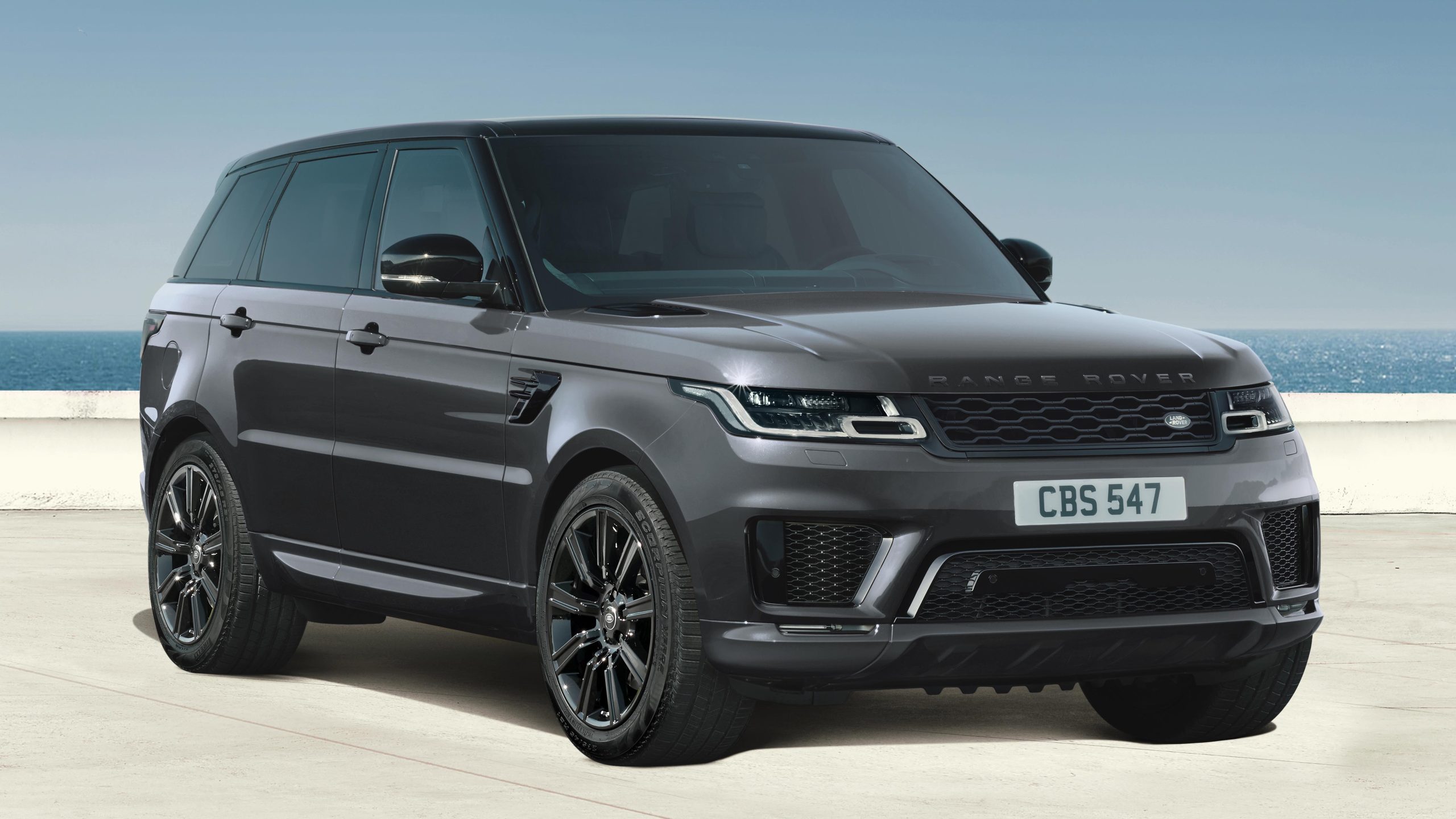
1. Range Rover Sport
The Range Rover Sport attracts many coastal Florida buyers because of its luxury image, strong performance, and upscale interior. It fits naturally into affluent beach communities where appearance and prestige matter. However, long-term ownership costs in humid coastal environments can become overwhelming for many owners.
The combination of advanced electronics and Florida’s salty air creates reliability concerns that are far more expensive than buyers initially expect. While the vehicle delivers a refined driving experience, maintaining that experience in coastal conditions often requires frequent repairs and specialized service.
One of the highest hidden costs comes from electronic system failures. Coastal humidity can slowly affect sensitive wiring connections and modules throughout the vehicle. Features such as air suspension controls, infotainment systems, cameras, and sensors may begin malfunctioning after prolonged exposure to moisture and heat.
Diagnosing these issues usually requires dealership-level equipment, and repairs can quickly exceed thousands of dollars. Many owners discover that even small electrical problems in a Range Rover Sport rarely remain inexpensive.
Air suspension repairs also become a major financial burden in Florida. Salt-laden air accelerates wear on suspension components, especially when vehicles are regularly driven near beaches or flooded roads.
Compressor failures, leaking air struts, and ride height sensor problems are common complaints. Because the Range Rover Sport relies heavily on sophisticated suspension technology for its signature comfort, owners cannot easily ignore these issues. Repairs often arrive long before drivers expect them.
Interior deterioration represents another hidden expense. Florida’s ultraviolet exposure is extremely harsh on leather dashboards, trims, and upholstery. While luxury interiors look stunning when new, they may develop cracking, fading, or adhesive separation after years of coastal heat exposure. Replacement parts and upholstery restoration for luxury British SUVs are rarely affordable. Tinted windows and covered parking help, but many owners still experience accelerated cabin aging.
Insurance and depreciation also contribute to ownership costs. Luxury SUVs carry high insurance premiums in coastal Florida because of hurricane risks and expensive replacement parts. Flood damage claims involving luxury electronics can be especially costly for insurers. As a result, premiums often rise faster than owners expect. Depreciation can also become severe once the warranty expires, since used buyers know repair expenses can escalate dramatically.
Fuel economy may not seem like a hidden cost at first, but premium fuel requirements combined with stop-and-go coastal traffic increase operating expenses significantly. Drivers commuting through busy tourist areas often experience lower real-world efficiency than advertised.
Over several years, these fuel costs have become substantial, especially alongside expensive maintenance bills. For many coastal Florida owners, the luxury appeal eventually becomes overshadowed by relentless repair and ownership expenses.
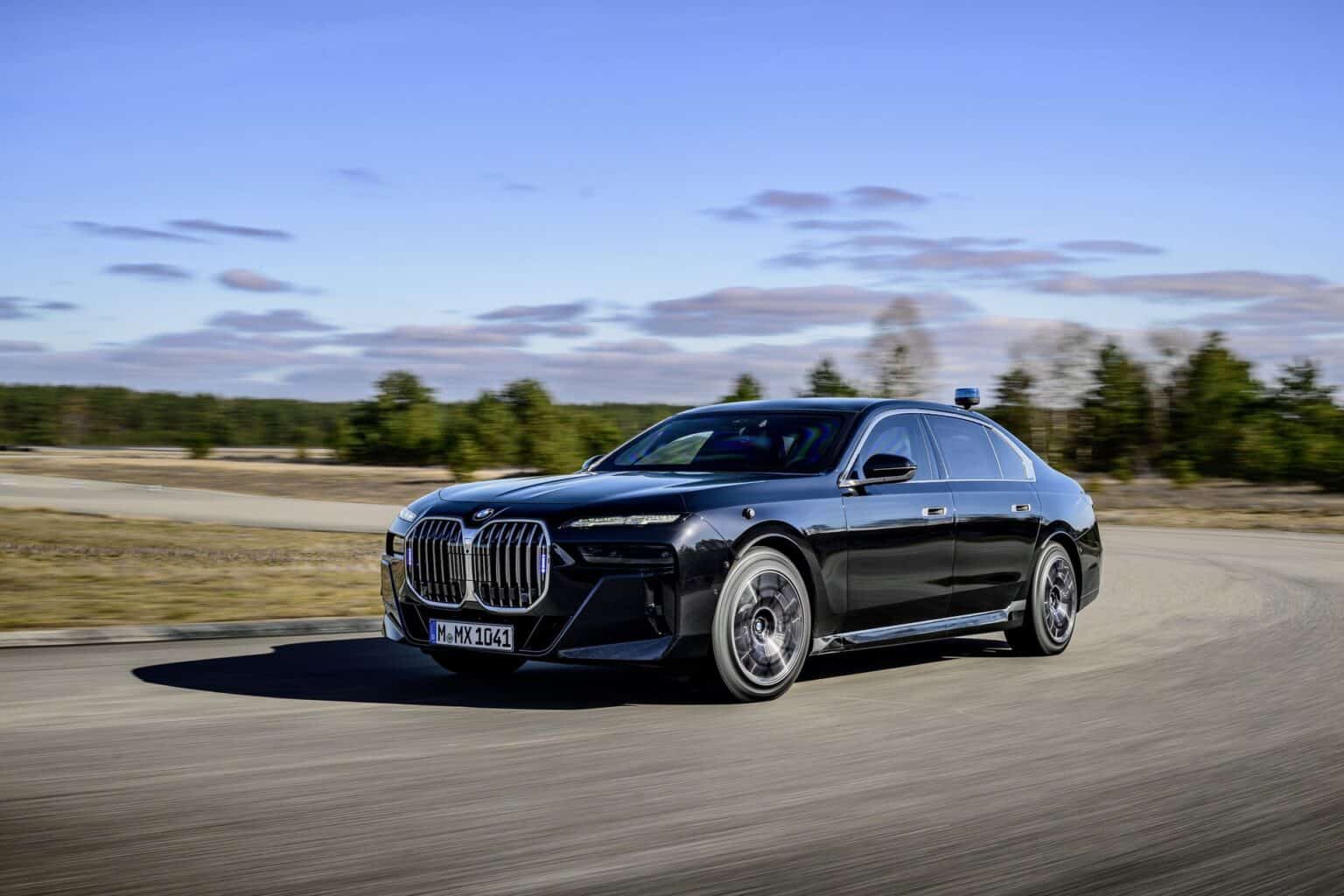
2. BMW 7 Series
The BMW 7 Series offers impressive technology, refined comfort, and executive-level prestige. It is popular among retirees, professionals, and seasonal residents in wealthy Florida communities. Yet this flagship luxury sedan can become extremely expensive to maintain in coastal climates. The same advanced engineering that makes the vehicle attractive also creates vulnerability to Florida’s heat, humidity, and salt exposure.
Modern 7 Series models contain an enormous number of electronic systems controlling everything from seat adjustments to adaptive suspension settings. Coastal humidity increases the likelihood of sensor failures, electrical glitches, and communication problems between modules.
Owners may encounter warning lights that require extensive diagnostics. Even simple issues can become expensive because multiple systems are interconnected. Repairing luxury German electronics in coastal conditions often becomes a recurring ownership burden.
Cooling system wear is another costly issue. Florida’s constant heat places heavy strain on radiators, water pumps, hoses, and cooling fans. BMW cooling systems are already known for requiring careful maintenance, and coastal climates accelerate wear further.
Overheating risks increase during summer traffic congestion, particularly in tourist-heavy beach cities. Preventative maintenance becomes essential, yet many owners underestimate how quickly these components deteriorate under extreme heat and humidity.
The low profile tires and large wheels commonly found on the 7 Series also create hidden expenses. Coastal Florida roads may appear smooth, but potholes, construction zones, and flood damaged pavement can destroy expensive performance tires quickly. Salt exposure can also affect wheel finishes over time. Replacement tires for luxury sedans are expensive, especially when owners must replace multiple tires at once to protect All Wheel Drive systems.
Interior climate systems represent another financial challenge. Air conditioning is essential in Florida, and luxury vehicles often rely on highly sophisticated climate controls. Compressors, ventilation systems, and electronic actuators work constantly in hot coastal weather.
Repairs involving these systems can become surprisingly expensive. Drivers who spend long periods in traffic with maximum cooling settings may experience faster component wear than owners in cooler climates.
Depreciation becomes especially severe once older BMW luxury sedans leave warranty coverage. Coastal buyers often avoid aging luxury cars because of flood concerns and expensive repair histories. As maintenance costs rise, resale values drop sharply. Many owners are shocked by how quickly a once-expensive luxury sedan loses market appeal after several years near the coast. The hidden cost is not just repairs but also the dramatic loss in long-term value.
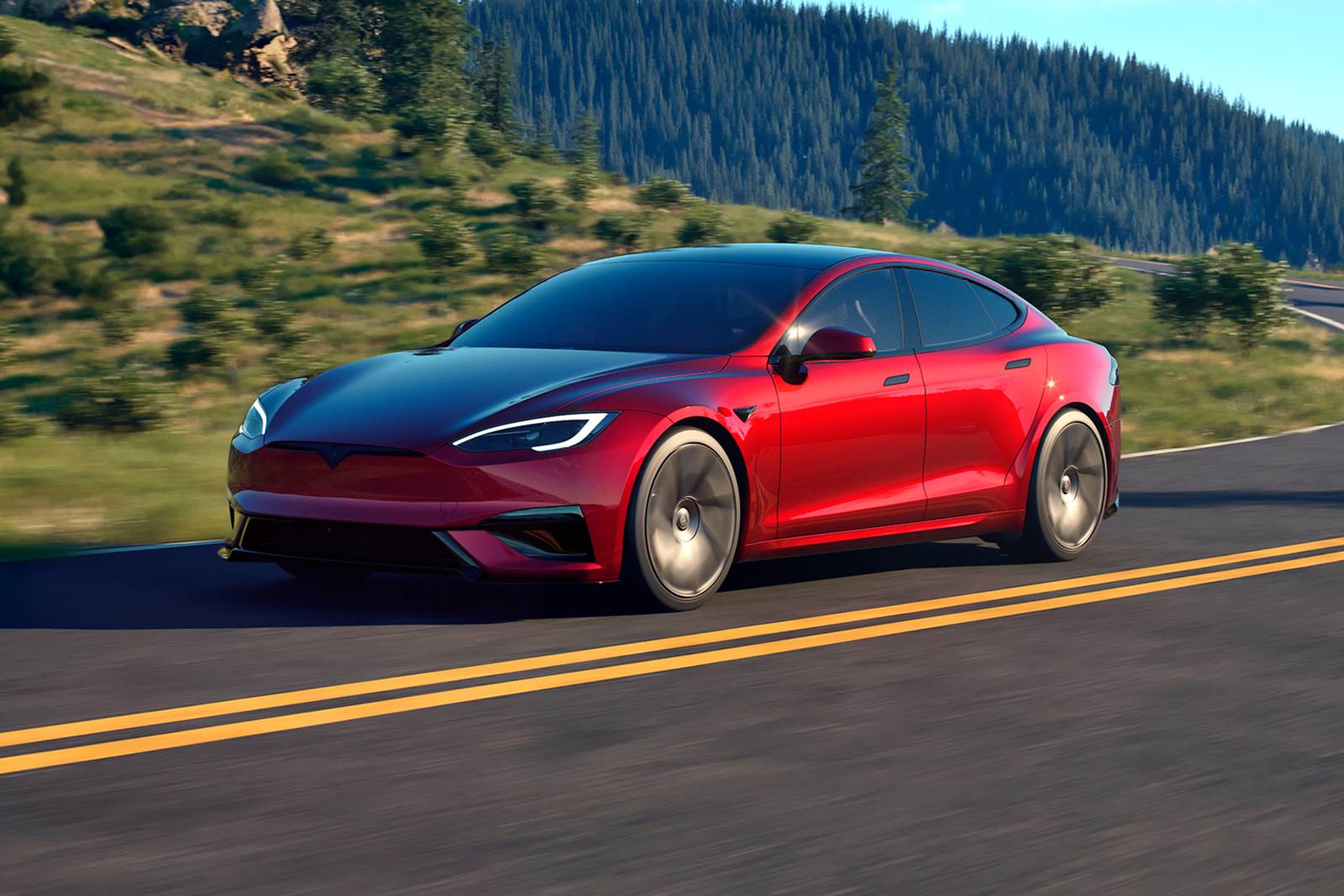
3. Tesla Model S
The Tesla Model S is often praised for innovation, acceleration, and advanced software features. Florida buyers are drawn to the quiet driving experience and freedom from gasoline costs. However, coastal Florida ownership introduces several hidden expenses that many electric vehicle buyers fail to anticipate. Heat, humidity, hurricane risks, and charging challenges create a more complicated ownership experience than expected.
Battery cooling becomes a significant concern in Florida’s climate. High temperatures place stress on battery management systems, especially when vehicles remain parked outdoors for long periods. Constant exposure to heat can gradually affect battery performance and long-term efficiency.
While Tesla designs advanced thermal systems, maintaining optimal battery conditions in coastal heat requires energy consumption that reduces driving range and increases electricity usage.
Salt exposure presents another issue. Coastal air can affect underbody components, charging ports, and suspension parts over time. Electric vehicles contain sensitive electronics throughout the chassis, and flood exposure can become catastrophic. Even shallow floodwater can lead to battery-related concerns or electrical system damage. Insurance companies recognize these risks, which contribute to higher premiums in hurricane-prone regions.
Repair availability and wait times create additional hidden costs. Tesla service centers are less widespread than traditional dealerships in many areas. Coastal Florida owners sometimes face long delays for repairs or replacement parts after storms or regional emergencies.
If a vehicle becomes inoperable, towing and transportation costs may increase because specialized service is required. Unlike conventional vehicles, independent repair options remain limited for many Tesla components.
Tire wear also surprises many owners. The instant torque delivered by electric motors causes performance tires to wear faster than expected. In stop-and-go Florida traffic, frequent acceleration can shorten tire life considerably. Replacement tires for the Model S are expensive, and alignment issues may develop from rough roads or potholes caused by flooding and heavy rain.
Insurance costs represent perhaps the biggest hidden expense for some owners. Electric vehicles already carry higher repair costs due to battery systems and specialized components. In coastal Florida, hurricane exposure and flood risks raise premiums further.
Minor accidents can result in surprisingly high repair estimates because sensors, cameras, and battery-related systems are expensive to replace. While owners may save money on fuel, those savings are often offset by insurance, tire replacement, and long-term repair concerns.
4. Mercedes-Benz S Class
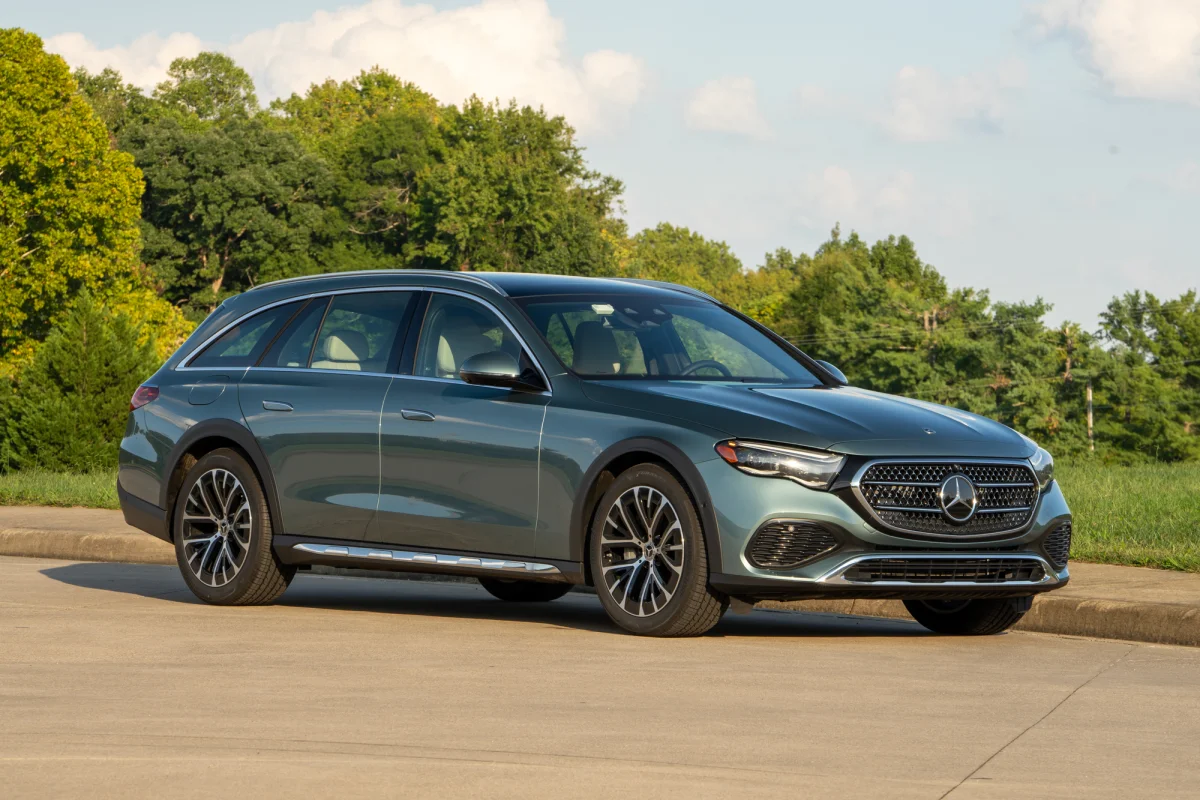
The Mercedes-Benz S-Class has long symbolized luxury and status. Coastal Florida communities contain many examples of this prestigious sedan, especially among retirees and affluent seasonal residents. Yet ownership costs in humid and salt-heavy environments can become significantly higher than expected. The S Class combines complex engineering with delicate luxury materials, making it particularly vulnerable to coastal wear.
Electronic complexity is one of the largest concerns. The S Class contains advanced driver assistance systems, adaptive suspension technology, powered comfort features, and multiple onboard computers. Florida humidity can contribute to electrical failures over time, especially when vehicles are parked outdoors near the coast. Moisture intrusion may affect sensors, wiring harnesses, and control modules. Diagnosing and repairing these systems requires specialized expertise and expensive replacement parts.
Suspension systems also become expensive maintenance items. Air suspension technology provides the smooth ride expected from a flagship Mercedes sedan, but coastal conditions accelerate component deterioration. Salt exposure and high humidity can weaken seals, compressors, and suspension lines. Once suspension issues begin appearing, repair costs can escalate rapidly. Many owners experience multiple suspension-related repairs during long-term ownership.
Paint and exterior trim damage create another hidden cost. Florida sunlight is relentless, and luxury finishes require regular protection to maintain appearance. Chrome trim, clear coat surfaces, and rubber seals may deteriorate faster in coastal environments. Owners who want to preserve resale value often invest heavily in detailing, ceramic coatings, and covered storage. These preventative measures add substantial ownership expenses over time.
Luxury interiors also struggle under extreme heat. Leather seats, wood trim, and dashboard materials may fade or crack despite careful maintenance. Air conditioning systems work continuously in Florida weather, placing additional stress on compressors and electronic climate controls. Repairs involving luxury interior systems can easily exceed expectations, especially as vehicles age beyond warranty coverage.
Depreciation remains another serious issue. High-end luxury sedans lose value quickly once maintenance histories become uncertain. Coastal buyers are particularly cautious about flood exposure and electronic reliability. As repair costs rise, resale demand weakens significantly. Owners who expected strong long-term value often discover that aging luxury sedans become difficult to sell profitably in coastal Florida markets.
5. Chevrolet Corvette
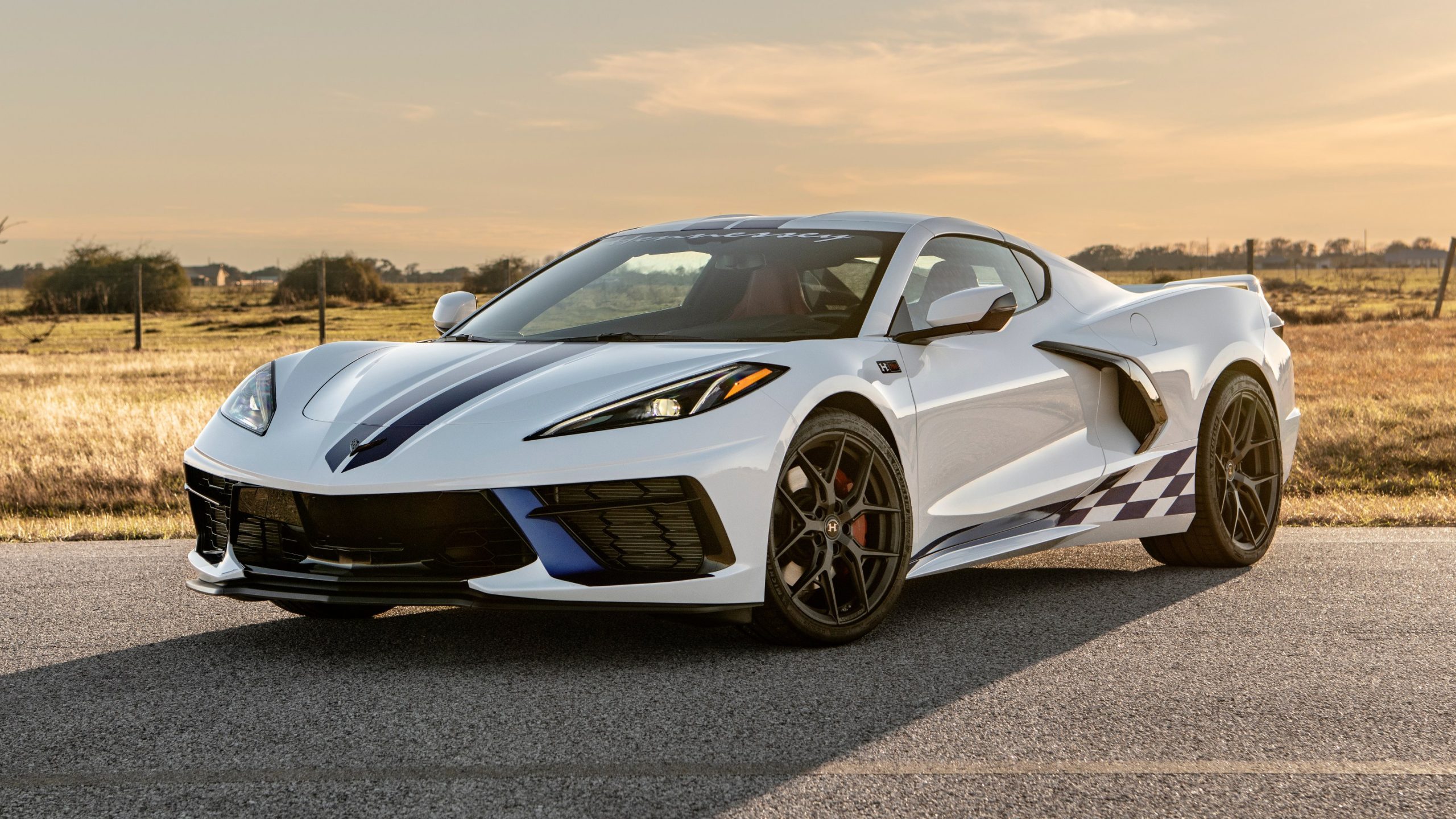
The Chevrolet Corvette may seem perfectly suited for Florida’s sunny coastal roads, but hidden ownership costs can surprise many buyers. Sports car enthusiasts love the Corvette’s performance and styling, yet coastal conditions introduce challenges that increase maintenance and repair expenses significantly over time.
Low ground clearance creates one immediate issue. Coastal Florida roads often experience flooding during heavy storms, high tides, and hurricane season. Even shallow standing water can damage underbody components or create serious risks for low-slung sports cars. Owners frequently spend money repairing front splitters, suspension components, and underbody panels damaged by uneven roads or flooded intersections.
Salt exposure also accelerates wear underneath the vehicle. While modern Corvettes feature corrosion-resistant materials, suspension hardware, brake components, and exhaust systems remain vulnerable over long periods near the coast. Owners who drive frequently near beaches may notice accelerated rust or deterioration compared to inland drivers. Preventative cleaning and detailing become essential, adding recurring maintenance costs.
Performance tires wear quickly in Florida heat. The Corvette’s powerful engine and aggressive handling setup place heavy demands on tires, especially in warm climates where rubber compounds soften faster. Replacing high-performance tires can become extremely expensive, particularly for drivers who enjoy spirited acceleration on coastal highways. Summer heat also increases the risk of tire damage from potholes and rough pavement.
Insurance premiums are another hidden expense. Sports cars carry elevated insurance rates because of repair costs and accident risks. In coastal Florida, hurricane exposure pushes premiums even higher. Flooding can destroy electronics and interior materials rapidly, making insurers cautious about covering performance vehicles in vulnerable regions. Younger drivers may face especially steep rates.
Interior wear may not seem obvious initially, but Florida sunlight can damage sports car cabins quickly. Leather seats, dashboards, and trim materials absorb intense heat when parked outdoors. Convertibles face additional risks from moisture intrusion and fabric roof deterioration.
Owners often spend heavily on sunshades, protective coatings, garage storage, and climate-controlled parking to preserve interior quality. Over several years, these preventative expenses add up substantially.
Also Read: 10 Cars That Survive Being Used as Daily Uber Vehicles
6. Jeep Wrangler
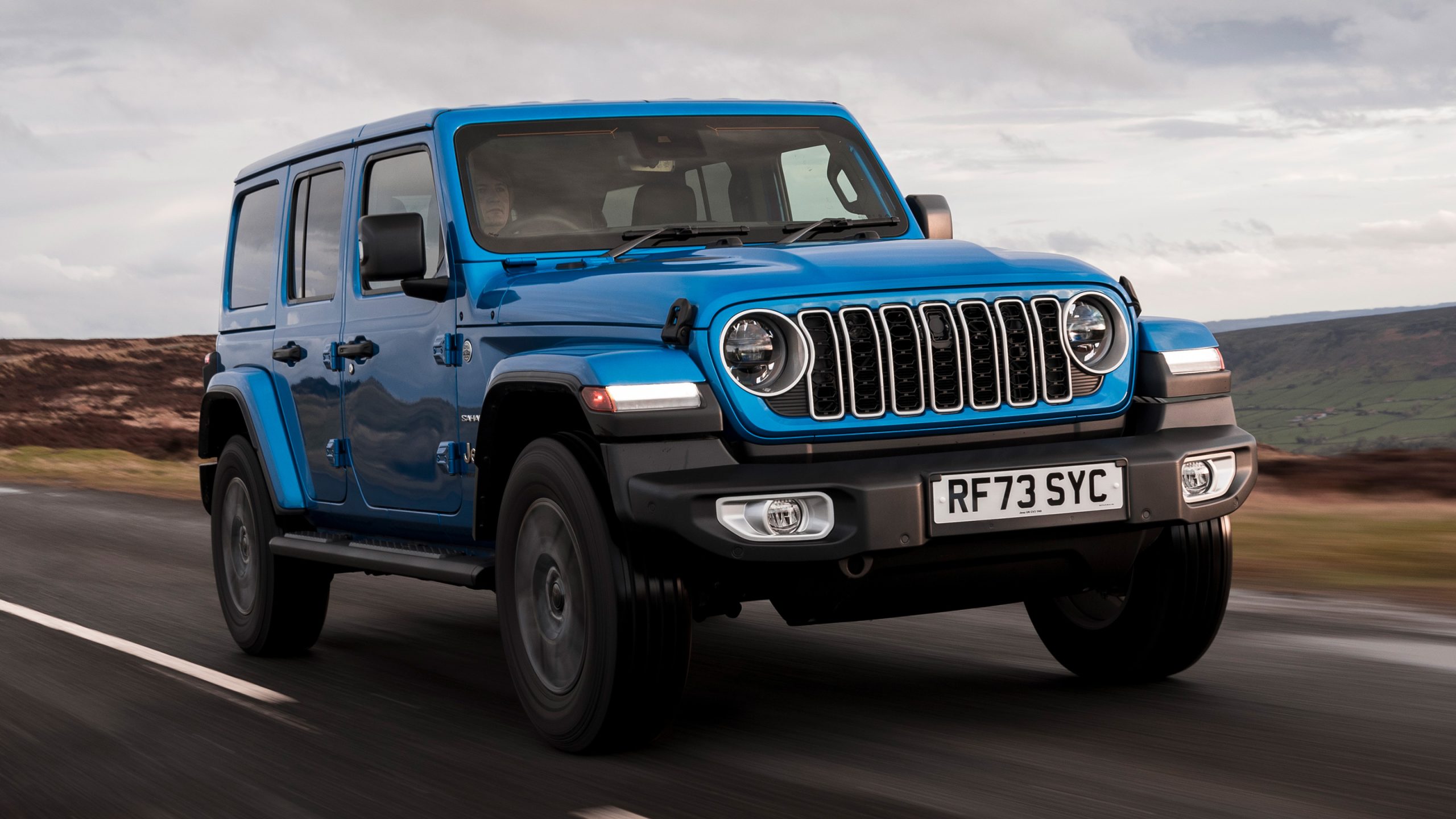
The Jeep Wrangler appears ideal for Florida’s outdoor lifestyle. Beach driving, coastal exploration, and open-air cruising make it highly appealing in seaside communities. However, many owners underestimate the hidden costs associated with long-term Wrangler ownership in humid coastal regions.
One major issue involves rust and corrosion. Although Wranglers are designed for rugged conditions, coastal salt exposure can accelerate frame and underbody deterioration significantly. Drivers who regularly visit beaches often expose suspension components, brake systems, and axles to corrosive sand and saltwater. Without thorough cleaning, rust may develop faster than expected. Repairing structural corrosion can become extremely expensive.
Soft tops and removable roof systems also create maintenance challenges. Florida’s intense sunlight weakens vinyl and rubber seals over time, increasing the likelihood of leaks and wind noise. Humidity encourages mold growth inside cabins if moisture enters through aging seals. Replacing tops, weather stripping, and interior components can become surprisingly costly, especially for owners who frequently remove roof panels.
Fuel economy represents another hidden expense. Wranglers are not particularly efficient vehicles, and coastal stop-and-go traffic reduces mileage further. Larger tires and lifted suspensions, common modifications among Jeep owners, worsen fuel consumption even more. Over years of ownership, gasoline costs have become substantial compared to more efficient SUVs.
Suspension and steering wear also increase in coastal environments. Sand, salt, potholes, and uneven roads place stress on steering components and bushings. Many Wrangler owners modify suspension systems for appearance or off-road capability, but these upgrades often accelerate wear on other drivetrain components. Maintenance becomes more frequent than many casual buyers expect.
Insurance and resale concerns further increase ownership costs. Wranglers maintain strong resale value, but coastal flood histories can dramatically reduce buyer confidence. Hurricane-related claims may also increase insurance premiums in vulnerable regions. Owners who regularly expose their vehicles to beach driving conditions may face additional wear that lowers long-term resale appeal despite the Wrangler’s popularity.
7. Audi Q7
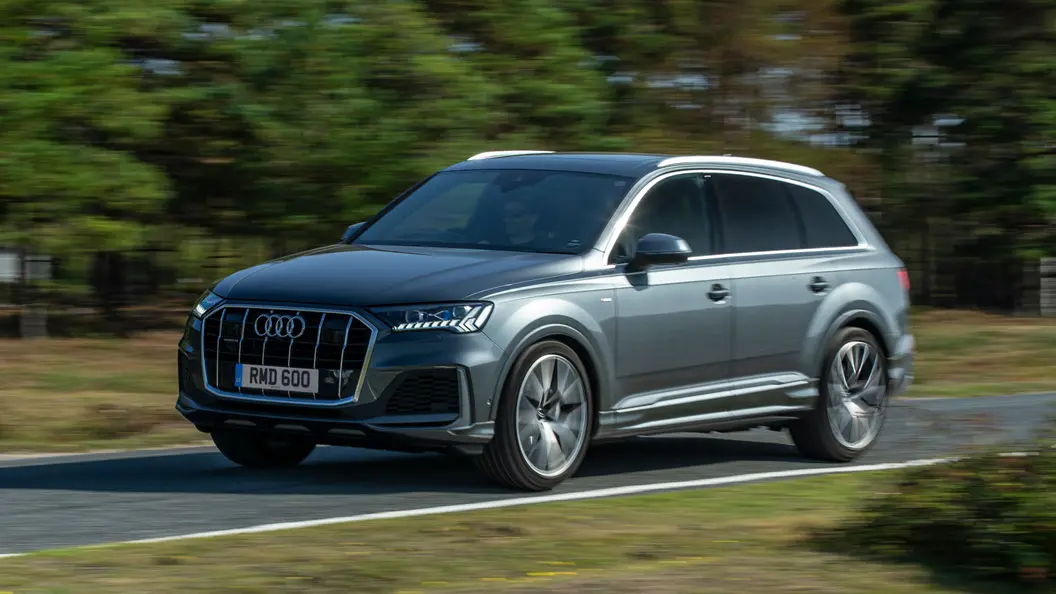
The Audi Q7 combines luxury, practicality, and sophisticated technology, making it attractive to families and professionals in coastal Florida. Yet this upscale SUV can develop expensive maintenance issues in hot and humid conditions. Hidden costs often emerge gradually, catching owners off guard after warranties expire.
Electronic systems are among the biggest concerns. The Q7 relies heavily on sensors, cameras, digital displays, and computerized controls. Coastal humidity increases the likelihood of electrical malfunctions, especially as vehicles age. Moisture exposure can affect connectors and wiring, leading to intermittent issues that are difficult and expensive to diagnose.
Air suspension systems create another financial burden for some owners. While the smooth ride enhances comfort, suspension repairs involving compressors or leaking air springs can become extremely expensive. Salt exposure and moisture accelerate wear on these components. Many owners are unprepared for the cost of maintaining luxury suspension technology in harsh coastal conditions.
Interior materials may also deteriorate faster than anticipated. Florida sunlight damages leather, trim surfaces, and electronic touchscreens over time. Panoramic sunroofs, popular in luxury SUVs, increase cabin heat significantly when parked outdoors. Owners often invest in ceramic tinting, covered parking, and professional detailing to protect interior quality. These preventative measures add ongoing ownership expenses.
Depreciation and repair costs combine to create serious financial challenges after several years. Luxury German SUVs lose value rapidly once major maintenance concerns appear. Coastal buyers remain cautious about flood exposure and electronic reliability. As a result, aging Q7 models may become difficult to sell at favorable prices, particularly if maintenance records are incomplete or repairs have been delayed.
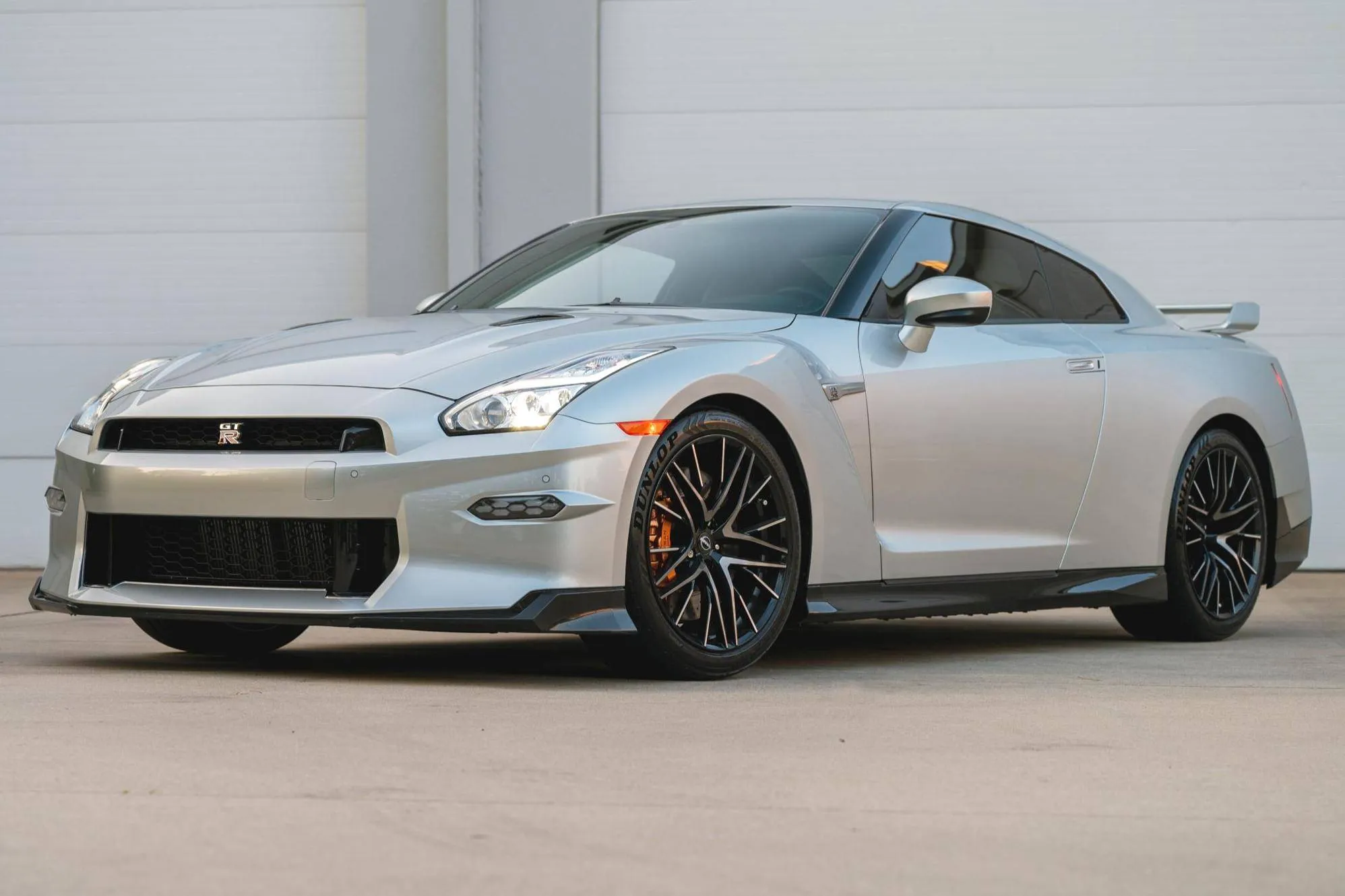
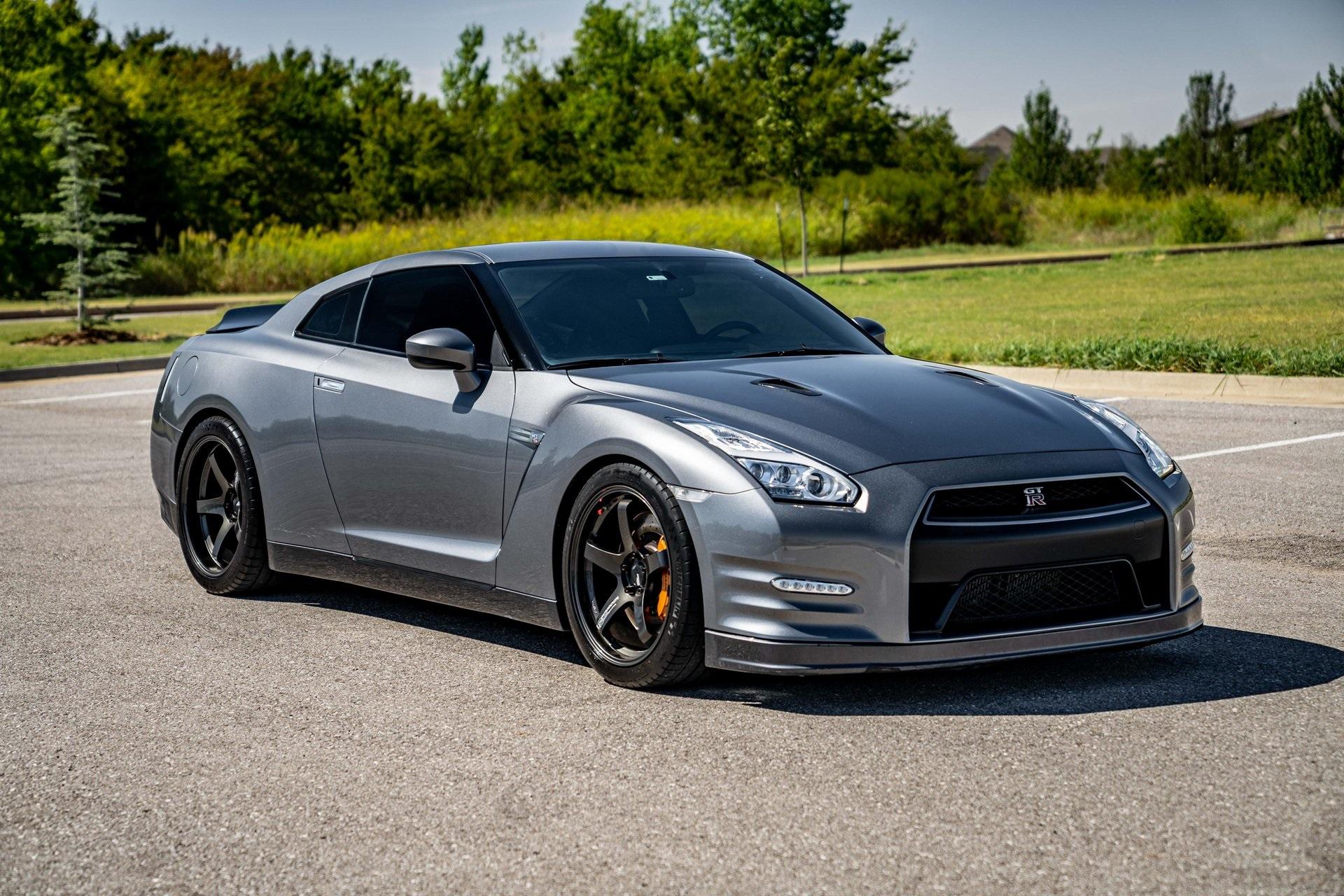
8. Nissan GT-R
The Nissan GT-R is respected for its extraordinary performance and advanced engineering. In coastal Florida, it attracts enthusiasts who enjoy speed and exotic styling without paying European supercar prices. However, hidden ownership costs can become surprisingly high in coastal conditions.
High-performance maintenance requirements represent one major issue. The GT R requires specialized servicing, premium fluids, and careful drivetrain maintenance. Florida heat increases stress on transmissions, cooling systems, and high-performance engines. Owners who drive aggressively in warm conditions may experience accelerated wear on expensive components.
Salt exposure creates additional risks for underbody hardware and brake systems. Performance cars often use large brake assemblies that can corrode more quickly near the coast. Suspension parts and exhaust systems also face accelerated wear from moisture and airborne salt. Owners who want to preserve performance and appearance often spend heavily on detailing and underbody protection.
Tires and brakes generate enormous hidden costs. The GT R’s performance capabilities place heavy demands on consumable components. Florida heat softens tire compounds, leading to faster wear. Replacement tires and brake components are extremely expensive, especially for drivers who frequently use the car’s acceleration capabilities. Routine maintenance costs far exceed those of ordinary sports cars.
Insurance premiums can become staggering in coastal Florida. The GT R combines high horsepower, expensive repair parts, and elevated hurricane exposure. Insurers recognize the financial risk involved in repairing flood-damaged performance vehicles. Even minor accidents may result in costly repairs because of specialized body panels and advanced drivetrain technology.
Resale concerns also affect long-term ownership value. Performance vehicles exposed to coastal environments may raise buyer concerns regarding corrosion, flooding, and maintenance history. Enthusiast buyers often inspect these cars carefully for signs of rust or salt exposure. Owners who fail to maintain detailed records and protective care routines may struggle to preserve resale value over time.
